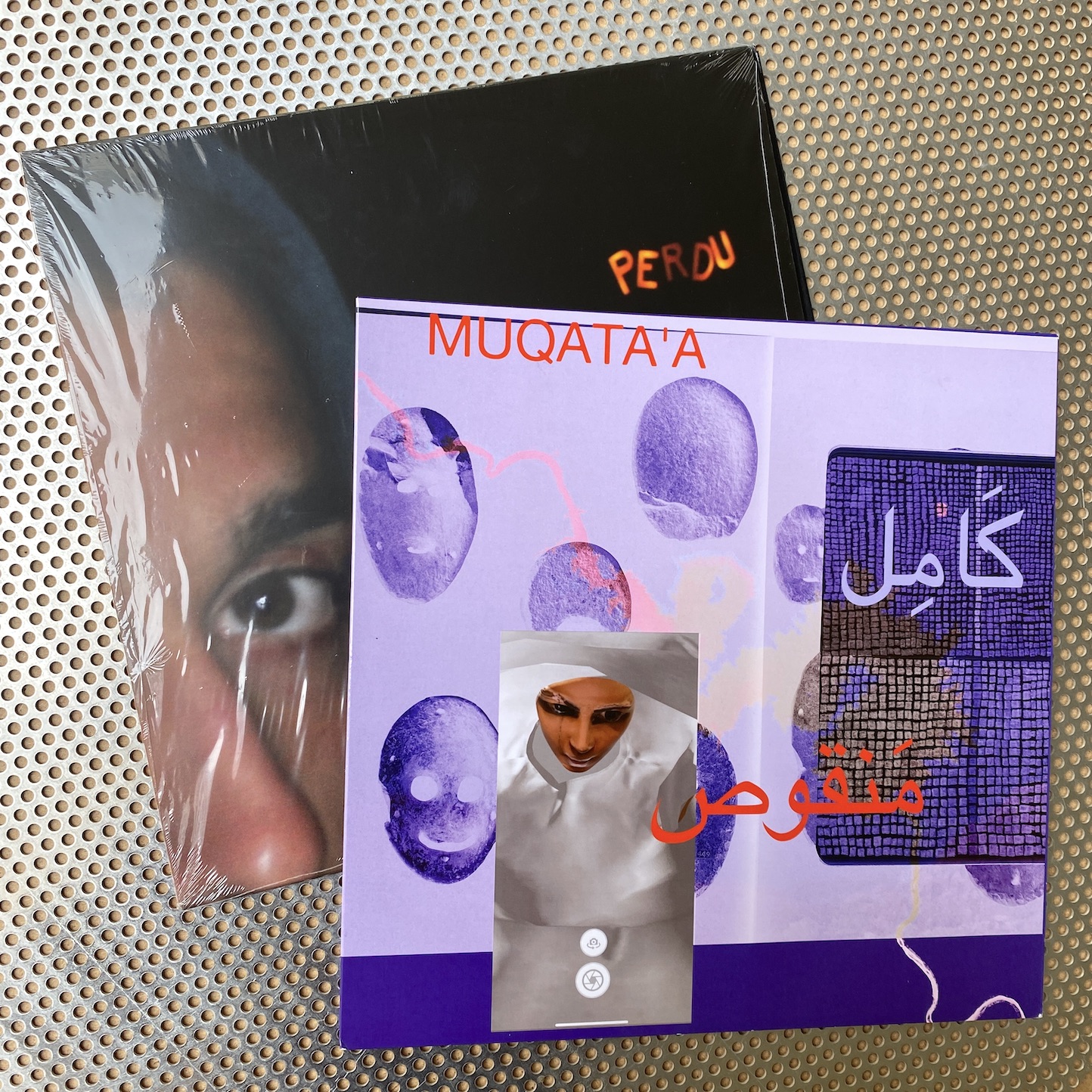
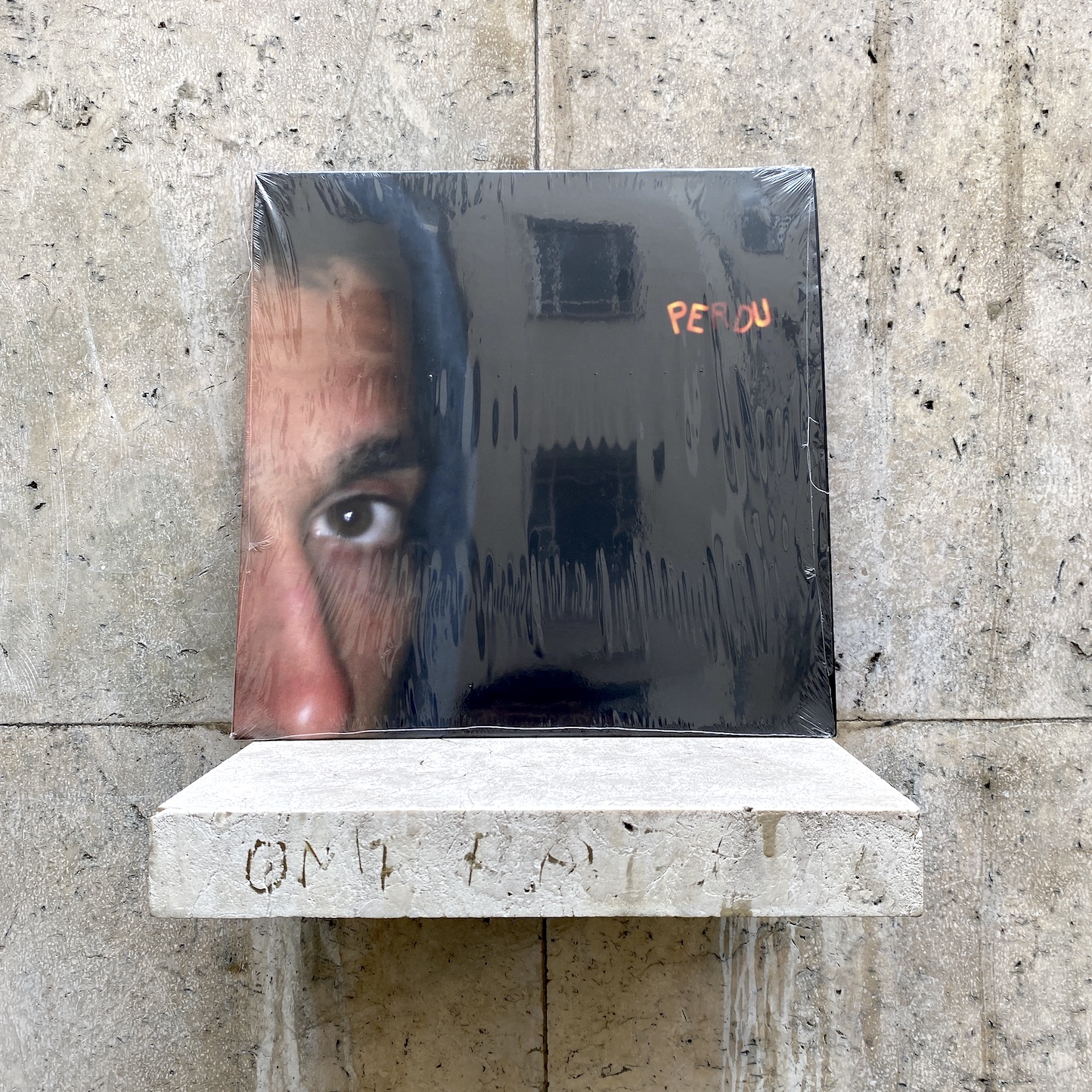
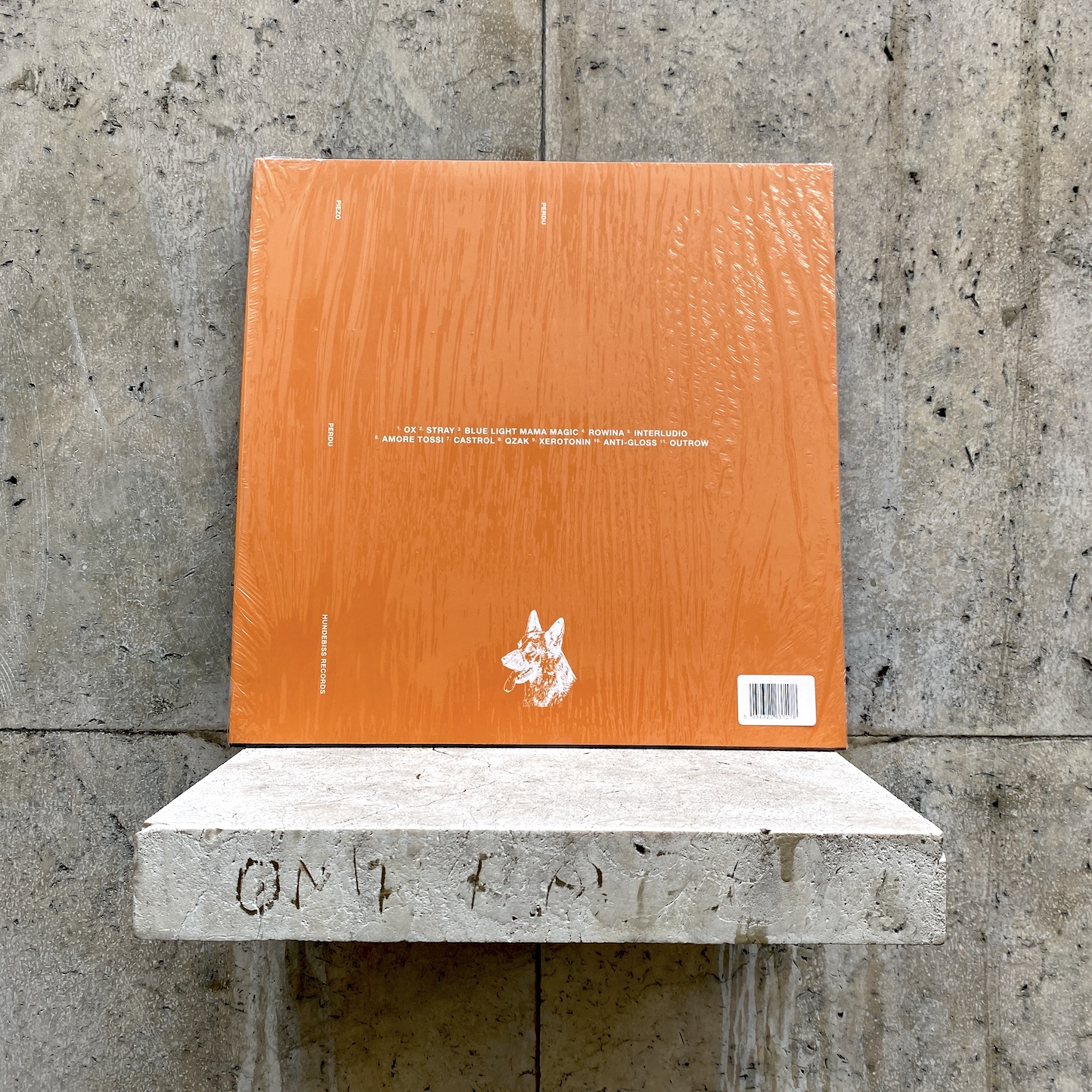
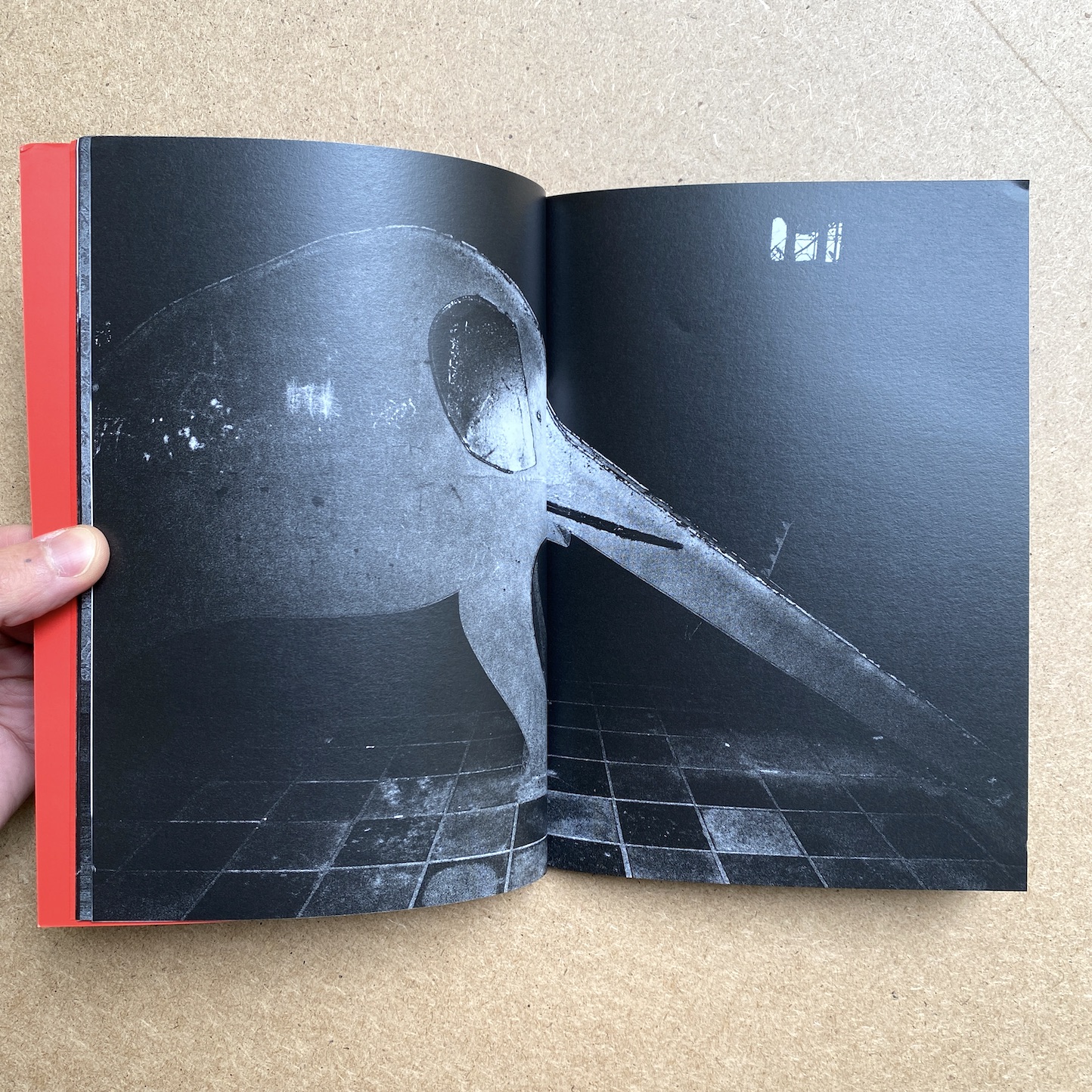
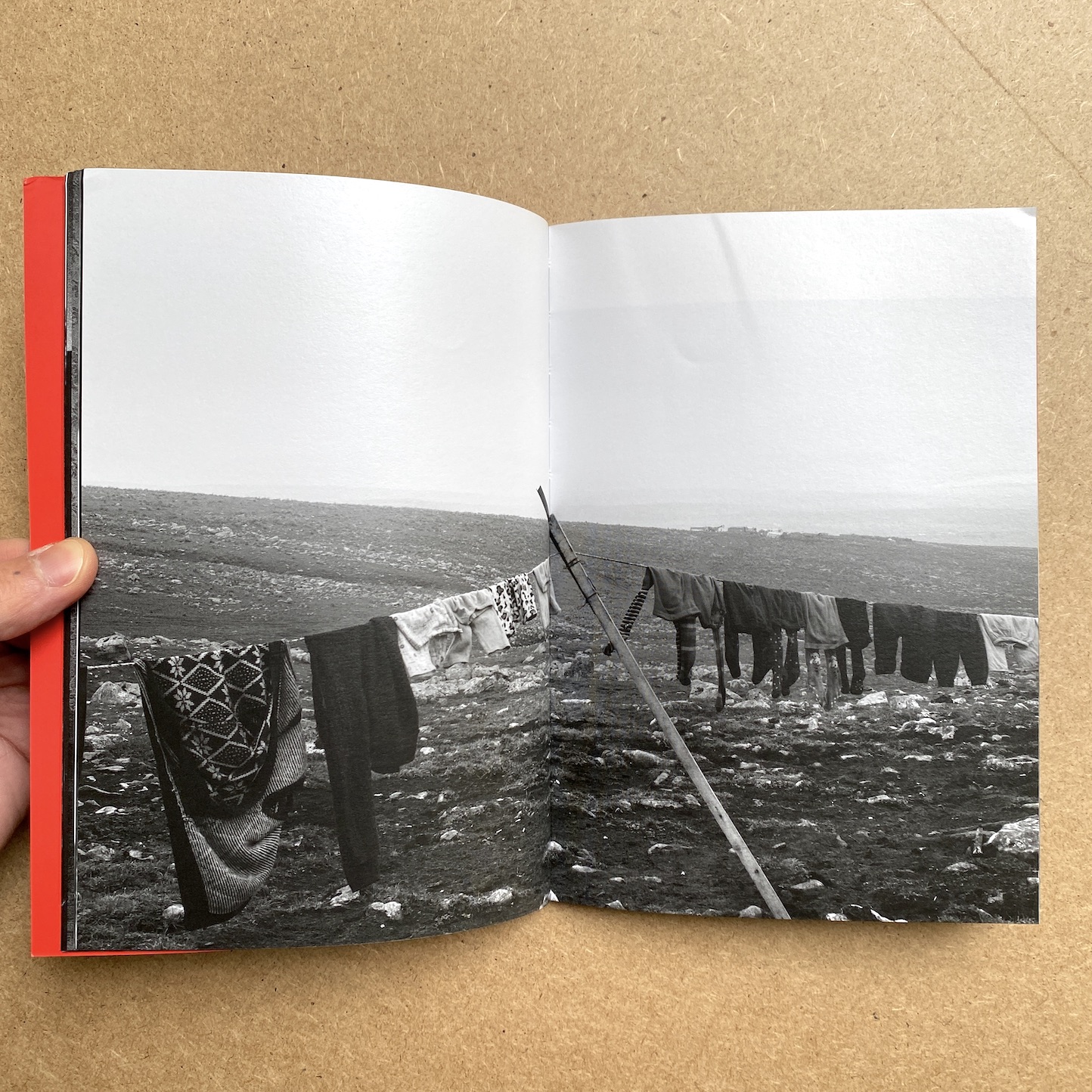
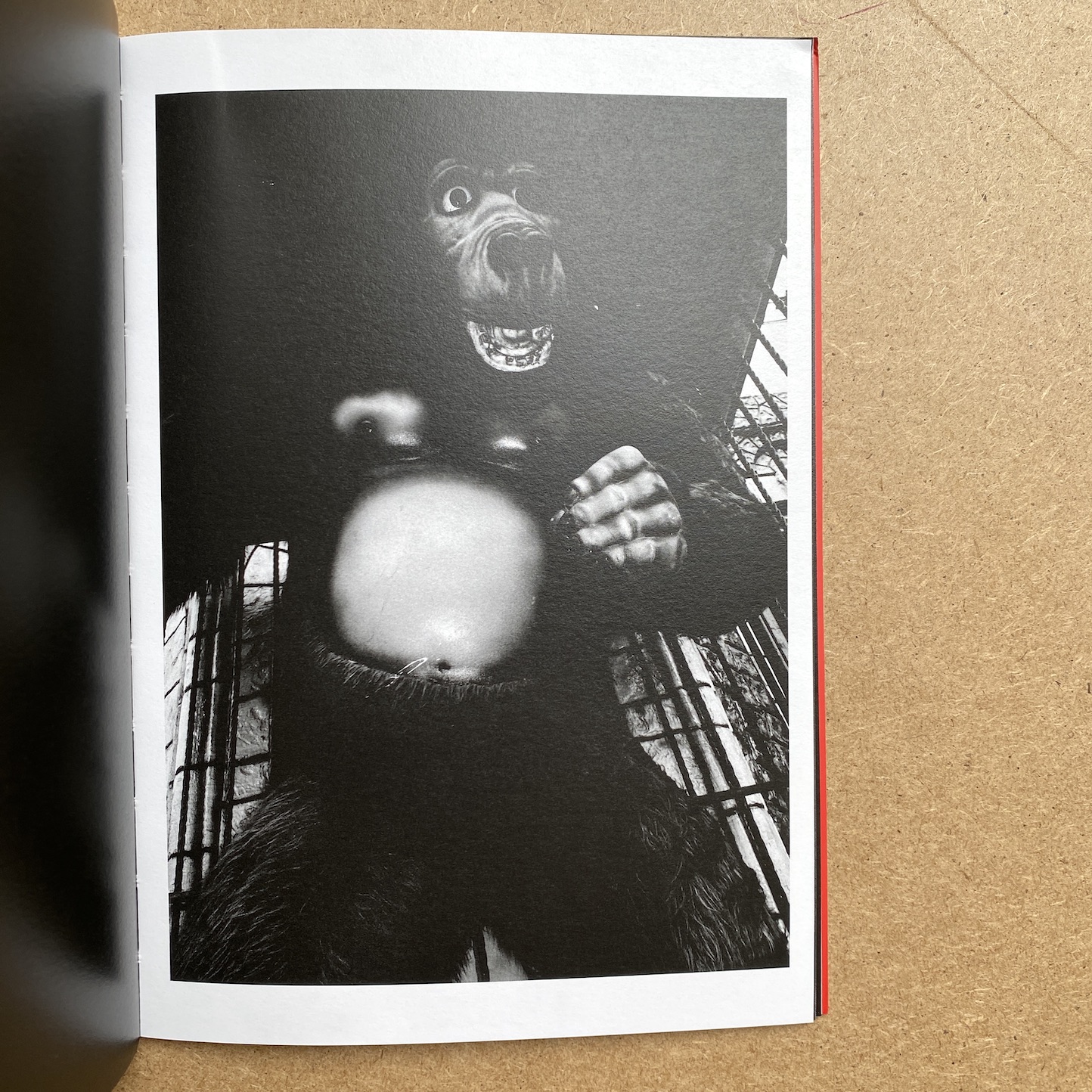
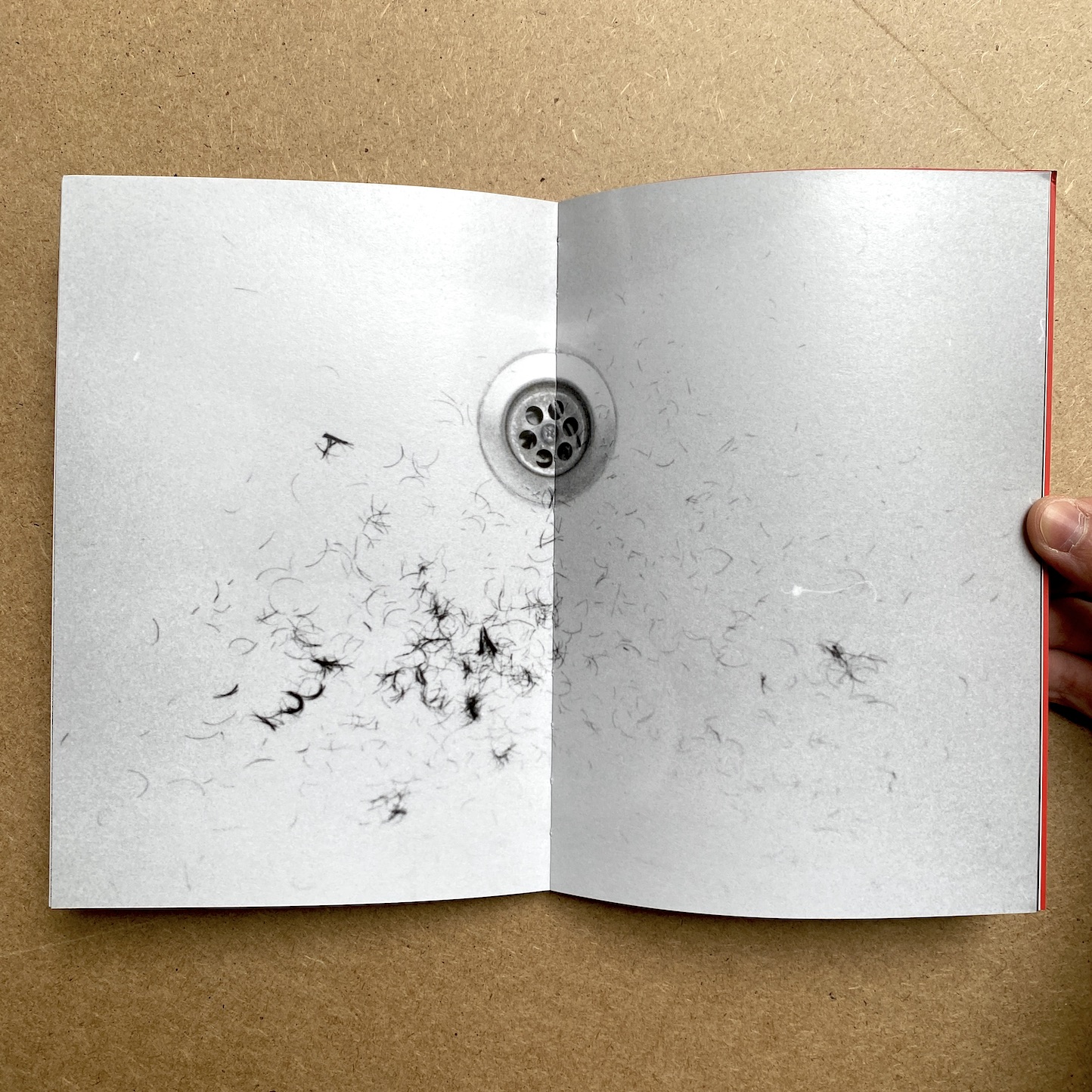
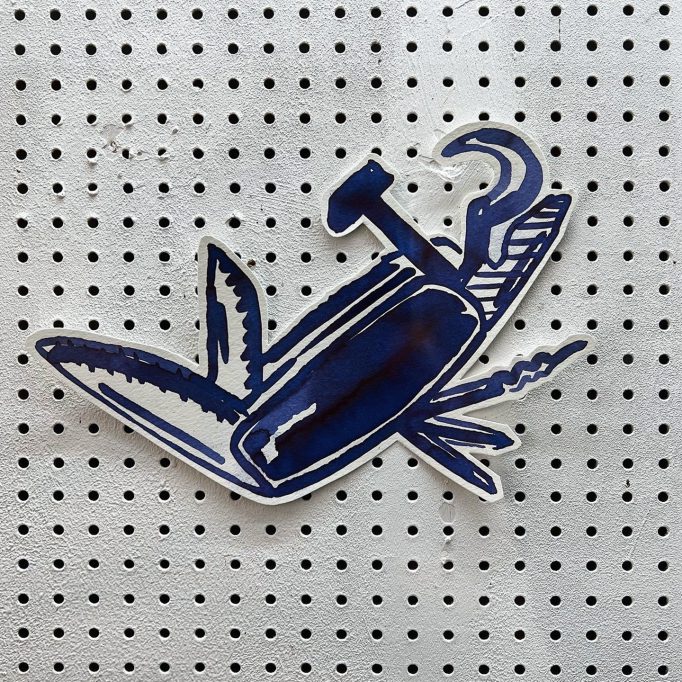
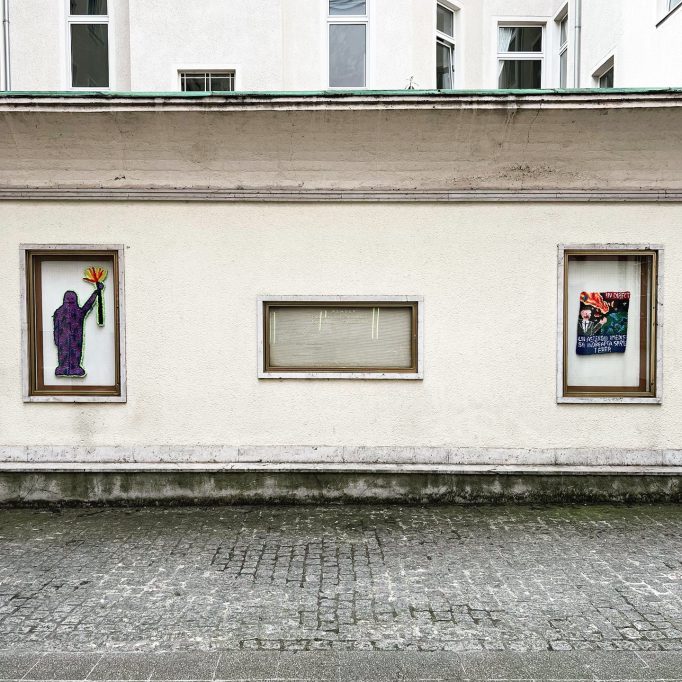
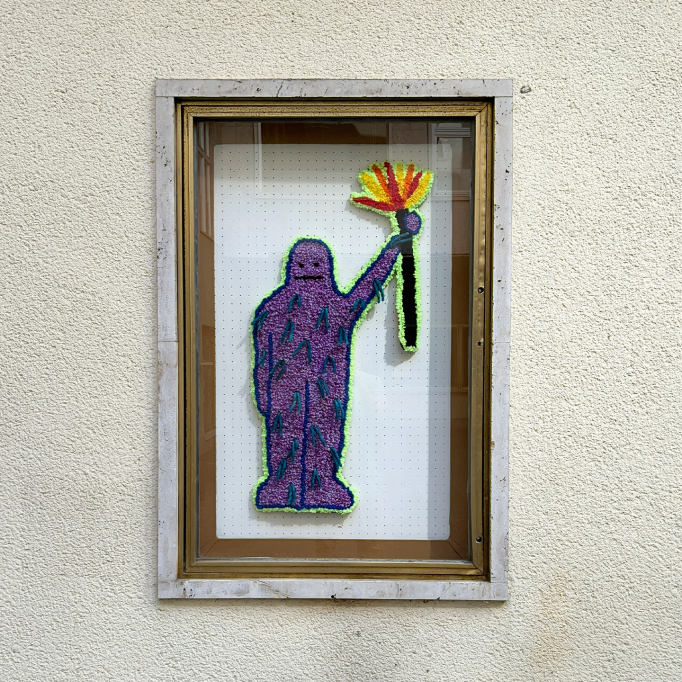
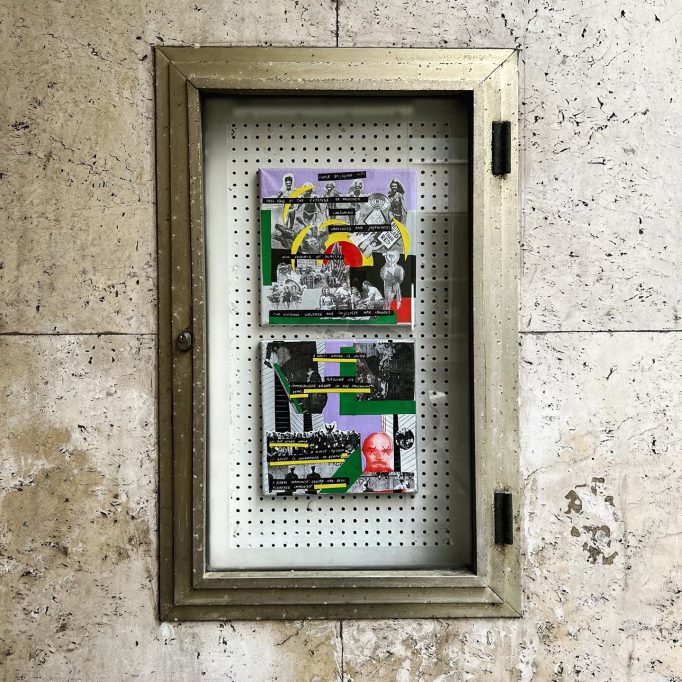
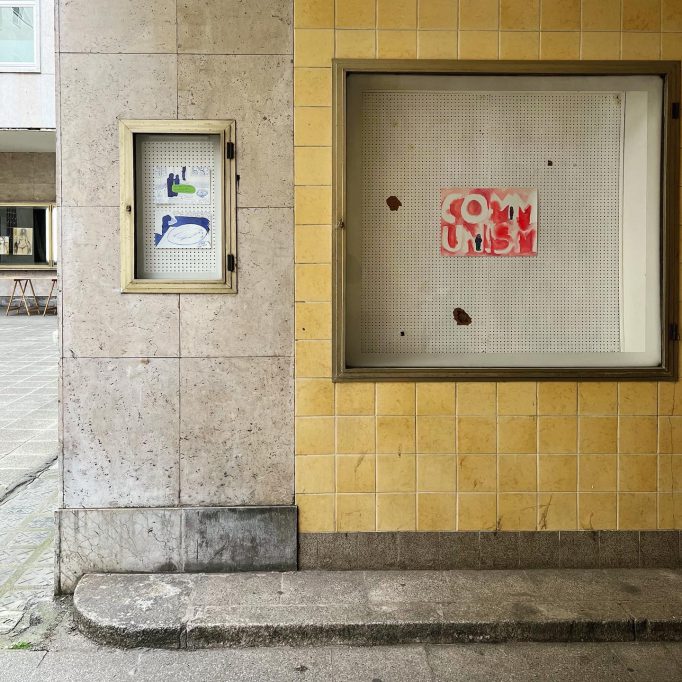
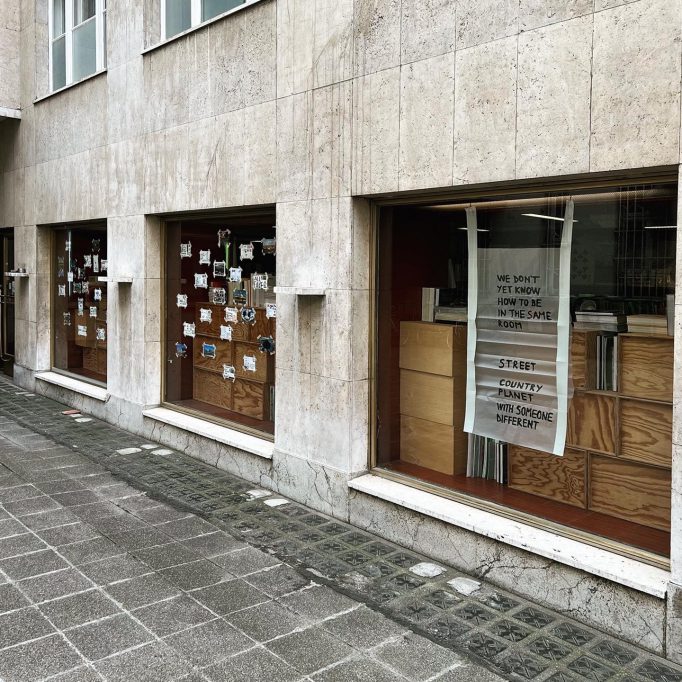
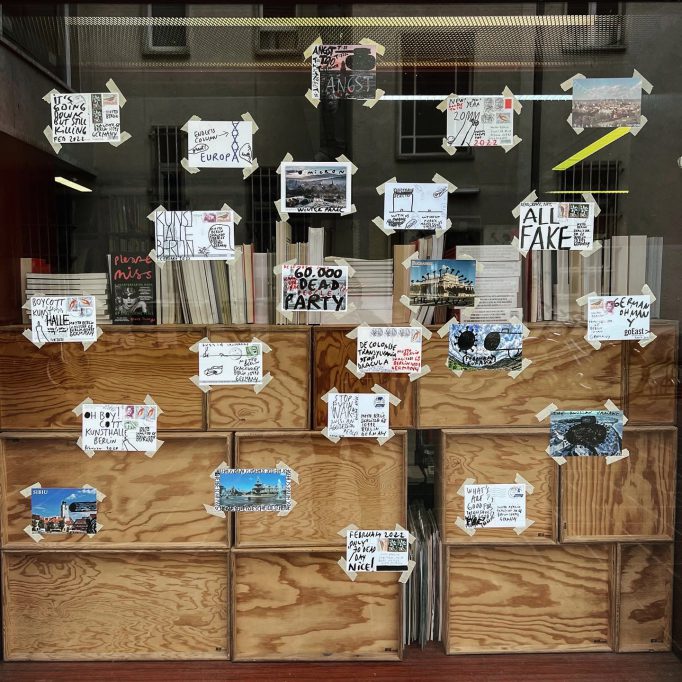
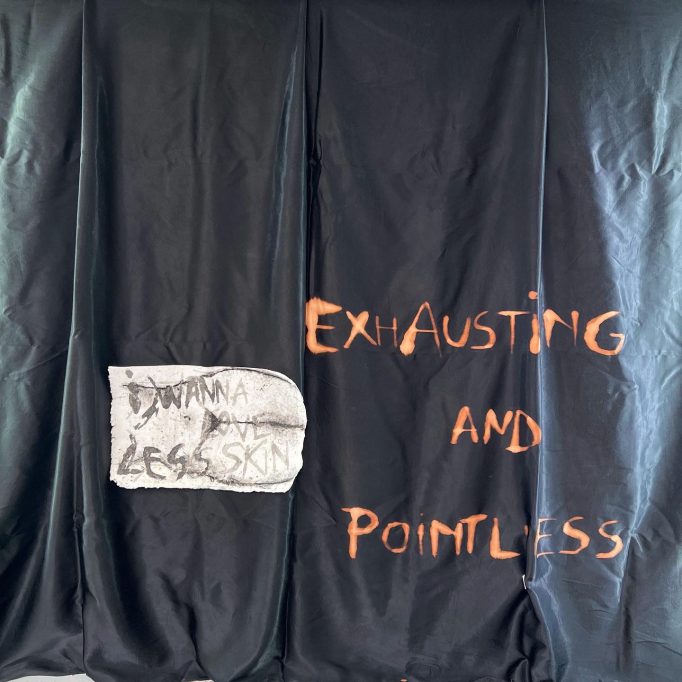
*Perdu LP by Piezo After releases on Idle Hands, Version, Wisdom Teeth and his own Ansia label, Piezo lands on Hundebiss Records for his first full length. Perdu is all about stark contrasts: raw & dirty sub–frequency pulsating beats VS crystal–clear digital sounds and atmospheres. Piezo’s non-synthetic approach to sound design conveys a sense of ‘realness’ of the displacement, a dust blow cut by razor blade FM synths, pervaded by a sense of restless hypnosis.
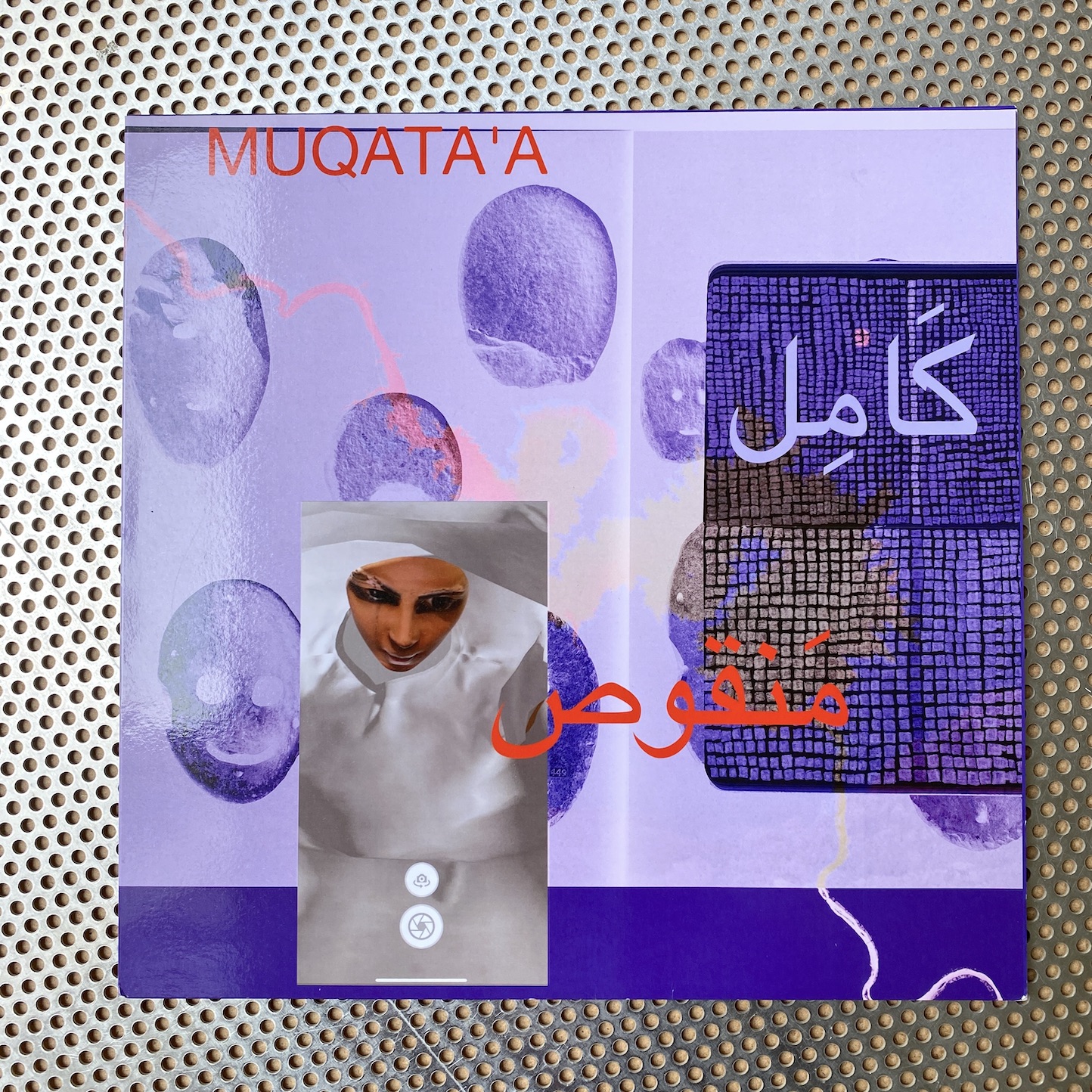
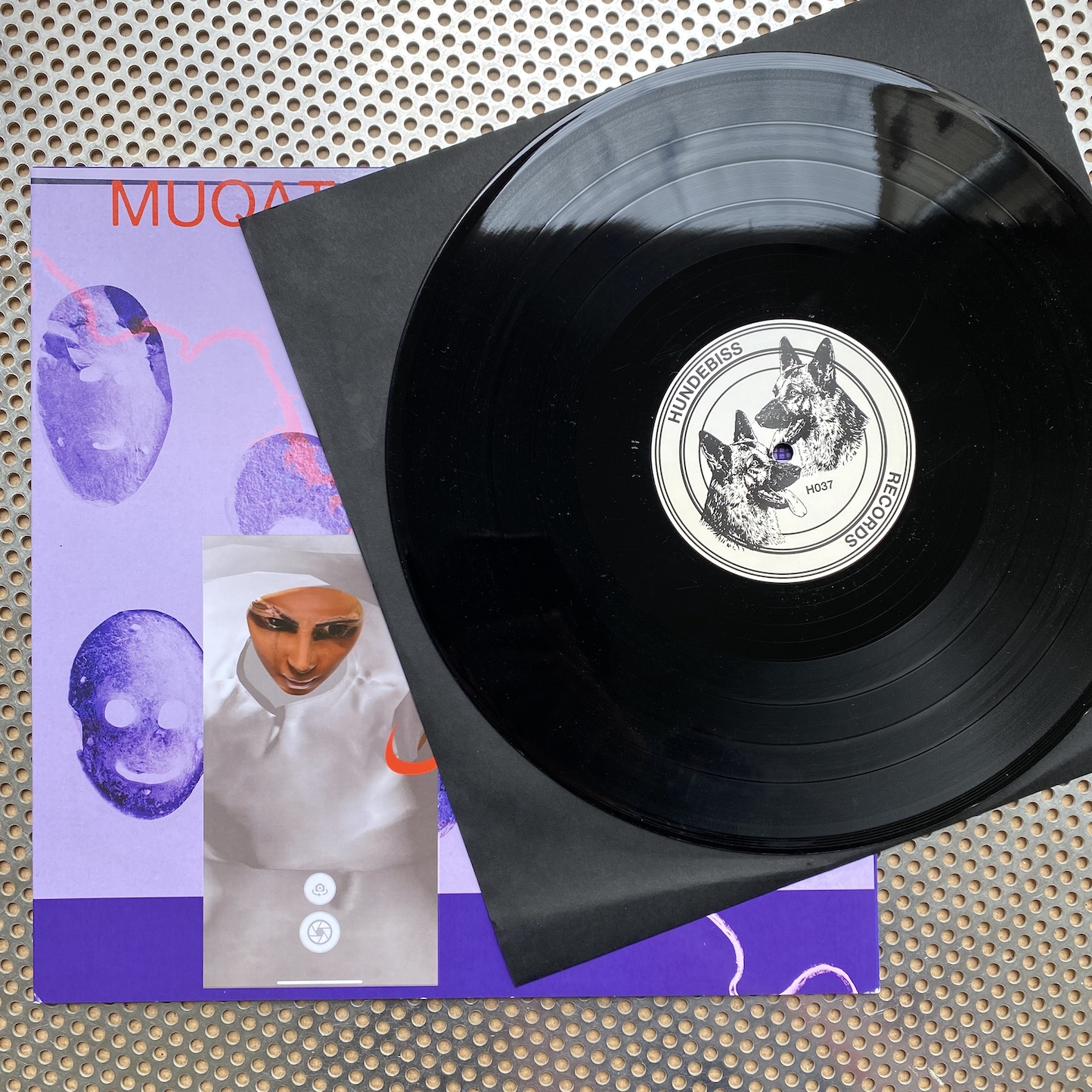
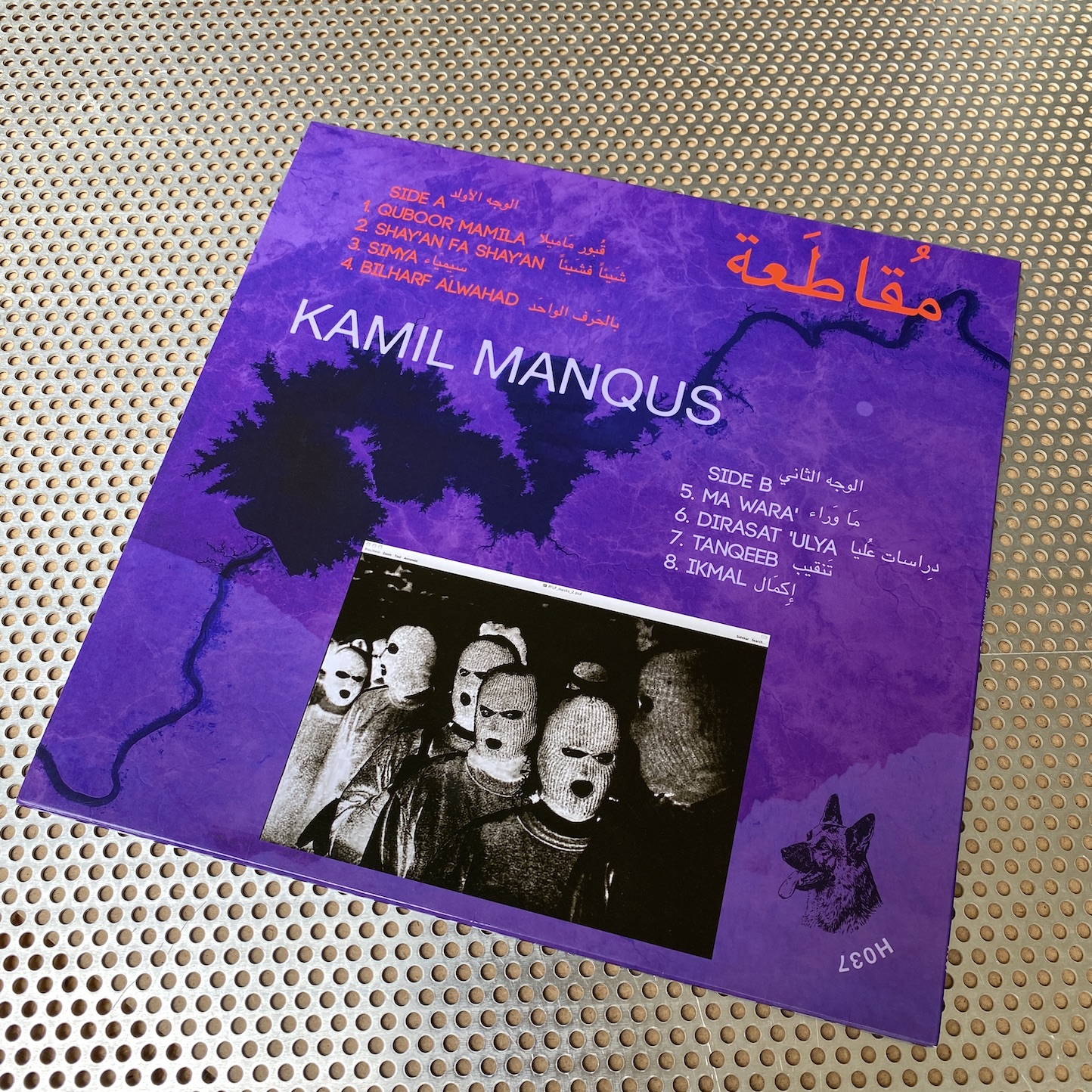
*Kamil Manqus كَامِل مَنْقوص by Muqata’a ‘Kamil Manqus’ means “whole imperfect” or “perfect imperfect” in Arabic, referencing Muqata’a’s way of working that incorporates mistakes into the fabric of his work. The concept for the album’s construction is Simya’, an ancient Arabic science of combining numbers and alphabets to communicate with the unseen.
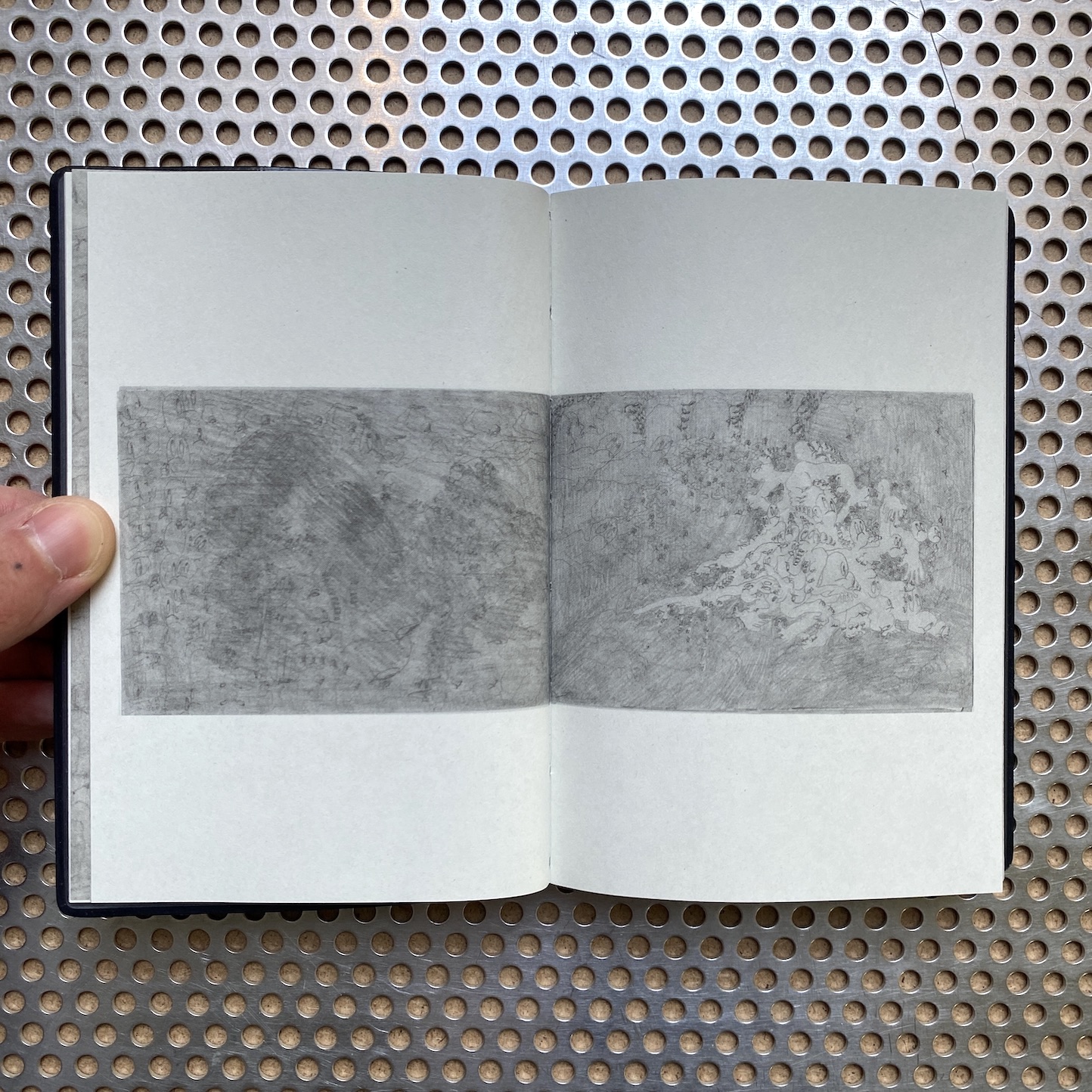
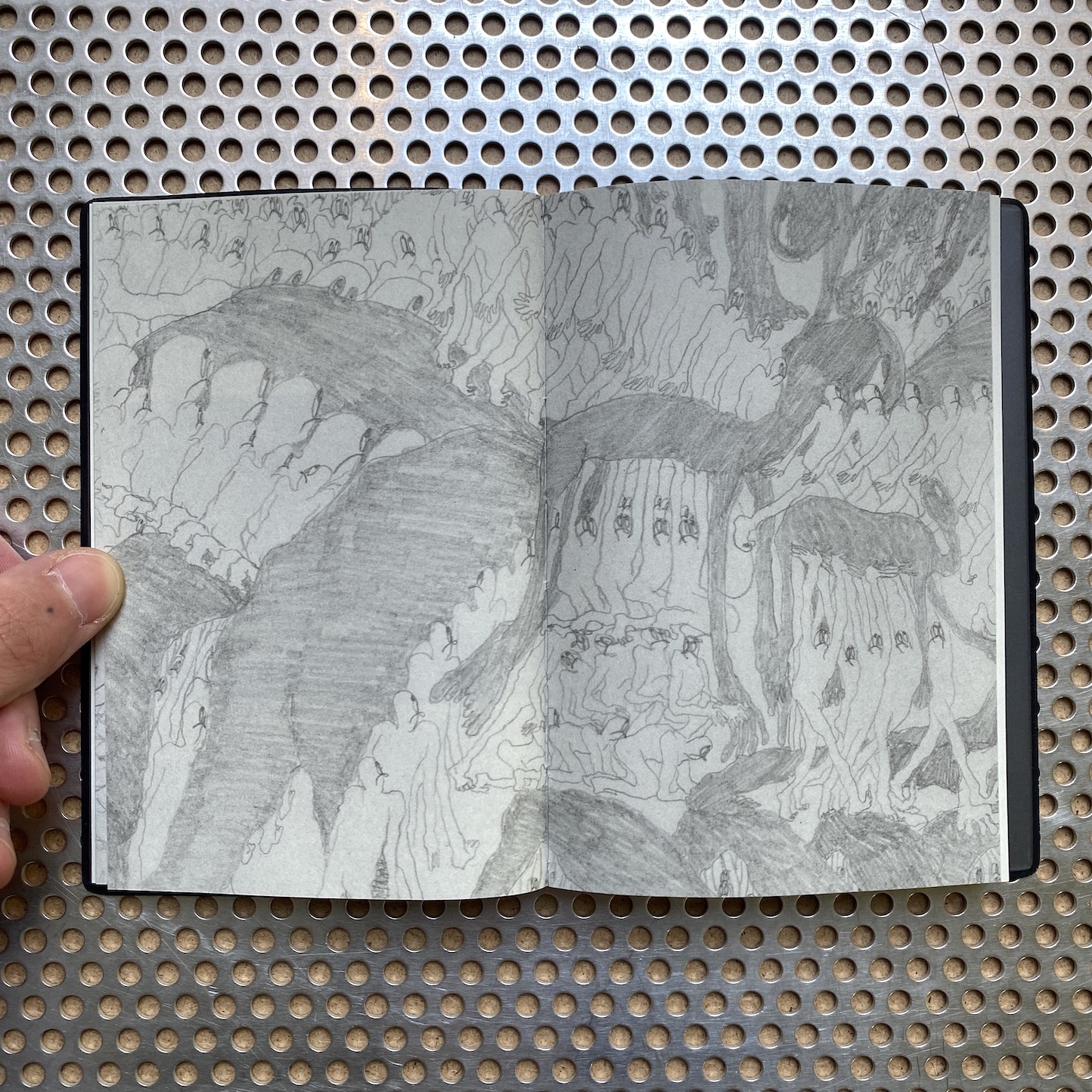
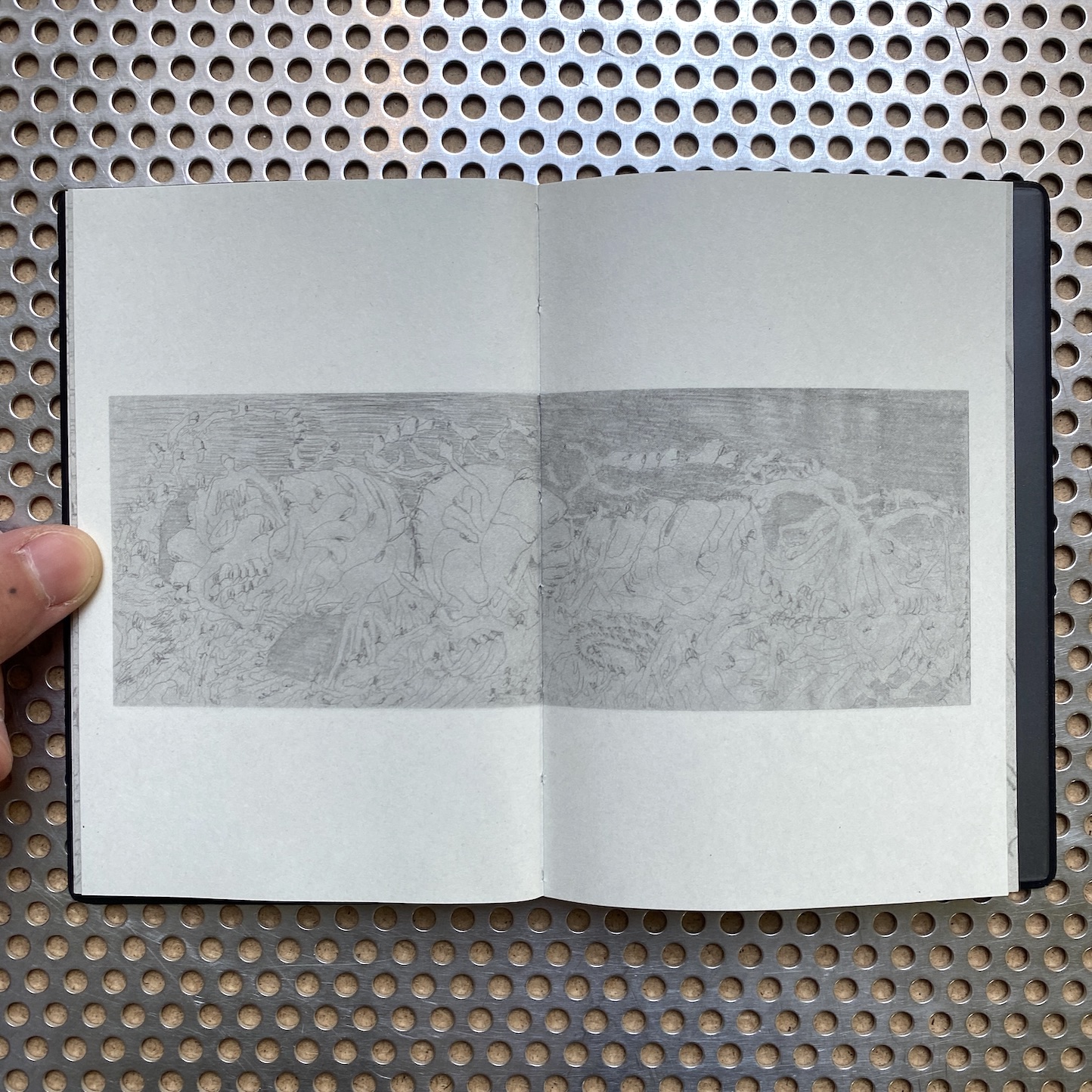
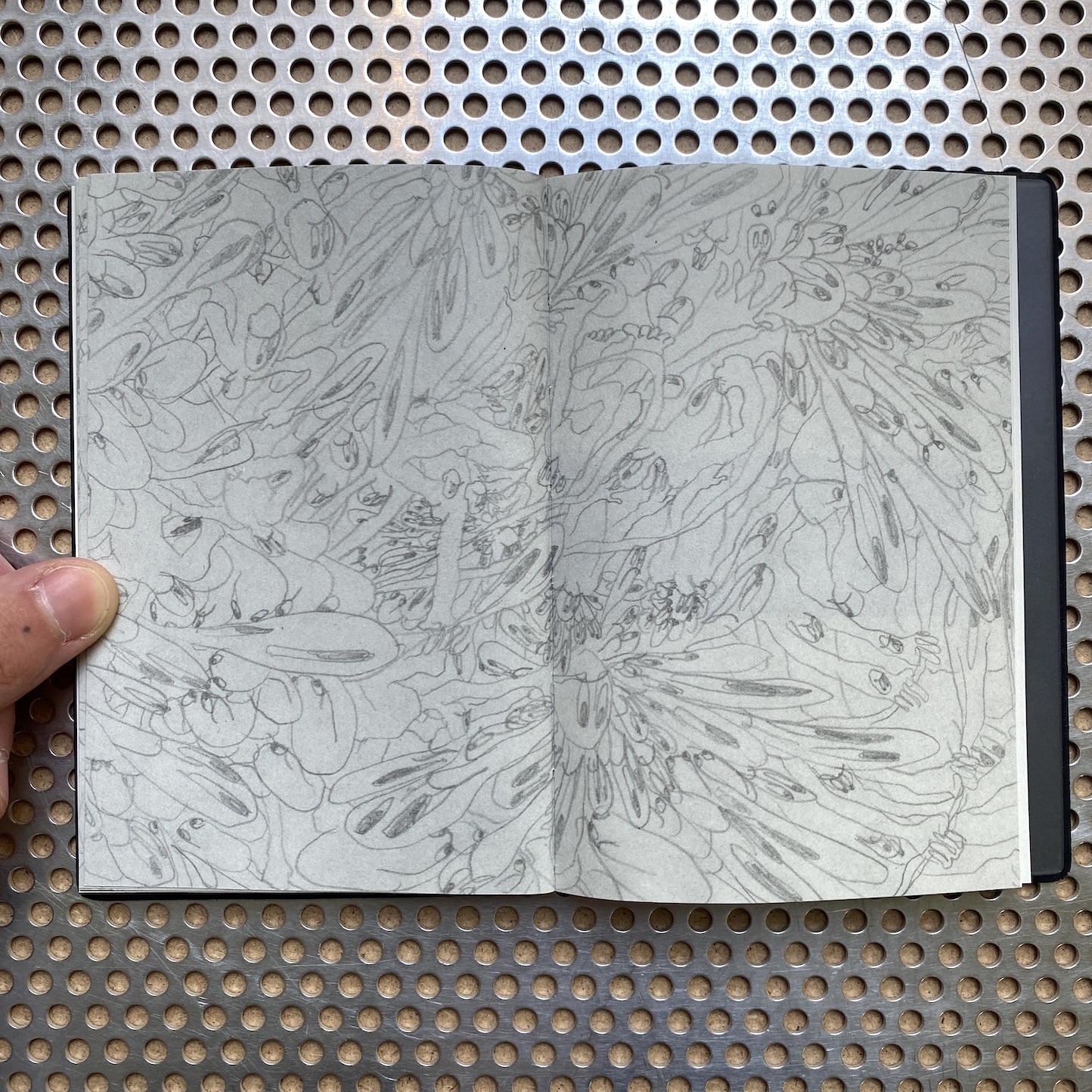
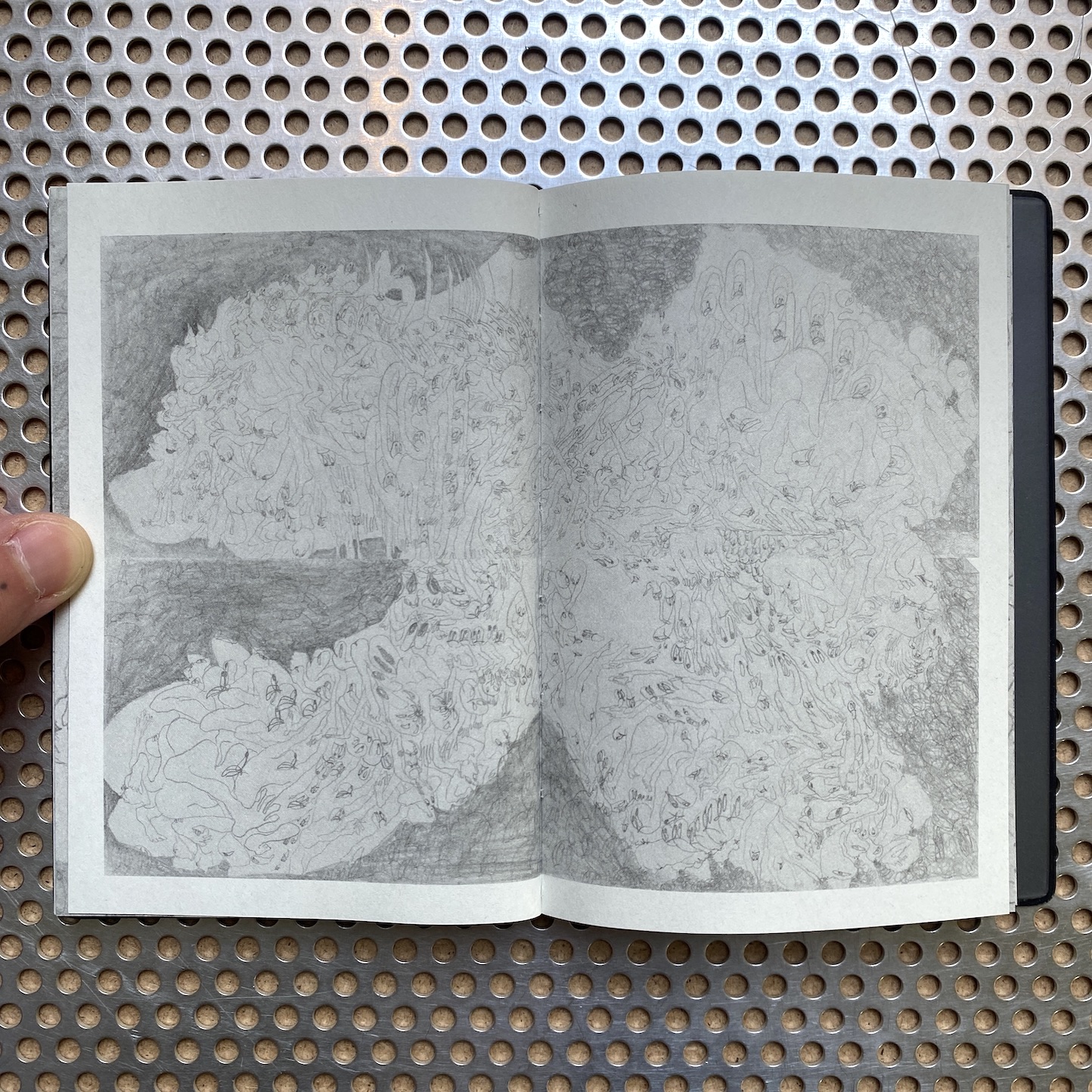
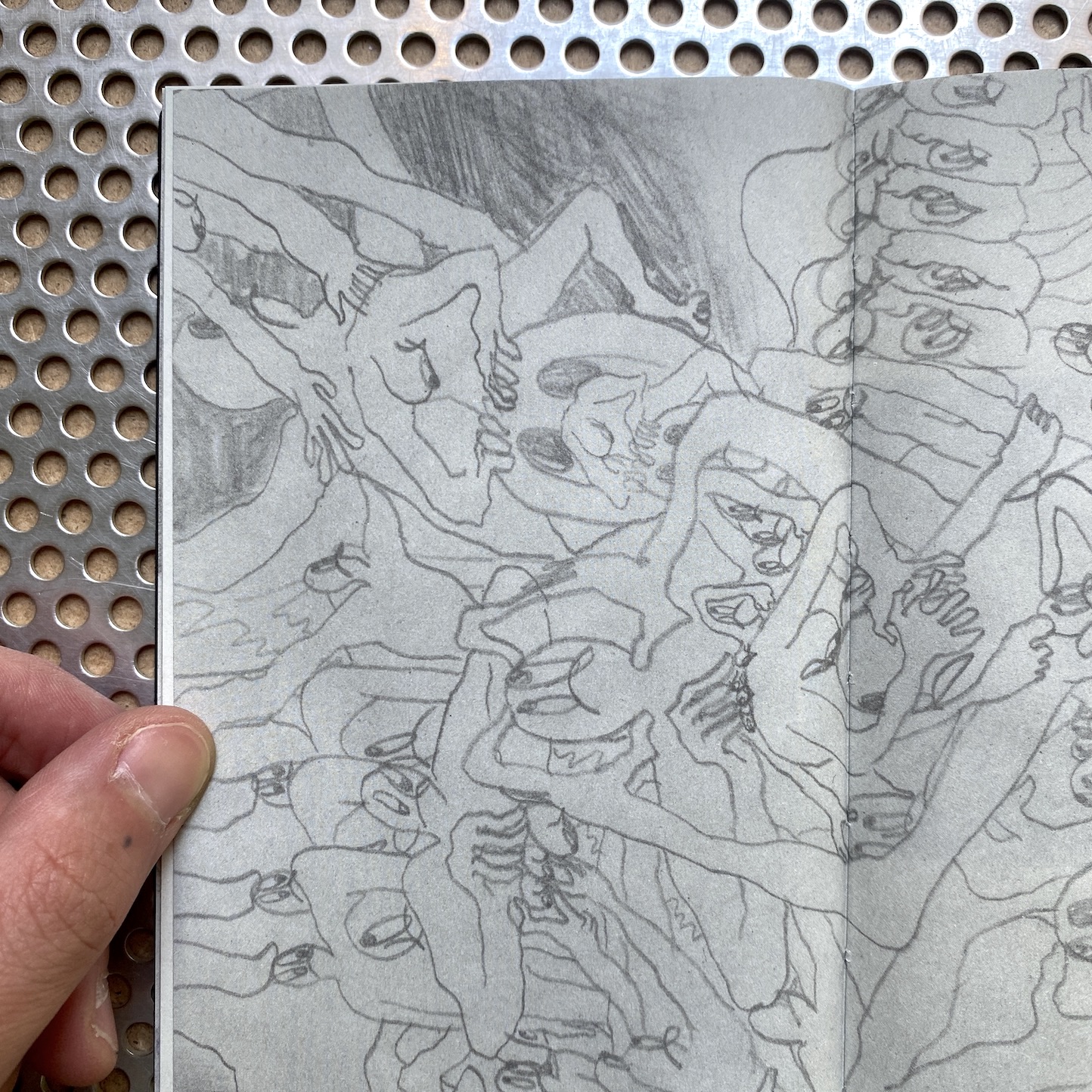
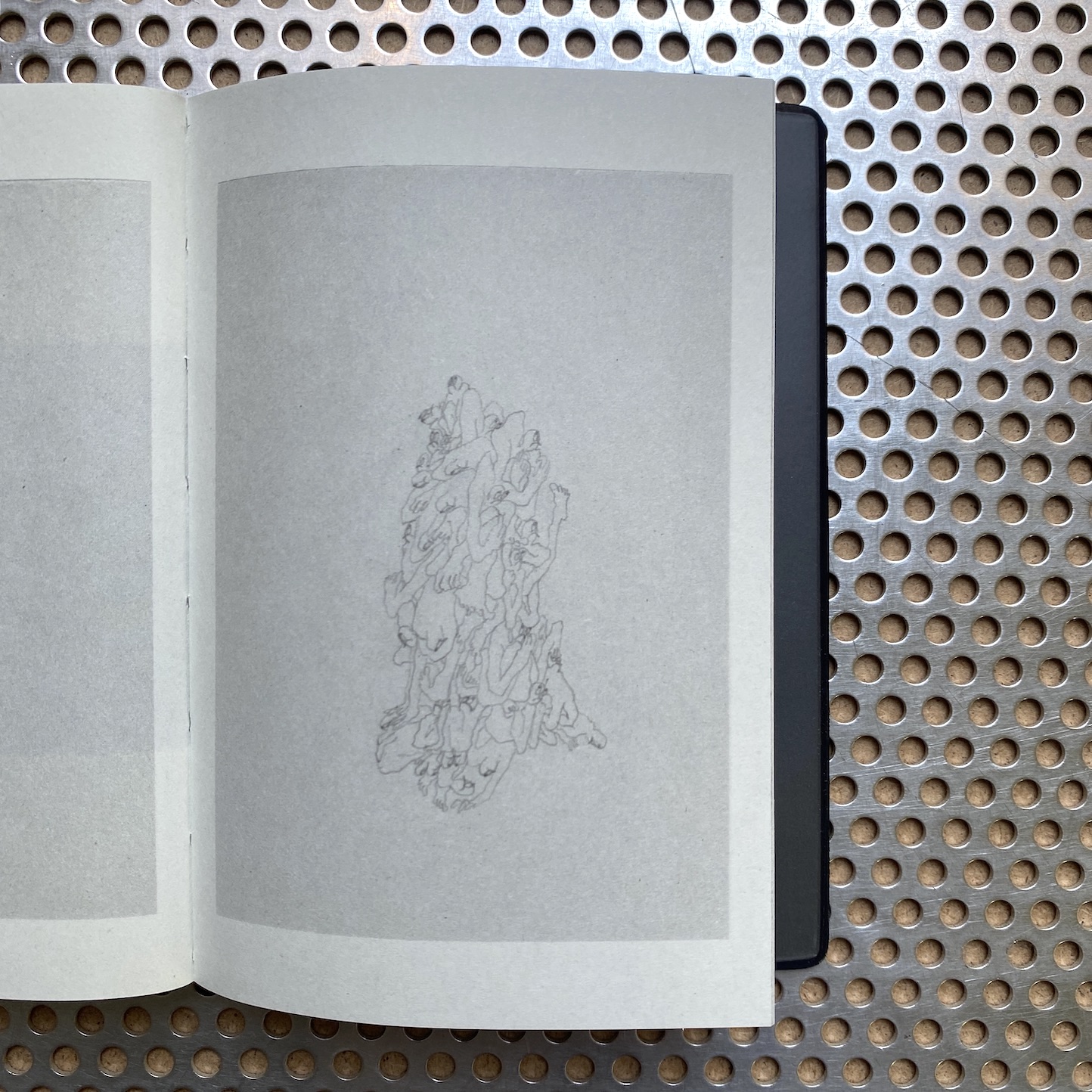
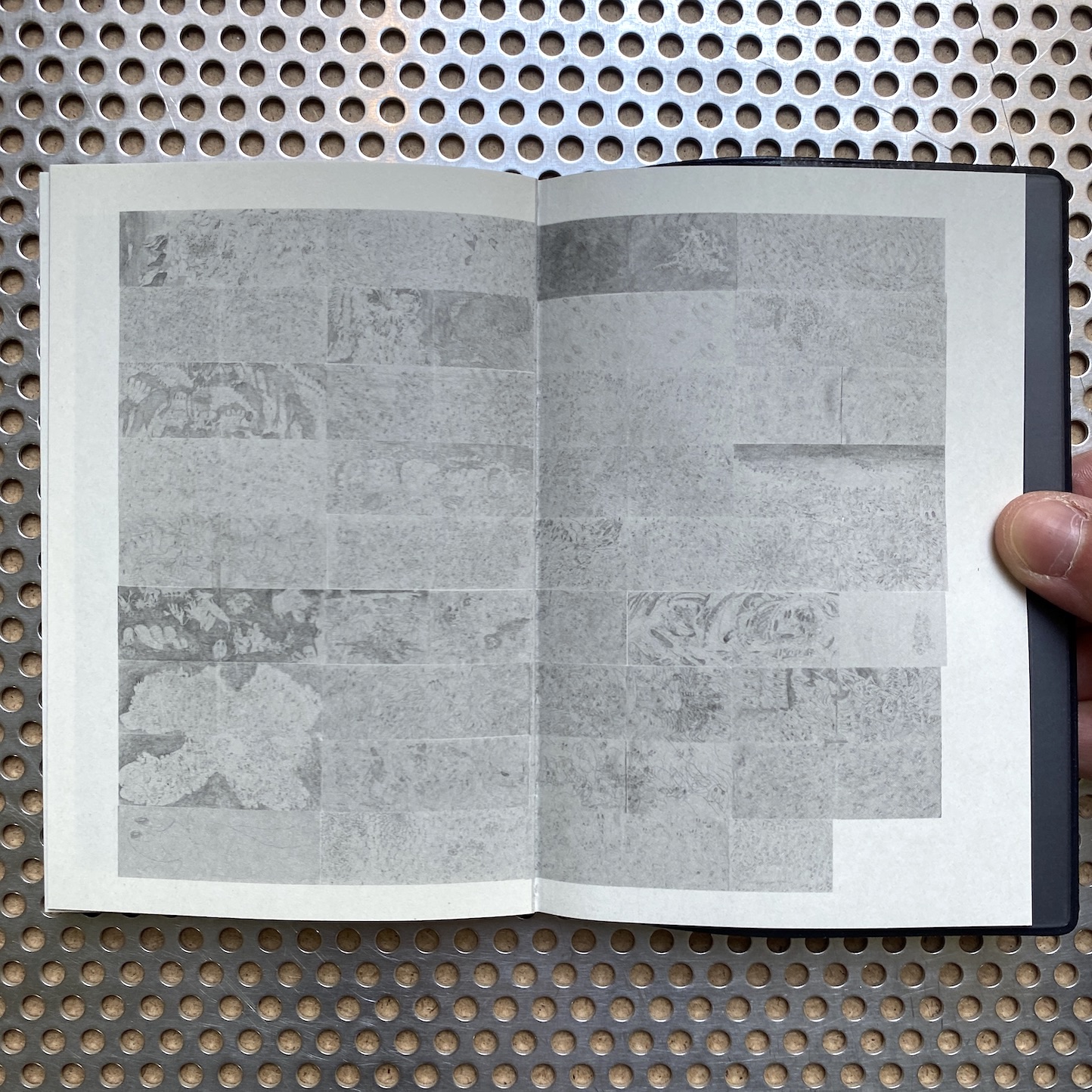
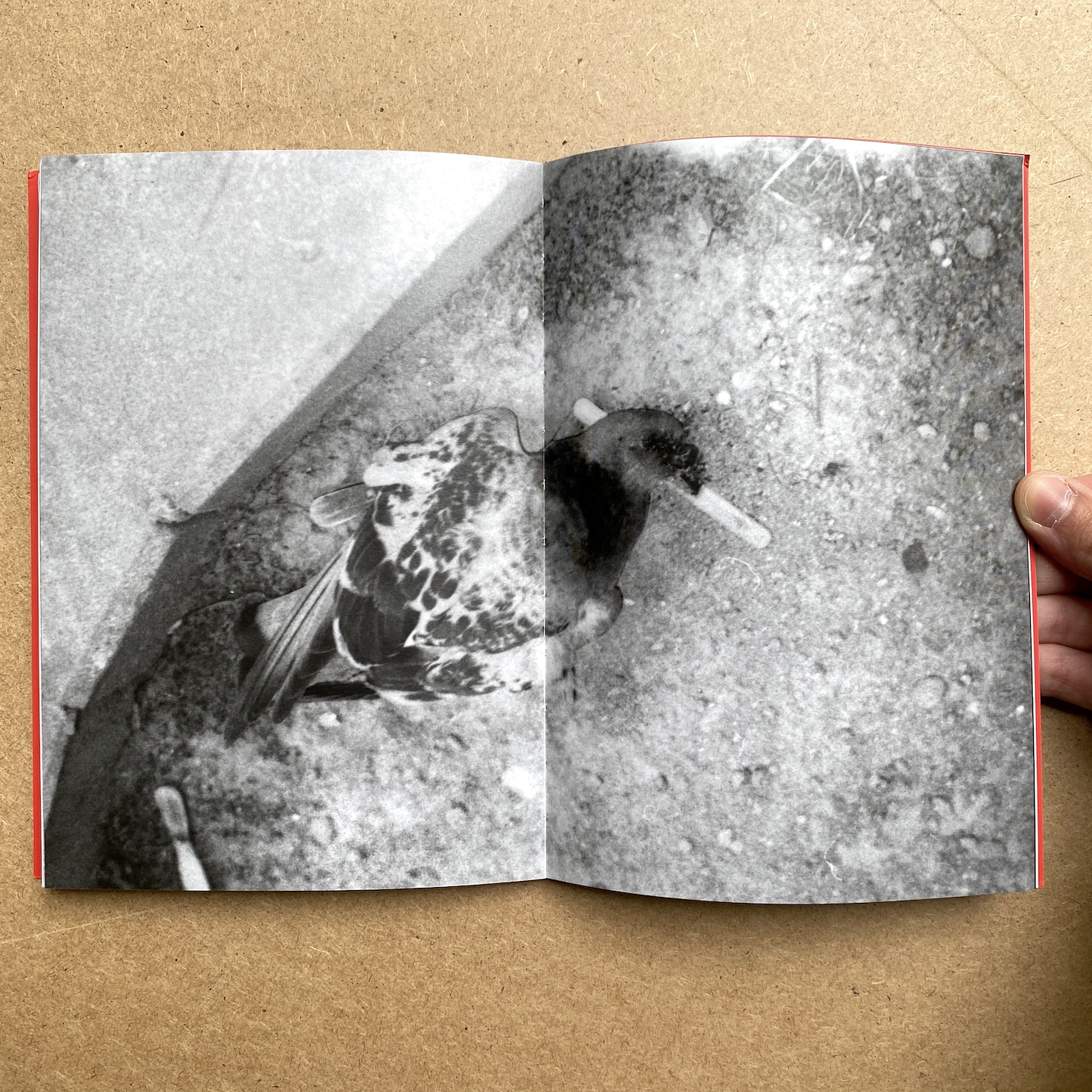
“I don’t remember, but since I was very young, drawing is one habit of mine. After many changes and attempts, I worked on the same type of drawing for about six or seven years. I made a book out of some of the drawings I worked on. Of course, personal things will also be reflected but there is no topic and answer. I just do the act of drawing habitually. It can be personal or universal. It looks like a familiar person or a familiar character shape, or it is not. You can also watch fairy tales and cartoons. Or it may seem like an extreme reality. Or lines and lumps. Or just paper and graphite. It seems to be full, or it is empty, repetition and flow, or there is a difference and disconnection. And it was planned or happened to happen to be. It is constantly familiar and unfamiliar between everything and something. The size, paper and texture of the book are also parts of this context.”
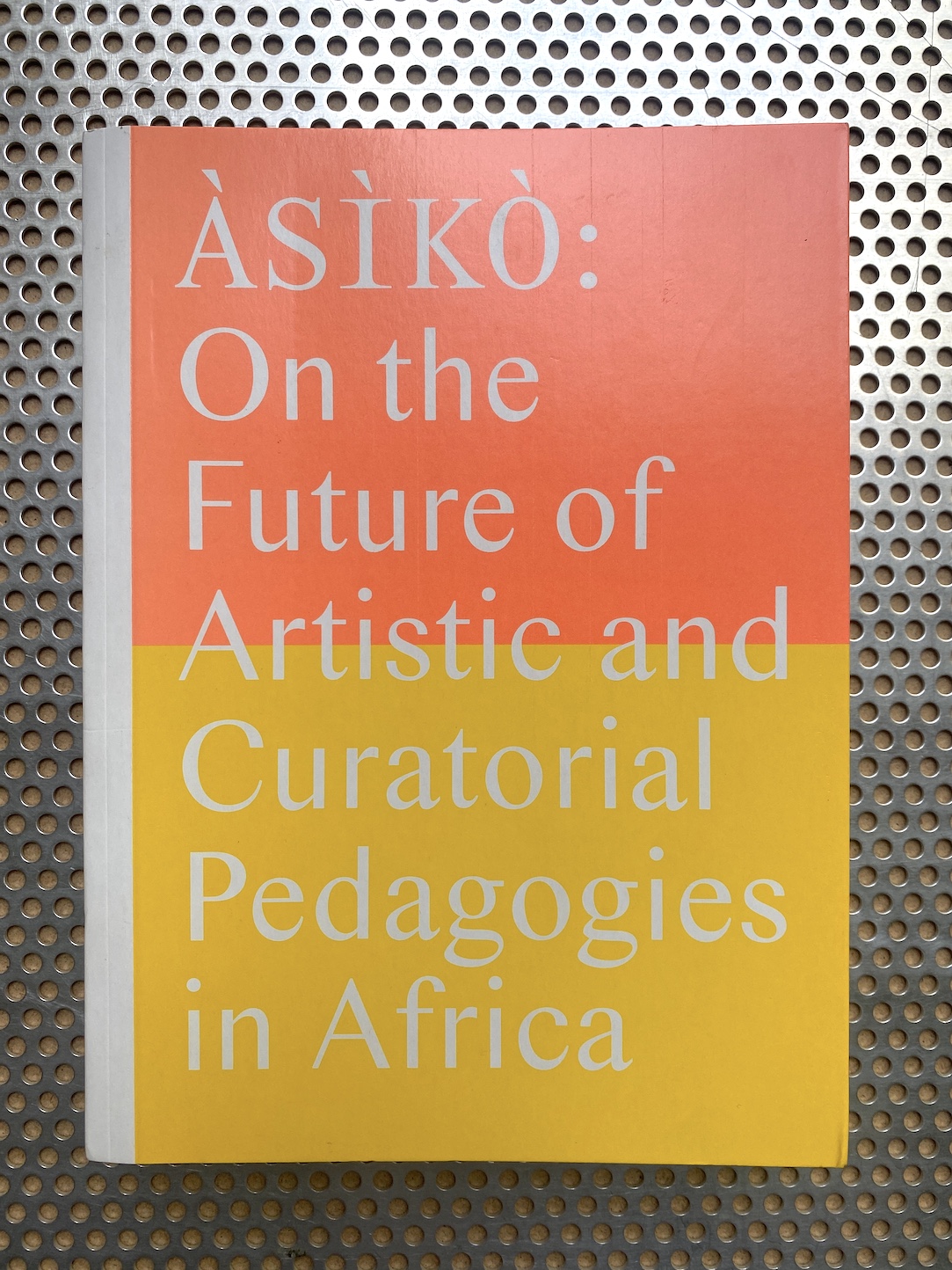
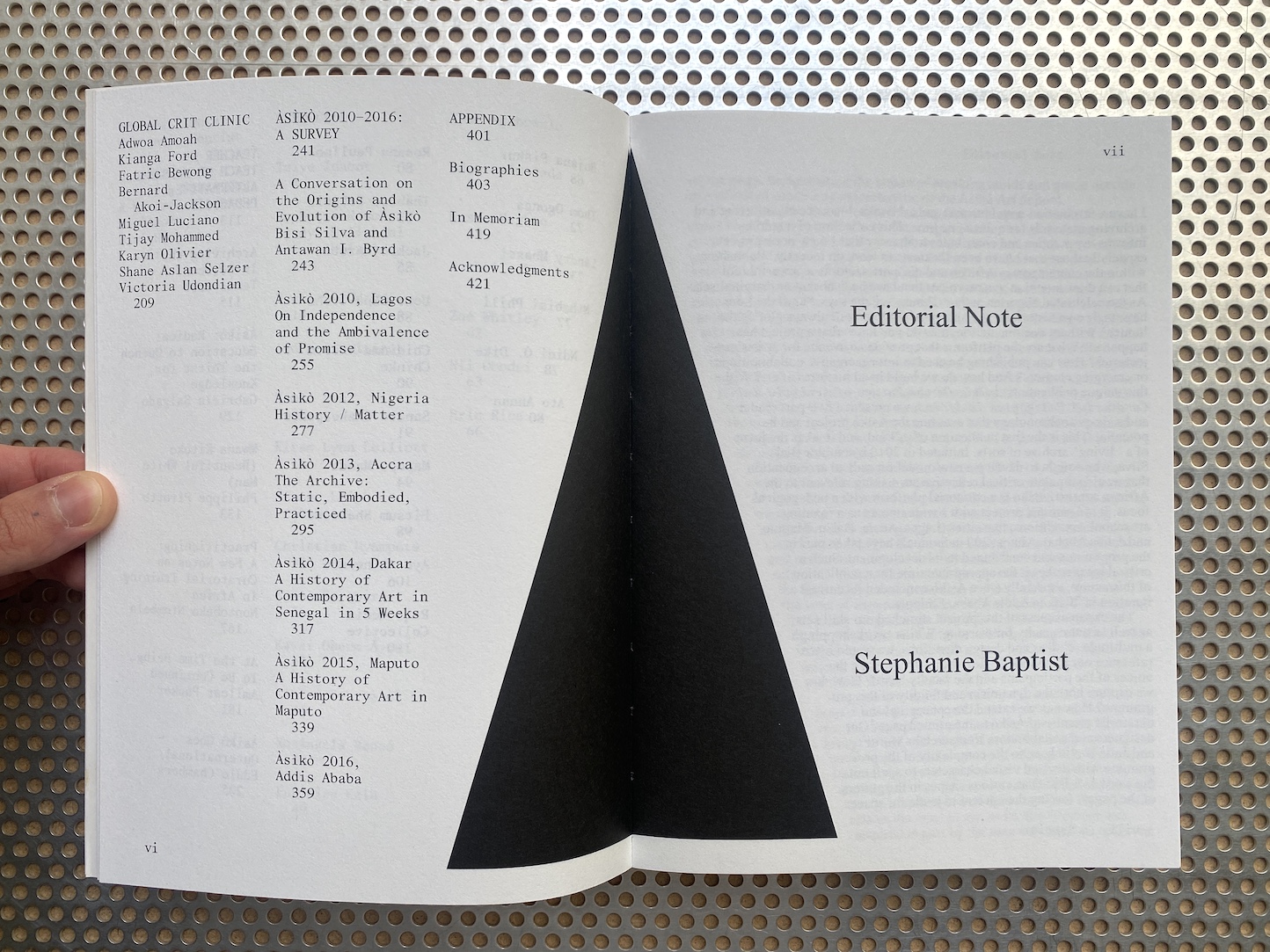
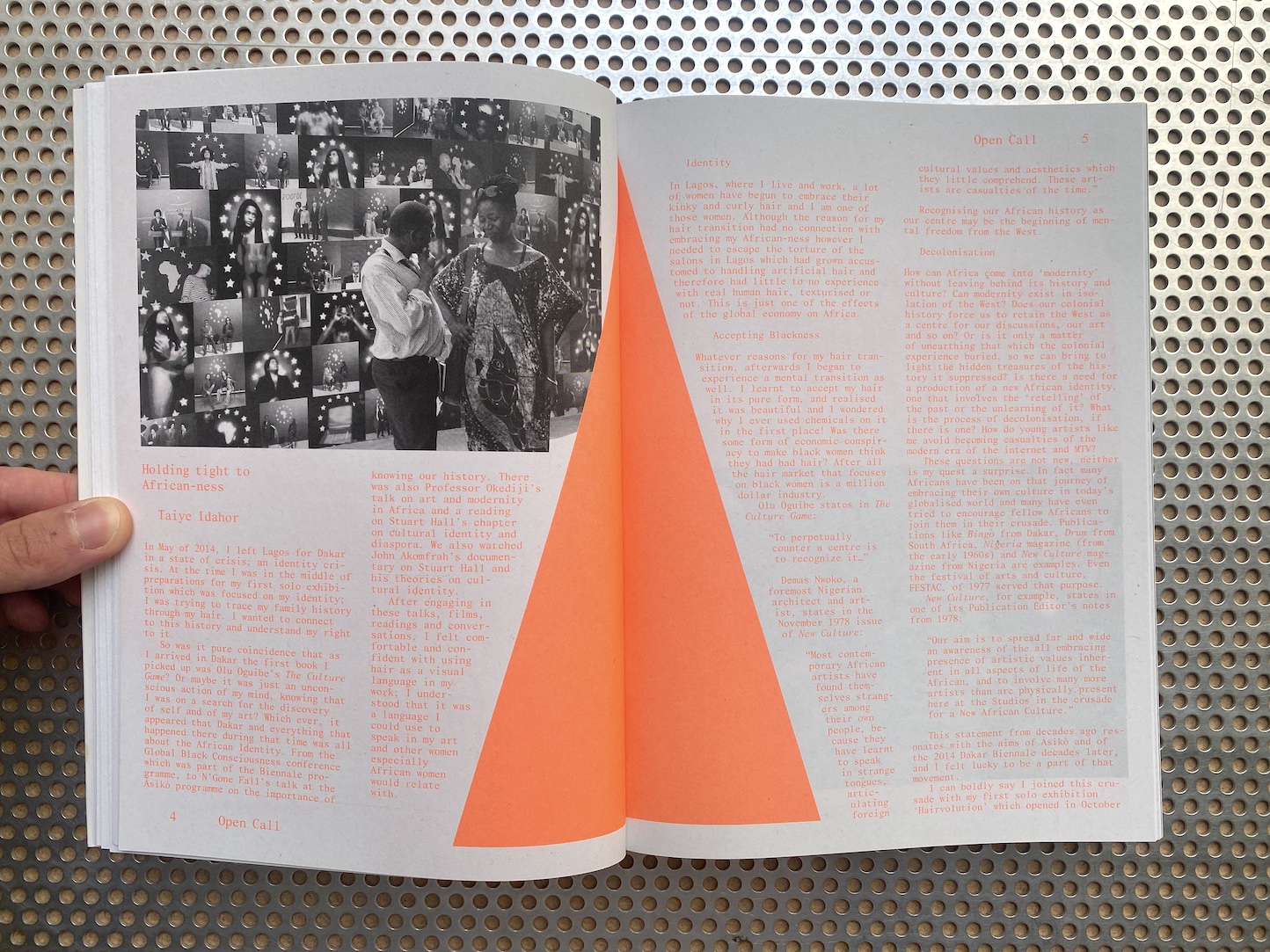
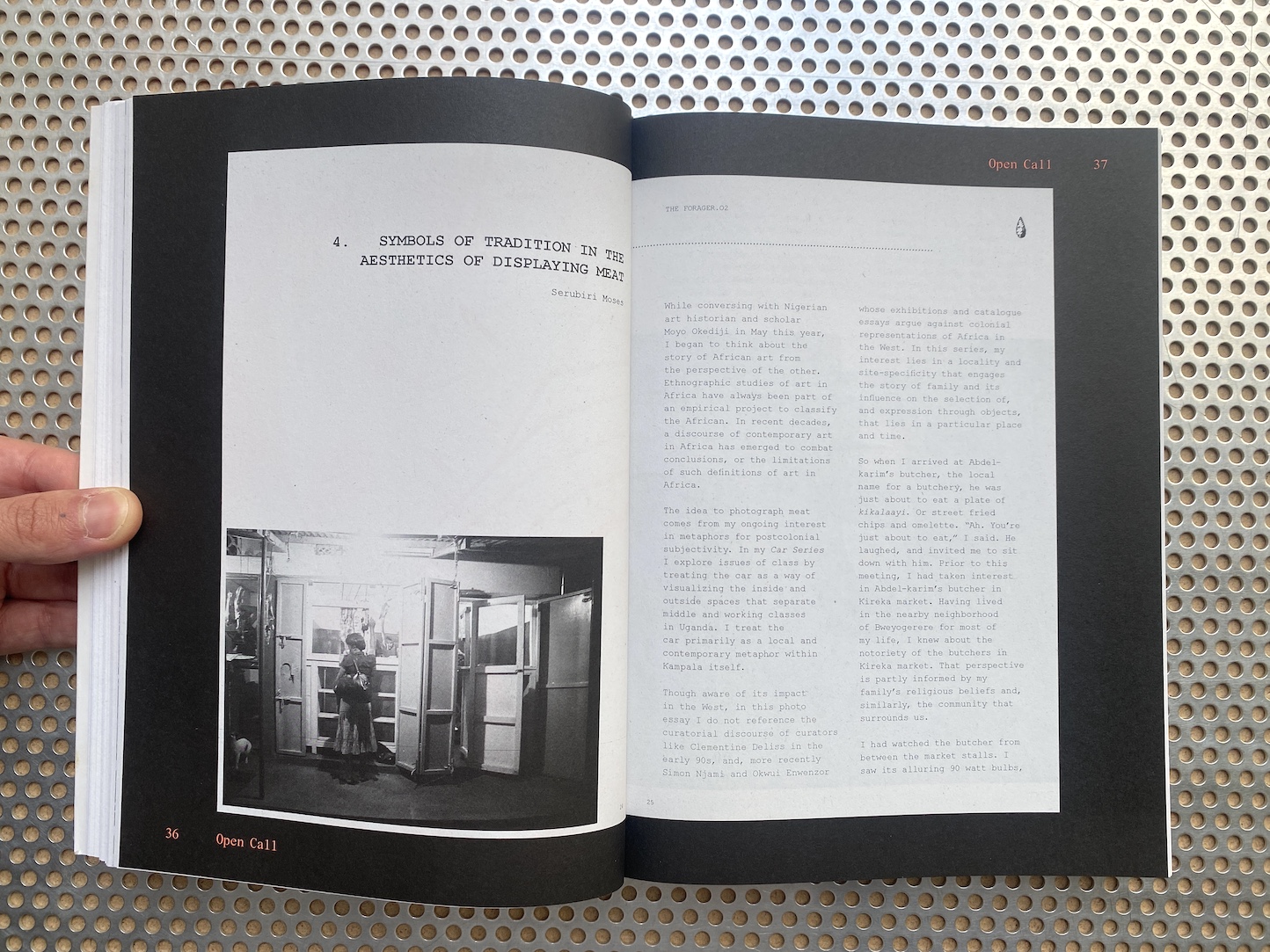
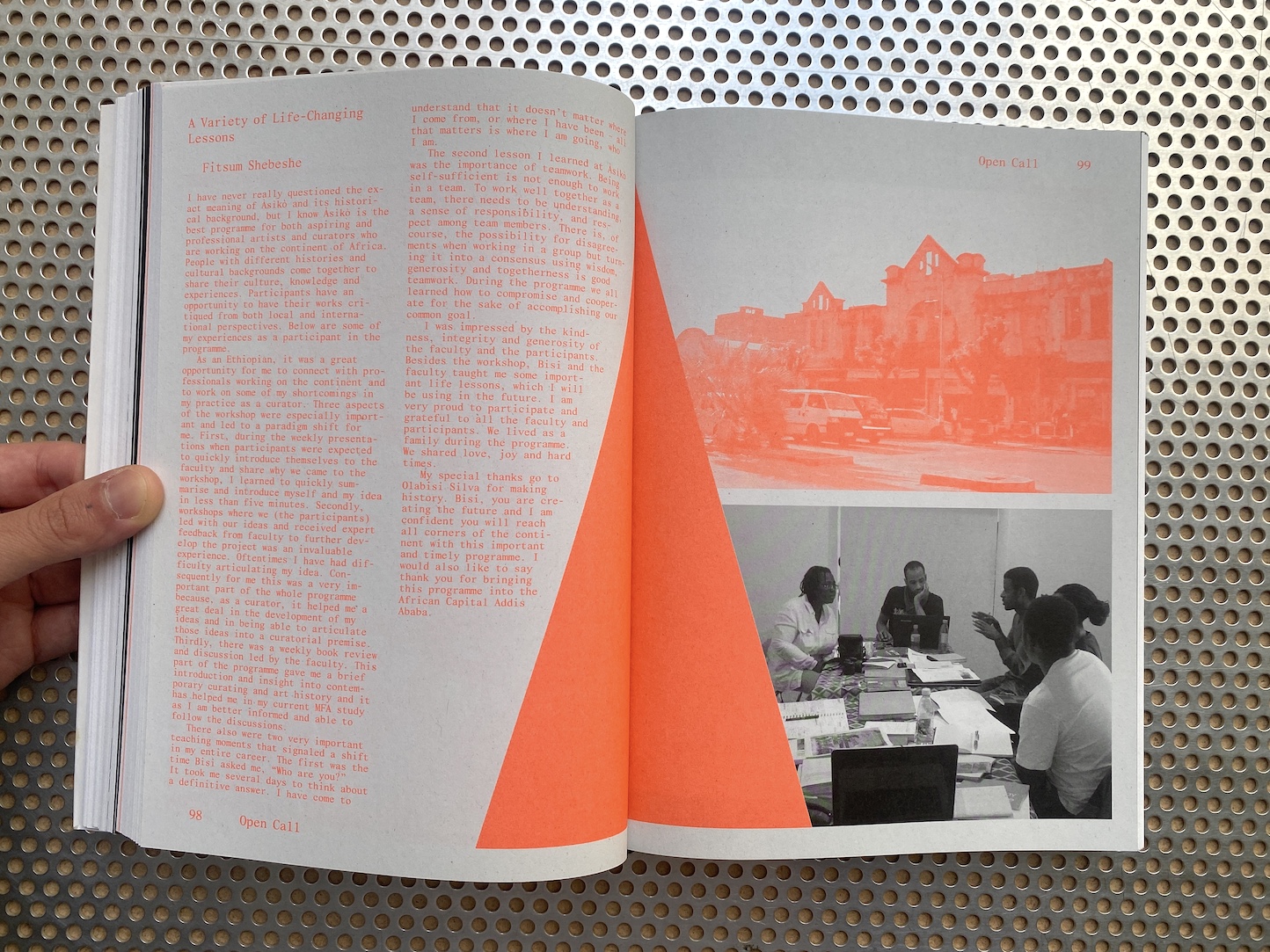
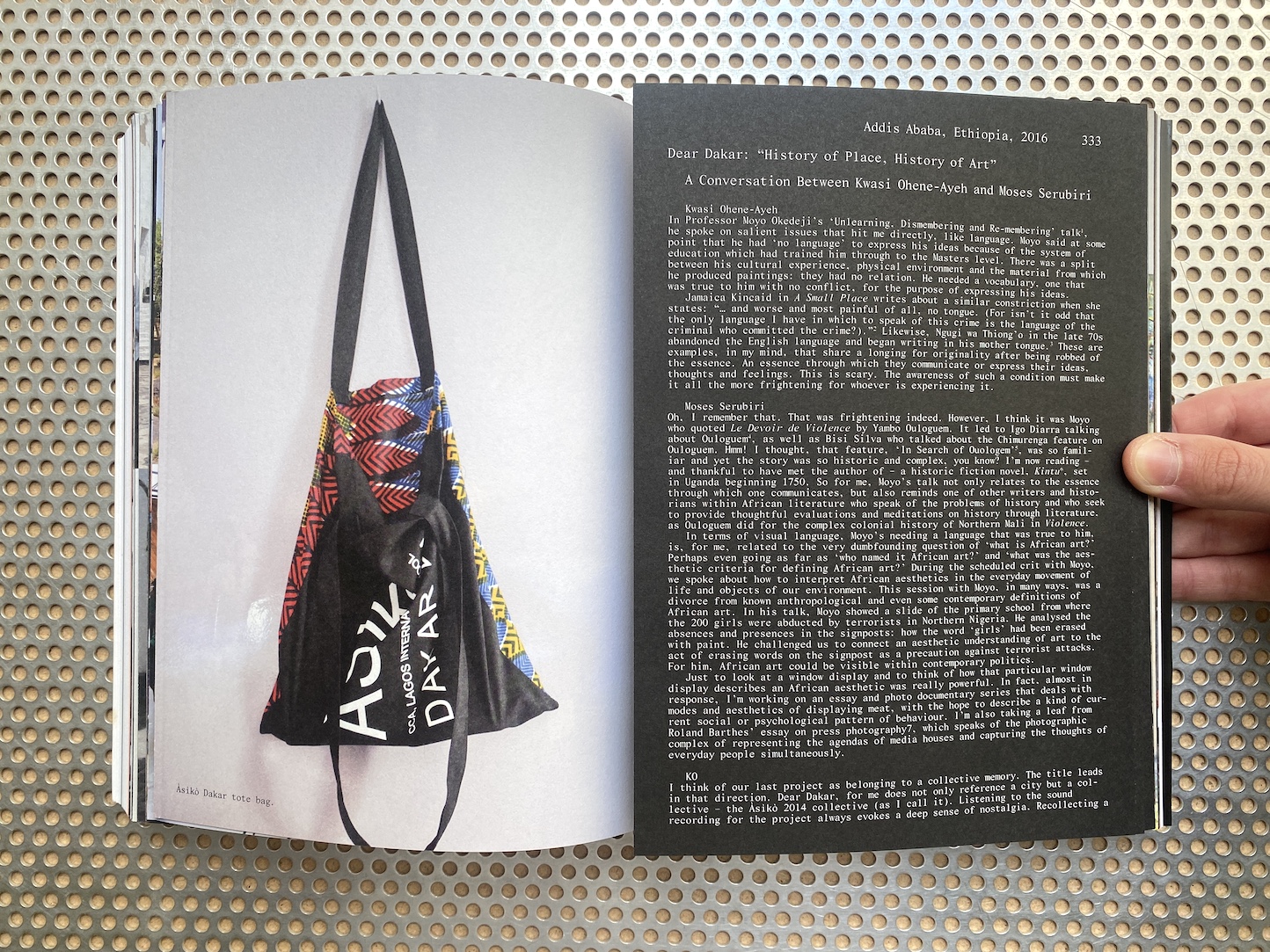
Publication Director: Bisi Silva Art and Editorial Director: Stephanie Baptist Designers: Nontsikelelo Mutiti and Julia Novitch Contributors include: Stephanie Baptist, Antawan I. Byrd, Eddie Chambers, Tamar Garb, Phillipe Pirotte, Nontobeko Ntombela, Amilcar Packer, Gabriela Salgado and Bisi Silva.
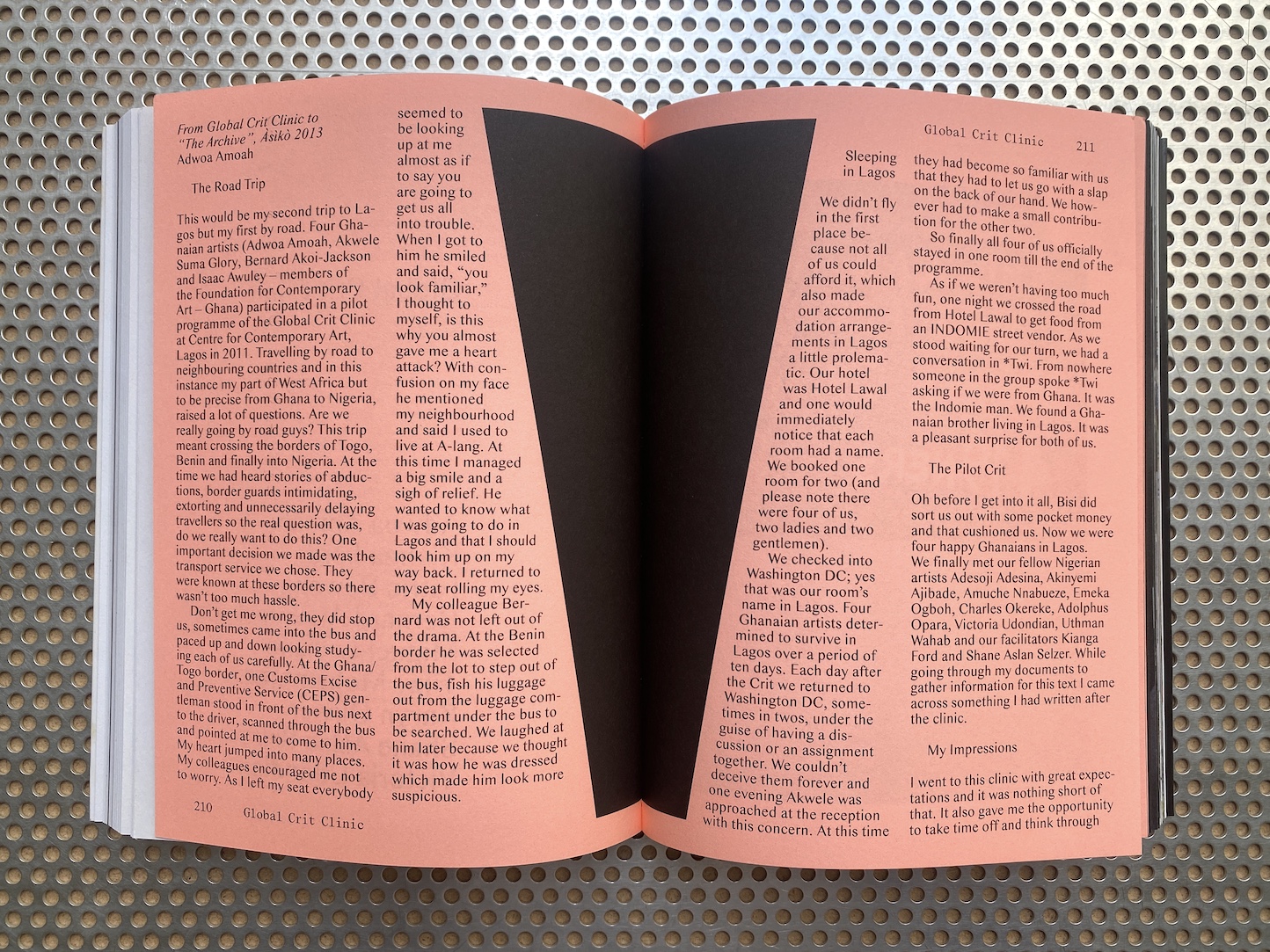
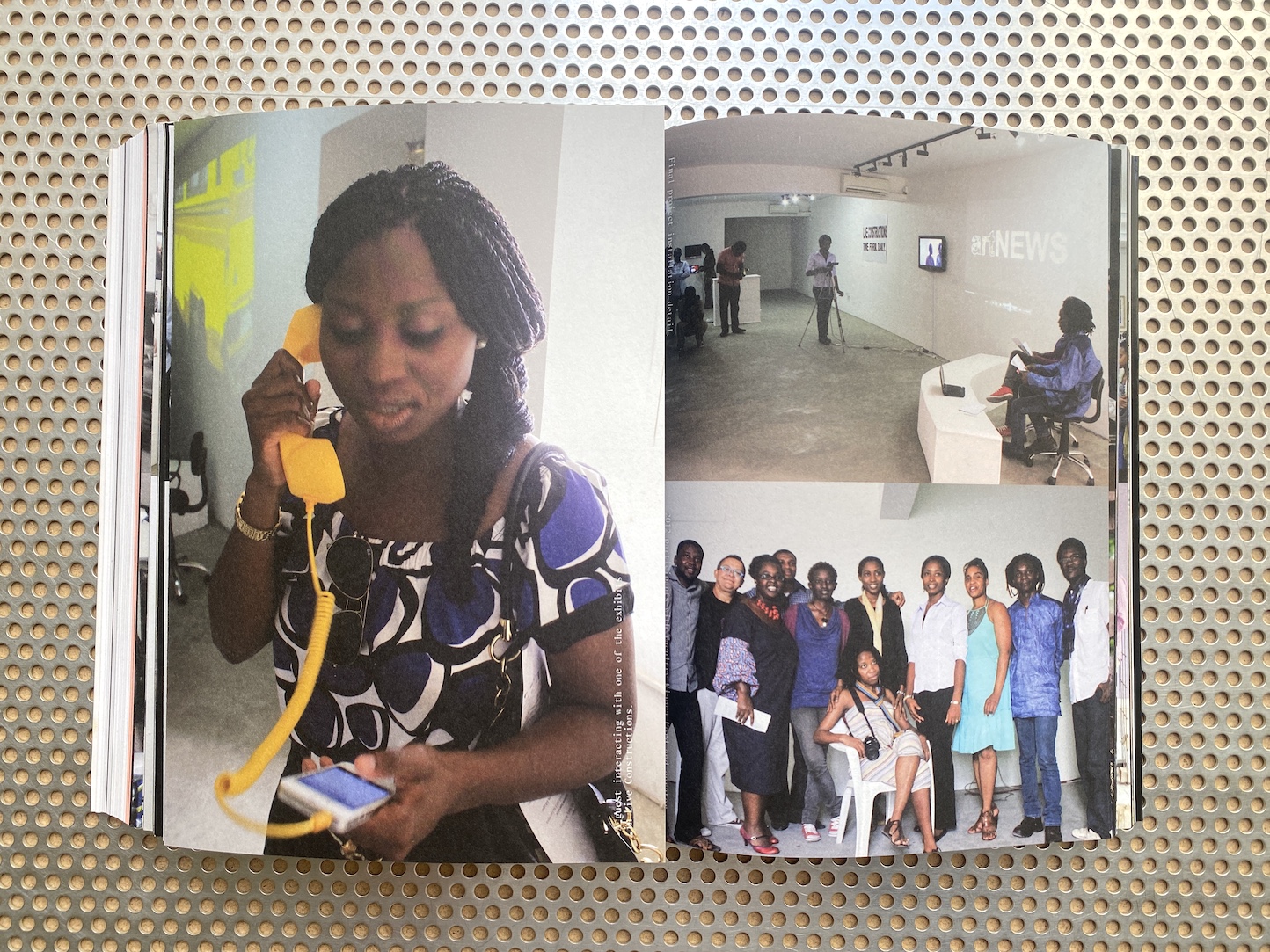
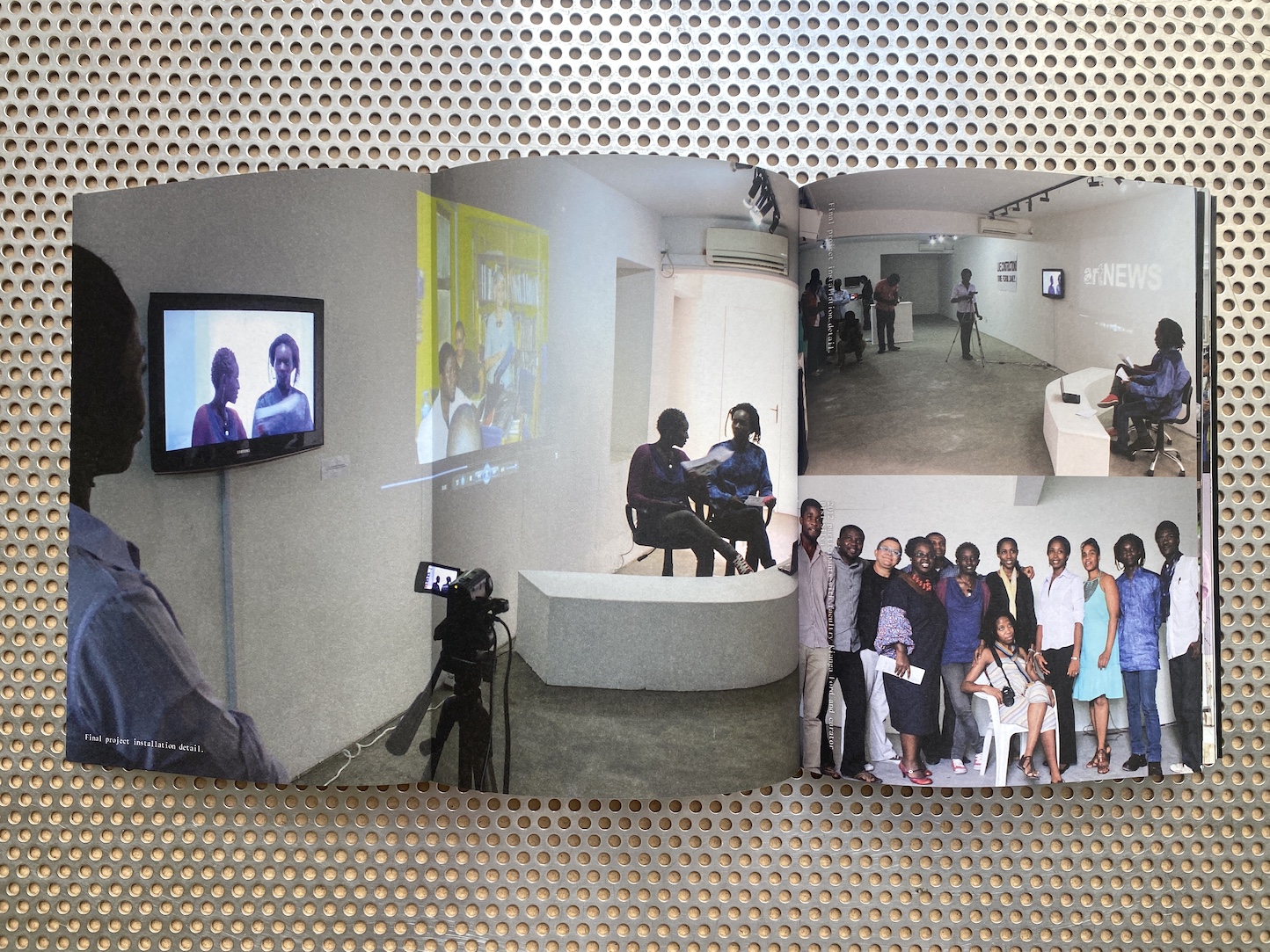
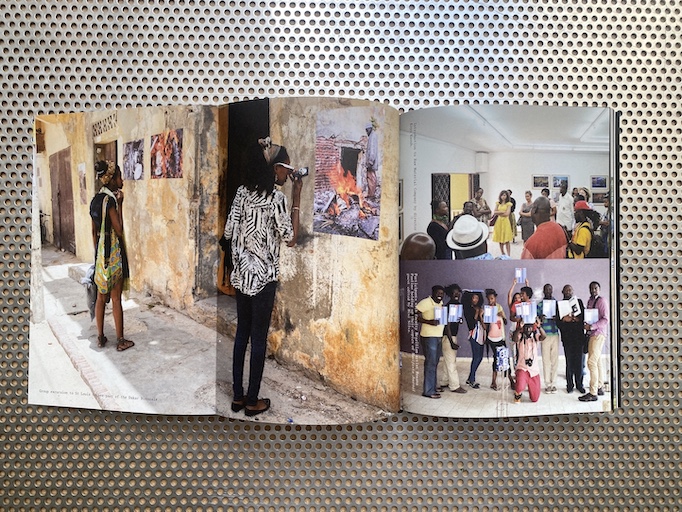
“In 2010, the Centre for Contemporary Art, Lagos started Àsìkò, an innovative programme designed to redress the frequently outdated or non-existent artistic and curatorial curricula at tertiary institutions across Africa. Each year a cohort of approximately 12-15 emerging African artists and curators join an international faculty of practicing artists, art historians, curators and writers, for an intensive thirty-five-day course of study in art and curatorial history, methodologies, and professional development. Moving between models of laboratory, residency, and academy, Àsìkò privileges experimentation over conventional approaches to art making and curatorial inquiry, encouraging participants to workshop ideas, proposals and projects for long-term development and implementation.
Àsìkò: On the Future of Artistic and Curatorial Pedagogies in Africa chronicles six editions of the programme: the first two editions having taken place in Lagos, Nigeria and the subsequent four editions in Accra, Dakar, Maputo, and Addis Ababa, the capitals of Ghana, Senegal, Mozambique and Ethiopia, respectively. The publication documents each unique but related iteration of the programme, and indexes the work and reflections of the more than 70 cultural producers (from 15 African countries) who have participated in Àsìkò from 2010-2016. The book embodies the multifaceted structure of Àsìkò by interweaving documents specific to each edition with a range of material including commissioned essays on alternative strategies of artistic and curatorial practice; interviews, artworks and reflections by participants and faculty. Àsìkò: On The Future of Artistic and Curatorial Pedagogies in Africa explores many of the themes and issues that have concerned African artists over the last several decades, and offers a foundation for new debates on visual culture in Africa, and methods for articulating, presenting, documenting, and historicizing cultural practices in the future. The publication offers bold reflection on the interdisciplinary ethos at the heart of Àsìkò, and considers how diverse formats including film, literature, theatre, dance and visual art can be more effectively used in moving forward an appreciation of contemporary art, art history, and visual culture across the continent.” – Centre for Contemporary Art, Lagos
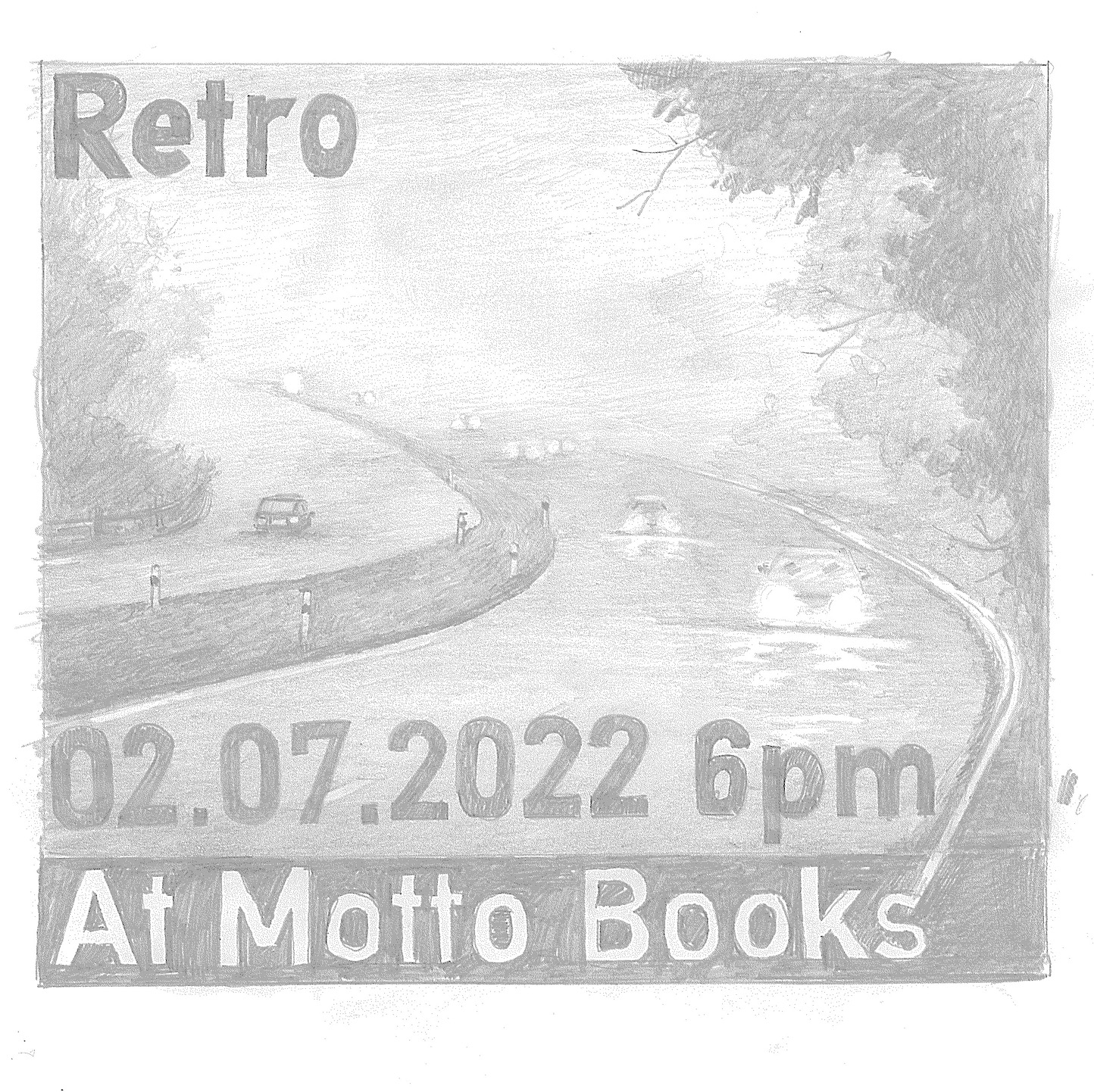
The artist will talk about the book, its ideas, problems and solutions with Jan Ketz (Raum für Zweckfreiheit, Berlin/Münster).
Saturday 9 July 2022 from 7pm
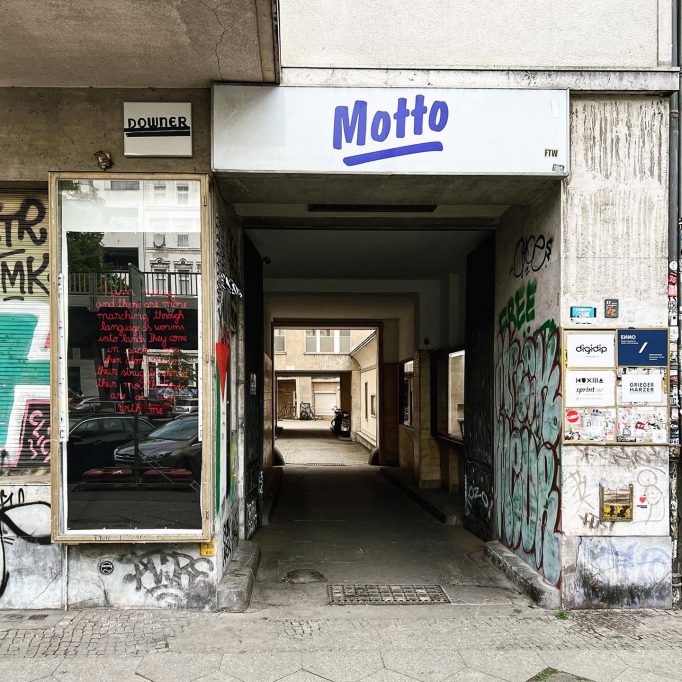
Motto Berlin Skalitzer Str. 68 (im Hinterhof) 10997 Berlin
//
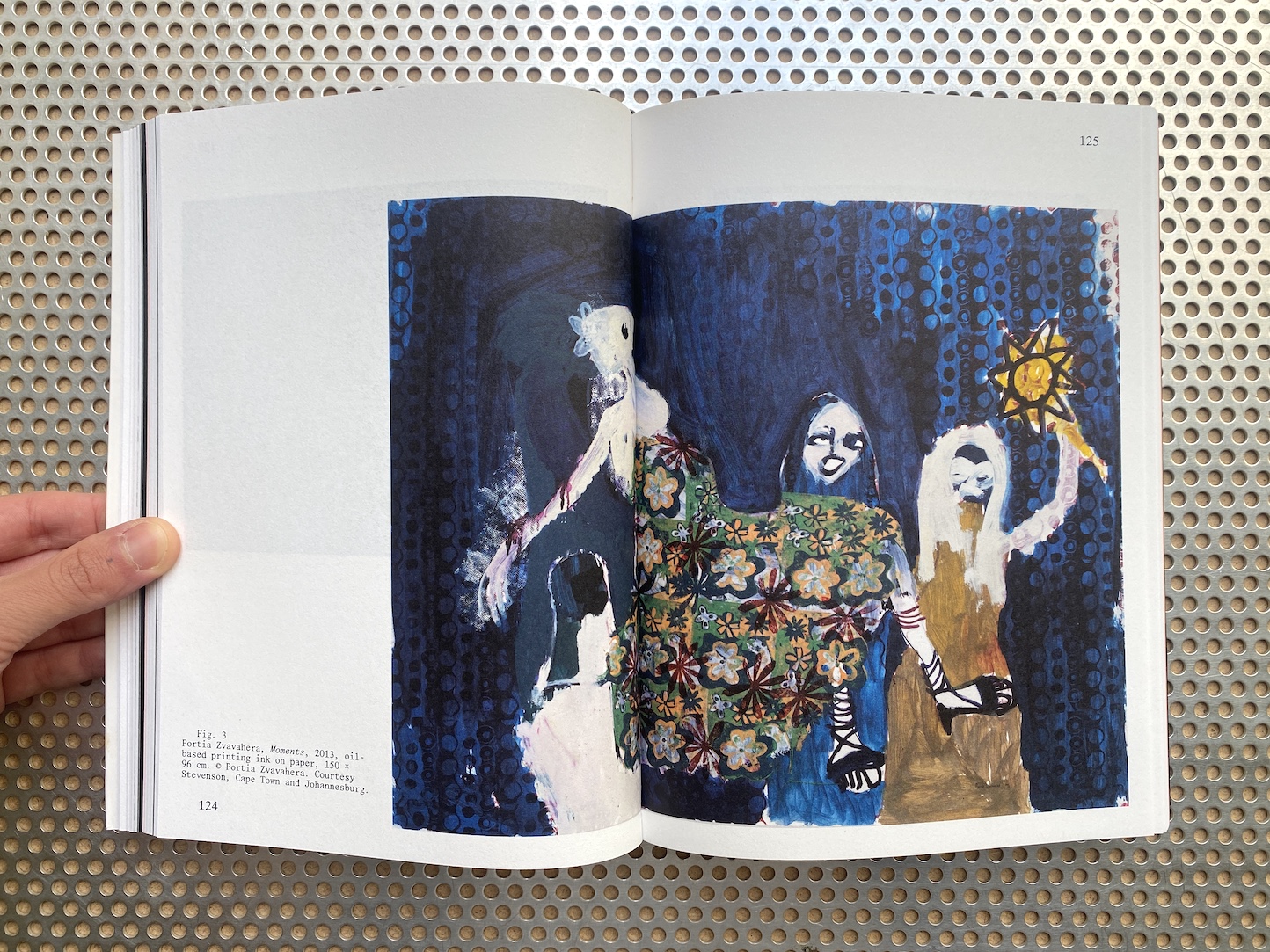
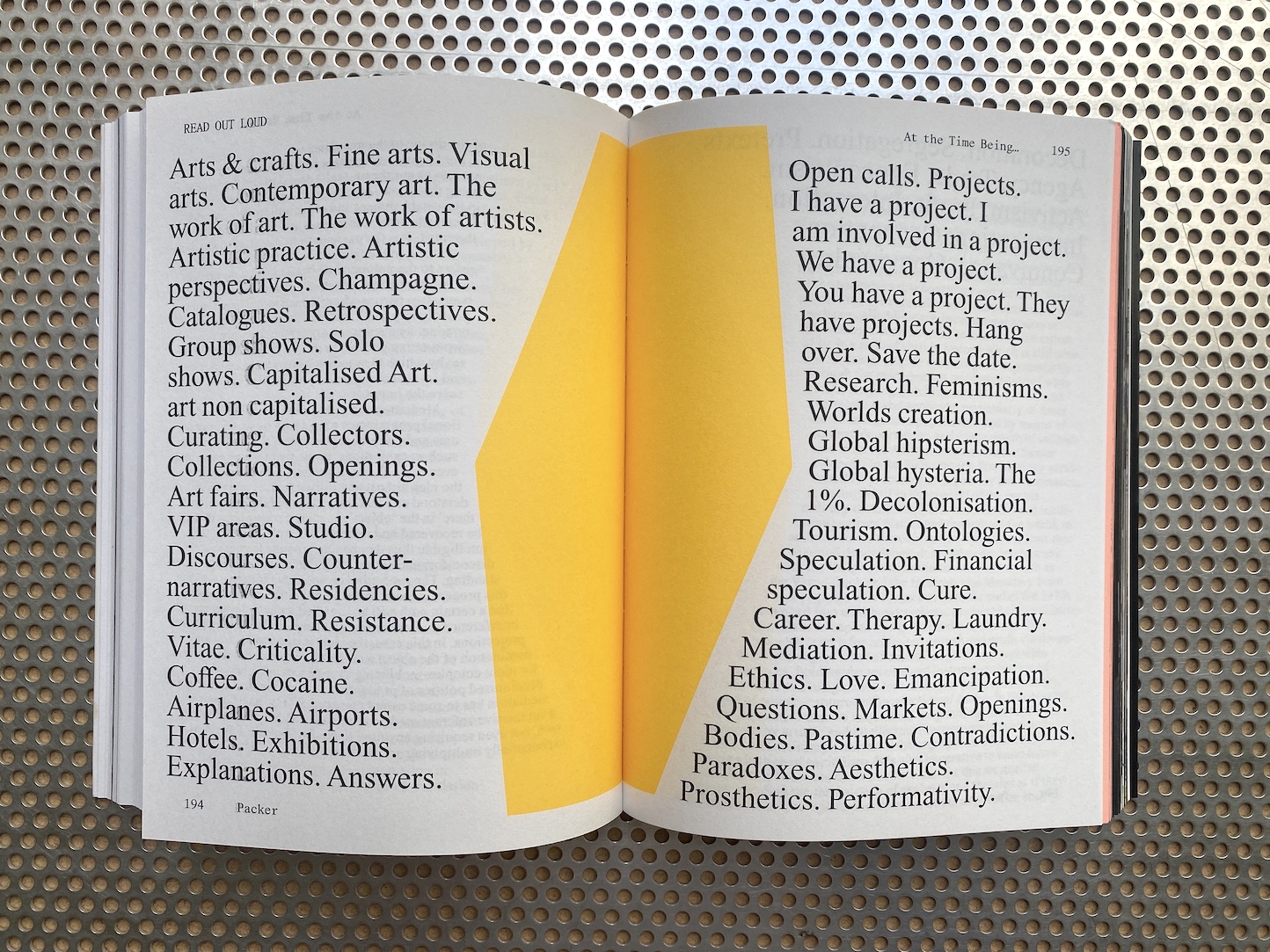
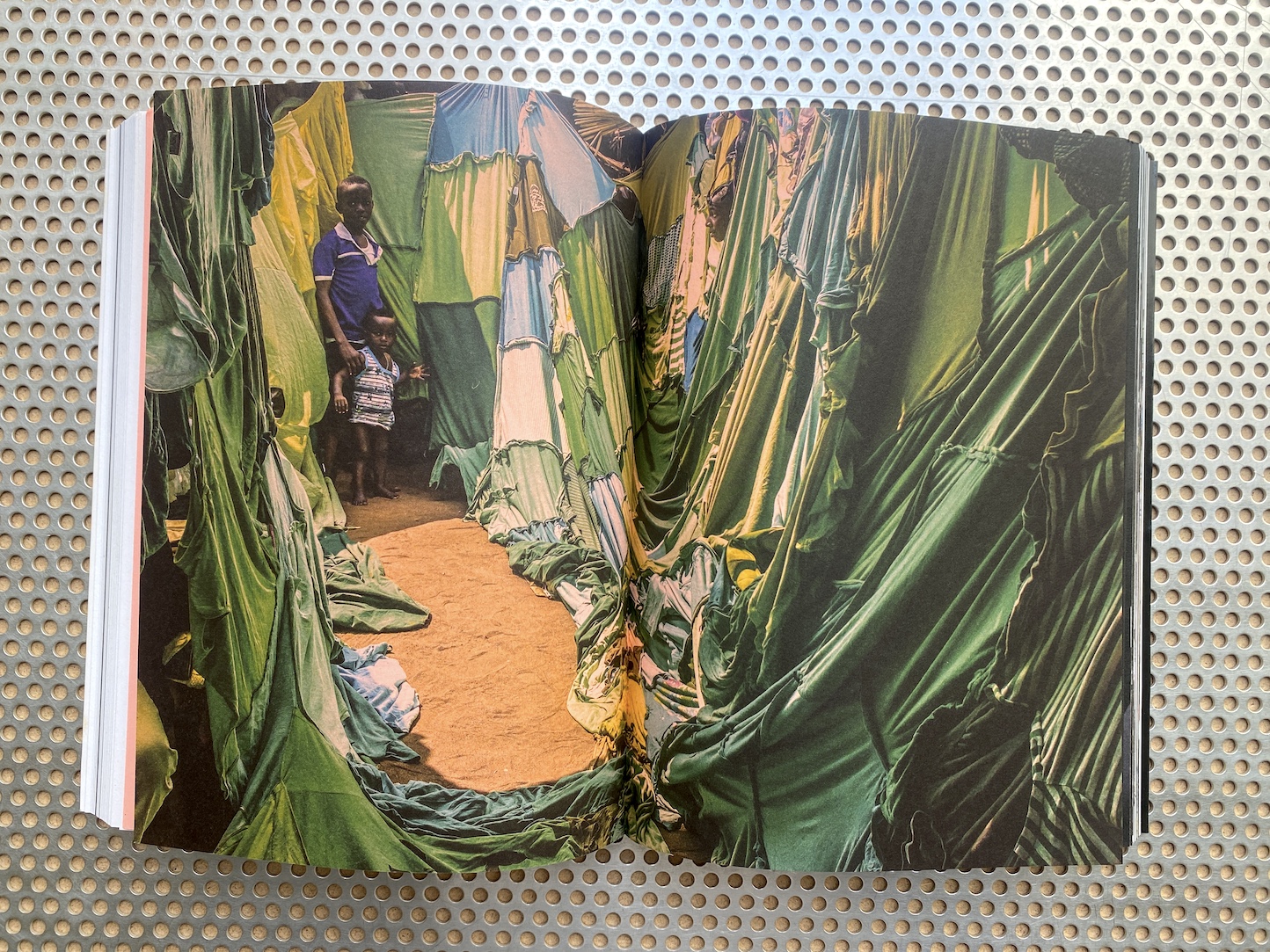
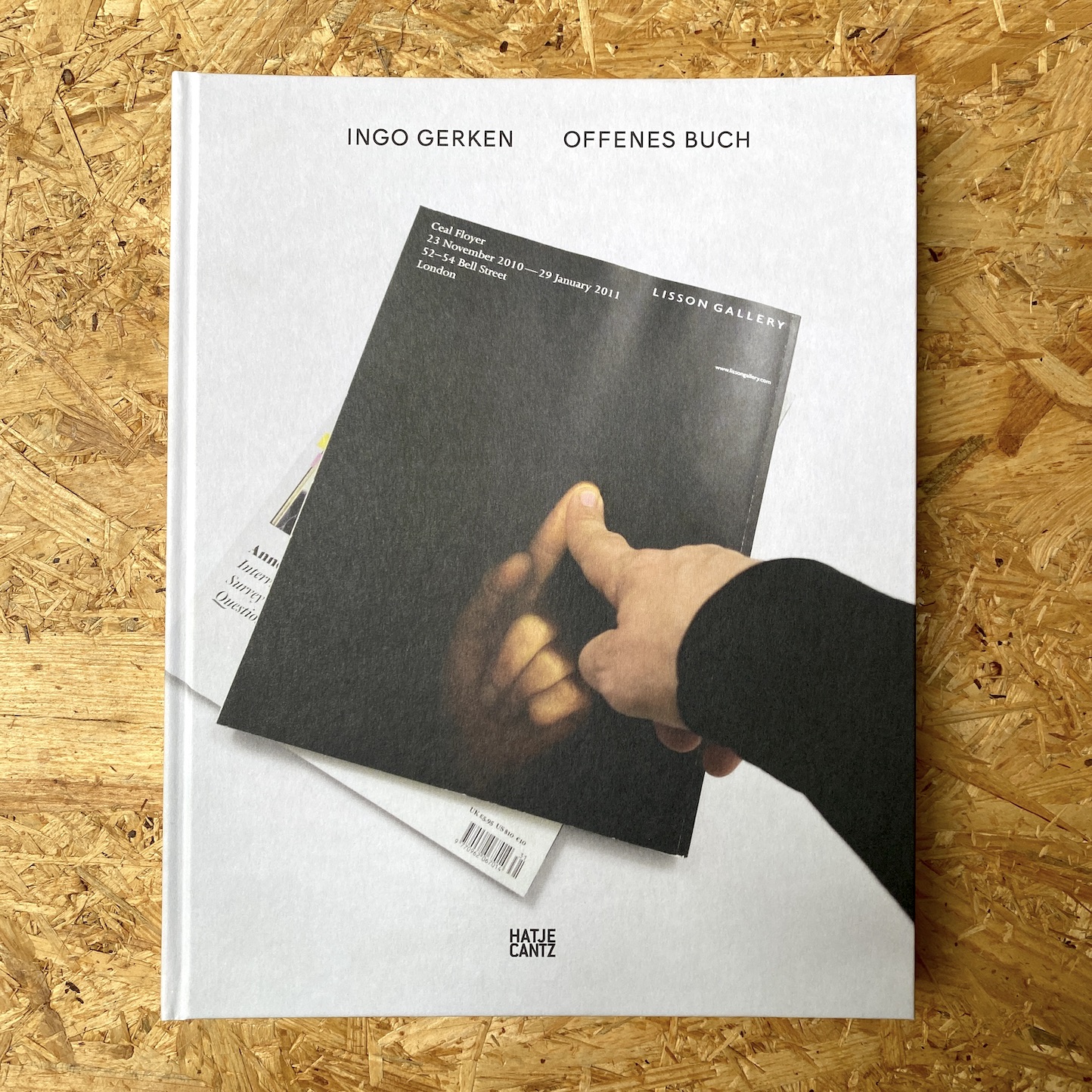
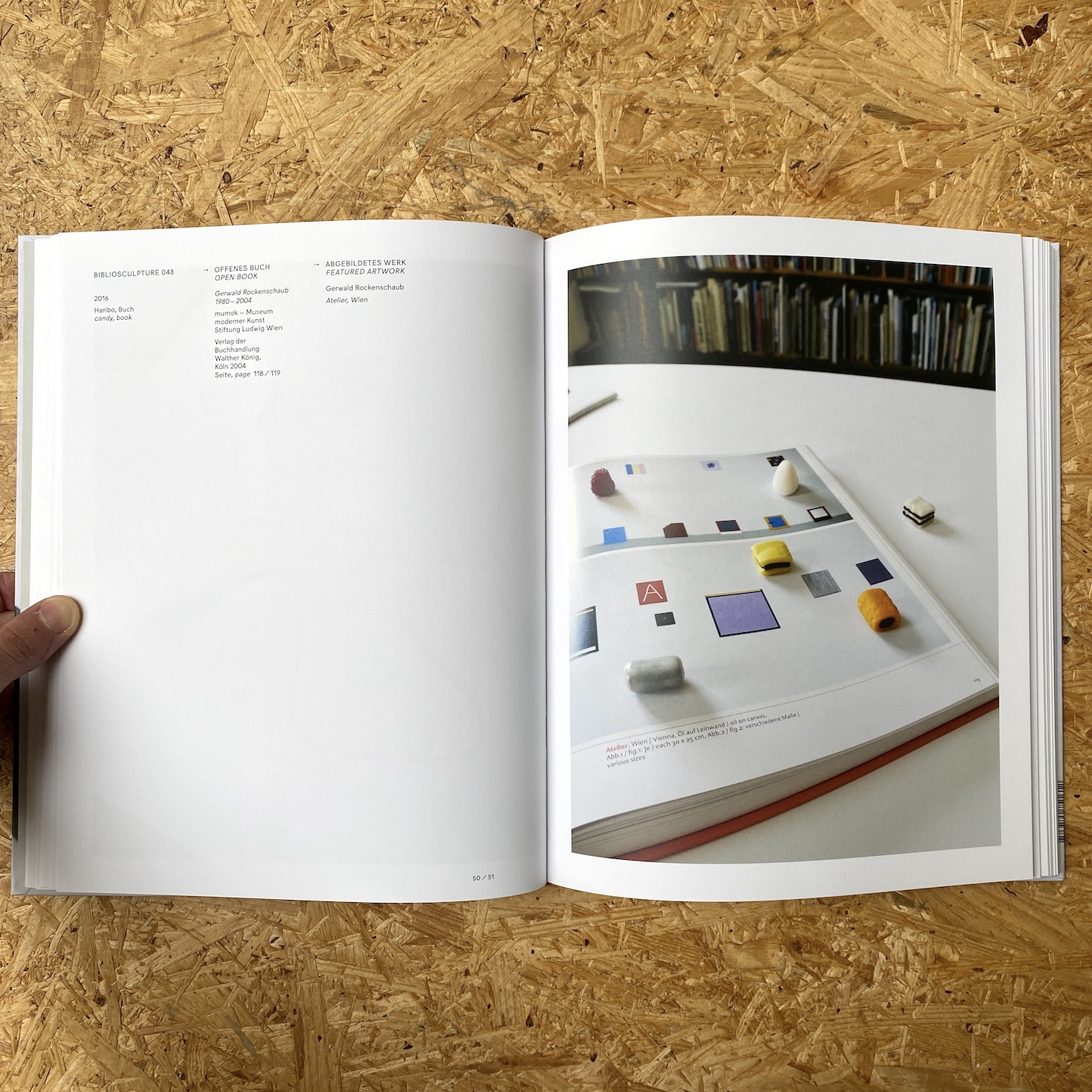
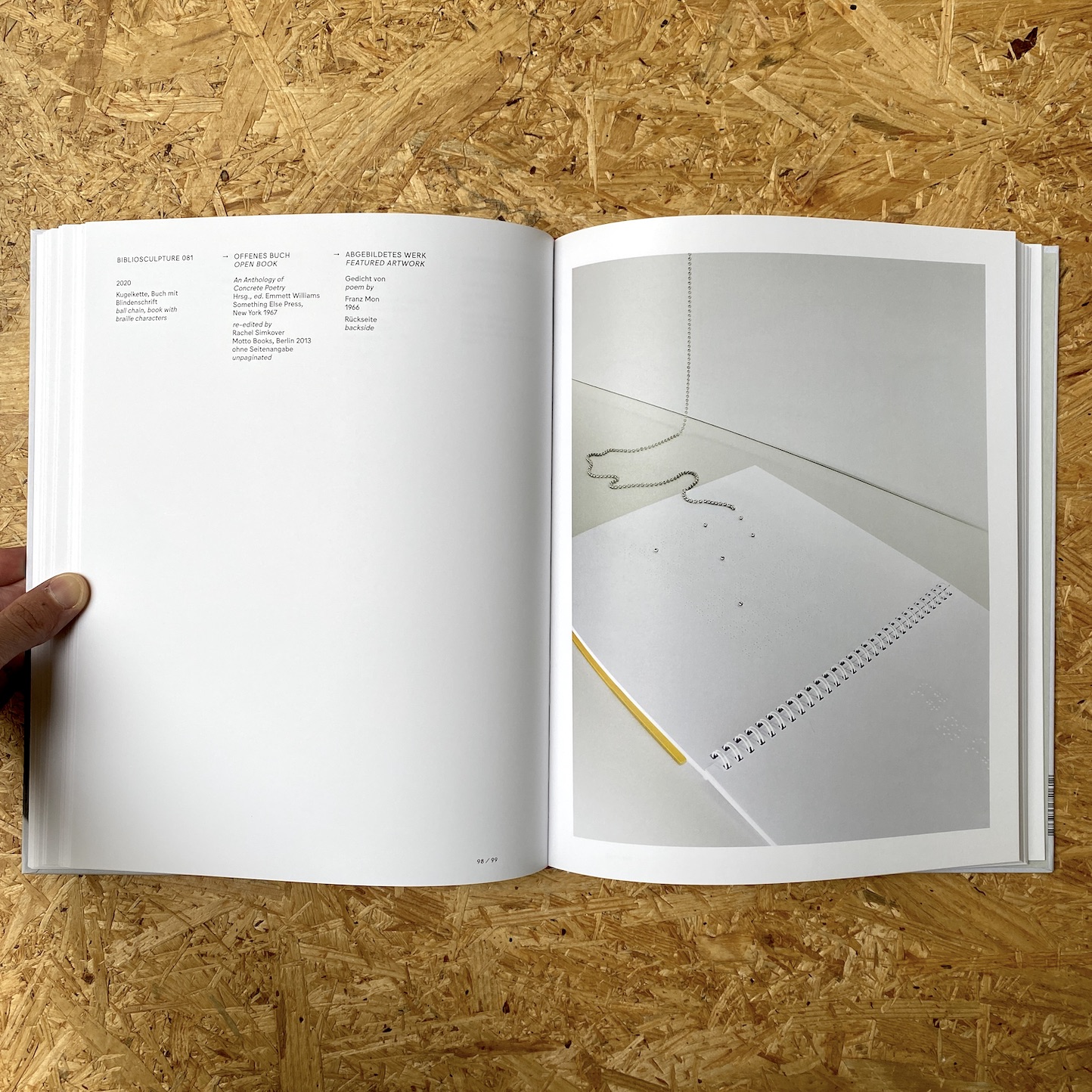
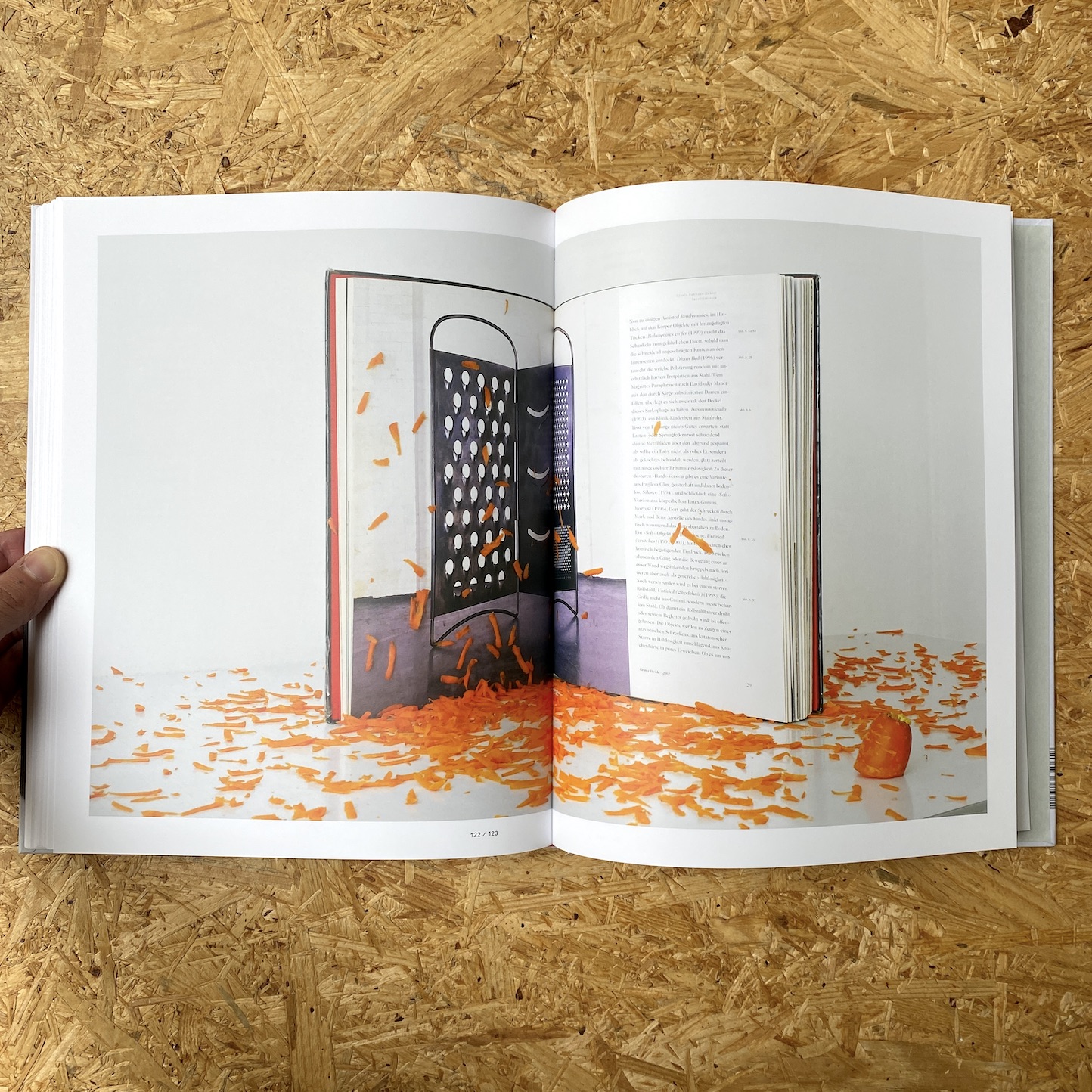
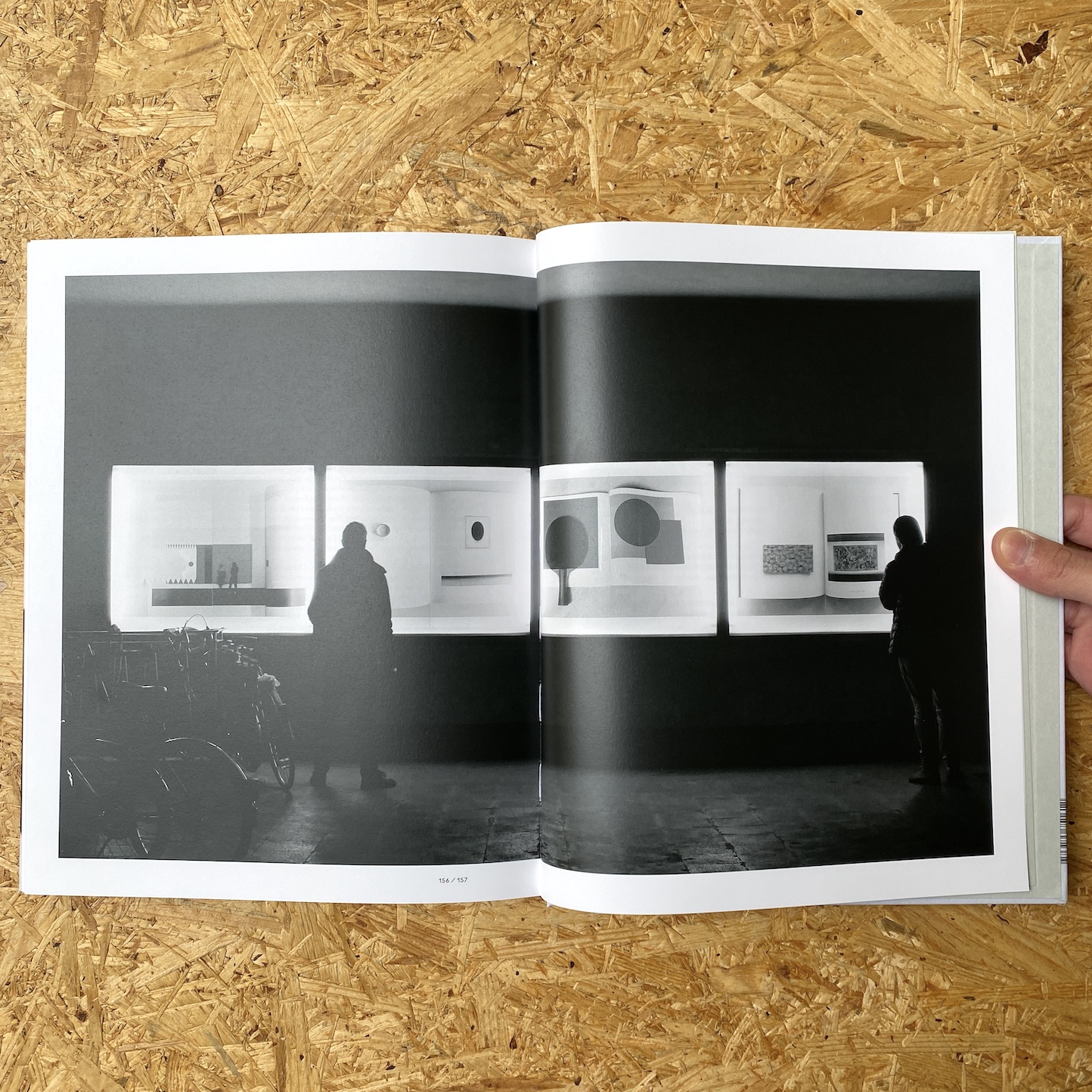
Ingo Gerken: OFFENES BUCH Texts by Eva May, Wolfgang Ullrich Published by Hatje Cantz
Brilliant Bibliophilia
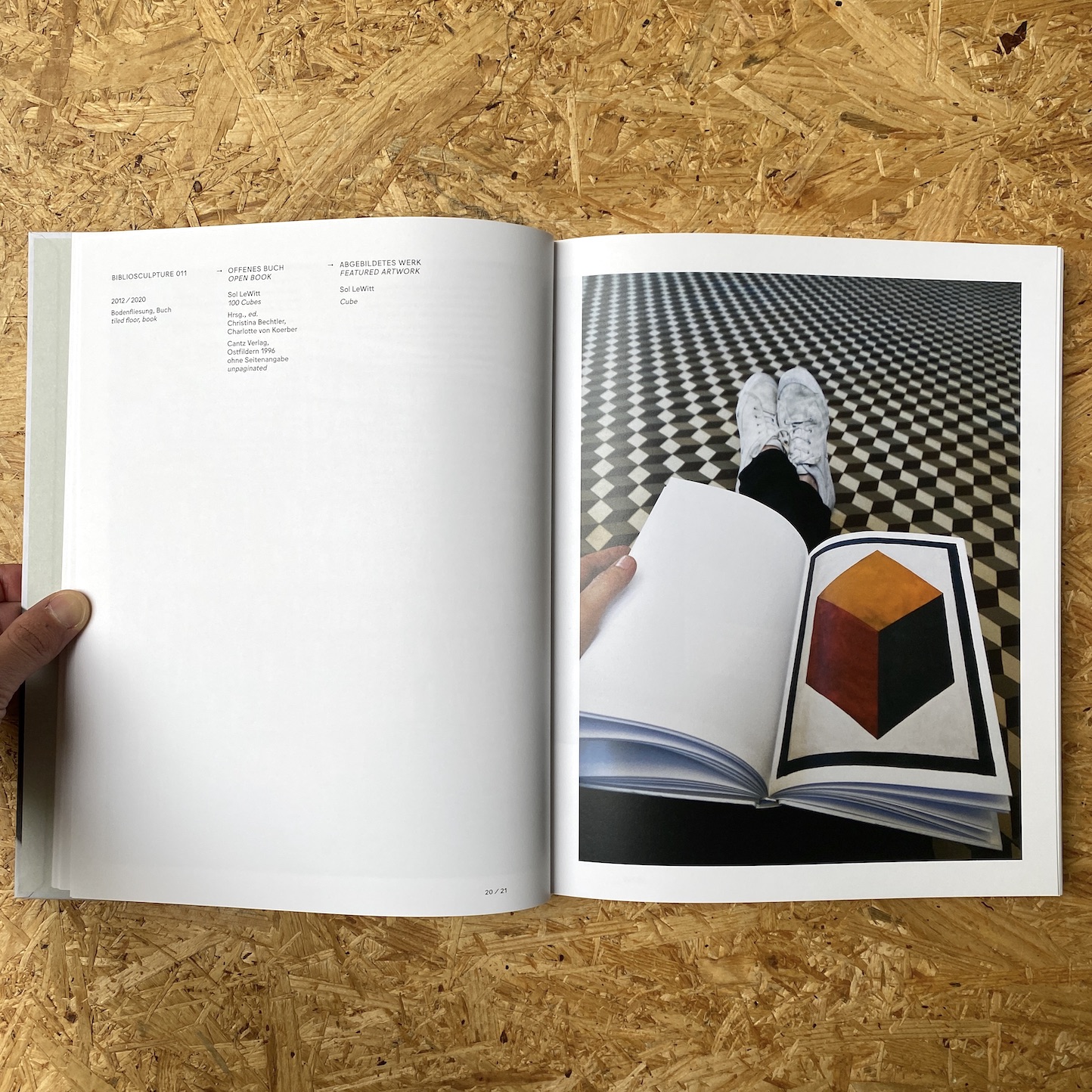
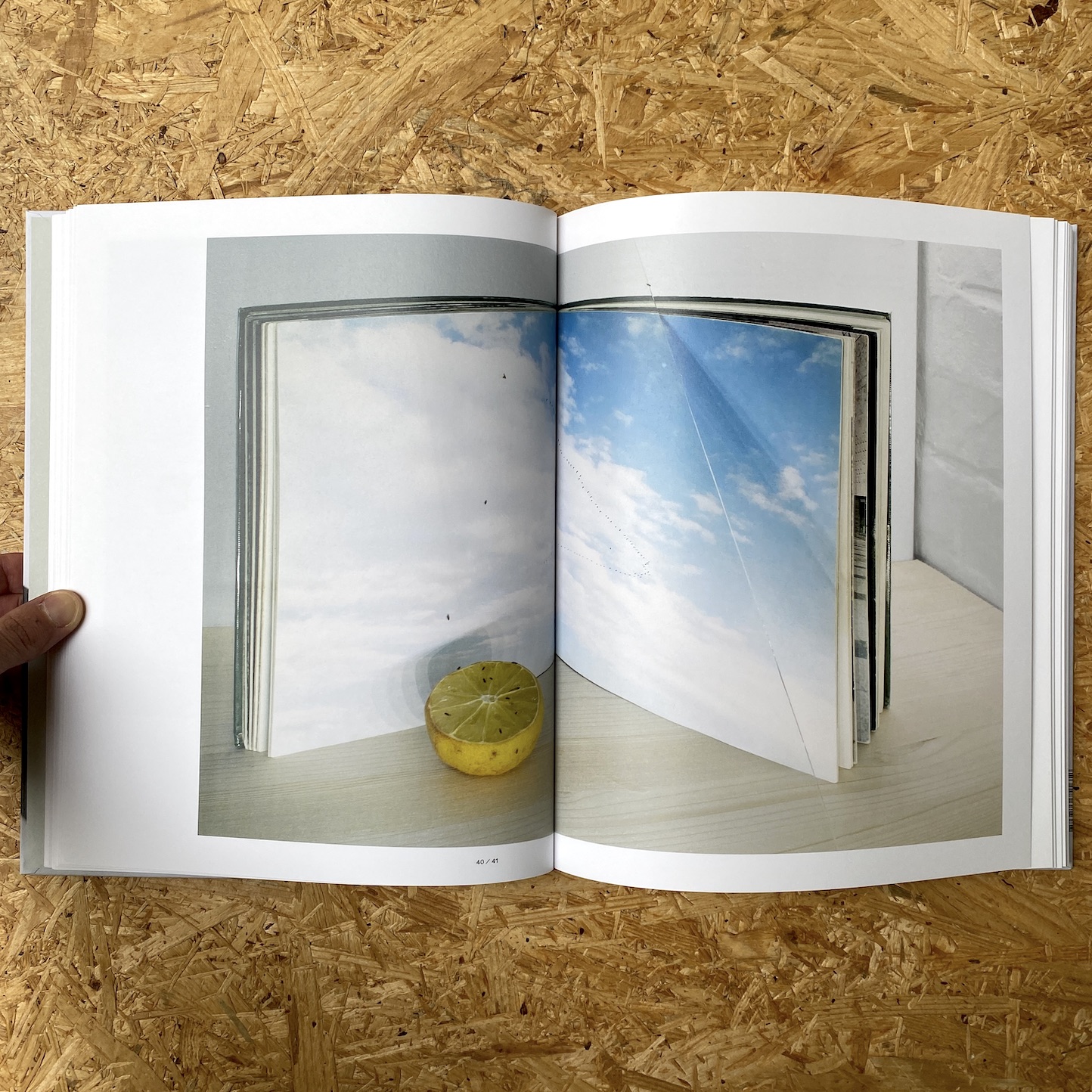
Ingo Gerken’s monographic catalogue literally opens a new chapter in his series of works, Bibliosculptures. Images of open exhibition publications or art magazines become the object of investigation here. Seemingly randomly opened book pages create a play of forces or connections between text, object, and image compositions. By depicting these views of books in the book, the medium itself is both the object and subject of analysis – typical of Gerken’s artistic practice.
INGO GERKEN (*1971) completed his studies of Fine Arts at Muthesius University in Kiel and studied Environmental Art at Glasgow School of Art. He lives and works in Berlin.
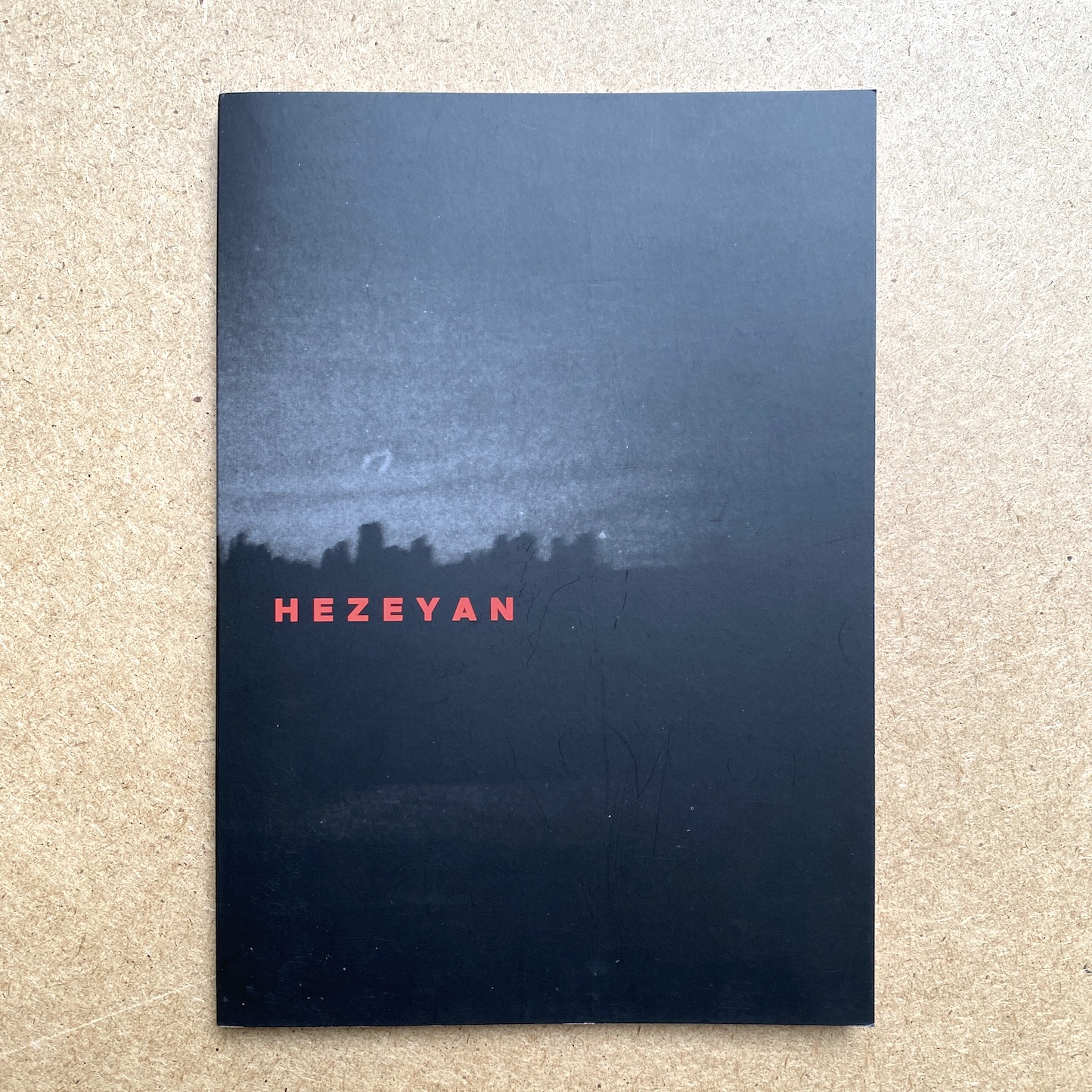
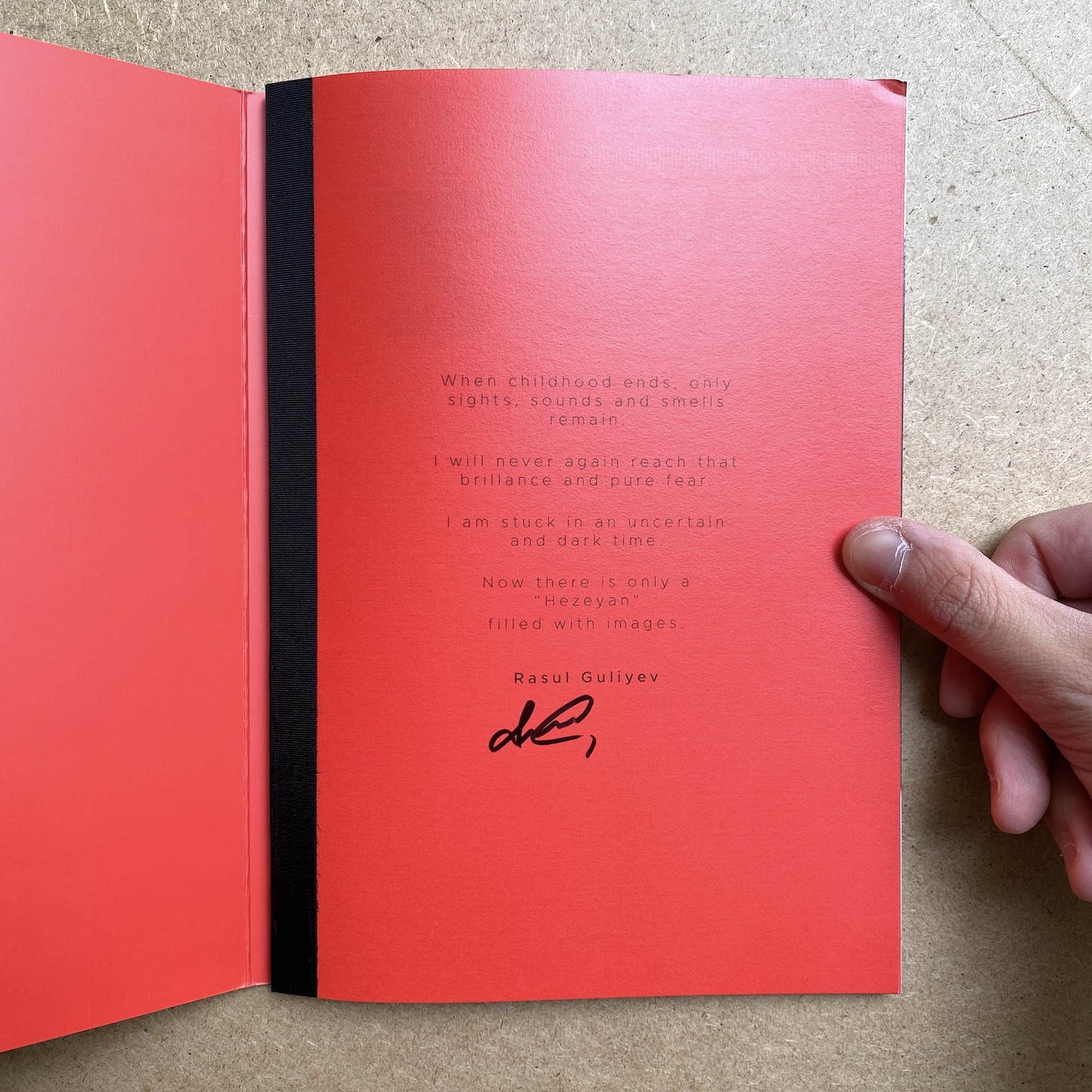
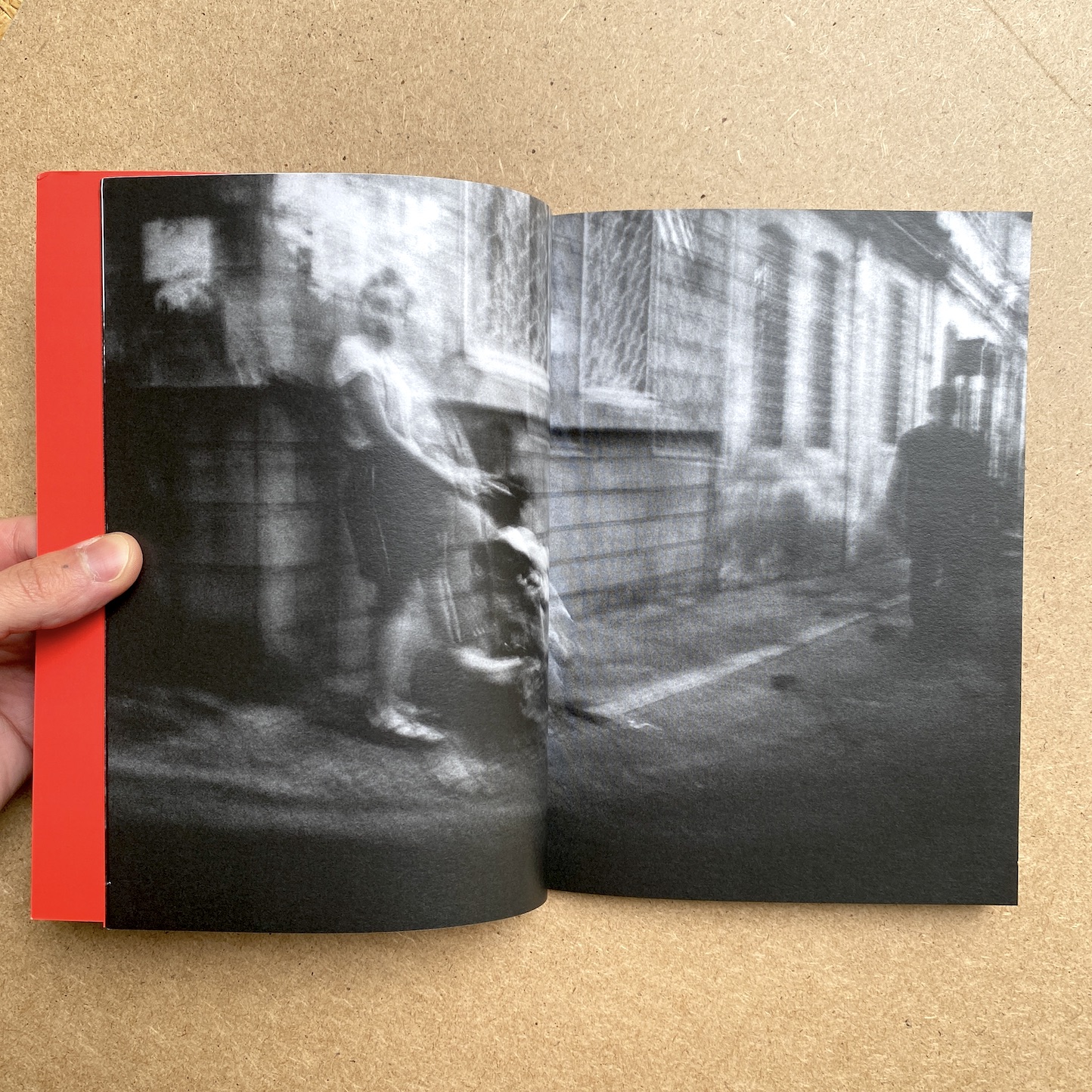
“When childhood ends, only sights, sounds and smells remain. I will never again reach that brilliance and pure fear. I am stuck in an uncertain and dark time. Now there is only a “Hezeyan” filled with images.” –Rasul Guliyev
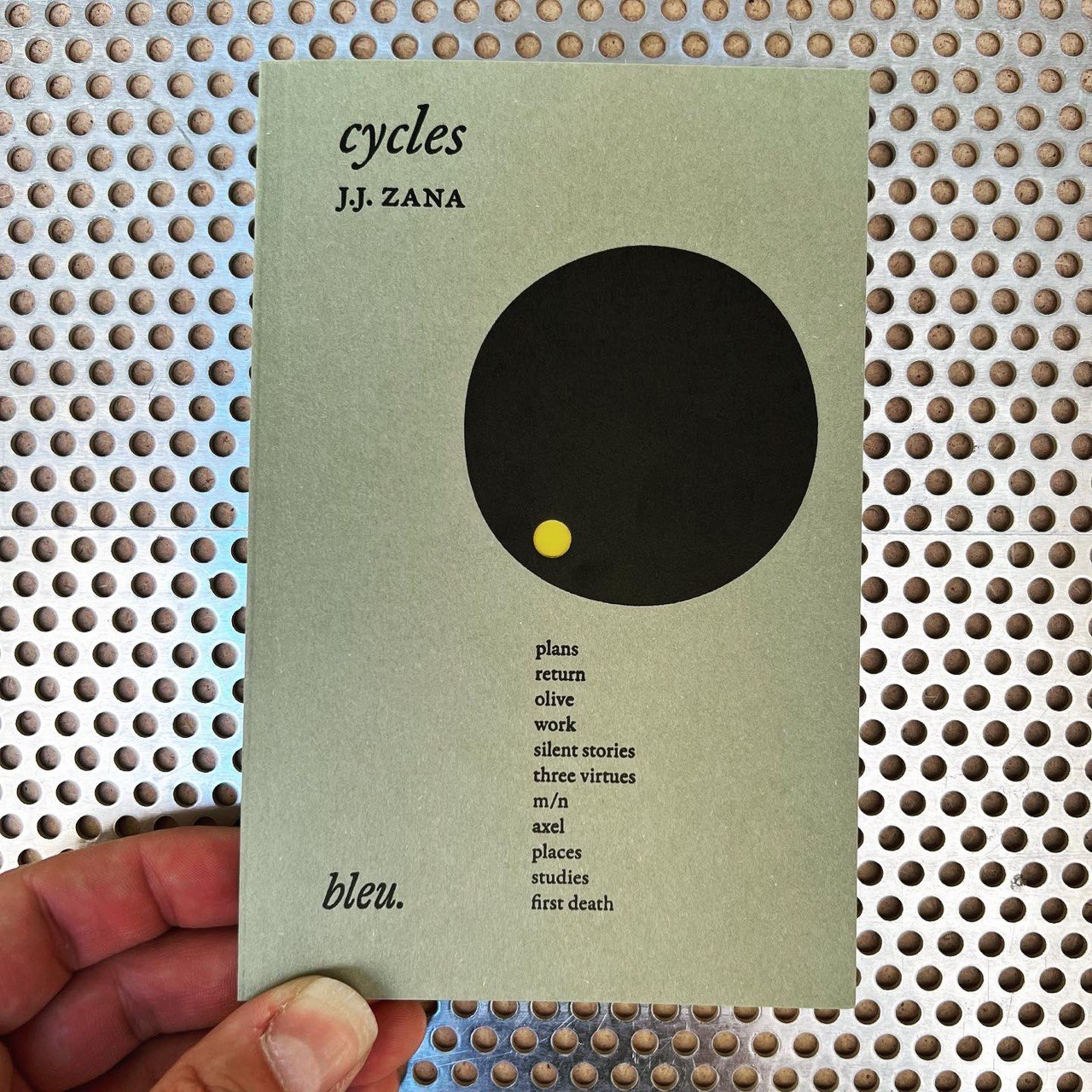
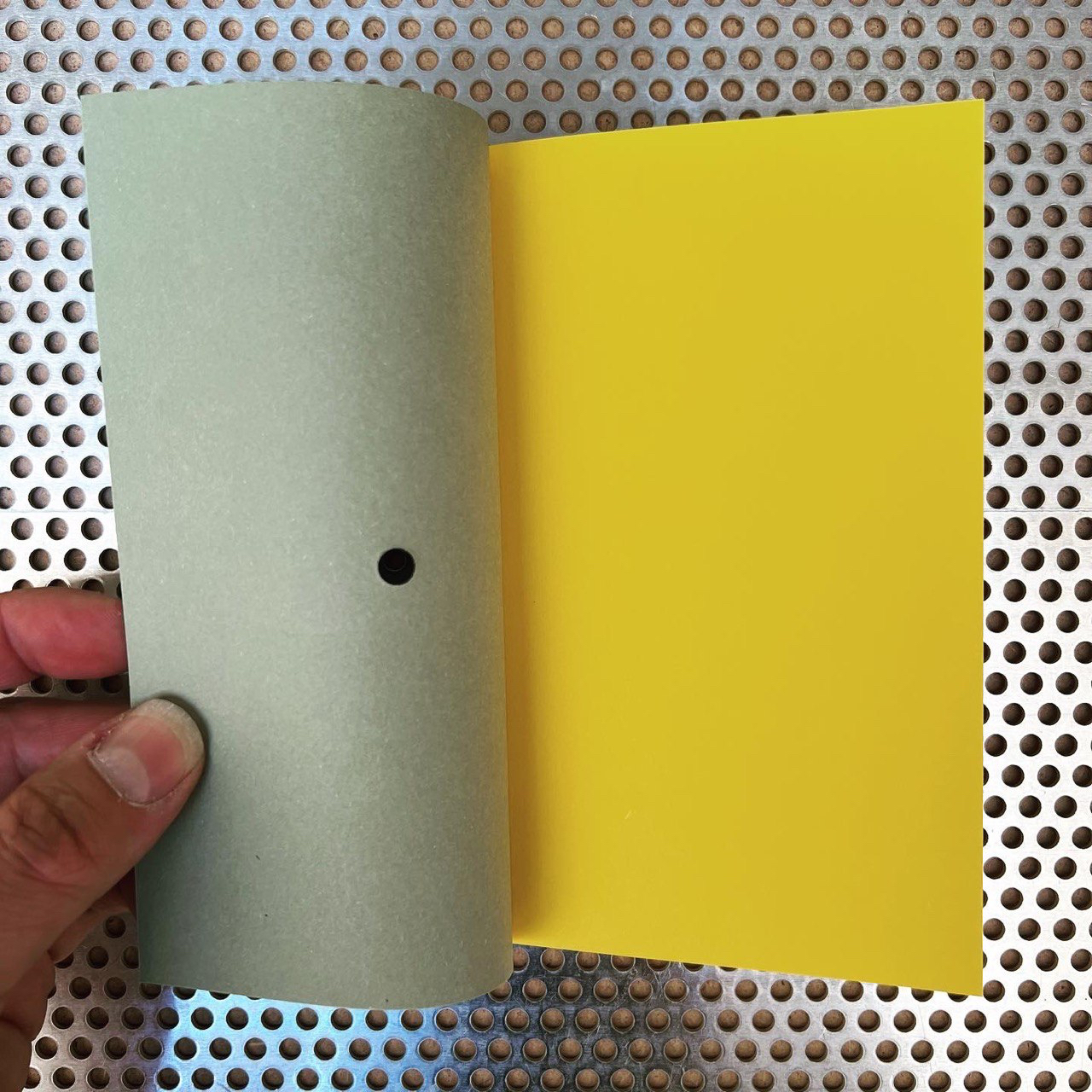
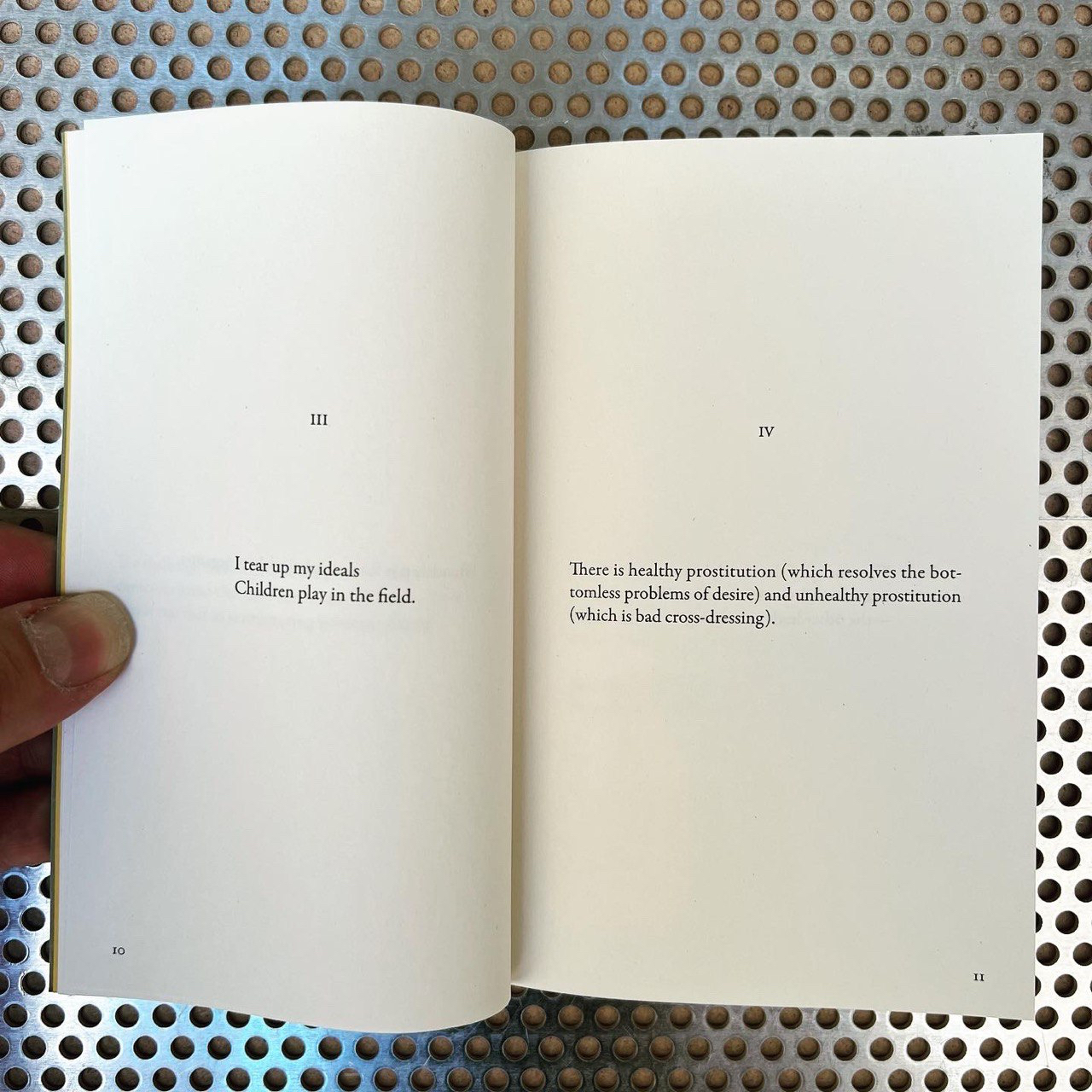
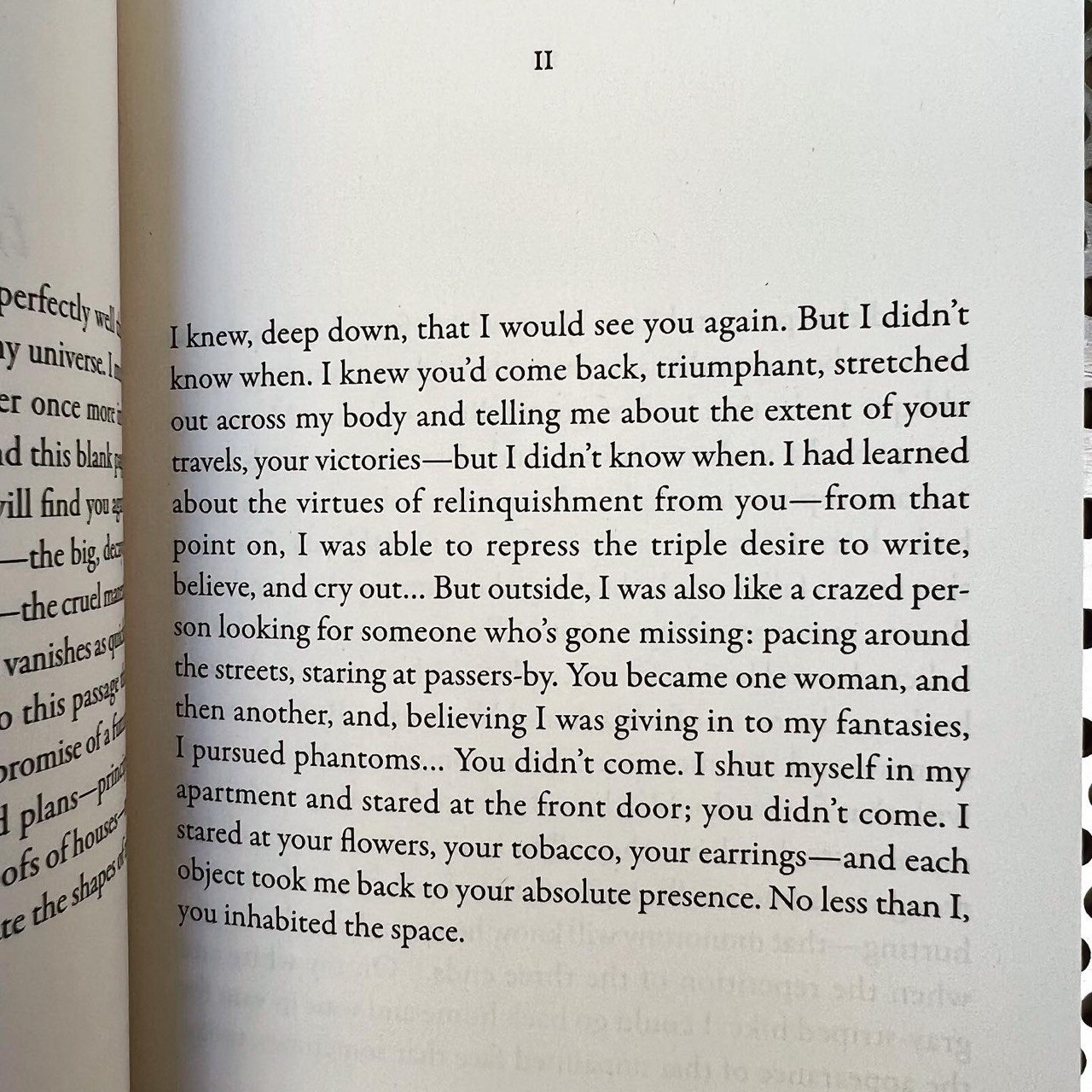
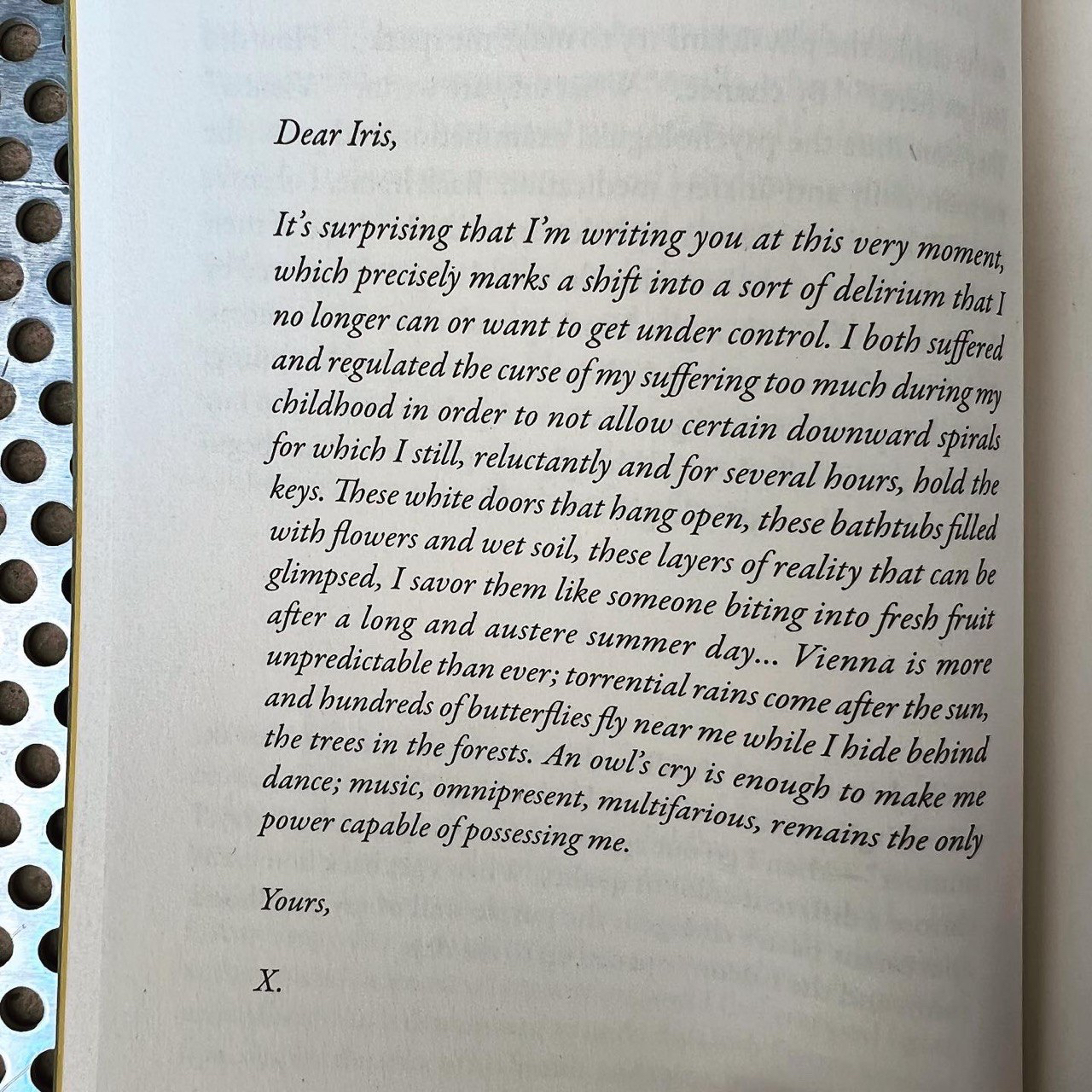
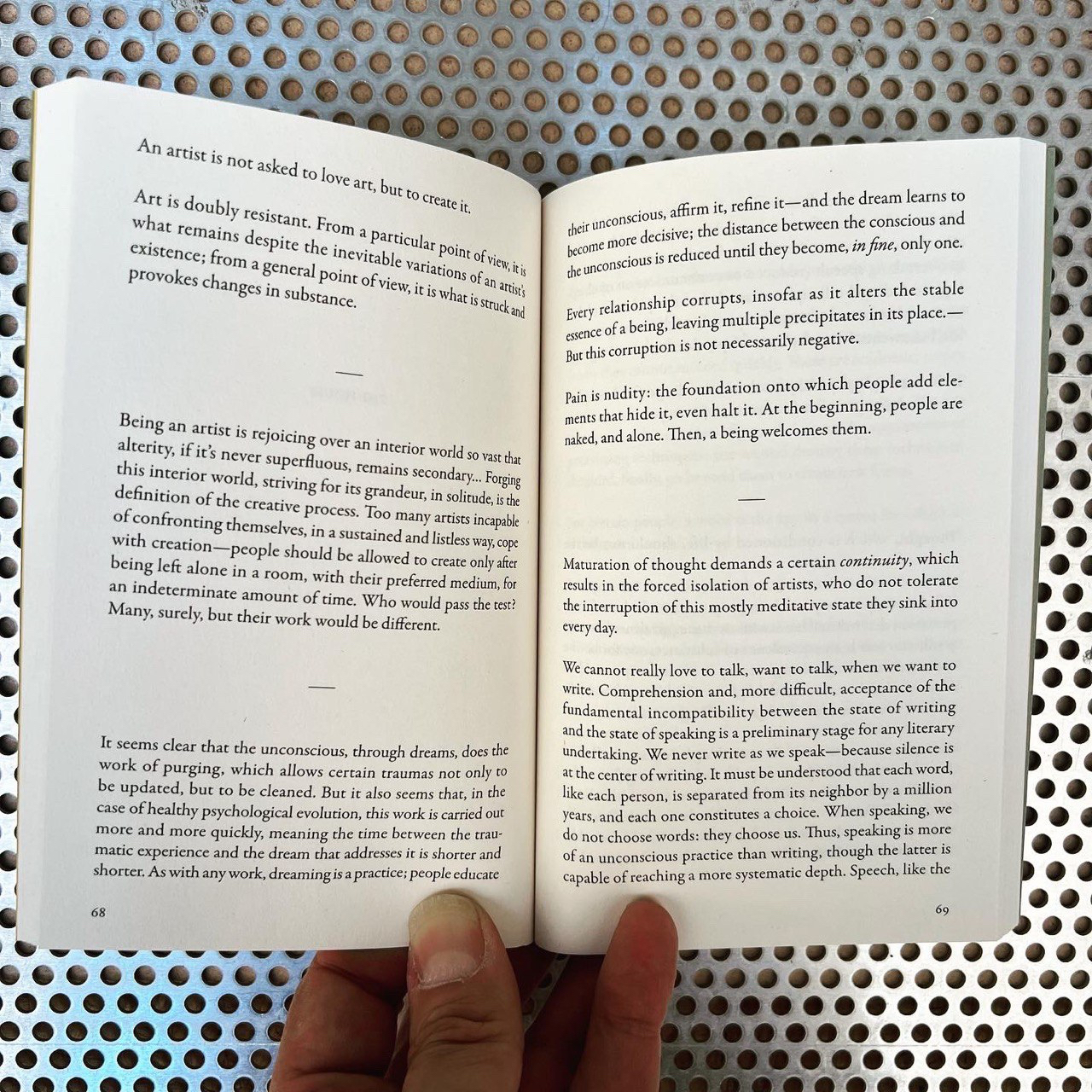
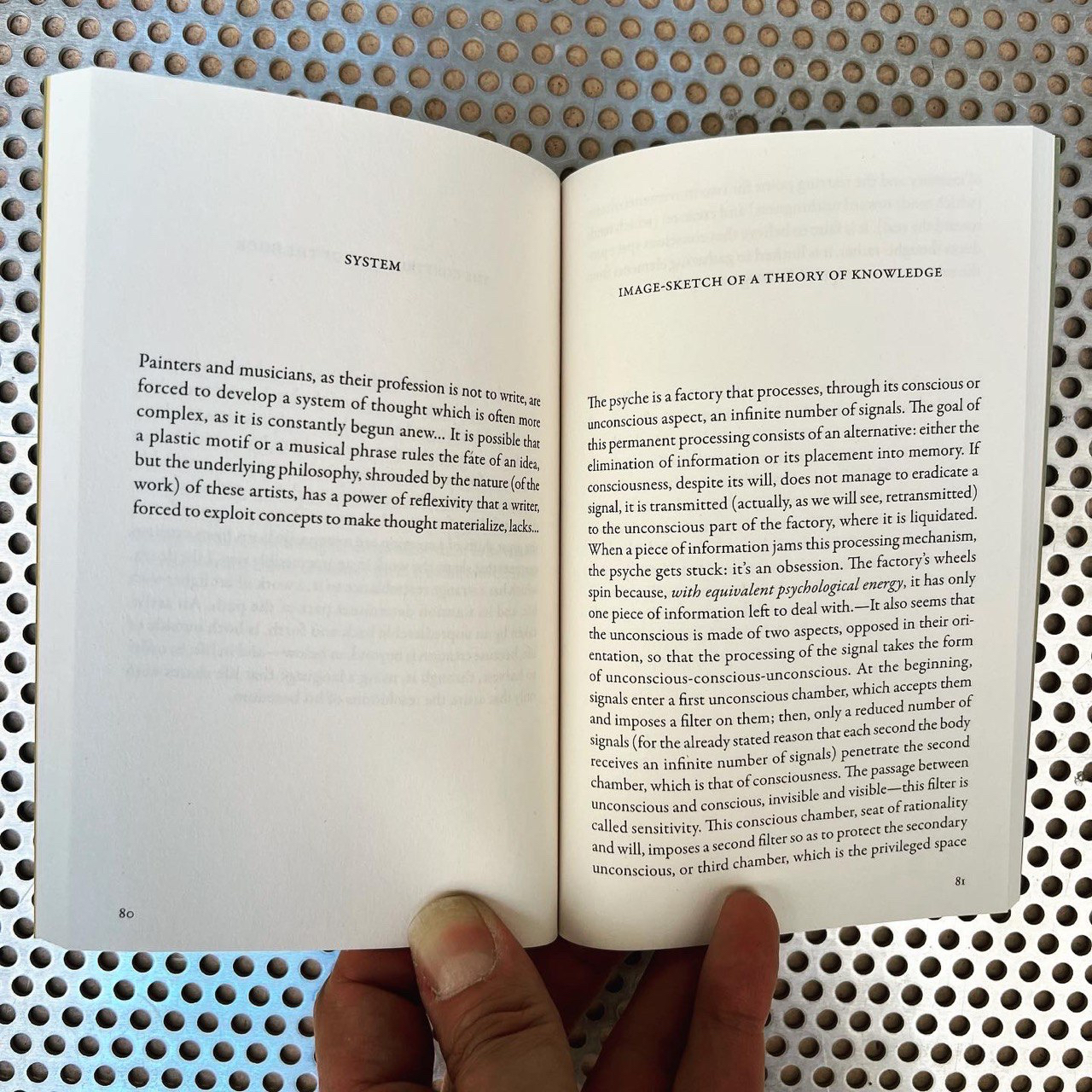
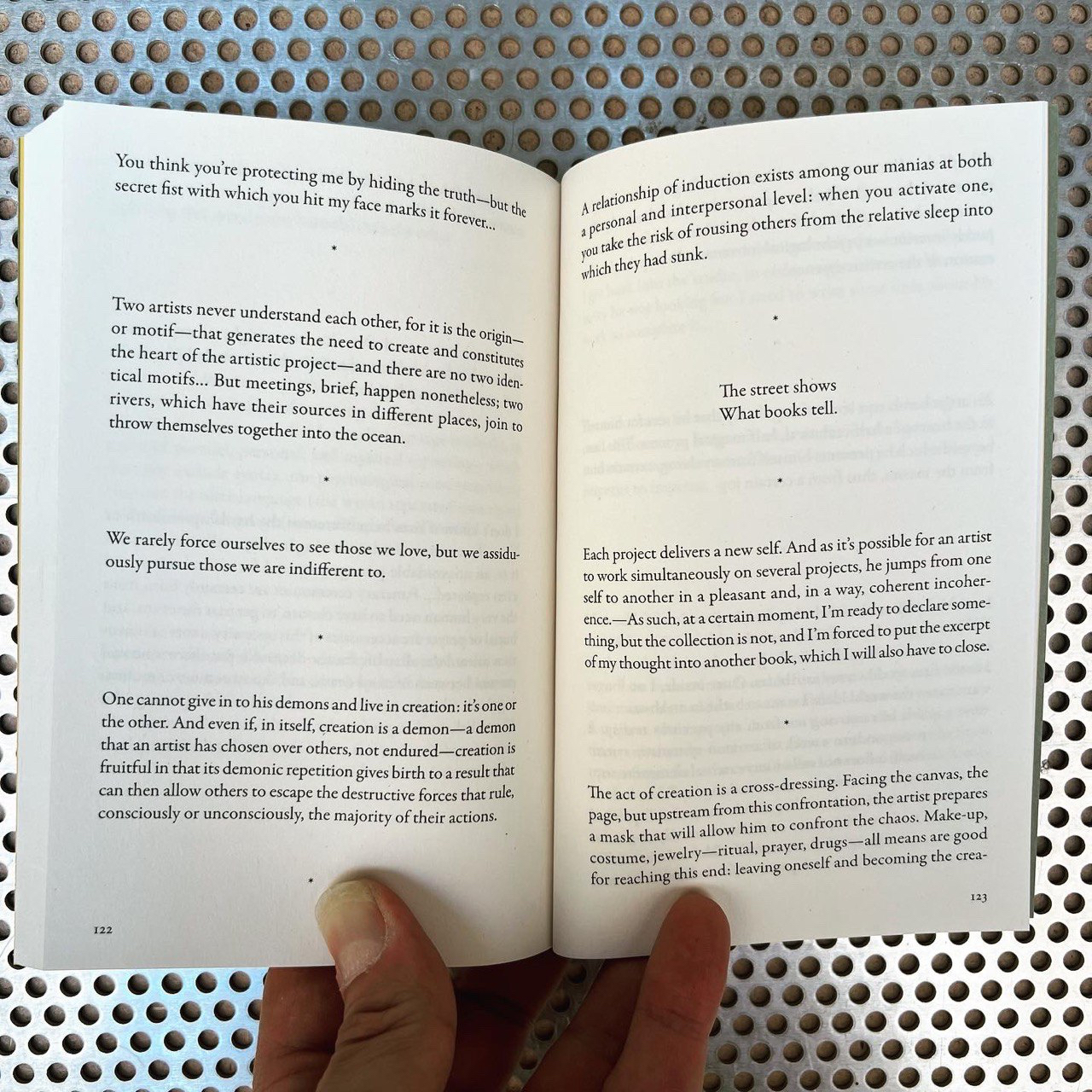
The first creation of the new Berlin based imprint bleu. is a book of J.J. Zana that required a rigorous and collective production process. Writer and translator Katie Archer (USA), designer Alan Bolumar and printer Che Huber (Switzerland), all worked hand in hand in order to create an original artwork, in both substance and form. Because indeed, Cycles seem to be, in today’s literature, hardly possible to classify—though it clearly follows a fragmentary aesthetics, explores the borders of narration, and introduces a certain form of thinking in the eleven sections of the book. The result is a text based on the theories of art and madness (or desire) that breaks, or intents to break the concept of genre—or gender.
J.J. Zana (born 1985 in Marseille) is an artist whose main medium is writing. His first text (a translation from Spanish made in collaboration with Dani Zelko and Marie Bardet) has been published by Museum Reina Sofia (Madrid). He lives and works in Berlin. Bleu. is a new experimental project aiming to produce contemporary literature and music, initiated in Berlin by Nemo Ripoli.
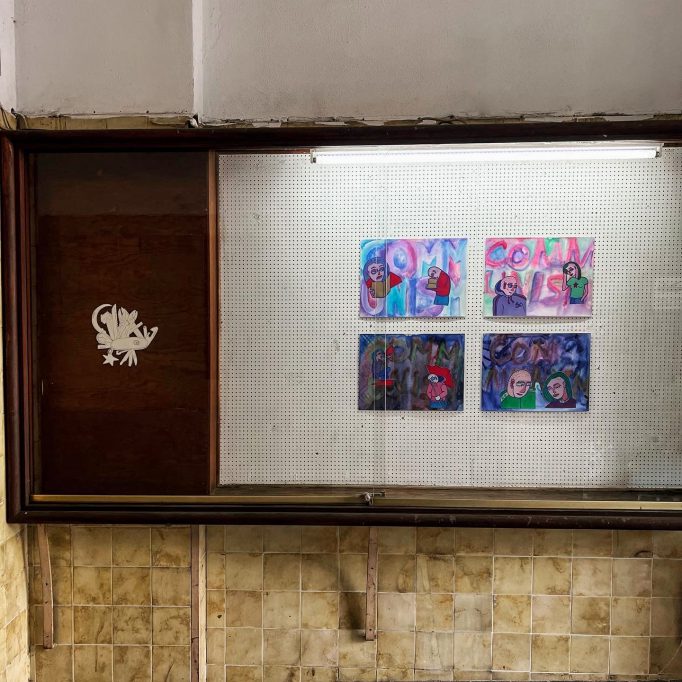
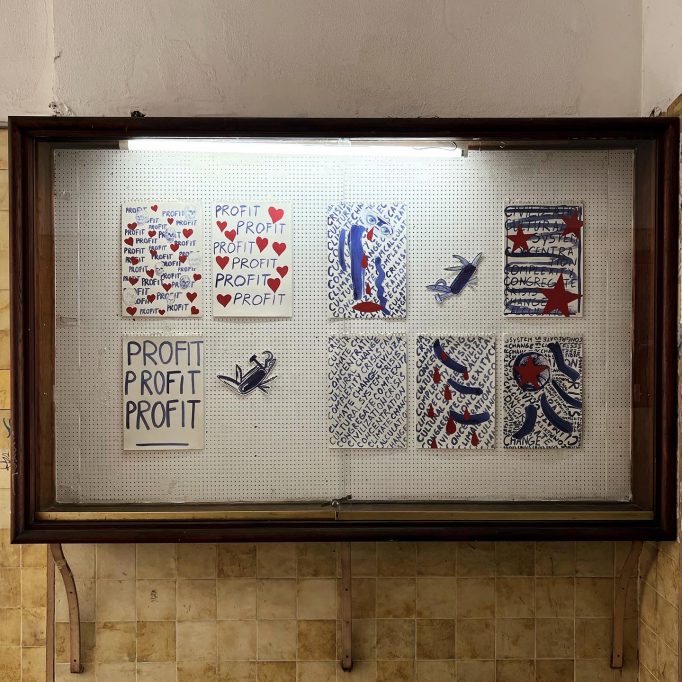
Cazul101’s group show with Dan Perjovschi, Anca Bucur, artistic duo SABA (Silvia Amancei and Bogdan Armanu), Nicoleta Moise, Adriana Preda, Ioana Gheorghiu and Megan Dominescu