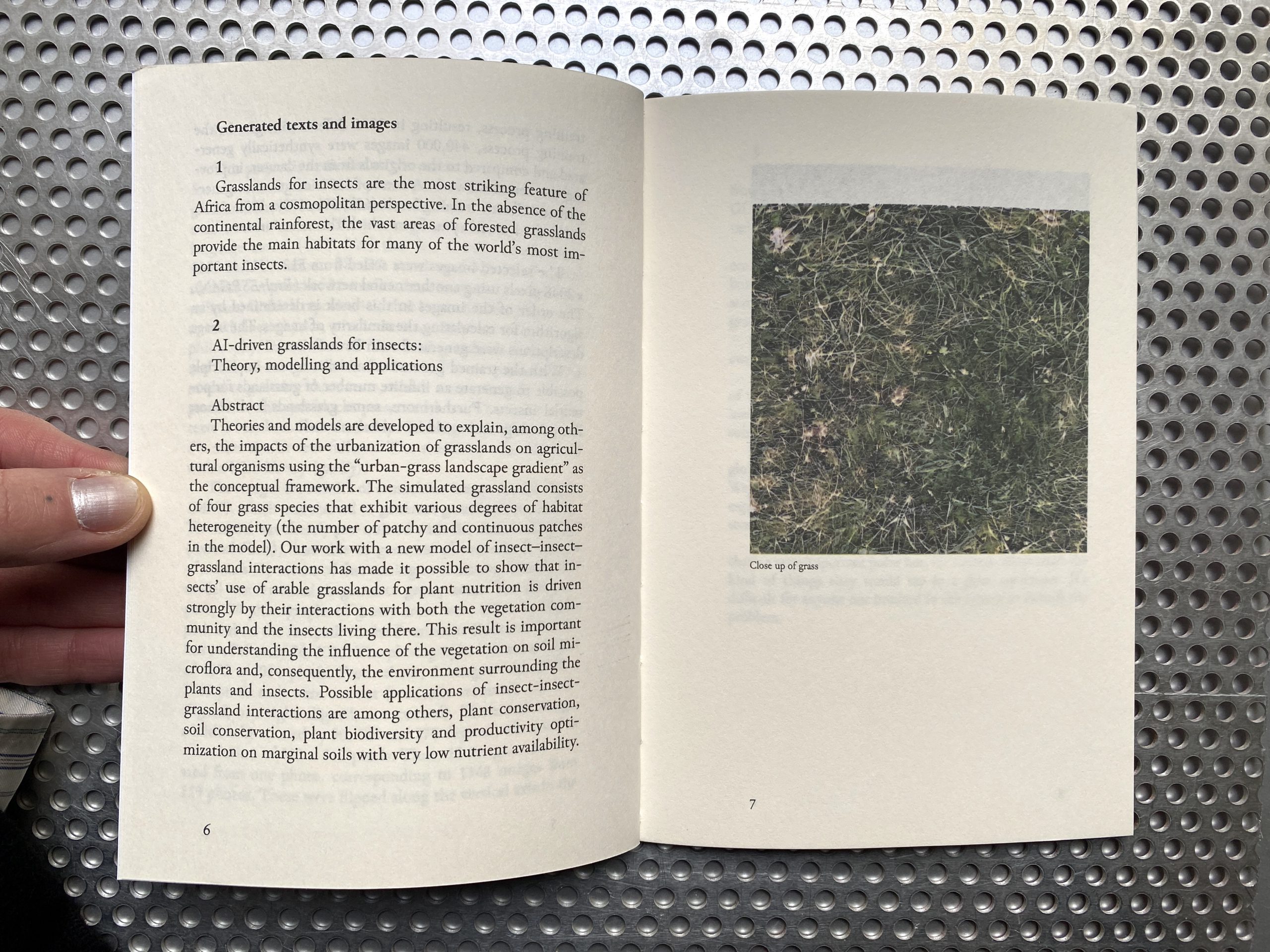
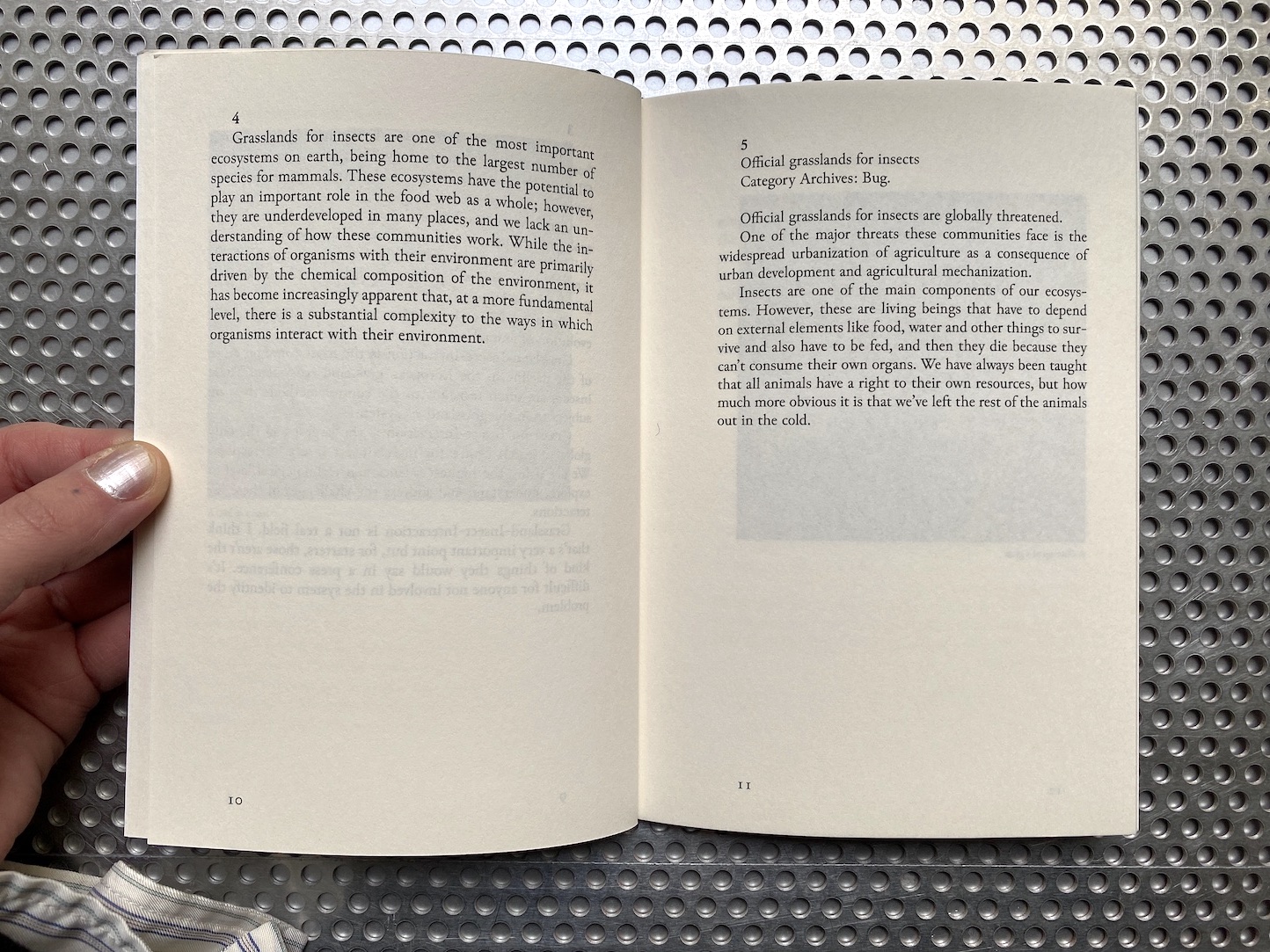
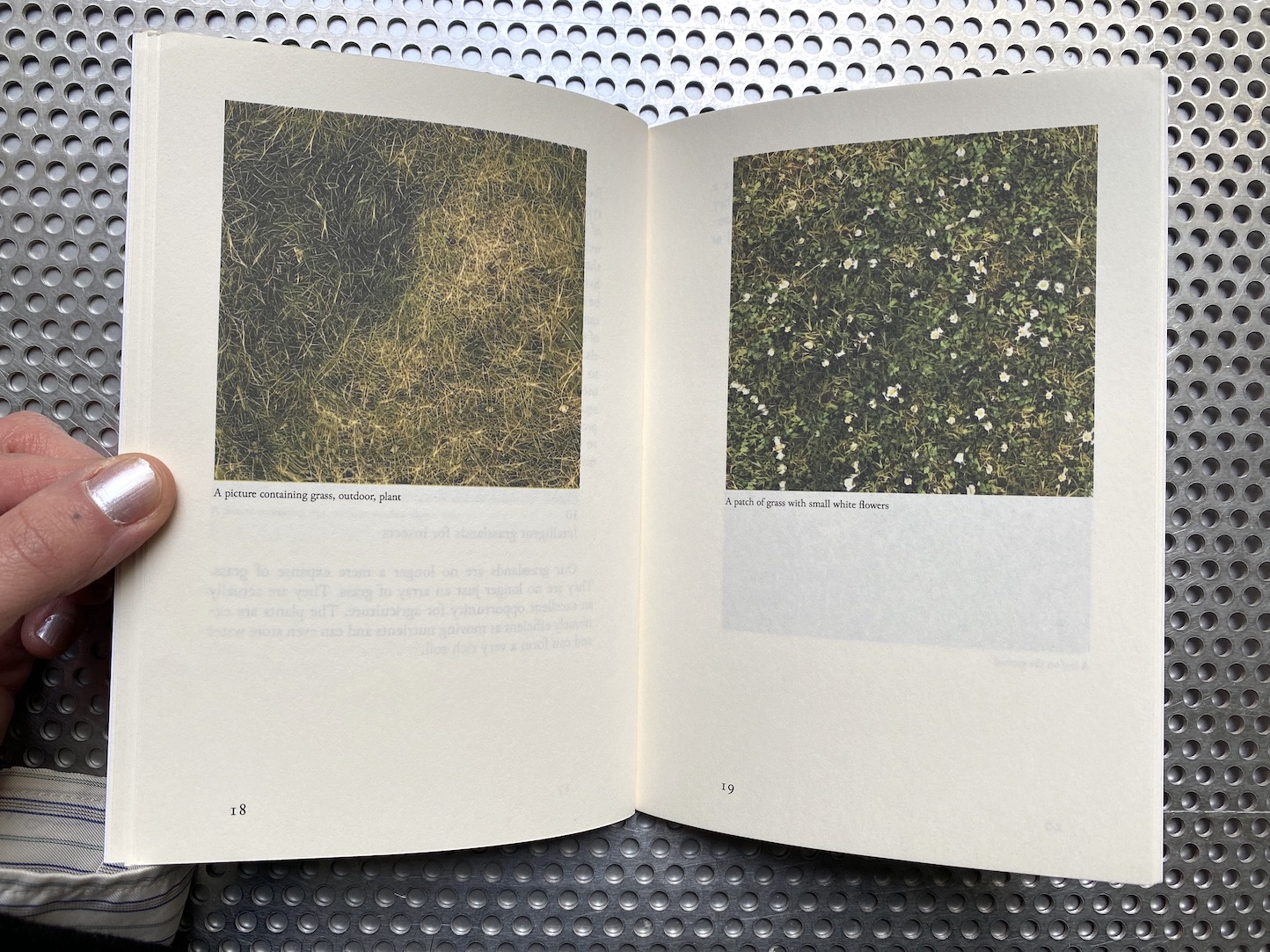
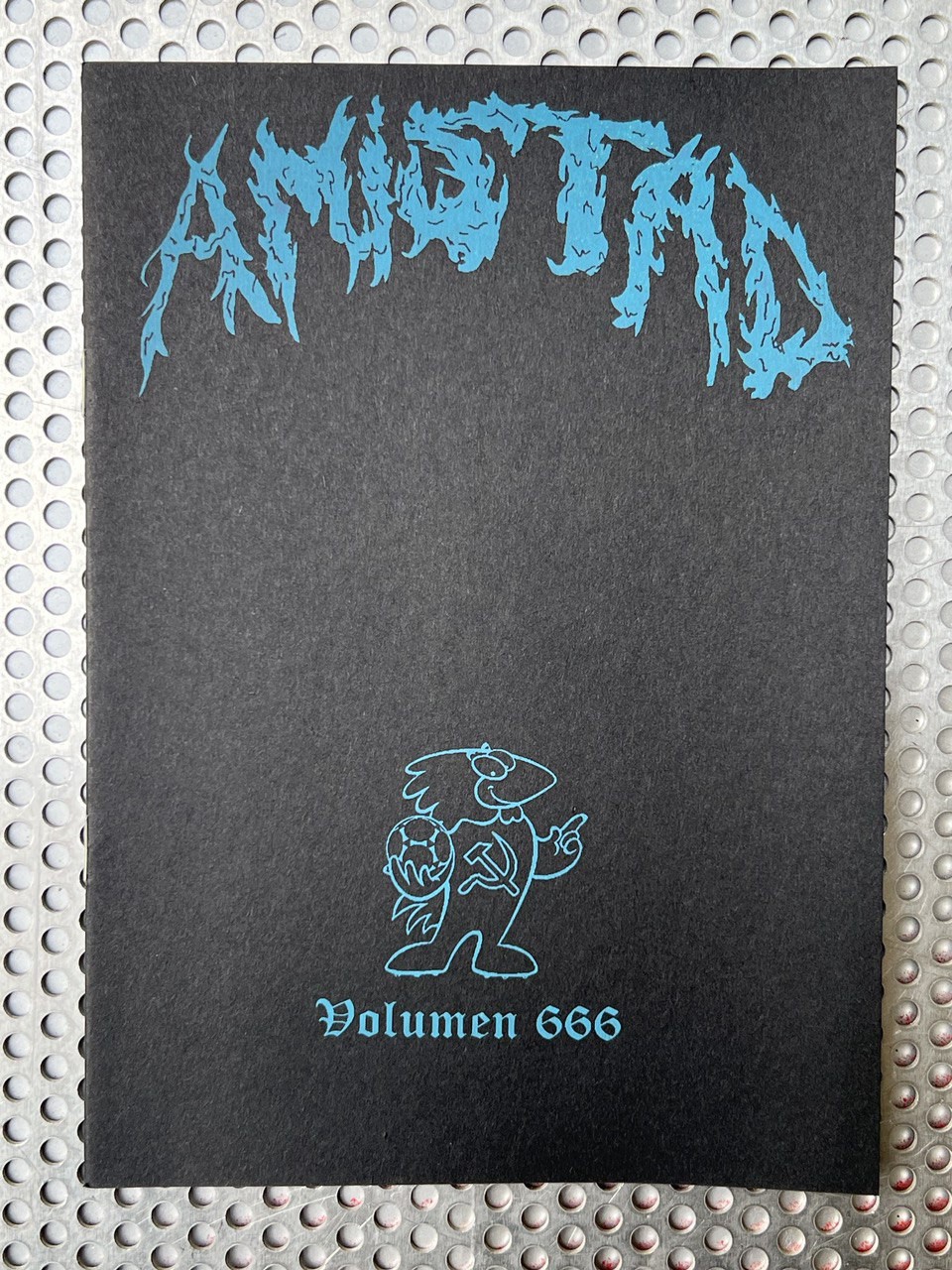
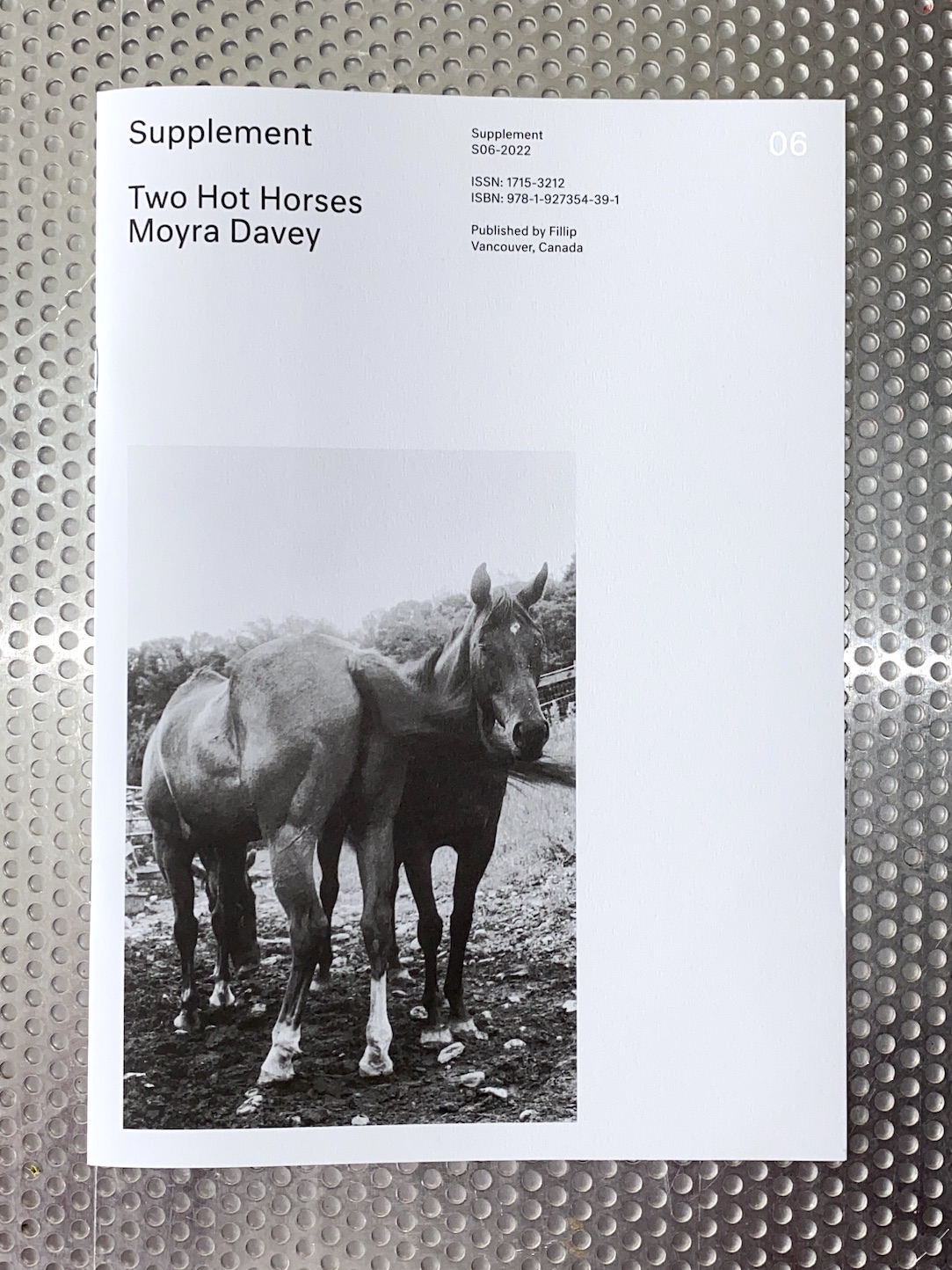
This project is dedicated to the research of future actions for the conservation and promotion of biodiversity. The grasslands for insects collected in this book were made possible by several machine learning models.
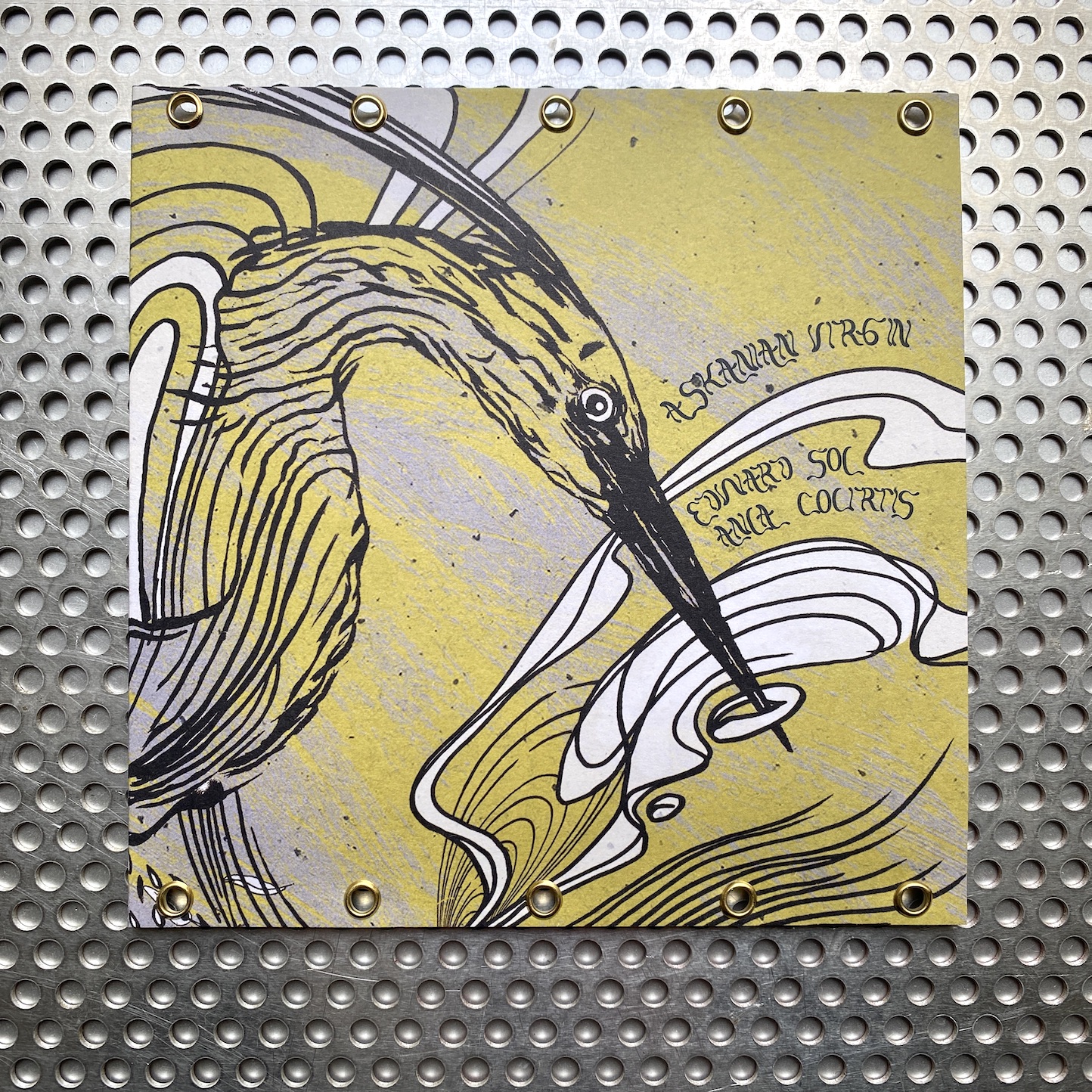
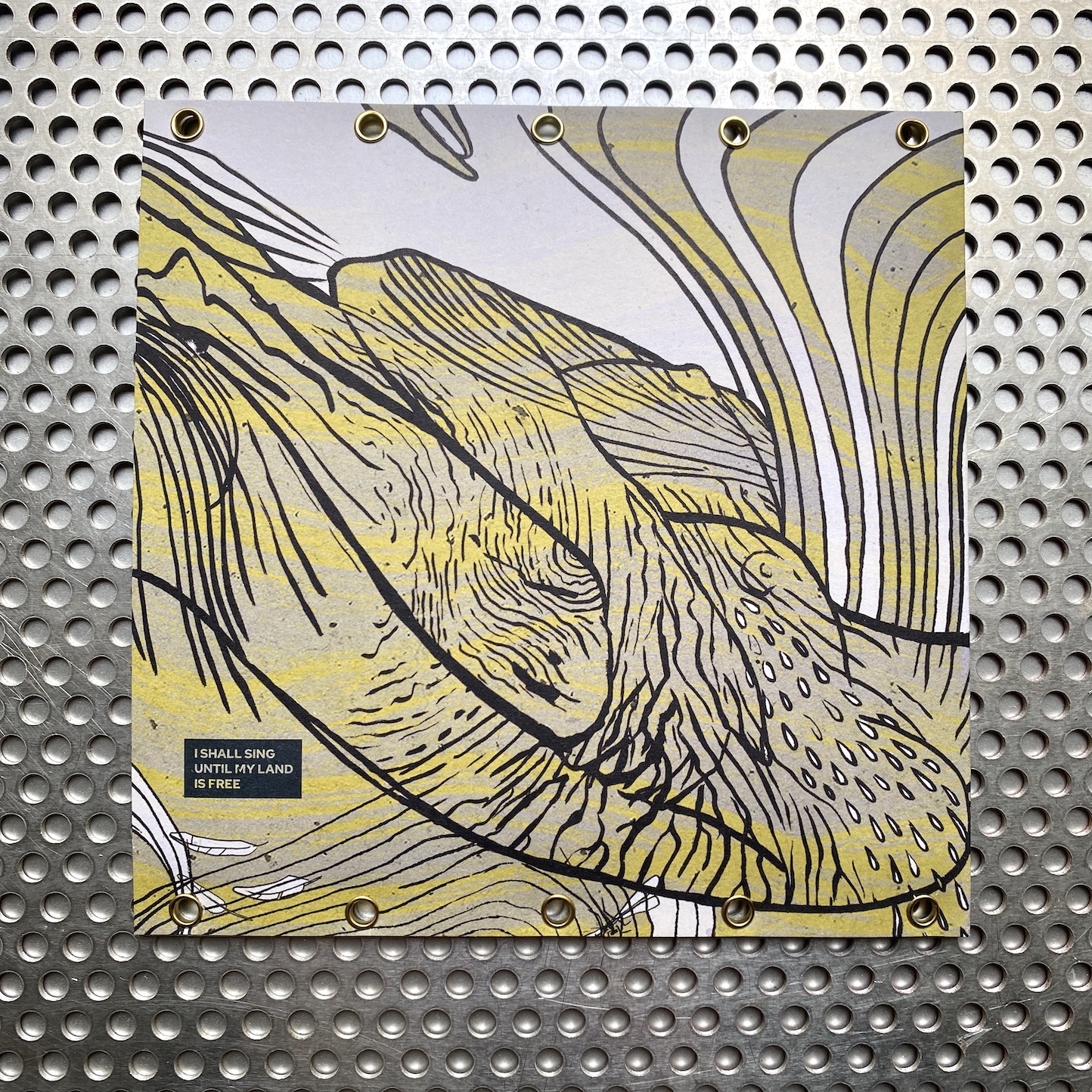
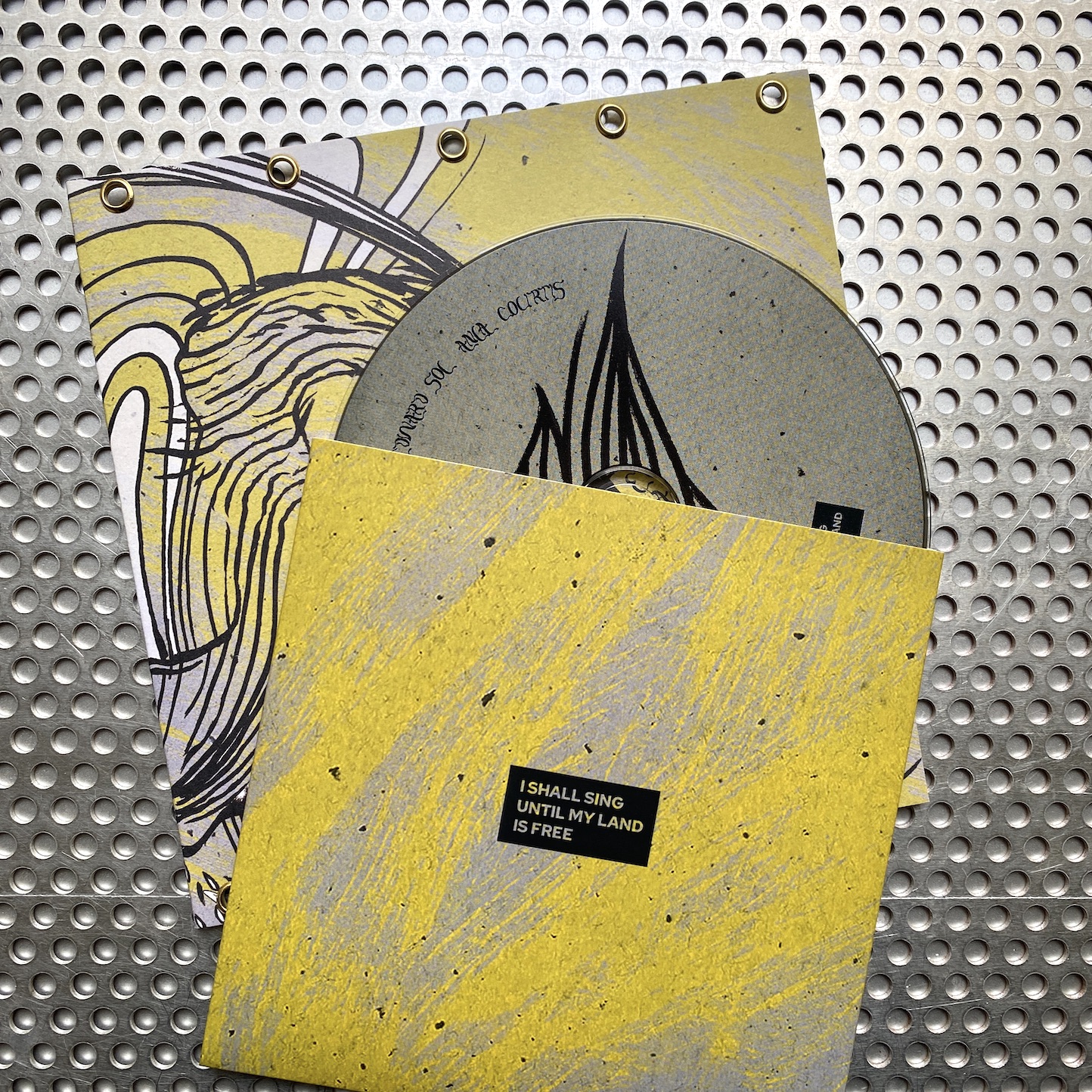
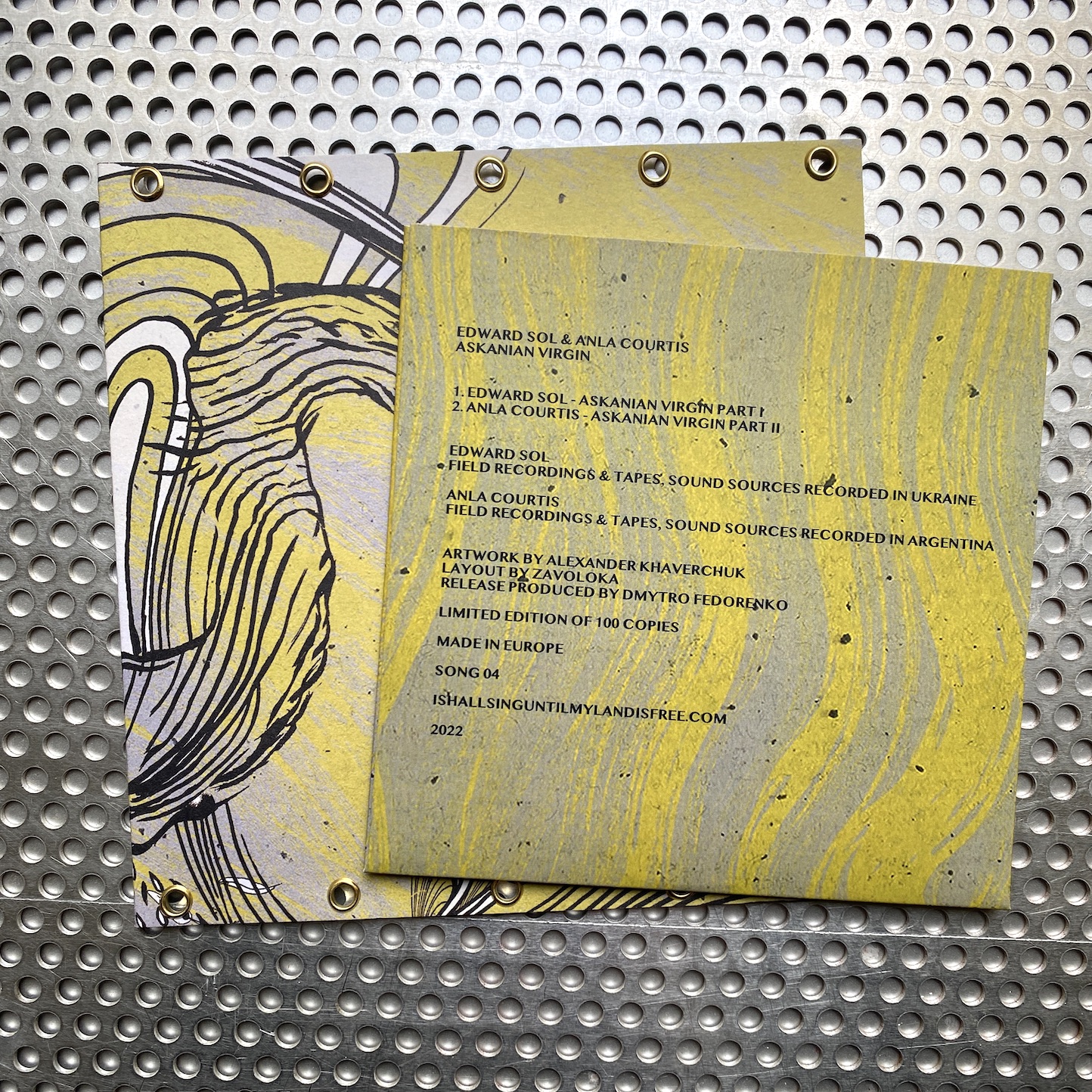
“Many years ago Alan Courtis and I started swapping audio recordings we made in deserted places known as “steppe”. I recorded many in South Ukraine, on the last spot of the European virginal steppe known as Askania Nova. Alan found his sounds in Patagonia, Argentina, it’s another steppe territory, another part of the globe. Both are unusual places to get some interesting field recordings.
What you can hear on these audio files? It is something close to “nothing”. No clear particular sound objects, no dramatic movements, or even no specific audio atmosphere. Maybe a little of distant wind’s breath. Maybe some touch of dry summer grass. Maybe some echo of Bird-Queen singing her eternal song. Maybe the memory of ancient Godness walked these fields long before us. Maybe it’s just the vibration of Earth. Maybe it’s just our imagination. Too many “maybe” you can hear there…
Alan and I composed our pieces based on these original recordings and layers of processed/altered/filtered etc. variations of sounds.
Learn to listen to nothing and you will get to hear everything.” – Edward Sol
Released October 25, 2022
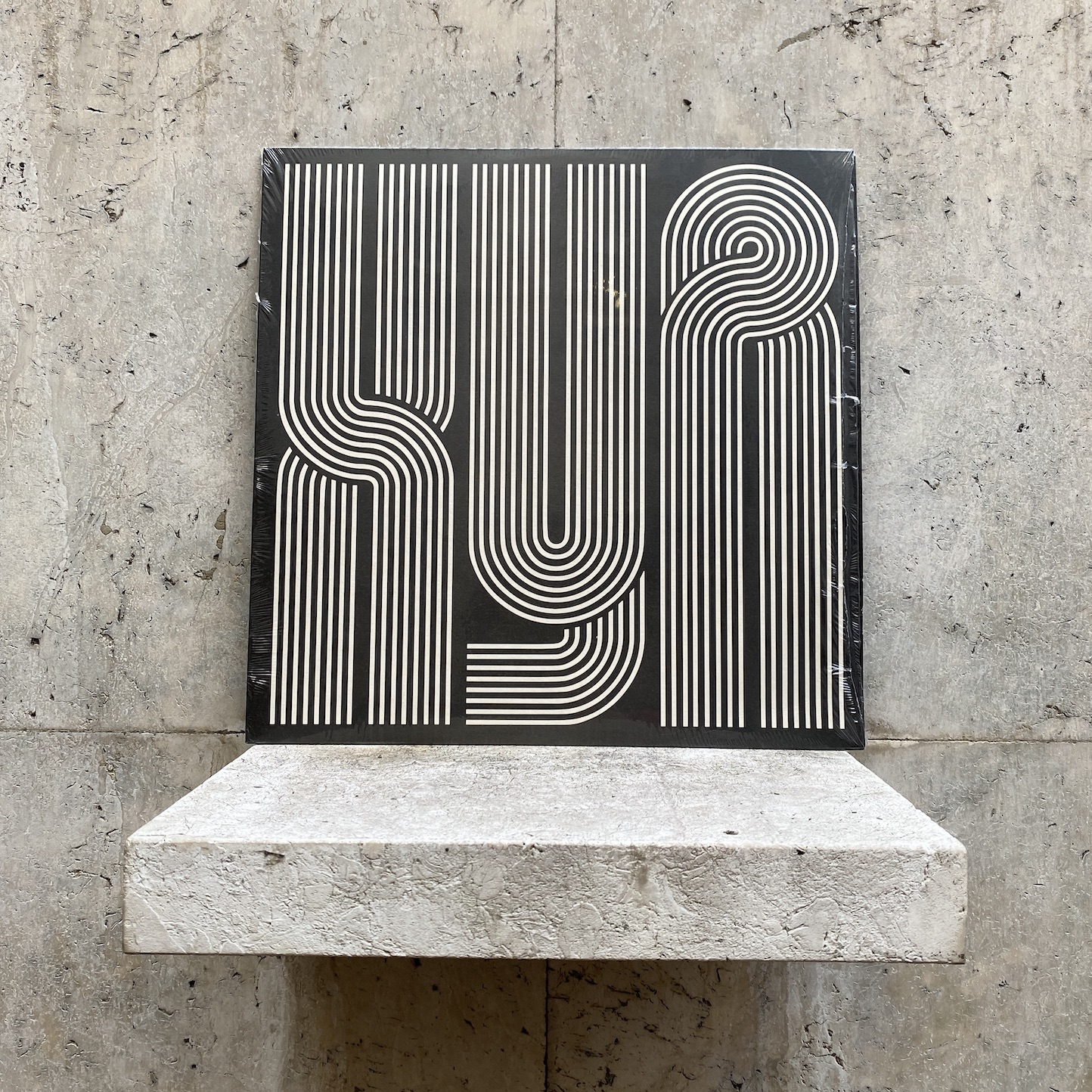
Edward Sol – field recordings & tapes, sound sources recorded in Ukraine Anla Courtis – field recordings & tapes, sound sources recorded in Argentina Artwork by Alexander Khaverchuk Layout by Zavoloka Release produced by Dmytro Fedorenko
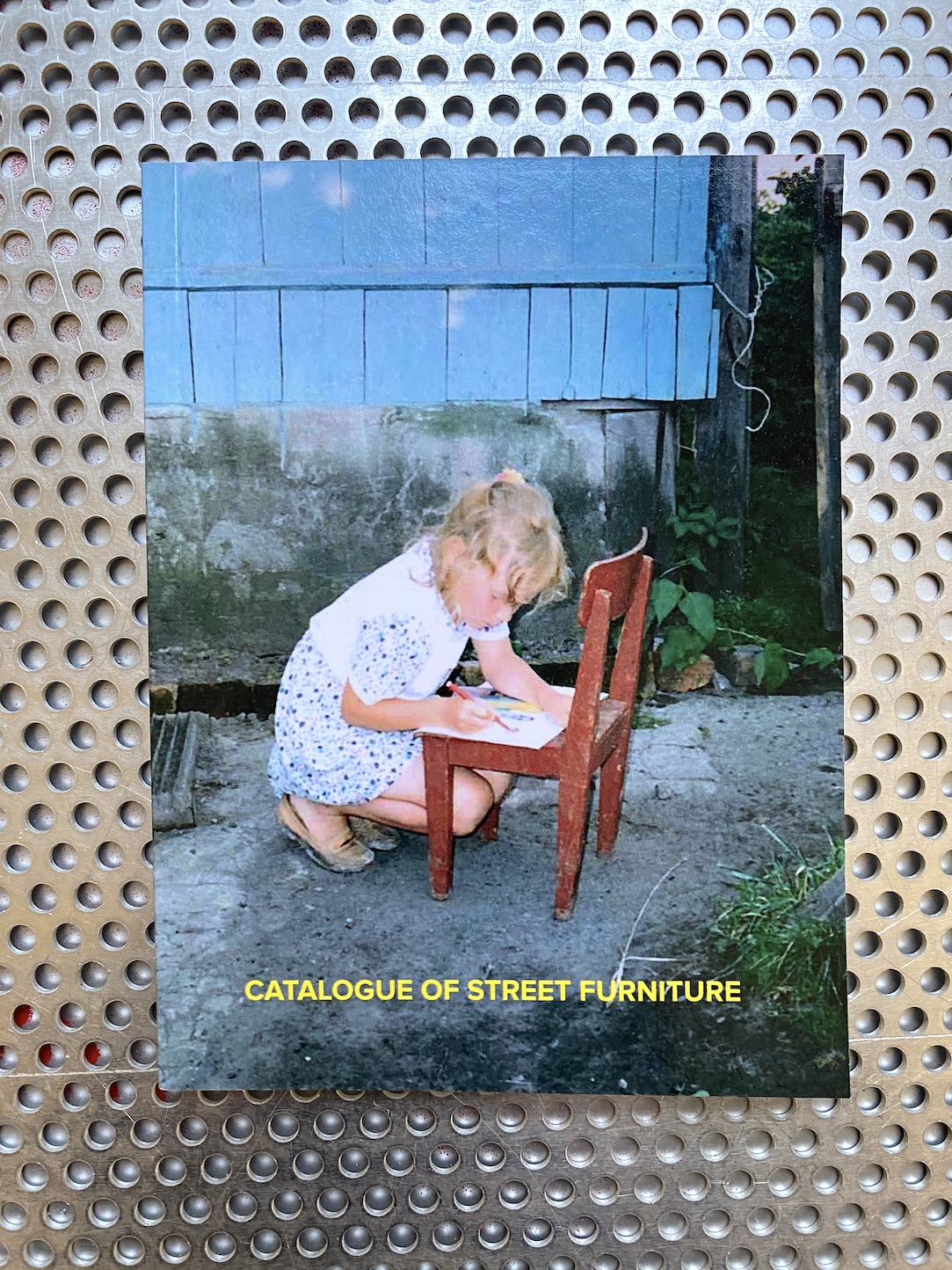
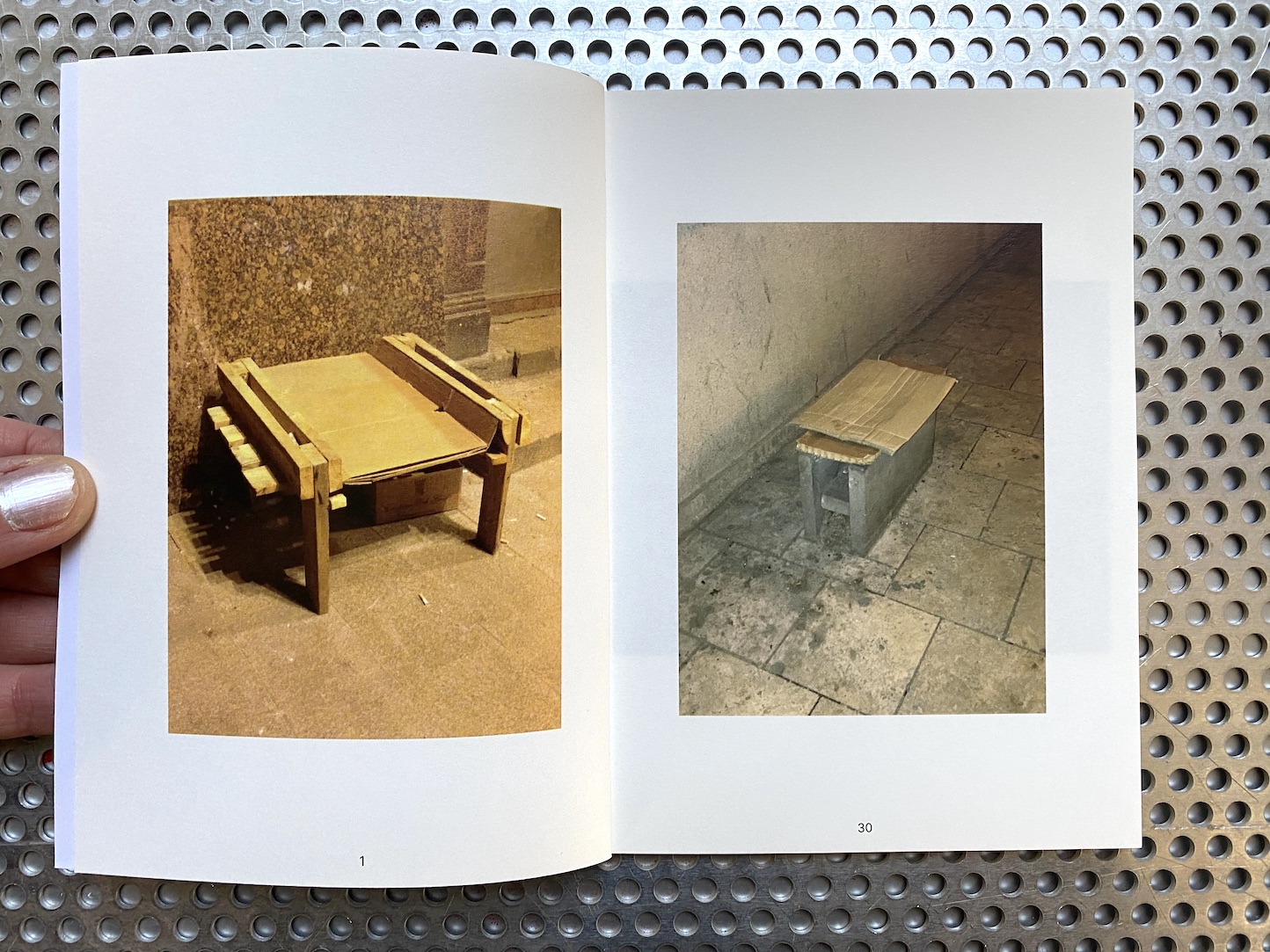
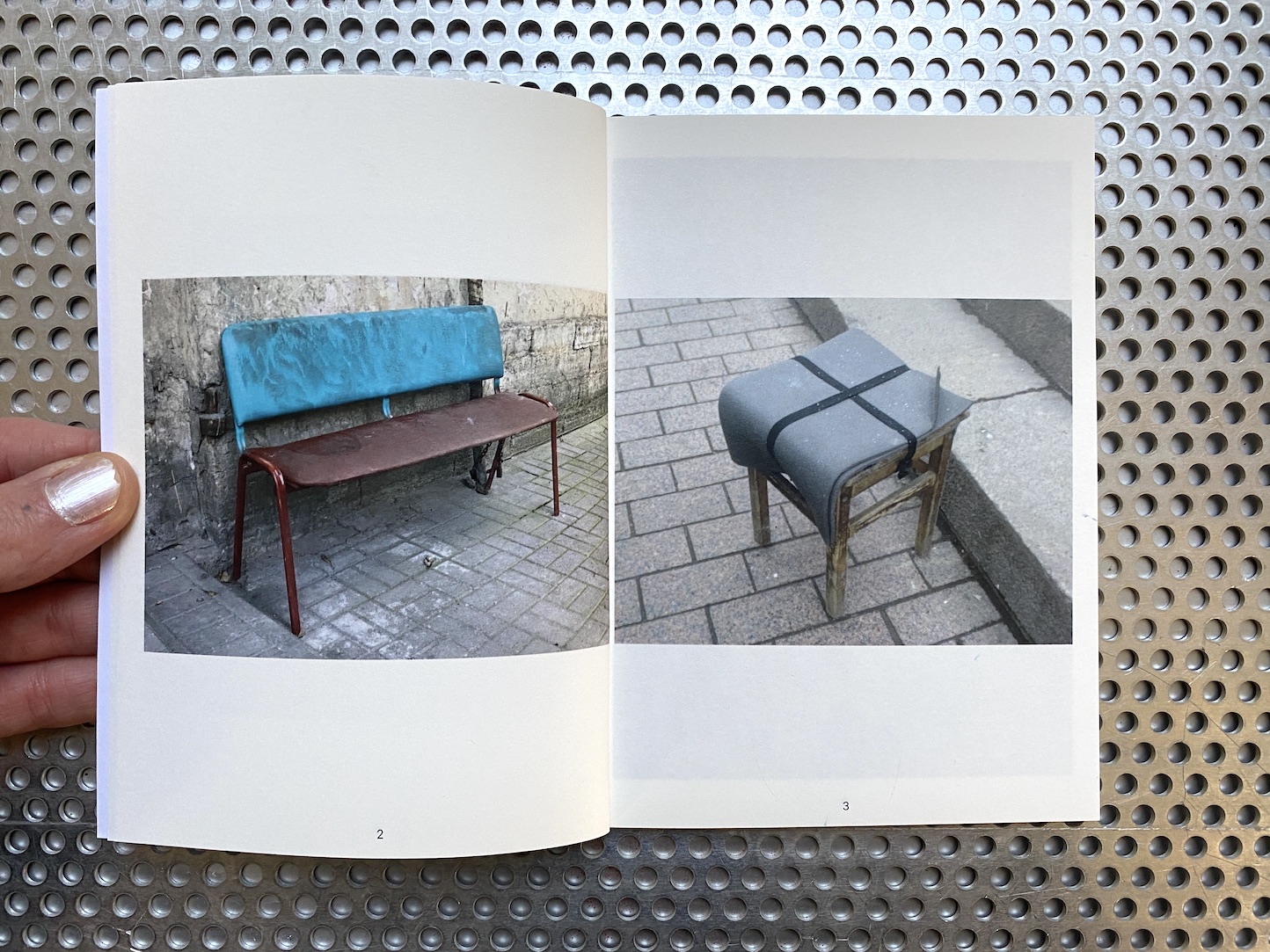
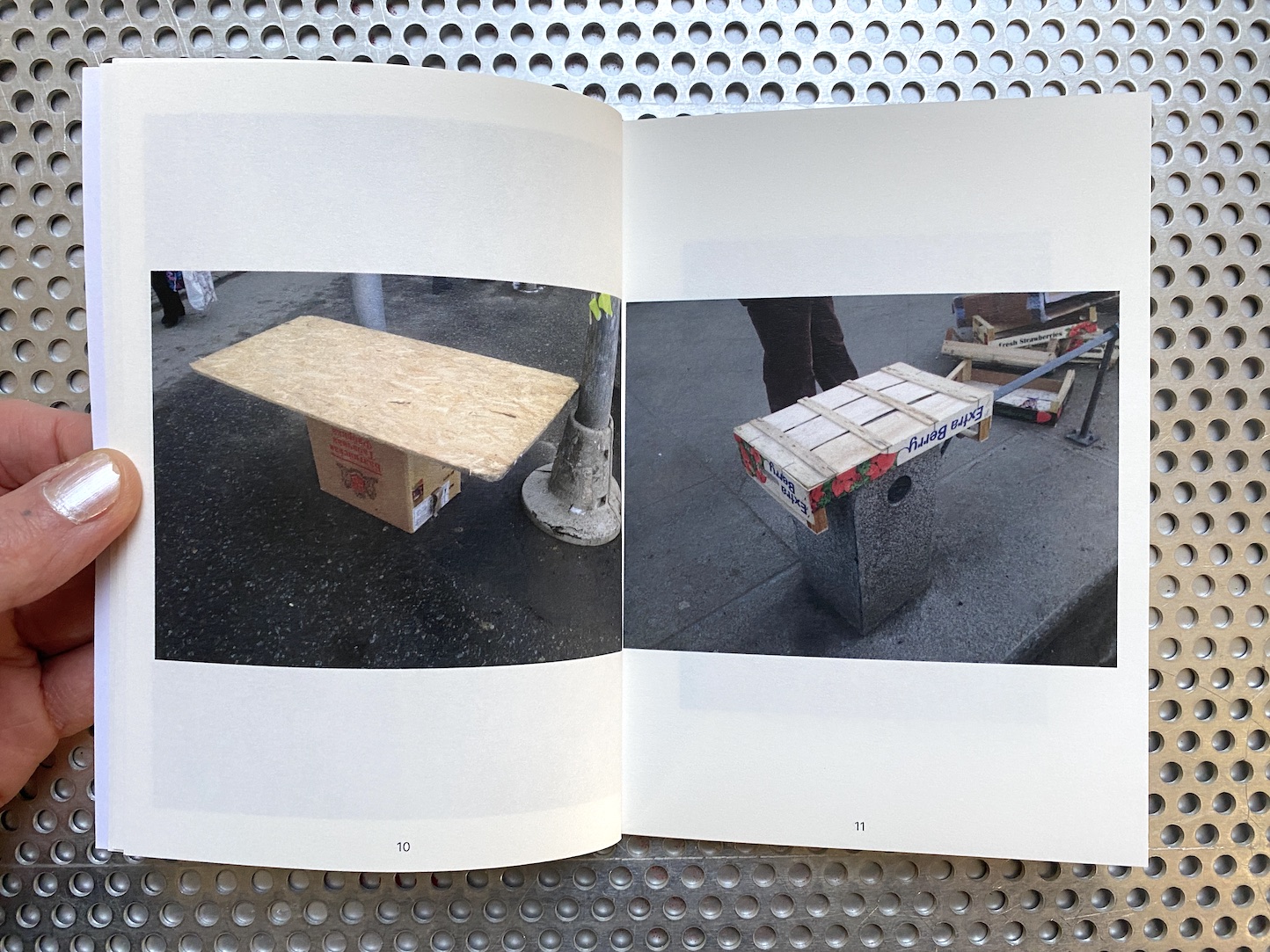
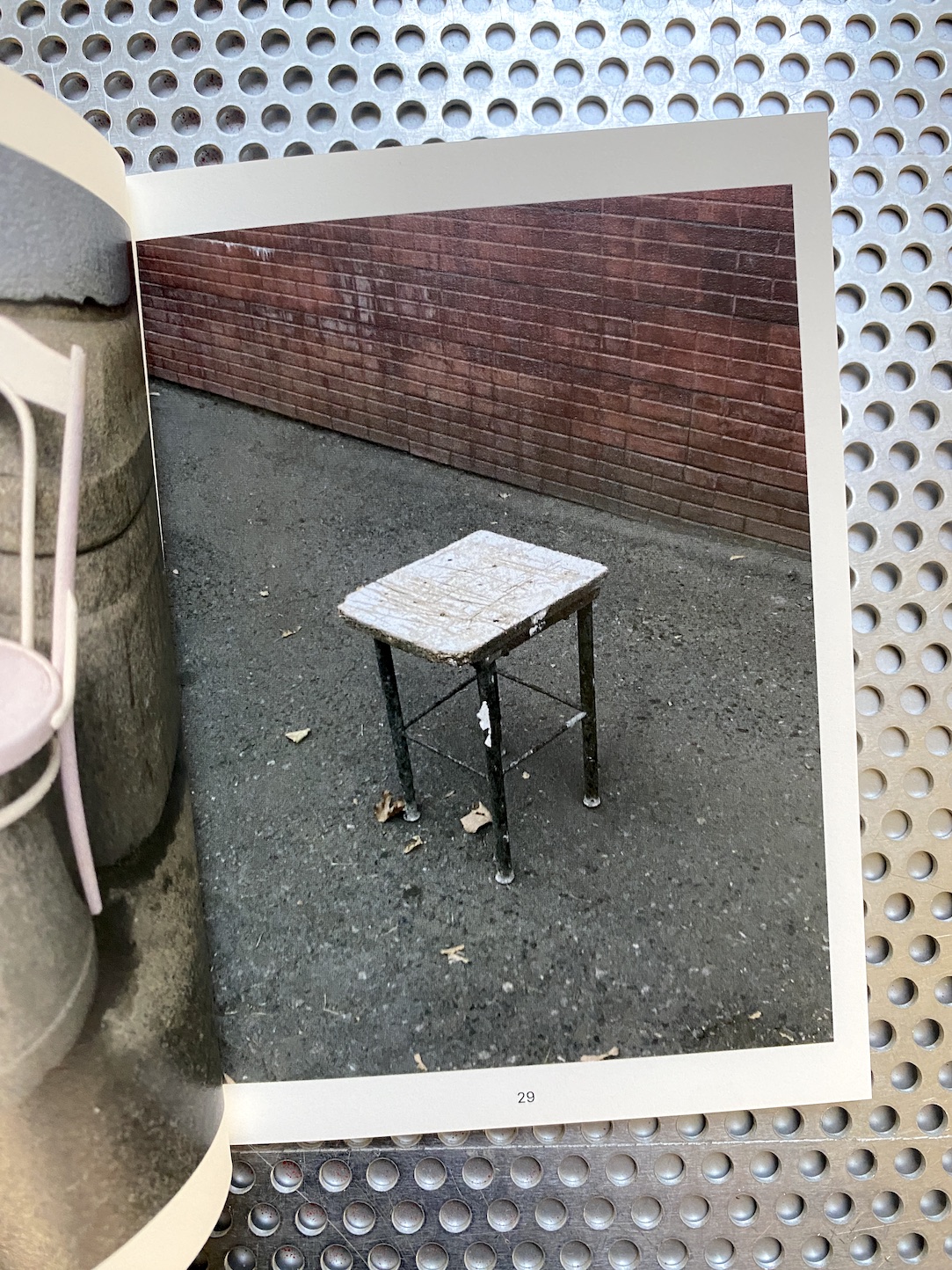
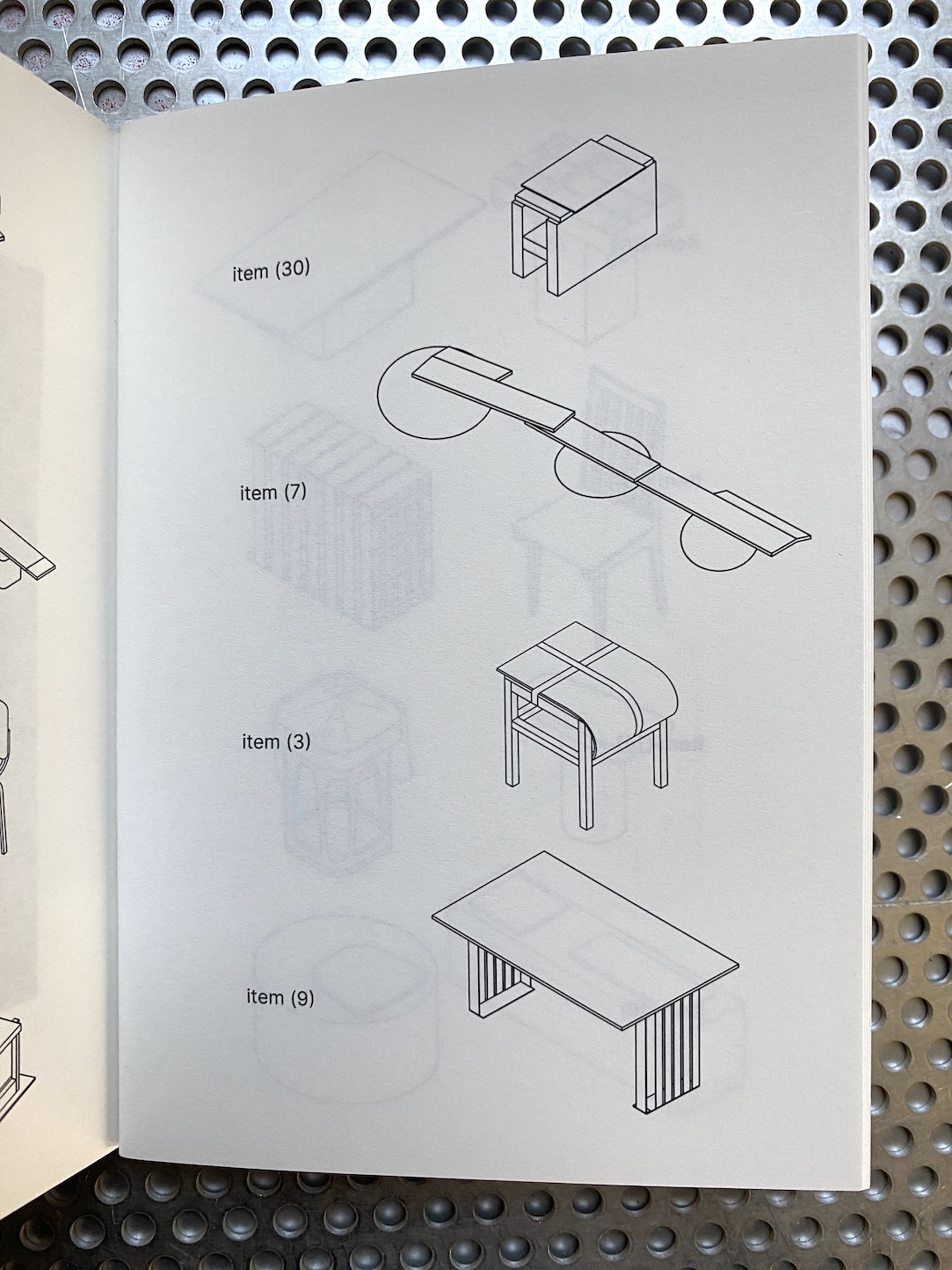
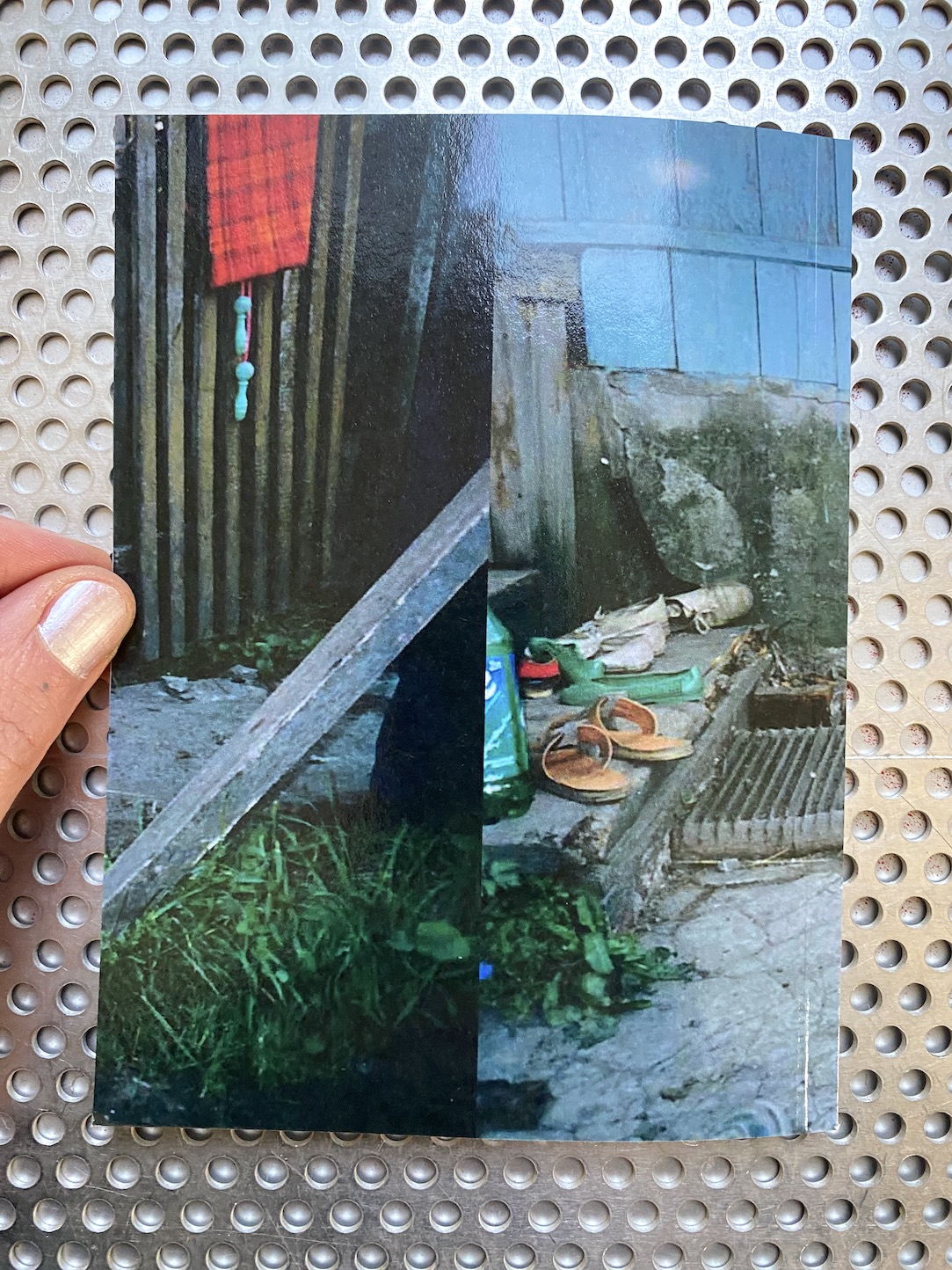
Pocket-sized street furniture catalogue expresses love for scraps of wood, tattered oilcloth, pieces of organolith and other derelict materials. This furniture is super-nature layer dissolved in our cities. Collection of furniture is protected from the modern habits of fast consumption and meets the highest aesthetic standards. It is free of superficial, fashionable tendencies. Through its simplicity and logic, it reflects the honesty and authenticity of the materials from which it is made.
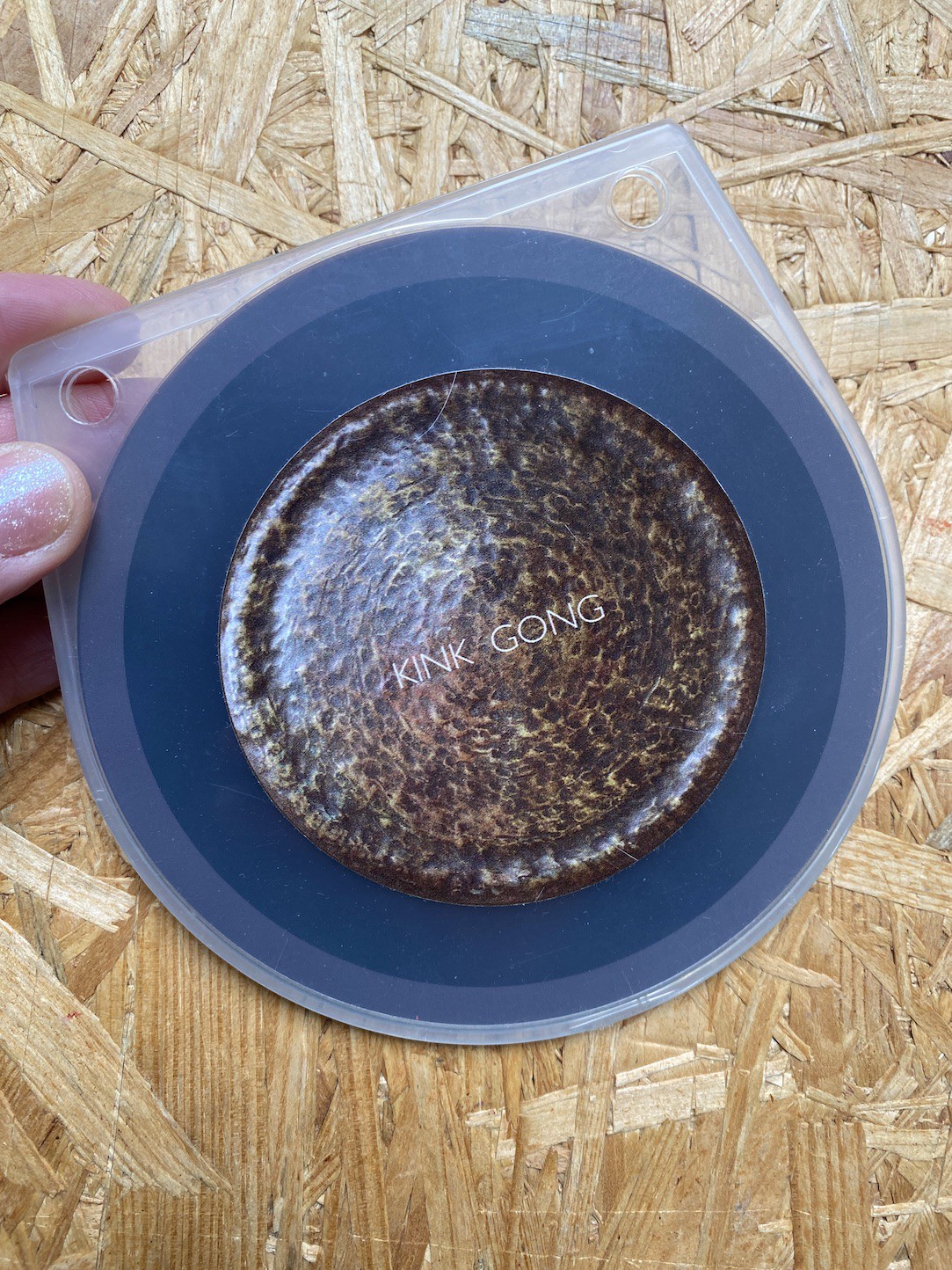
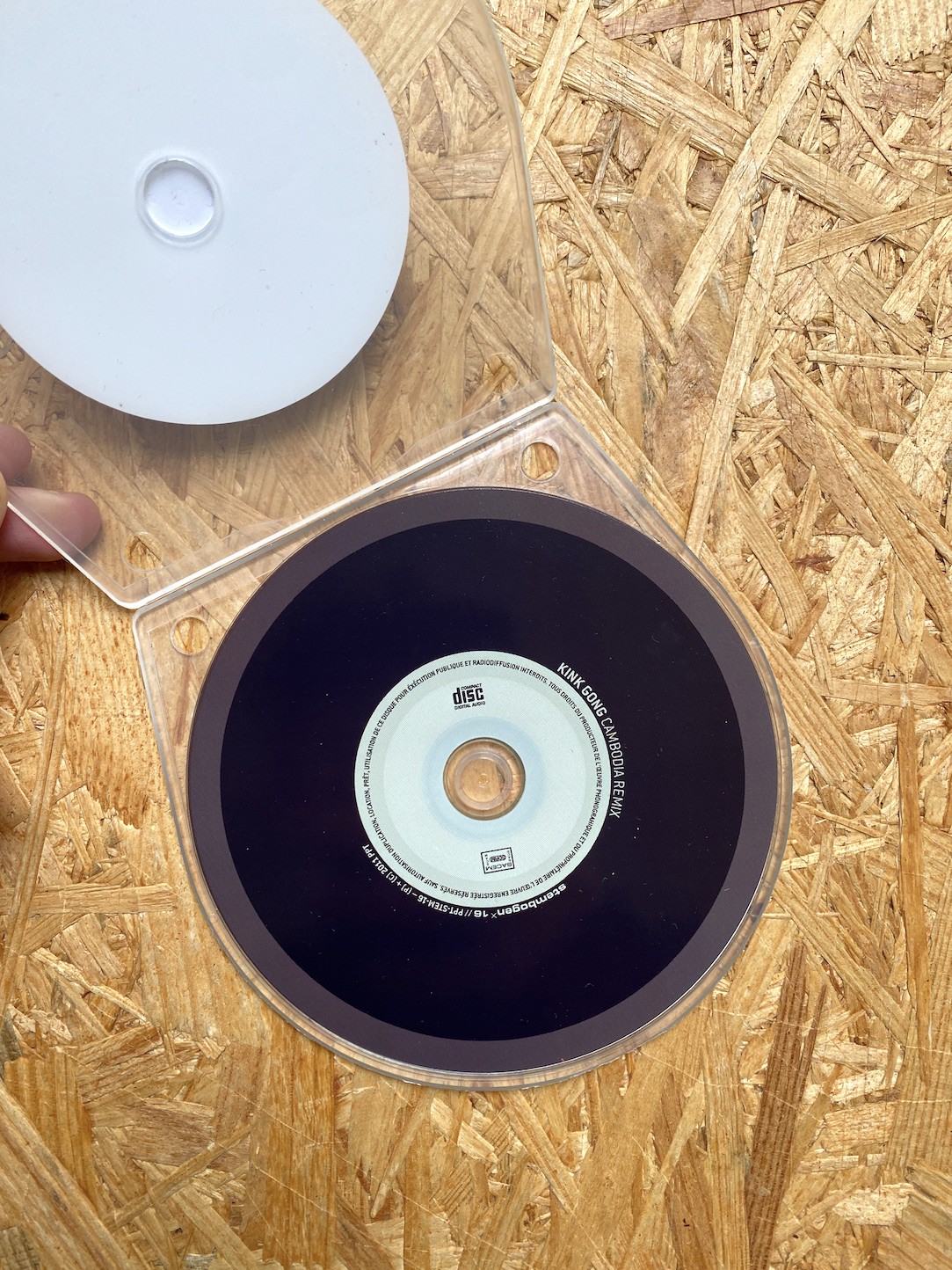
Since the end of the 90s, Laurent Jeanneau, aka Kink Gong, has been recording the musics of mostly endangered minorities mainly in Southeast Asia. Alongside his relentless pursue of collecting predominantly unknown and unpublished musics, he produced a series of remixes combining these recordings with natural sounds, archive material and electronically treated sounds.
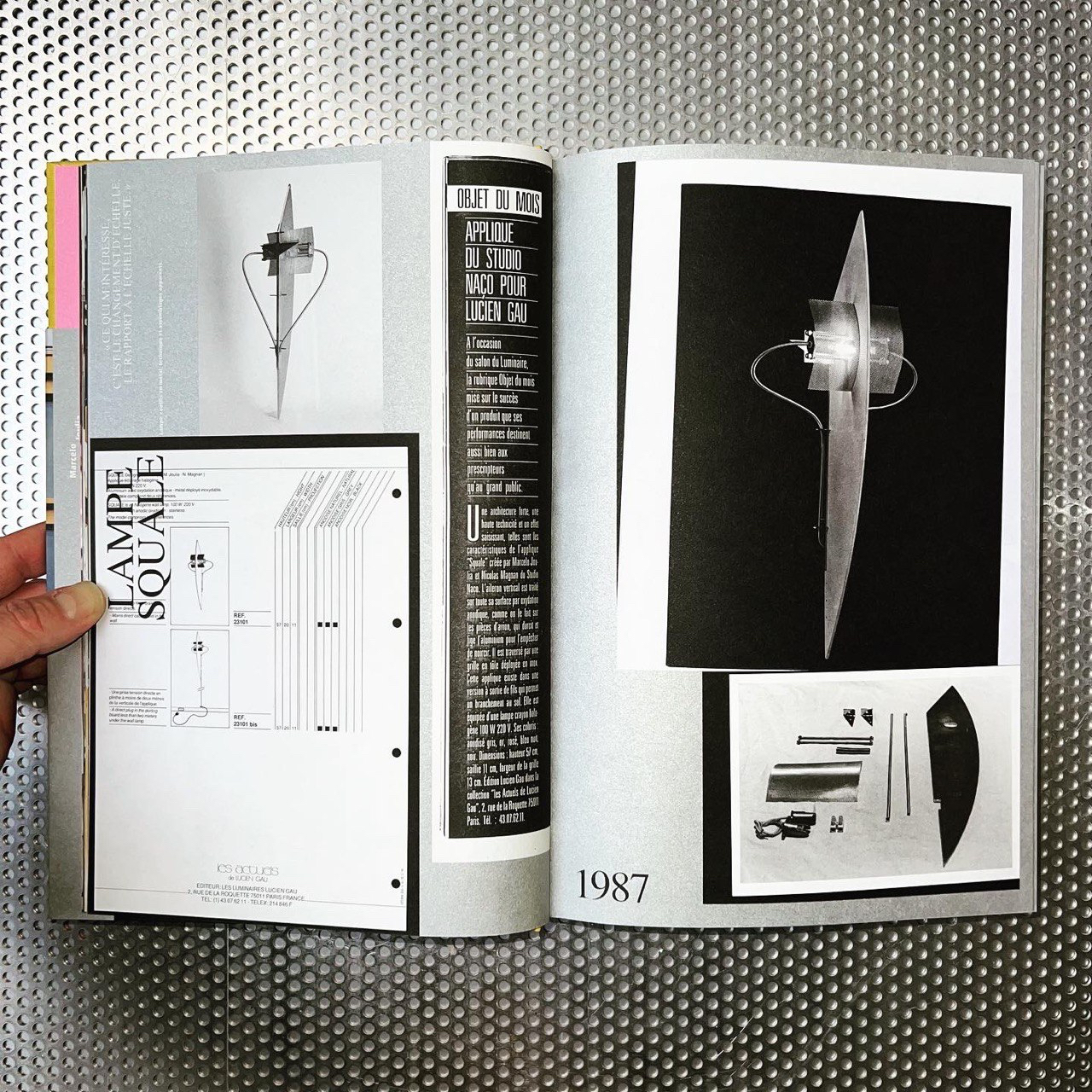
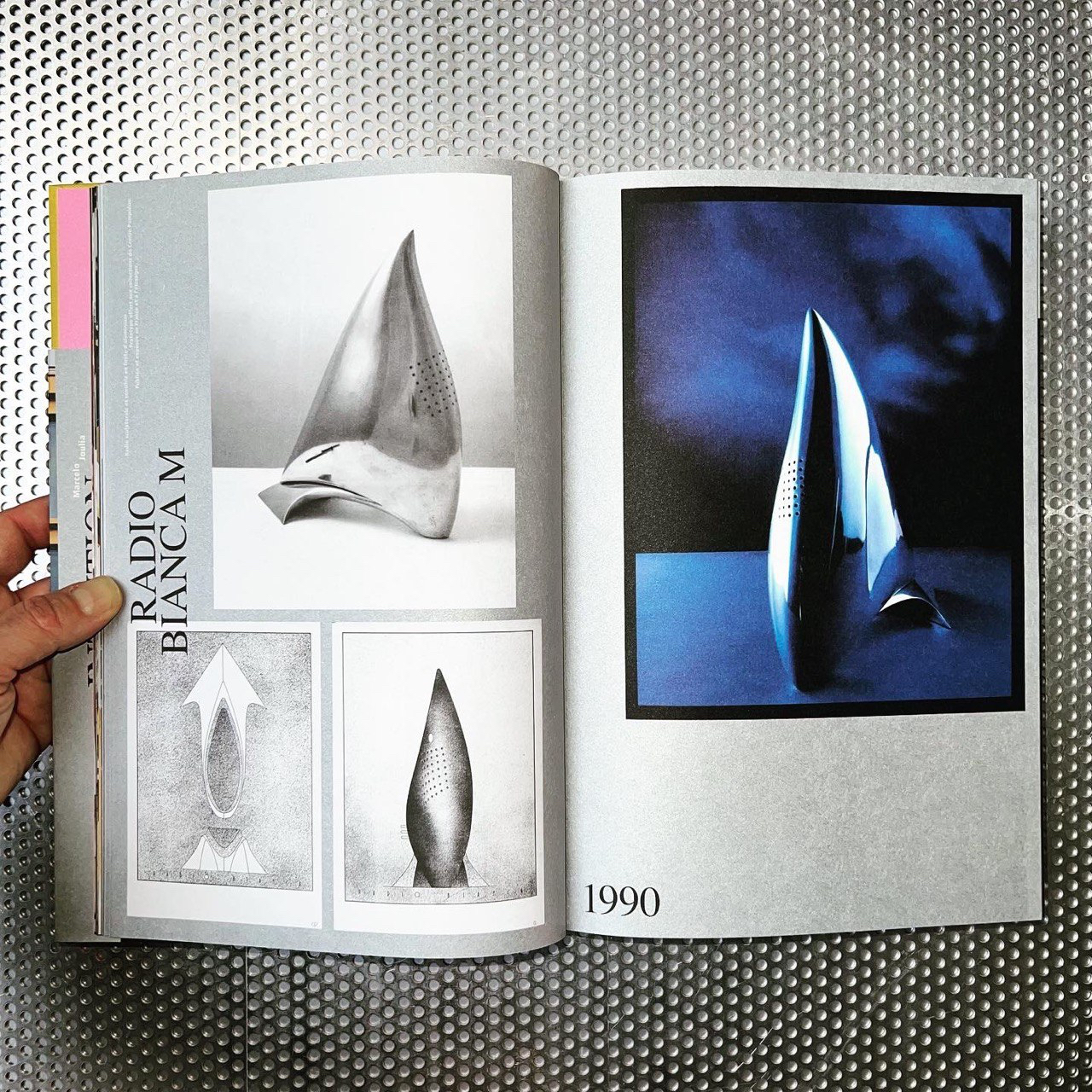
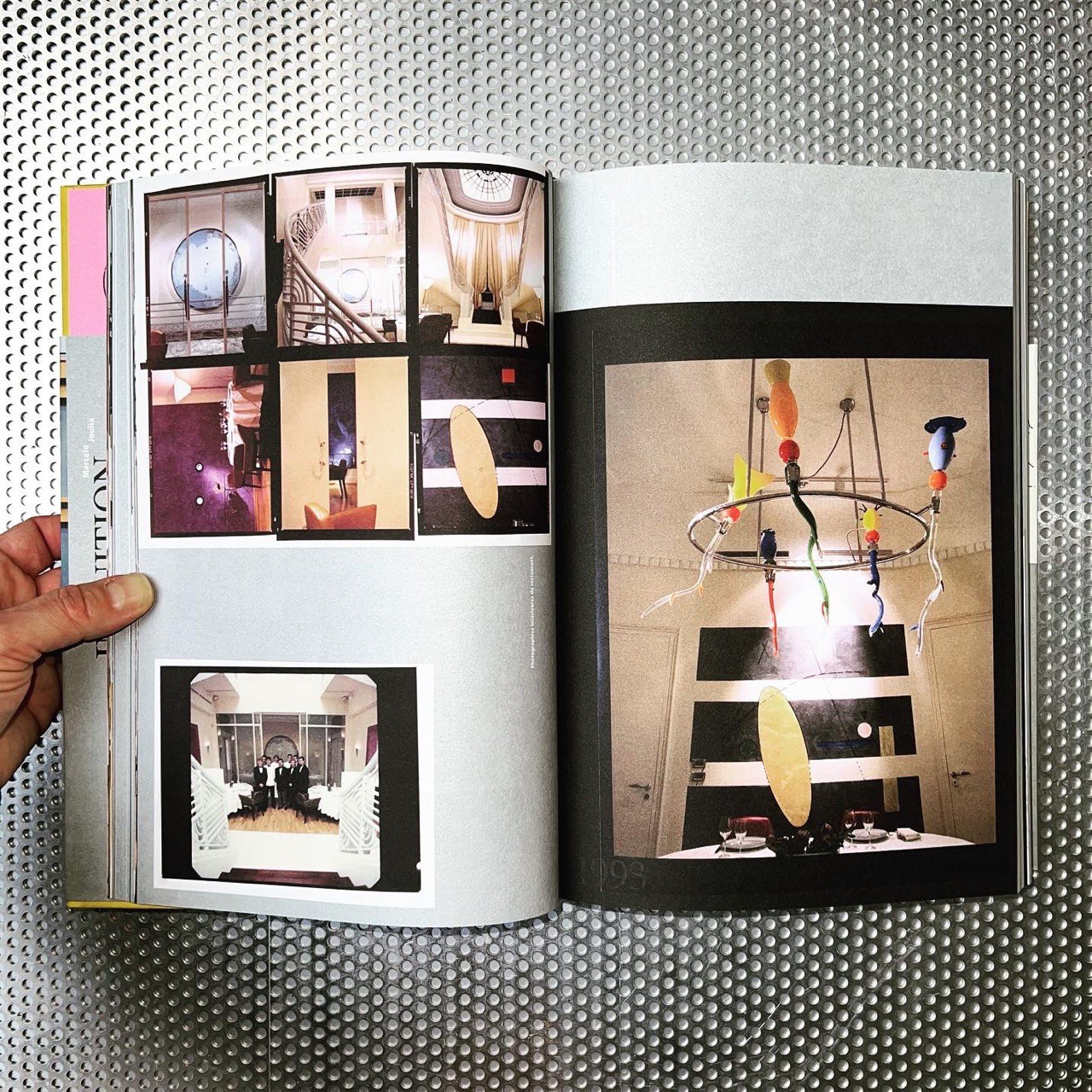
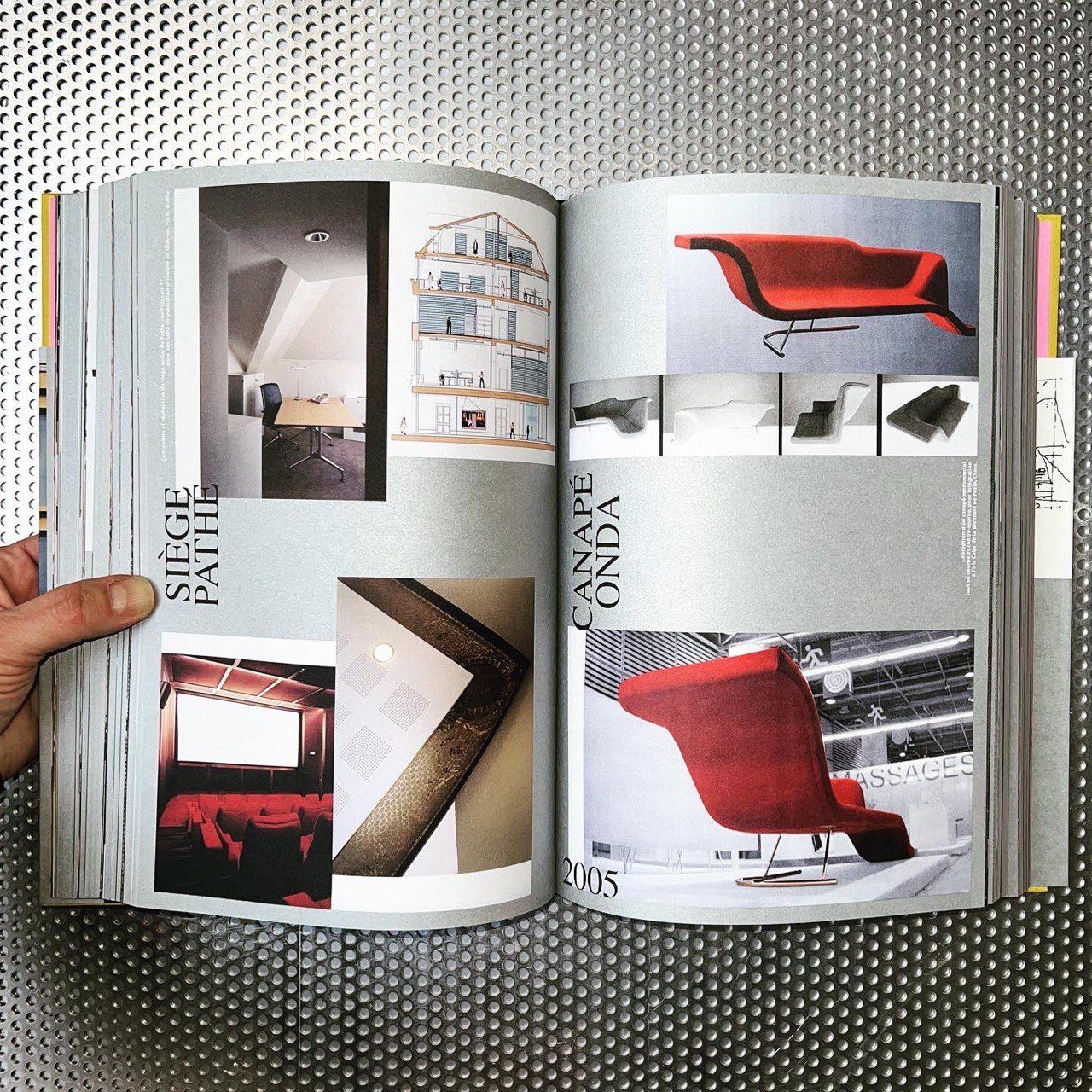
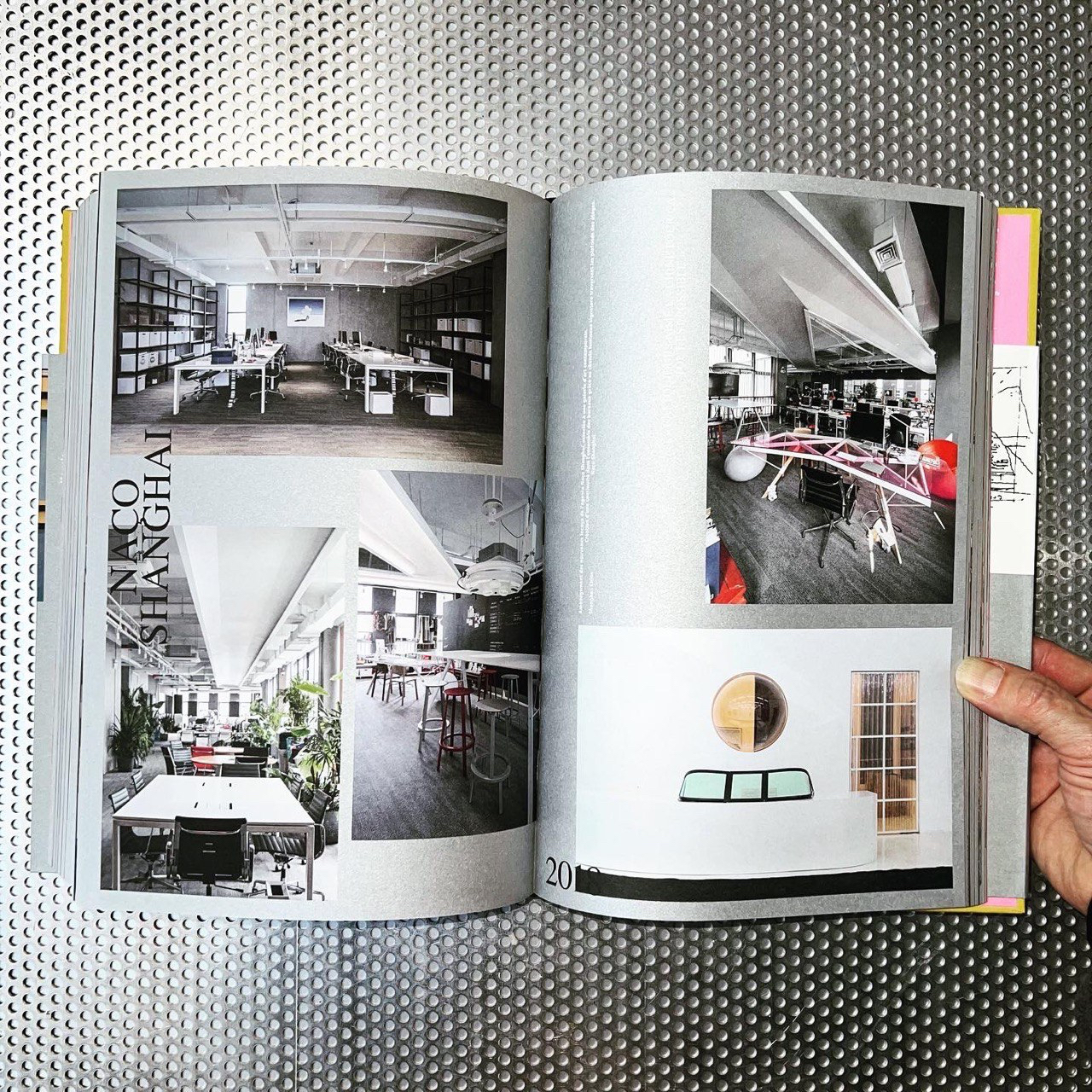
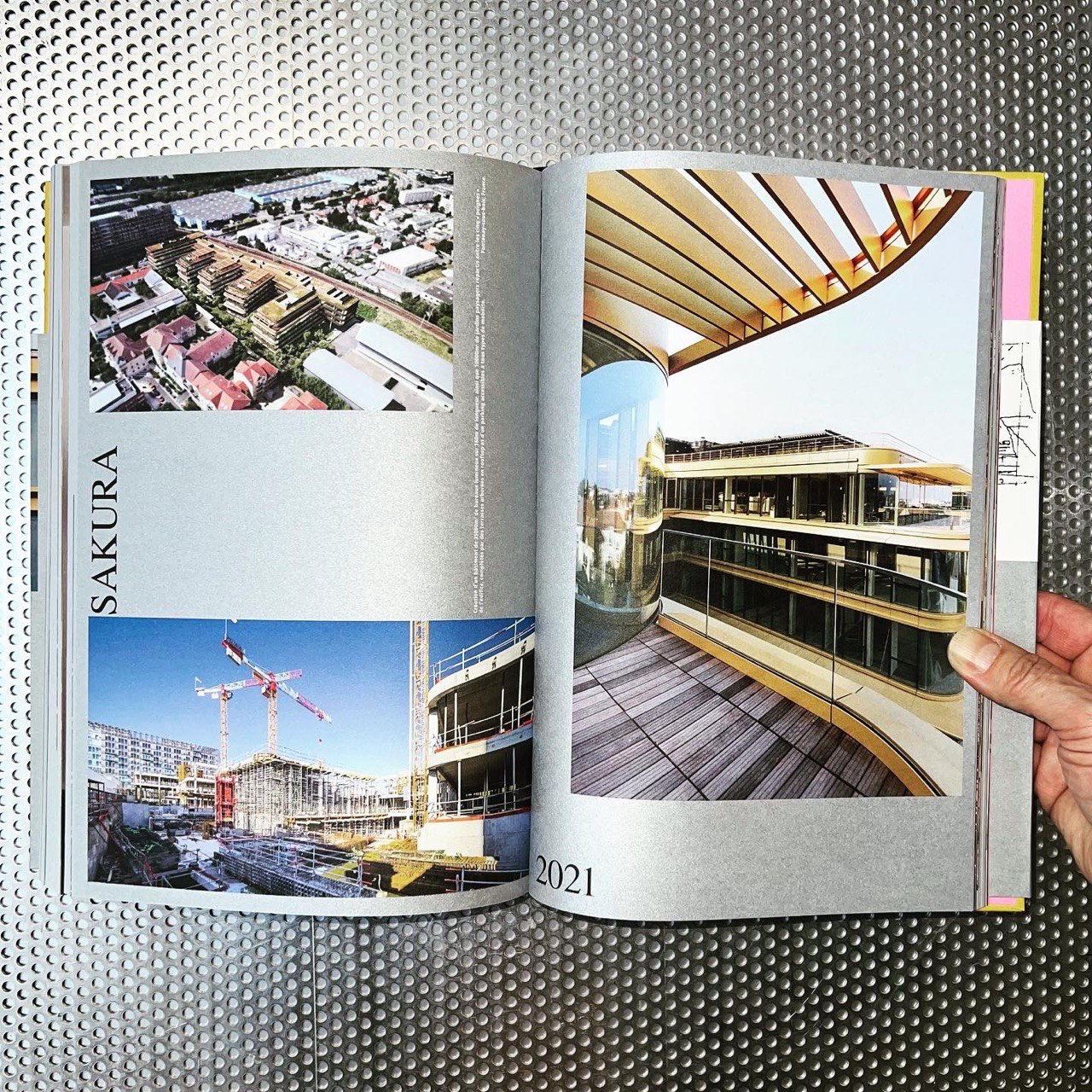
Creating, traveling, drawing, and building: such is the DNA of the exuberant architect and designer Marcelo Joulia. Driven from his home country of Argentina by the 1976 military coup, this personal trauma gave him the strength to be a great builder. For thirty years, his agency Naço —‘intuition’ in the Guarani language—has been the laboratory of a global and inventive architecture, aiming to decompartmentalise genres and trades, and mixing knowledge, arts, and professional backgrounds together. Belonging to no specific school, and fiercely attached to his independence and freedom, he has imagined a unique creative space in which expertise and rigor both flourish within the domains of luxury, urban mobility, and major architecture. As an insatiable adventurer, he is able to take an interest in anything —large-scale buildings, design, furniture, bicycles, boats— while not denying himself anything. His passion revolves around teamwork and bringing talents together to conceive of new worlds. As an epicurean, a generous person passionate about art and gastronomy, Marcelo Joulia creates places in his image: unique, welcoming, and always dynamic.
This book showcases the vision of a man and an agency that has surrounded itself with the best and strived to bring to life a demanding and iconoclastic architecture, and carry it forth into the future.
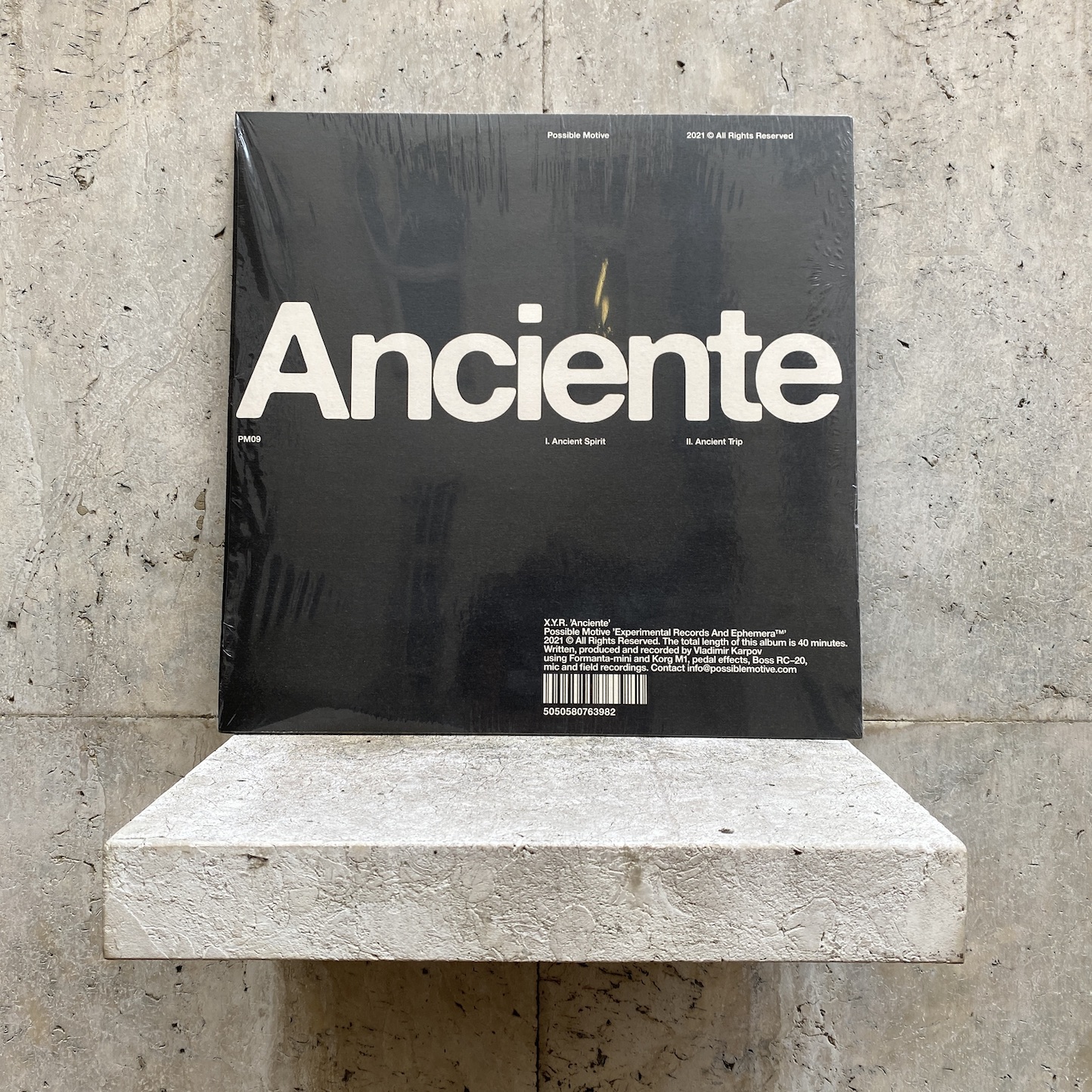
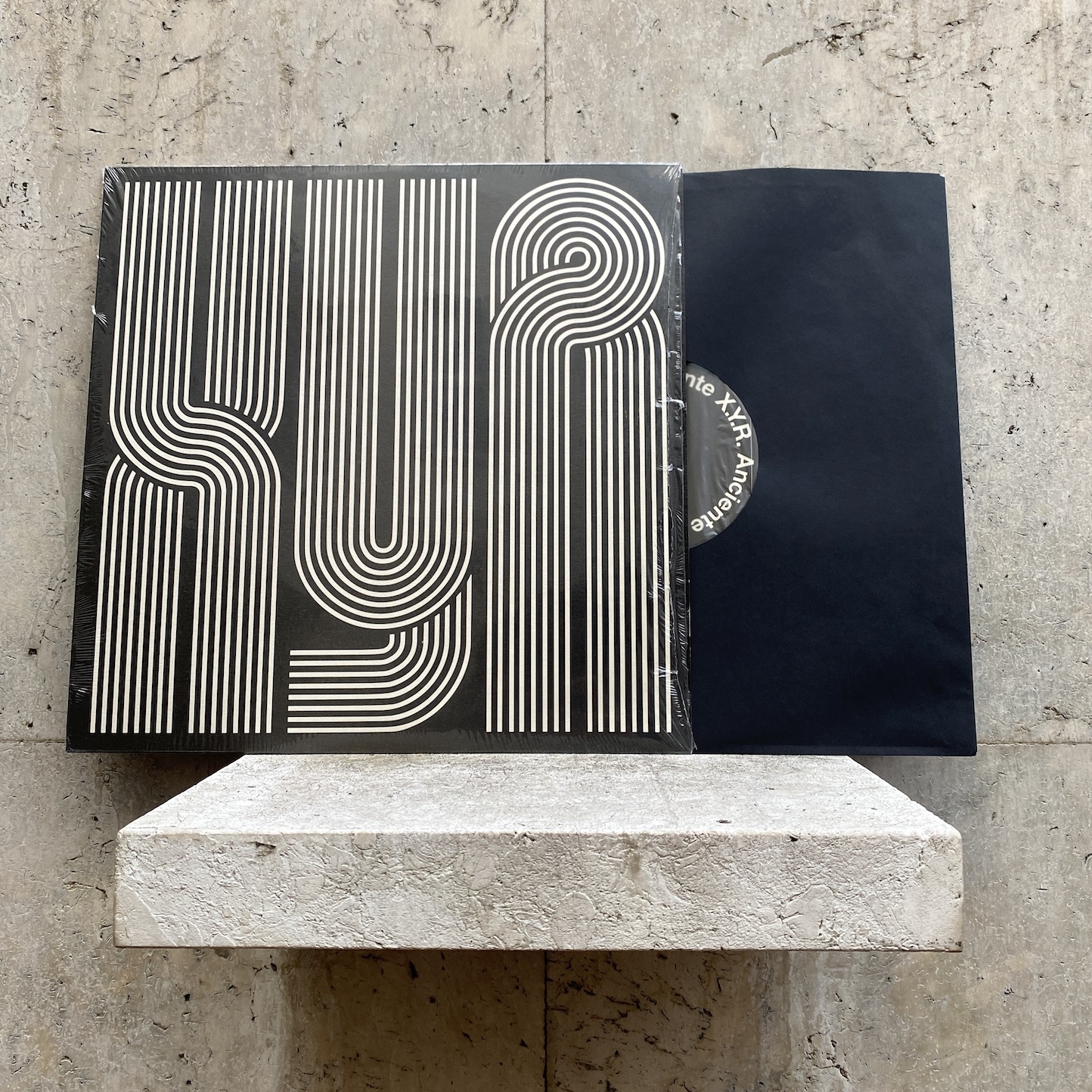
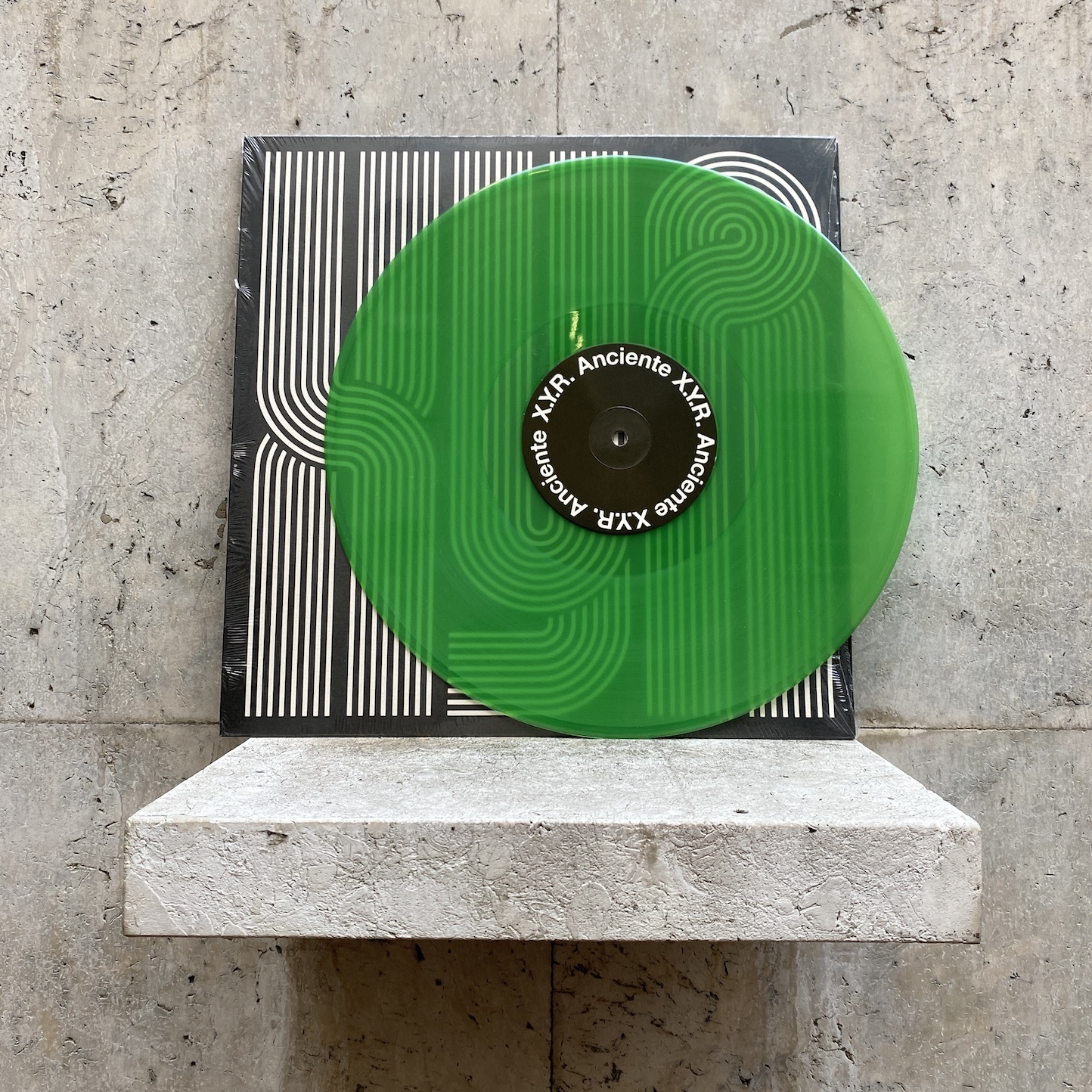
The Russian producer Vladimir Karpov is well on his way towards a lasting legacy as a modern synthesizer wizard in the grandiose vein of Vangelis and Jarre. With a propensity for concept albums he has built a sturdy discography during this past decade that echoes the progressive ideas of the psychedelic generation as it moved into adulthood with Moog in hand.
While equally a part of the postmodern generation; Karpov’s ouvre also embraces the utopian daydreaming of the new age, the environmental concerns embodied in field recording, and the holistic approach of Jon Hassels 4th world concept.
While the esoteric fantasies of previous works linger on, the conceptual aspect of “Anciente” is rendered more abstract. And instead of dividing ideas into tracks that form an album, here Karpov is pushing the boundaries of his compositions further into longer forms. Like trails into humid forest landscapes, they run deep enough for one to get lost along the way.
Clocking in at a neat 20 minutes per side, the two tracks that make up “Anciente” weaves soft brushes of undefinable sounds and tropical field recordings that almost create ASMR-inducing vibrations in the minds of the listener. Eventually they might open a doorway to a twilight-lit wilderness and the possible secrets of the first civilised men. As Carlos Castaneda once wrote, relaying the wisdom of the Yaqui; “twilight is the crack between worlds. It is the door to the unknown.” Or, as in this case, the door to the ancient.
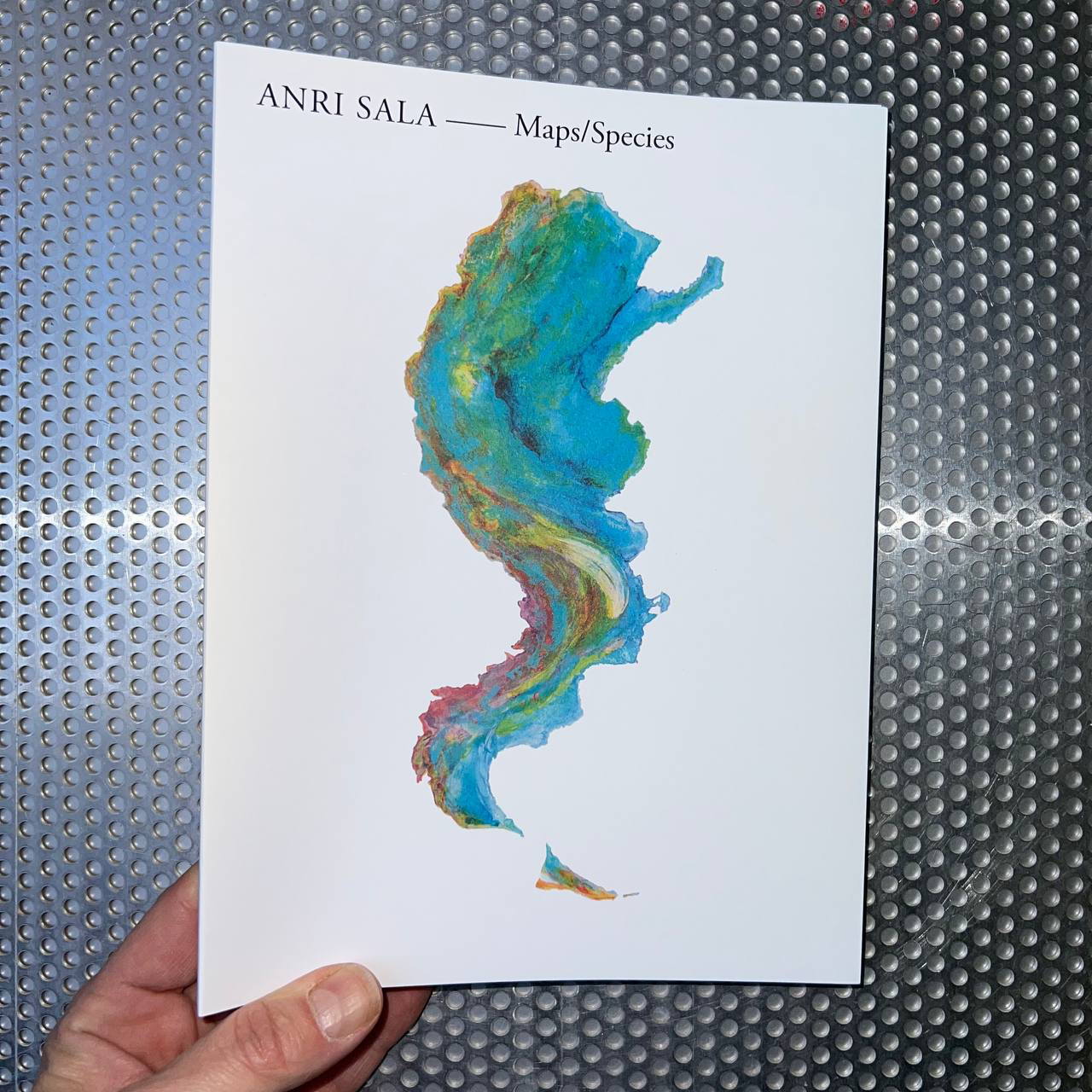
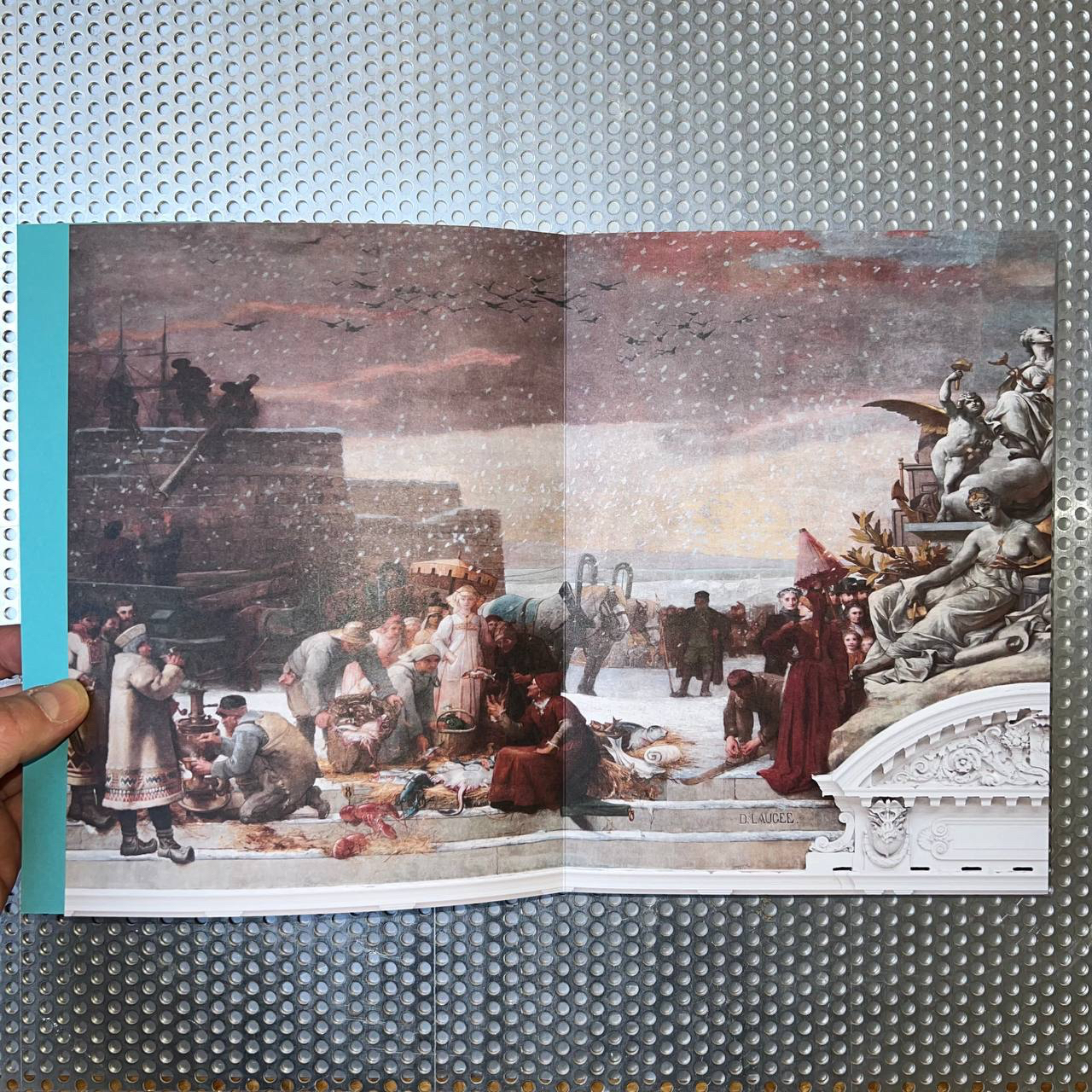
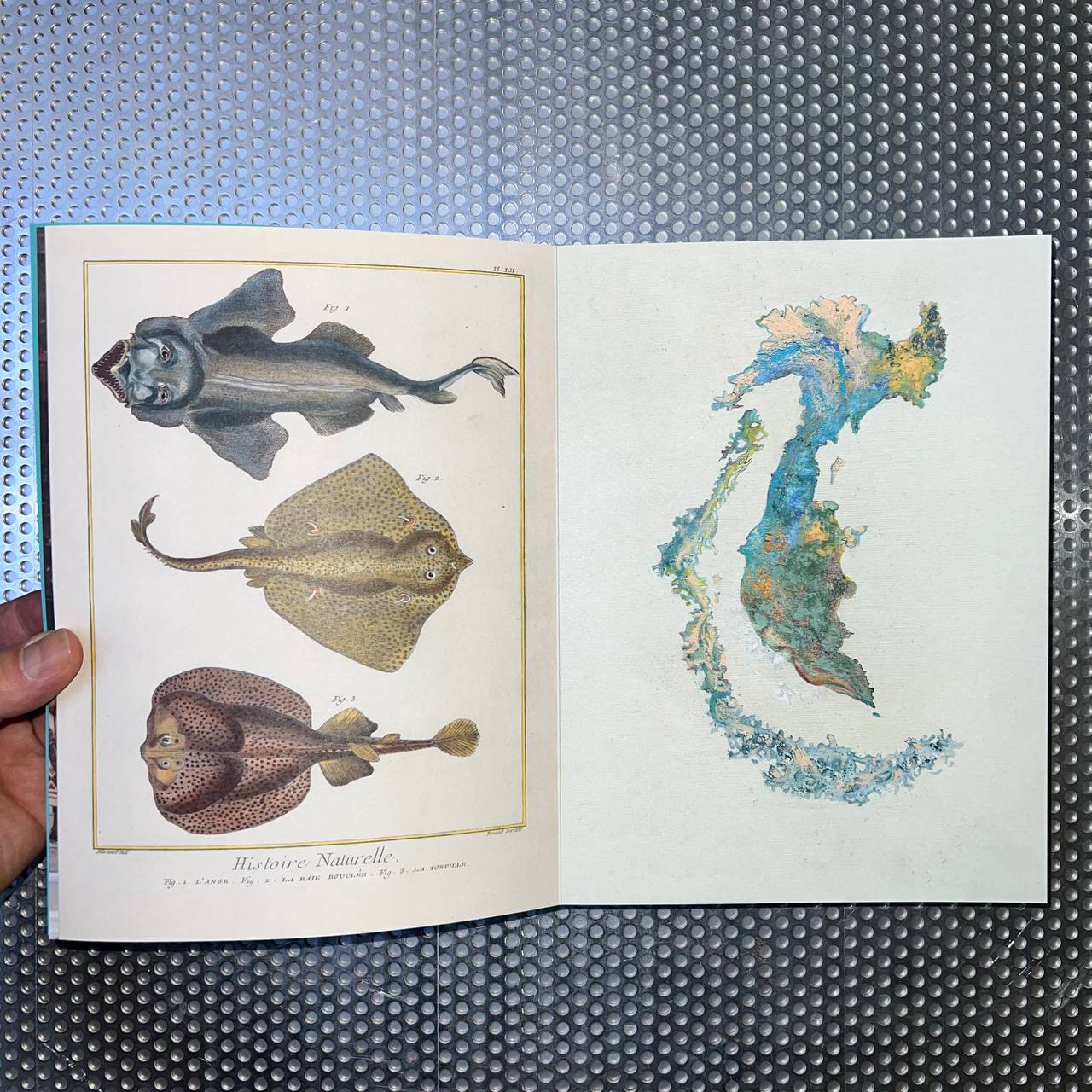
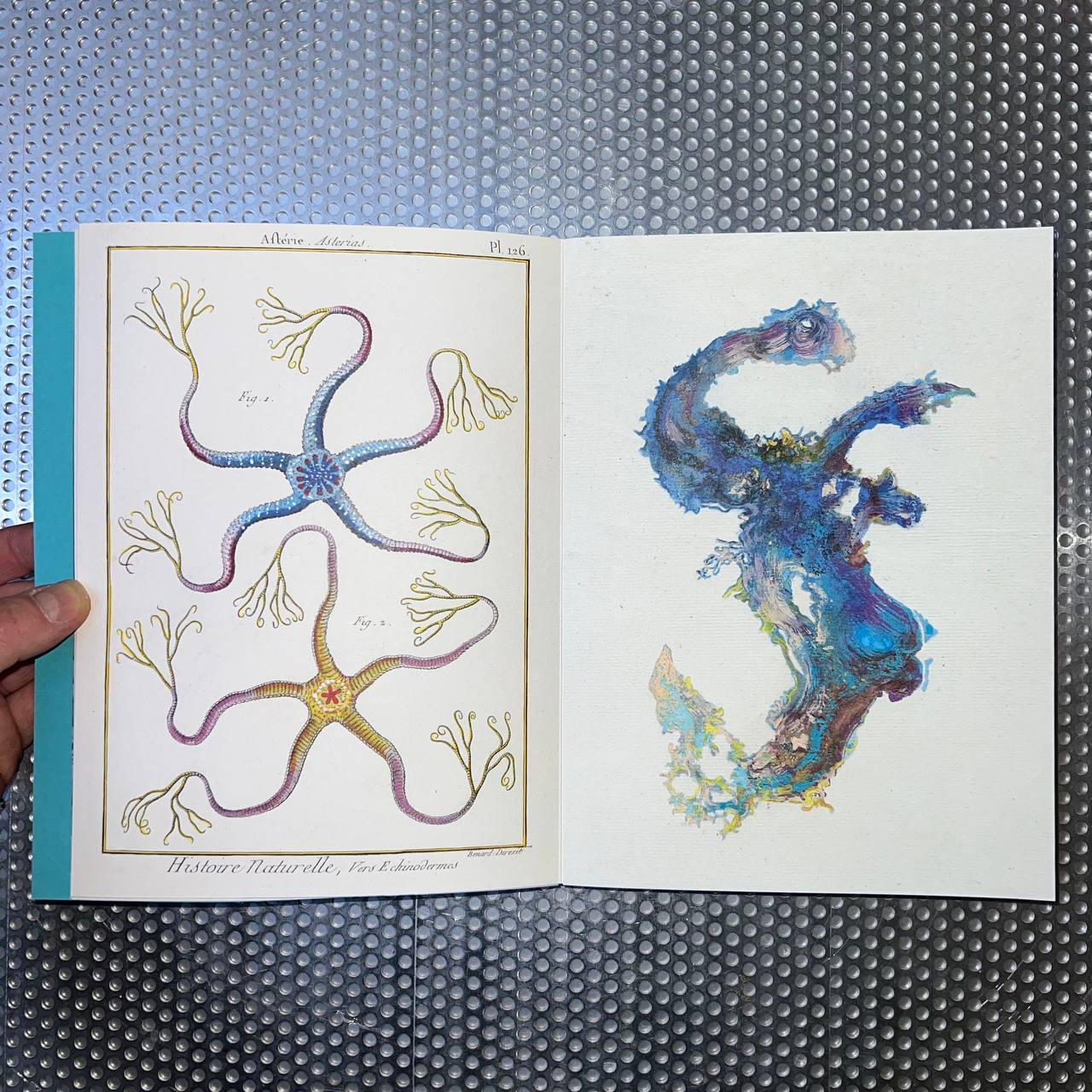
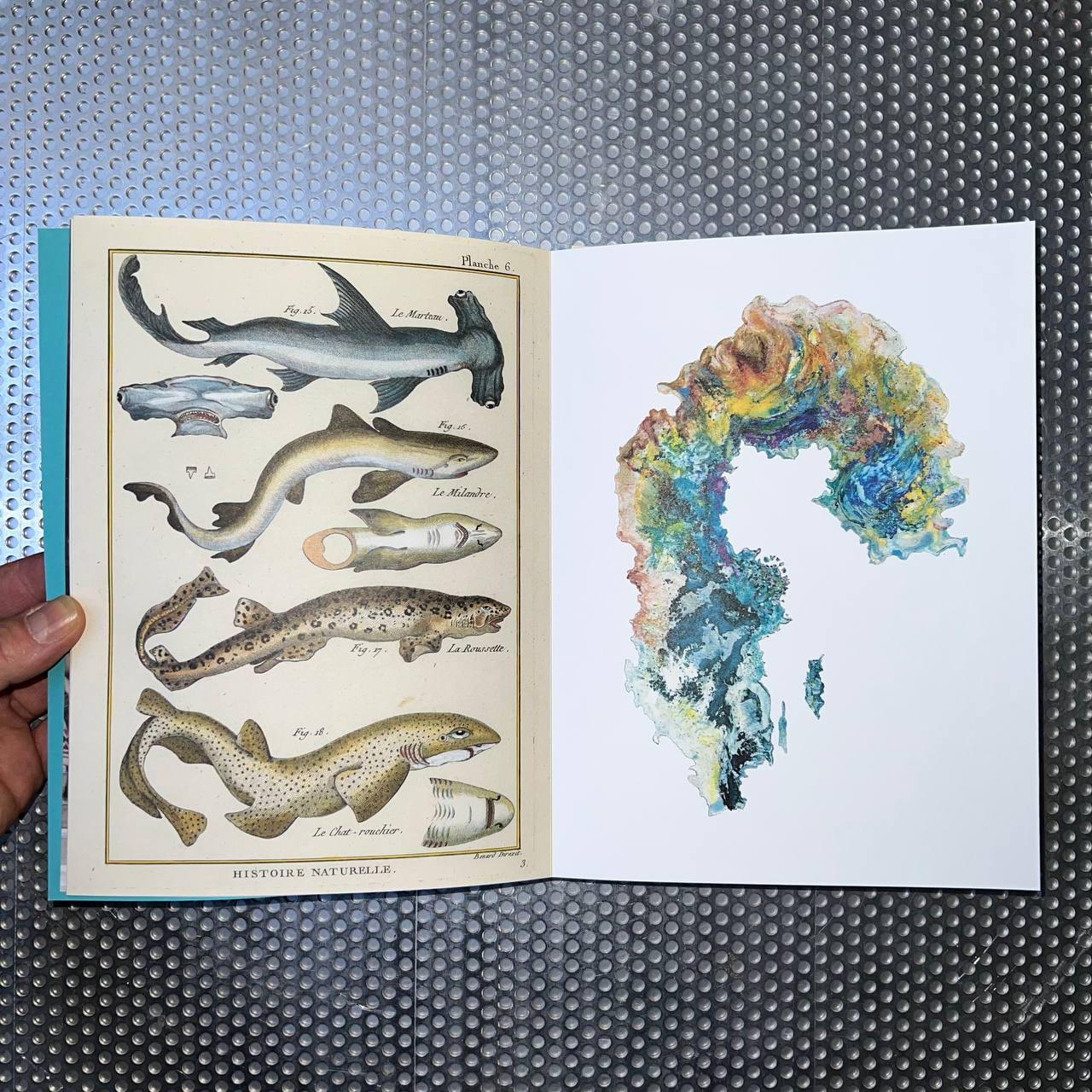
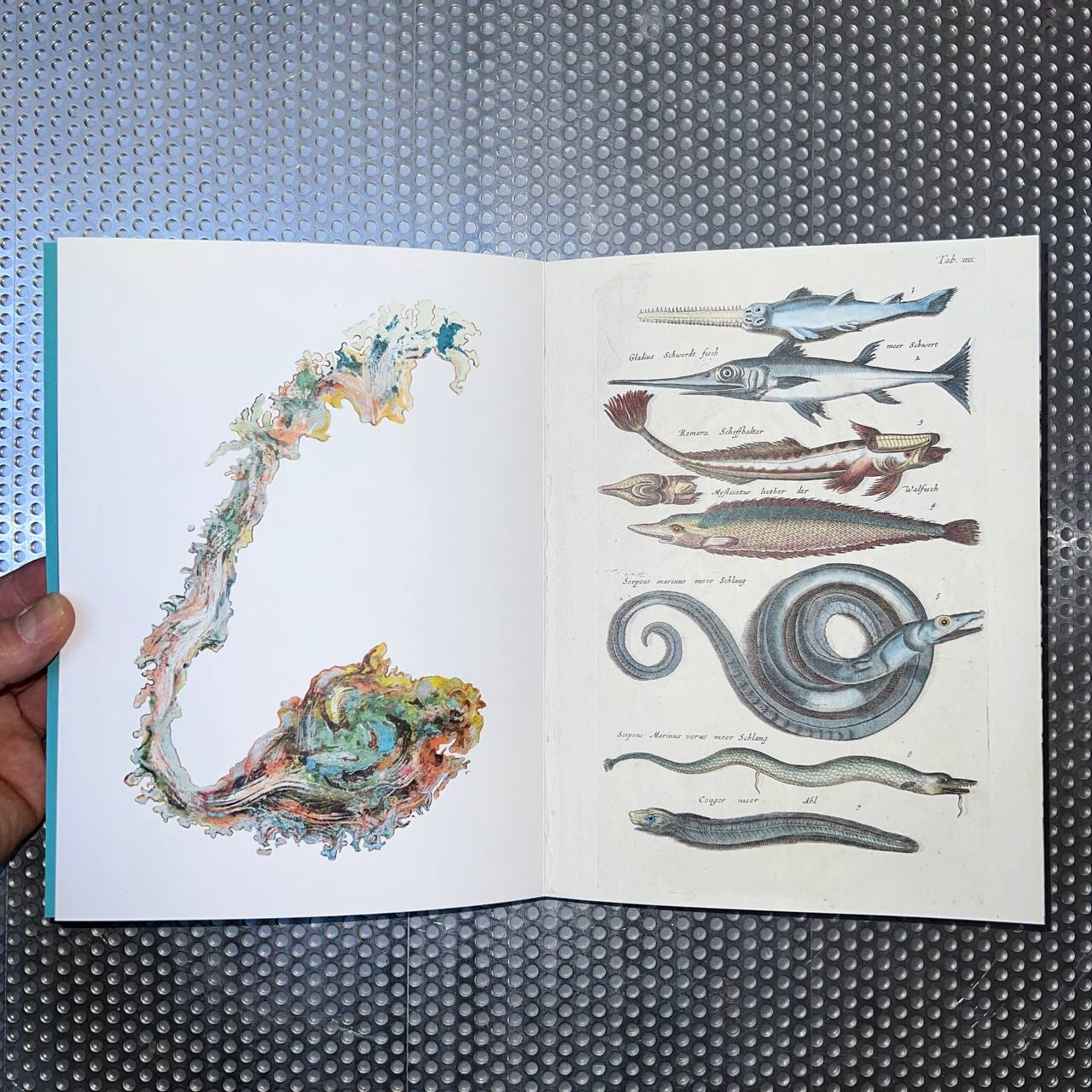
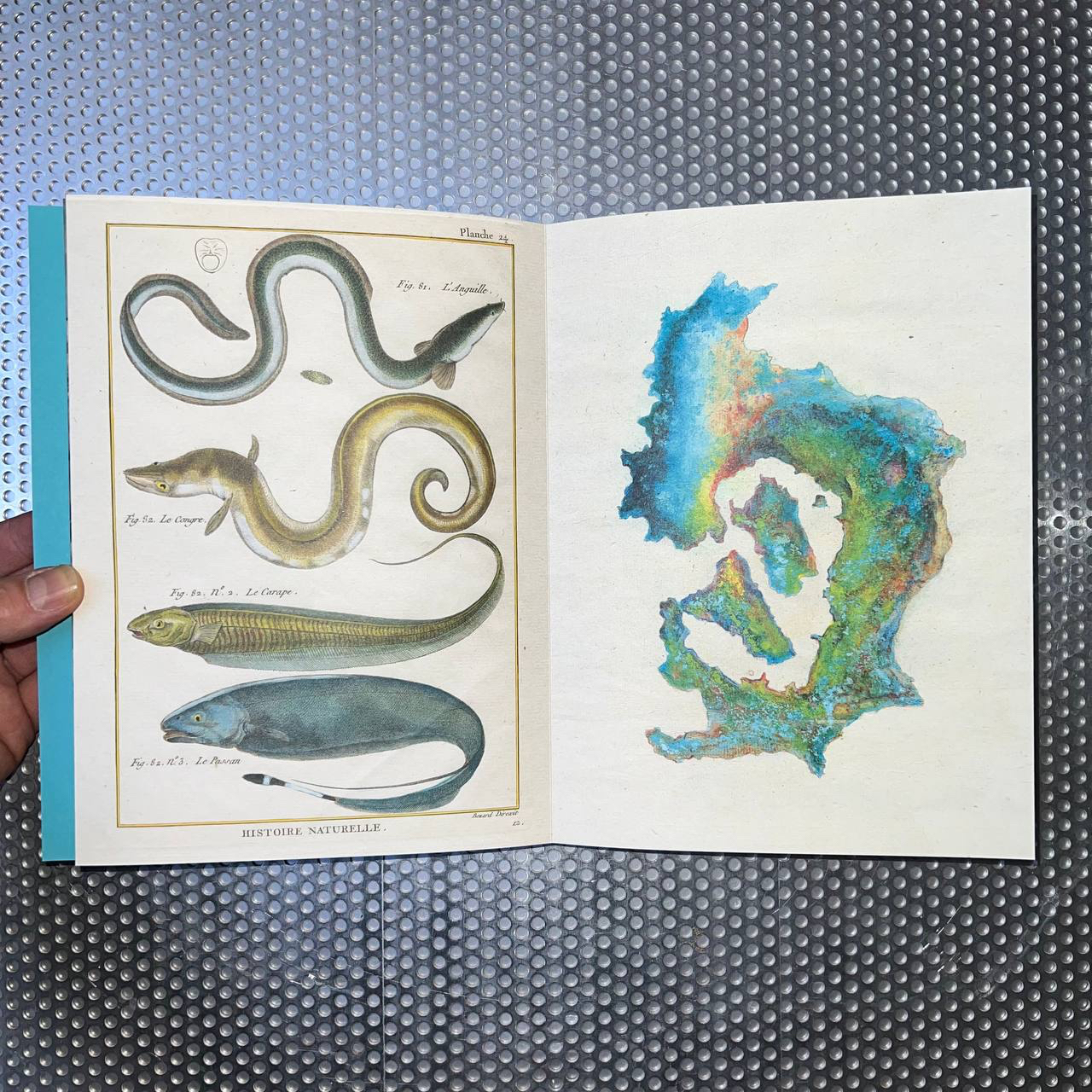
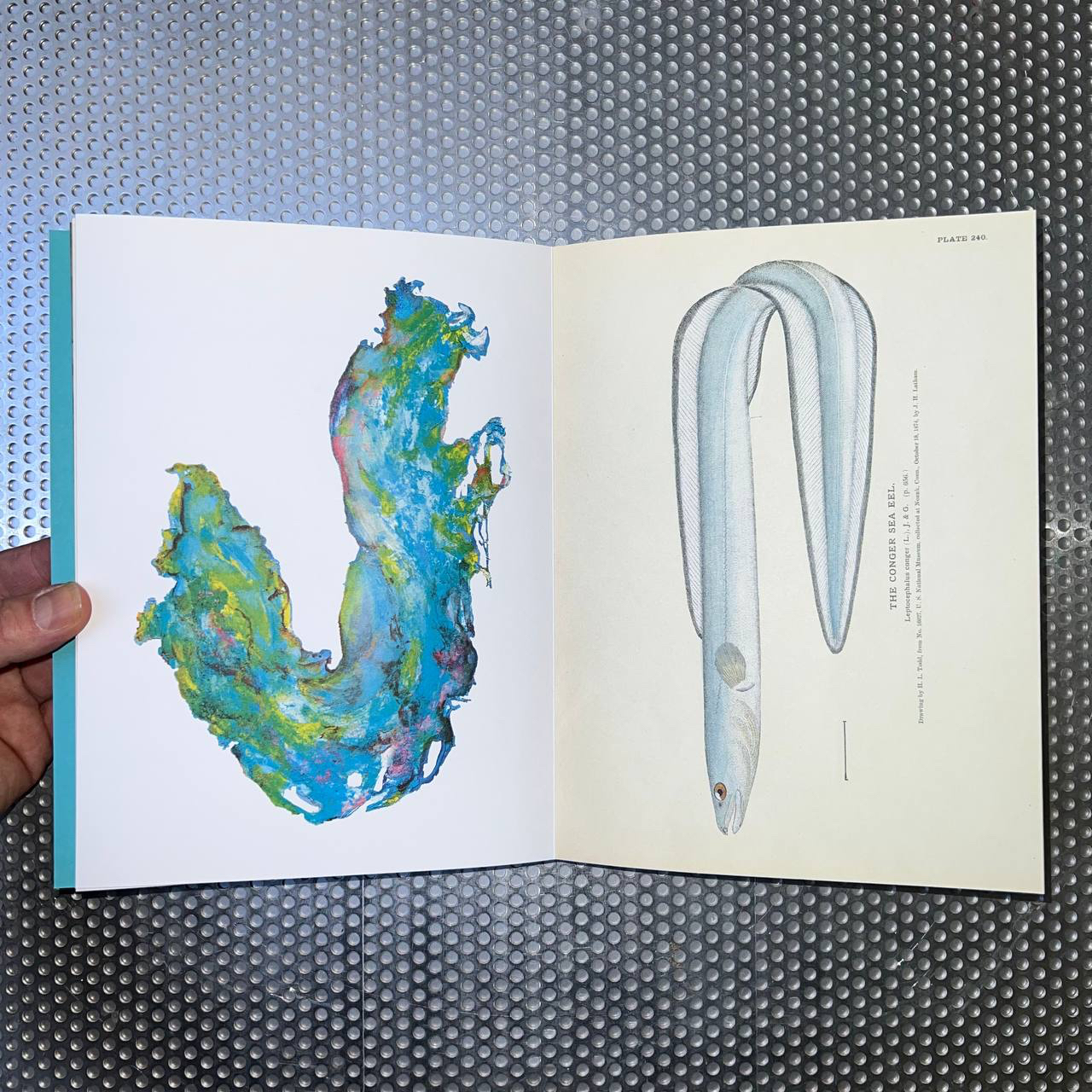
Anri Sala’s series Untitled (Maps/Species, 2018-2022) consists of diptychs which create a dialogue, within the twenty-four windows of the Passage de la Bourse de Commerce, between an an eighteenth-century zoological engraving with an ink and pastel drawing by the pastel by the artist. This cycle echoes the immense canvas marouflaged on the shoulder of the Rotunda. In the form of a leporello to be unfolded recto-verso, this book gives an account of this project in the context of its project in the context of its presentation.