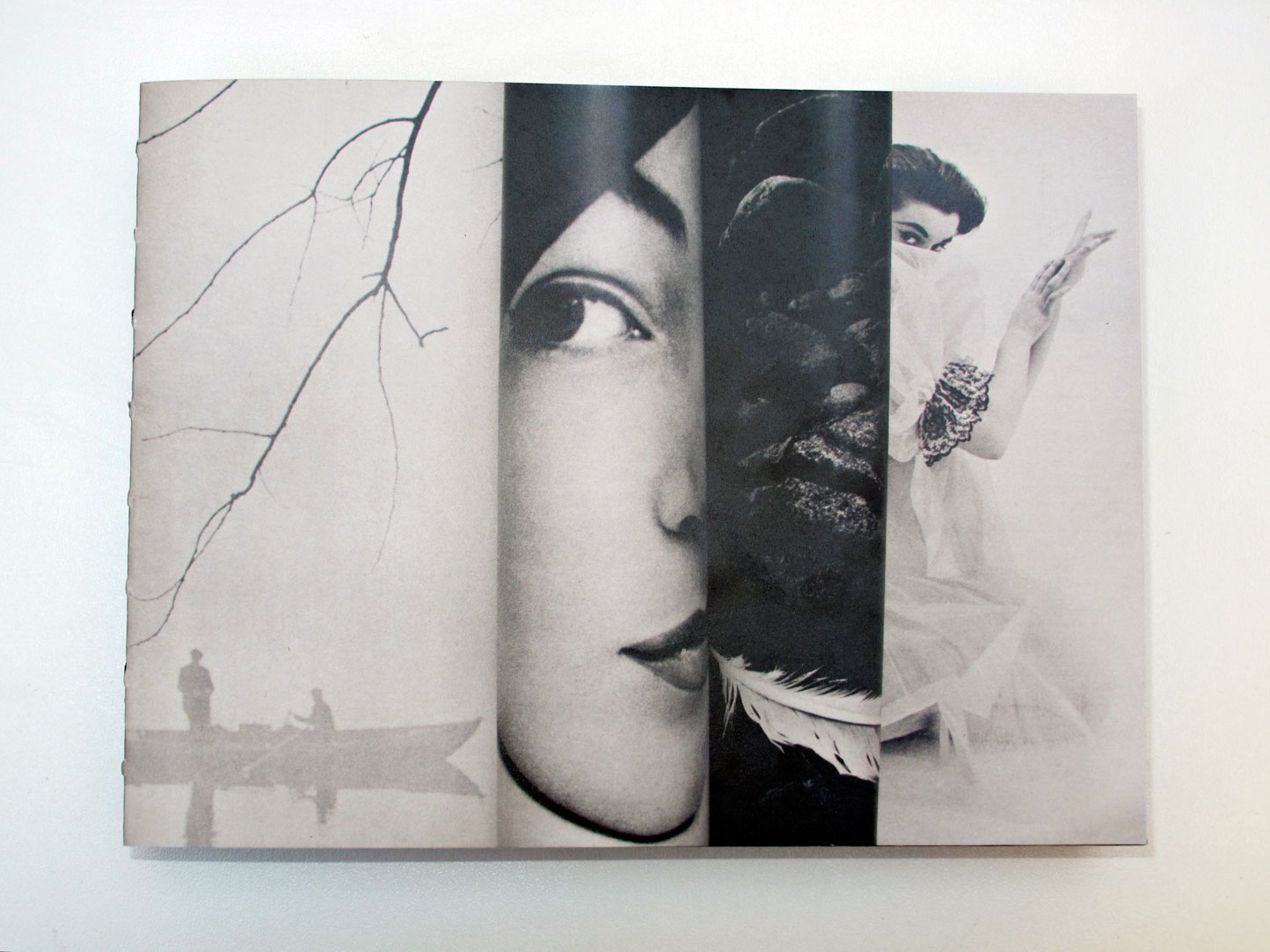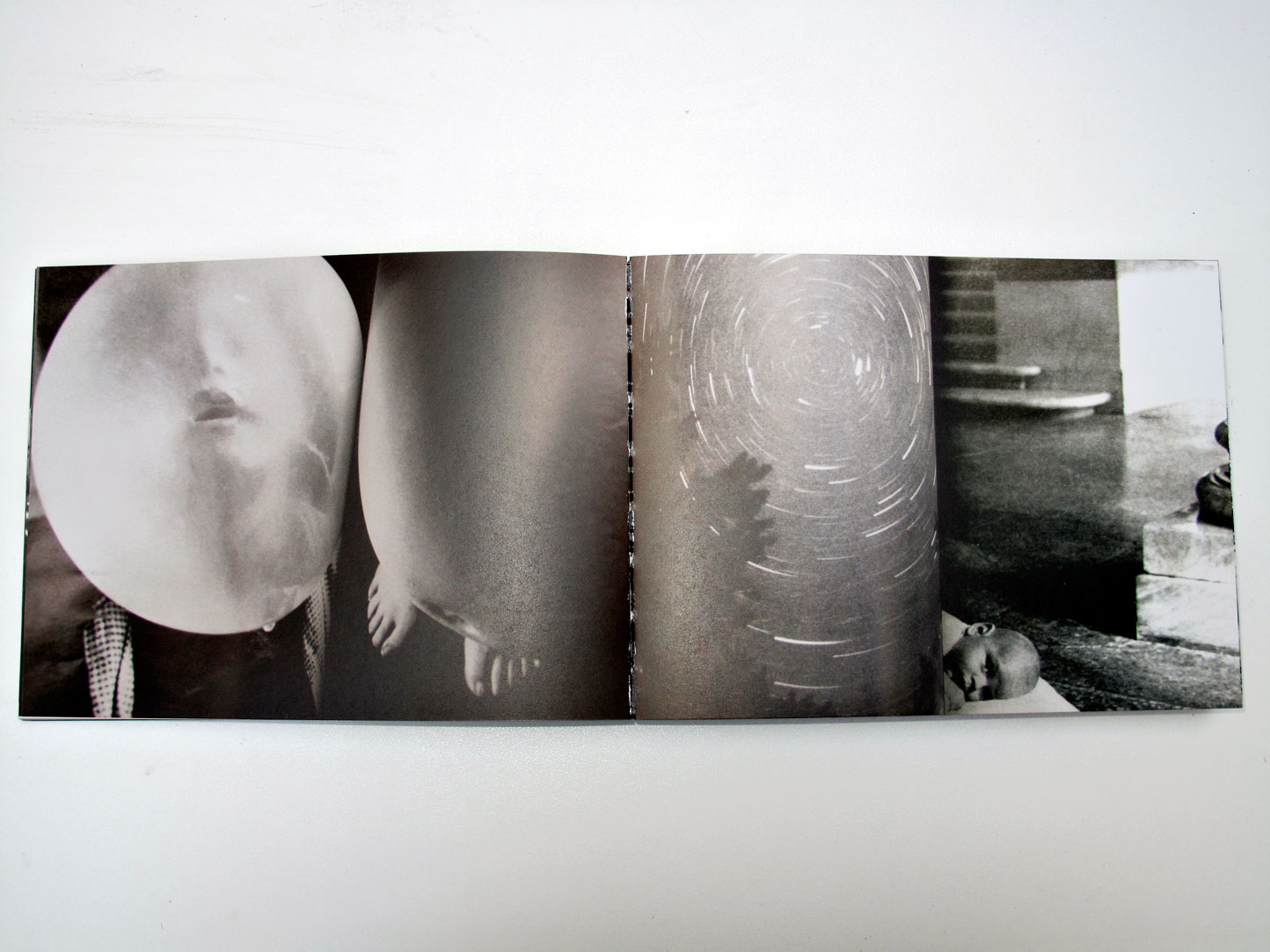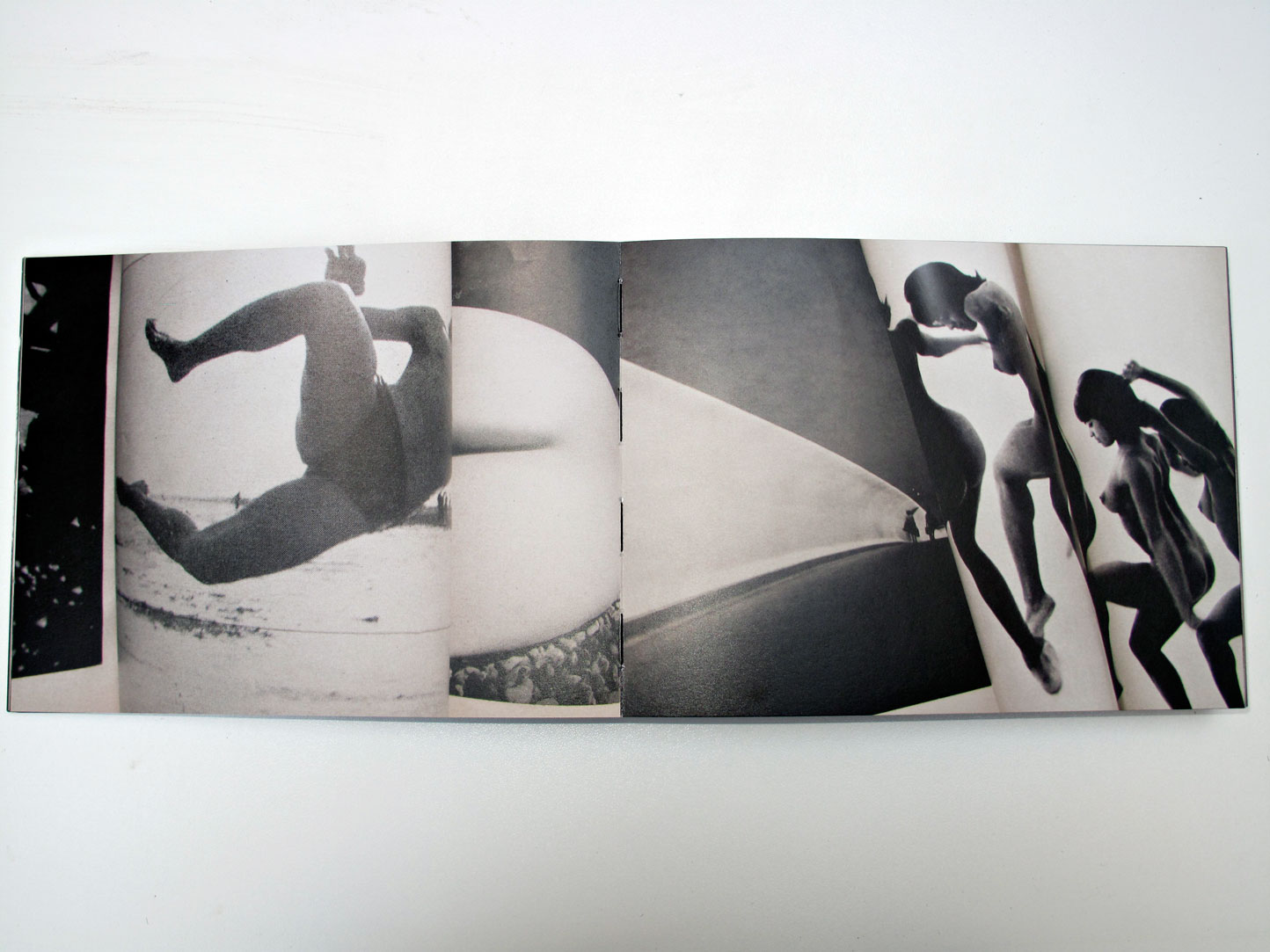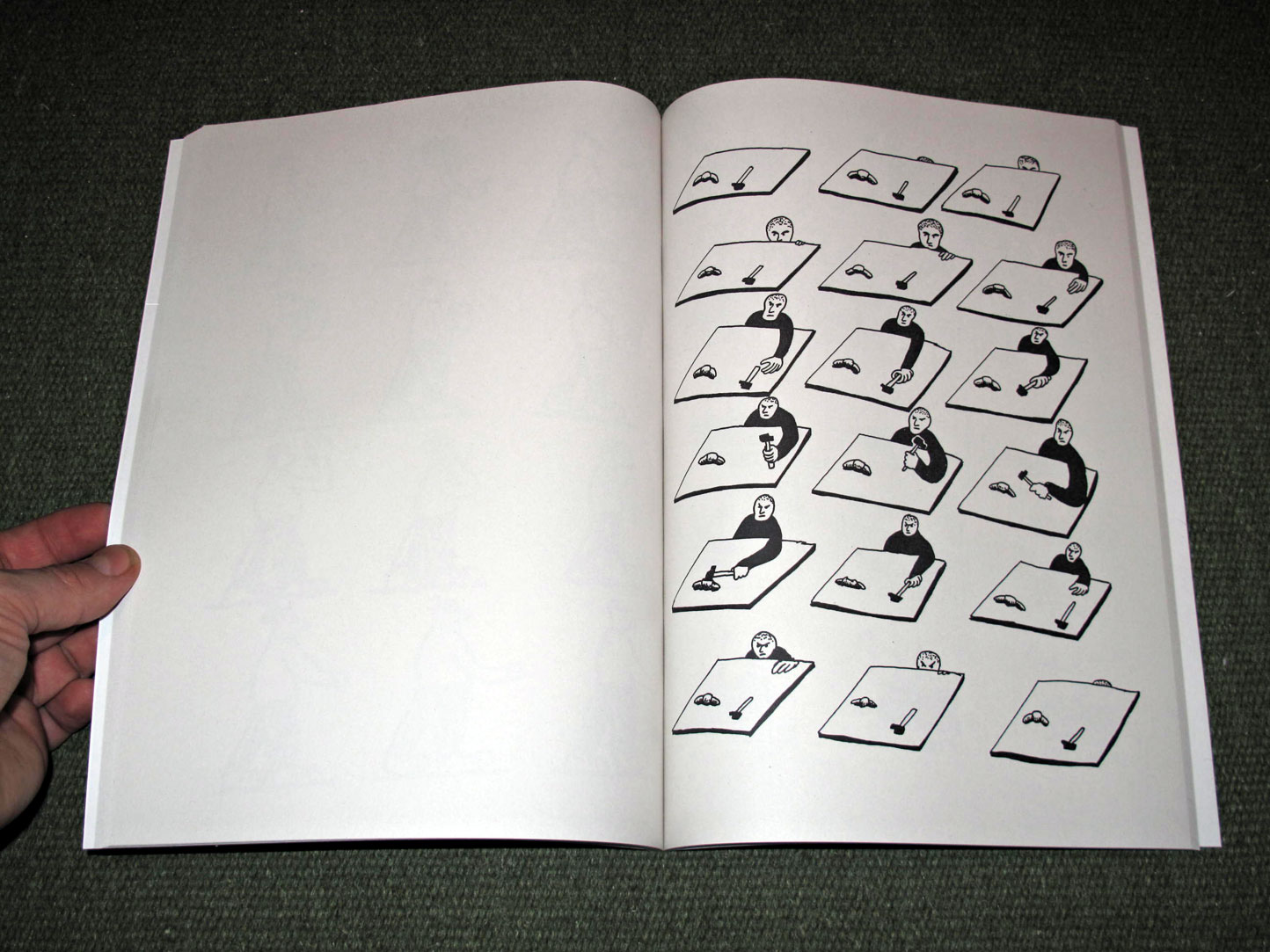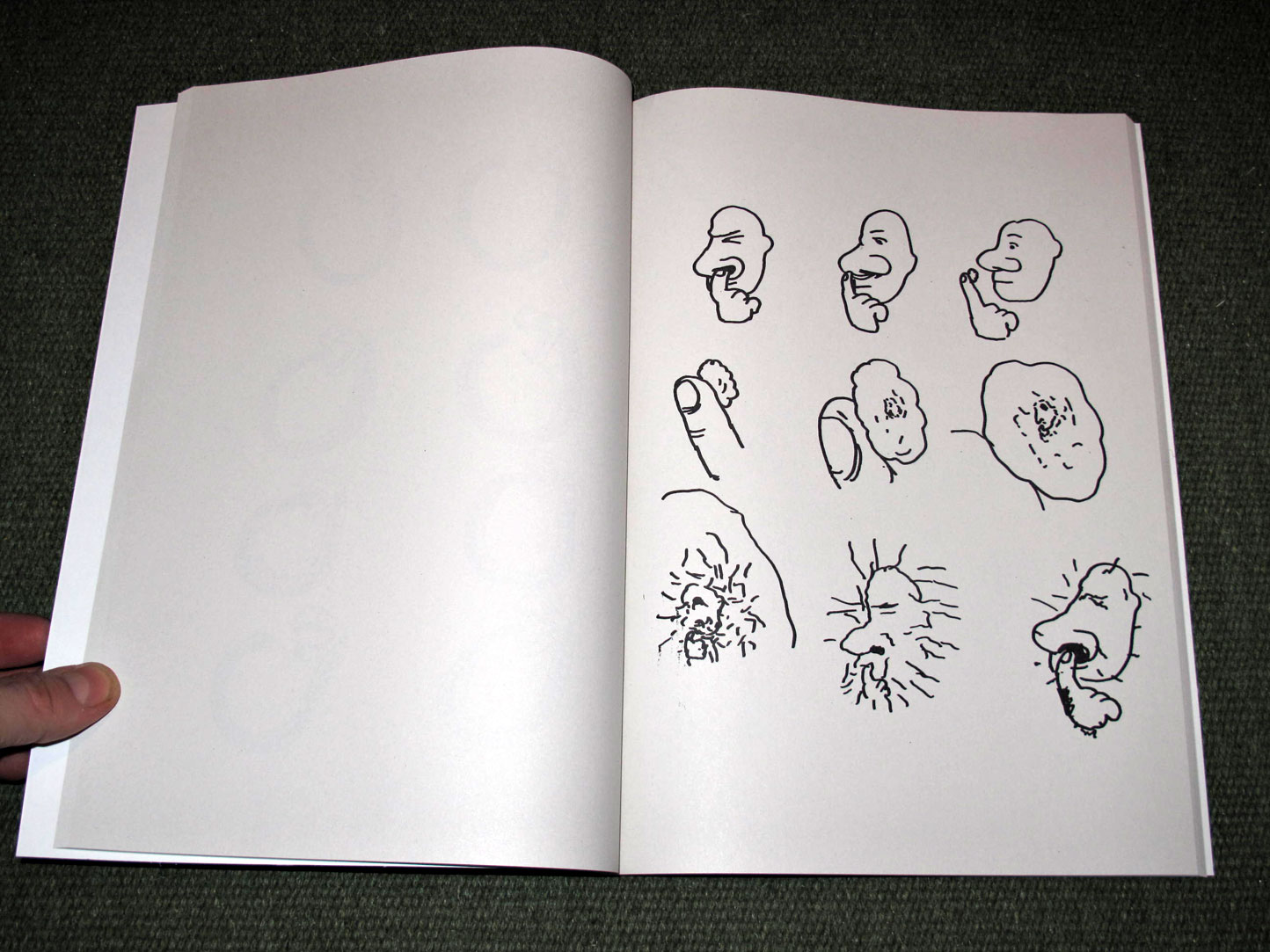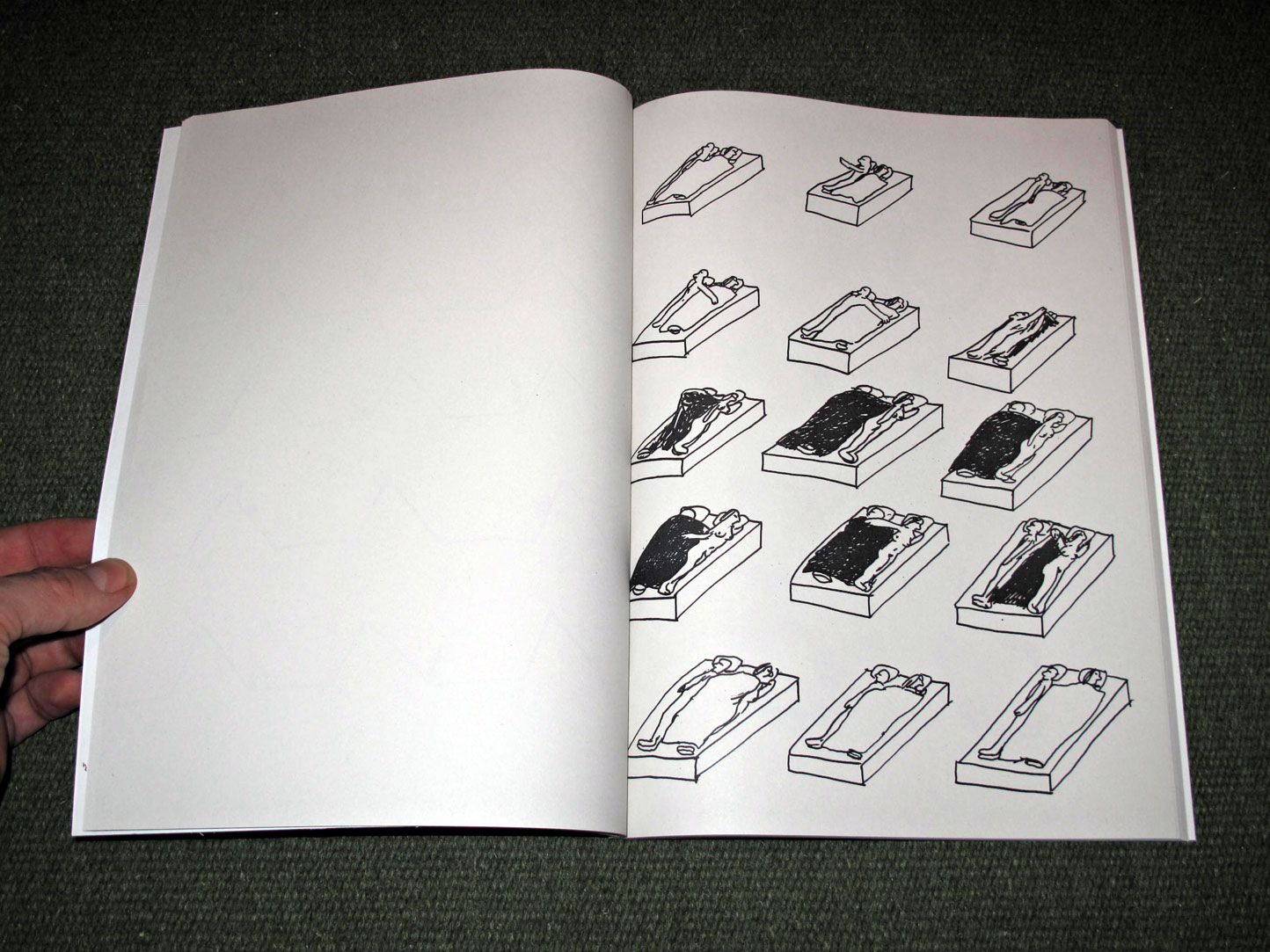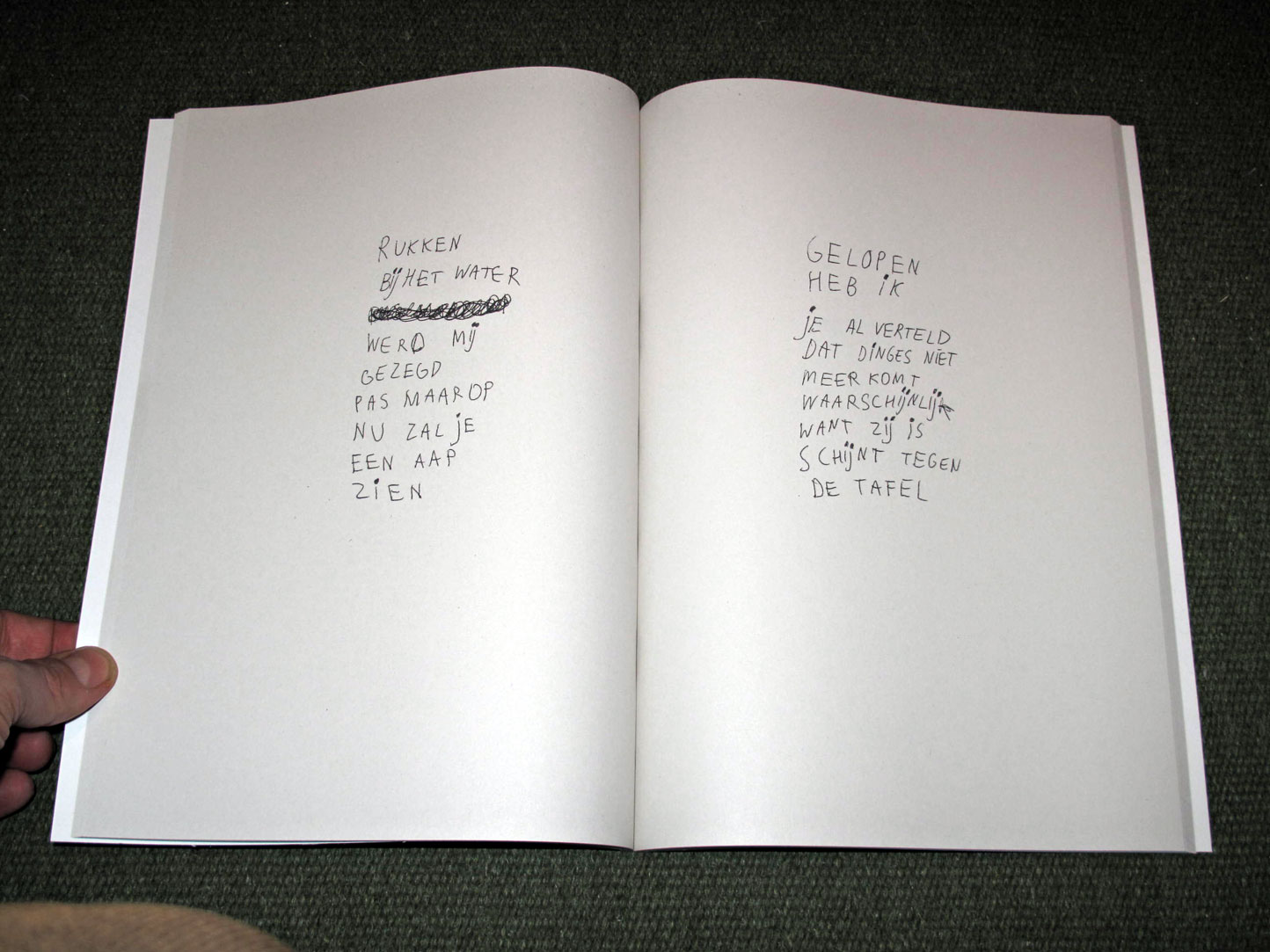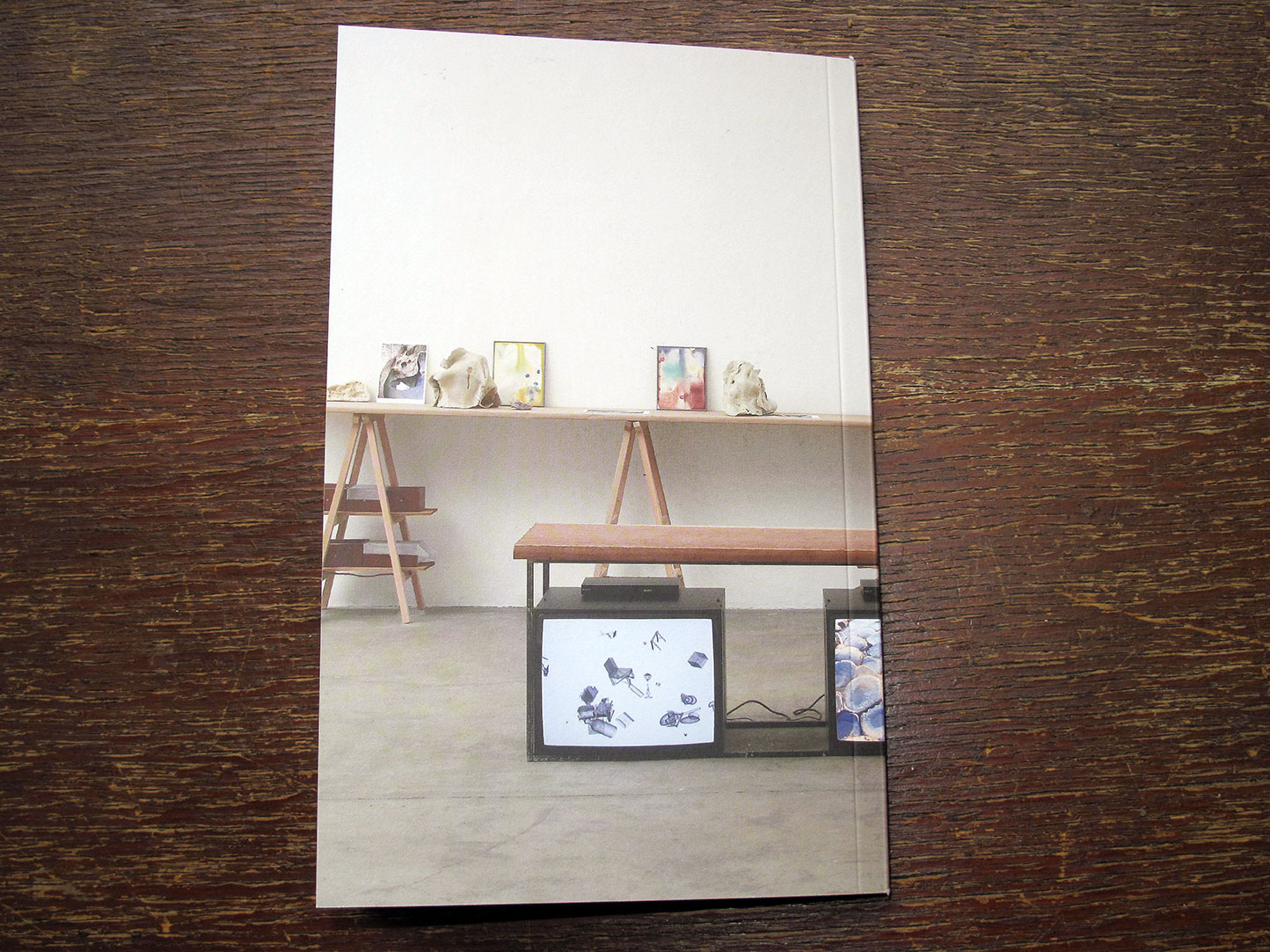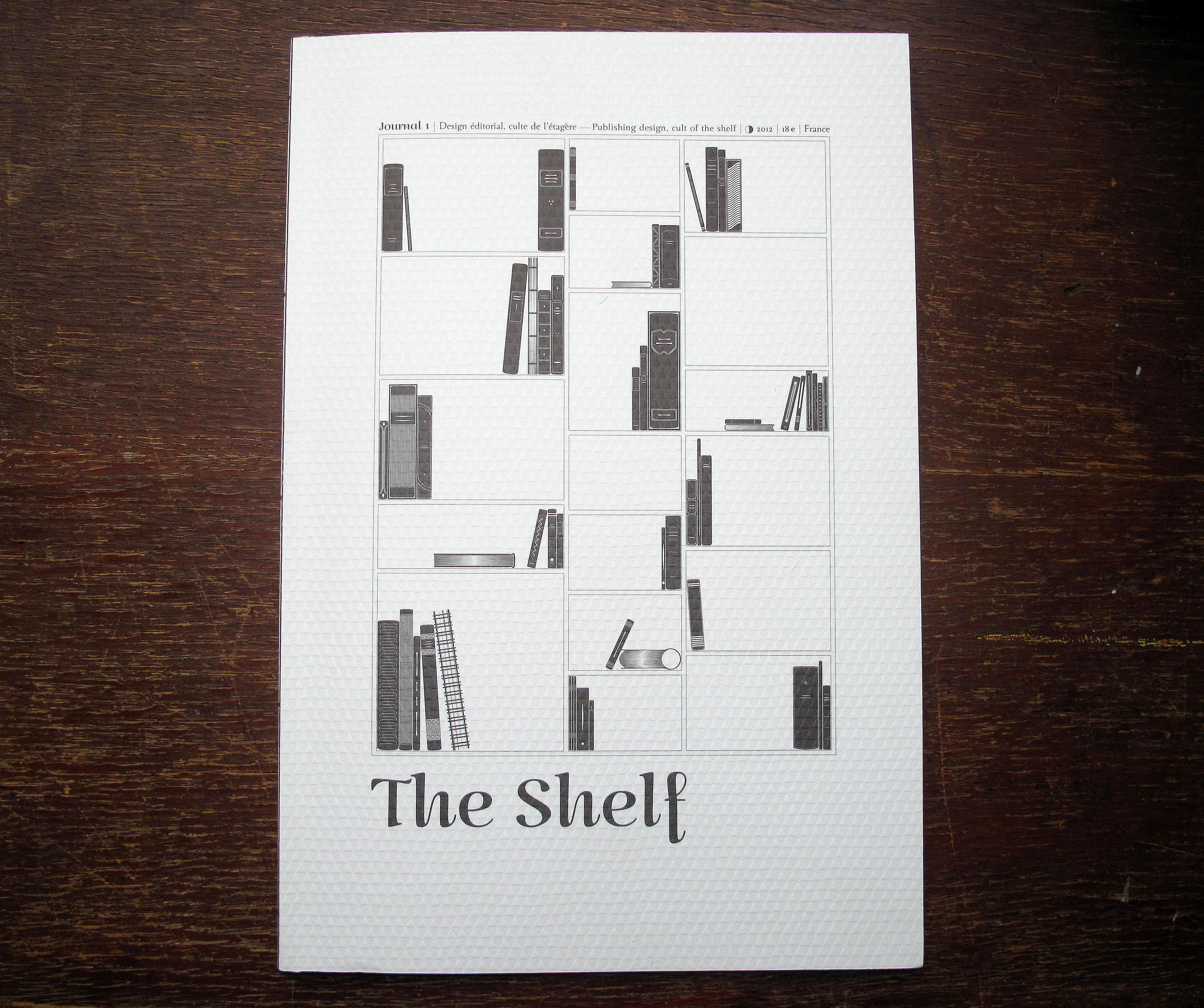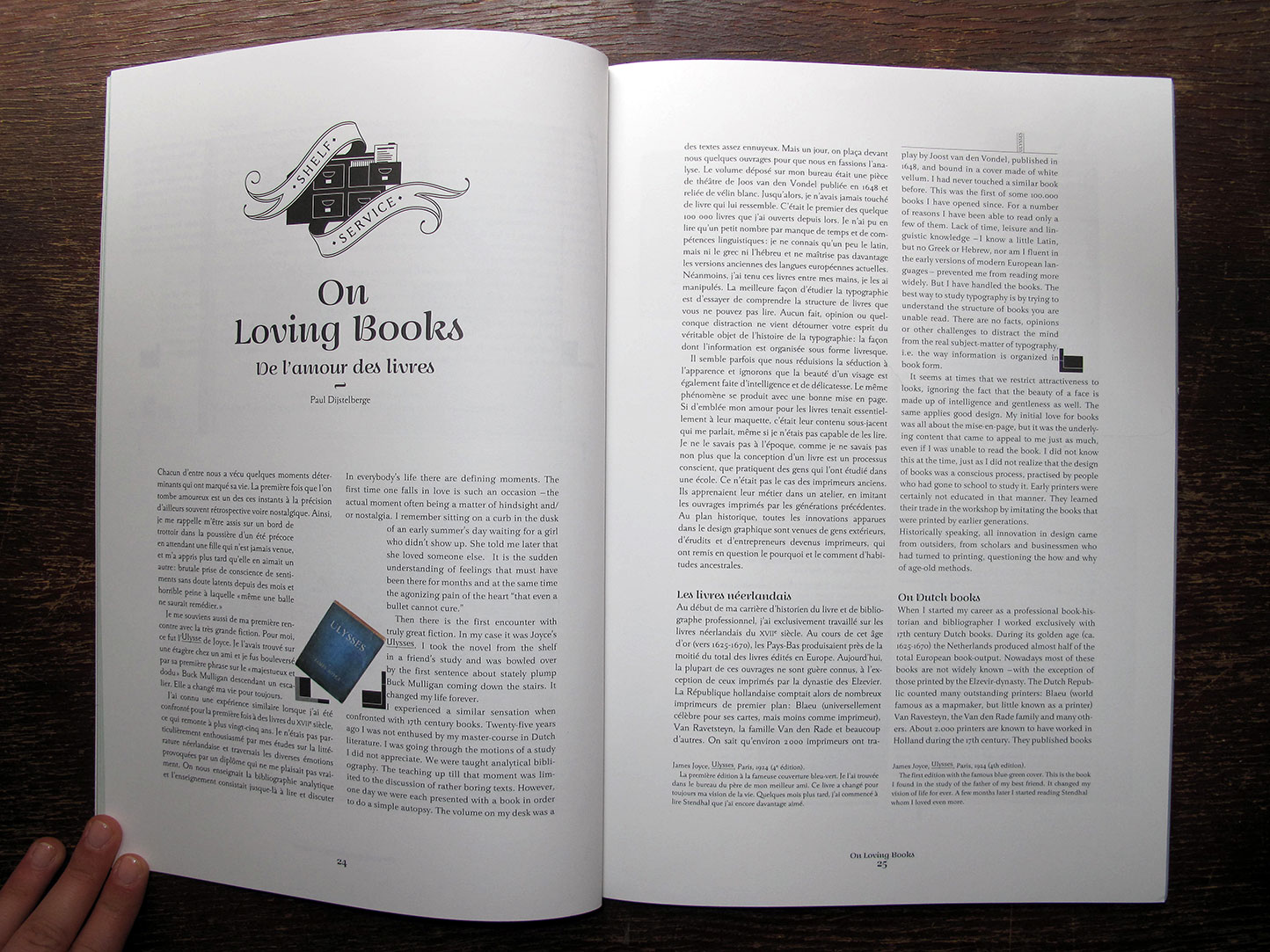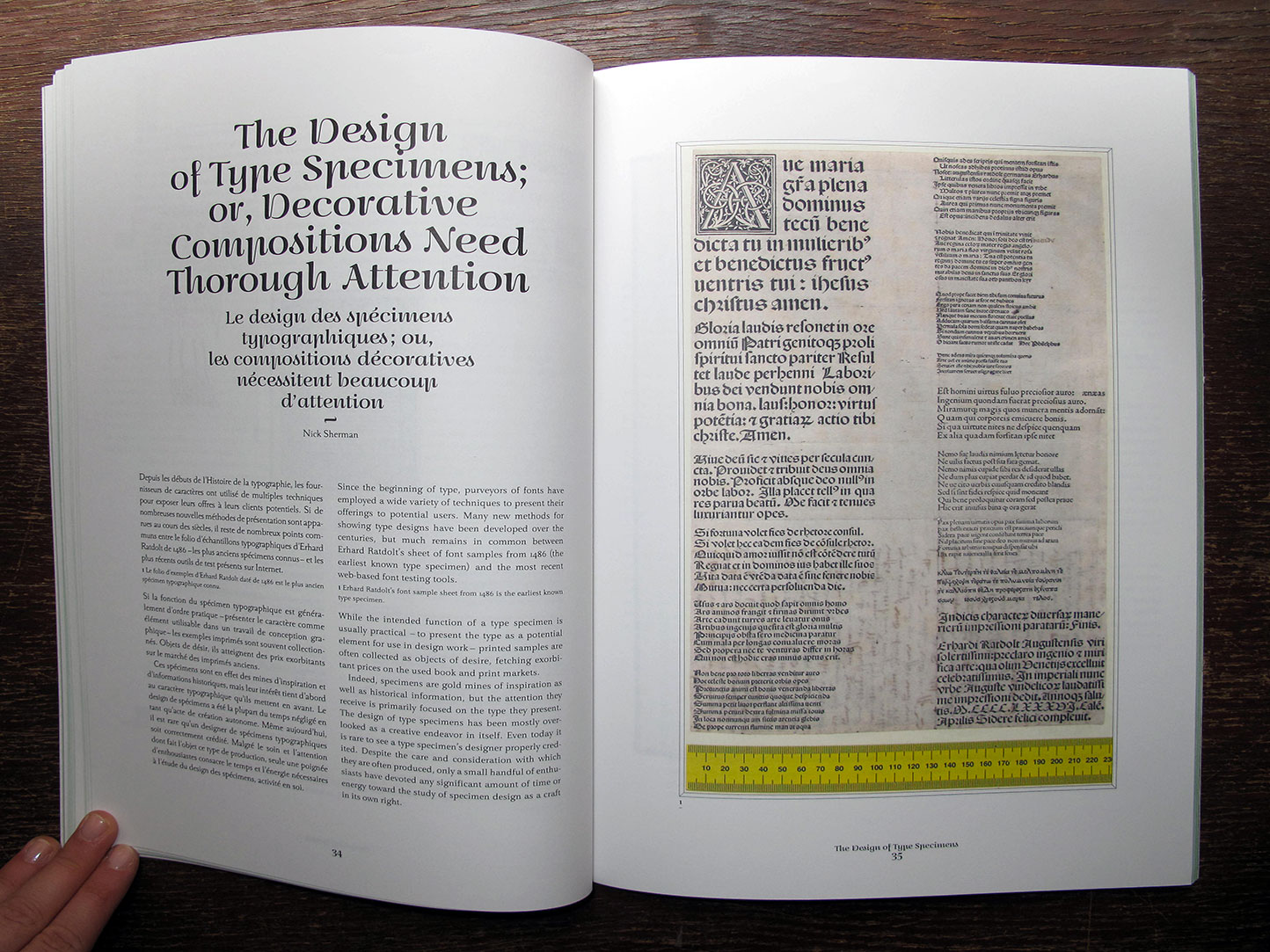
Craig Atkinson / In Certain Places. Revisiting Utopia: Modernist Architecture in the Post-regenerate City. Café Royal Books.

Posted in photography, Zines on August 13th, 2012
Tags: , , ,

Revisiting Utopia: Modernist Architecture in the Post-regenerate City by Craig Atkinson / In Certain Places (Elaine Speight and Charles Quick), Café Royal Books

Revisiting Utopia: Modernist Architecture in the Post-regenerate City, was the third symposium curated by In Certain Places that used a situation or live project in Preston, to examine a wider national and international debate.

In Certain Places move people about the city to produce a discourse, which is grounded in the physical experience of the city.

D 5 €
Buy it

Surfing the Black: Yugoslav Black Wave Cinema… and its Transgressive Moments. Jan van Eyck Academie.

Posted in Film, history, politics on August 10th, 2012
Tags: , , , ,

Surfing the Black: Yugoslav Black Wave Cinema… and its Transgressive Moments. Jan van Eyck Academie.

The Yugoslav black wave cinema of the sixties and the seventies is one of the grand, though hidden, chapters of cinema history. Talented young authors, working under the sign of individual expression and aesthetic experimentation, pushed and explored the limits of the constraints of a socialist state. Their efforts lead to a new path of visual expression, so outstanding by its social and political engagement, its formal invention and its courage. 


This book is the result of a multi-disciplinary research attempting to cross over politics, philosophy, design, art, architecture, and some speculative thinking. Starting from archival work, interviews, seminars, screenings and a conference, Surfing the Black has found its (temporary) conclusion in a publication consisting of six theoretical essays and three fanzines that open up the black wave film experience to current affairs. This is Yugoslavia, and modern cinema, at its blackest and brightest.
With six theoretical essays (by Boris Buden, Pavle Levi and Owen Hatherly, among others) and fanzines comprising an interview with one of the most important Yugoslav filmmakers, Želimir Žilnik, and a comprehensive glossary of terms that belong to the period and field of Yugoslav culture and politics, this is the first book on the subject in the English-speaking world.

Edition of 300

216 Pages
Text in English

D 22€

Buy it

Material Press. Skalitzer 68. Berlin. 11.08.2012

Posted in Events, Motto Berlin event on August 10th, 2012
Tags: , , , , , , , , , , , ,

Skalitzer 68. 11.08.2012

PULL THE STOPS OUT, COME ON! THE BERLIN LAUNCH OF MATERIAL ISSUE 3

starts at 7.00 pm.

MATERIAL is a journal of writing by visual artists, a platform for divergent opinions, uses, and appropriations of language. Published in Los Angeles, and co-edited by artists Kim Schoen and Ginny Cook, Issue 3 features artists Farrah Karapetian, Paul Zelevansky, Renee Petropolous, Nate Harrison, James Welling, Natalie Häusler, Harold Abramowitz, Shana Lutker, Stephanie Taylor, Alice Könitz, Frank Chang, and Emily Mast’s English translation of Édouard Levé’s Œuvres. At the Motto launch, Stephanie Taylor and Alice Könitz will give a live, costumed performance of their piece from Issue 3: A Leash for Fritz and Kale for Stray Bunny (9PM SHARP!). The evening will also feature a special guest performance by artist David Raymond Conroy. Natalie Häusler will present the new installation For Ann (rising) in the showcases, which will remain on display for the occasion.

http://www.materialpress.org/motto/

Skalitzer. 68
July 21 – August 25 2012
Saturdays only!

Further Programme details here:

http://www.mottodistribution.com/site/?page_id=24742

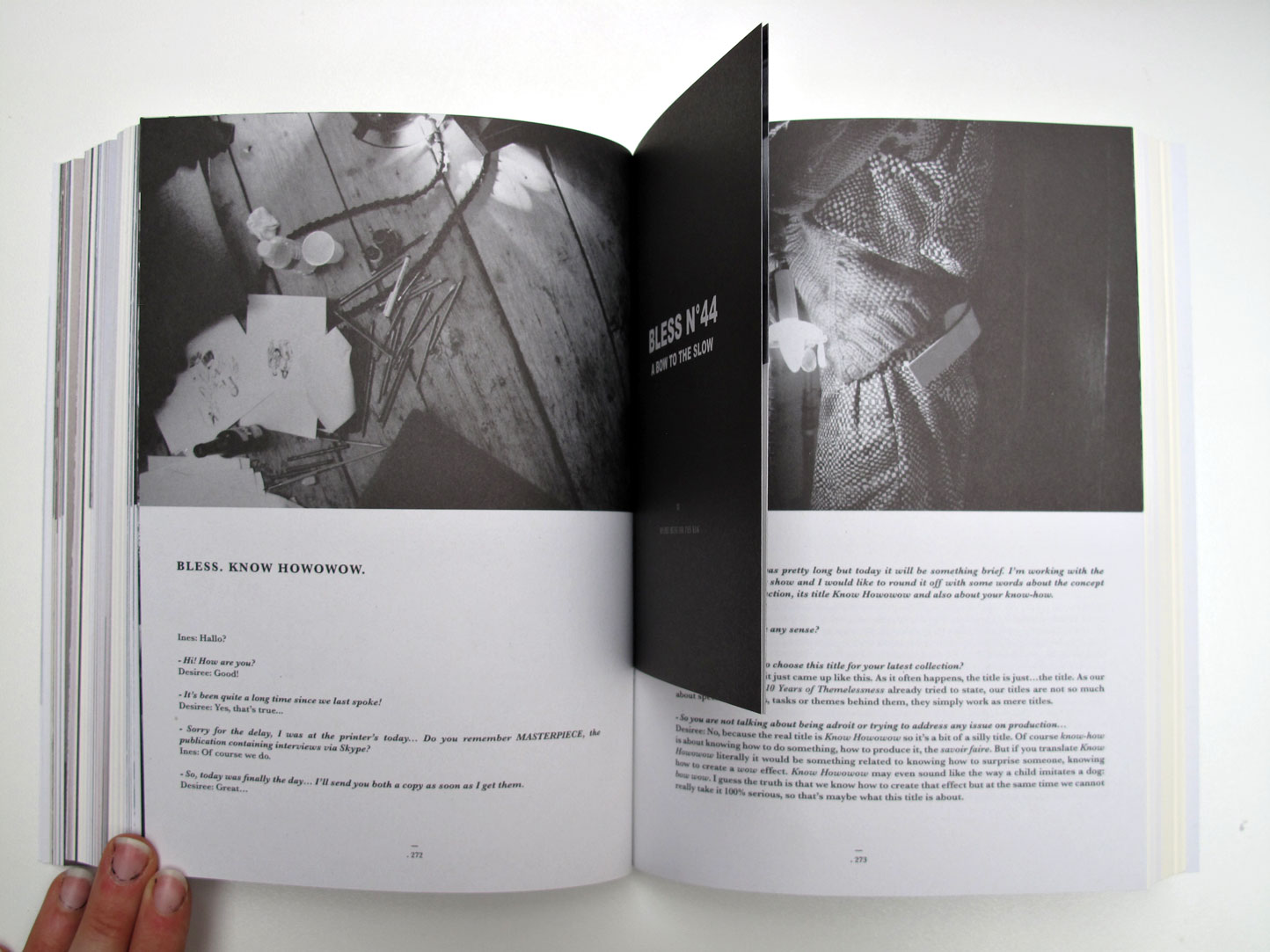
mono.kultur #32: Martino Gamper

Posted in magazines on August 10th, 2012
Tags:


mono.kultur #32: Martino Gamper

Dear Friends,

with summer dropping in and out every now and then, we finally and happily present our latest issue featuring the unmistakeable Martino Gamper – and about high time, admittedly. But: dedicating a tasty 10,000-word interview to the charm and wit of the Italian product designer in a volume ripe with food for the mind and the eye, it is the kind of issue we believe was worth the wait.

And indeed, Martino Gamper is the kind of product designer we all have been waiting for: Brimming with ideas, energy and humour, his designs are disarmingly irreverent and irresistibly fun, and unlike anything one will see in the puristic galleries of contemporary design. Crossing over from studying sculpture to completing an MA in product design at the prestigious Royal College of Art under Ron Arad, Gamper has had little time to worry over the theoretical do’s and don’t’s of his profession – instead, he has followed a simple rule of learning by doing, meaning: the more you do, the more you learn.

At a time where design is overly concerned with form and less so with function, Gamper is not all too bothered with either, but rather with how design might affect the everyday. Coming to attention in 2007 with his epic project 100 Chairs in 100 Days, where he assembled discarded furniture and waste material into curious and charismatic new pieces, considering the history of materials as well as the context of his work has become an important element of Gamper’s practice, which sits comfortably and playfully between the worlds of industrial design and fine art.

If anything, his work is driven by an insatiable curiosity and openness, which is also expressed by the frequent collaborations with friends from different fields. Martino Gamper treats his work as a means of communication and interaction, by frequently inviting visitors and passers-by on the street to join and engage, or by creating not only the furniture, but also improvising the 7 course-menus for his legendary Trattoria pop-up dinner evenings – elevating, as an inevitable and highly welcome side effect, design into a profoundly social activity.

With mono.kultur, Martino Gamper talked about his idea of fun, why a chair is the ultimate challenge and what design has in common with cooking.

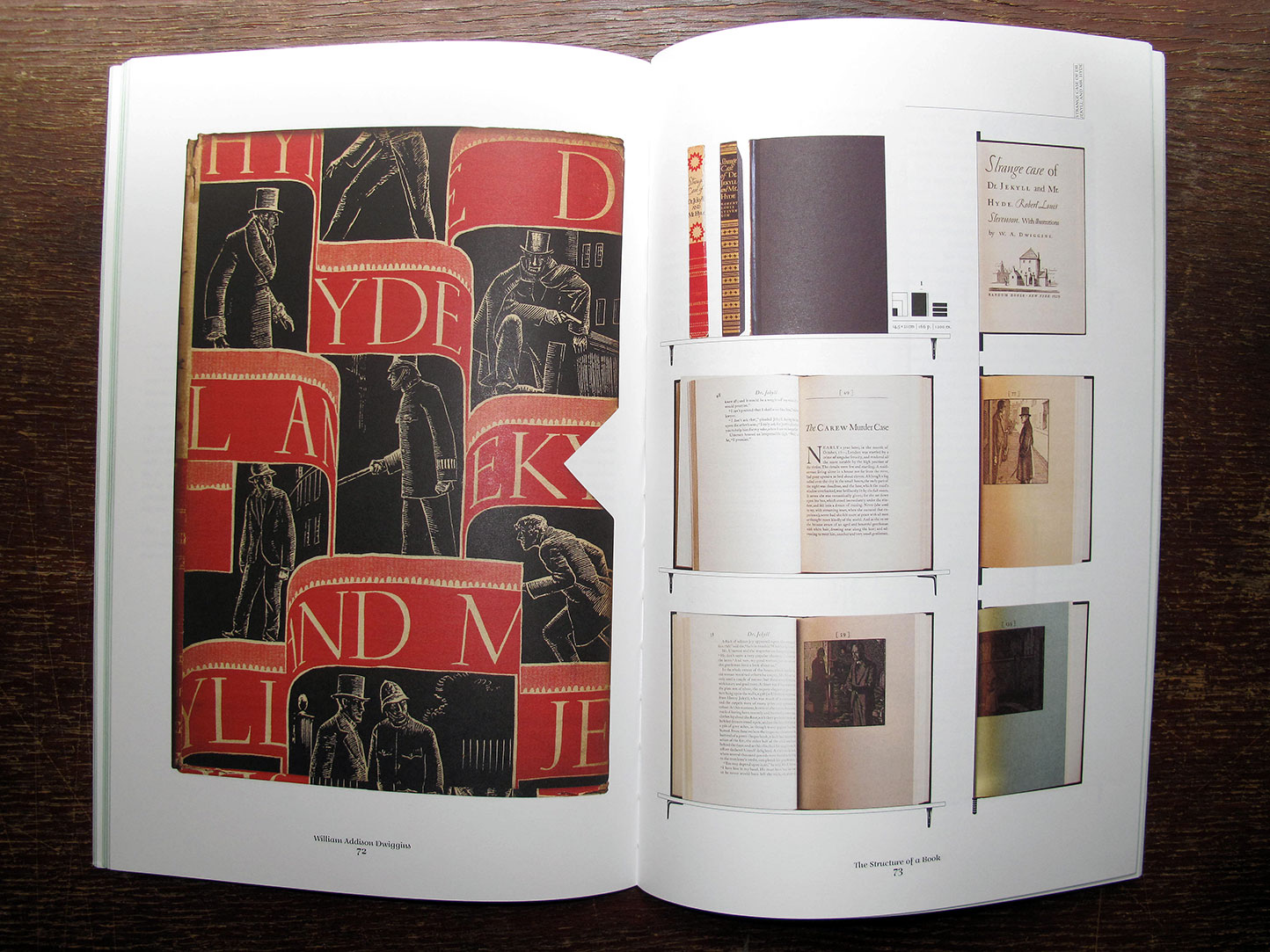
Visually, the issue is bursting with references and ideas, reclaiming image material from left and right, while unveiling the structure of a book with three booklets of different sizes all lovingly assembled into one – and manually at that, which makes for some rough edges or rather what we like to call extra personality.

As of here and now, the issue is available through our online store mono.konsum, and at a trusted art book dealer of your choice very soon indeed.
In the meantime, enjoy the remains of summer, and with our warmest regards,
mono.kultur

D 5€ EU 6€ WW 7€

Buy it

Johan De Wilde. Akerselva-Oslo 2004-2011. Het balanseer.

Posted in photography on August 9th, 2012
Tags: , ,


Akerselva-Oslo 2004-2011  by Johan De Wilde.

Between 2004 and 2011 Johan De Wilde went for brisk walks along the River Akerselva, which divides the city of Oslo into two parts, east and west. He kept a photographic record of four of those walks, collected together in Akerselva-Oslo 2004-2011. The artist creates an abstraction, a suggestion, a series of images that glides past in time and space, peopled by abandoned objects, chance passers-by who give the impression of being part of a story only to step out of it in the next picture. He accepts threat, mental and physical obstacles and minuscule events in a bid to evoke that curious feeling which is so closely linked in its interpretation to life as it happens.

D 50   

Buy it 

137 Master Pieces. Jungundwenig.

Posted in graphic design, illustration on August 8th, 2012
Tags: , , ,

137 Master Pieces

Booking done by Bettina Mönch, Leipzig.
The book is printed with a Risograph GR 3770.
Concept and design by Jungundwenig and Mathias Reynoird.

D 30€

Buy

FESPA Digital / Fruit Logistica. Wolfgang Tillmans. Verlag der Buchhandlung Walther König.

Posted in photography on August 6th, 2012
Tags: , ,

FESPA Digital / Fruit Logistica.

Vor einem guten Jahr besuchte Wolfgang Tillmans die Berliner Messe “Fruit Logistica”, das führende Branchentreffen der internationalen Fruchthandelswelt. “Dort gingen mir die Augen über angesichts der verrückten Displays und der Vielfalt und Komplexheit des internationalen Fruchthandels und seiner Verarbeitungsmaschinen. Darauf reagierte ich sofort mit der Kamera, habe die Bilder aber dann erstmal liegen lassen, um sie mit Abstand betrachten zu können, obwohl ich gleich an ein Künstlerbuch im “Concorde”- Format dachte”. Jetzt liegt es vor!

D 19.80 €

Buy

You Killed Me First: The Cinema Of Transgression. KW Berlin. Verlag der Buchhandlung Walther König

Posted in Exhibition catalogue, performance, video on August 6th, 2012
Tags: , , , , , ,

You Killed Me First: The Cinema Of Transgression.

Albtraumhafte Gewaltszenarien, dramatische Seelenzustände, perverse sexuelle Abgründe: Die bewußt auf Schock, Provokation und Konfrontation angelegten Filme des Cinema of Transgression zeugen von einer außergewöhnlichen Radikalität. In den 1980er Jahren ging eine Gruppe von Filmemachern in der New Yorker Lower East Side auf Kollisionskurs mit der amerikanischen Gesellschaft. Alle moralischen und ästhetischen Grenzen überschreitend, enthüllten sie in ihren Filmen eine soziale Härte, die auf gesellschaftspolitische Gleichgültigkeit trifft. In den teilweise mit geklautem Kameraequipment gedrehten Low-Budget-Filmen manifestieren sich scharfe Analysen des von Kriminalität, Brutalität, Drogen, Aids, Sex und Exzessen geprägten Lebens in der Lower East Side. Standphotos, Bildausschnitte, Flugblätter und die harte Typographie vermitteln perfekt die Ernsthaftigkeit der Künstler.

Nightmarish scenarios of violence, dramatic states of mind, and perverse sexual abysses – the films of the Cinema of Transgression that were consciously aimed at shock, provocation, and confrontation, bear witness to an extraordinary radicality. In the 1980s a group of filmmakers from the Lower East Side in New York went on a collision course with the conventions of American society. Transcending all moral or aesthetic boundaries, the low budget films reveal social hardship met with sociopolitical indifference. Sometimes shot with stolen camera equipment, the films contain strident analyses of life in the Lower East Side defined by criminality, brutality, drugs, AIDS, sex, and excess. The catalogue is published on the occasion of the worldwide first exhibition on the Cinema of Transgression, YOU KILLED ME FIRST at KW Institute of Contemporary Art in Berlin. The catalogue includes contributions by Sylvère Lotringer, Carlo McCormick, Jonas Mekas, Susanne Pfeffer, Jack Sargeant and Nick Zedd.

D 15€

Buy

Aneta Grzeszykowska. Love Book. Raster.

Posted in photography on August 2nd, 2012
Tags: , ,


Love Book by Aneta Grzeszykowska, published by Raster.

Photography is the amorous fetish par excellence, a fragment of the present that, like the relation between two lovers, links and realizes both the past and the future and, in doing so, deranges time altogether.” Eduardo Cadava

The primary medium in which Aneta Grzeszykowska works is photography. However, she treats it instrumentally, as a tool for the realization of advanced, artistic and ontological exercises. The artist is interested in the role photography plays in creating and documenting a personal identity. Therefore, in her film projects or doll sculptures, the human figure acquires the shape and aura of a marionette. One of the main topics of Grzeszykowska’s works is her own identity, with which she plays on many levels: by erasing her own figure from a family collection of photographs (Album, 2005), or by impersonating Cindy Sherman in her classic cycle Untitled Film Stills (2006). Some projects by Grzeszykowska – like the cycle of illusionist portraits of non-existent people (Untitled, 2006) – take advantage of the possibilities offered by digital image manipulation, while others use photography and film in a classic way by emphasizing the performative dimension of the artist’s activities. The motifs which she obsessively returns to in her works are absence, invisibility, disappearing, and the confrontation of body and thought with non-existence.

Teksty / Texts: Krzysztof Pijarski, Walter Seidl, in both English and Polish
Softcover with 143 pages.

Available for distribution.

D 25 €

Buy it

Skalitzer 68: Natalie Czech + Camera Austria. Berlin. 04.08.2012

Posted in Events, Motto Berlin event on August 2nd, 2012
Tags: ,

Skalitzer 68. 04.08.2012
Camera Austria – Magazine presentation, drinks and BBQ
Natalie Czech – Book launch, presentation and Q&A
Starts at 7.00 pm.

The theme of Camera Austria’s new issue (#118) is “Photography_Text”, which ensues from the observation that contemporary photographic artists are increasingly associating text and image mediums; a practice at the base of German artist Natalie Czech.
At “Skalitzer. 68″ the magazine and the artist will plan a joint presentation, following the intense collaboration they had in the creation of this issue, where author Jens Asthoff discovers how Natalie Czech, through her photographs, investigates language as a space of contingency, probes boundaries of meaning, experiments with word-image relations, and encourages stratifications of intertextuality to intersect with and permeate one another. In his literary contribution, Barry Schwabsky poses exploratory questions about Czech’s work: “Is it possible to see her work as one enormous love letter: a billet-doux to poetry?” and notes that the last thing lovers want to give up is the possibility of gazing at the beloved: “Photographing poetry means gazing at it.”
In the same occasion, Natalie Czech’s recently published monography “Je n’ai rien à dire. Seulement à montrer. / Ich habe nichts zu sagen. Nur zu zeigen. / I have nothing to say. Only to show” (Spector Books, 2012) will be officially presented and open to discussion with the artist.

http://www.natalieczech.de/
http://www.camera-austria.at/
http://www.spectorbooks.com/

Further programme details