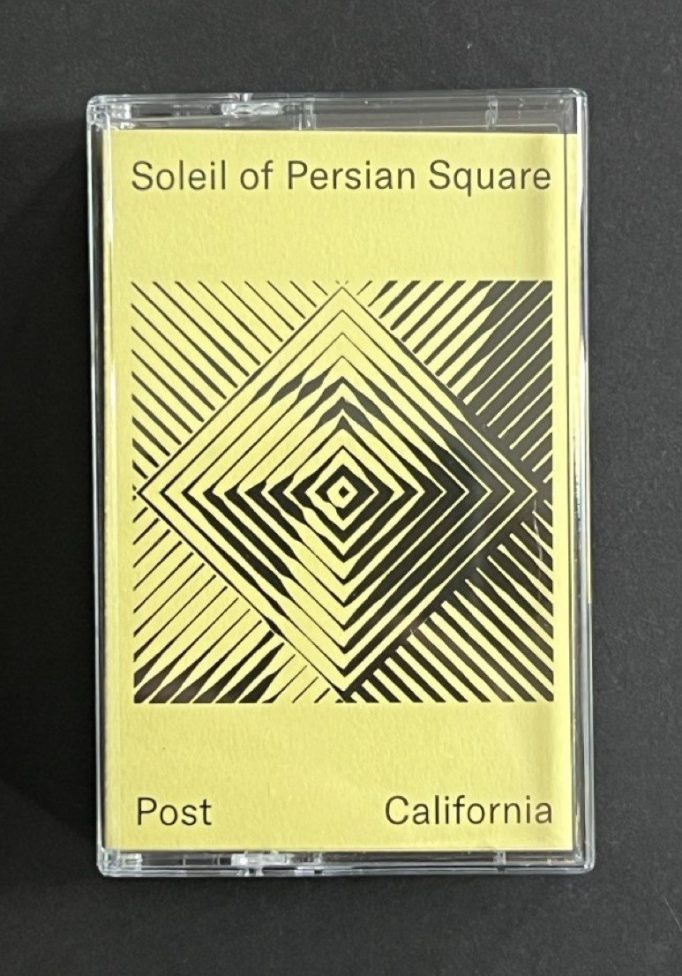
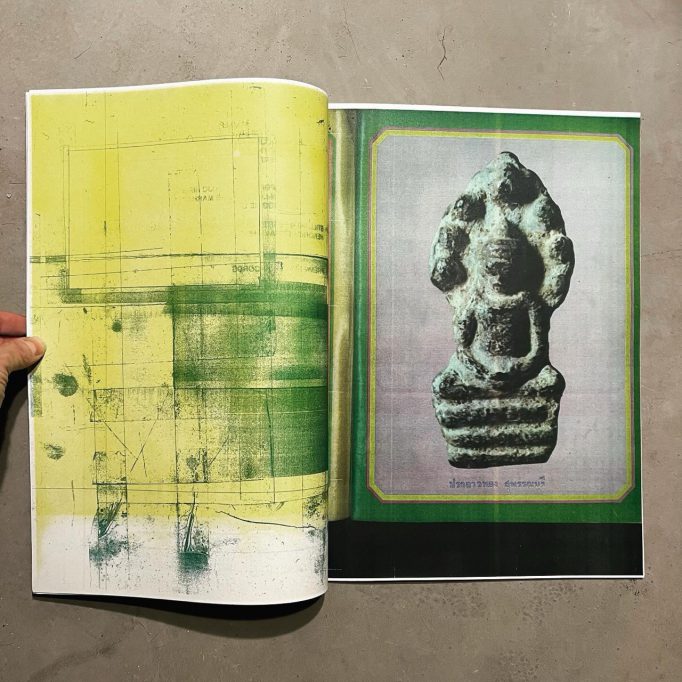
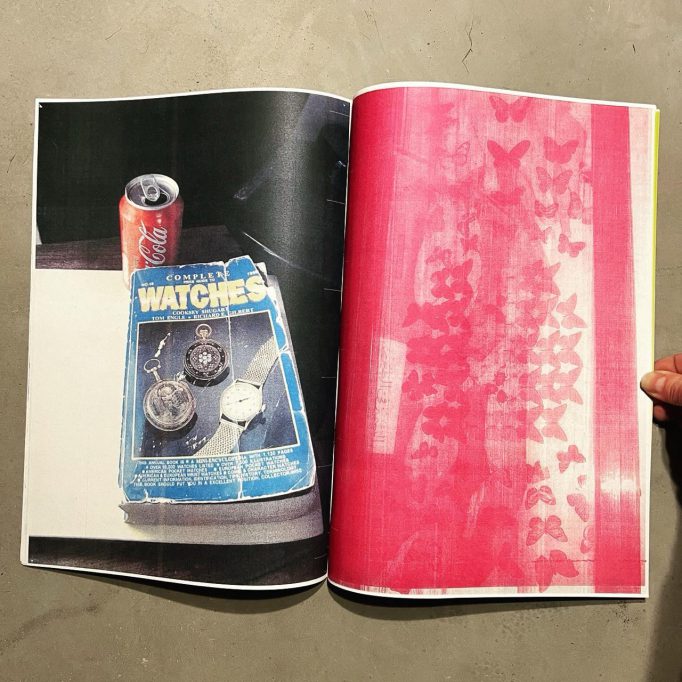
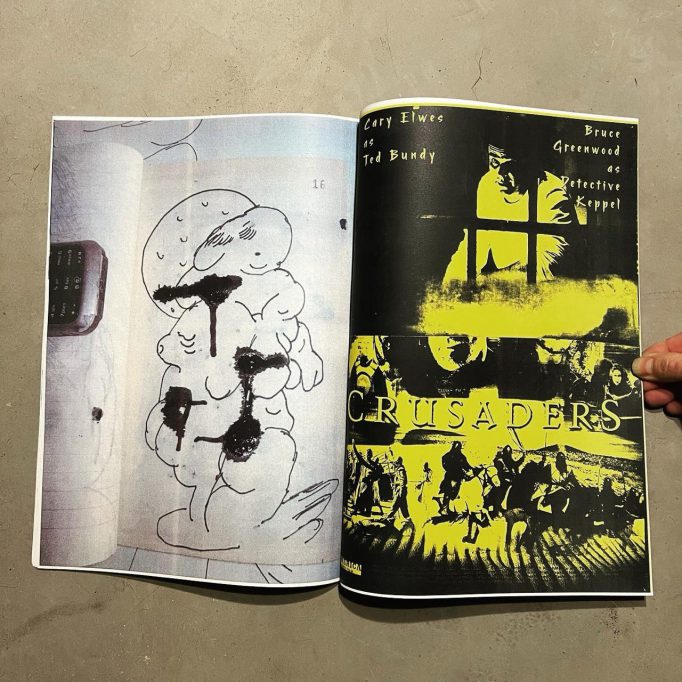
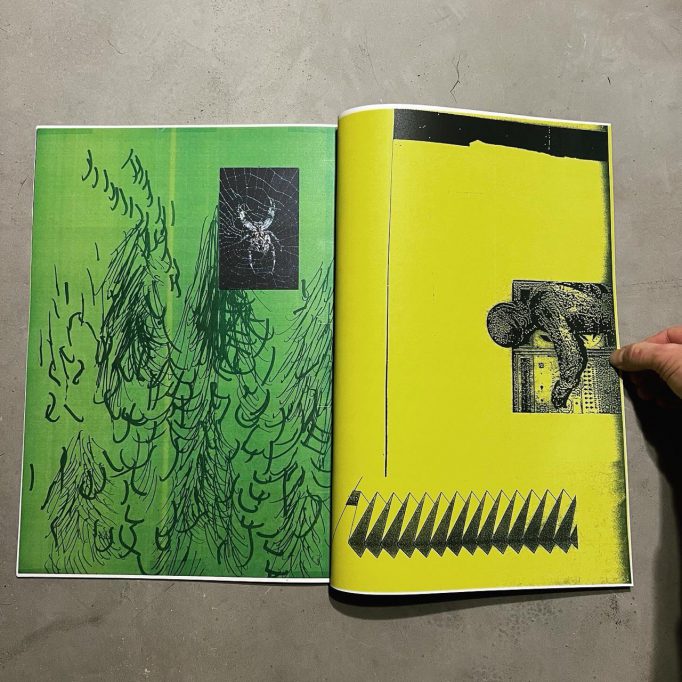
Post California, a project led by an ex-member of A V G V S T, uses samples of distorted pop music, vaporous layers and exaggerated, almost noisy sound treatments to produce a sort of after new wave. Their music is at times shaken by nervous beats, at other times drowned in streams of ambient and sprinkled with flashes of industrial. Post California’s second album, View from a View, is a collection of six tracks based on random sampling, collage, and hypnotic synth and guitar micro-loops, wrapped in reverb and damaged by compression.
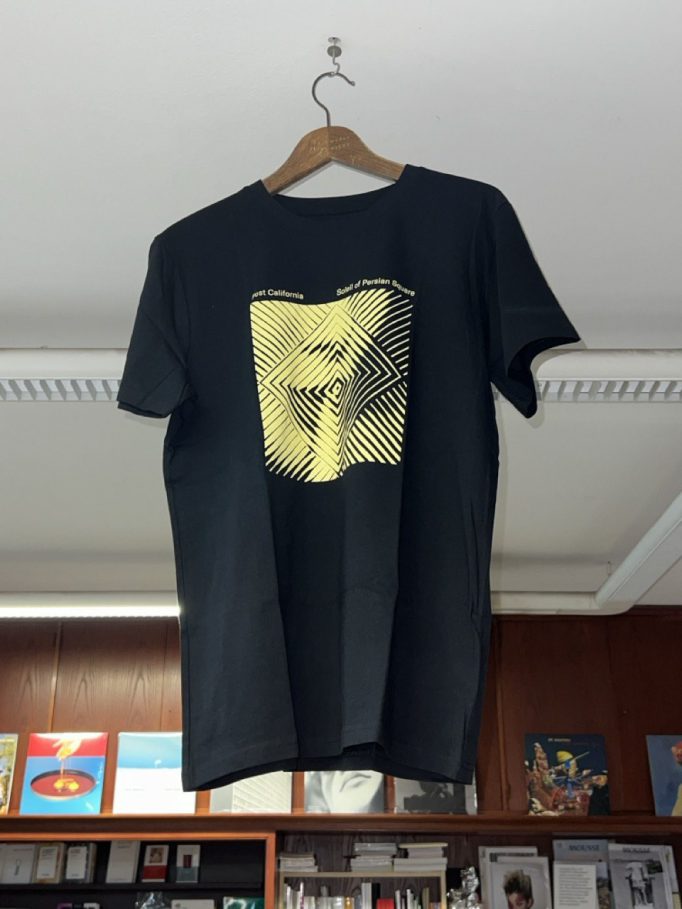
Soleil of Persian Square design screen-printed on organic cotton t-shirt.
Available in sizes L and XL in black and gray colors
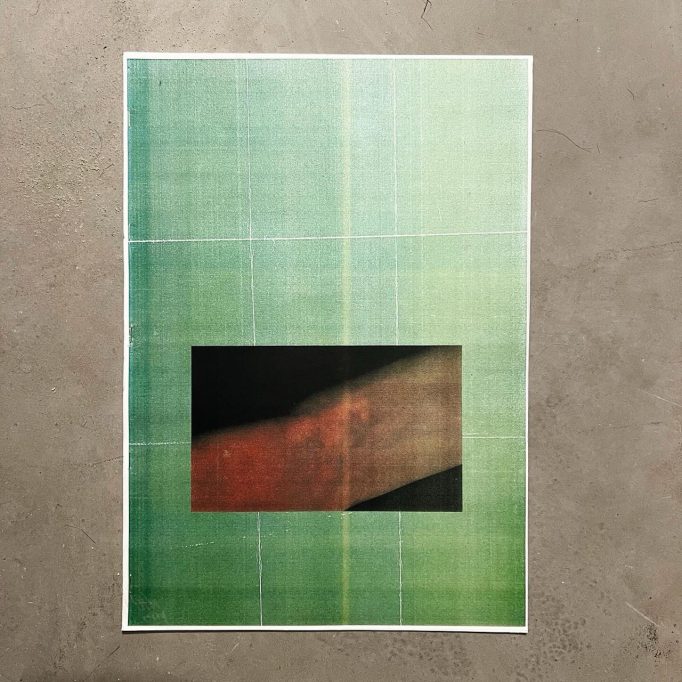
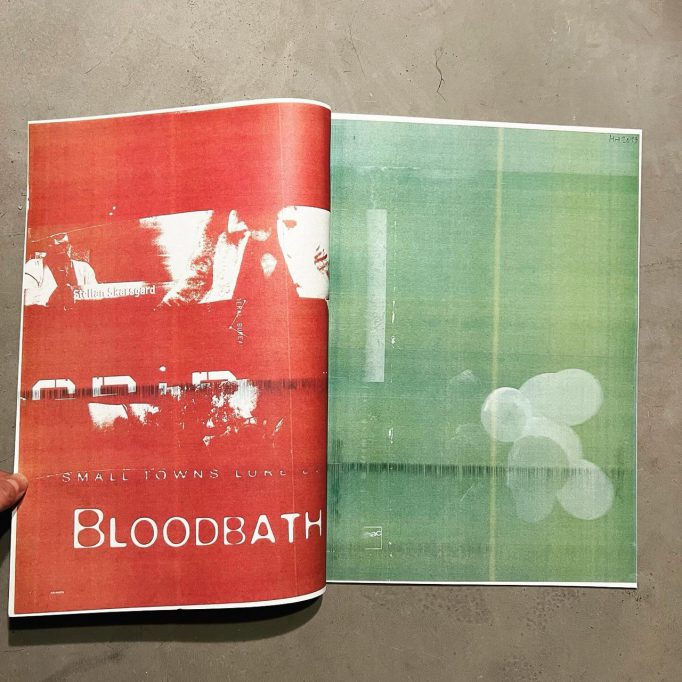
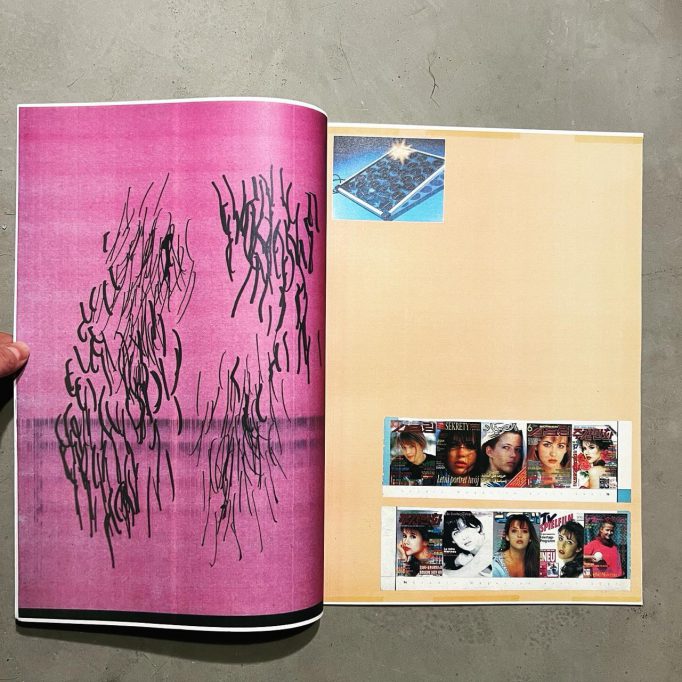
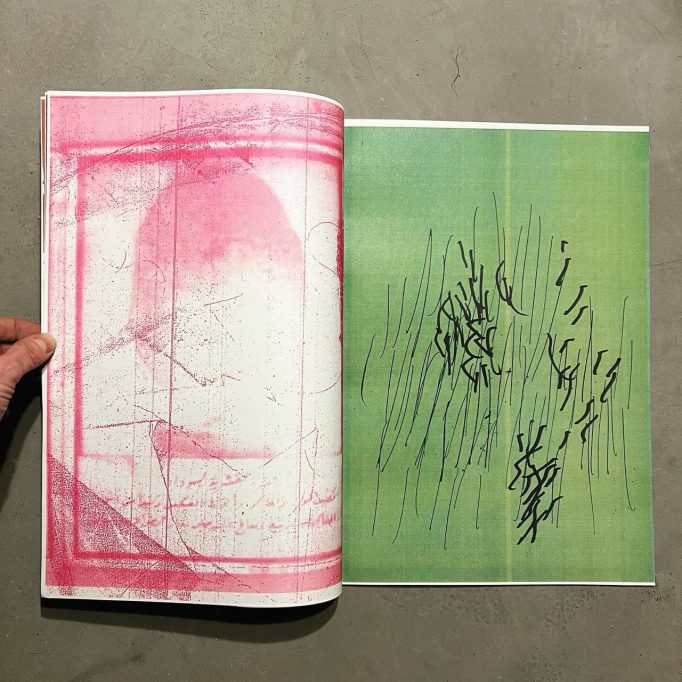
Music by Post California Artworks by Pierre La Police, from the Parpalate series Design by Myriam Barchechat / factformfiction.com Limited edition cassette, printed and duplicated at La Fabrique du Nouveau Printemps, Toulouse 2023
URGENCE MORT SUBITE was composed for Nicolas Milhé’s video installation Milton, 2020. I Saw a Rope in Your Eye was composed for Laura Gozlan’s video installation Mold II, 2014. Omninight Technologies contains samples from Edward Levy by A V G V S T, 2012.
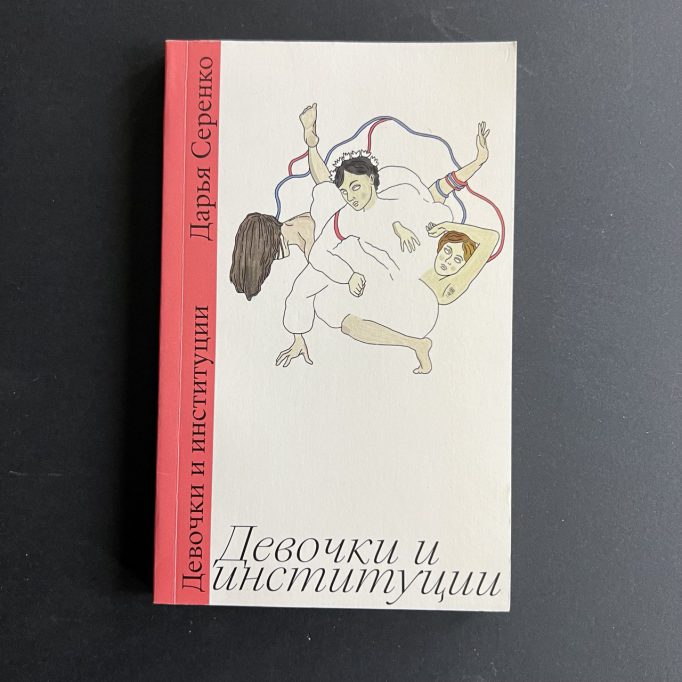
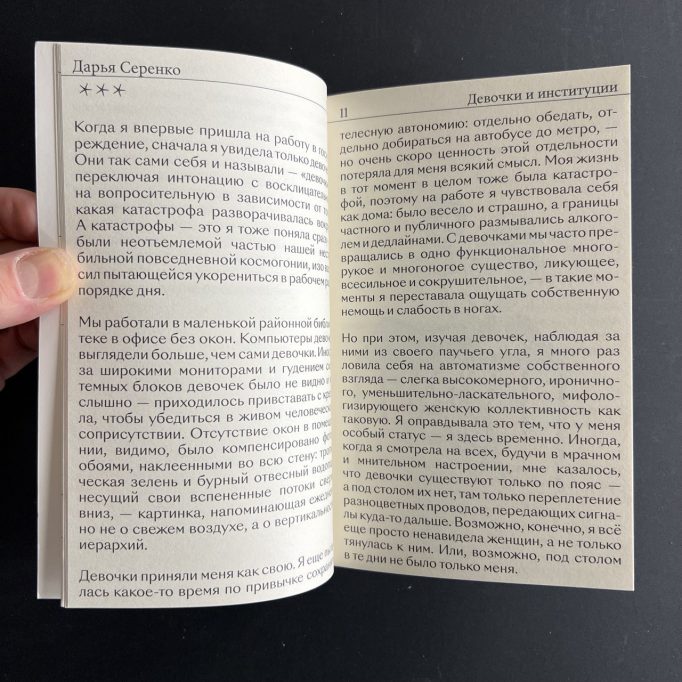
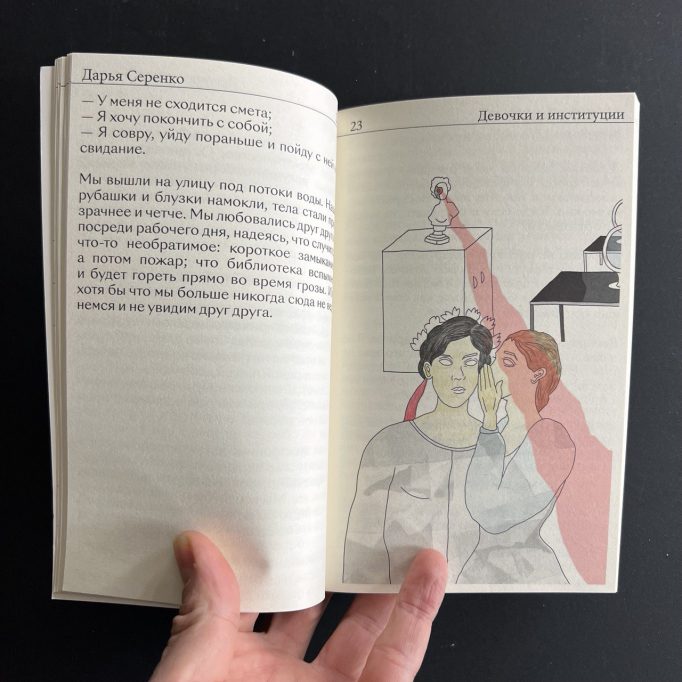
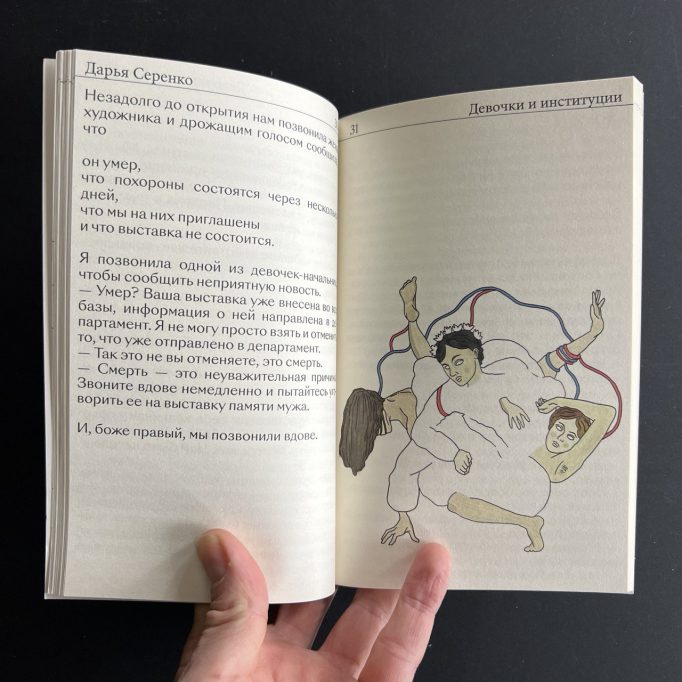
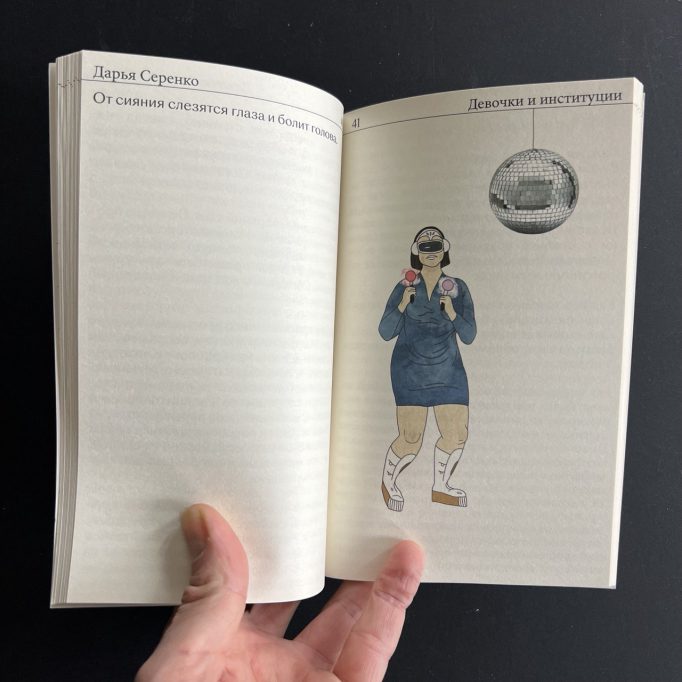
Героини «Девочек и институций» работают в государственных учреждениях культуры. Это особый мир, похожий на морок, стремящийся навязать свои непрозрачные законы каждой и каждому, кто попал туда. Жалобы в департамент, подотчетные мероприятия, квартальные премии, отчеты и выговоры составляют основу повседневности этого мира. Девочки здесь — вторичный элемент системы, на котором, впрочем, вся эта система и держится. С системой они вступают в сложные и нередко созависимые отношения: живут по ее законам, иногда бунтуют, иногда подчиняются, скорбят, радуются и танцуют, уходят и возвращаются. Дарья Серенко попыталась описать этот мир девочек и институций, чтобы сделать хор сотен девочек различимее за привычным шумом госмашины и официальной культуры. «Девочки и институции» — точный портрет эпохи, в которую мы живем, портрет, написанный с невидимого раньше ракурса.
Vibrational Semantics explores the voice’s ability to shift seamlessly between signification and sorority, from speech sound to noise. Questions of linguistic ambiguity, embodied voicing and feeling/meaning are investigated in relation to the place and presence of the performed voice.
The project is part of Samuel Brzeski’s ongoing artistic engagement with Lydatgalleriet, involving several newly commissioned text works curated by Samuel and commissioned by Lydgalleriet.
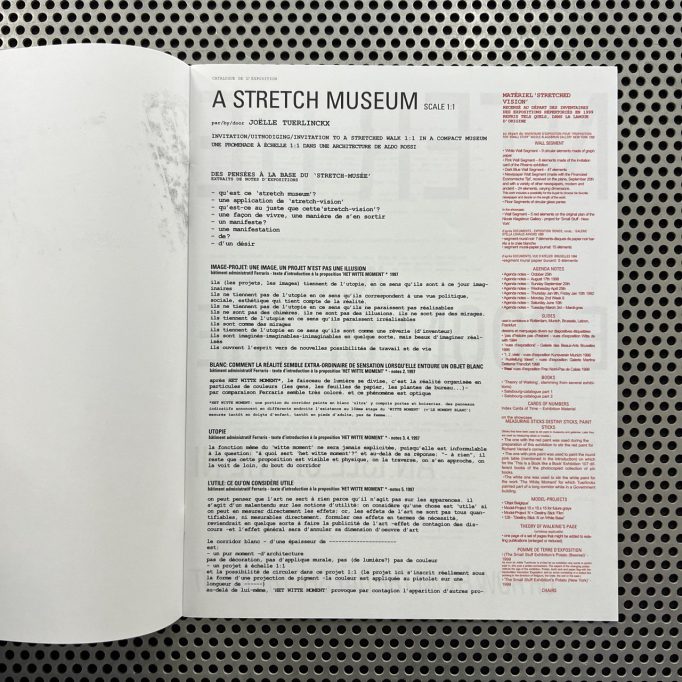
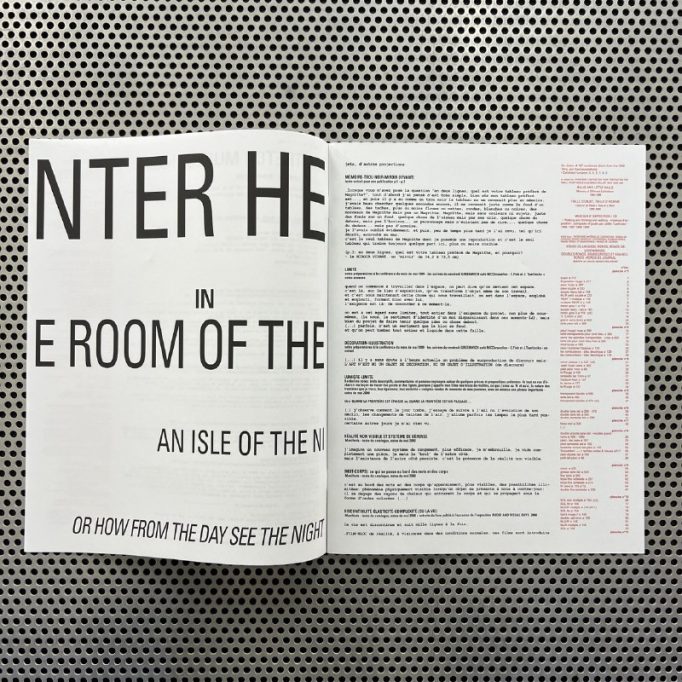
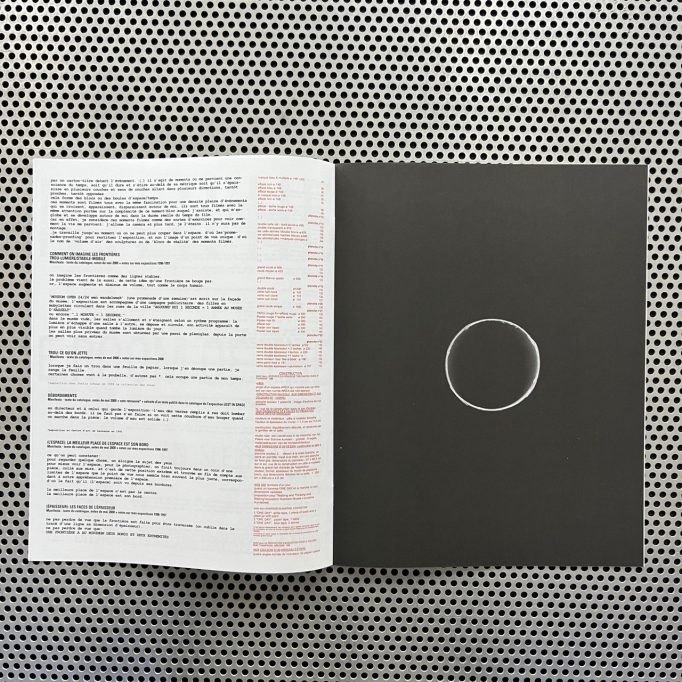
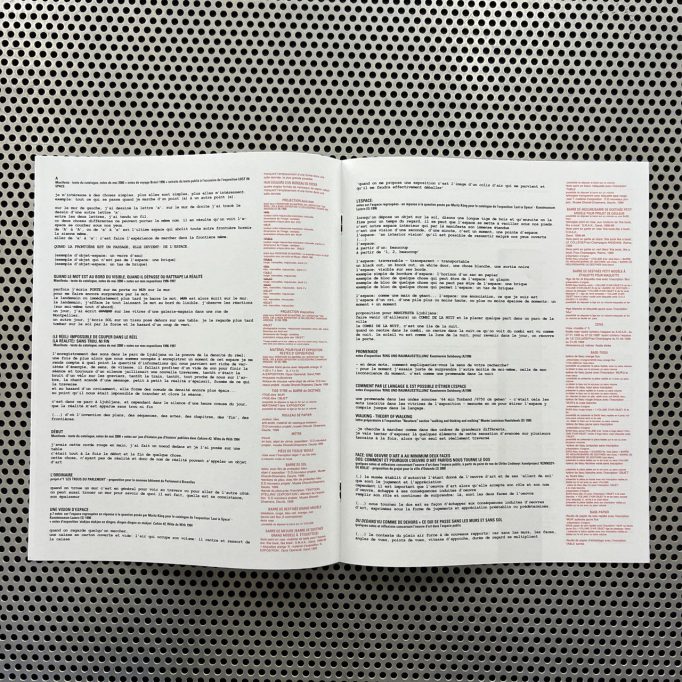
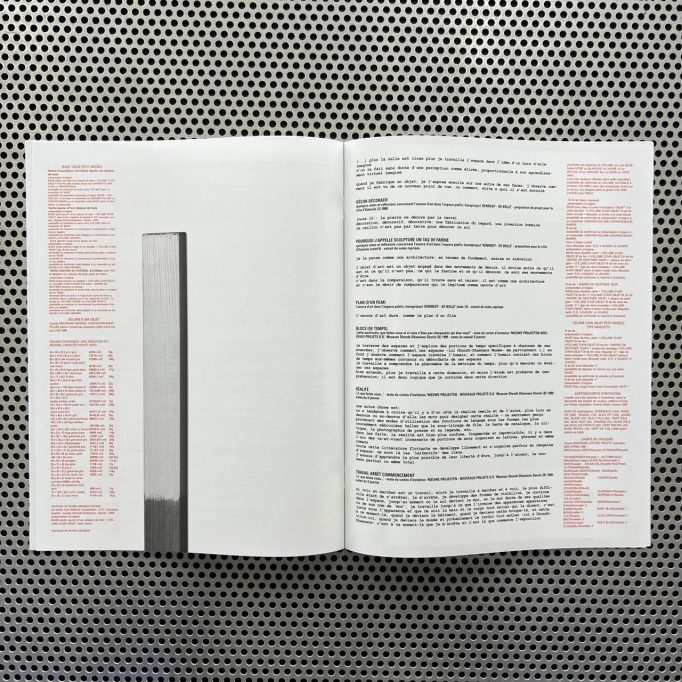
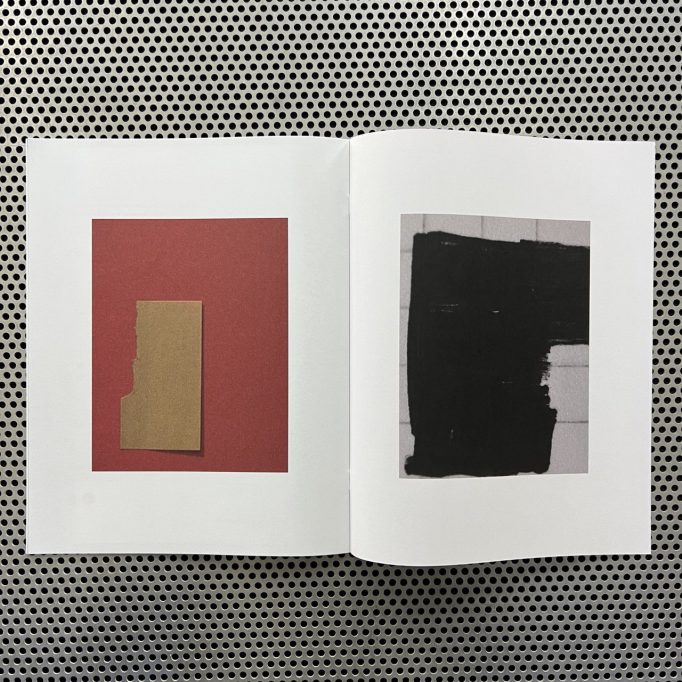
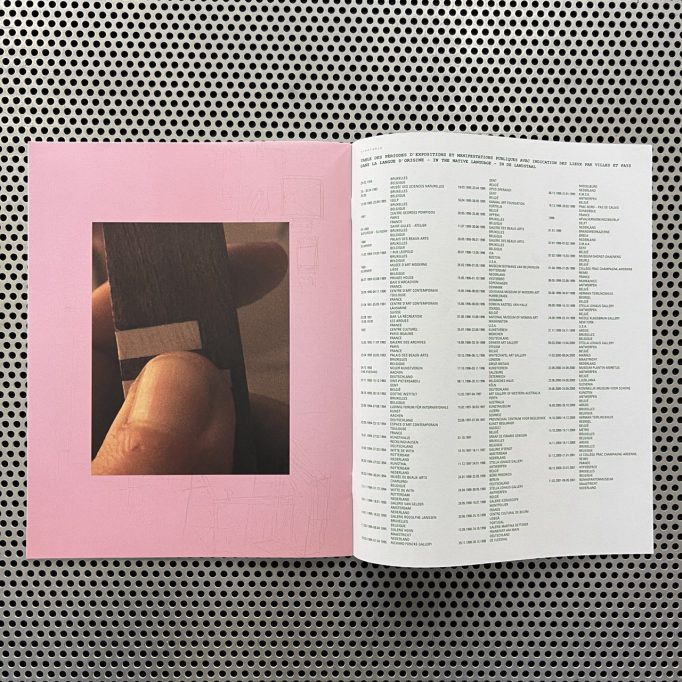
Joëlle Tuerlinckx: A Stretch Museum Scale 1:1 – Invitation / Uitnodiging / Invitation to a stretched walk 1:1 in a compact museum. Une promenade à échelle 1:1 dans une arhitecture de Aldo Rossi
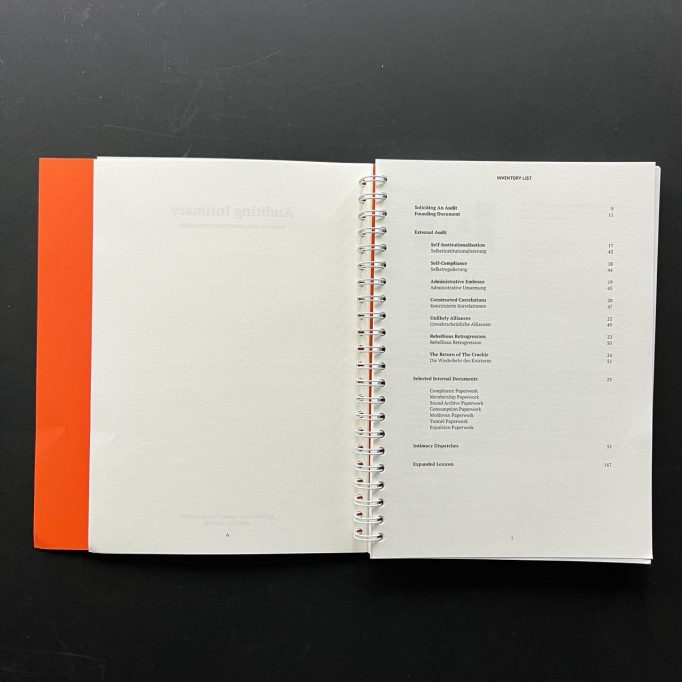
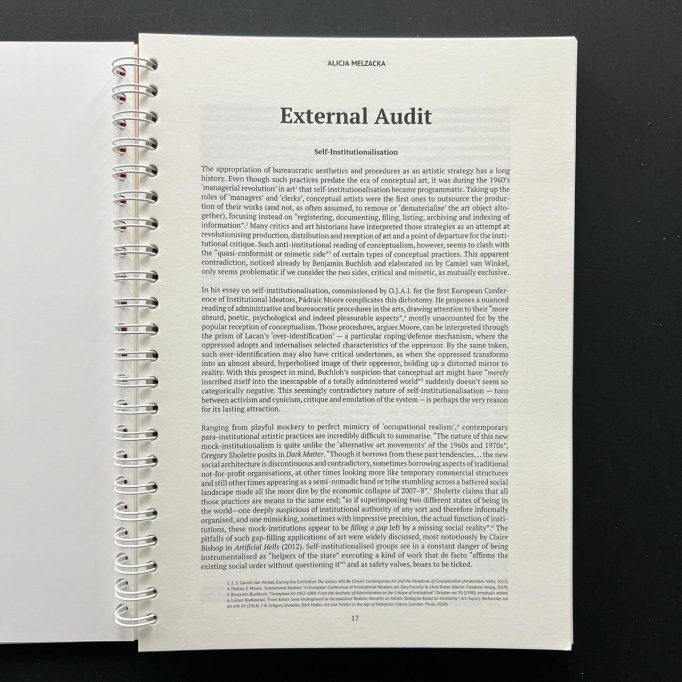
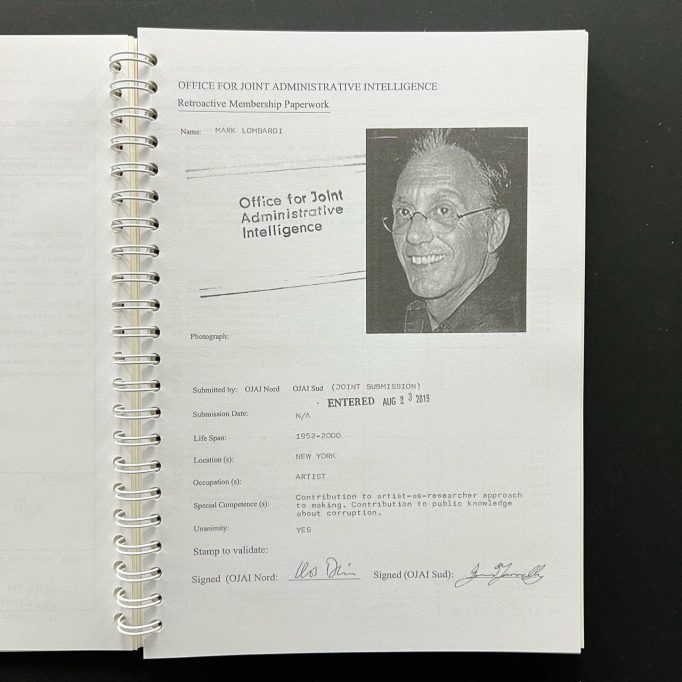
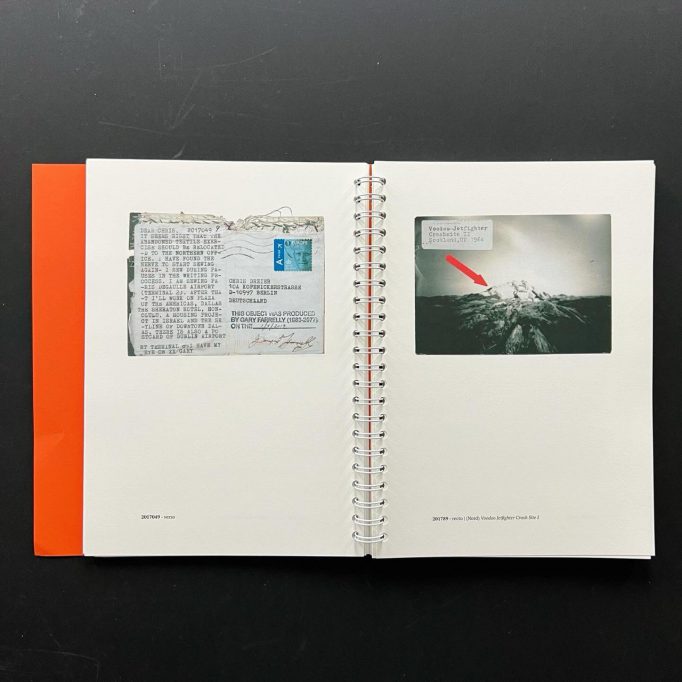
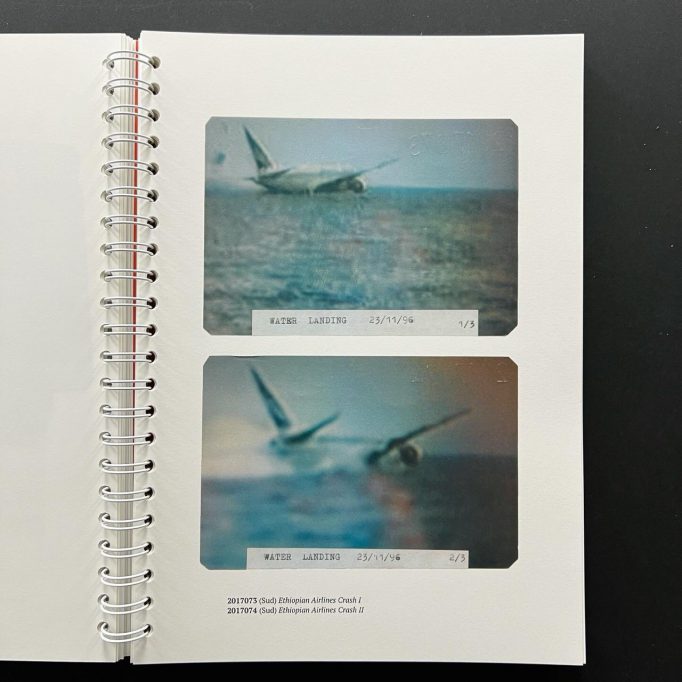
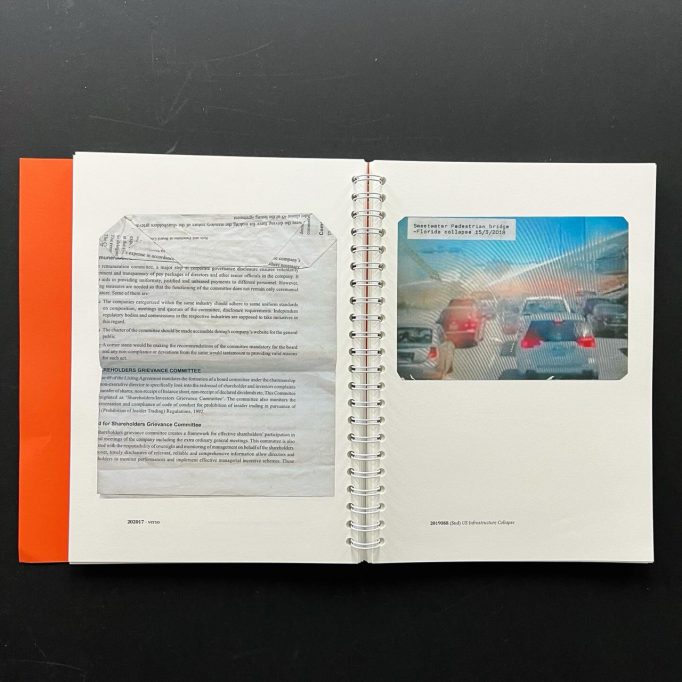
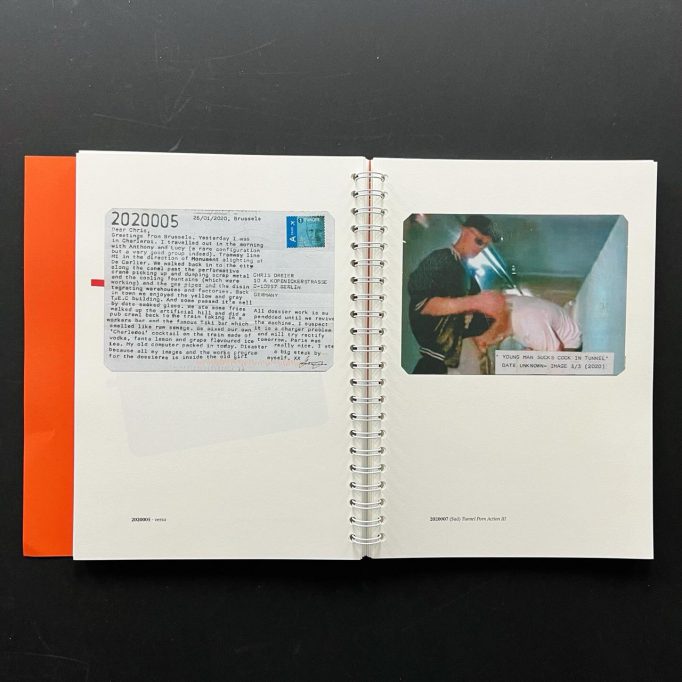
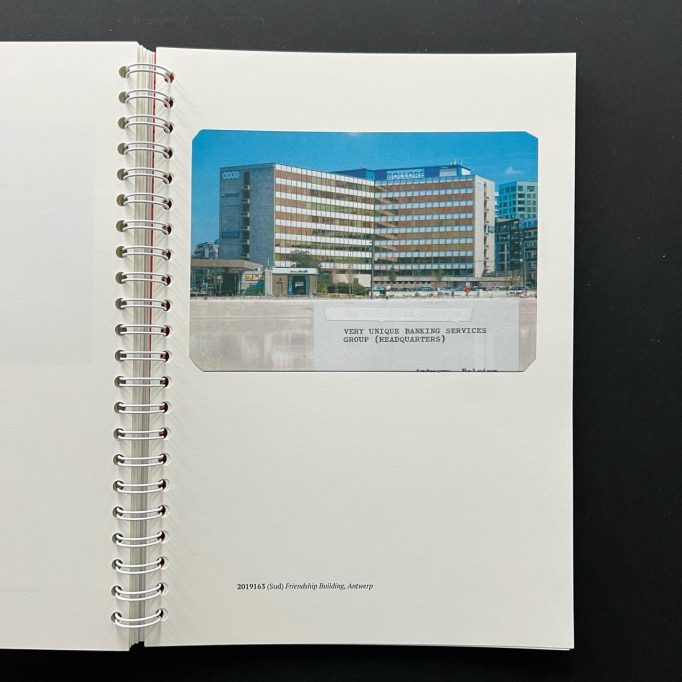
Auditing Intimacy catalogues the last five years of O.J.A.I.’s postcard correspondence. In addition to over 80 images, the publication contains a specially commissioned essay by curator Alicja Melzacka dealing with self-institutionalization – the performing of the self as an institution – as an approach to artistic research and performance. There is a lexicon disambiguating the invented bureaucratic jargon O.J.A.I. produces and circulates around their practice.
Office for Joint Administrative Intelligence is the collaborative practice of artists Chris Dreier (DE) and Gary Farrelly (IRE/BE) since 2015. The work is fueled by a recurring obsession with architecture, infrastructure, finance, conspiracy theory, institutional power and magic. O.J.A.I. pursues a strategy of self-institutionalization where tools and codified rules of engagement are appropriated from economic and political infrastructures. The work meets the public as performance, sound art, installation, cartography, publications, and a radio show (transmitted on Dublin Digital Radio and Cashmere Radio, Berlin). O.J.A.I. has performed and exhibited work at AAIR Antwerpen, Damien and the Love Guru, ISELP (Brussels), Laura Mars Gallery (Berlin), Grölle Pass Projects, Gold and Beton, University of Texas, Marres Center for Contemporary Culture (Maastricht) and Horst Festival (Villevord).
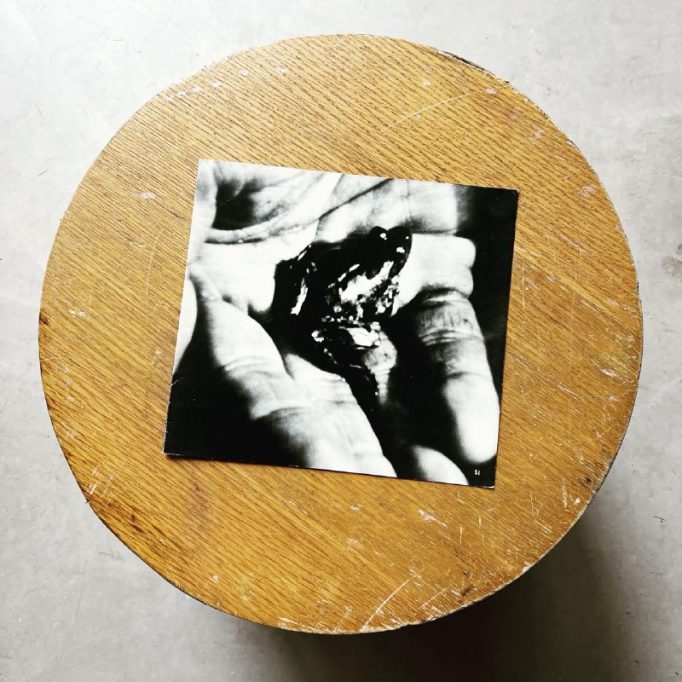
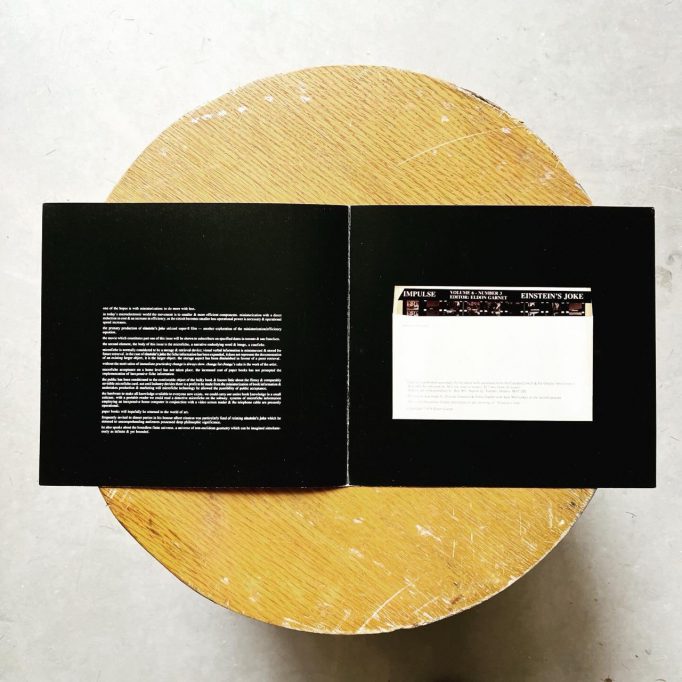
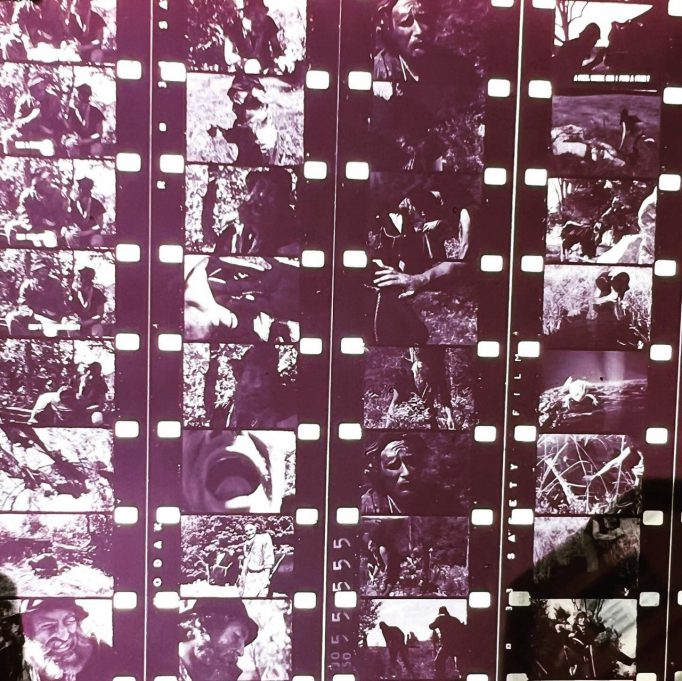
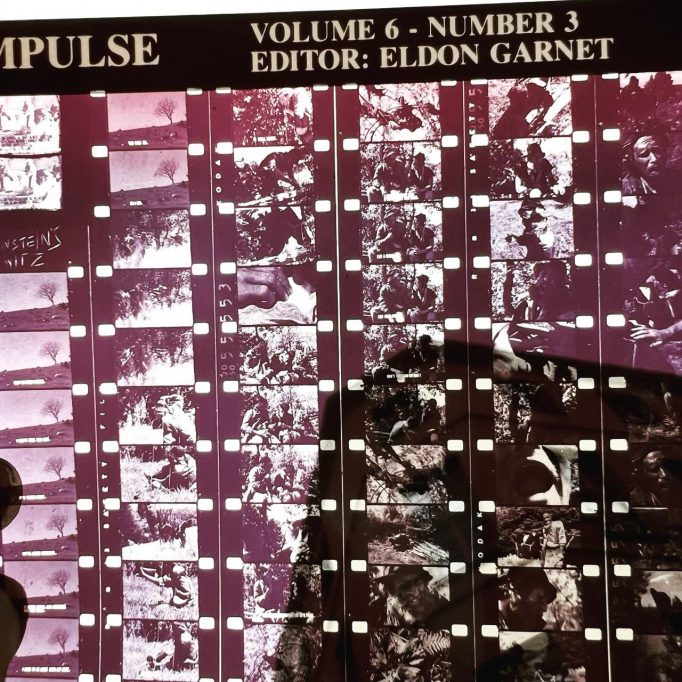
Einstein’s Joke’ was conceptualized by Eldon Garnet, shot as a super-8 film by Duncan Johnston, with Jack McCluskey as the second peasant. The issue was released as a 4″x6″ microfiche (‘cinefiche’) and an invitation to screenings of ‘Einstein’s Joke’ in San Francisco and Toronto
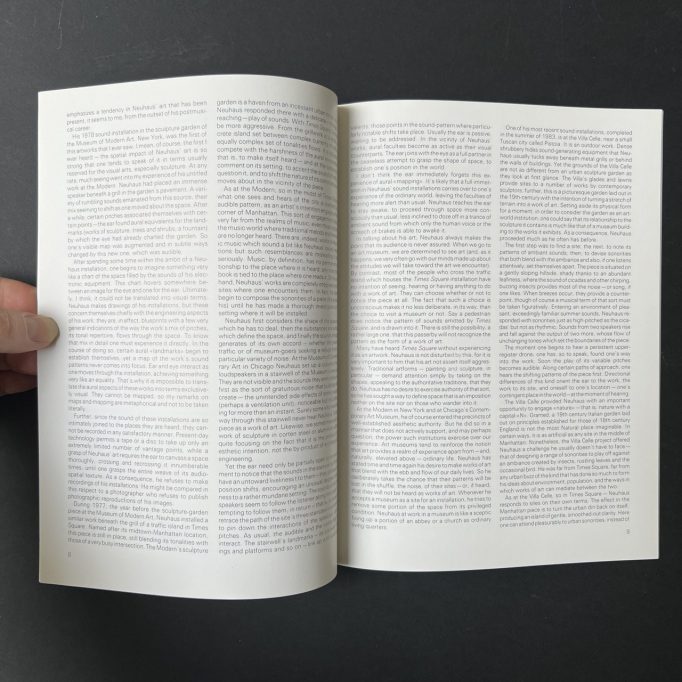
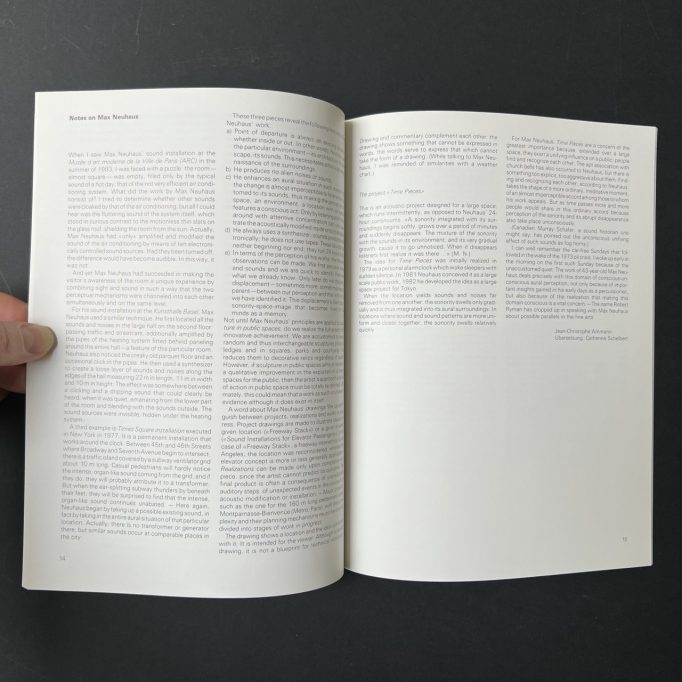
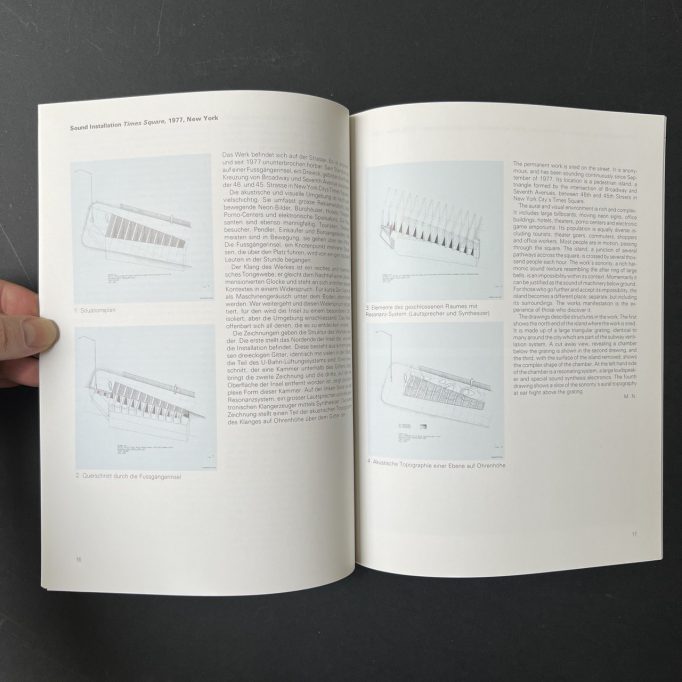
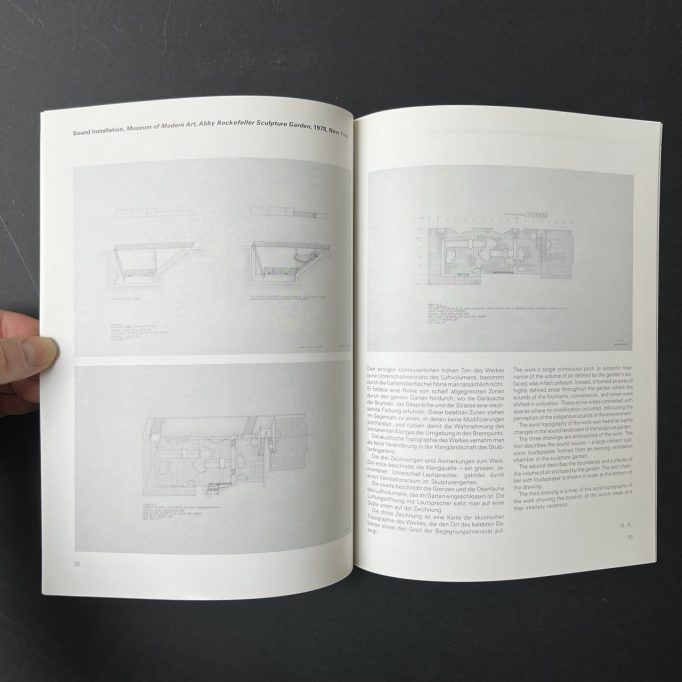
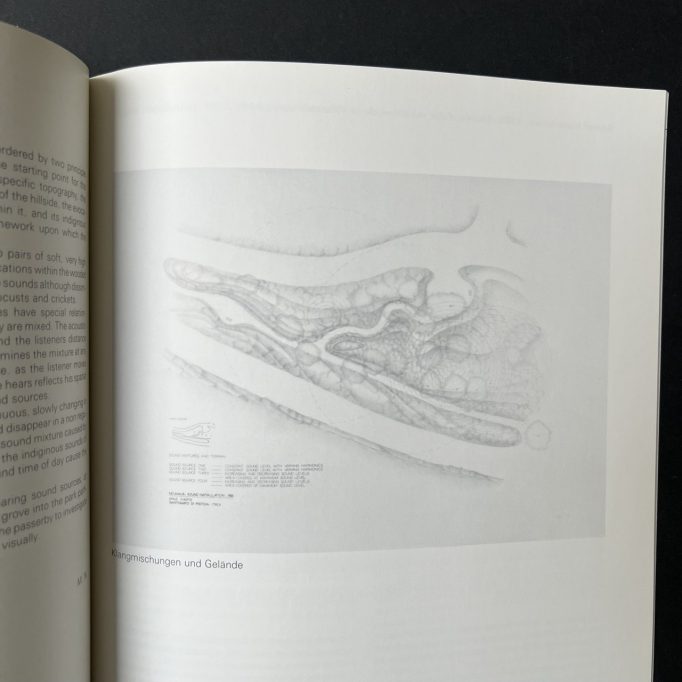
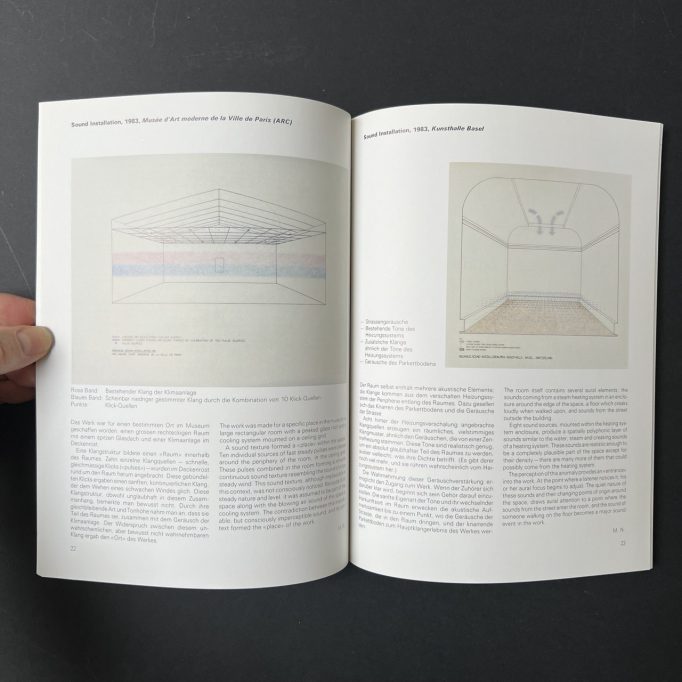
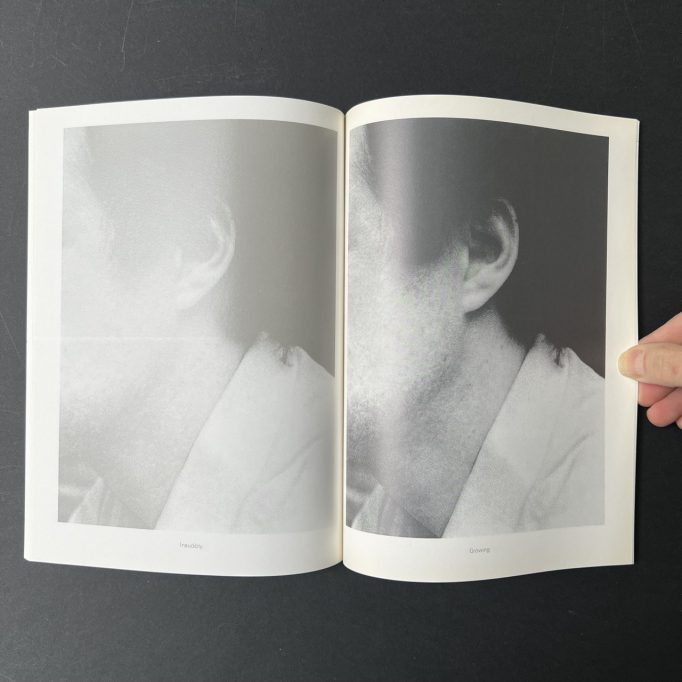
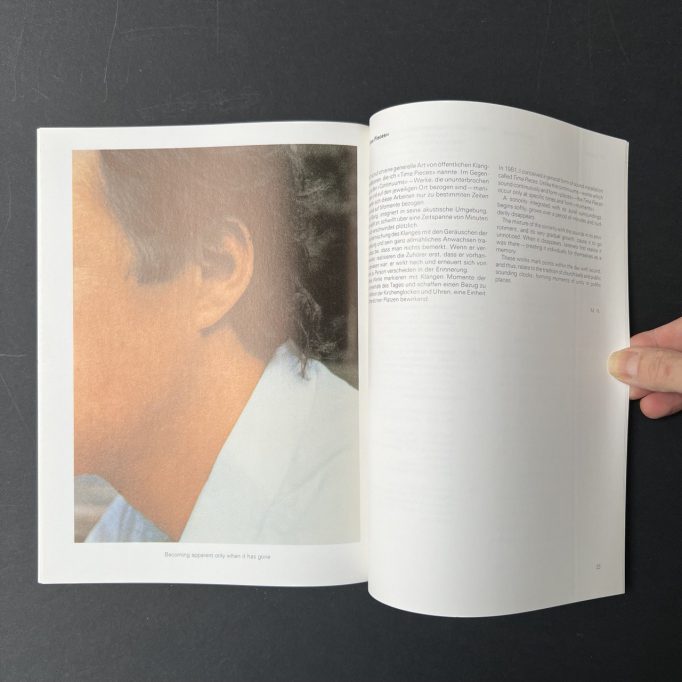
Max Neuhaus began his career as a musician, a percus-sionist. He continues to use sound as his medium. Why. then, do we find his works in the world of art, in places dedicated to seeing, not to listening? Why, in other words, does so much of his work appear on sites, indoors and out, where we would expect to find painting and sculpture? I think answers to these general questions about Neuhaus entire oeuvre must precede the attempt to say anything in particular about specific pieces. We must account for what appears to be an immense, overarching anomaly before taking up the puzzles presented in turn by each of Neuhaus various works.
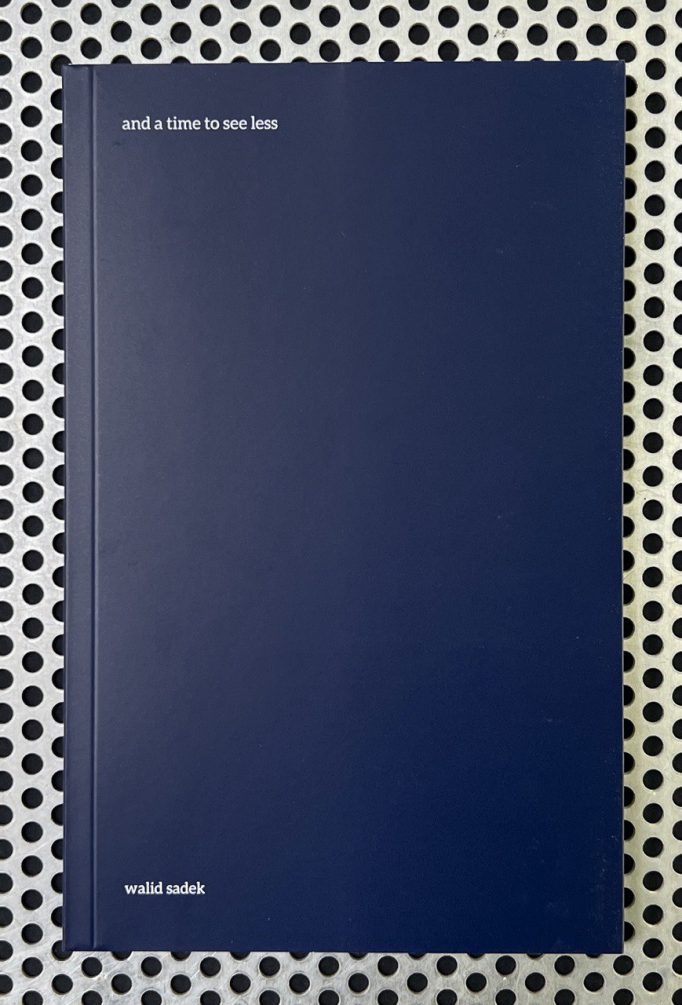
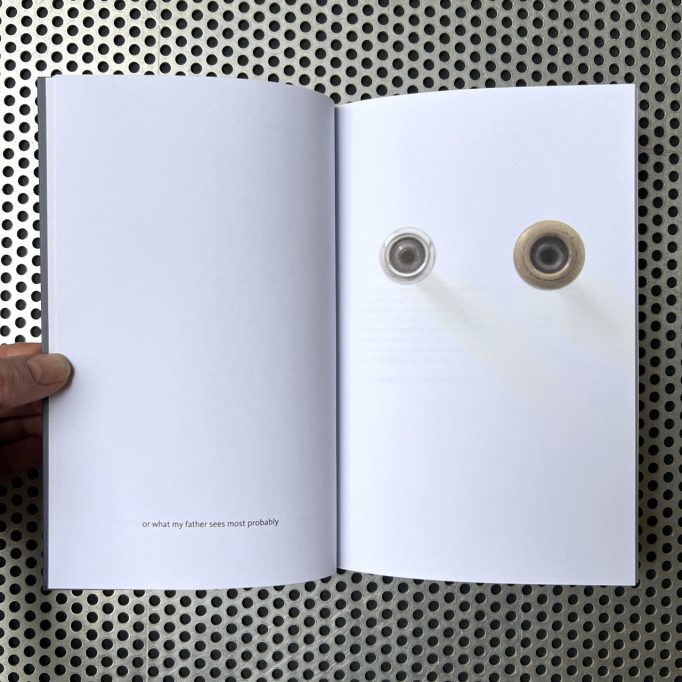
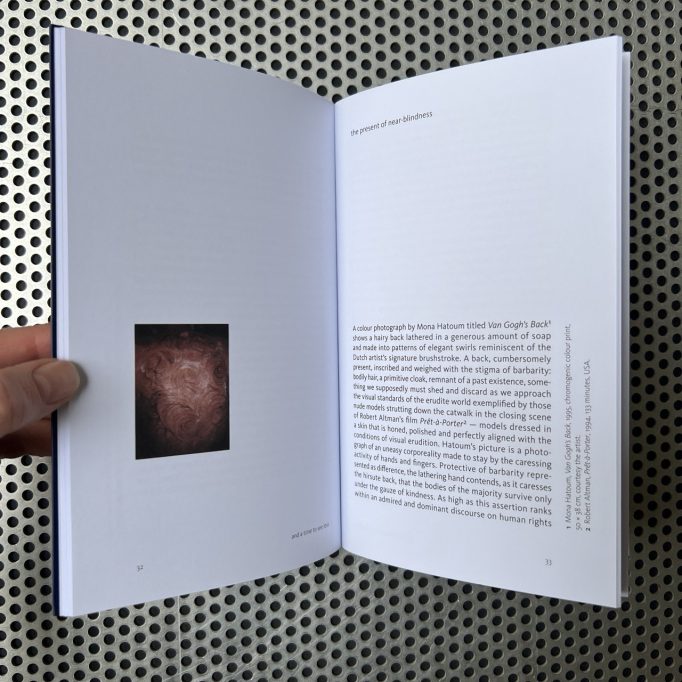
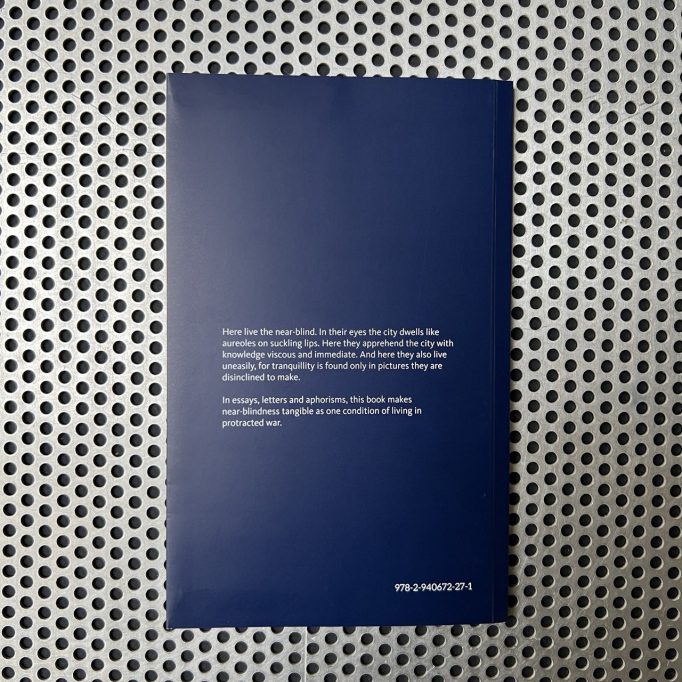
Here live the near-blind. In their eyes the city dwells like aureoles on suckling lips. Here they apprehend the city with knowledge viscous and immediate. And here they also live uneasily, for tranquillity is found only in pictures they are disinclined to make.
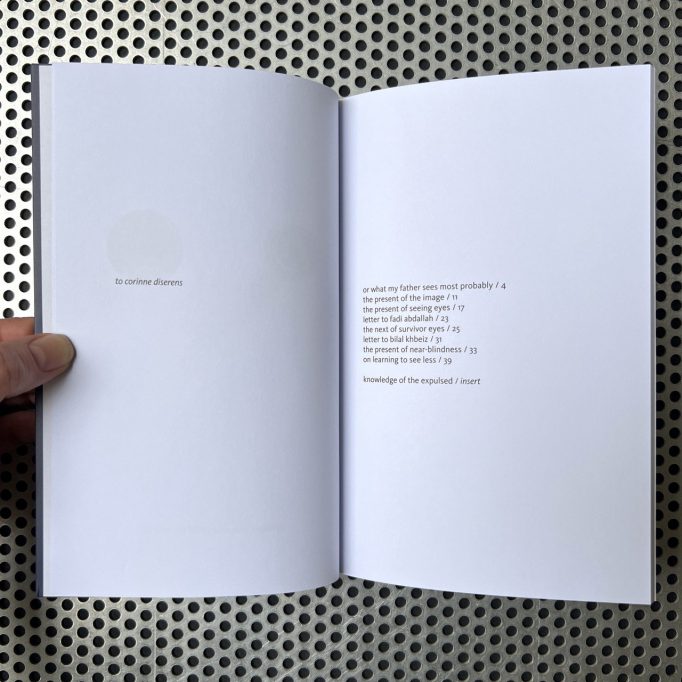
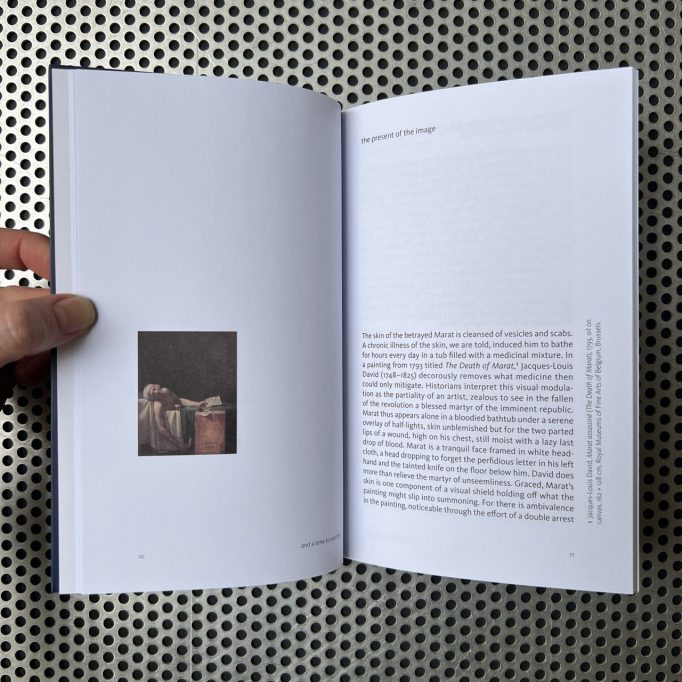
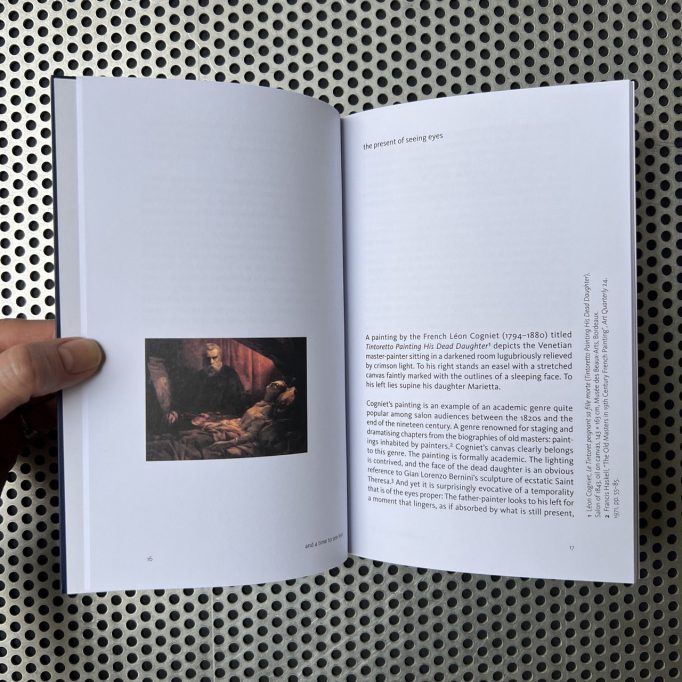
In essays, letters and aphorisms, this book makes near-blindness tangible as one condition of living in. protracted war.
Author: Walid Sadek
Published and distributed by Motto Books Co-published by Agial Art Gallery Text editing: Mika Hayashi Ebbese