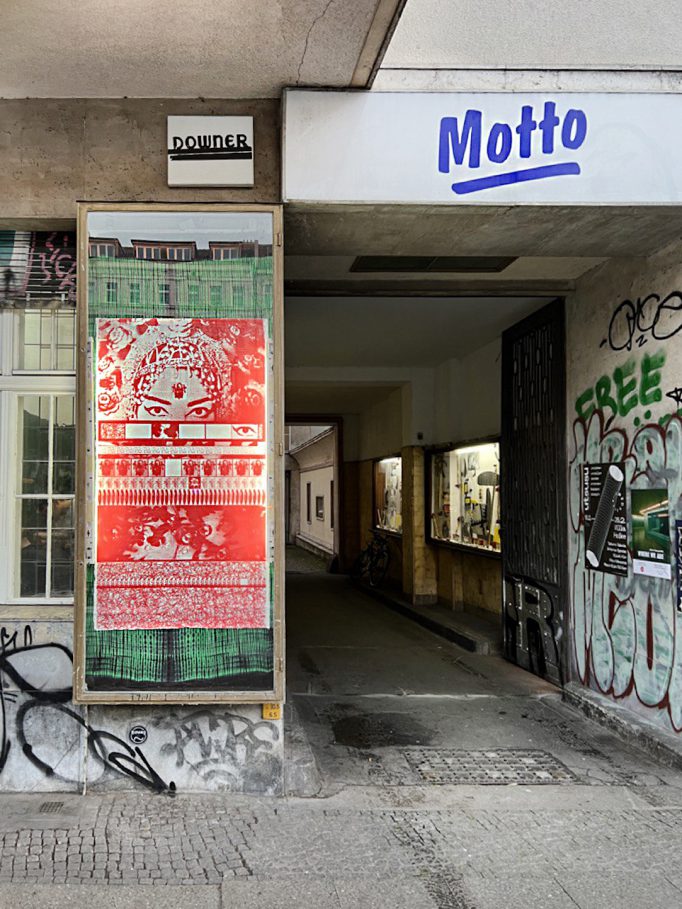
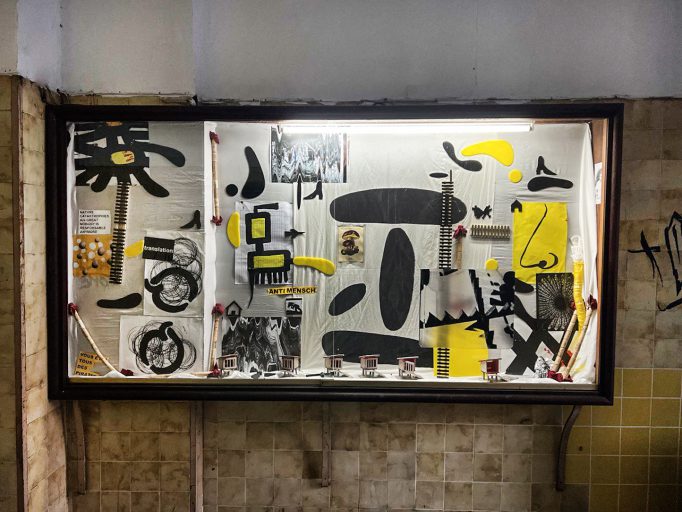
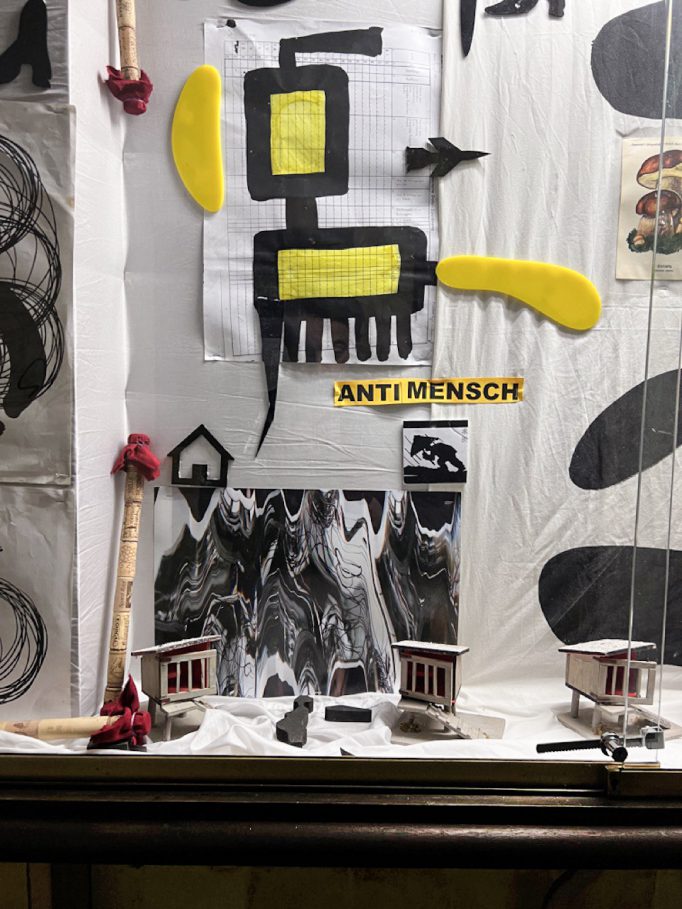
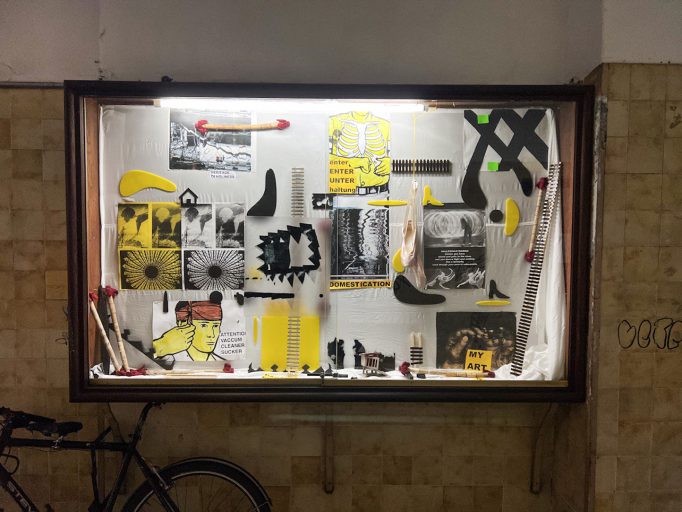
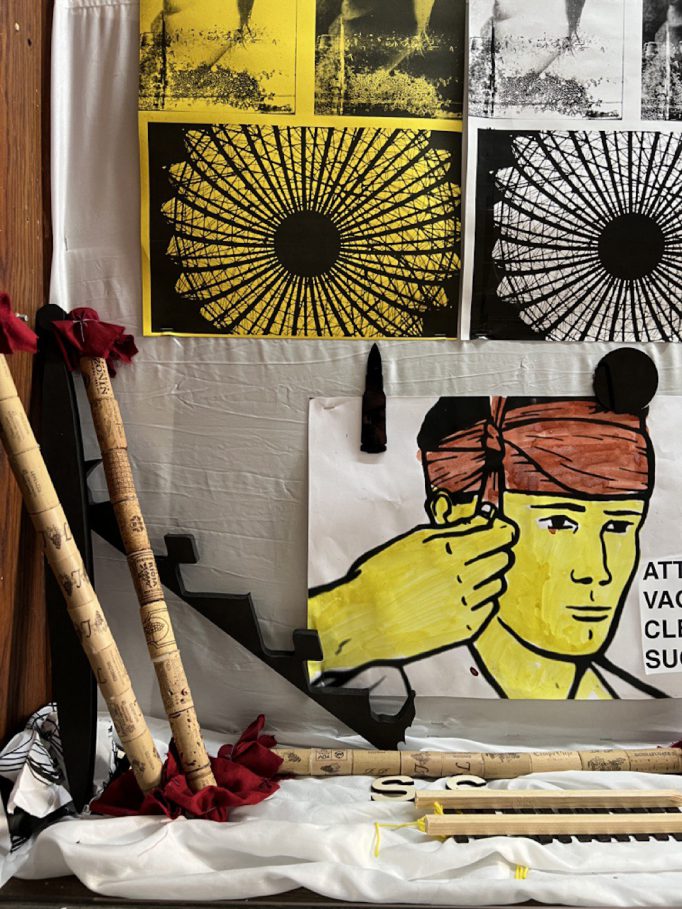
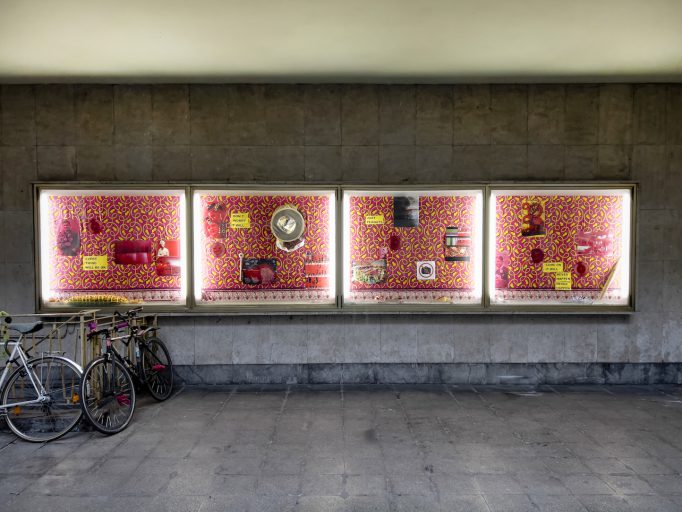
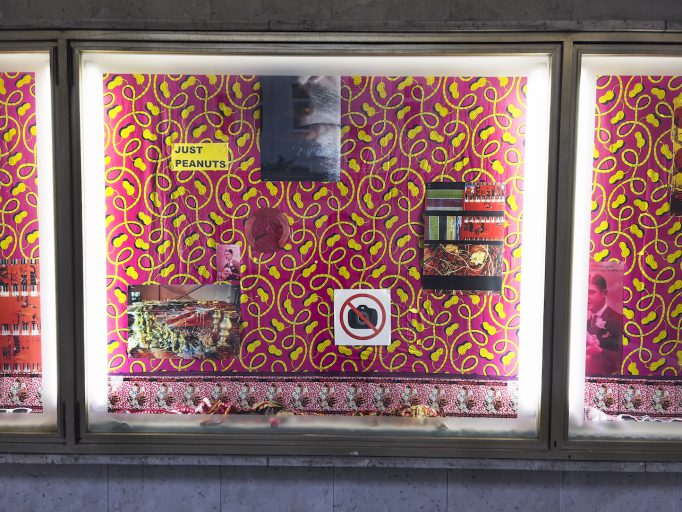
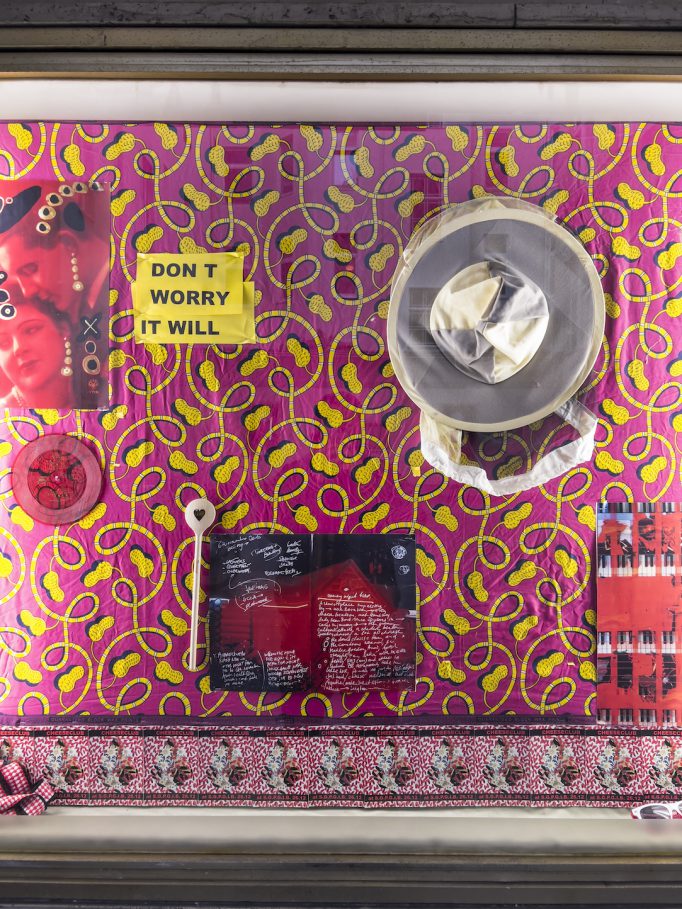
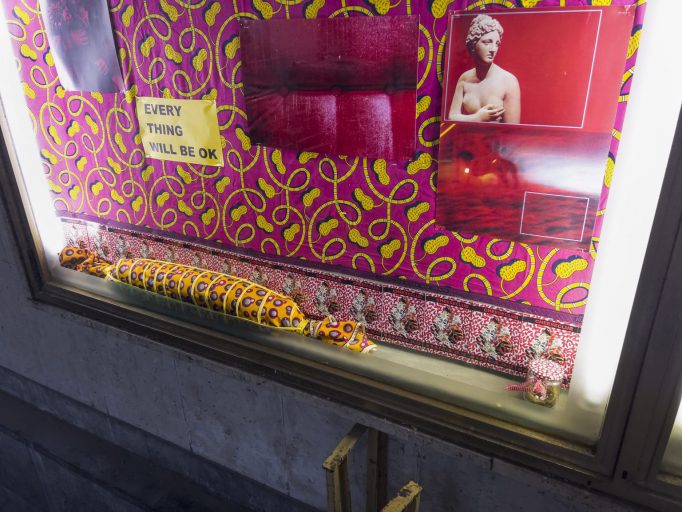
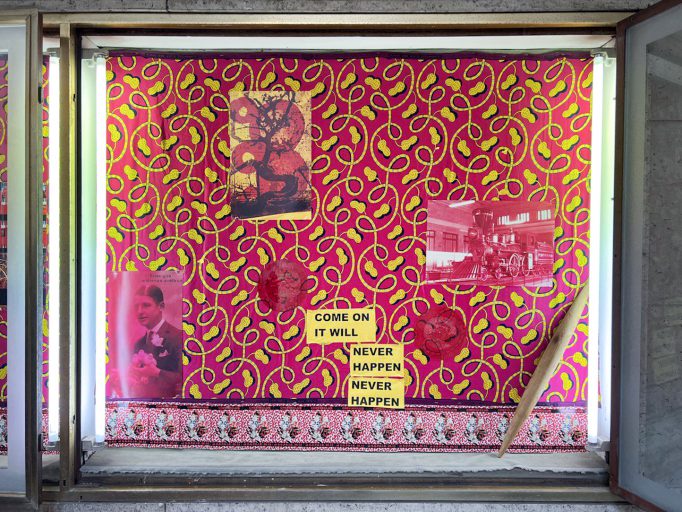
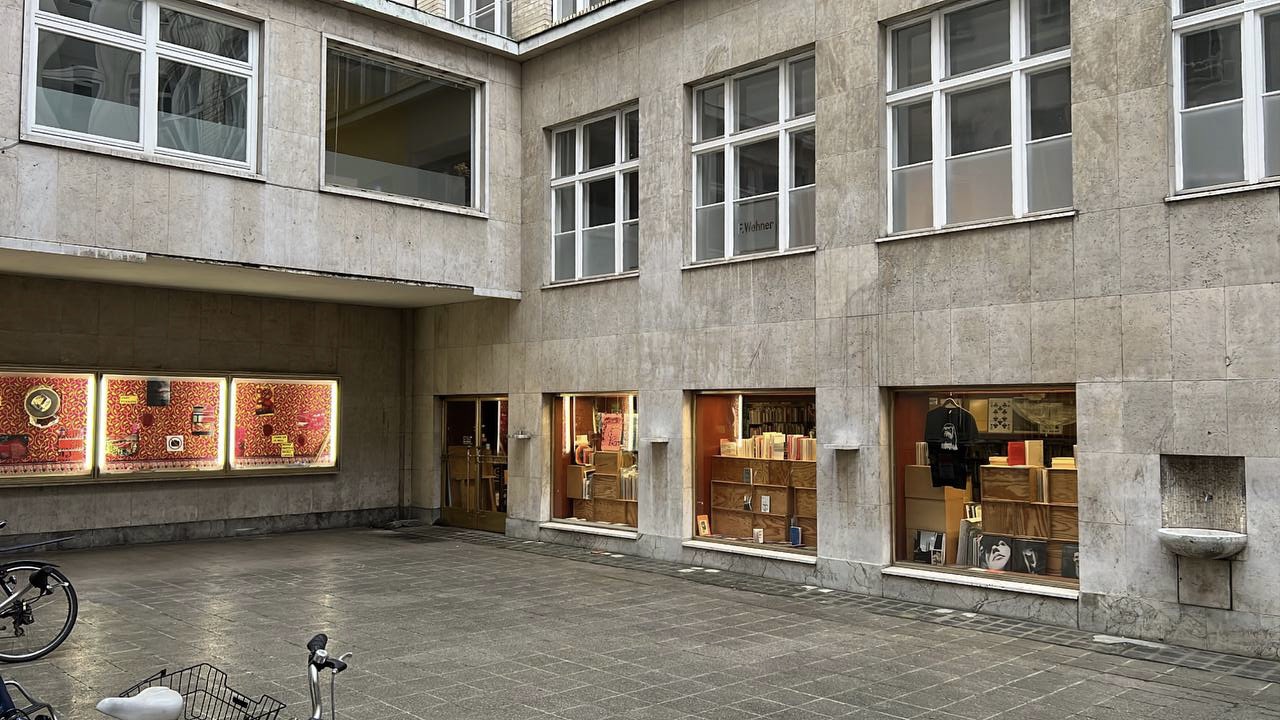
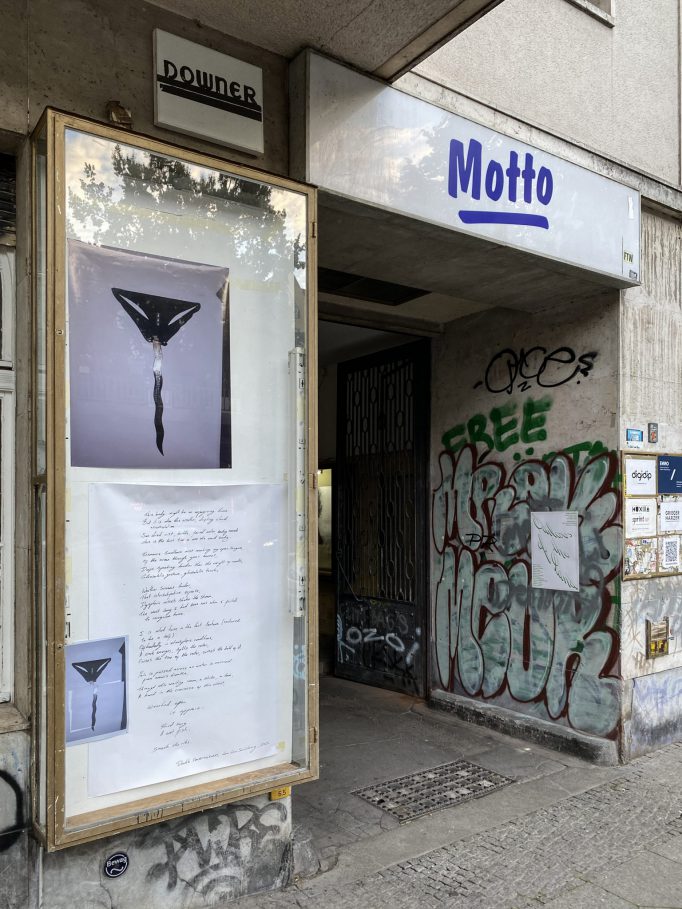
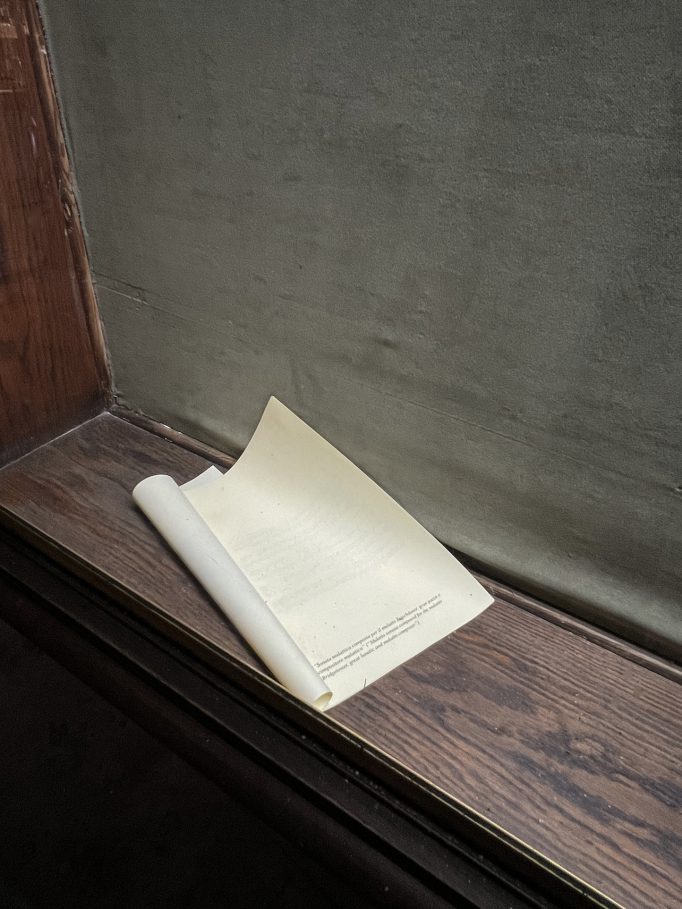
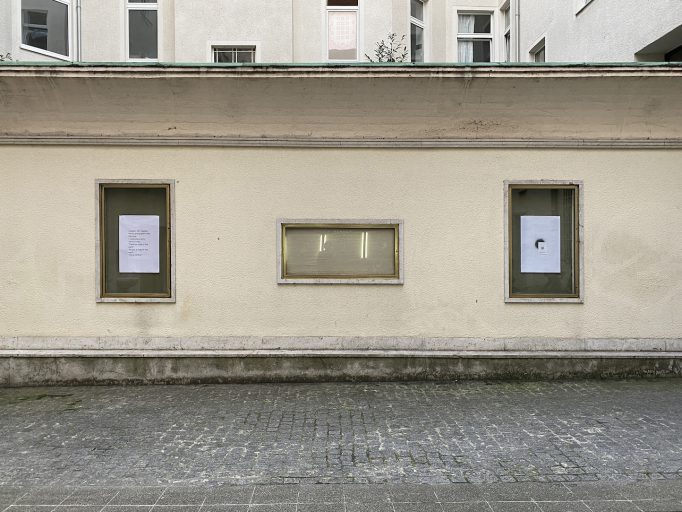
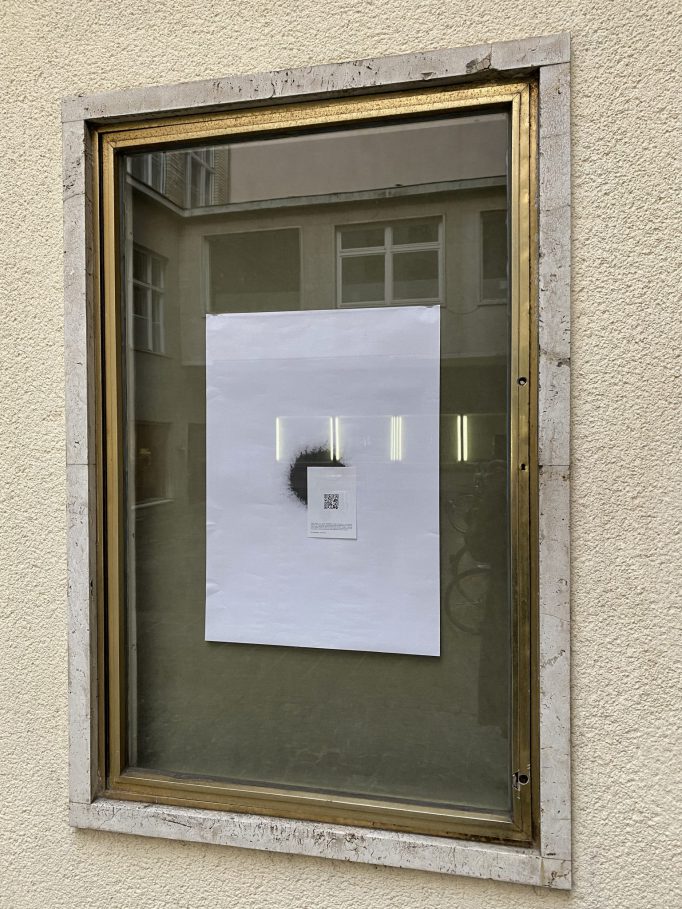
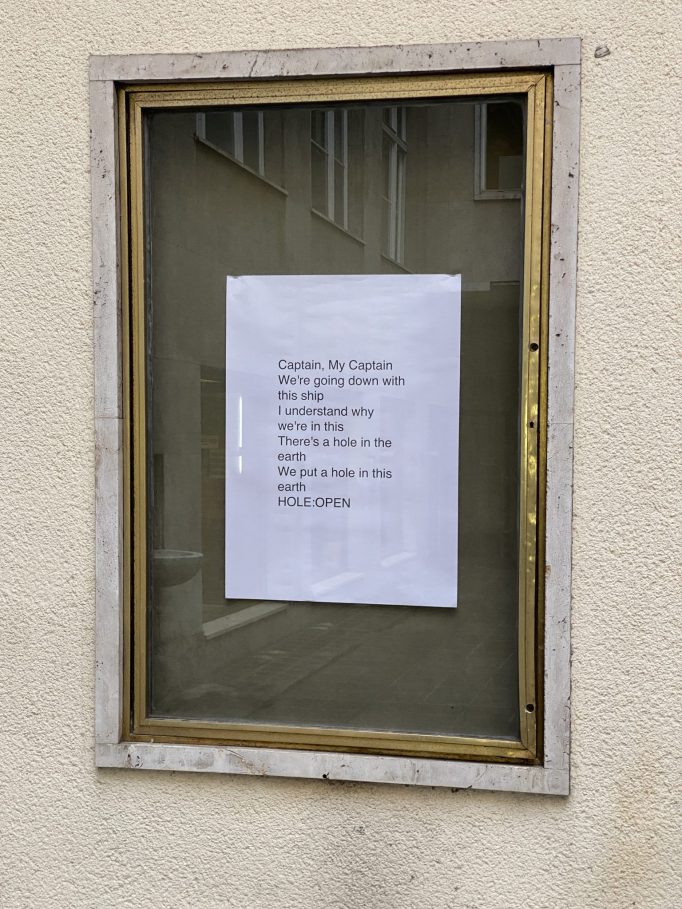
Please join us for the book launch of ANSKA with author Agnė Juodvalkytė and a performance by Tania Elstermeyer.
Friday 17 February 2023 from 6 pm
Motto (im Hinterhaus) Skalitzer Str. 68 Berlin, 10997
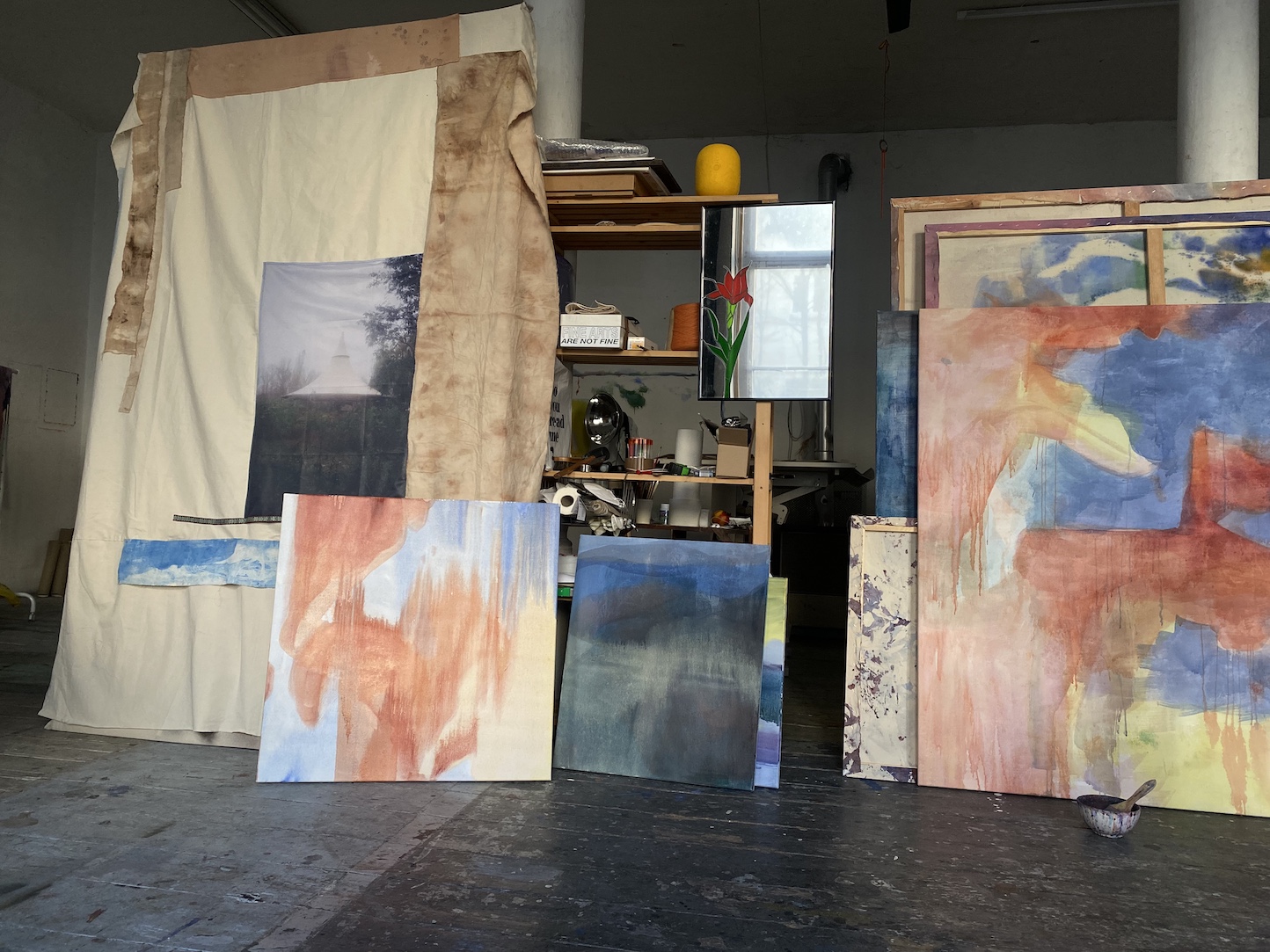
Agnė Juodvalkytė (b. 1987, Vilnius, Lithuania) is a visual artist currently living in Berlin and Vilnius. Her practice is focused on abstract painting and textiles mostly. She received BA in Painting at the Vilnius Academy of Arts (2010) and studied Visual Arts in Spain at the Universidad de Castilla La Mancha (UCLM, Cuenca) (2009). Her recent shows include solo exhibition Tools for the Future (ANSKA) at Galerie Bernau, Bernau bei Berlin (2022); Sweet Dreams Foundation at Nida Art Colony, Nida (2022); ‘Gathering’ at Atletika, Vilnius (2021); ANSKA at Blake & Vargas, Berlin (2021); group show Audra at Pamario gallery, Juodkrantė (2021); Terpė at (AV17) gallery, Vilnius (2020).
Tania Elstermeyers textual compositions bring registers of lyrical writing to mind, which are performed in alliance to a distinctive kind of music beyond established genres. During her performances, sceneries resemblant of theater backdrops are created, ultimately by operating with a vocabulary that is minimalism. Her work slivers traditional outlines of narrator and spectatorship by luring oneself into spaces of intimacy that attract interest and cause discomfort. (Text by Oliver Wellmann)
Authors: Agnė Juodvalkytė Publisher: Year: 2023 Pages: 224 Dimensions: 17 x 24 cm Language: English ISBN: 978-3-00-074288-0
Edited by Philippe Gerlach and Agnė Juodvalkytė Design by Marijn Degenaar Texts by Brad Feuerhelm, Juri Marian Gross, Marija Repšytė, and Nele Ruckelshausen
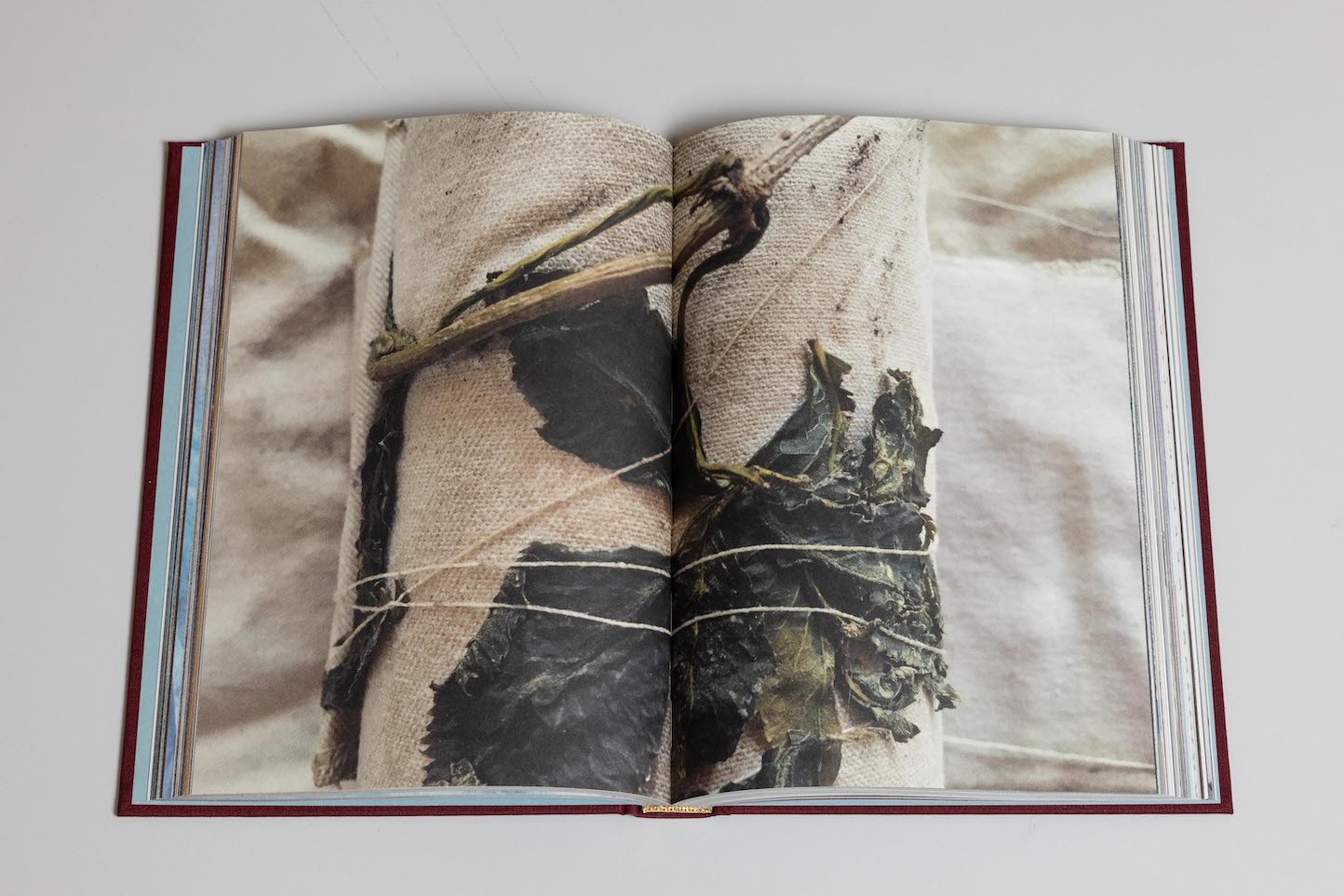
Through photographs of the studio process and visual sketches the first publication ANSKA by artist Agnė Juodvalkytė offers an overview of the artist’s studio practice from the past years while creating a sensory world of recollection. The book marks the conclusion of the ANSKA cycle in her work.
“In Agnė Juodvalkytė’s work, the weave that is bound by cloth, ash, dirt, and dye, invokes memory, utility, and hand-infused labor. The stains, folds, and strained fraying edges of her chosen material are also infused, caked, and distressed to provide new readings of production. There is something familiar in her use of textiles. Each fold of fabric is detailed by a weave birthed from the center spiraling out in an obstinate mosaic of emotion wrought from the plunder of self.” — Brad Feuerhelm
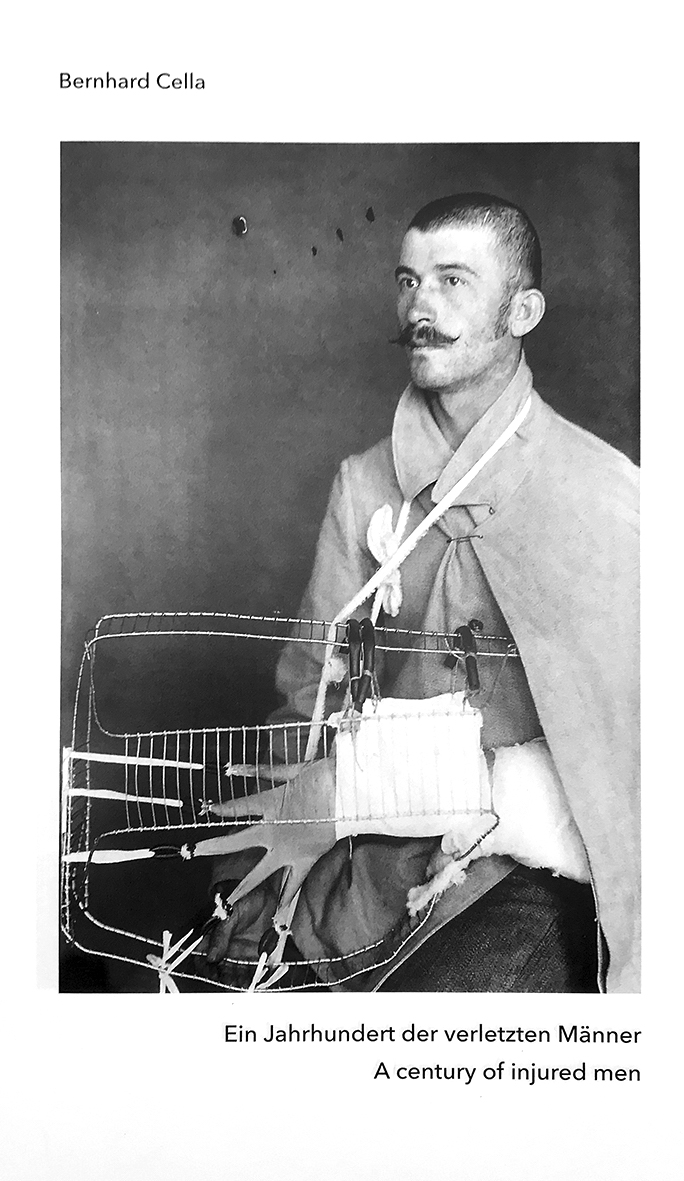
Ein Jahrhundert der verletzten Männer / A century of injured men
Authors: Bernhard Cella Publisher: Salon für Kunstbuch Year: 2022 Pages: 152 Dimensions: 12.8 x 20 cm Language: English / German ISBN: 978-3-85164-210-0
Bernhard Cella’s sweeping pictorial documentary of convalescent men present us with an iconography of a century of medical progress and, by the same token, with a typology of the mise en scenes of soon-to-be homecoming patients. These staged pictures open up a counter narrative to that of vigorous, unscathed, and invulnerable masculinity. They invariably invoke calamitous moments, sustained injuries, the scars of war as well as the causes and circumstances preceding a fateful event that no camera was there to capture. Their insistence on calm, deceleration, casual gestures, and lightheartedness in the photographer’s presence cannot hide this fact. Or, as Paul Virilio put it, “images are ammunition, cameras are weapons.”
Bernhard Cellas Panoptikum an rekonvaleszenten Männern – quer durch ein Jahrhundert – demonstriert nicht nur eine Ikonografie des medizinischen Fortschritts und die Typologie der mise en scène der bald wieder in den Alltag Zurückkehrenden. Es legt in seiner jeweiligen Inszenierung auch einen Bruch offen, der dem Bild der vitalen, unversehrten und unverletzbaren Männlichkeit zuwiderläuft. Jedes fotografische Abbild trägt in sich unweigerlich auch den Moment des Unfalls, der Verwundung, der Kriegsverletzung, bei dem kein Aufnahmeapparat zugegen war. Die Insistenz auf Ruhe, Entschleunigung, Unbefangenheit und Unbeschwertheit für das Objektiv kann nicht drüber hinwegtäuschen. Oder wie Paul Virilio formulierte: “Bilder sind Munition, Kameras sind Waffen”.
Art&Girls
Authors: _ Publisher: Salon für Kunstbuch Year: 2023 Pages: 204 Dimensions: 14.8 x 10.5 cm Language: English / German ISBN: 978-3-902374-23-3
Text by Valie Djordjević Translation by Andrea Scrima
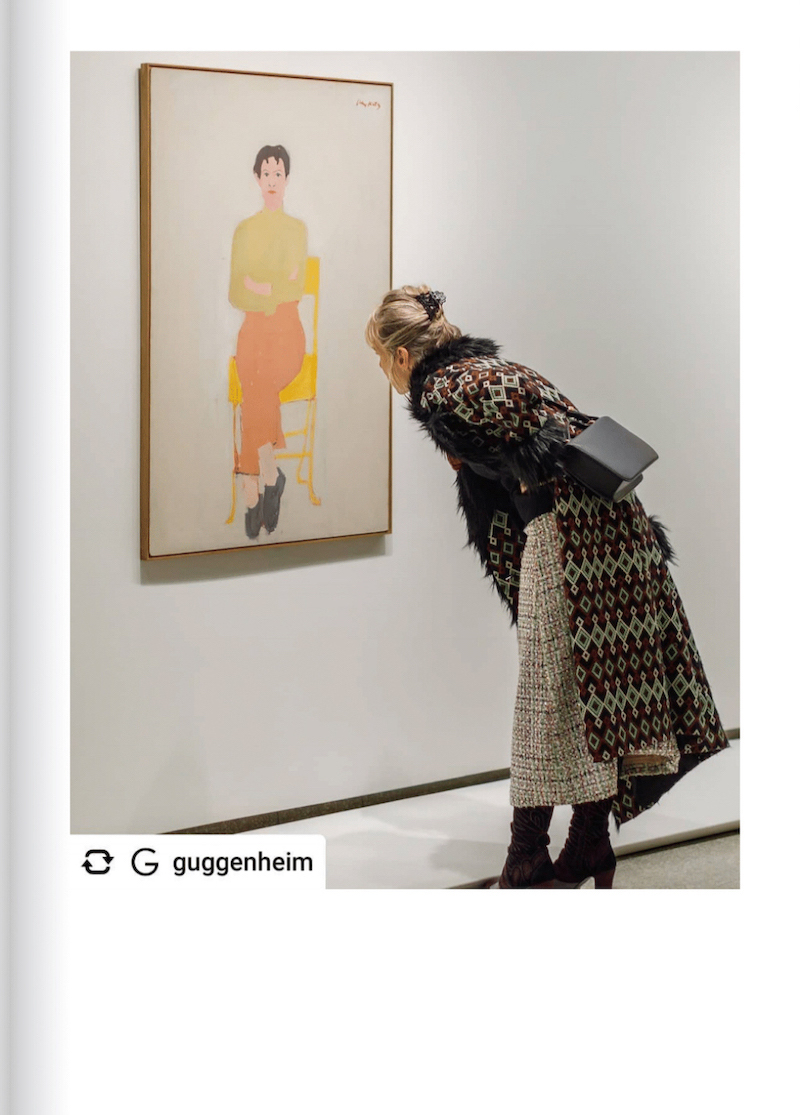
We see women looking at art, everything an exhibition has to offer: paintings, sculptures, installations. If we’re women, then one could say they’re women looking at women looking at art. And if the Instagram account “art.n.girls,” which reposts images of women looking at art, is also art, then we have women looking at art in which women are looking at art. The images are gleaned from the Instagram accounts of museums, galleries, art magazines, art blogs, and auction houses. Women looking at art embody a particular image of commodified femininity that shows its bourgeois roots. Thus, they reflect the commodification of an art that’s become a mere investment. Their bearing in these PR photos is receptive, moved, submissive, and might be intended as a stand-in for the artwork’s aura, but ultimately it remains empty and devoid of meaning.
Wir sehen Frauen, die sich Kunst anschauen – alles, was die Ausstellungsorte so hergeben: Gemälde, Skulpturen, Installationen. Wenn wir Frauen sind, dann könnte man sagen, hier schauen Frauen sich Frauen an, die auf Kunst schauen. Und wenn der Instagram Account “art.n.girls,” der Bilder von Frauen repostet, die sich Kunst anschauen, auch Kunst ist, dann schauen Frauen auf Kunst, auf der Frauen Kunst anschauen. Die Bilder stammen aus Instagram Accounts von Museen, Galerien, Kunstzeitschriften, Kunstblogs oder Auktionshäusern. Die Kunst schauenden Frauen verkörpern ein ganz bestimmtes Bild von warenförmiger Weiblichkeit, die ihre bourgeoise Herkunft nicht versteckt. Sie spiegeln damit die Warenförmigkeit einer Kunst, die lediglich Investitionsobjekt ist. Ihre Haltung in diesen PR-Fotos – empfänglich, bewegt und unterwürfig – soll möglicherweise als Surrogat der Aura des Kunstwerks dienen, bleibt aber letztendlich leer und ohne Bedeutung.
For December 2022 Music Mix we hosted Broshuda on a two-day residence at Motto’s store. The artist created a mix featuring music from our latest arrivals.
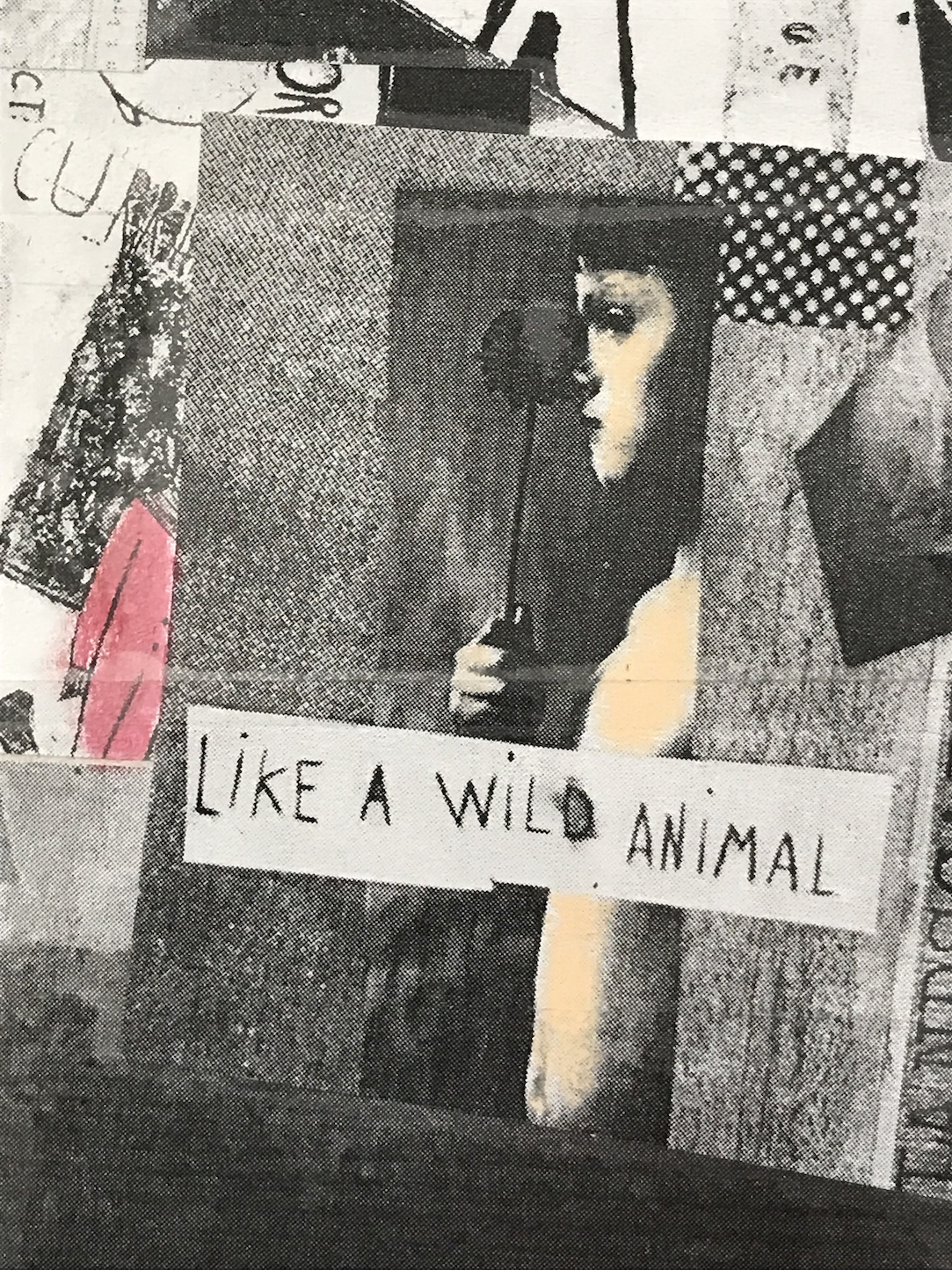
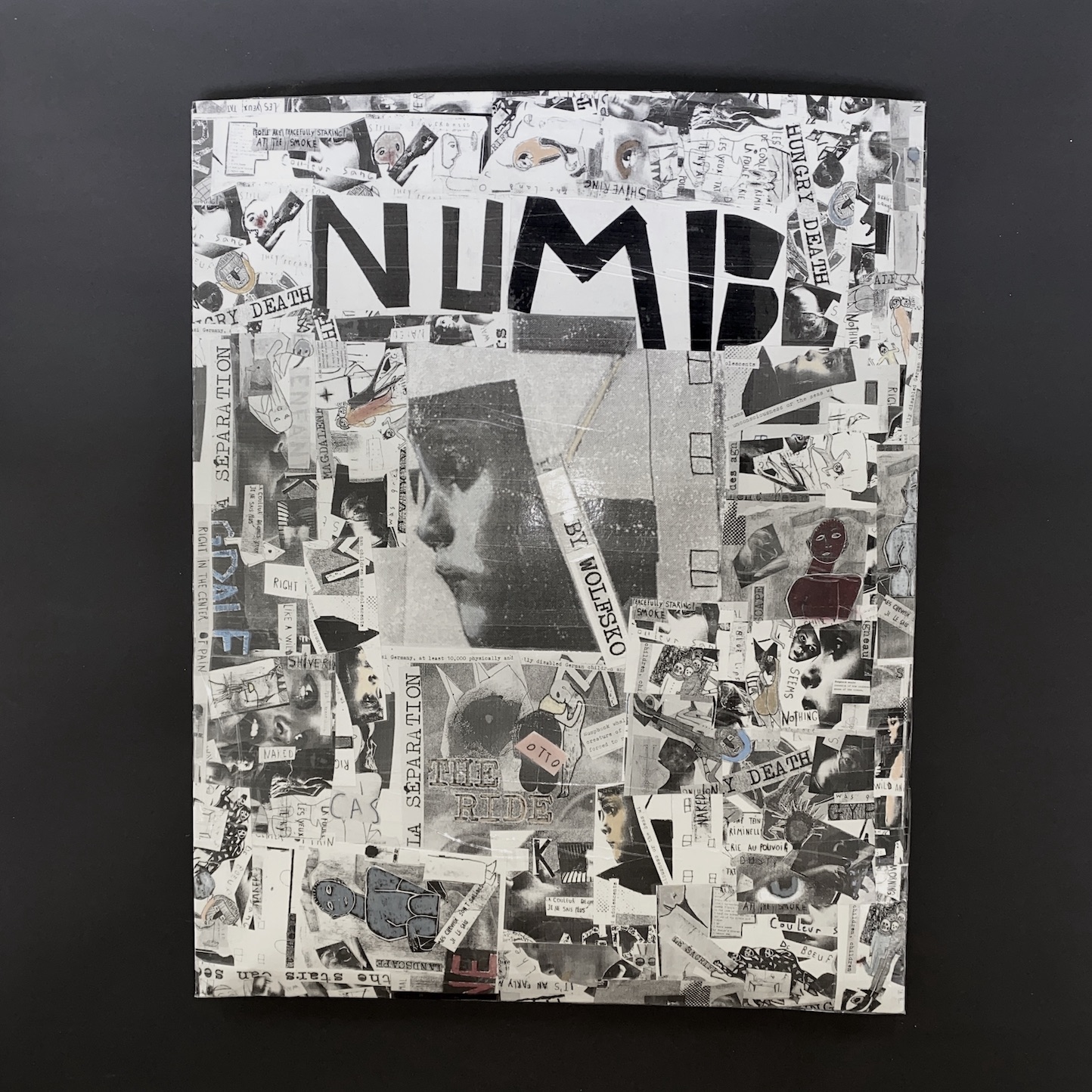
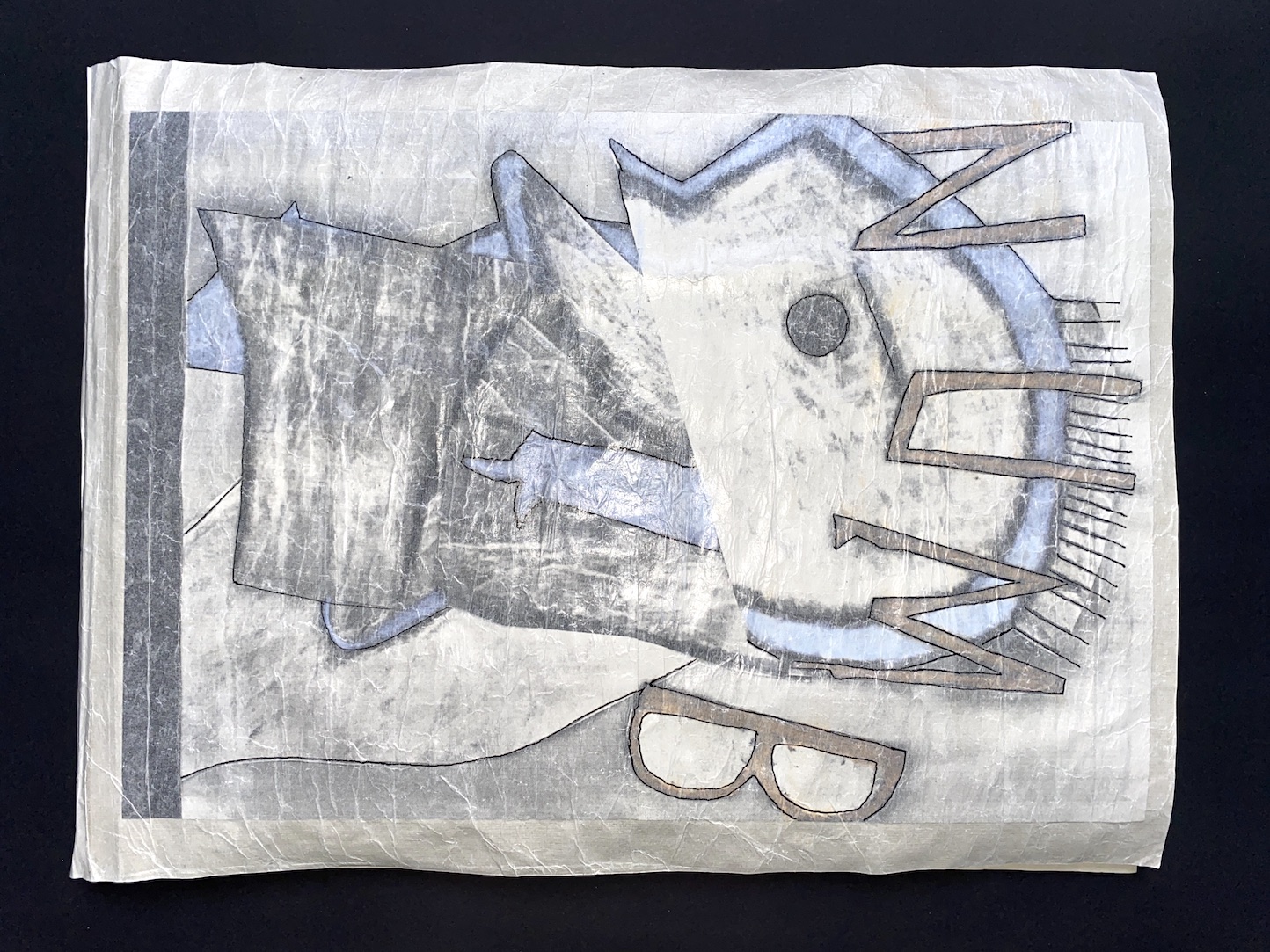
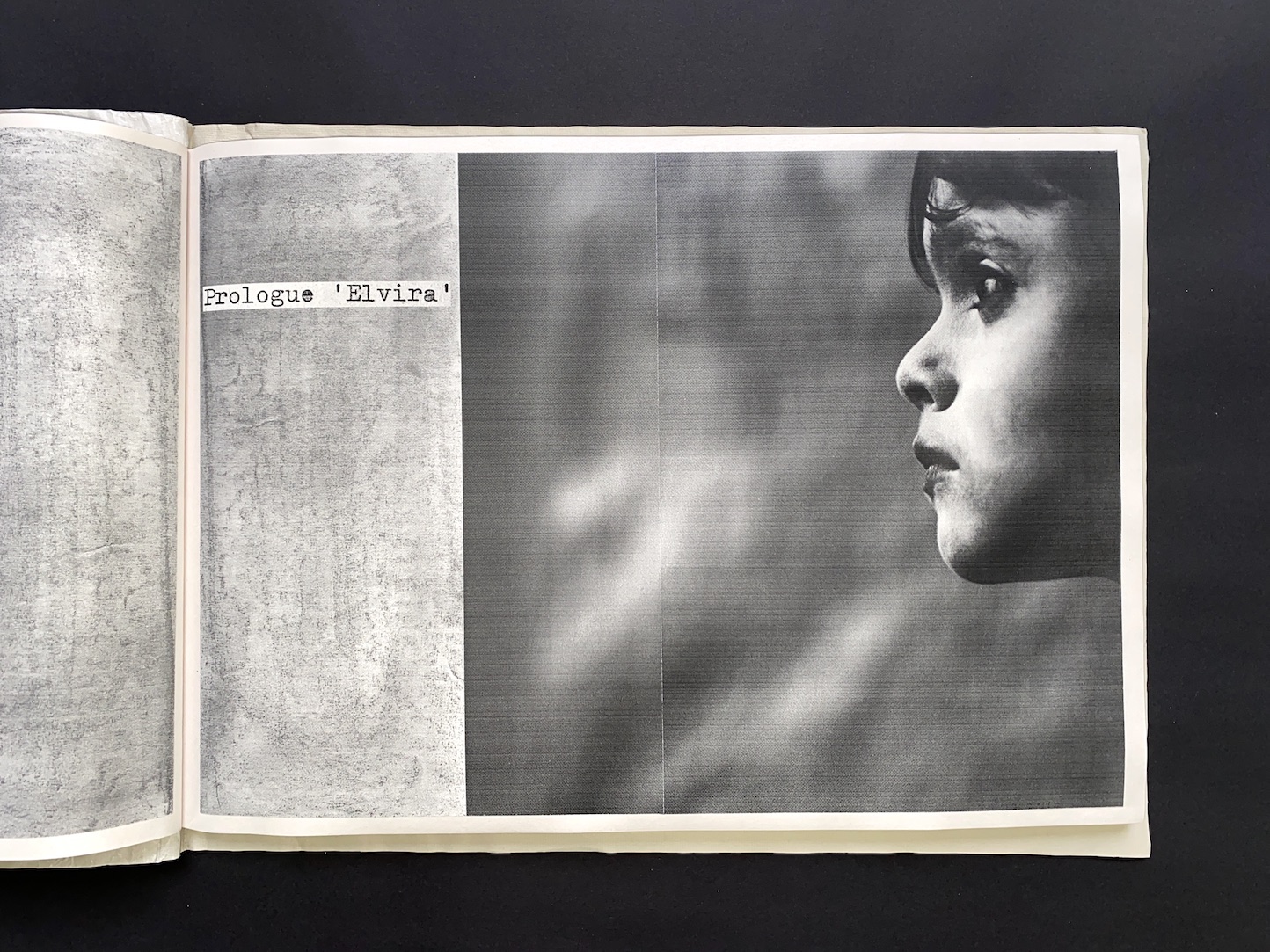
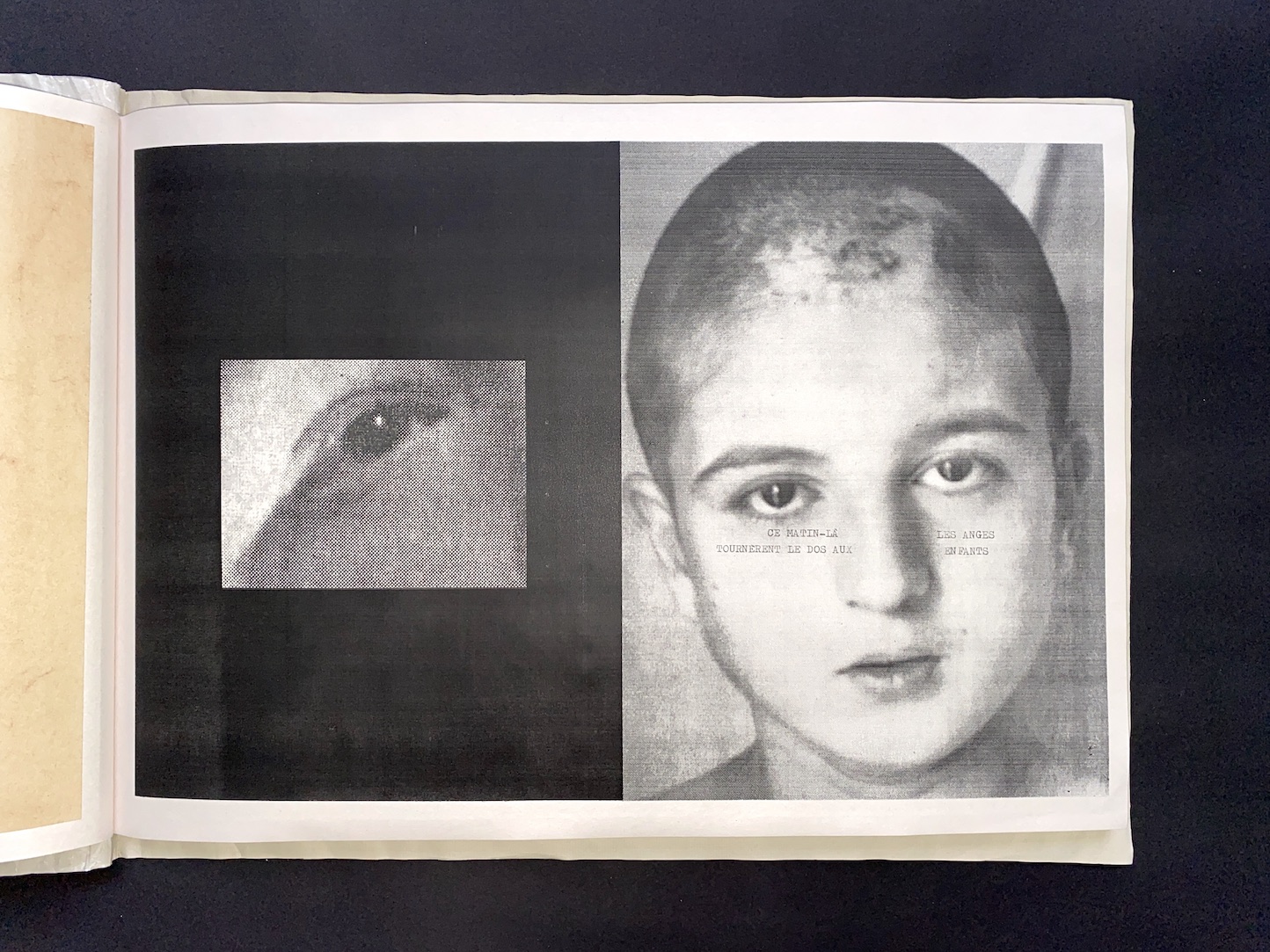
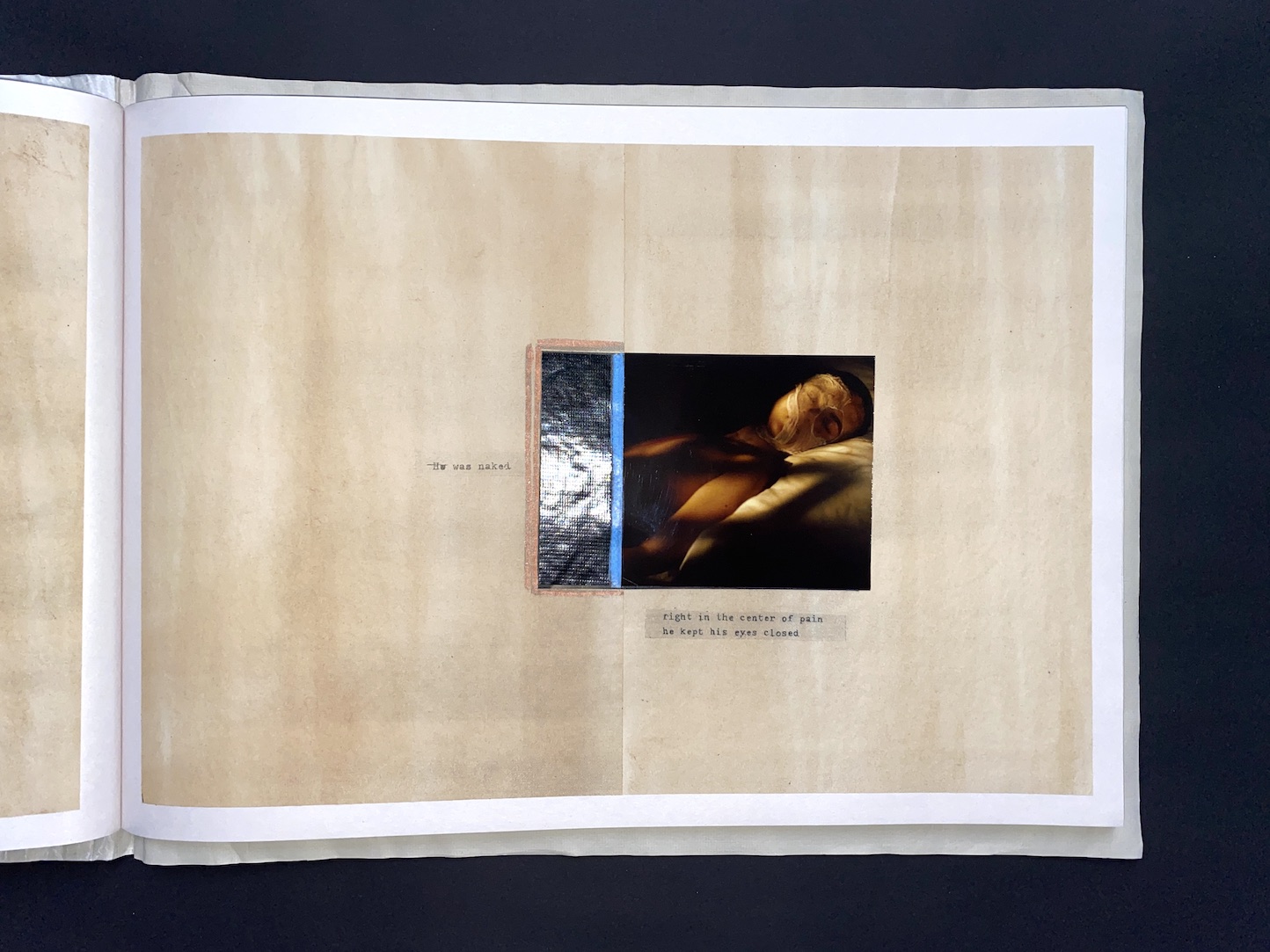
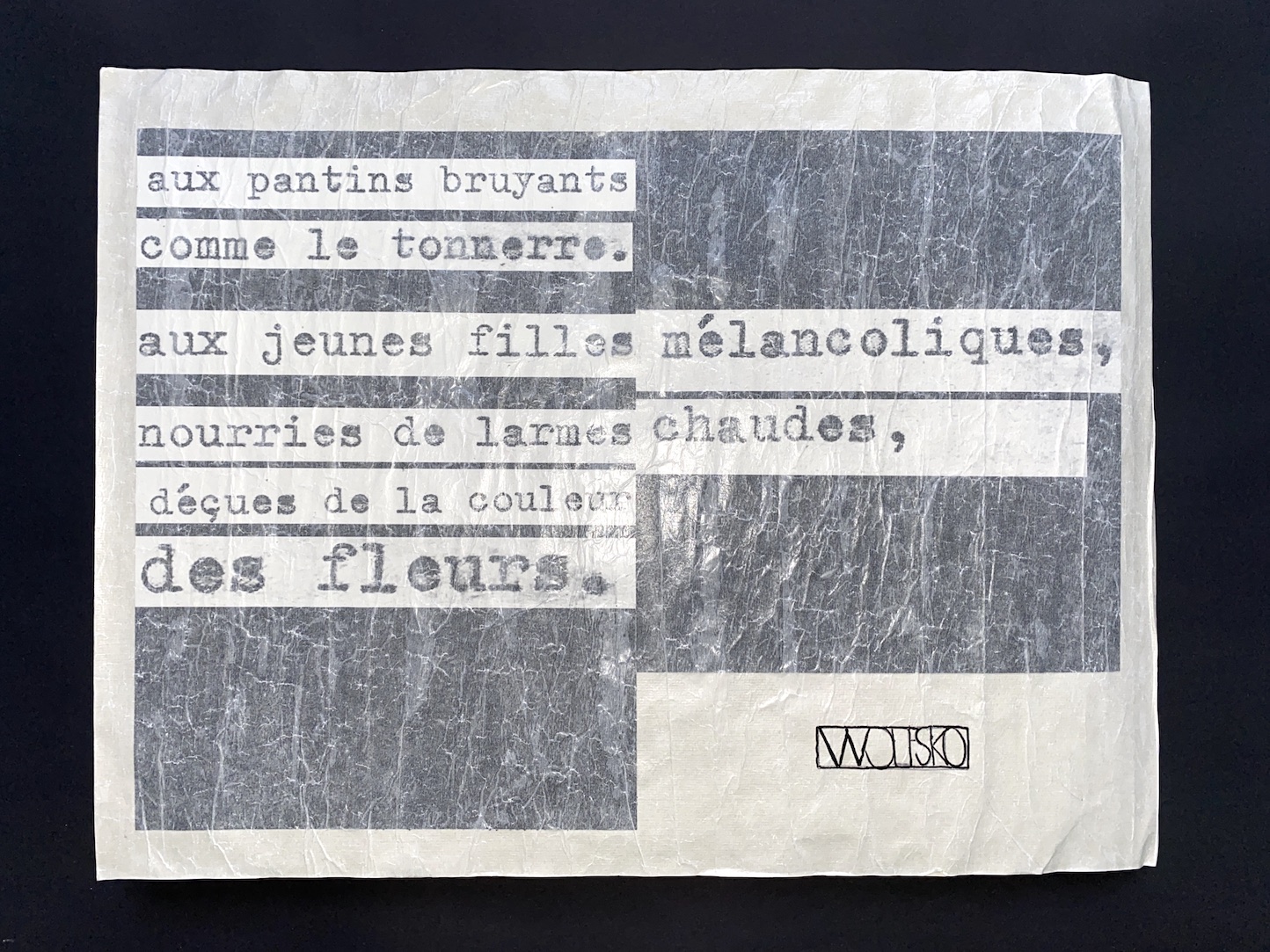
In Nazi Germany, at least 10.000 physically and mentally disabled children and adolescents, including orphans, misfits, and other ethnic groups were murdered as part of an ideology based on social Darwinism. For the first time in history physicians, nurses, and midwives killed by lethal injection, gas poisoning or starvation. It predated the genocide of European Jewry by approximately two years. A rehearsal for the planners of the final solution. NUMB is a study of the forgotten children of World War II.
French artist duo, Wolfsko, use mediums of expression such as photography, text, drawing, painting and collage. Their work is a long study in the world of unhappy childhood, exploring themes such as love, fear, and survival. Wolfsko currently live and work in Berlin.
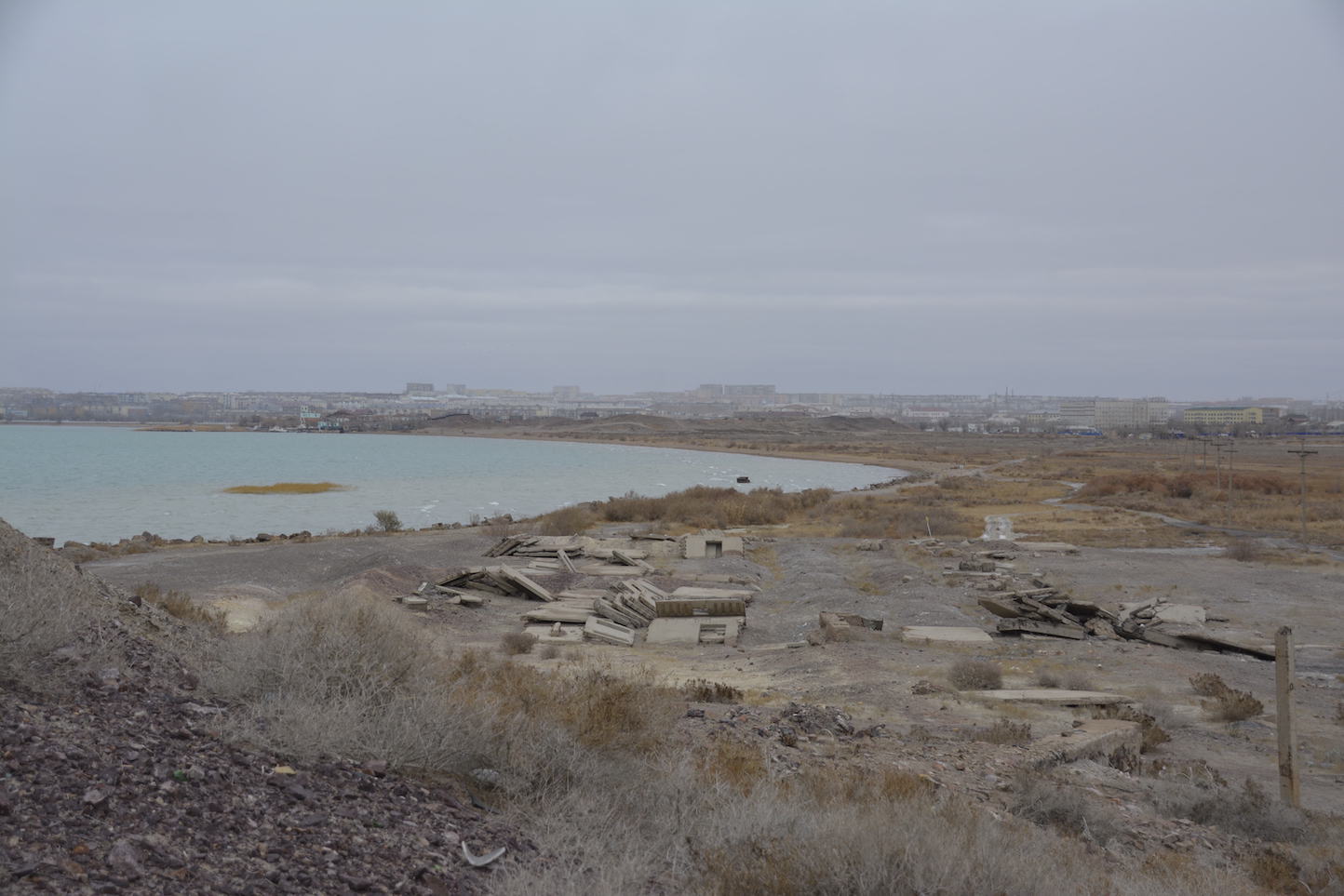
Please join us for the research presentation of “The secrets of Lake Balkhash: community narratives, memories, and landscapes of past and futures” with author Aigerim Kapar.
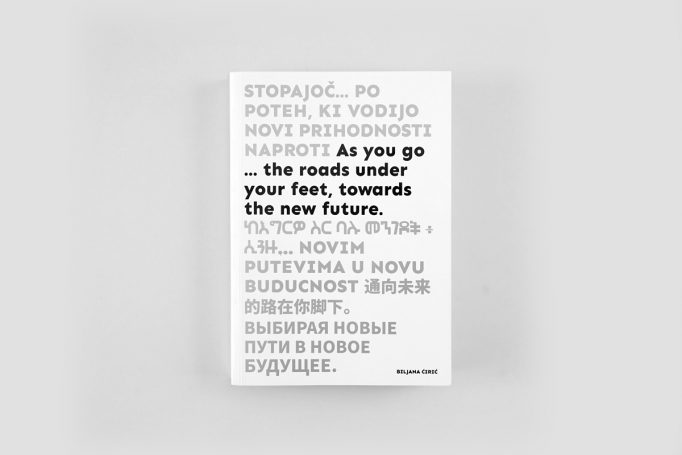
Following the first launch in Bor, this event co-hosted by Slavs and Tatars will also serve as the Berlin launch of the publication As you go… the roads under your feet, towards the new future (Mousse/Rockbund Museum, 2022).
21 October 2022 from 6.30 pm
Motto Berlin Skalitzer Str. 68 (im Hinterhof) 10997 Berlin
“The secrets of Lake Balkhash” focuses on the study of local values of Lake Balkhash in Kazakhstan and how these values impact the everyday lives of local communities. Lake Balkhash is one of the biggest endorheic water bodies in the world and has a millennia-long history of sociocultural life, ecological traditions, and seminomadic management methods. The region also represents the position of the Kazakh Steppe, where the interests of China and Russia intersect. Today, the industrialization and militarization of the colonial Soviet period continue to prevail and frame the basin as a zone of ecological and social crisis. Lake Balkhash may disappear in twenty years and faces a similar situation to the drainage of the Aral Sea by the Soviet government in the 1950s for the purposes of agricultural production.
“The secrets of Lake Balkhash” aims to rethink the history of the region through a decolonial lens and study the future of the region reimagined by local communities. The research project is part of Artcom Platform’s Care for Balkhash initiative, and As you go… the roads under your feet, towards the new future, a long-term project and research inquiry that reflects on the Belt and Road Initiative and how it will alter the aesthetics and practices of everyday life in different local contexts of Ethiopia, Serbia, Slovenia, Uzbekistan, China, Kazakhstan. It was conceived and initiated by Biljana Ćirić in 2019 after conducting curatorial research in East Africa, Central Asia, and Southeast Europe, where the project is now situated. The three-year project has been conducted via individuals, cells, organizations, and institutions: Zdenka Badovinac (Ljubljana), Robel Temesgen and Sinkneh Eshetu (Addis Ababa), What Could/Should Curating Do? (Belgrade), Artcom Platform (Astana/Almaty), Rockbund Art Museum (Shanghai), Guangdong Times Museum (Guangzhou), and Public Library (Bor). The project does not attempt yet another critical investigation into Chinese colonialism, but rather seeks to unpack the complexities that certain regions are confronting within their current connections to the Belt and Road Initiative, as well as their established commonalities.
Aigerim Kapar (b. 1987, Kazakhstan) is an interdependent curator, interdisciplinary researcher, and a decolonial activist based in Almaty and Astana. Kapar founded Artcom Platform, a Central Asian community-based contemporary art and public engagement organization in 2015. She has also been organizing Art Collider, a school where art meets science bringing communities together since 2017. Kapar curates a hybrid reality project Steppe Space, an important space for contemporary art and culture of Central Asia, and initiated projects of care for lake ecosystems SOS Taldykol and Balqashqa Qamqor in 2020. Her key previous works include Re-membering: Dialogues of Memories (2019), an international intergenerational project in memory of survivors and victims of twentieth-century political repressions in Kazakhstan, and Time&Astana: After Future (2017–18), an urban art research and engagement project. Kapar is currently a resident at Slavs and Tatars’ program in Moabit. www.instagram.com/aigerimkapar
Photo courtesy of Mousse Publishing
As you go… the roads under your feet, towards the new future. Published by Rockbund Art Museum and Mousse Publishing, 2022 Edited by Biljana Ćirić
Contributions by Zdenka Badovinac, Aziza Abdulfatah Busser, Robert Bobnič, Biljana Ćirić, Marija Glavaš, Sinkneh Eshetu, Chen Liang, Salem Mekuria, Aigerim Kapar, Dragan Stojmenovič, Larys Frogier, Nikita Yingqian Cai, Robel Temesgen, Jelica Javanovič, Alex Ulko, Kaja Kraner, Tara McDowell, Оasphy Zheng, Enanye Kibret, Gebeyehu Desalew, Manuel Borja-Villel, Mabel Tapia, and Ocean & Wavz.
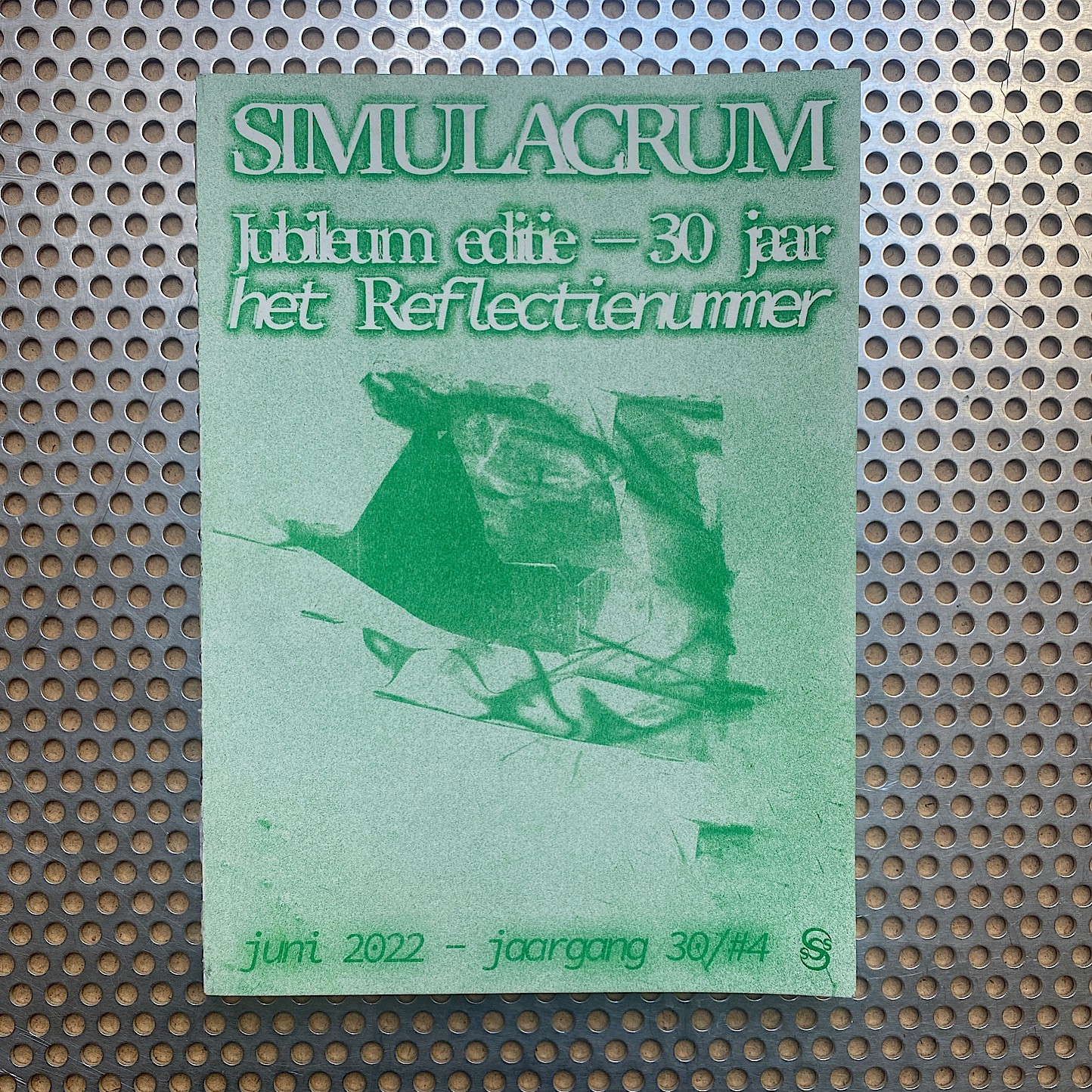
Please join us for the presentation of Simulacrum Magazine’s thirtieth anniversary issue het Reflectienummer with editors Mirna Vrdoljak and Kenneth Geurts.
14 October 2022 from 6.30pm
Motto Berlin Skalitzer Str. 68 10997 Berlin
* Simulacrum is an arts and culture magazine based in Amsterdam. Since thirty years, it functions as an accessible and high-quality platform for students and experts from various fields to publish together. Simulacrum is a quarterly thematic publishing project that aims at fostering transdisciplinary connections among contributions that explore both historical and contemporary perspectives of the European cultural landscape.
On 14 October, Simulacrum is coming to Motto Berlin to celebrate the magazine’s thirtieth anniversary issue titled het Reflectienummer. For this issue the editors delved into the full archive and asked contributors to reflect on their submissions. These reflections offer insight into how art, culture, and historiography have changed over the course of thirty years. However, the eleven reflections bundled together do not only refer to the past. Reflection is an exercise with an eye to the future; it is a moment of standing still and thinking about how it was, how it is, and how it could be.
Editors Mirna Vrdoljak and Kenneth Geurts will hold a discussion on the blurring of boundaries across disciplines in the humanities, and the magazine’s role in adequately responding to the reciprocal influence between academic and artistic spheres. Bearing in mind the magazine’s primary focus on art historical research thirty years ago, we will speak from our own experiences with the diverging range of submissions, as well as the questions that arise with the use of new media platforms and digital modes of archiving. There will also be a moment to introduce Simulacrum’s freshly printed autumnal newspaper on documenta fifteen, The documenta Issue.