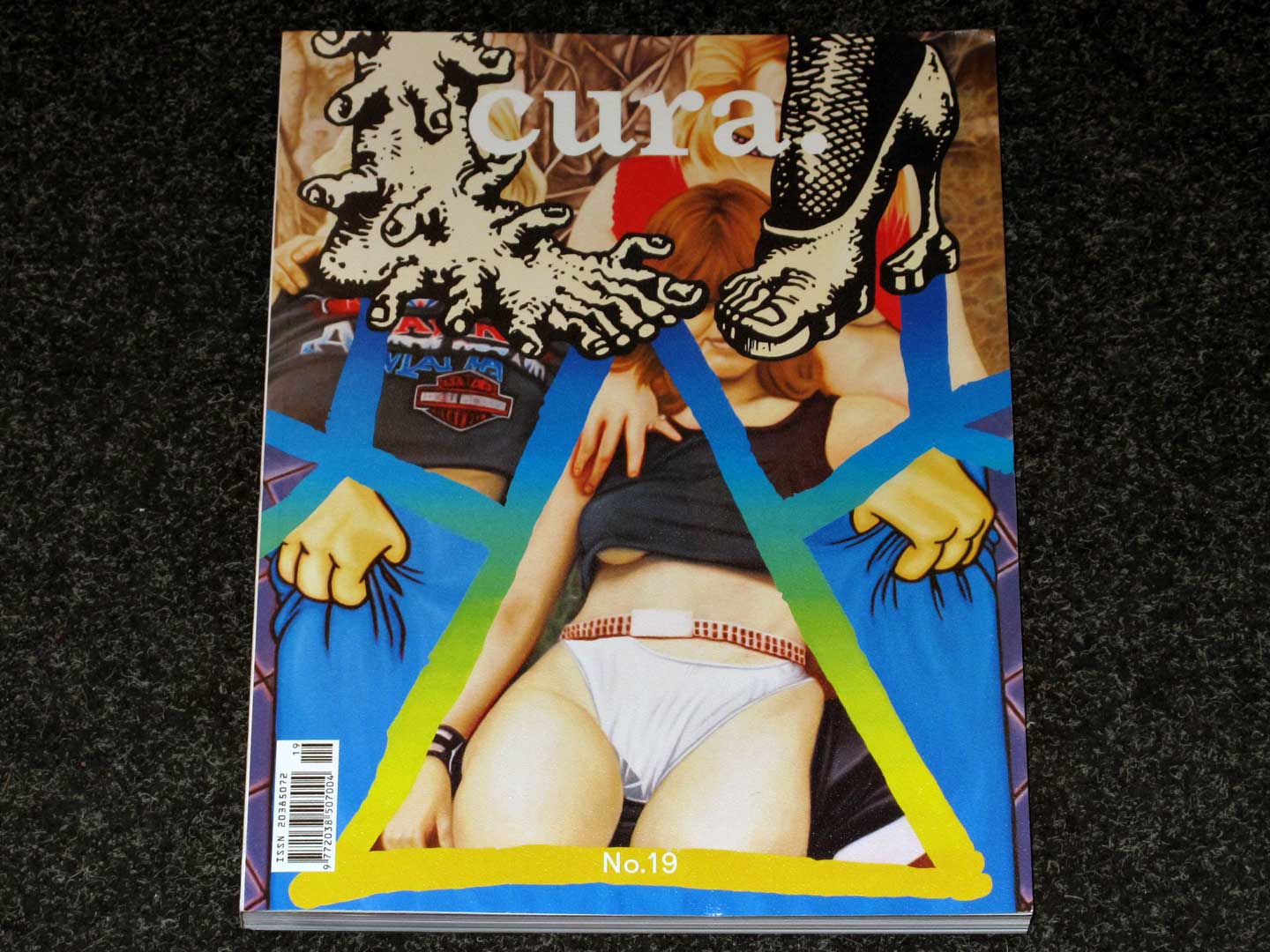
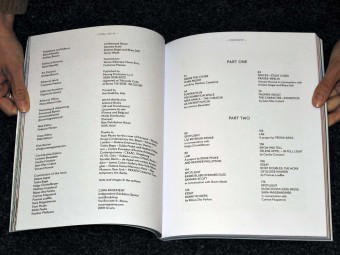
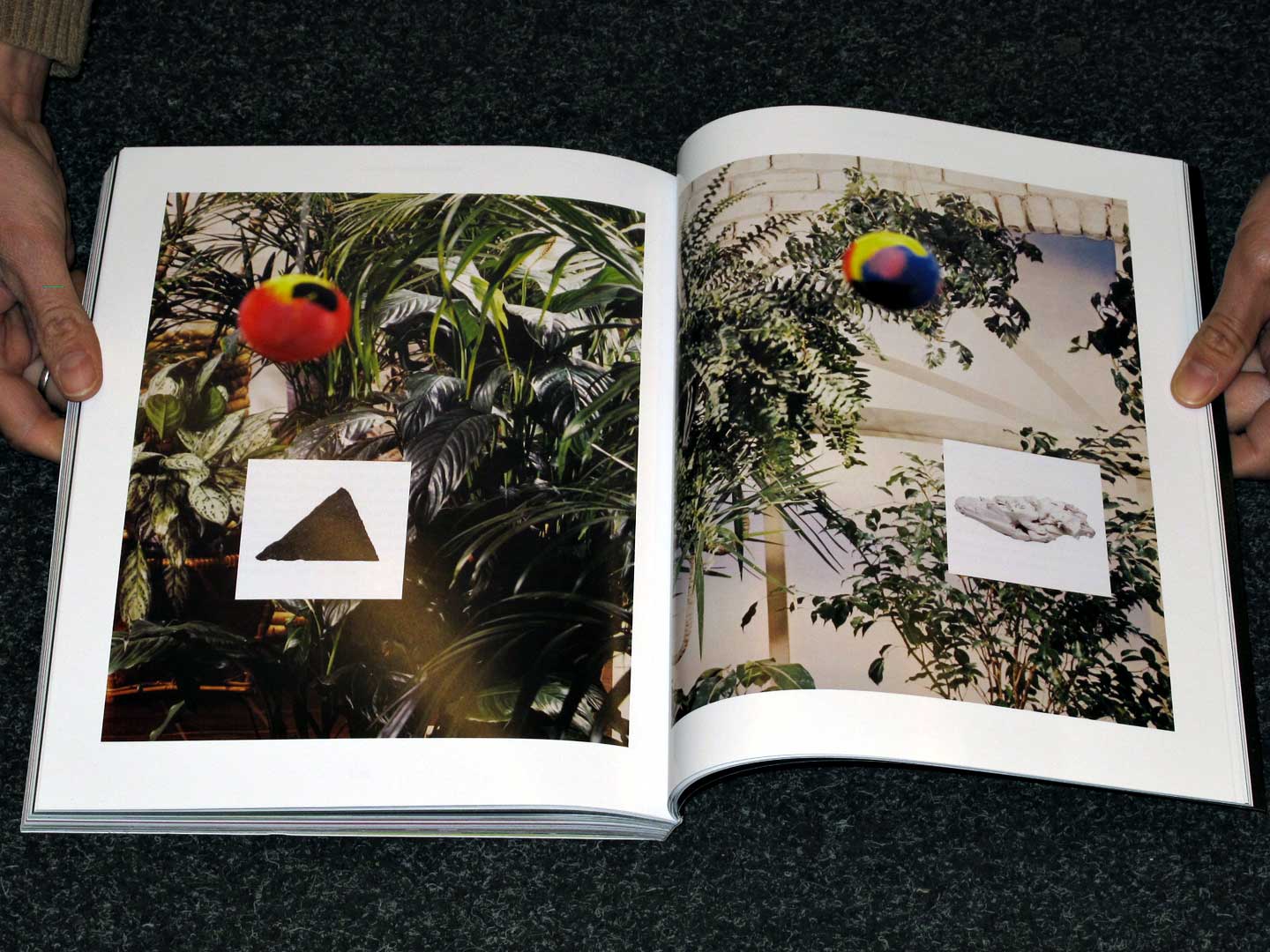
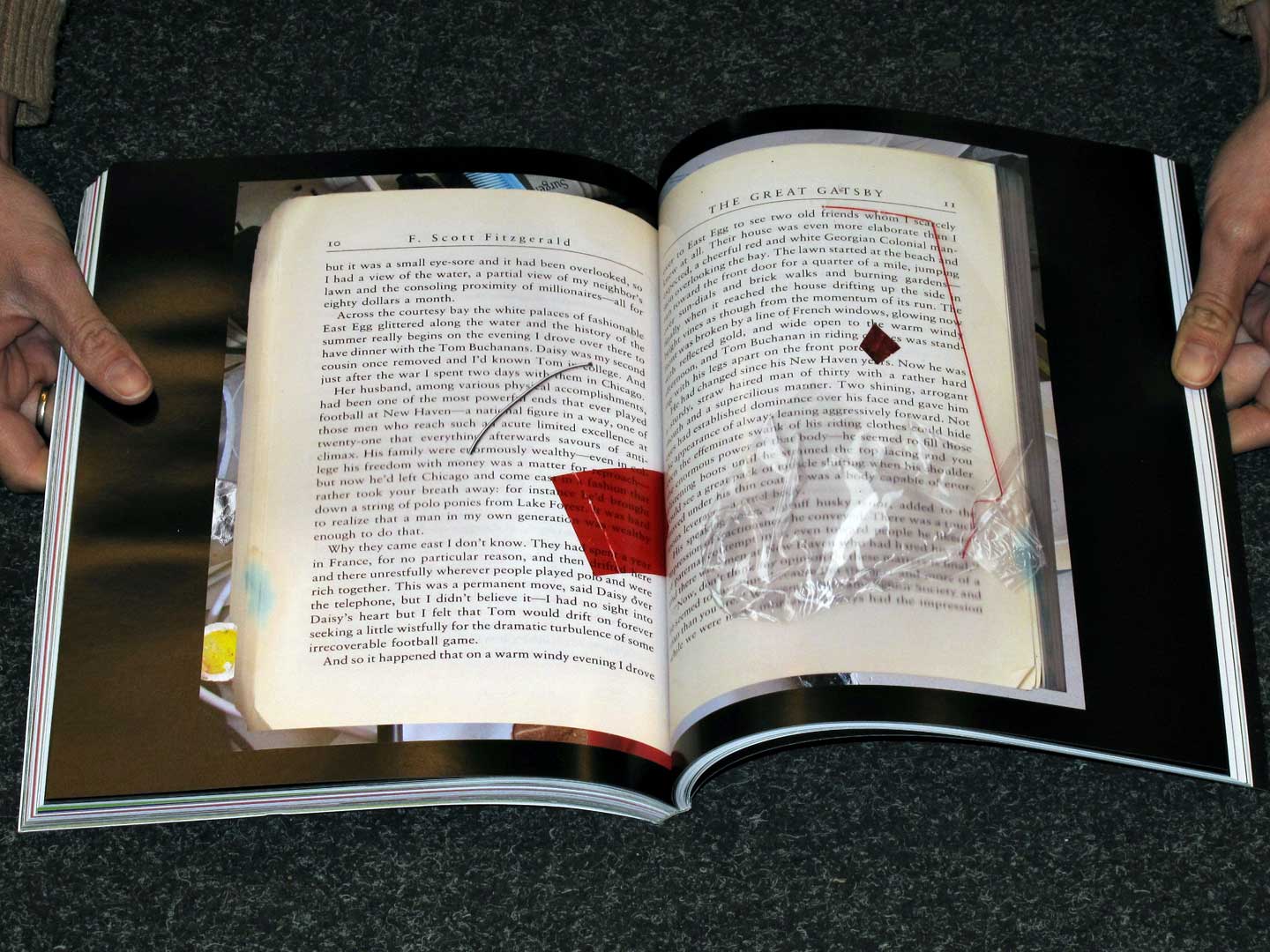
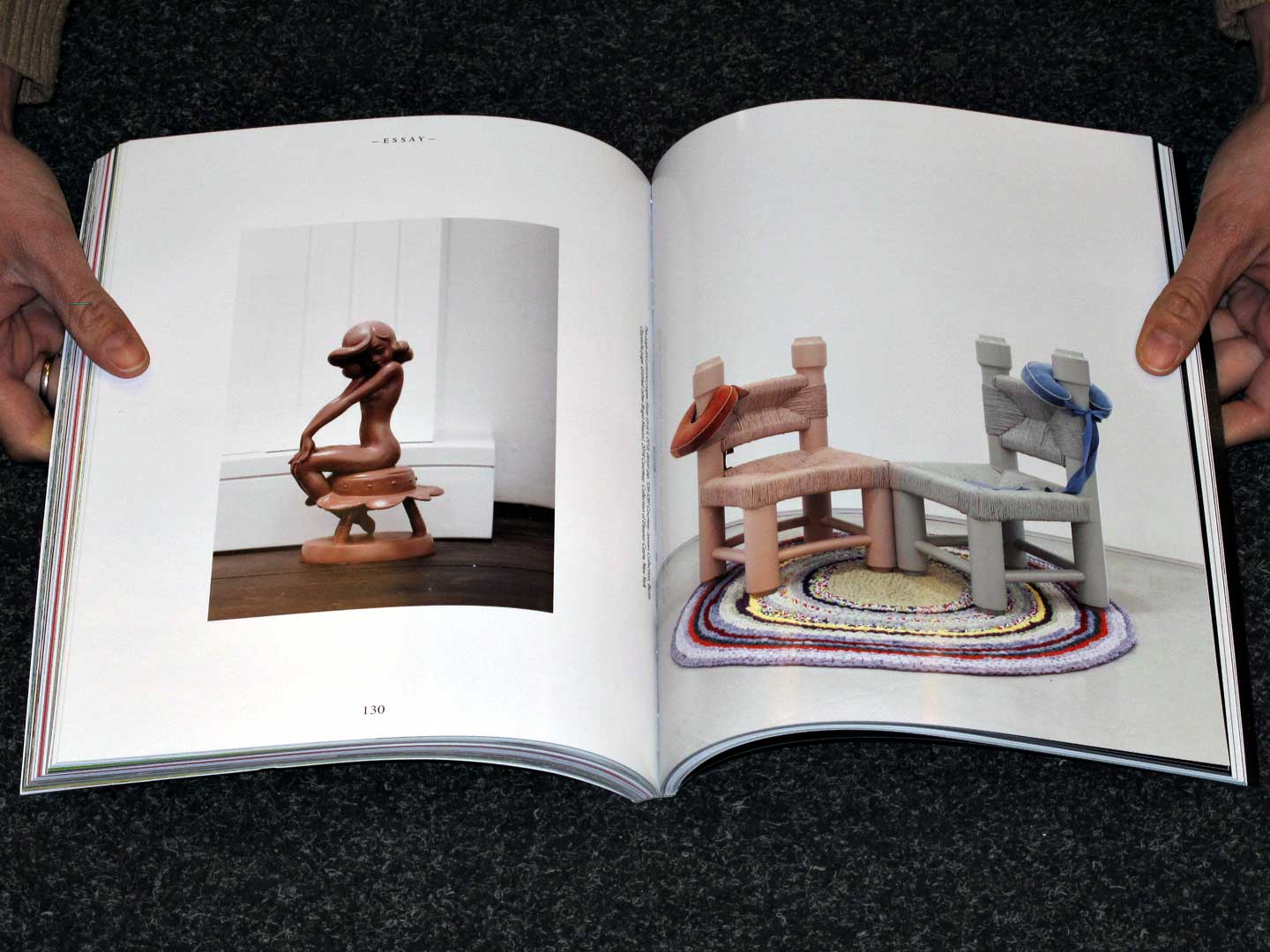
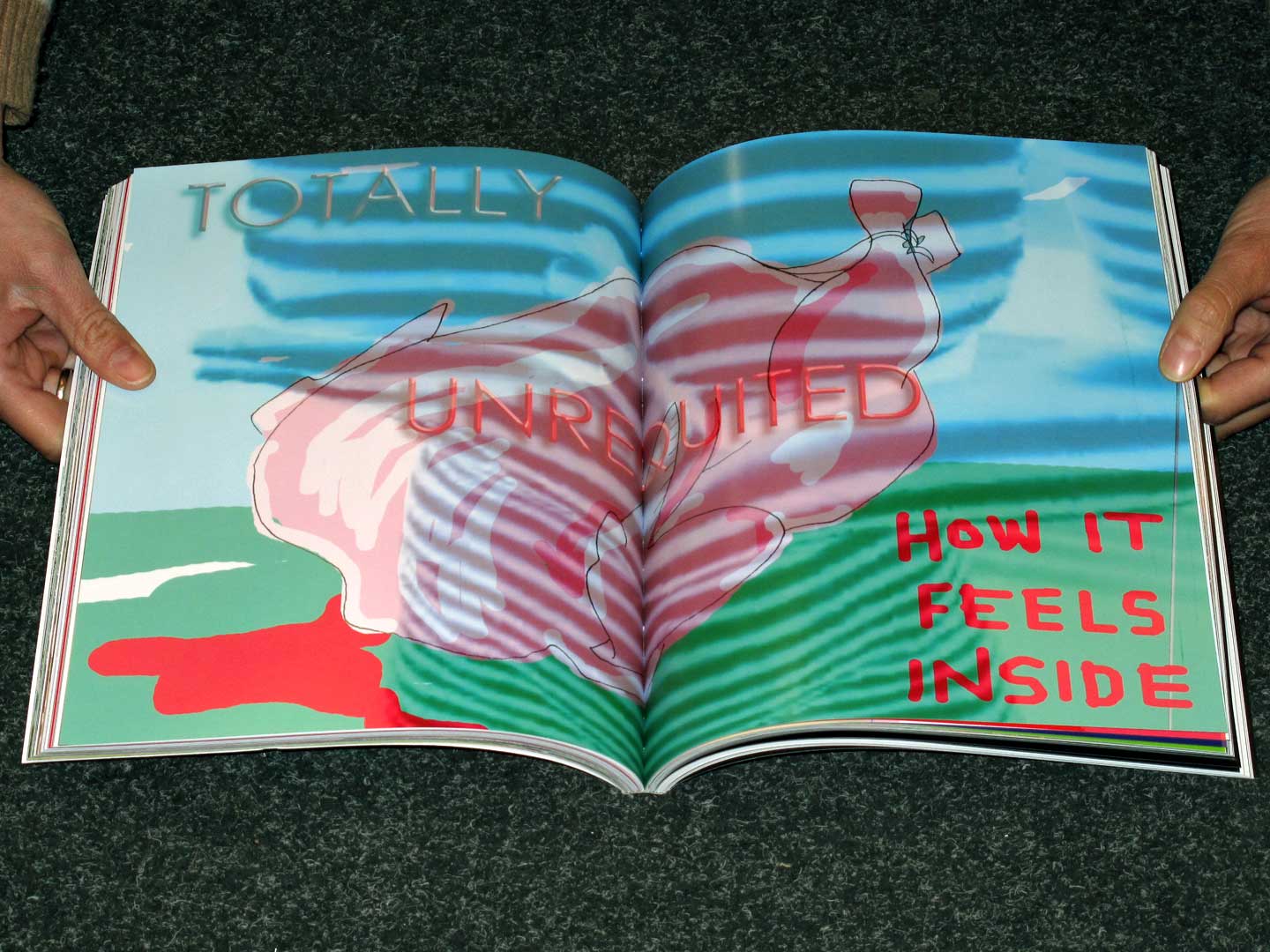
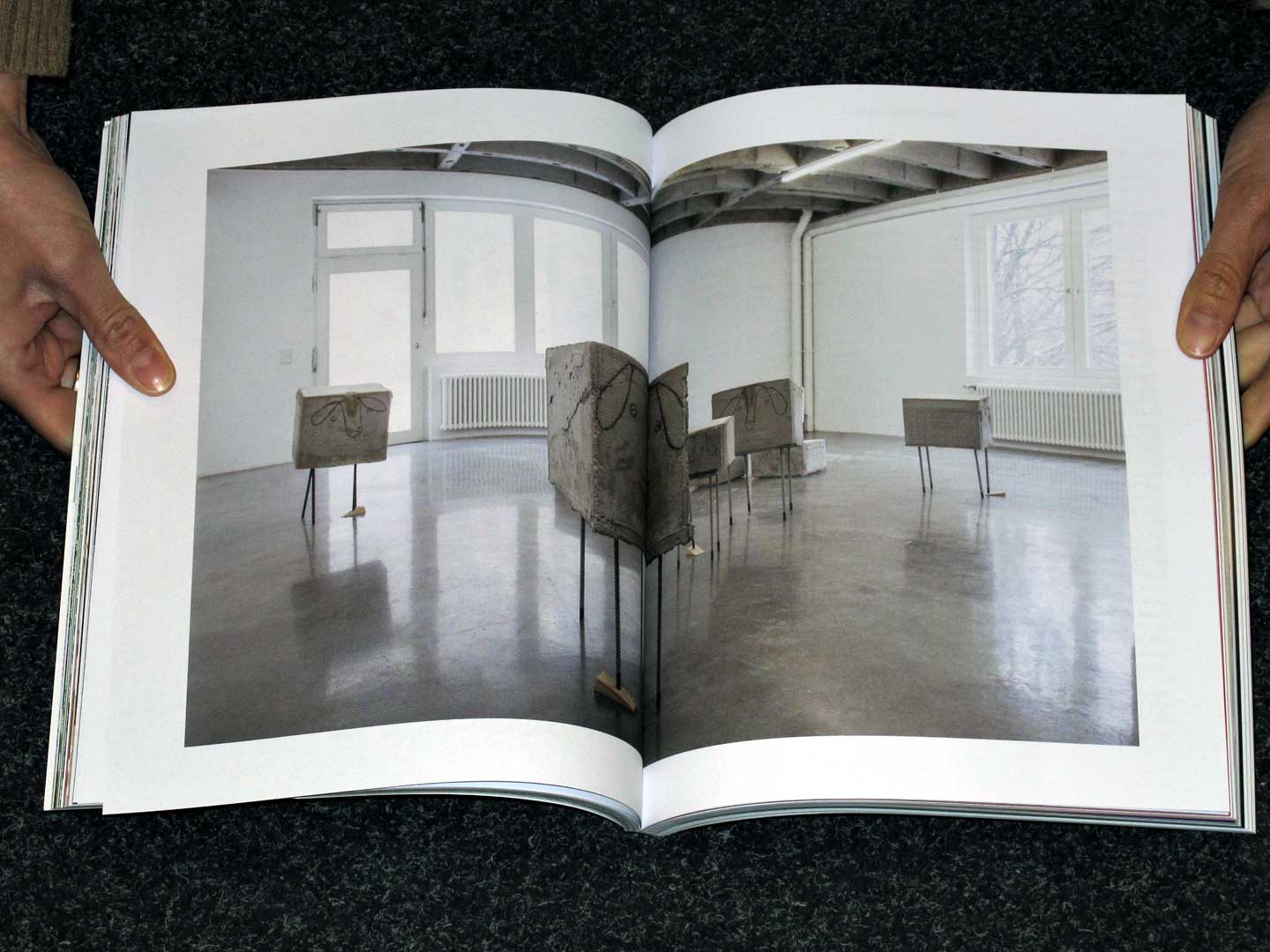
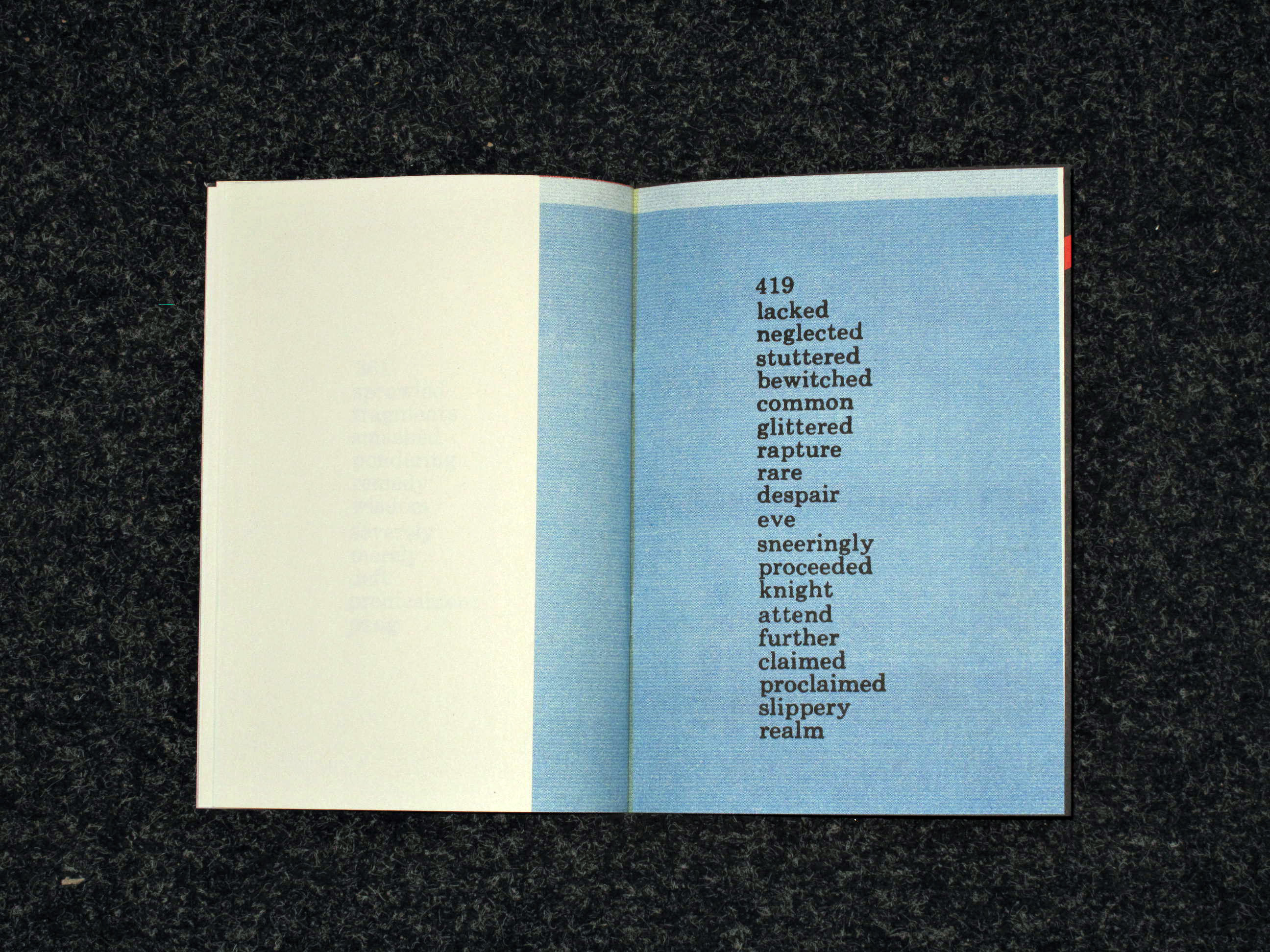
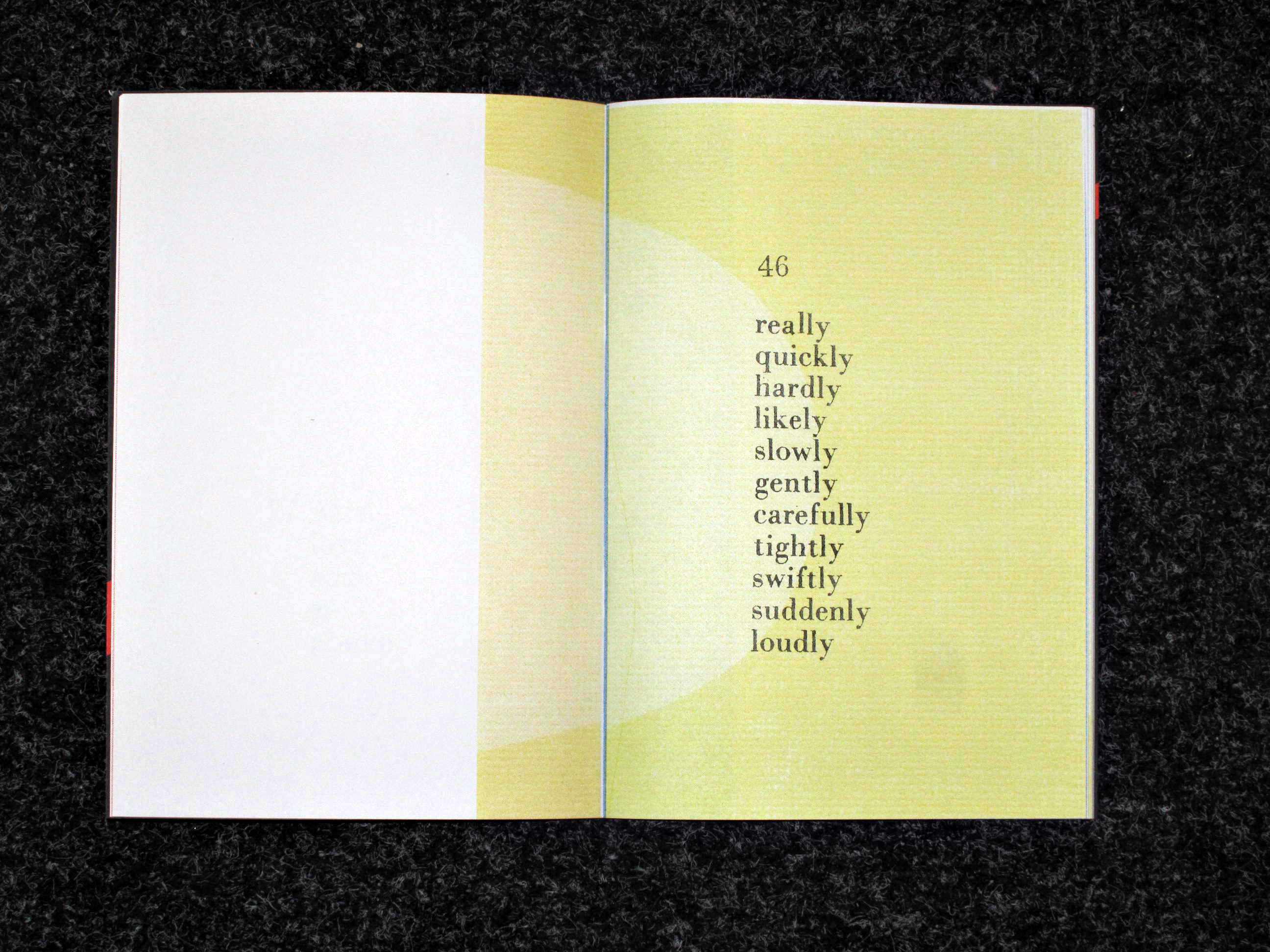
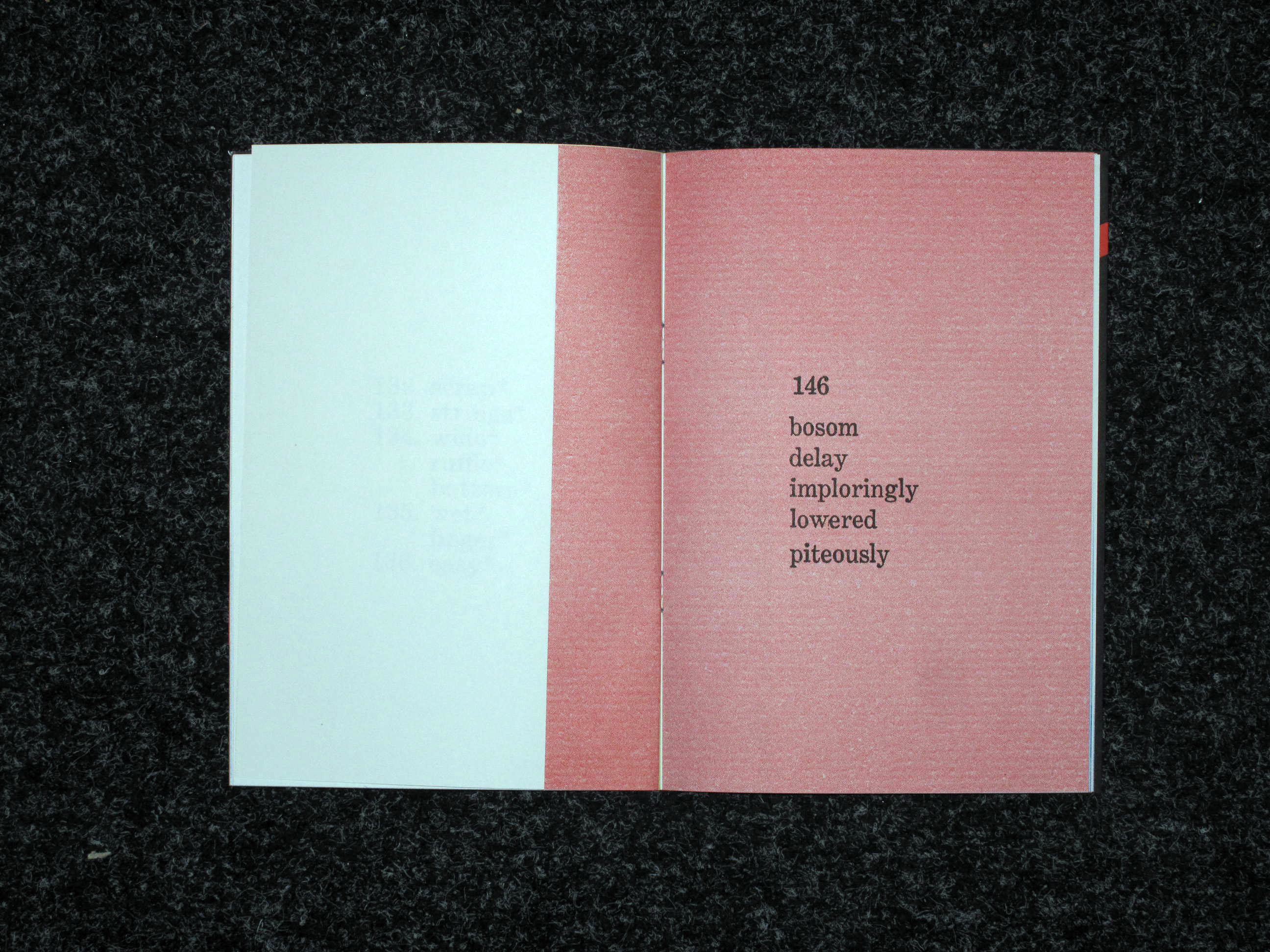
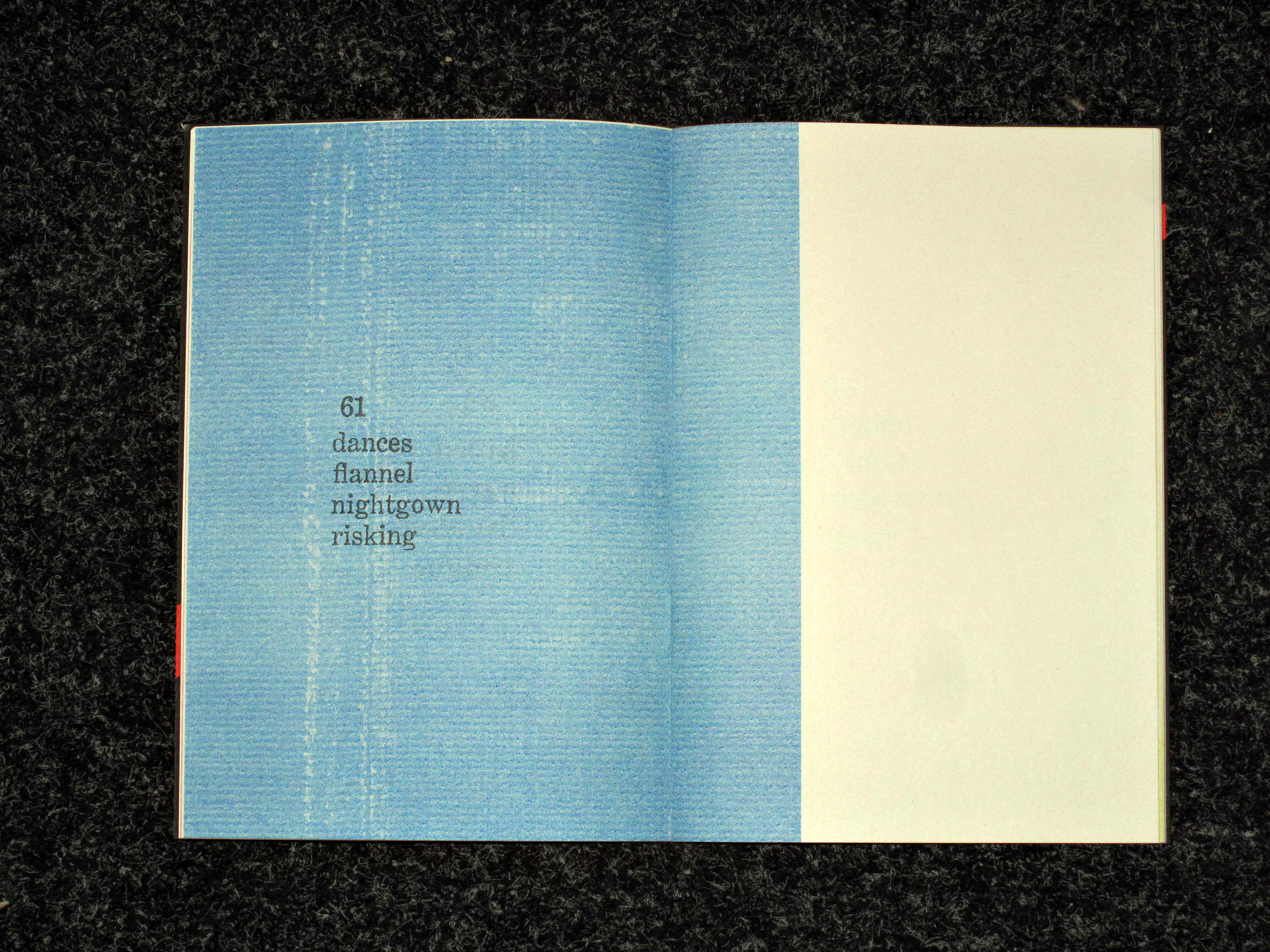
cura #19. Ilaria Marotta and Andrea Baccin (Eds.)
Posted in magazines on April 21st, 2015Tags: Andrea Baccin, cura., Ilaria Marotta

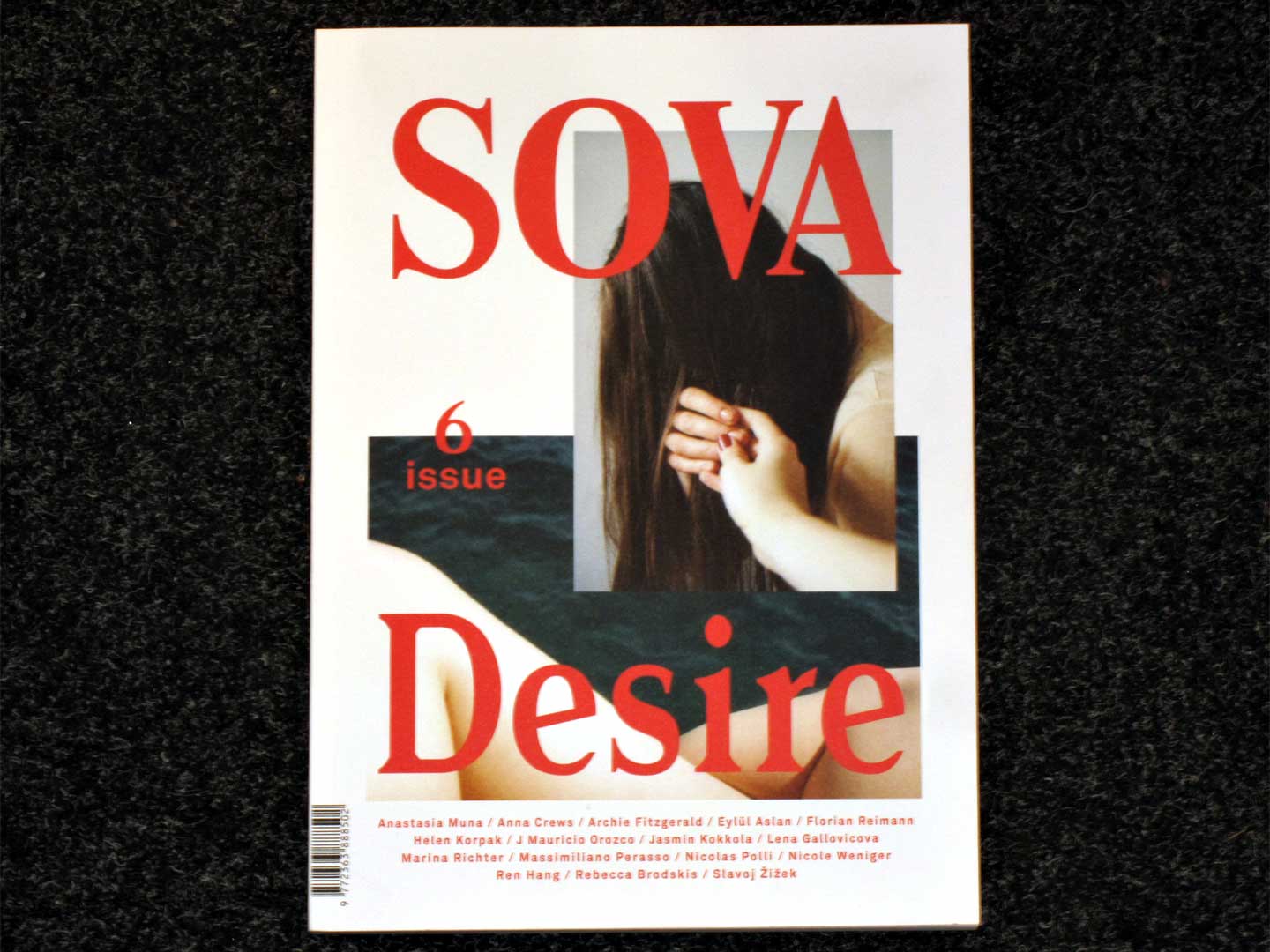
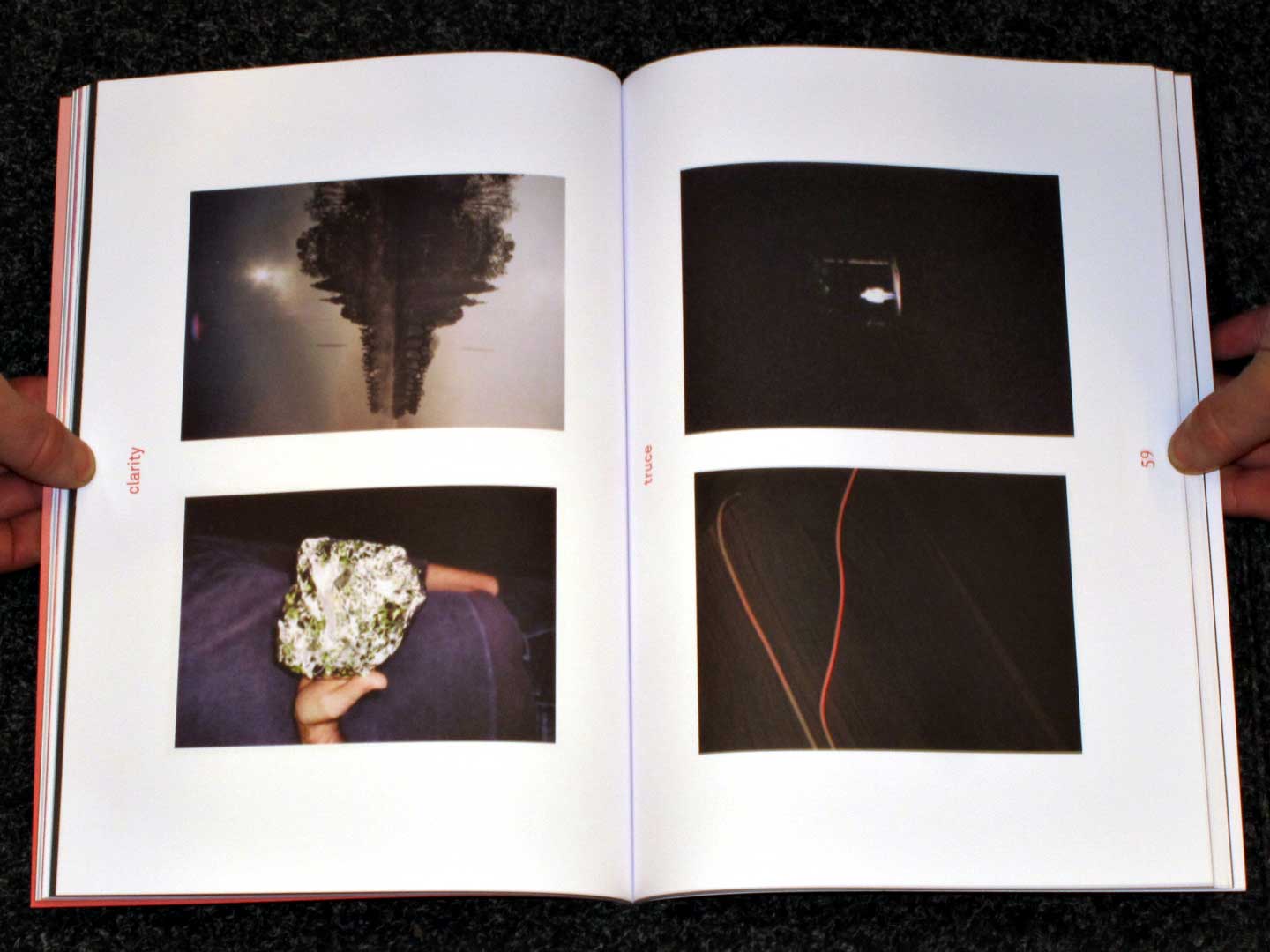
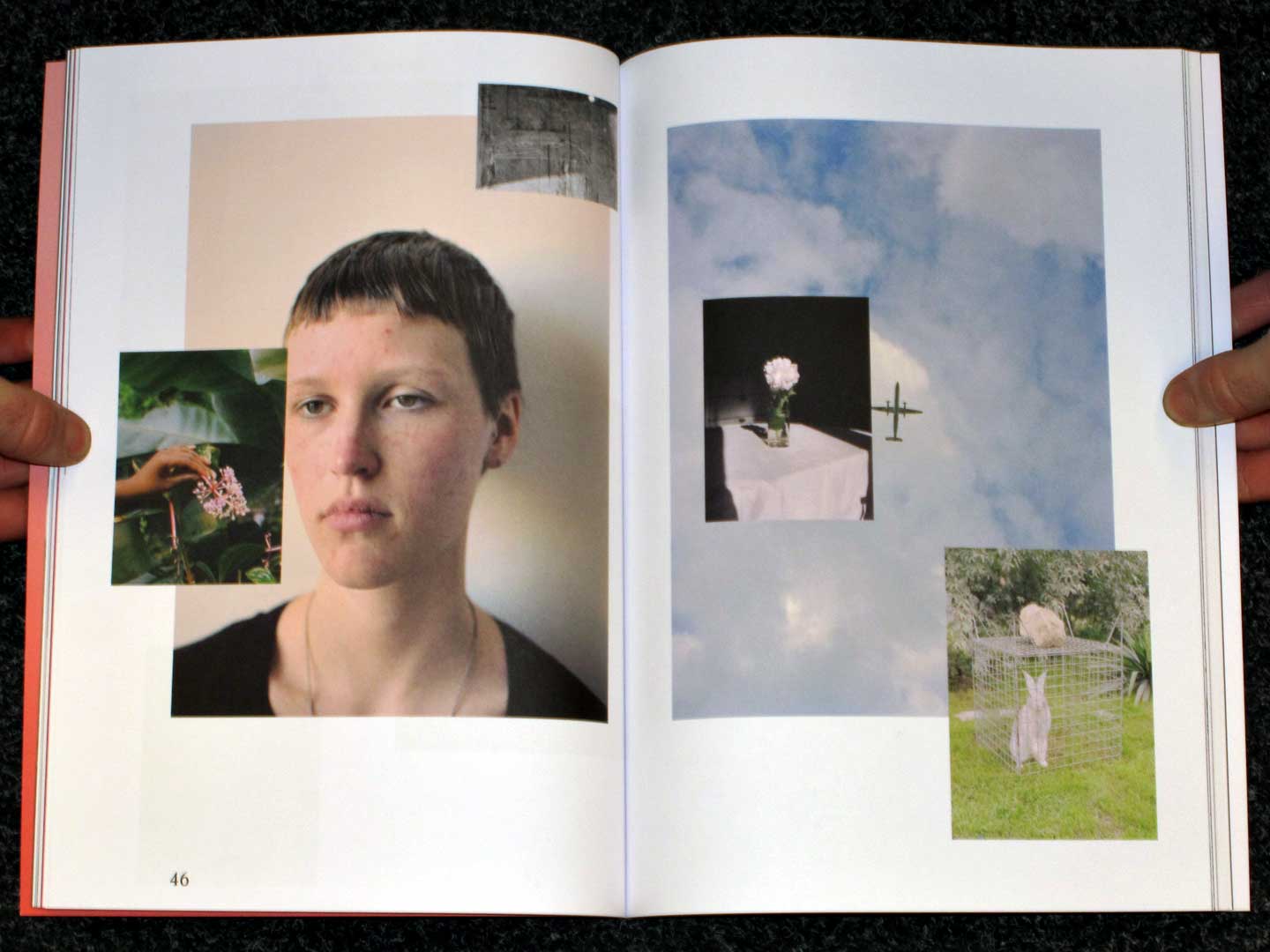
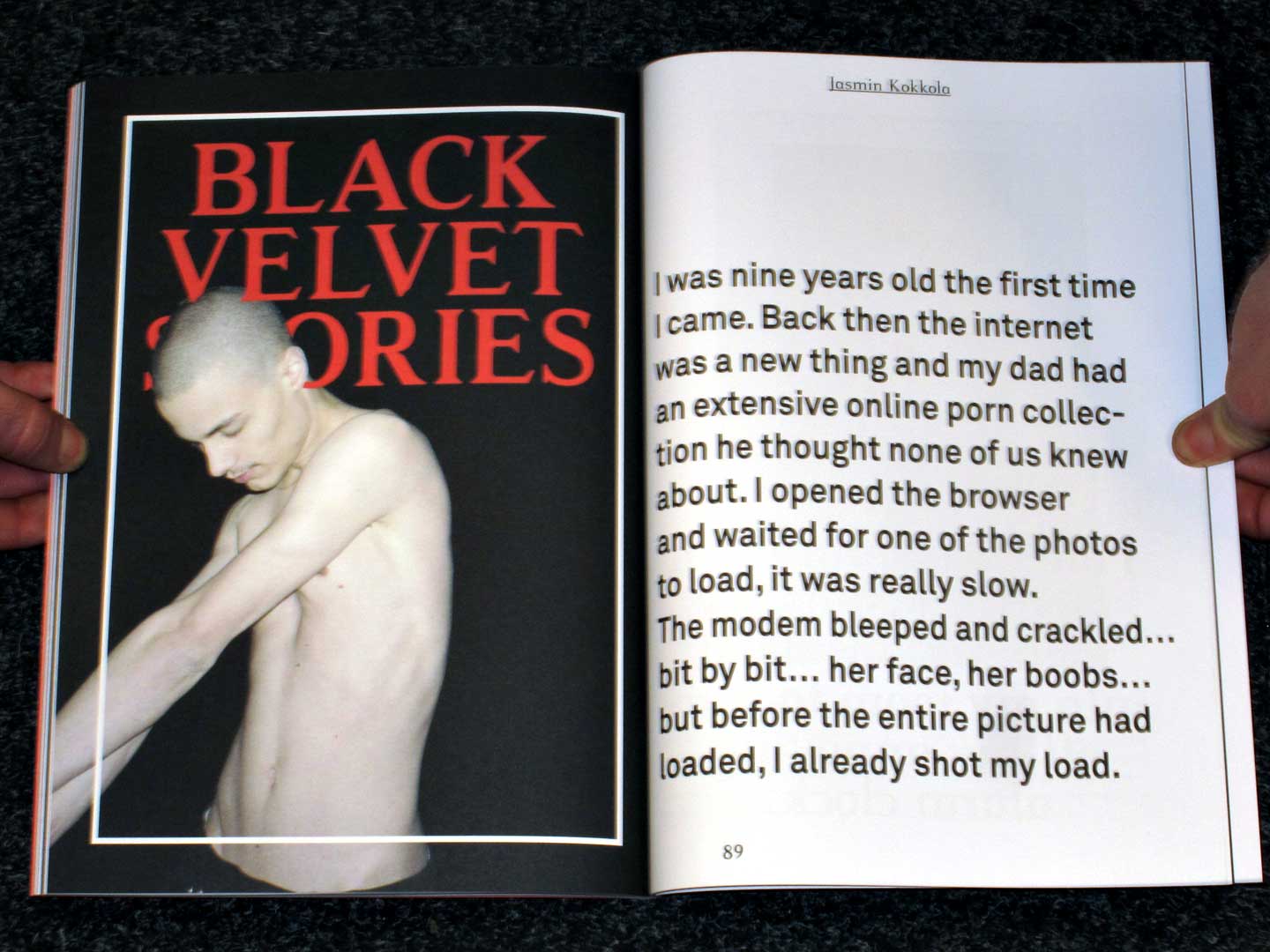
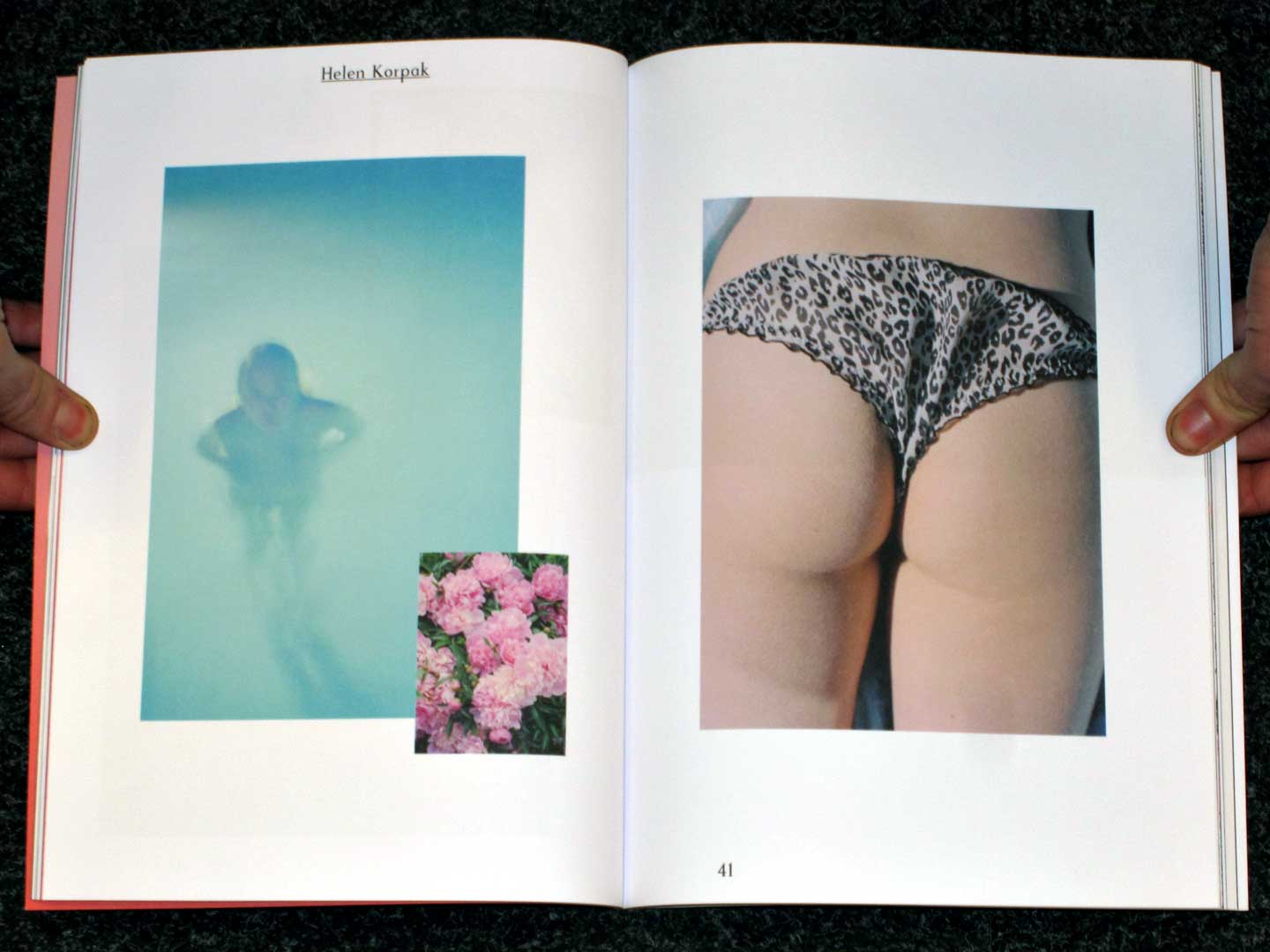
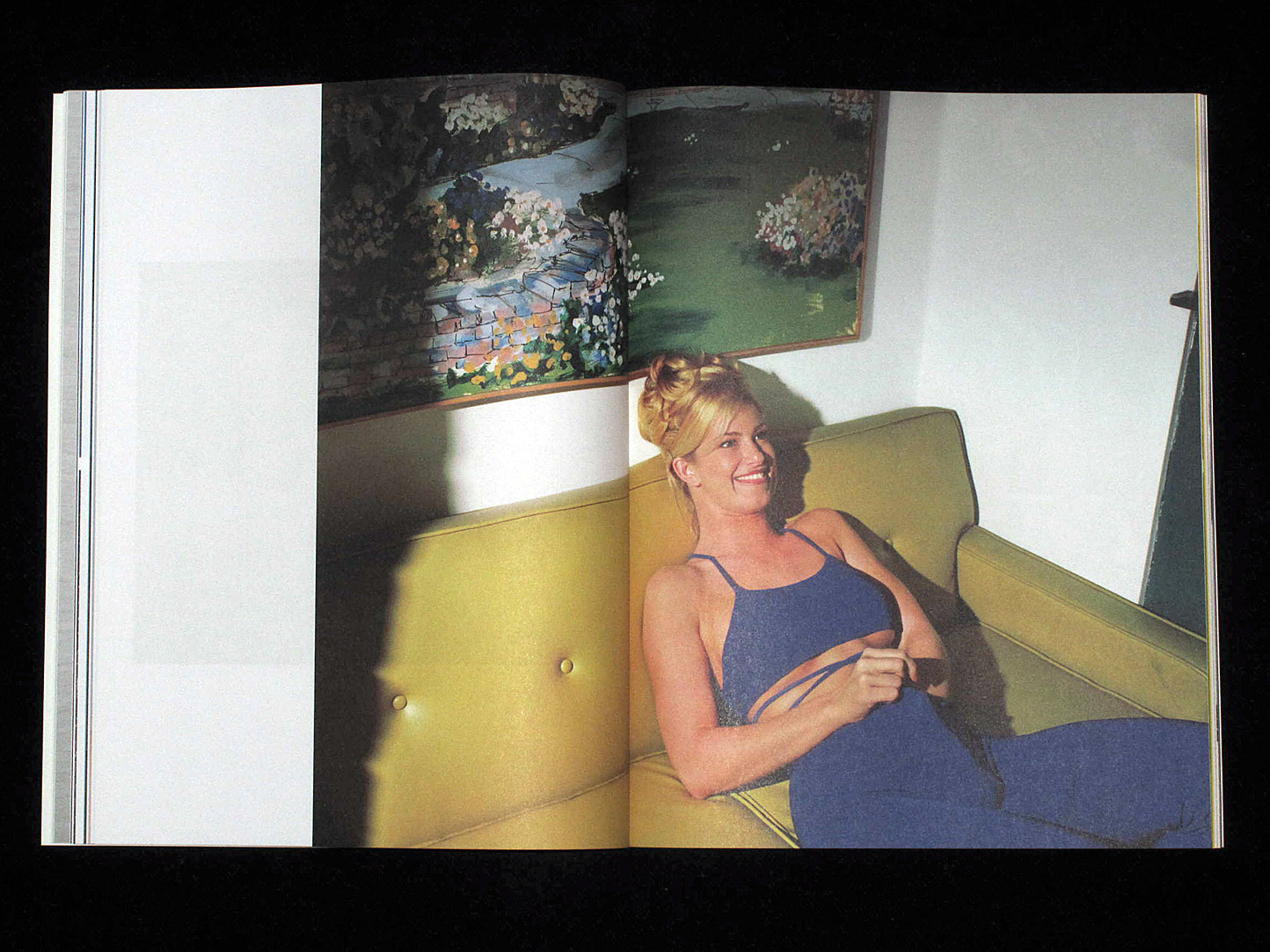
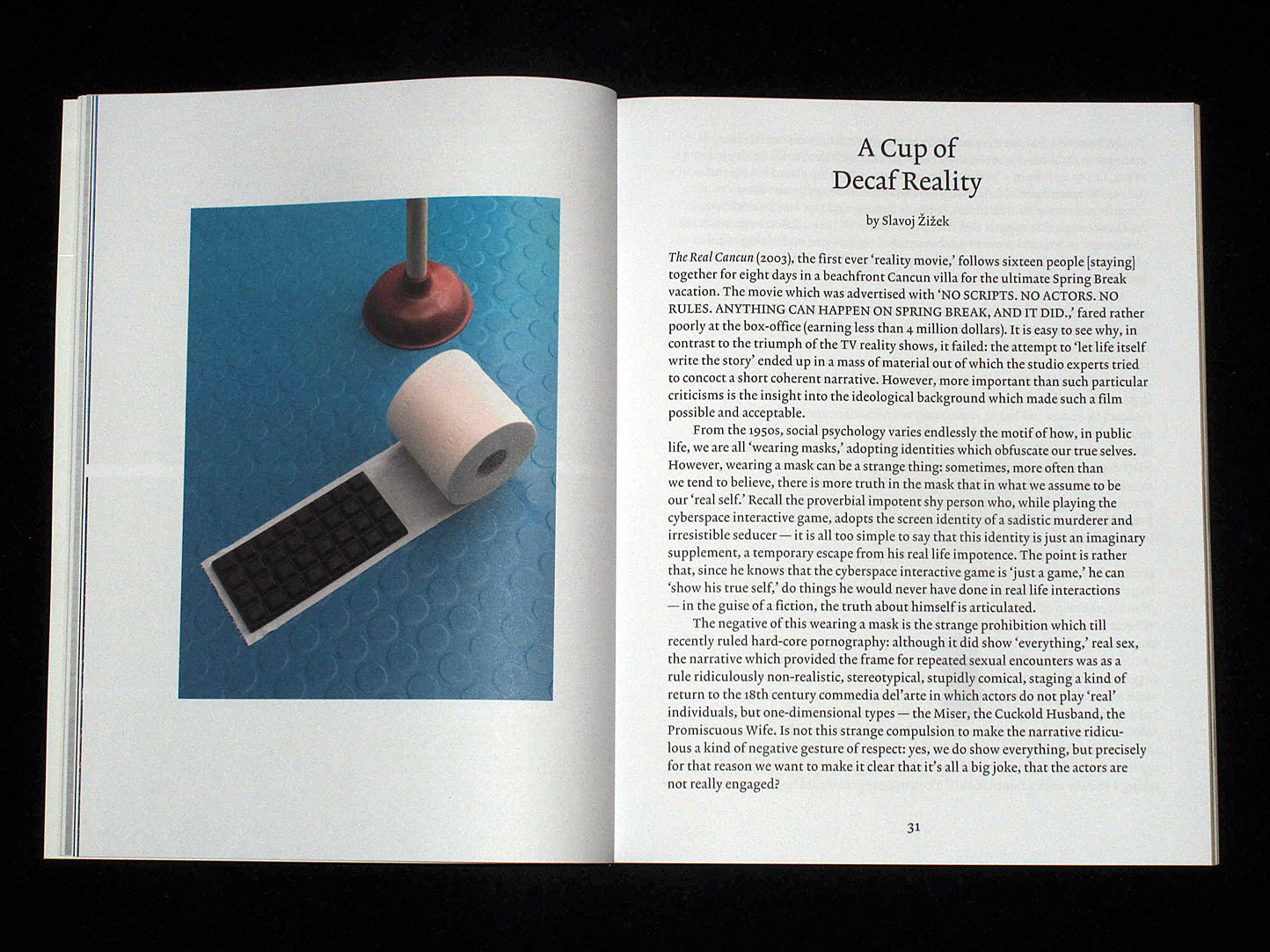
Sova #6 “Desire” takes a glimpse at the apparently essential query of the hedonistic generation – our bawdy cravings, our passionate endeavour and the destructiveness of our devouring needs. Various visual and textual reflections by 16 different photographers, writers and other artists including Anastasia Muna, Anna Crews, Archie Fitzgerald, Eylül Aslan, Florian Reimann, Helen Korpak, J Mauricio Orozco, Jasmin Kokkola, Lena Gallovicova, Marina Richter, Massimiliano Perasso, Nicolas Polli, Nicole Weniger, Ren Hang, Rebecca Brodskis and Slavoj Žižek create an encounter of disparate aspects of desire and investigate the nature of our ambiguous aspirations.
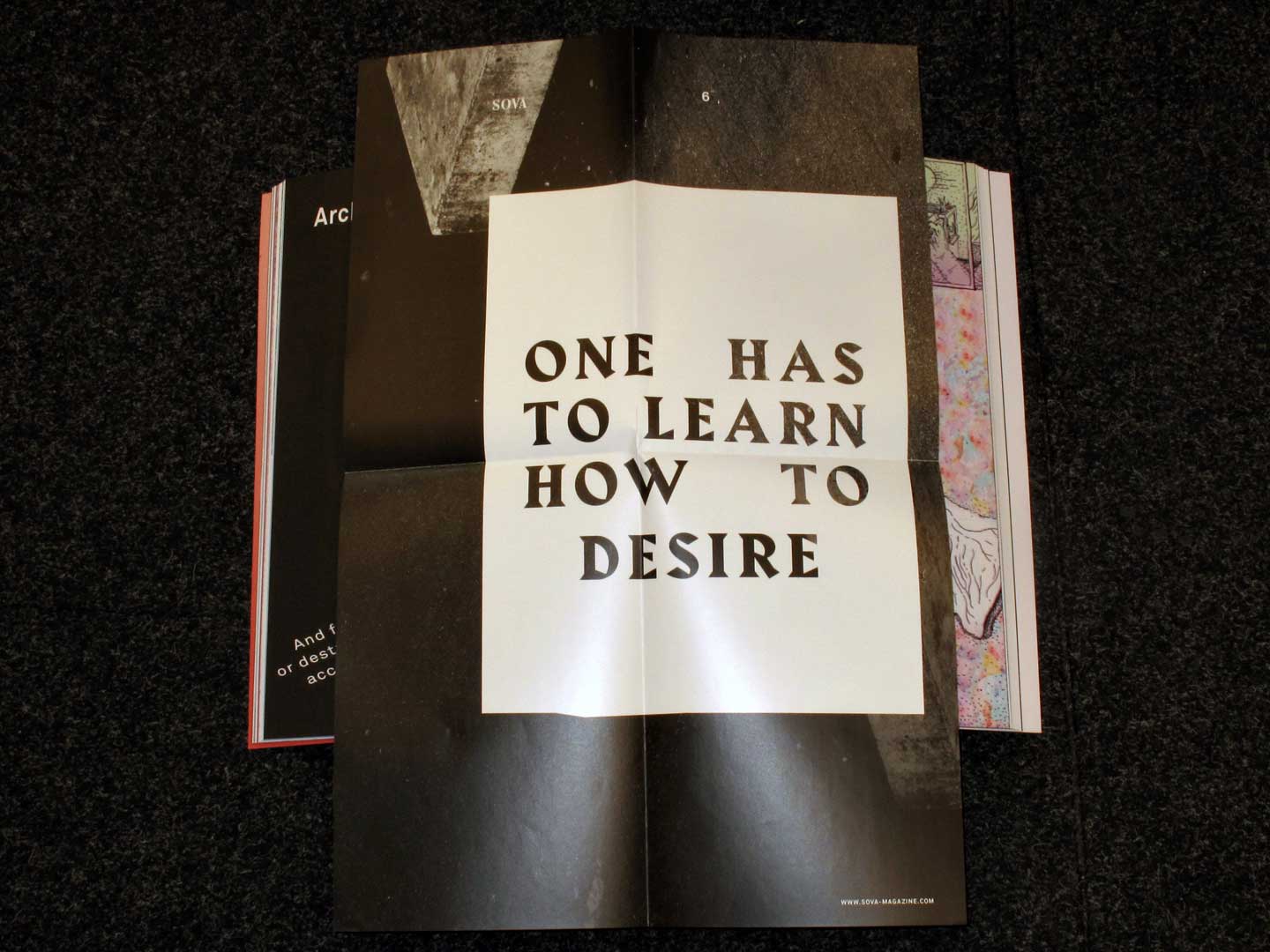
The Sova #6 Artist Poster by Atelier Disko with a quote from Slavoj Žižek. Comes with every freshly printed copy.
€14.00
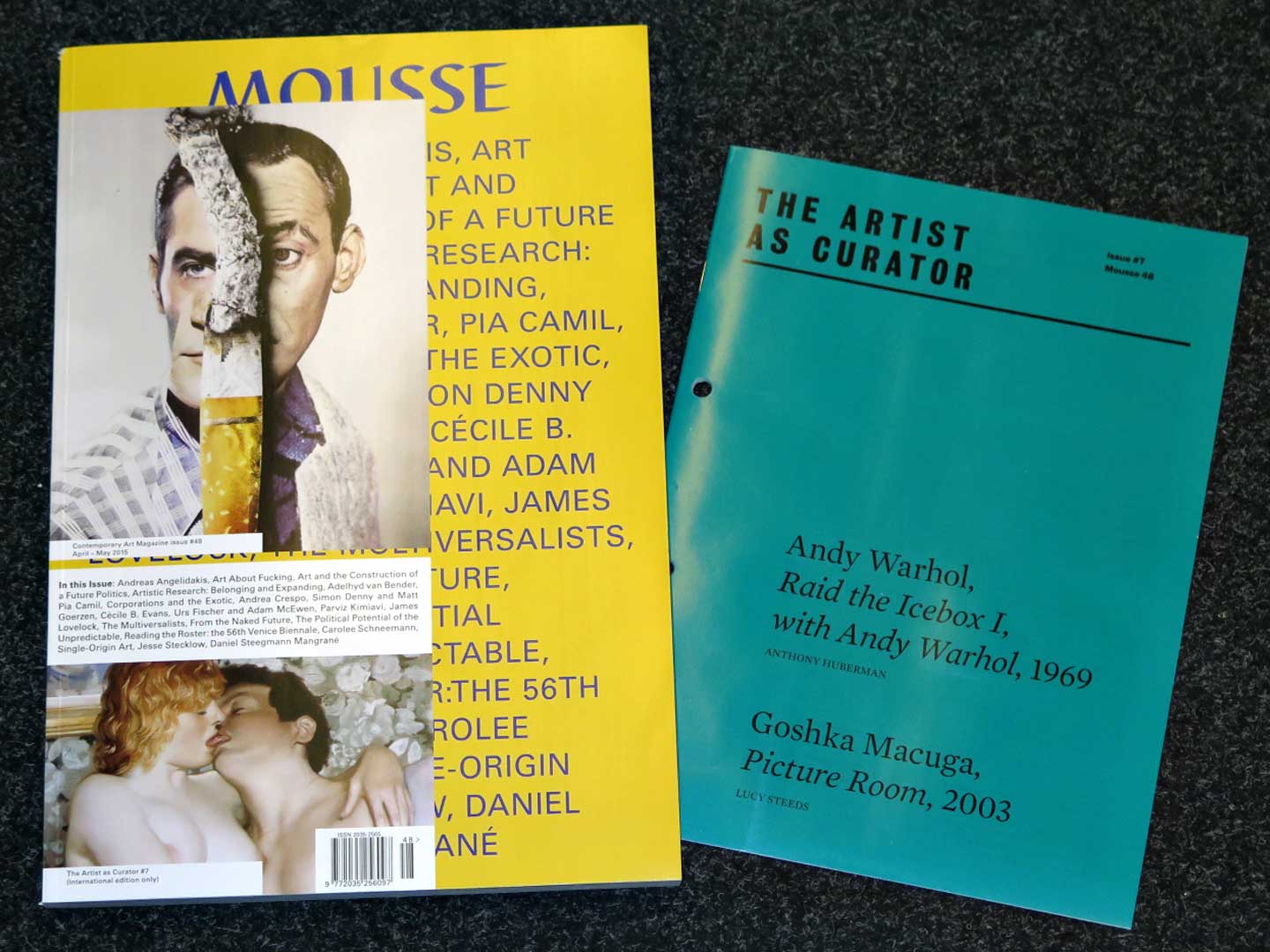
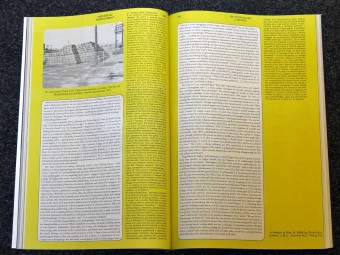
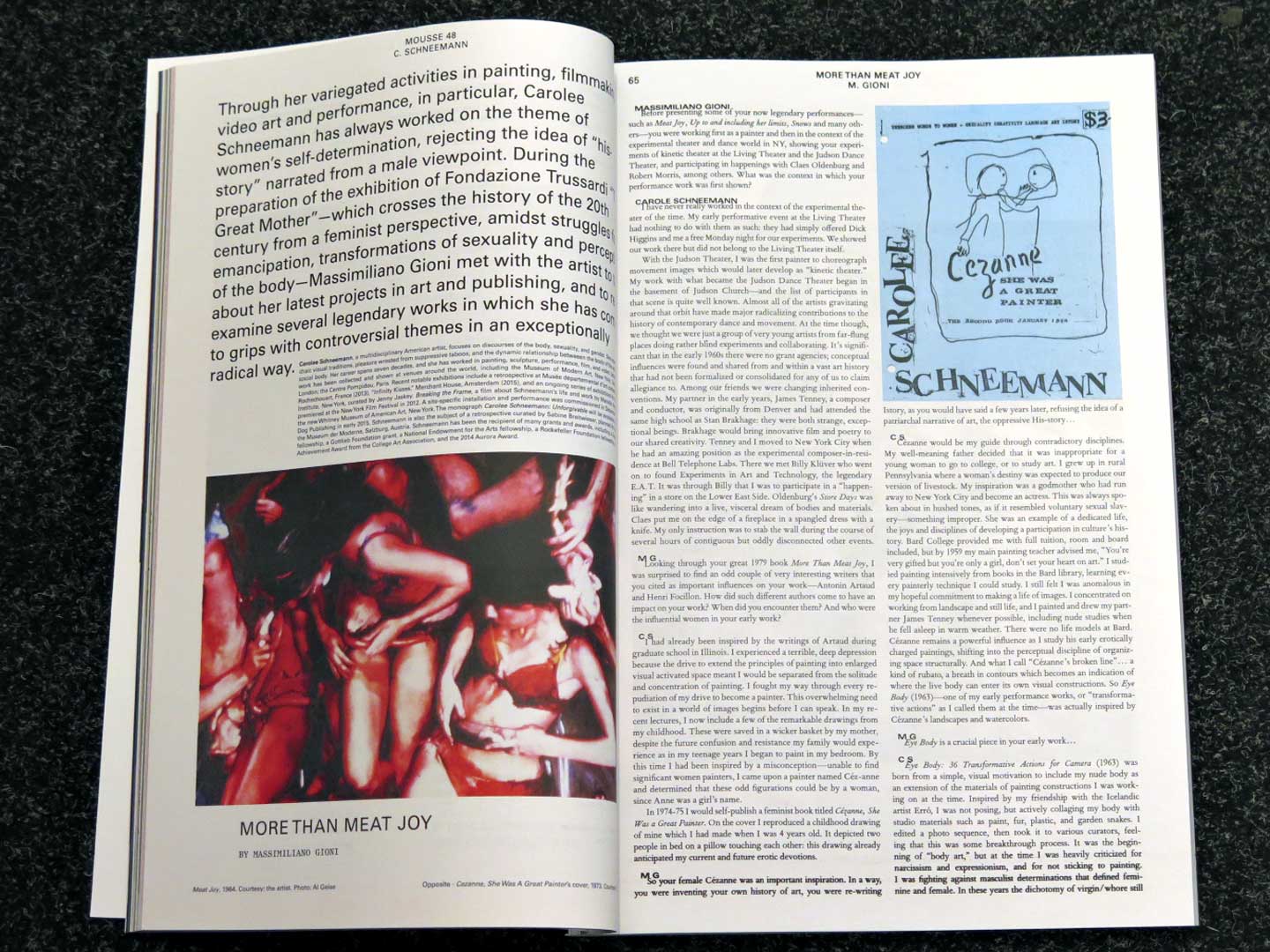
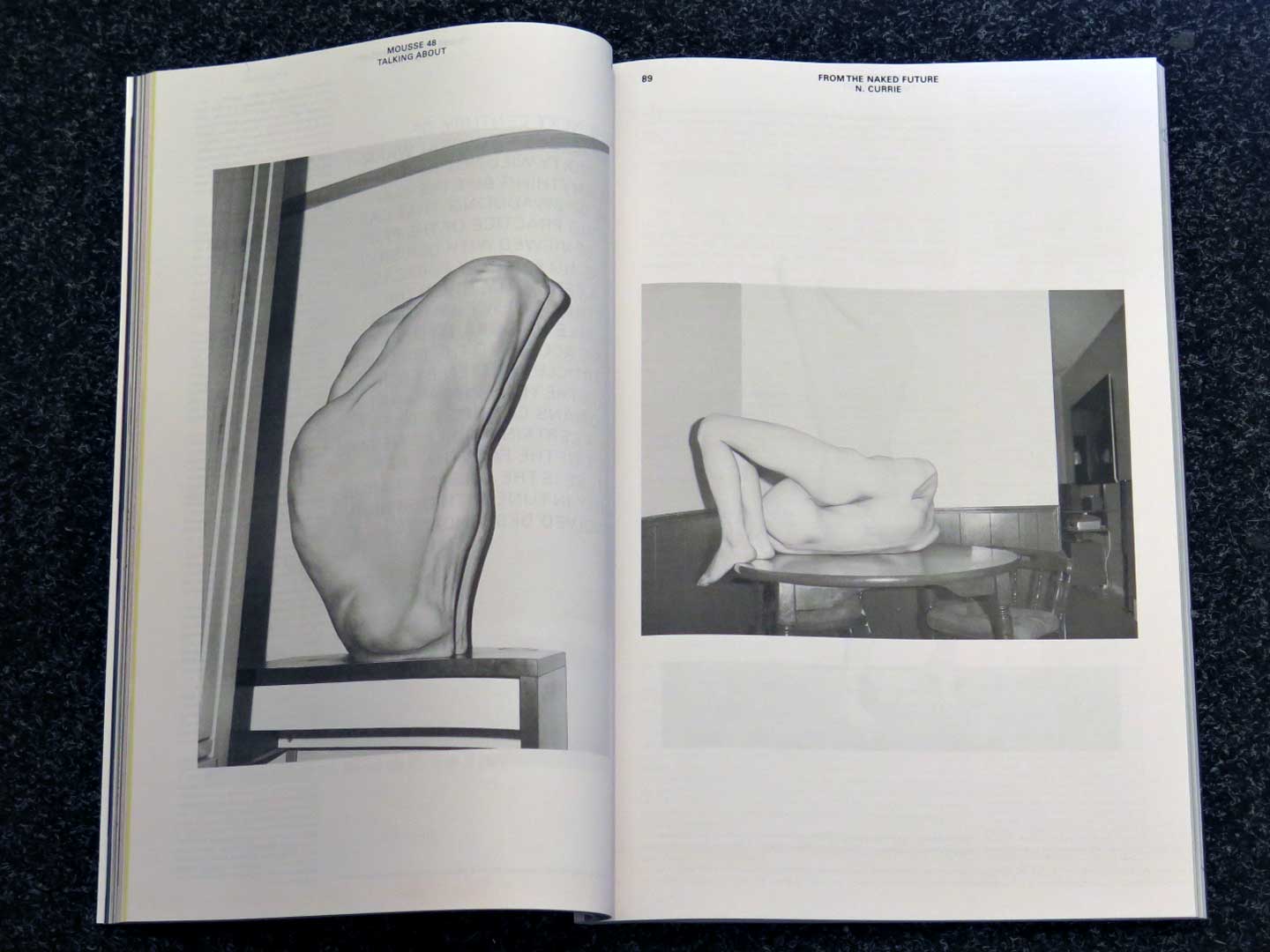
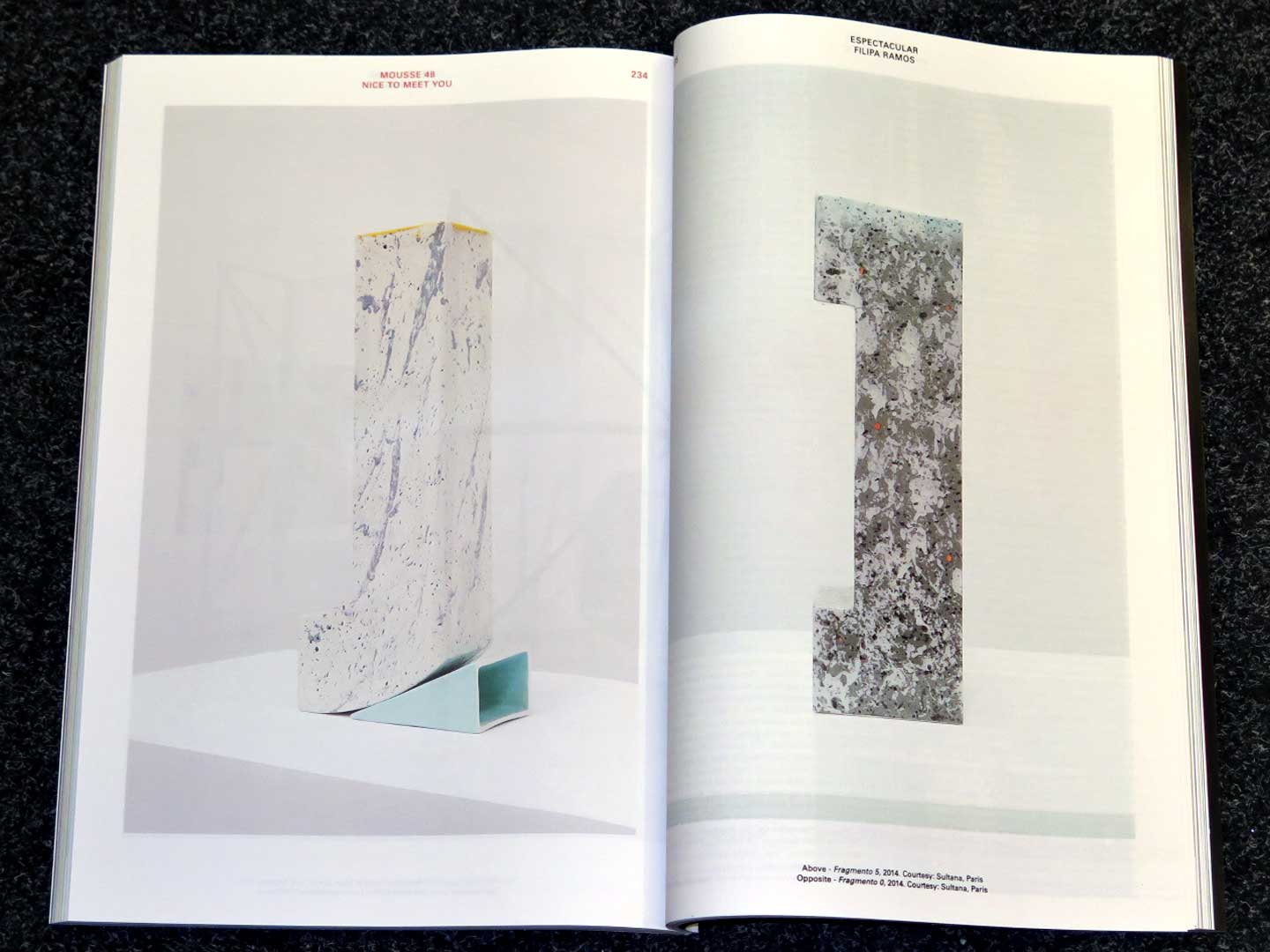

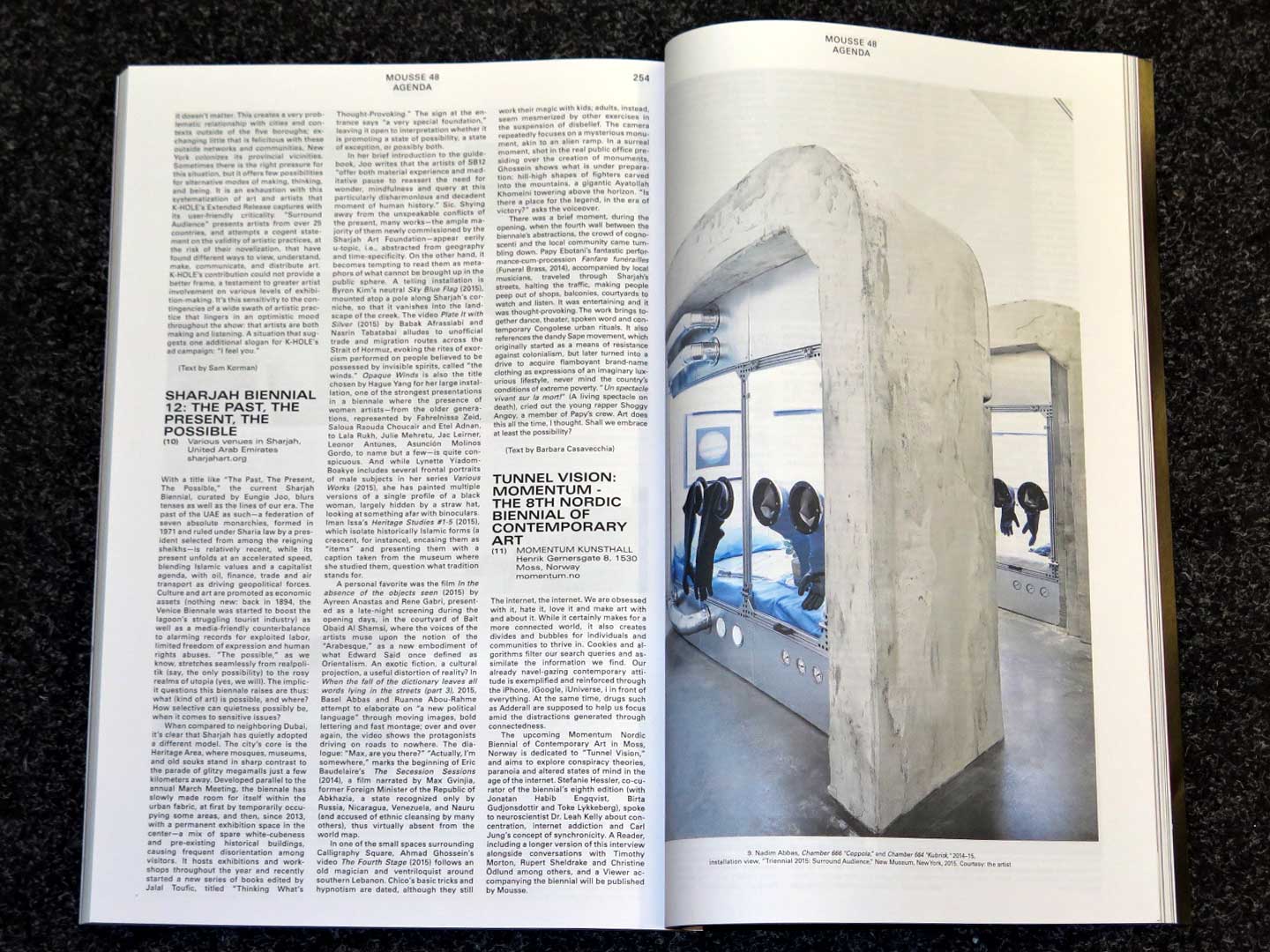
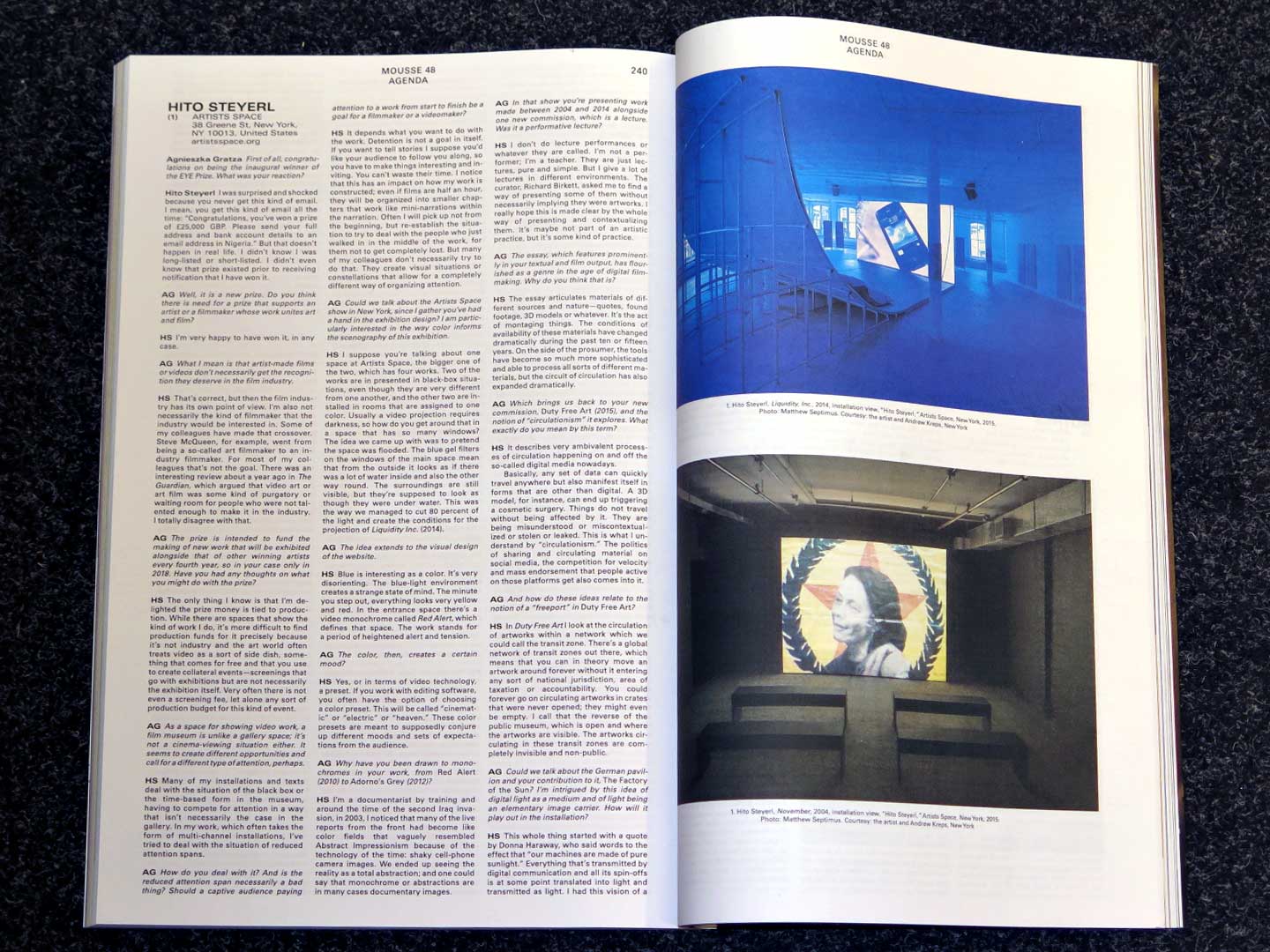
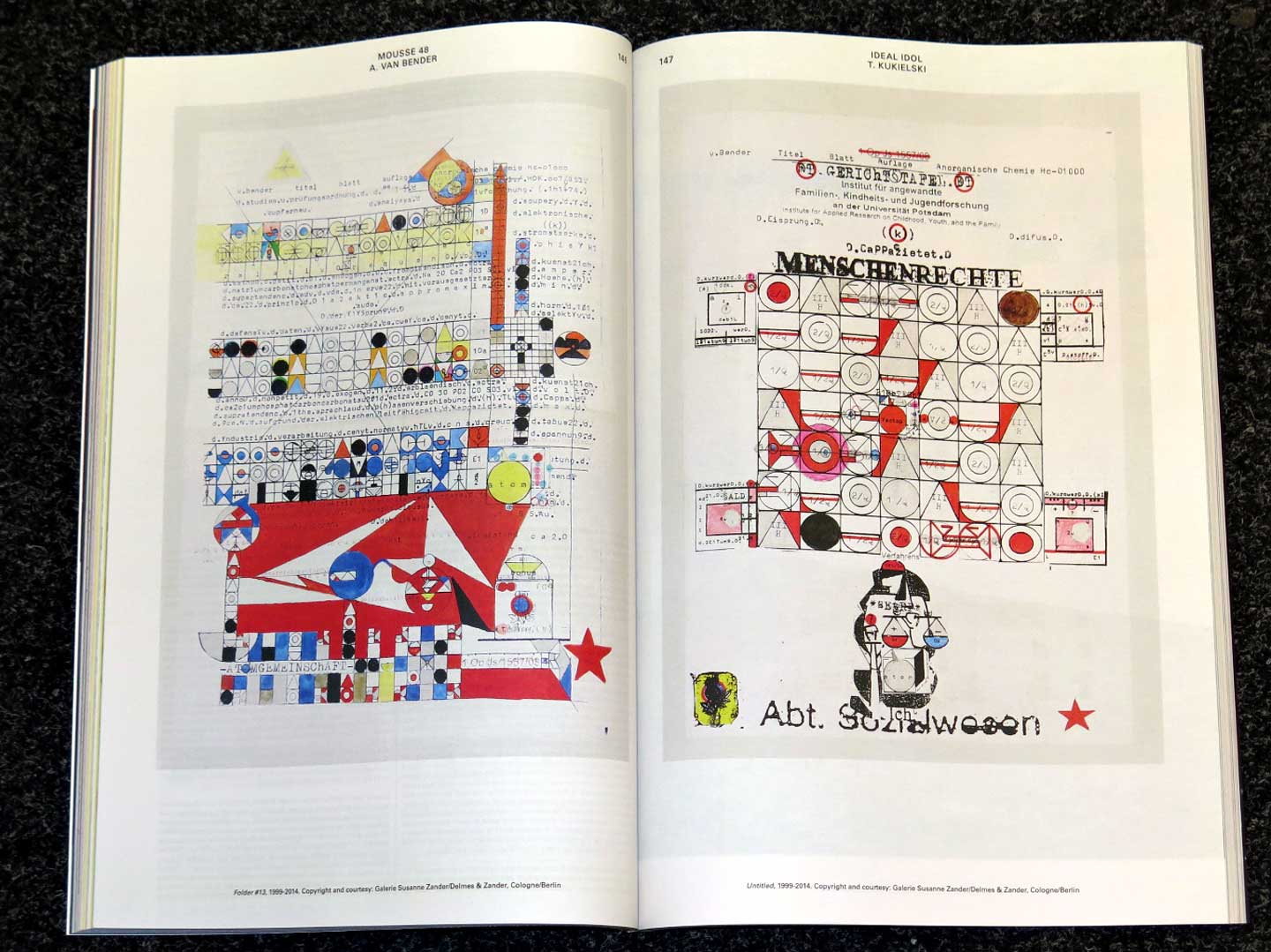
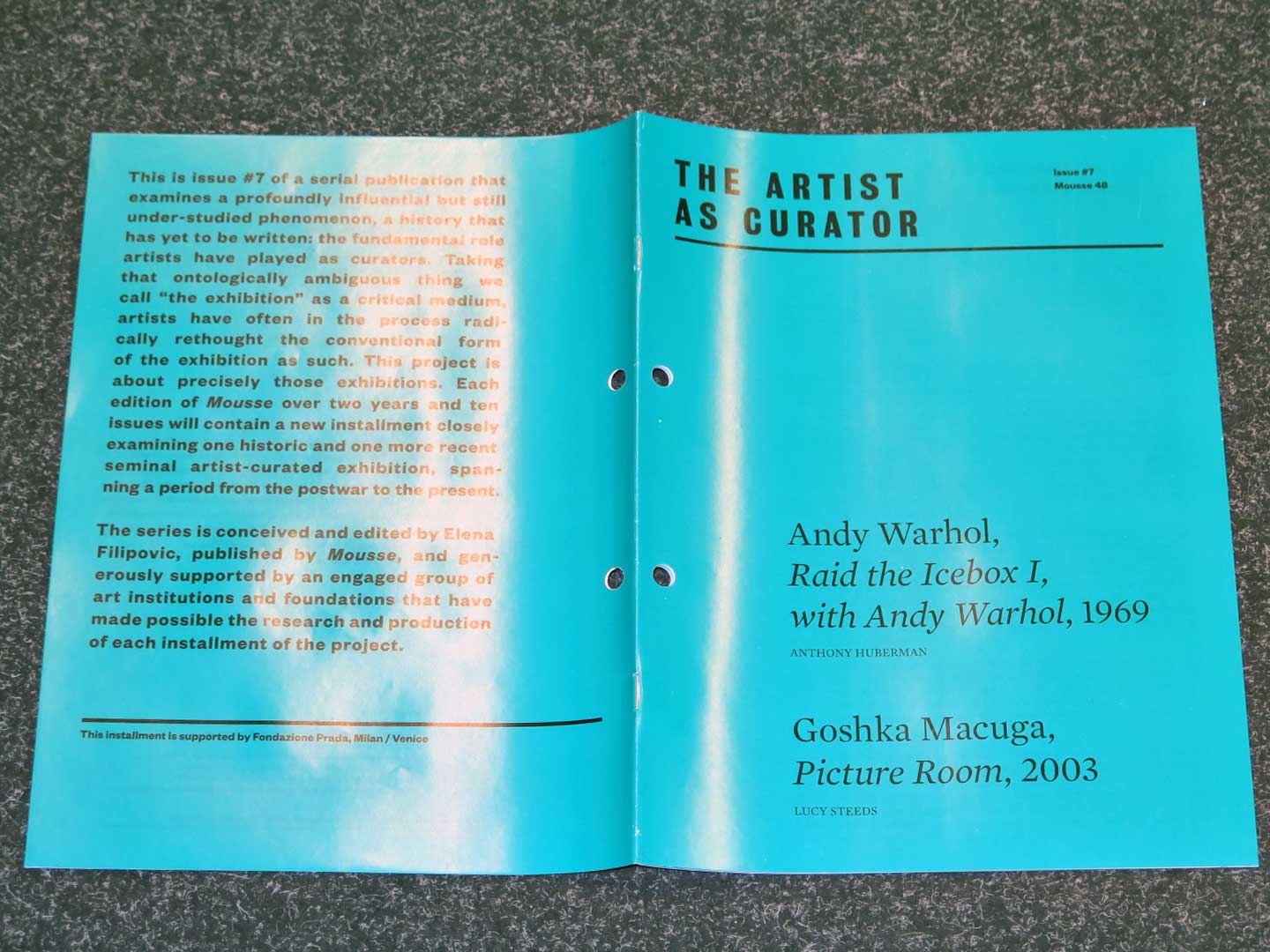
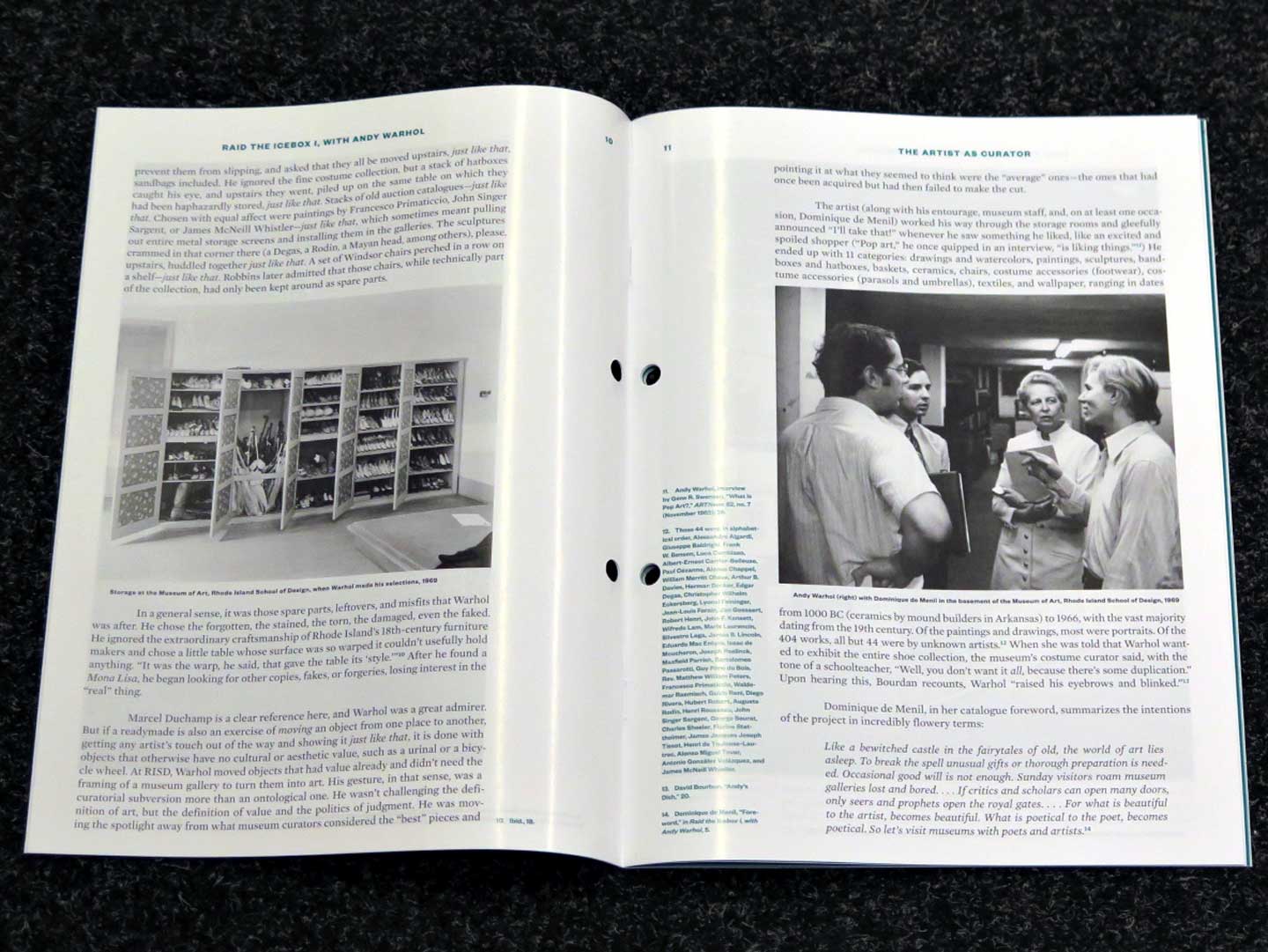
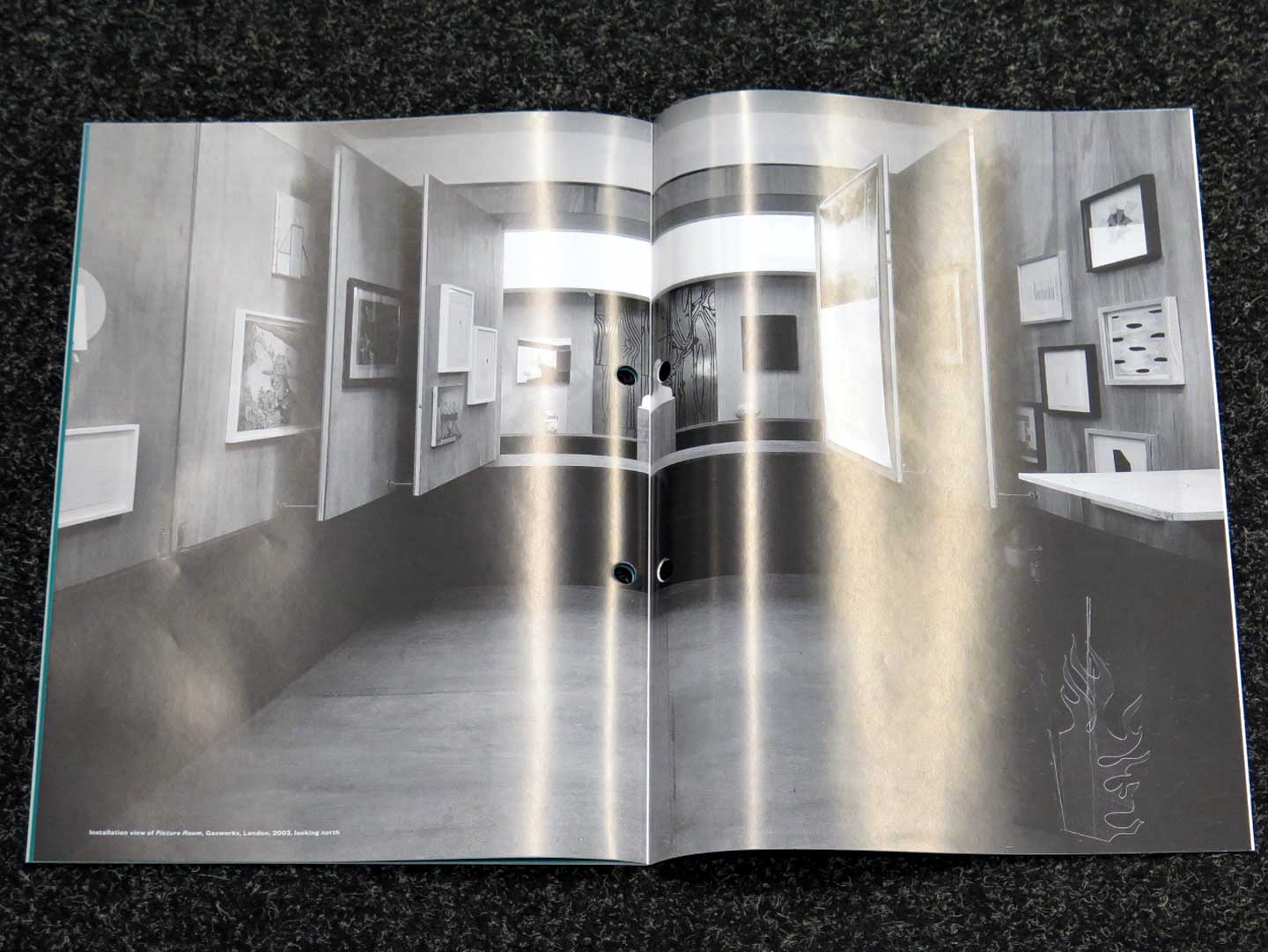
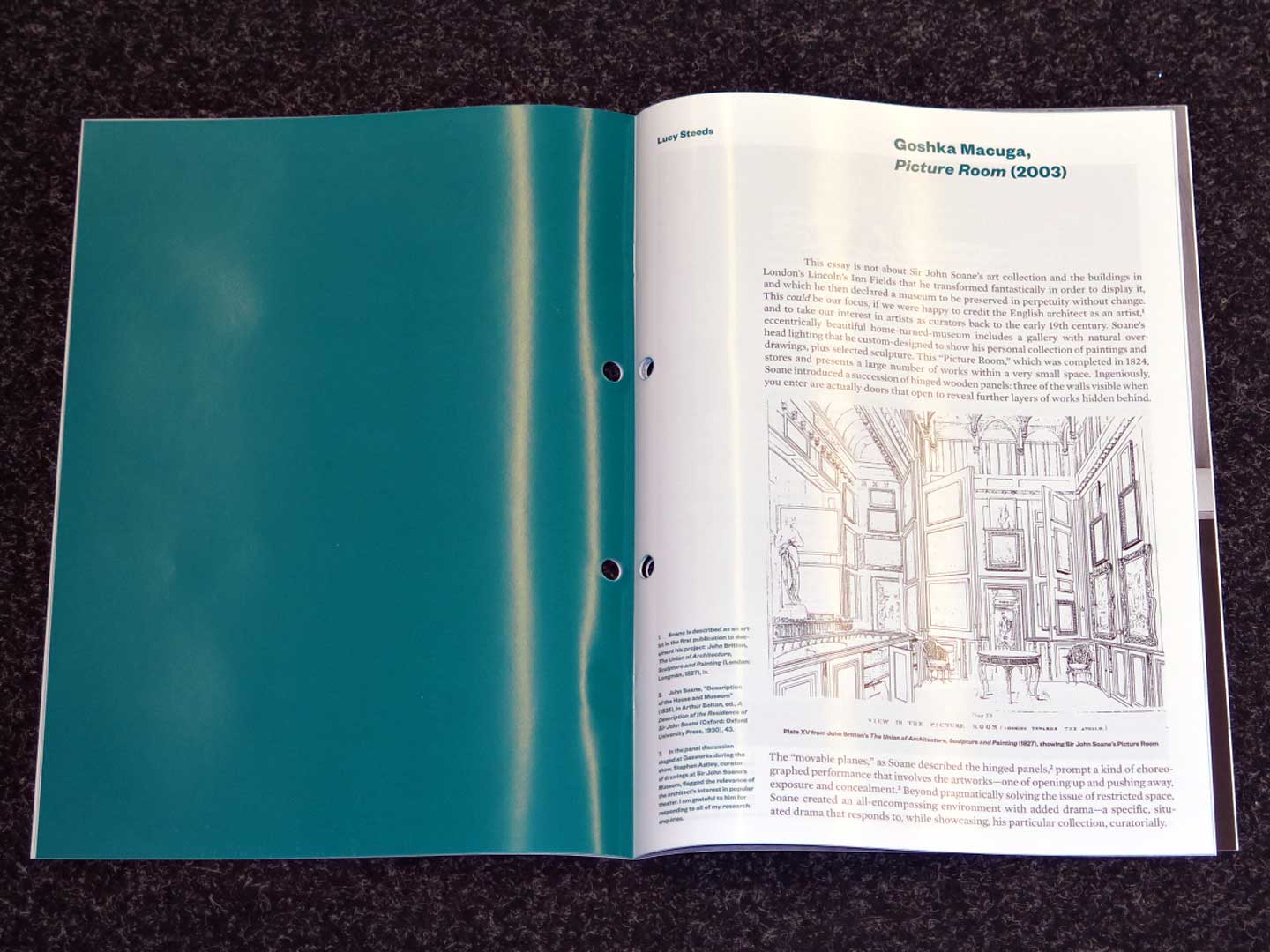
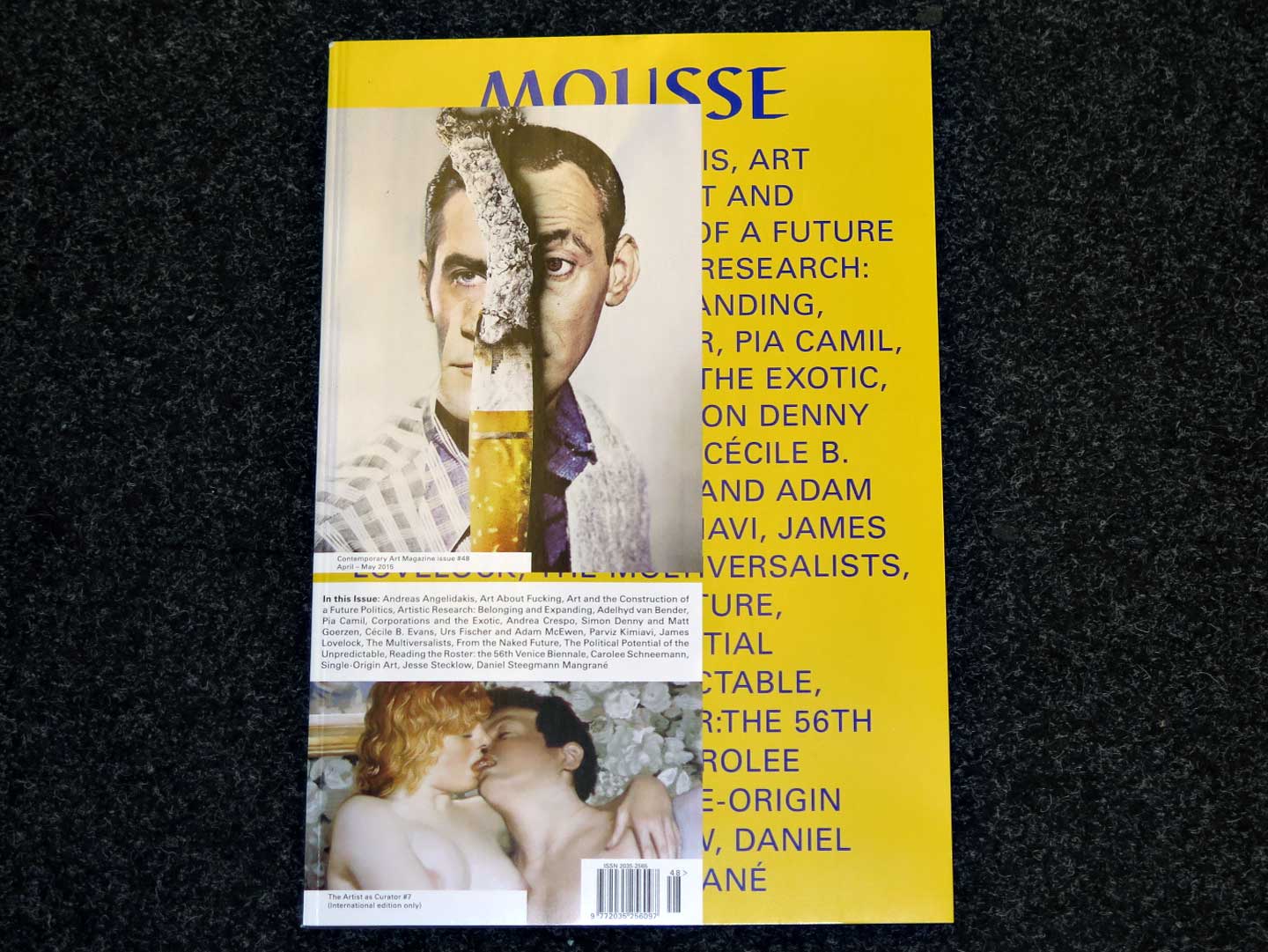
Mousse #48 includes:
The Artist as Curator
Issue #7 an insert in Mousse Magazine #48
(Available in the international edition and for subscription only)
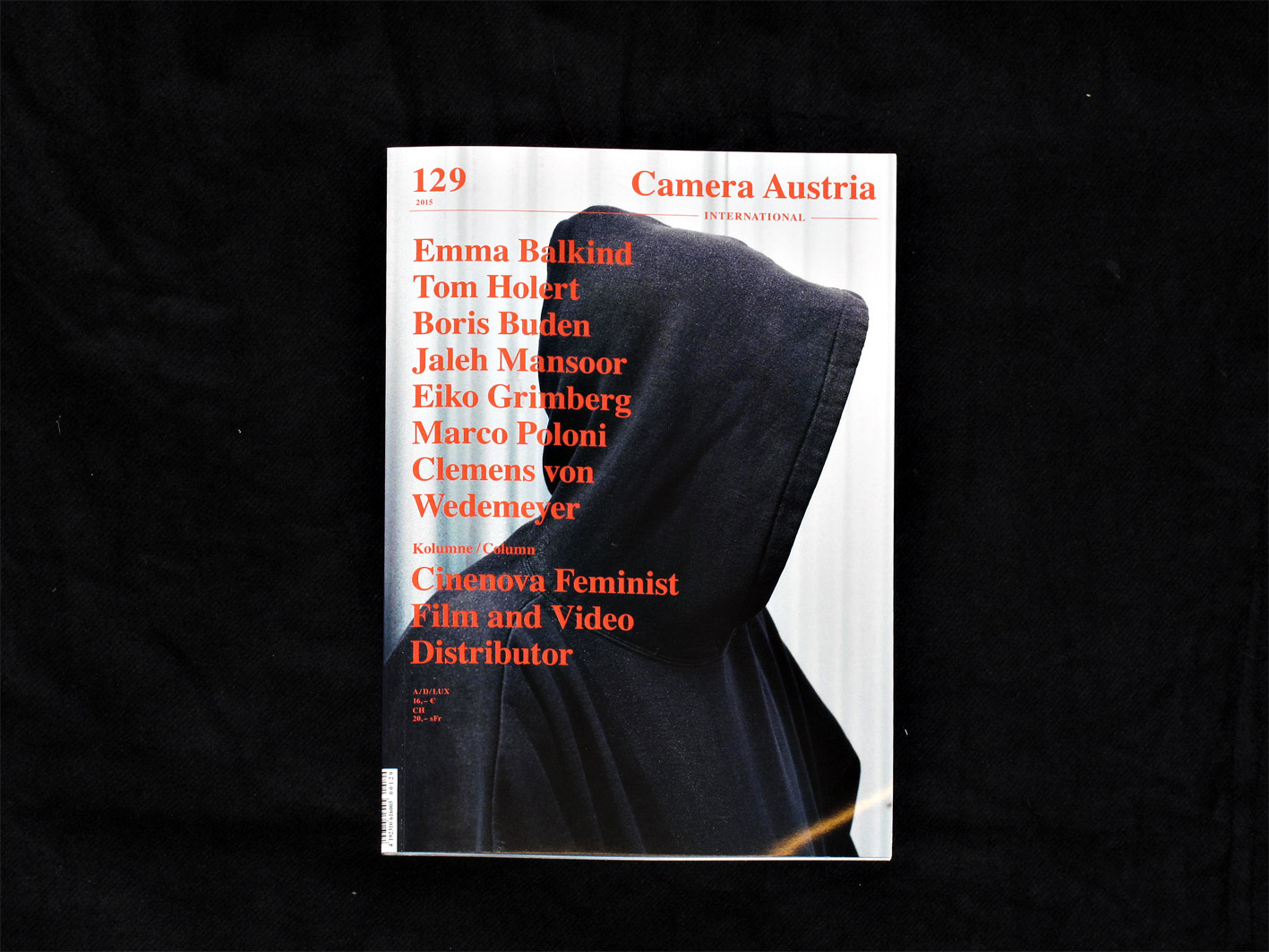
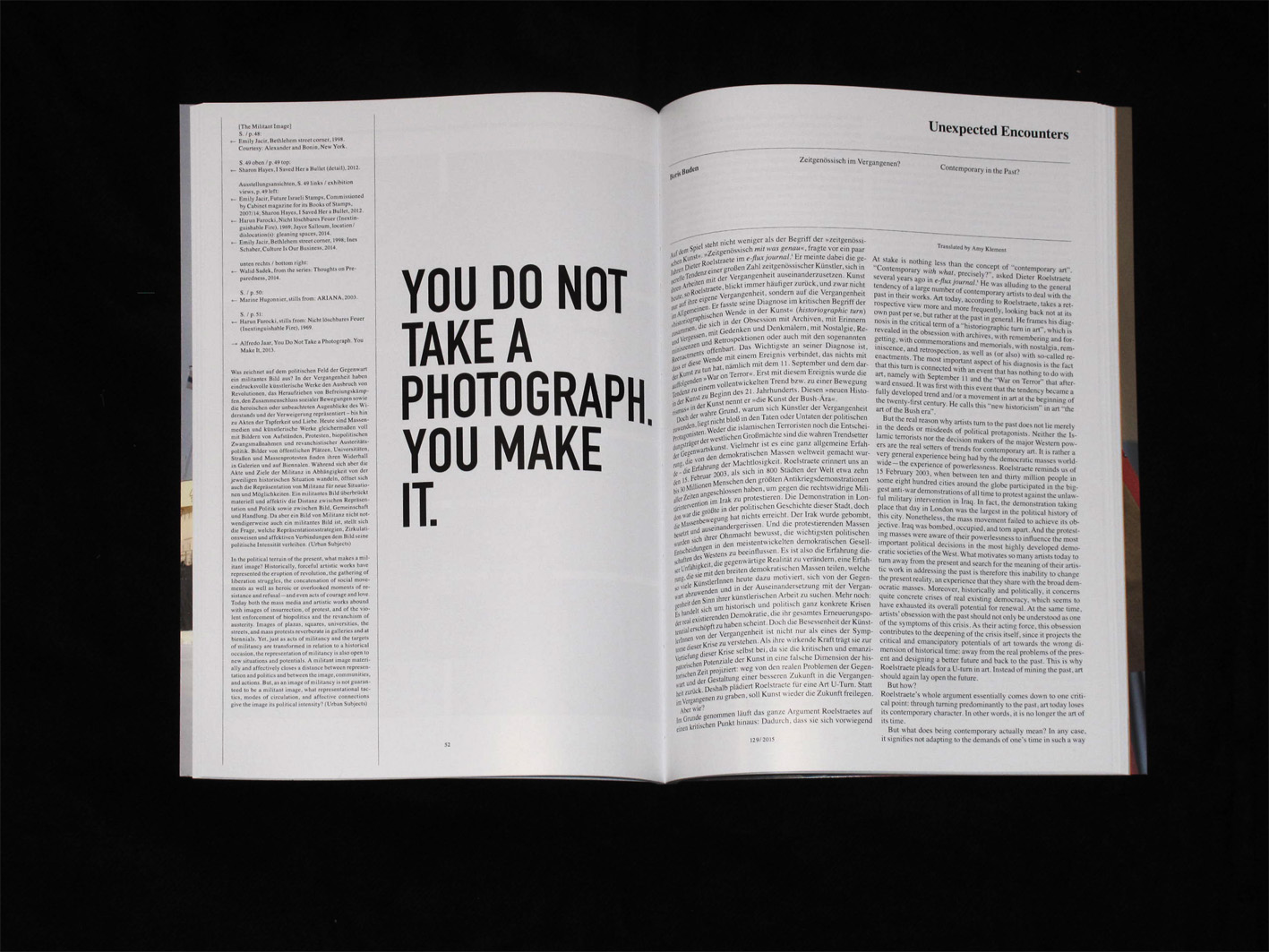

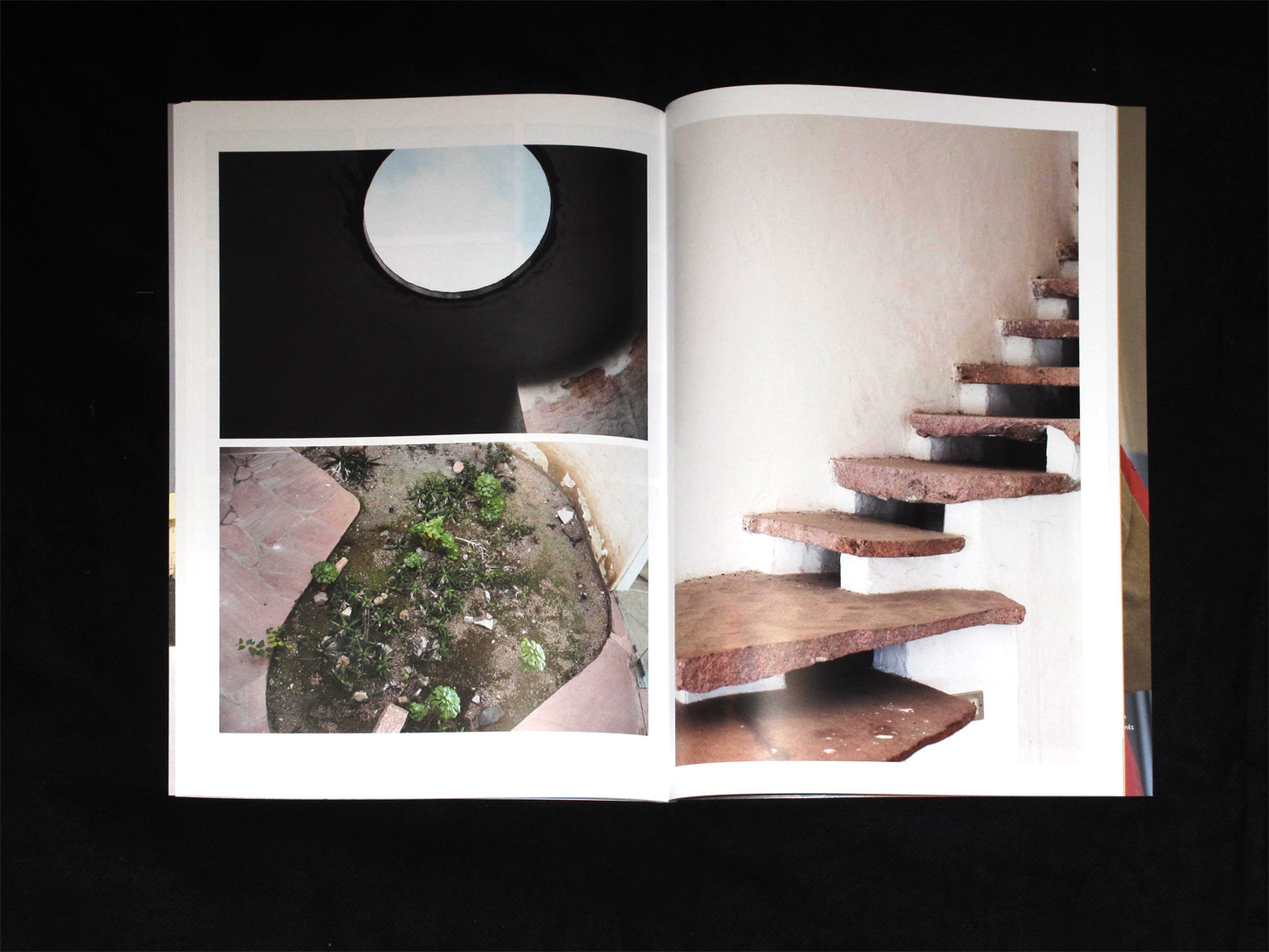
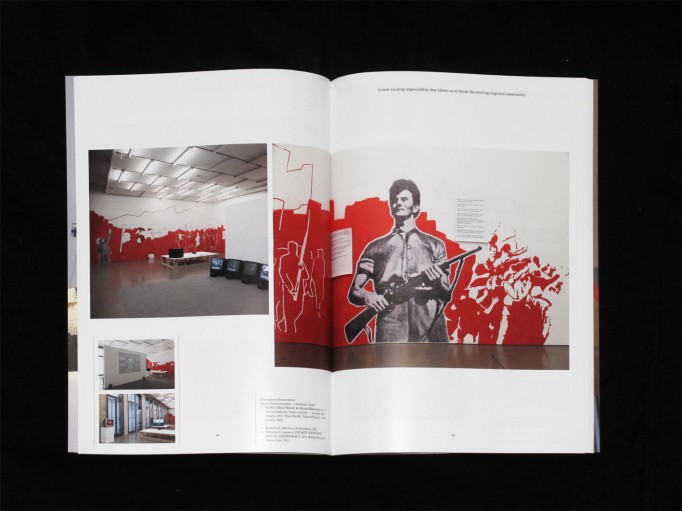
Camera Austria #129.
Contributors include Emma Balkind, Tom Holert, Boris Buden, Jaleh Mansoor, Eiko Grimberg, Marco Poloni, Clemens von Wedemeyer.
Language: English / German
Pages: 112
Size: 30 x 21 cm
Binding: Softcover
Price: €16.00
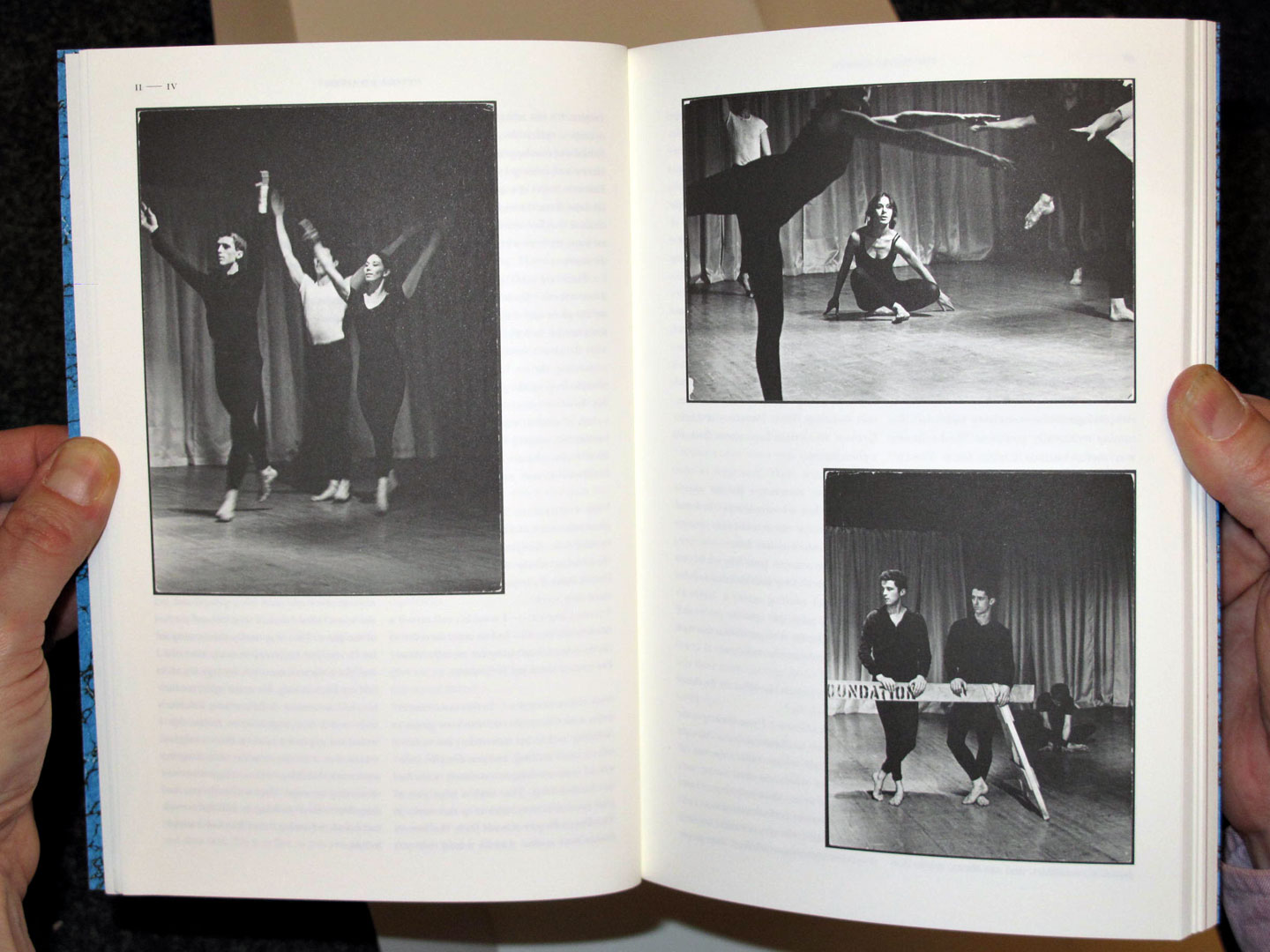
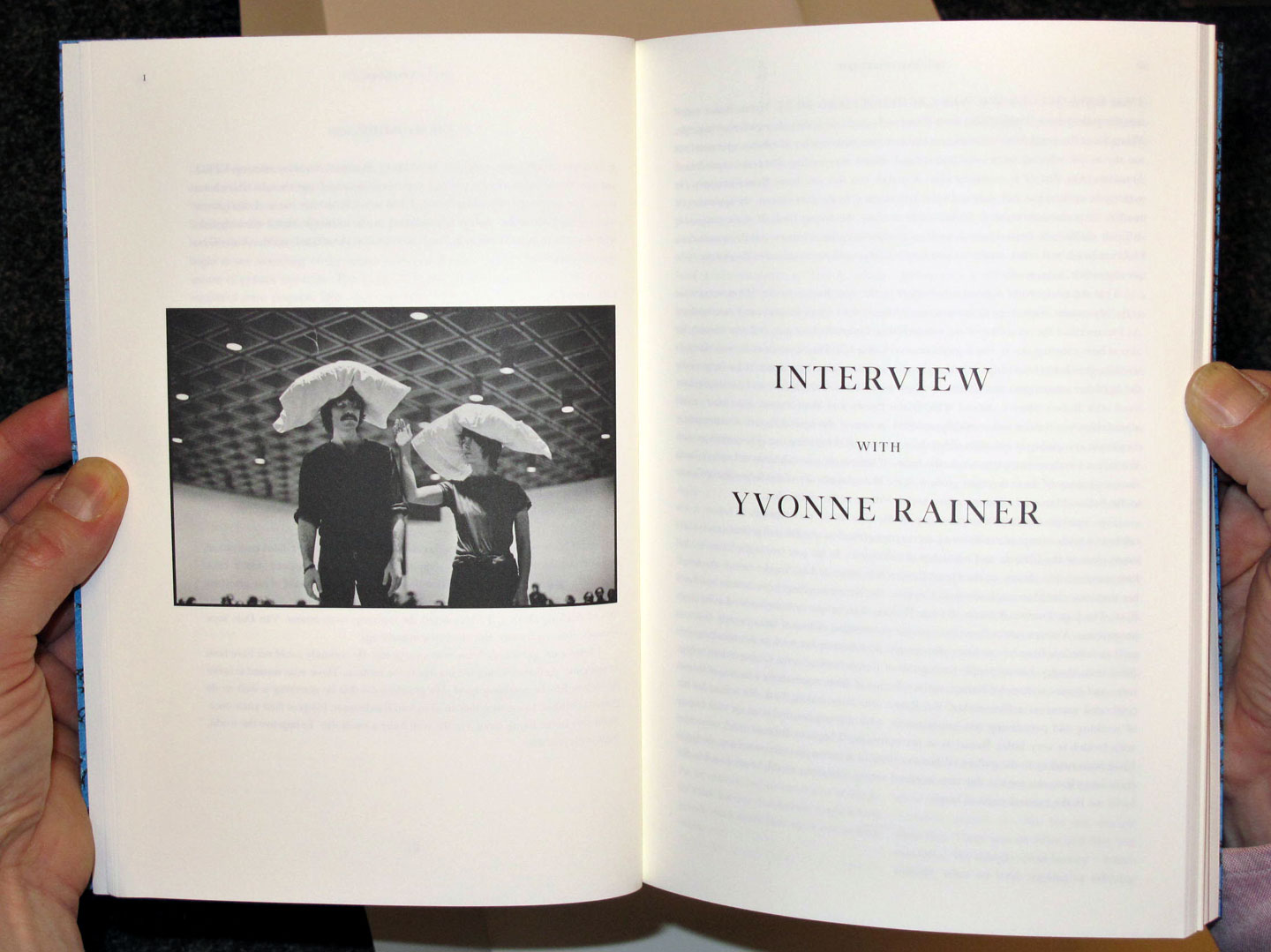
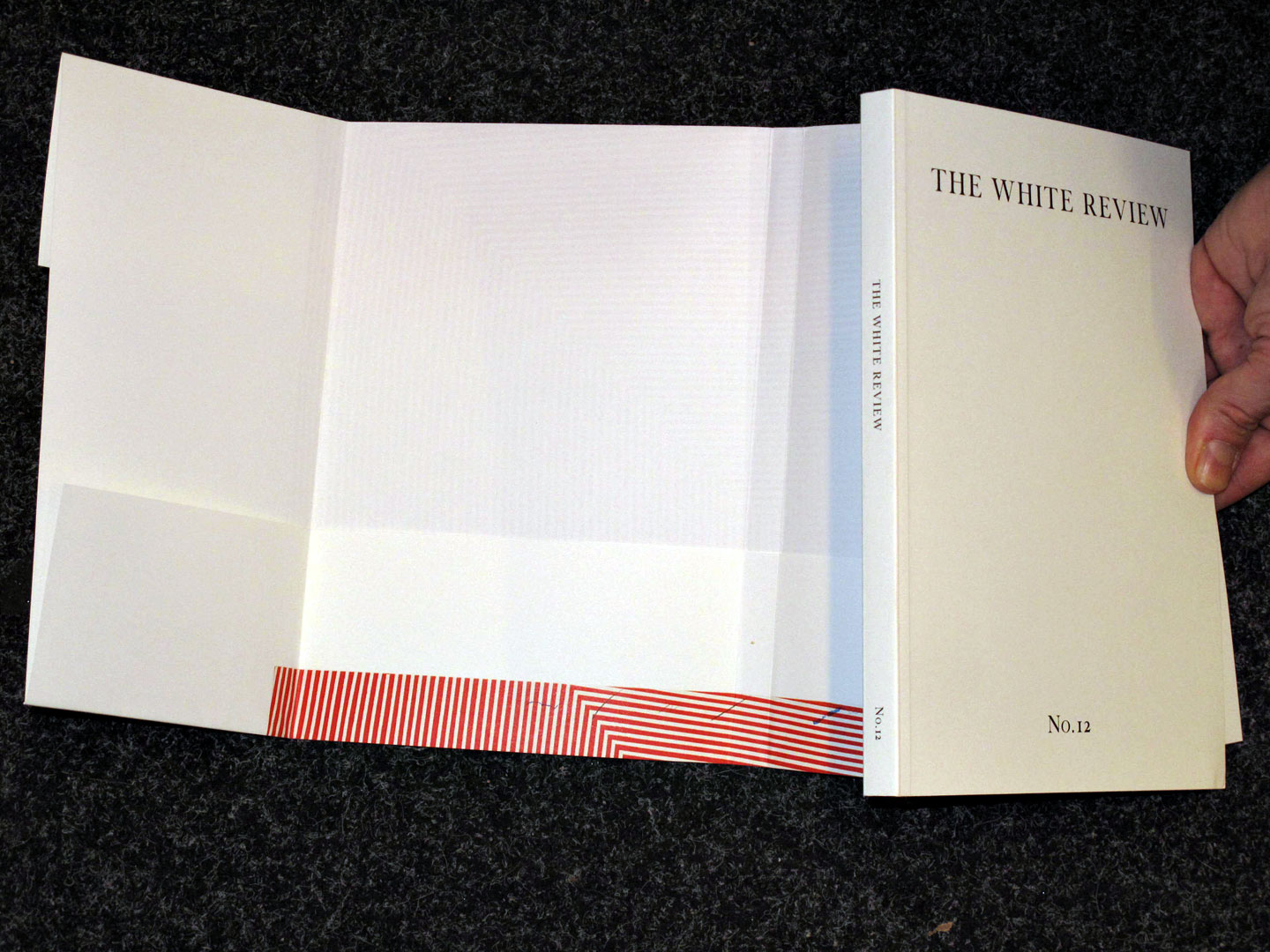
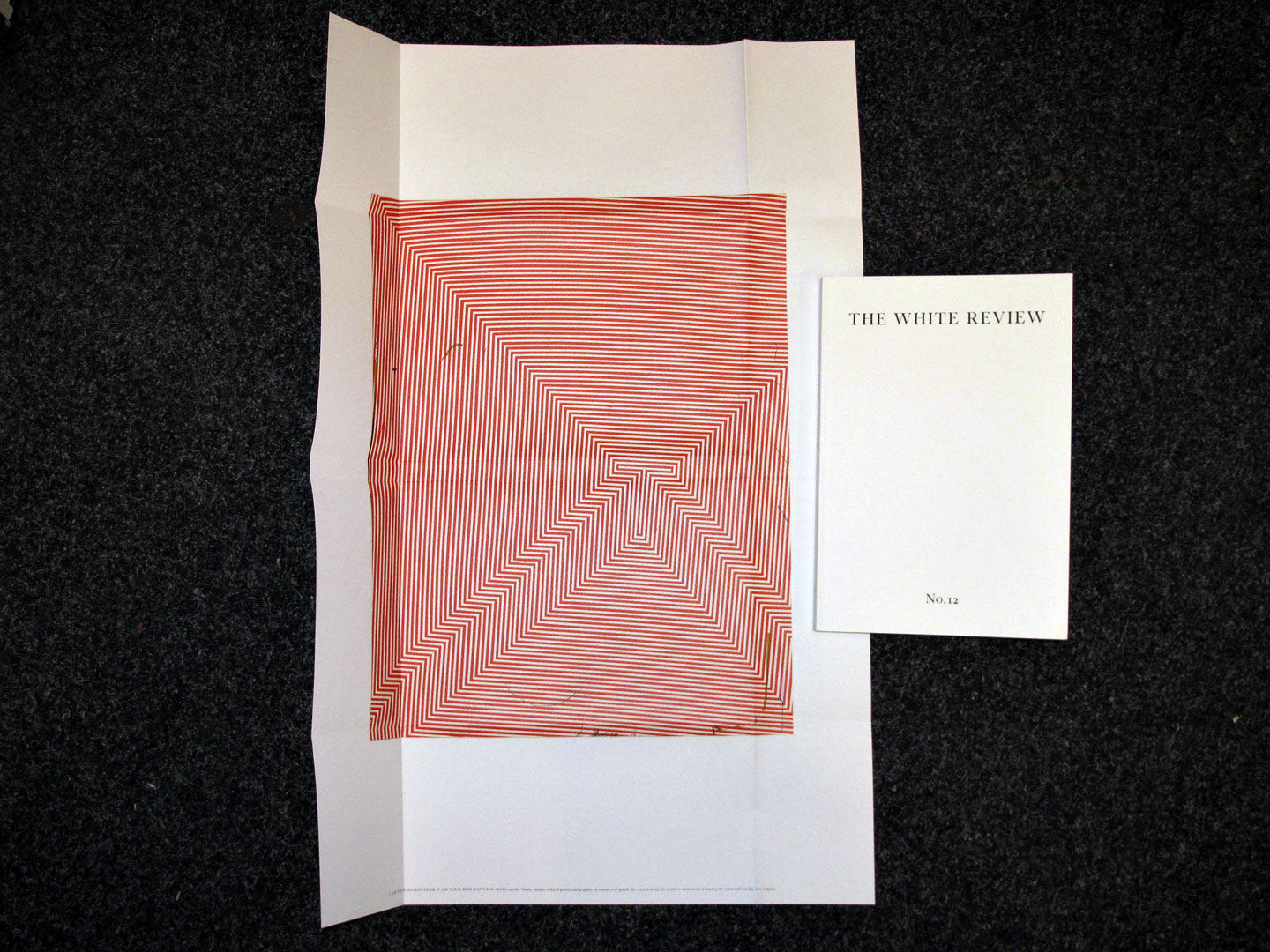
The White Review No. 12 features interviews with choreographer Yvonne Rainer and novelist/artist Douglas Coupland. The incomparable Lydia Davis translates the ‘zeer korte verhalen’ (‘very short stories’) of Dutch writer A. L. Snijders; Mexican author Álvaro Enrigue gives us the story of a samurai in sixteenth-century Acapulco; Natasha Soobramanien & Luke Williams present the first installment of their collaborative novel; and Mark von Schlegell envisages a time travel bureau that pilfers plot lines from a paranoid writer popular with ‘the European crowd’.
Johanna Drucker rails against the impotence of contemporary art’s critical establishment and the failure of critique (citing counterexamples including Marcia Hafif, whose work is reproduced on a pull out card); elsewhere Owen Hatherley compares urbanism in Hamburg to the parlous state of British town planning. Caleb Klaces contributes a long, looping poem and we publish a series by New York-based poet Lonely Christopher. We are pleased to include series by British photographer Clare Strand and Dutch artist Parra. Our guest foreword is courtesy of George Szirtes, while the cover comes from Andrew Brischler.
ISSUE CONTENTS
Features
Foreword: A Pound of Flesh
George Szirtes
Fiction
Eight Stories
A. L. Snijders (tr. Lydia Davis)
Interviews
Interview with Yvonne Rainer
Orit Gat
Poetry
Genit
Caleb Klaces
Essay
Social and Democratic/Free and Hanseatic
Owen Hatherley
Fiction
A Samurai Watches the Sun Rise in Acapulco
Álvaro Enrigue (tr. Rahul Bery)
Art
Rags (1986-2014)
Clare Strand
Art
After After
Johanna Drucker
Fiction
Debt
Natasha Soobramanien & Luke Williams
Art
Parra!
Parra
Interviews
Interview with Douglas Coupland
Tom Overton
Poetry
From ‘In A January Would’
Lonely Christopher
Fiction
Return to Sender
Mark von Schlegell
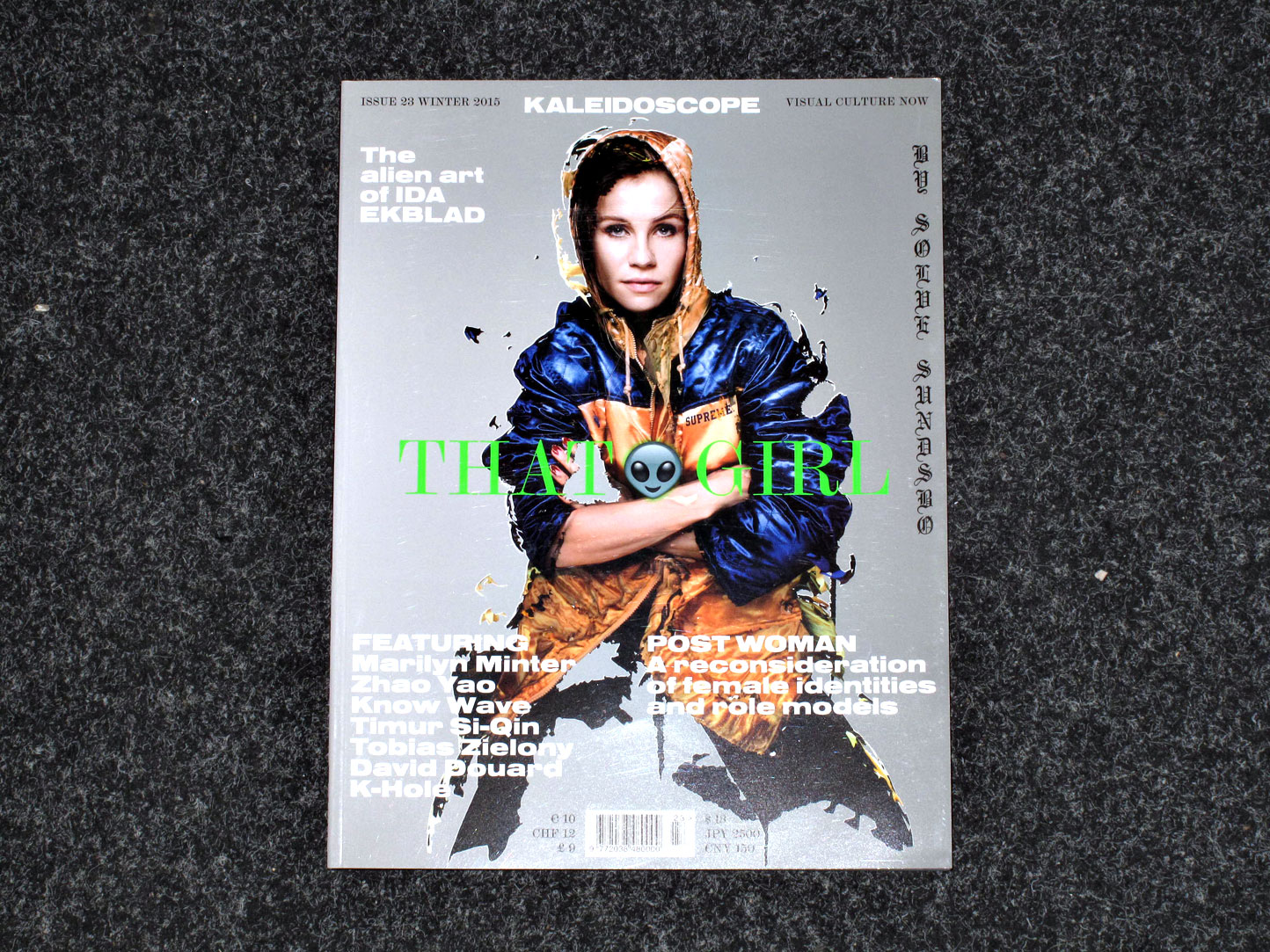
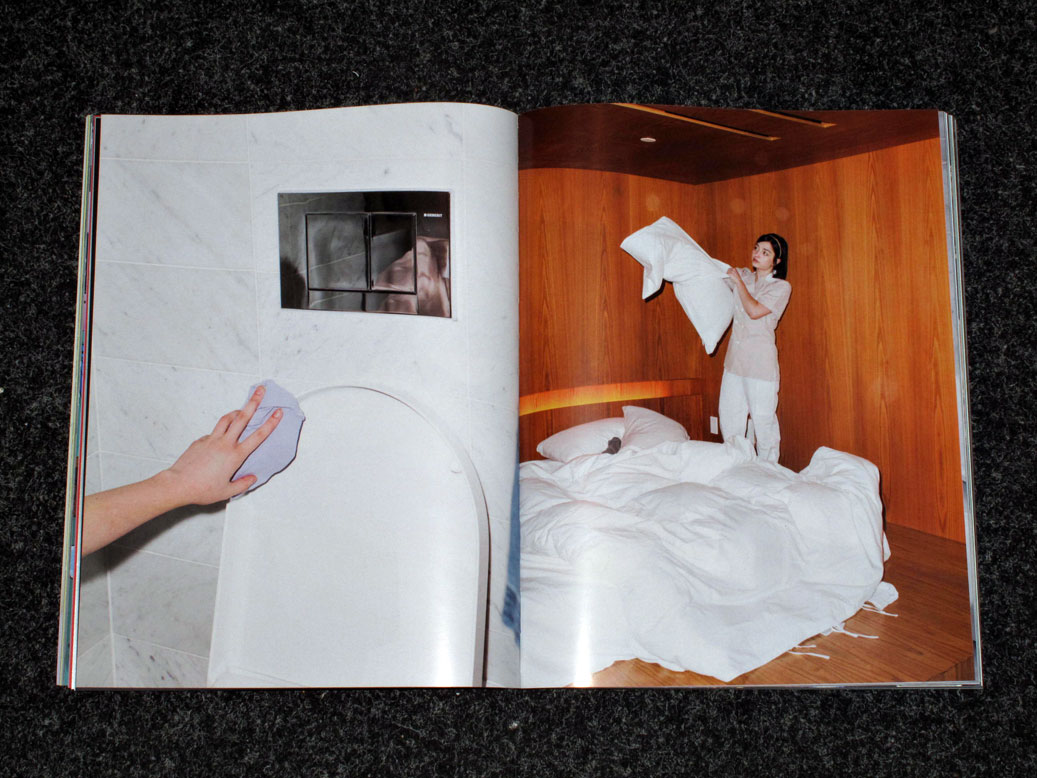
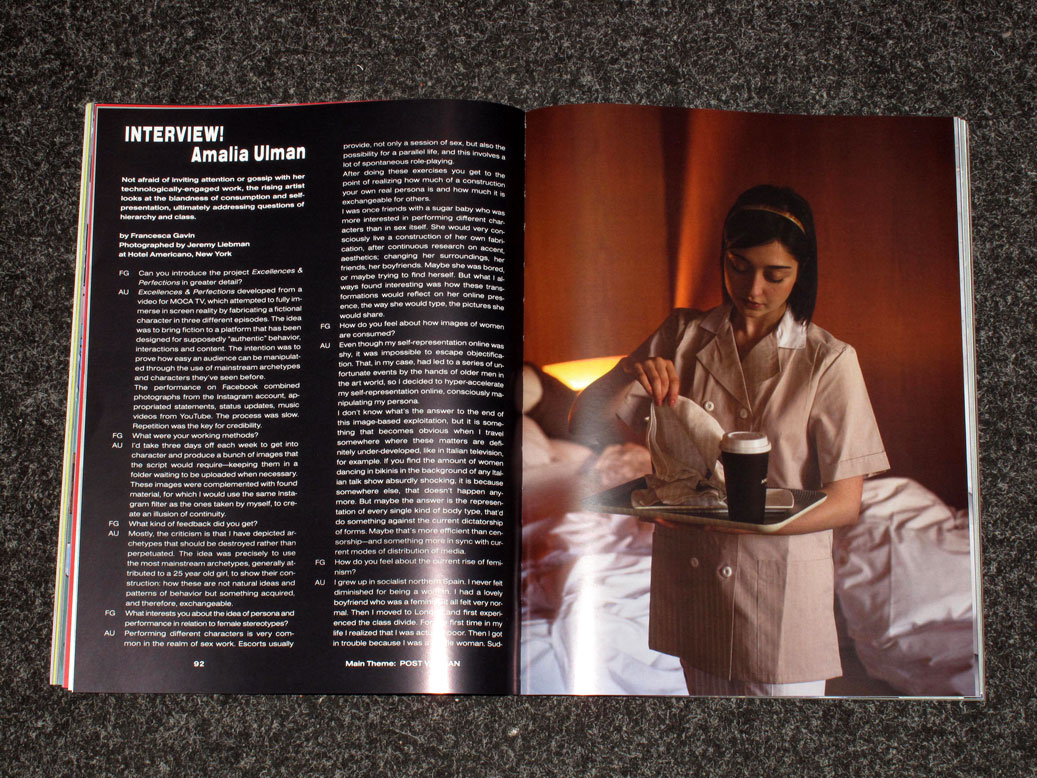
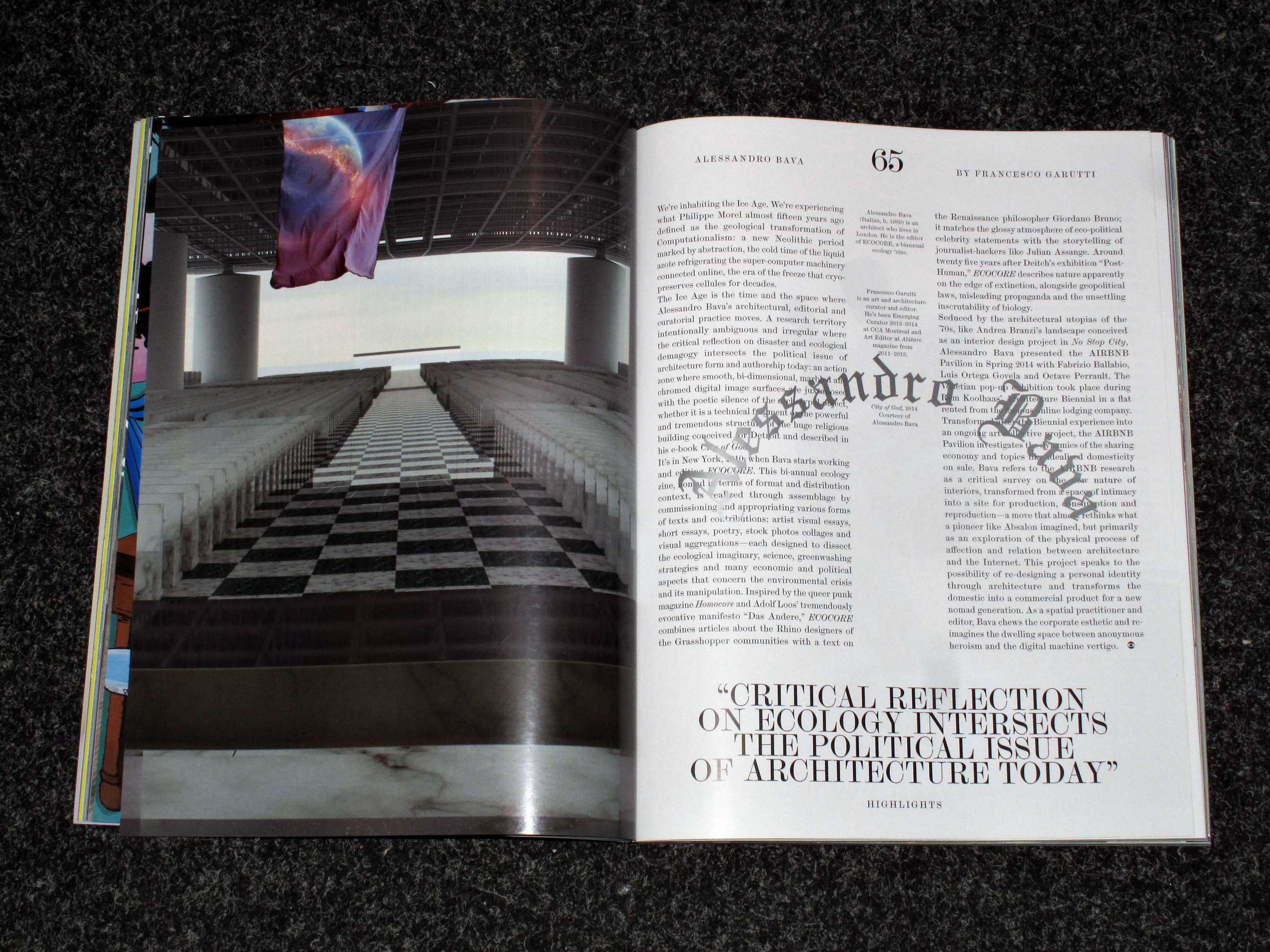
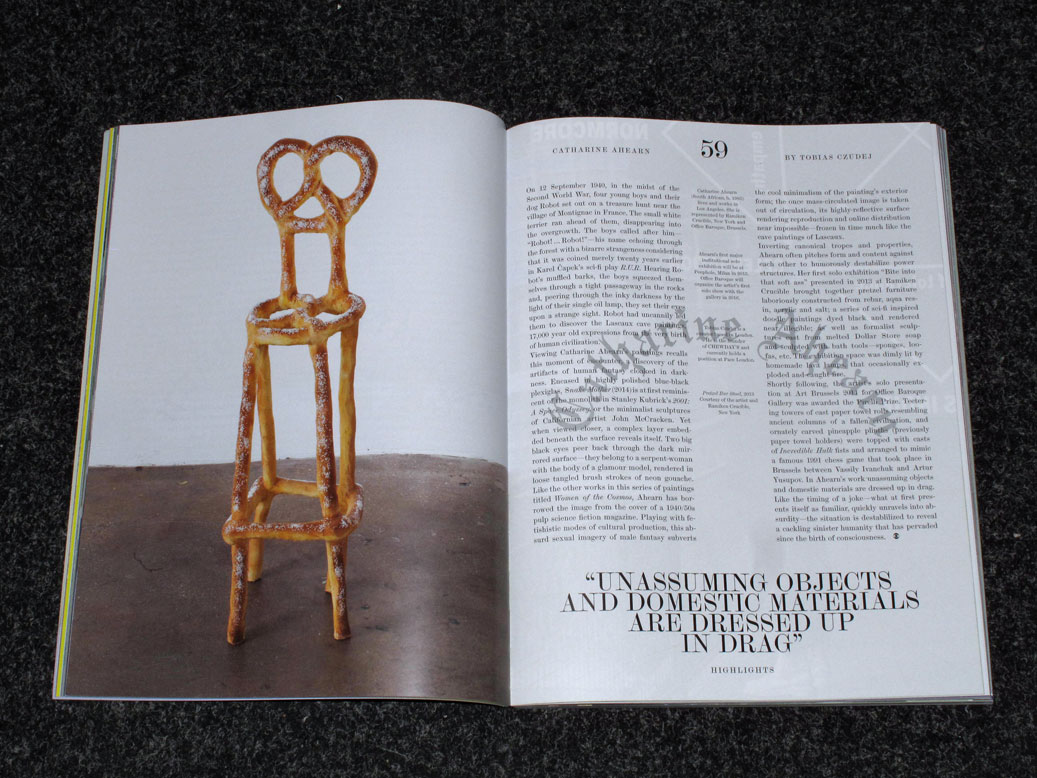
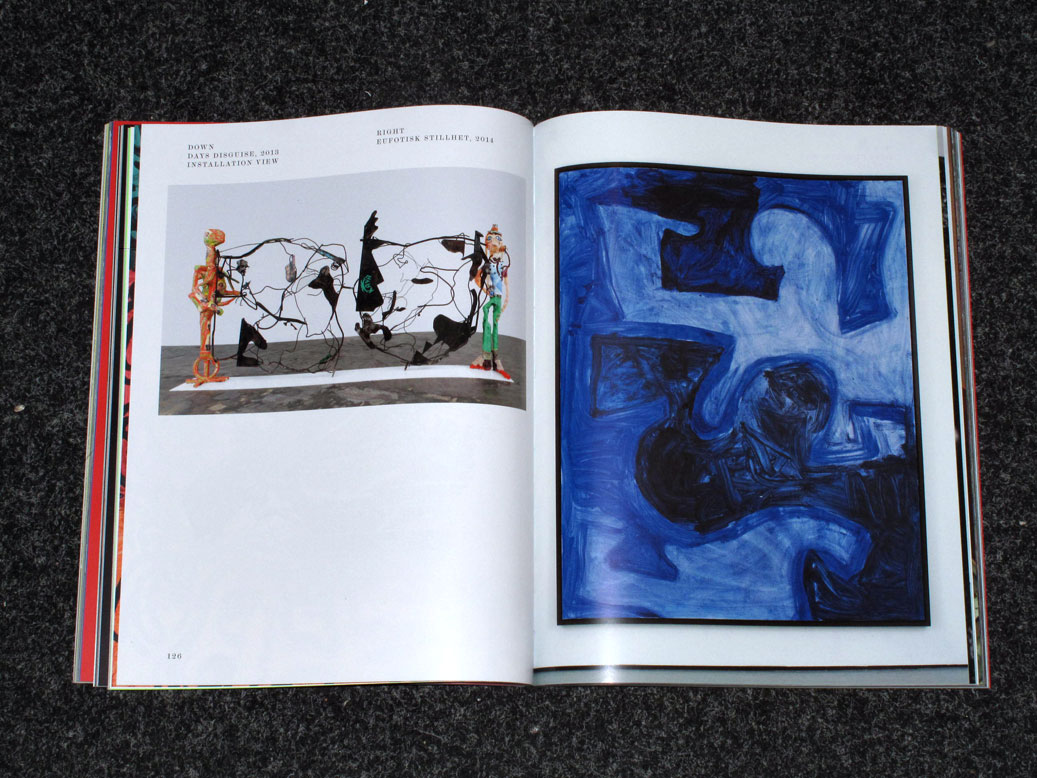
Welcome to Kaleidoscope’s #23 (Winter 2015). Following the recent, successful redesign by Bureau Mirko Borsche, we are back with a brand new issue. The new formula is taking shape, new columnists and contributors are joining our ranks, and a lot of enthusiastic research went into curating the most compelling content out there.
In the opening section of HIGHLIGHTS, twelve profiles account for the best of the season: JASON MATTHEW LEE (by Alexander Shulan), DANIEL BAUMANN (by Aoife Rosenmeyer), Marilyn Minter (by Gianni Jetzer), MAGALI REUS (by Ruba Katrib), KNOW WAVE RADIO (by Alexandre Stipanovich), BEATRICE GIBSON (by George Vasey), CATHERINE AHEARN (by Tobias Czudej), K-HOLE (by Kevin McGarry), JAMIAN JULIANO-VILLANI (by Joshua Abelow), ALESSANDRO BAVA (by Francesco Garutti), ZHAO YAO (by Venus Lau), and IDEA BOOKS (by Xerxes Cook).
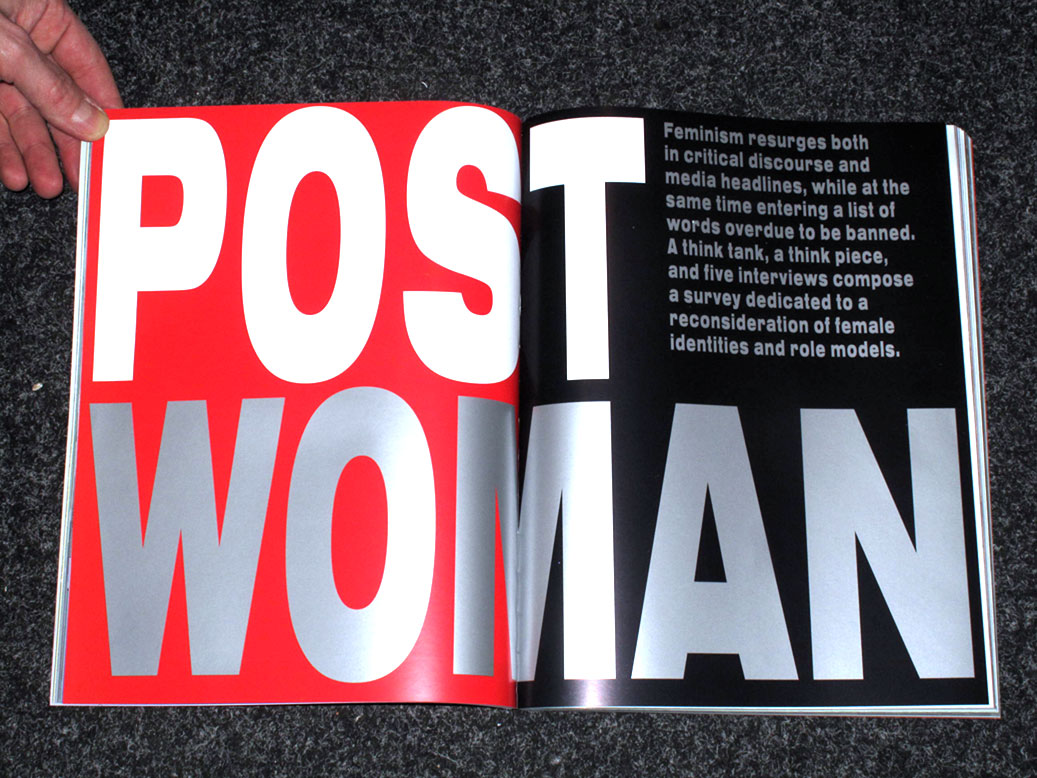
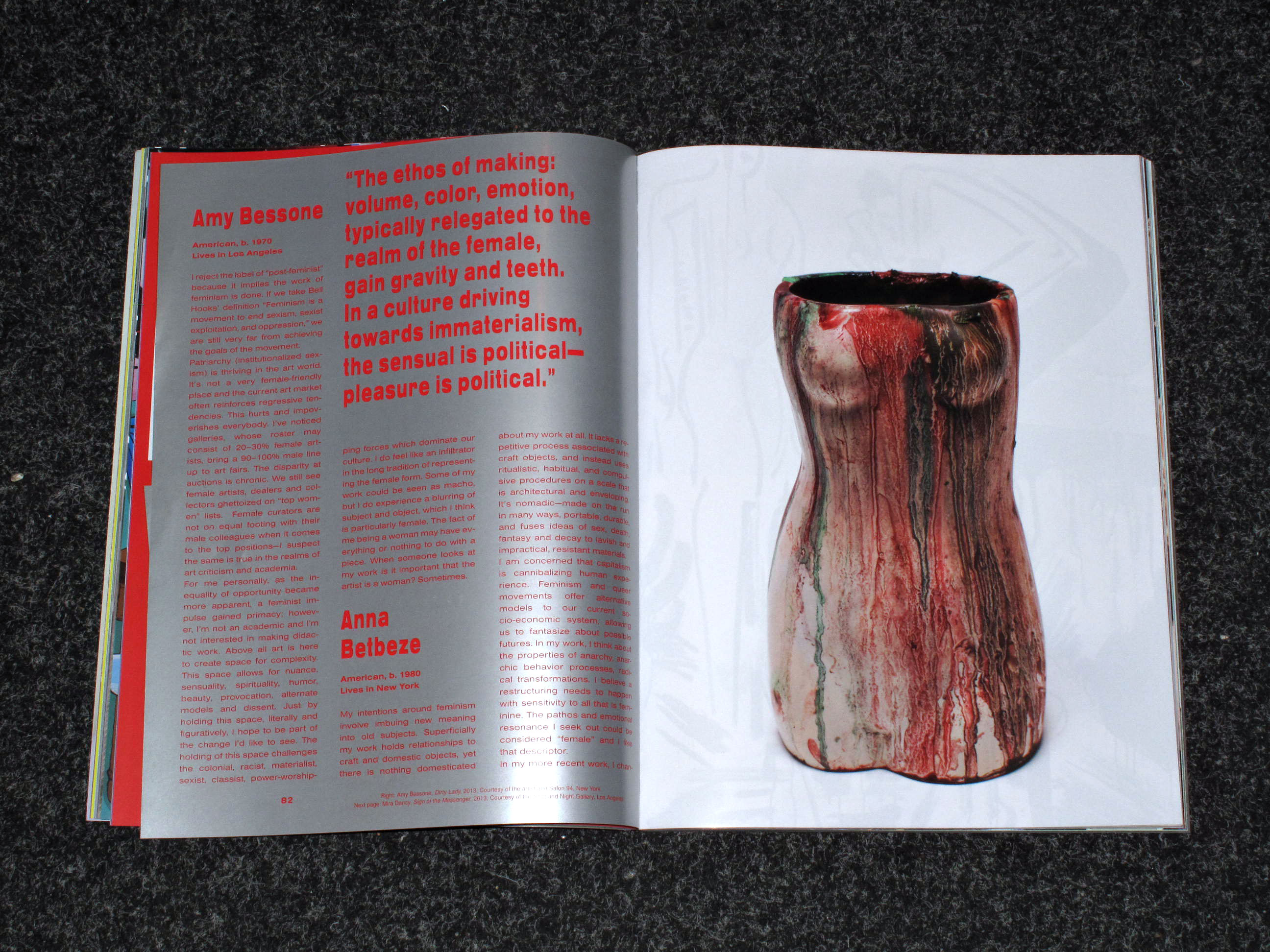
At a time when feminism resurges both in critical discourse and media headlines, while at the same time entering a list of words overdue to be banned, our signature MAIN THEME section is devoted to a reconsideration of female identities and role models. POST WOMAN is composed of a think tank, a think piece by Natasha Stagg and five interviews, including with Juliana Huxtable (by Andrew Durbin), Amalia Ulman (by Francesca Gavin), Judith Bernstein (by Hanne Mugaas), Massimiliano Gioni (by Pietro Rigolo), and Girls Like Us (by Felix Burrichter).
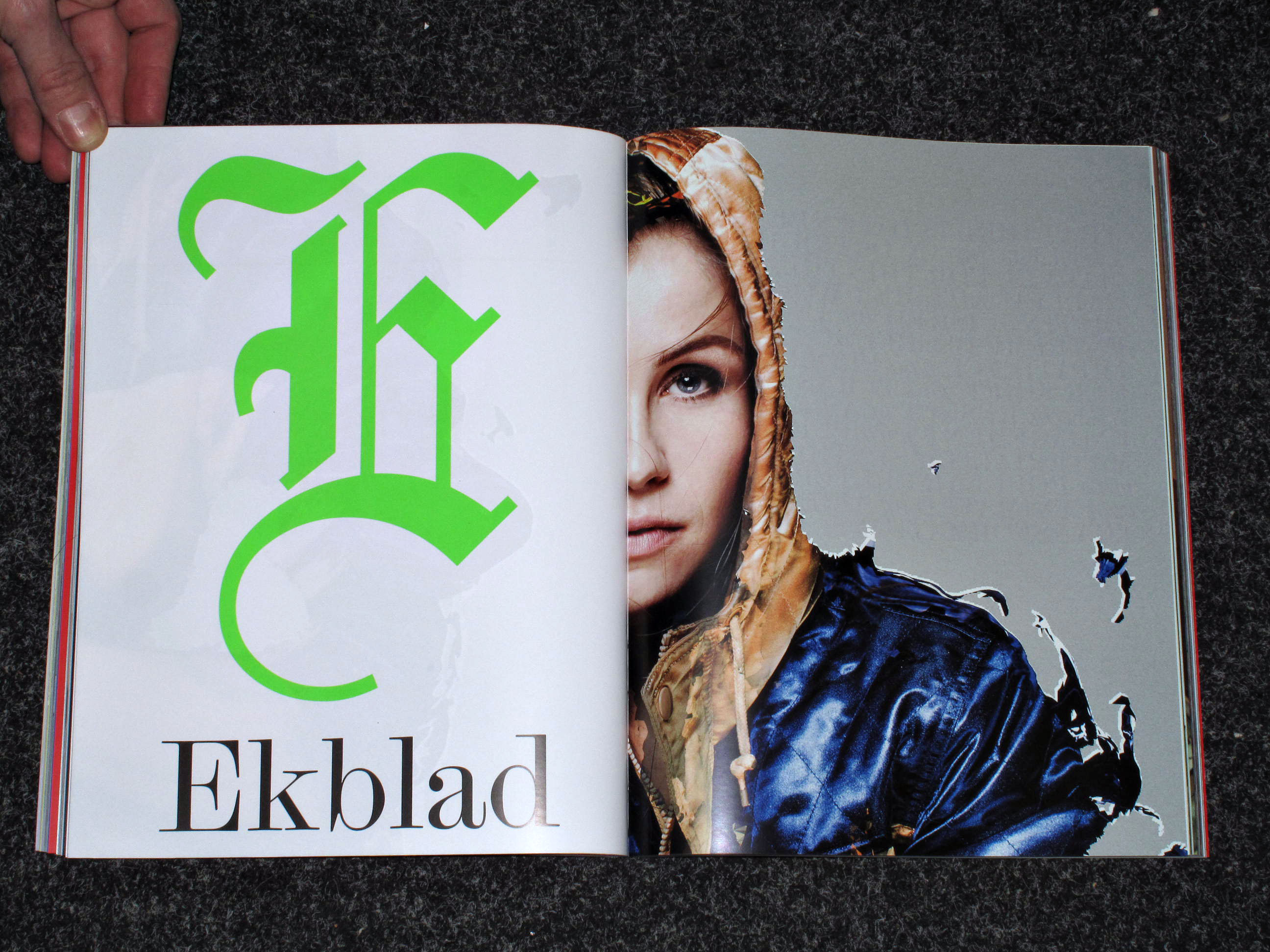
To folow, this issue’s MONO section and cover story are dedicated to Norwegian artist IDA EKBLAD. Fueled by an outright marvel for this thing called art, her work is distinguished by an extreme degree of impatience and prolificness. Her shift and turns are the result of a feverish engagement with pure materiality, synthesized with popular culture and animated by alien transformations. This definitive monographic survey comprises an essay by Peter J. Amdam, an interview by Cory Arcangel and an original portrait by Sølve Sundsbø.
Later on, the VISIONS section invites the eye to an enthralling journey across almost 100 pages of visual contributions by artists, curators and image-makers, including: TOBIAS ZIELONY, “Jenny Jenny”; MR.; “Chicago”: BARBARA CRANE and TONY LEWIS; DAVID DOUARD in Los Angeles; JONAS WOOD; “Alliantecnik,” curated by Alessio Ascari; TIMUR SI-QIN, “Premier Machinic Funerary”; and GRAHAM LITTLE.
Lastly, the closing section of REGULARS features our insightful columns on the past, present and future of art and culture: PRODUCERS features Carson Chan’s conversation with Ballistic Architecture Machine; in FUTURA 89+, Hans Ulrich Obrist and Simon Castets interview young artist Philipp Timischl; Andrey Bold questions TOKYO’s art scene as part of the PANORAMA series; in PIONEERS Fredi Fischli and Niels Olsen talk to cult Swiss designers Trix and Robert Haussmann; and in the first installment of RENAISSANCE MAN, Jeffrey Deitch celebrates the art of choreographer KAROLE ARMITAGE.
Price € 10.00
Buy it
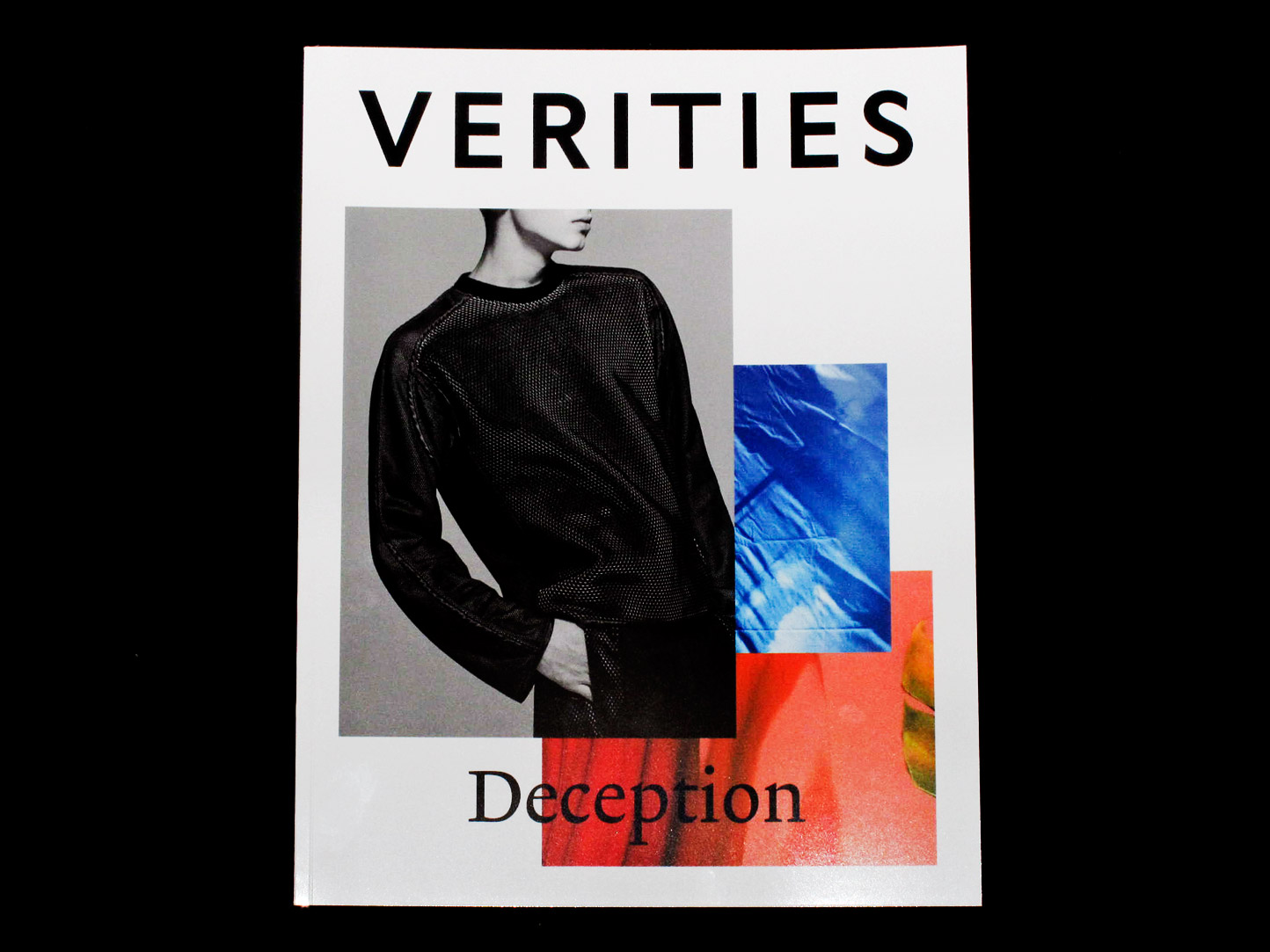
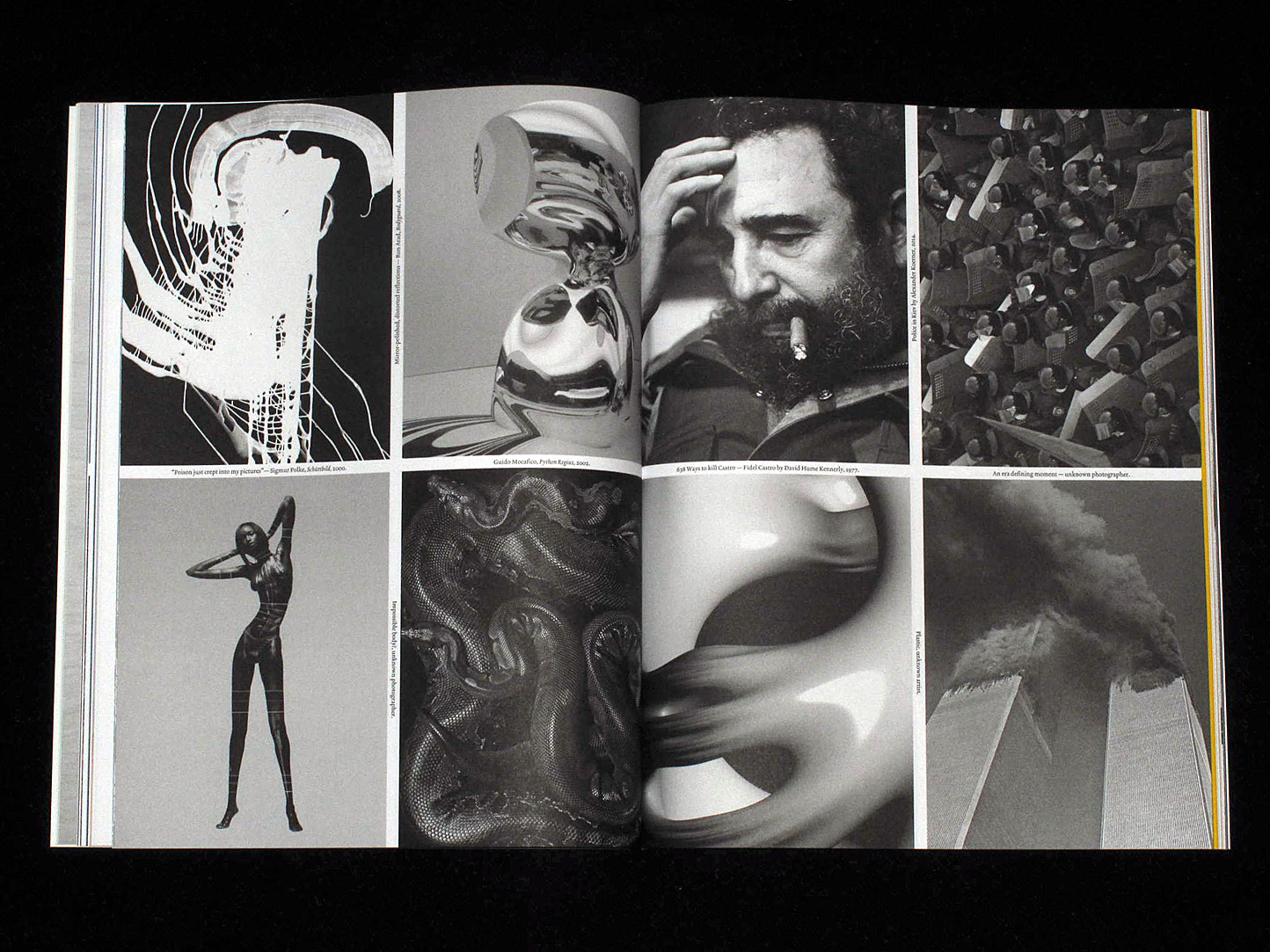
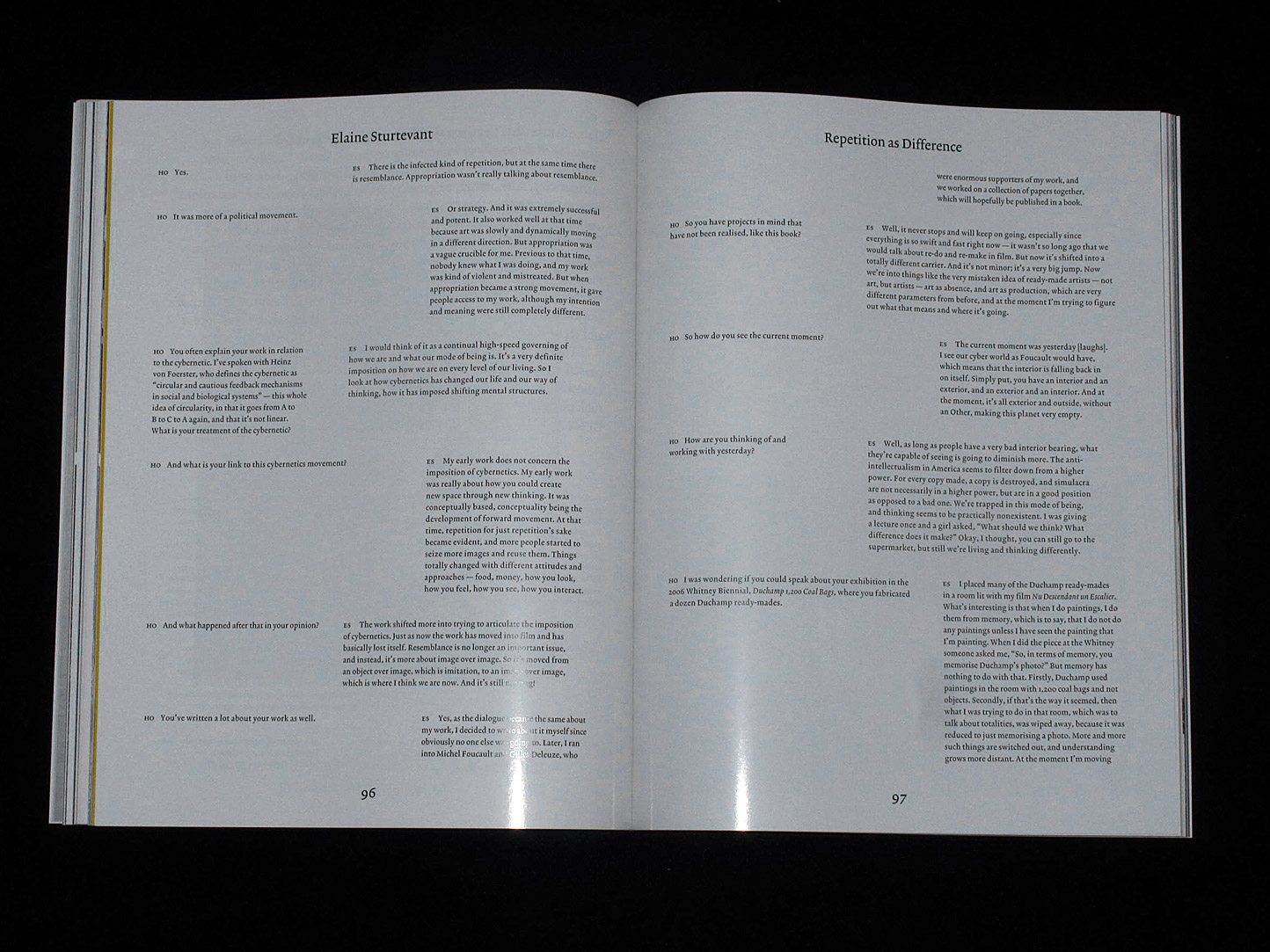
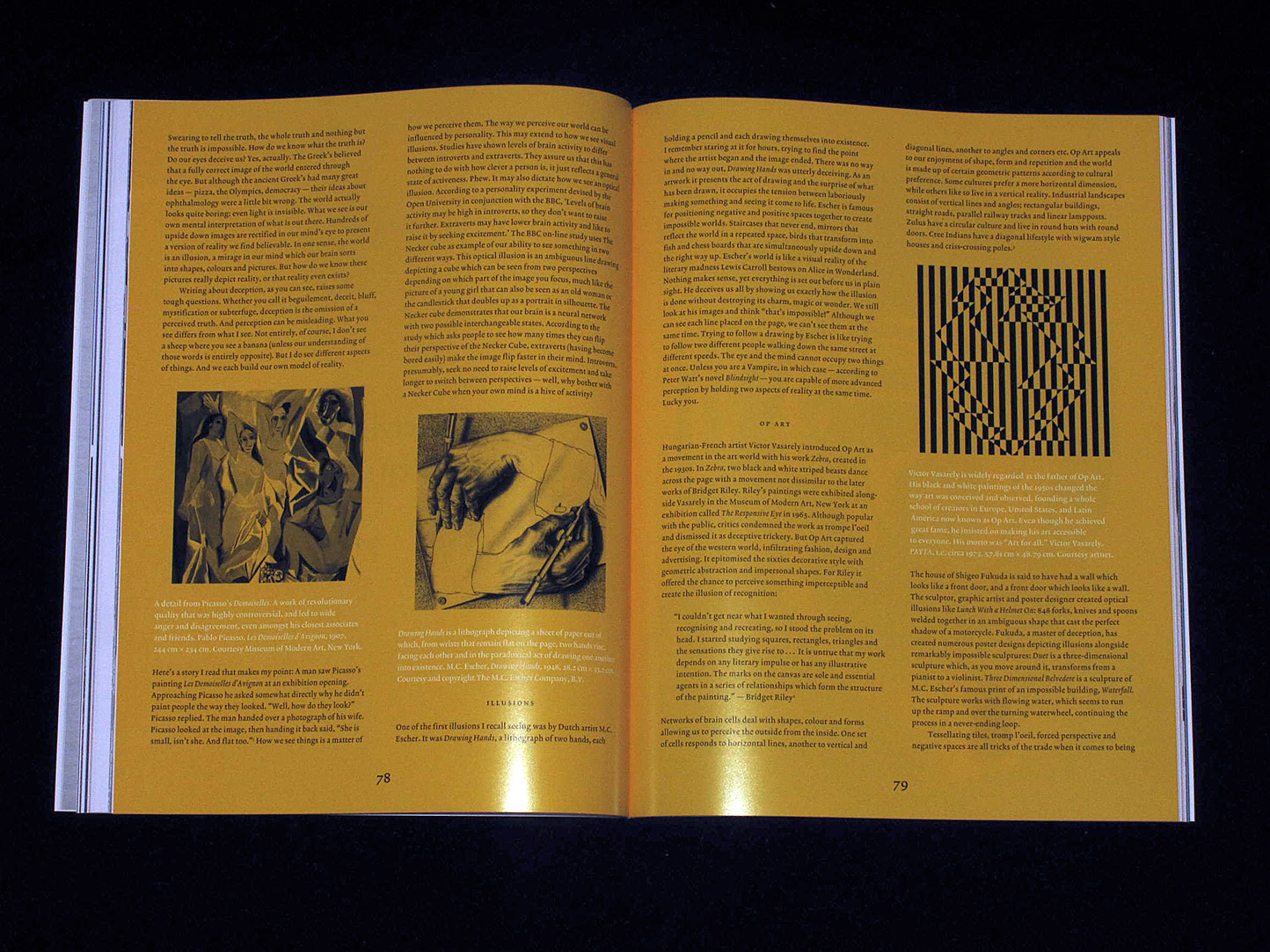
VERITIES Issue four introduces a refreshed larger format and is dedicated to the theme of Deception.
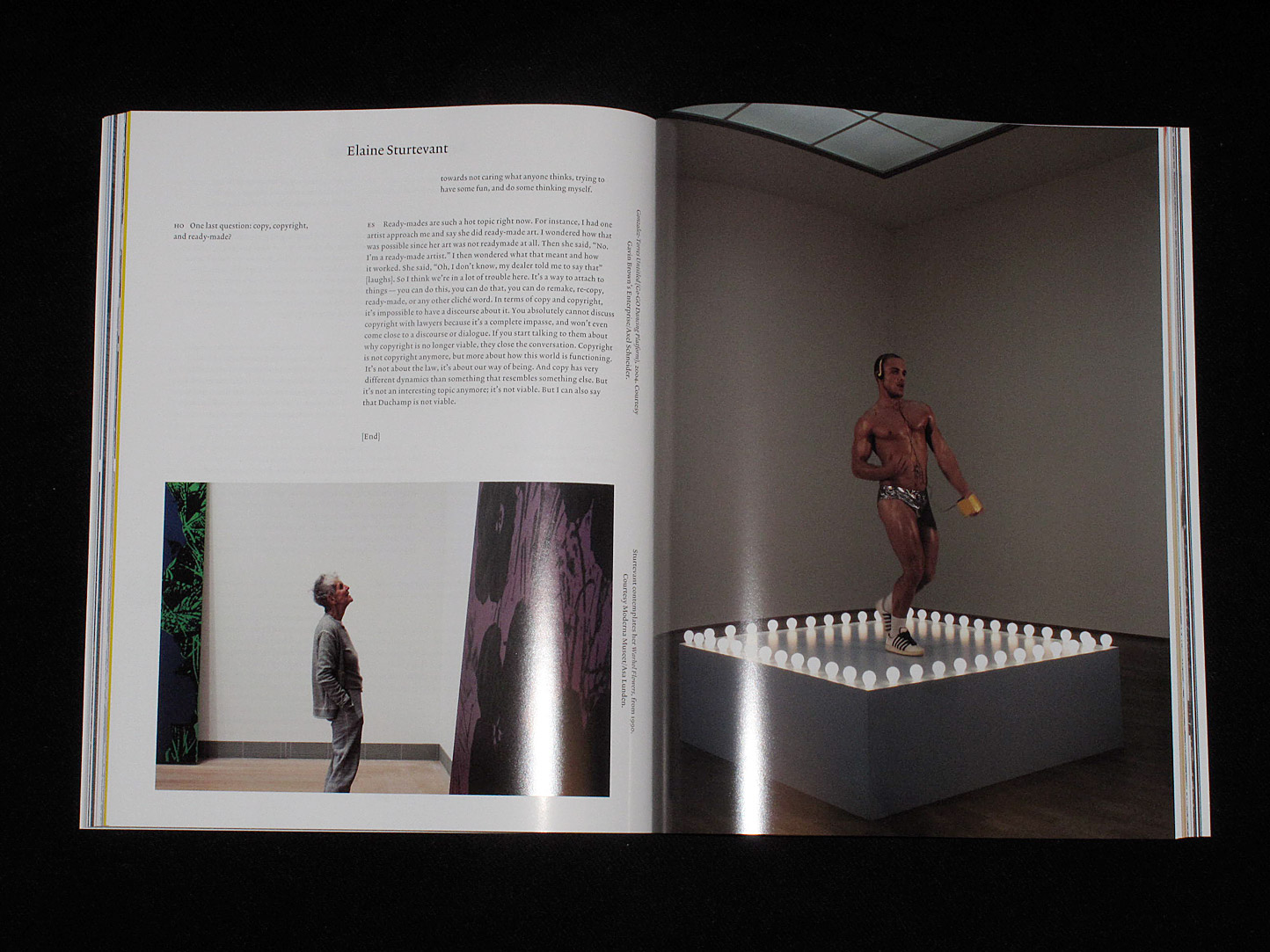
Highlights of this issue include, Elaine Sturtevant in conversation with Hans Ulrich Obrist, Trevor Paglen in conversation with Ossian Ward, Victor Burgin, Larry Sultan, Slavoj Zizek and The Eternal Internet Brother-
hood.
€16.00
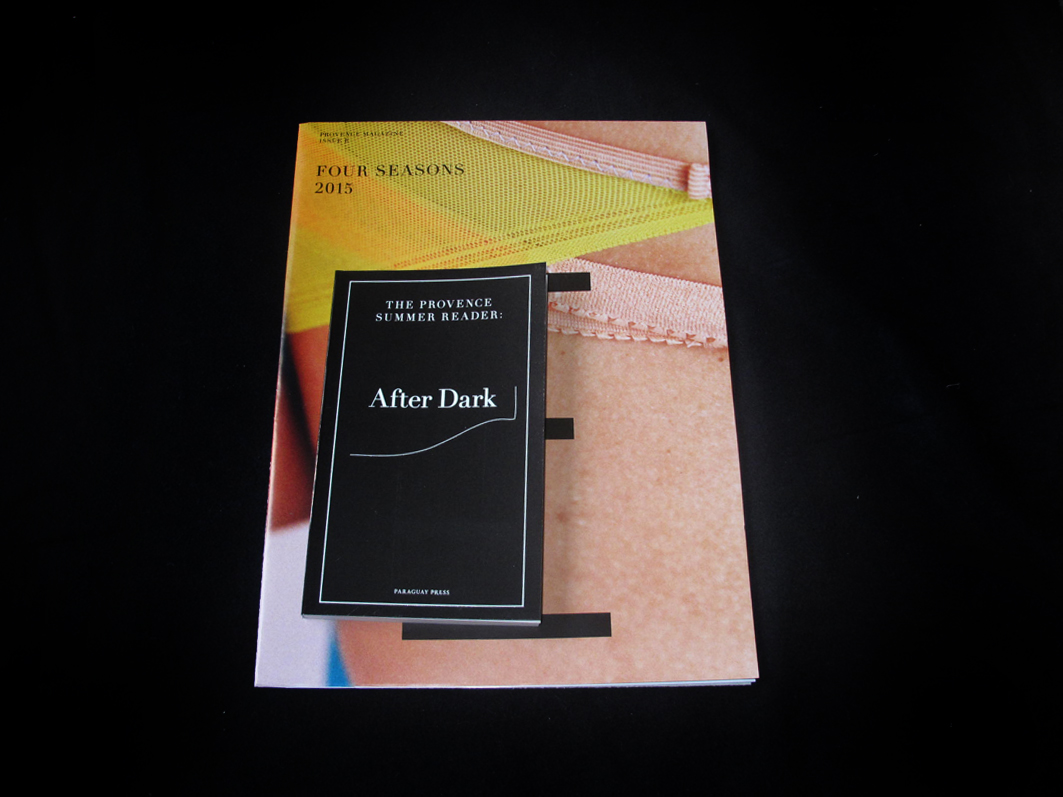
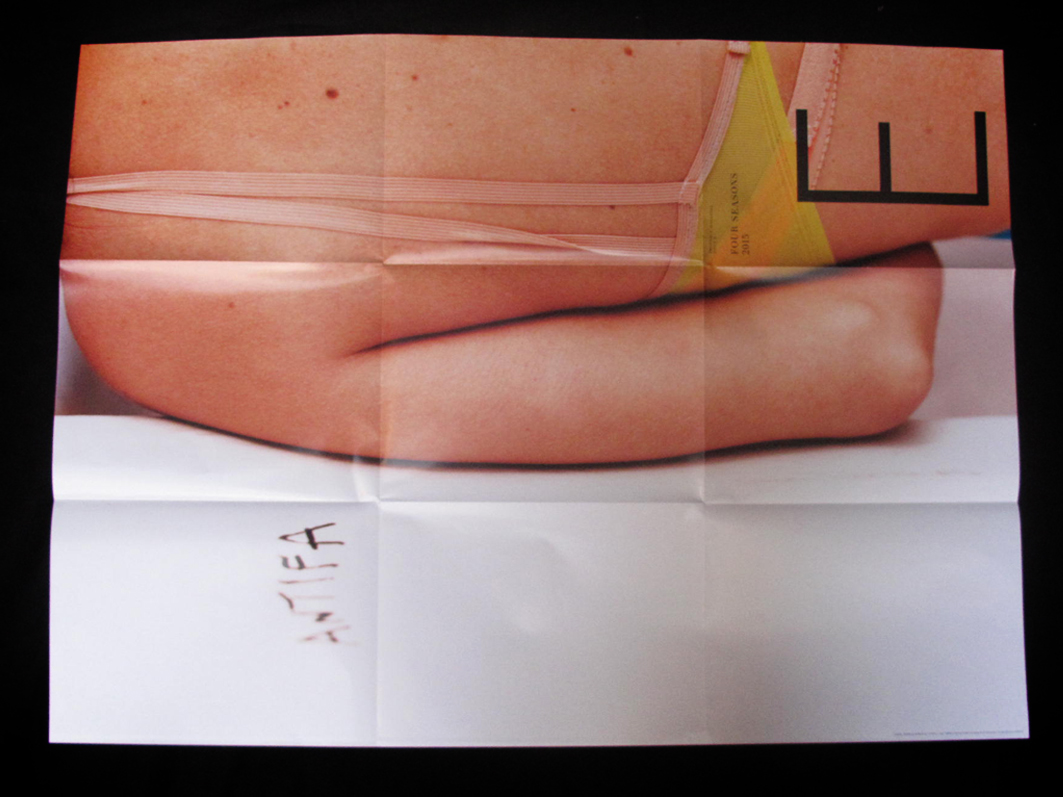
ISSUE E FOUR SEASONS 2015 incl. The PROVENCE Summer Reader: After Dark
ISSUE E FOUR SEASONS 2015
Photo:
Josephine Pryde, Bra III (ISOSCELES at Ahlbeck) from Knickers, Berlin, 2014.
Courtesy Temnikova & Kasela, Tallinn
Poster size: 93 cm x 69 cm
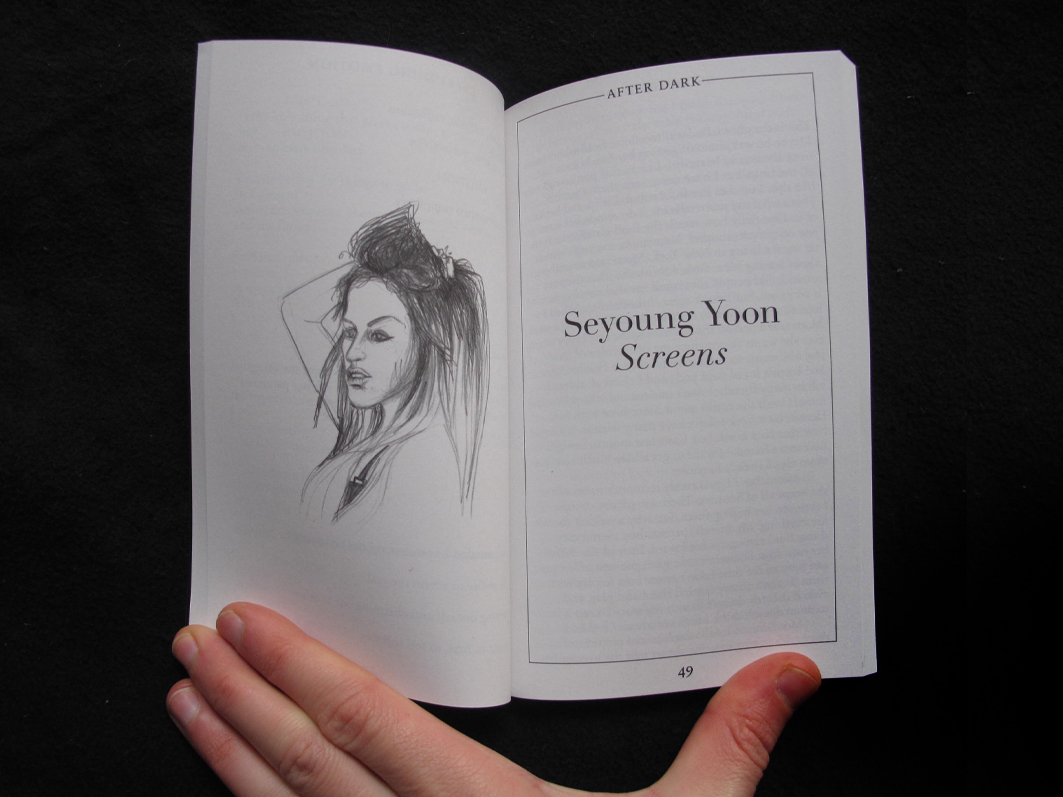
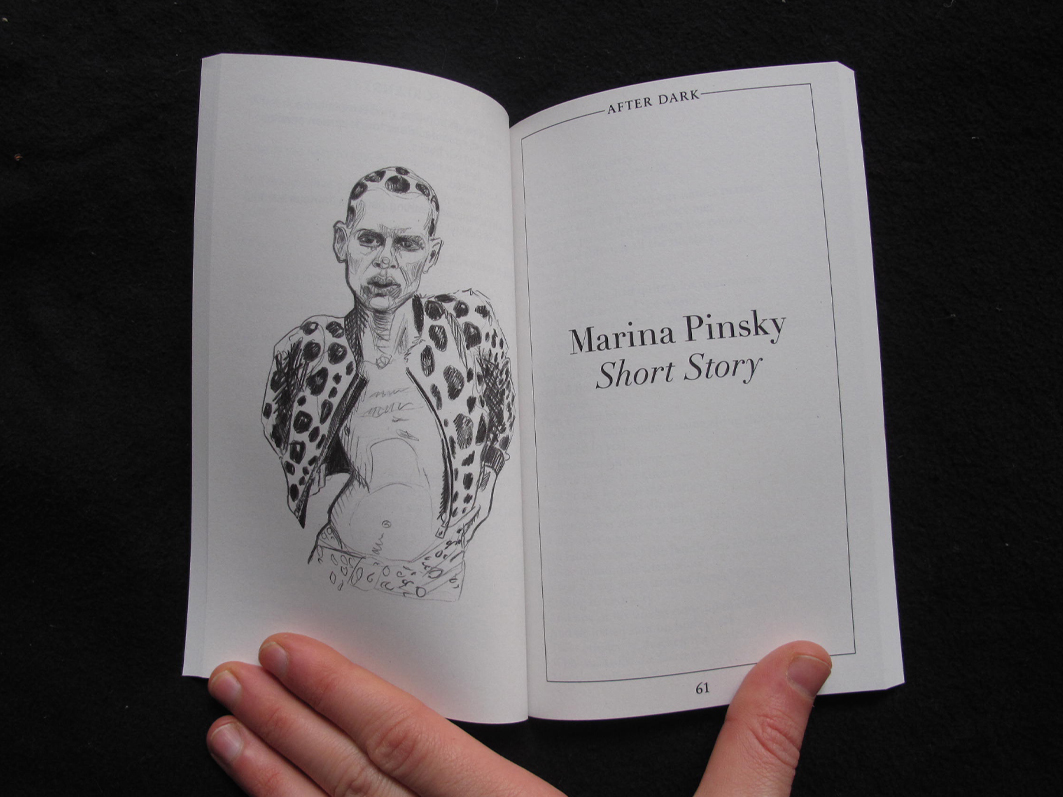
The PROVENCE Summer Reader: After Dark is the second publication of a series of books co-published by Paraguay Press and PROVENCE.
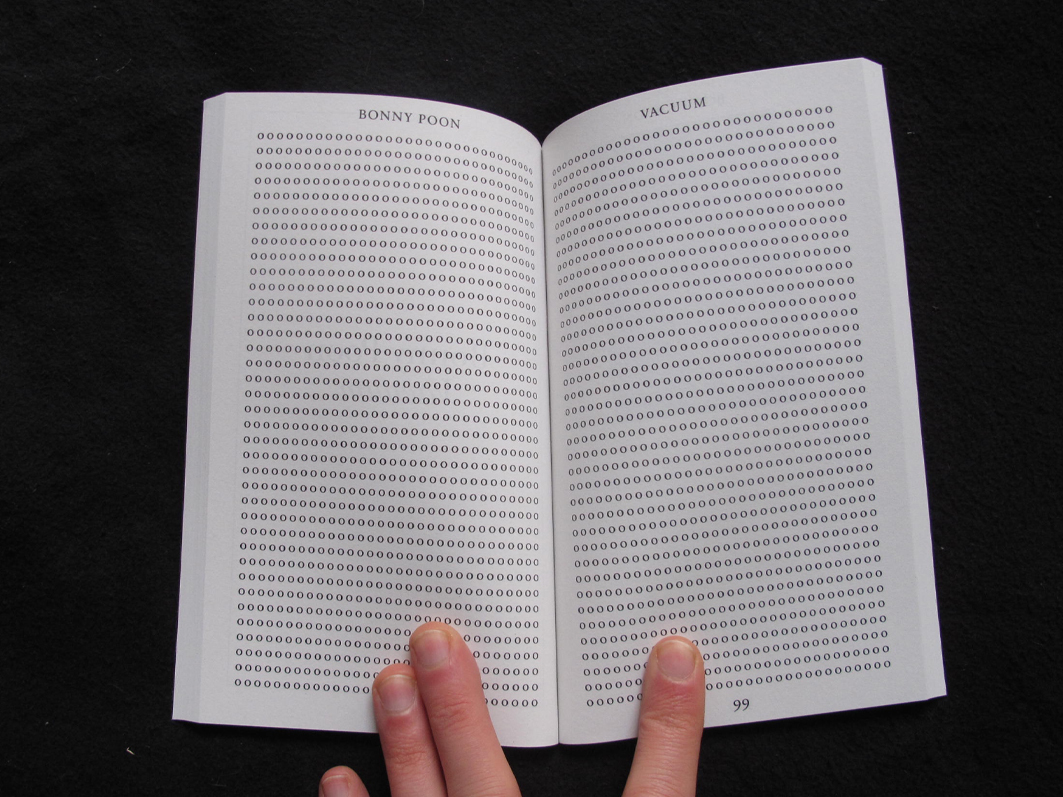
The PROVENCE Summer Reader: After Dark takes it starting point—its body—from the kind of supplementary pocket books that are attached to the summer issues of various empire lifestyle magazines. As the title suggests, this book is a reader that gathers different—not to say heterogenous—material, by authors from diverse—though mainly art-connected— backgrounds, taking over a format known for its slippery, shallow, and entertaining content. Writings, fictions, documents, and poems come along with a suite of illustrations by Siw Umsonst. For a brief moment, this book was going to be a part of PROVENCE’s (pen)ultimate Issue C dedi- cated to Criticism Now. And then … in or out. We recalled the moment in history (was it the mid or the late 90s?), when art magazines not only featured sec- tions with the best of the year, but also with the worst shows and artists of the year. It was Richard Pryor, according to Lane Relyea, who stated: “I never met any- body who said when they were a kid, I wanna grow up and be a critic.” Soon the title shifted to Dark Matter, which turned criticism to social relations, but it echoed other engagements and expectations. As writing eludes the purposes of criticism, and comes to favor stories, emotions, and open air over judg- ment and in-depth studies, it was eventually replaced by After Dark. After Dark is also a series of computer screensaver software introduced in 1989 by Berkeley Systems for the Apple Macintosh, and for Microsoft Windows in 1991. It is—or was—a means to avoid switching your computer off and to maintain its functionality while not at work, keeping the system running. With the invention of laptops sleep mode in the late 90s, which made turning devices off unnecessary, the then famous Aquatic Realm, Flying Toasters, and Slide Show screensavers vanished. Many of the contributions to this Summer Reader attempt to engage a problem of their own or perform their authors’ participation in the networked, social, and communicational spaces that are shared with cul- tural production at large. They bear witness to nights of labor turned into proletarian days—even though they were written for a book supposed to be read un- der the sun. Or (maybe) exactly because of that: who would dare to take a tablet or a laptop to the beach?
The PROVENCE
ISSUE E FOUR SEASONS 2015
15€
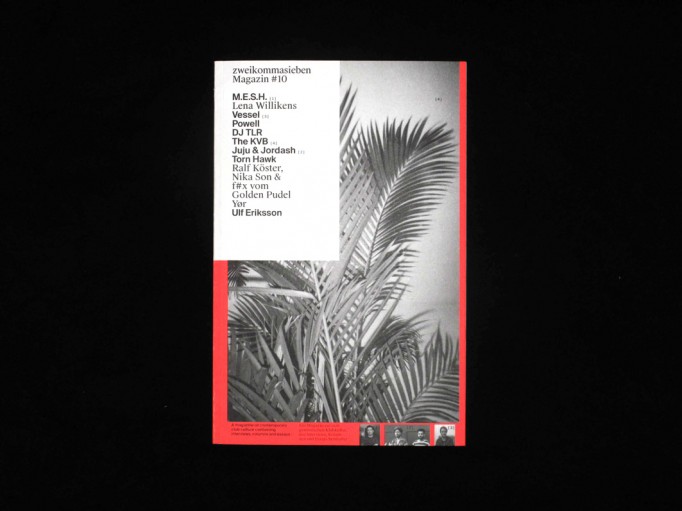
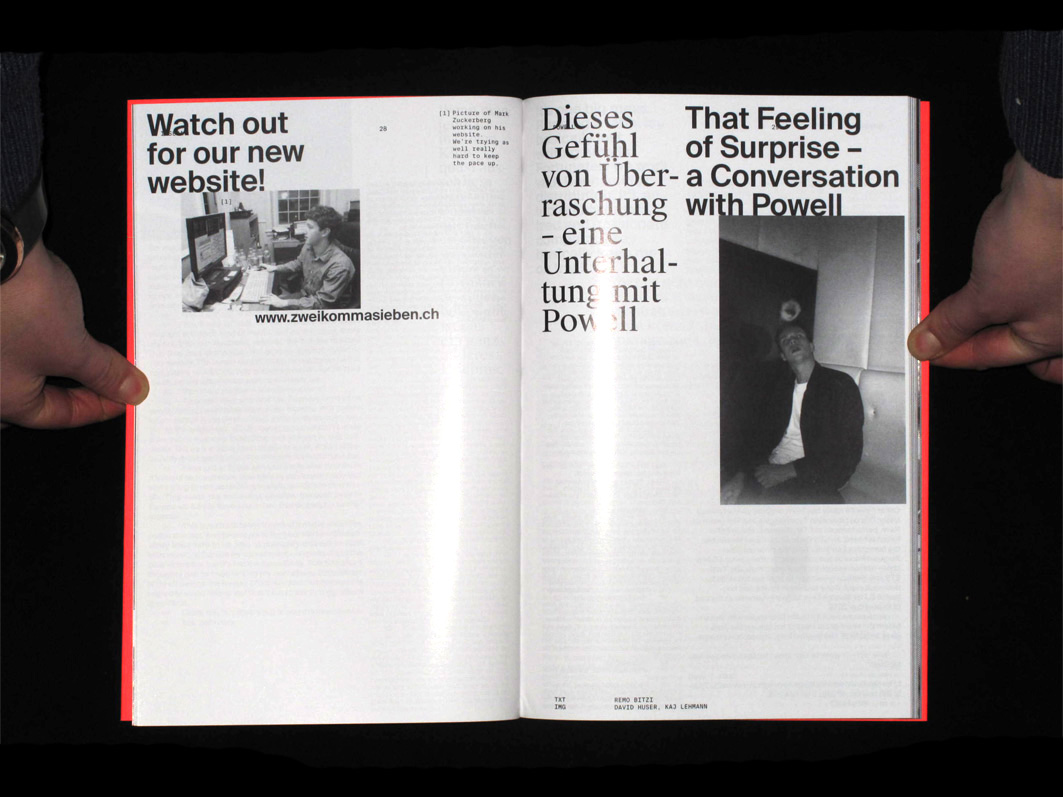
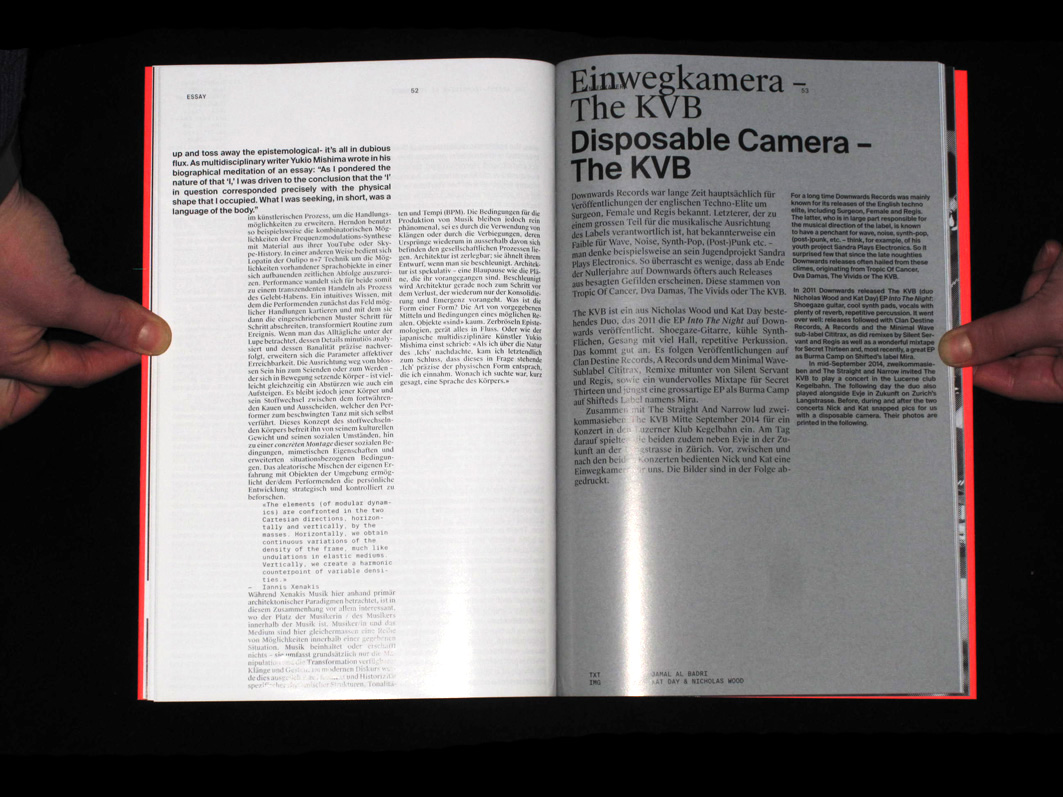
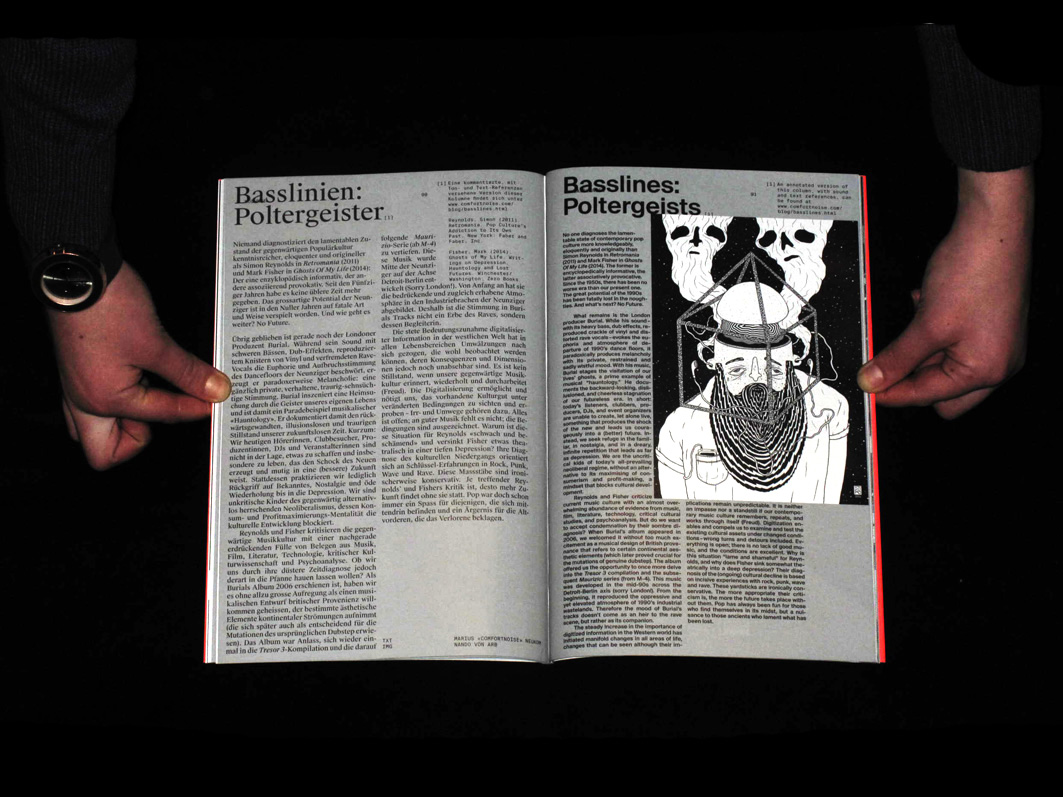

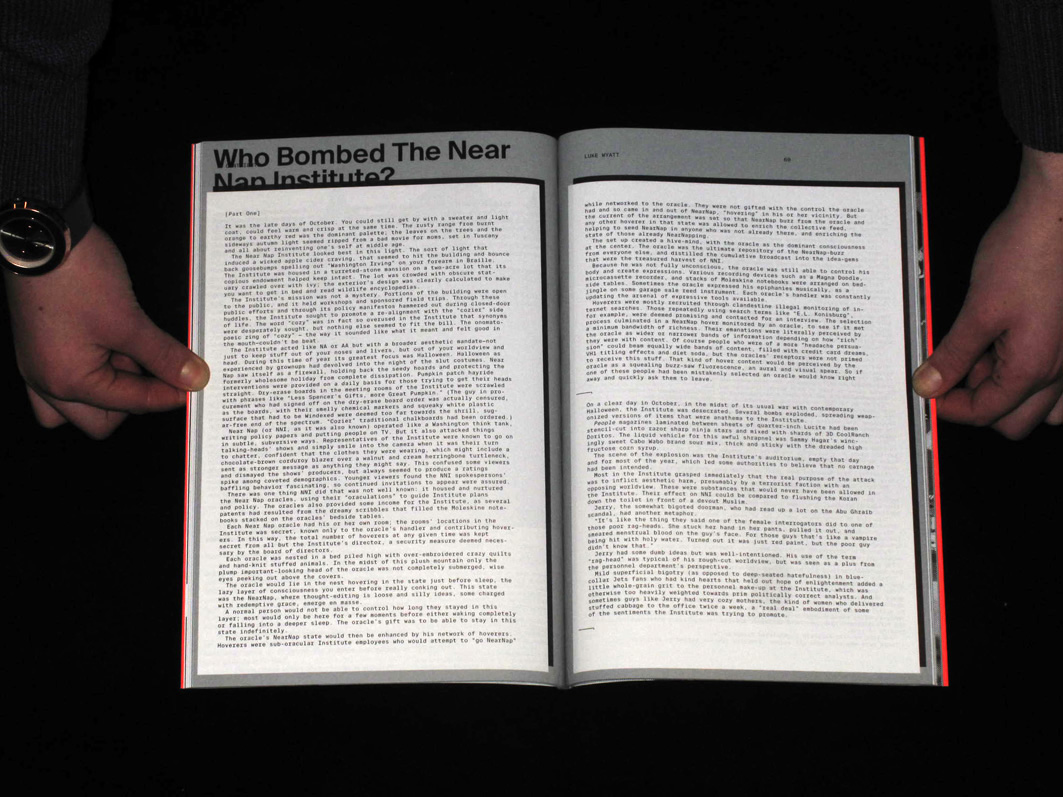
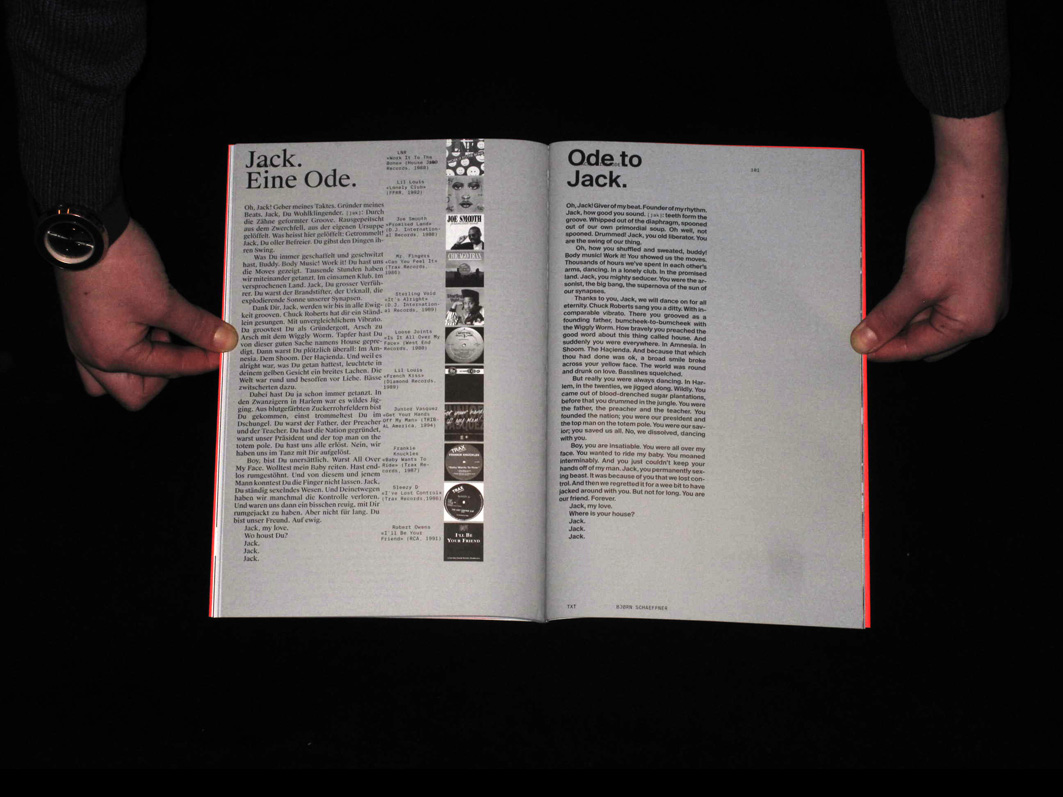
zweikommasieben #10 includes material with/on/by M.E.S.H., Lena Willikens, Vessel, Powell, Creme Organization’s DJ TLR, The KVB, Juju & Jordash, Torn Hawk, the Golden Pudel-crew (including Ralf Köster, Nika Son & f#x), Yør, Kontra-Musik’s Ulf Eriksson, and more.
zweikommasieben #10
12€
Buy it