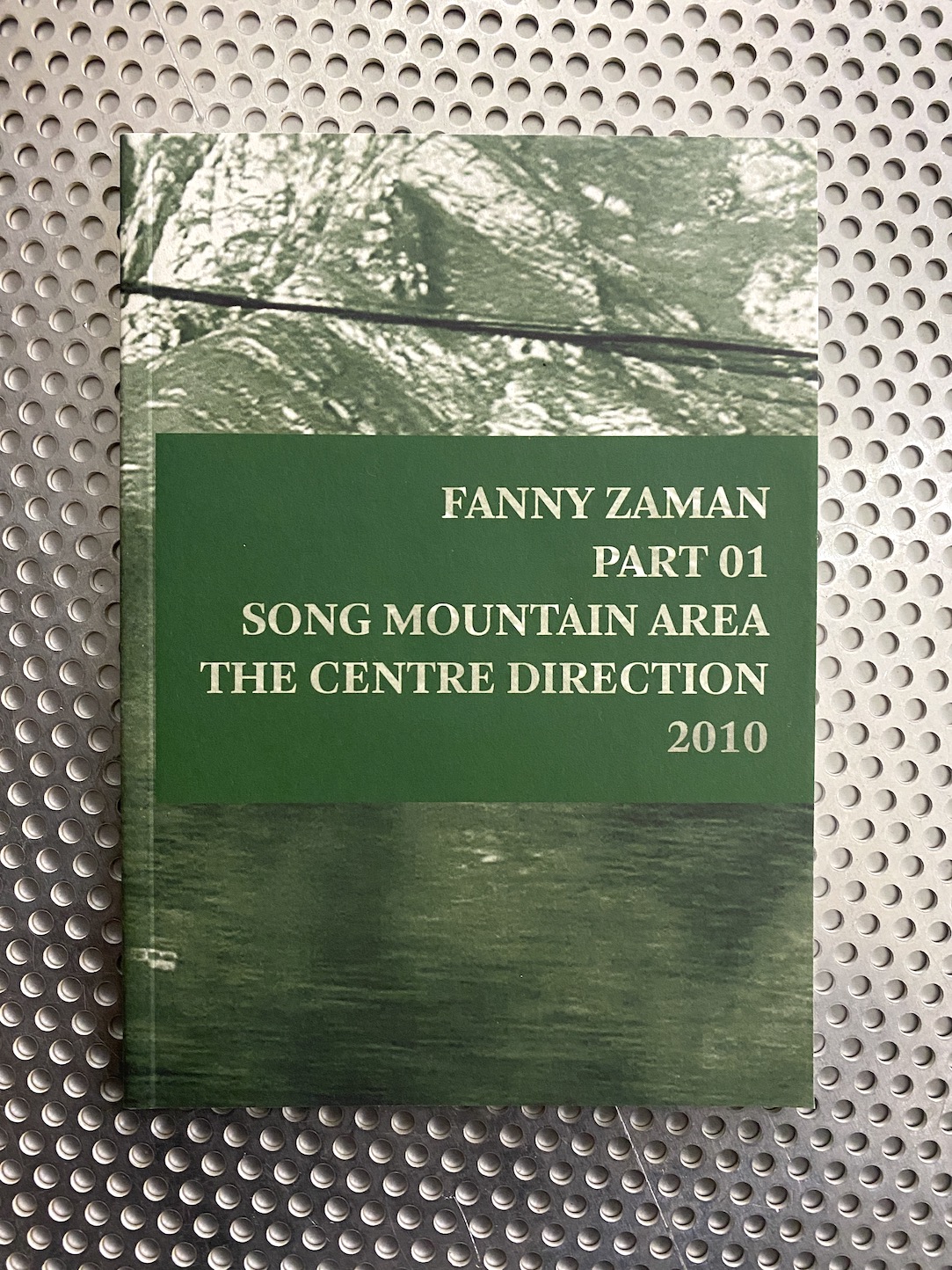
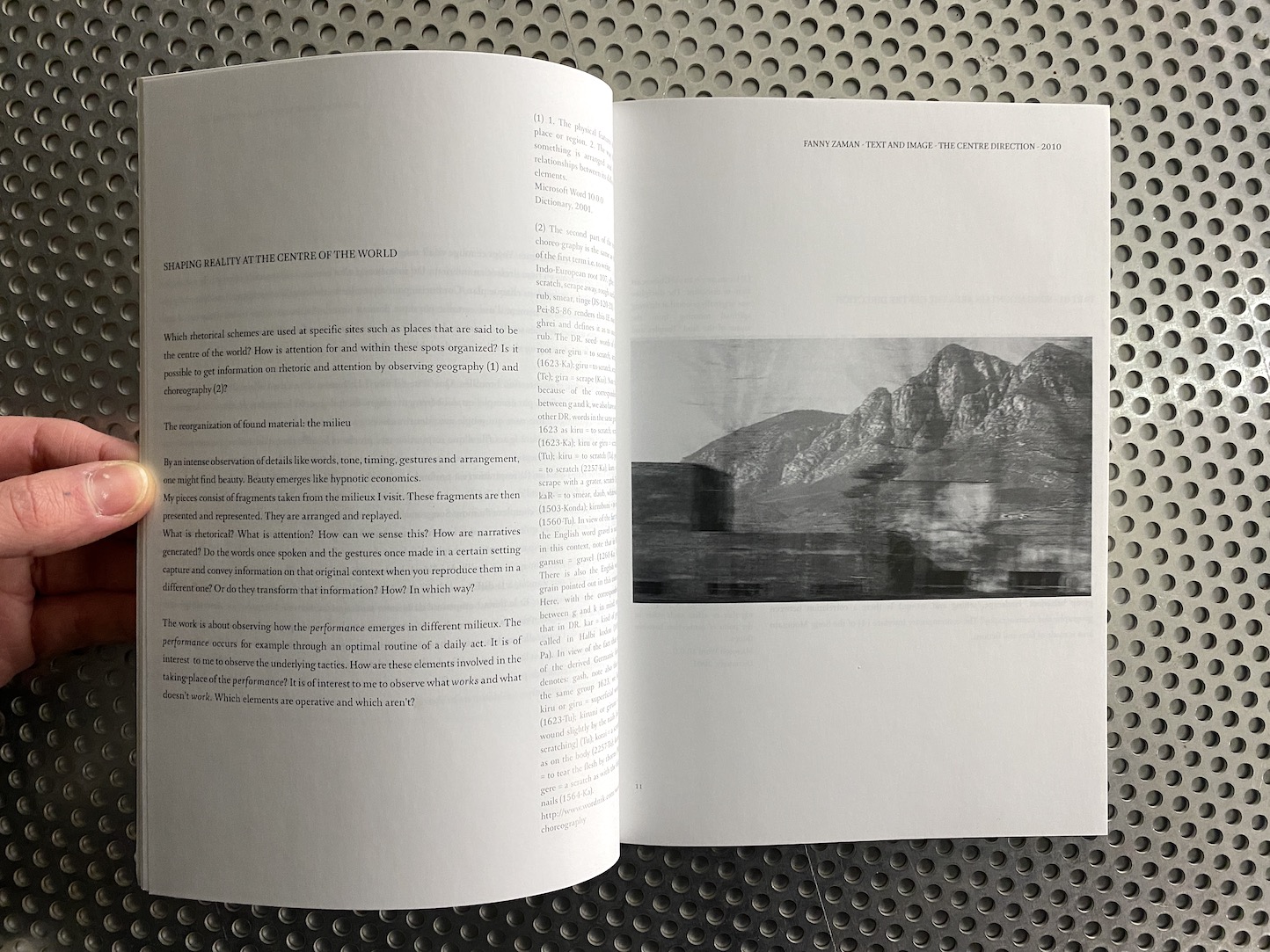
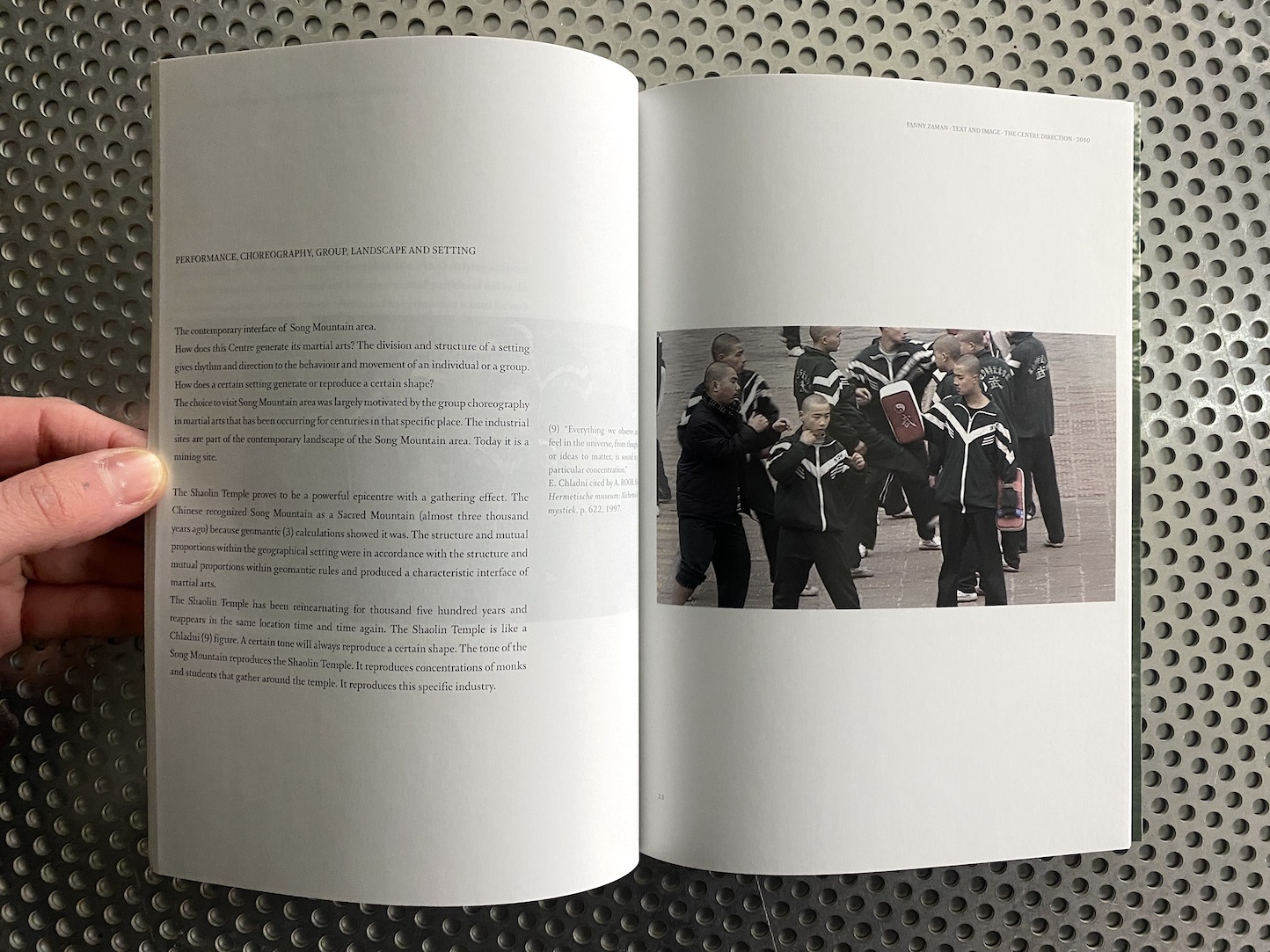
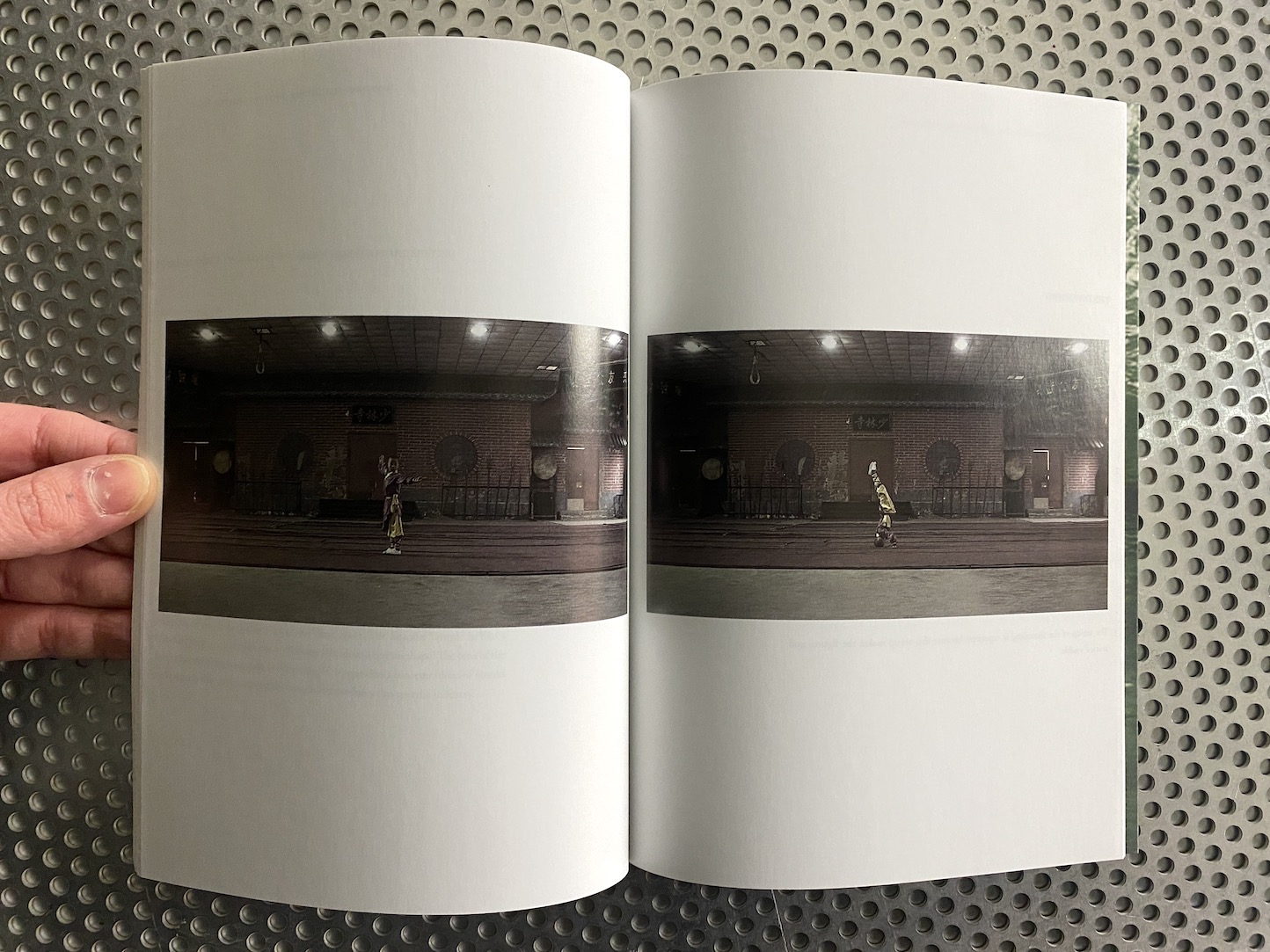
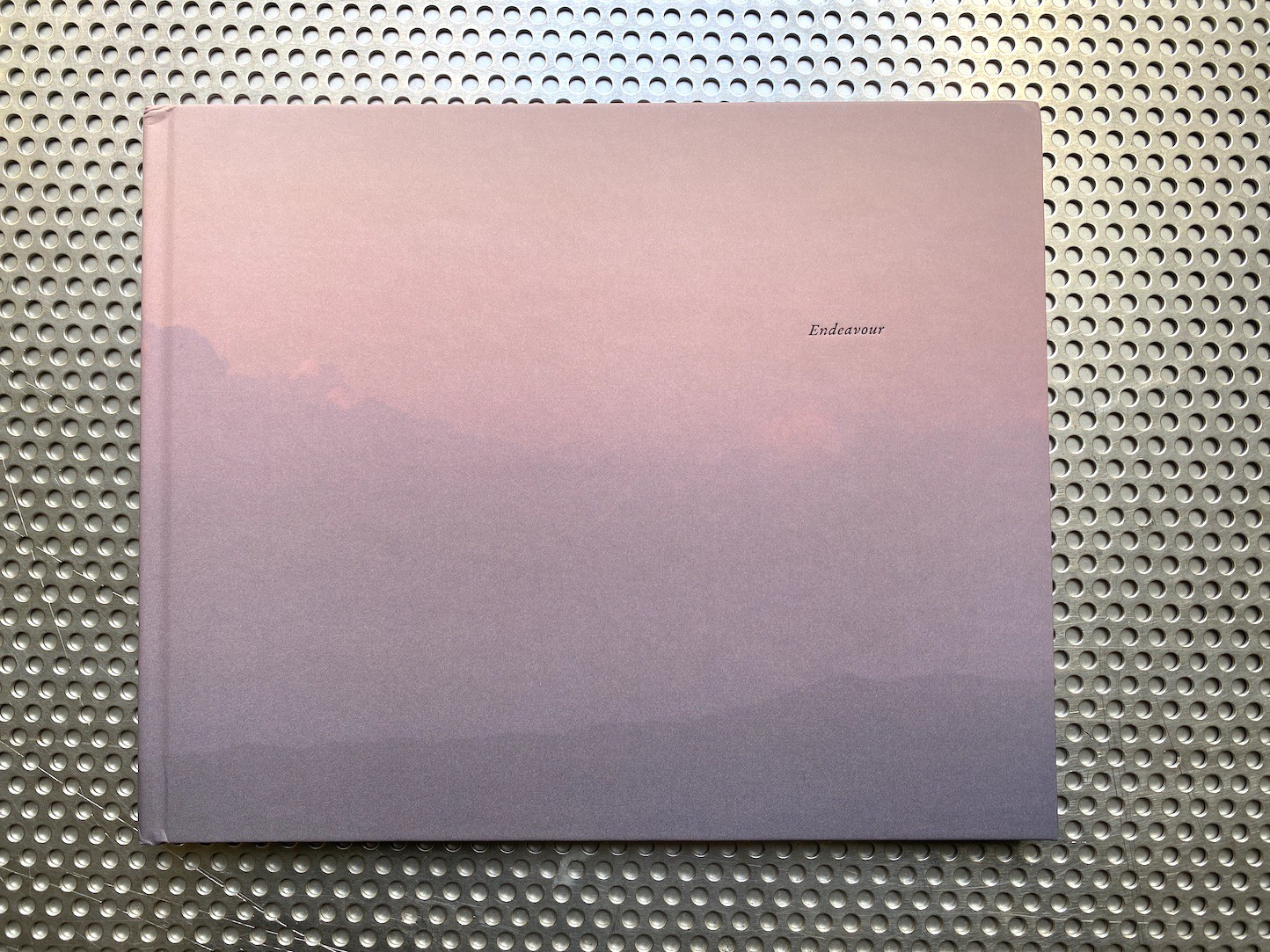
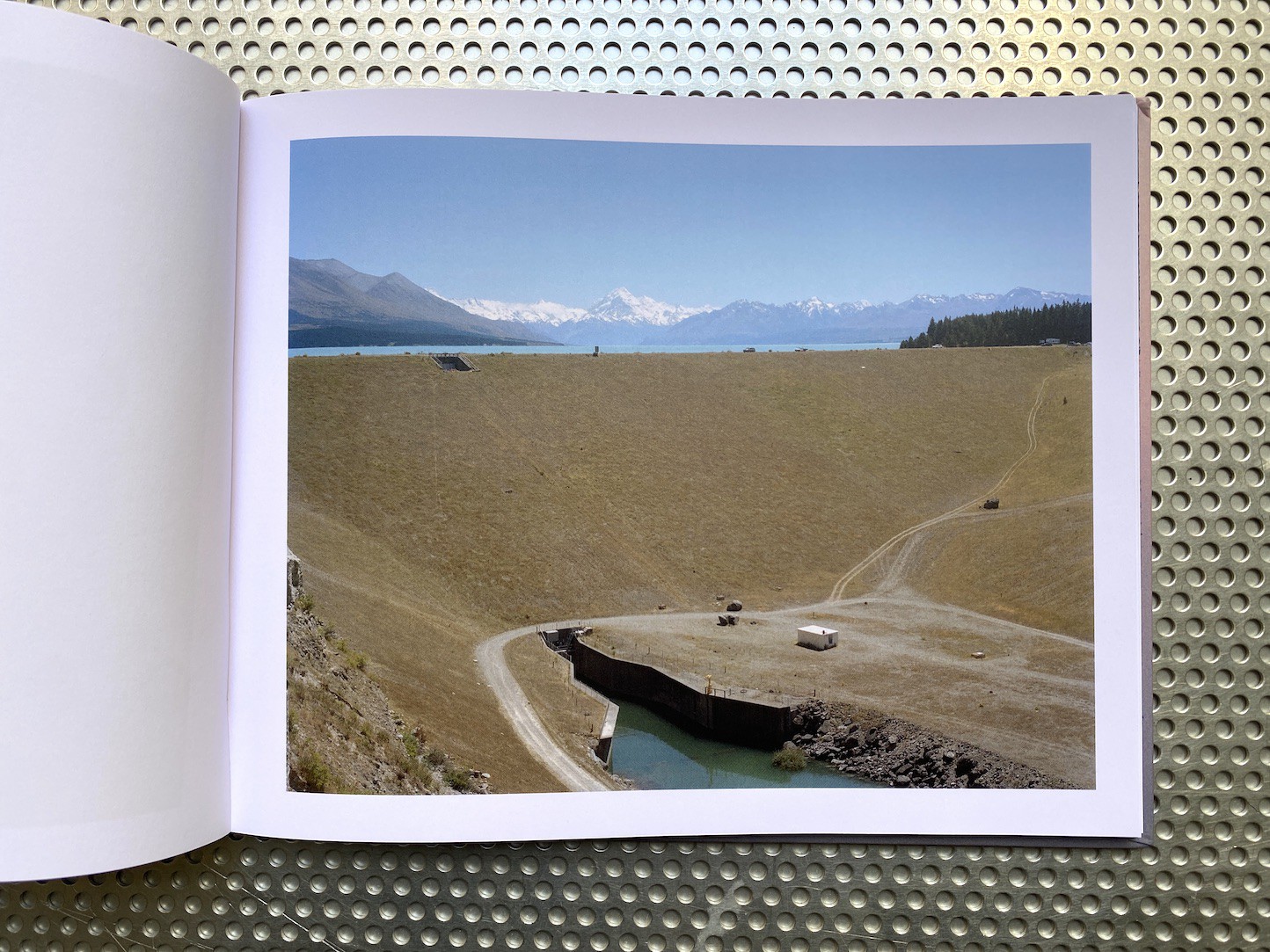
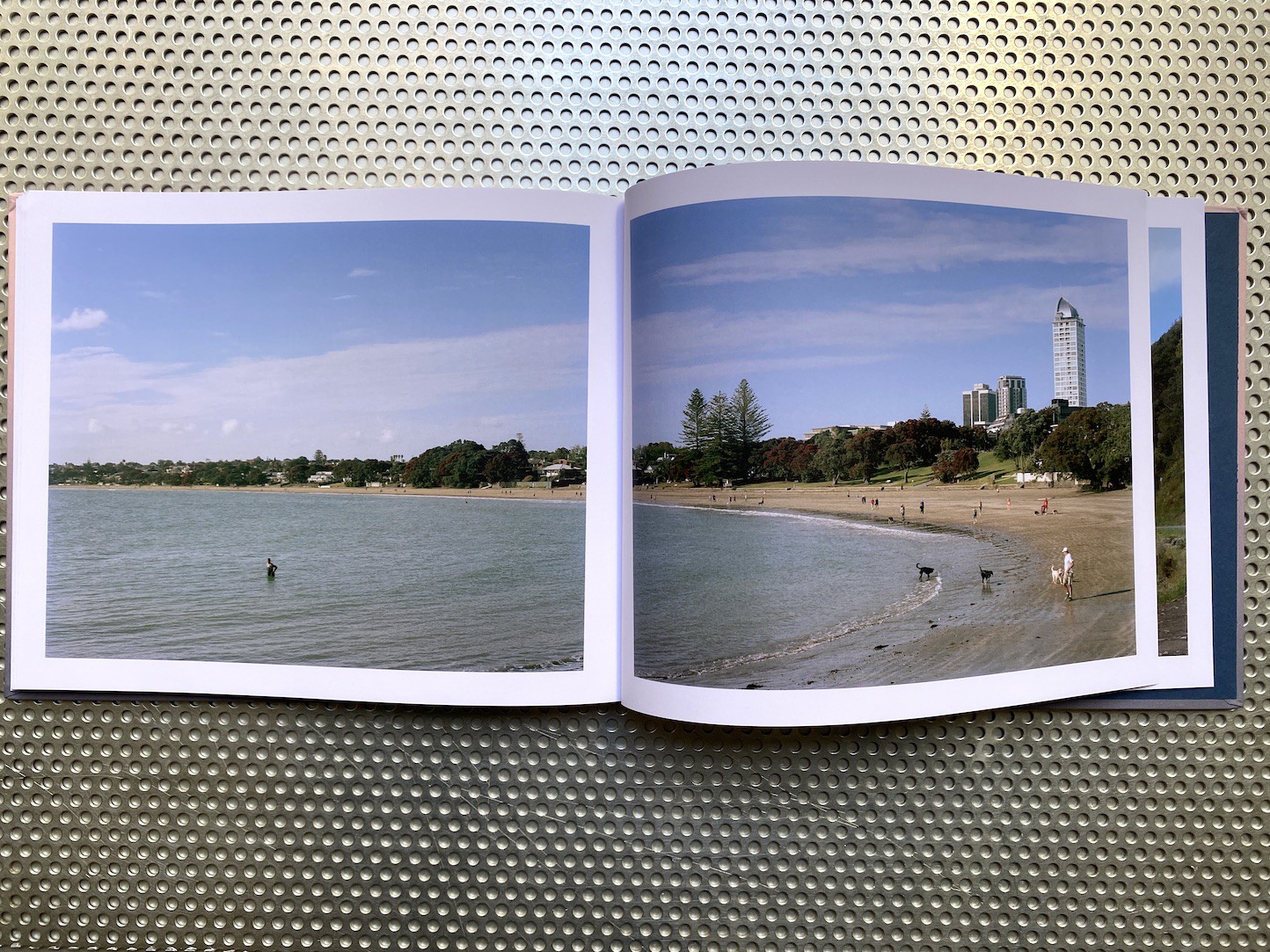
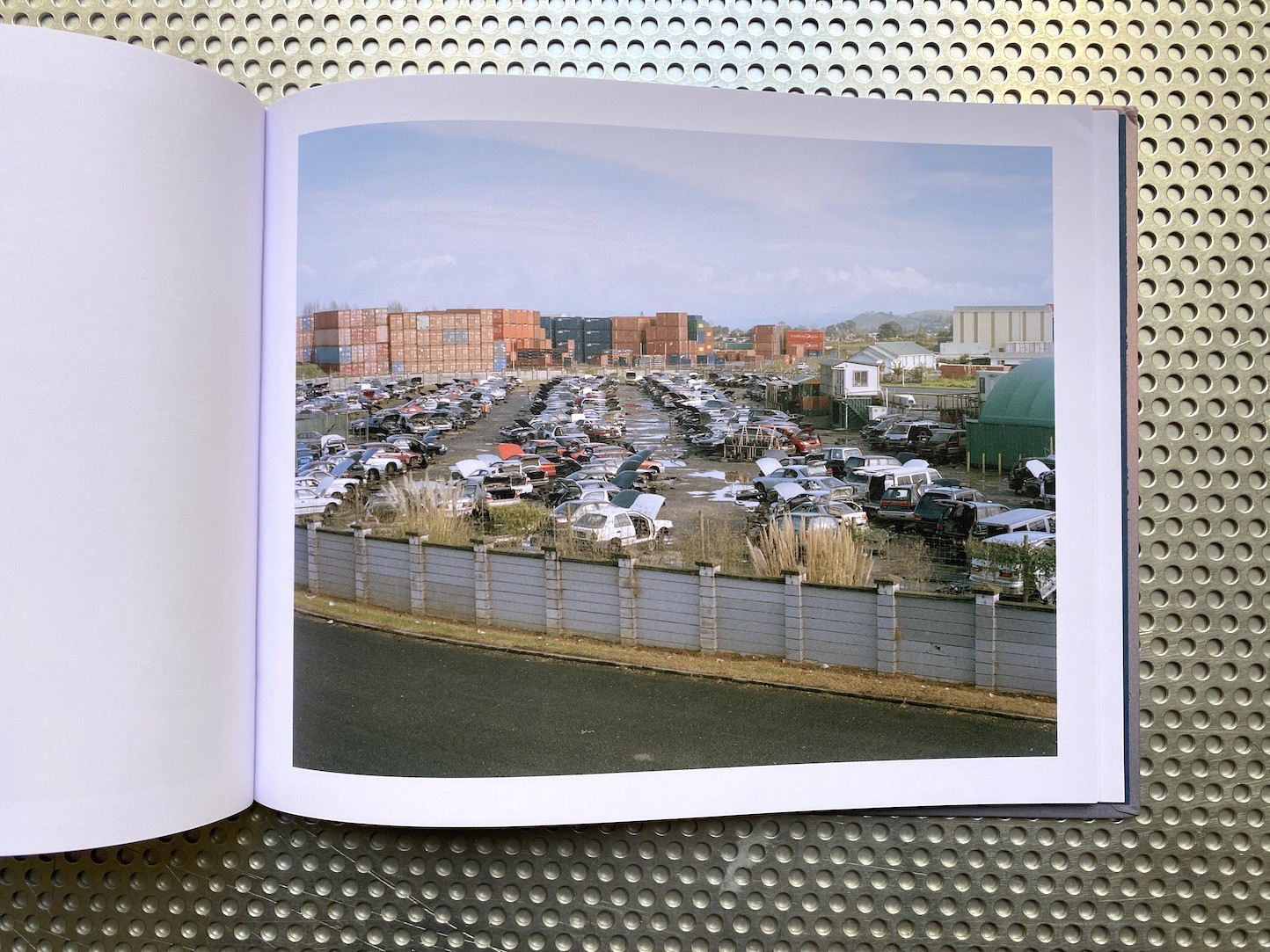
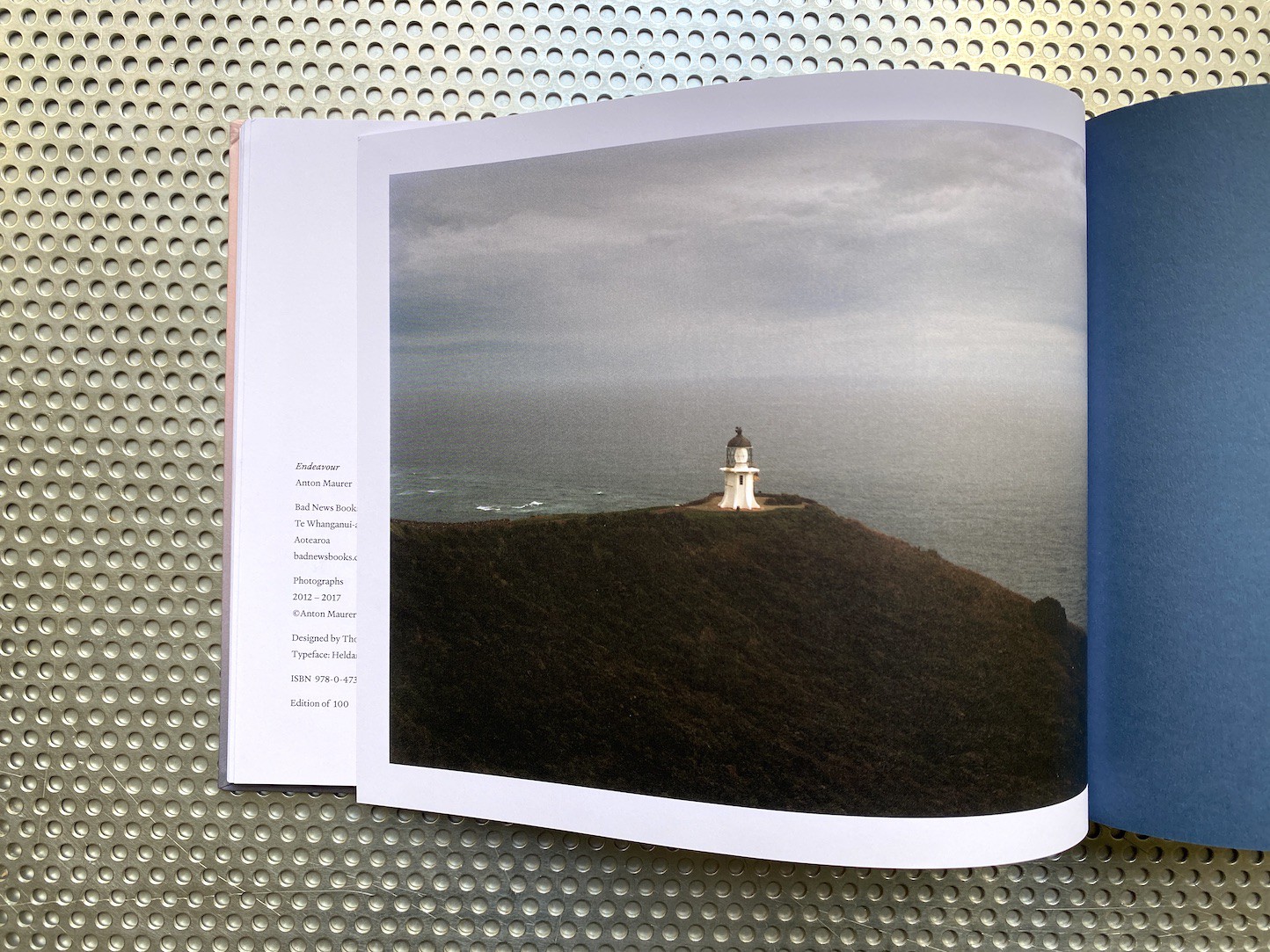
Endeavour. Anton Maurer. Bad News Books

Posted in photography, politics, Uncategorized on November 5th, 2022
Tags: , , , , , ,

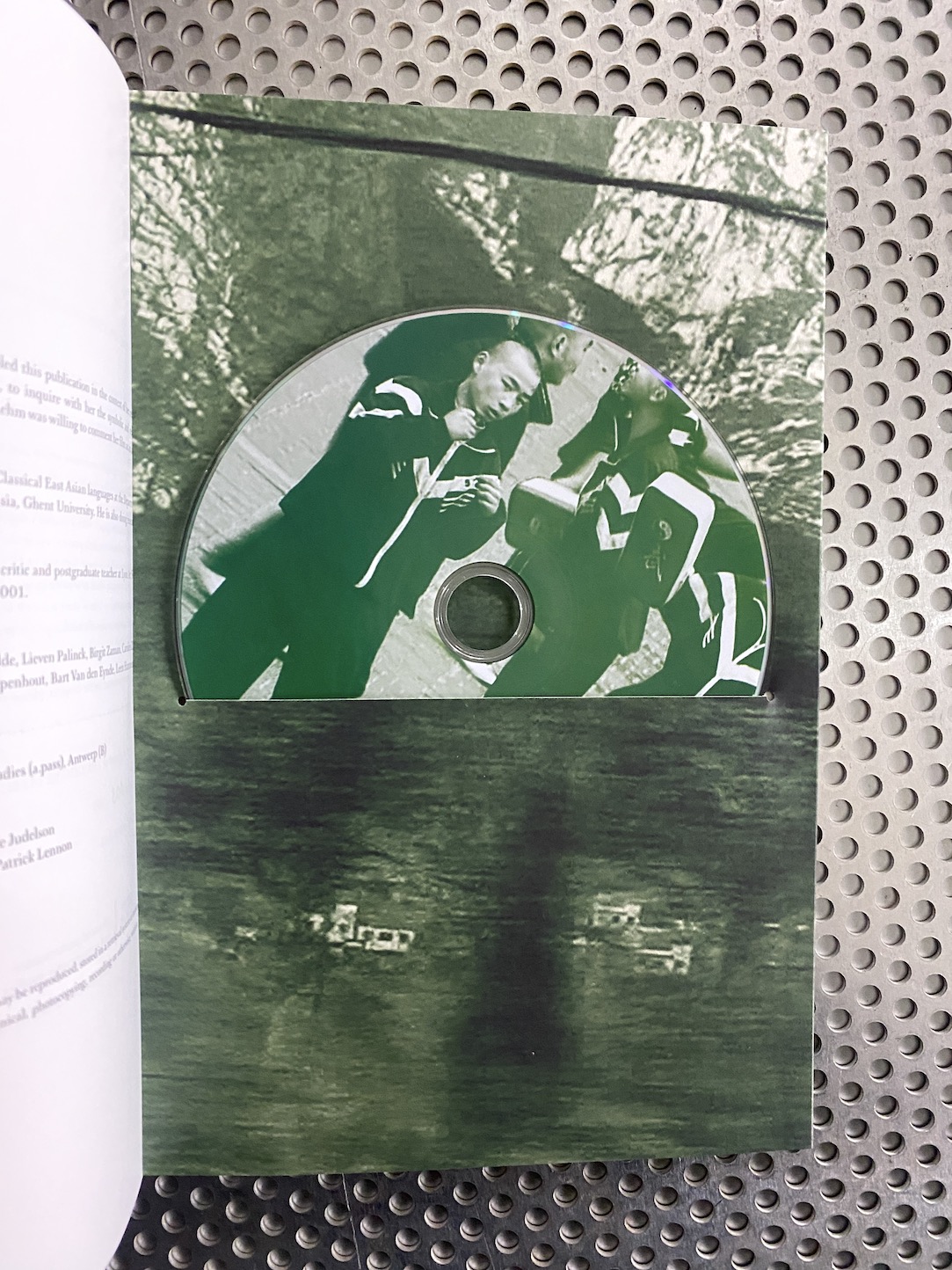
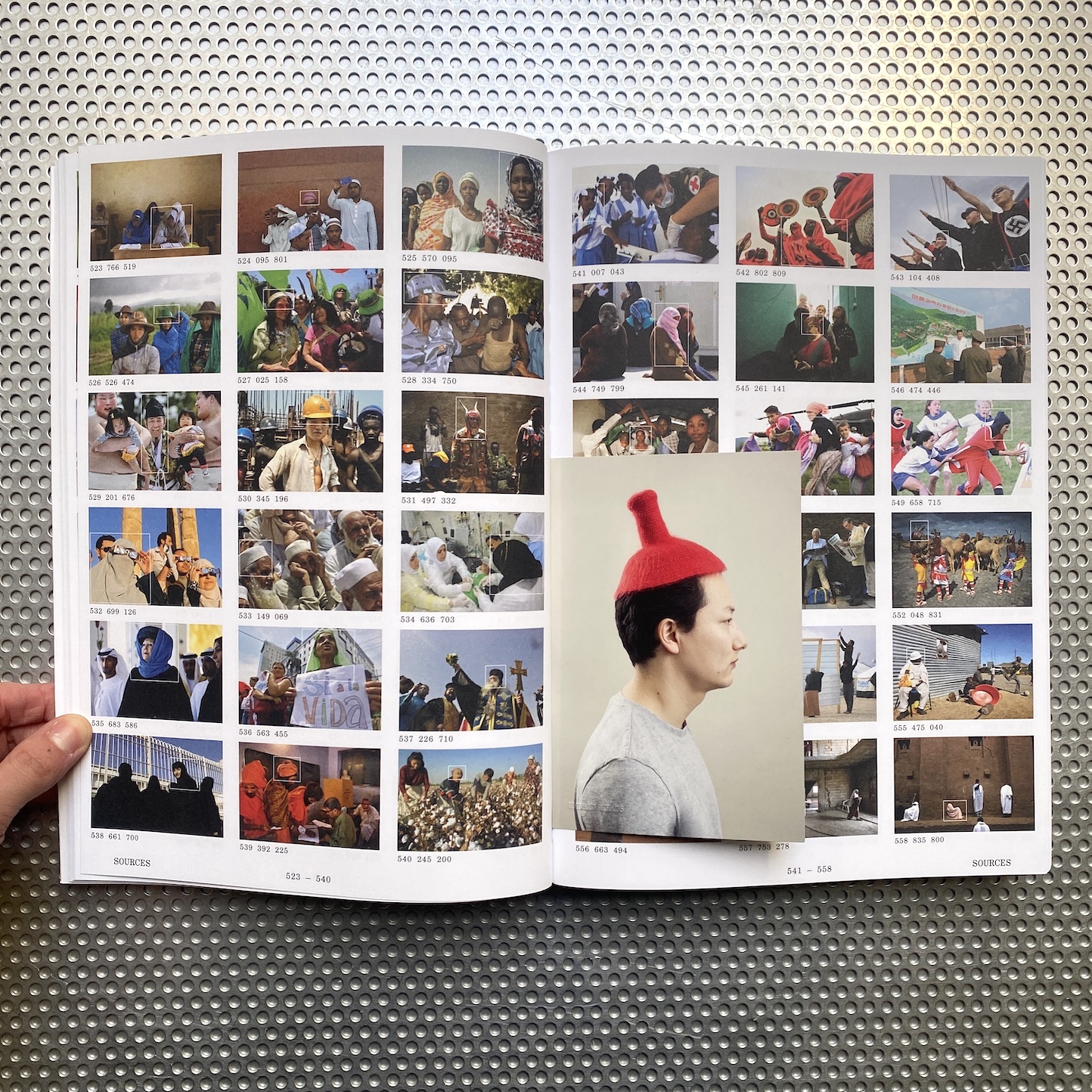
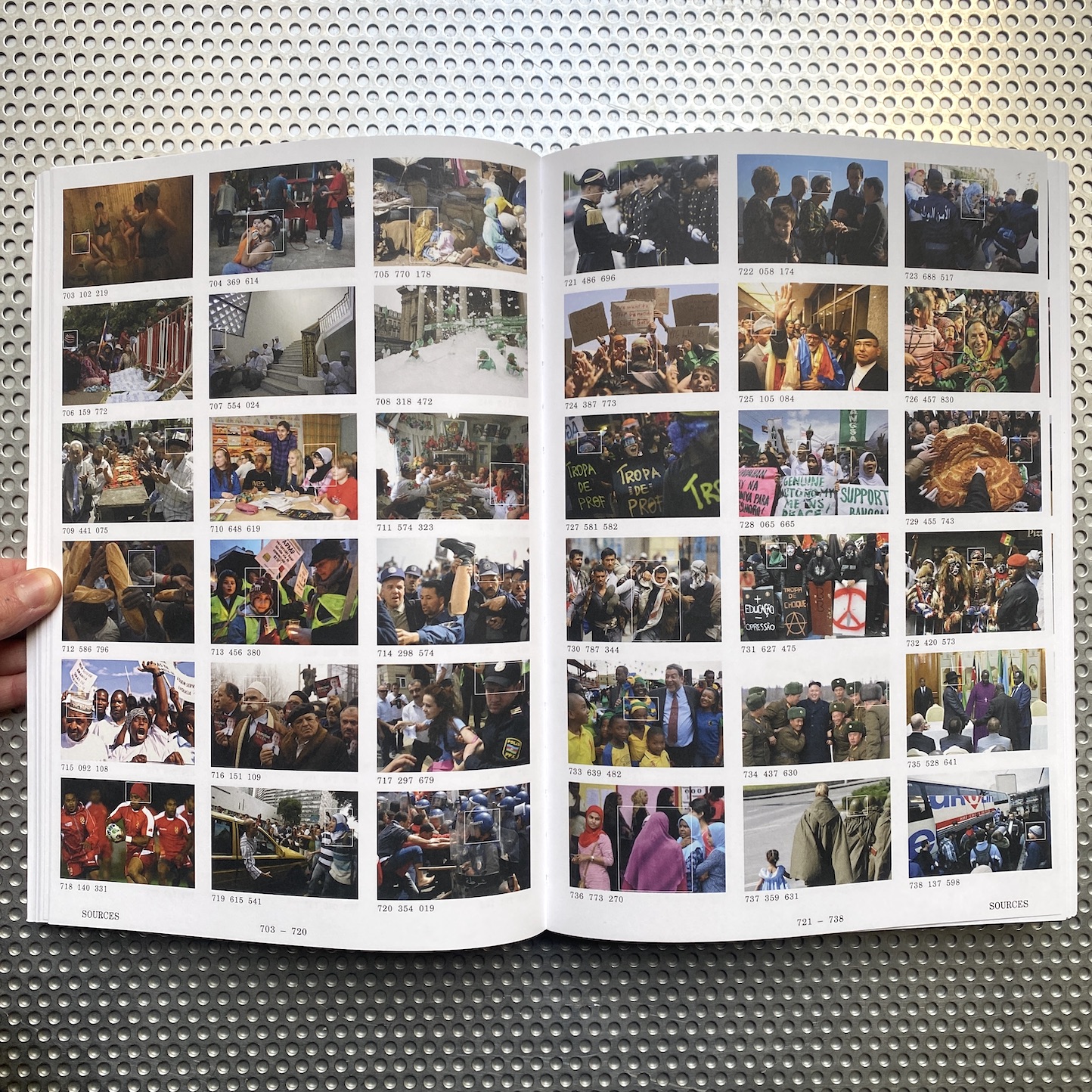
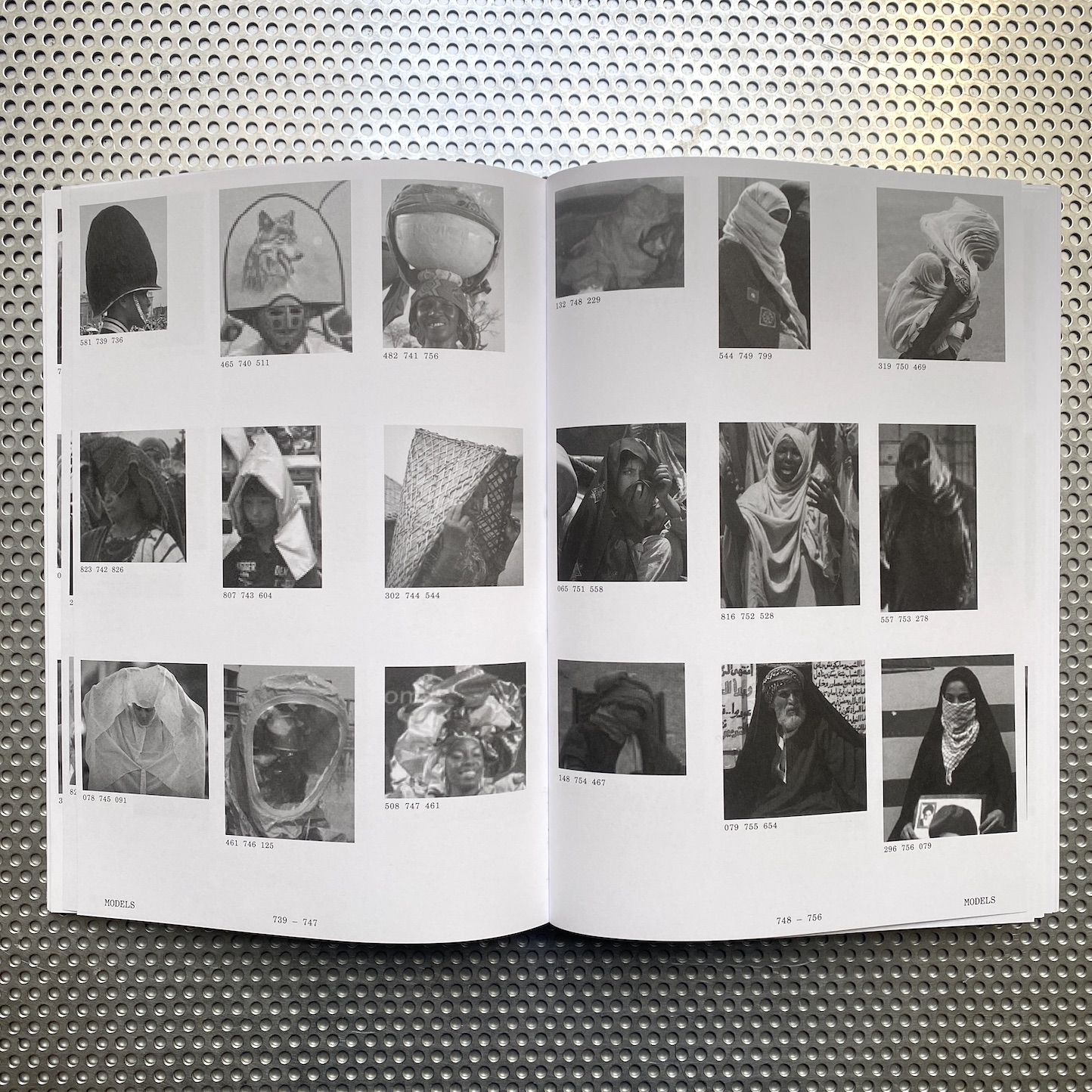
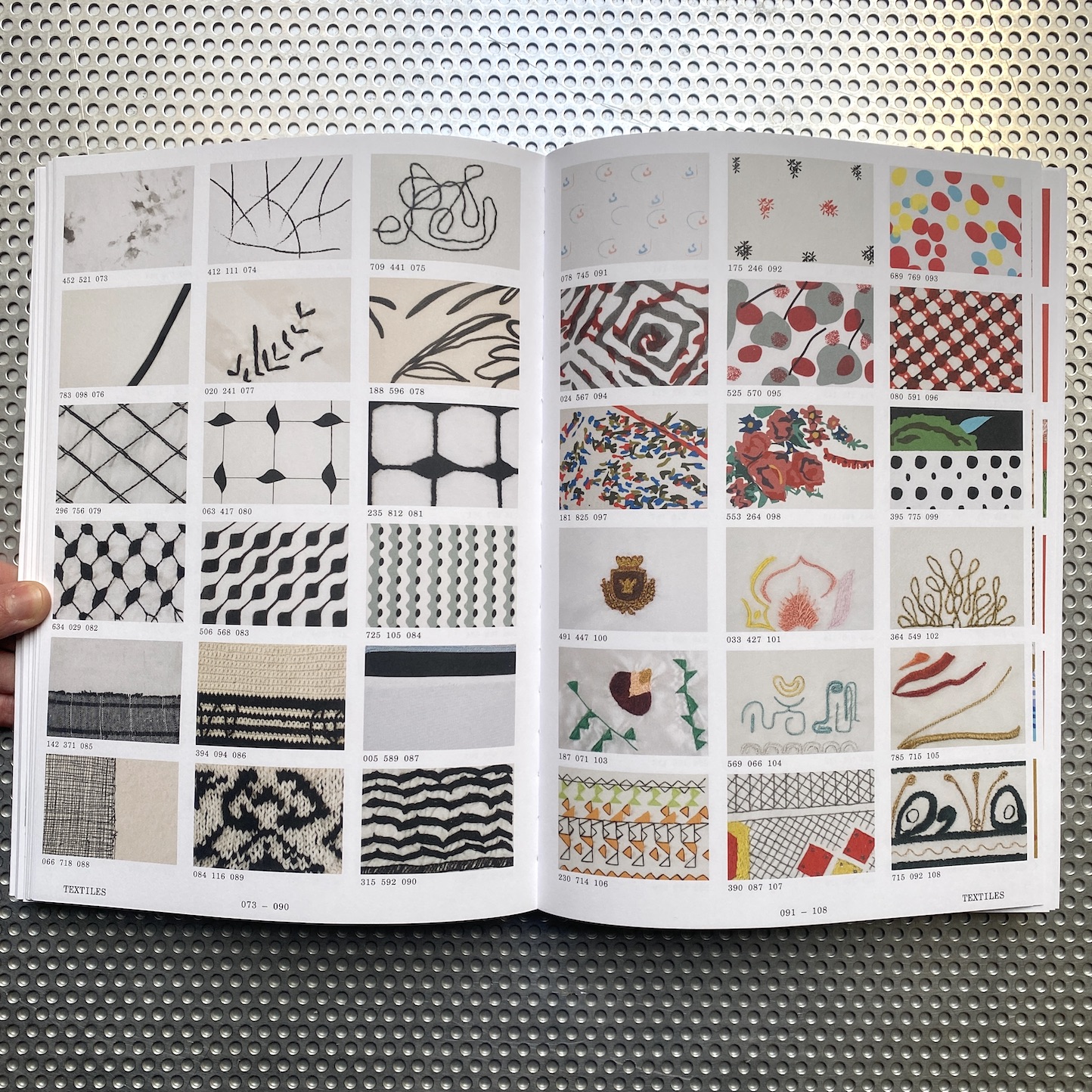
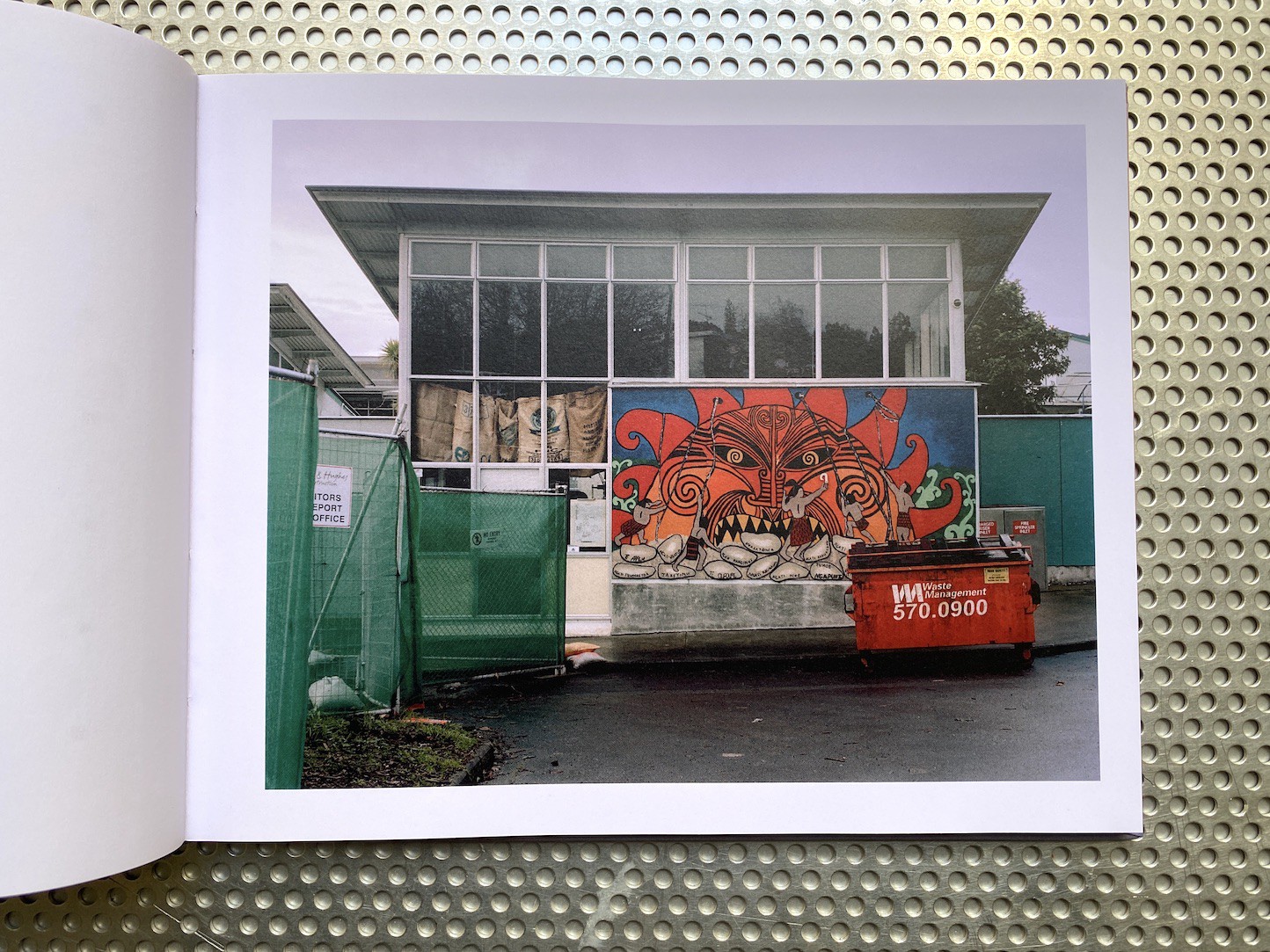
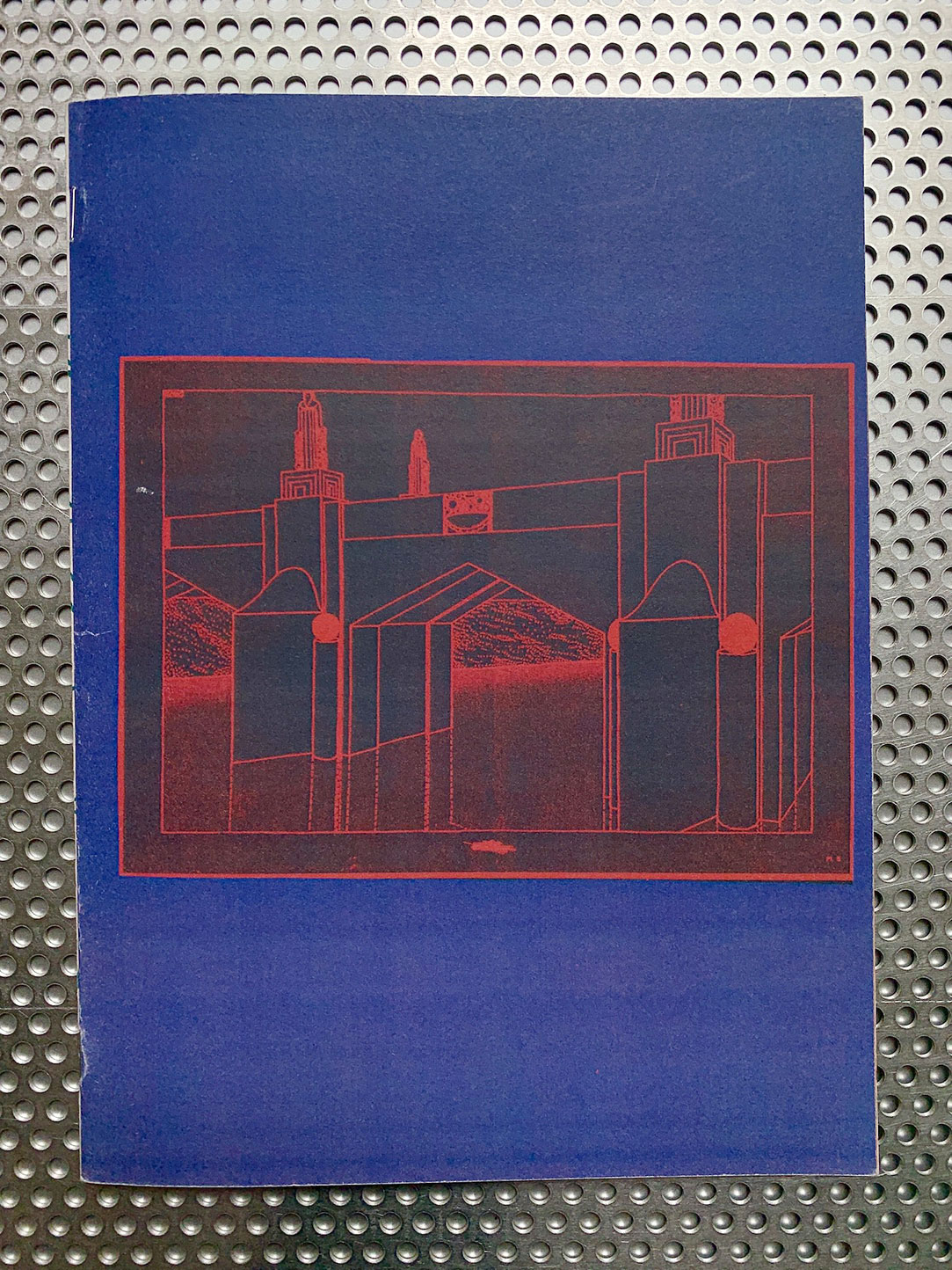
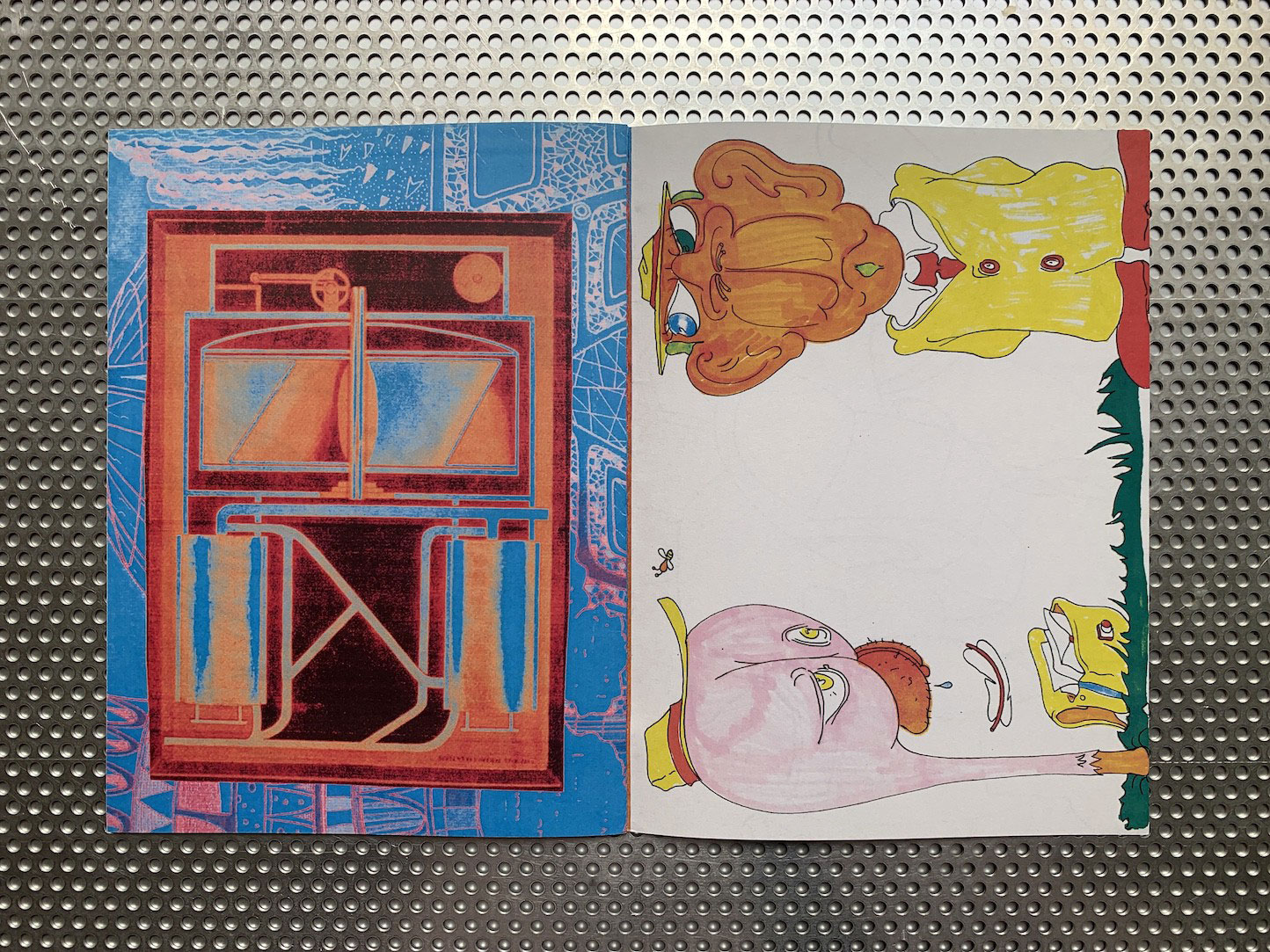
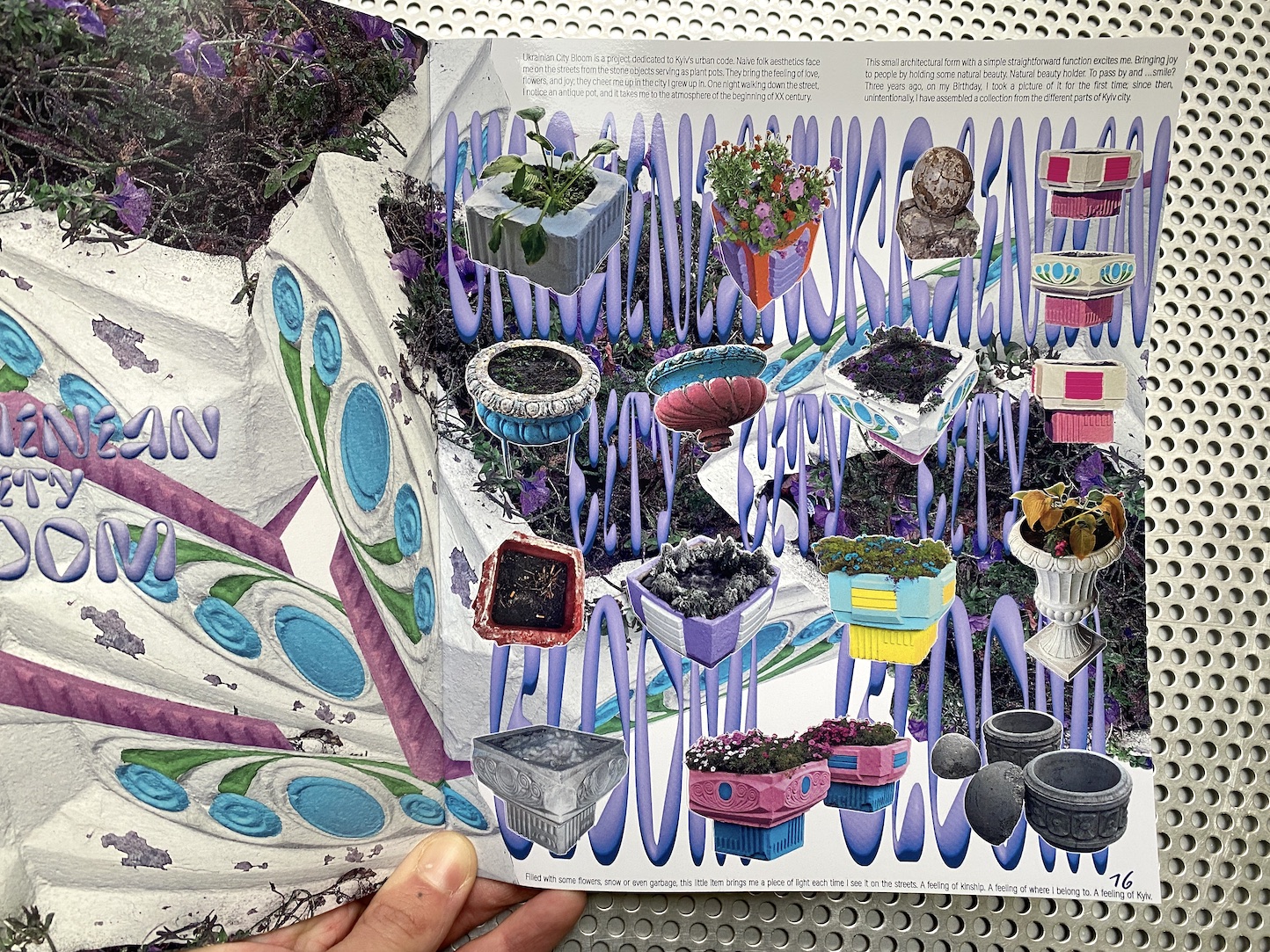
Anton Maurer’s Endeavour is a series visualising the impacts of capitalism and colonisation on Aotearoa, New Zealand. Made from 2012–2017 the works challenge viewers to question their perception of this land and the narratives most commonly associated with it.

Edition of 100

Order here

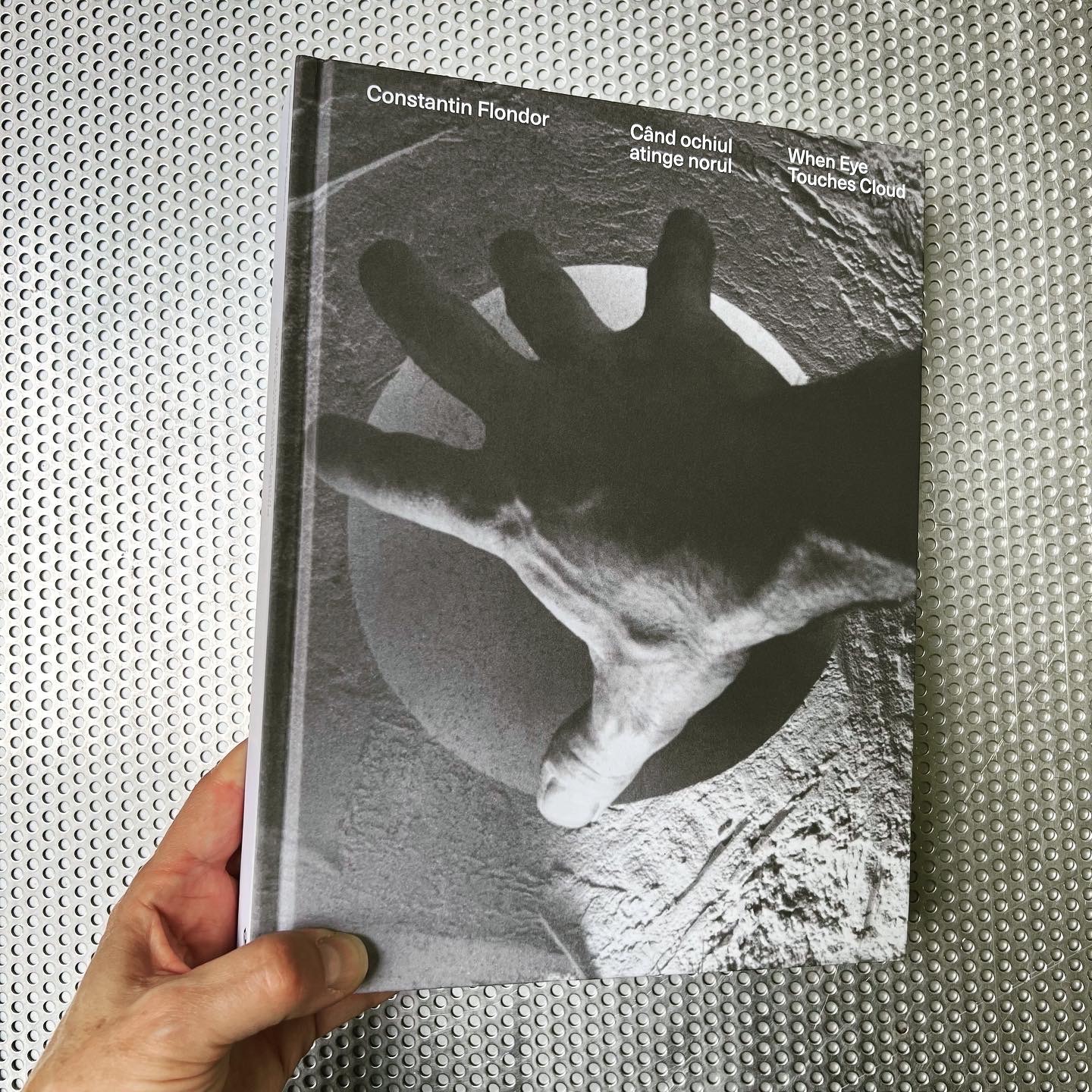
Constantin Flondor. When Eye Touches Cloud. Alina Șerban (Ed.). P+4 Publications

Posted in Film, Monograph, painting, photography, Uncategorized on October 10th, 2022
Tags: , , , , , , ,

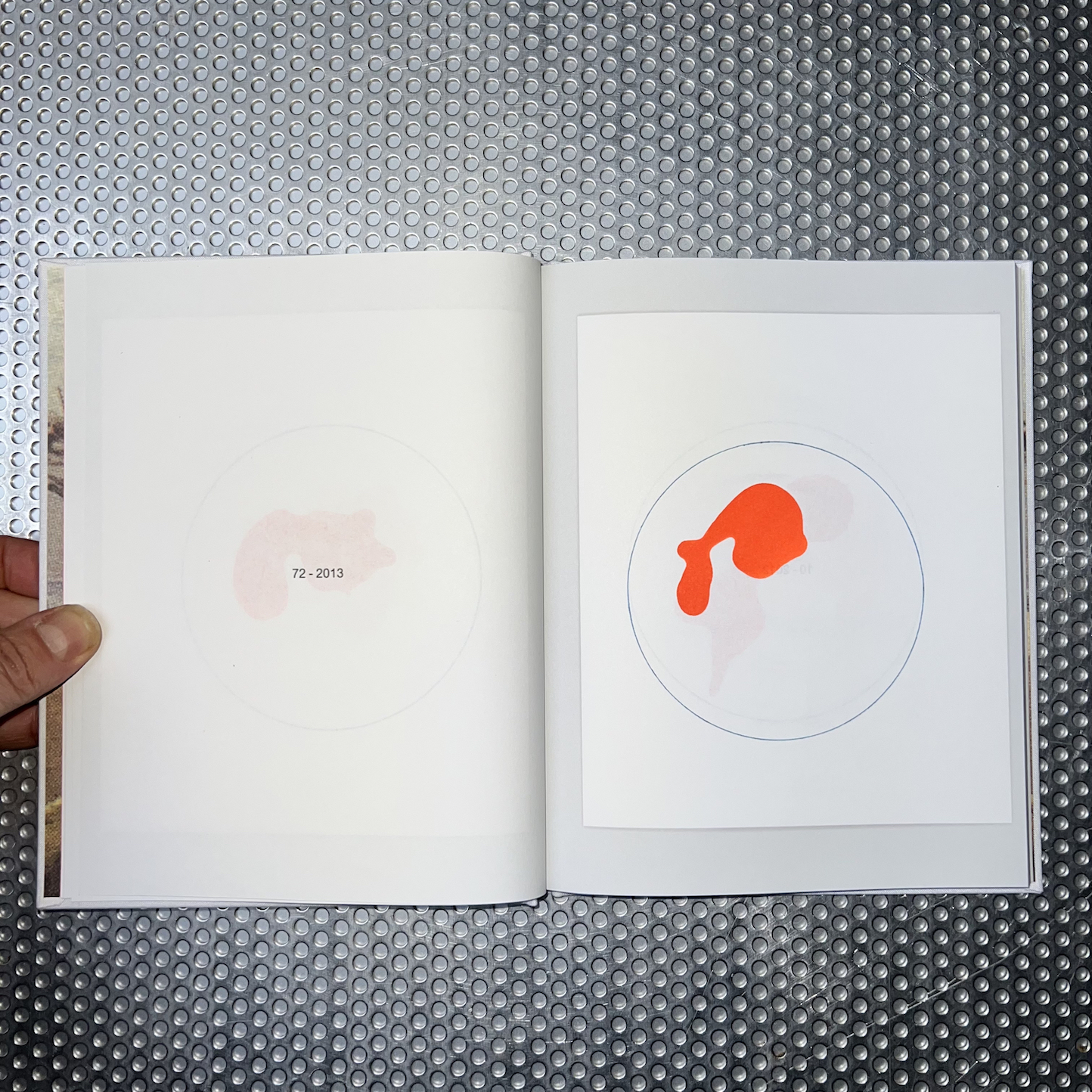
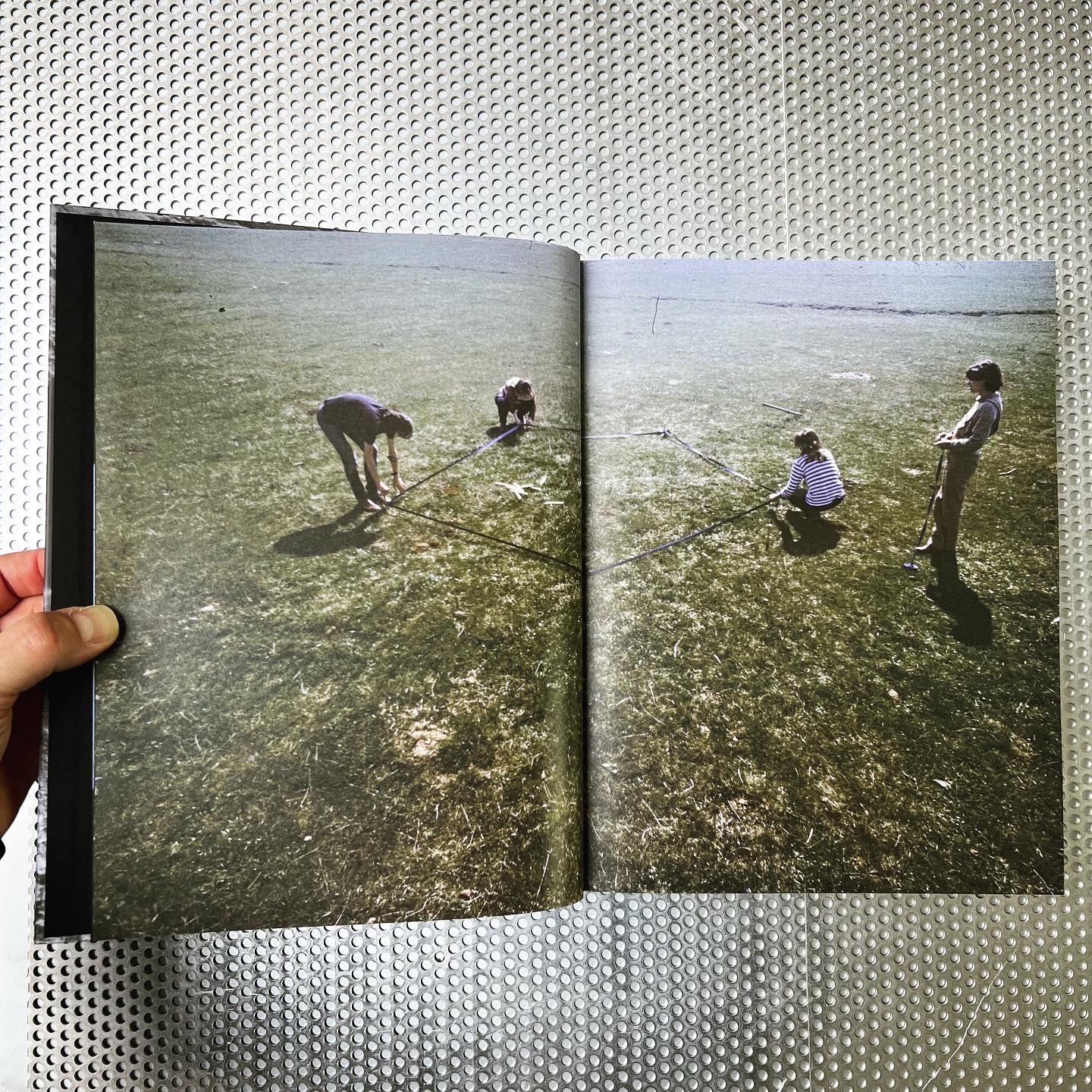
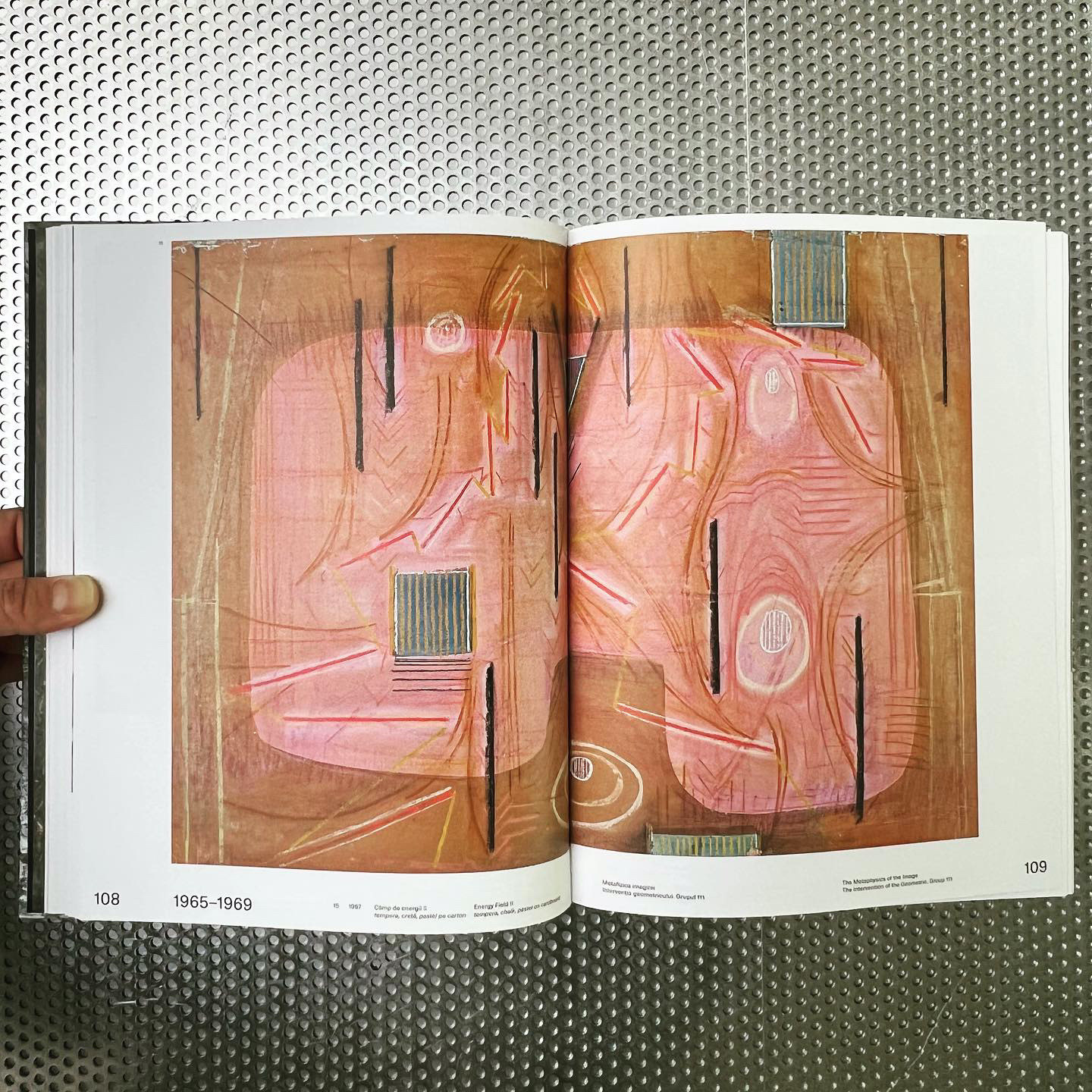
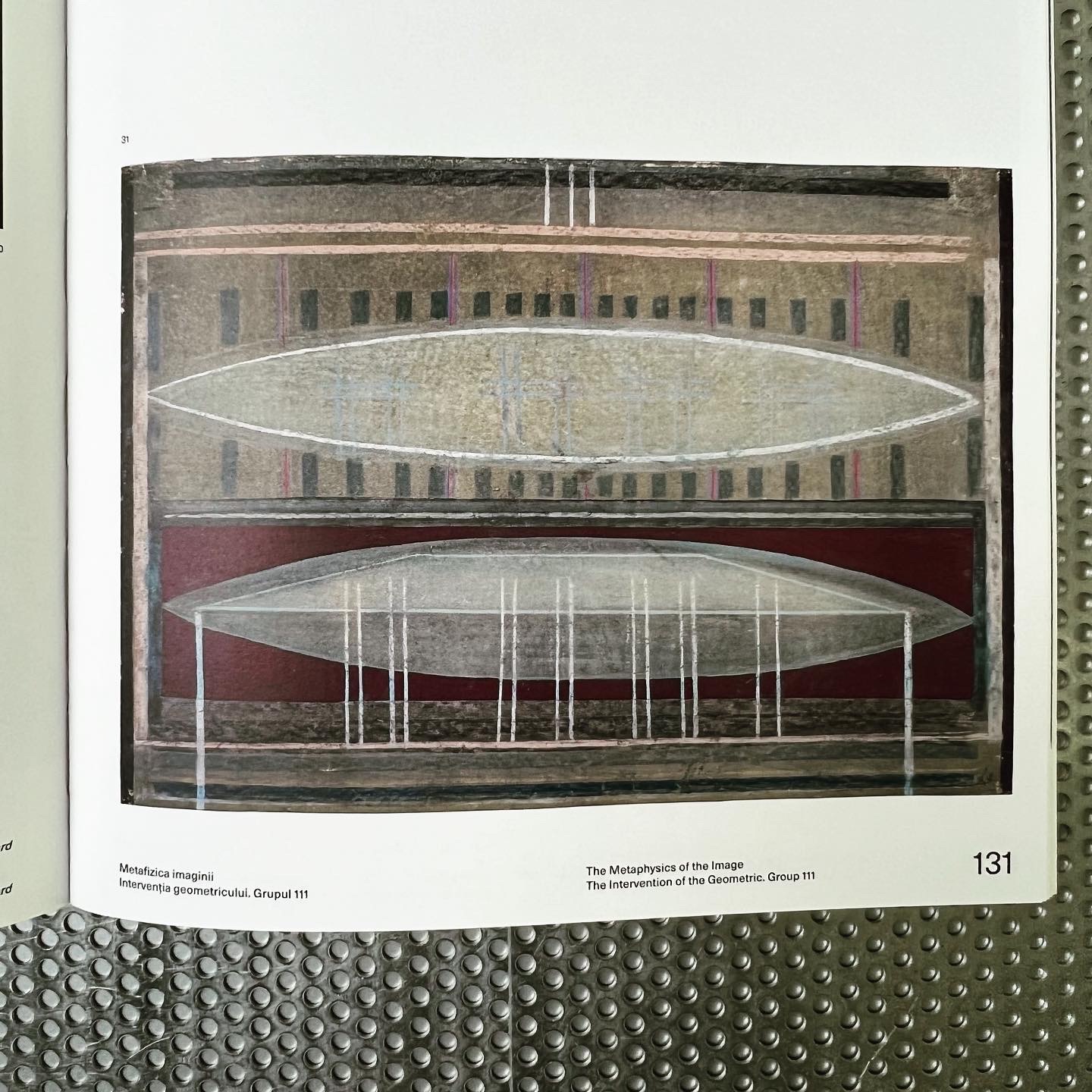
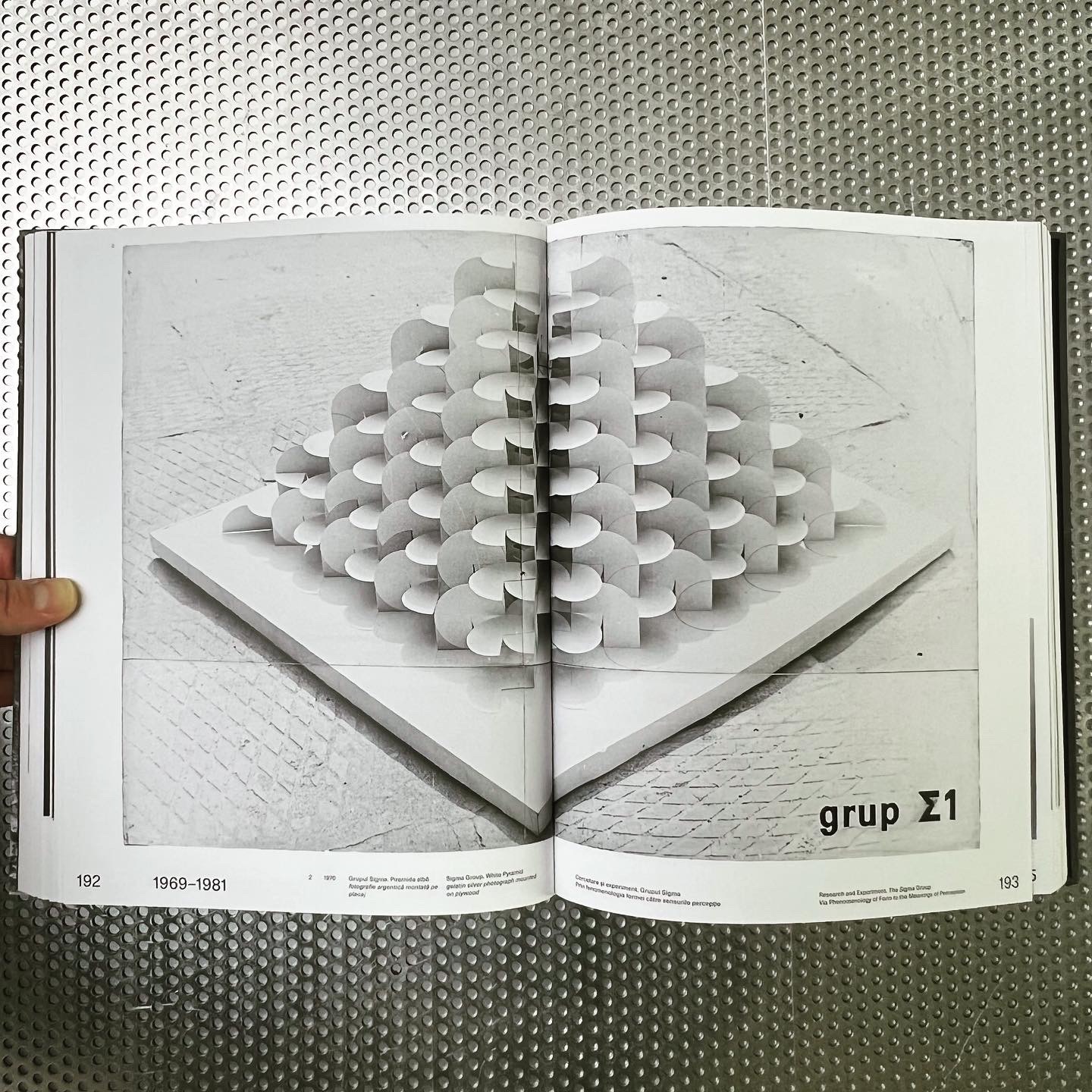
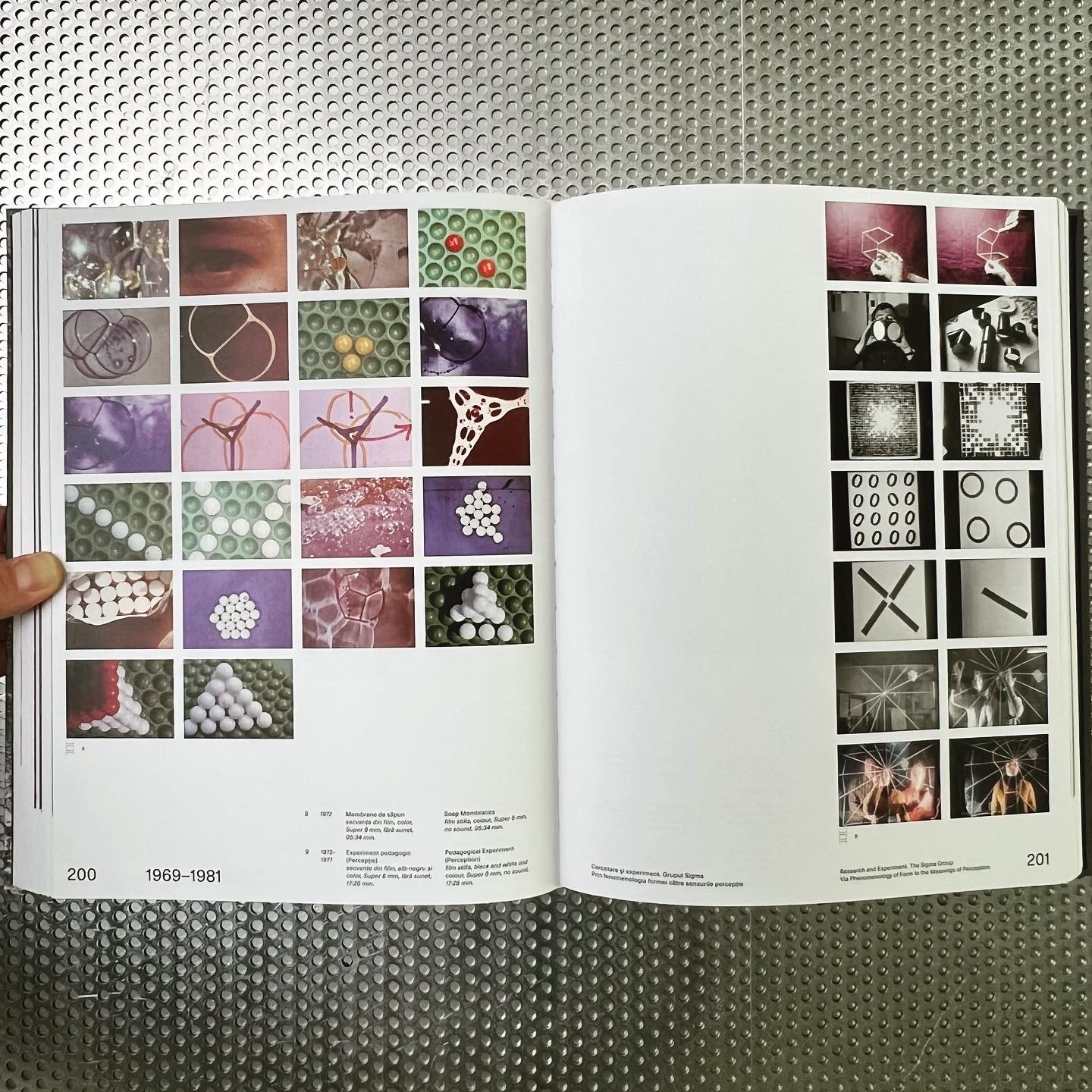
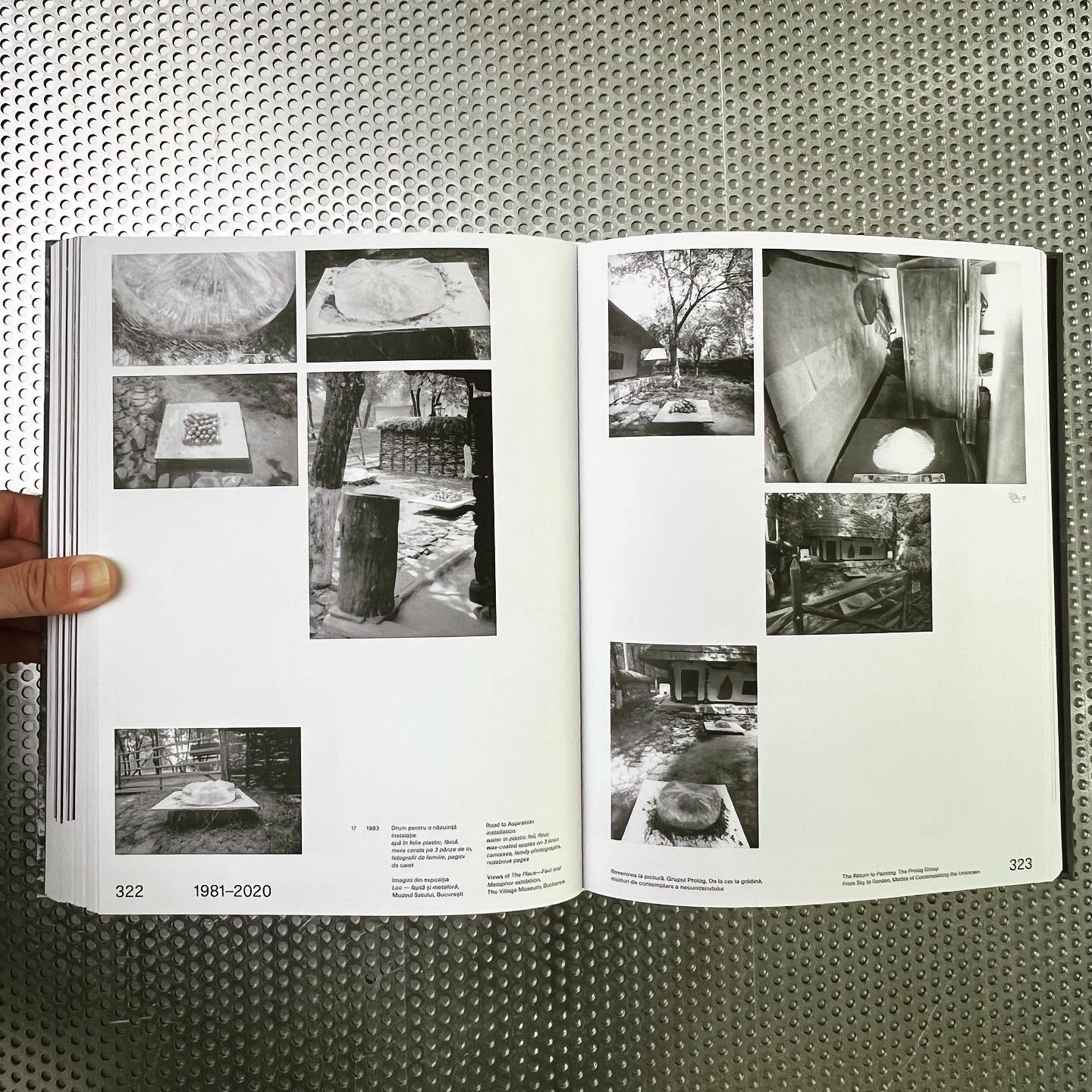
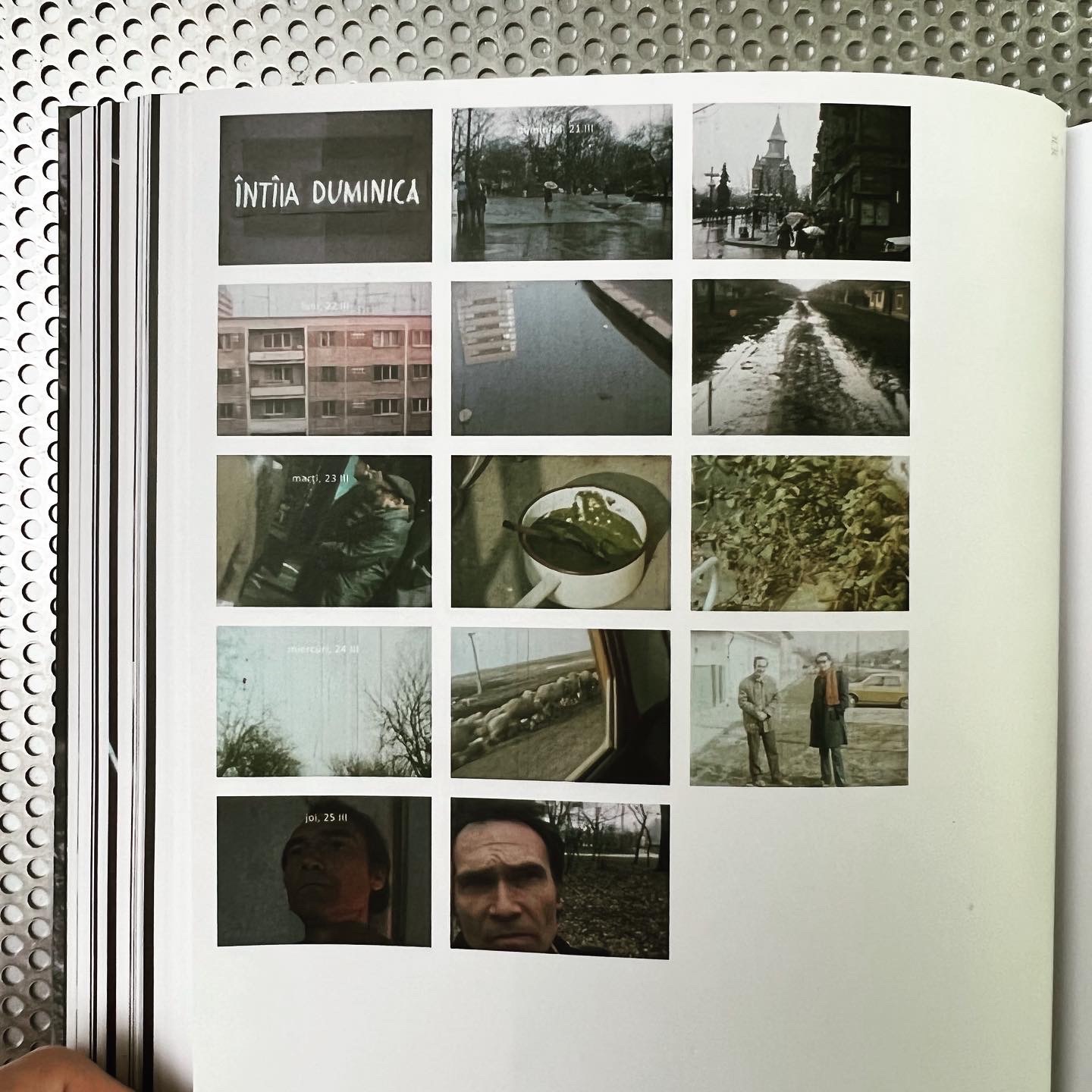
When Eye Touches Cloud is the first monograph dedicated to the manifold oeuvre of Romanian artist Constantin Flondor (born 1936, in Czernowitz), the leading protagonist of the art groups 111, Sigma and Prolog. This richly illustrated publication takes a closer look on the influential body of work he had produced in painting, kinetic & Op art, land art, action, experimental film & photography from the 1960s until today. It surveys the various steps of his practice: from the lyricism of the first pictorial constructs to the optical and kinetic art of the Group 111, from the study of form and land art characteristic of the Sigma Group, defined as the effort to connect within a single equation visual research and experiment, to the Prolog Group’s spirit of communion and conviviality.

The book offers a comprehensive overview of the principles that shape Constantin Flondor’s art, of reflecting and theorising starting from the inventory of terms, themes, and concepts that have guided him as an artist over seventy years of uninterrupted work and of restoring them to the international context of art through the contributions of invited authors, Dieter Roelstraete & Abigail Winograd, Rainer Fuchs, and Katarzyna Cytlak. Besides the commissioned essays, the book includes a selection from the artist writings and several archival materials which enlarge our view on artist’s singular mode of thinking.

*
P+4 Publications is an independent publishing programme dedicated to the promotion of Romanian contemporary art, photography and architecture, exploring the book medium as a point of encounter between theoretical research, graphic design experiment and artists’ ideas and subjects present in their practice. Presently, the programme brings together the Artist Book Series and the Architecture Book Series, supported between 2013–2021 by the PEPLUSPATRU Association, and Parkour and Exhibition-Dossier series, developed by the Institute of the Present since 2017. Starting from 2021, P+4 Publications is coordinated by the Institute of the Present.

Order here

L’emprise. Antoine Orand

Posted in Uncategorized on September 14th, 2022
Tags: , , , , , ,

Order here

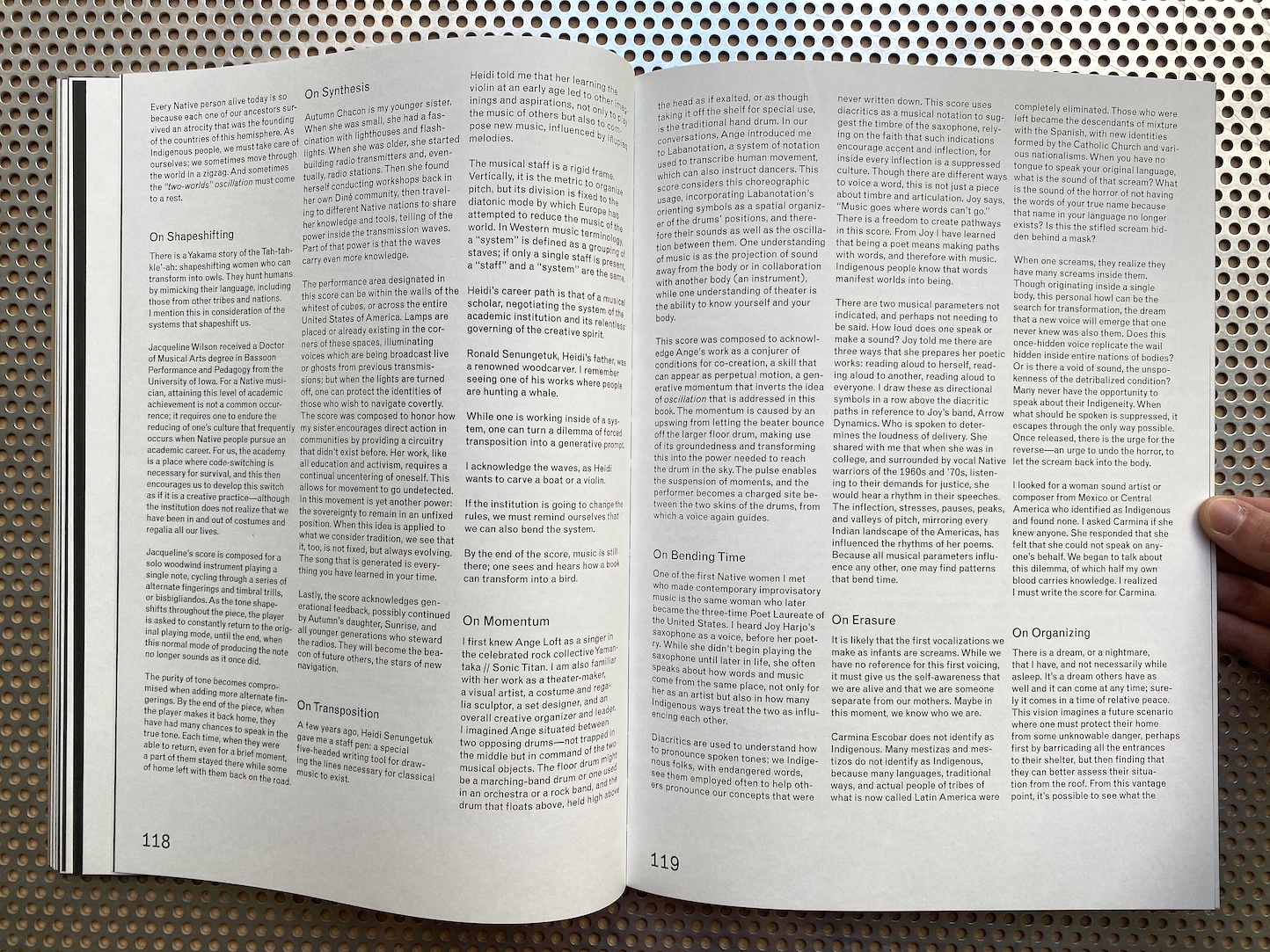
For Zitkála-Šá. Raven Chacon. Art Metropole; New Documents

Posted in Uncategorized on July 24th, 2022
Tags: , , , , , , , , , , , , , , , , ,

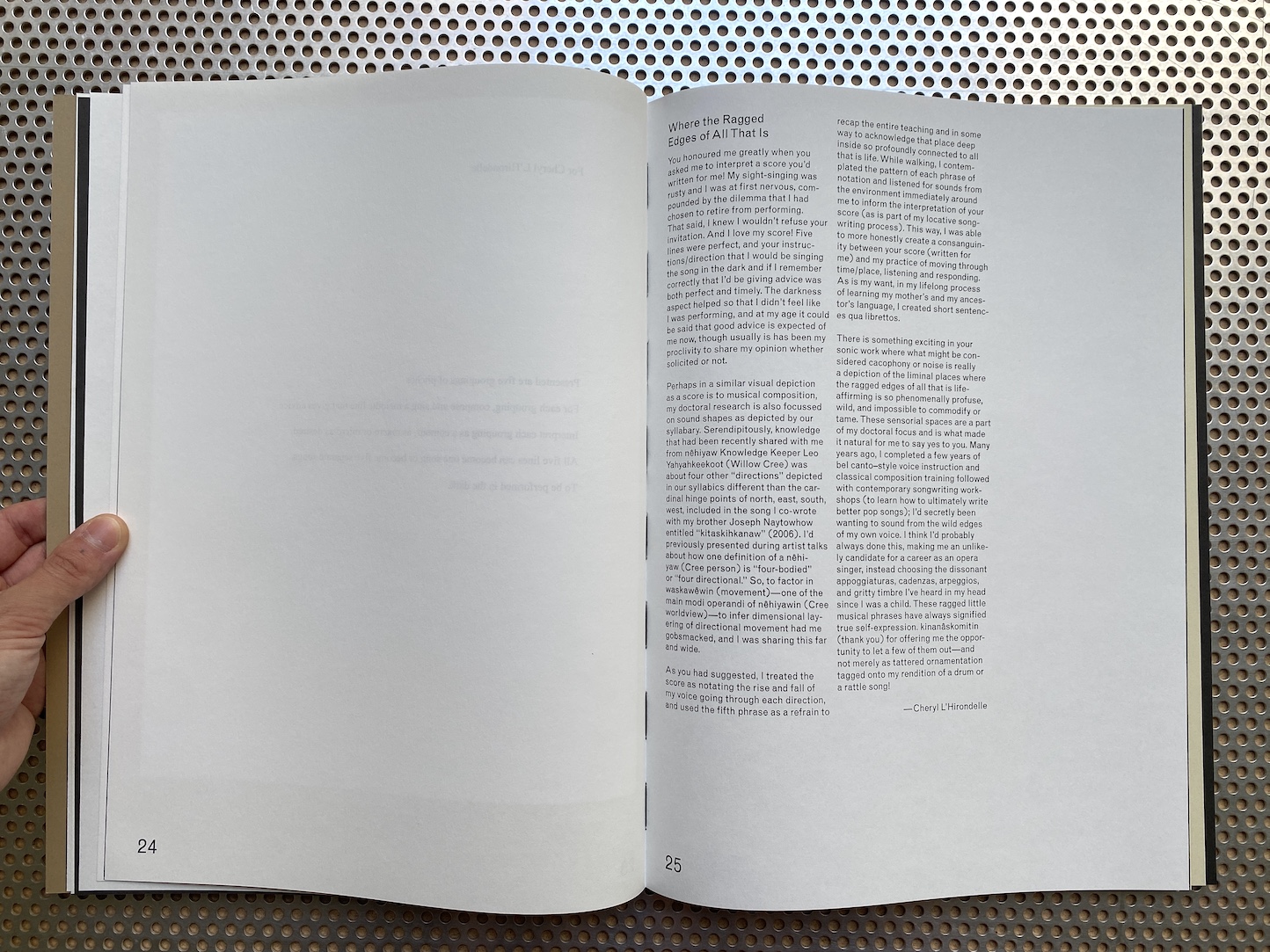
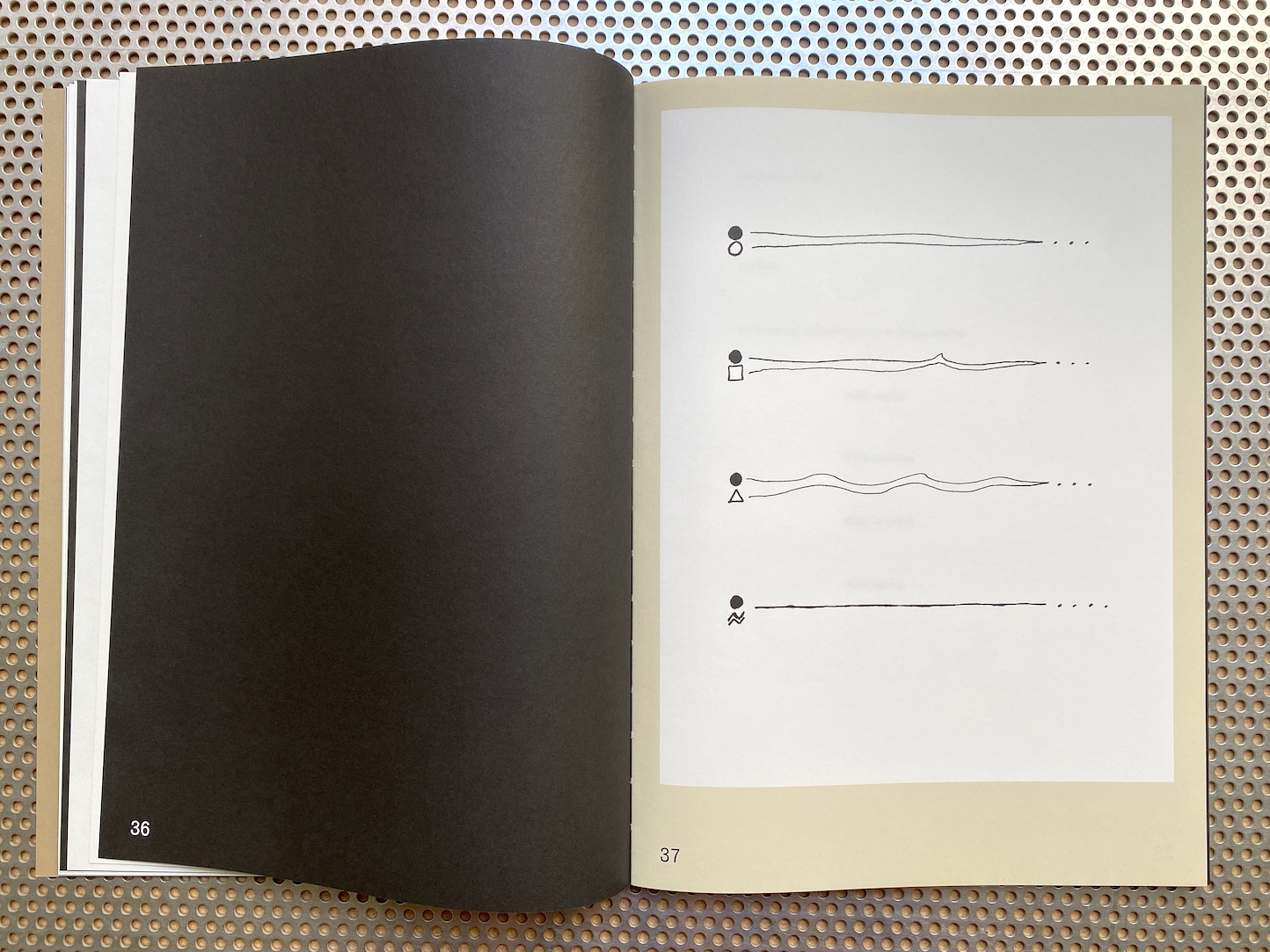
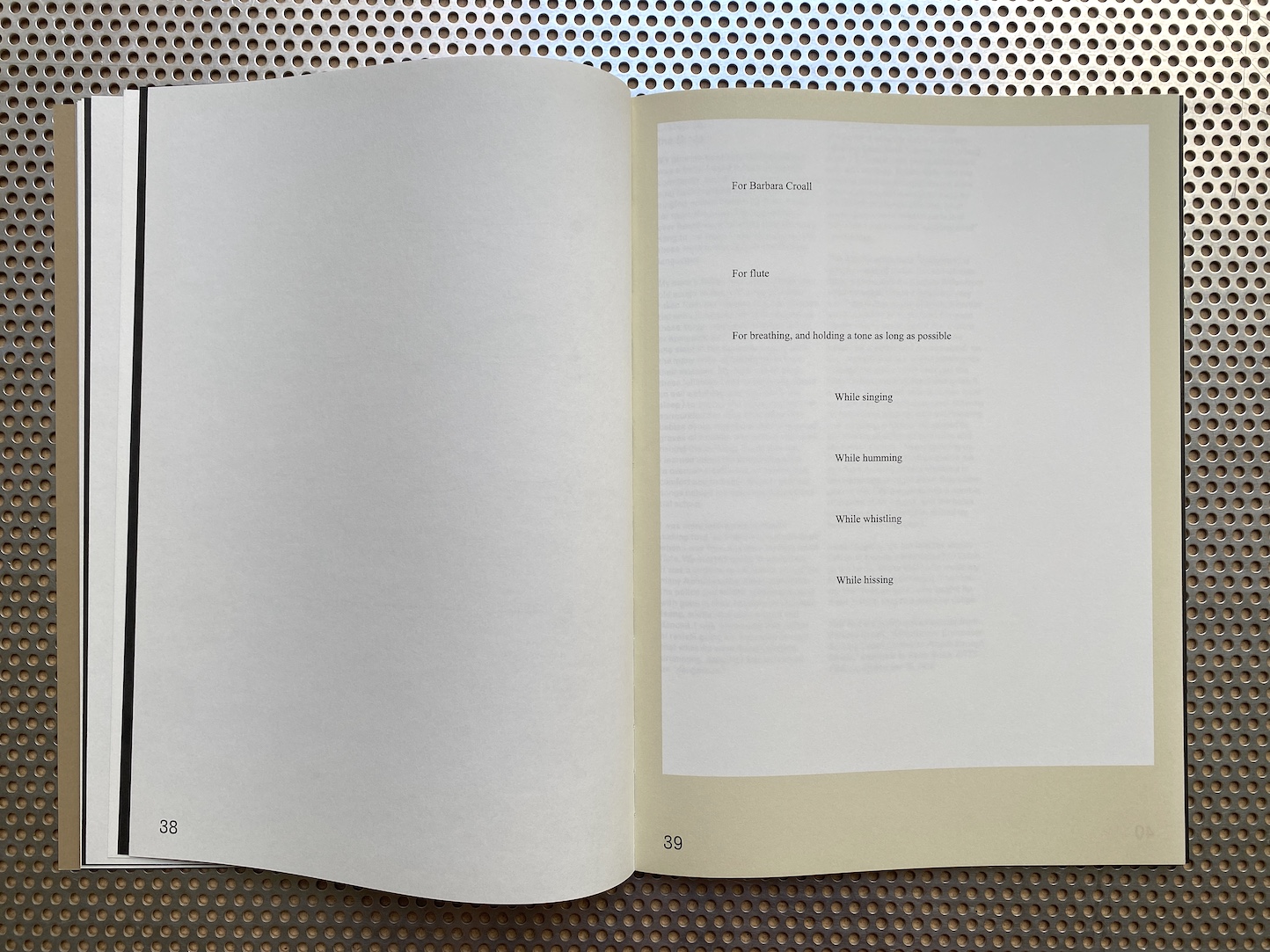
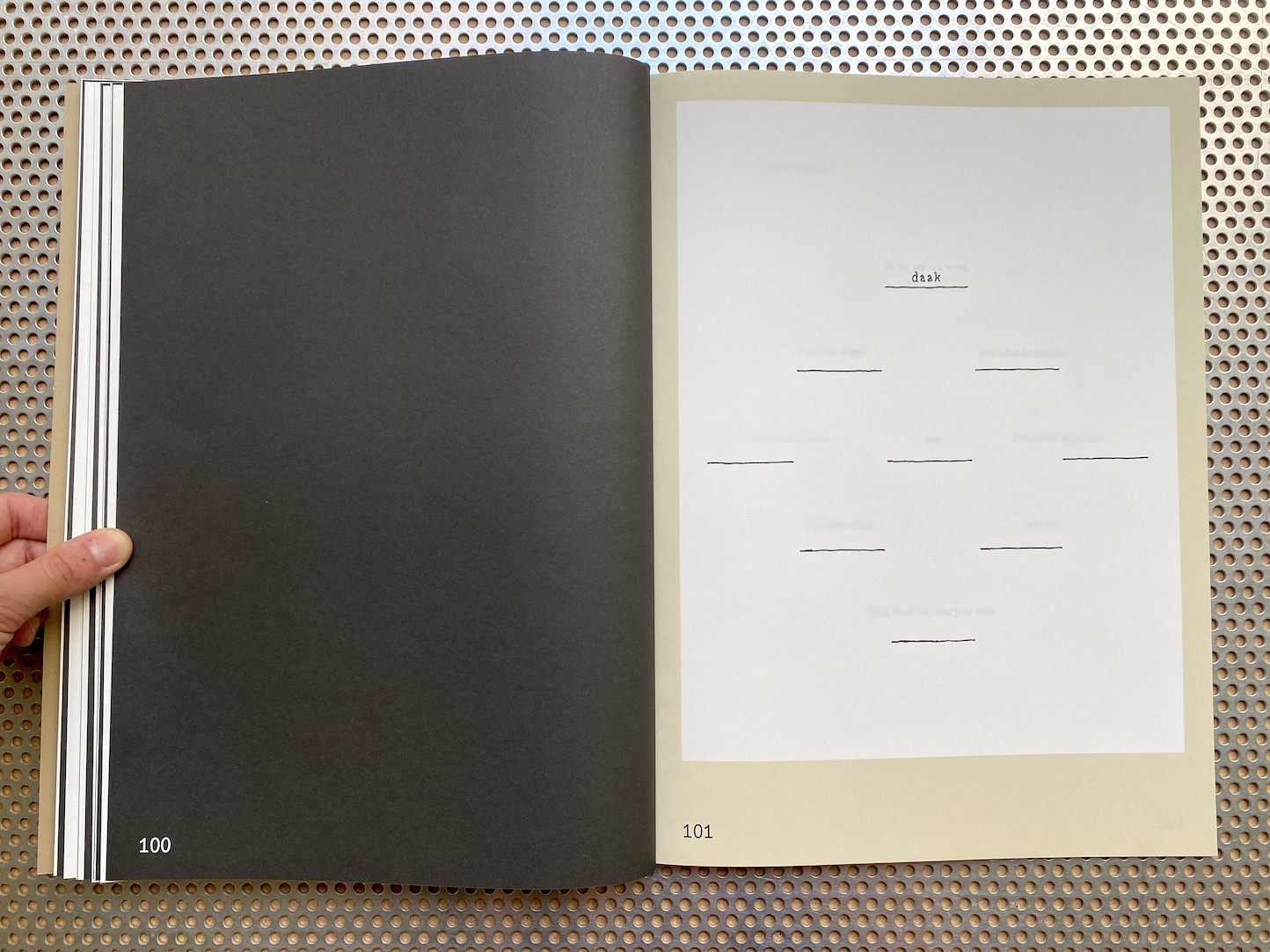
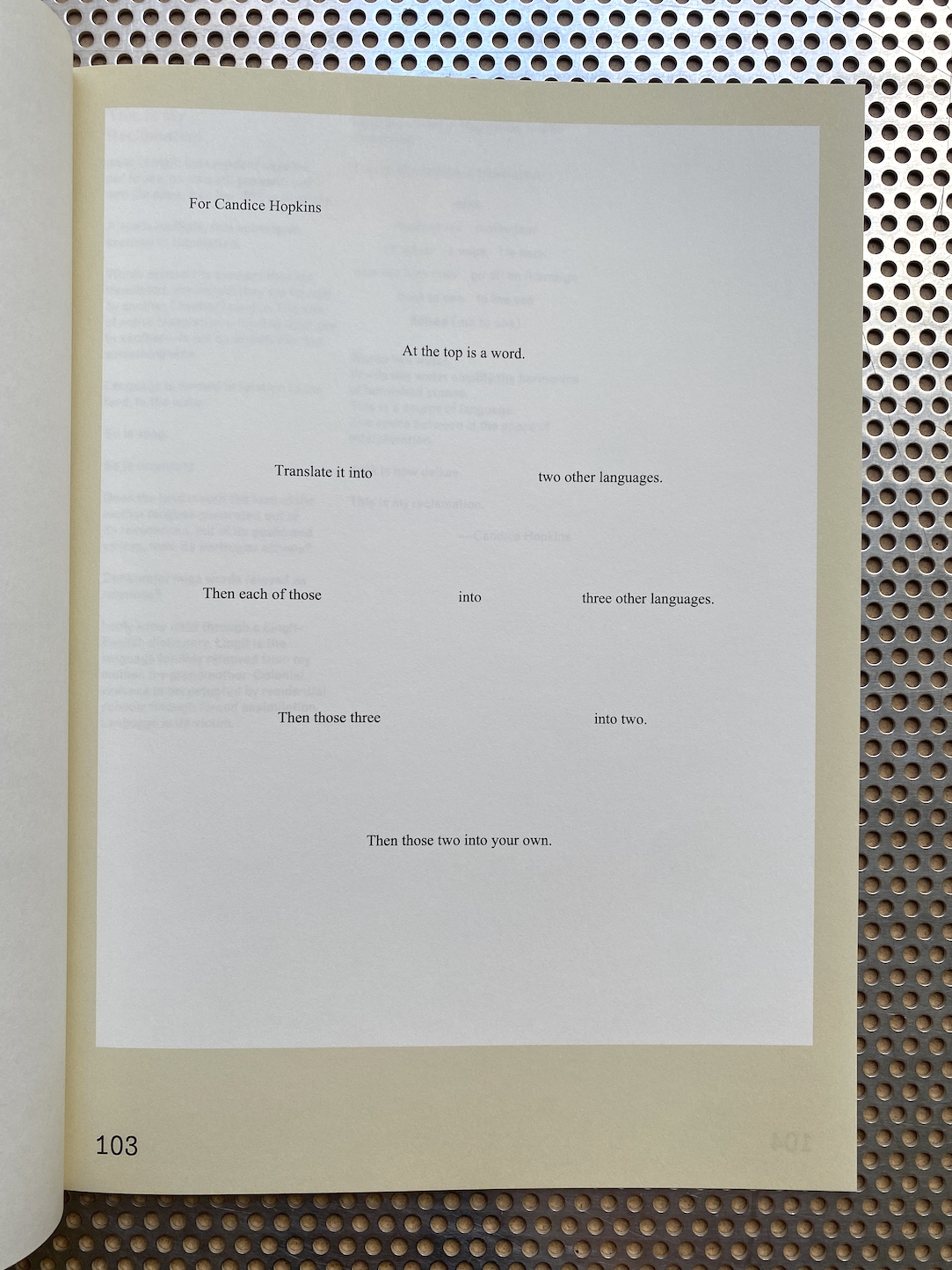
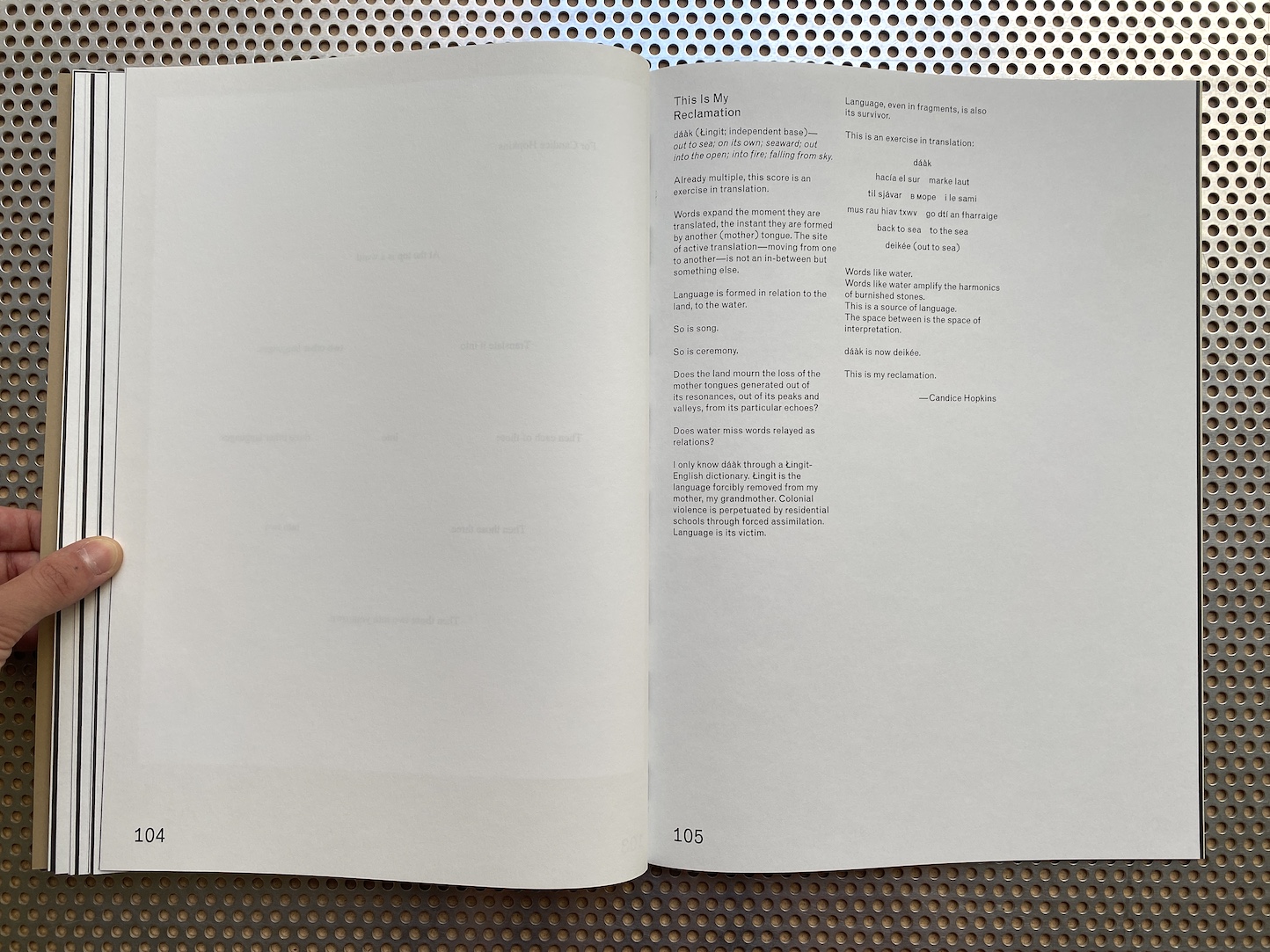
For Zitkála-Šá collects a series of scores by artist and composer Raven Chacon.

Paying tribute to Yankton Dakota writer, musician, and activist Zitkála-Šá (b.1876), this publication is structured through a series of scores for thirteen contemporary female Indigenous performing artists: Laura Ortman, Cheryl L’Hirondelle, Suzanne Kite, Barbara Croall, Jacqueline Wilson, Autumn Chacon, Heidi Senungetuk, Ange Loft, Joy Harjo, Carmina Escobar, Olivia Shortt, Candice Hopkins, and Buffy Sainte-Marie. The book is supplemented by texts by each artist and a contextualizing essay by Chacon.

Raven Chacon is a composer, performer, and installation artist from Fort Defiance, Navajo Nation currently based in Albuquerque, New Mexico. A former member of the interdisciplinary art collective Postcommodity, Chacon’s work has been exhibited and performed at the Whitney Biennial, documenta 14, REDCAT, the Borealis Festival, the 18th Biennale of Sydney, and The Kennedy Center.

Heartaches. Monir Shahroudy Farmanfarmaian. Nazar Publishers

Posted in Uncategorized on July 21st, 2022
Tags: , , , ,

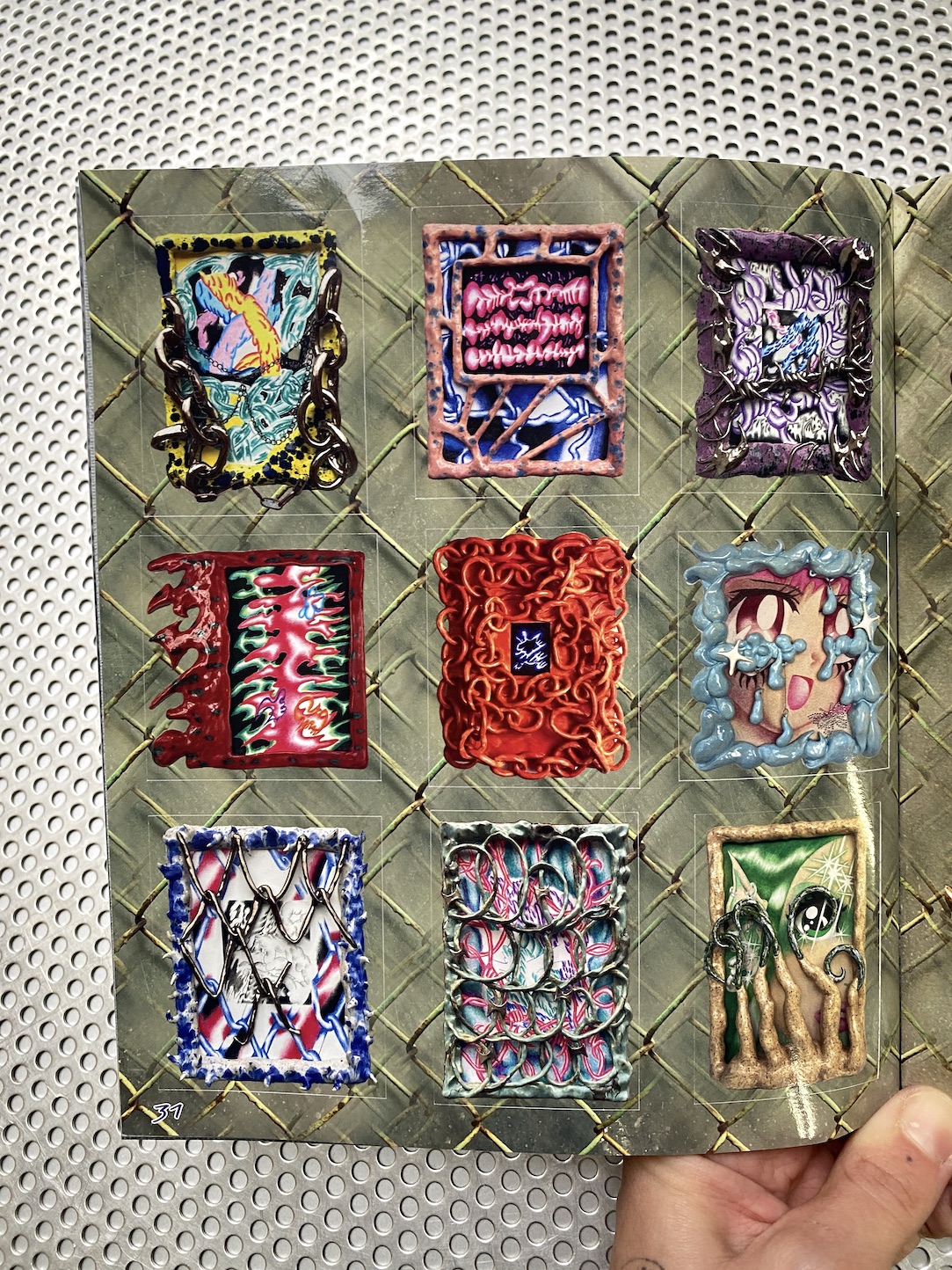
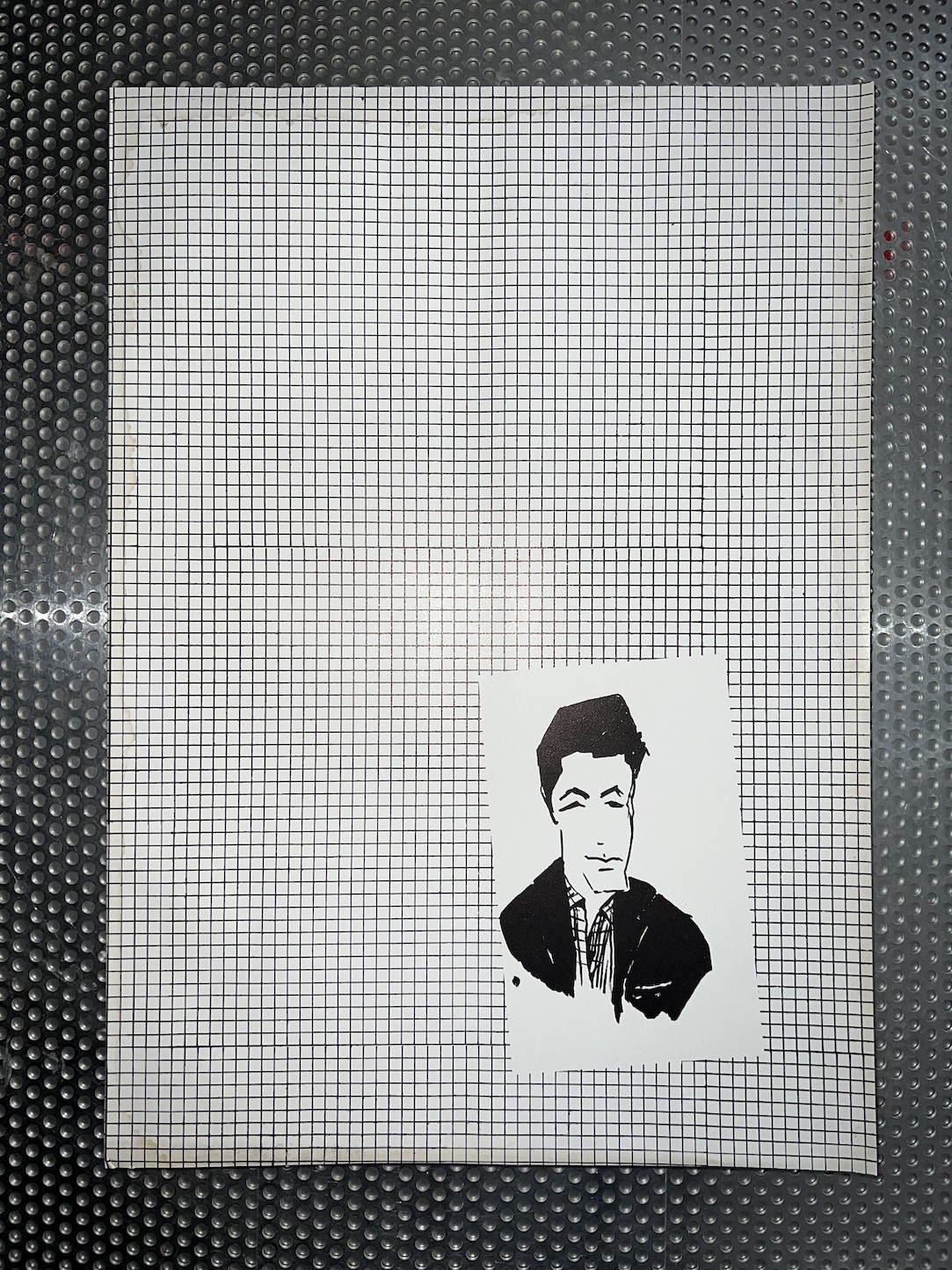
The ‘Heartaches’ series – sculptural boxes made of mixed collages and arrangements of photographs, prints and various objects – was made by Monir Shahroudy Farmanfarmaian in New York in the Nineties. These twenty-five intimate small-scale sculptures were primarily made after the loss of her husband, and draw inspiration from all the places, faces and paraphernalia that at some stage in her history were associated with a happy family life.

Order here

A Female Gaze. Tristram Aver. Beam Editions
Posted in illustration, Uncategorized, writing on June 29th, 2022
Tags: , , , , , , , , ,

A Female Gaze explores the paintings and drawings of contemporary artist Caroline Walker through the lens of Laura Knight, arguably Nottingham’s most famous artist and the first woman to be elected a Royal Academian.

Seperated by 100 years, both artists are united through their observations of women in everyday life, from moments of motherhood to women at work and the mundanity of domestic life.

With essays by Jennifer Higgie and Tristram Aver, this book contributes to rebalancing the gender bias legacy within art history, while celebrating the powerful artistic qualities of two extraordinary painters.

This book was published to accompany a major Nottingham Castle Trust exhibition, ‘Laura Knight and Caroline Walker: A Female Gaze.

Order here

Hold That Thought. Johannes Langkamp. Unformed Informed (Publishing)

Posted in Uncategorized on June 5th, 2022
Tags: , , , ,

Including a text written by Sandra Smets specifically for the book (in NL, DE and EN).

Hold That Thought is a walk through the work of visual artist Johannes Langkamp. This book is a reflection of an archive with (digital) works of art, experiments, (kinetic) models and their documentation. In it moving images are brought to a standstill, only to be put in motion again by its reader. Walk, run, detour, stroll. Discover this book about motion, in motion.
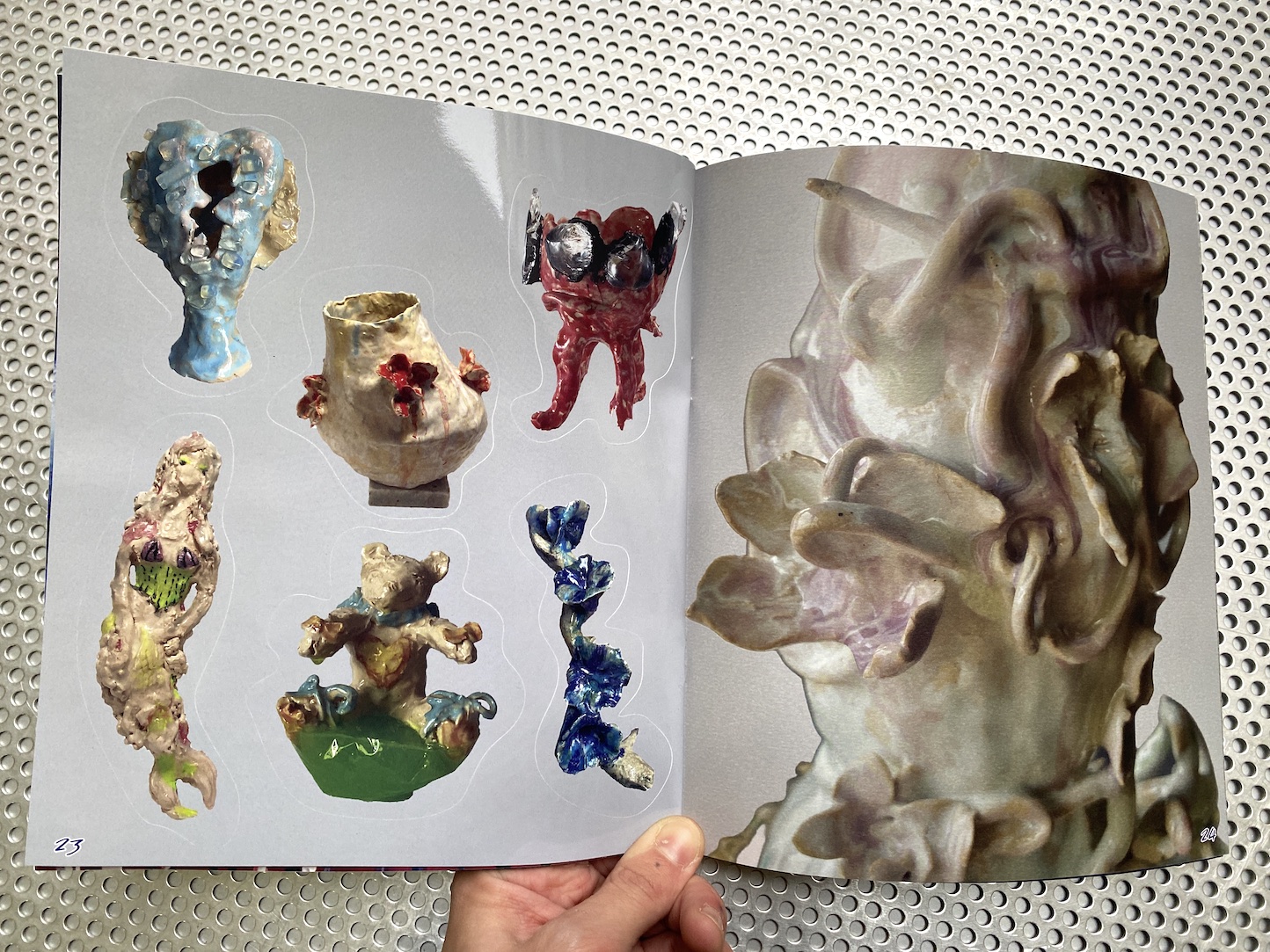
Johannes Langkamp’s (Rotterdam, NL) work arises from wonder, curiosity, and experimentation. Consumed by the question ‘What happens if…’ he searches for the unexpected. Through an ever-expanding archive of his work — videos, photographic techniques, kinetic models, and spatial installations —Langkamp studies the interplay between process and result. These outcomes (finds or failures) capture moments from our everyday life, simulate movements, or facilitate ways to interrupt our viewing habits. Exposing material that broadens our view of reality itself.

Order here

FOUR INSTRUMENTS. Evan Kleekamp. Apogee Graphics

Posted in Uncategorized on May 31st, 2022
Tags: , , , ,

Four Instruments is an excerpt from the Los Angeles artist-researcher’s in-progress novel, So That My Balloon Will Take Me Downward. In this chapter, genderfreak race witch K. has a perplexing encounter with a digital camera and accidentally reawakens a demonic spirit named Madame CX. Meanwhile, her research into the work of conceptual painter R.H. Quaytman leads to a painful personal discovery about the limit of her senses.

Silkscreen on Niyodo paper.

Open here

Da Grau. Samir Laghouati-Rashwan. Melon Books

Posted in Uncategorized on May 23rd, 2022
Tags: , ,

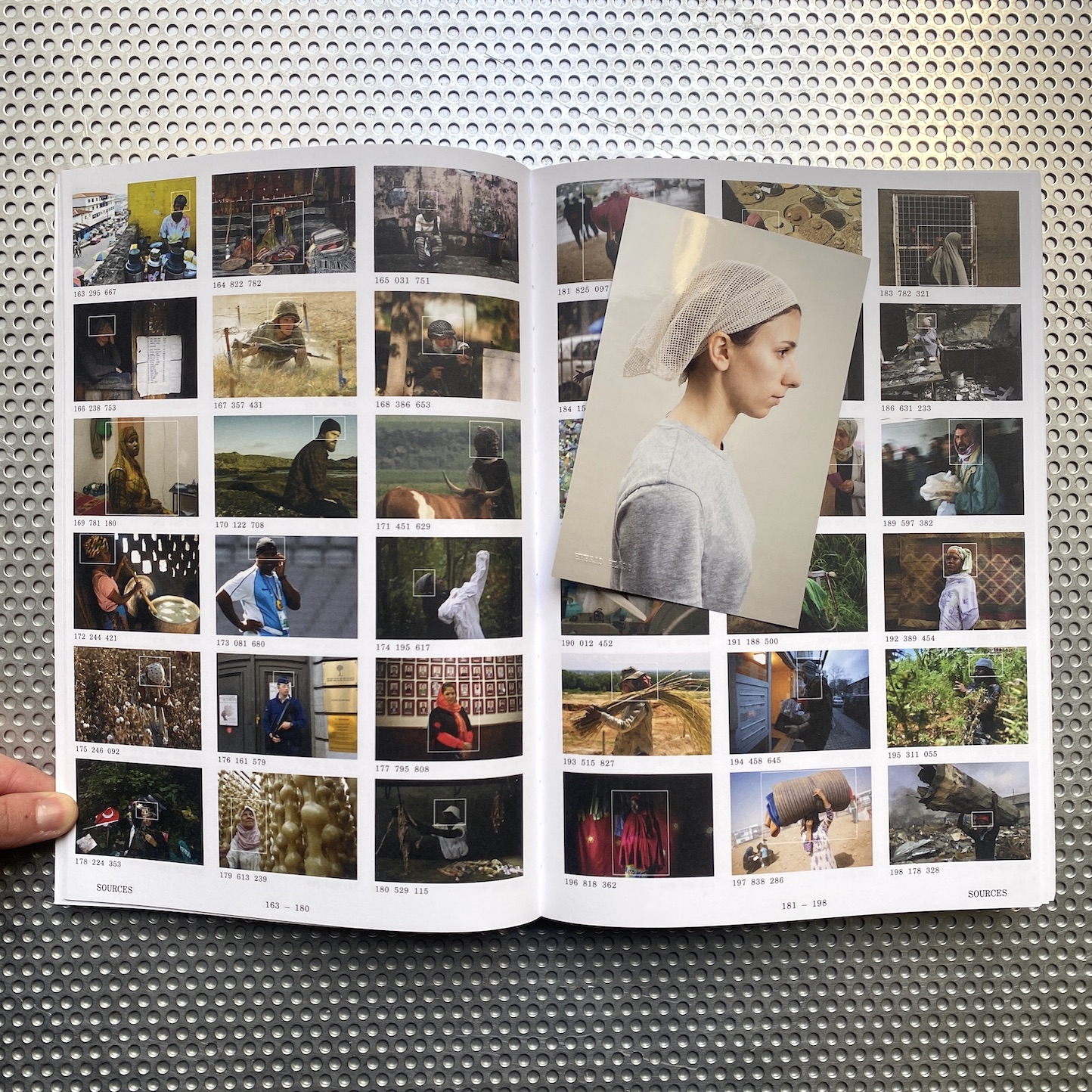
Da Grau is an iconographic research on the practice of rearing. The collection of images taken from the internet traces of representations of the gesture in the equestrian portrait to the young riders in rural and suburban areas. Samir thwarts Google algorithms to find representations of women on horseback or on motorcycles and non-western men, for this he searches these images by entering the word rearing in different languages such as the term «da grau» in Brazilian.

Samir Laghouati-Rashwan, born in 1992 in Arles and currently based in Marseille, is a French artist who graduated from the École supérieure d’art & de design Marseille-Méditerranée. In his practice, Samir Laghouati-Rashwan seizes upon small objects masquerading as mundane, quotidian, contemporary and above all apolitical. A tonic bottle or a tracksuit rolled up at the ankle. Shopping trolleys and caravan car windows. The work that he develops around these objects however undermines their claim to be anodyne; they become bearers of colonial histories and geopolitical complexes.

Samir Laghouati-Rashwan has recently shown his work in the exhibition “Hijack City” at the Scep gallery (2021, Marseille), the festival “Les Chichas de la pensée” at Magasins généraux (2021, Pantin), « Sur pierres brûlantes » at Friche de la Belle de Mai (2020, Marseille) or in « Diaspora at home » in Fondation Kadist (2022, Paris).

Born in 1992 in Arles, lives and works in Marseille.

Order here

Vertige profonde. Vava Dudu. Editions Salon du Salon

Posted in Uncategorized on May 13th, 2022
Tags: , , ,

This fanzine is entitled “Vertige Profonde”, Vava Dudu, an exhibition that took place at the Salon du Salon in Marseille in 2017.

Vava Dudu’s solo exhibition “Vertige Profonde,” at Philippe Munda’s Marseille gallery, Salon du Salon, is visually balanced to the point of stillness. Carefully laid out grids of pen and ink drawings on notebook paper and scrawled across the thin cotton sheets that line the walls can do nothing to disturb this equilibrium. Small mounds stand out invitingly, sketched with slim lines inside abstract folds. Holes weep as the silhouettes of fingers slide into them. Disembodied breasts drip, cupped lightly in large hands. What kind of soft volume is that finger spreading beneath and around it with its insistence on the vertical axis? ‘Does it matter?’ Dudu’s drawings seem to say. There is nothing balanced about desire, and yet here it is, stilled, caught on rectangles of paper and cloth, so that one can focus on the implications just of that one mouth and the hand that is tangled around whatever it is sucking on.

“Vertige Profonde” is French for intense vertigo, but in the word profonde there is also the suggestion of a phenomenon that is underlying, as though vertigo were at the foundation of sexual play. The spinning, de-centering center of human experience. As Dudu’s iconographic drawings spill down a rosé sheet meticulously pinned to the wall, its surface tension breaking only to accommodate a wrought-iron radiator, it is easy to see her graphic accumulation as the dizziness of the body caught in time with another body. The fact that the exhibition as a whole is still, nevertheless, results from the fact that there is nothing abject about desire as Dudu envisions it. There is violence, a lack of orientation and of any ultimate climax in her work, but it does not speak to what happens to the body before or after vertigo; there is no motive and no collapse.

Dudu has a reputation for being uncategorizable, an intense iconoclast with a vision governed by irreverence and intuitive play. As a fashion stylist, she made corsets for Jean-Paul Gautier, and then started her own line of accessories using ancient beads. With Fabrice Lorrain, she won the prestigious ANDAM prize for fashion in 2001 on the basis of a series of fashion performances in the late 1990s and early 2000s. Dudu and Lorrain’s innovation was to repurpose used clothing and other material, amalgamating existing garments rather than producing clean or freshly coherent clothing. Together they made pieces for Lady Gaga, Björk, and Cat Power. In 2003, Dudu founded La Chatte, French for pussy, an electro-rock-punk-queer-pop band, for which she creates elaborate costumes like the one she wore for an interview at La Gaîté Lyrique in Paris when their album “Crash Ocean” was released in 2014. Her psychedelic stockings are reminiscent of Dr. Seuss’s early color palette. These are topped by a giant, bright yellow puffer jacket out of which two plastic, wilted, white women’s heads are spilling out of the jacket’s collar on either side of Dudu’s own.

Salon du Salon occupies two adjoining rooms on the third floor of a spacious old bourgeois apartment on l’Avenue du Prado, a wide boulevard radiating out of the center of Marseille towards the South and into the city’s richer neighborhoods. Philippe Munda has run the gallery for four years at its current location, which is also his residence. He is interested in what it means to live with others adjacent to this kind of space.

French bourgeois apartments have an internalized separation of public and private. With its cavernous ceilings, its French windows giving onto a shallow city balcony that lines the entire building, Salon du Salon is intimate without succumbing to informality. This space was designed to encompass social masquerade at the scale of the body, and so it breathes, unlike its massive post-industrial cousin.

The two rooms also separate two very distinct moods in Dudu’s work: one rosé and the other red and black. On either side of the arched doorway that opens between these spaces, Dudu and Munda installed a pair of jackets that are among the few works Dudu did not create in situ as part of her short residency leading up to the exhibition. A red jacket and a black jacket were halved and then sown together with the opposite half of its twin, so that each is red and black. The word “security” is thus split, as is a black star against a red ground. Across both is stitched the phrase, “vous n’avez pas répondu à mon regard,” which translates to “you did not respond to my gaze,” but the address is formal. I read the security jacket as the uniform of mercenary authority and the starred jacket as the representative of some mixture of punk and old-school communism, another kind of order, and only slightly less authoritarian than its twin.

If there is no collapse in “Vertige Profonde,” there is nevertheless an admission of the failure of systems to suture all subjects equally within the fabric of society, into order or counter-order. This failure on the part of the uniformed to respond to the gaze of an Other is the violent pair to desire, it is the other center-less center of society. The refusal to be ethical, the refusal to look, is ultimately the refusal to be undone by the possibility of another’s desire.

Order here