21.10 from 6.30pm: “The secrets of Lake Balkhash” research presentation with Aigerim Kapar @ Motto Berlin

Posted in Events, Motto Berlin event on October 21st, 2022
Tags: , , , , , , , , , ,
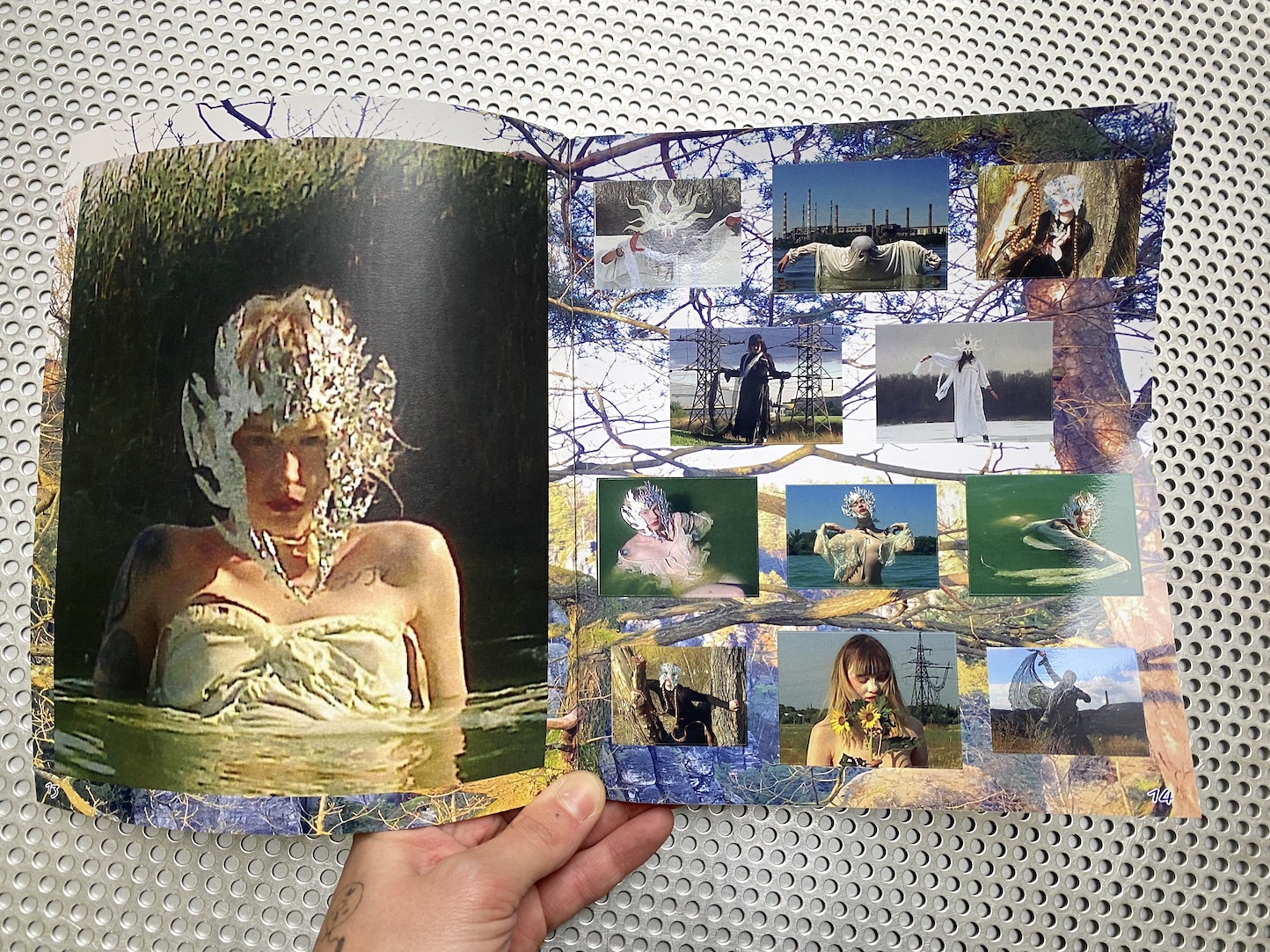
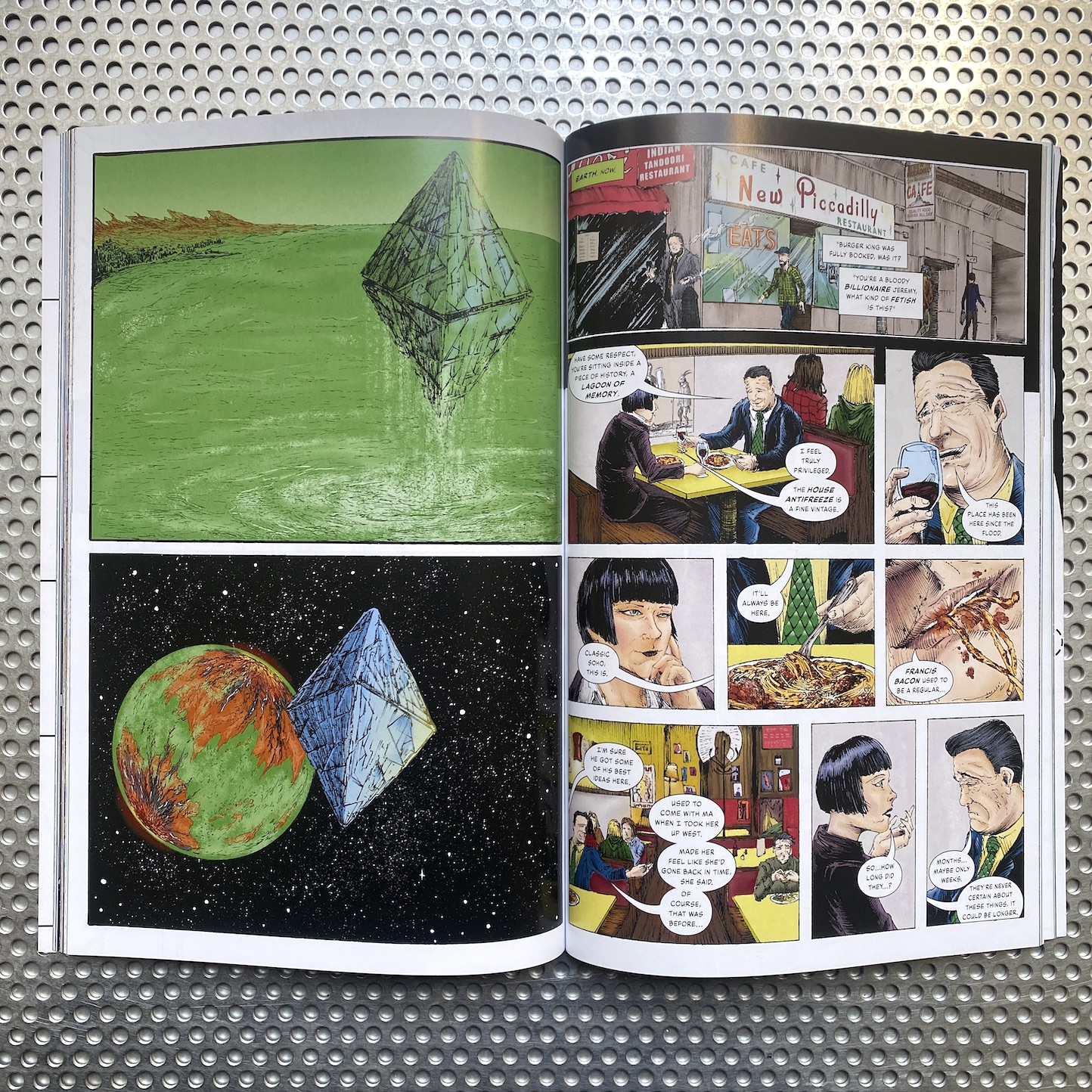
Photo courtesy of Aigerim Kapar


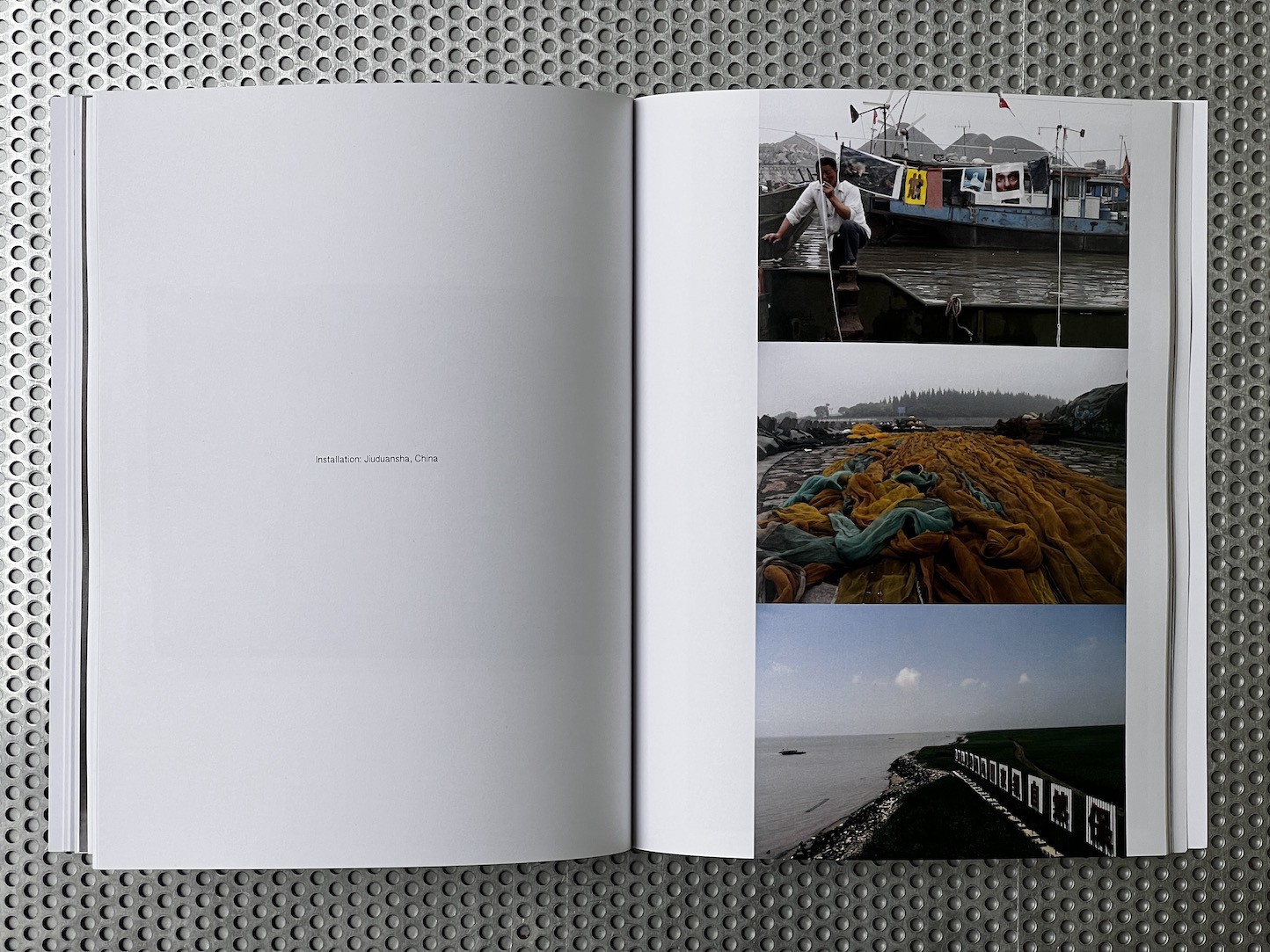
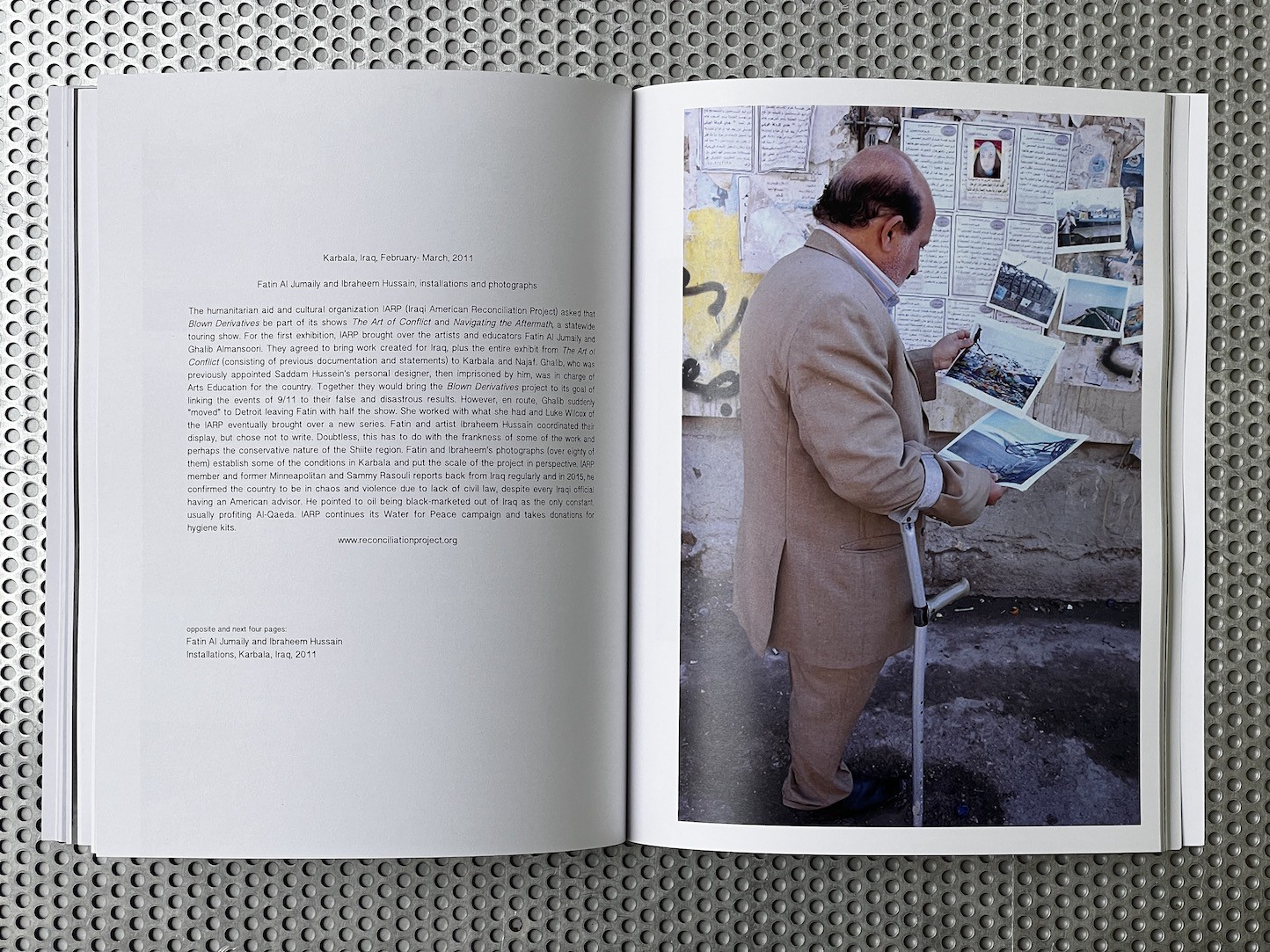
Please join us for the research presentation of “The secrets of Lake Balkhash: community narratives, memories, and landscapes of past and futures” with author Aigerim Kapar.

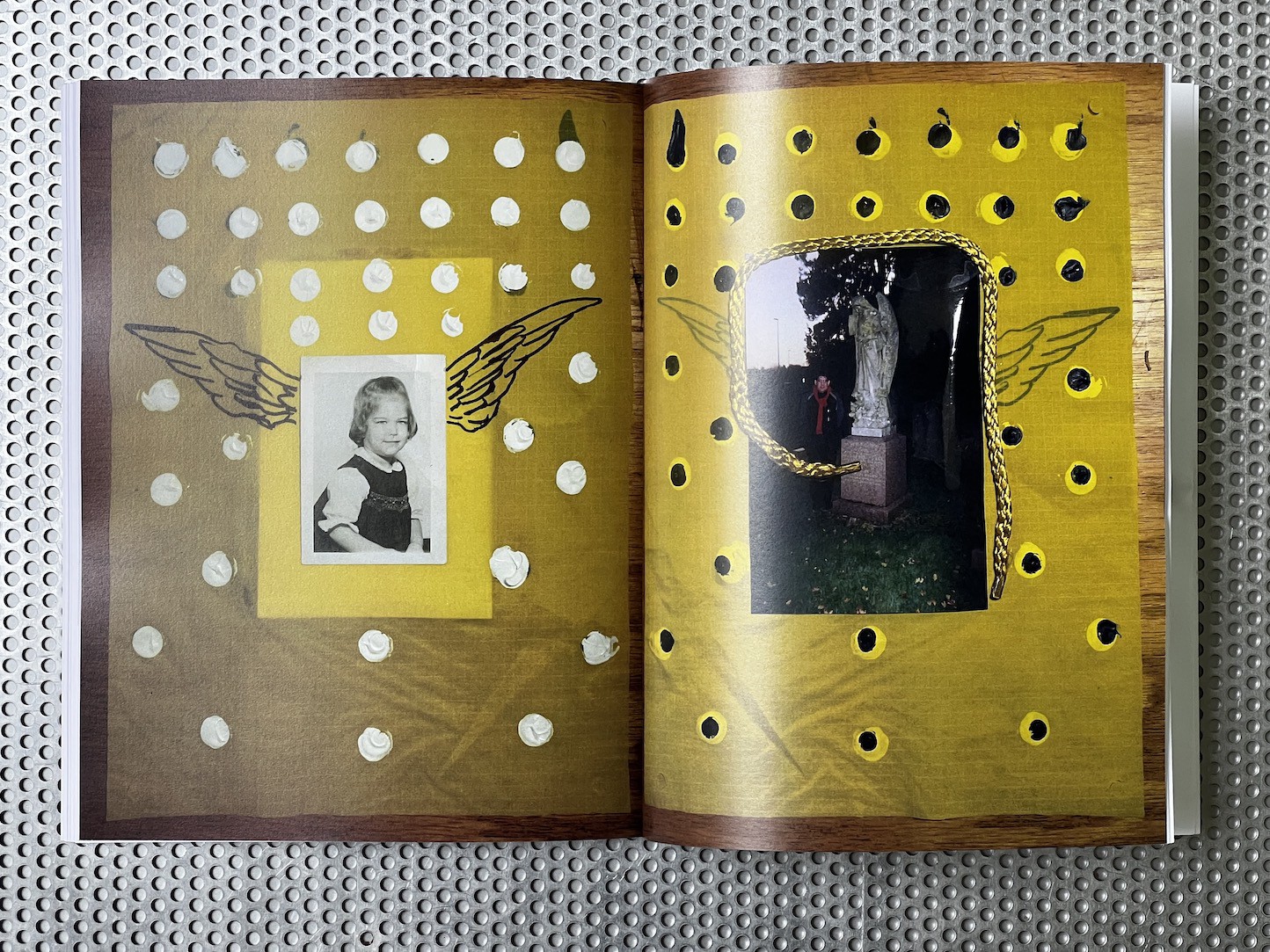
Following the first launch in Bor, this event co-hosted by Slavs and Tatars will also serve as the Berlin launch of the publication As you go… the roads under your feet, towards the new future (Mousse/Rockbund Museum, 2022).

21 October 2022
from 6.30 pm

Motto Berlin
Skalitzer Str. 68 (im Hinterhof)
10997 Berlin

“The secrets of Lake Balkhash” focuses on the study of local values of Lake Balkhash in Kazakhstan and how these values impact the everyday lives of local communities. Lake Balkhash is one of the biggest endorheic water bodies in the world and has a millennia-long history of sociocultural life, ecological traditions, and seminomadic management methods. The region also represents the position of the Kazakh Steppe, where the interests of China and Russia intersect. Today, the industrialization and militarization of the colonial Soviet period continue to prevail and frame the basin as a zone of ecological and social crisis. Lake Balkhash may disappear in twenty years and faces a similar situation to the drainage of the Aral Sea by the Soviet government in the 1950s for the purposes of agricultural production.

“The secrets of Lake Balkhash” aims to rethink the history of the region through a decolonial lens and study the future of the region reimagined by local communities. The research project is part of Artcom Platform’s Care for Balkhash initiative, and As you go… the roads under your feet, towards the new future, a long-term project and research inquiry that reflects on the Belt and Road Initiative and how it will alter the aesthetics and practices of everyday life in different local contexts of Ethiopia, Serbia, Slovenia, Uzbekistan, China, Kazakhstan. It was conceived and initiated by Biljana Ćirić in 2019 after conducting curatorial research in East Africa, Central Asia, and Southeast Europe, where the project is now situated. The three-year project has been conducted via individuals, cells, organizations, and institutions: Zdenka Badovinac (Ljubljana), Robel Temesgen and Sinkneh Eshetu (Addis Ababa), What Could/Should Curating Do? (Belgrade), Artcom Platform (Astana/Almaty), Rockbund Art Museum (Shanghai), Guangdong Times Museum (Guangzhou), and Public Library (Bor). The project does not attempt yet another critical investigation into Chinese colonialism, but rather seeks to unpack the complexities that certain regions are confronting within their current connections to the Belt and Road Initiative, as well as their established commonalities.

Aigerim Kapar (b. 1987, Kazakhstan) is an interdependent curator, interdisciplinary researcher, and a decolonial activist based in Almaty and Astana. Kapar founded Artcom Platform, a Central Asian community-based contemporary art and public engagement organization in 2015. She has also been organizing Art Collider, a school where art meets science bringing communities together since 2017. Kapar curates a hybrid reality project Steppe Space, an important space for contemporary art and culture of Central Asia, and initiated projects of care for lake ecosystems SOS Taldykol and Balqashqa Qamqor in 2020. Her key previous works include Re-membering: Dialogues of Memories (2019), an international intergenerational project in memory of survivors and victims of twentieth-century political repressions in Kazakhstan, and Time&Astana: After Future (2017–18), an urban art research and engagement project. Kapar is currently a resident at Slavs and Tatars’ program in Moabit. www.instagram.com/aigerimkapar

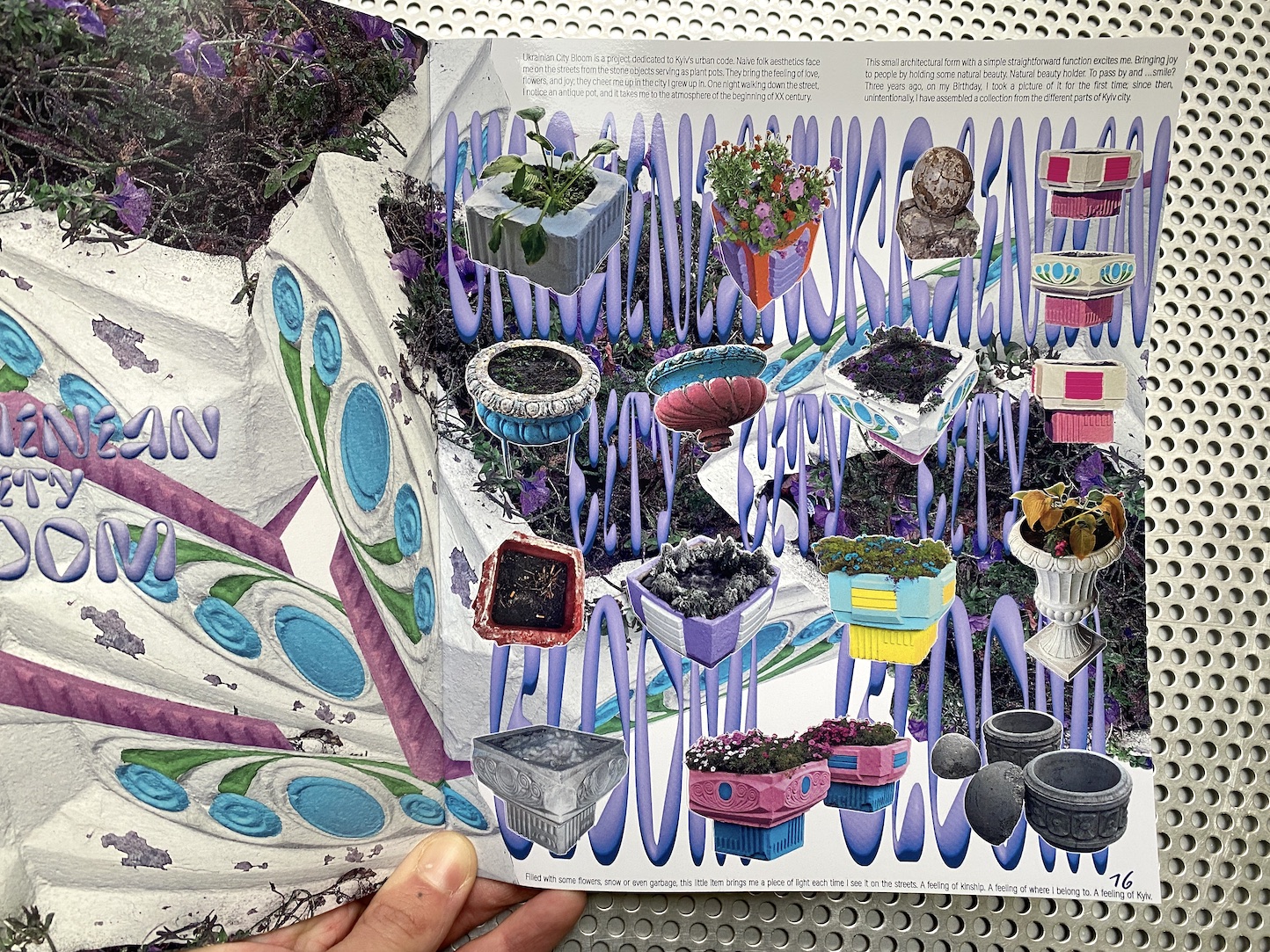
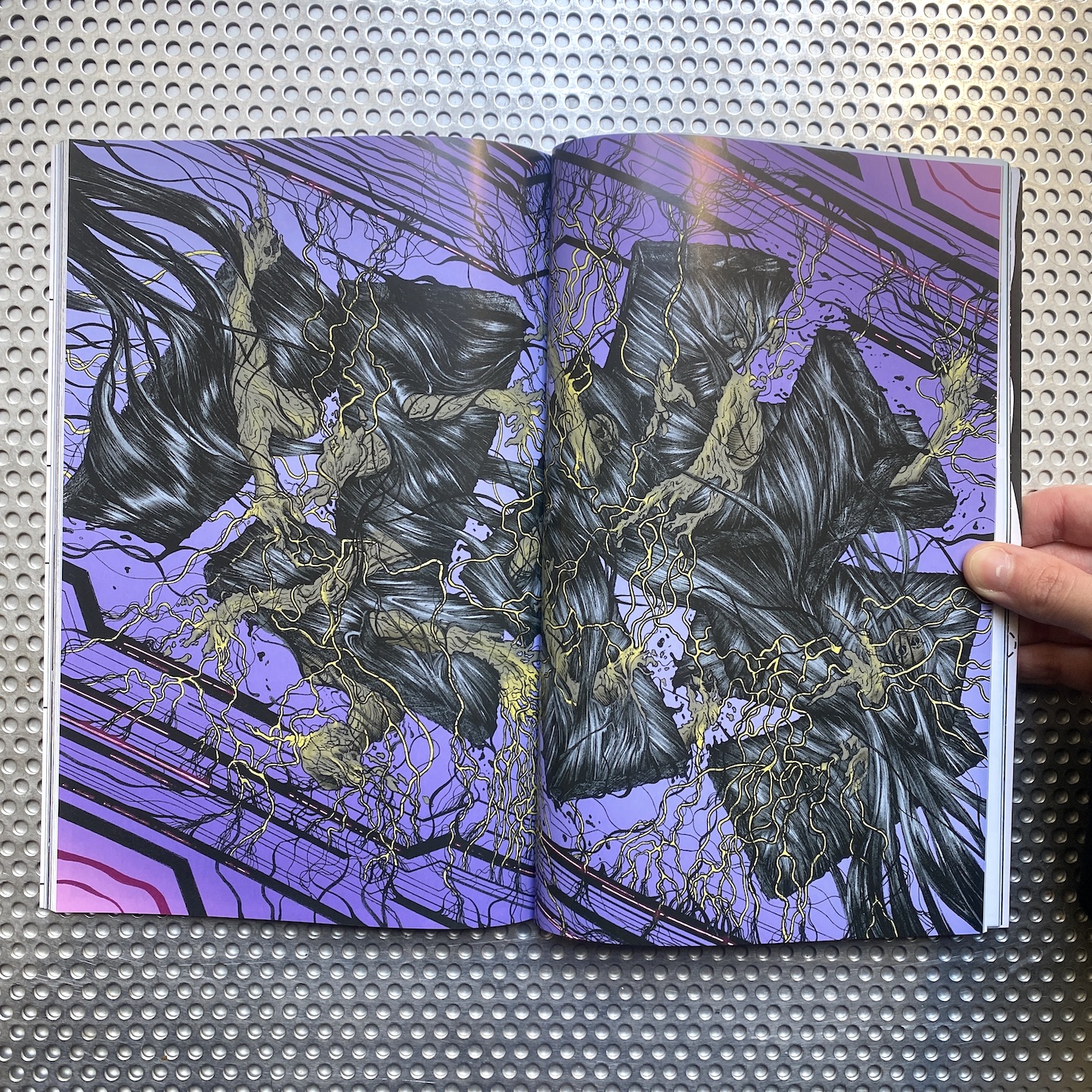
Photo courtesy of Mousse Publishing


As you go… the roads under your feet, towards the new future.
Published by Rockbund Art Museum and Mousse Publishing, 2022
Edited by Biljana Ćirić

Contributions by Zdenka Badovinac, Aziza Abdulfatah Busser, Robert Bobnič, Biljana Ćirić, Marija Glavaš, Sinkneh Eshetu, Chen Liang, Salem Mekuria, Aigerim Kapar, Dragan Stojmenovič, Larys Frogier, Nikita Yingqian Cai, Robel Temesgen, Jelica Javanovič, Alex Ulko, Kaja Kraner, Tara McDowell, Оasphy Zheng, Enanye Kibret, Gebeyehu Desalew, Manuel Borja-Villel, Mabel Tapia, and Ocean & Wavz.

Bodybuilders. Alien

Posted in photography on October 18th, 2022
Tags: , , , , , , ,

Bodybuilders is a photographic project by London and Milan based photographer and DJ, Alien that investigates themes of identity, extravaganza and new means of self-expression by documenting 30 of the most intriguing club performers in the UK.

Sitting at a crossroads between visual and performing arts, gender studies, queer activism and positive affirmation, Bodybuilders shows how bodies can be built, distorted and transformed against the binary of systematic male domination.

Bodybuilders includes introductory texts by co-author of The Xenofeminist Manifesto, Helen Hester and Inferno London’s founder, Lewis G. Burton.

First edition of 600

Order here

Muhammadunize (2LP). Muslimgauze. Staalplaat

Posted in music, vinyl on October 16th, 2022
Tags: , , , , ,

Listeners who know much of anything about Bryn Jones’ work as Muslimgauze know that he was prolific in both his work and Muhammadunize, has what could be called a classic feel to it, with a very familiar blend of drones, string instruments, and synths, and varying percussion/break-beat patterns, in turn mixed with a number of hard-to-catch vocal samples. It’s a formula used many times in the past by Jones, yet somehow he still manages to keep things just fresh enough, investing songs like the first and second “Khalifate” and especially both slamming versions of “Imad Akel” with enough unexpected touches. He incorporates the basic power of his work in the tracks as well, with both beauty and a nervy, hard-to-define tension as the songs progress.

The sound palette of Muhammadunize is very similar to his ambient-techno albums such as Mullah Said and Gun Aramaic, down to the rhythms and the trademark tanpura drones and keys in C minor. The difference is that it’s a bit more aggressive and faster-paced than the aforementioned albums, thus utilising a similar dark atmosphere to a more immediate and in-your-face effect, especially as noted by the drum-kit urban-sounding pulse of Imad Akel, one of the high points on this album. However, my favorite track here is the closer Fatah Guerrilla (also title track of the whole triple album), featuring a rapid echoed rhythm along with a barrage of percussion popping up and echoing every so often, sounding like they’re flying through the room at a quick pace; the piece also features a beautiful flute melody which combines with the busy rhythm section in an interesting way.

Recorded and mixed at Abraham Mosque, Manchester 1996.
Dedicated to a Palestinian State. Free from Zionist abuse of human rights.

Order here

Handful of Earth. Andrei Becheru. Centrul de Fotografie Documentară

Posted in photography on October 15th, 2022
Tags: , , , ,

Handful of Earth is an ongoing visual exploration of man’s connection to his living environment and day-to-day life in mountain areas.

„Even as a child, I was fascinated with the mysterious atmosphere of mountain scenery. In 2014 I started to volunteer for a local NGO, and my instinctive drive to explore led me back to them. I kept the pictures taken during my mountain hikes for about two years. Then the puzzle behind the project started to take shape. To me, a place can have a certain sound of its own, which is why I tried to put into pictures emotions generated by music. Handful of Earth is both the first part of this project and the title of an album combining traditional and contemporary music. Its inspiration comes from genres like ambient, electroacoustic and experimental music.”
– Andrei Becheru

Order here

14.10 from 18.30: Simulacrum Magazine’s thirtieth anniversary issue presentation with editors Mirna Vrdoljak and Kenneth Geurts @ Motto Berlin

Posted in Events, magazines, Motto Berlin event on October 14th, 2022
Tags: , , ,

Please join us for the presentation of Simulacrum Magazine’s thirtieth anniversary issue het Reflectienummer with editors Mirna Vrdoljak and Kenneth Geurts.

14 October 2022
from 6.30pm


Motto Berlin
Skalitzer Str. 68
10997 Berlin

*
Simulacrum
is an arts and culture magazine based in Amsterdam. Since thirty years, it functions as an accessible and high-quality platform for students and experts from various fields to publish together. Simulacrum is a quarterly thematic publishing project that aims at fostering transdisciplinary connections among contributions that explore both historical and contemporary perspectives of the European cultural landscape. 

On 14 October, Simulacrum is coming to Motto Berlin to celebrate the magazine’s thirtieth anniversary issue titled het Reflectienummer. For this issue the editors delved into the full archive and asked contributors to reflect on their submissions. These reflections offer insight into how art, culture, and historiography have changed over the course of thirty years. However, the eleven reflections bundled together do not only refer to the past. Reflection is an exercise with an eye to the future; it is a moment of standing still and thinking about how it was, how it is, and how it could be.

Editors Mirna Vrdoljak and Kenneth Geurts will hold a discussion on the blurring of boundaries across disciplines in the humanities, and the magazine’s role in adequately responding to the reciprocal influence between academic and artistic spheres. Bearing in mind the magazine’s primary focus on art historical research thirty years ago, we will speak from our own experiences with the diverging range of submissions, as well as the questions that arise with the use of new media platforms and digital modes of archiving. There will also be a moment to introduce Simulacrum’s freshly printed autumnal newspaper on documenta fifteen, The documenta Issue.

Browse Simulacrum here

LOG 55. Cynthia Davidson (Ed.). Anyone Corporation

Posted in magazines on October 12th, 2022
Tags: , , , , , , , , , , , , , , , , , , , , , , , , , ,

From a bridge to blockchain, Amazonian urbanism to artificial intelligence, Log 55 recognizes the vast concerns of architecture today. This 176-page open issue, which includes a 16-page color insert, compiles essays, building and exhibition reviews, and remarks by 25 architects, theorists, and artists from around the world. In Berlin, Tim Altenhof critiques the newly rebuilt Humboldt Forum; in Los Angeles, Victor J. Jones reviews Michael Maltzan’s Ribbon of Light Viaduct; in New York, Cynthia Davidson visits the late Virgil Abloh’s “social sculpture,” and Thomas de Monchaux views “Anthony Ames Fifty Paintings”; in Quito, Ana María Durán Calisto and Sanford Kwinter draw inspiration from Indigenous territorial intelligence; in Rotterdam, Christophe Van Gerrewey reflects on MVRDV’s Boijmans Depot; in Taipei, Kwang-Yu King compares two new cultural venues by OMA and RUR; and in Tokyo, Jan Vranoský pens a postmortem for Kisho Kurokawa’s Nakagin Capsule Tower. Matthew Allen looks to computer science for a way out of the theory-practice divide; Simone Brott considers the ways NFTs will change architectural practice; Karel Klein draws parallels between memory and AI; and Marija Marič warns against digitized real estate fractions.

In addition, a special section guest edited by Francesco Marullo is devoted to Notes on the Desert. The section, which raises issues of climate change and the extraction economy, includes essays by architect Nathan Friedman on the US-Mexico border, artist Kim Stringfellow on jackrabbit homesteads, feminist scholar Traci Brynne Voyles on the 49ers, and architect Lydia Xynogala speaking for a desert toad; photo essays by the Center for Land Use Interpretation on nuclear tombs and by photographer Susan Lipper on desert utopia; as well as an interview with photographer Richard Misrach on his Cantos series.

Order here
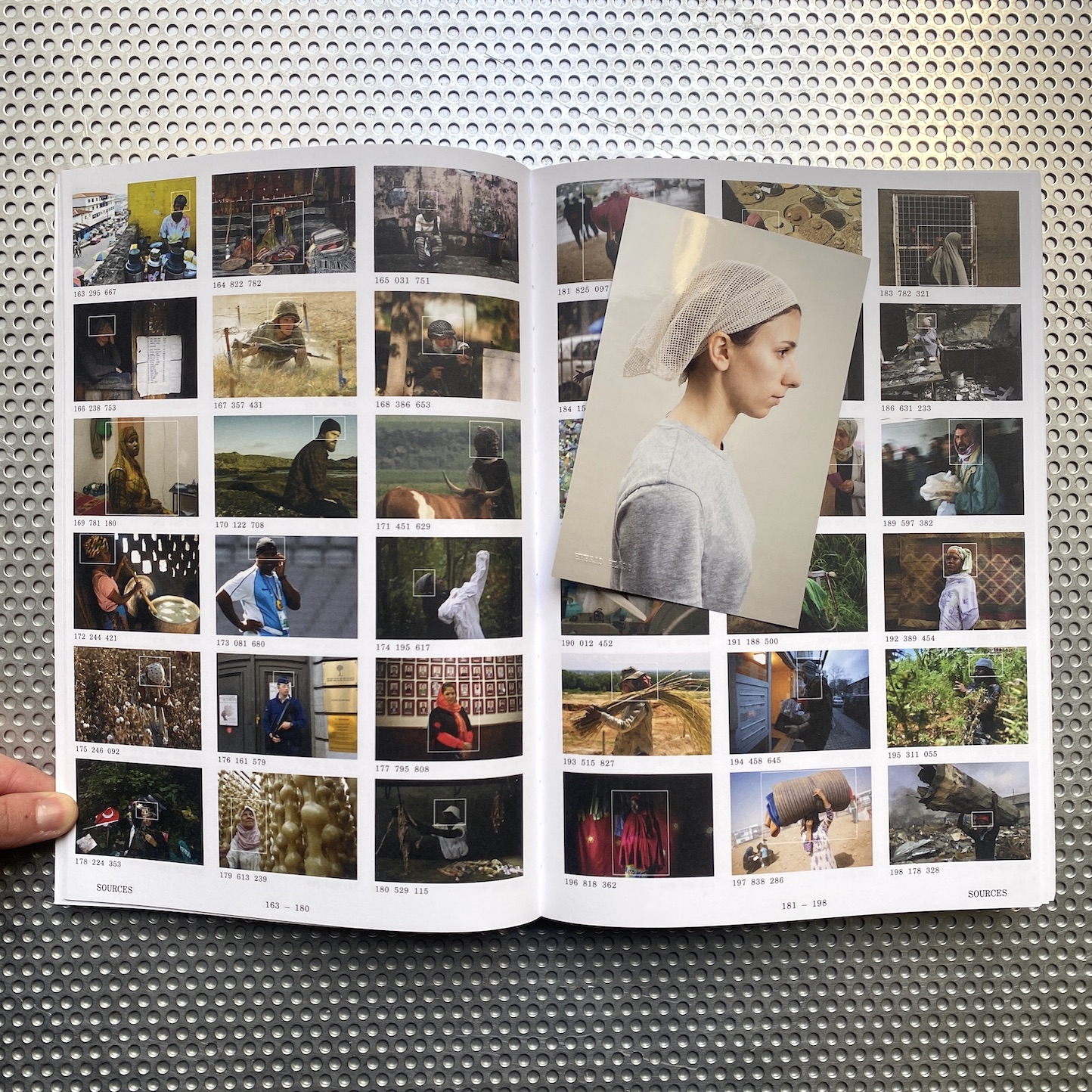
What is a name? Why does everyone have a name? What purpose does it have? And for whom?. Alma Kim

Posted in photography on October 11th, 2022
Tags: ,

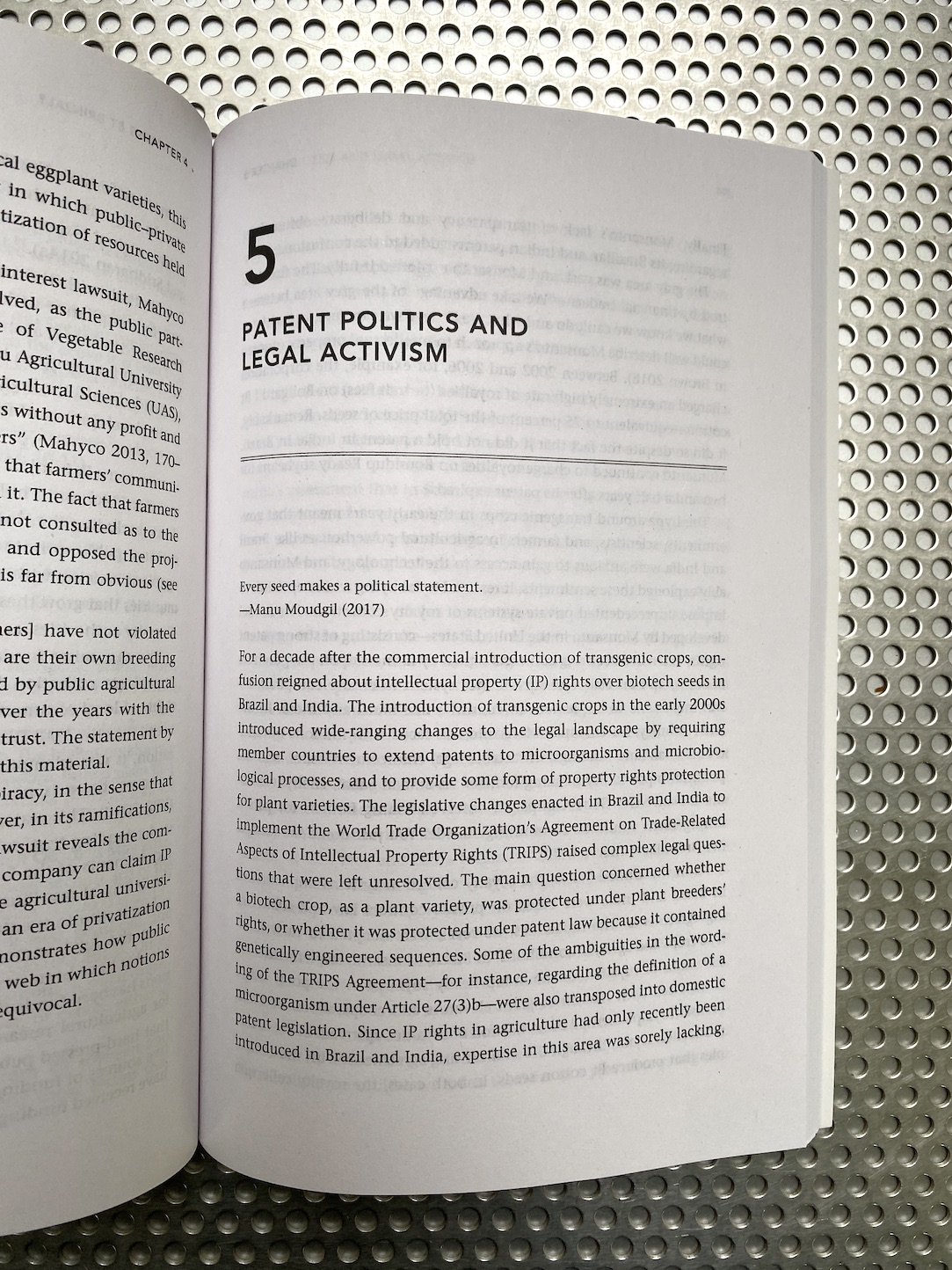
I couldn’t stop thinking that people initially started to use names for convenience only but they morphed into something more significant. A destiny can be attached to a name: some parents carefully check the meaning of a name and wish their child will live up to that. But a name can’t define a person life as well as you will never know if a person grew up liking its own name, the meaning or the set of expectations that comes with that specific name. Then which name becomes the perfect name for someone or something?

Order here

Matrice. Jacopo Benassi. bruno

Posted in Exhibitions, performance, photography on October 11th, 2022
Tags: , , , , , , ,

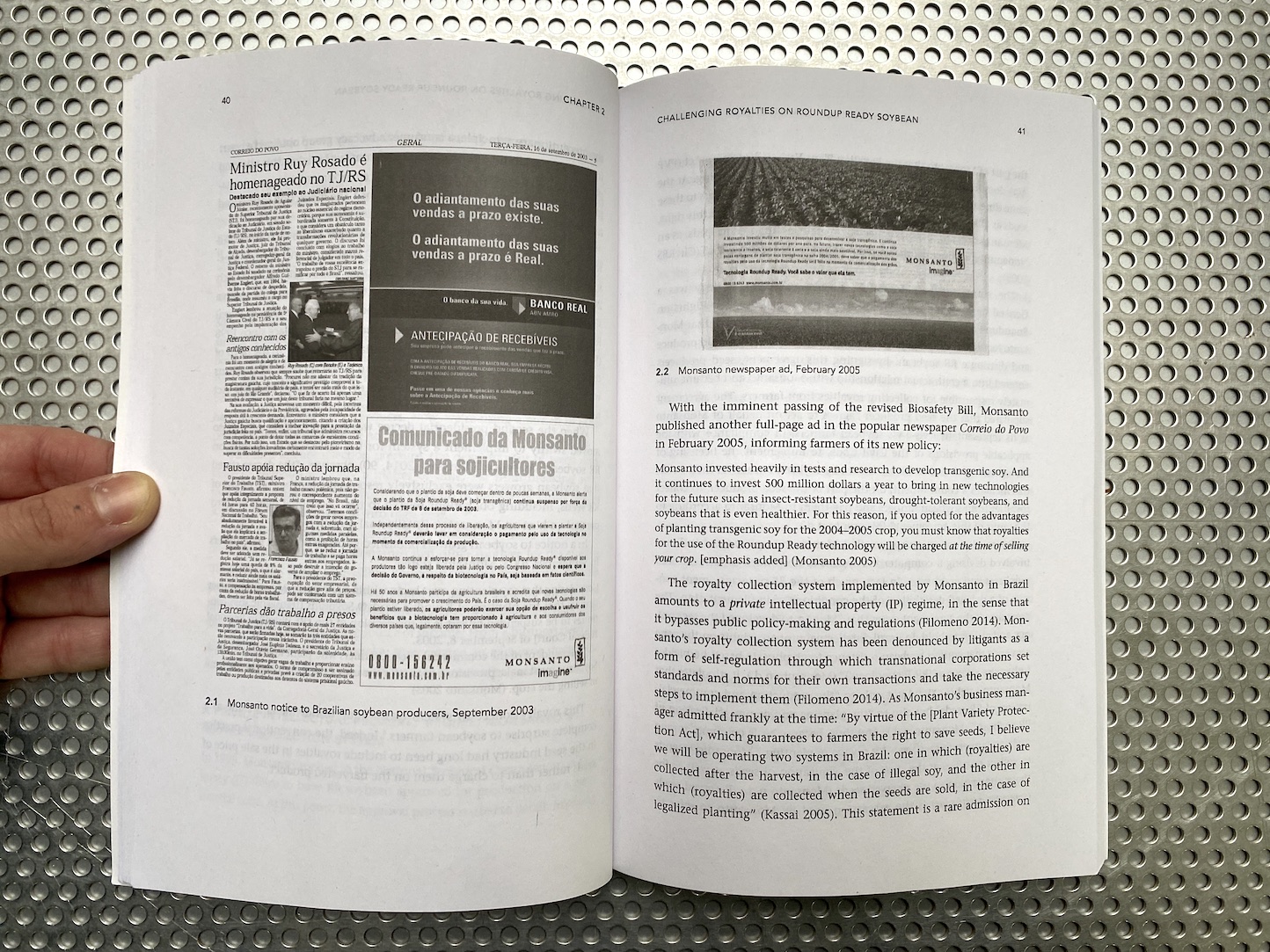
This book is an anomalous and layered object. It is split into chapters, following the way the Matrice exhibition was developed and completed over many months of work. Some key phases in the construction of the project in fact took place in the period prior to its opening, in a form that straddles the private dimension of an artist’s work and the public dimension of the exhibition. As also discussed in the critical text, Jacopo moved his studio to the spaces of the Fondazione Carispezia in the months preceding its opening. Here, within a triangular, uterine structure, the physical ‘matrix’ of the exhibition to be precise, he produced most of the works that would then be exhibited. And indeed many things took place inside it. The catalogue thus attempts to account for all of this. The colour photographs were taken by photographer Andrea Rossetti to document the two moments in which the project came into being. The first is made up of the so-called ‘invisible exhibition’: in order to understand the genesis of Matrice, we in fact need to understand how the exhibition is the final result of the ‘real’ exhibition that no one but the artist and very few others had the pleasure of seeing. All the works in this closed space, built in the very heart of the Foundation space, were in fact displayed on the walls, yet destined never to be seen by any visitor and then to be brutally dismembered. As the photos show, the works displayed are covered with a series of sheets to prevent them from being seen during Jacopo’s performance a few days prior to the opening. Only the photographs installed horizontally above the sculptures are partially visible. In the centre of the room, on the other hand, we can still see the tools used in the creation of the works, and the musical instruments that would later be played during the performance. The second moment taken by Rossetti consists of the actual Matrice exhibition itself, which the public could then view during its opening months. Andrea is one of the world’s leading exponents of that fine art which is the documentation of artworks and especially of contemporary art exhibitions. It is indeed an approach that requires great sensitivity and critical outlook. It is a translation process in which a – fruitful – betrayal of the material to be translated is and always will be necessary. A loving and respectful betrayal which was indeed requested by Benassi when he brought Rossetti on board for this task. The two sections of the catalogue must therefore be seen as a true collaboration between the two, in the wake of the many already developed by Jacopo with other artists in the fields of performance and sound research. The black-and-white photographs in the book were instead all taken by Jacopo Benassi or devised, prepared and coordinated by him. They recount the most performative and moving moments of the exhibition and its making, and are very much integrated with Andrea Rossetti’s work, adopting the same brutality with which Jacopo intervened in the Foundation exhibition space.

Order here
Constantin Flondor. When Eye Touches Cloud. Alina Șerban (Ed.). P+4 Publications

Posted in Film, Monograph, painting, photography, Uncategorized on October 10th, 2022
Tags: , , , , , , ,

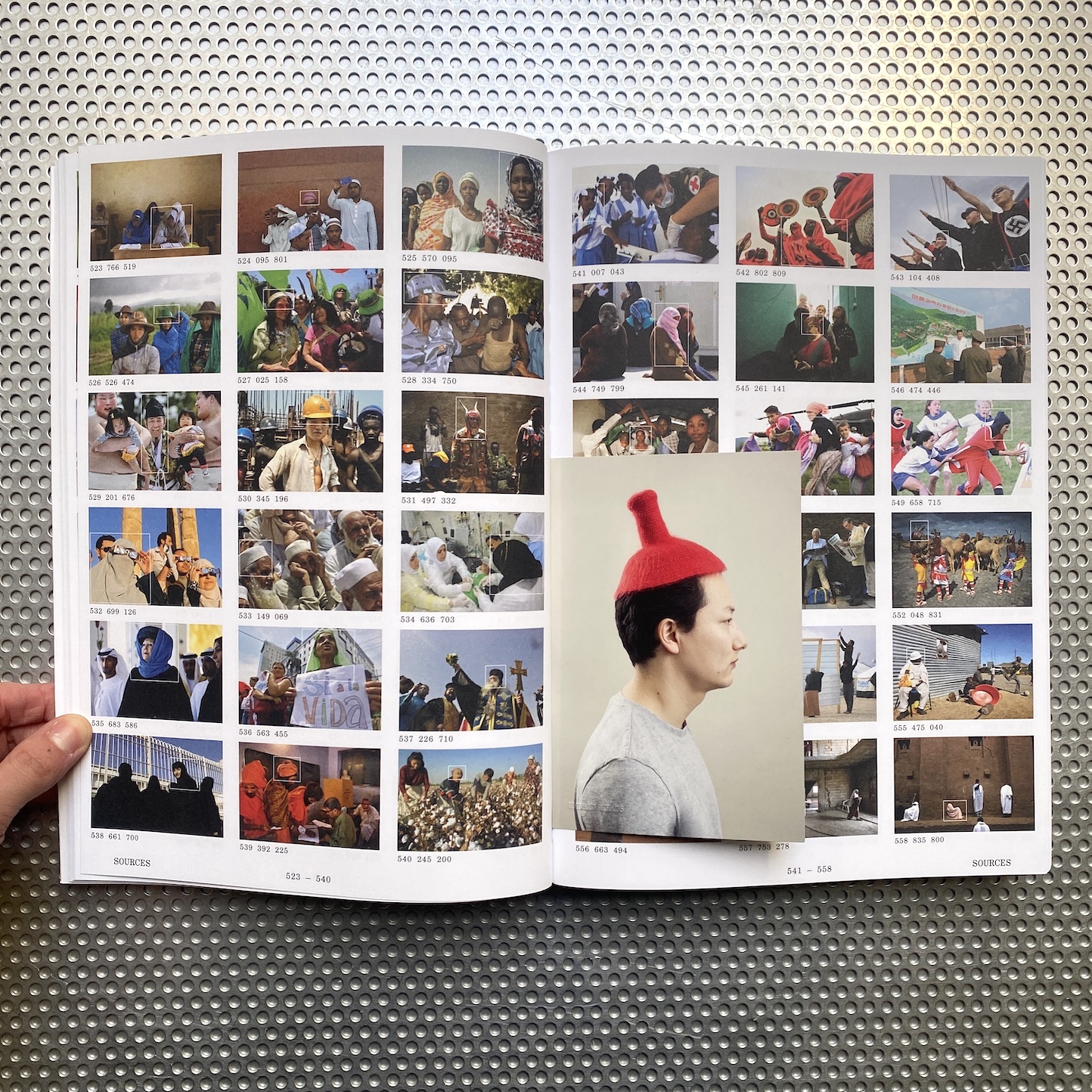
When Eye Touches Cloud is the first monograph dedicated to the manifold oeuvre of Romanian artist Constantin Flondor (born 1936, in Czernowitz), the leading protagonist of the art groups 111, Sigma and Prolog. This richly illustrated publication takes a closer look on the influential body of work he had produced in painting, kinetic & Op art, land art, action, experimental film & photography from the 1960s until today. It surveys the various steps of his practice: from the lyricism of the first pictorial constructs to the optical and kinetic art of the Group 111, from the study of form and land art characteristic of the Sigma Group, defined as the effort to connect within a single equation visual research and experiment, to the Prolog Group’s spirit of communion and conviviality.

The book offers a comprehensive overview of the principles that shape Constantin Flondor’s art, of reflecting and theorising starting from the inventory of terms, themes, and concepts that have guided him as an artist over seventy years of uninterrupted work and of restoring them to the international context of art through the contributions of invited authors, Dieter Roelstraete & Abigail Winograd, Rainer Fuchs, and Katarzyna Cytlak. Besides the commissioned essays, the book includes a selection from the artist writings and several archival materials which enlarge our view on artist’s singular mode of thinking.

*
P+4 Publications is an independent publishing programme dedicated to the promotion of Romanian contemporary art, photography and architecture, exploring the book medium as a point of encounter between theoretical research, graphic design experiment and artists’ ideas and subjects present in their practice. Presently, the programme brings together the Artist Book Series and the Architecture Book Series, supported between 2013–2021 by the PEPLUSPATRU Association, and Parkour and Exhibition-Dossier series, developed by the Institute of the Present since 2017. Starting from 2021, P+4 Publications is coordinated by the Institute of the Present.

Order here
Radical Pedagogies. Beatriz Colomina, Ignacio G. Galán, Evangelos Kotsioris, Anna-Maria Meister (Eds.) The MIT Press

Posted in pedagogy, research on October 7th, 2022
Tags: , , , , , , , ,

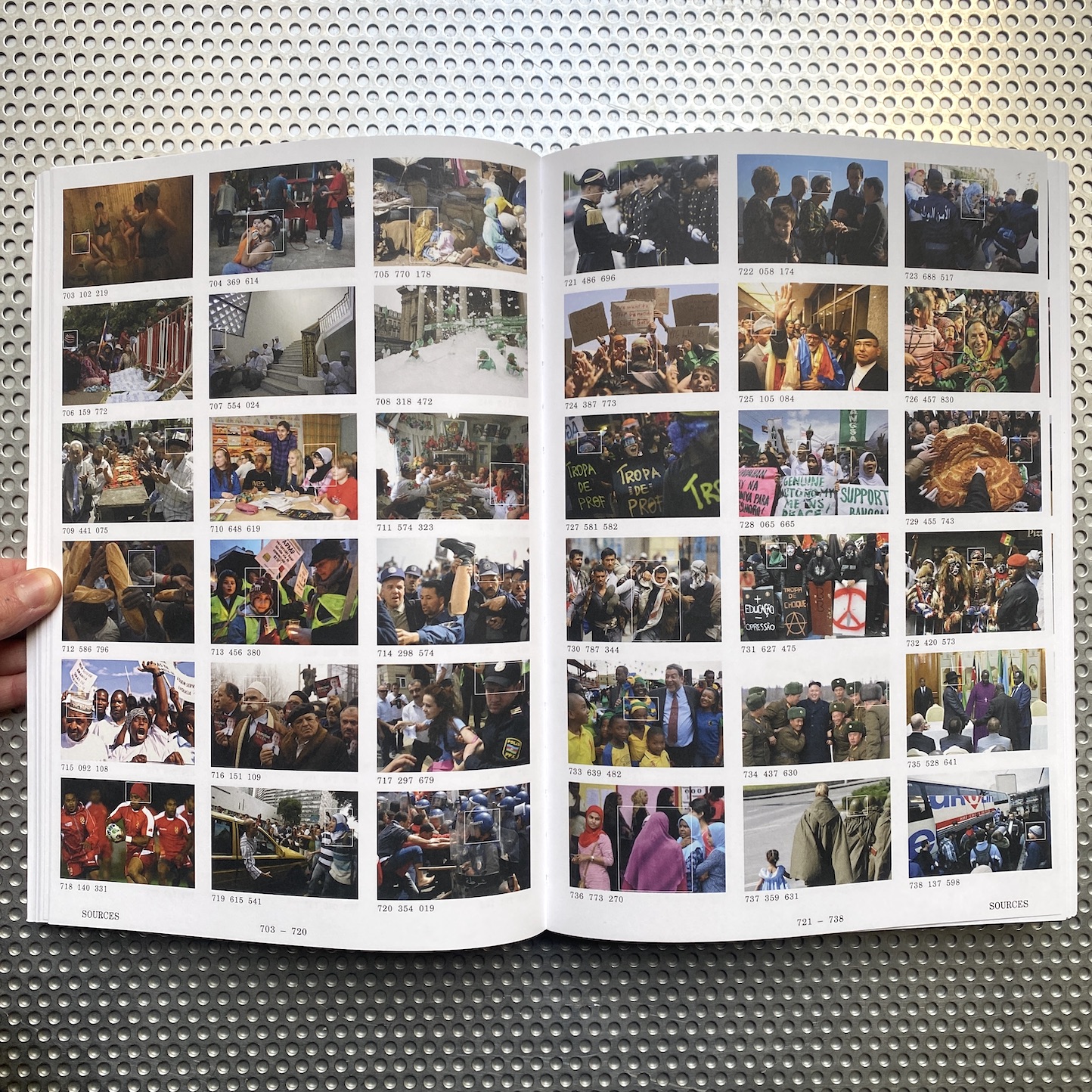
Experiments in architectural education in the post–World War II era that challenged and transformed architectural discourse and practice.

In the decades after World War II, new forms of learning transformed architectural education. These radical experiments sought to upend disciplinary foundations and conventional assumptions about the nature of architecture as much as they challenged modernist and colonial norms, decentered building, imagined new roles for the architect, and envisioned participatory forms of practice. Although many of the experimental programs were subsequently abandoned, terminated, or assimilated, they nevertheless helped shape and in some sense define architectural discourse and practice. This book explores and documents these radical pedagogies and efforts to defy architecture’s status quo.
The experiments include the adaptation of Bauhaus pedagogy as a means of “unlearning” under the conditions of decolonization in Africa; a movement to design for “every body,” including the disabled, by architecture students and faculty at the University of California, Berkeley; the founding of a support network for women interested in the built environment, regardless of their academic backgrounds; and a design studio in the USSR that offered an alternative to the widespread functionalist approach in Soviet design. Viewed through their dissolution and afterlife as well as through their founding stories, these projects from the last century raise provocative questions about architecture’s role in the new century.
Order here