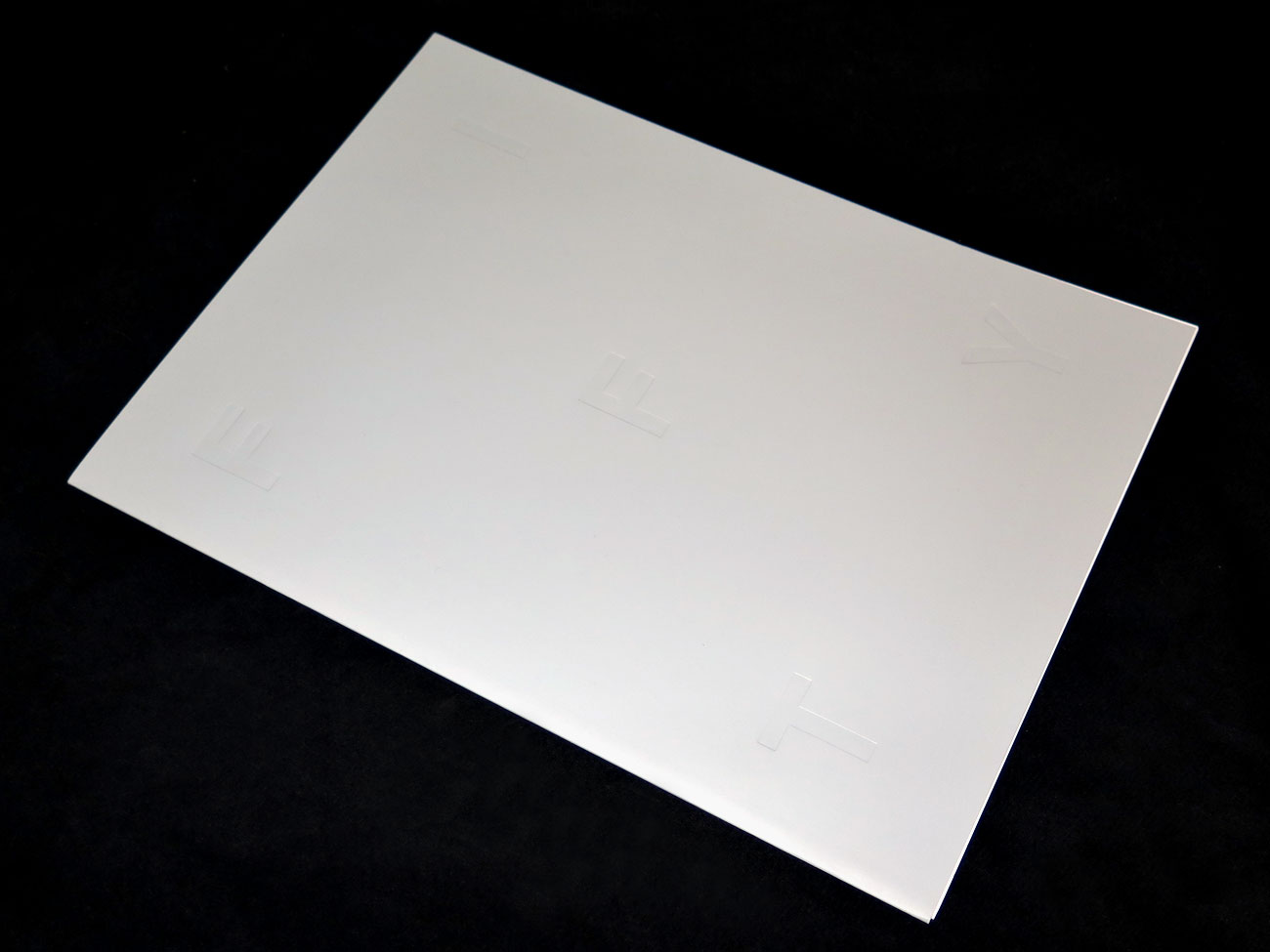
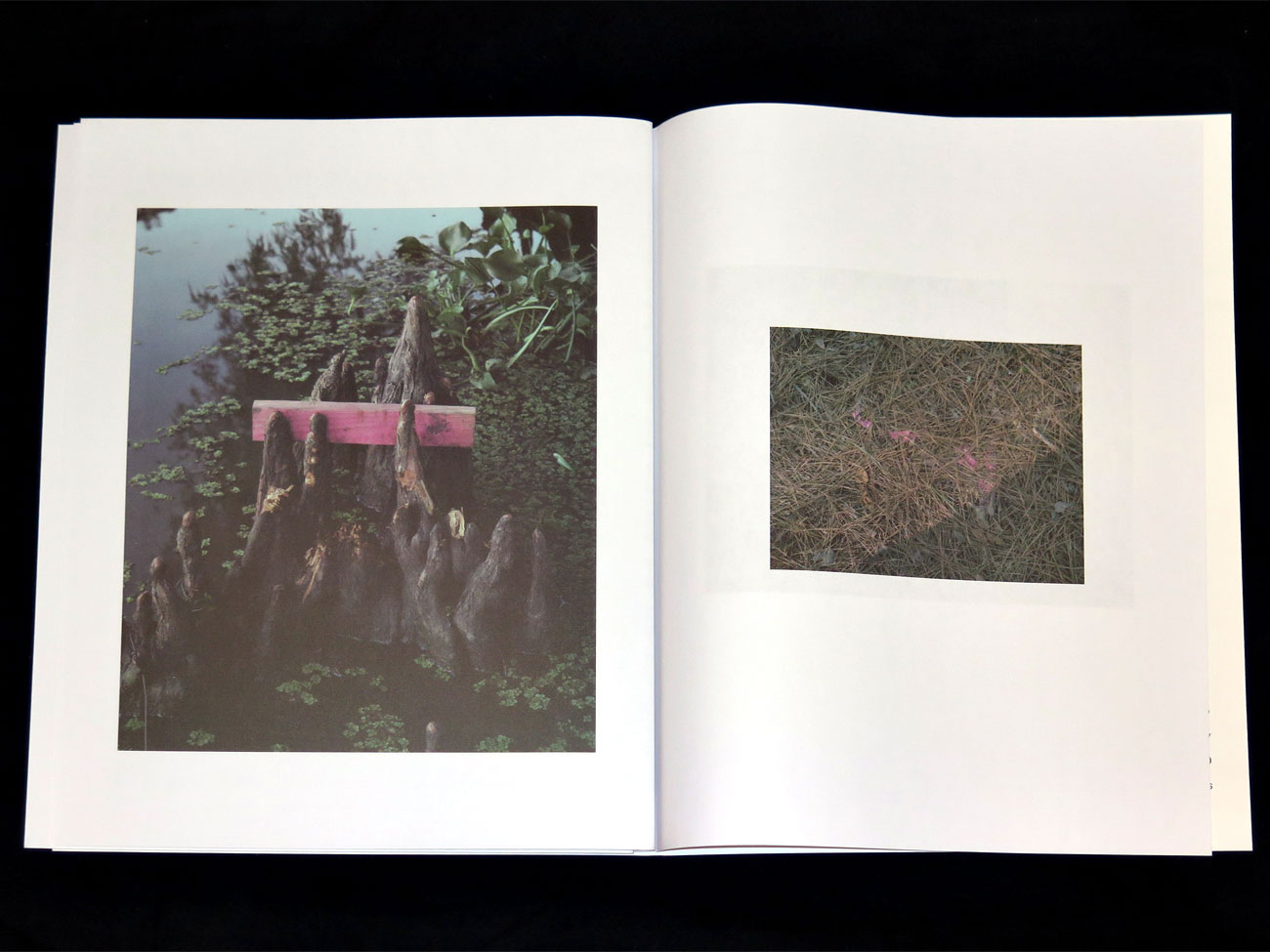
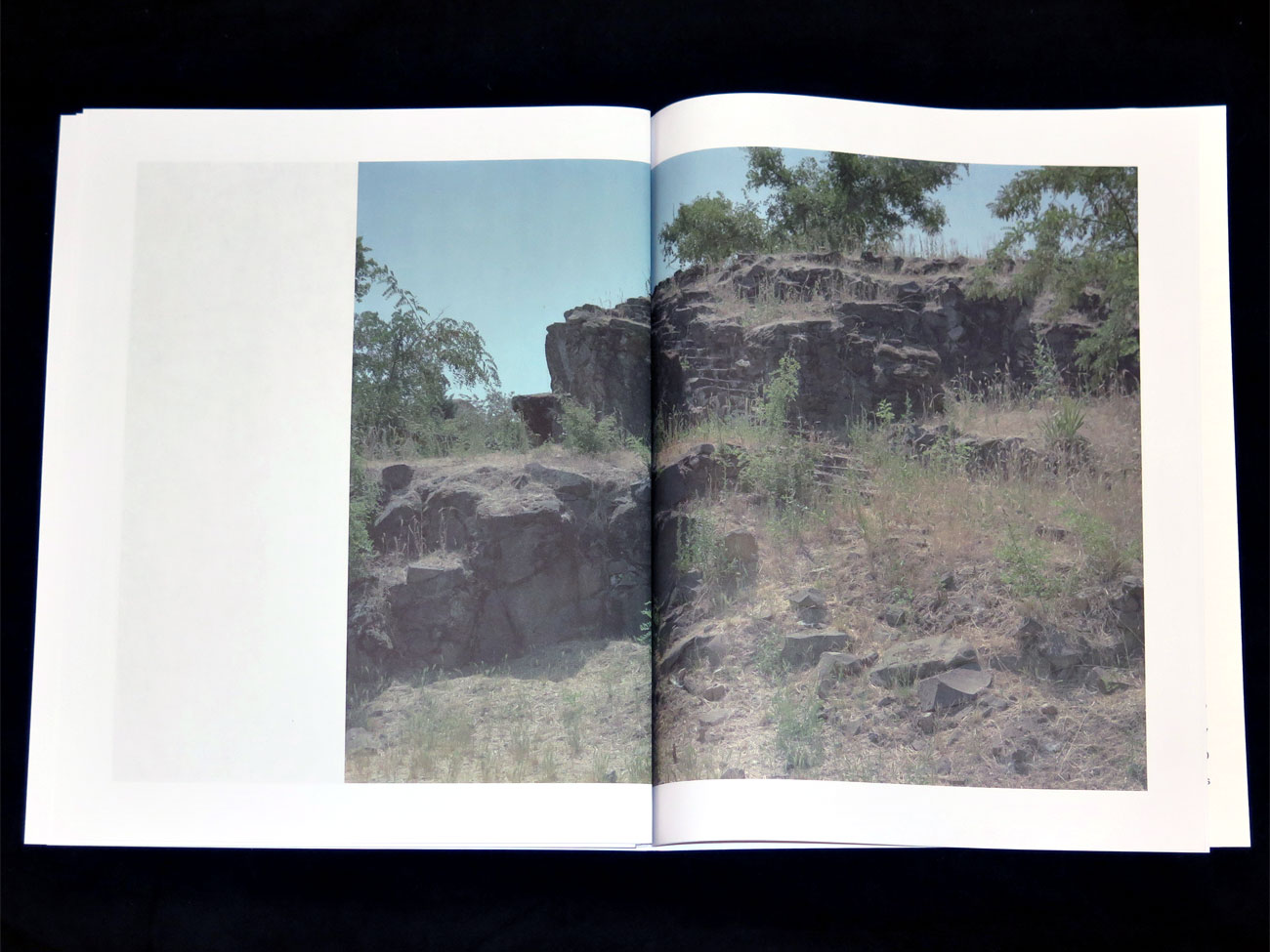
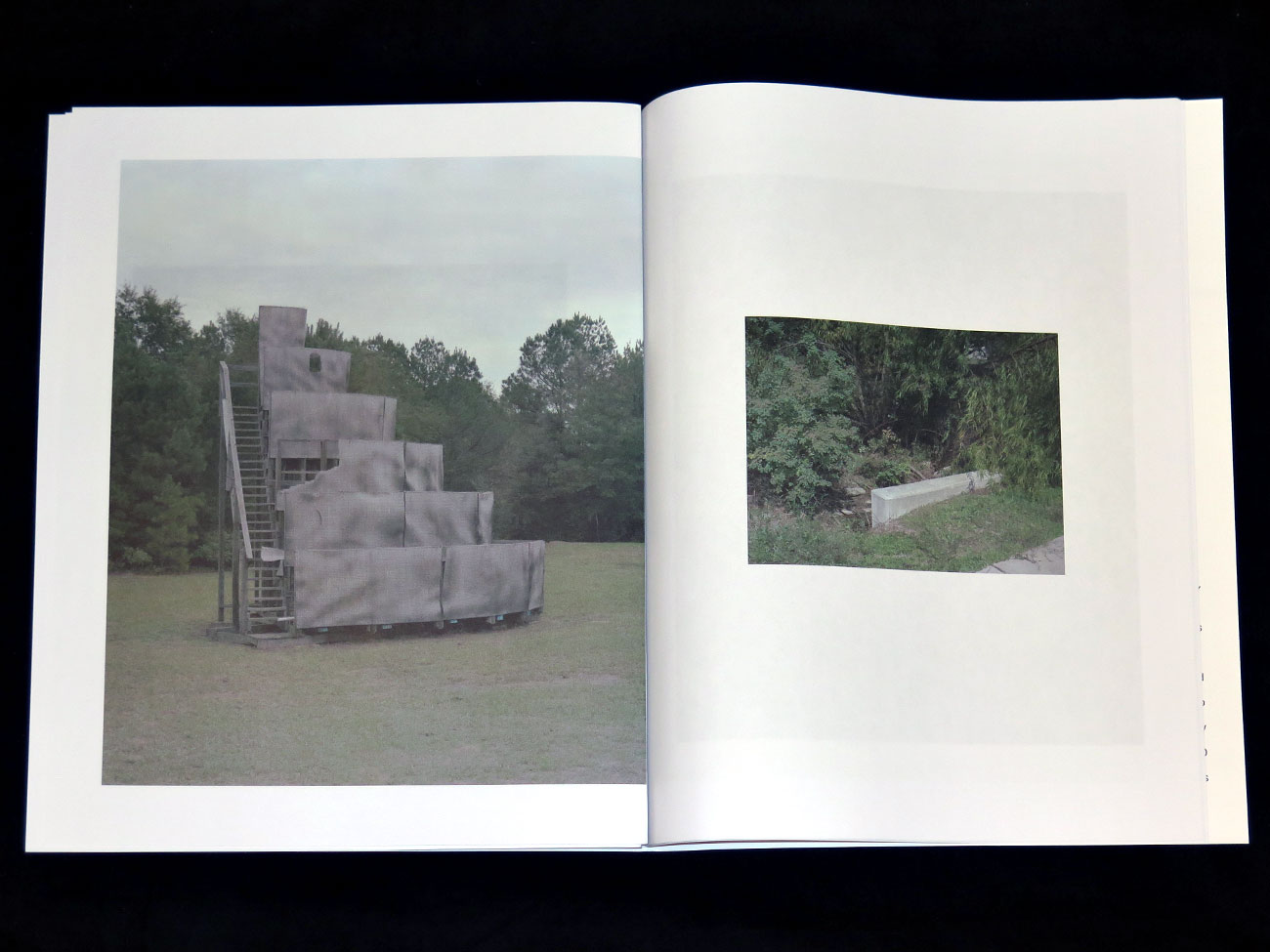
FIFTY. Todd DosSantos
Posted in photography on January 6th, 2016Tags: Douglas Richard, Todd DosSantos

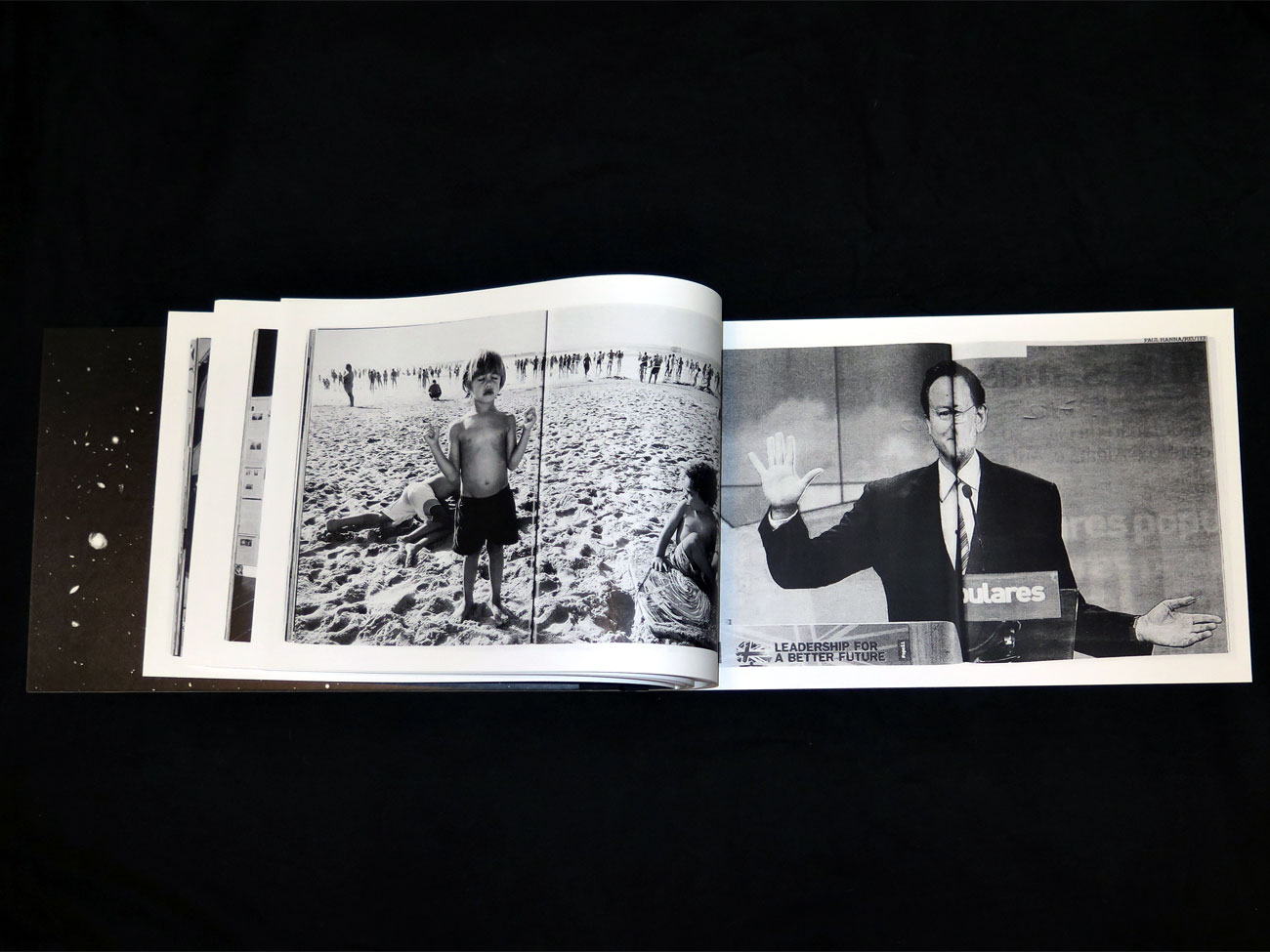
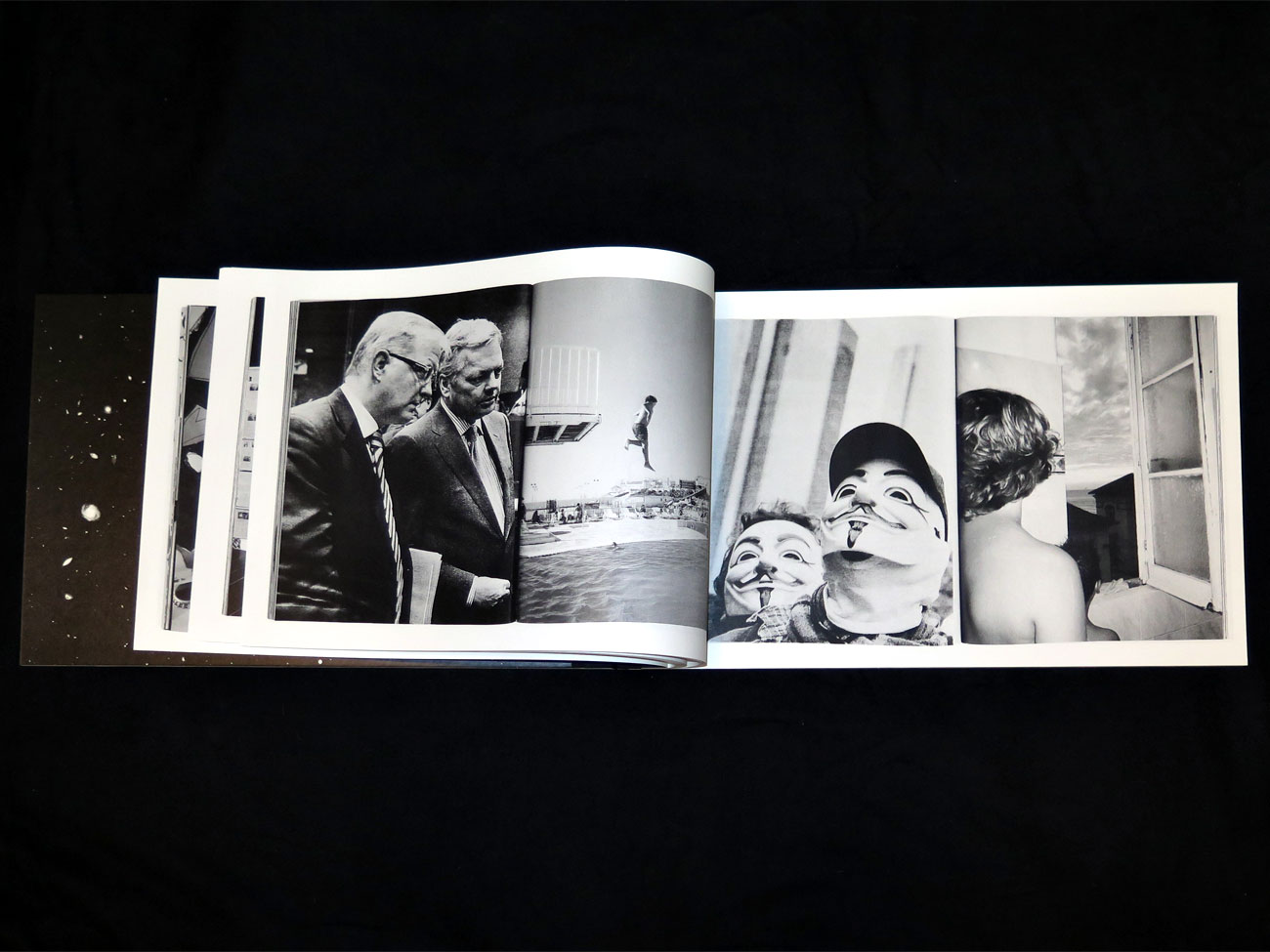
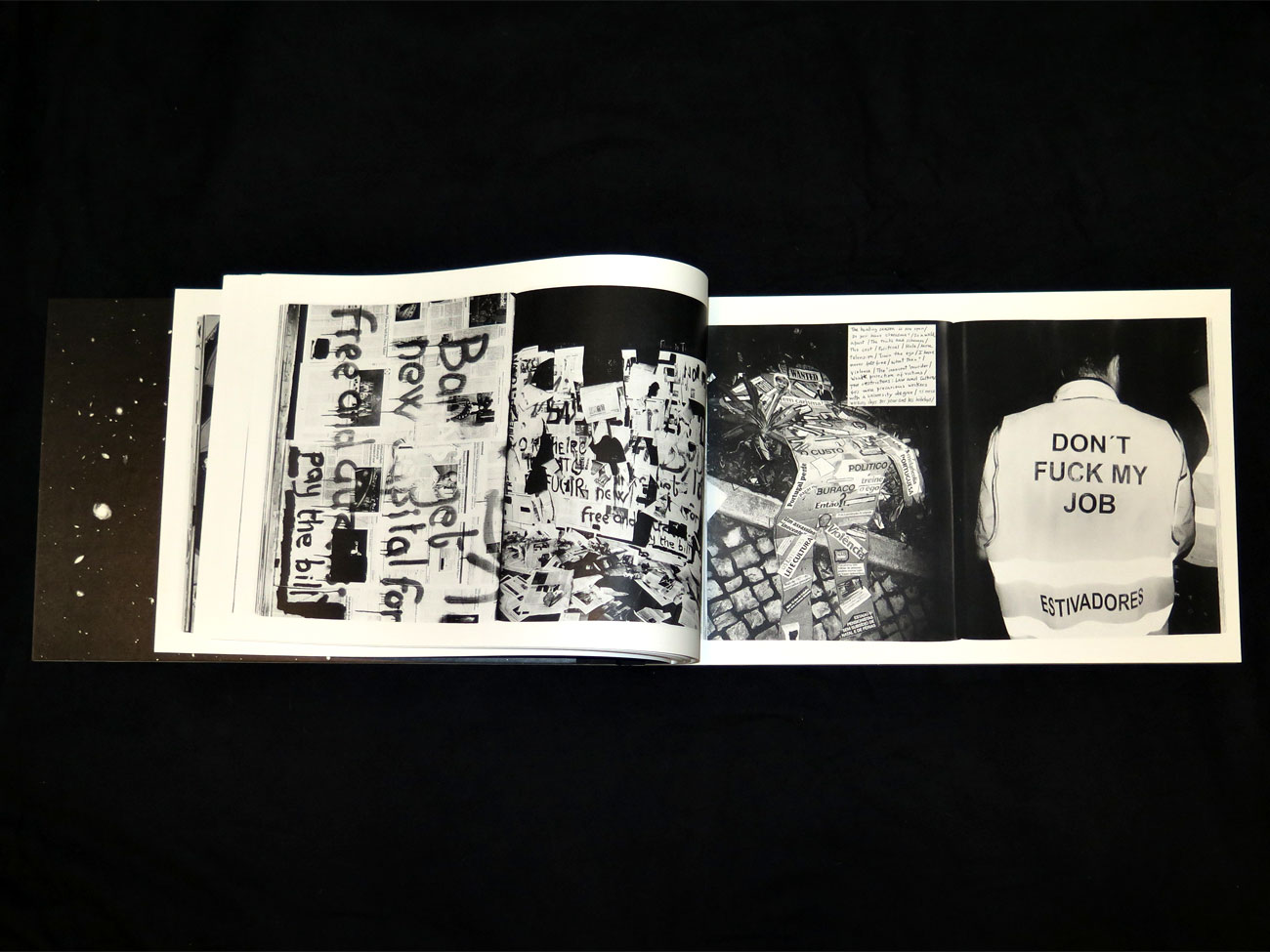
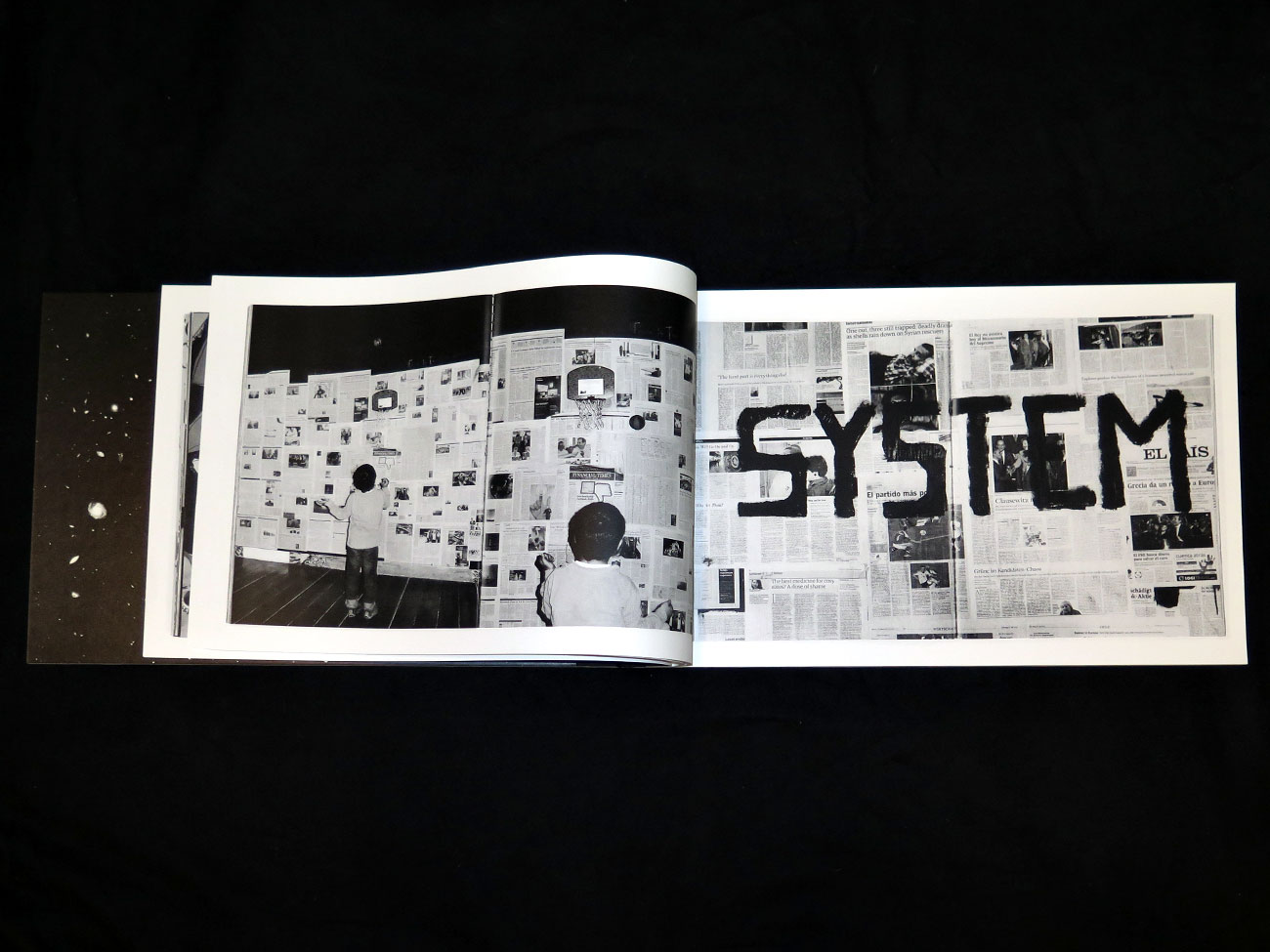
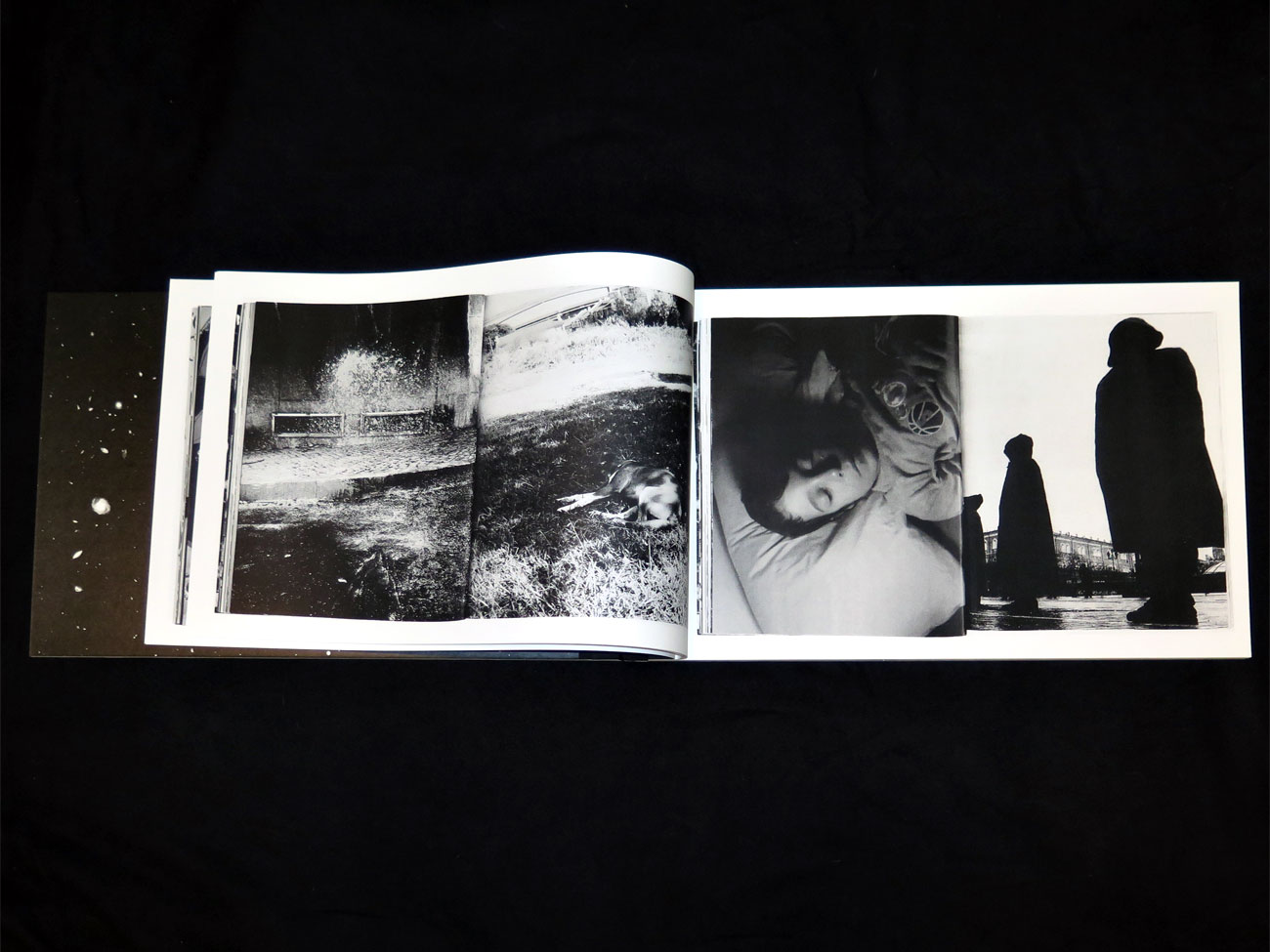
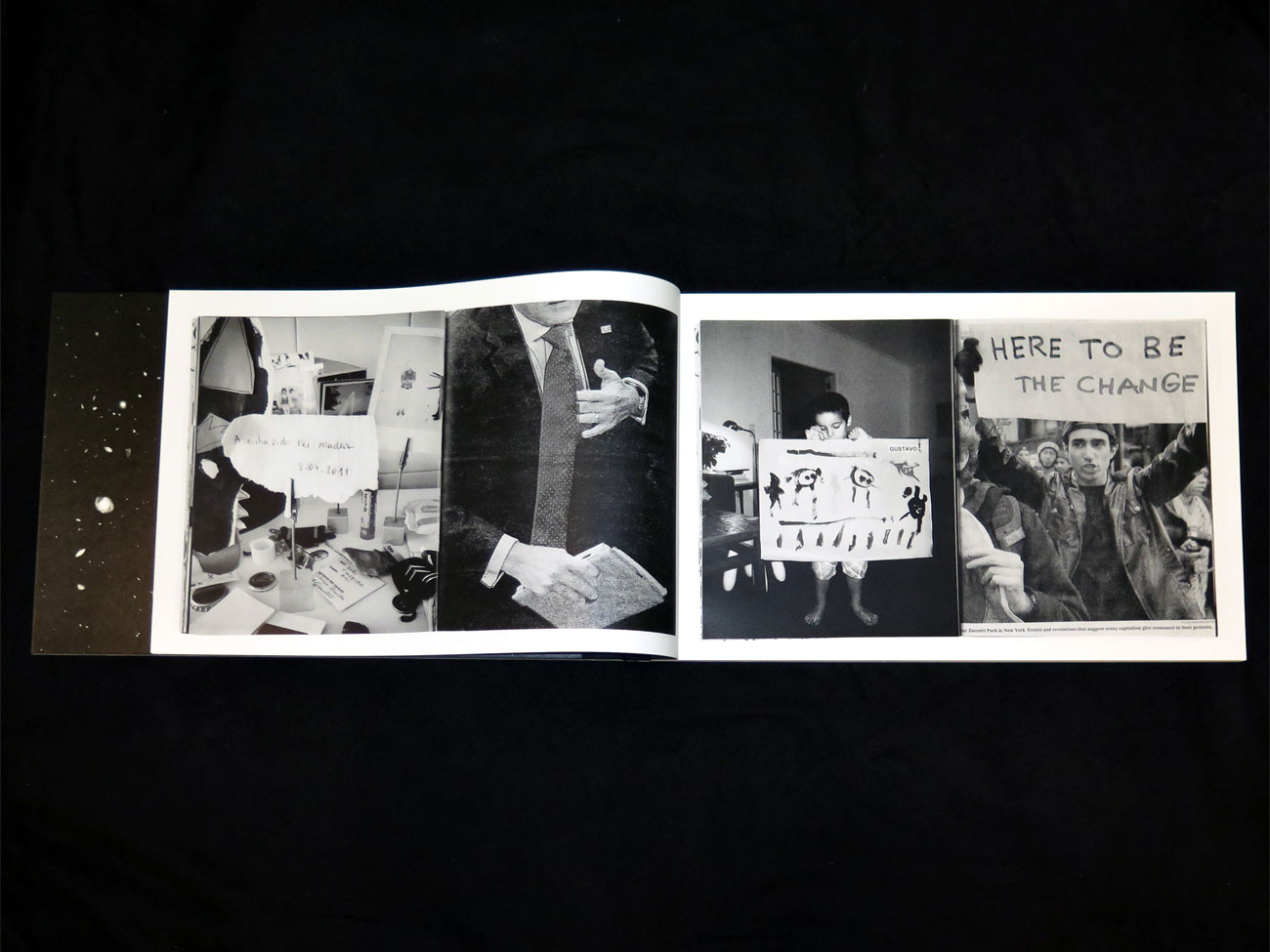
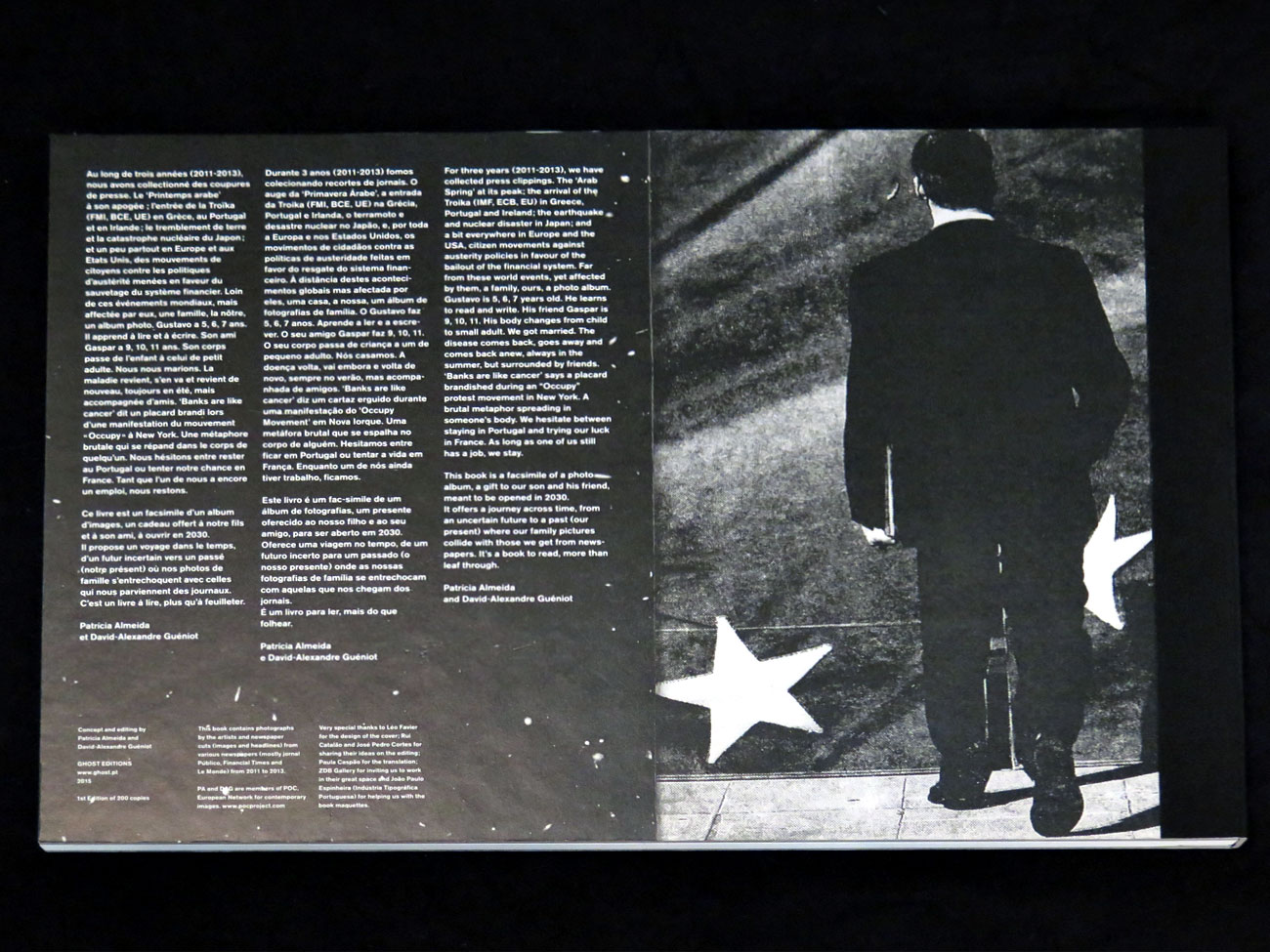
“For three years (2011-13), we have collected press clippings. The ‘Arab Spring’ at its peak; the arrival of the Troika (IMF, ECB, EU) in Greece, Portugal and Ireland; the earthquake and nuclear disaster in Japan; and a bit everywhere in Europe and the USA, citizen movements against austerity policies in favour of the bailout of the financial system. Far from these world events, yet affected by them, a family, ours, a photo album.
Gustavo is 5, 6, 7 years old. He learns to read and write. His friend Gaspar is 9, 10, 11. His body changes from child to small adult. The disease comes back, goes away and comes back anew, always in the summer, but surrounded by friends. ‘Banks are like cancer’ says a placard brandished during an “Occupy” protest movement in New York. A brutal metaphor spreading in someone’s body. We hesitate between staying in Portugal and trying our luck in France. As long as one of us still has a job, we stay.
This book is a facsimile of a photo album dedicated to our son and his friend, meant to be opened in 2030. It offers a journey across time, from an uncertain future to a past (our present) where our family pictures collide with those we get from newspapers. It’s a book to read, more than leaf through.” Patrícia Almeida and David-Alexandre Guéniot
A book by Patrícia Almeida and David-Alexandre Guéniot
98 Pages, 198 black and white pictures
Size: 27,5 x 40 cm
Hard cover
Print run: 200 copies
€43.00
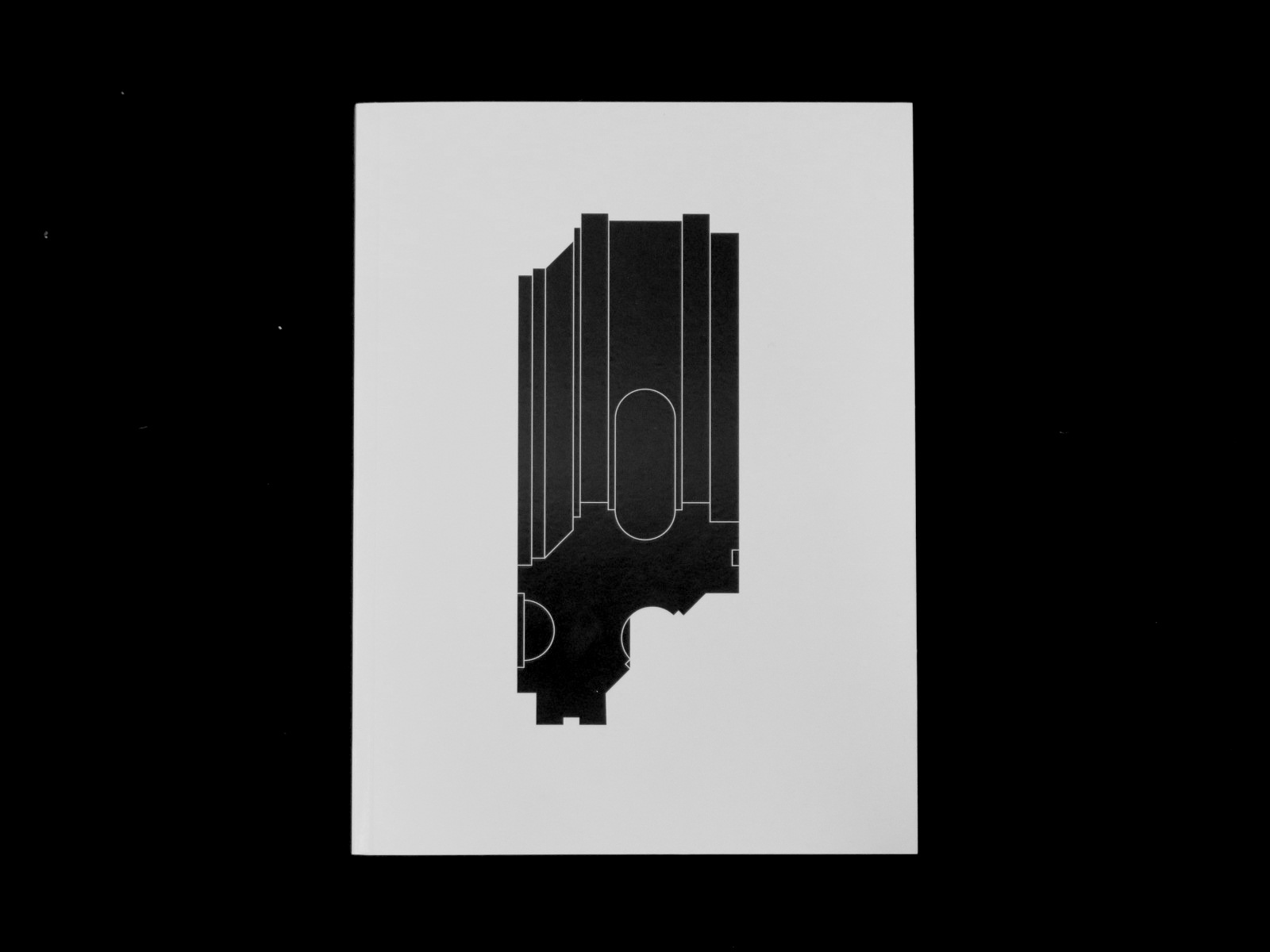
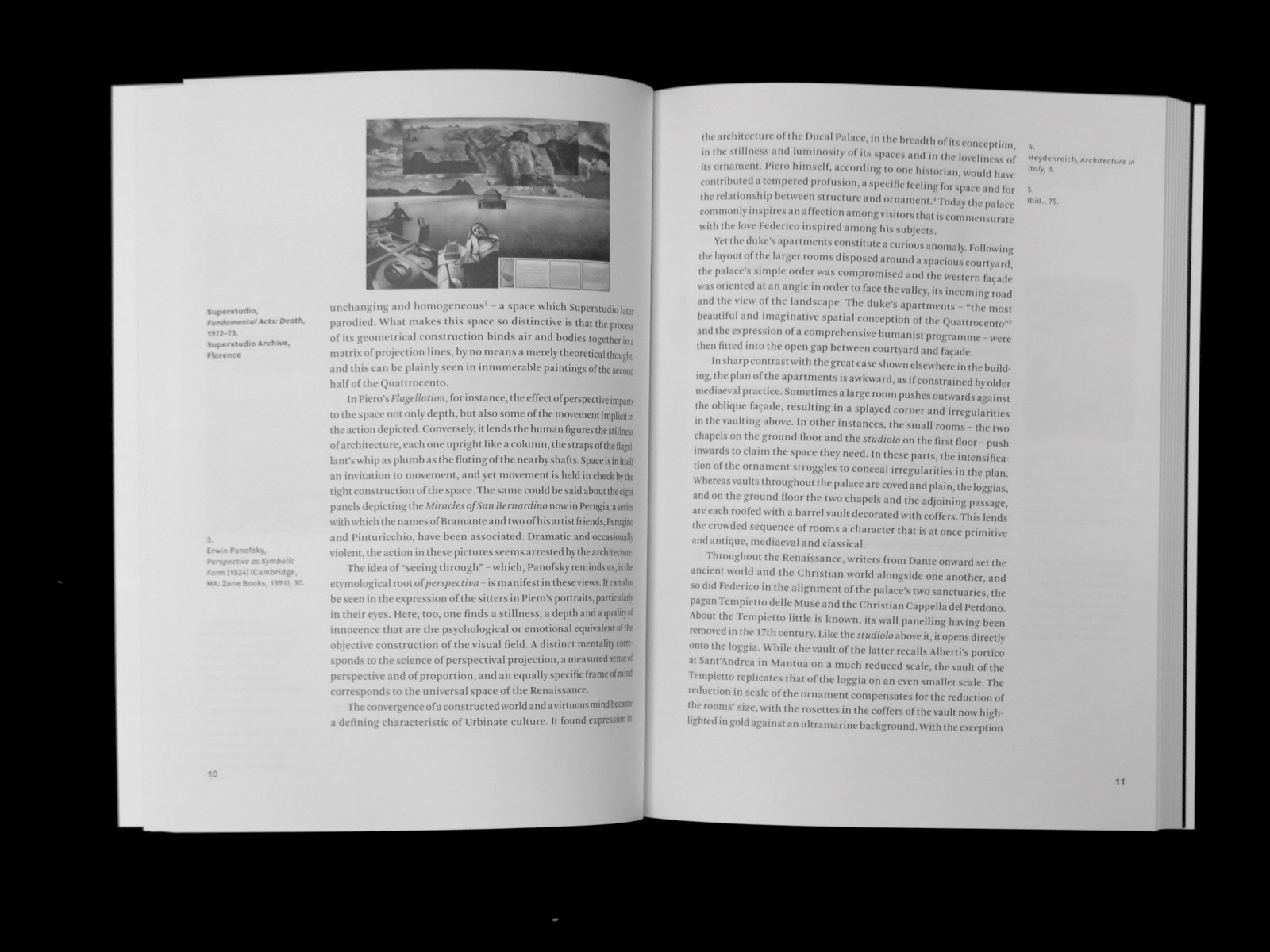
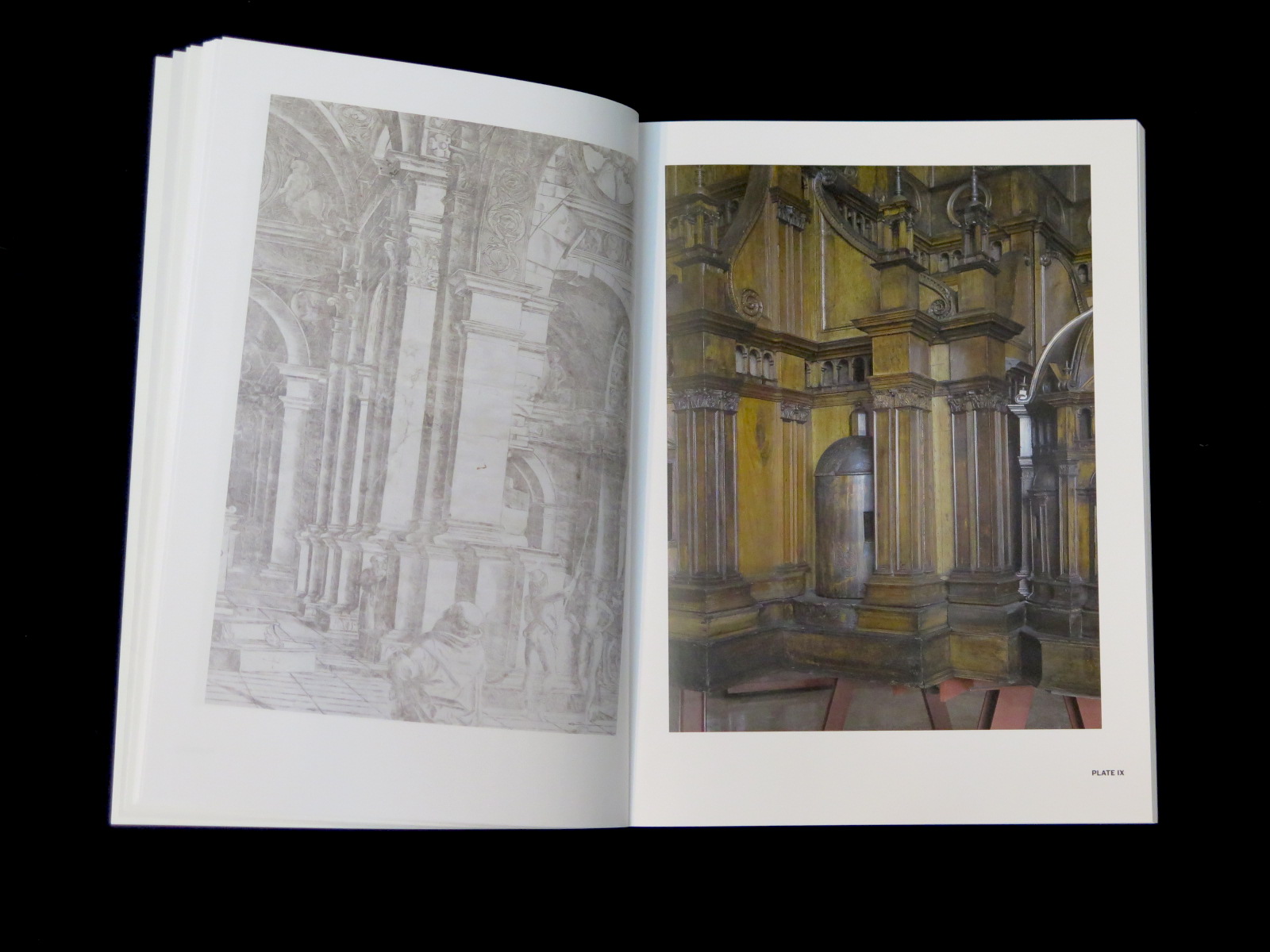
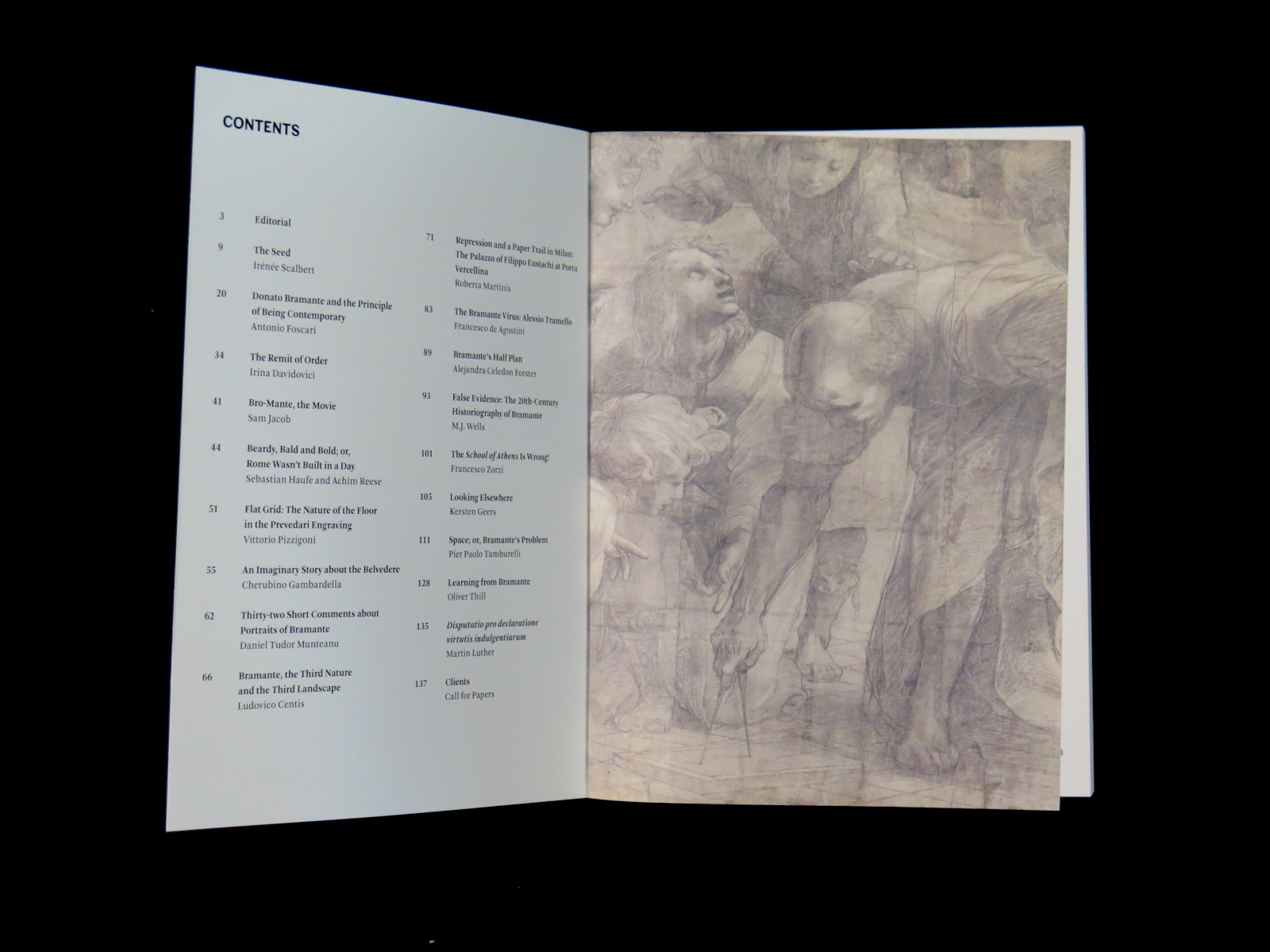
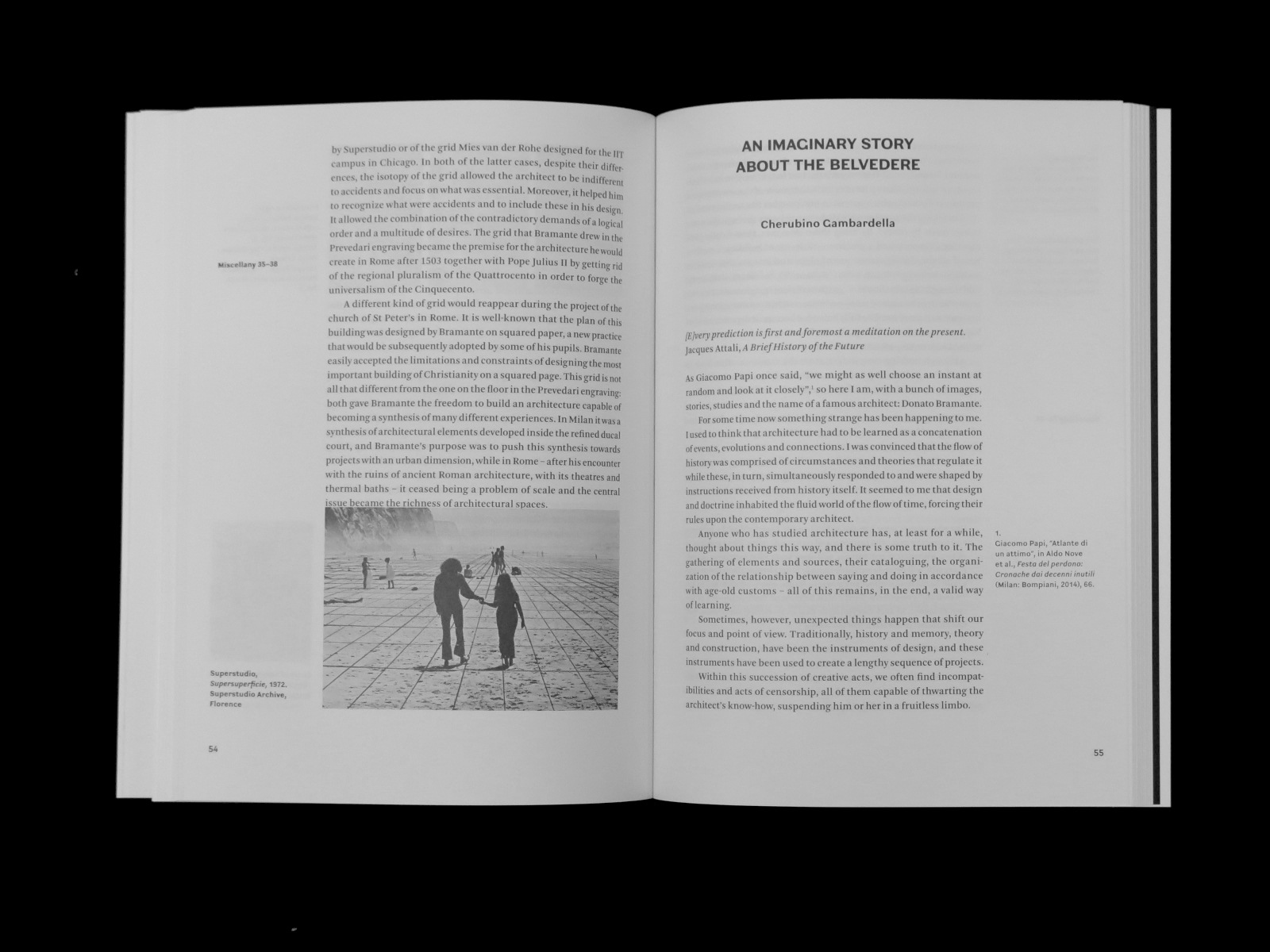
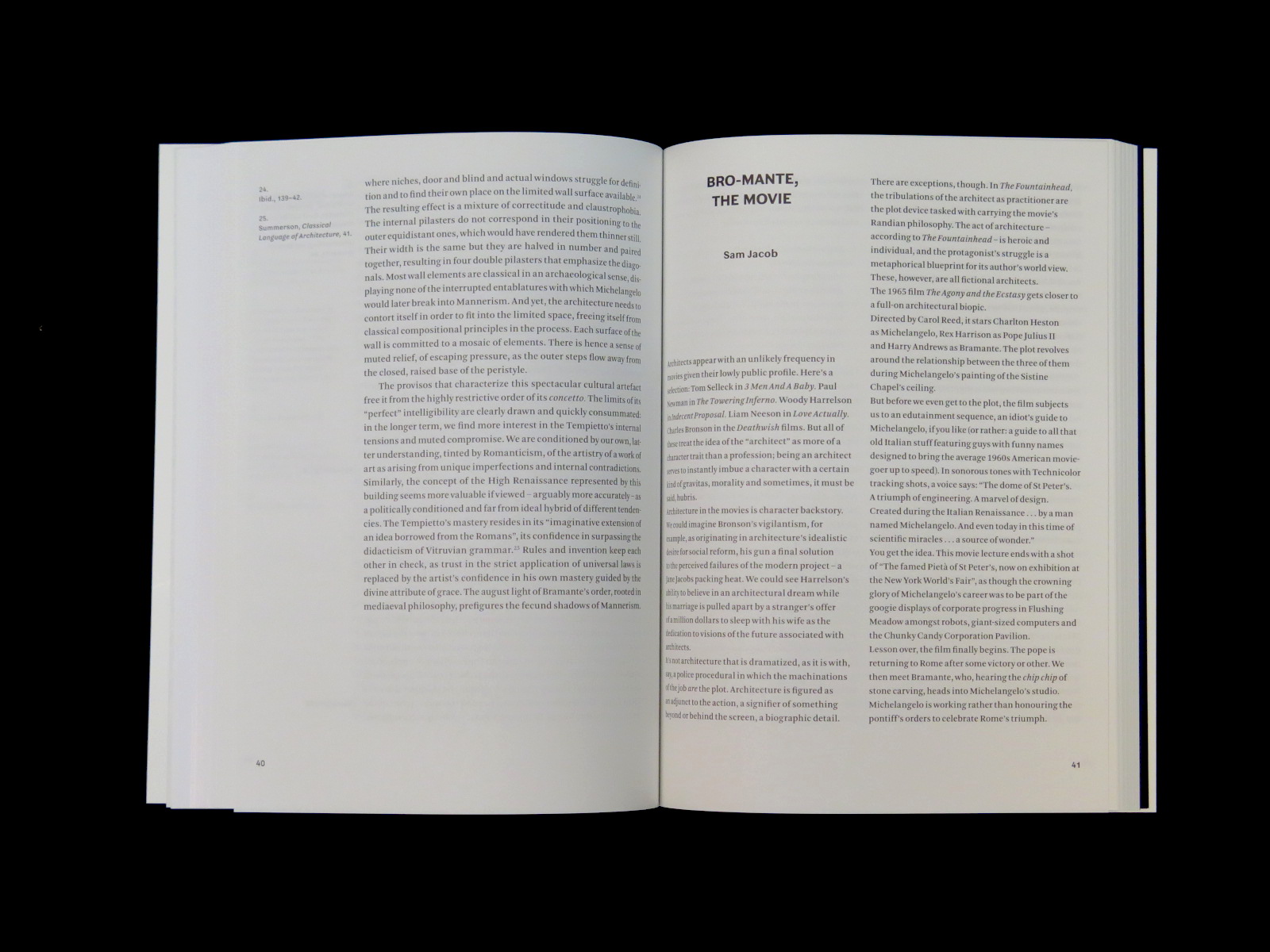
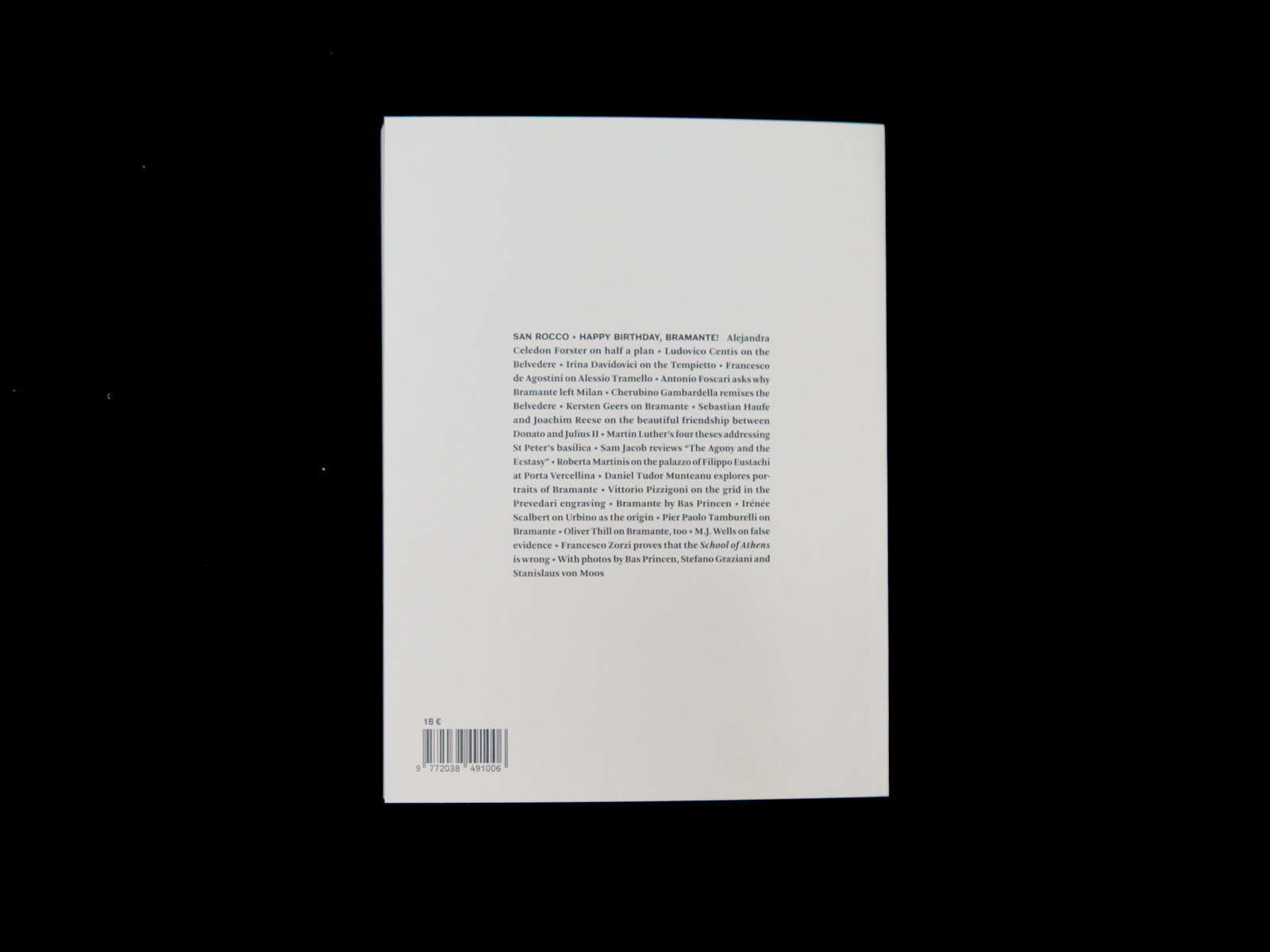
Bramante is the most important architect in the history of Western architecture.
This fact alone would be a sufficient reason for this issue, but the additional fact that Bramante died 500 years ago merits its own celebration.
Most of all, now that globalization has come full circle and we live in an entirely unified market, we must address Bramante’s work as the foundation of universalism in Western architecture.
€18.00
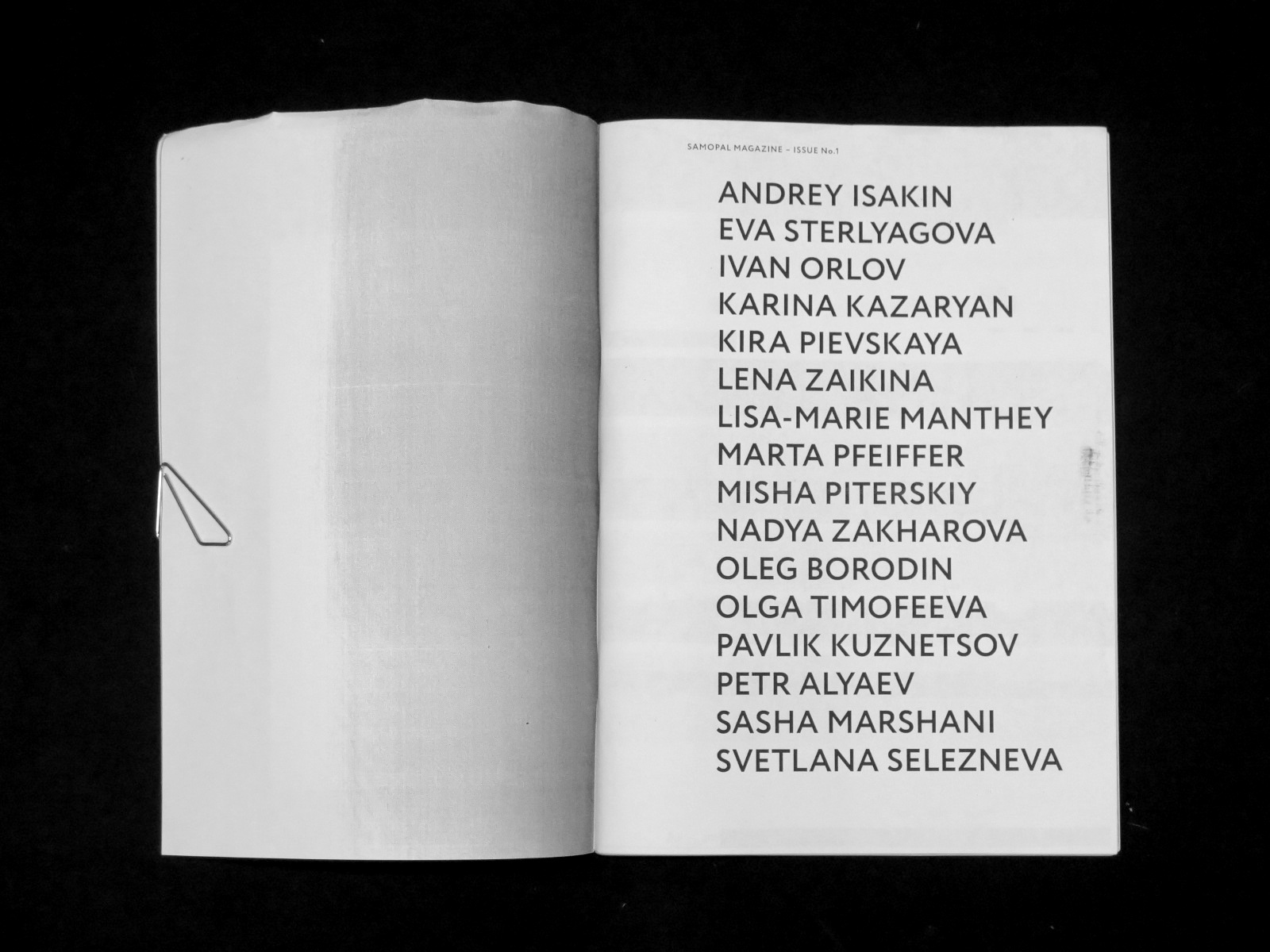
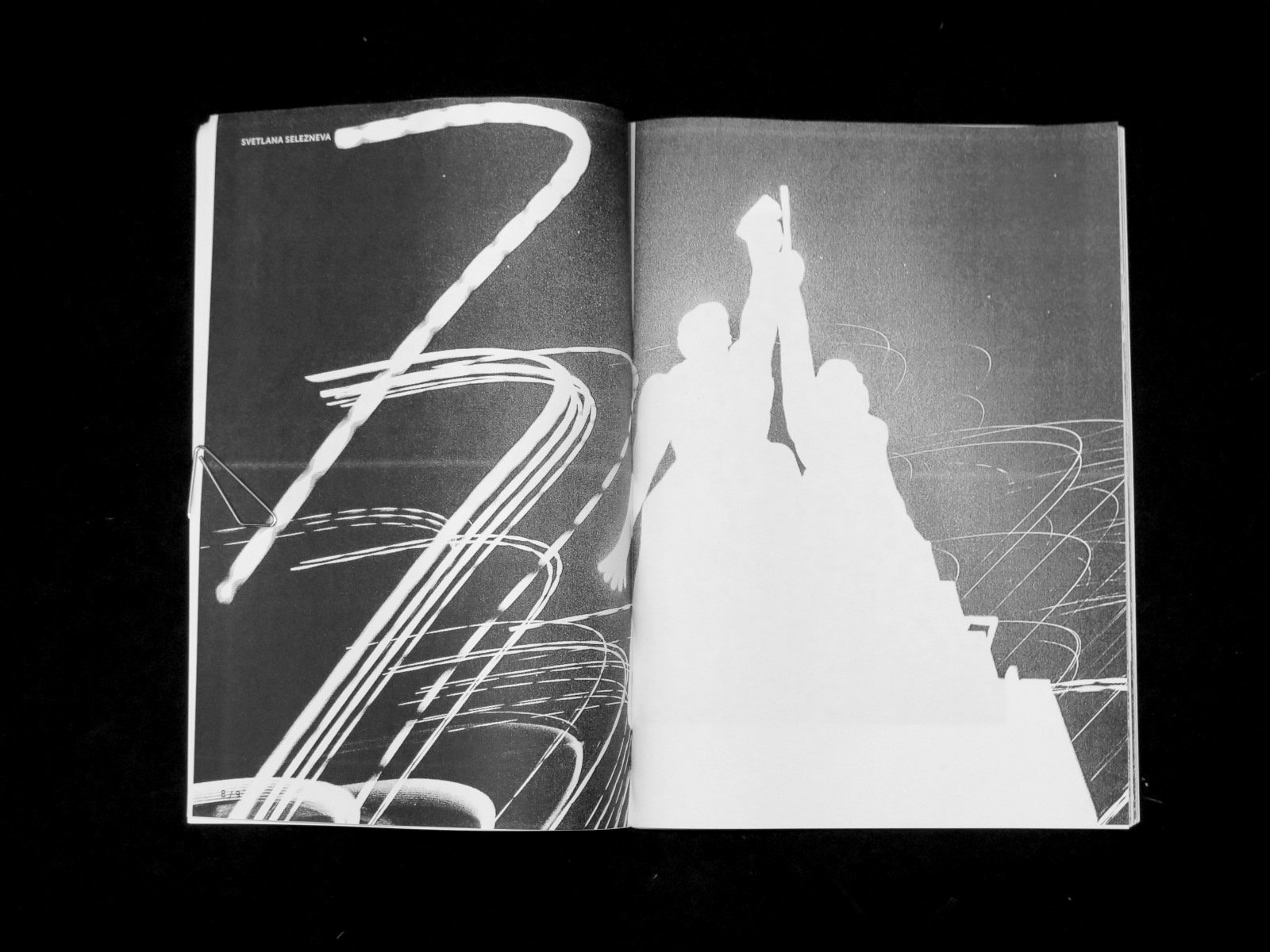
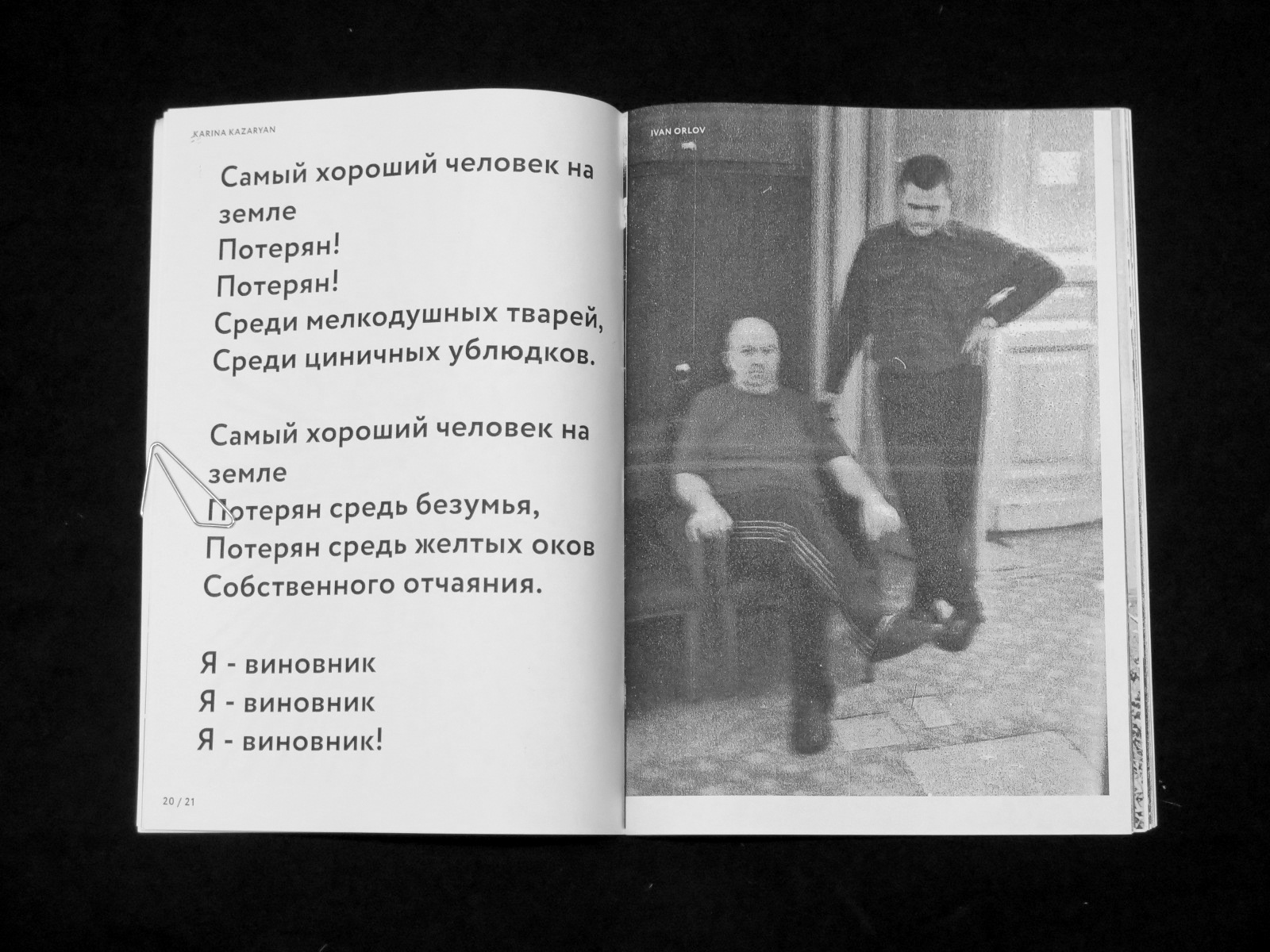
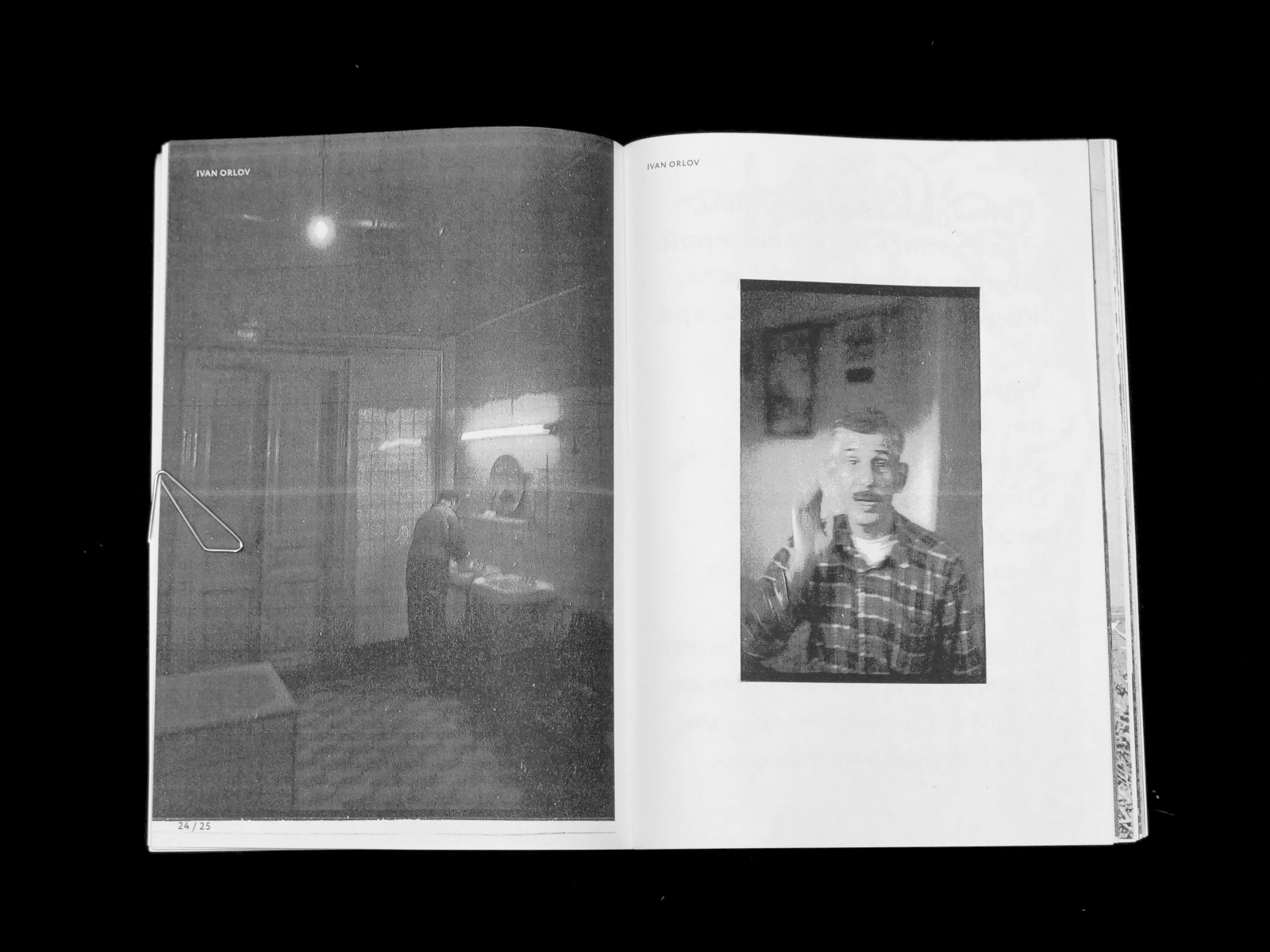
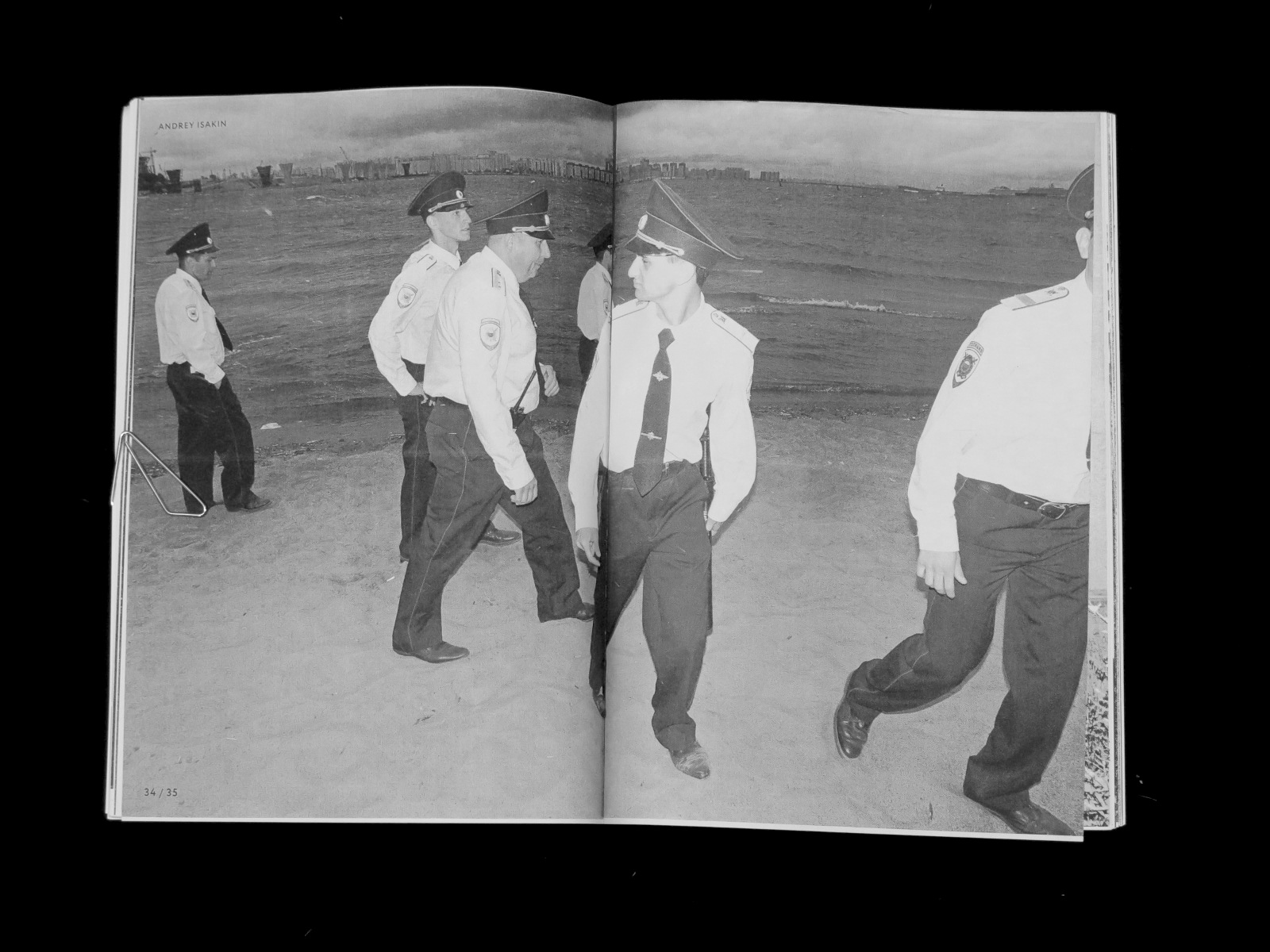
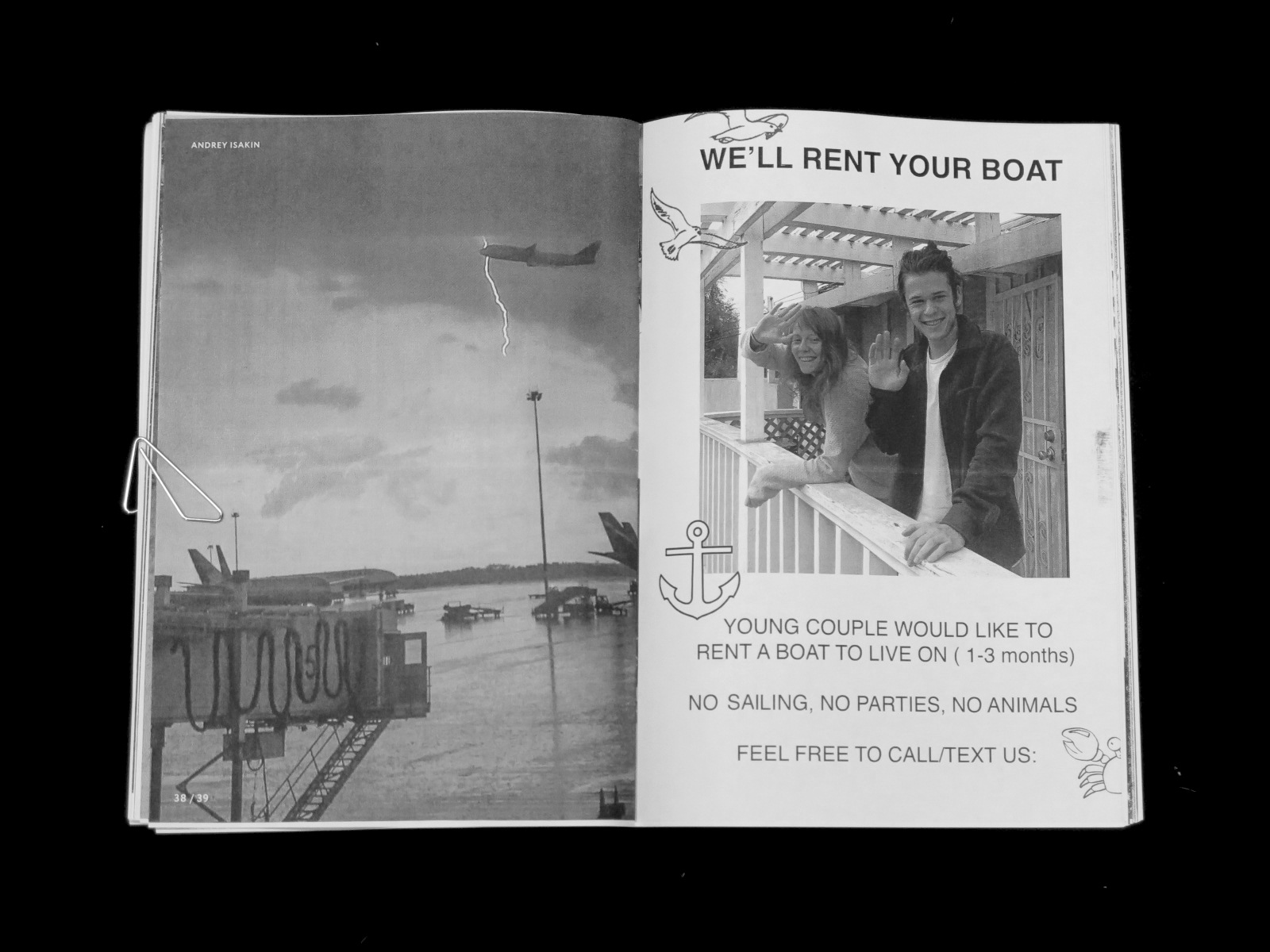
Samopal’s first issue.
with works by:
Andrey Isakin
Eva Sterlyagova
Ivan Orlov
Kira Pievskaya
Lisa-Marie Manthey
Marta Pfeiffer
Misha Piterskiy
Nadya Zakharova
Oleg Borodin
Olga Timofeeva
Pavlik Kuznetsov
Petz Alyaev
Sasha Marshani
Svetlana Selezneva
€15.00
Buy it
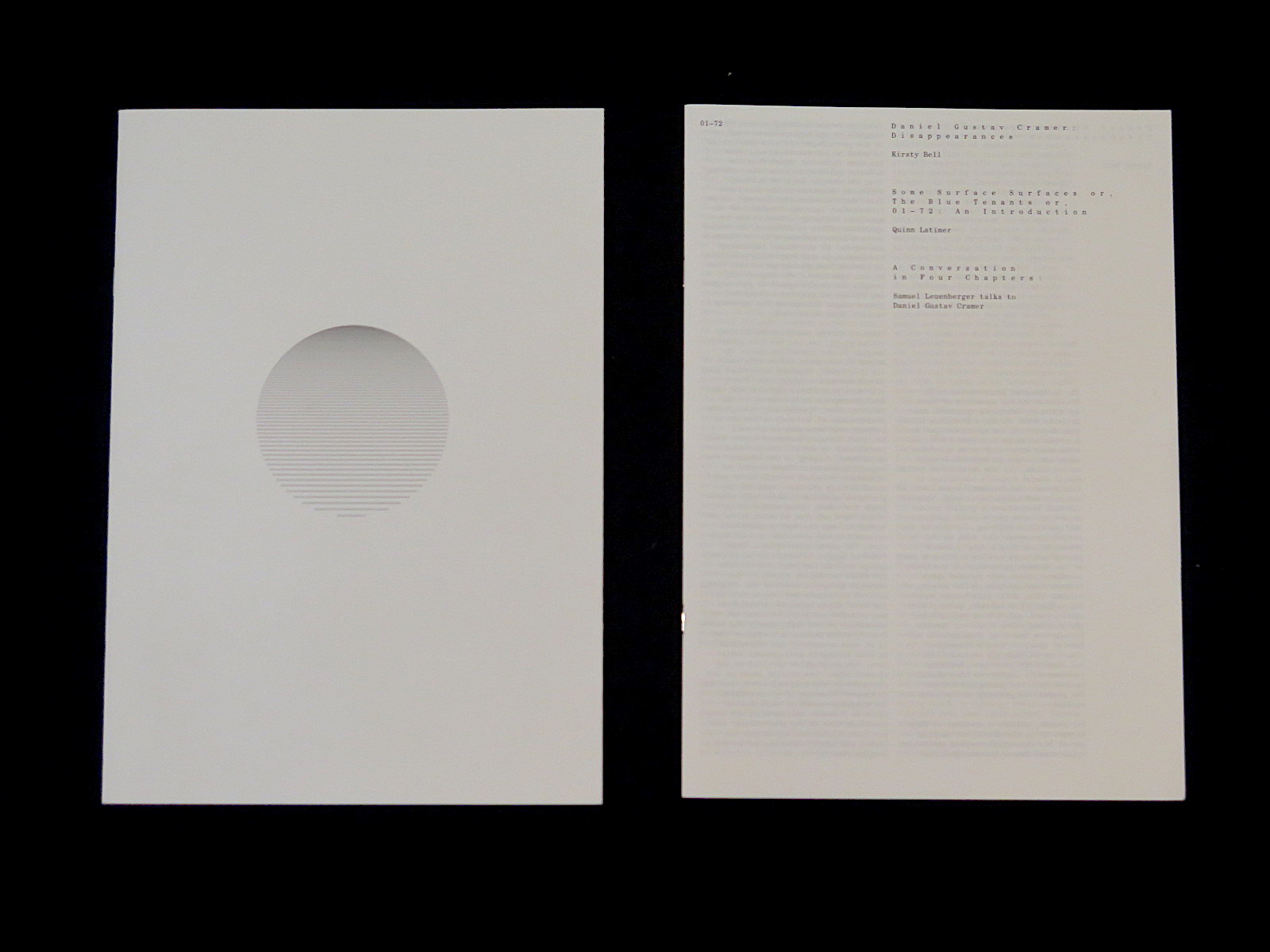
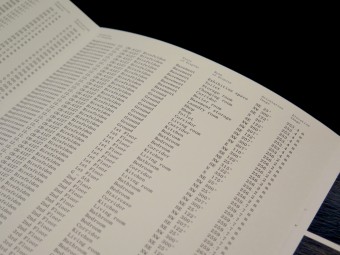
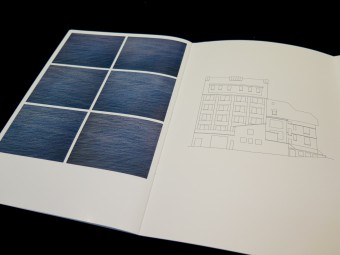
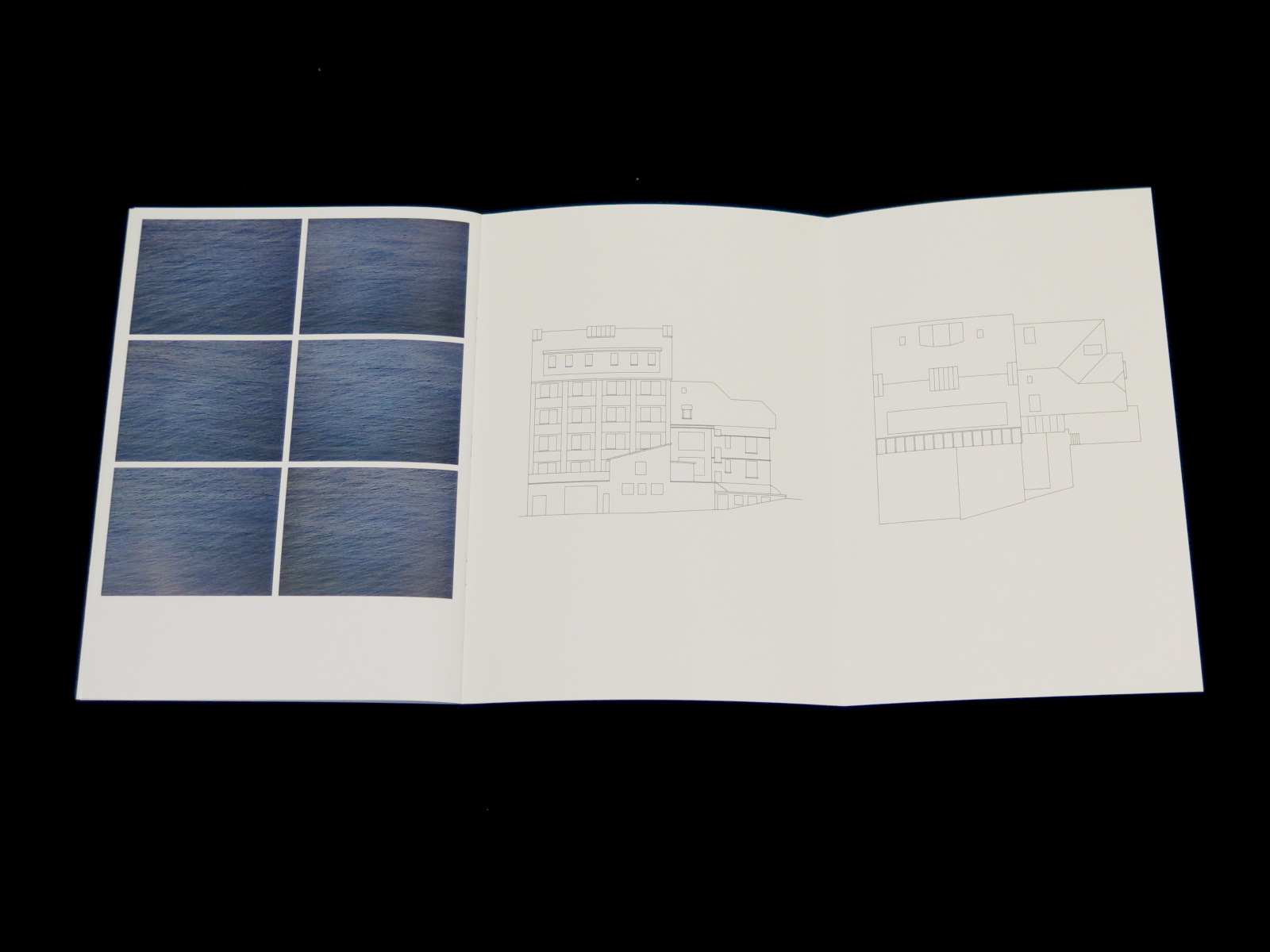
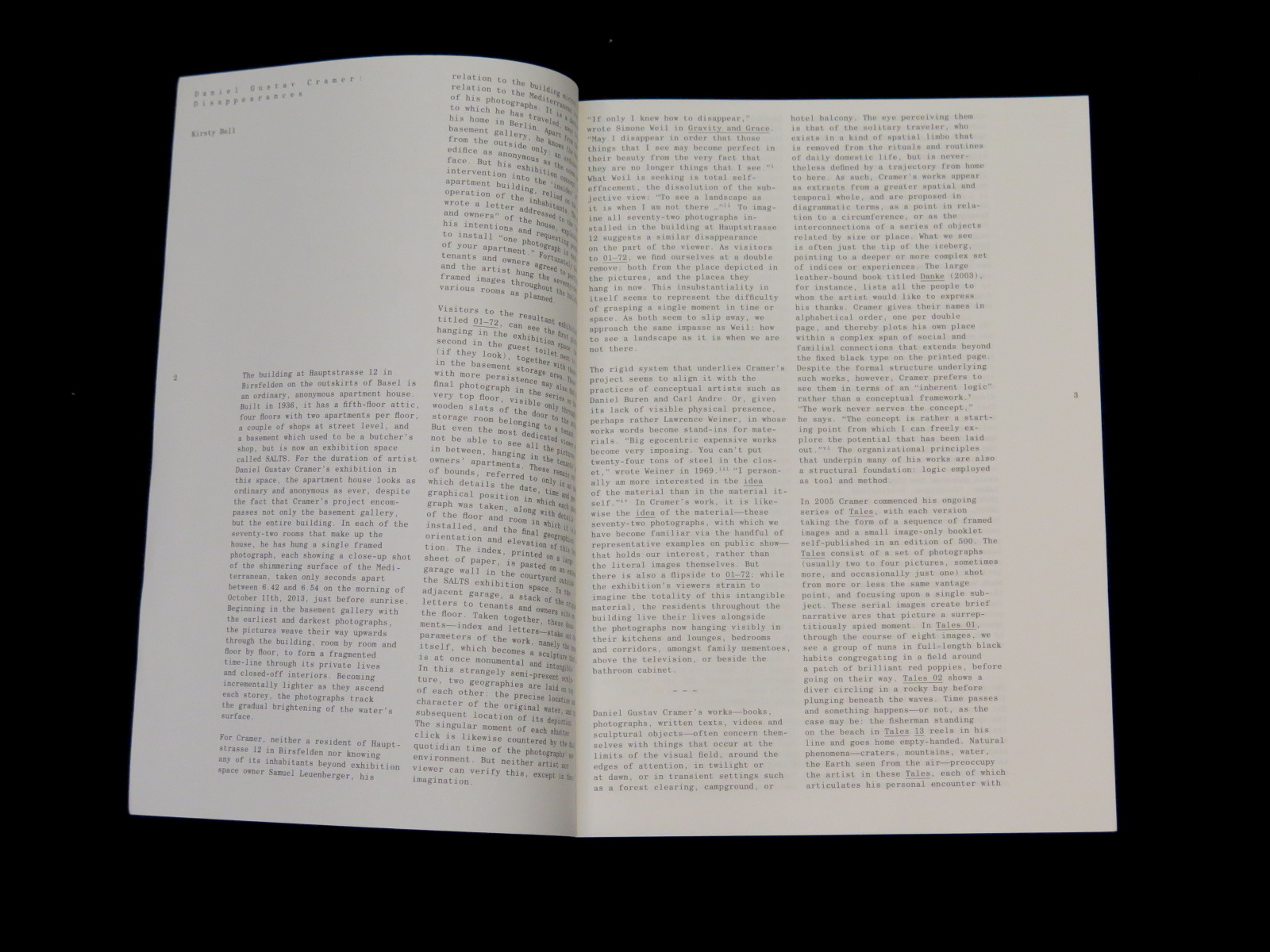
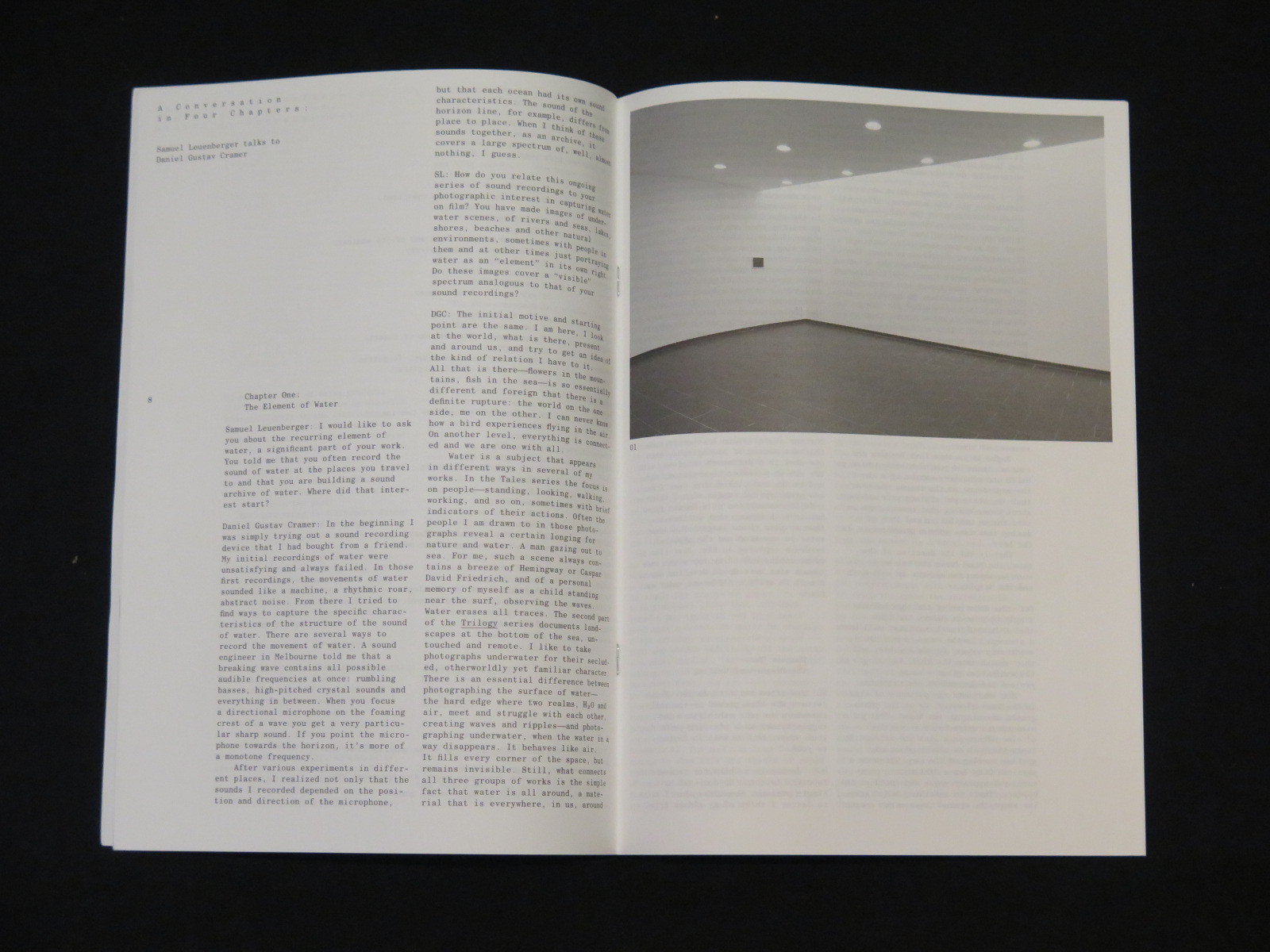
This two-part publication has been released in March 2014 on
the occasion of the exhibition “01-72″ by Daniel Gustav Cramer
at SALTS, Basel. It consists of an artist’s book, giving more
insight into the project and a reader with texts from Quinn
Latimer, Kirsty Bell and an interview with the artist.
Daniel Gustav Cramer works in a multitude of media such as photography, sculpture, book-making and text-work, which often, when united in a show, assume a conceptual meta-structure which points towards narration and well beyond. It attempts to expose the many layers and various possible perspectives one can opt for when looking at an object. These layers have the possibility to link-up, to create possible lines that connect to each other’s cross-path in a non-linear story. Cramer is interested in the different facets of this experience, of how these motions shift and change when they gravitate towards one another.
In his most expansive project to date, Daniel Gustav Cramer let’s us glimpse into the vast experience a work can offer, from the things that happen at the the fringe of the work itself, that which surrounds it, what it entails preparing for it and what reach it can have beyond its presentation form. Cramer offers the audience to feel the halo that hovers above a certain moment, the thing that gives the work the richness, the fullness, that which strengthens the work from within. Firstly, Cramer turns not only the site of the exhibition into one enormous sculptural object but his conceptual approach to the very impetus of the idea is of sculptural nature itself. Secondly, his subject, here a series of water photographs become the vessel to experience the entire social-cultural context these images might be imbedded in, from inception to execution, the audience is involved.
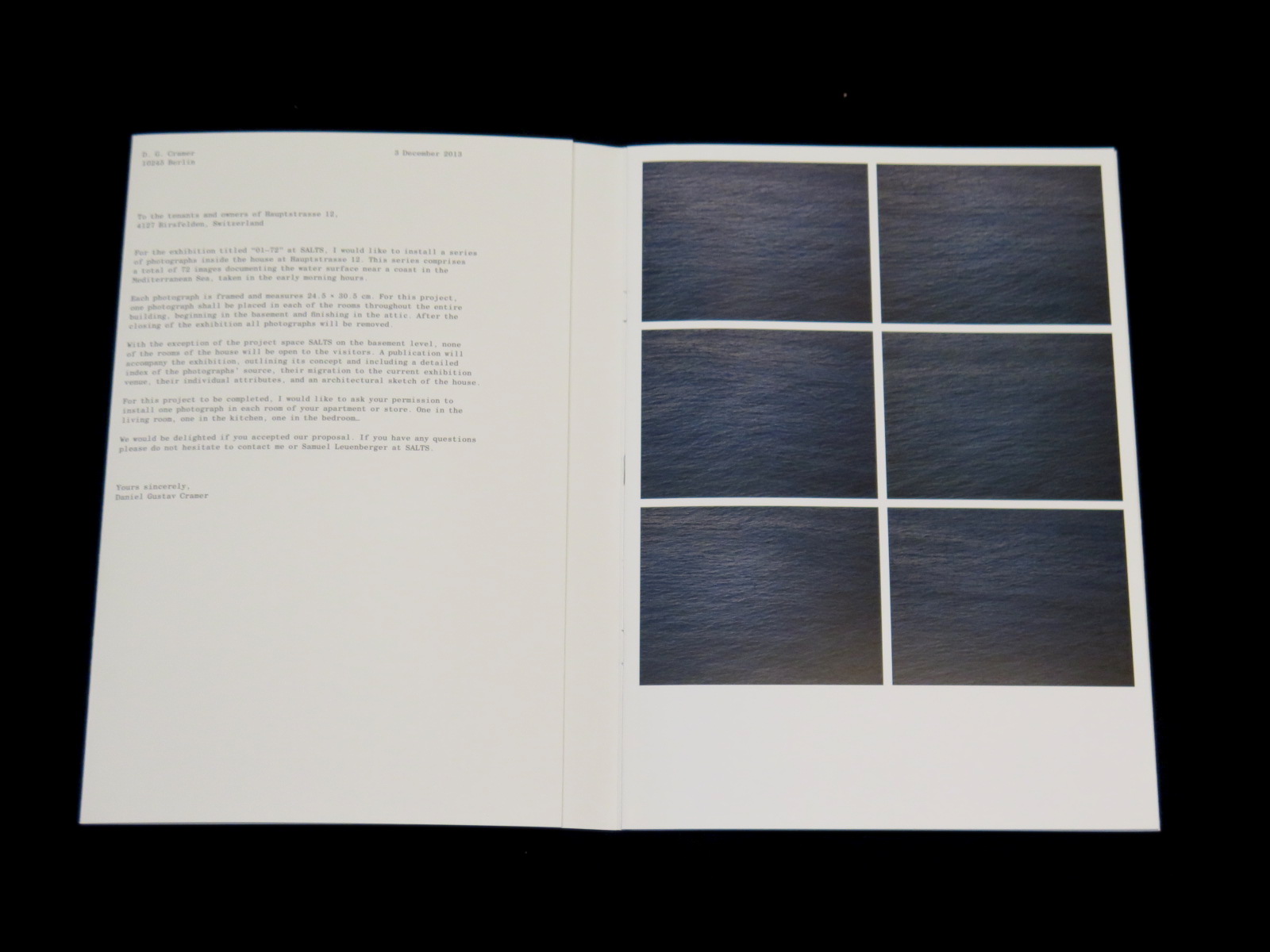
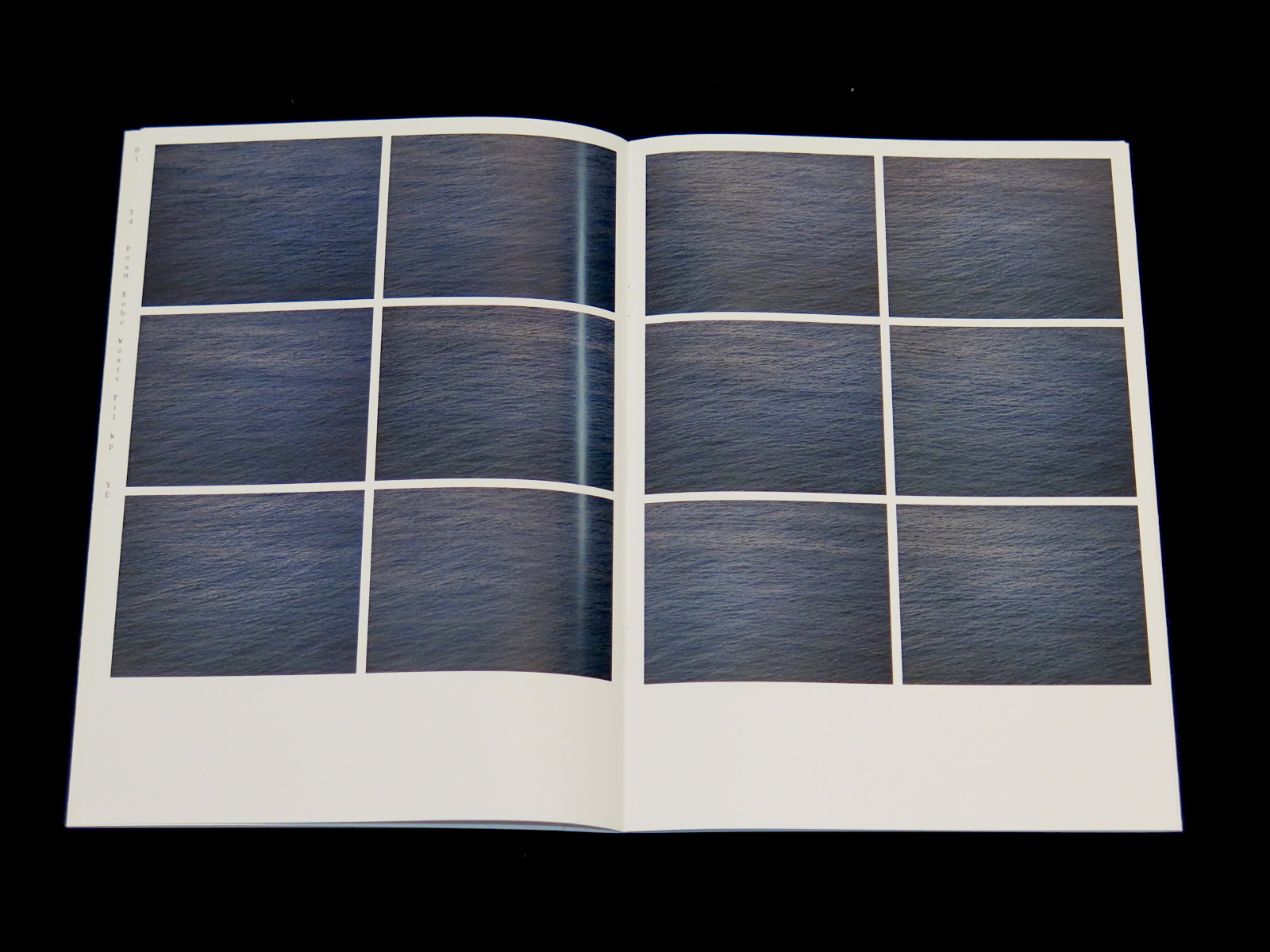
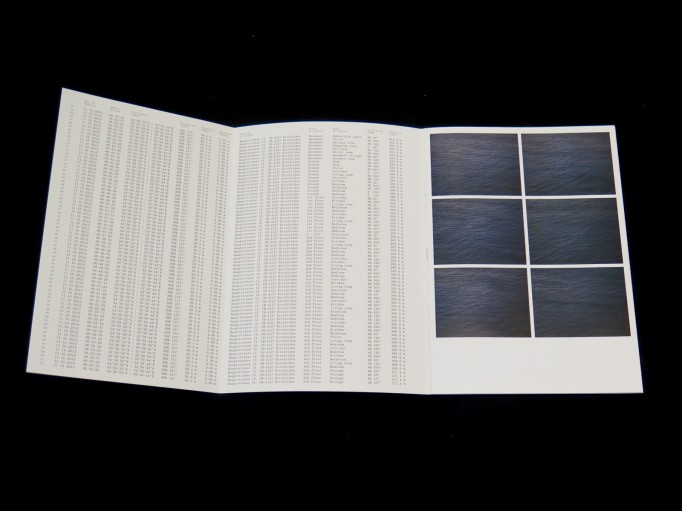
For 01–72, Daniel Gustav Cramer composed a formal letter which enquires about the possibility of installing a group of his photographs in each room of each apartment in a building of his choosing, here the site of his current exhibition, where SALTS is located in. The concept is to install 72 photographs, each depicting a fragment of seawater, taken from roughly 30 meters above sea-level somewhere in the Mediterranean Sea. The lens is looking down onto the open water, each water portrait appears like the previous one, but each differs in nuances, since all 72 images are taken in chronological order, in about a span of 18 minutes. Now here, the frames will occupy every room, every hallway, the attic area as well as the boiler room of this housing complex full of residential flats and store fronts. All images are framed in thin white frame and hung in a sort of gradient progression, which follows the rising of the sun, while they hang starting in the basement and follow-through up to the attic. Each portrait touches the wall of an adjacent one, thus suggesting the element of water to flow throughout the entire building. The result of this pictorial sea progression, spreading through a vertically raised architectural space, makes this a collective experience for all the inhabitants of the house.
The artist has an interest in the abstract nature of the water, its biomass and neutrality in which it just is. For the people in the house, who are all invited to live with these images for the duration of the exhibition they hold a different potential; they are all aware that their neighbors have a similar experience, they all share the notion, that above them, below them, next to them is such an image, which was taken just moments before the one they are looking at the moment. They are organically connected through an invisible thread, an image that suggests, a distance, a remoteness, the open sea, liquidity with all its massive physicalness but which here is contained within their own personal space. The repetitiveness of this image creates a certain sense of calm among the diverse environments it is hung in.
Rather than portraying a protagonist, he takes pleasure in capturing the temporal shift which occurs between watching someone or something, recording it and then contextualizing it through the language of an exhibition. Cramer creates lines, lines between his camera and the water, between a point in the Mediterranean Sea and Birsfelden, between writing a letter and the people receiving it. They in turn create a line between the neighbors themselves, between all the images hung and finally between the “object” in its entirety and the public who is visiting the exhibition.
Cramer has managed through a simple but reoccurring gesture to unite, reduce and minimize the experience of “experiencing” an artwork. In this exhibition, exposure is turned inside out and makes the site of presentation not just a platform, but one object, one experience, one sculpture. In this exhibition with the title 01–72, narrative is deconstructed and unthinkable without the space it inhabits. A letter is placed in the garage explaining the idea to the people living in the house, just next to it, on the outside wall of the garage, an extensive list documents the scope of the project, and the path these images have been taking. Inside the exhibition space one discovers the first, the 01 of the seventy-two photographs which was taken at 6.23am of and which unfolds the story and what can partly be followed. It describes what is here but also what can not be seen in the floors above, it forms a sentence without letting the viewer hear the finish of it. The sparse exhibition room leaves way for comfort or discomfortable since the viewer has to decide how or if they want to read the story that is unfolding in front of them. Fact is, Daniel Gustav Cramer consciously withdraws from the centerpiece in order to focus on the core. Daniel Gustav Cramer was born in 1975 in Düsseldorf. He lives and works in Berlin but only very rarely.
€18.00
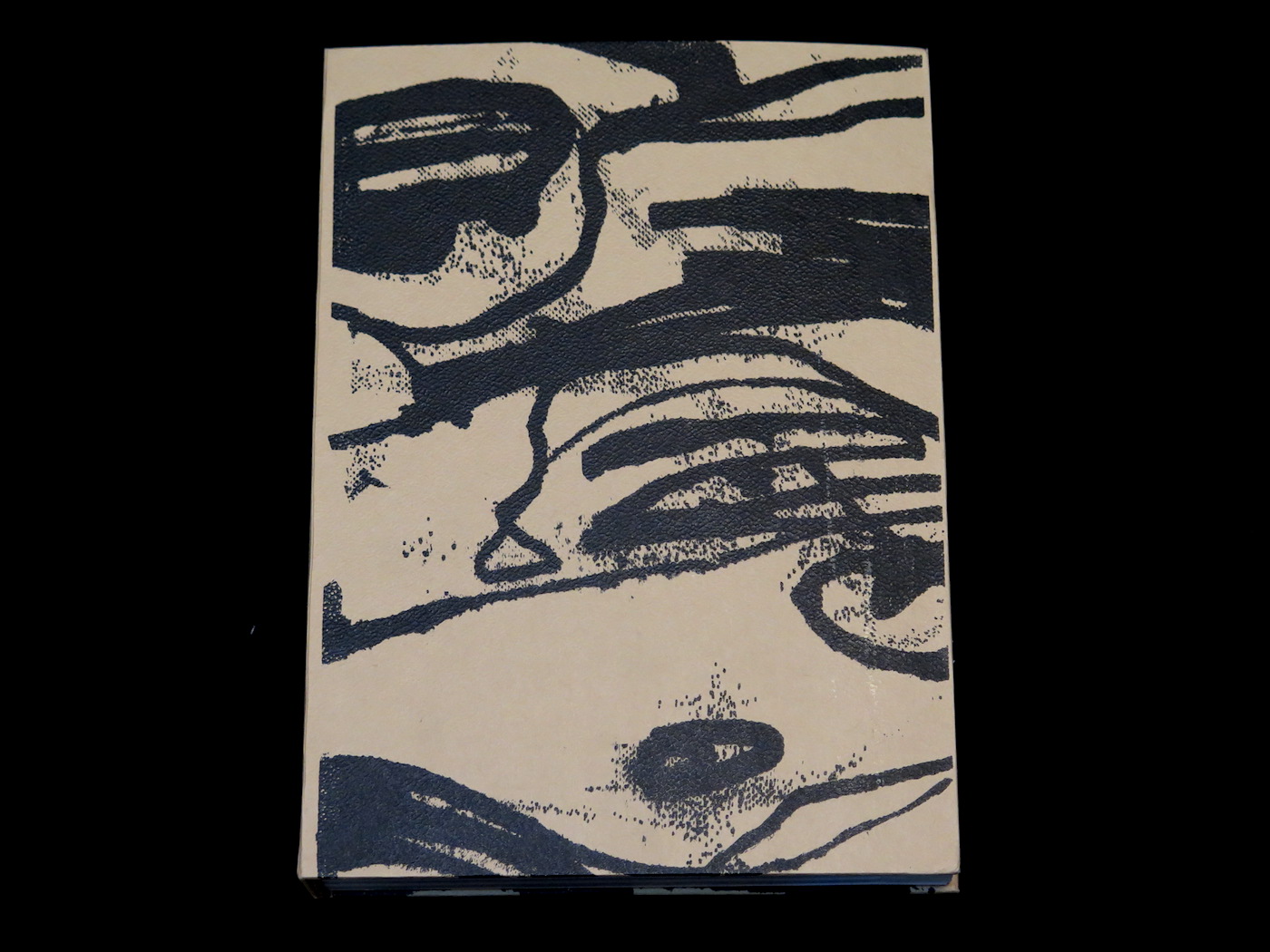
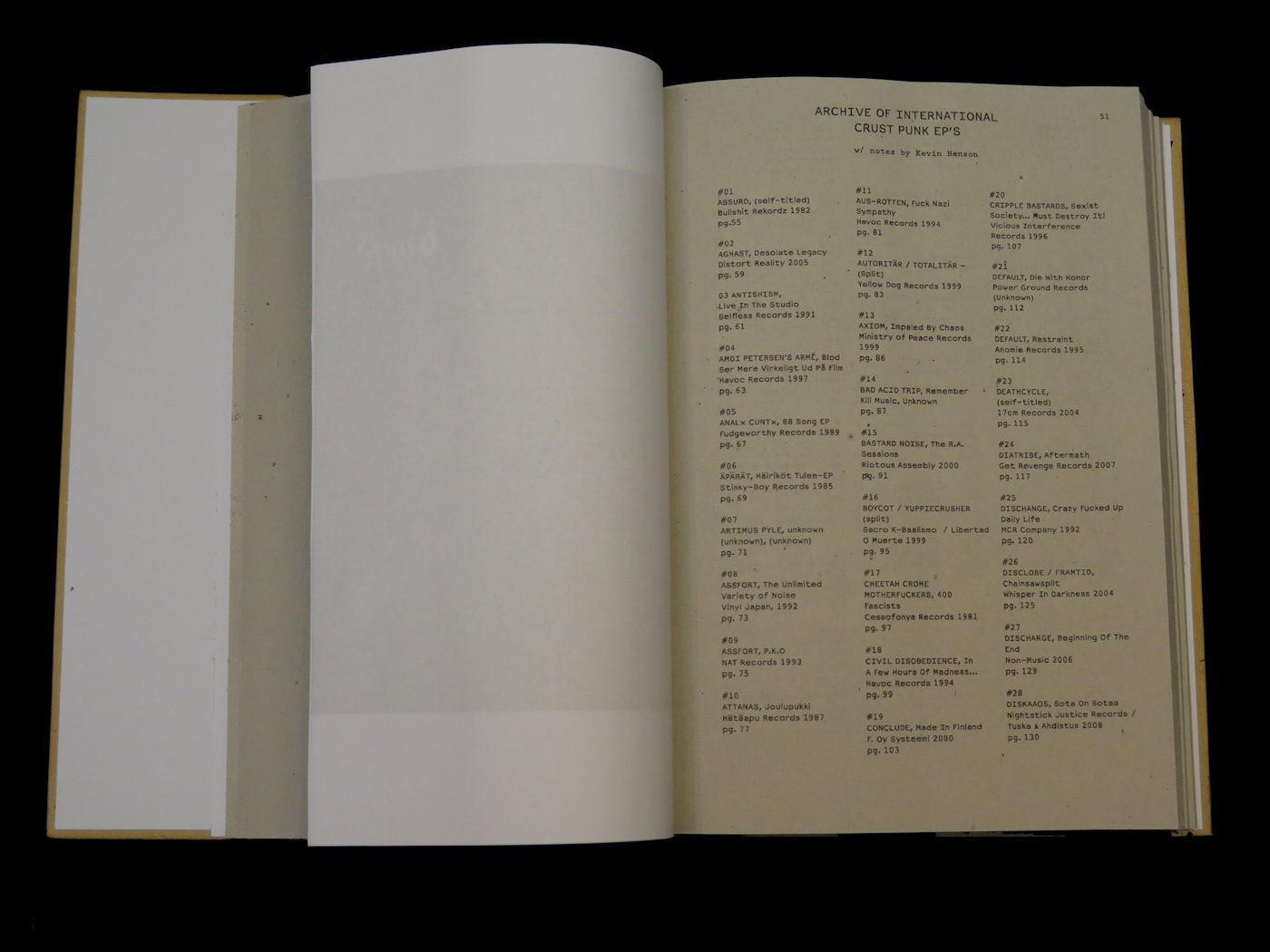
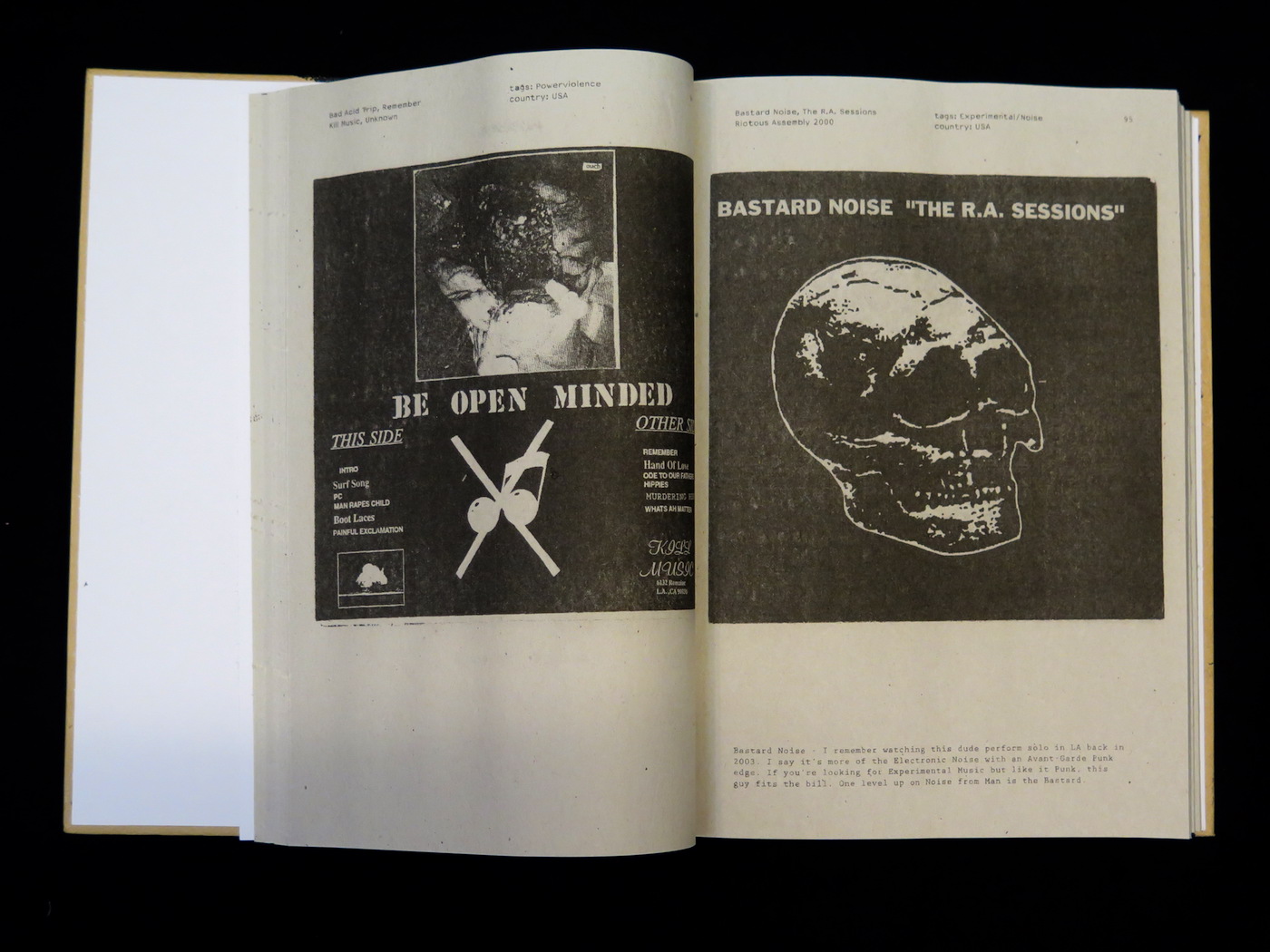
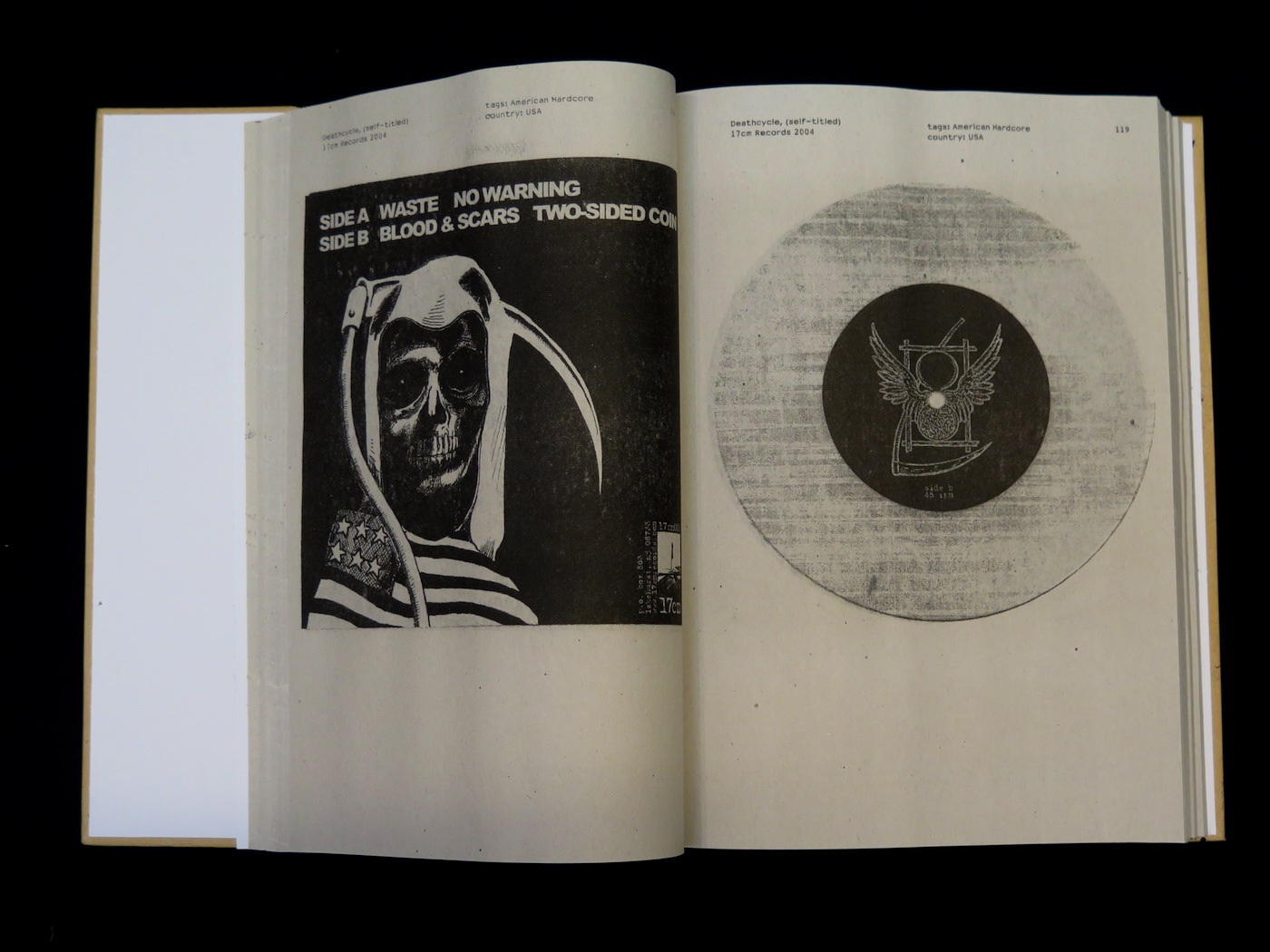
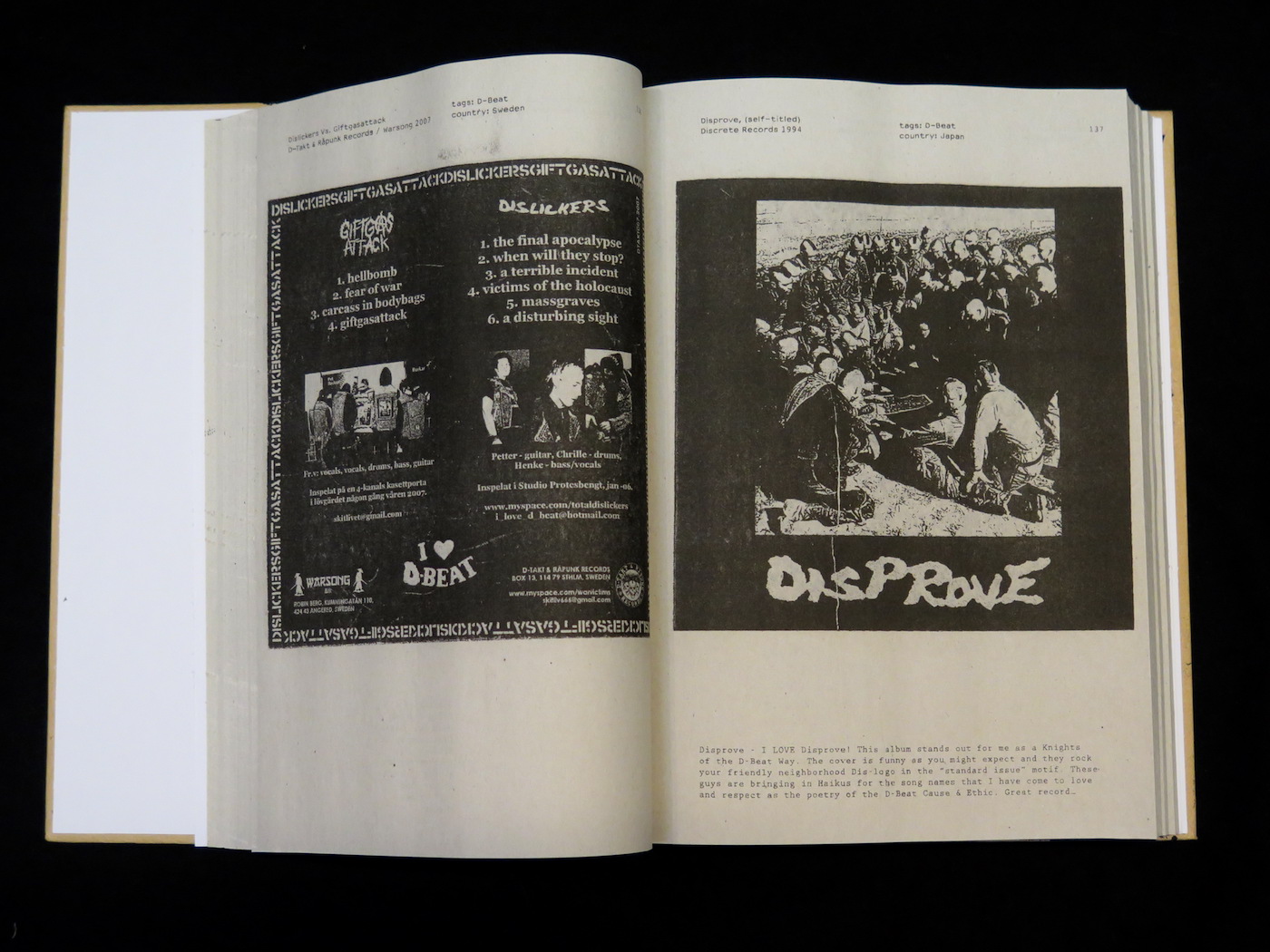
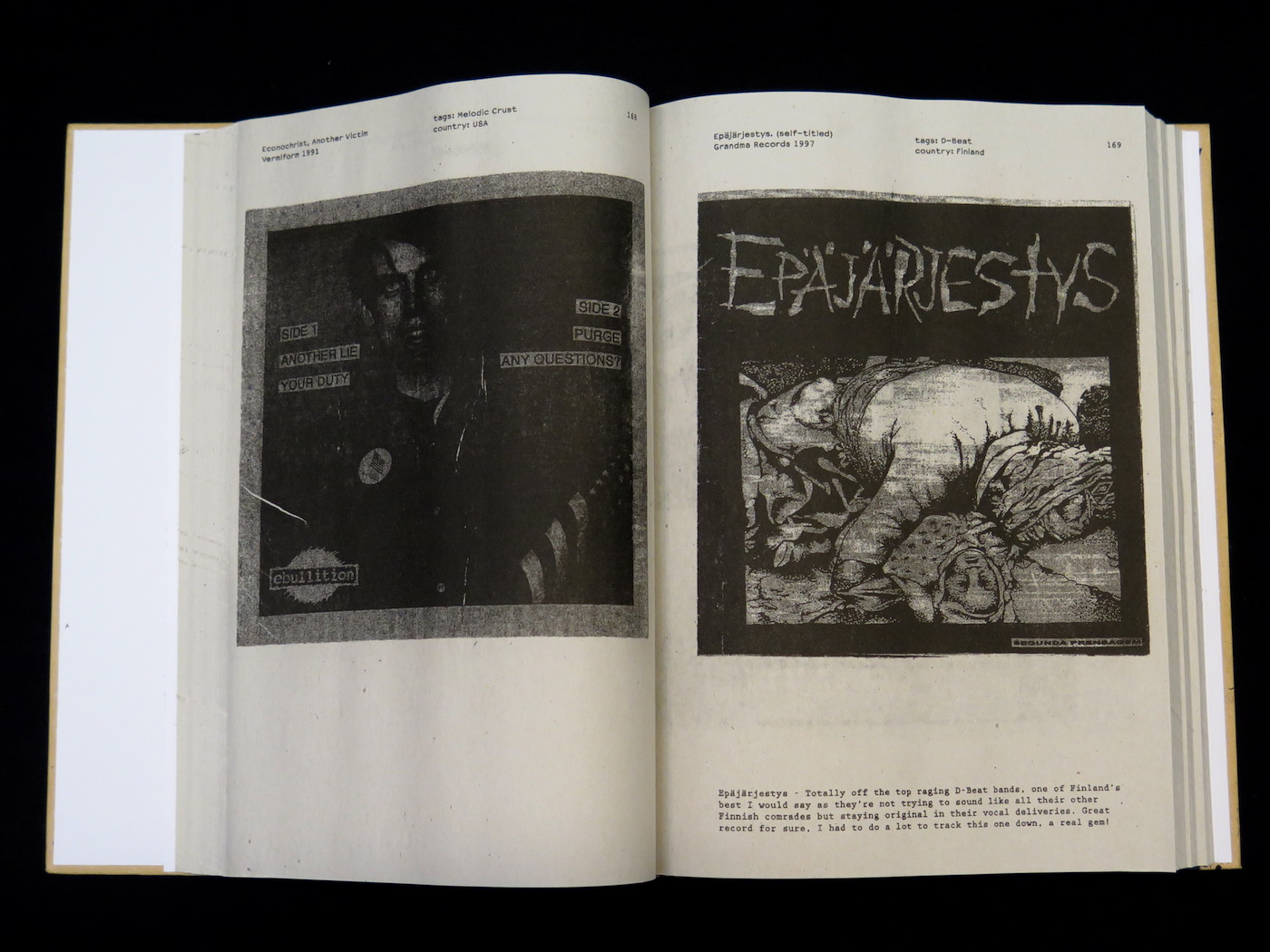
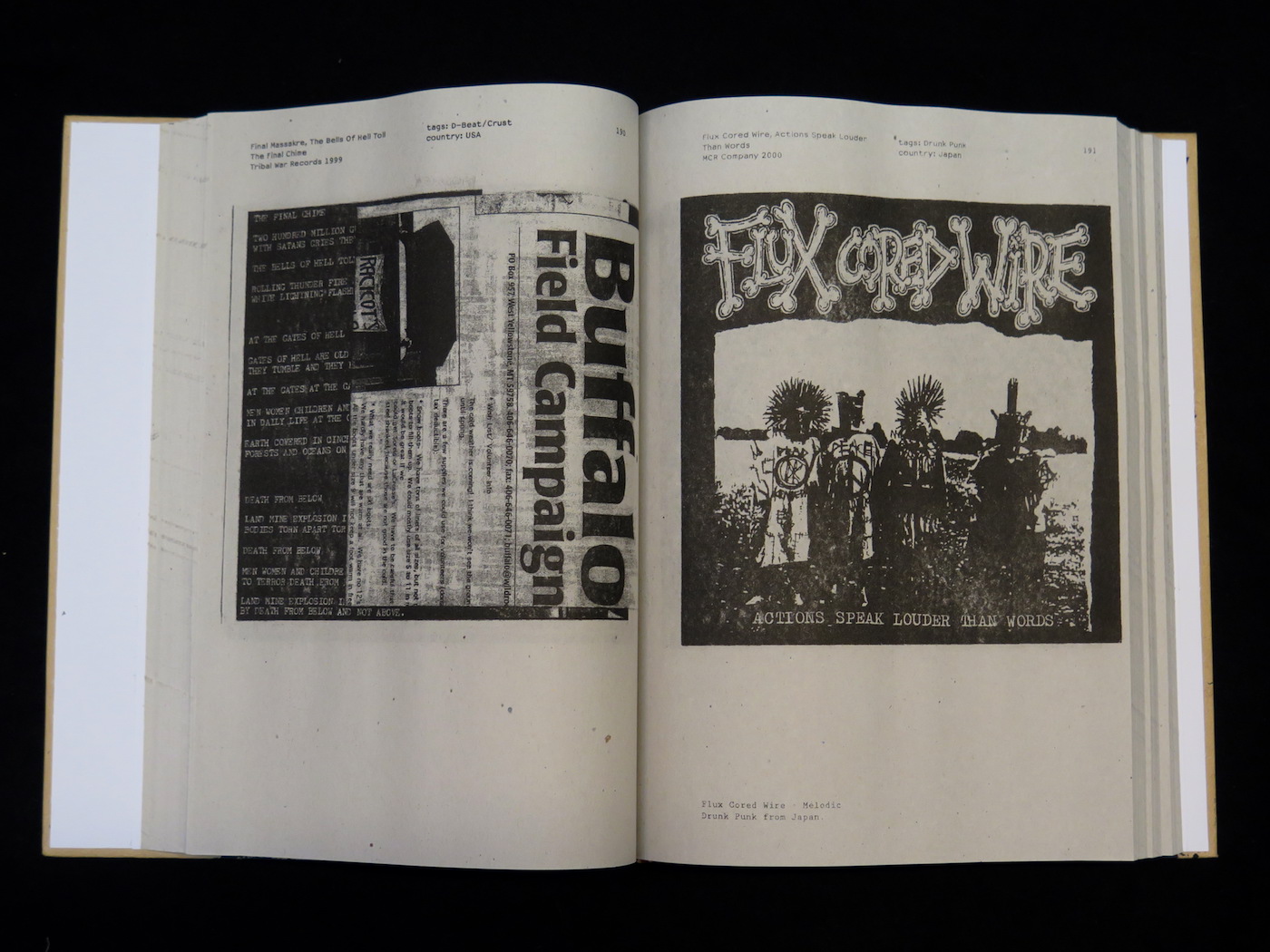
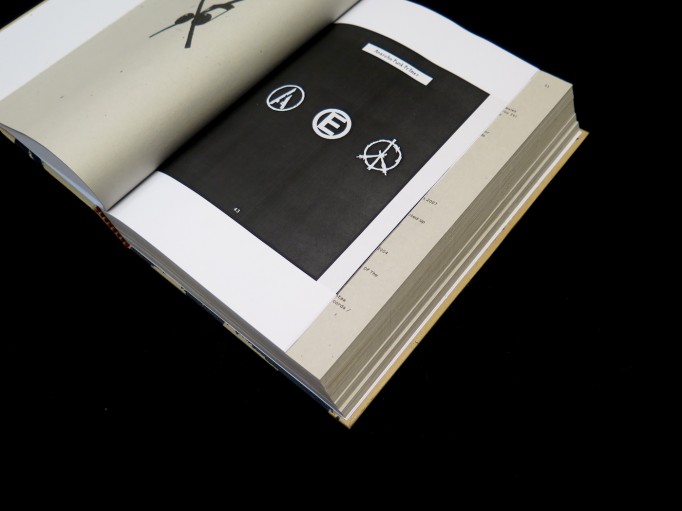
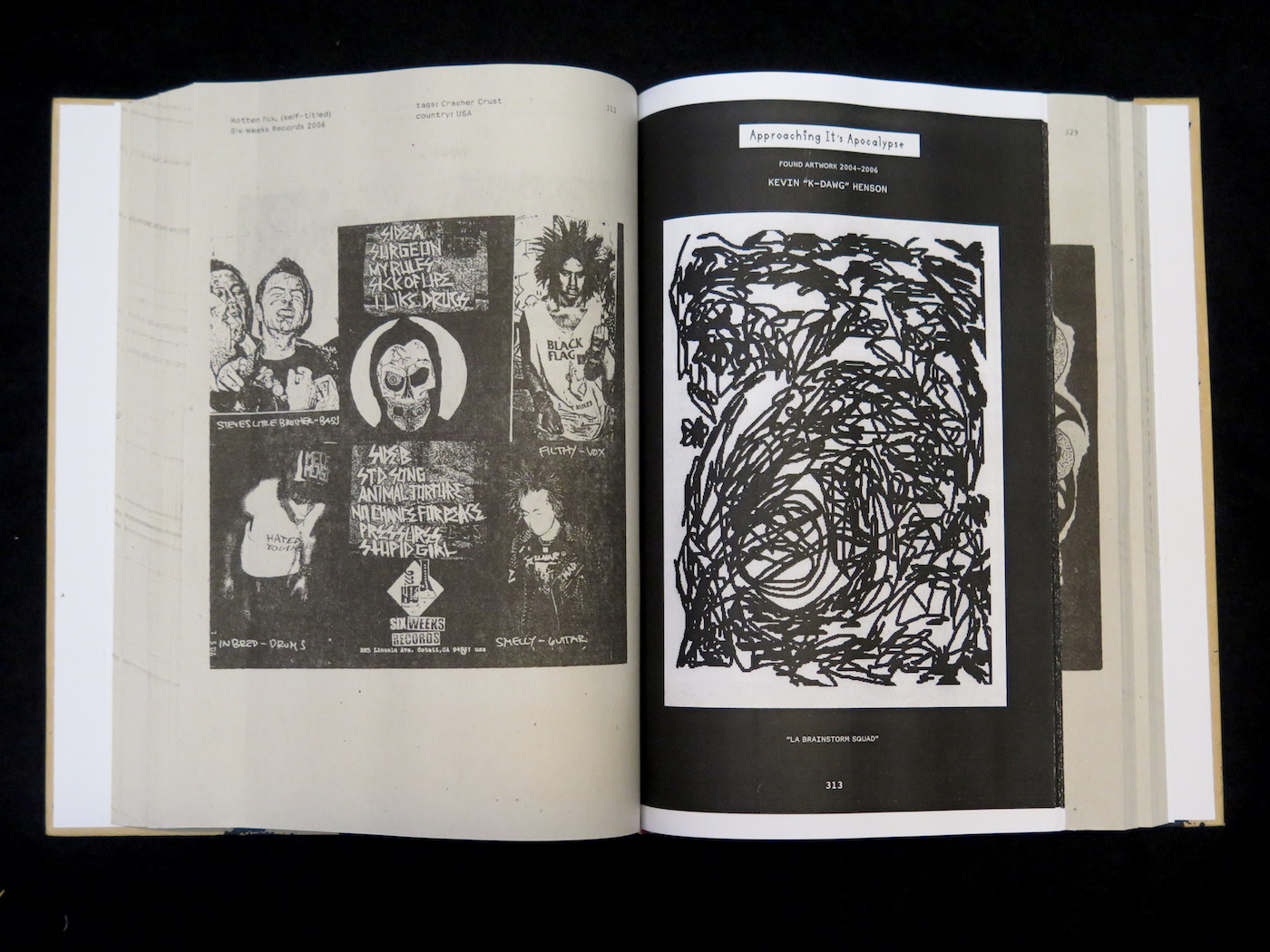
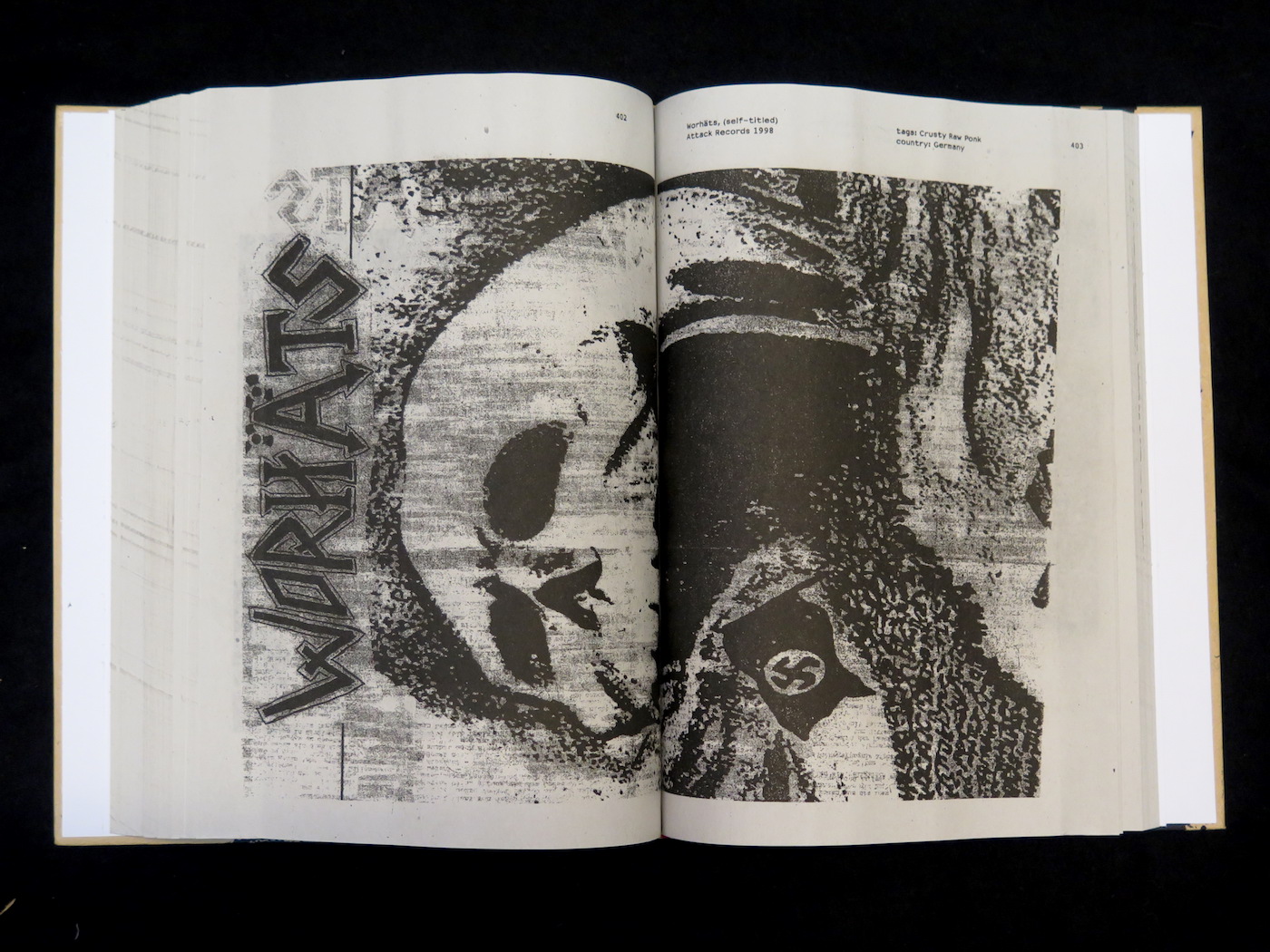
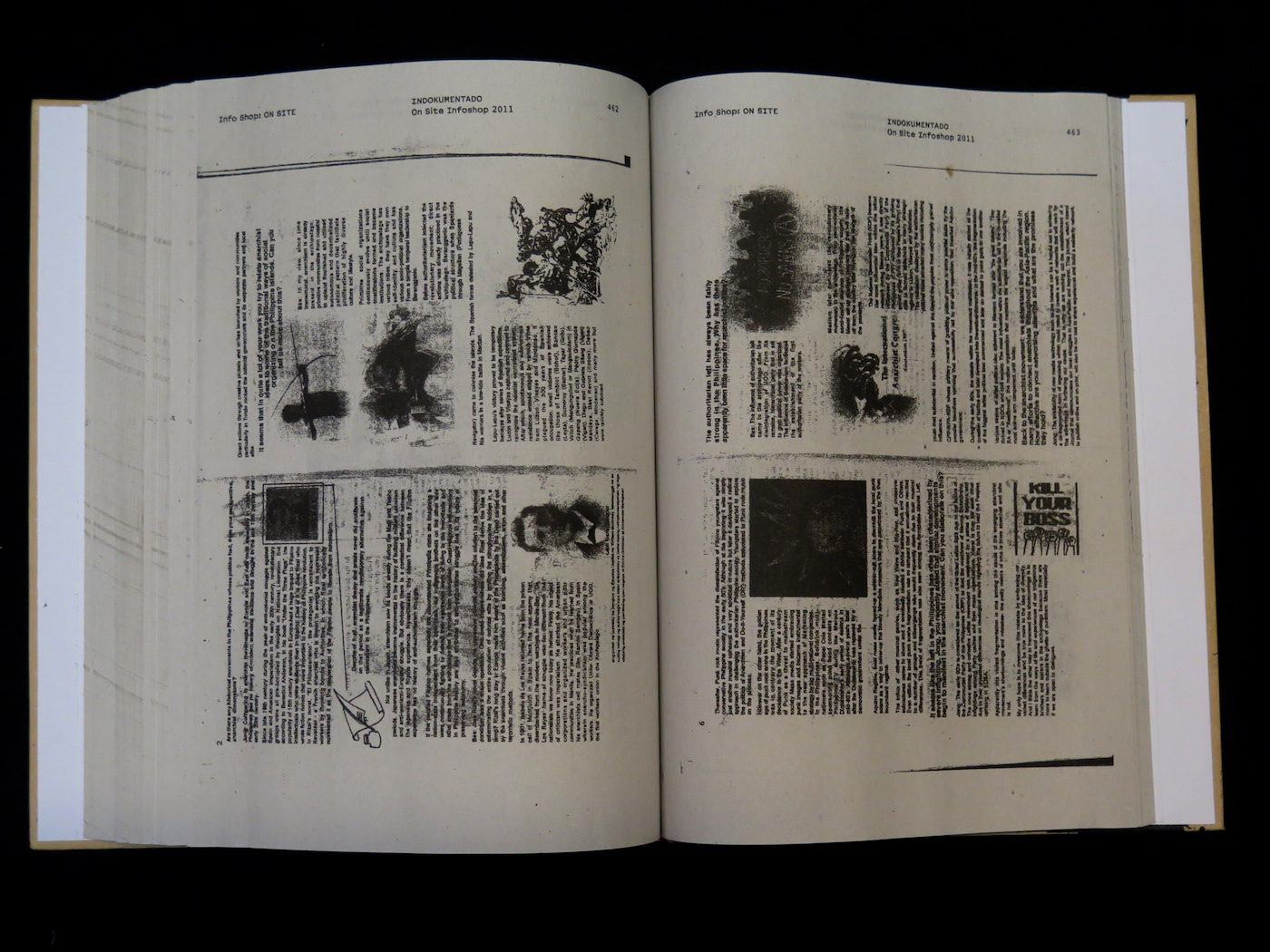
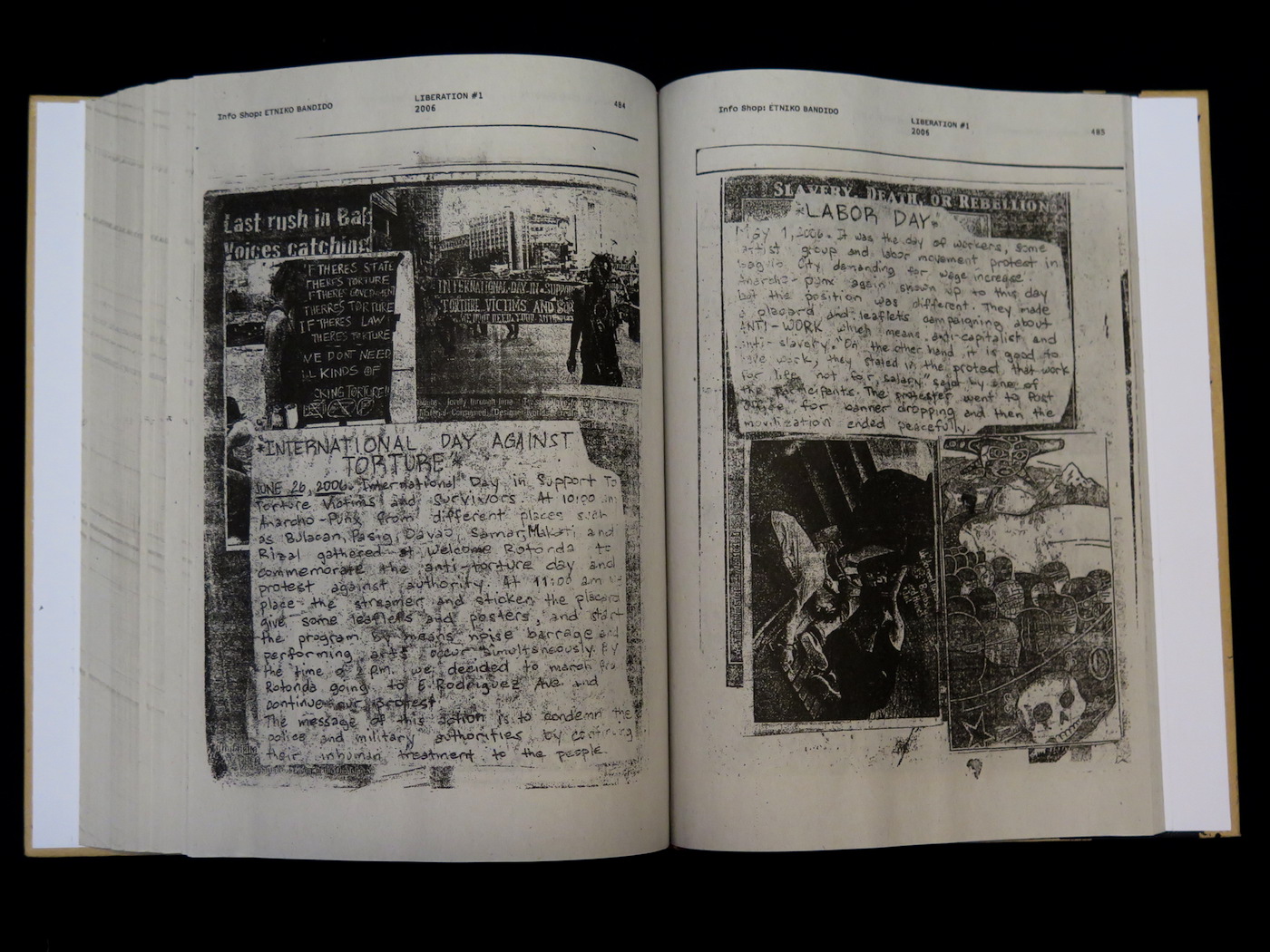
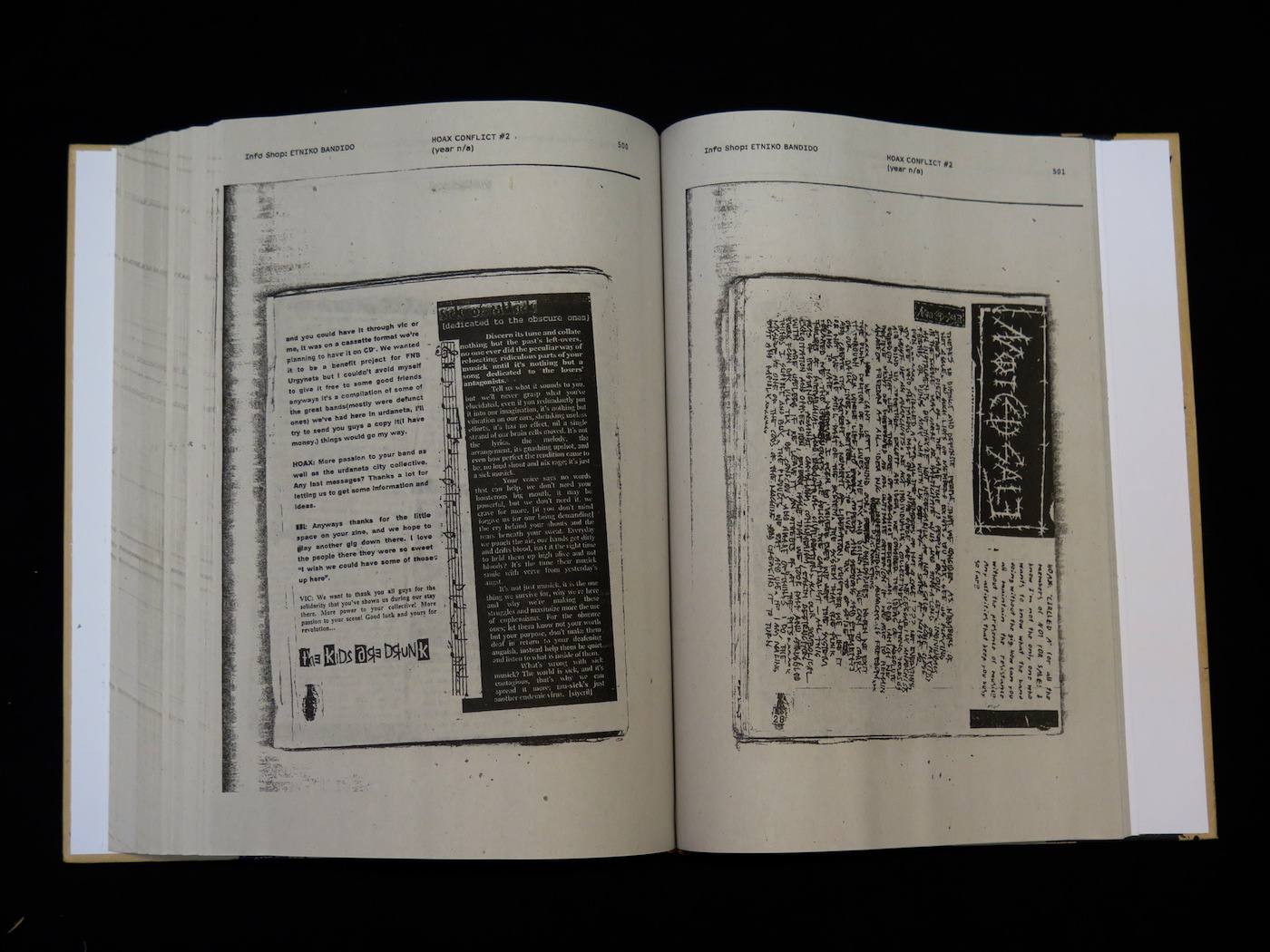
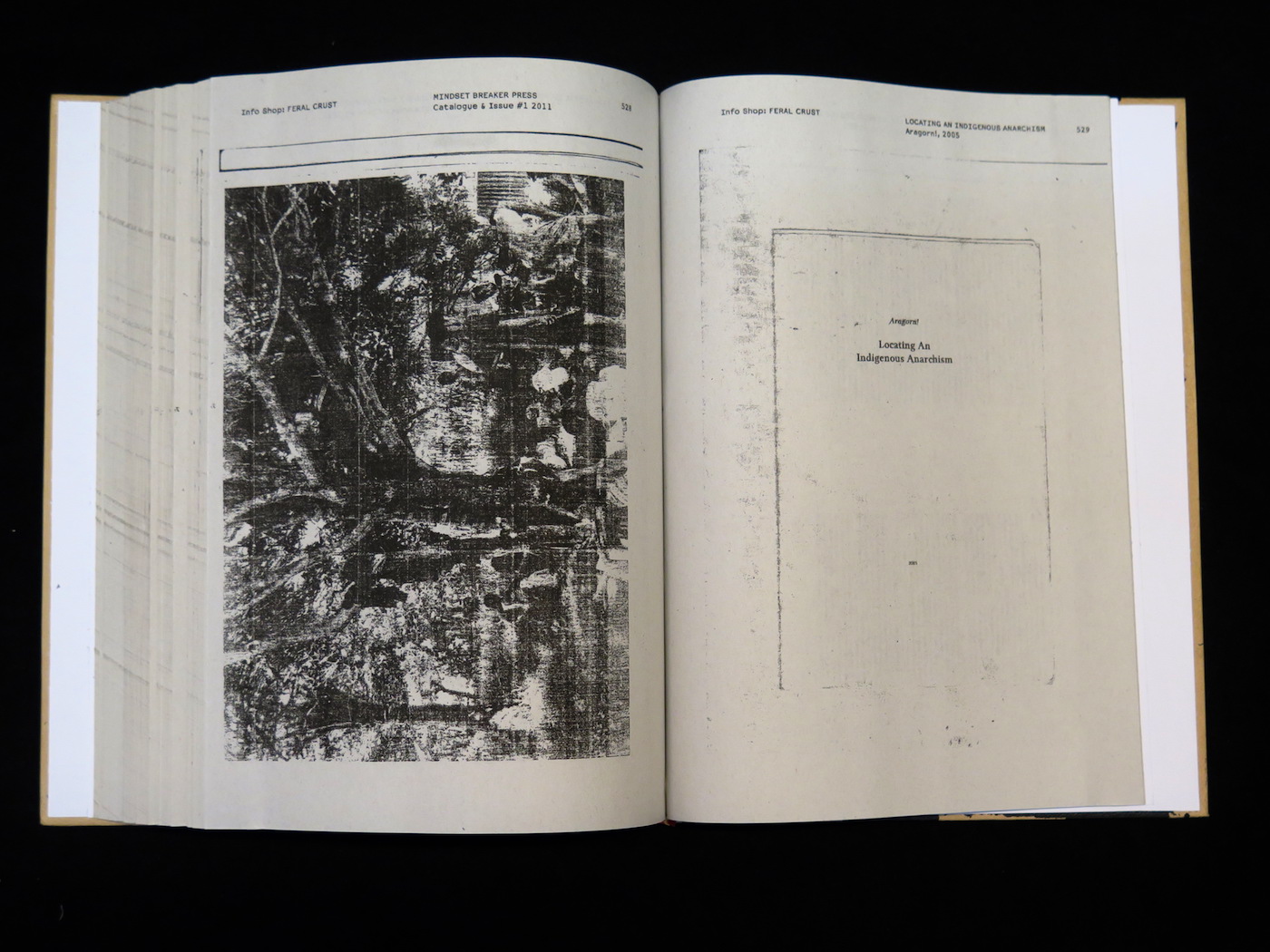
An Archive of International crust punk music, Filipino anarchist zines, Black and white punk aesthetics, anti-system philosophies, A descent into illness, a discourse on recovery
Published by Hardworking, Goodlooking
€78.00
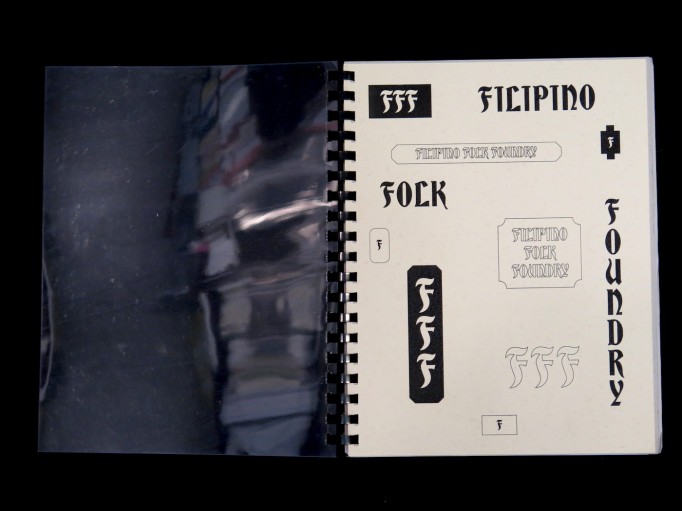
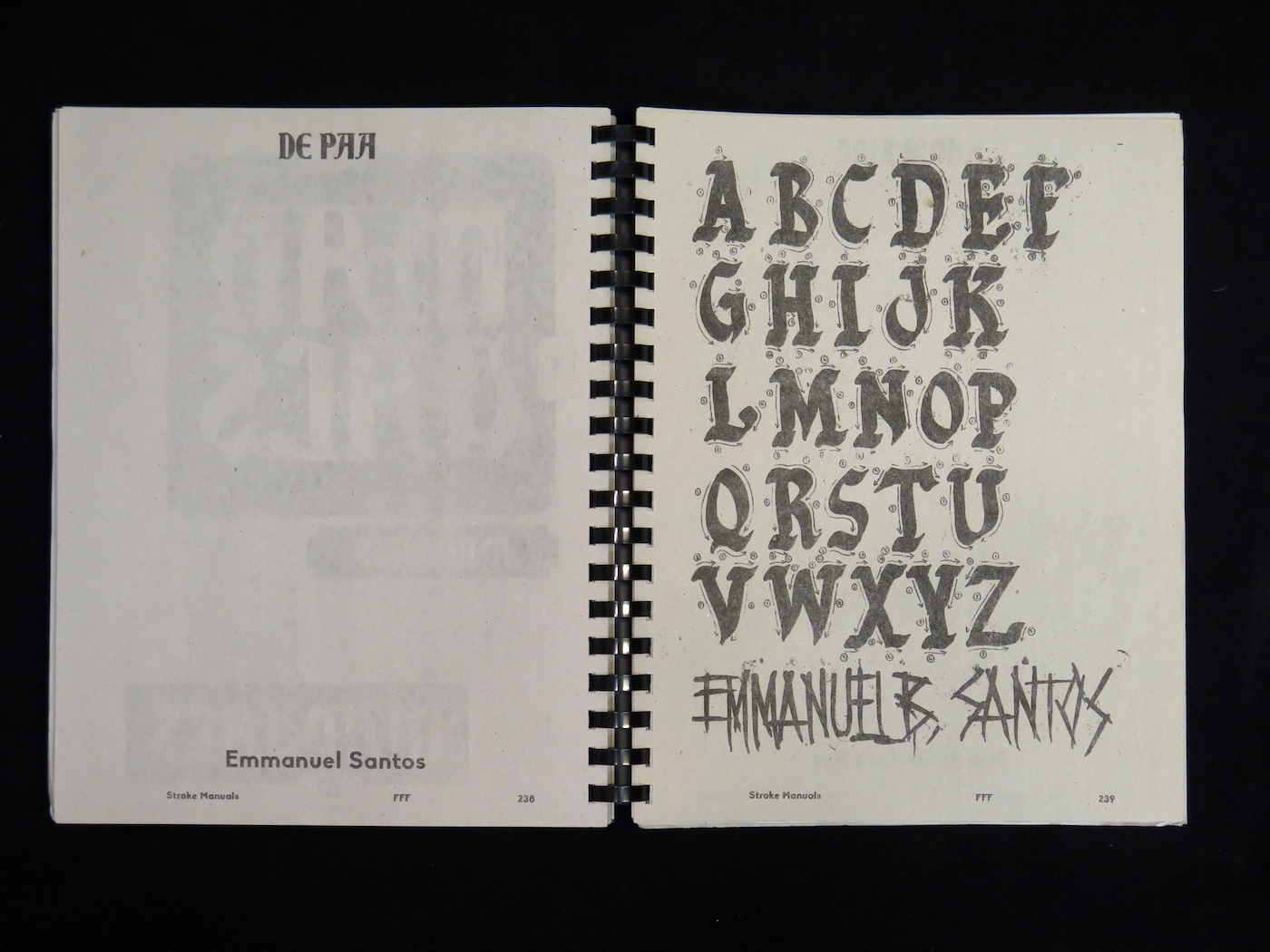
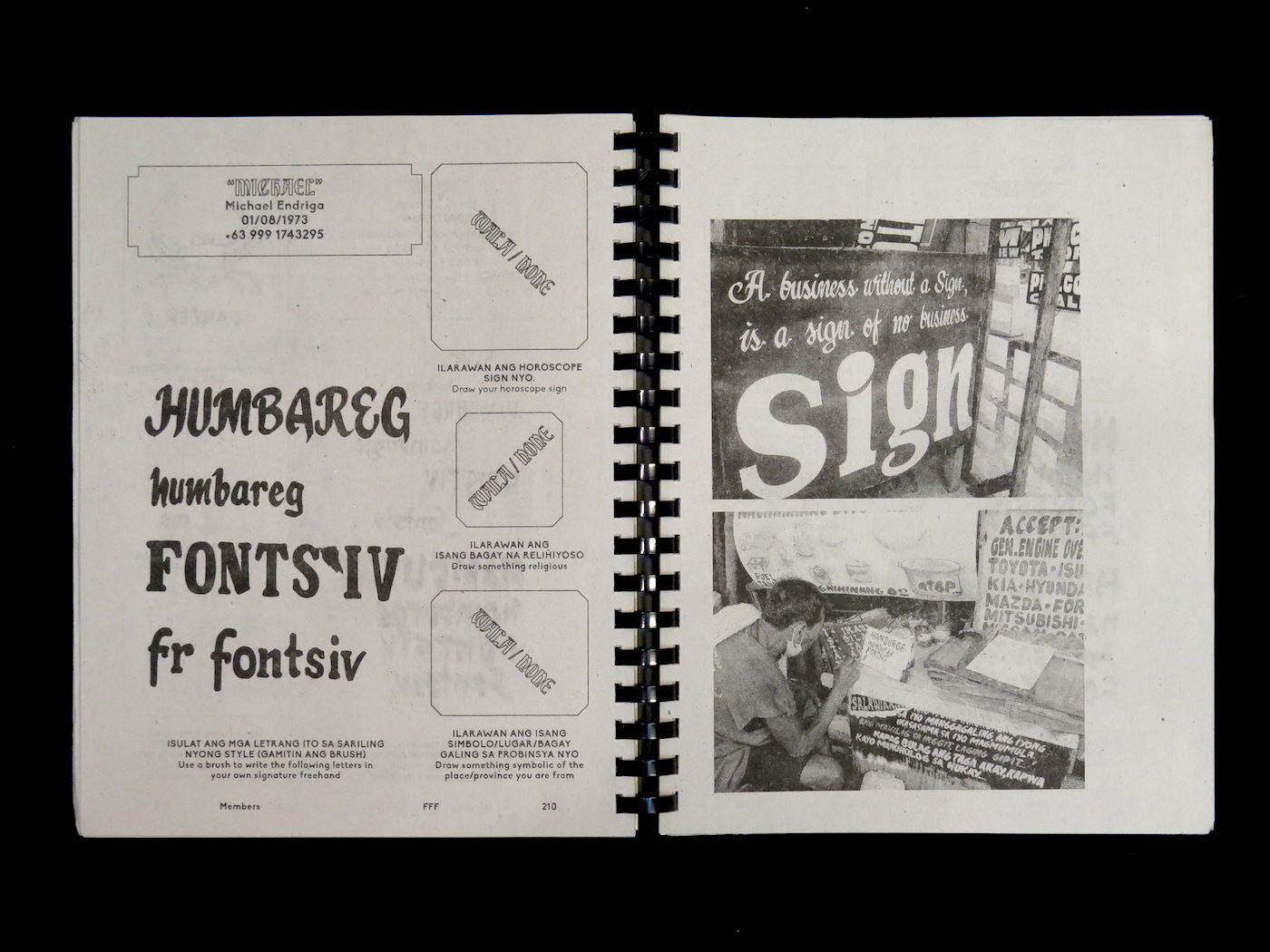
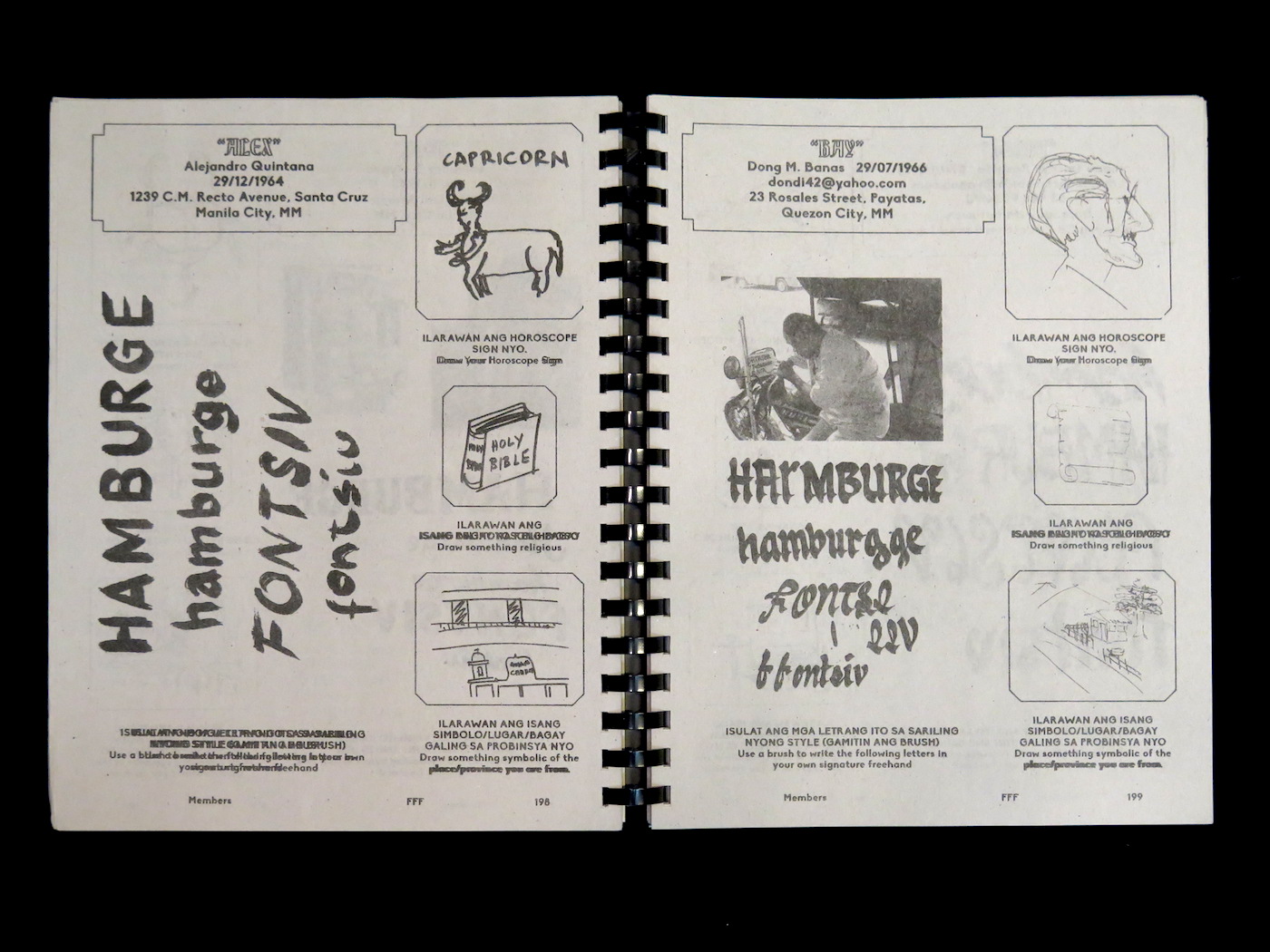
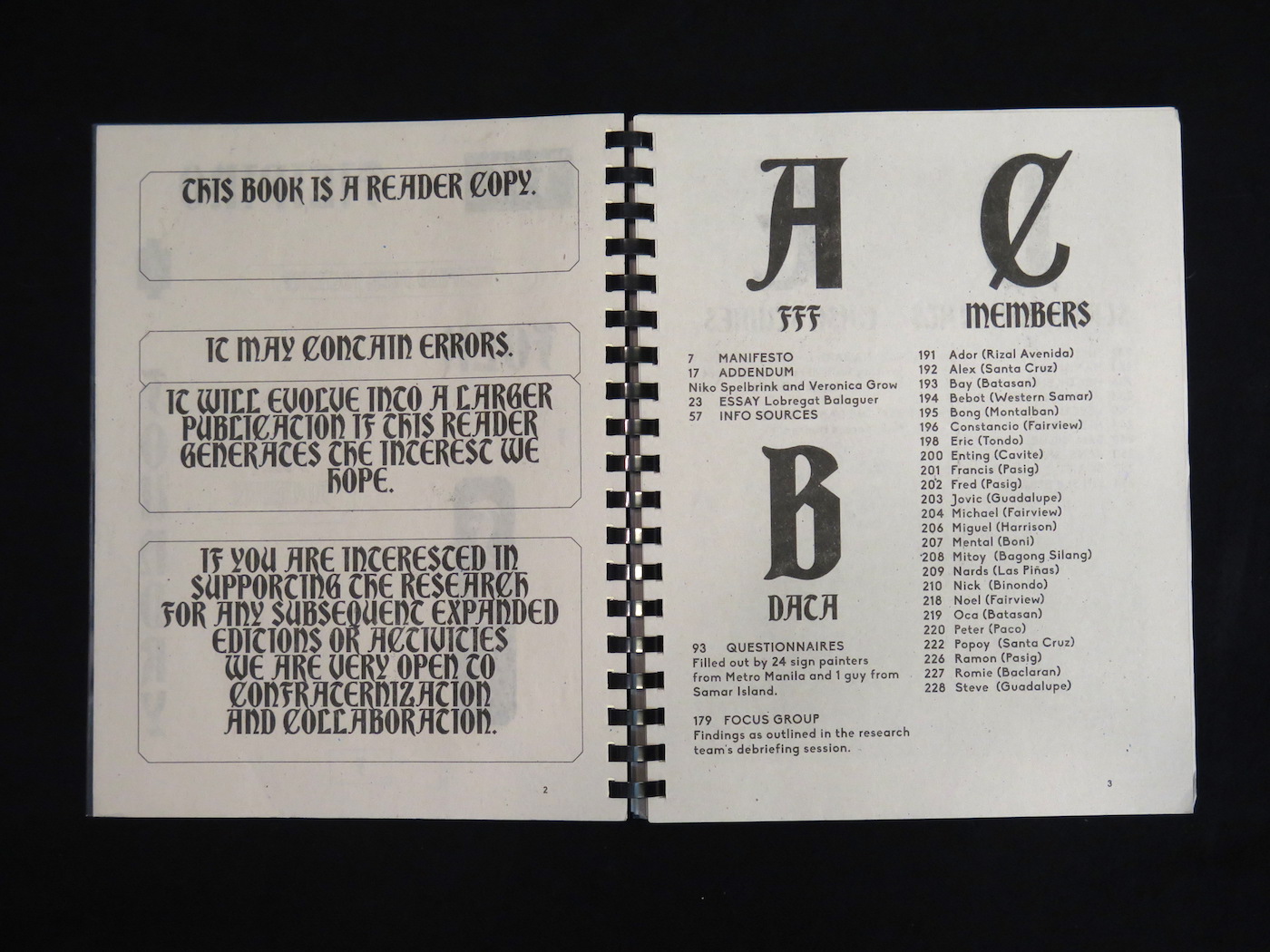
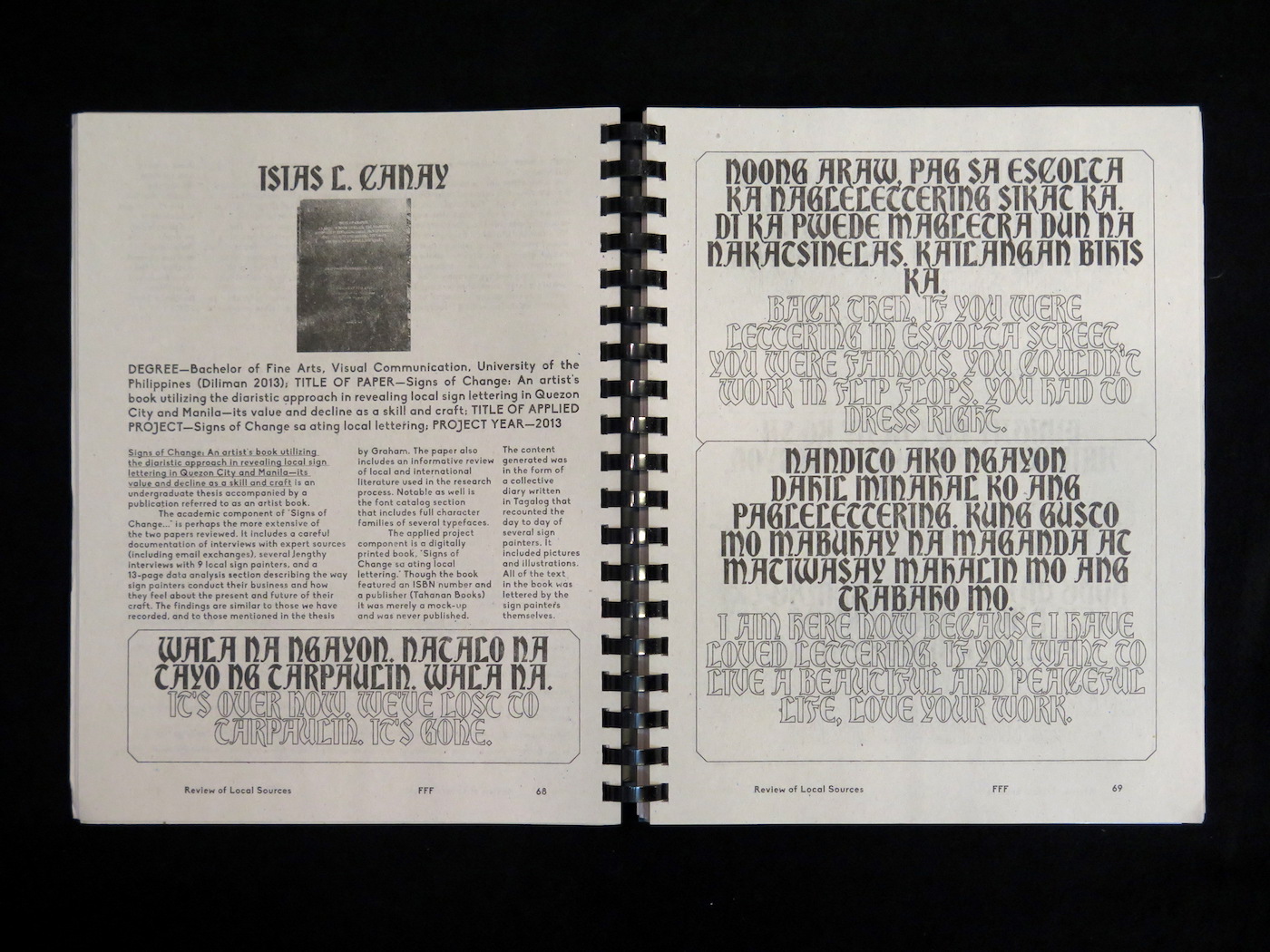

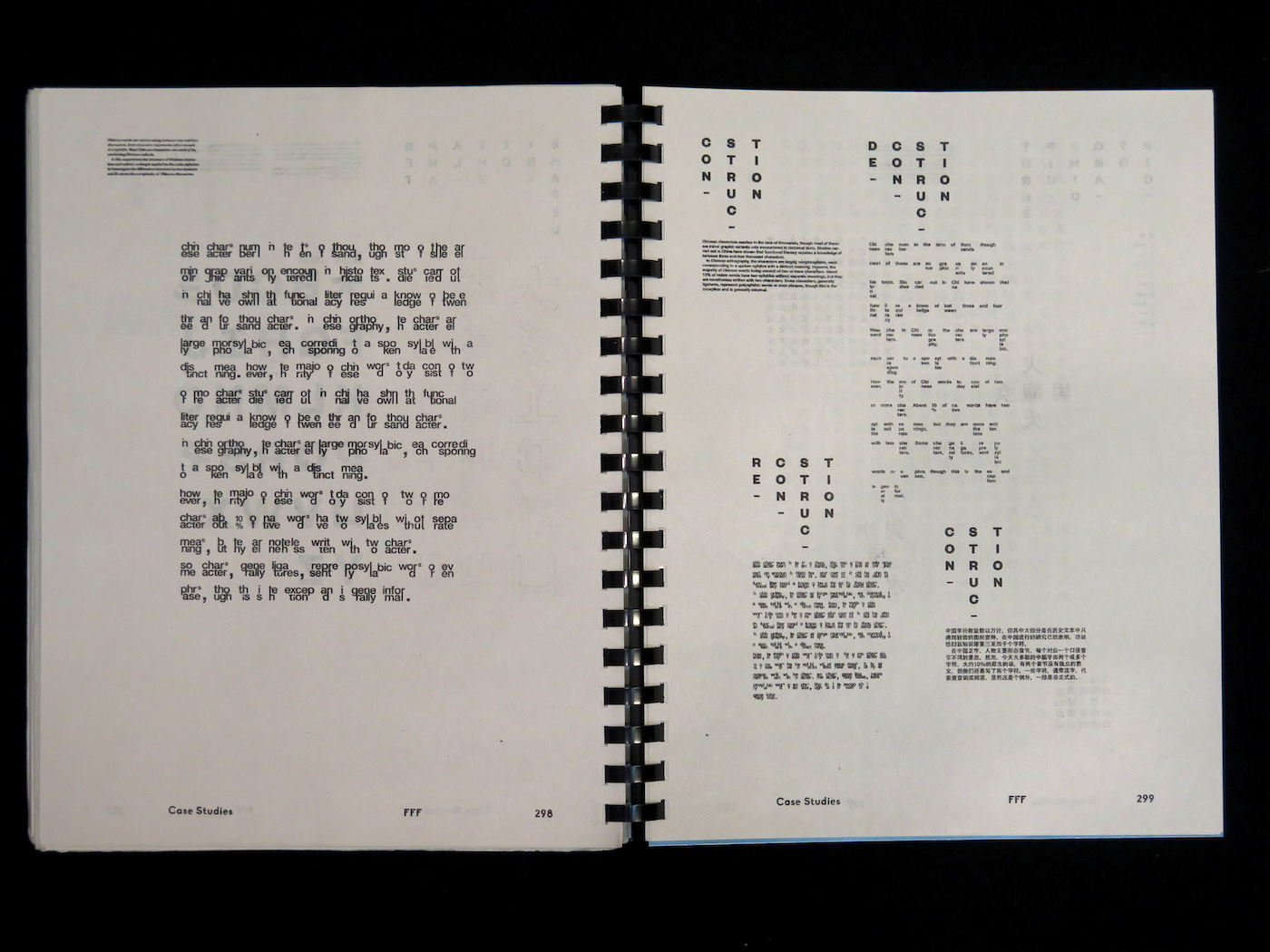
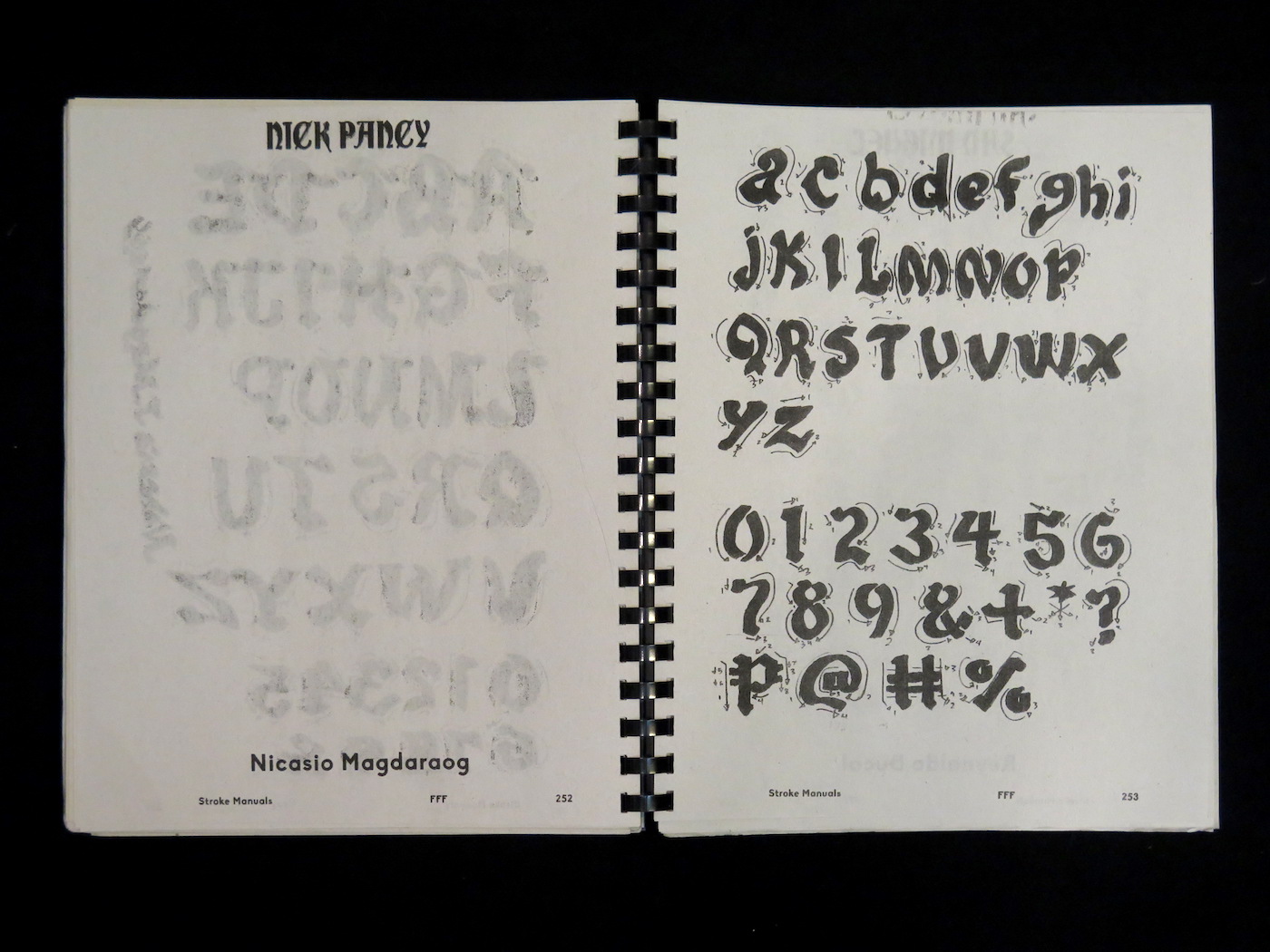
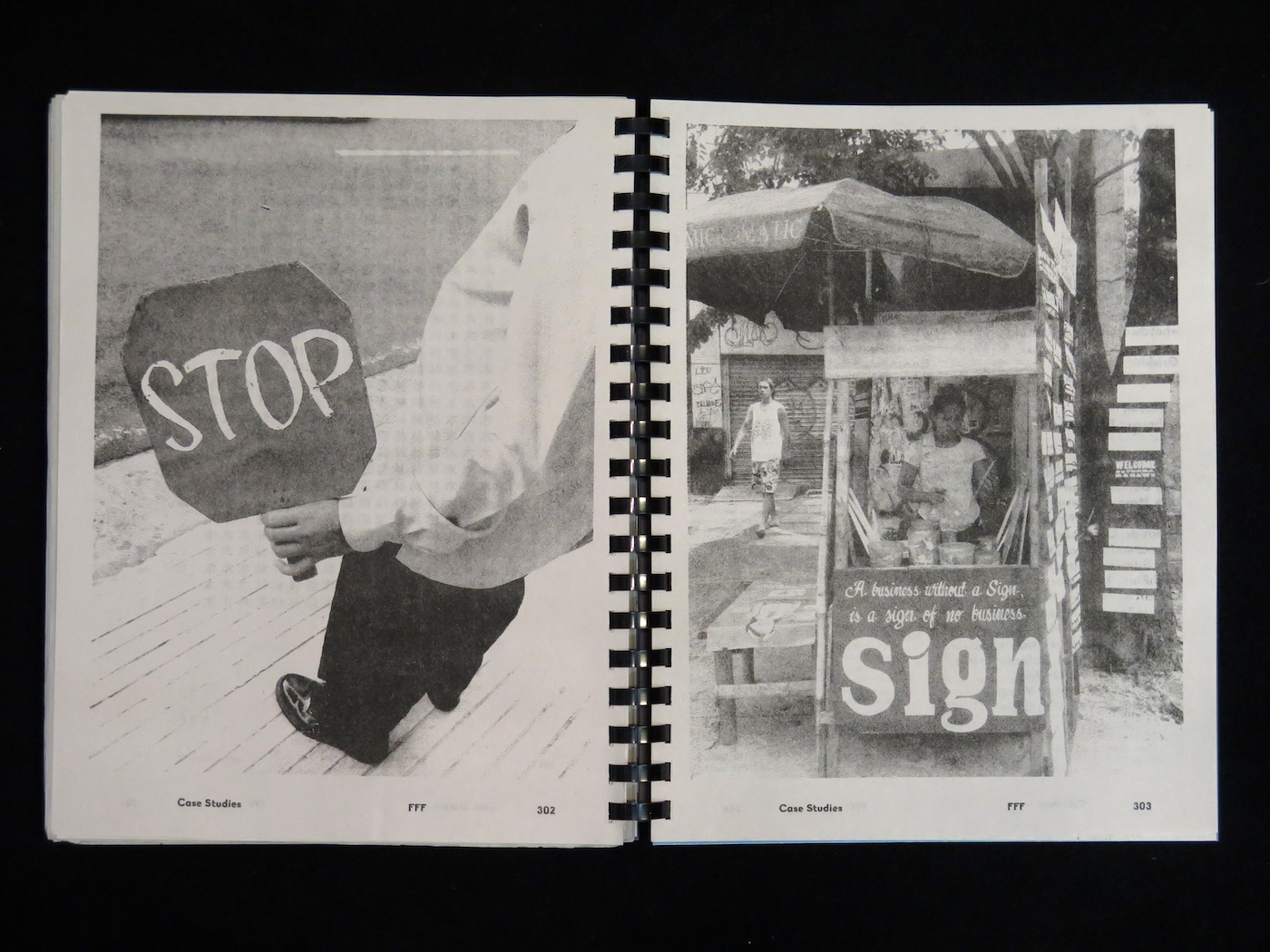
A pseudo-scientific research publication on sign painting in the Philippines. Contains graphic and text questionnaires filled out by 24 sign painters from Metro Manila and Samar Island. Includes over 10 stroke manuals as well as a series of writings on typography and culture. These include: a manifesto on slow vs. fast typography by Lobregat Balaguer (PH/ES), Veronica Grow (AU) and Niko Spelbrink (NL); an essay exploring identity politics and graffiti writing in the Philippines; and two special, syndicated case studies focused on indigenous type construction. The case studies are: “Nagari: Learning to Make Writing for Indian’s Biggest Script” by Catherine Leigh Schmidt (US) and “The Babel Issue” by Birk Marcus Hansen (DK), a bilingual typography experiment that combines Chinese and Roman characters.
Design by Dante Carlos and Kristian Henson.
Published by Hardworking, Goodlooking
€55.00
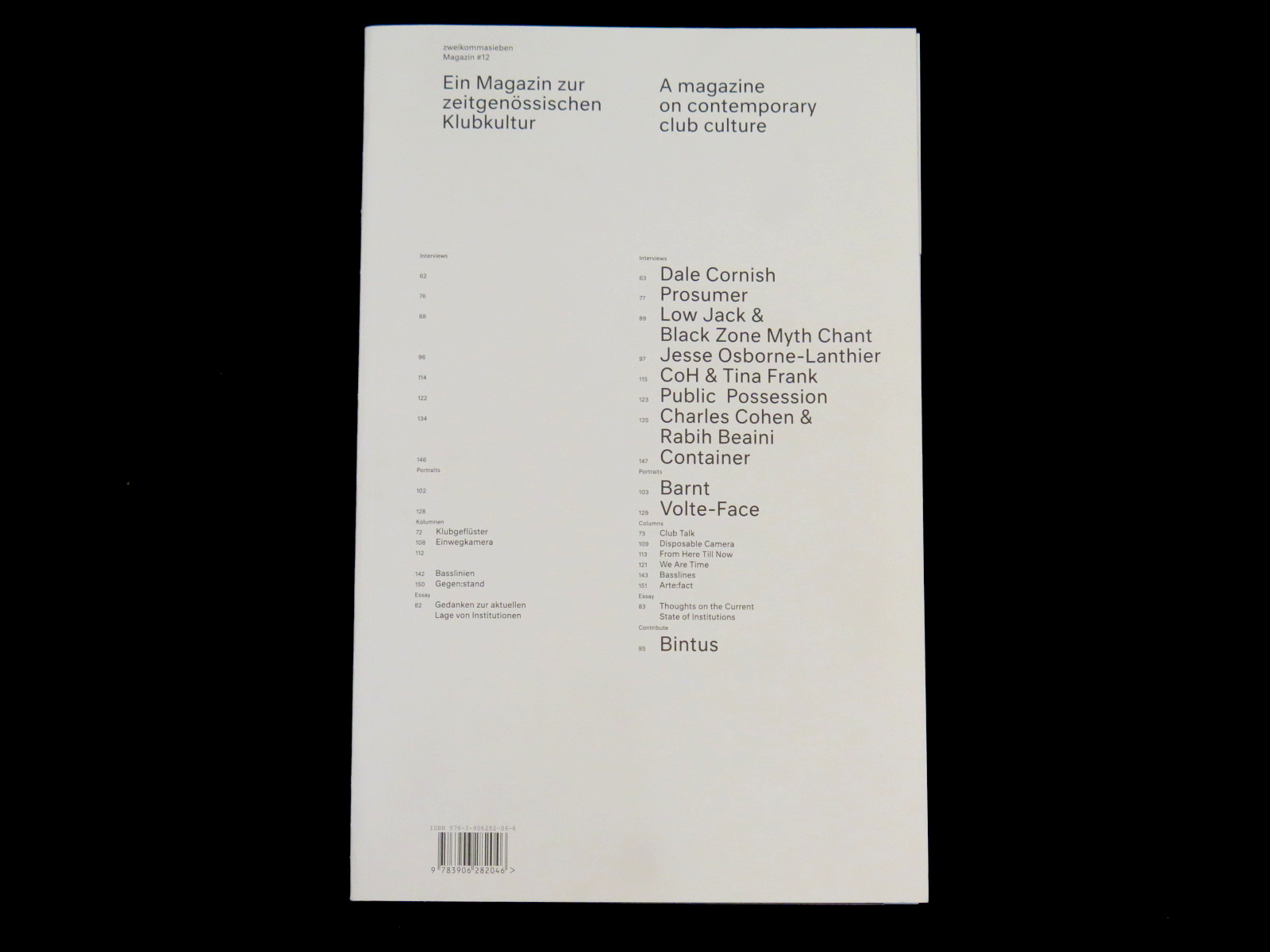
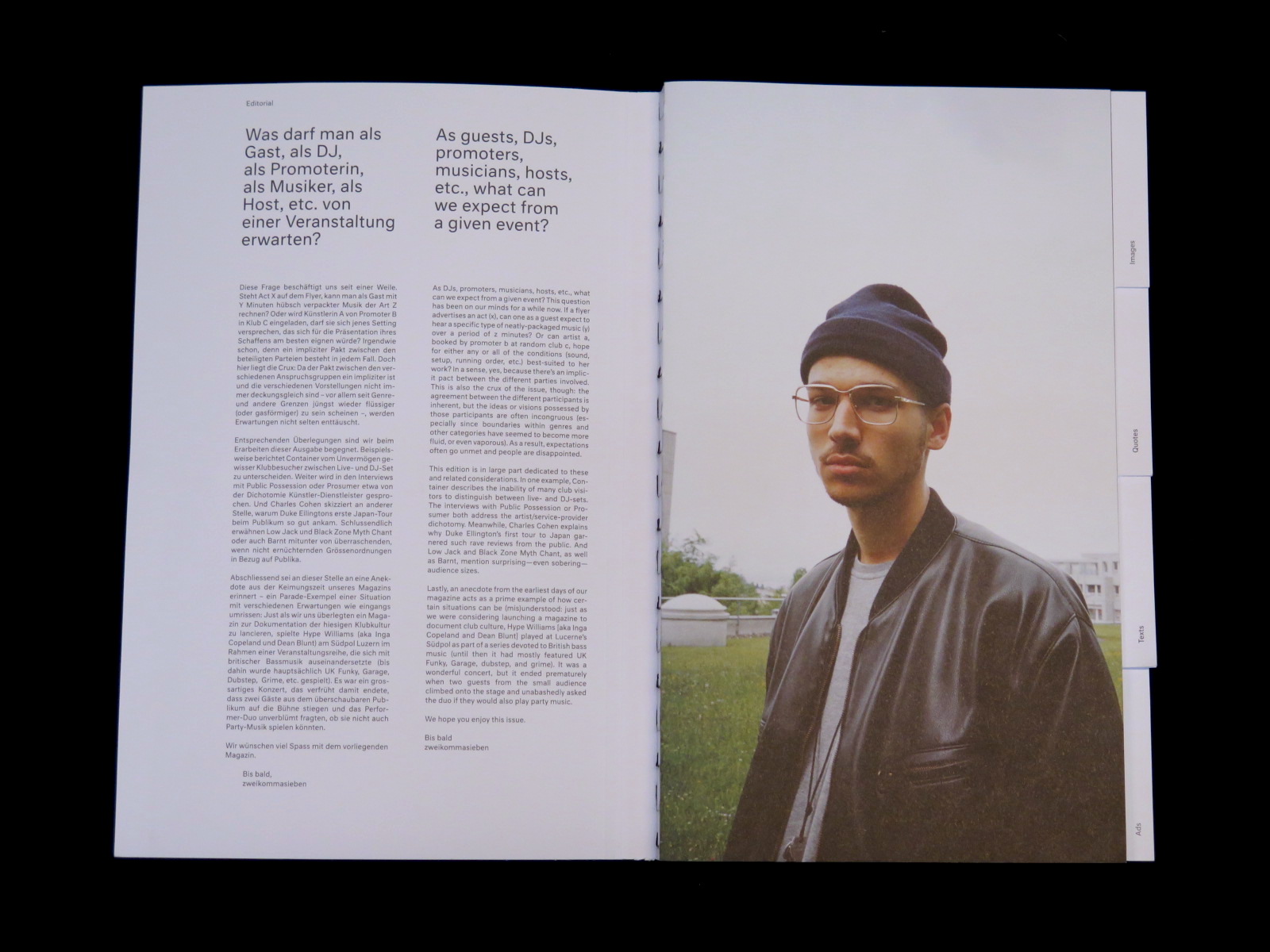
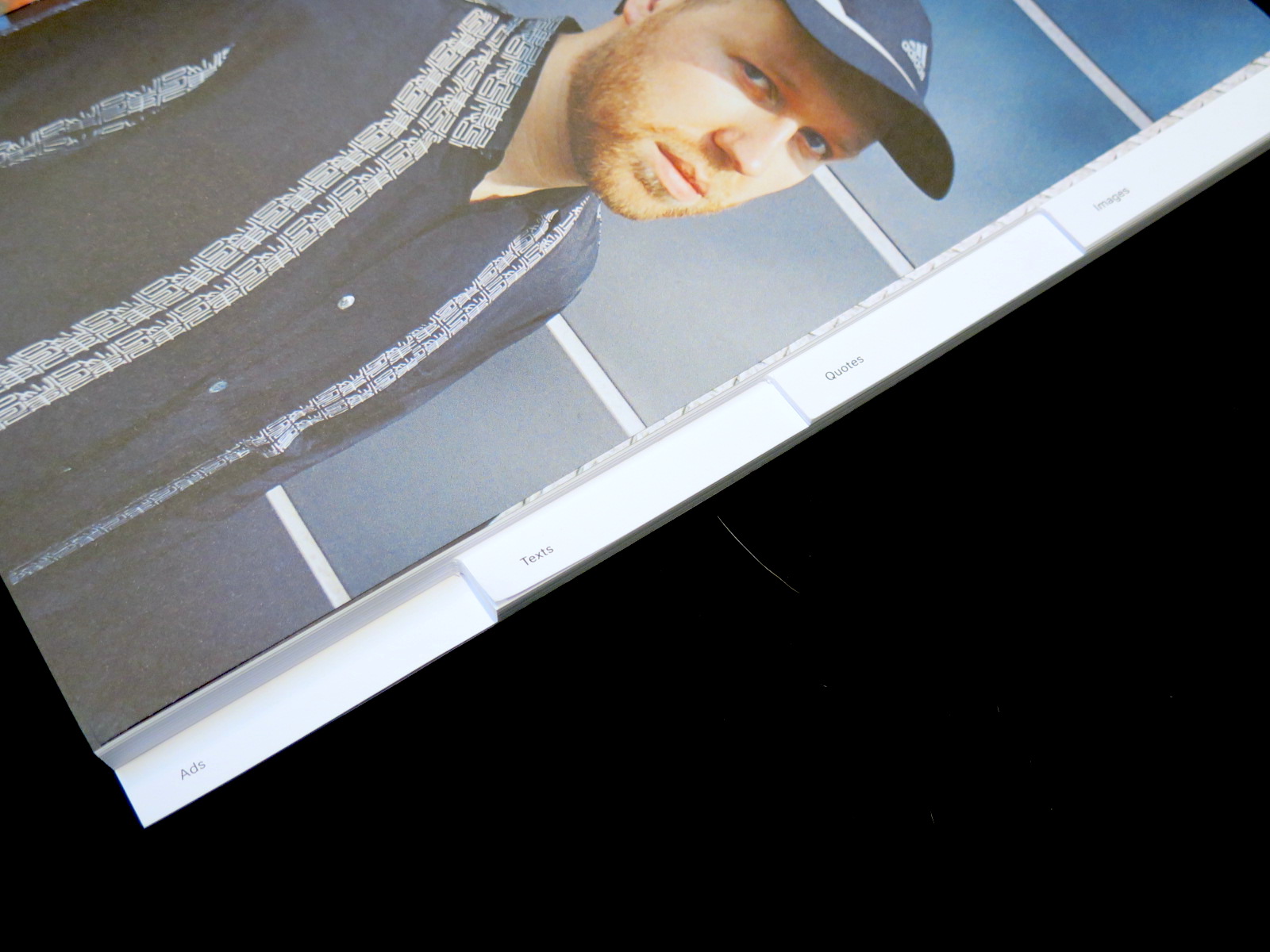
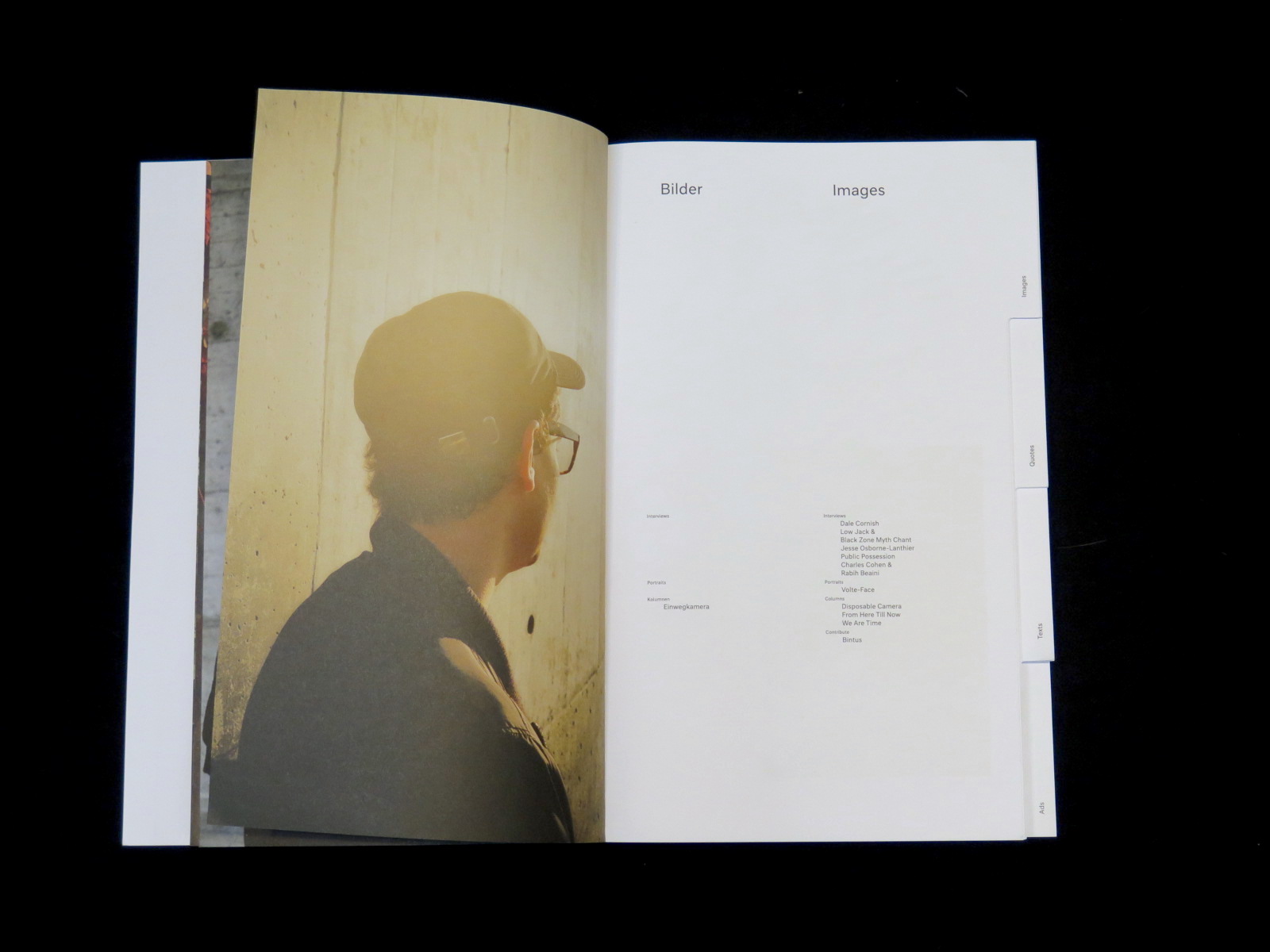
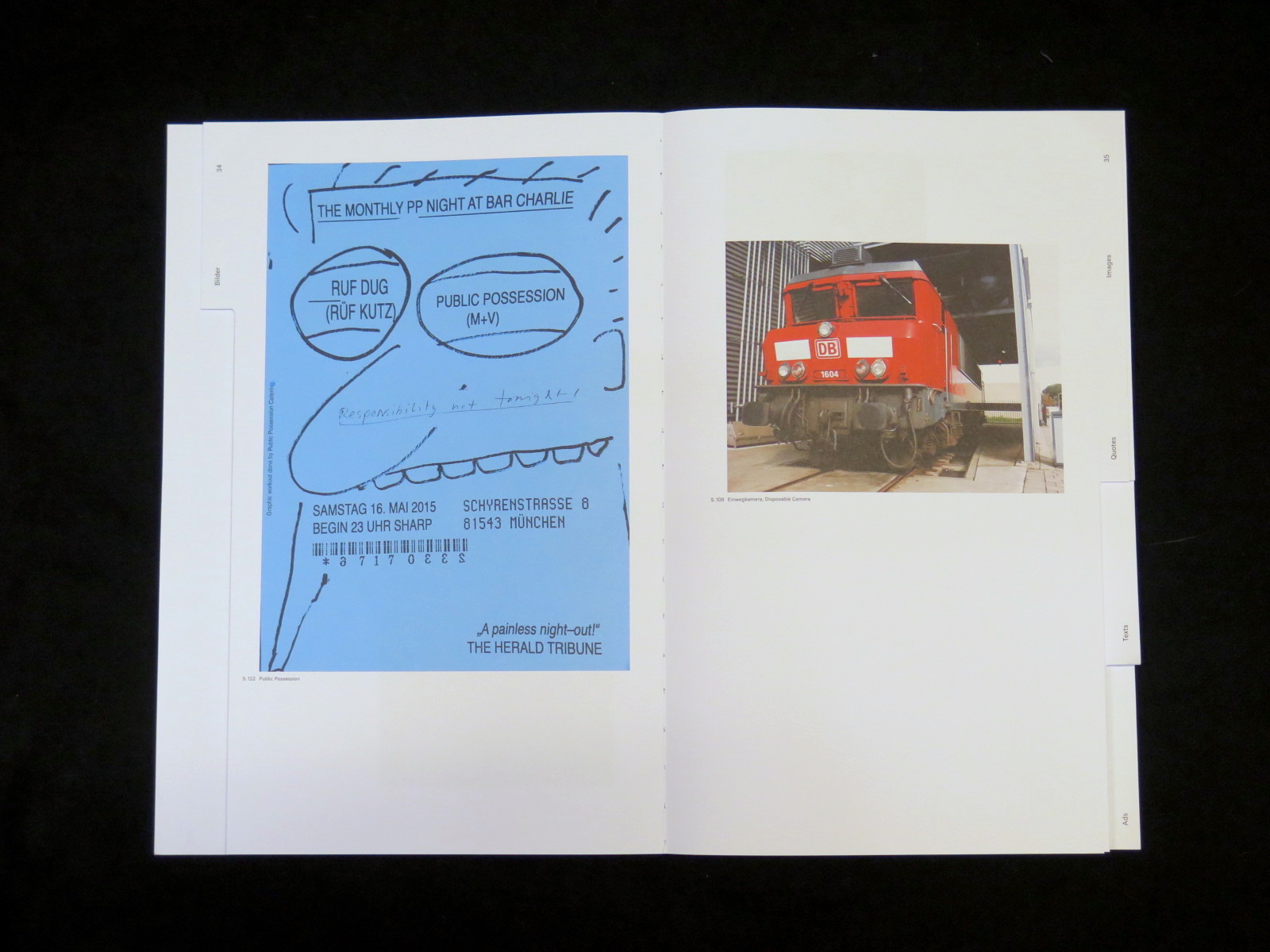
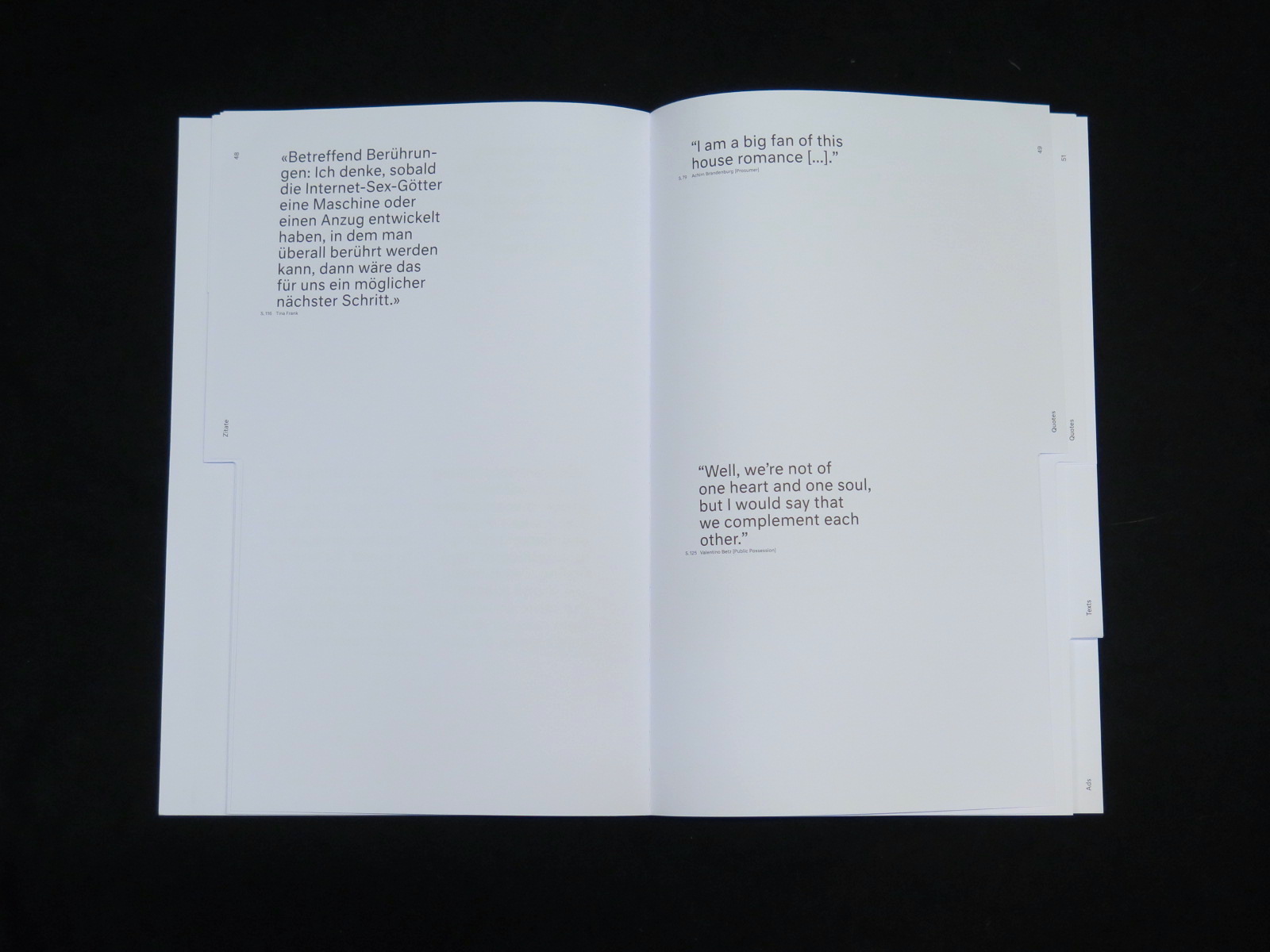
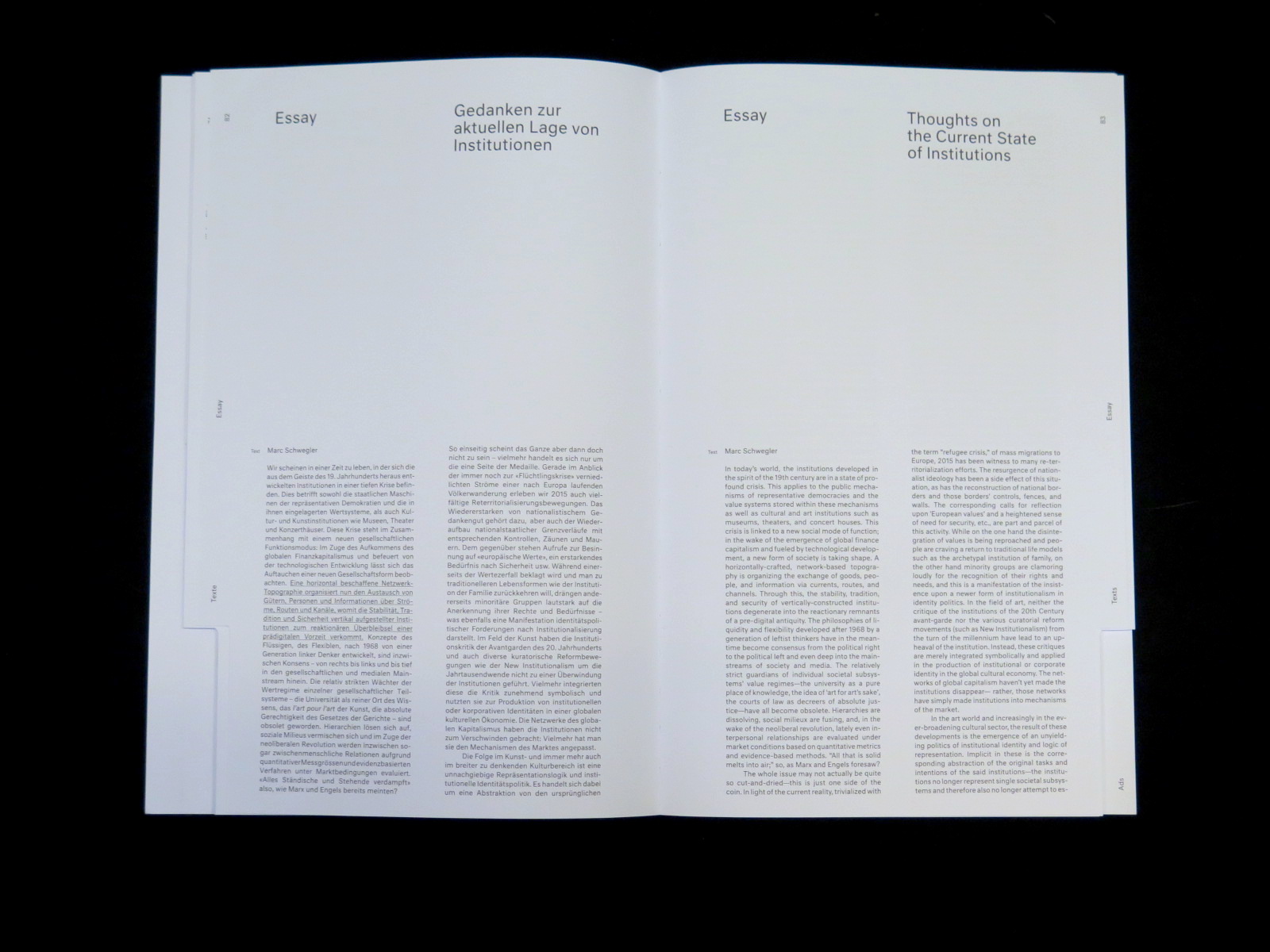
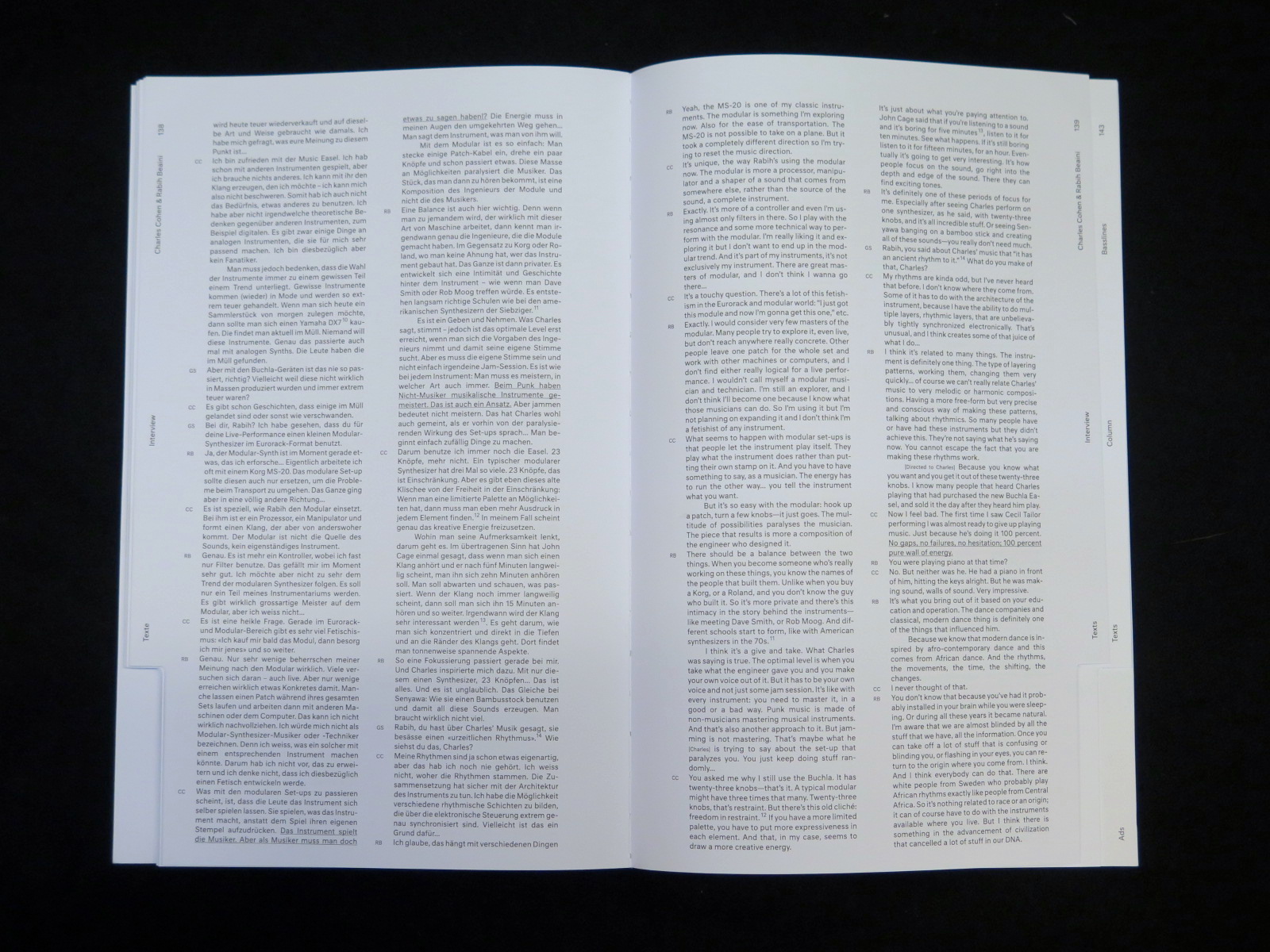
(English / German)
Material with/on/by Dale Cornish, Prosumer, Low Jack & Black Zone Myth Chant, Jesse Osborne-Lanthier, CoH & Tina Frank, Public Possession, Charles Cohen & Rabih Beaini, Container, Barnt, Volte-Face, DJ Overdose, Bintus, etc.
€ 16.00
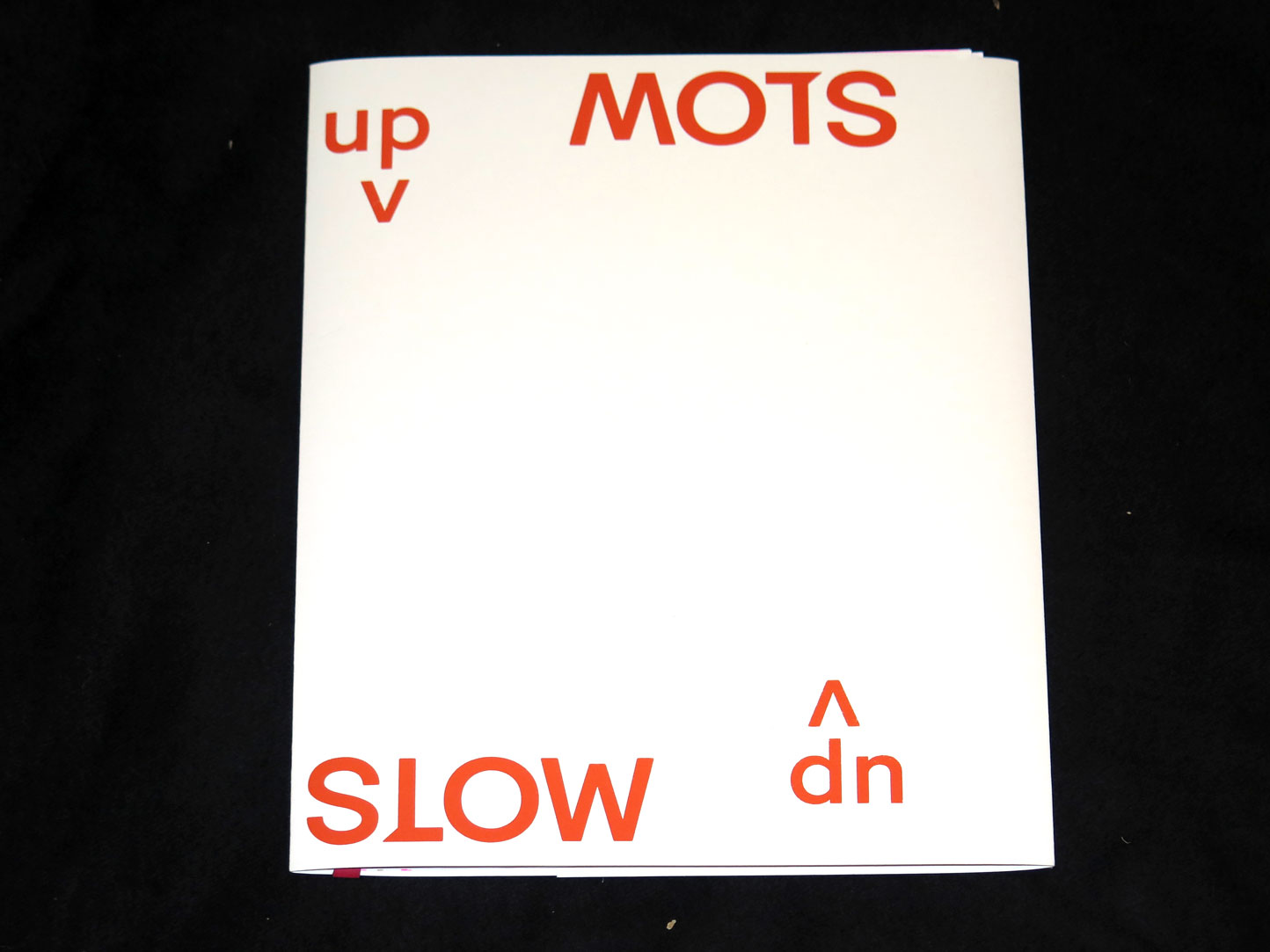
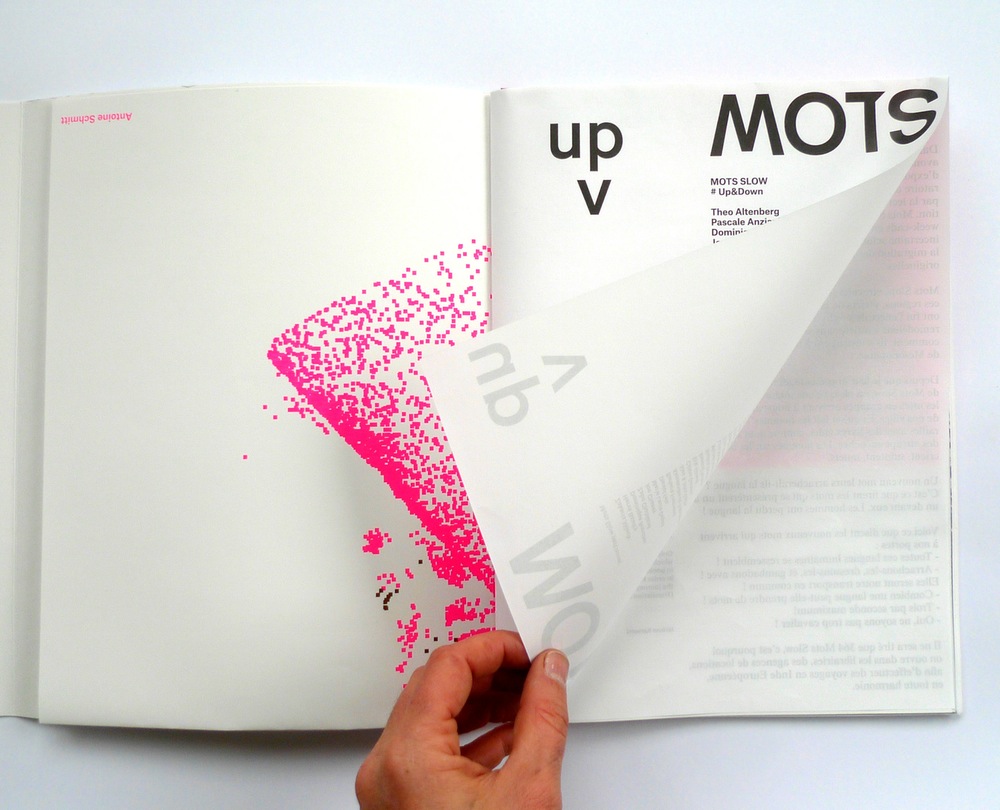
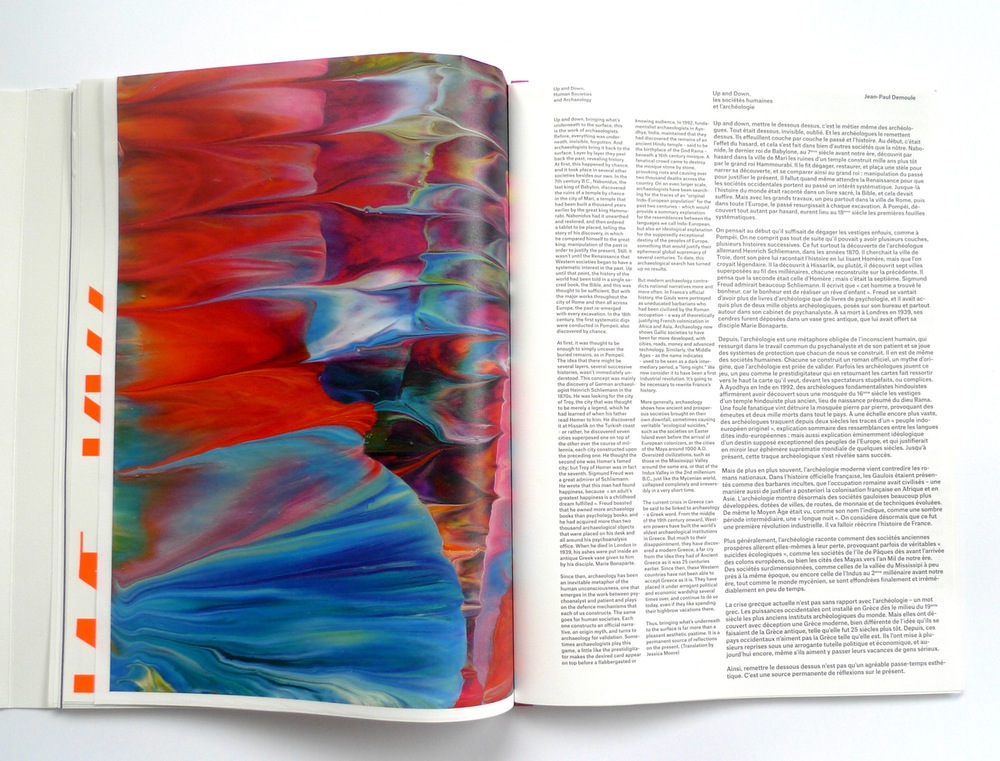
MOTS SLOW issue #3 Up&Down
The third issue of Mots Slow come out November 27th 2015, and apply the theme of Up&Down. 33,4 cm x 26 cm.
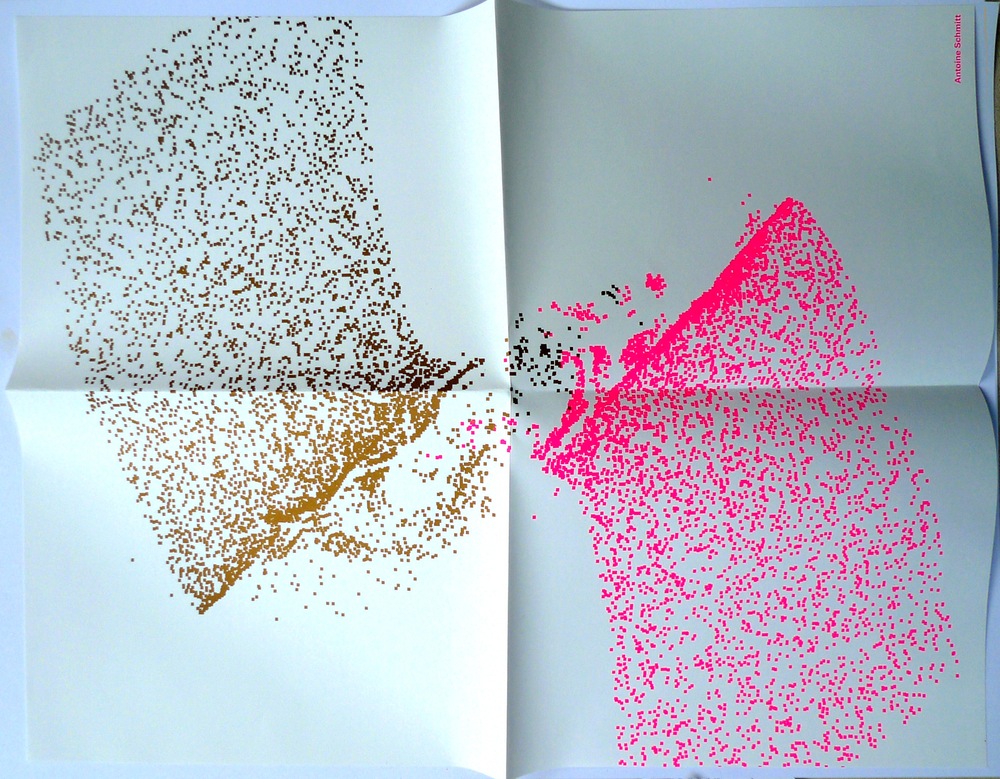
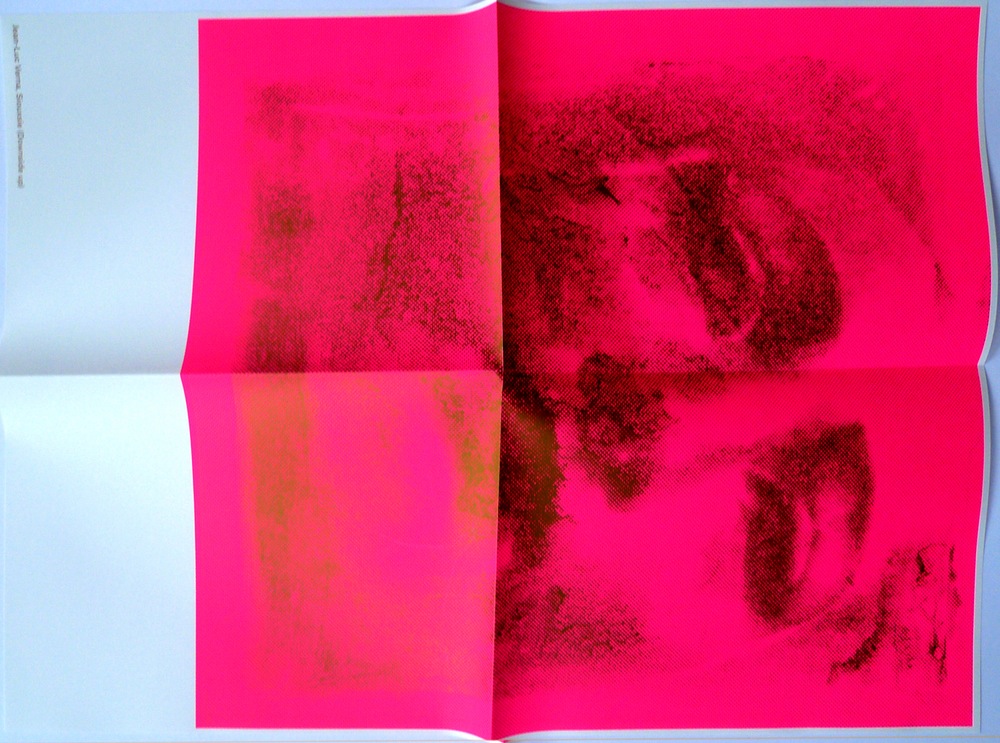
Theo Altenberg, Pascale Anziani, Dominique Brancher, Josepha Conrad, Franck Déglise, Jean-Paul Demoule, Saskia Edens, Jérôme Karsenti, Guillaume Lebrun, Levan Manjavidze, Lorenza Mondada, Wajdi Mouawad, Isabella Rush, Frank Smith, Antoine Schmitt, Jean Luc Verna, Anne Vigna.
Indré Klimaite Ilegal design
/Limited edition prints numbered, 365 ex / silk screenprint-Offset /
6 Silk Screenprint, 5 colors, posters folded. 120 gr.
6 Offset colors and black & white posters folded. 50 gr.
Posters from 33 cm x 48 cm to 72 cm x 48 cm. Trilingual, GB, FR, SP/Basel-Toulouse/
€50.00
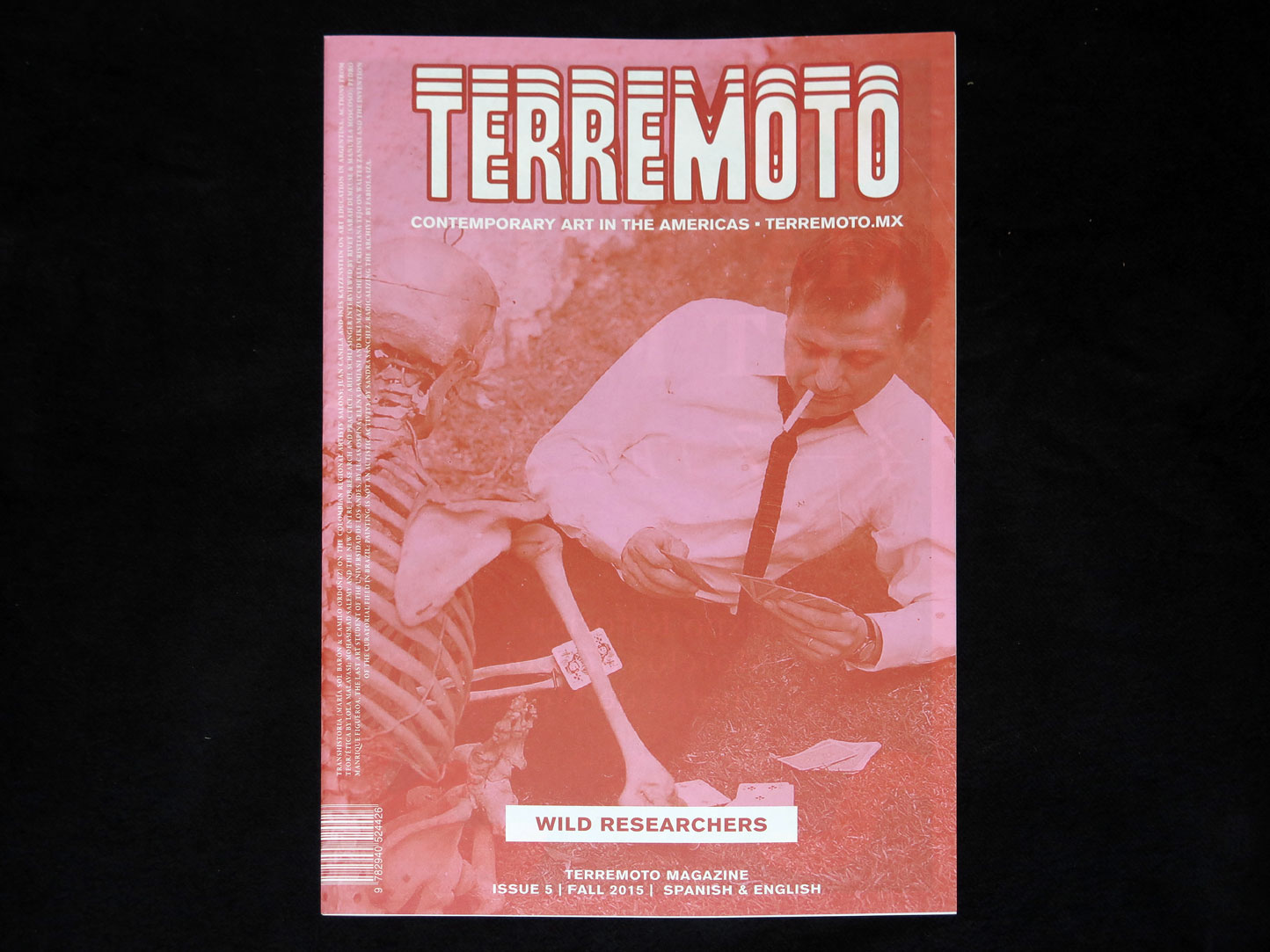
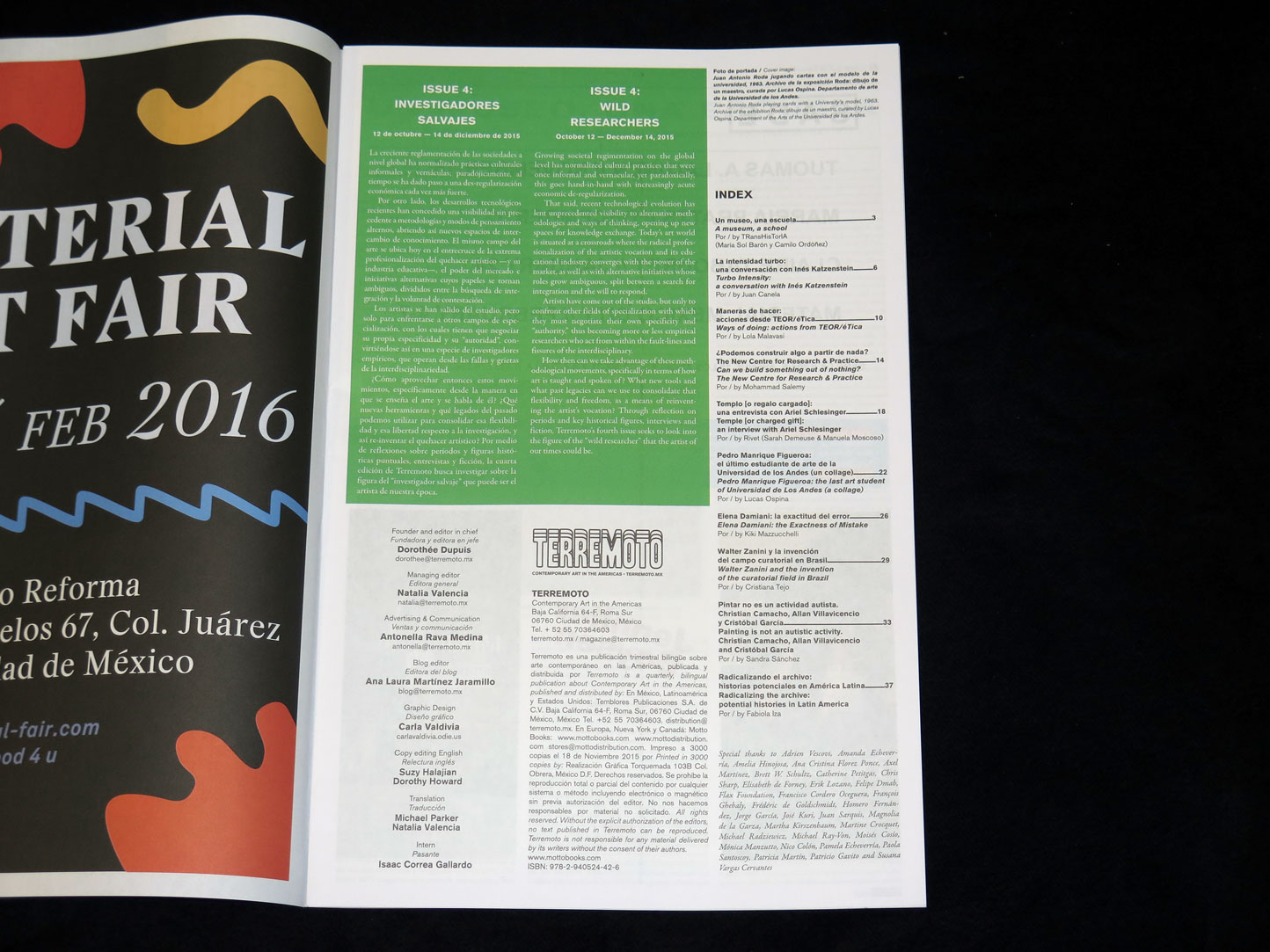
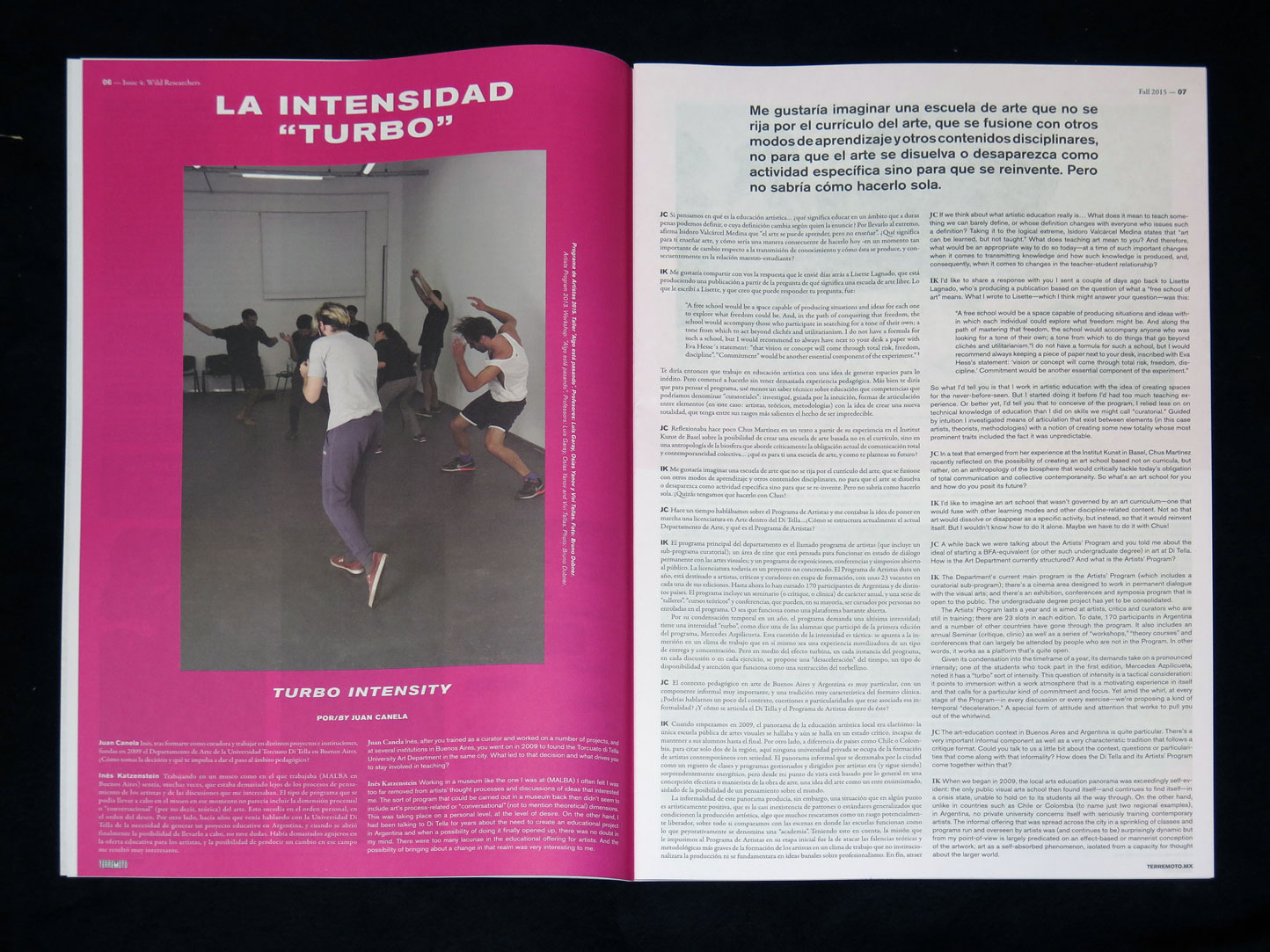
Terremoto 4
Transhistoria (María Sol Barón & Camilo Ordoñez) on the colombian regional artist’s salons;
Juan Canela and Inés Katzenstein on art education in Argentina;
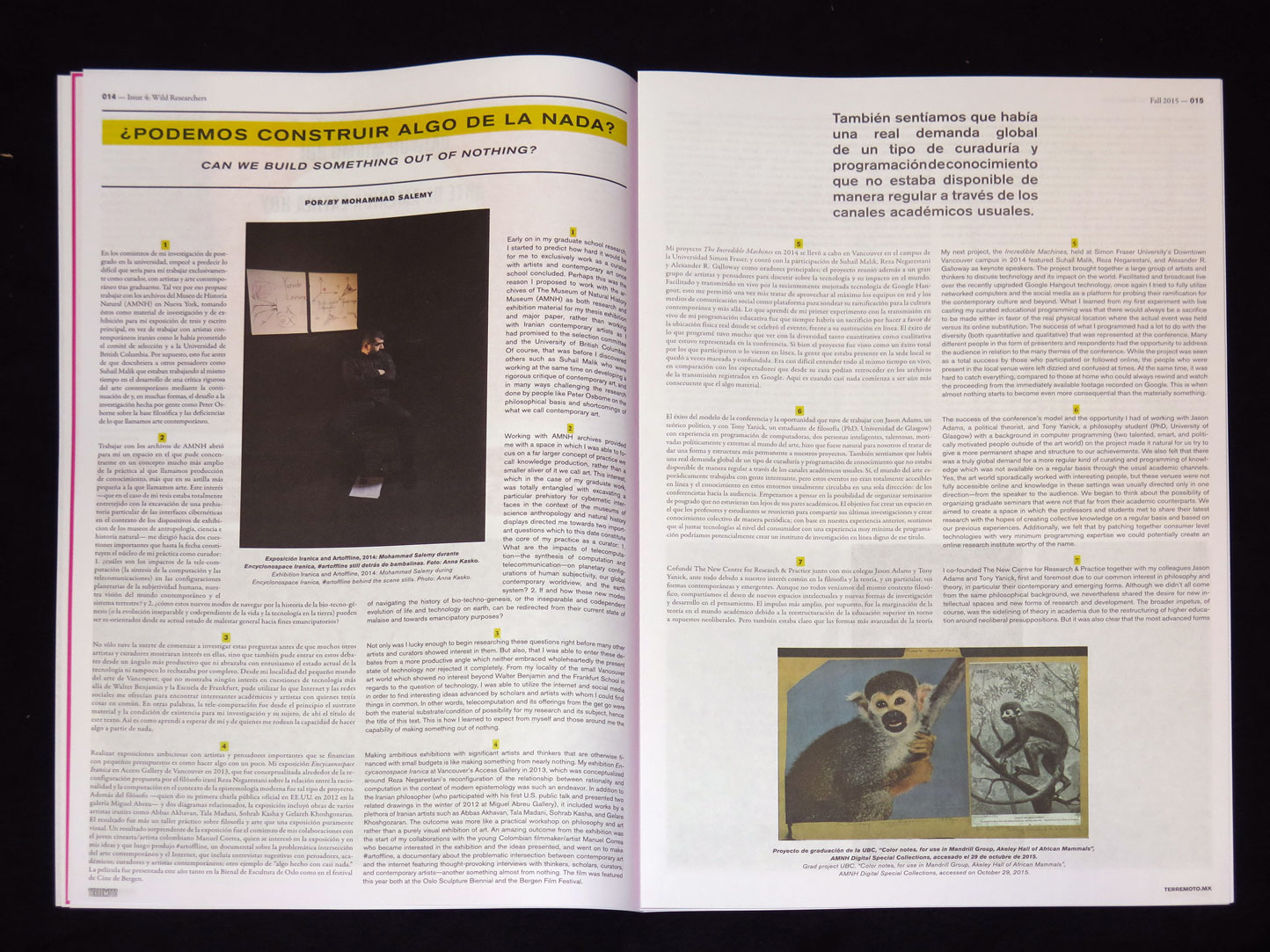
Actions from Teor/ética by Lola Malavasi; Mohammad Salemy and the New Centre for Research and Practice;
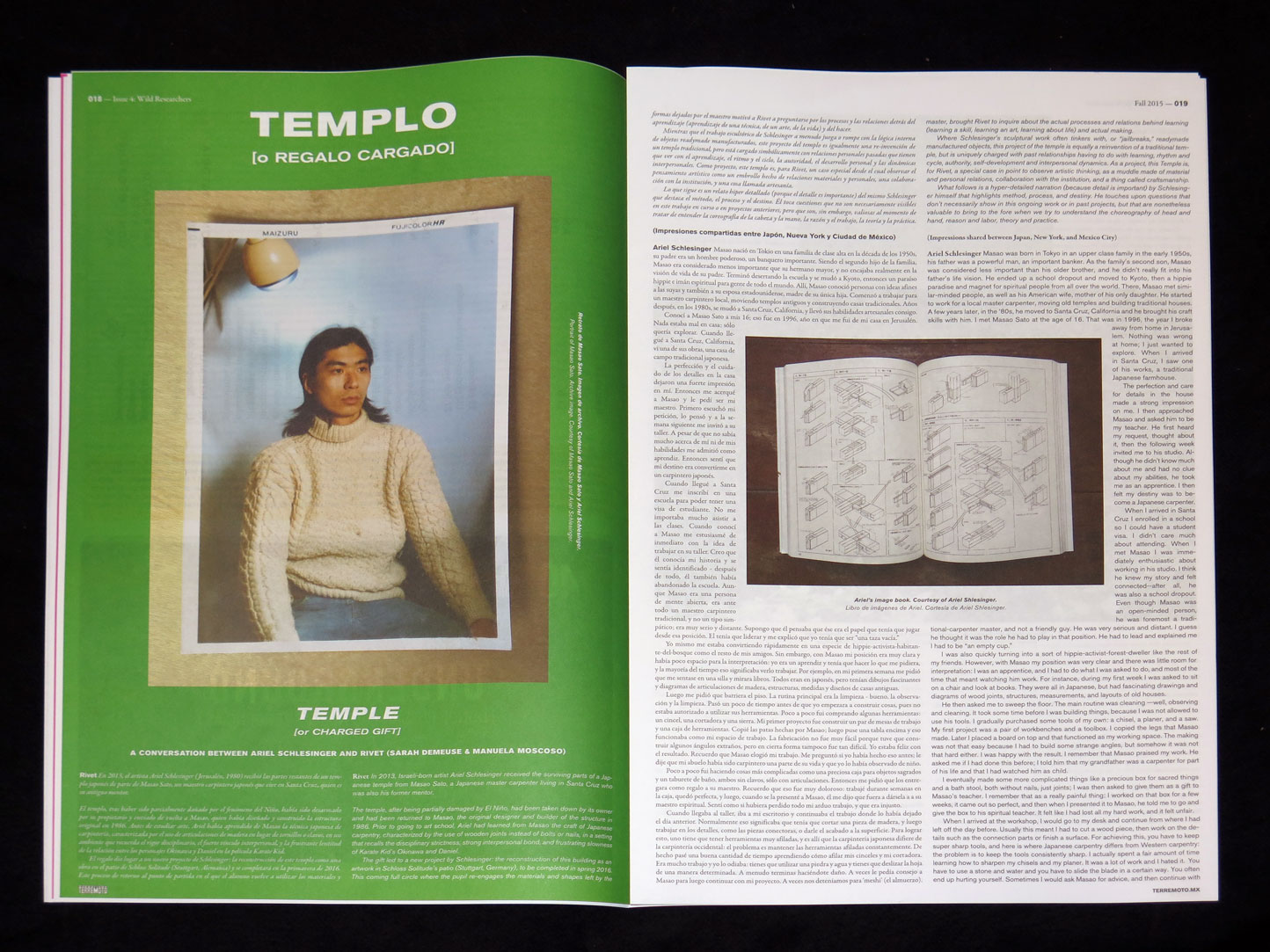
Ariel Schlesinger interviewed by Rivet (Sarah Demeuse & Manuela Moscoso);
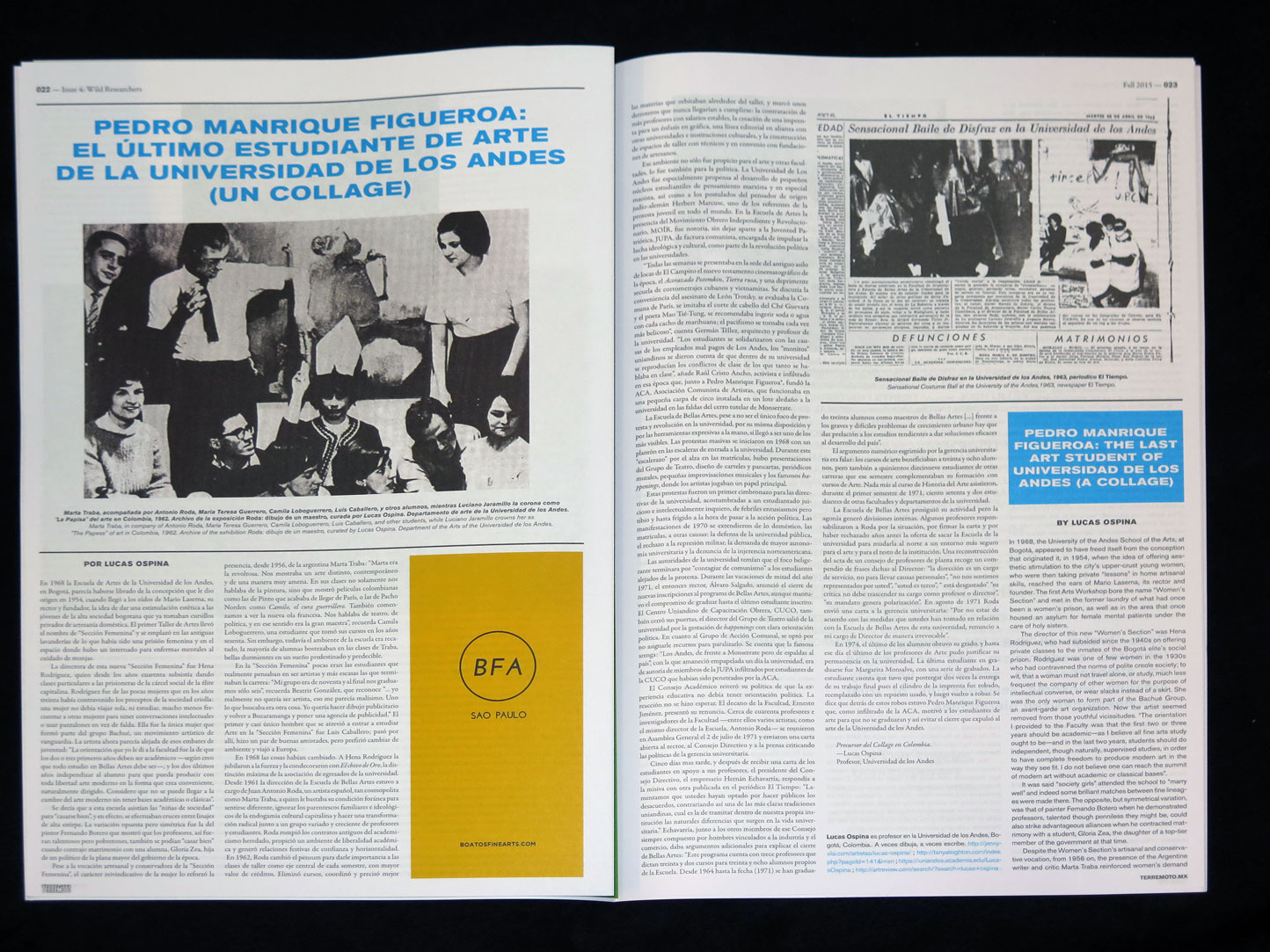
Pedro Manrique Figueroa, the last student of the Universidad de Los Andes, by Lucas Ospina; Elena Damiani in conversation with Kiki Mazuchelli;
Cristiana Tejo on Walter Zanini and the invention of curatorial field in Brasil;
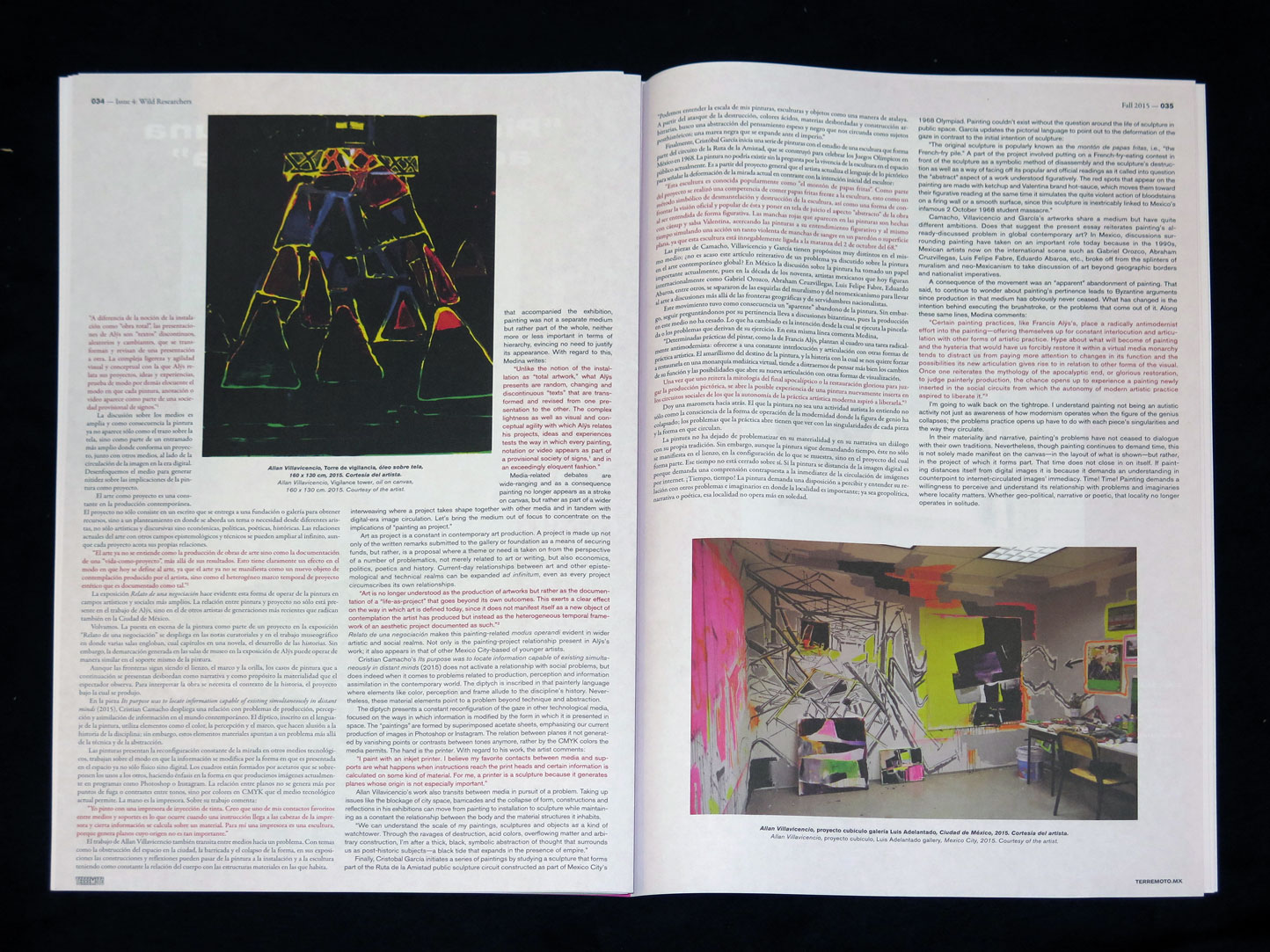
Painting is not an autistic activity by Sandra Sánchez; Radicalizing the archive, by Fabiola Iza.
€8.00