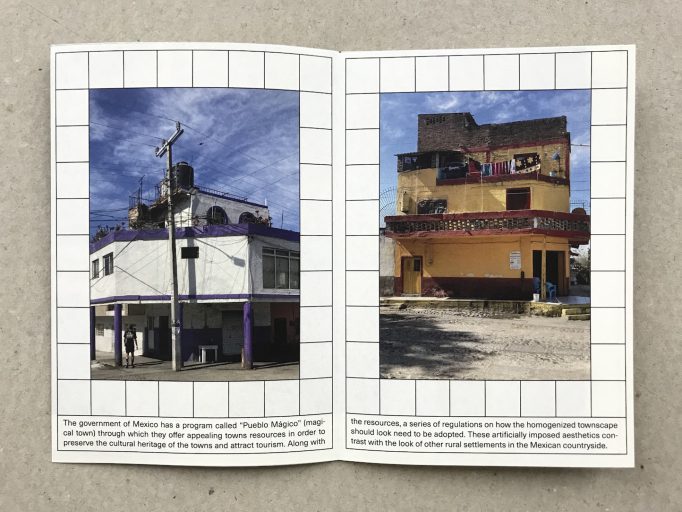
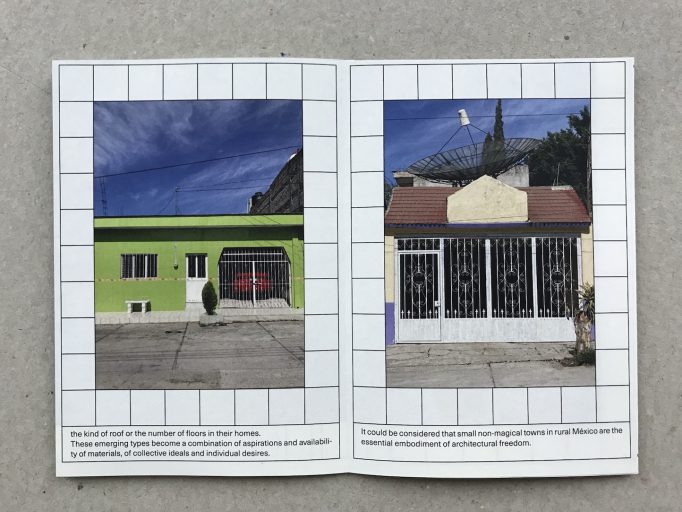
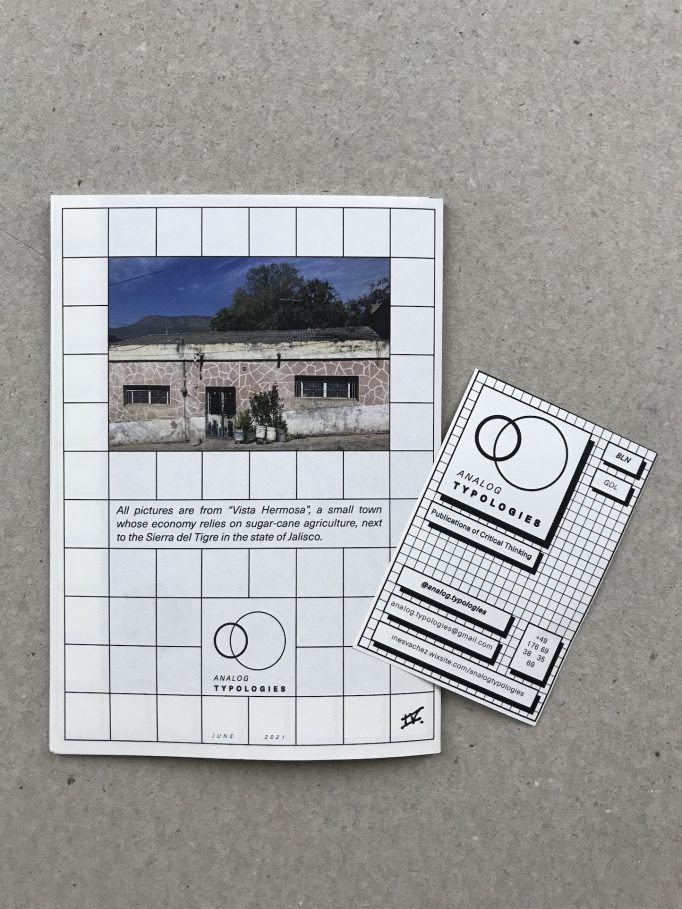
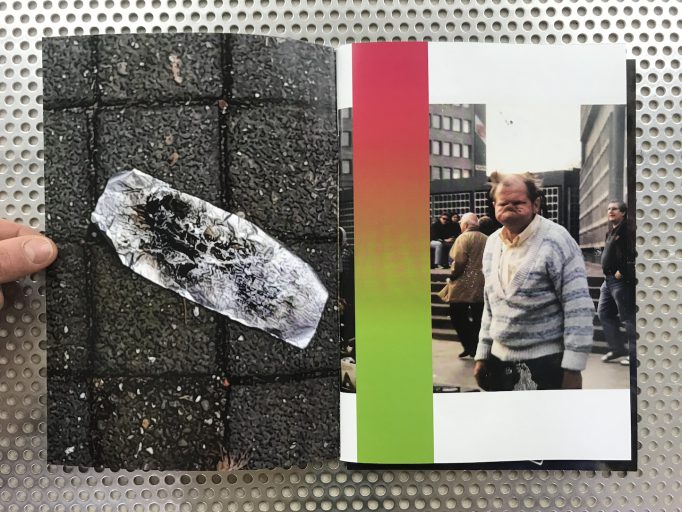
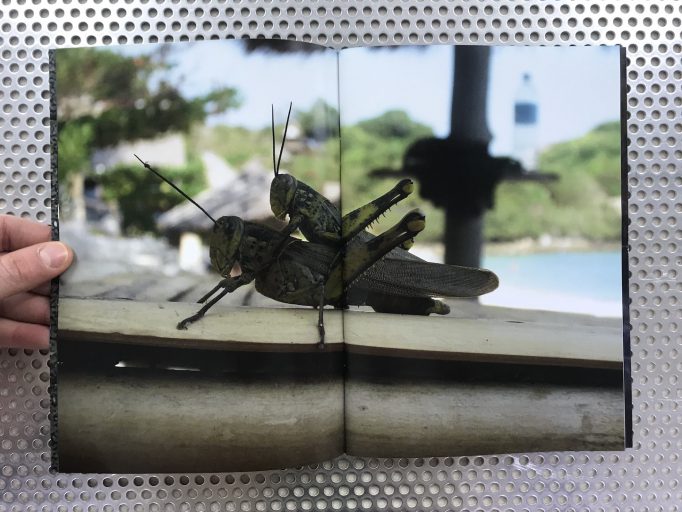
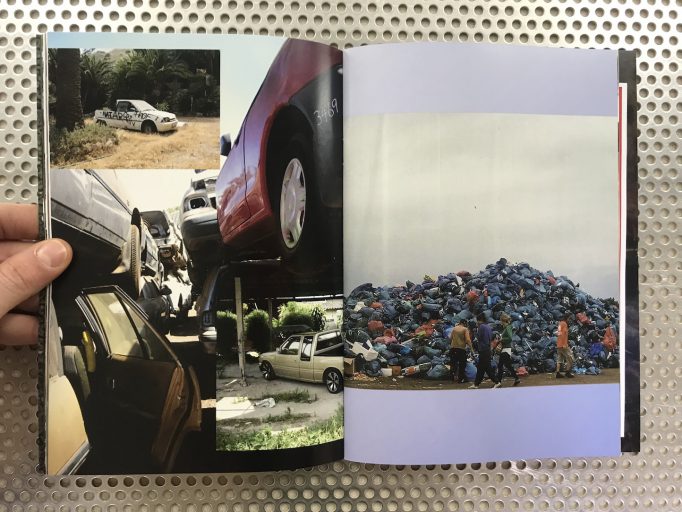
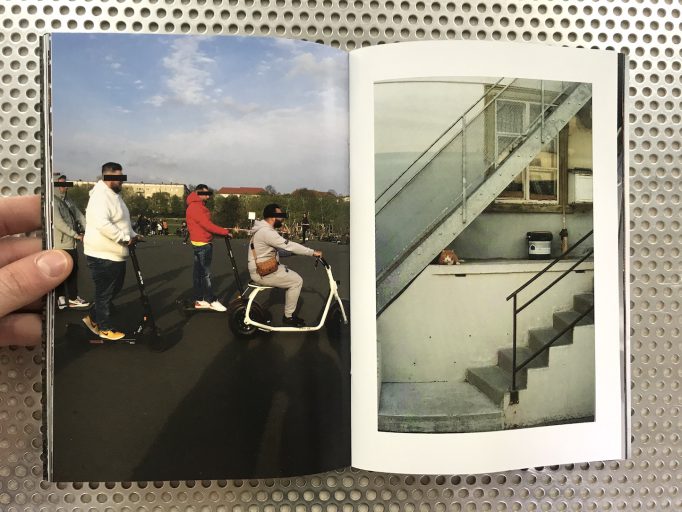
Non-Magical Towns: Typologies of Freedom in Rural Mexico is a a folded zine about agency, self-designing, and self-building in the town of Vista Hermosa, Mexico.
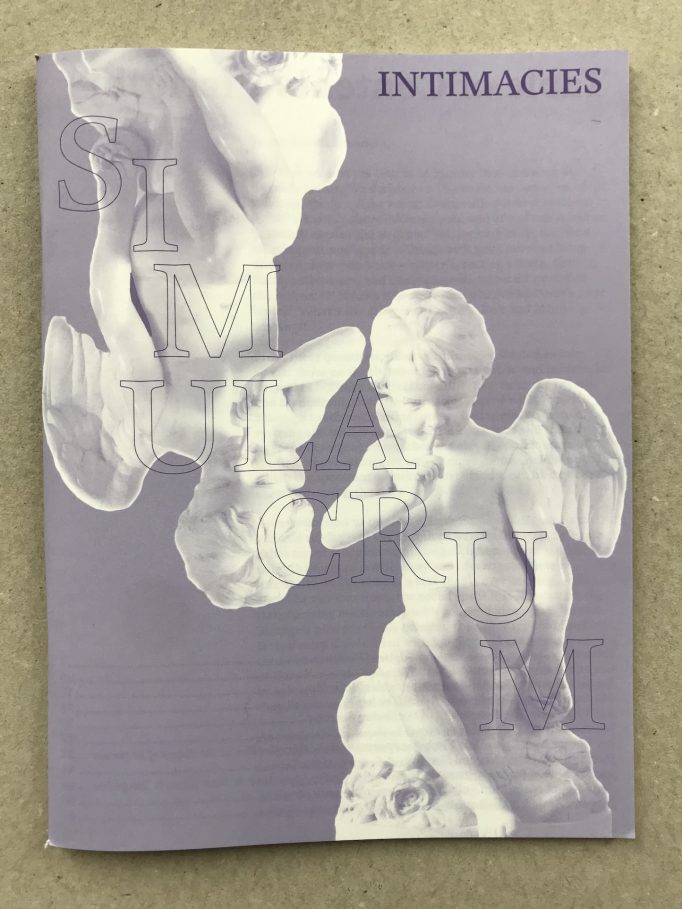
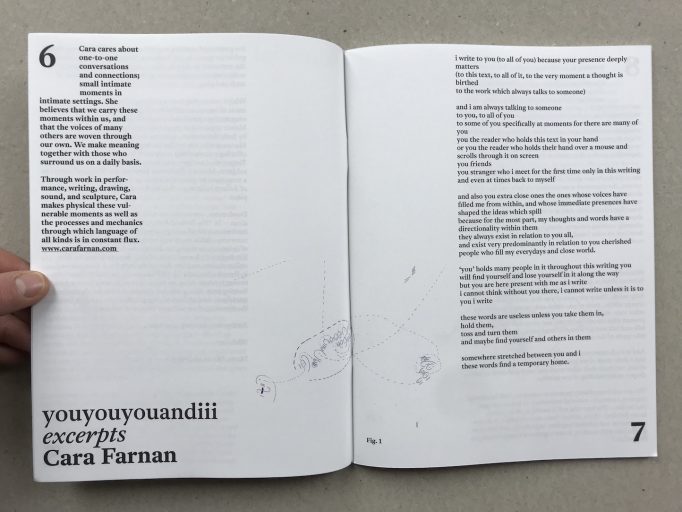
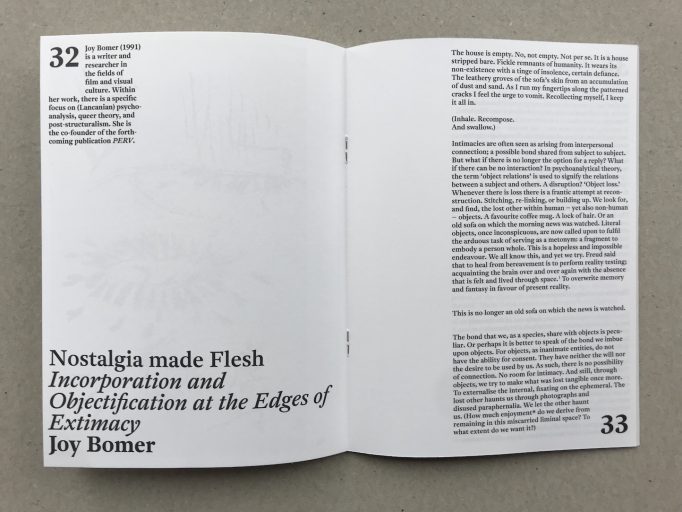
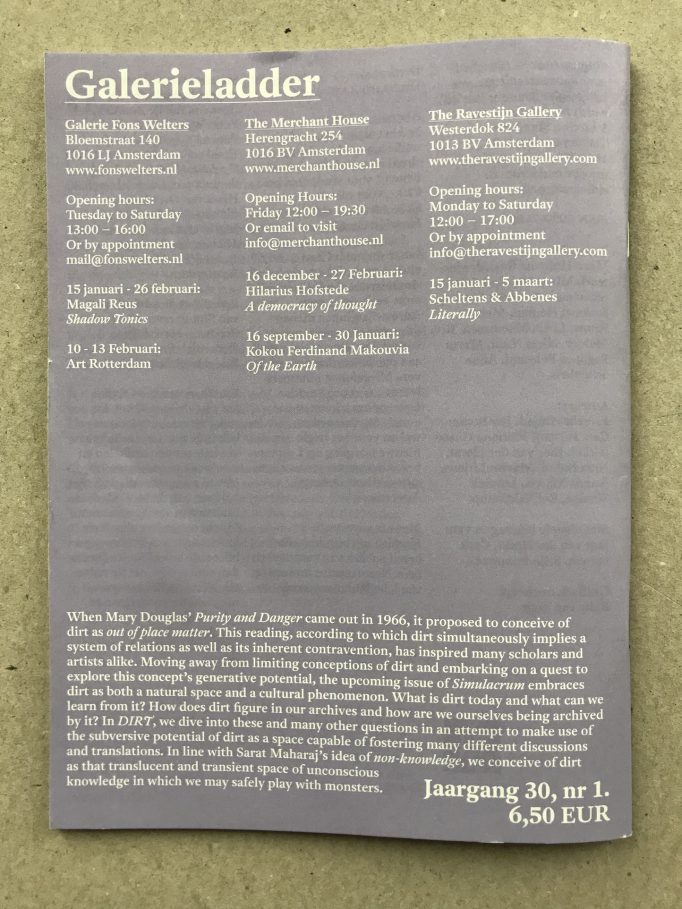
“Our first issue of the year is an inquiry into intimacy in its many forms. We decided on this topic the last week of summer, the first time we sat down with our new editorial team. ‘We don’t share intimacy yet,’ said one of our editors, `intimacy needs time to grow.’ Yet, looking back, that first meeting was perhaps as intimate as it gets; nervous introductions, how-was-your-summer’s, testing waters, sharing ideas, enthusiasm, and doubts as well. ‘How do we define the intimate?’ Won’t it be too much like Simulacrum’s Love issue?’ What’s the difference between love and intimacy anyway?’ From these questions, ideas of intimacies started to take shape: those on the threshold between public and private, in languages between lovers, those differing from the hetero-and homonormative, the intimacies shared with oneself. Through touch and writing, poetry and myth, economic systems and modes of play, the subconscious and the attentive; the divergent approaches the eleven contributors of this issue have taken give us a glimpse of the endless ways in which the spectrum of intimate experience can be explored, exercised, and rethought.”
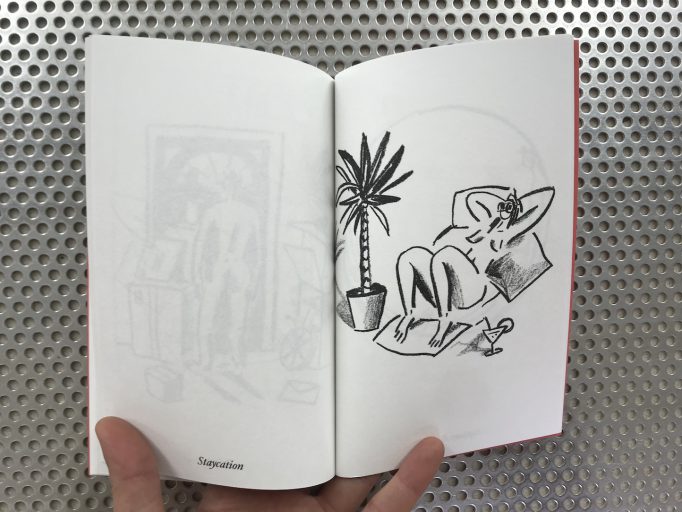
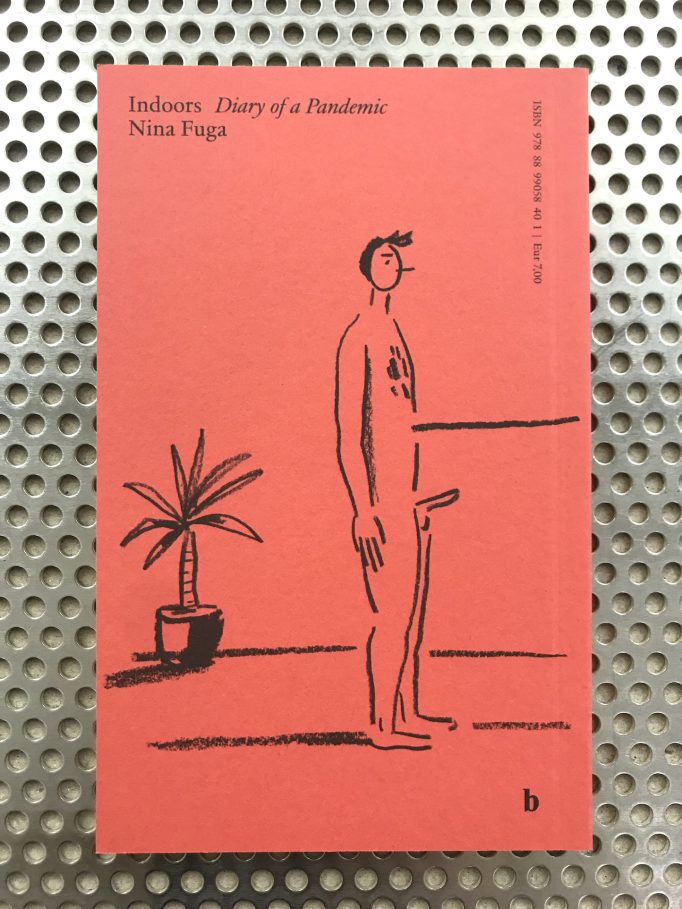
These drawings give back the intimacy of the everyday to objects and postures which, exasperated within existing spaces, take new positions and discover new sides to themselves, giving life to a symphony of small theatrical pièces where stage and backstage are one and the same.
I disegni, questi disegni, nell’insita tensione del loro tratto, ci consentono di immaginare gli altri nel paradosso delle loro esistenze, esploso tra le pareti delle proprie abitazioni e di farci sentire meno soli, meno tristi. Immaginare gli altri e le altre, ci restituisce lo spazio del gioco, dell’assurdo, del surreale che fatichiamo a praticare mentre stiamo seduti sui nostri divani. – Silvia Jop
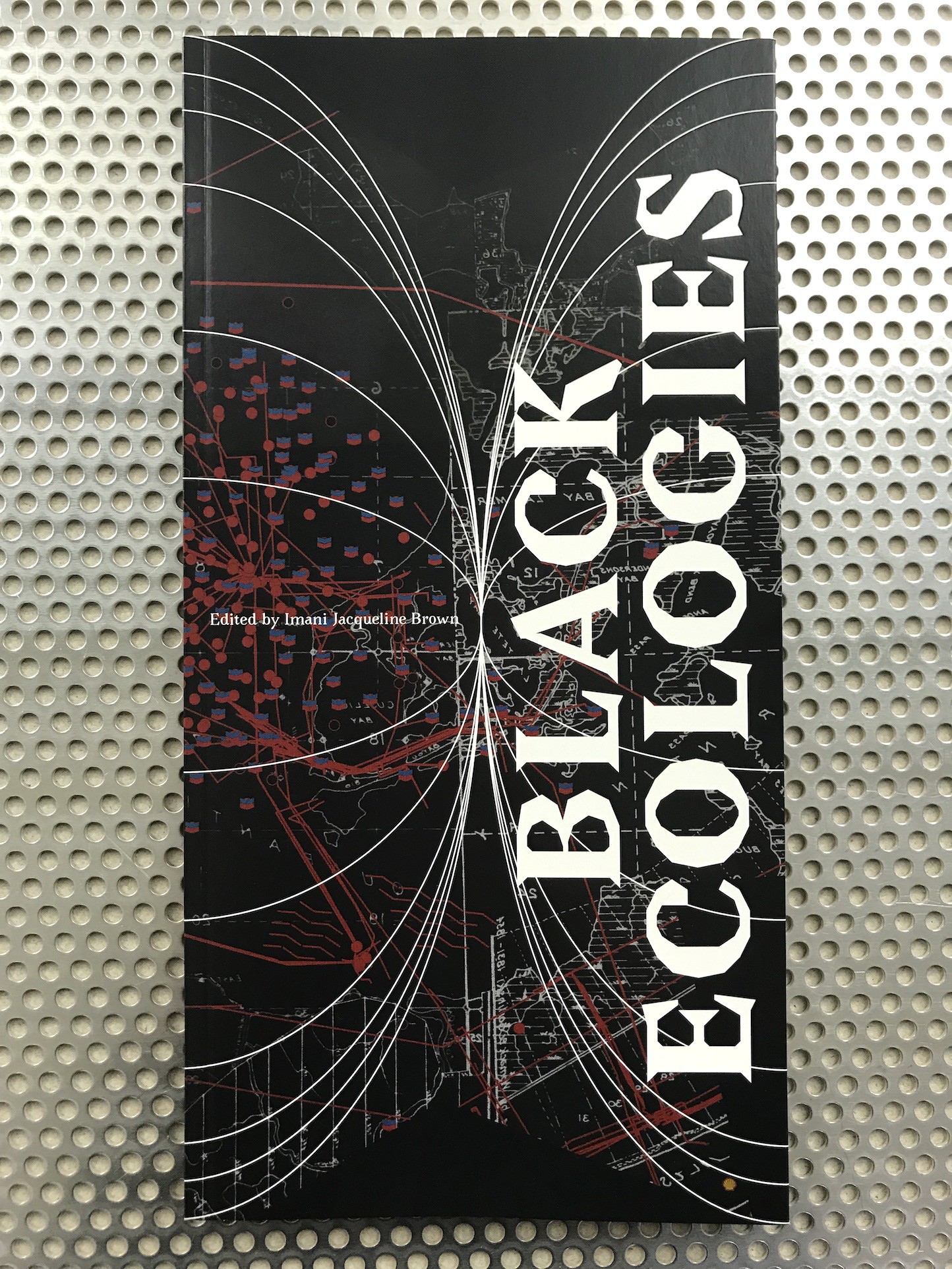
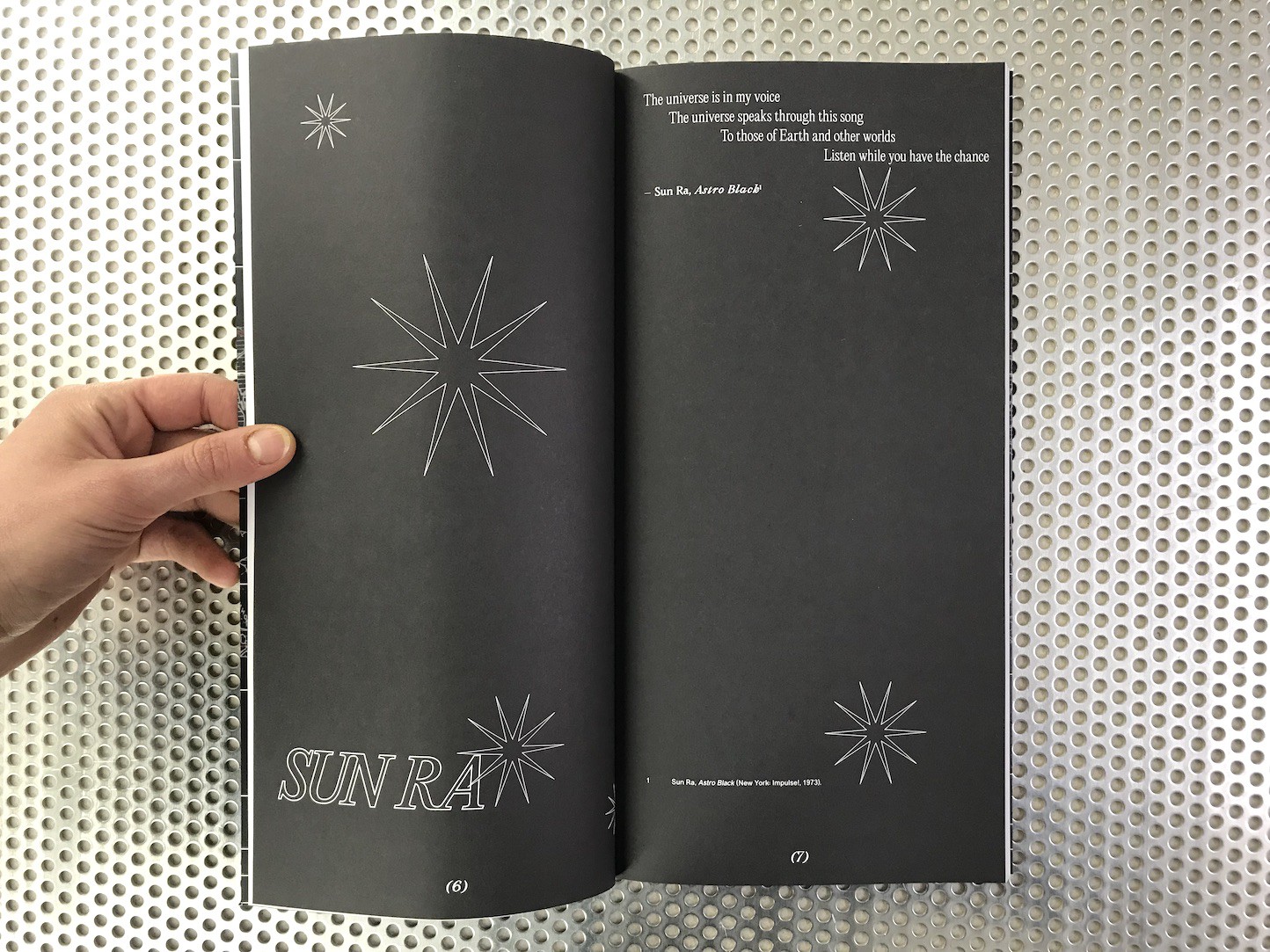
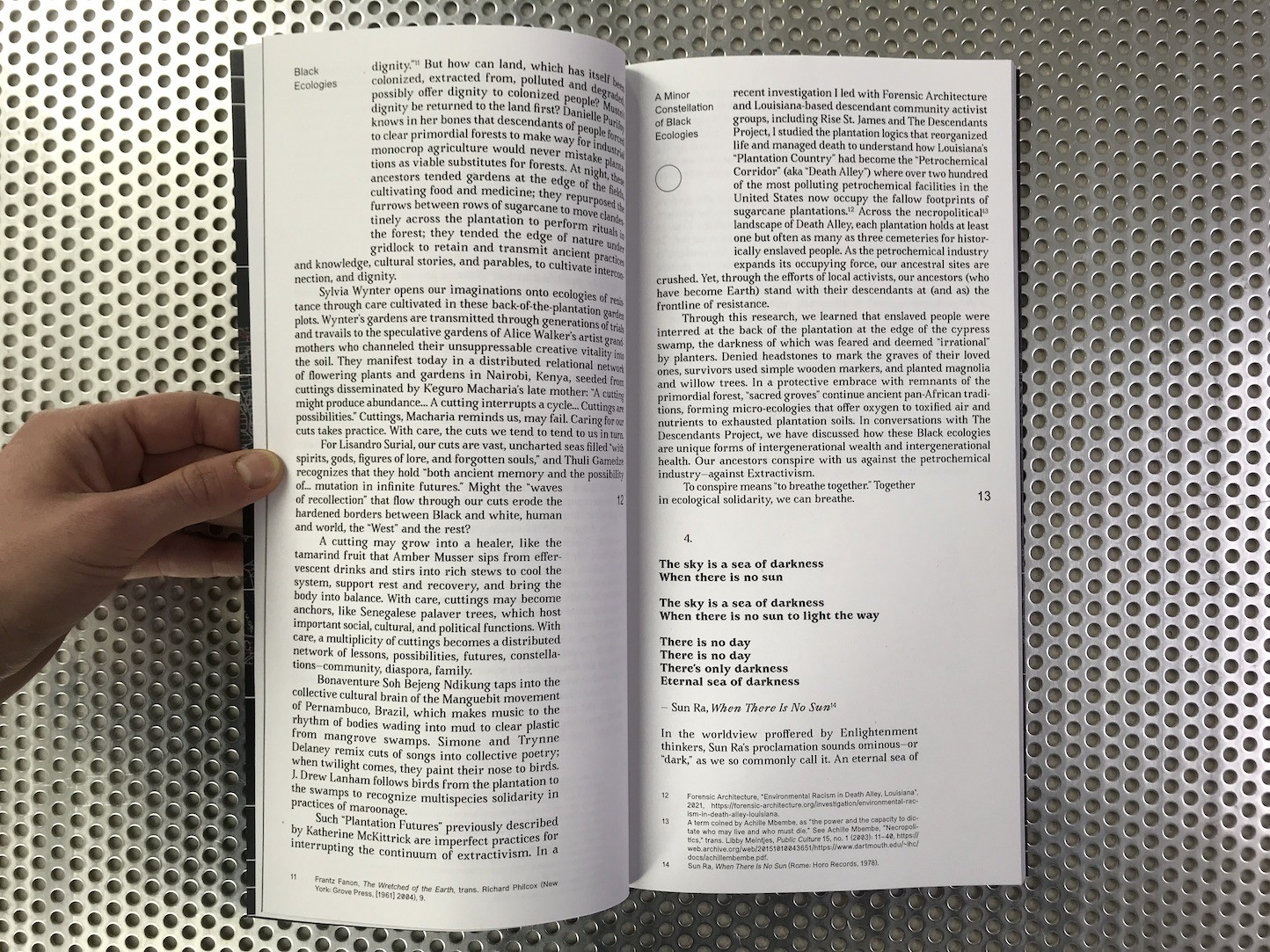
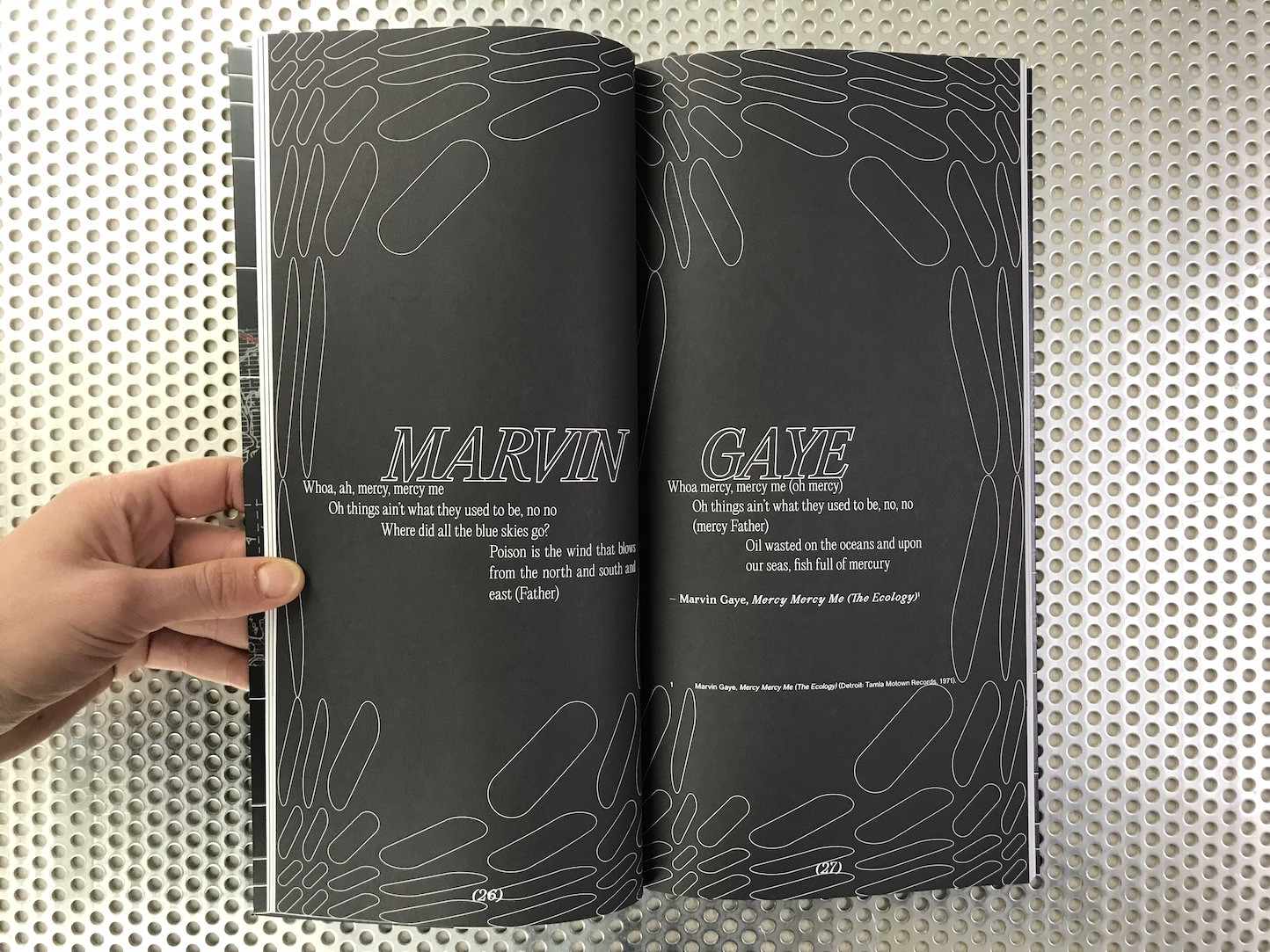
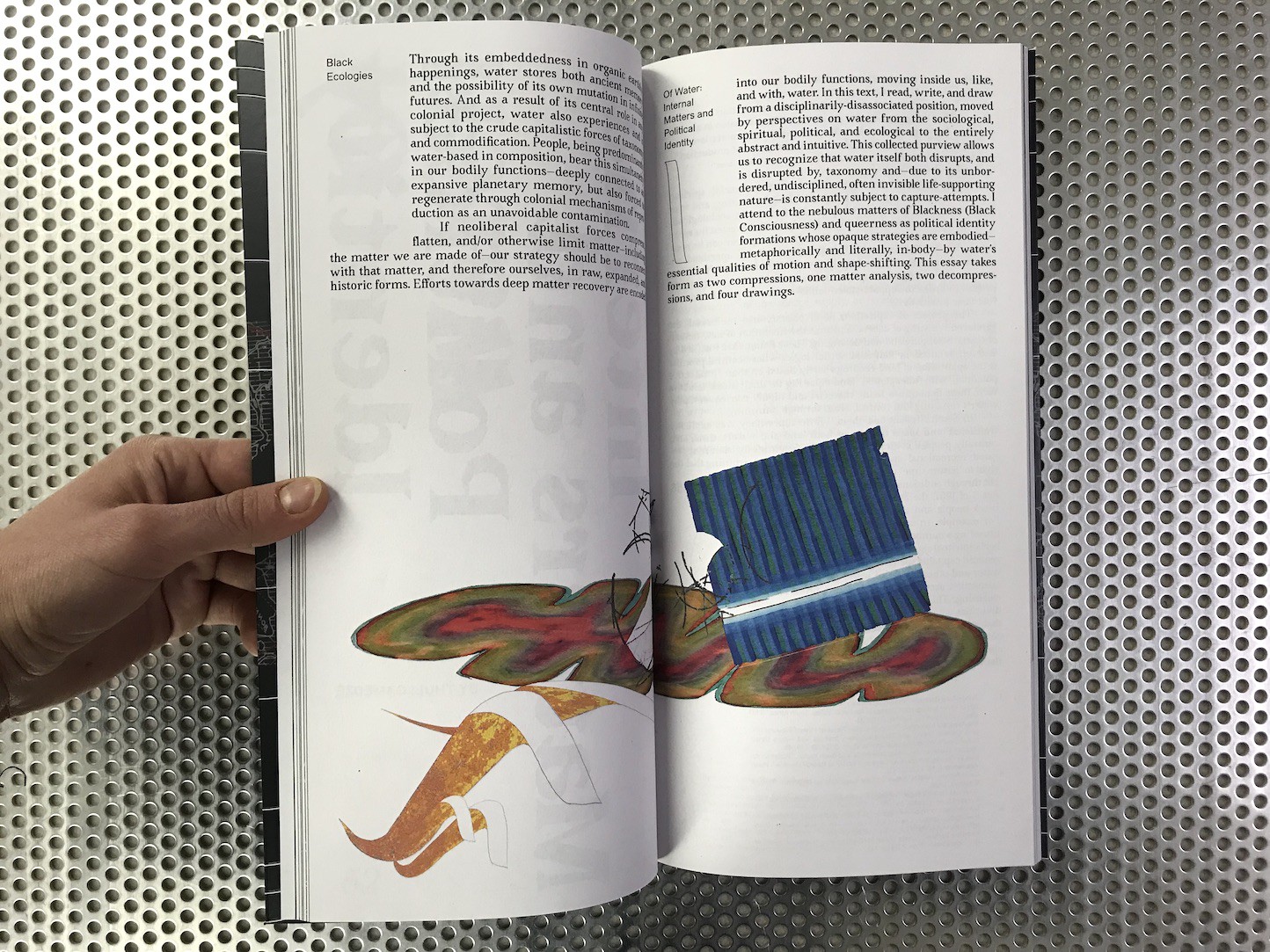
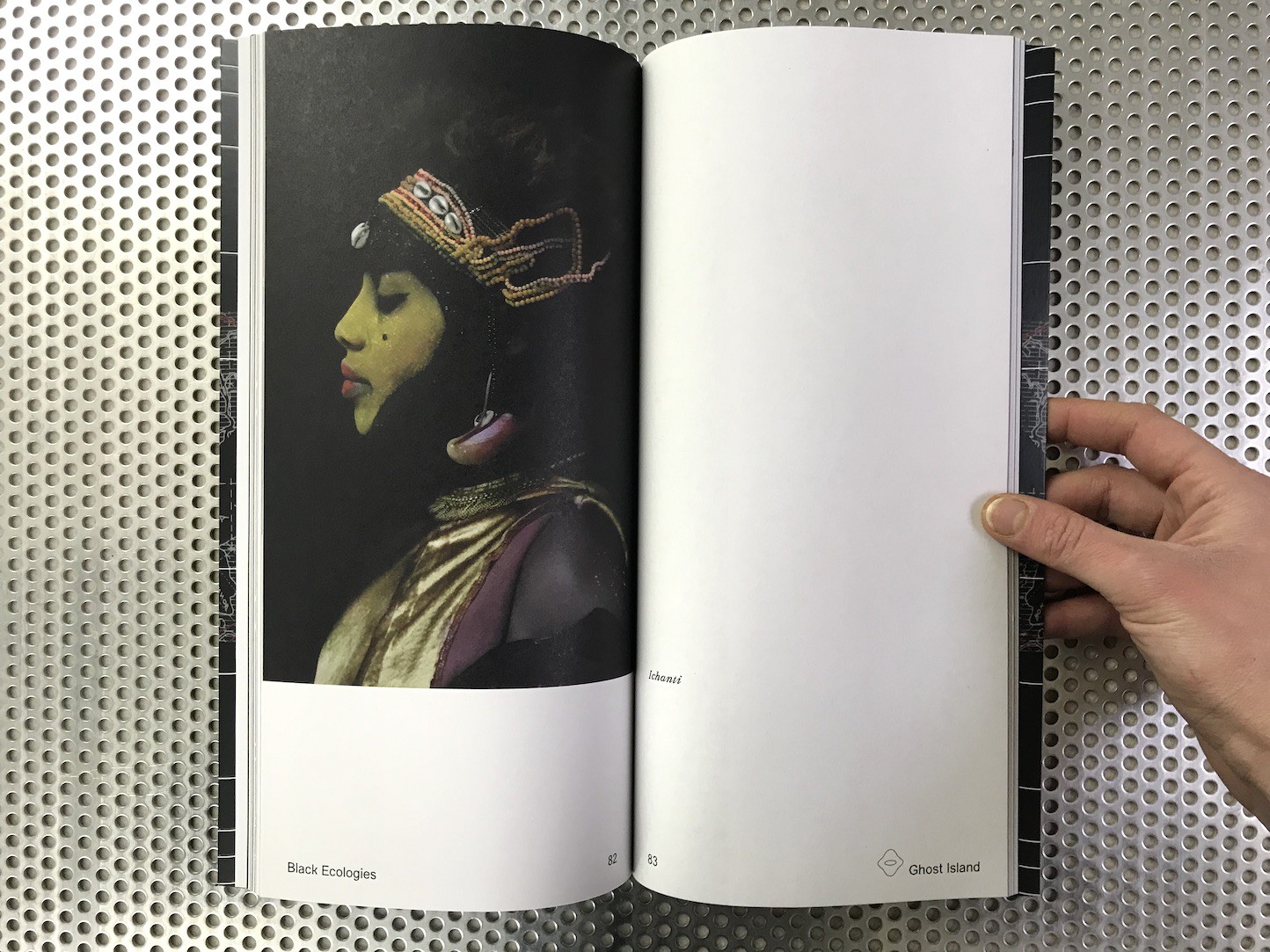
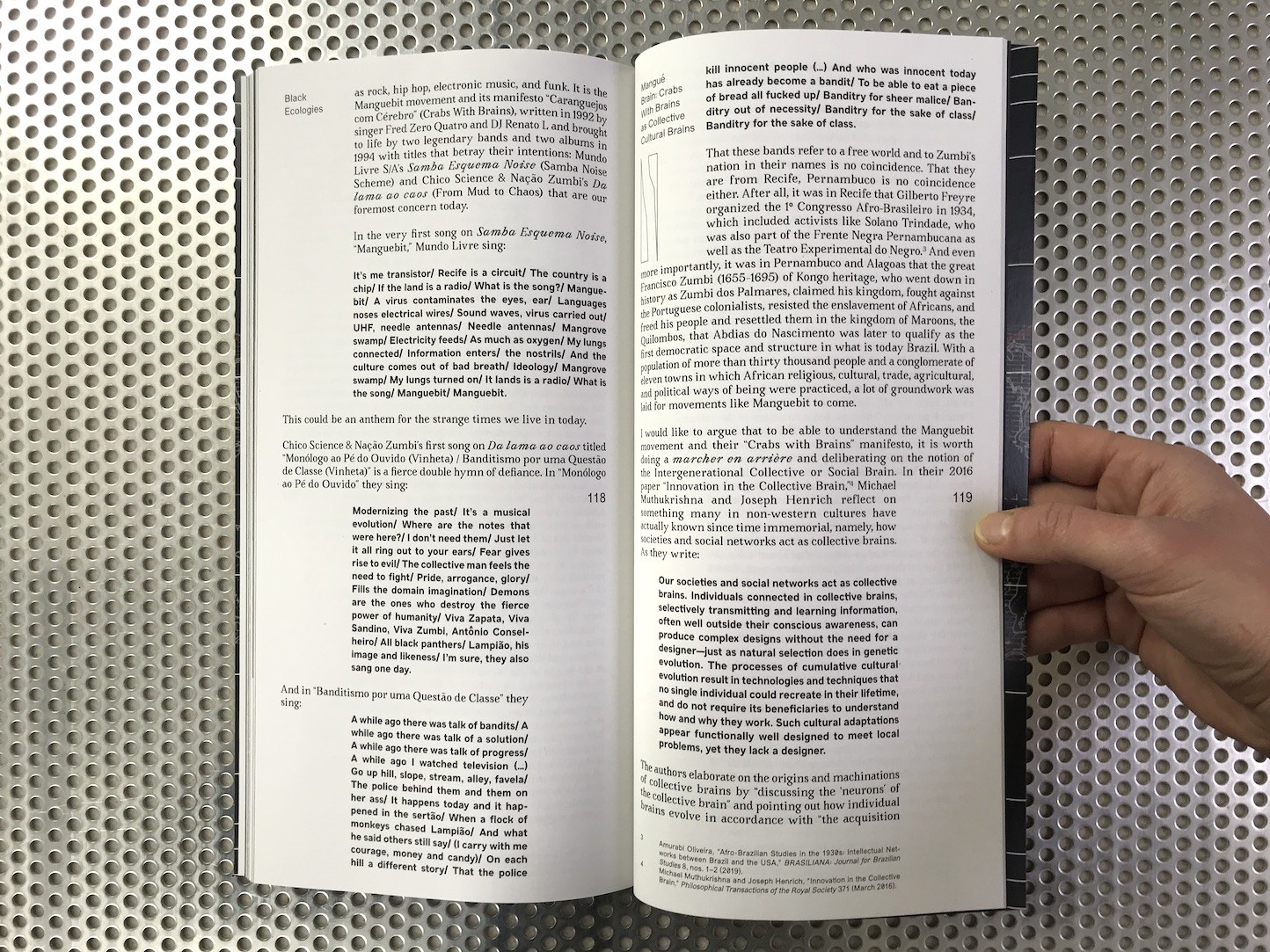
Edited by Imani Jacqueline Brown, MARCH 02: Black Ecologies proposes the concept of Black Ecologies as a “resistance to extractive ecologies across the colonial-capitalist world.” Recognizing our world is at a crossroads, Black Ecologies is a multigenerational, multidimensional dialogue and a reminder that Black resistance is always already tending to other ecologies of being(s).
Black Ecologies is a call for scholarship, reading, and action to constellate Black diasporic visions of ecological reparations for a segregated planet, featuring contributions by Simone + Trynne Delaney, Thuli Gamedze, J. Drew Lanham, K’eguro Macharia, Amber Jamila Musser, Bonaventure Soh Bejeng Ndikung, Romy Opperman, Danielle Purifoy, and Lisandro Suriel.
MARCH 02: Black Ecologies is designed by Untitled, a design and curatorial agency based in Marrakech, Morocco. Their proposition draws inspiration from indigenous knowledge systems – most precisely African fractals – not only as geometric figures and forms, but also as a tool to think and produce design principles. The publication is printed by KOPA on recycled paper without plastic coating.
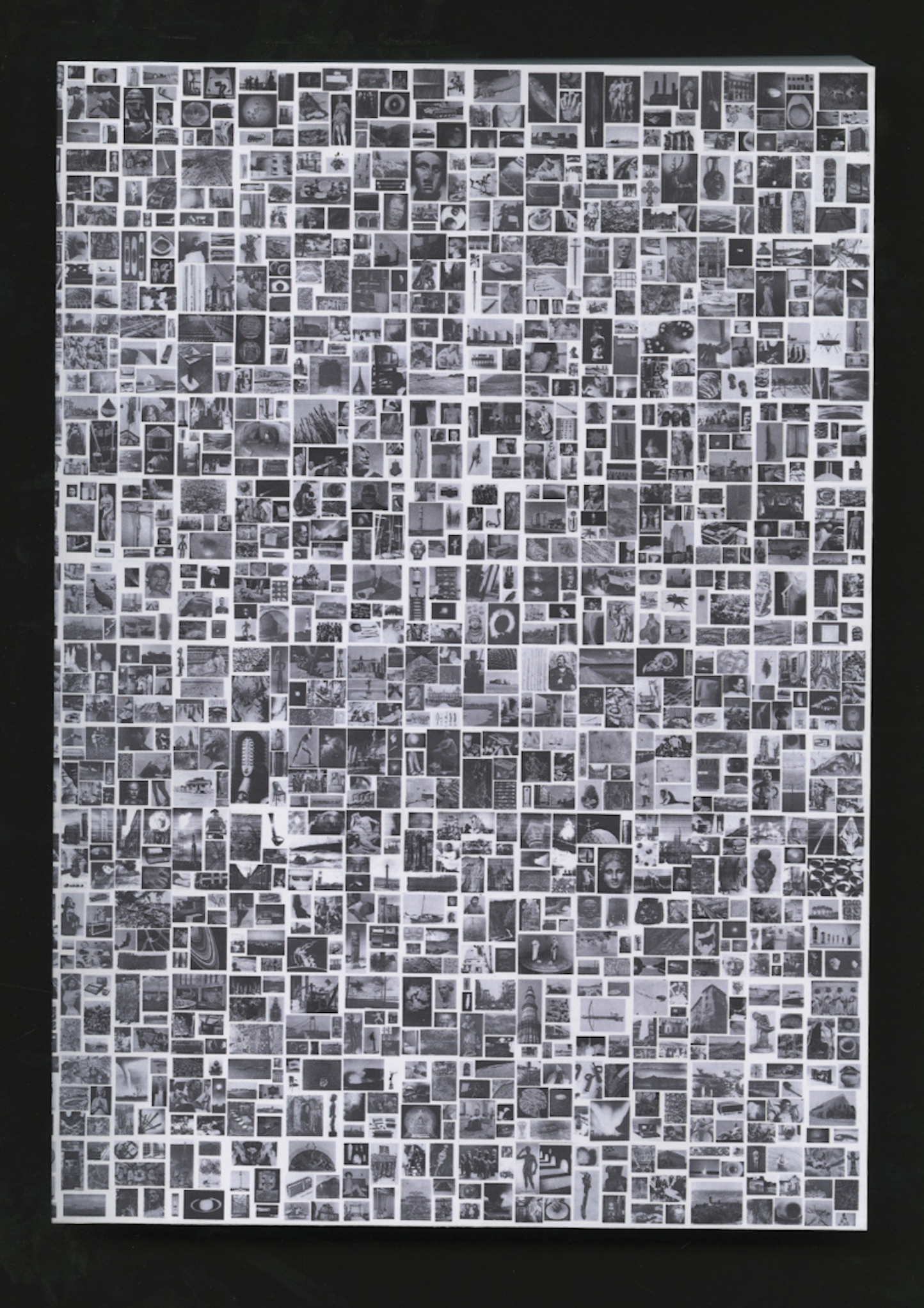
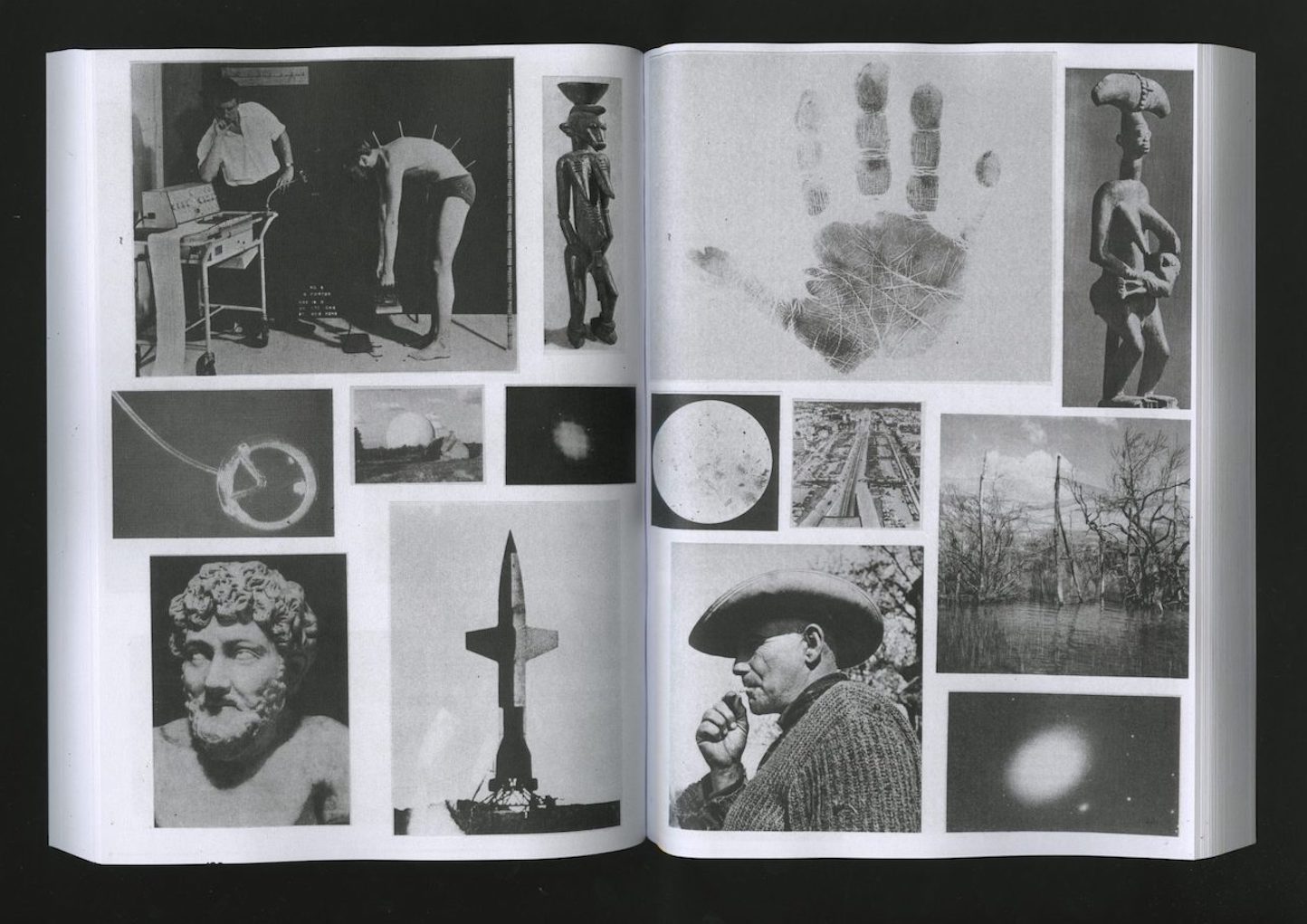
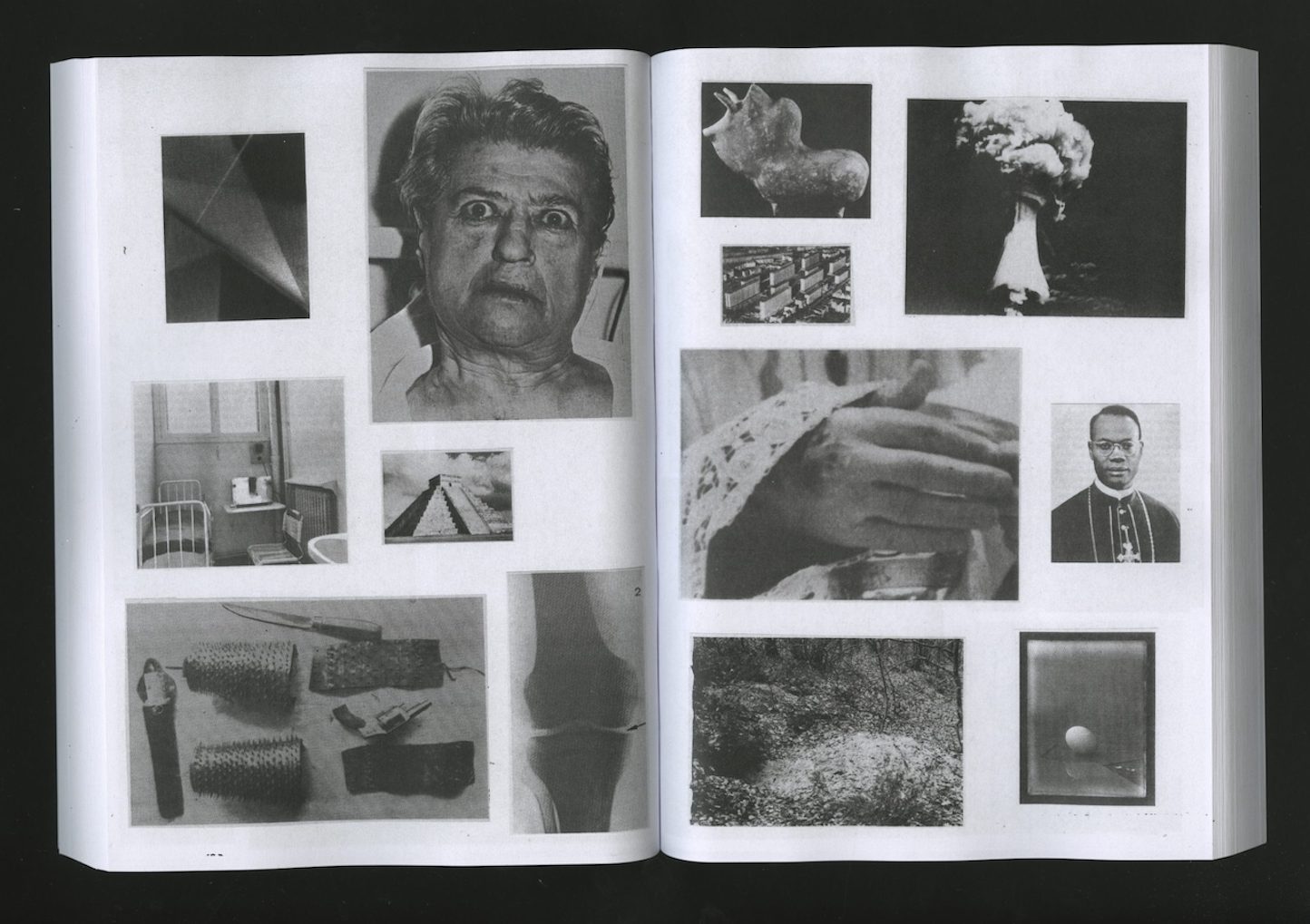
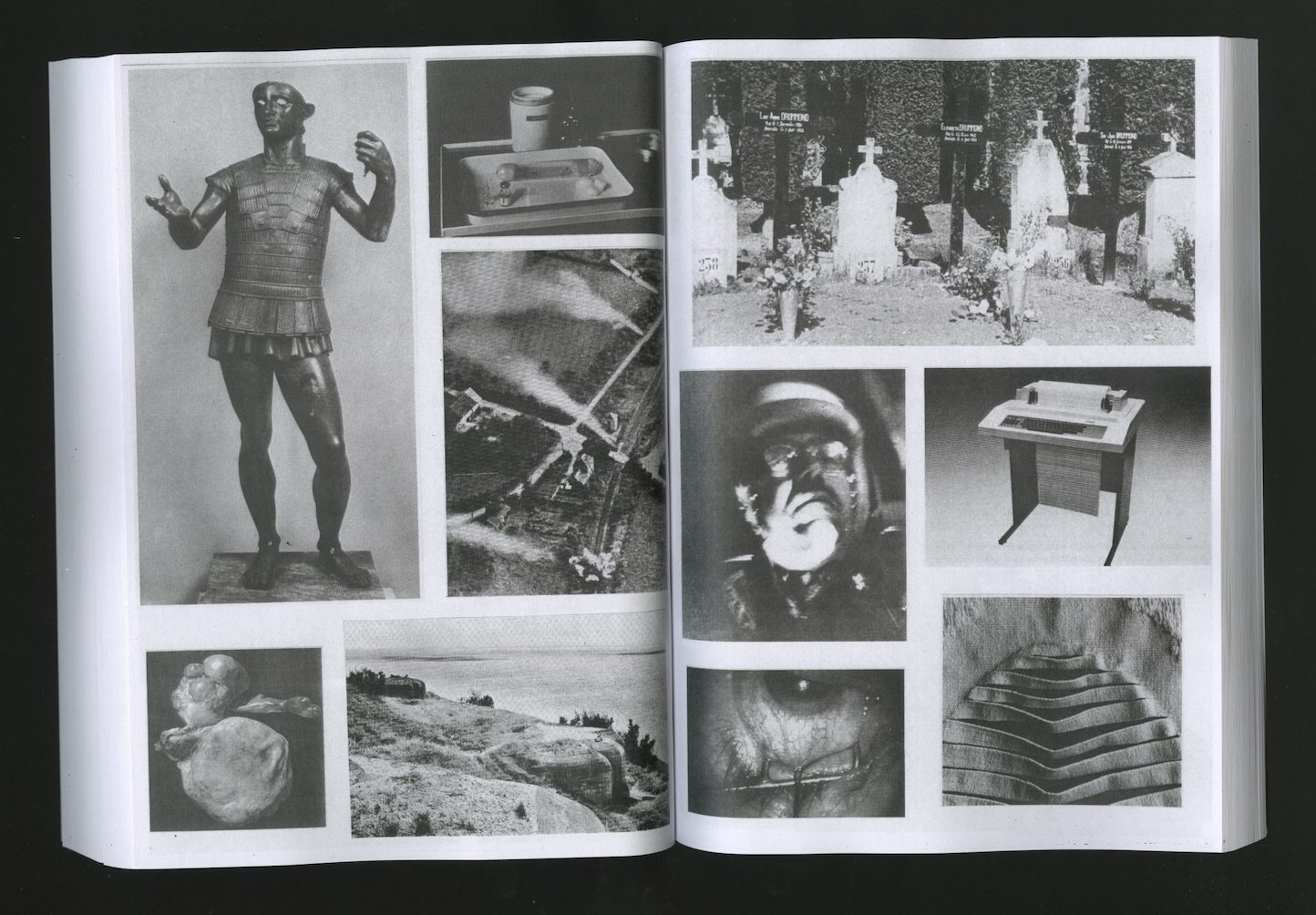
The Inventaire Déraisonné is a visual archive work. The images, here juxtaposed in a form of automatic writing, come exclusively from found books and then cut out, the artist thus creates 420 pages made up of 2427 images. Anatomical details, ancient sculptures, industrial architectures…These shots come mostly from encyclopedias, dictionaries, as many books that have become obsolete at a time when knowledge seems accessible from any screen. These images constitute a hinterland, a cartography of representations archived by the mind.
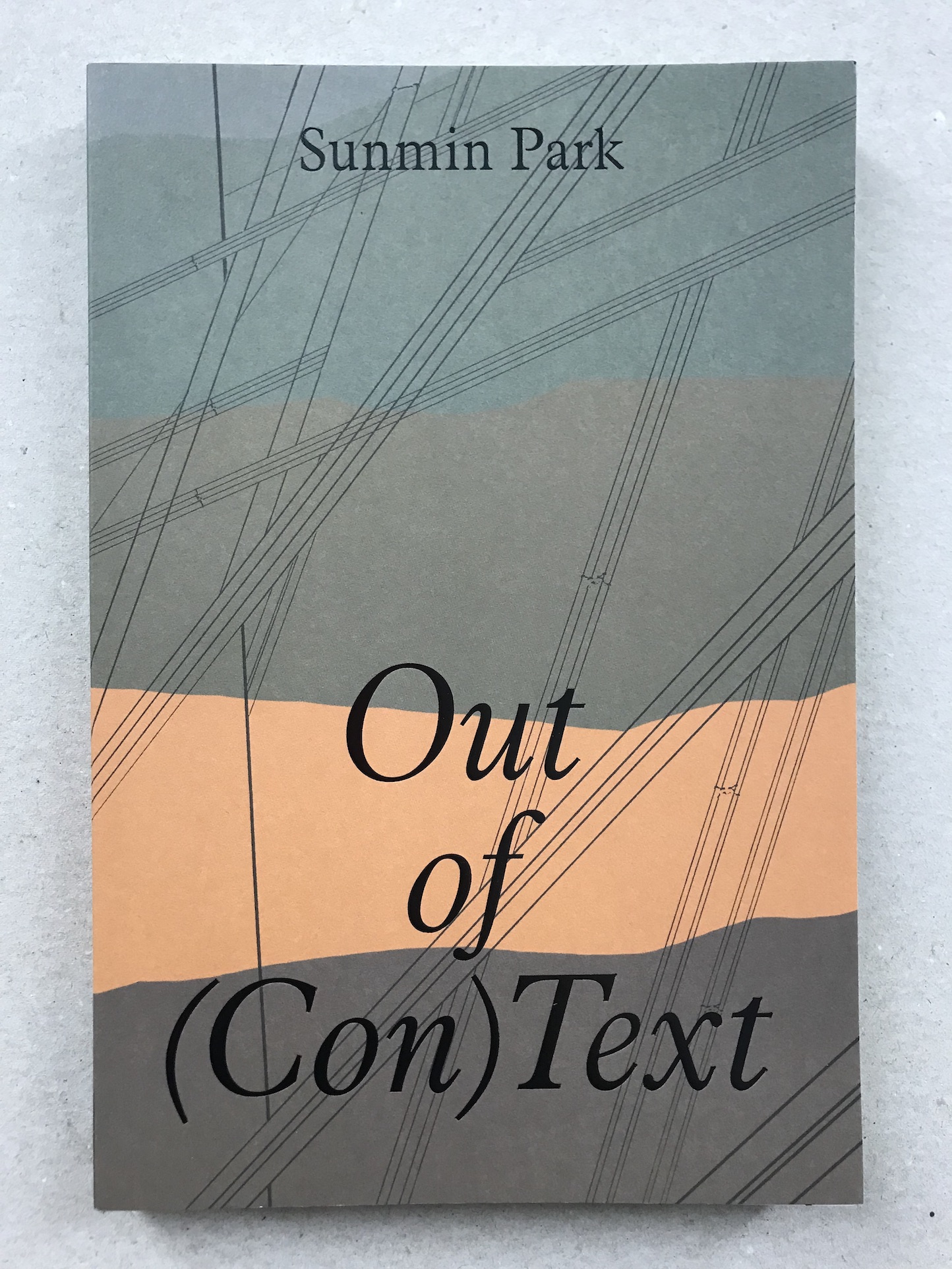
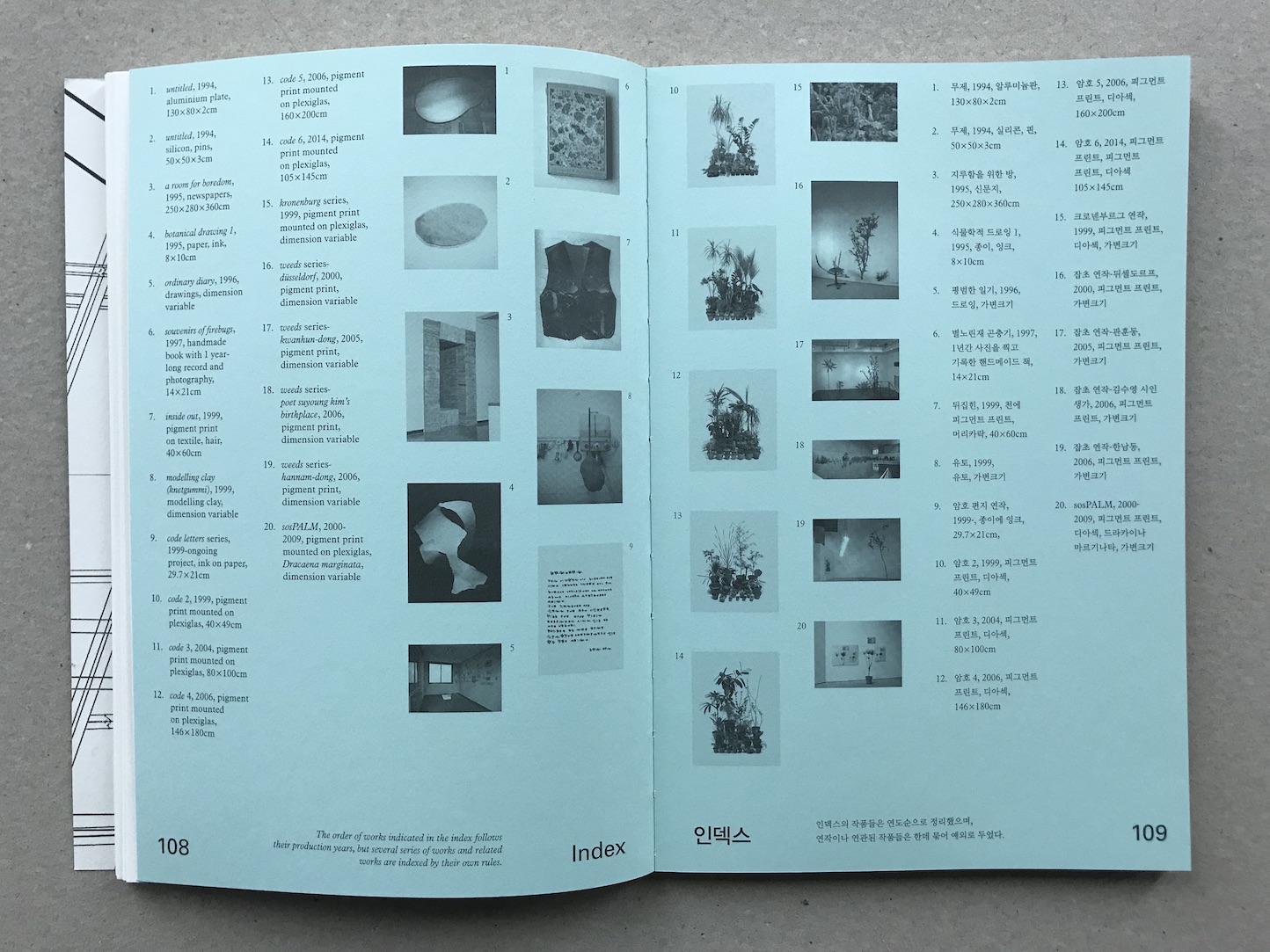
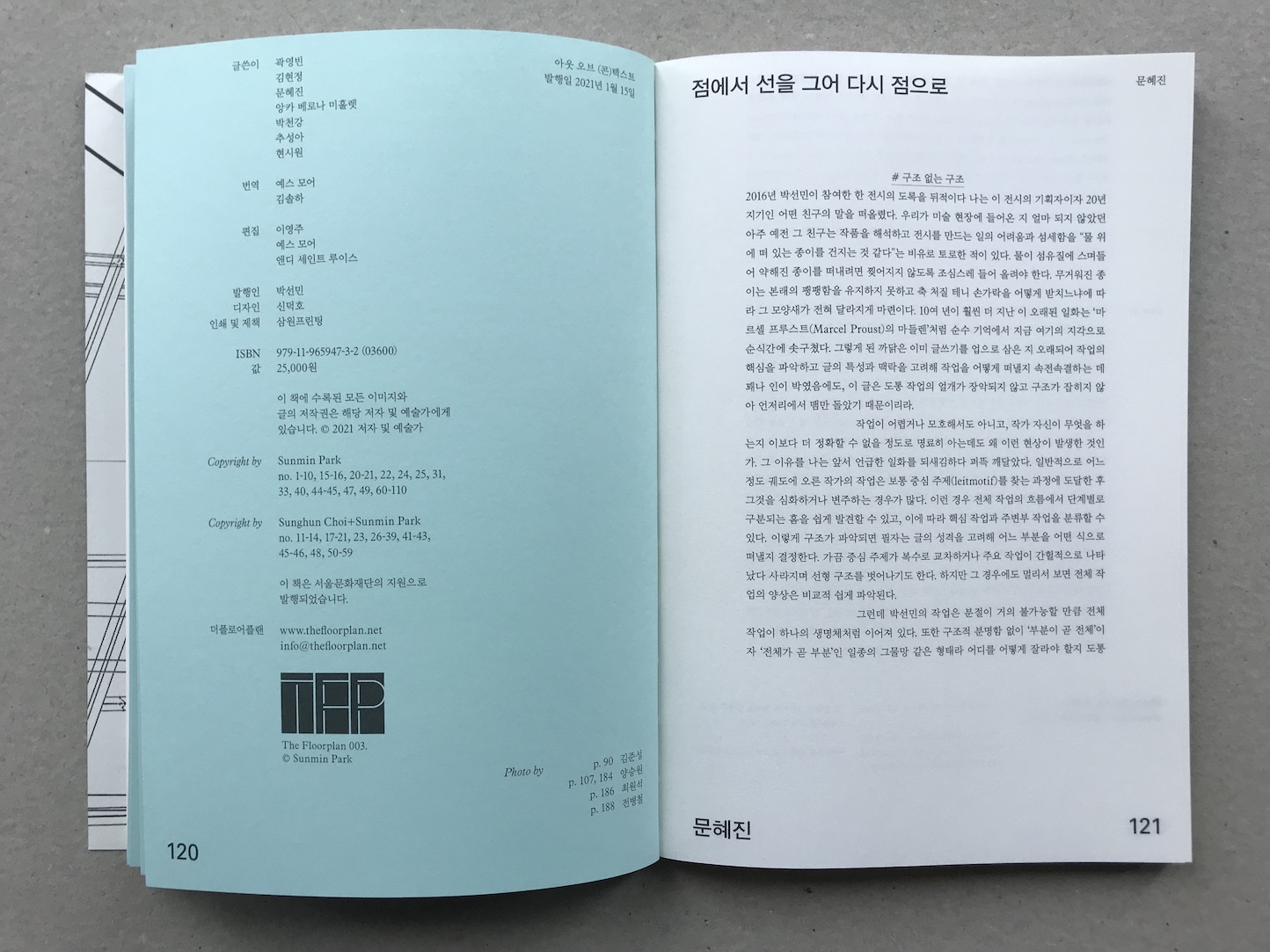
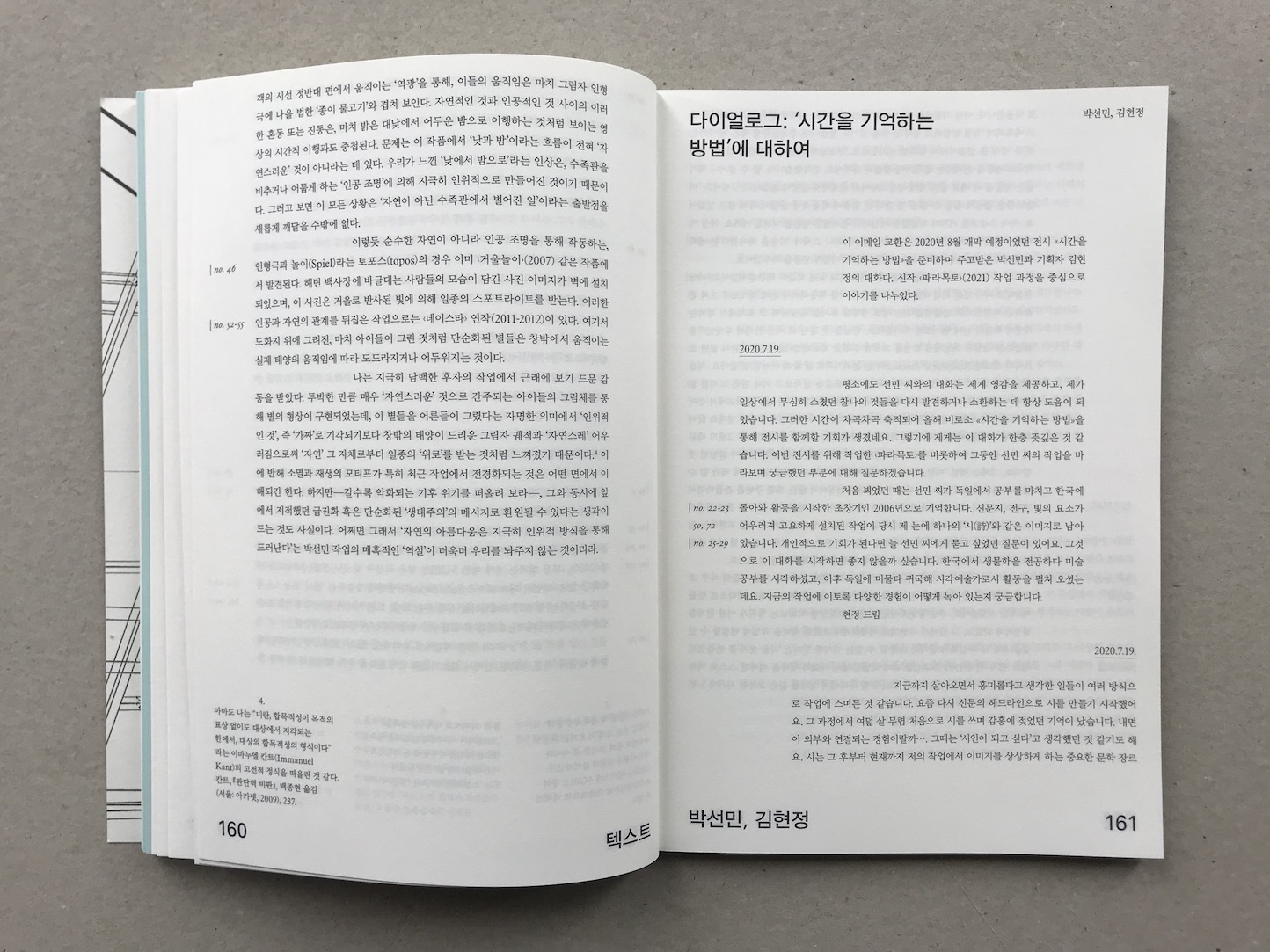
We are delighted to announce that Sunmin Park’s Out of (Con)Text is listed as 2021 The Most Beautiful Books in Korea.
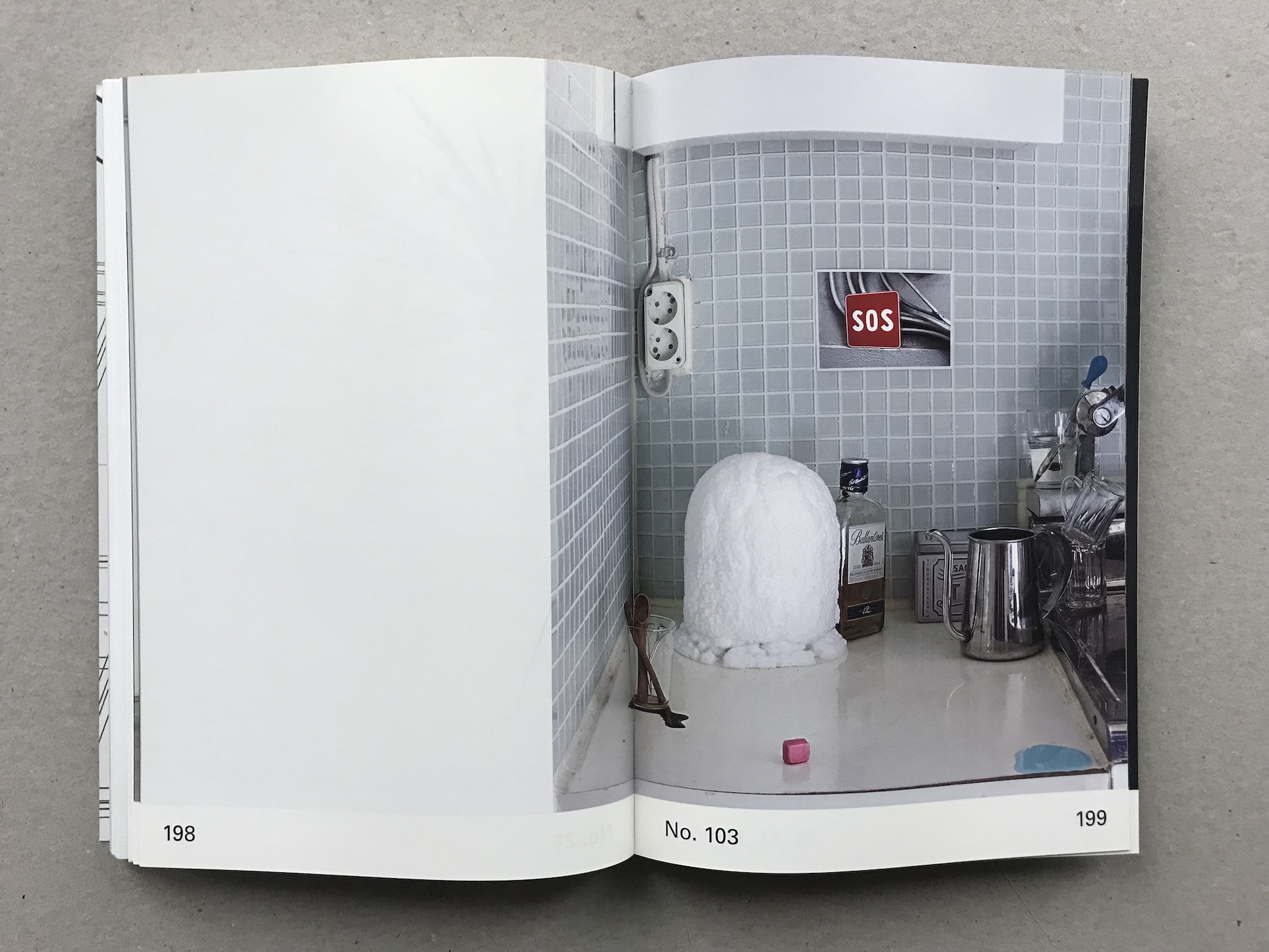
Designed by Dokho Shin and published by the Floorplan, this book represents Park’s artistic practice in the last 25 years, which is organically connected, with its delicately structured format. We hope you enjoy Out of (Con)Text, not only the hitherto most representational introduction to Park’s artistic trajectory but also the beautiful book as itself.
Also, we would like to thank all who were involved in making this book including the artist, writers, translators, and Jongkil Jeong of the Samwon Print, and share this joy with designer Dokho Shin and editor Youngju Lee, who make the books of the Floorplan together, and our readers.
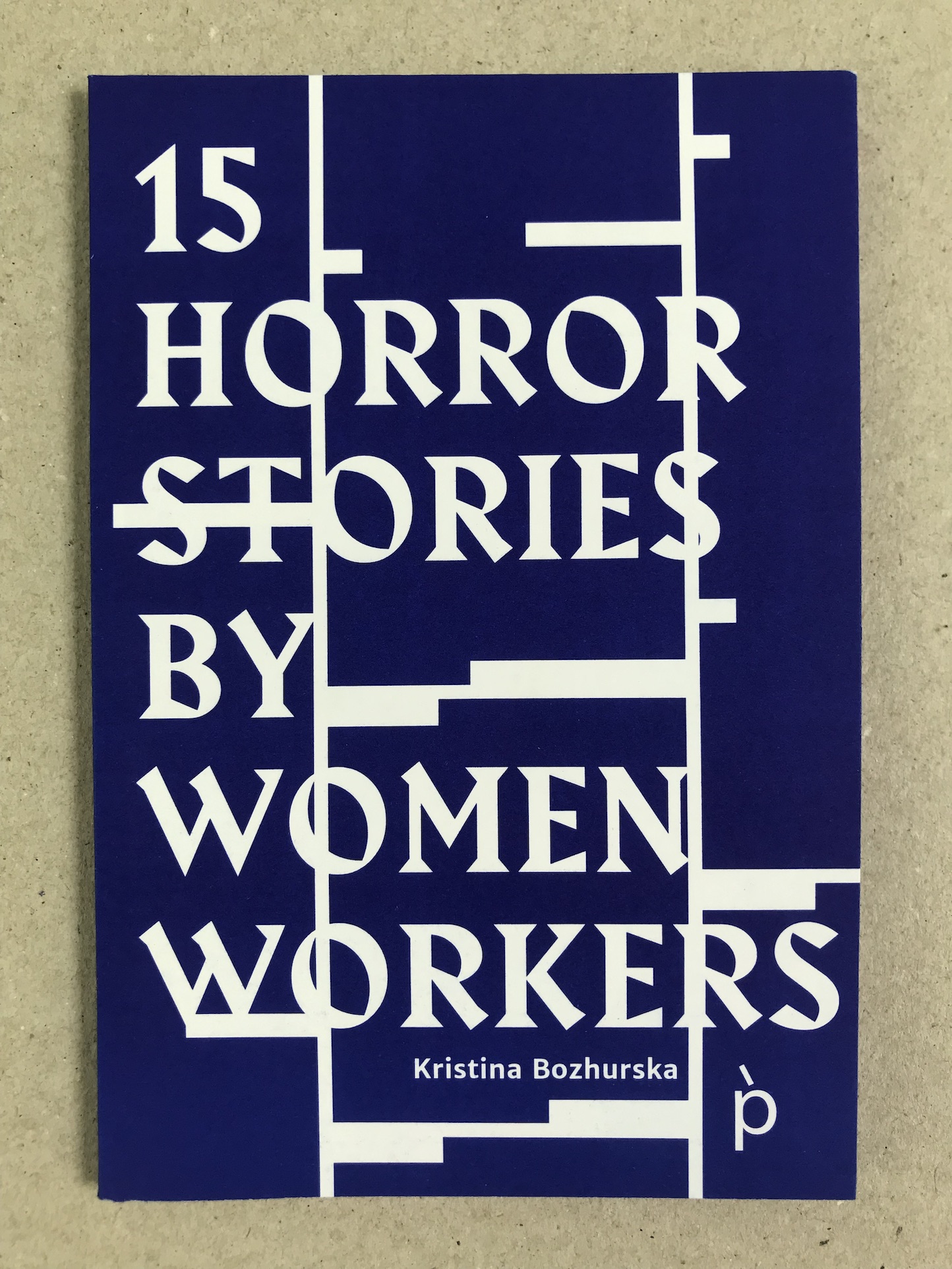
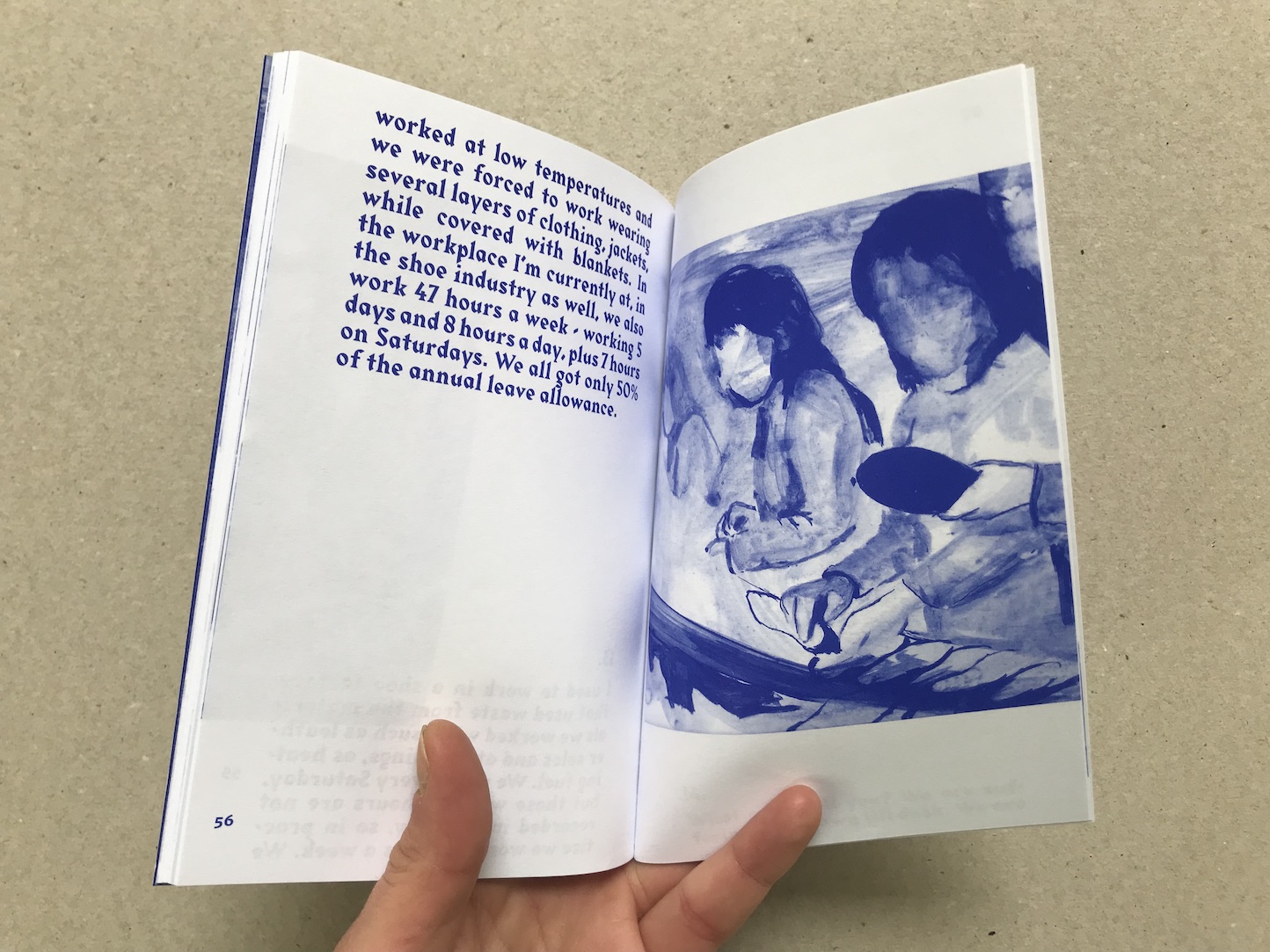
15 Horror Stories by Women Workers is an artistic documentary project by Kristina Bozhurska, consisted of 15 testimonies by women workers accompanied by drawings made by the author herself. The book is with dimensions of 11×16 cm and 64 pages representing a pocket edition that can fit in the upper pocket of a worker’s coat. In this sense, design and content-wise, this book becomes a sort of a symbolic pamphlet that disseminates the voices of these women and develops a method for the artistic engagement to gain a new, re-elaborated form and realistically contribute to the issue it thematizes. In the book design we are using the Harour font from Alias Collection, designed by Gareth Hague, as well as the strong blue Pantone – two elements that contribute to the atmosphere from the title itself and the stories told by the women.