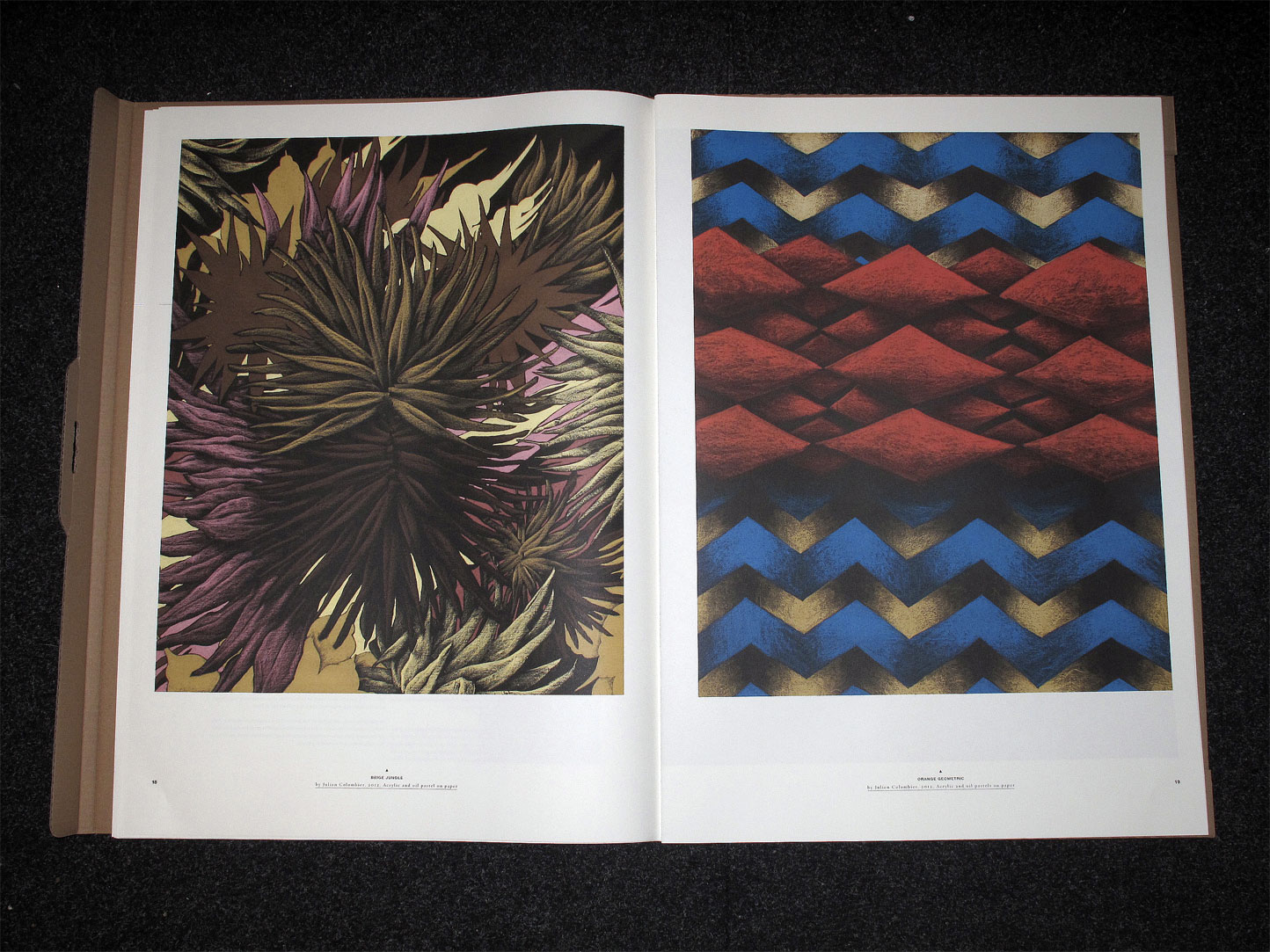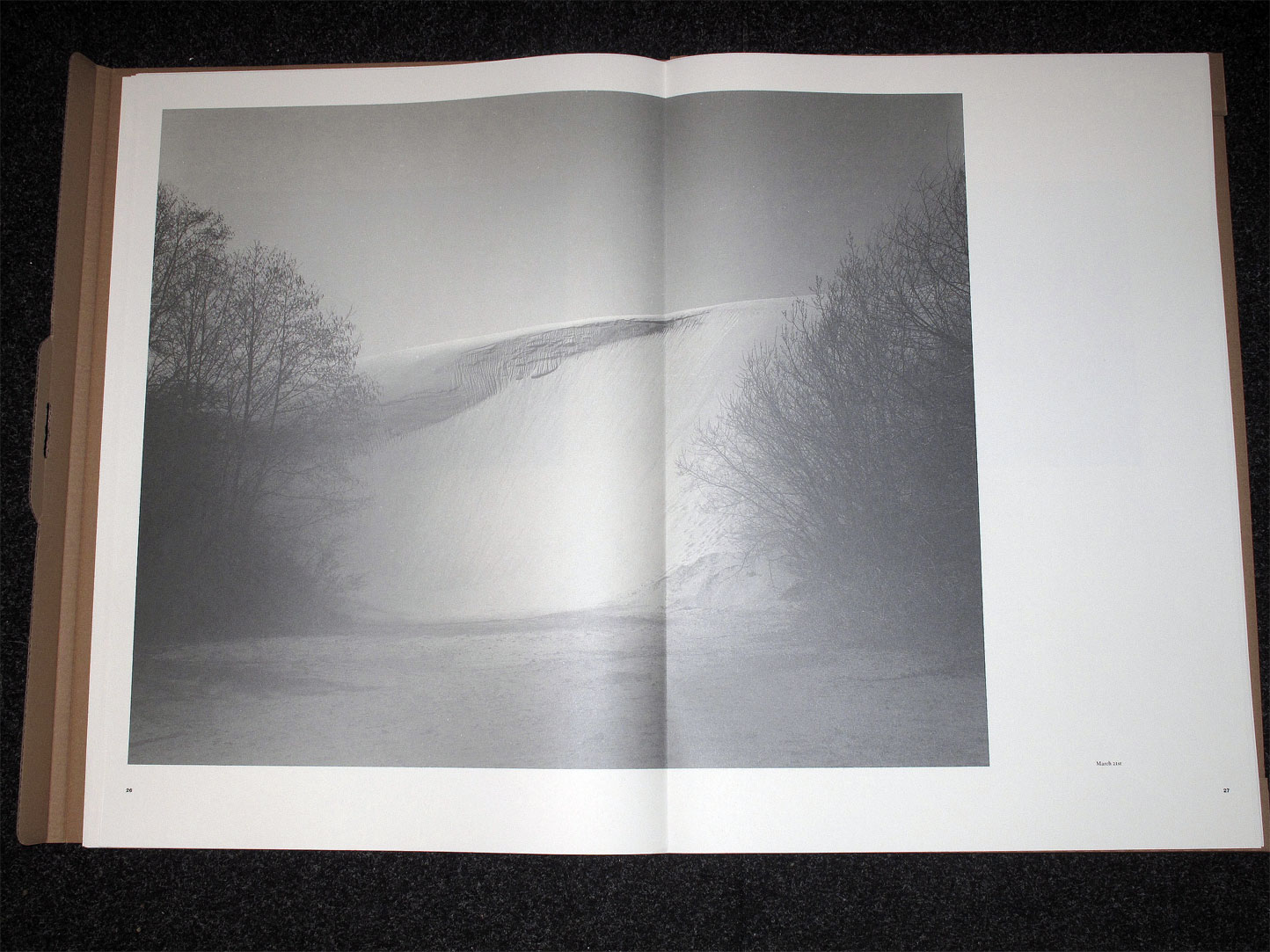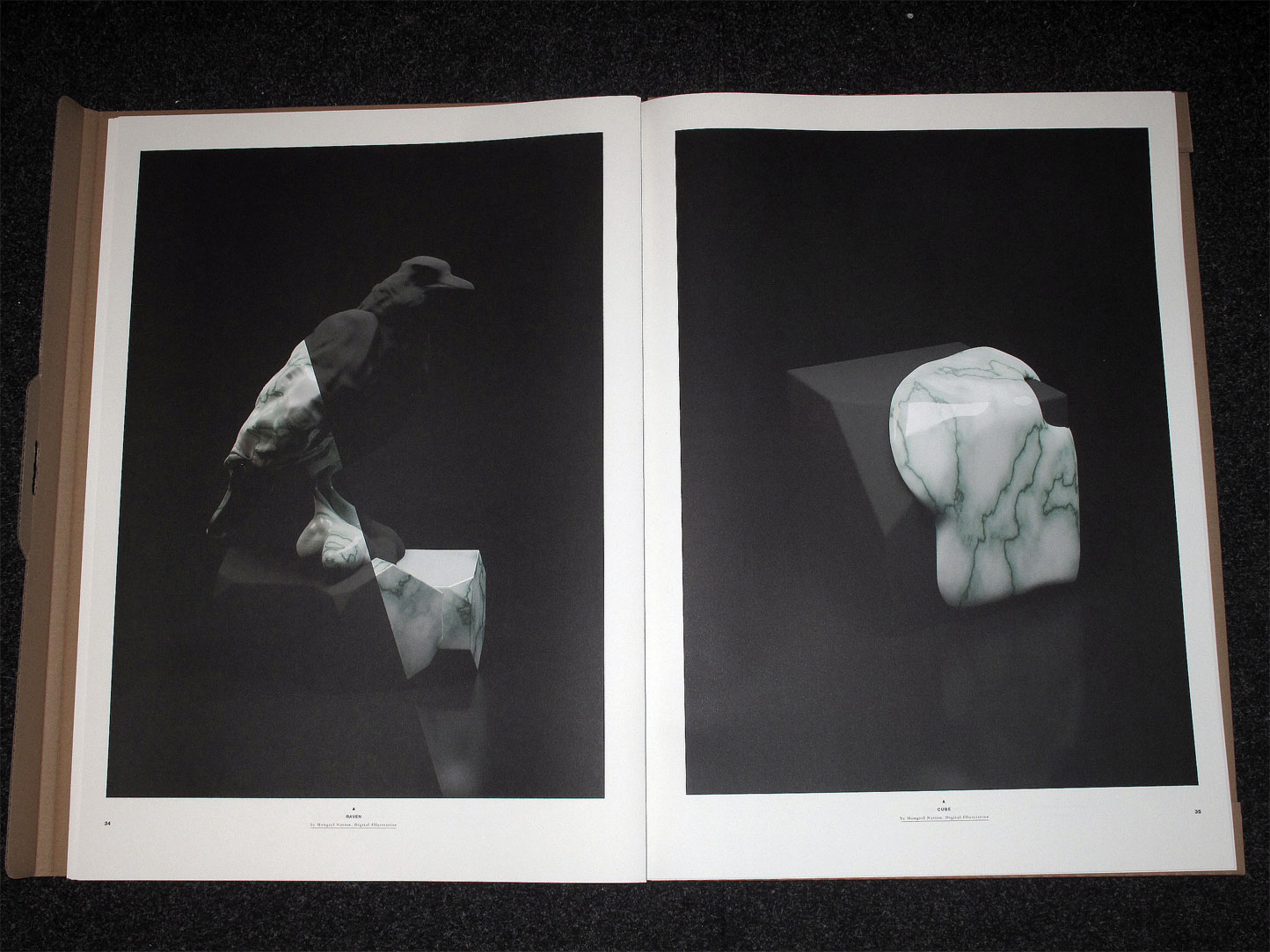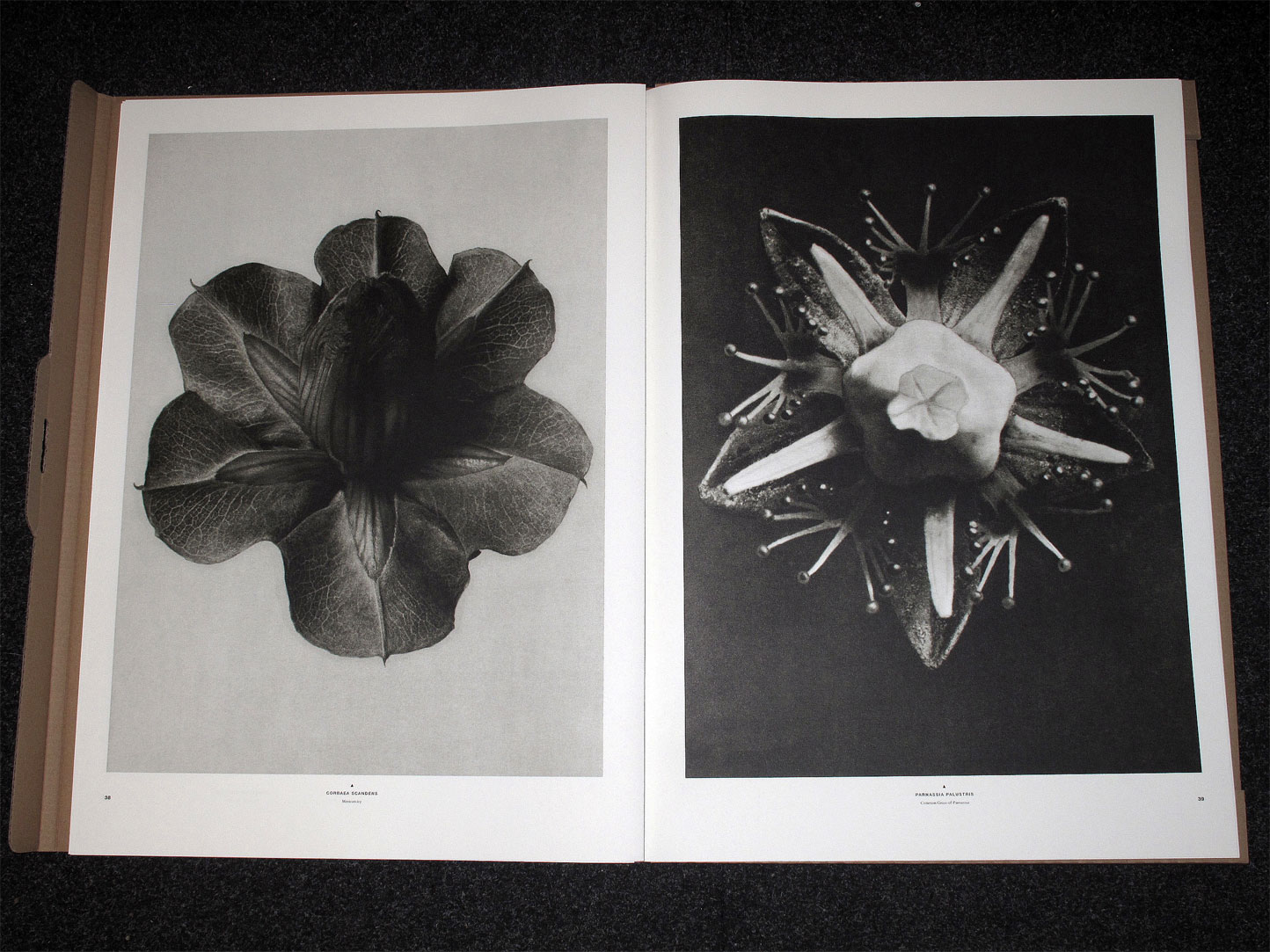
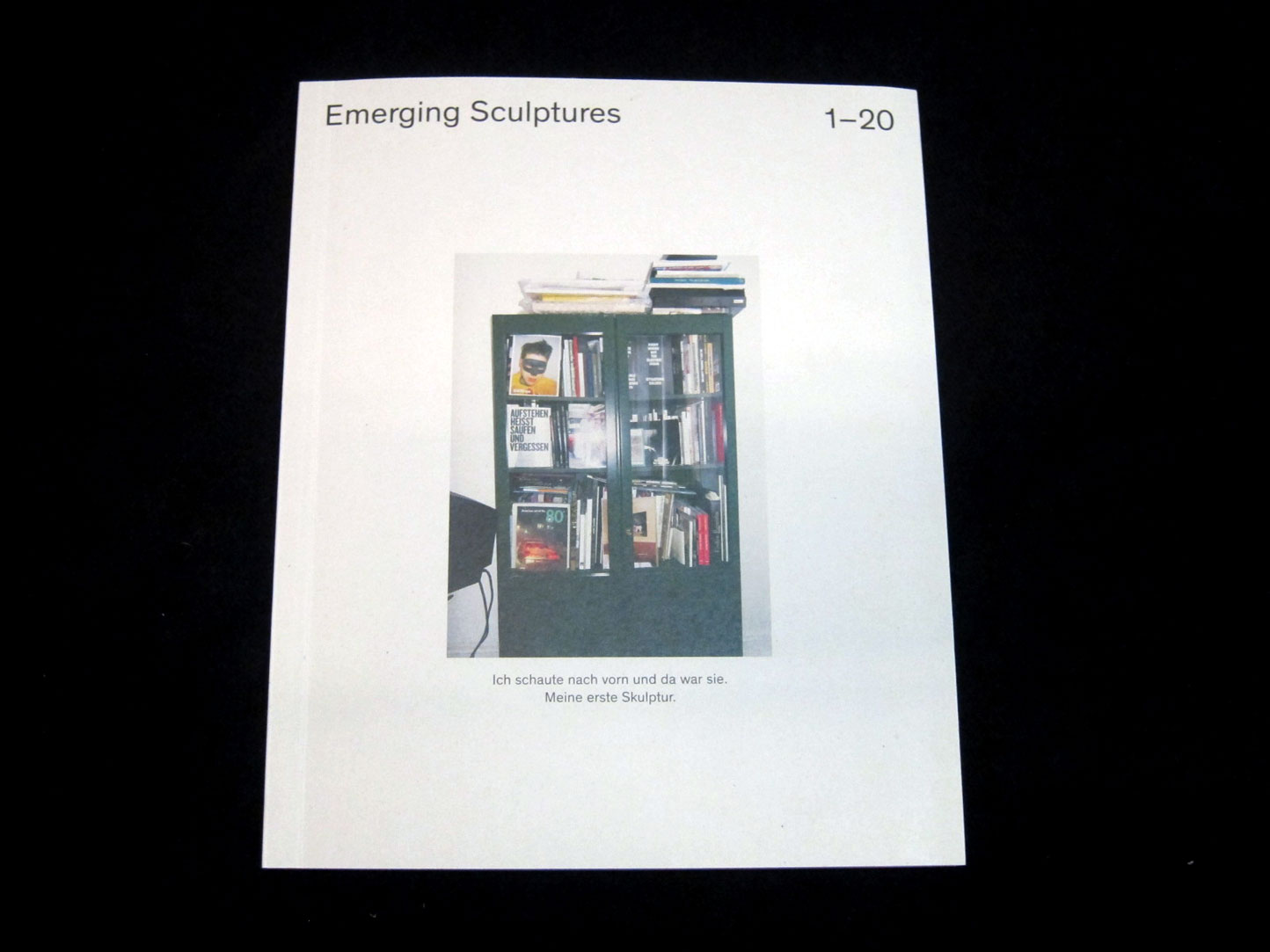
Emerging Sculptures. Alexander Basile. Spontan Verlag.

Posted in photography, sculpture on June 8th, 2013
emerging_sculptures_motto_01emerging_sculpture_motto_02emerging_sculpture_motto_03emerging_sculpture_motto_04emerging_sculpture_motto_05emerging_sculpture_motto_06emerging_sculpture_motto_07emerging_sculpture_motto_08

Emerging Sculptures. Alexander Basile. Spontan Verlag.

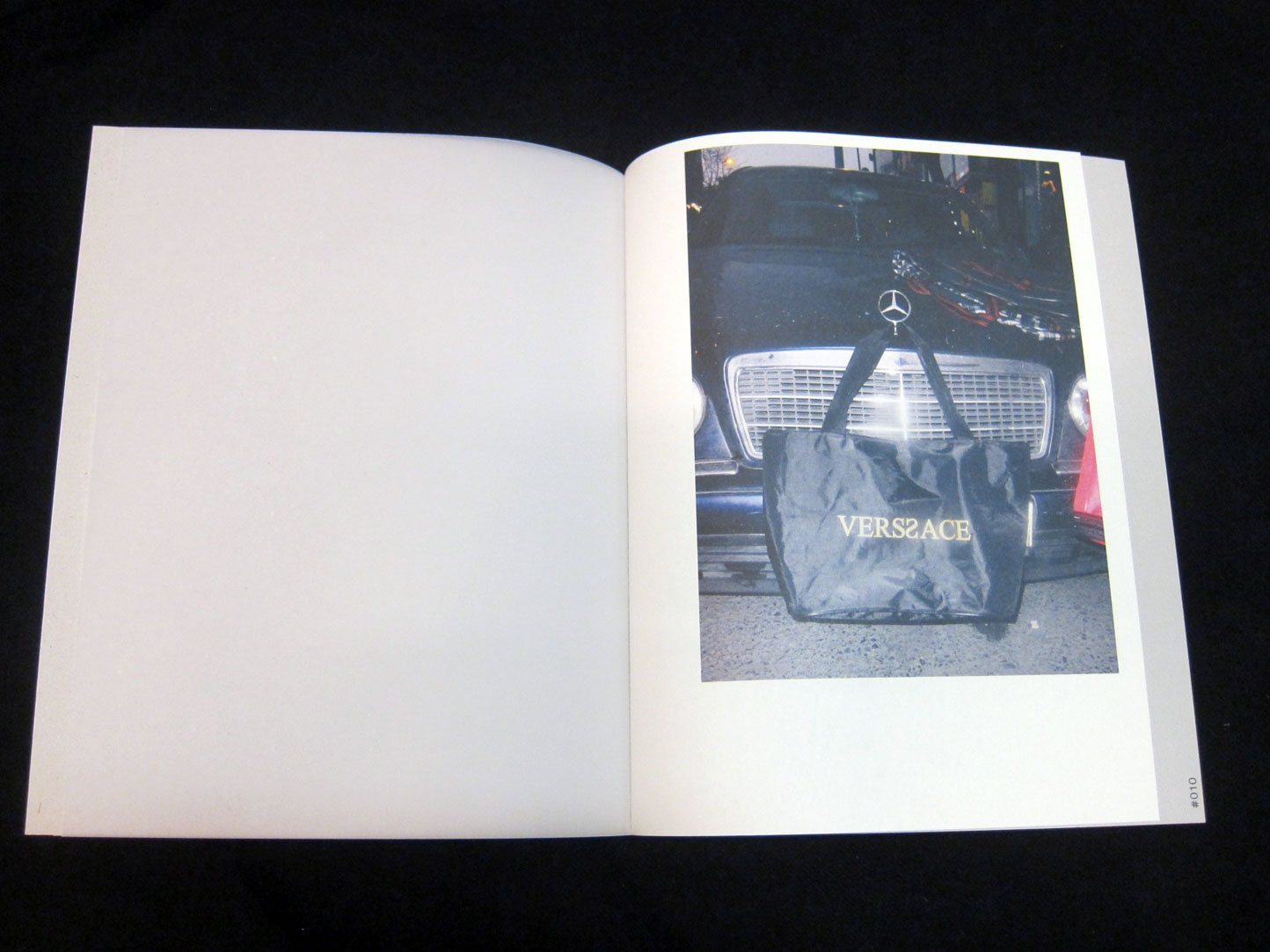
Die Geschichten hinter den Dingen, die Sprache zwischen ihnen – zwei Perspektiven die der Kölner Künstler Alexander Basile schätzt aber keineswegs als Ideologie verfolgt. Seine Fotografie vermittelt den Eindruck, als drücke er immer erst dann auf den Auslöser, wenn sich vor seinem Auge Dinge und ihre gesellschaftliche Einschreibung zu einer möglichen Skulptur verdichten. Dabei erschafft Basile neue Wirklichkeiten, die flüchtig sind und bildeigenen, ungeschriebenen und zufälligen Gesetzen gehorchen. In seinen Bildern treten Dinge in einen Zusammenhang, der über das unmittelbar Anschauliche hinausgeht. Ihre poetische Kraft fordert vom Betrachter einen schwingenden Blick der die Schichten des Bildes entschlüsselt um dem Geheimnis hinter dem Sichtbaren auf die Spur zu kommen. Scheinbar zufällige gegenständliche Alltags-Konstellationen geben dabei mehr zu denken, als sprachlich gefasst werden kann.

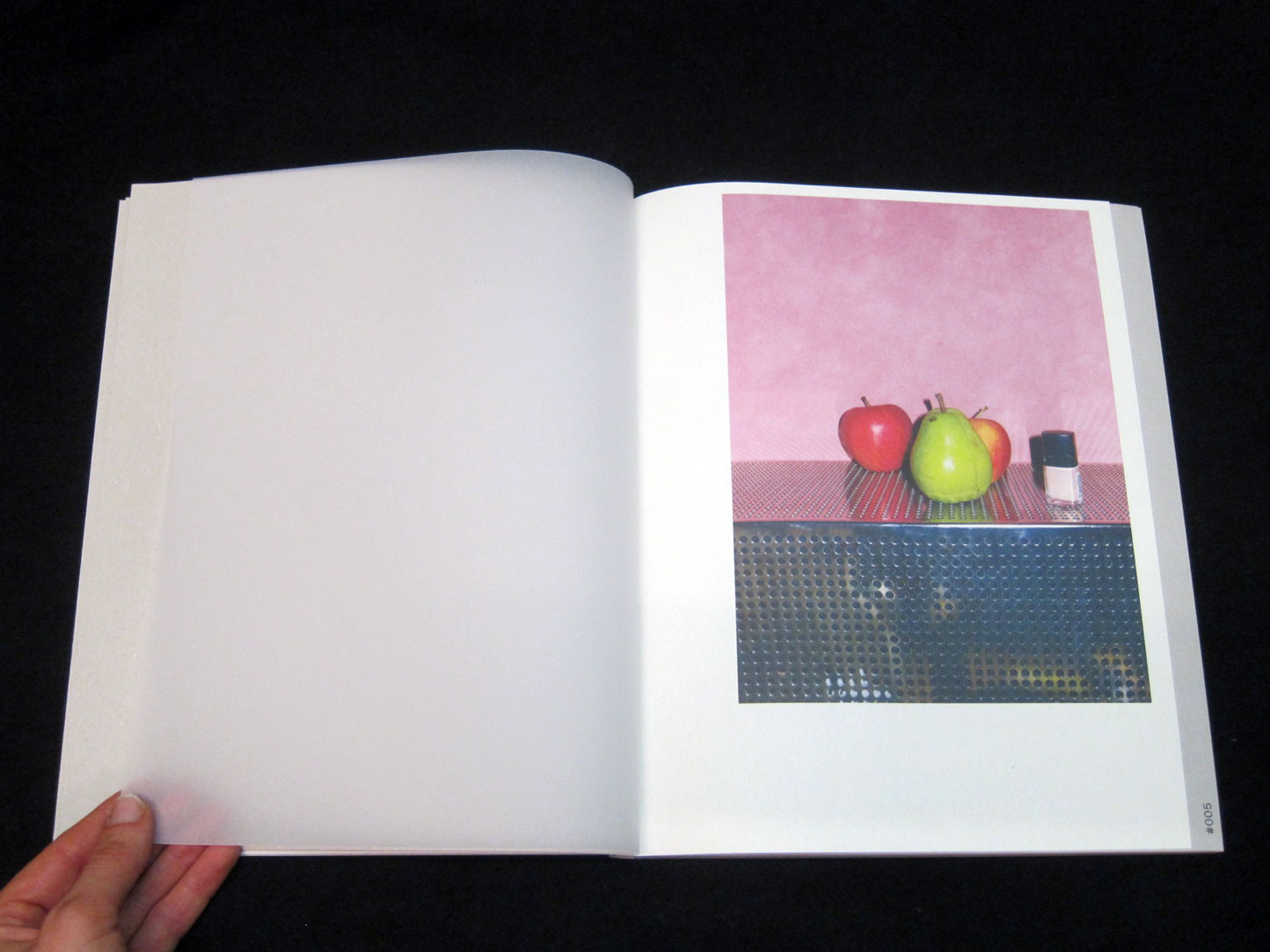
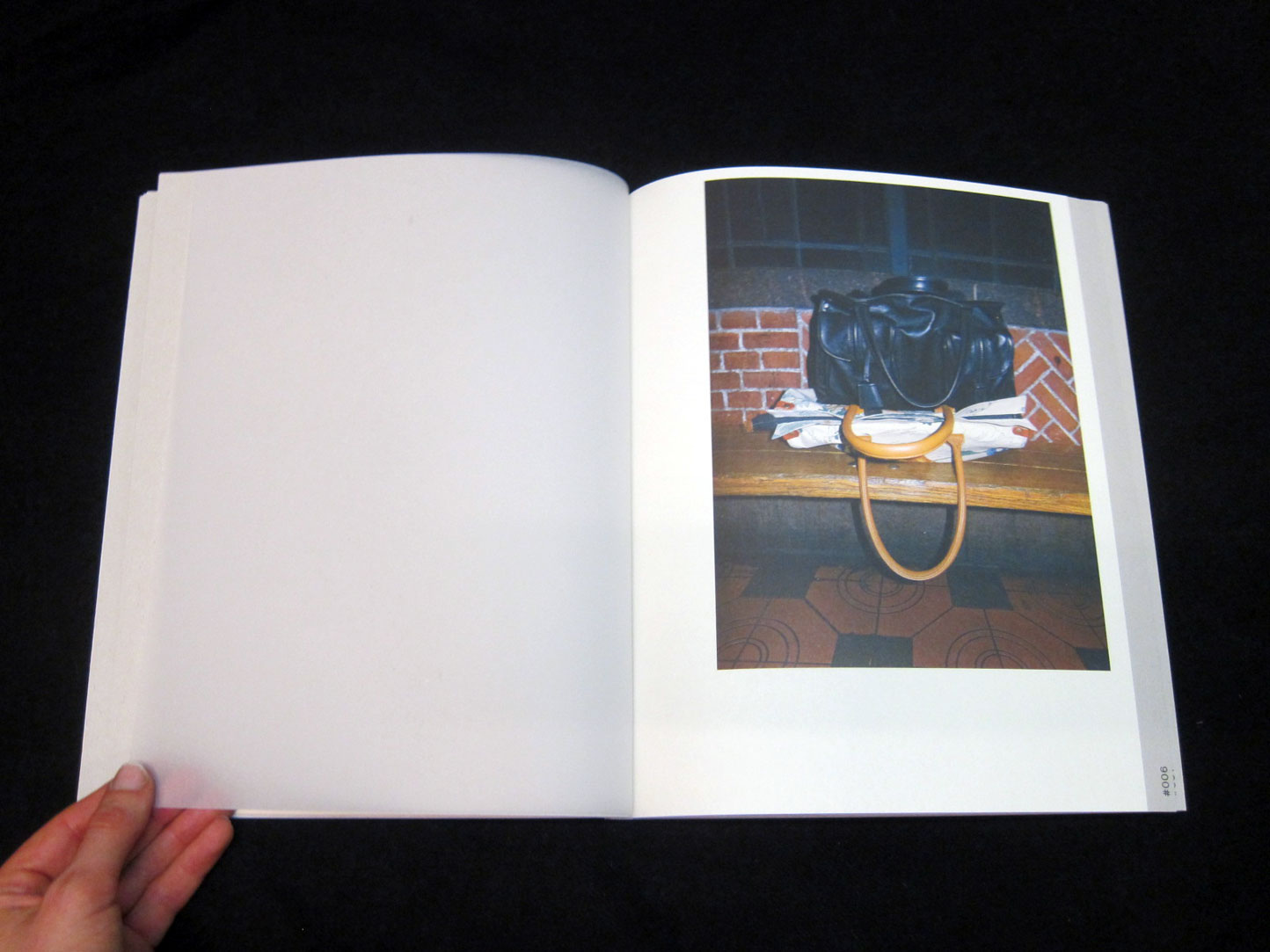
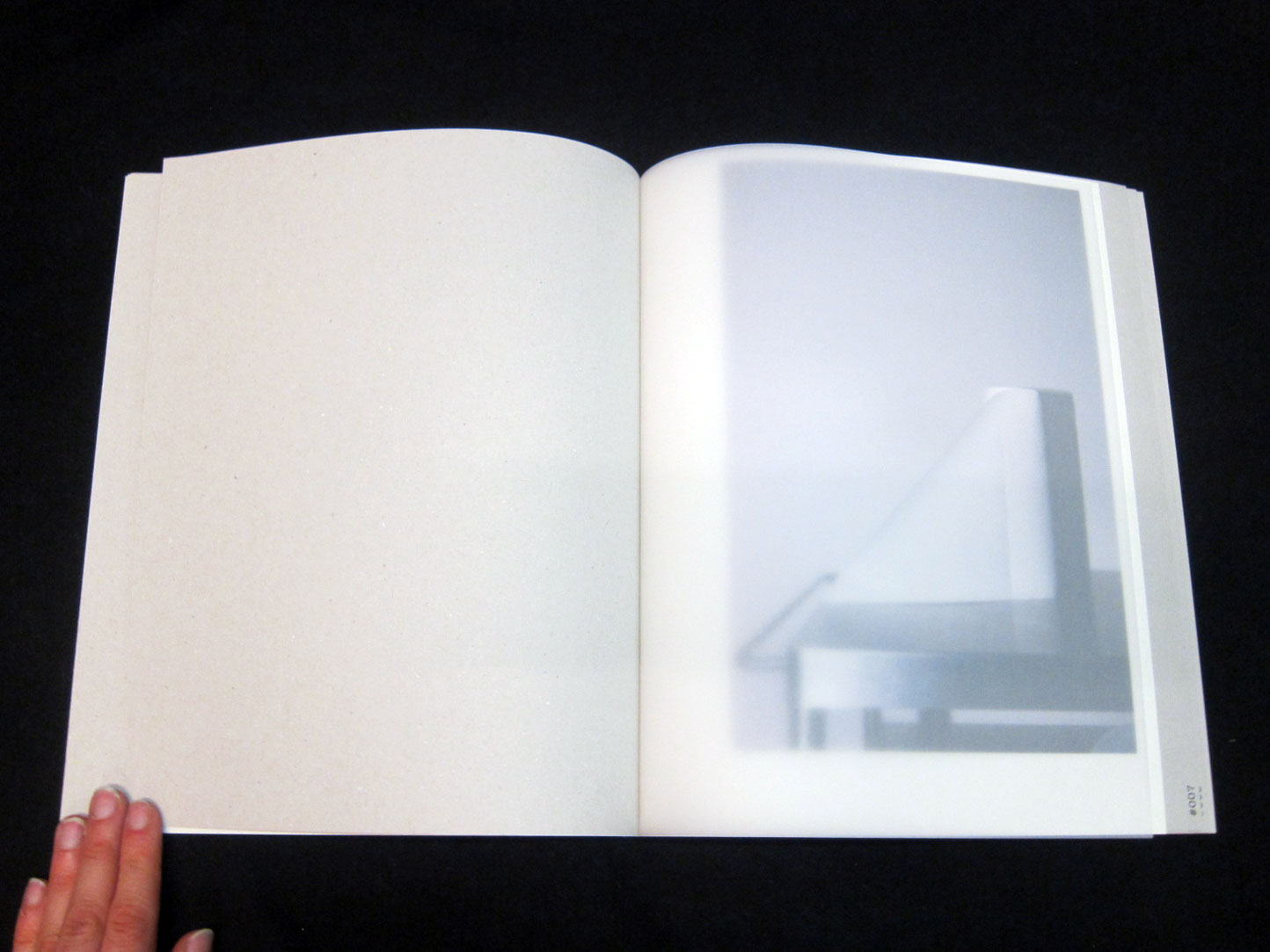
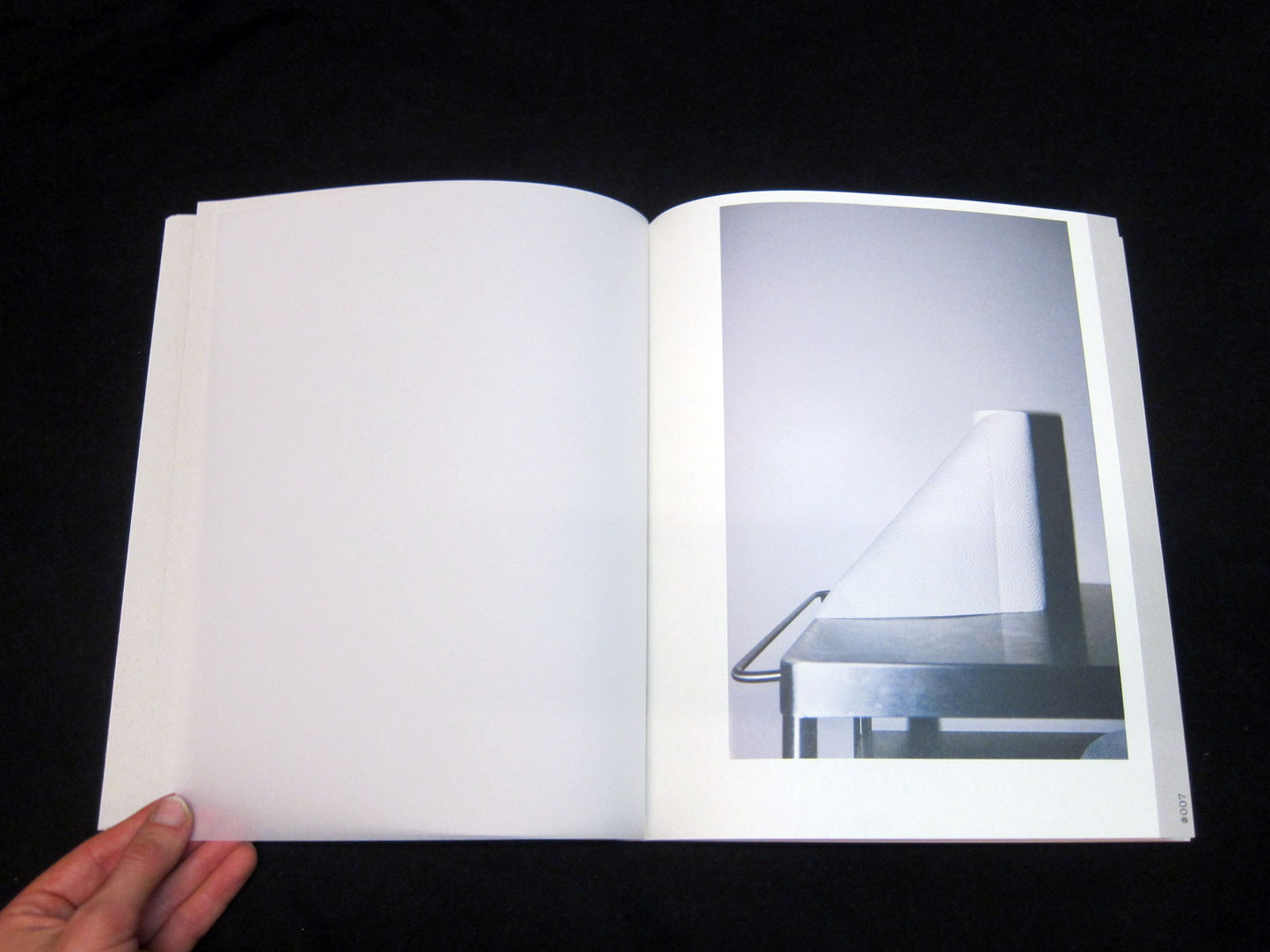
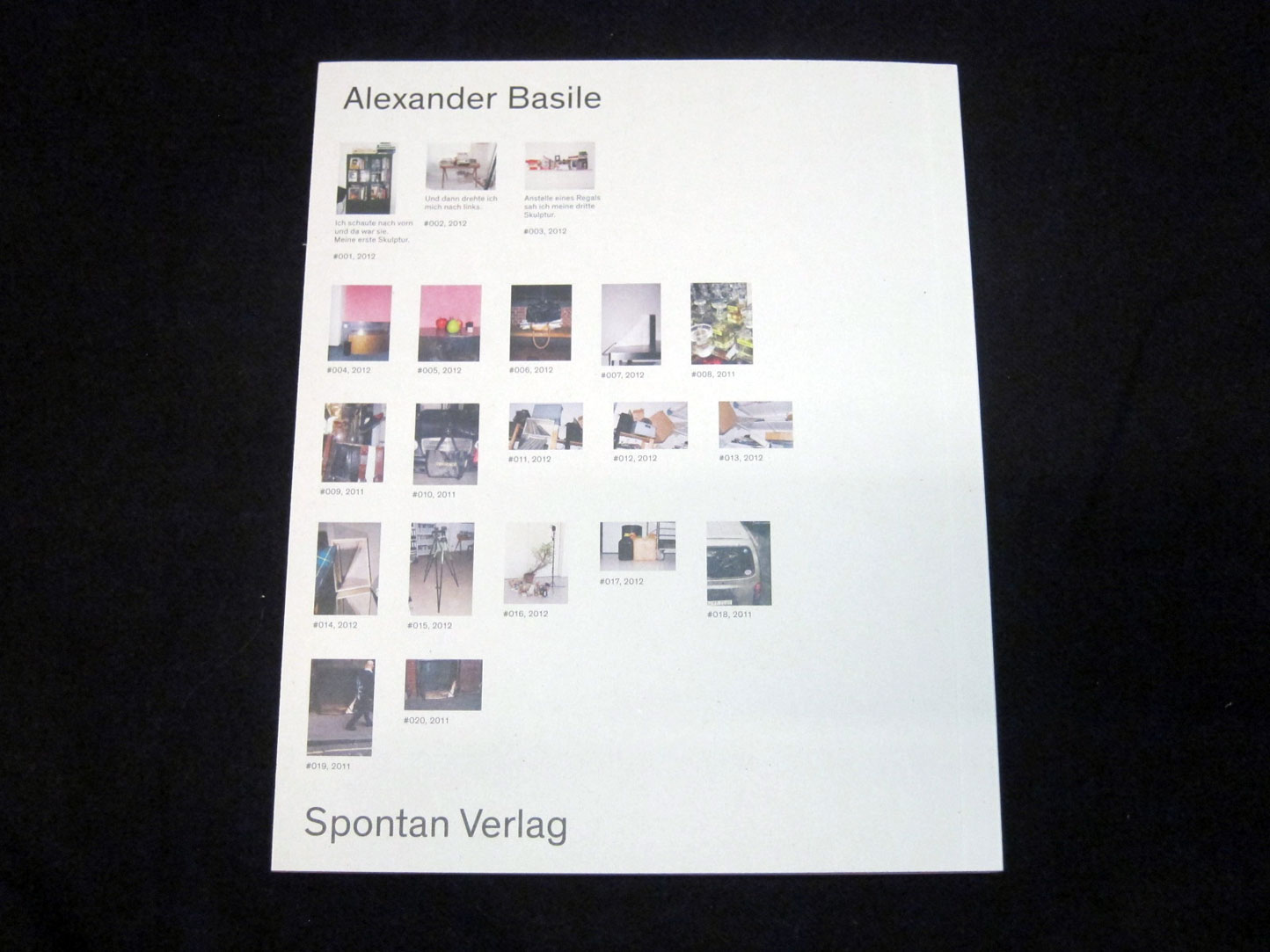
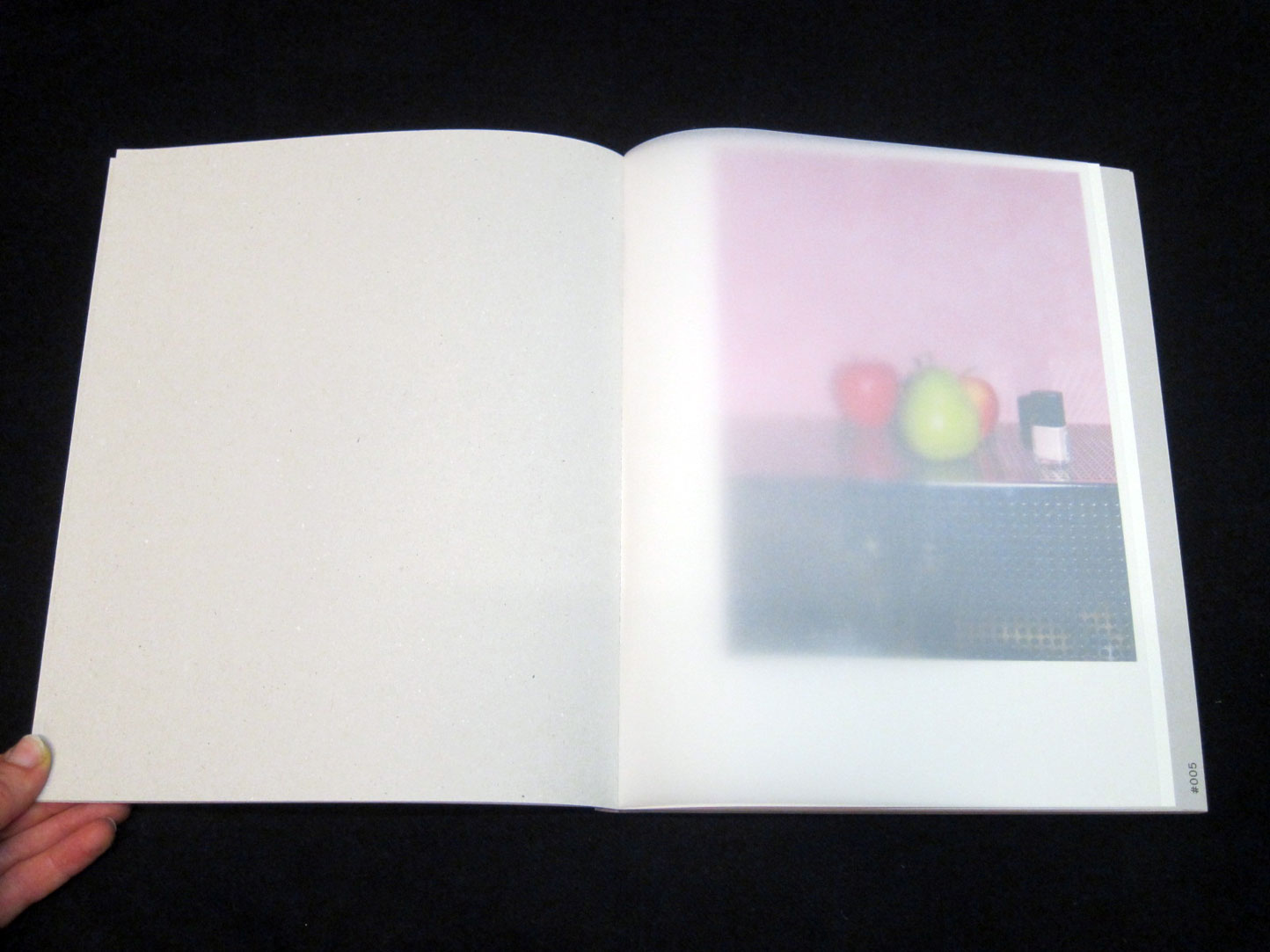
Der vom Spontan Verlag herausgegebene Bildband „Emerging Sculptures“ bündelt 20 Fotograf ien die gegenständliche Gruppierungen, Gegenstände, Räume und Oberflächen betrachten. Ihre zufällige Anordnung evoziert Geschichten, die jeder für sich im Auge der Motive neu schreibt. Alle zu sehenden Formen sind zufällig und vermitteln dennoch Ewiges. Die Bilder dokumentieren die Aufteilung eines wahllosen Raumes und die Platzierung der Dinge in ihm. Jene gehen geheimnisvolle Korrespondenzen ein und werden zu Objekten der Kunst in einem Raum, dessen Grenzen und Inhalte verschwimmen. Keines der Motive wurde wissentlich geformt. Alles entstand aus dem Impuls des Moments, in dem der Künstler sein Sein in Raum aufblitzen sah und die Entbergung spontan fotografisch einfing. Vorgefundene Objekte verschmelzen im Winkel der Perspektive zu einem Narrativ das unzählige Deutungen ermöglicht und auf Eindeutigkeiten verzichtet. Für Basile ist das Bild das Destillat einer Atmosphäre, die der Künstler spürt und nicht arrangiert bevor der Auslöser betätigt. Eine Technik die keine ist, deren mäandernder Charakter stets voran schreitet und die bewegende Motive aus dem Kontinuum der empirischen Wirklichkeit fischt um sie zu etwas Einzigartigem zu fixieren. In der Buchedition werden die Stillleben und Alltagsskulpturen von hauchdünnem Pergamentpapier getrennt. Das Blättern selbst wird so zum Entschleiern eines Blicks der schweifend das Zusammenspiel von Kunst und Leben sichtbar macht.

Dem Künstler selbst strebte allerdings keine genuine Sichtbarmachung eines Kunstwerks vor. Vielmehr eine nicht konstruierte visuelle Idee, die der Betrachter durch seinen visuellen Wortschatz und sein eigenes Wissen zu etwas addiert, dessen Bedeutung nur in ihm aufblitzt. Es bleibt stets unklar, ob es sich bei den Aufnahmen um Dokumente des Alltags handelt oder um akribisch geformte Konstruktionen aus einem Atelier. Jenes Wechselspiel bildet für Basile die „einzige Möglichkeit mit der Photographie weiter machen zu können. Nur wenn diese im Stande ist sich zu bewegen, und wenn auch nur im Auge des Betrachters, lässt sich das Monument auf Papier gebracht, im Rahmen und hinter Glass noch als Möglichkeit von Kommunikation verwenden.“

Auflage von 300 Exemplaren
Offset
18 Seiten
20 Abbildungen
ISBN: 978-3-00-041592-0

Price: €25
Buy it

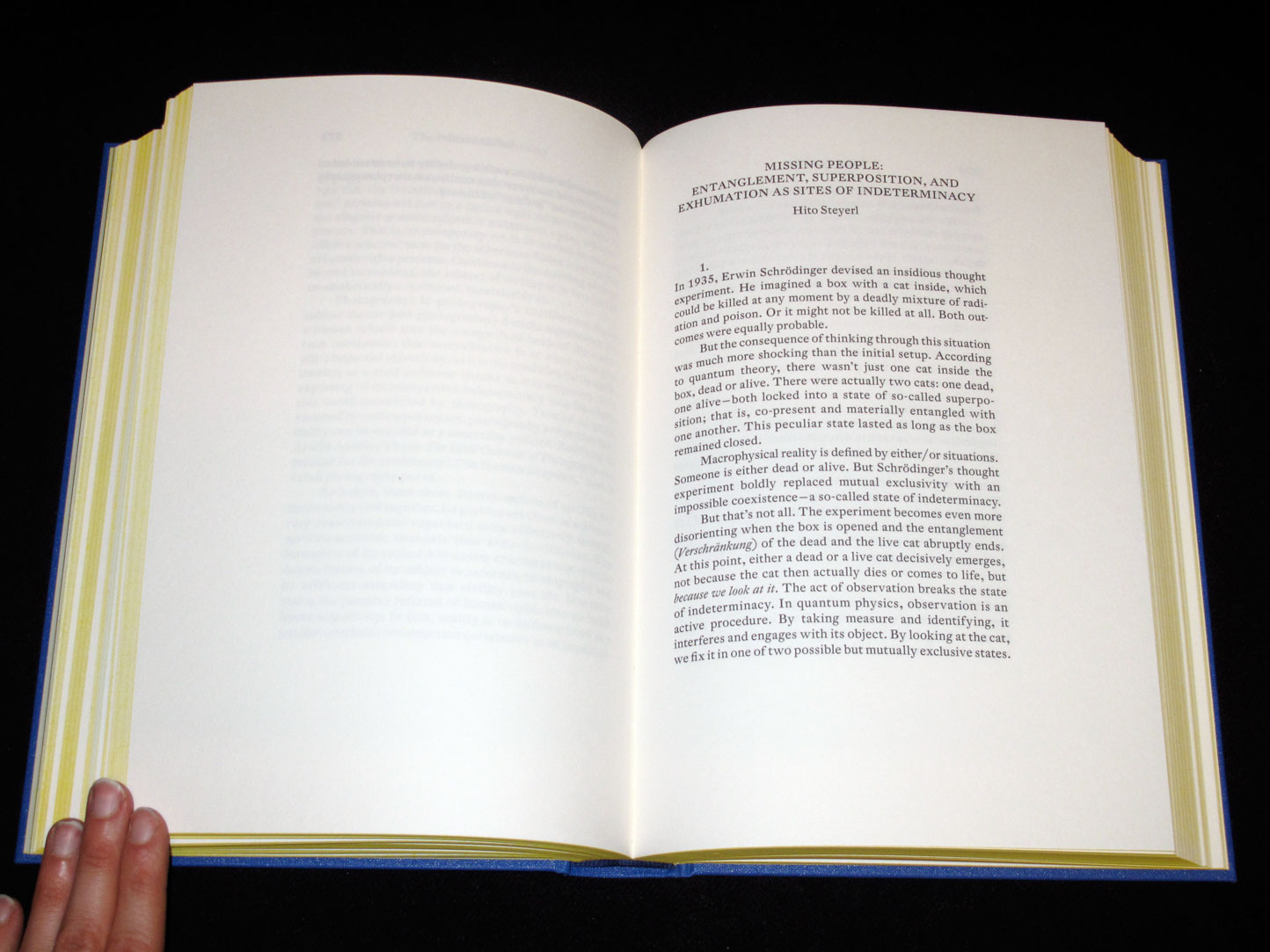
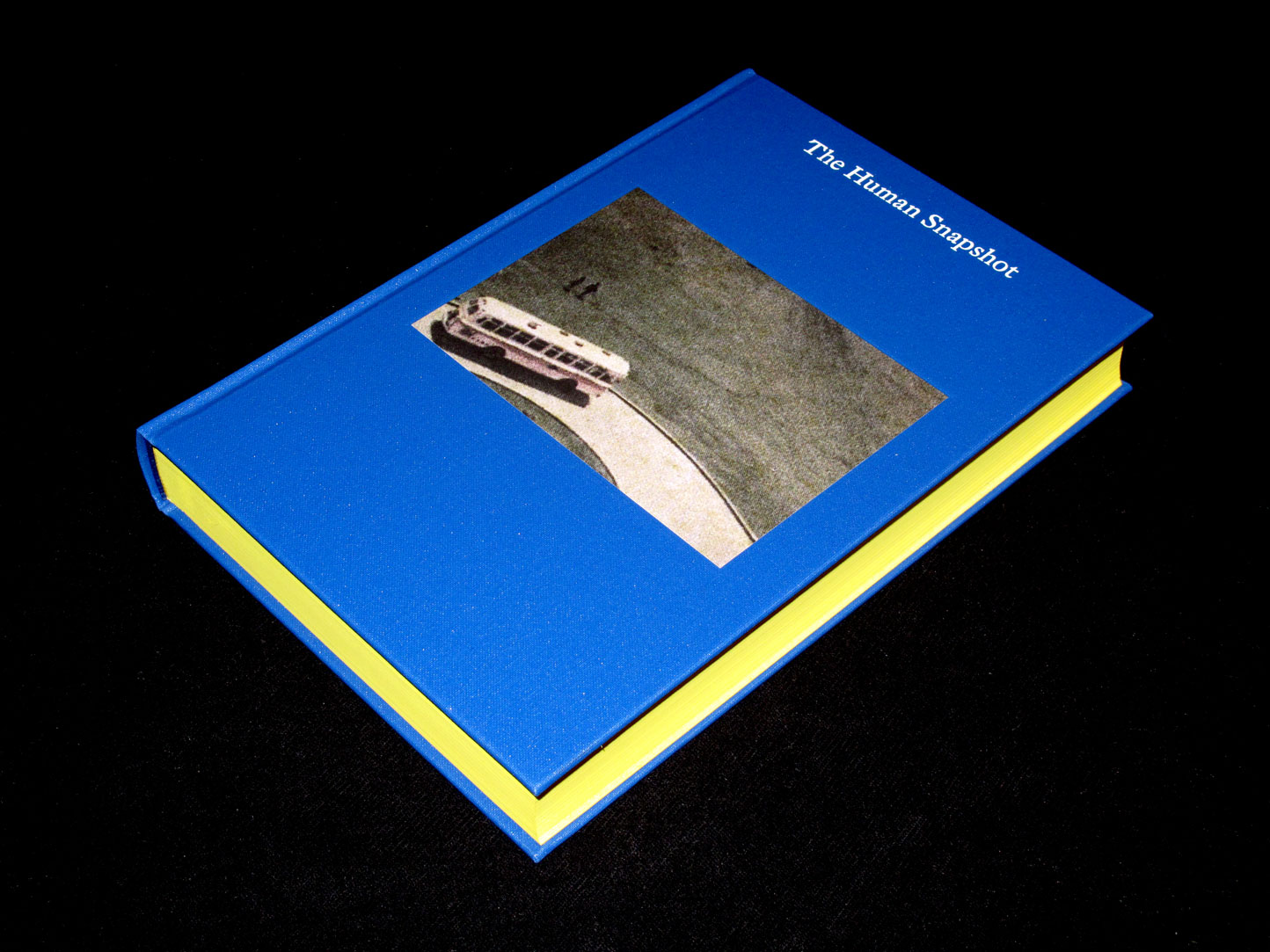
The Human Snapshot. Thomas Keenan, Tirdad Zolghadr (Eds.). Sternberg Press, LUMA Foundation, & the Center for Curatorial Studies at Bard College.

Posted in photography, Theory, writing on June 6th, 2013
Tags: , ,

human_snapshot_sternberg_motto_01human_snapshot_sternberg_motto_02human_snapshot_sternberg_motto_09human_snapshot_sternberg_motto_03human_snapshot_sternberg_motto_04human_snapshot_sternberg_motto_07human_snapshot_sternberg_motto_05human_snapshot_sternberg_motto_08

The Human Snapshot. Thomas Keenan, Tirdad Zolghadr (Eds.). Sternberg Press, LUMA Foundation, & the Center for Curatorial Studies at Bard College.

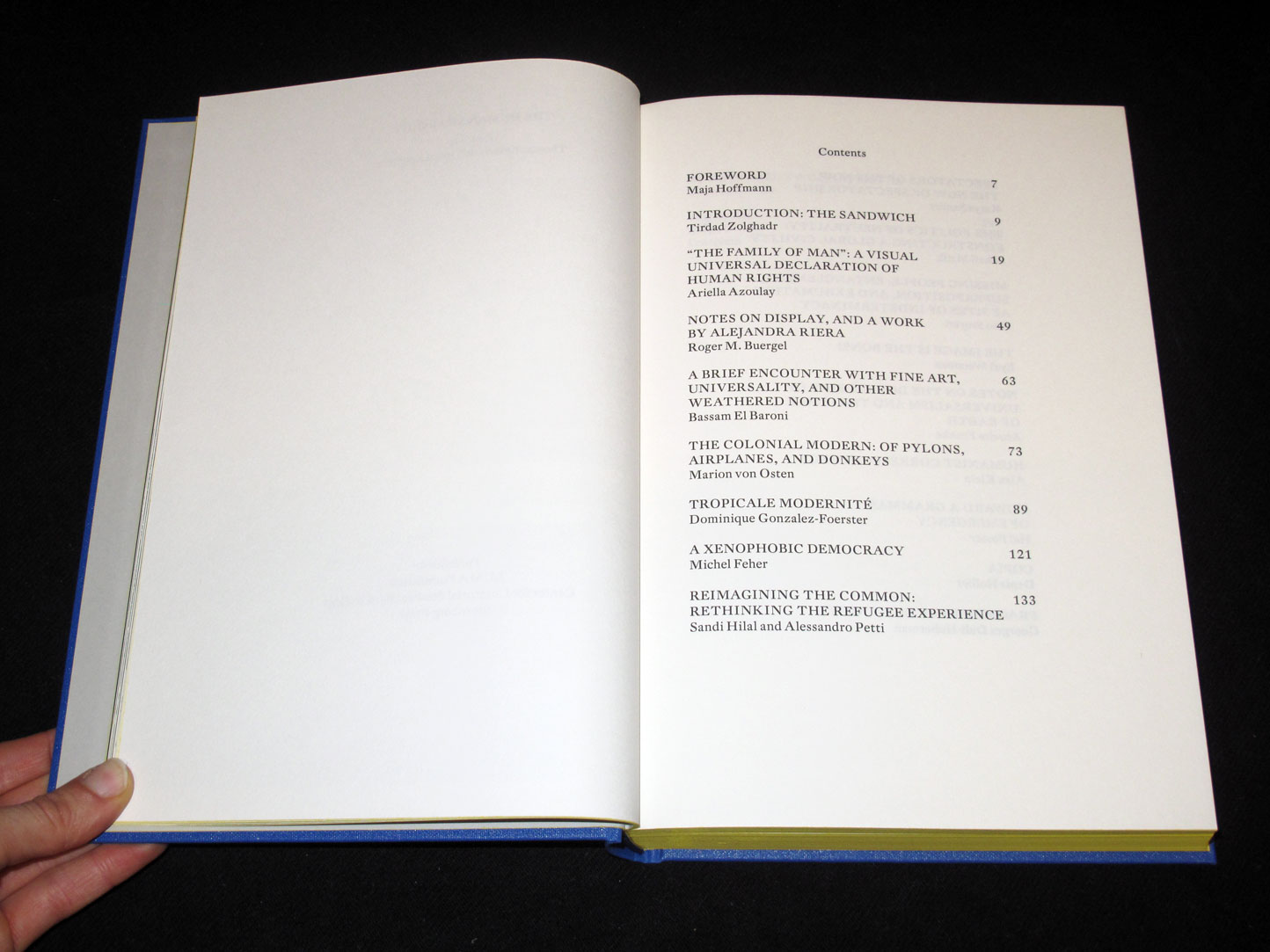
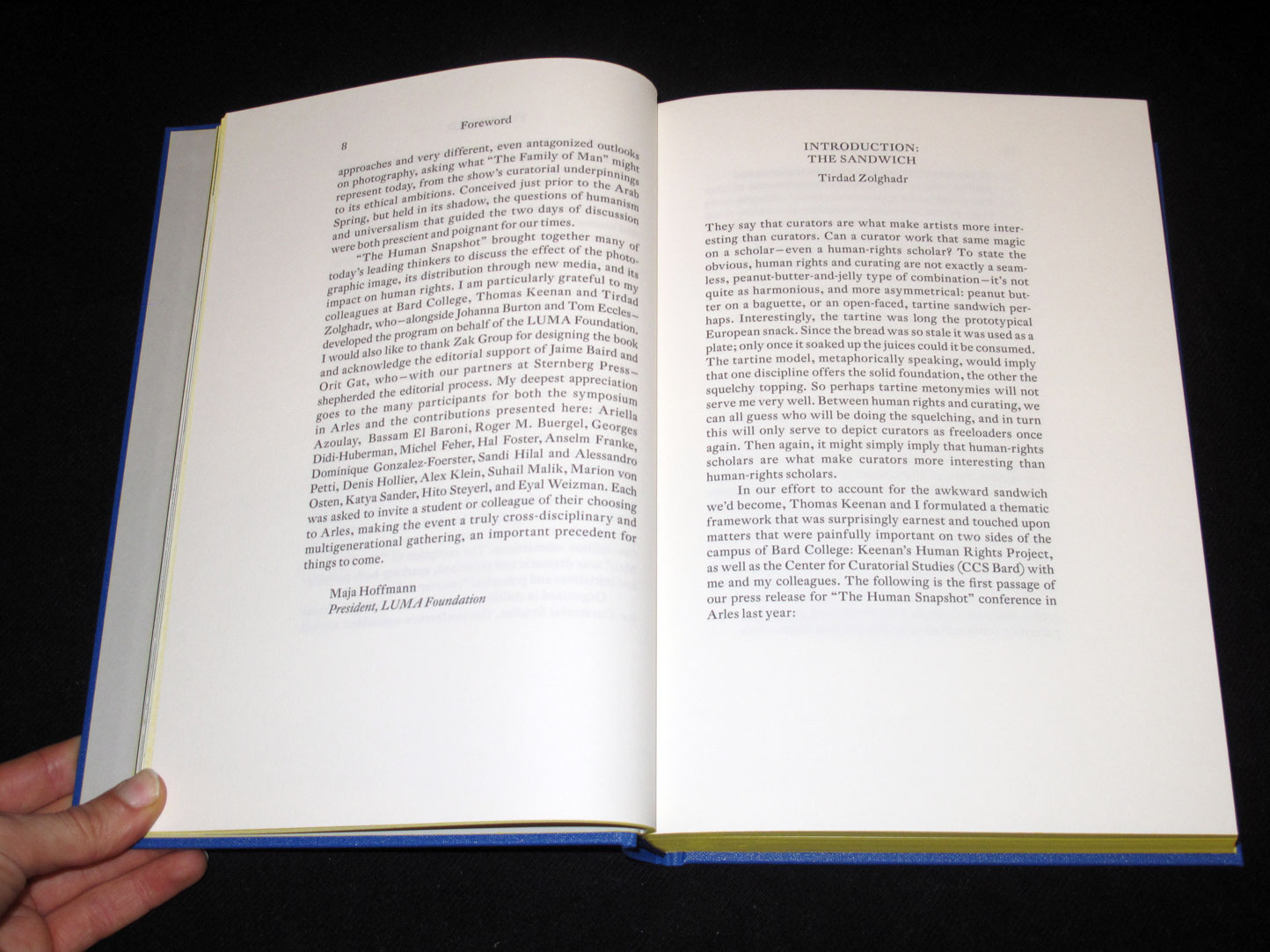
With contributions by Ariella Azoulay, Bassam El Baroni, Roger M. Buergel, George Didi-Huberman, Michel Feher, Hal Foster, Anselm Franke, Dominique Gonzalez-Foerster, Sandi Hilal and Alessandro Petti, Maja Hoffmann, Denis Hollier, Thomas Keenan, Alex Klein, Suhail Malik, Marion von Osten, Katya Sander, Hito Steyerl, Eyal Weizman, Tirdad Zolghadr

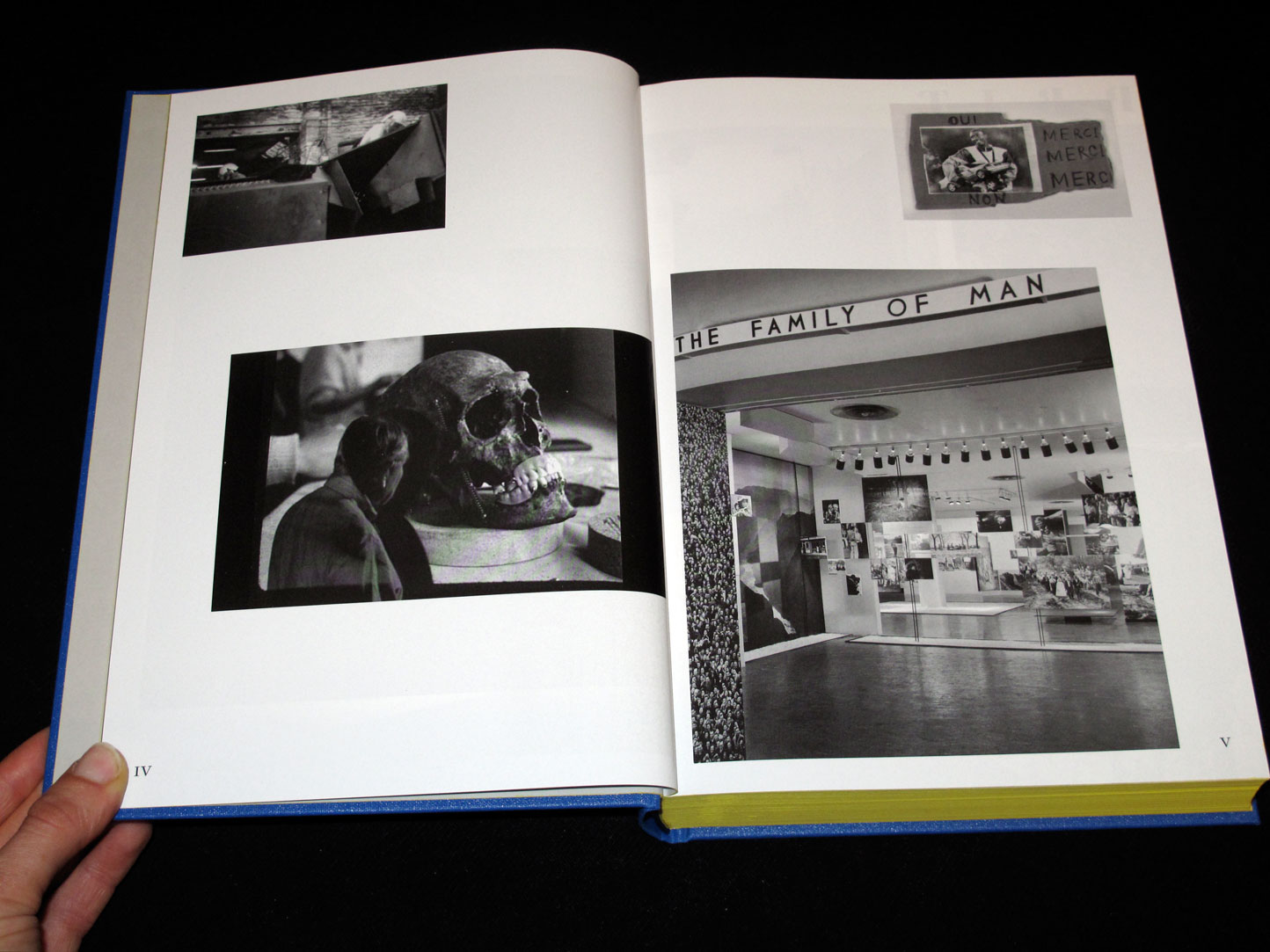
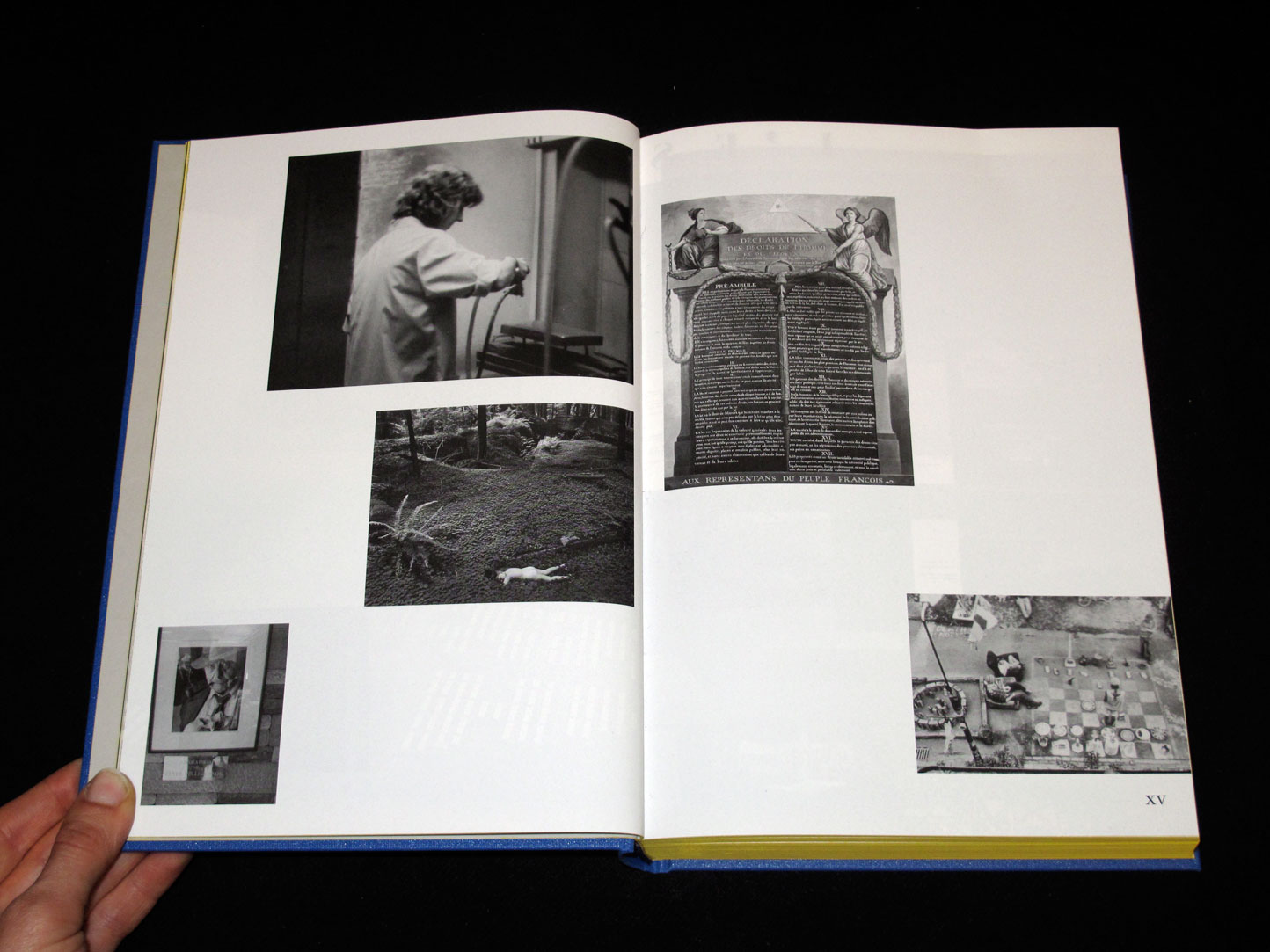
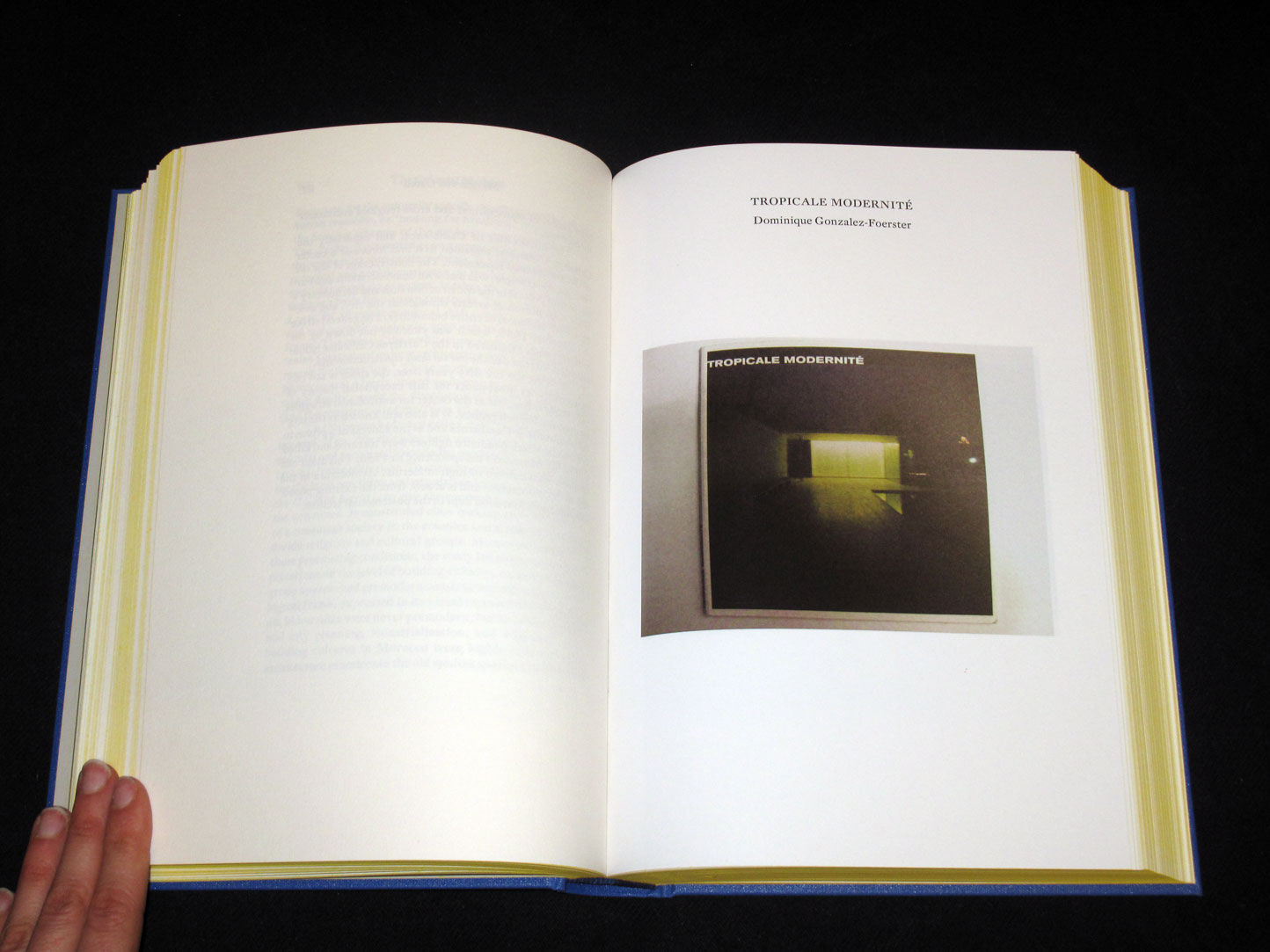
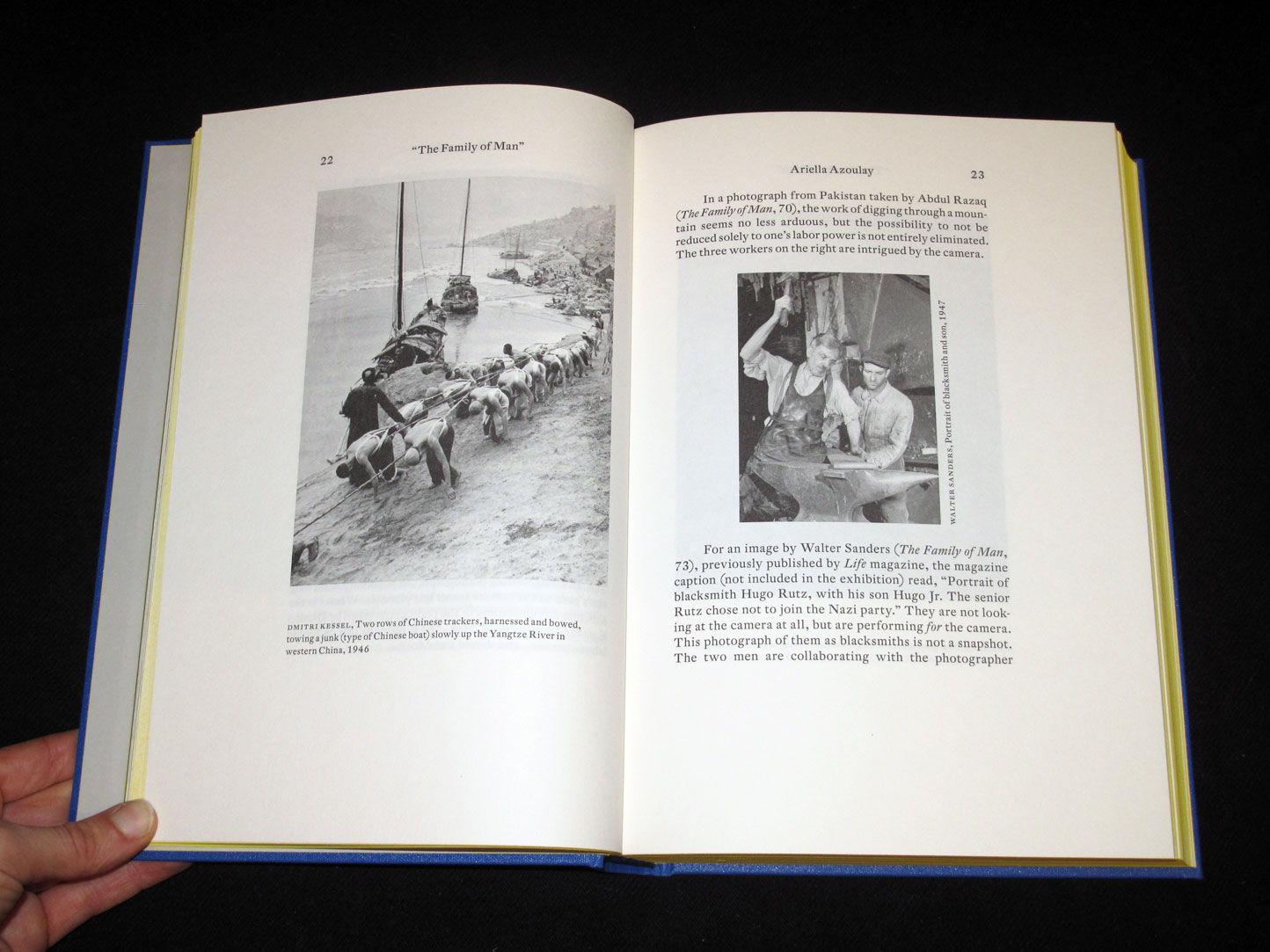
The Human Snapshot draws upon a conference of the same name organized by the LUMA Foundation and Center for Curatorial Studies at Bard College that took place in Arles, France, in 2011. The conference contributions and subsequent essays examine contemporary forms of humanism and universalism as they circulate and are produced in art and photography. The look toward these two terms stems from theorist Ariella Azoulay’s research on the seminal exhibition “The Family of Man,” first installed at the Museum of Modern Art in New York in 1955, which she frames as a lens through which to view universalism at play. These values have been under conceptual assault in recent years, yet they continue to proliferate—even through the visual arts, where humanism and universalism are customarily dismissed. The Human Snapshot takes these themes and wrestles with their application in the use of photography, the exhibition format, contemporary democracy, human rights discourse, and the power of the image at large.

Copublished by the LUMA Foundation and the Center for Curatorial Studies at Bard College (CCS Bard)
Design by Zak Group

April 2013, English
18.5 x 26.5 cm, 320 pages, 134 b/w and 32 color ills., hardcover, cloth binding
ISBN 978-3-943365-63-4

Price: €35

Buy it

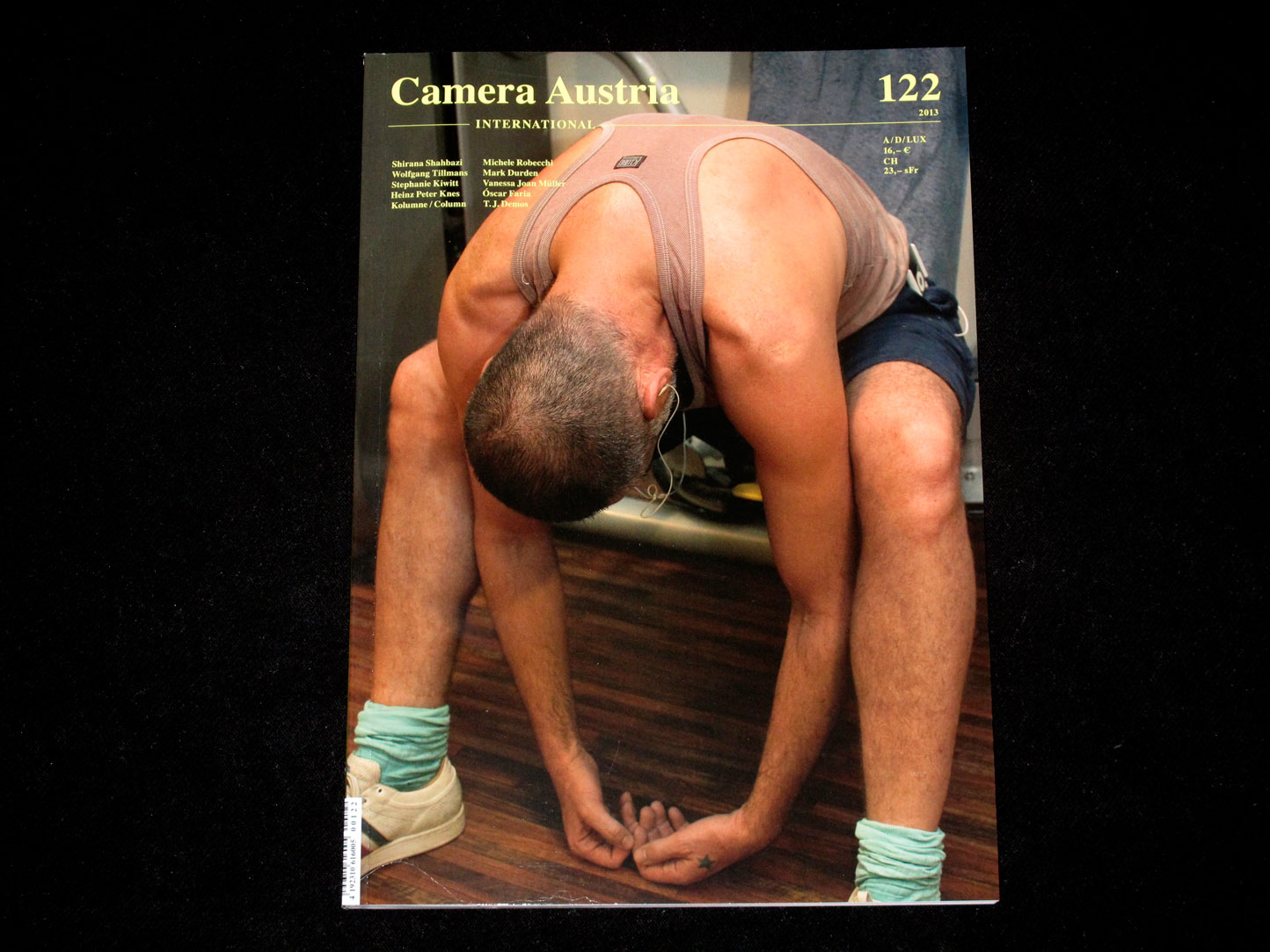
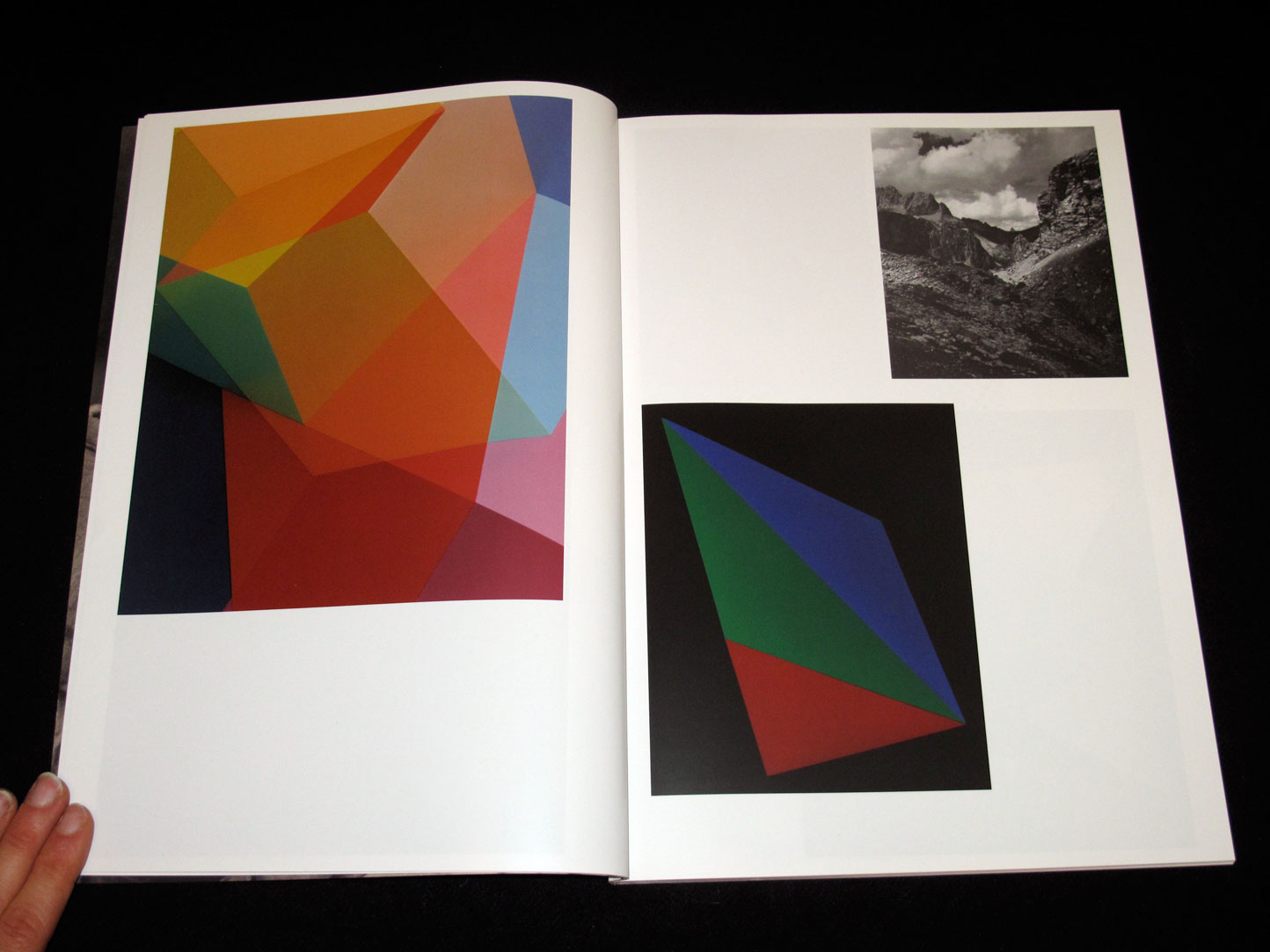
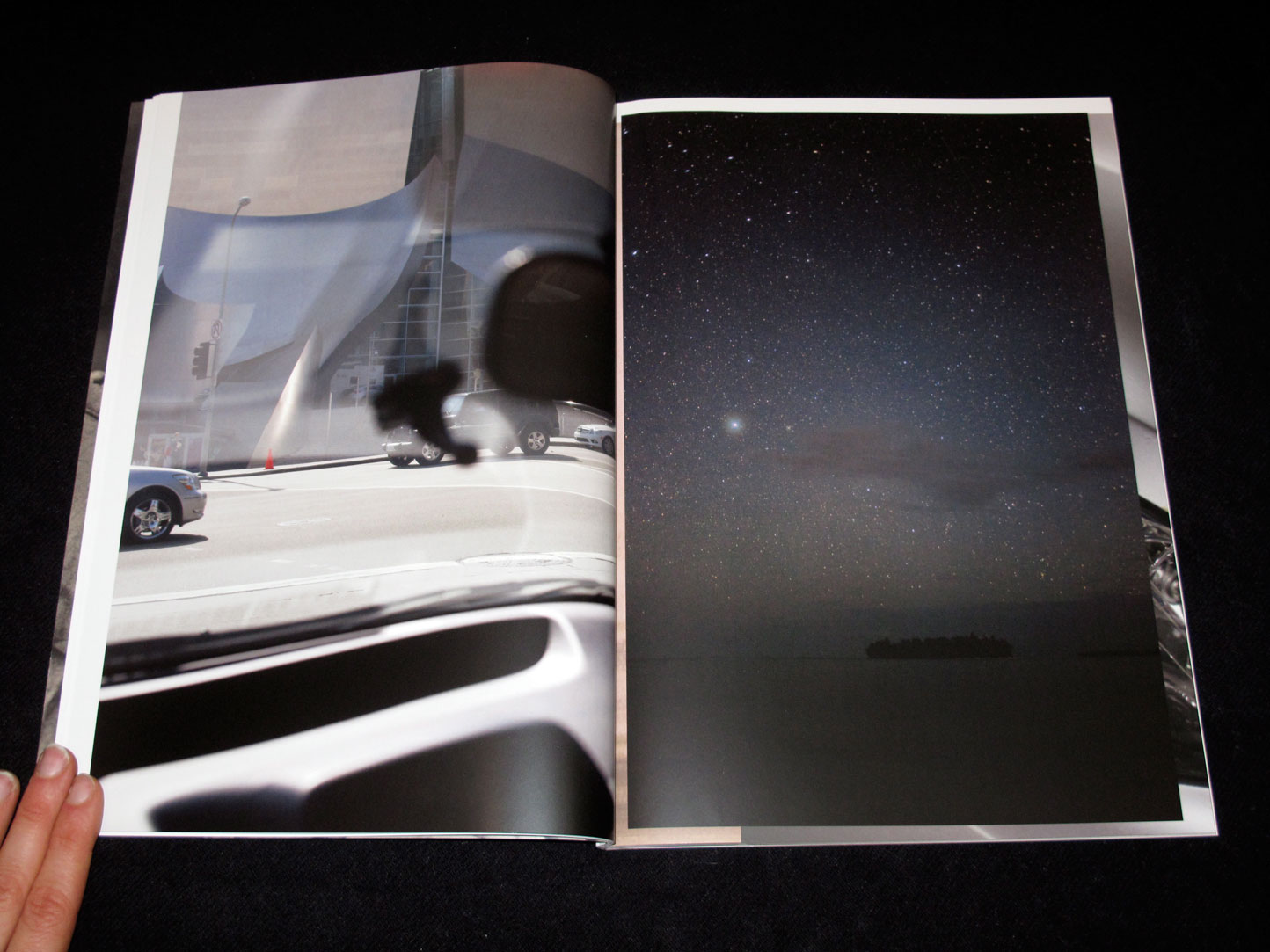
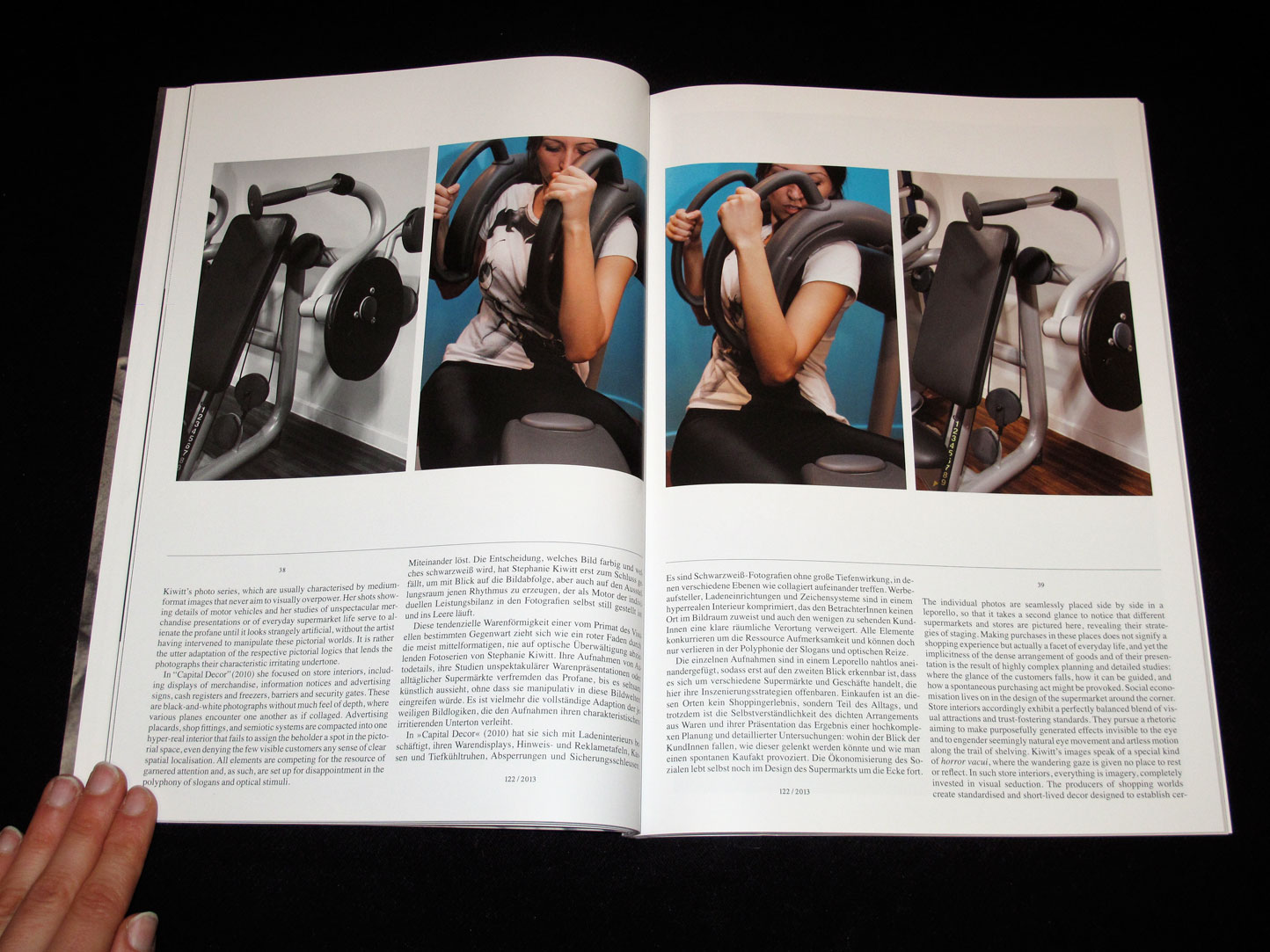
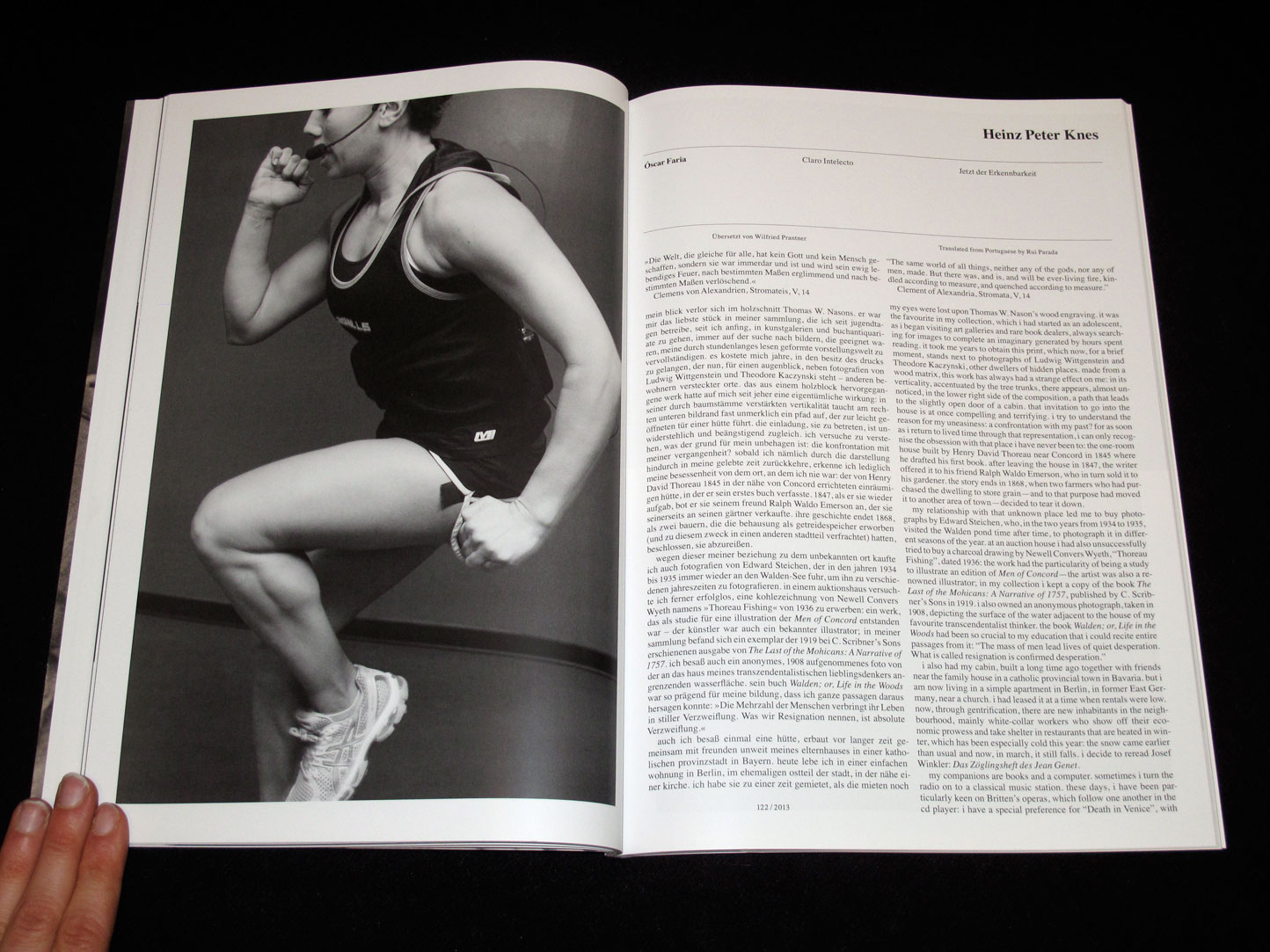
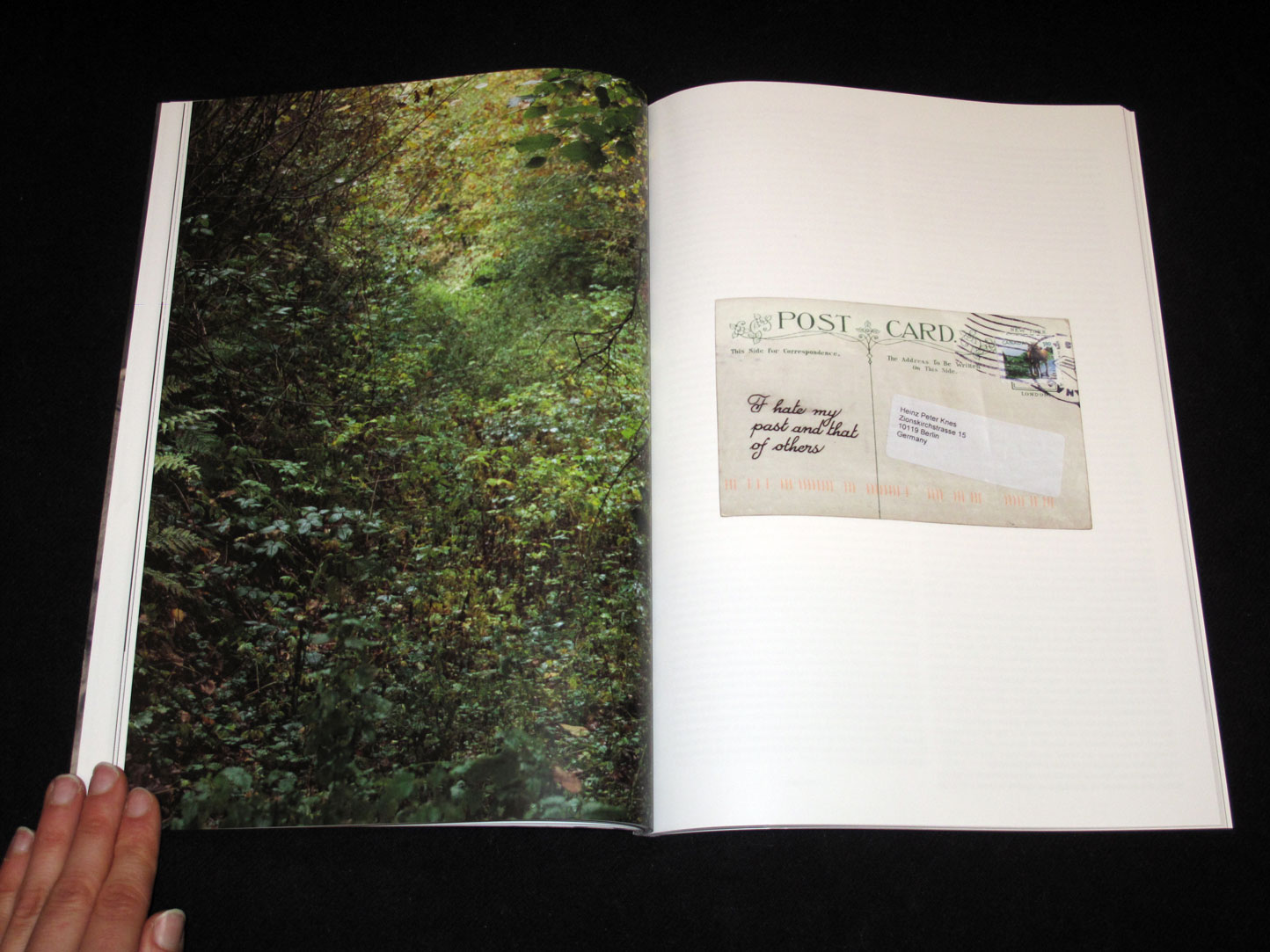
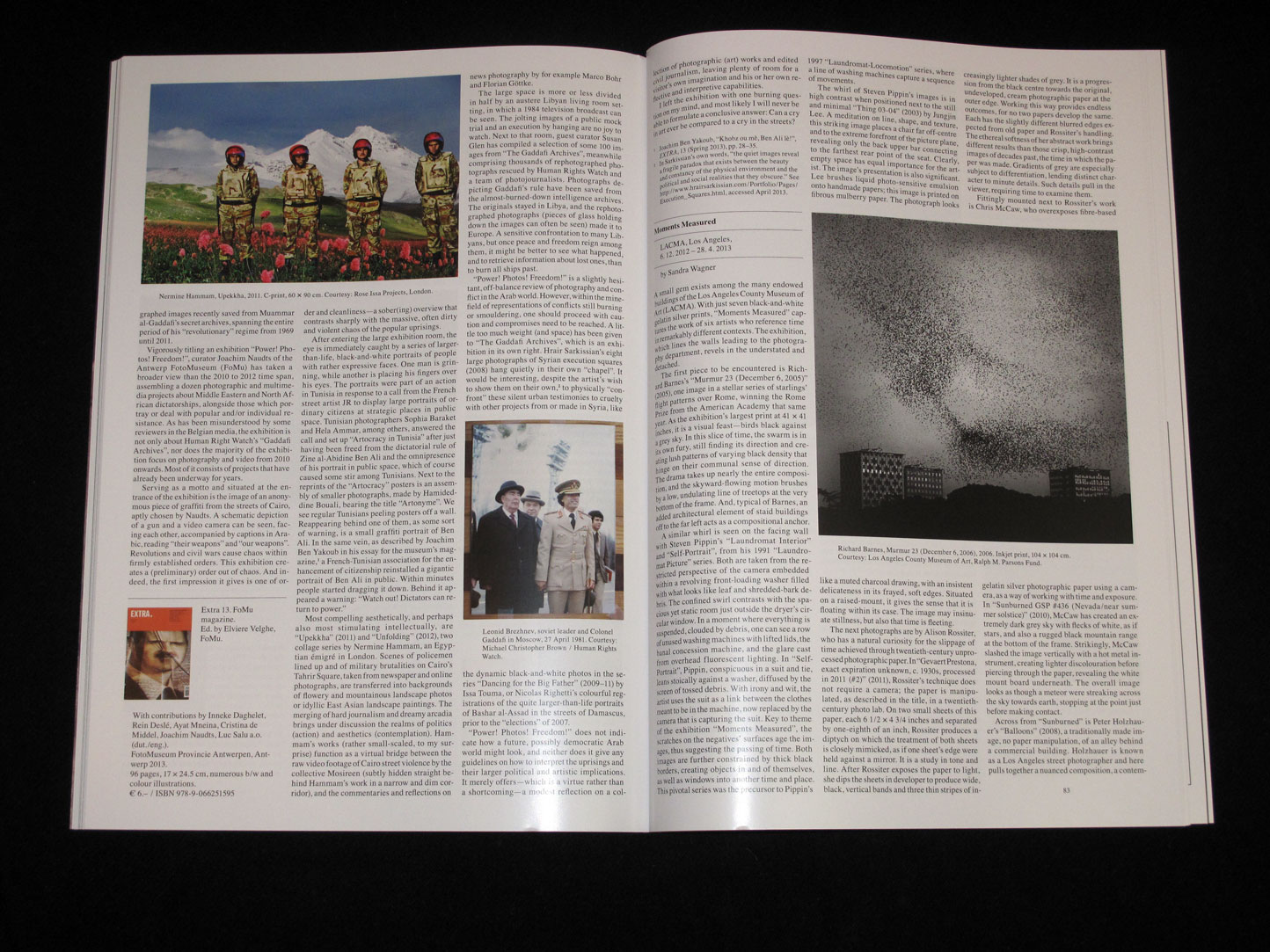
Camera Austria #122

Posted in magazines, photography on June 6th, 2013
Tags: , ,

camera_austria_122_motto_01camera_austria_122_motto_02camera_austria_122_motto_03camera_austria_122_motto_04camera_austria_122_motto_05camera_austria_122_motto_06camera_austria_122_motto_07

Camera Austria #122

Featuring:

Shirana Shahbazi
Wolfgang Tillmans
Stephanie Kiwitt
Heinz Peter Knes
Michele Robecchi
Mark Durden
Vanessa Joan Müller
Oscar Faria
T.J. Demos

English / German

Price: €16

Buy it

With Strings Attached. Gilbert Hage. Underexposed Books.

Posted in photography on June 1st, 2013

with_strings_attached_motto_01with_strings_attached_motto_03with_strings_attached_motto_04with_strings_attached_motto_02

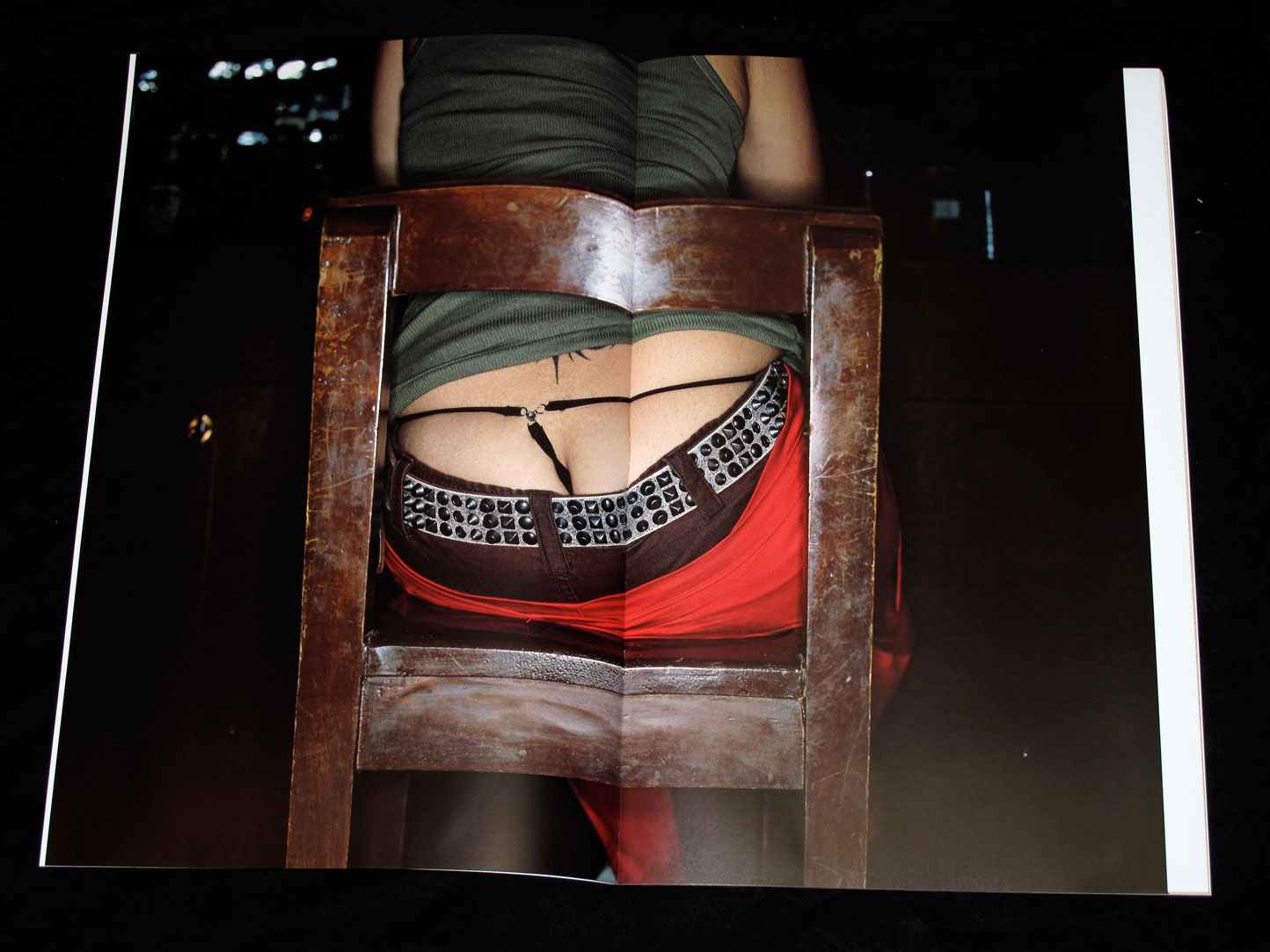
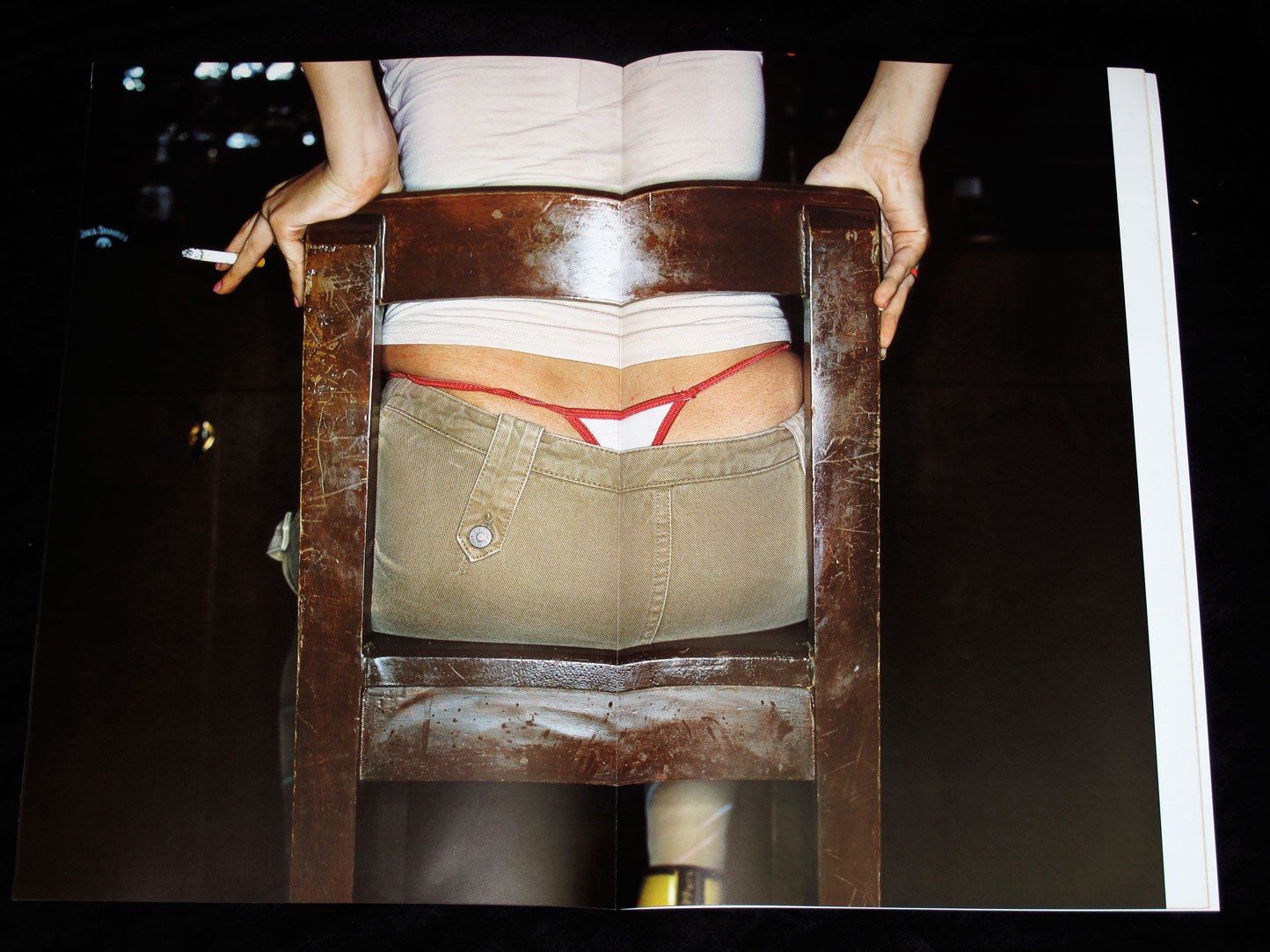
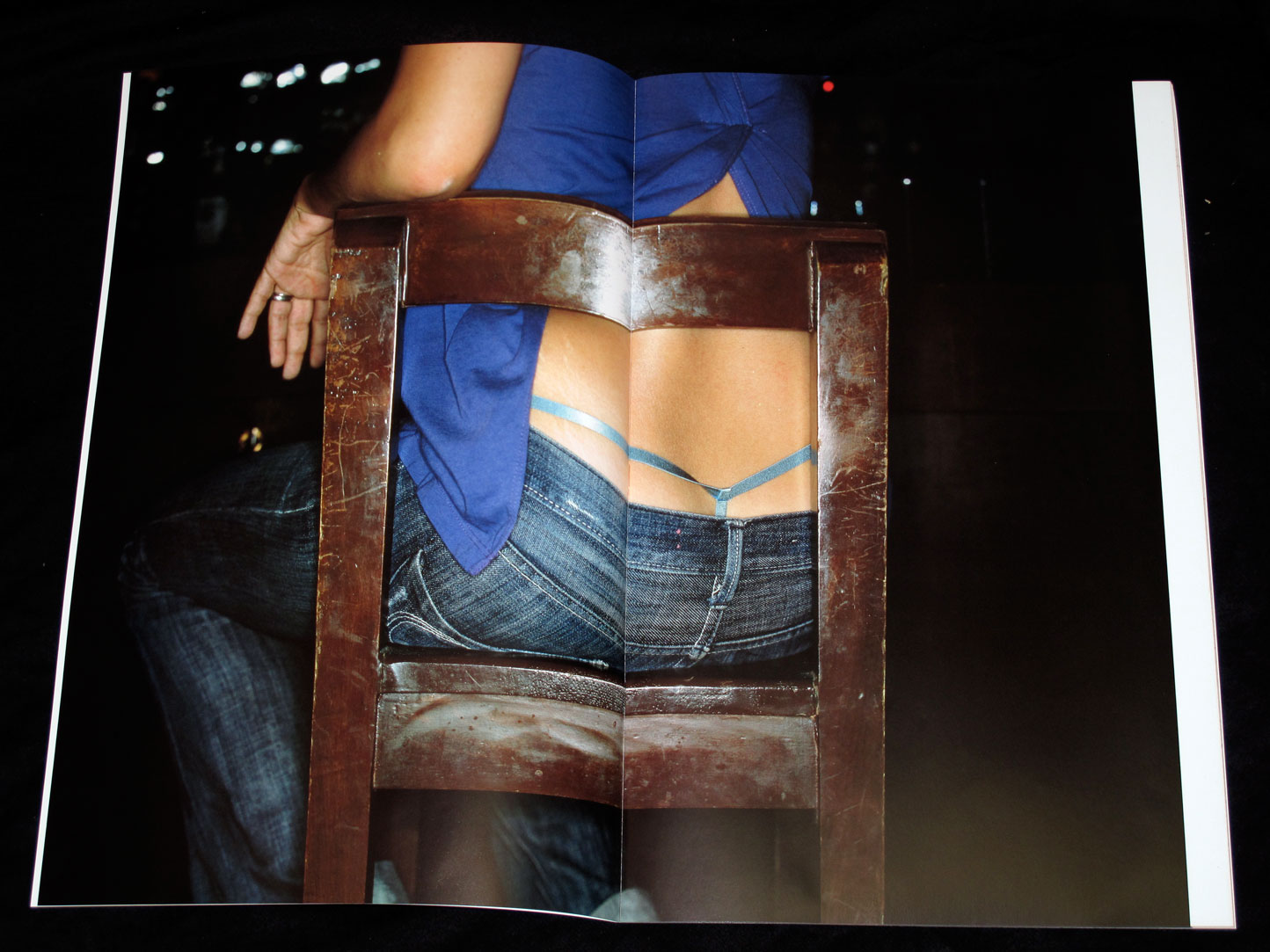
With Strings Attached. Gilbert Hage. Underexposed Books.

2012
24 Pages
30 x 47 cm

Price: €19.00

Buy it

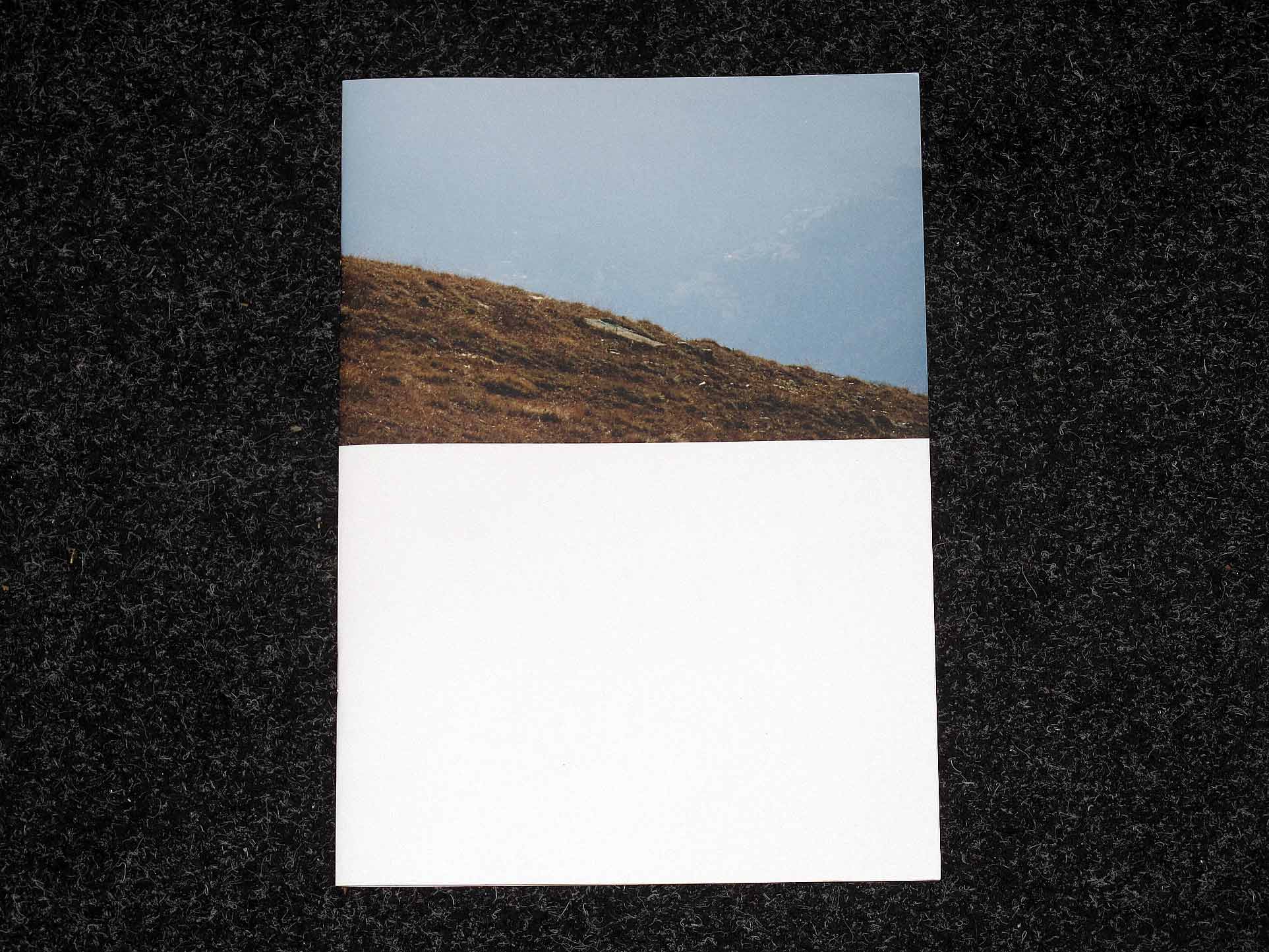
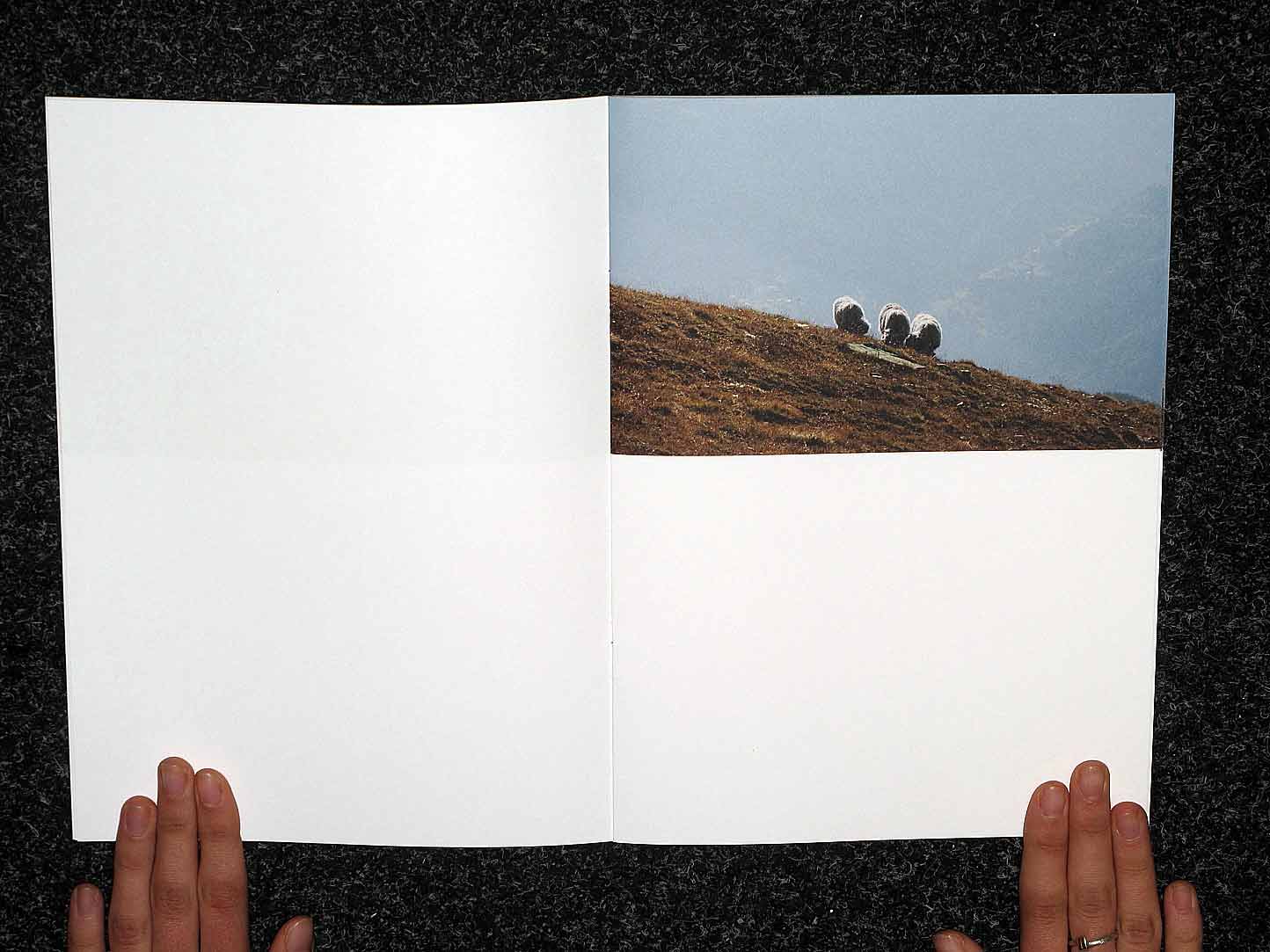
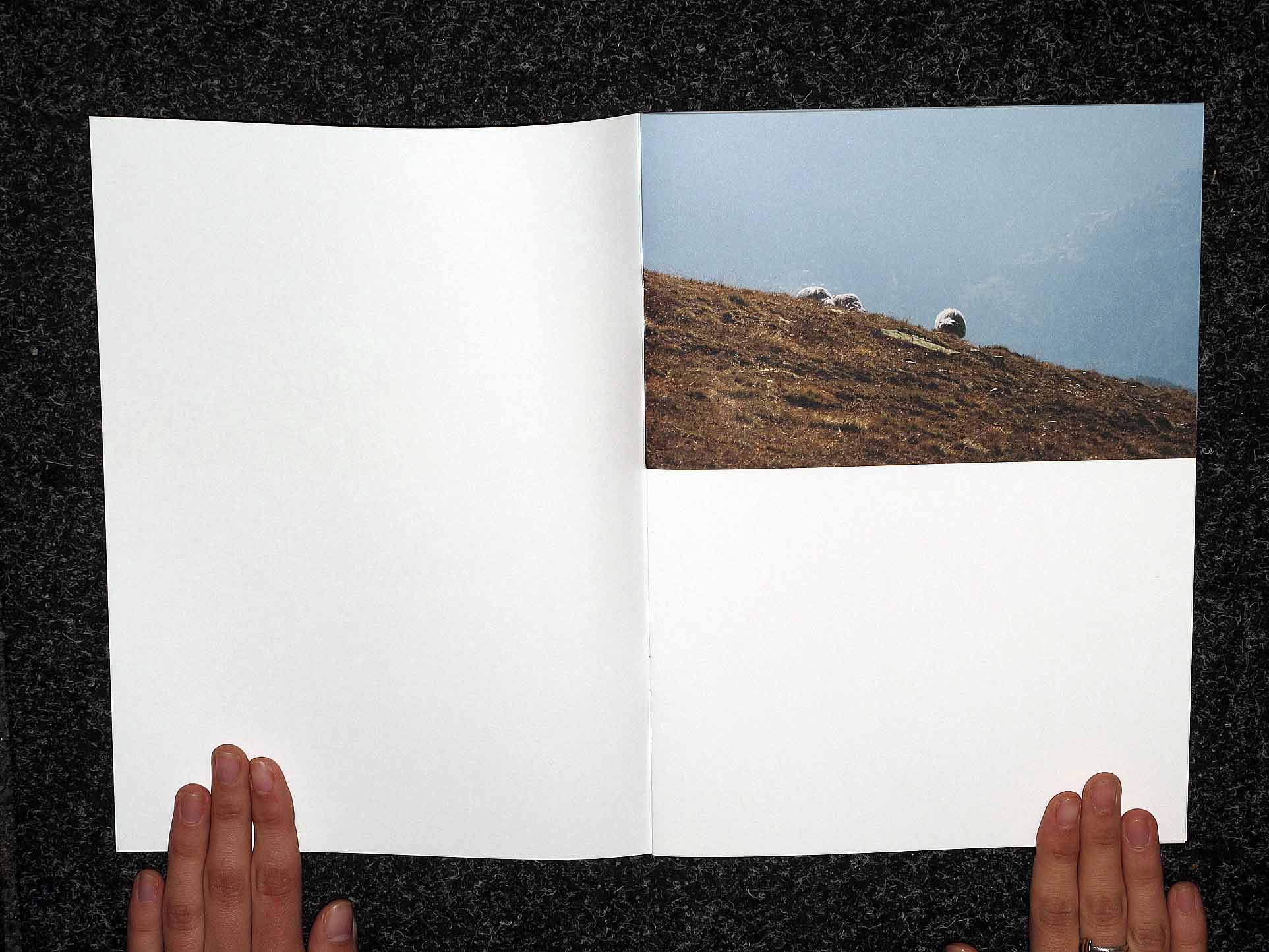
Three Sheep. Daniel Gustav Cramer.

Posted in photography on May 28th, 2013

Three Sheep. Daniel Gustav Cramer.

Series of 10 C-prints, framed
Published as part of the exhibition Ten Works at La Kunsthalle Mulhouse. France, 31 May – 25 August 2013.
Edition of 500

ISBN: 978 3 942911 17 7

Price : 9 €
Buy it

Others titles :
Buy it

Woodland 15 € Buy it
Forest 5 € Buy it
Untitled (Farmer)6 € Buy it
Kahu 11 € Buy it
Thirty-Six 18 € Buy it
Tales 01 7 € Buy it
Tales 02 7 € Buy it
Tales 03 7 € Buy it
Tales 05 7 €
Tales 13 11 € Buy it
Tales 32 7 € Buy it
Old News 10 €
Boule 12 €

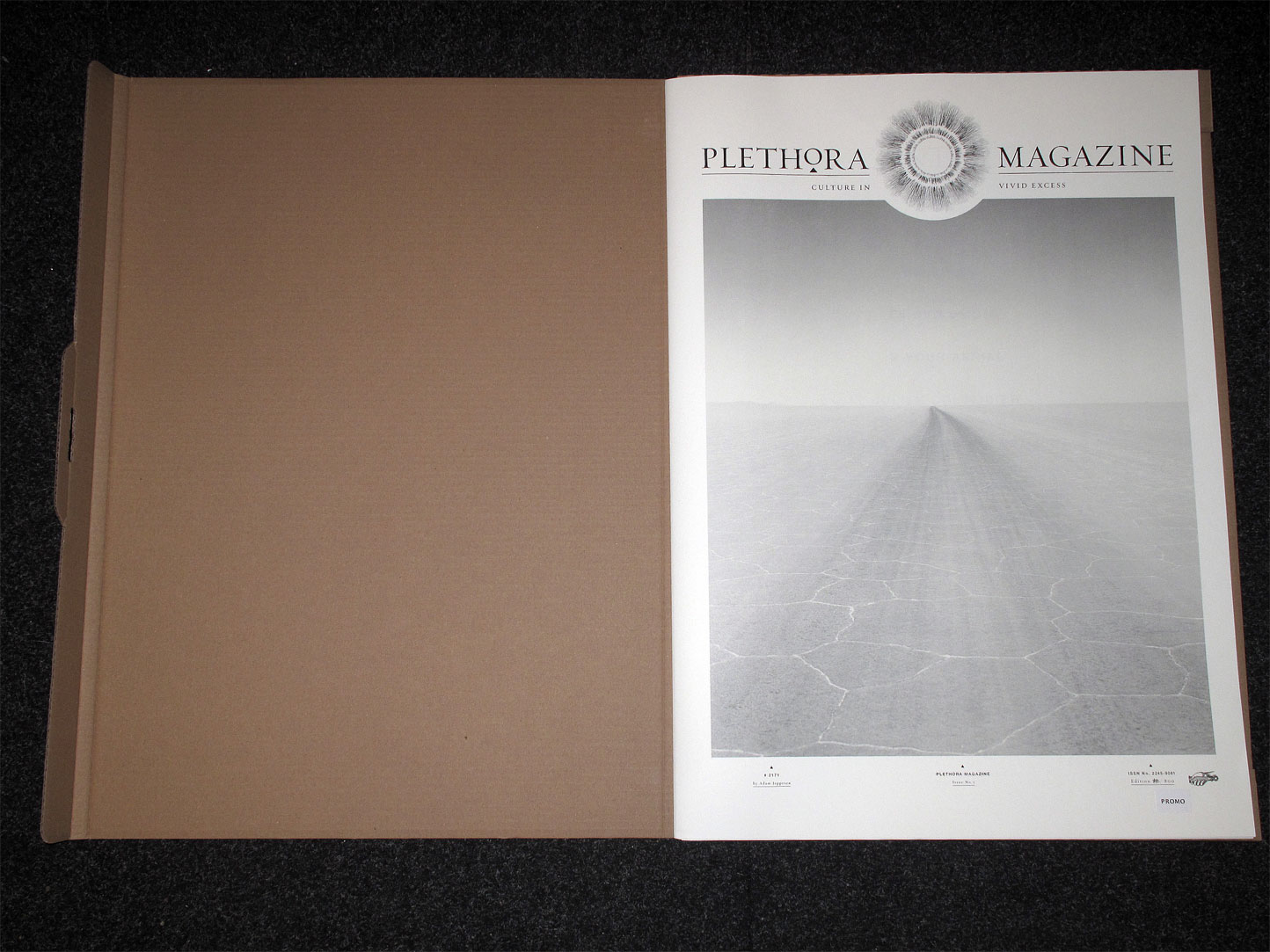
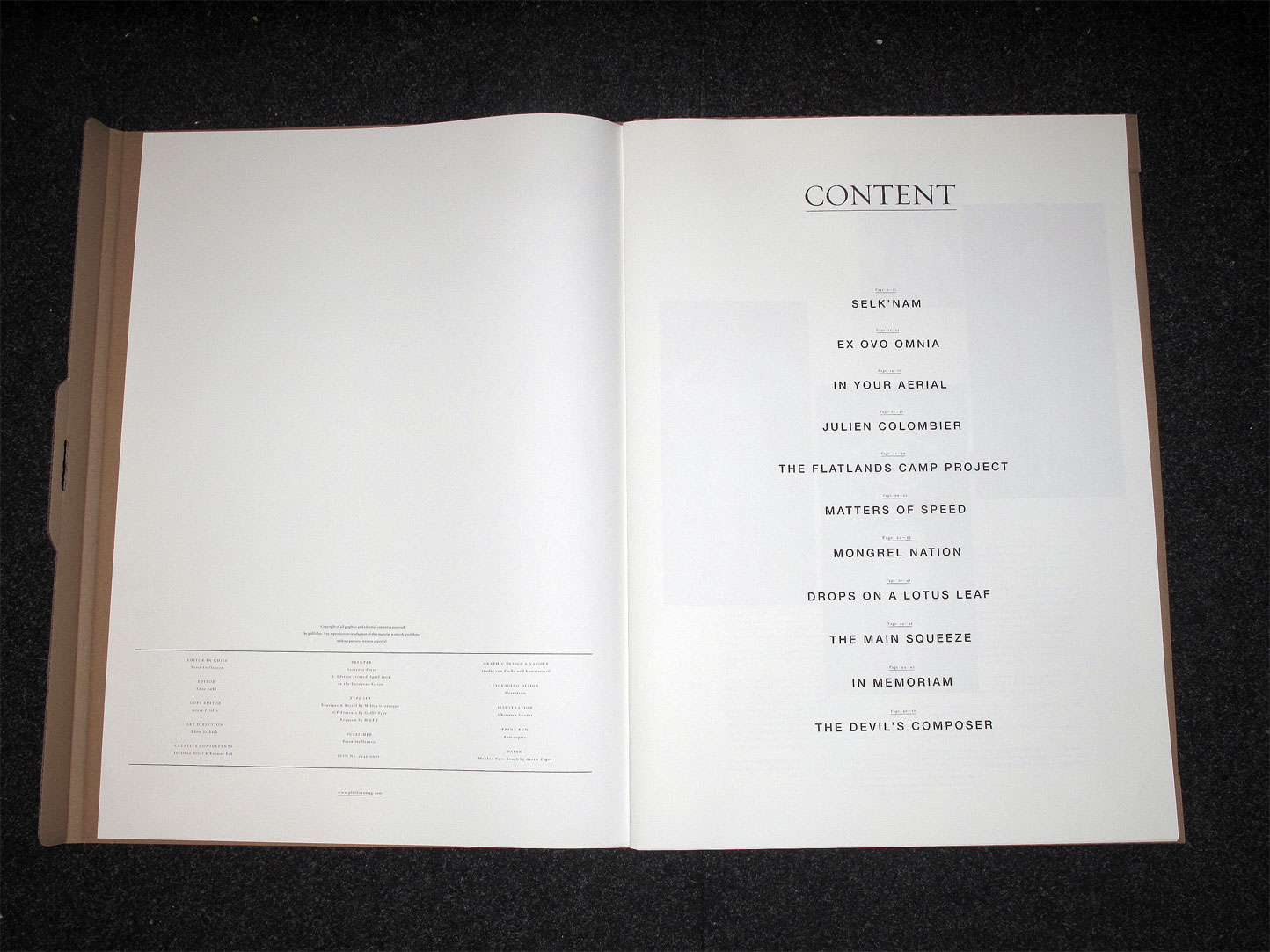
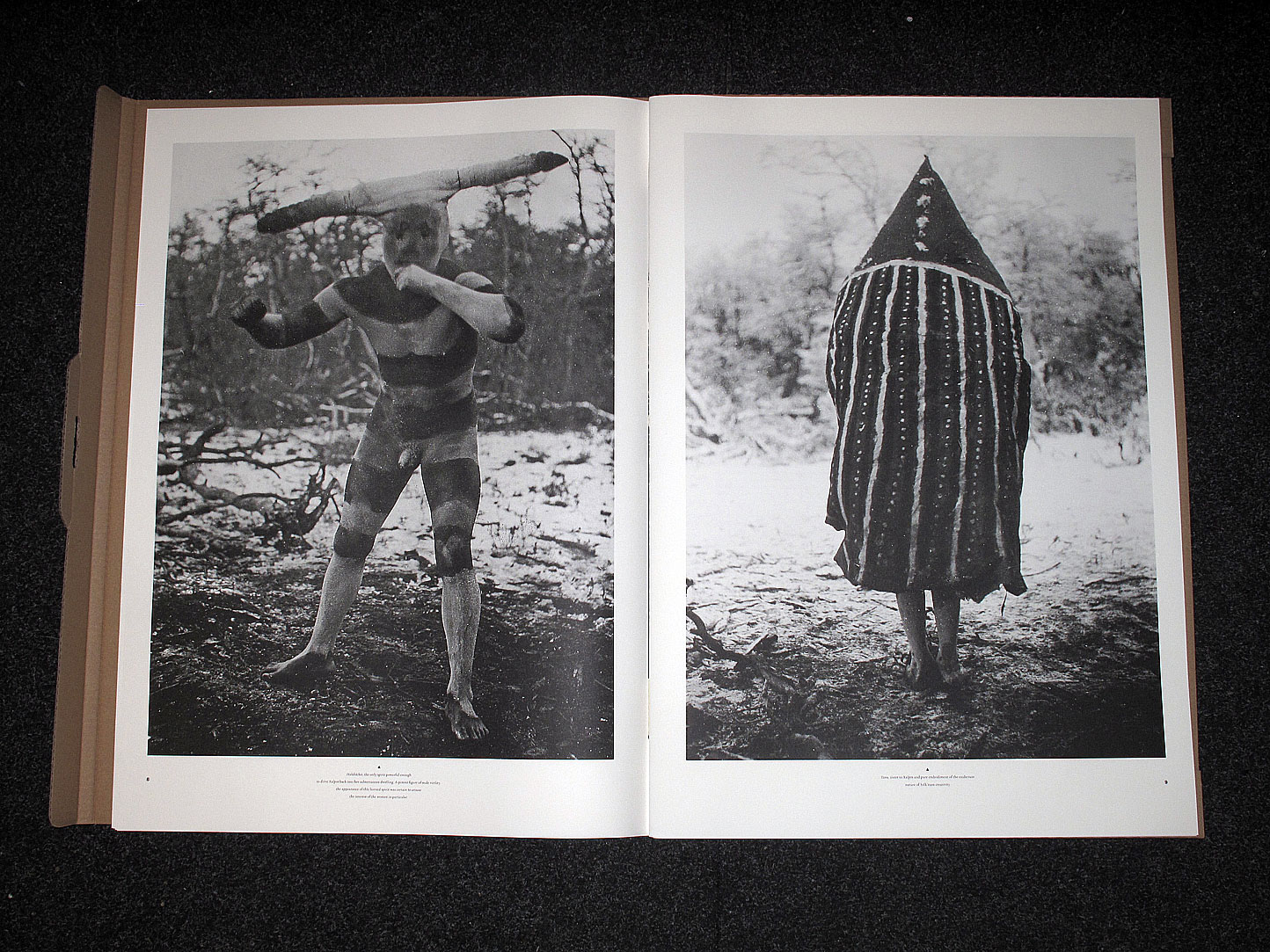
Plethora Magazine Issue 1

Posted in photography, writing on May 21st, 2013

Plethora Magazine Issue 1

Language : English
Pages : 51
Size : 50.5 x 70.5 cm

70 €
Buy it

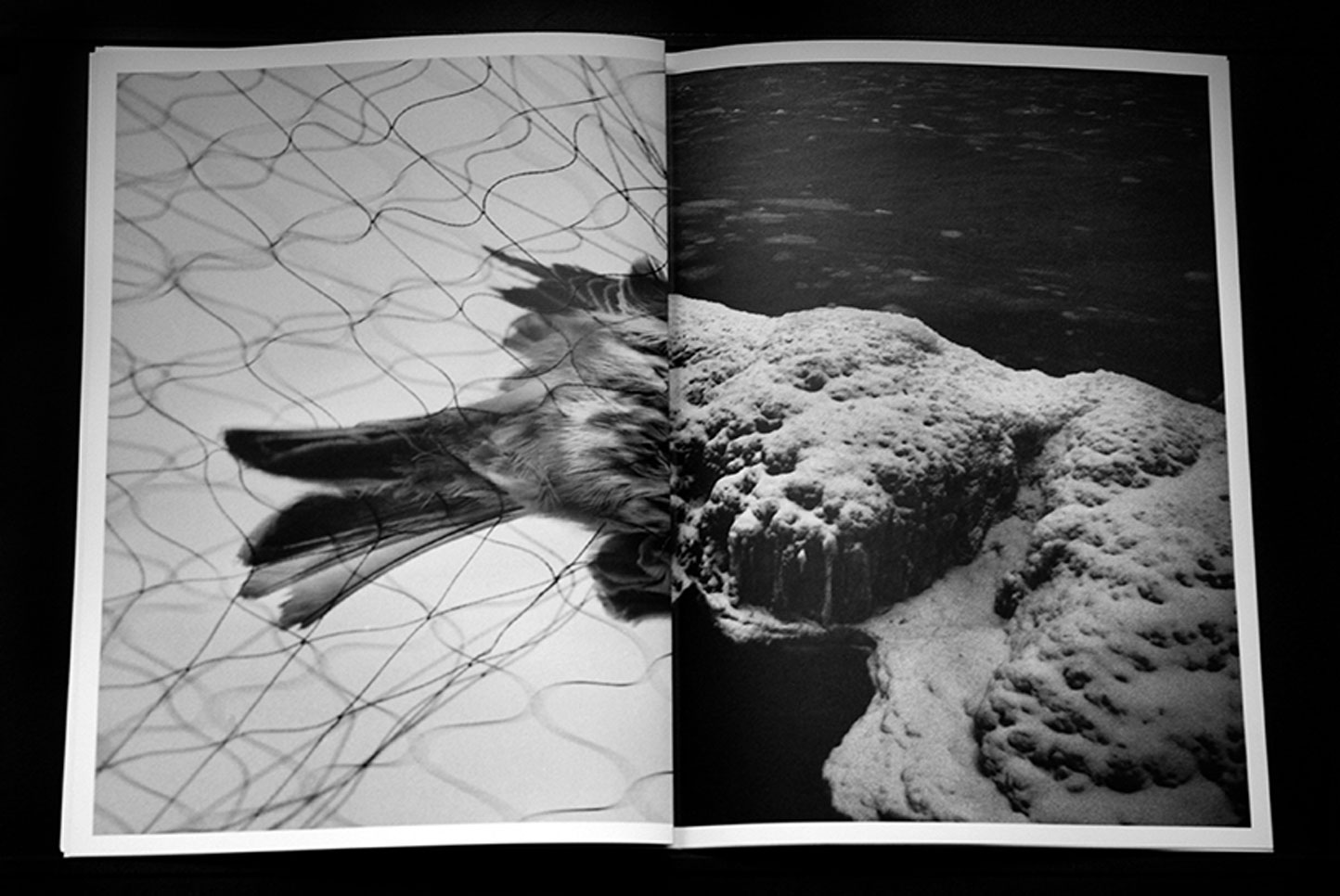
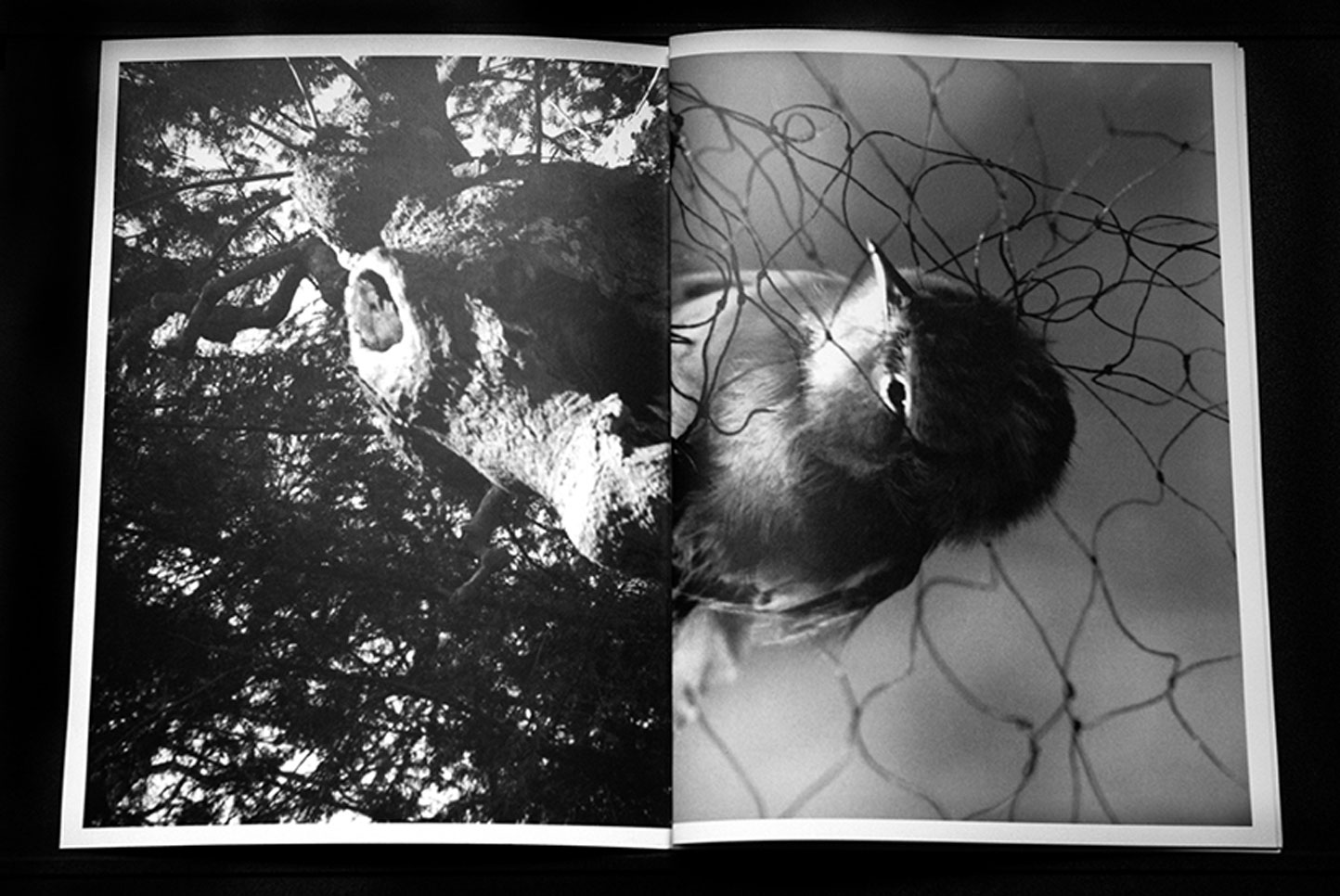
Where The Birds Used To Sing. Zoé Beausire

Posted in photography on May 14th, 2013

Where The Birds Used To Sing. Zoé Beausire. Self-published.

21 x 29,7 cm
24 pages
Unbound

13 €
Buy it

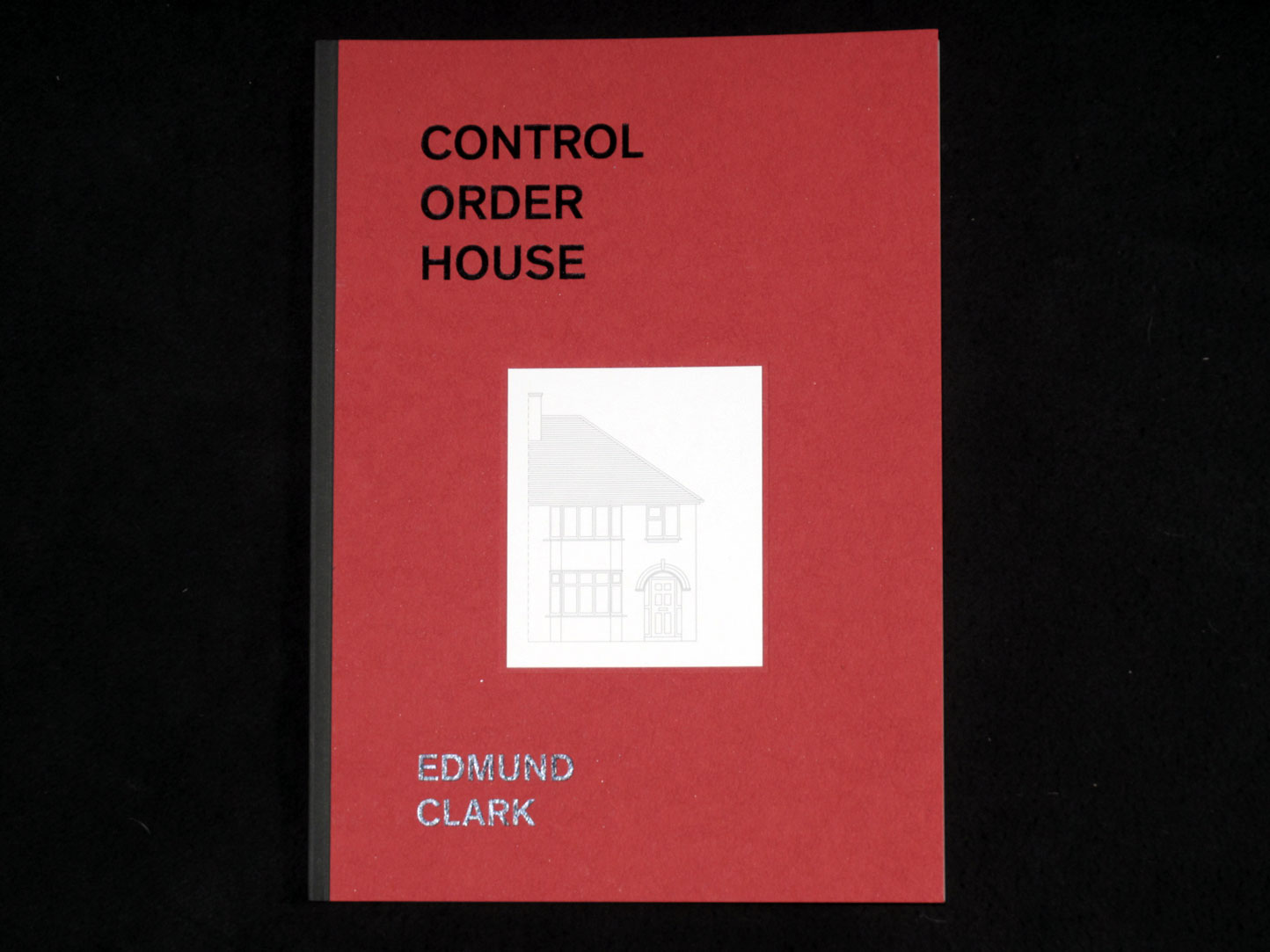
Control Order House. Edmund Clark. Here Press.

Posted in photography, writing on April 30th, 2013

Control Order House. Edmund Clark. Here Press.

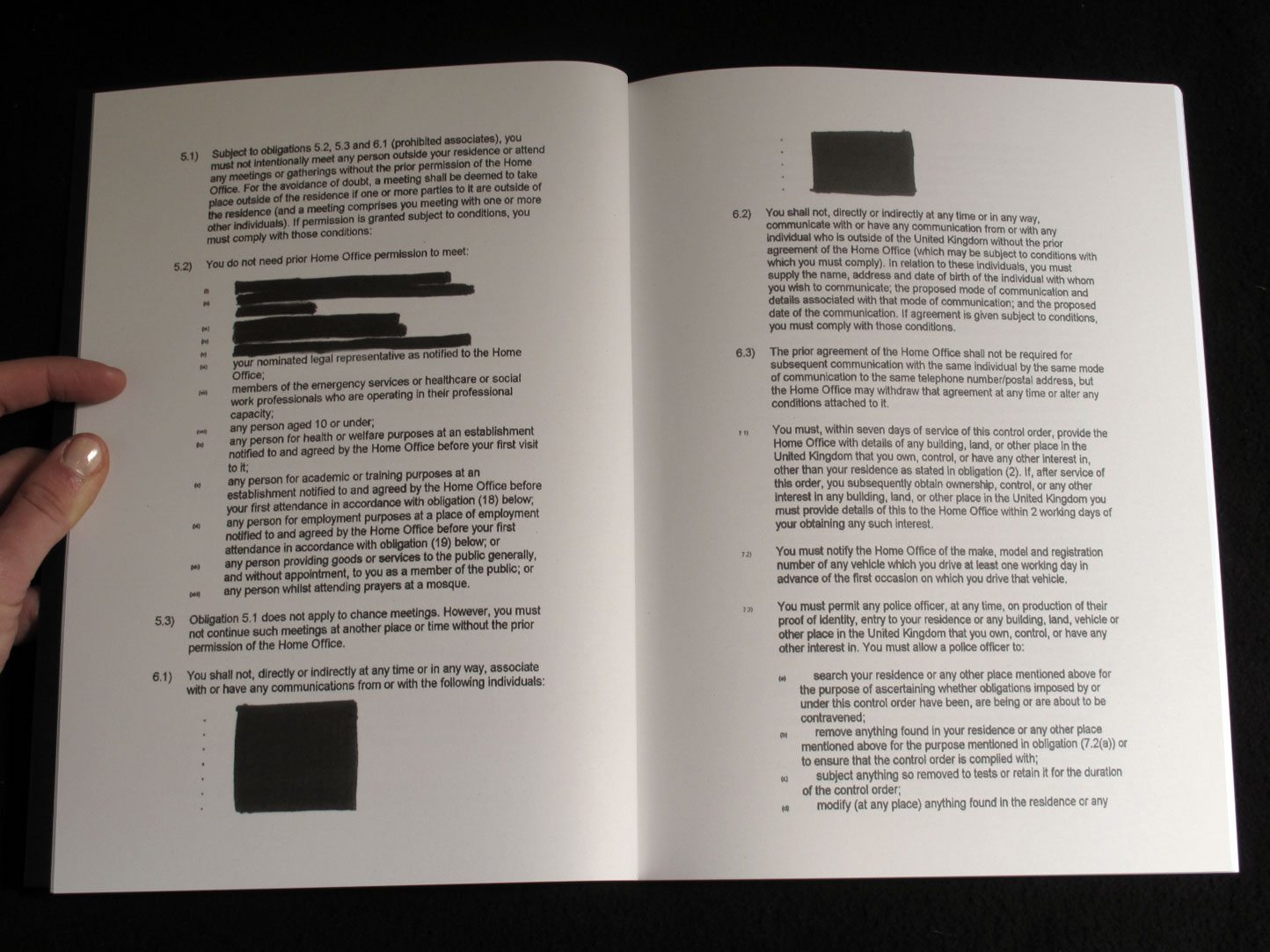
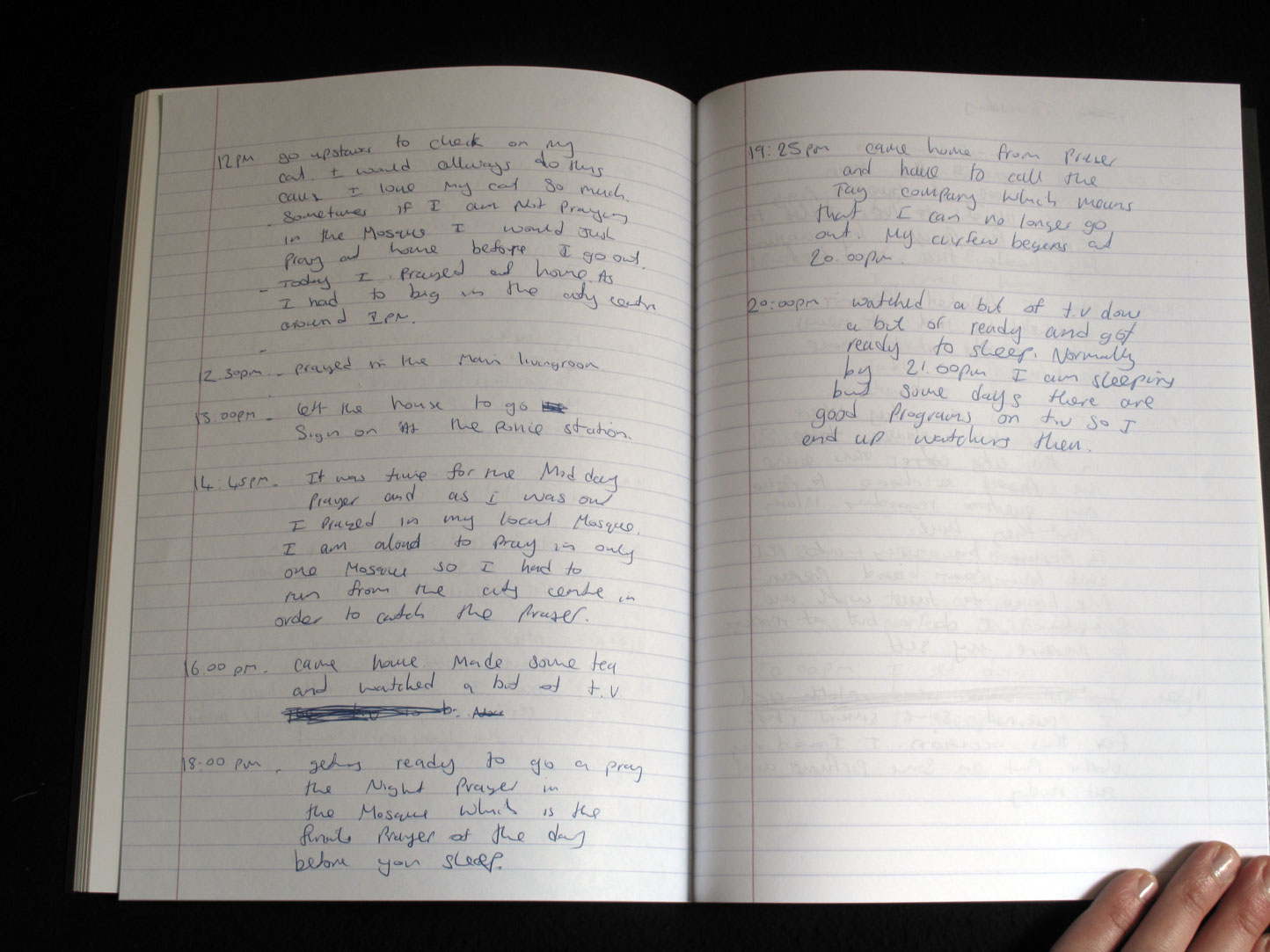
Edmund Clark is the first artist to work and stay in a house in which a man suspected of involvement with terrorist-related activity was placed under a Control Order in the UK.
‘Control Order House’ explores this form of detention through photographs and architectural representations of the house, and the handwritten diary of the man known only as CE. The book includes redacted documents relating to CE’s case. Clark’s implication in the process is further revealed through his correspondence from the Home Office, which makes clear the control and censorship imposed on his work inside the house. Any material could become part of CE’s case.
Clark says: ‘This archetypal semi-detached house in a faceless suburb is the physical manifestation of a form of detention without trial in the UK. It represents the reaction of a government and society to the fear and chaos of terrorist attacks.’
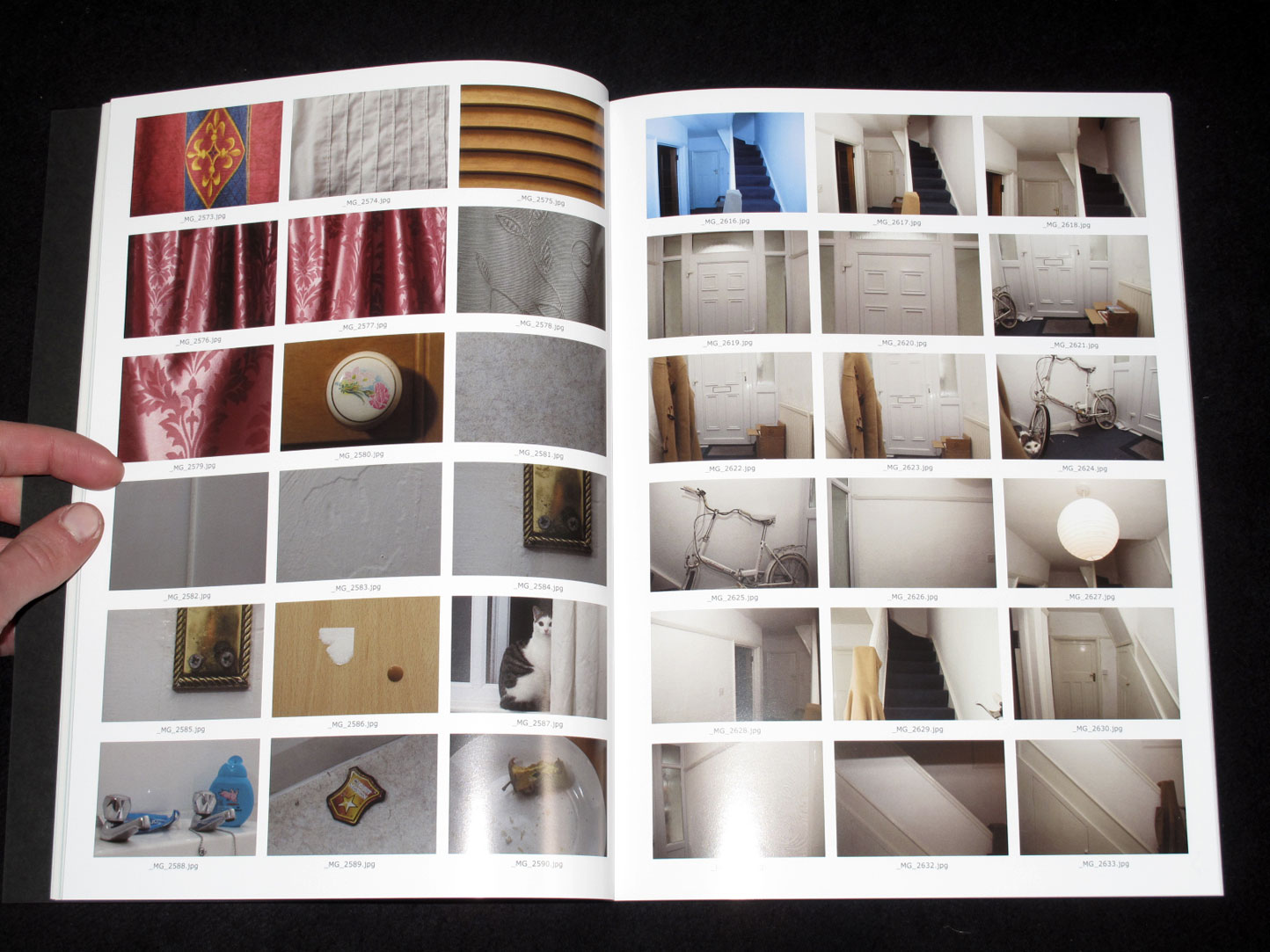
‘Control Order House’ engages with ideas of control in photography by foregoing the normal process of editing and mediation to reproduce the images, unedited, in the order in which Clark took them, exploring the monotony and claustrophobia of a controlled person’s life. The inclusion of official documents and correspondence also illustrates the weight of state actors against the individual.

About Control Orders
Control Orders were introduced under the Prevention of Terrorism Act 2005. Between 2005 and 2011, 52 men suspected of involvement in terrorism were under Control Orders and subject to various constraints. These included the power to relocate them to a house anywhere in the country, to restrict communication electronically and in person, and to impose a curfew. ‘Controlled persons’ were not prosecuted for terrorist-related activity and the evidence against them remained secret. One man was subject to these controls for more than four years. Control Orders were replaced by Terrorist Prevention and Investigation Measures (TPIMs) in 2012. Nine men are currently subject to a TPIM.

ISBN : 978-0-9574724-0-2
128 pages
Language : English

Price : 57 €
Buy it

Billowing. Lisa Oppenheim. argobooks.

Posted in photography, poster on April 19th, 2013
Tags: ,

lisa_oppenheim_billowing_argobooks_motto_1
lisa_oppenheim_billowing_argobooks_motto_3lisa_oppenheim_billowing_argobooks_motto_4
lisa_oppenheim_billowing_argobooks_motto_6lisa_oppenheim_billowing_argobooks_motto_7
lisa_oppenheim_billowing_argobooks_motto_8

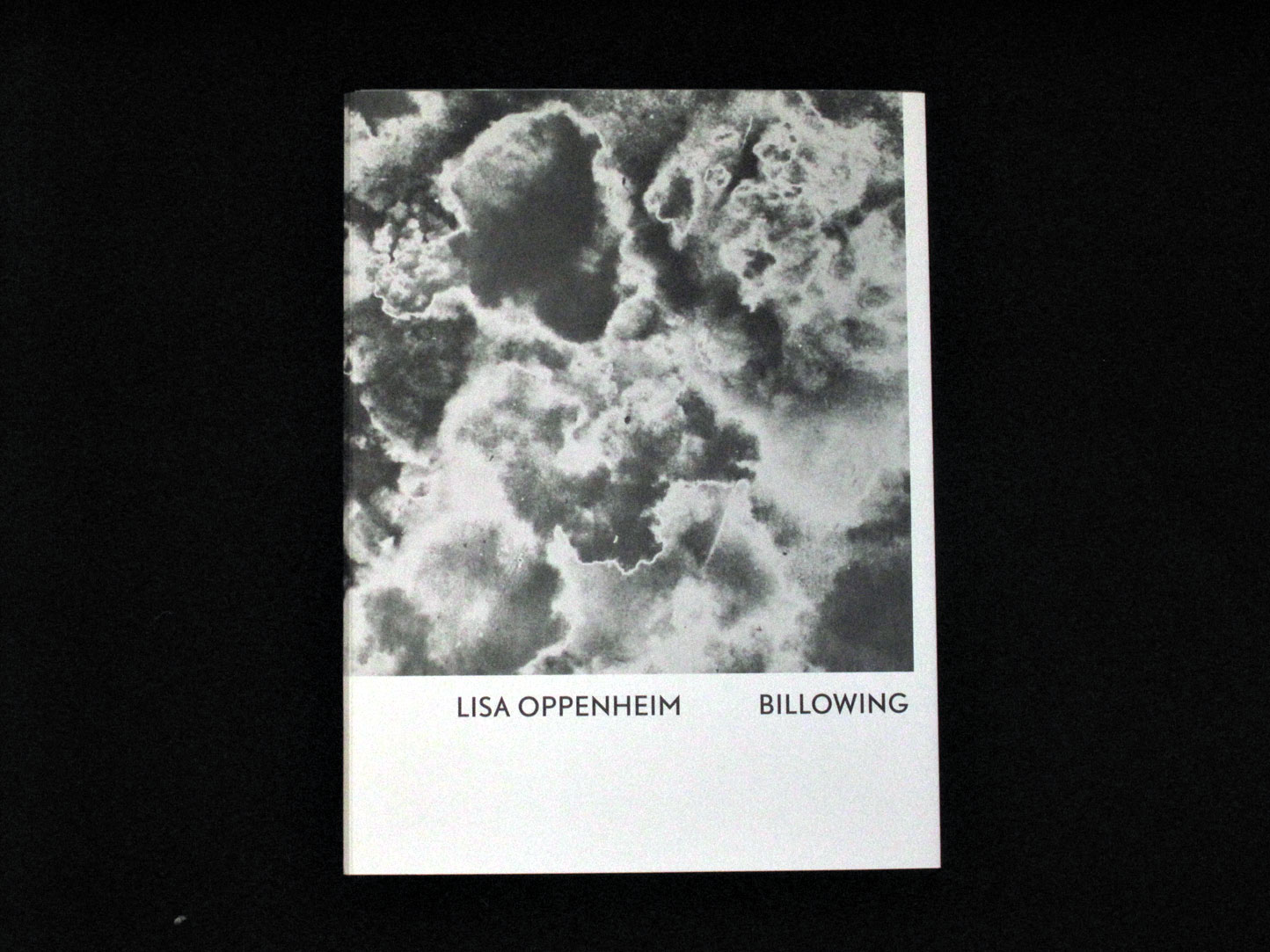
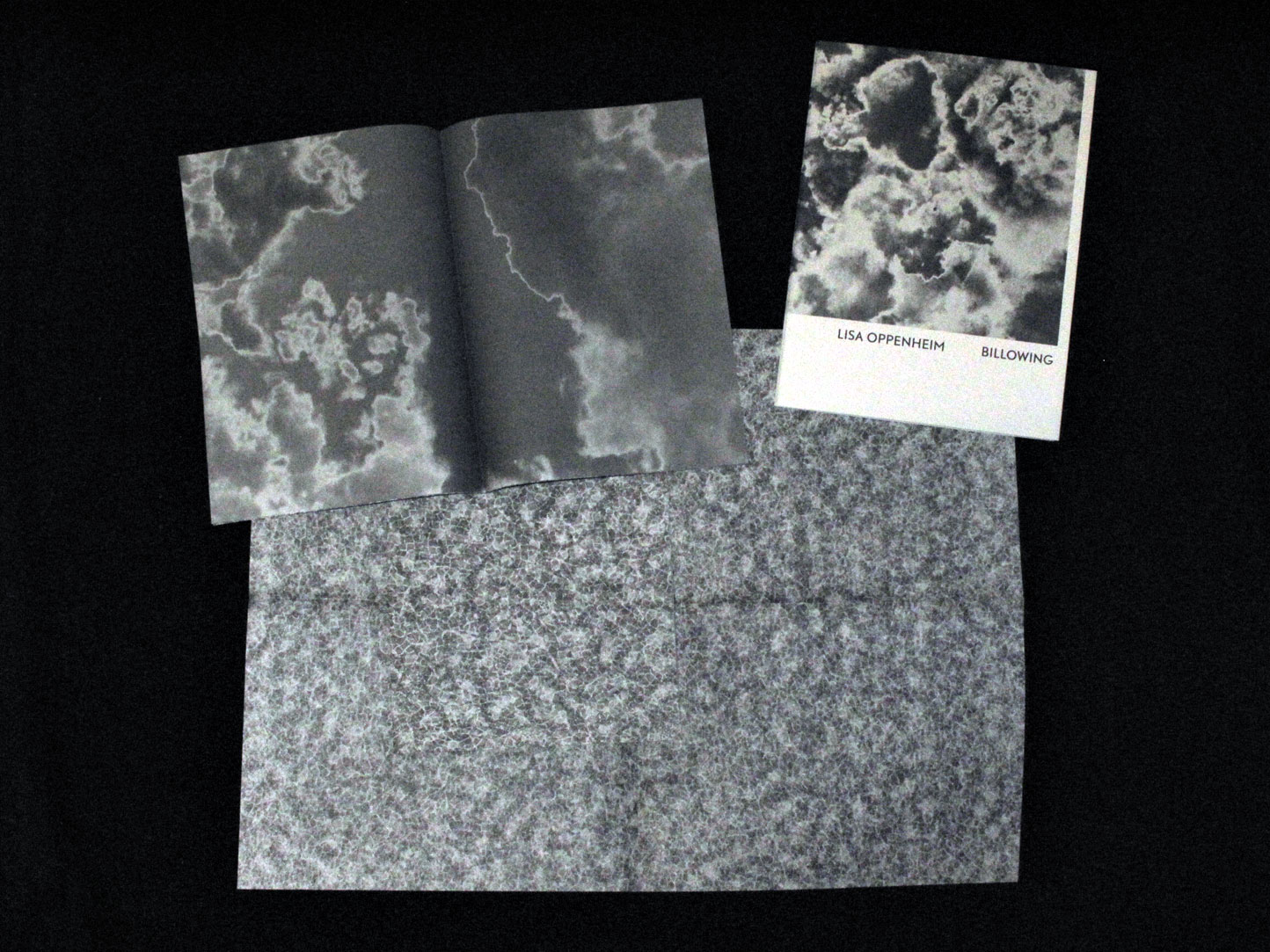
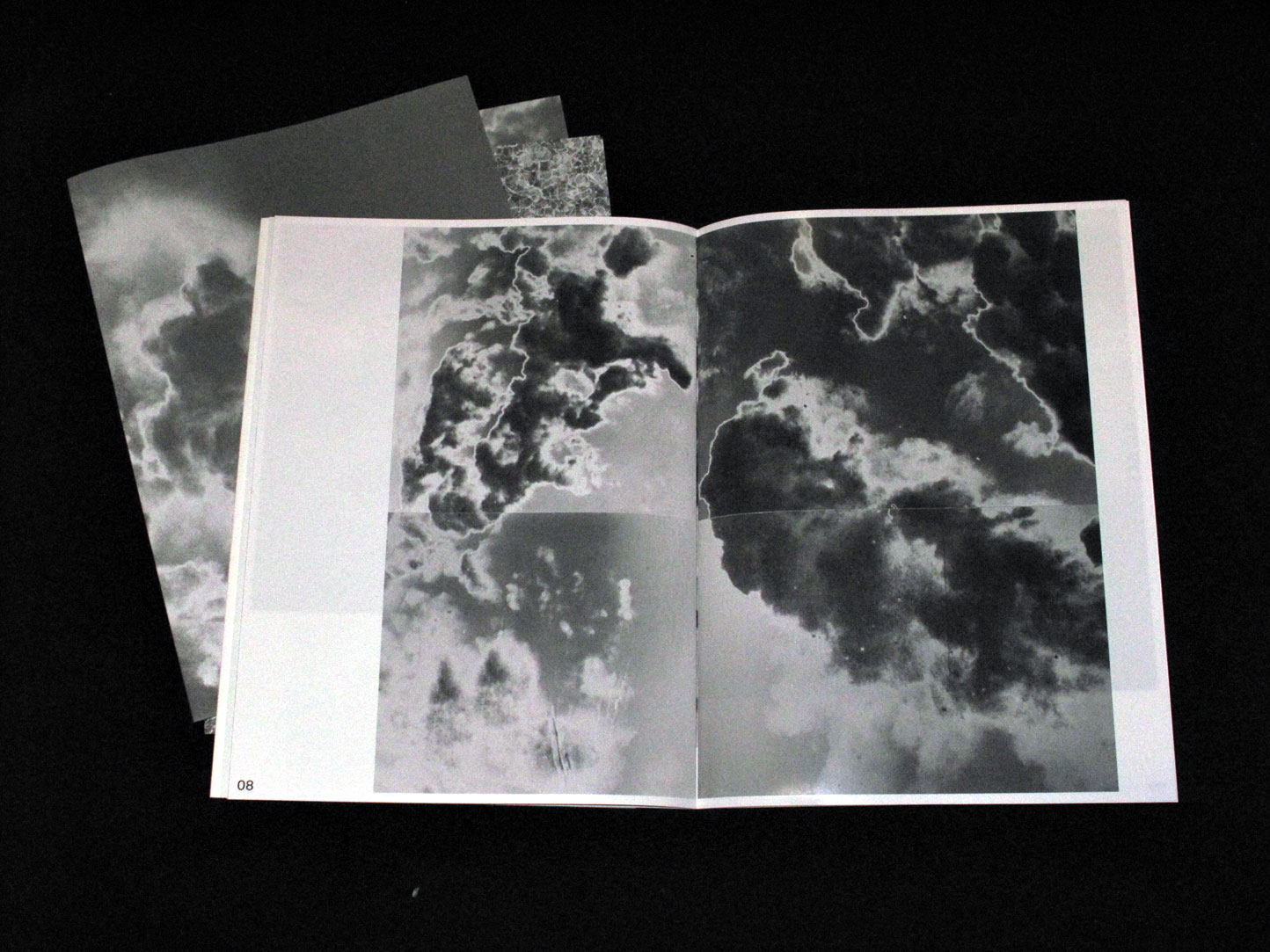
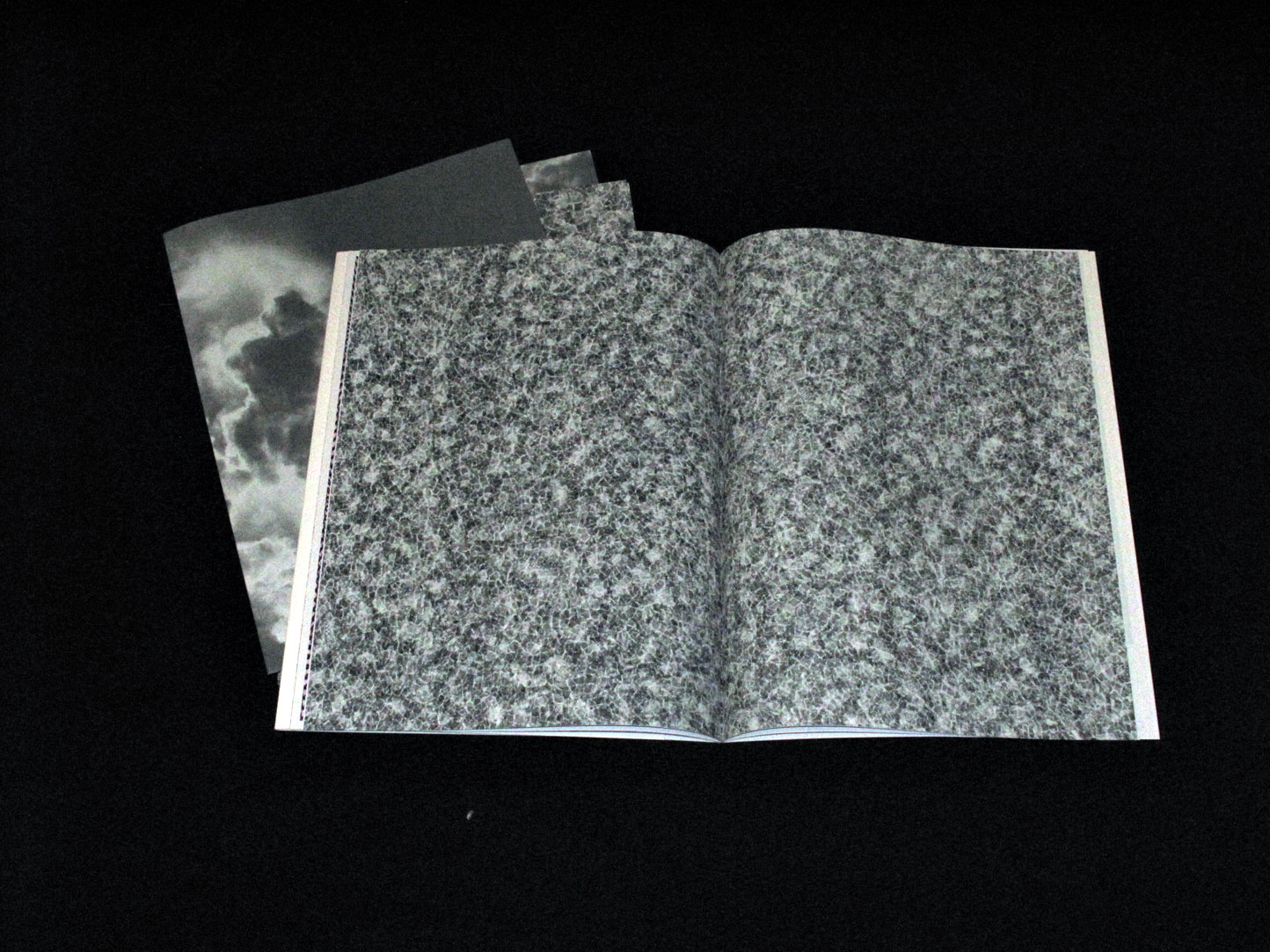
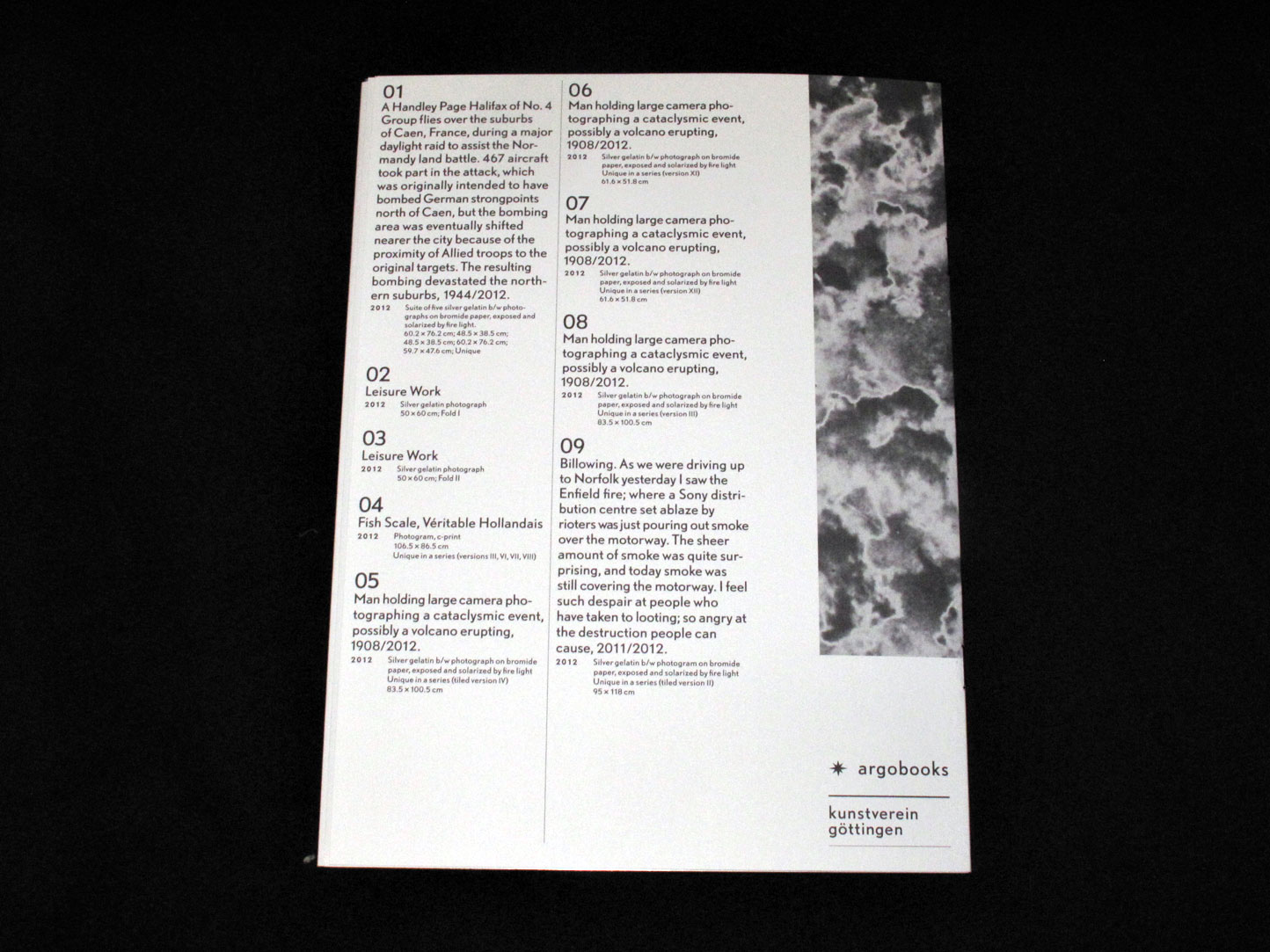
Zu ihrer Ausstellung Everyones Camera im Göttinger Kunstverein erforscht Lisa Oppenheim die Geschichte des Mediums Fotografie. Das Künstlerbuch Billowing zeigt Naturphänomene neben Rauchentwicklungen bei Demonstrationen und Kriegsereignissen. Dabei werden die Bilder ohne Kamera erstellt sondern beispielsweise aus Negativen kreiert oder Solarisationen erstellt. Photogramme von Protesten stehen neben Vulkanausbrüchen, Silbergelatine-Drucke von Bombardierungen im Zweiten Weltkrieg neben harmlosen Wolkenformationen.
Mittels künstlerischer Aneignung, visueller Verkürzung und serieller Anordnung verhandelt die Künstlerin subtil die Auseinandersetzungen, die bis heute die Fotografie bestimmen: die Konflikte zwischen dem Dokumentarischen und dem Symbolischen, zwischen Repräsentation und Abstraktion. (Laura Schleussner)

Author: Lisa Oppenheim
Publisher: Argobooks
Language: English
Pages: 24 with 3 posters
Size: 27x20cm
Binding: Softcover

Price: €12.00
Buy it

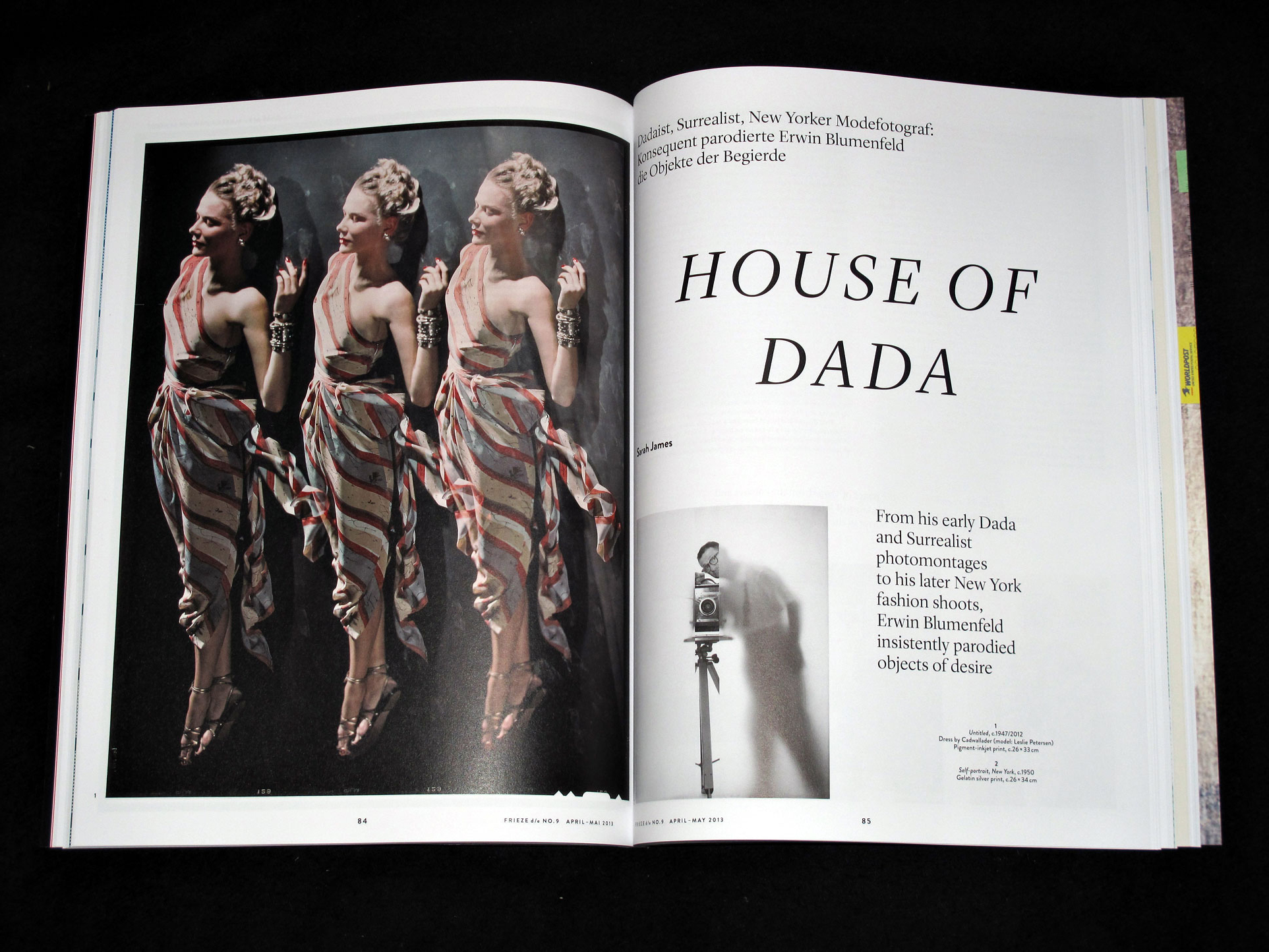
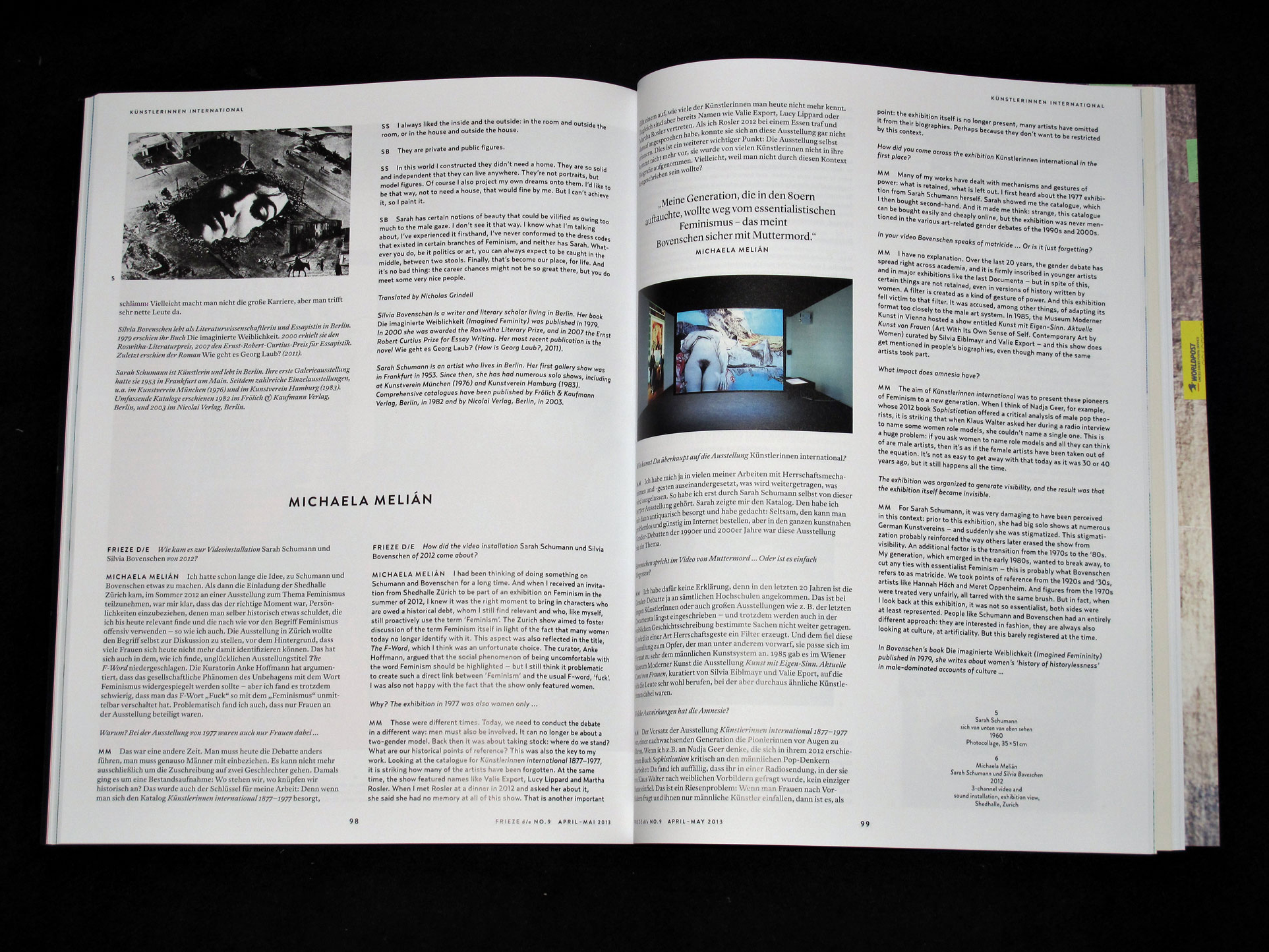
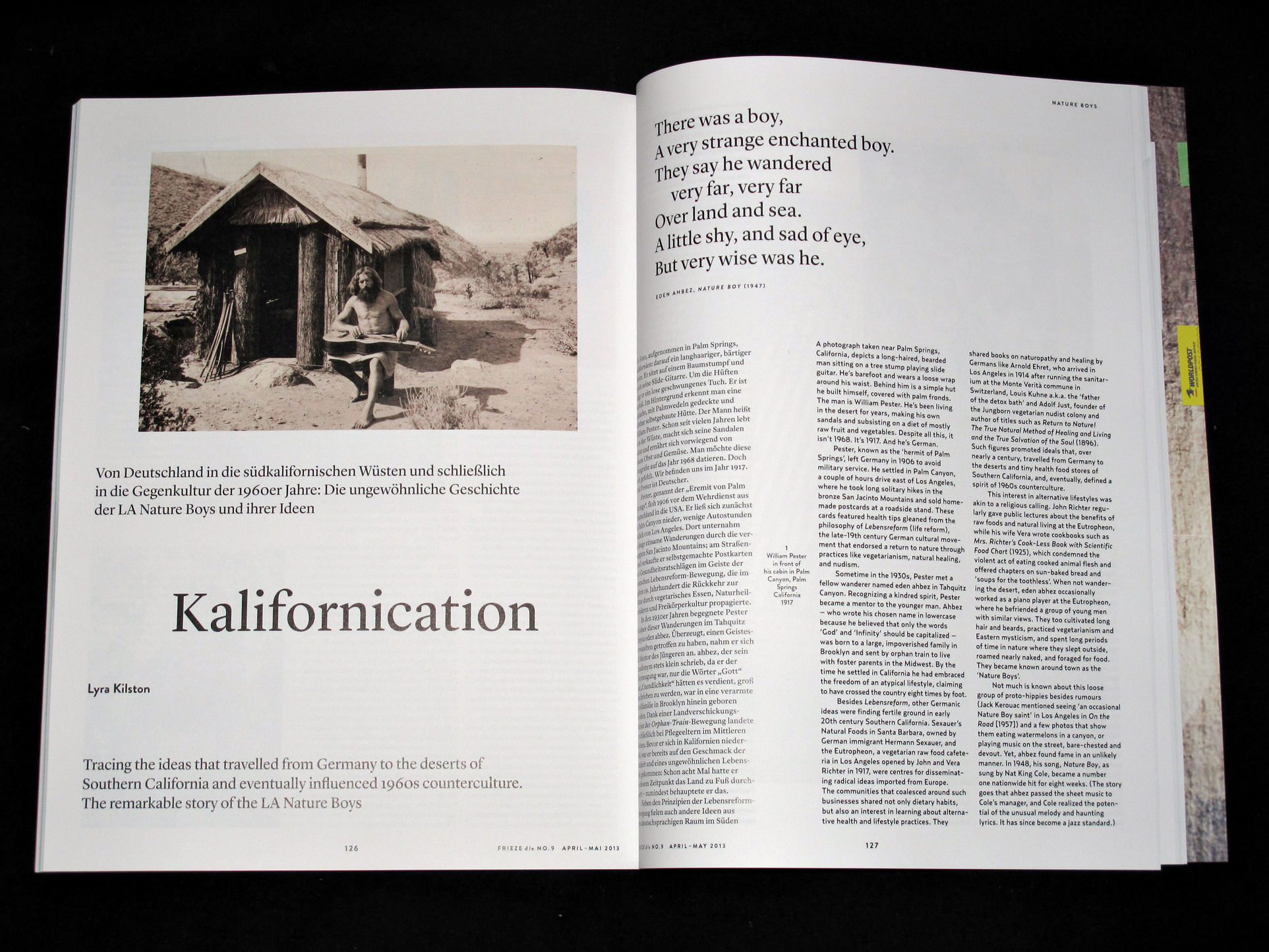
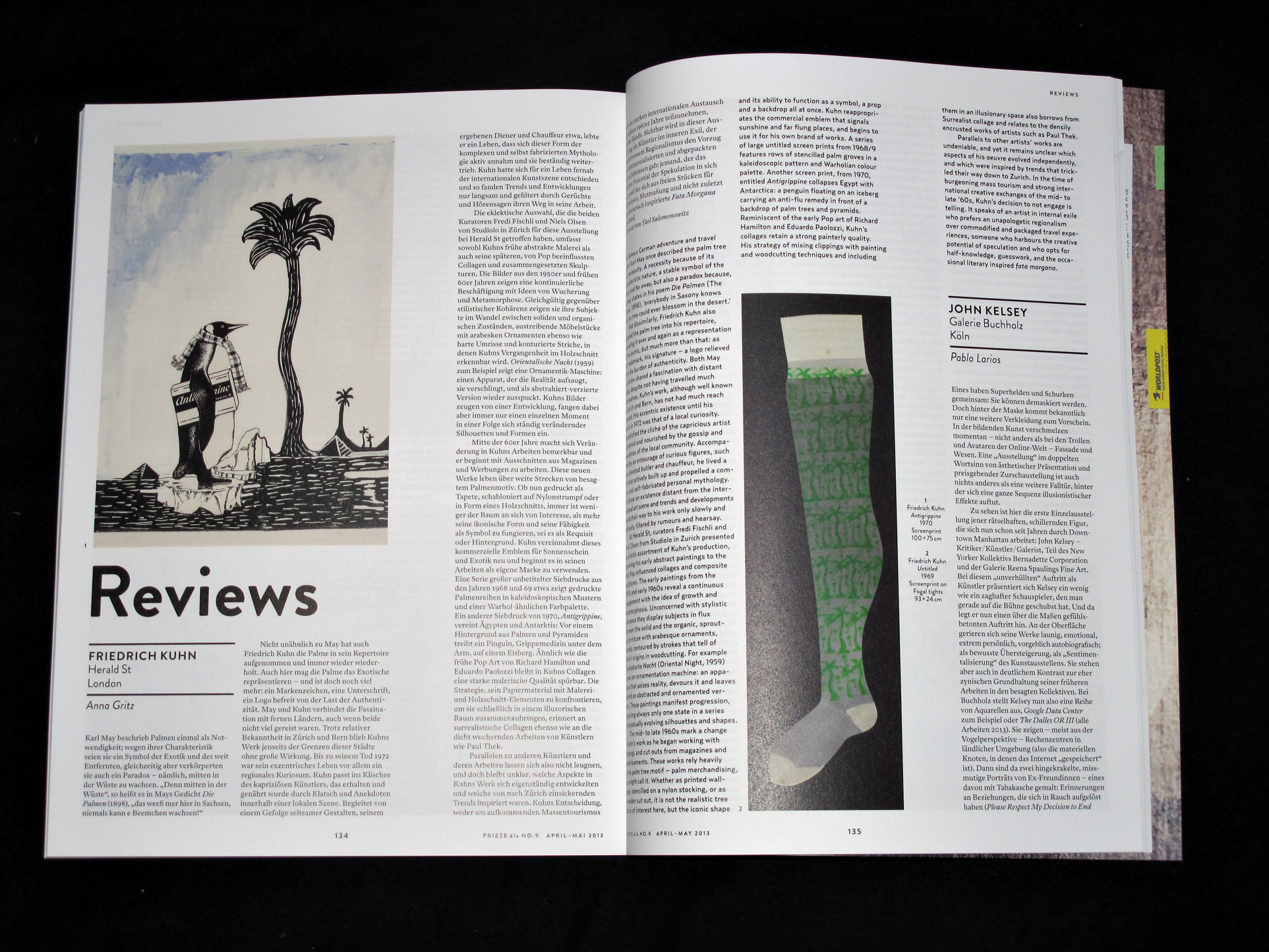
frieze d/e #9

Posted in magazines, painting, photography, sculpture, writing on April 12th, 2013
Tags: , , , , , , ,

IMG_0205
IMG_0210IMG_0209
IMG_0207IMG_0206

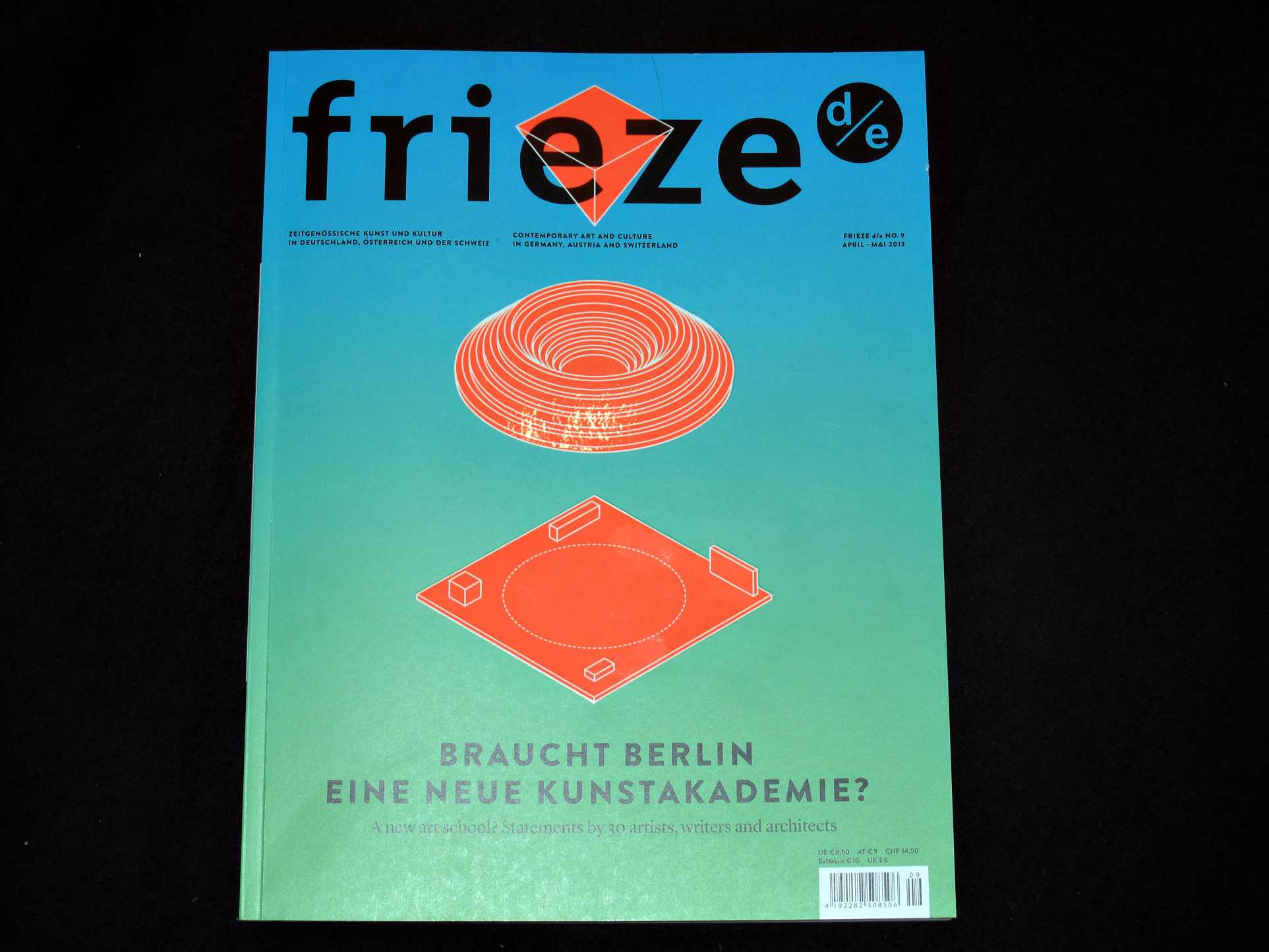
A new art school? Statements by 30 artists, writers and architects.

Over the past two decades, Berlin’s growth into an international art metropolis has brought many people to the city. A number of these imports teach art – seemingly in all other cities but Berlin. The city’s two schools providing full-scale arts education – the Universität der Künste (UdK) and the Hochschule Berlin Weissensee – were established long before 1989.

Since 2006, if not before, discussions about the UdK’s organizational and administrative politics have flared up – generated, for one, by the stepping down of Stan Douglas and Daniel Richter as professors, a development the UdK attempted to atone for by appointing prominent professors such as Olafur Eliasson (whose assignment though ends March 2014). Weissensee has seen an outflow of professors with international profiles to teaching posts in other cities – Karin Sander has taught in Zurich since 2007, Katharina Grosse in Düsseldorf since 2010 – and the school has gone the way of appointing guest professors and lecturers.

Reputations, ratings and capacities for reform aside, the question still presents itself whether Berlin, given its manifold art scene, is in need of new models and directions for its art education. In 2006–7, the one-year temporary project unitednationsplaza underscorred the city’s desire for an informal art school mediating its larger, international art discourse.

Does the current situation suffice? If not, what form would a new institute ideally take? frieze d/e asked Monica BONVICINI, Helmut DRAXLER, Tom HOLERT and Robert KUDIELKA for extended responses to these questions. A set of additional artists and theorists also contributed shorter statements.

Finally, six artists and architects – Roger BUNDSCHUH, Eva GRUBINGER, Sabine HORNIG, Michelle HOWARD, KUEHN MALVEZZI, and Studio MIESSEN – were asked to submit concrete drafts for the design and structure of a new art academy.

And much more…

Editors: Matthew Slotover, Amanda Sharp
Language: German / English
Pages: 158

Price: €8.50
Buy it