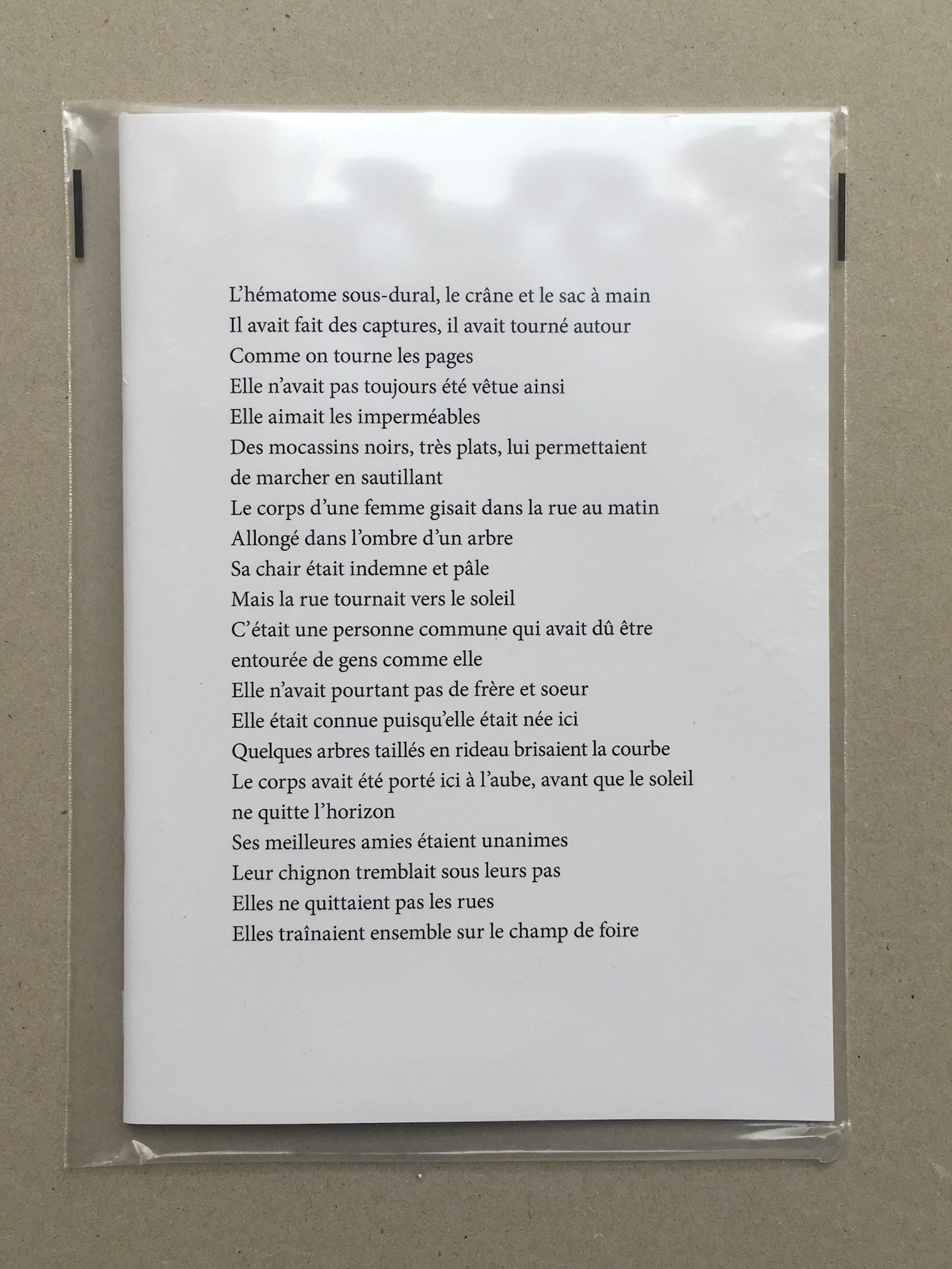
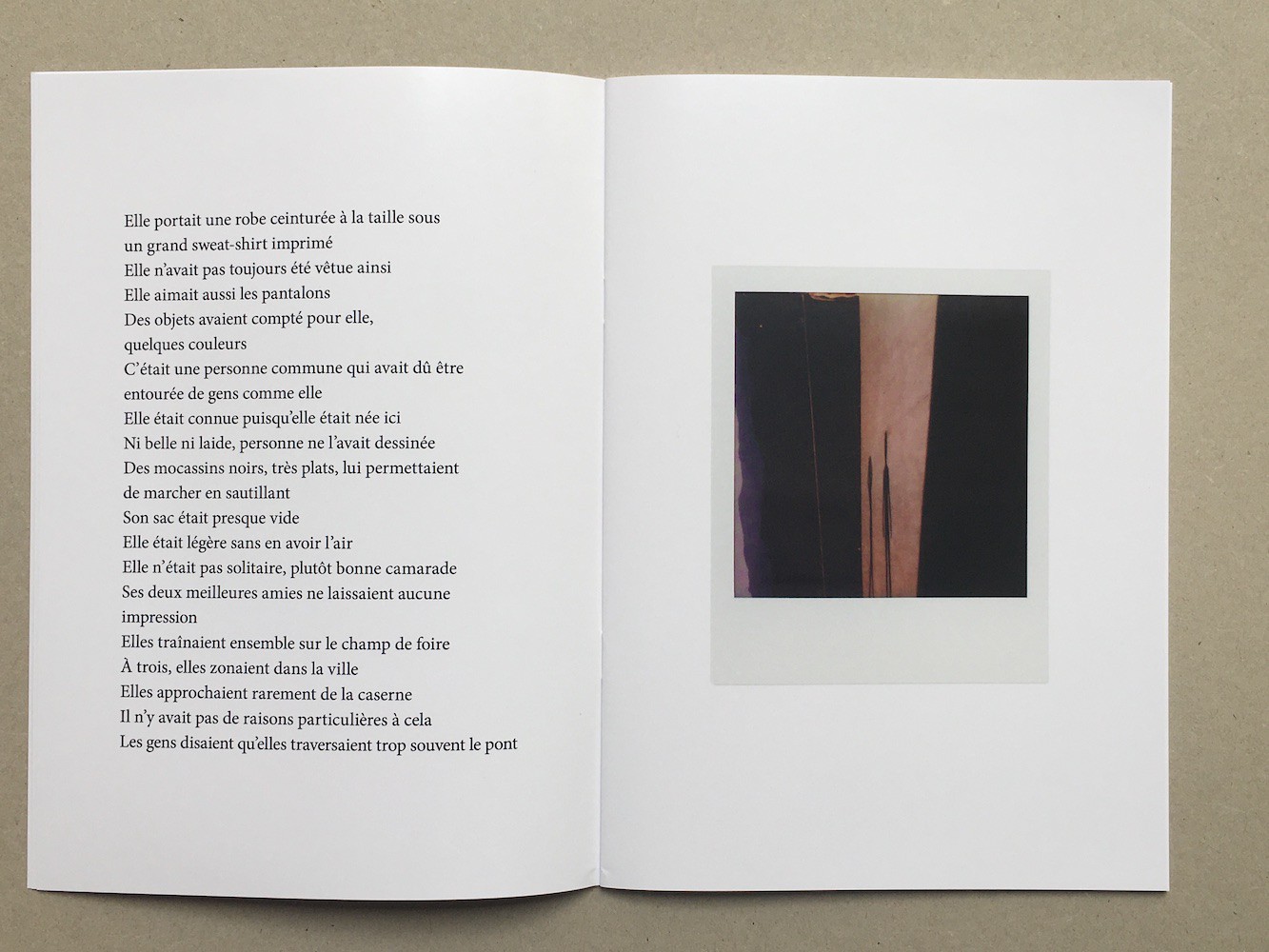
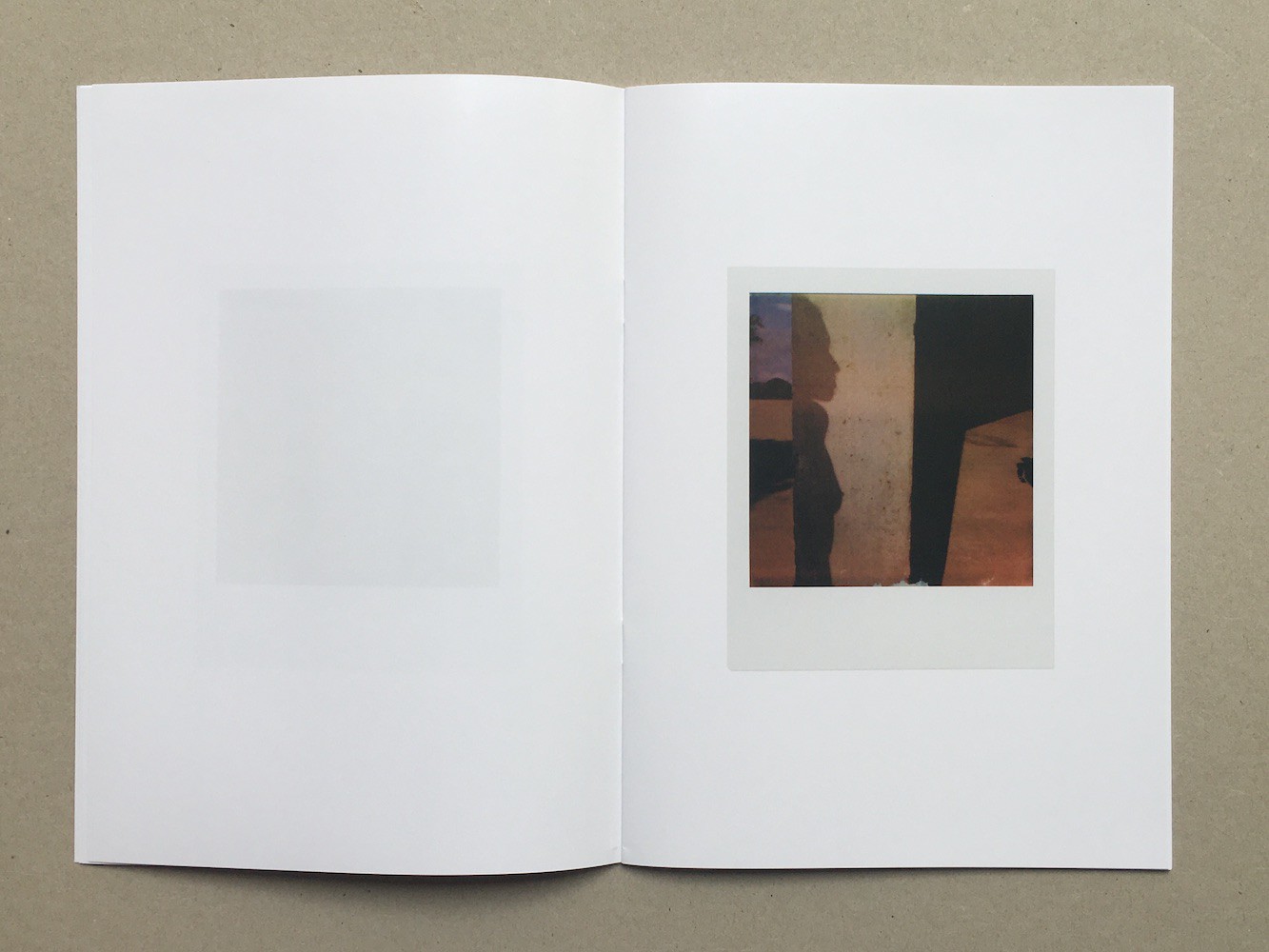
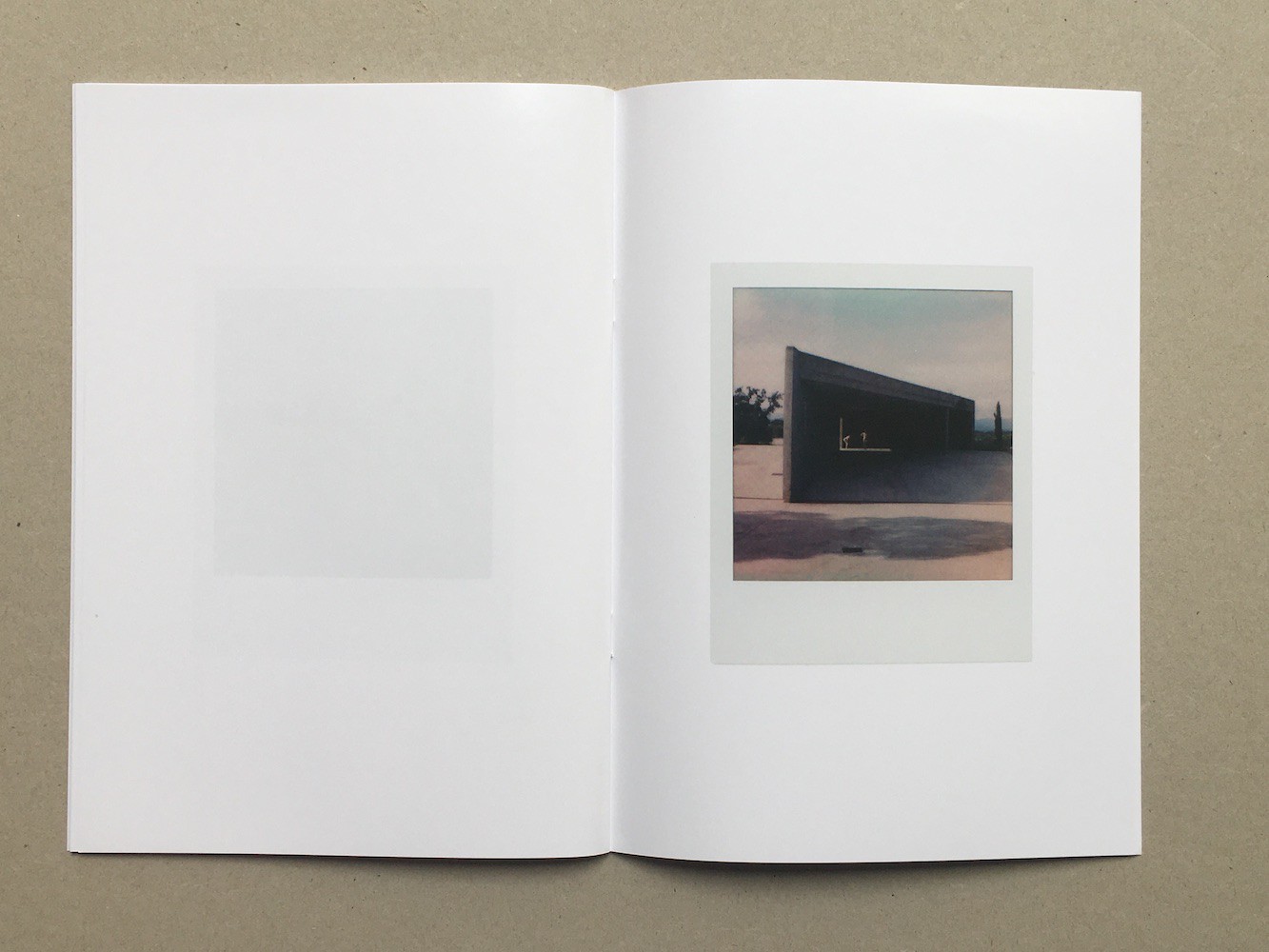
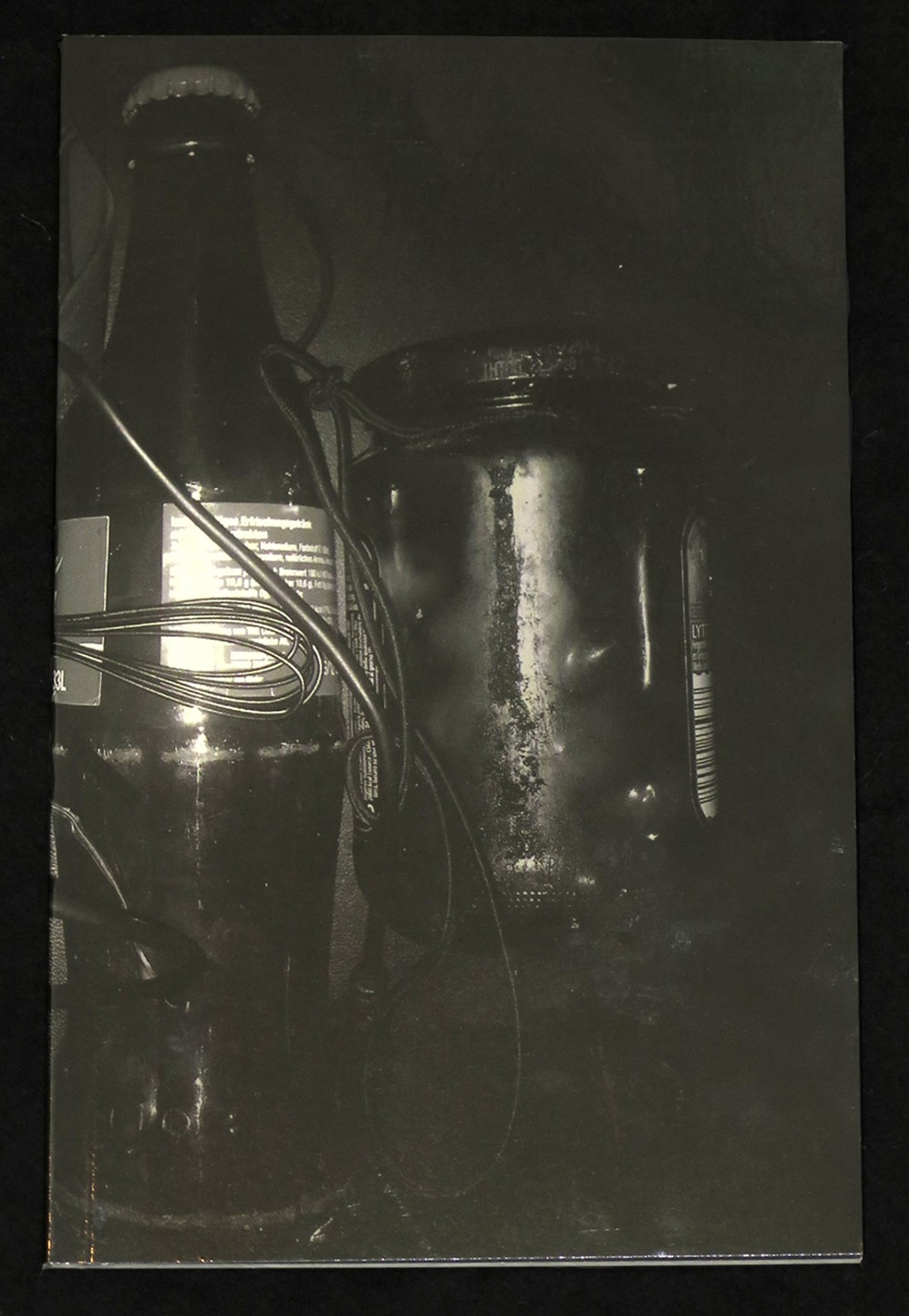
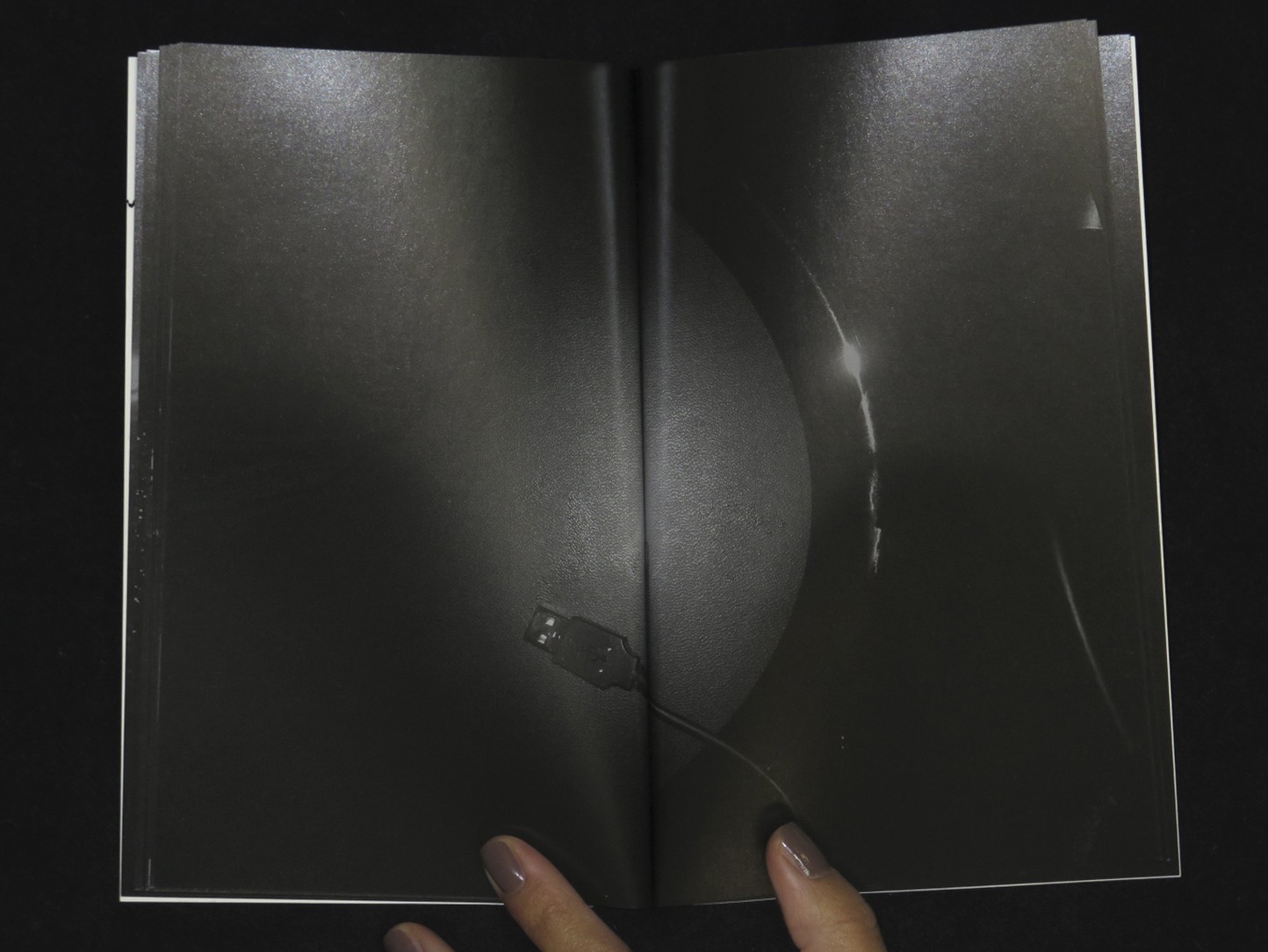
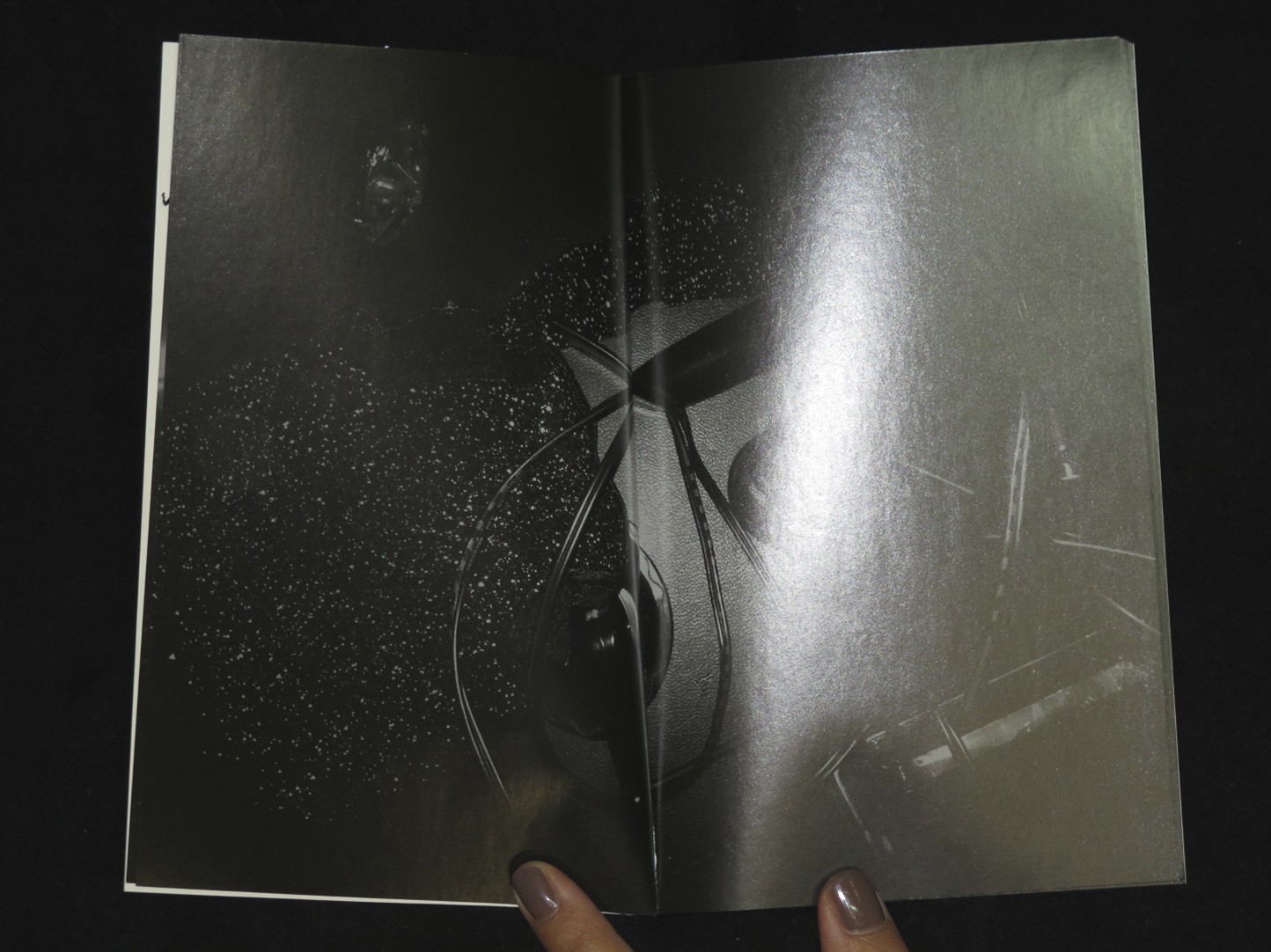
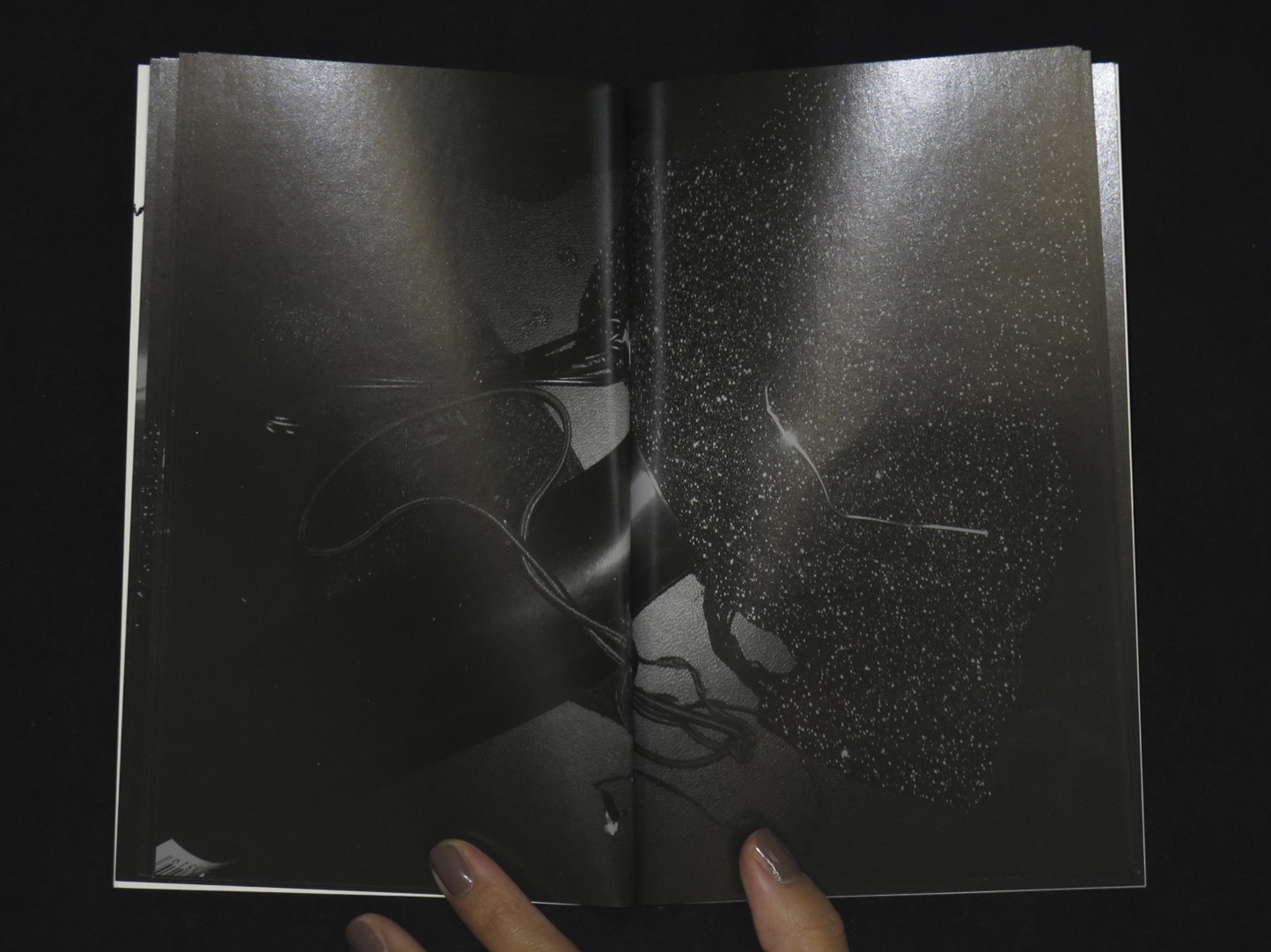
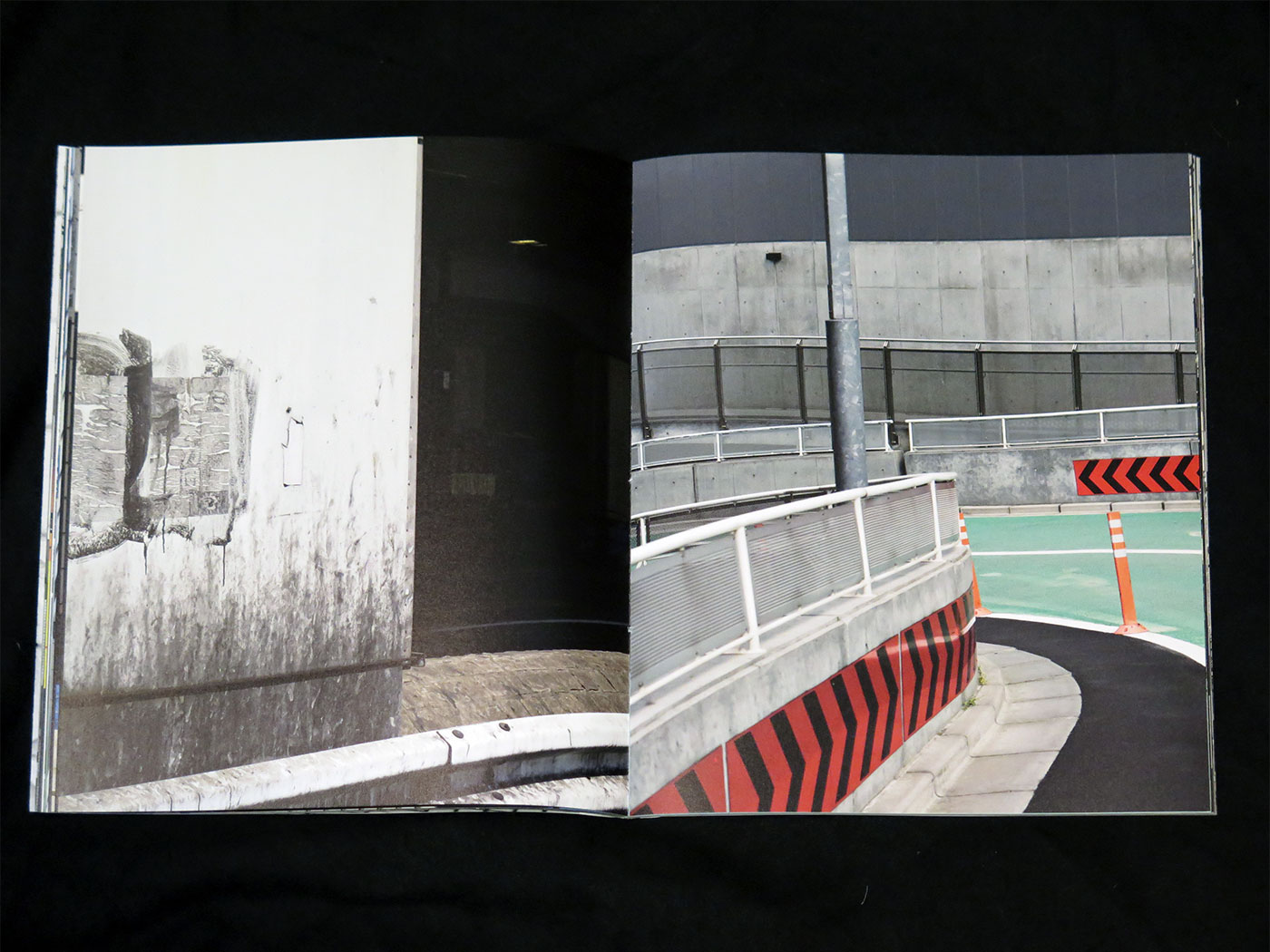
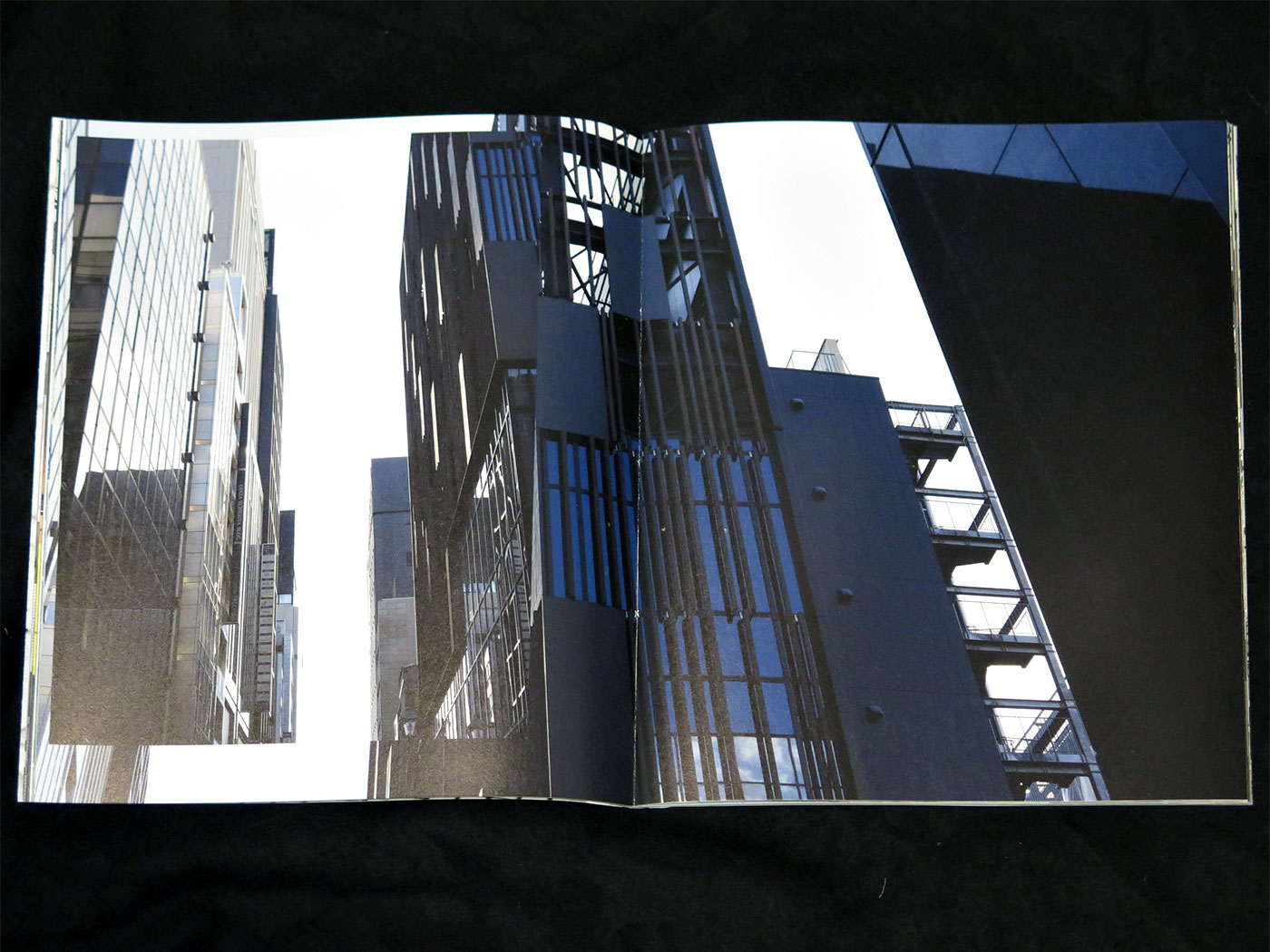
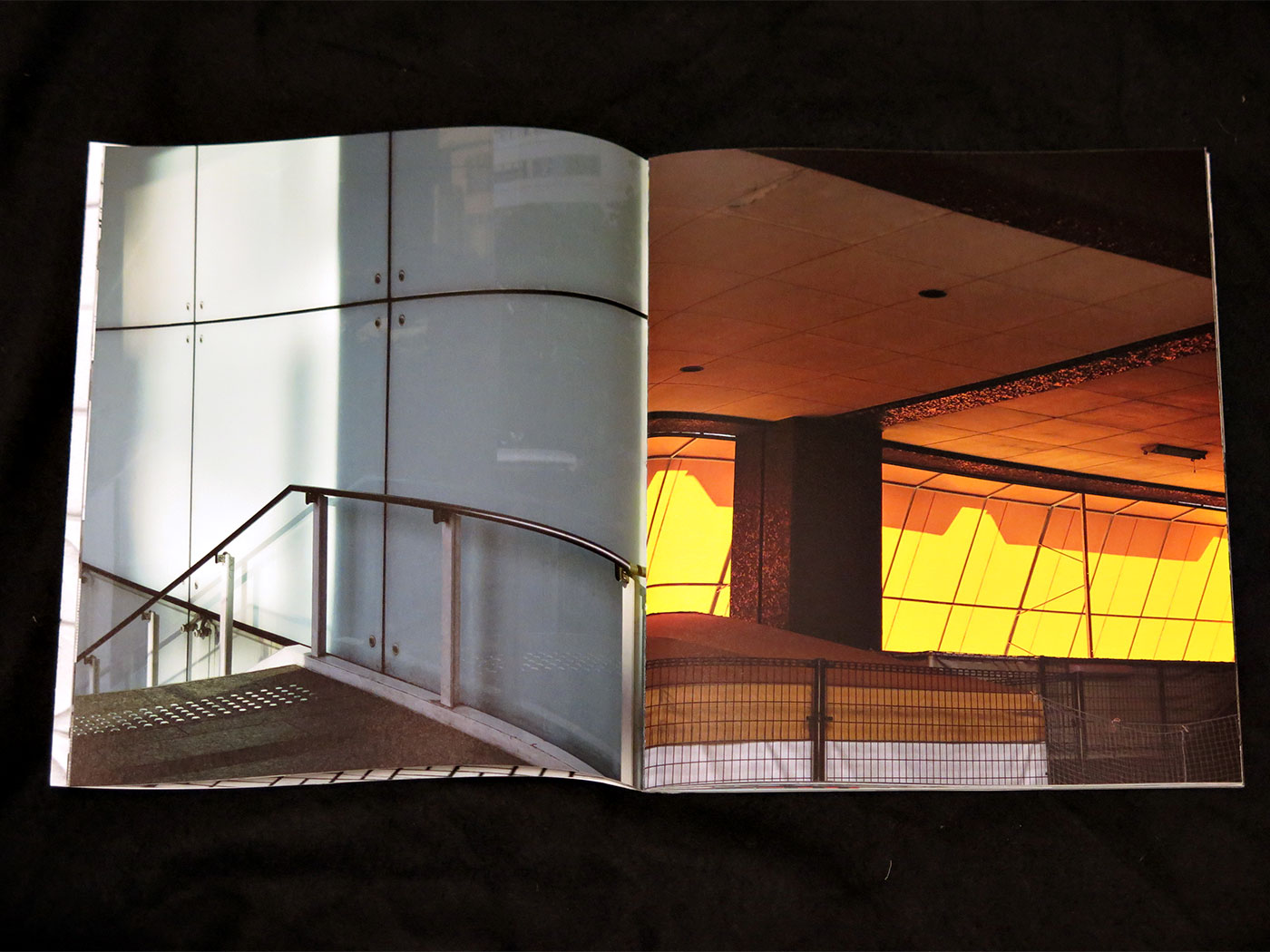
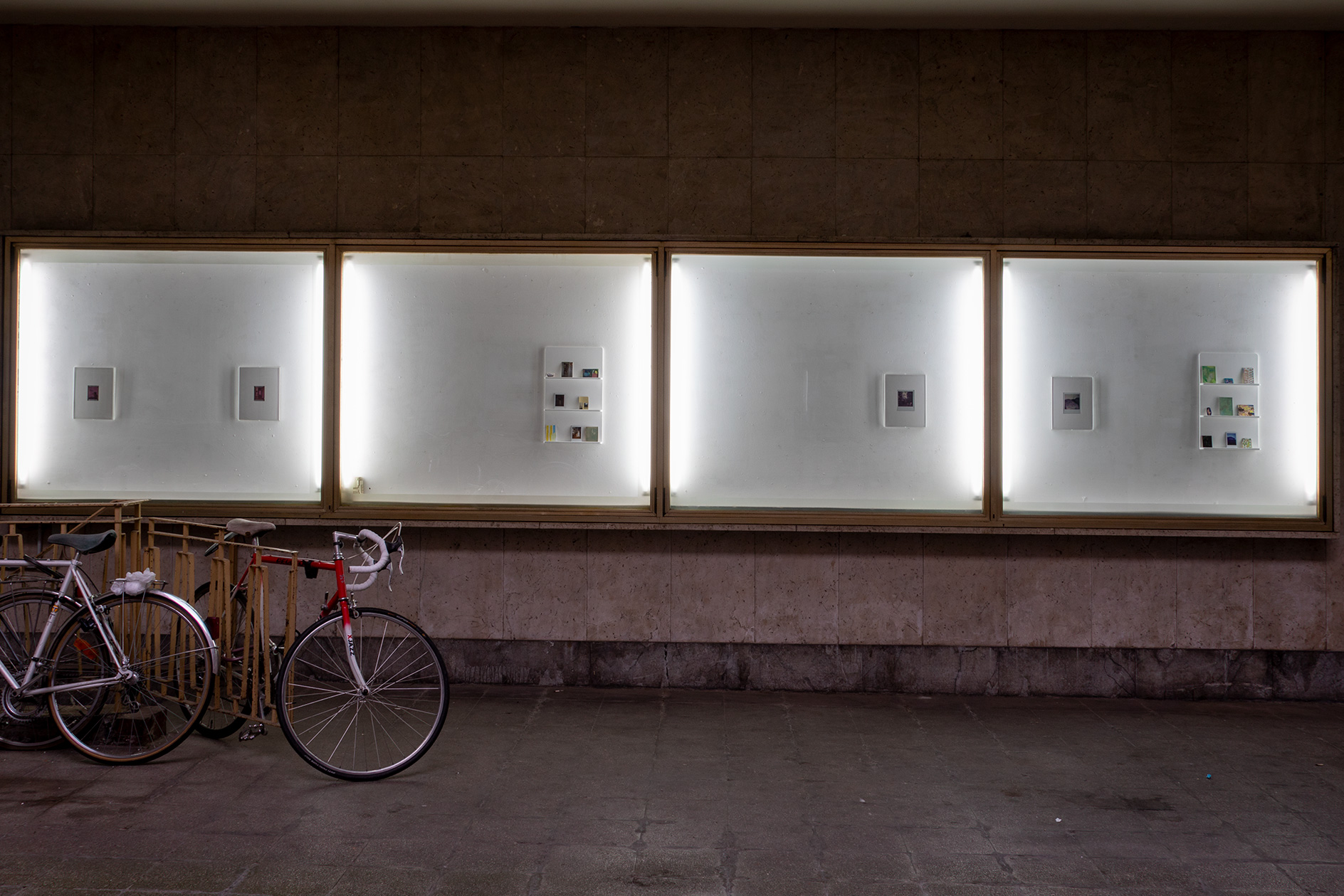
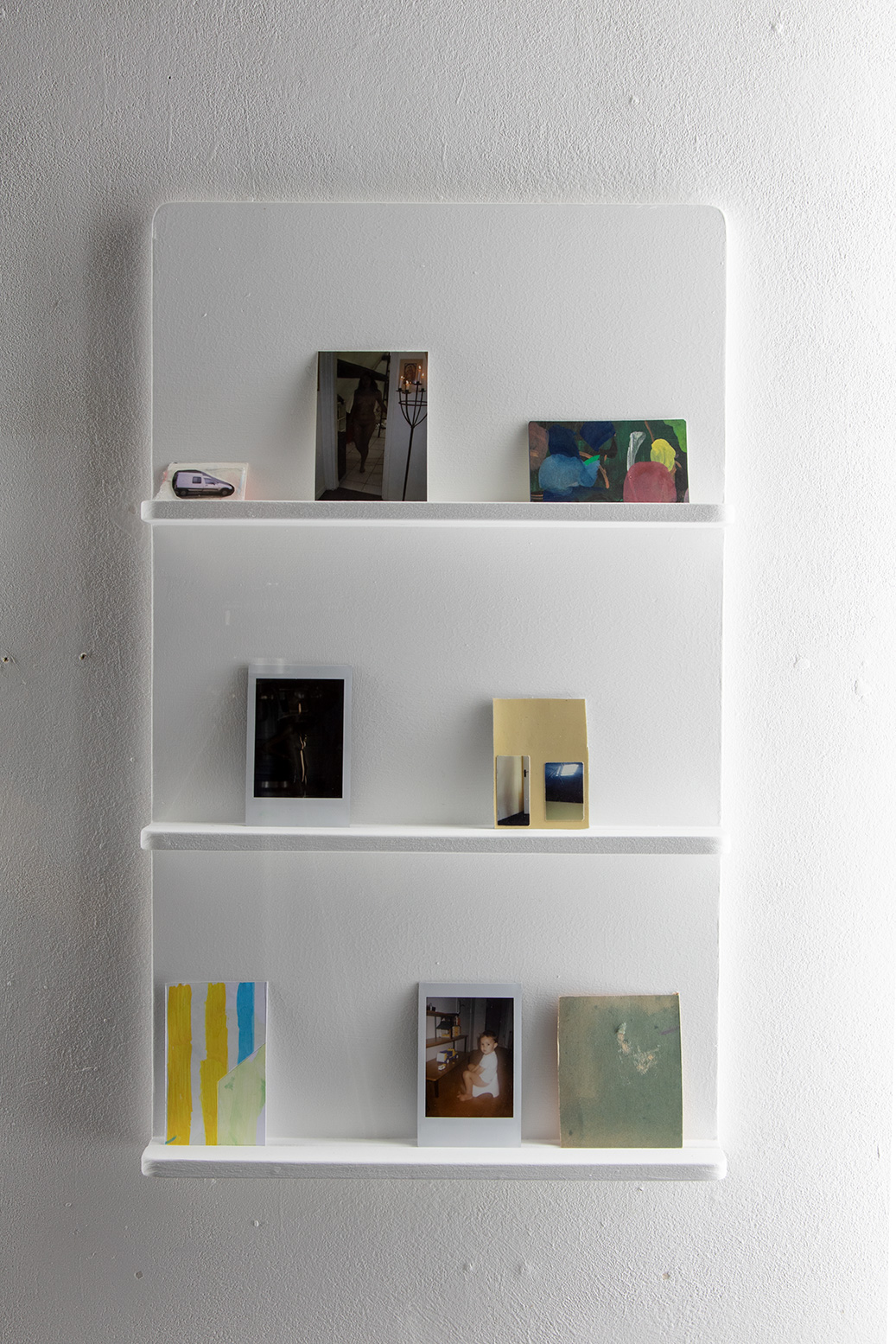
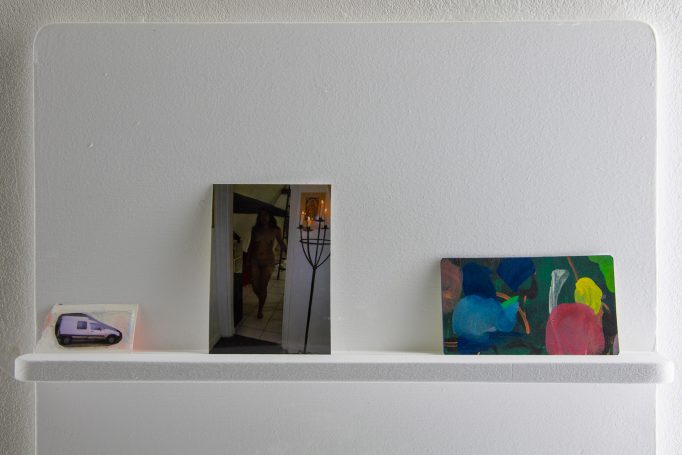
Terra Remota. Julien Carreyn, Amélie Lucas-Gary. 048; Motto Books
Posted in Motto Books, photography on August 12th, 2021Tags: 048, Amélie Lucas-Gary, Julien Carreyn, Motto Books, photography, Polaroïds, Terra Remota


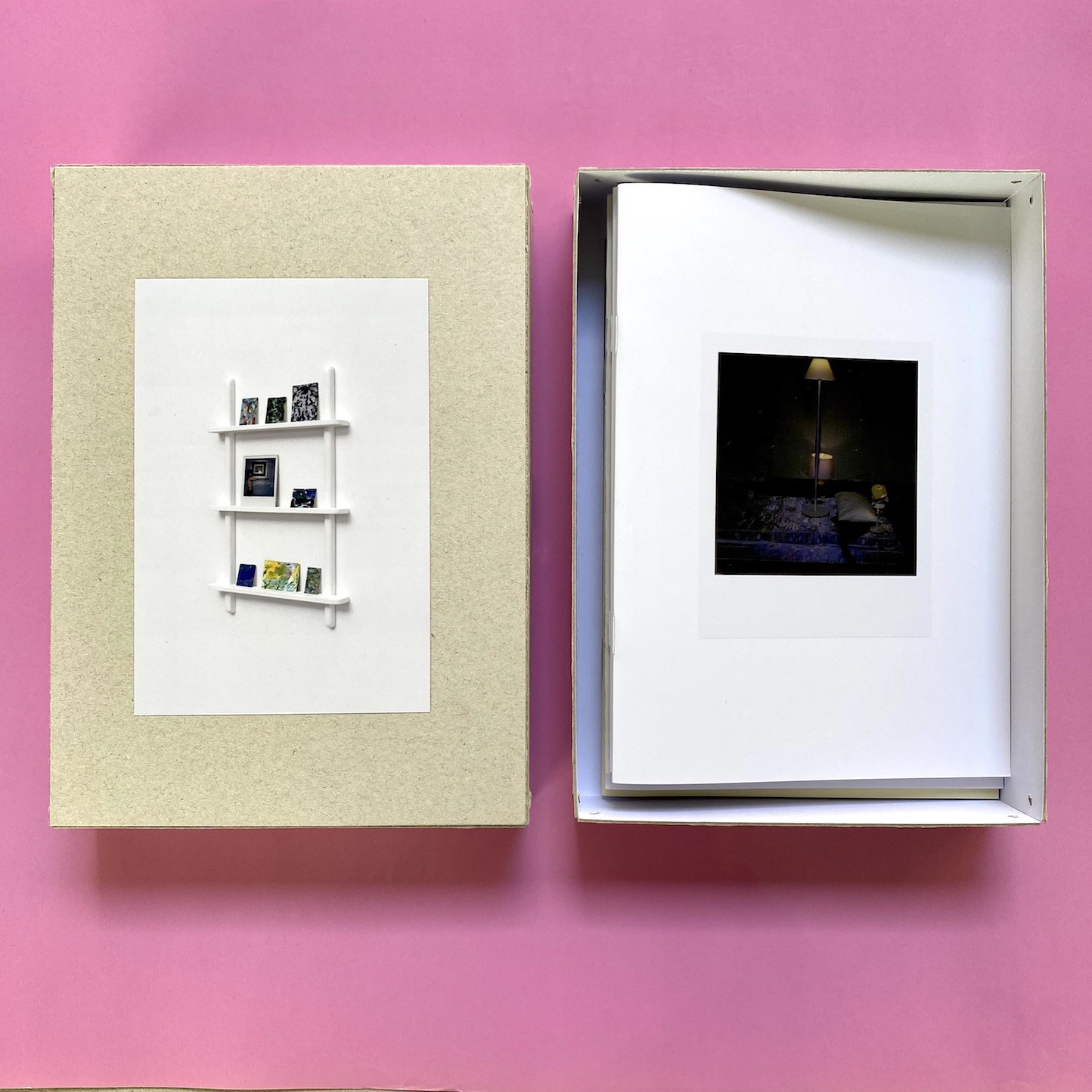

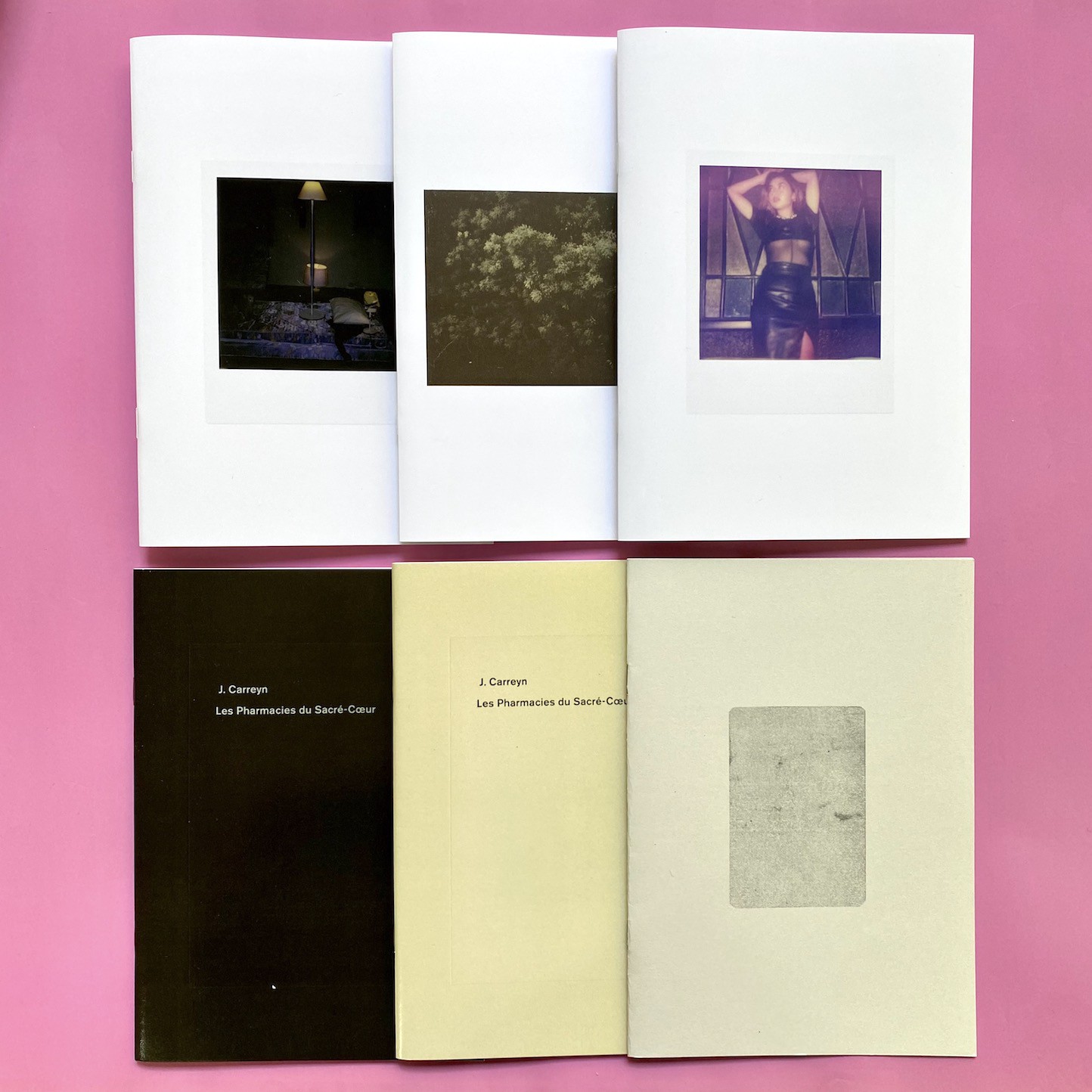


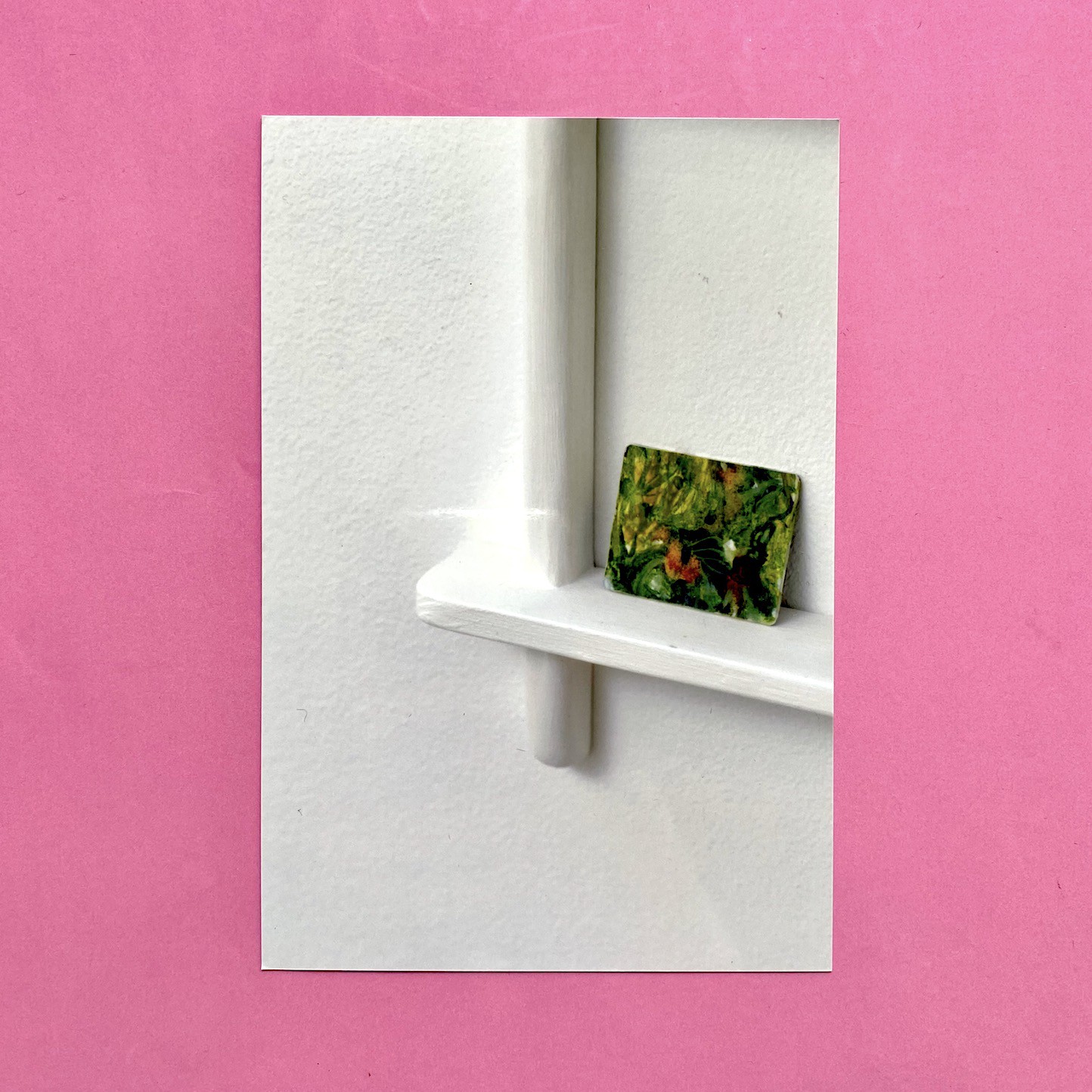
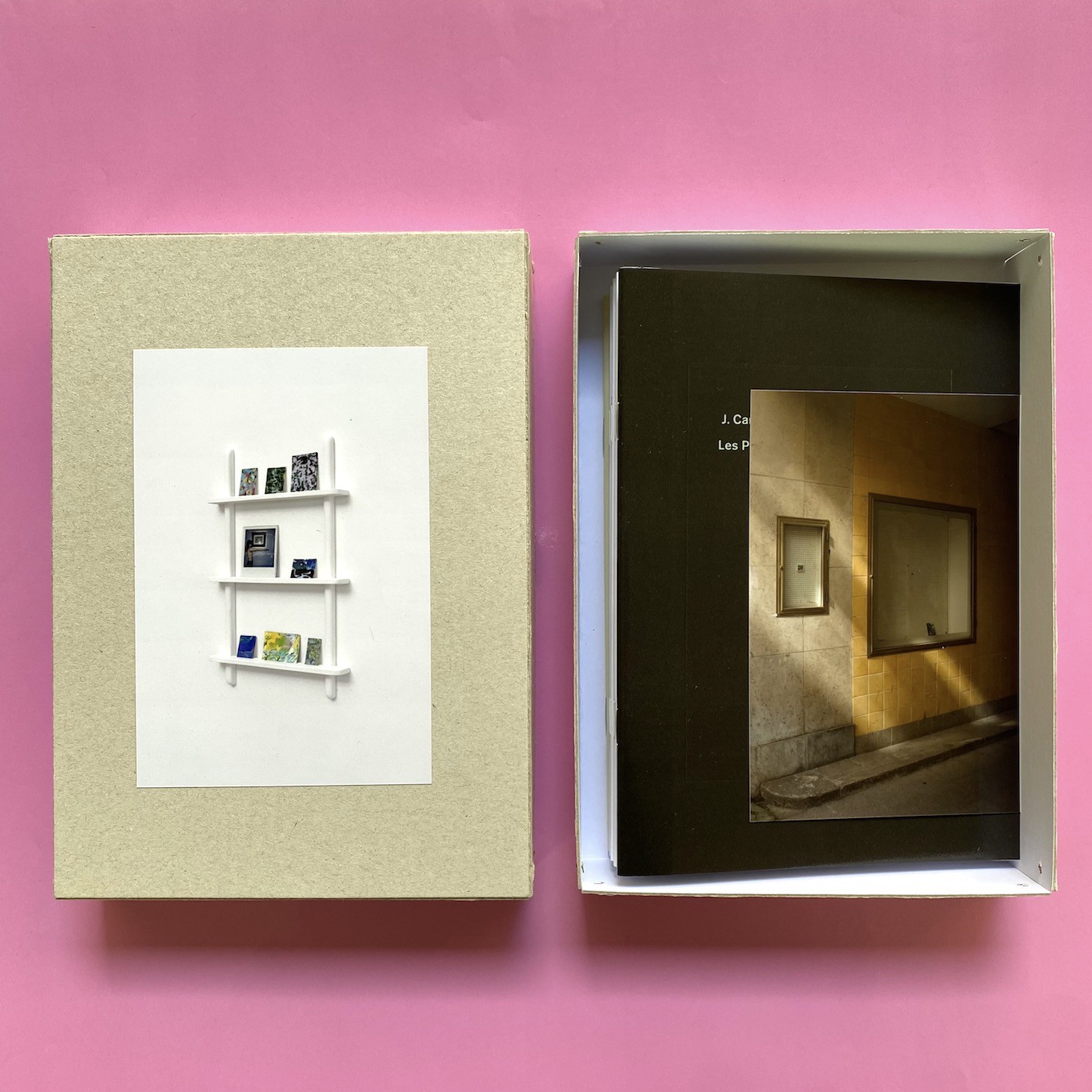

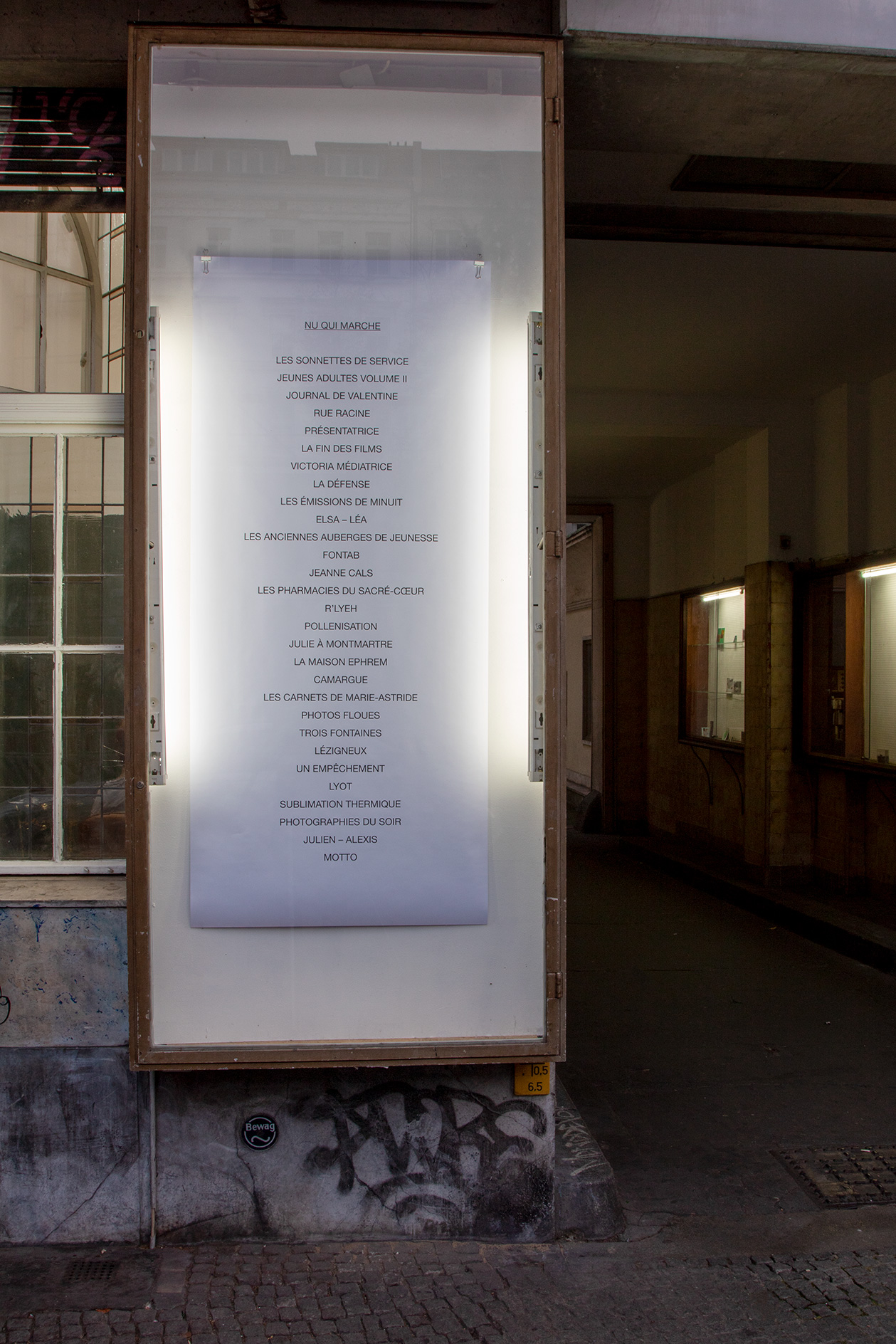
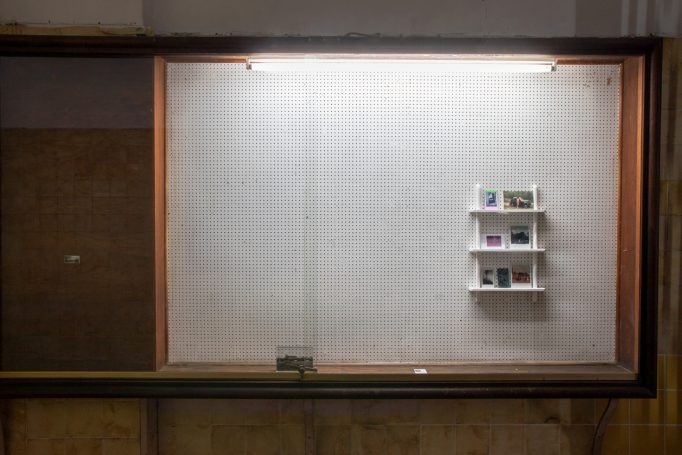
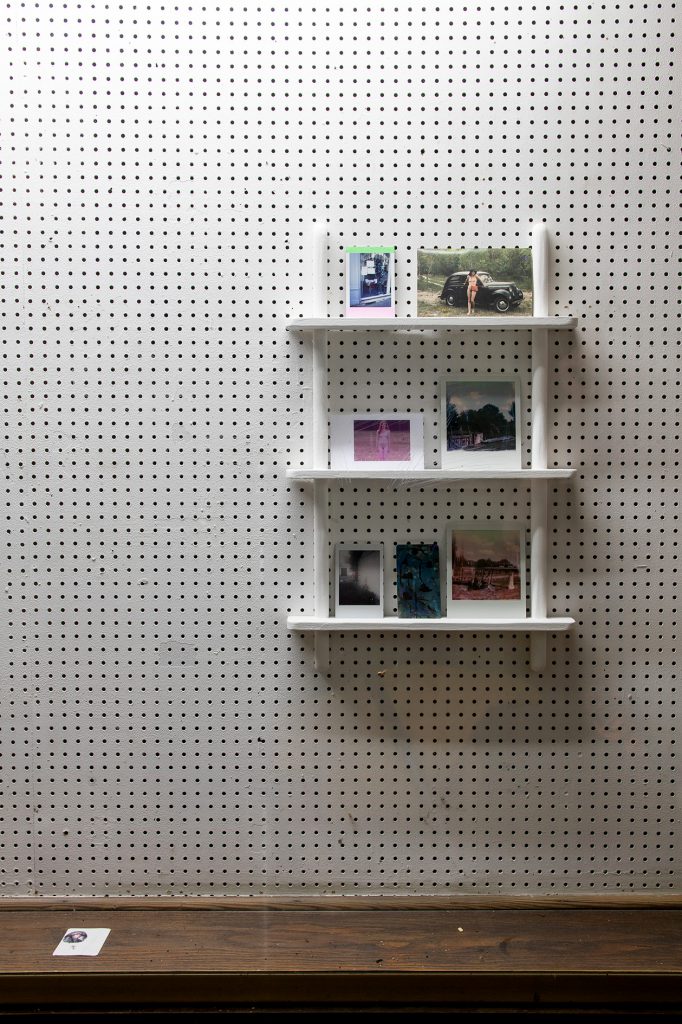
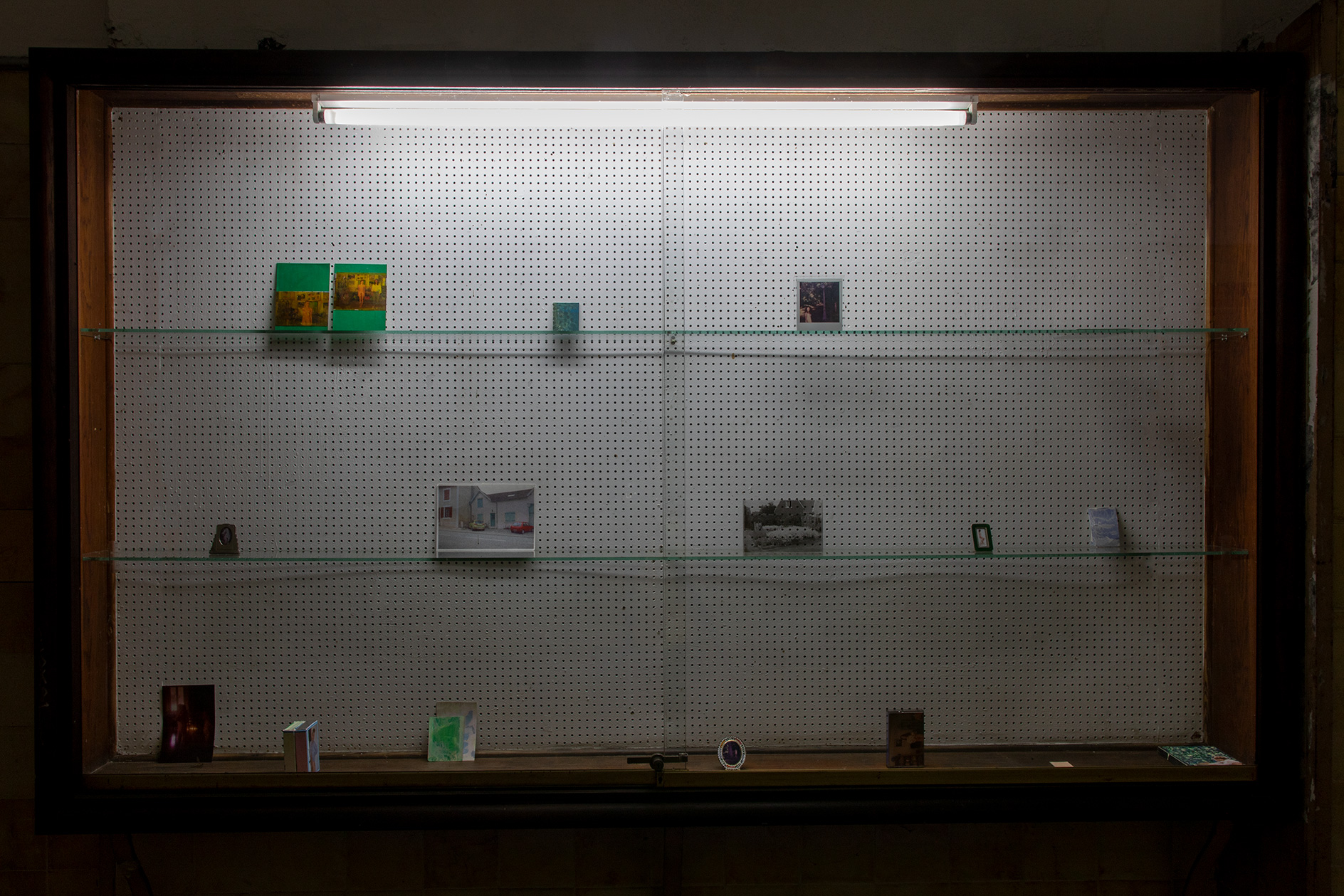
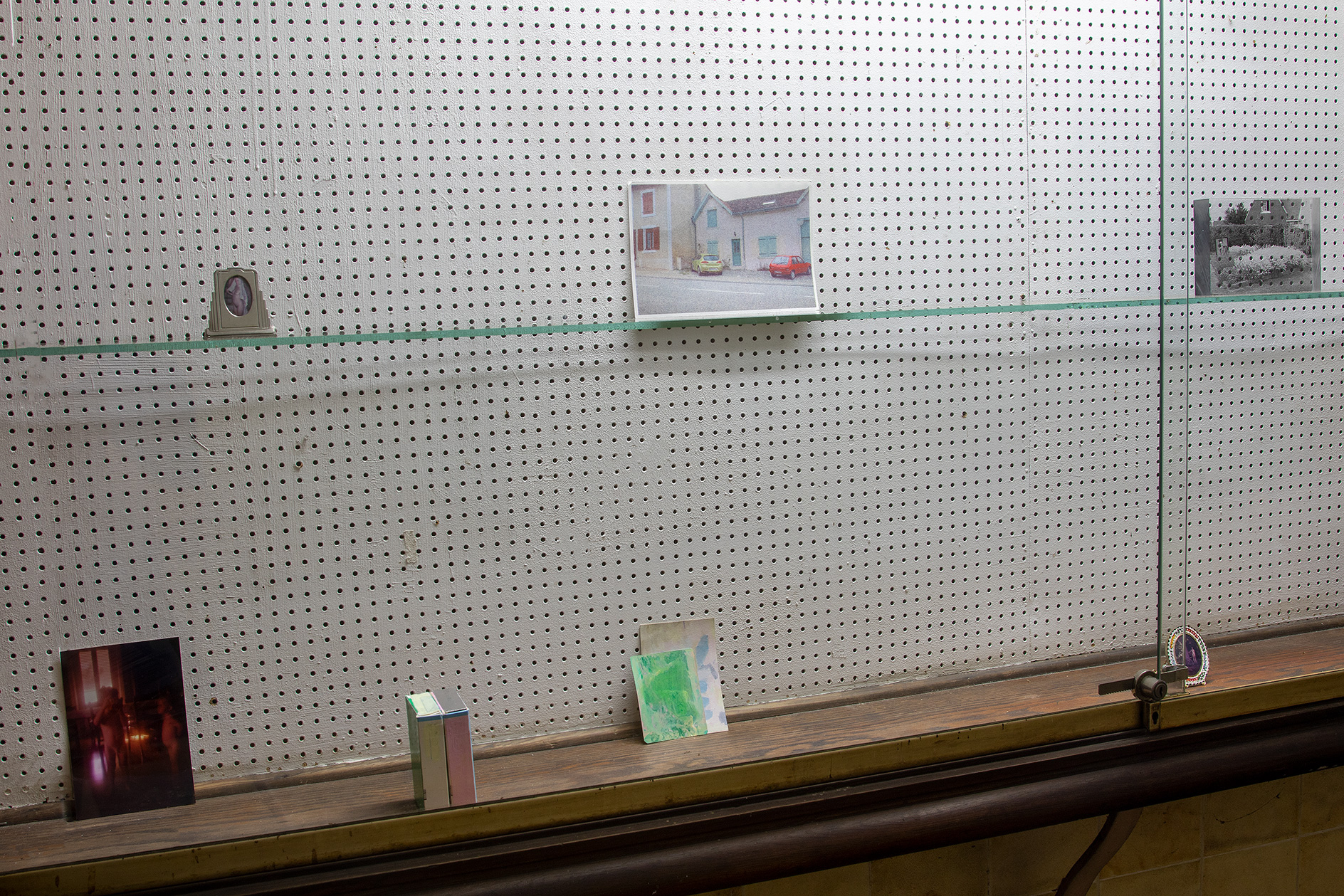
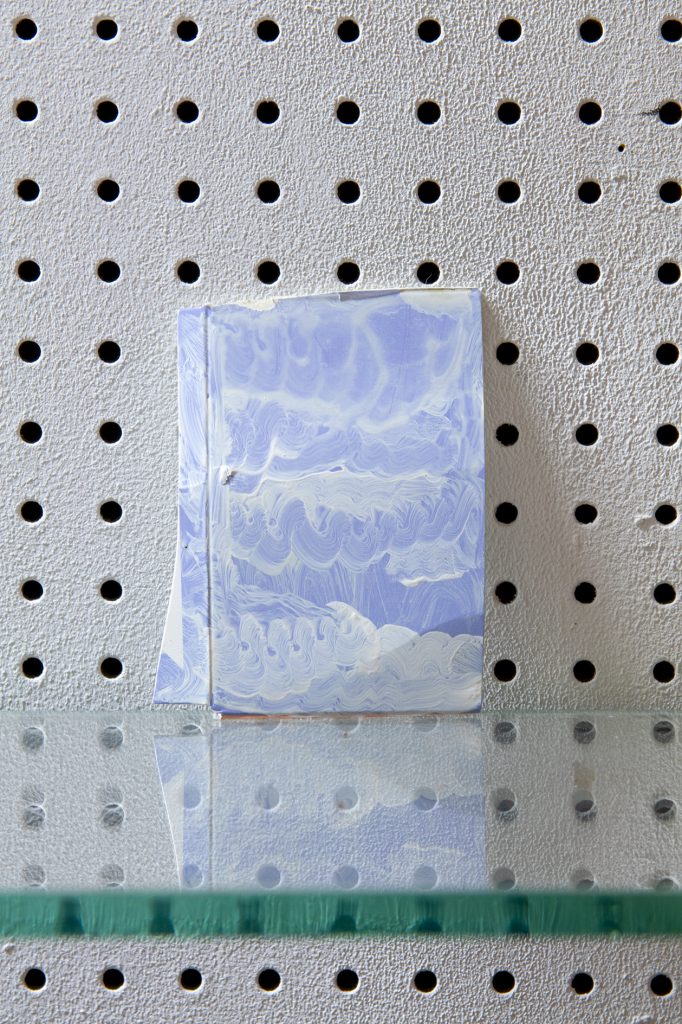
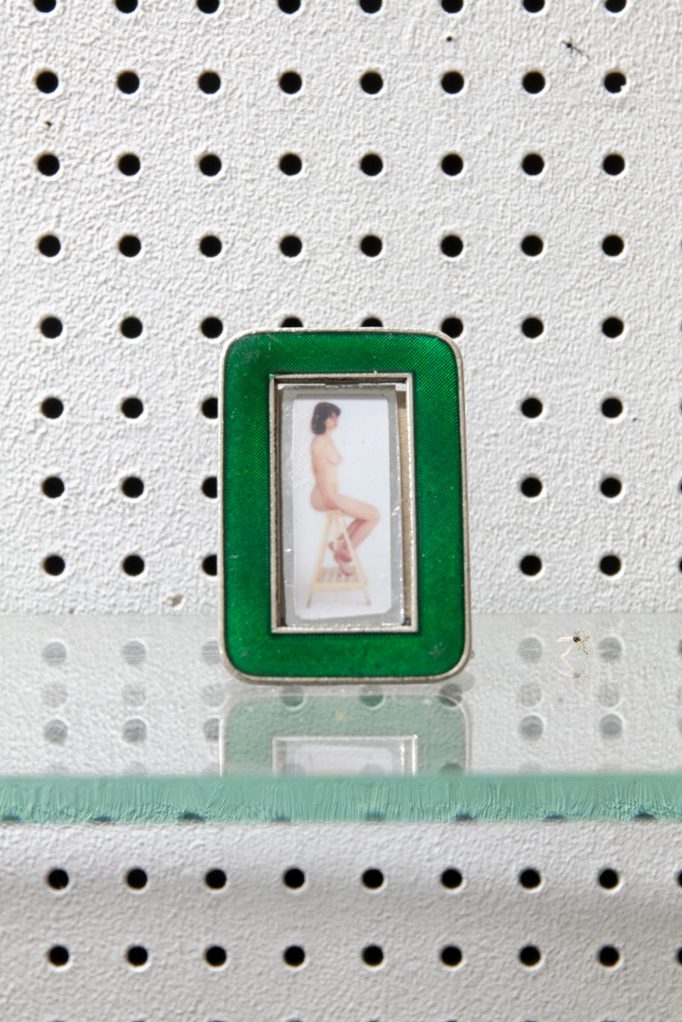
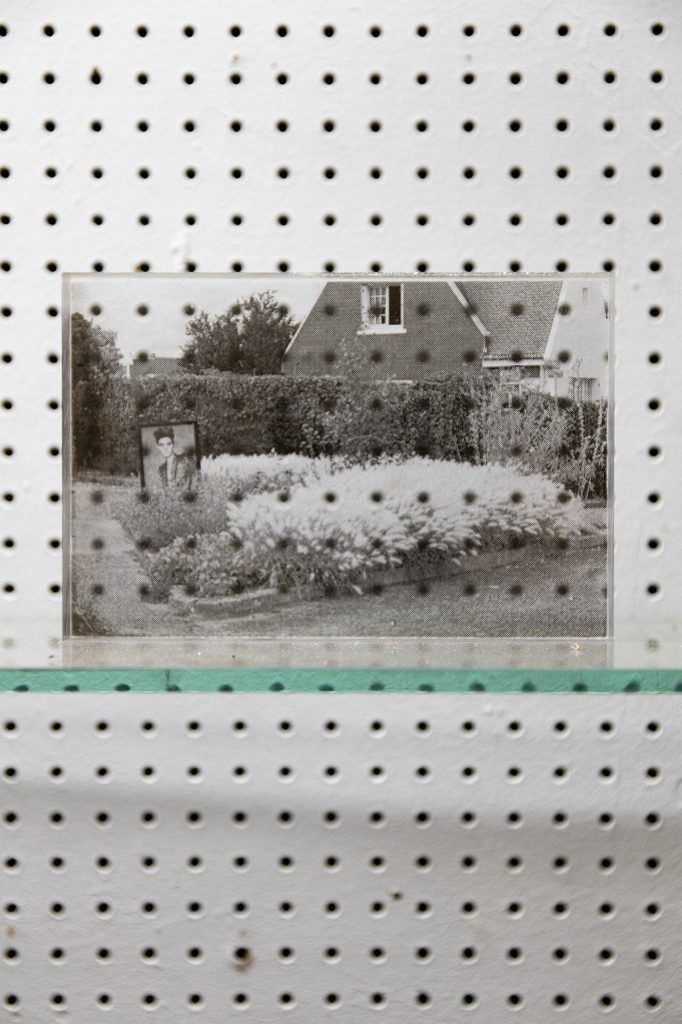
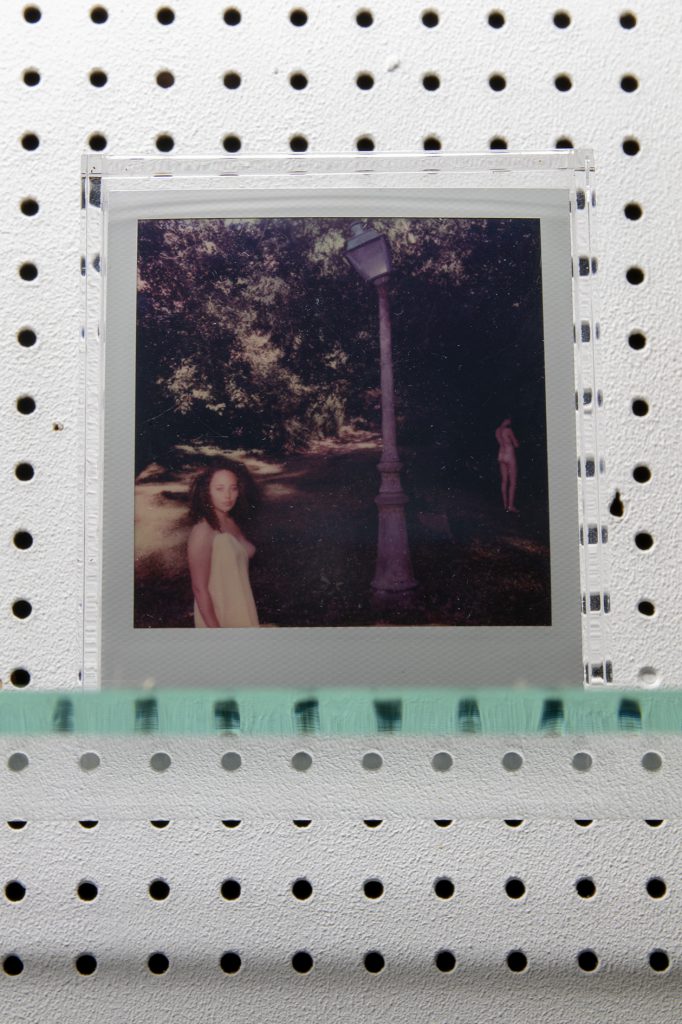
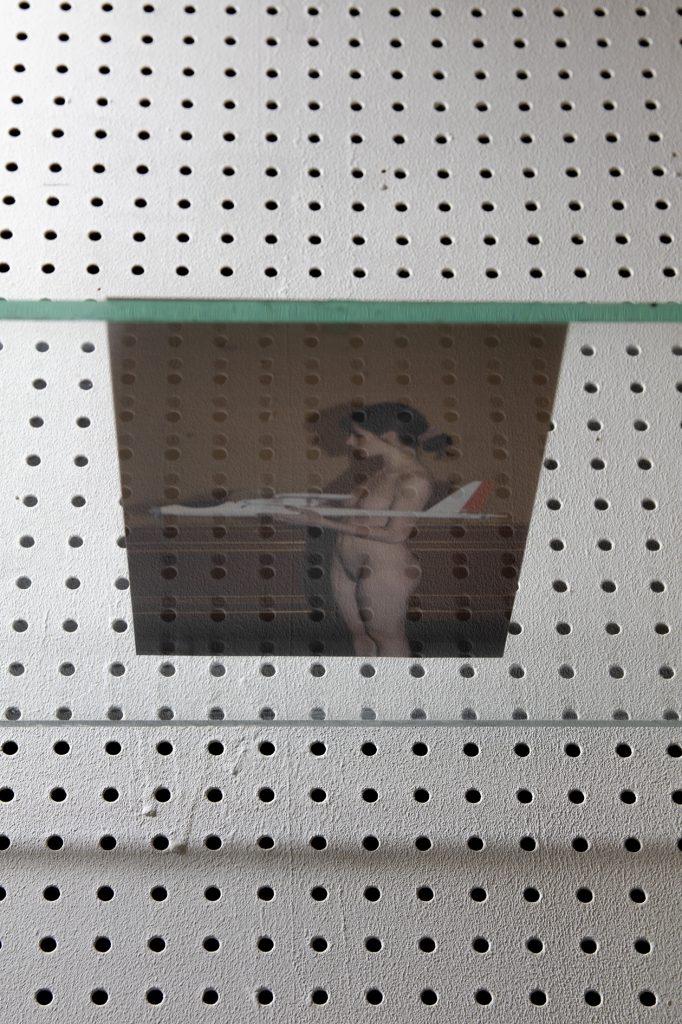
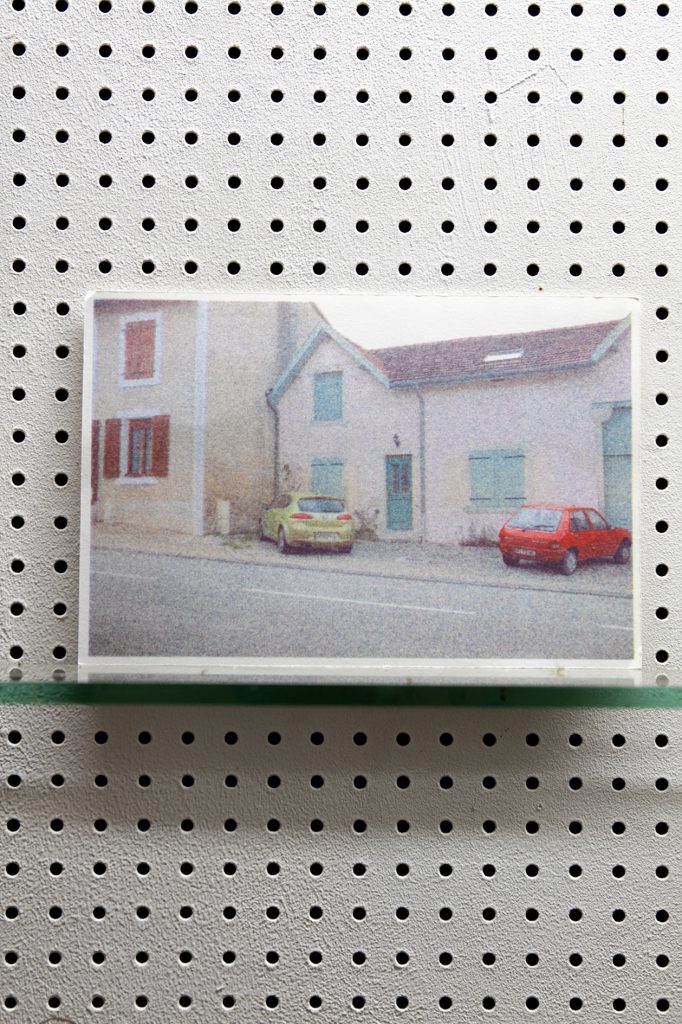
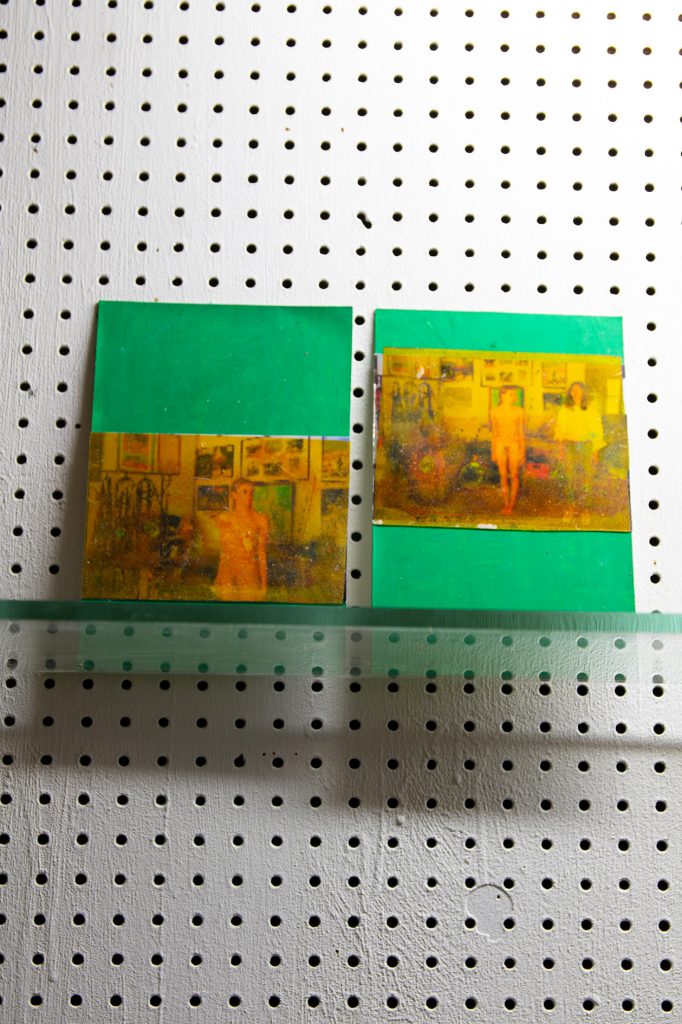
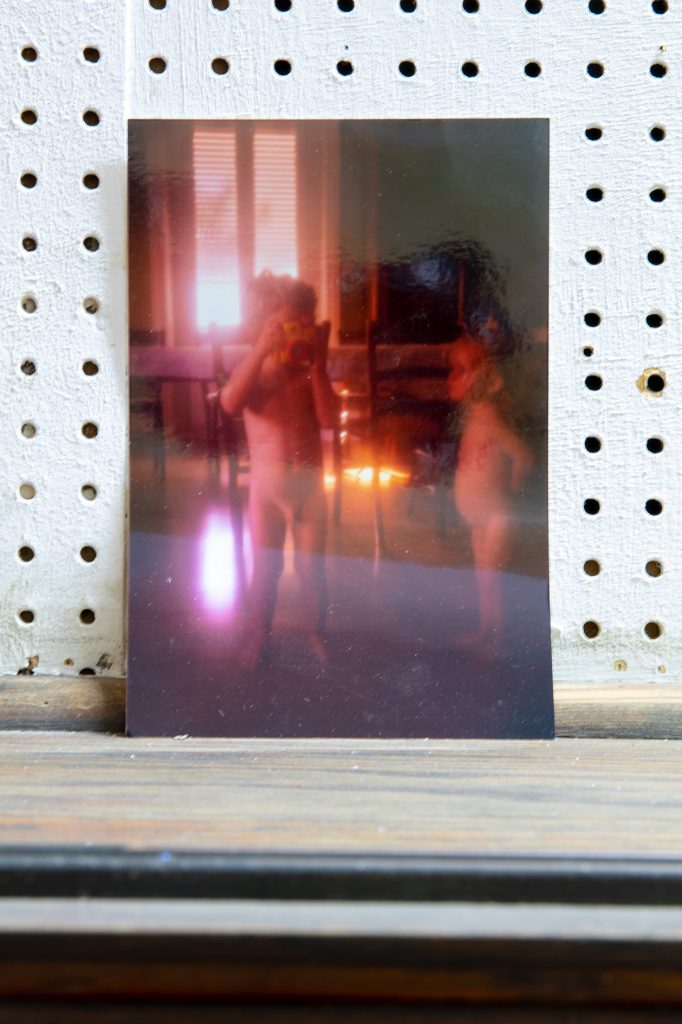
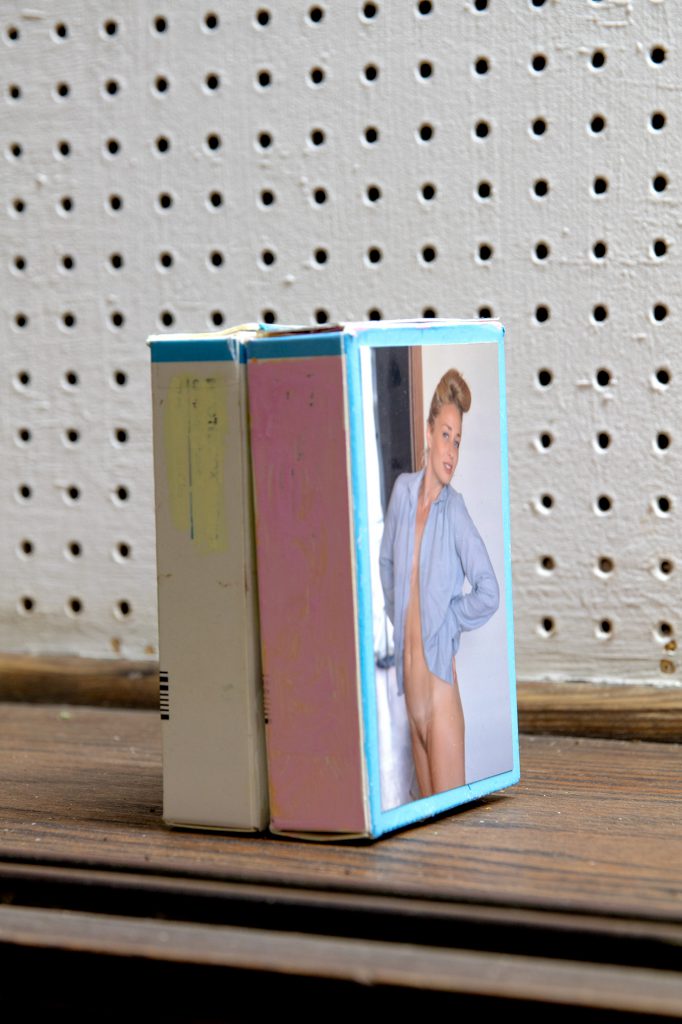
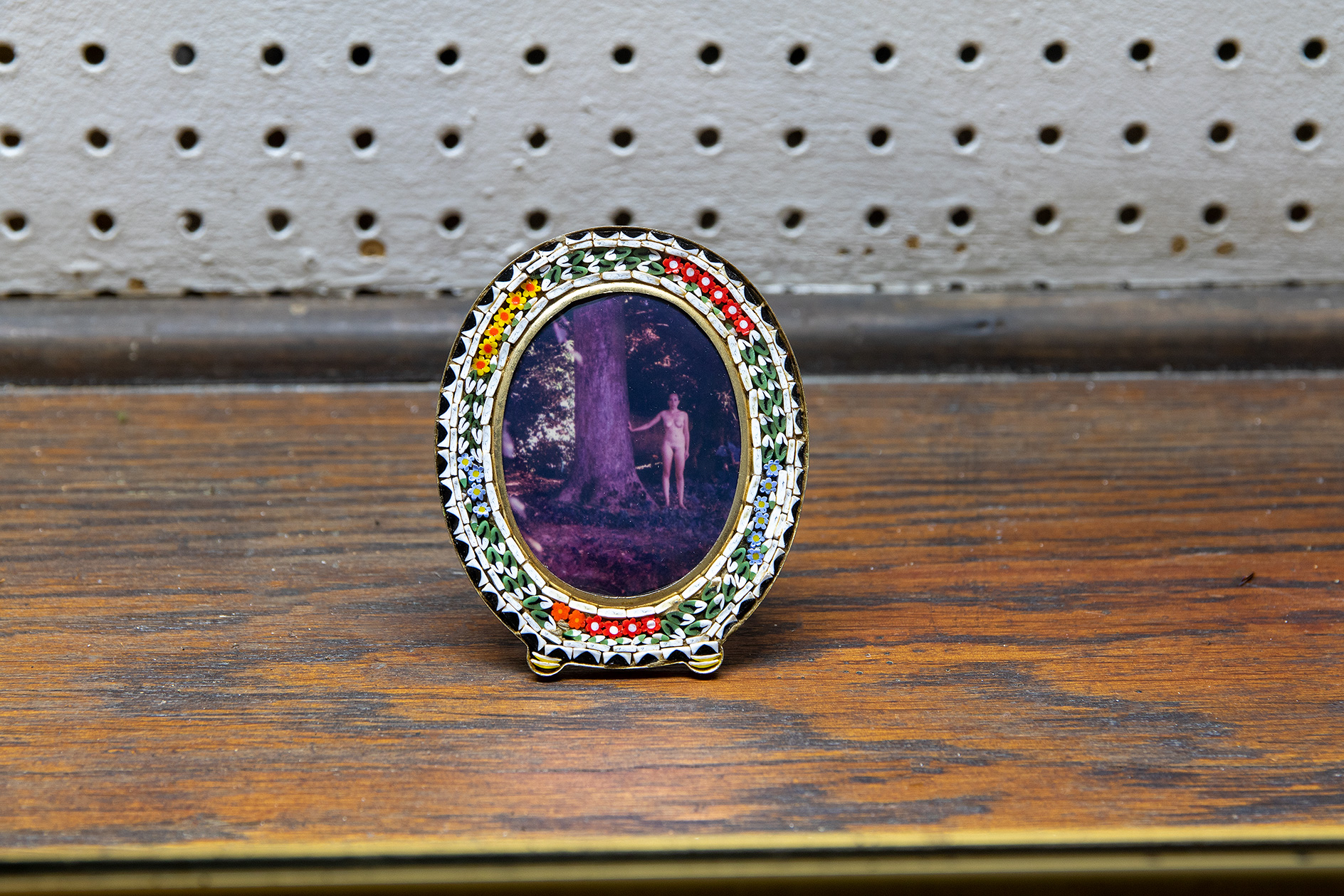
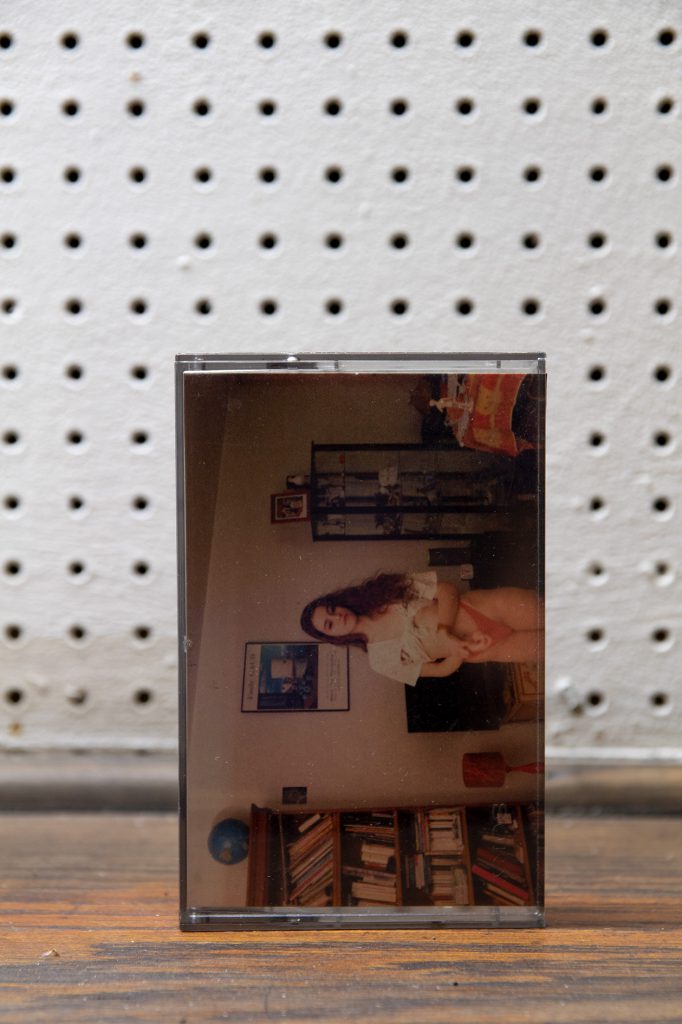
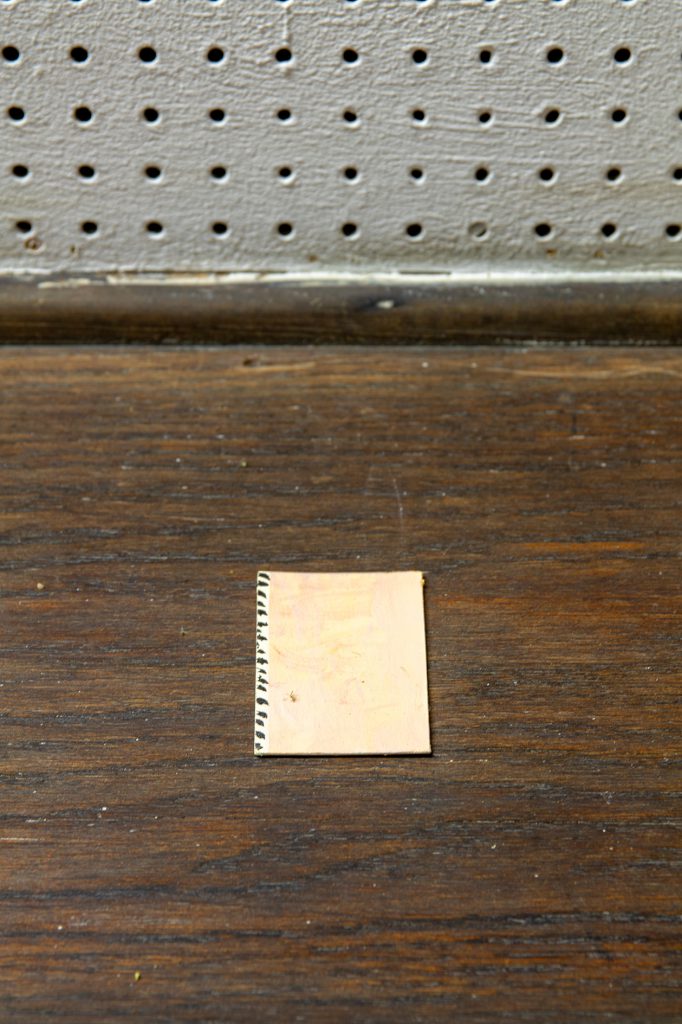
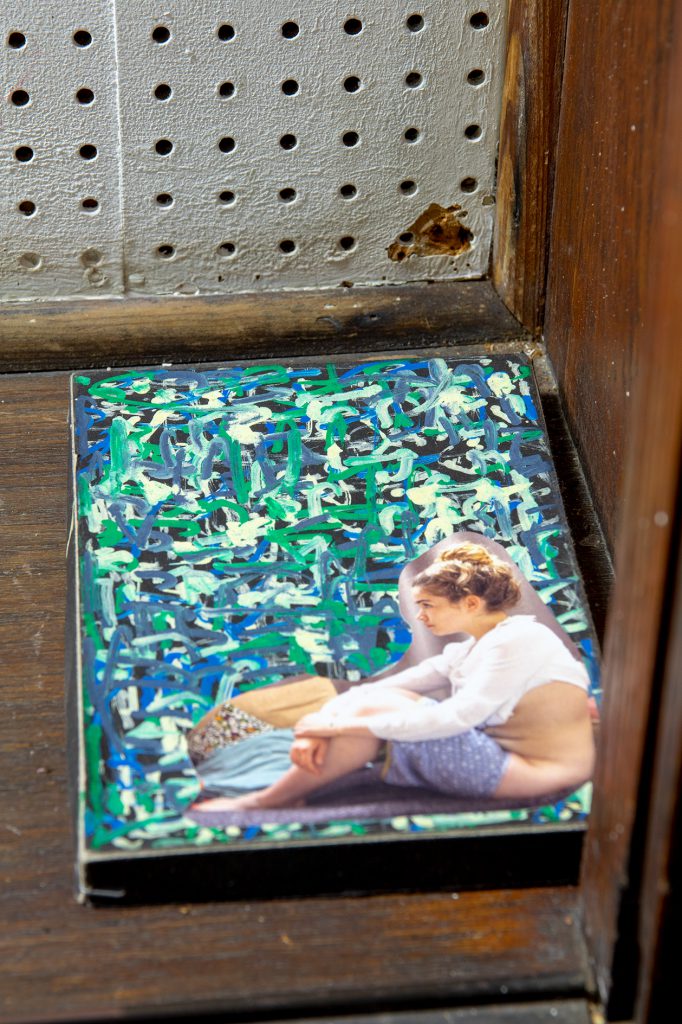
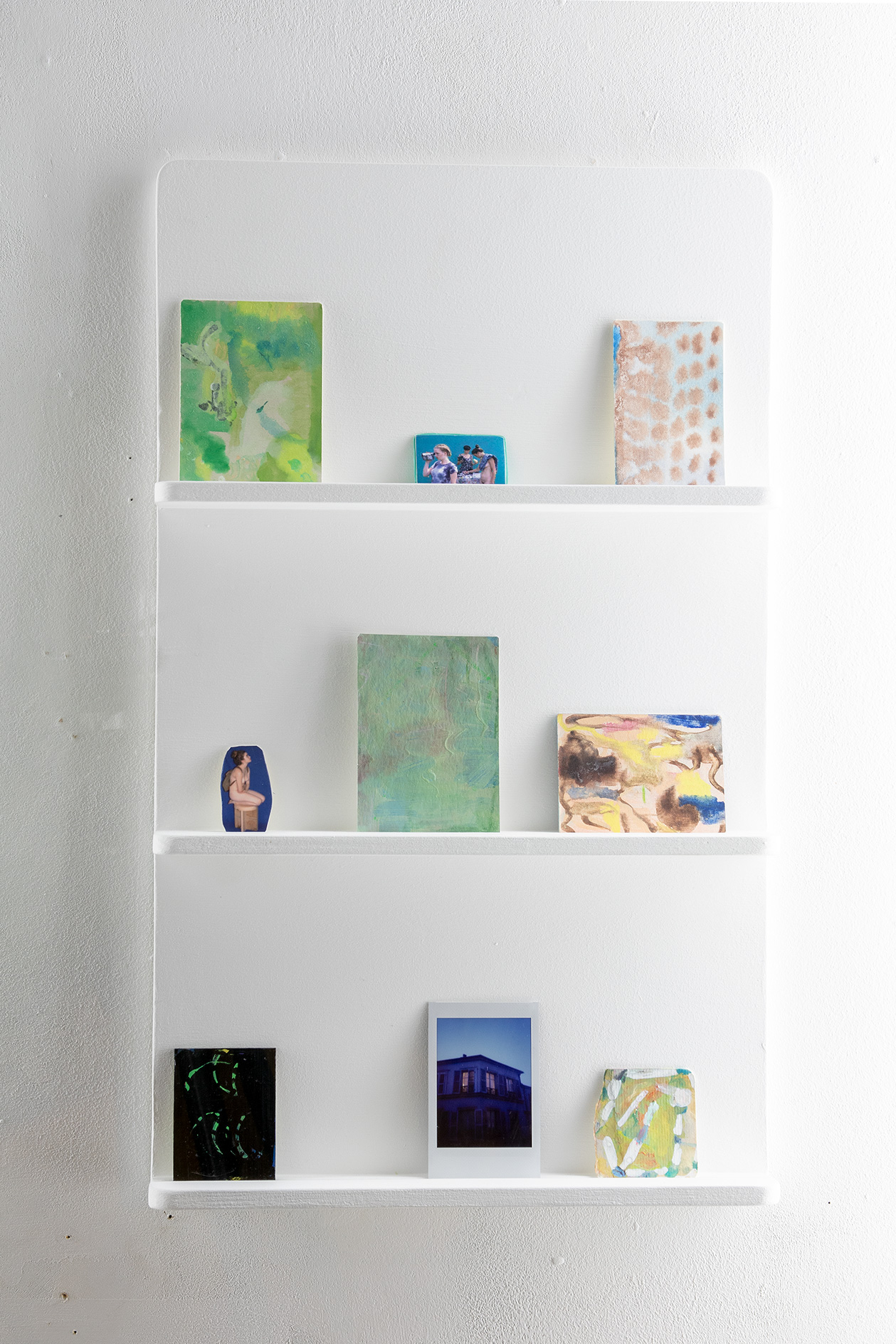
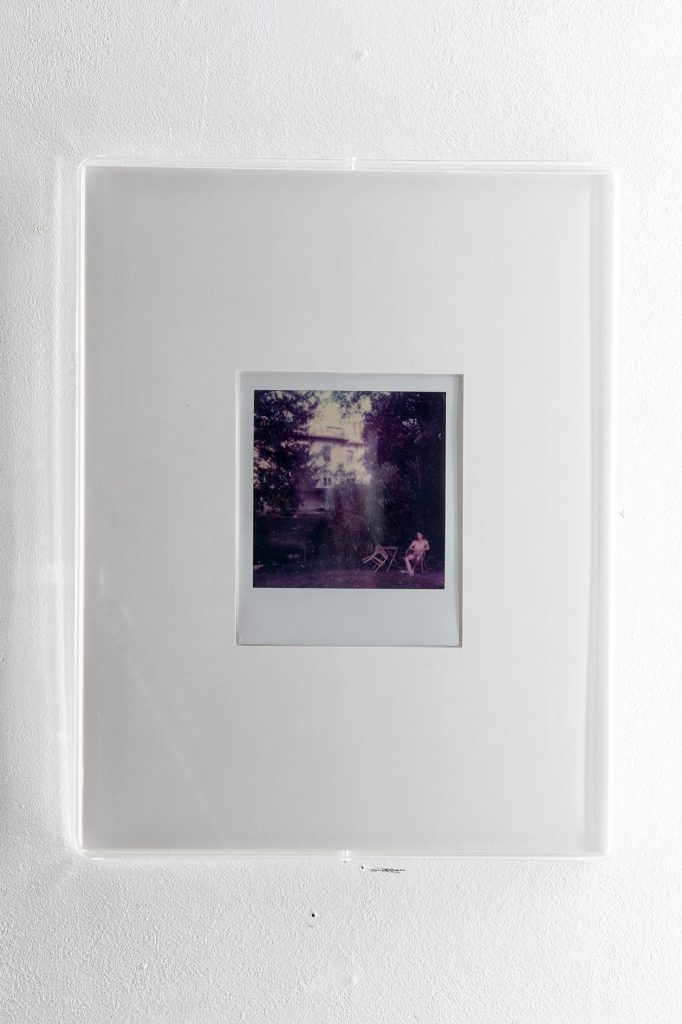
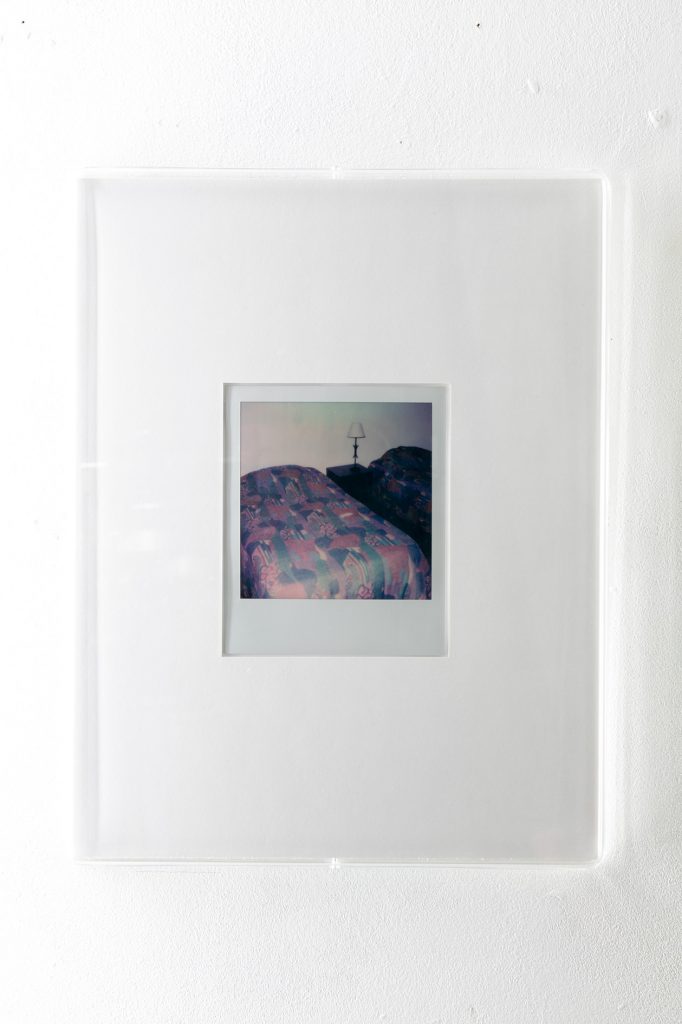
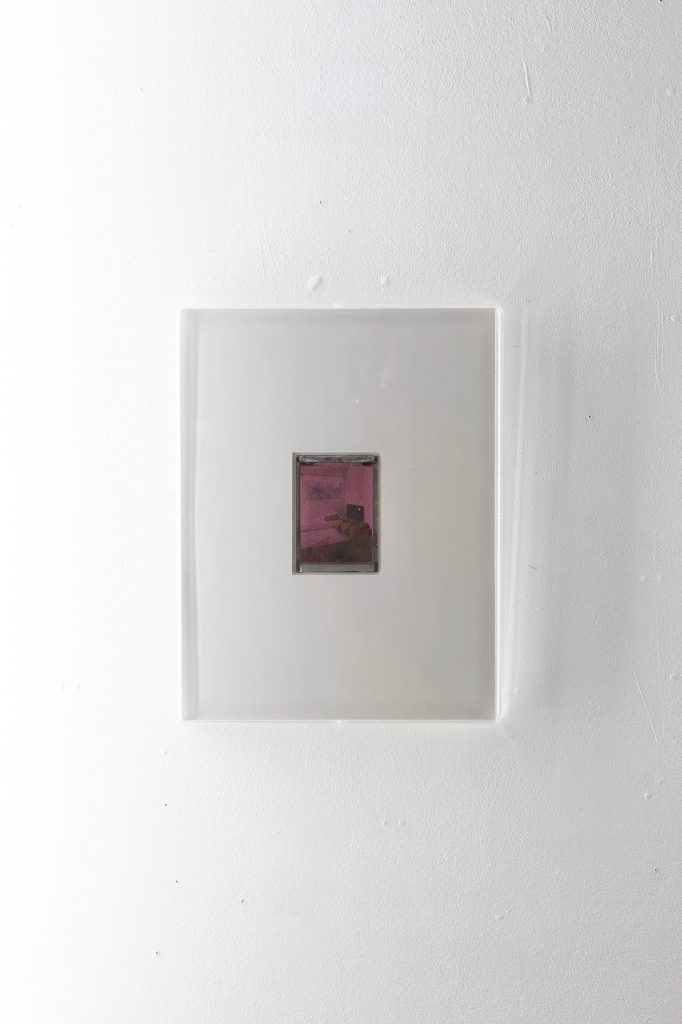
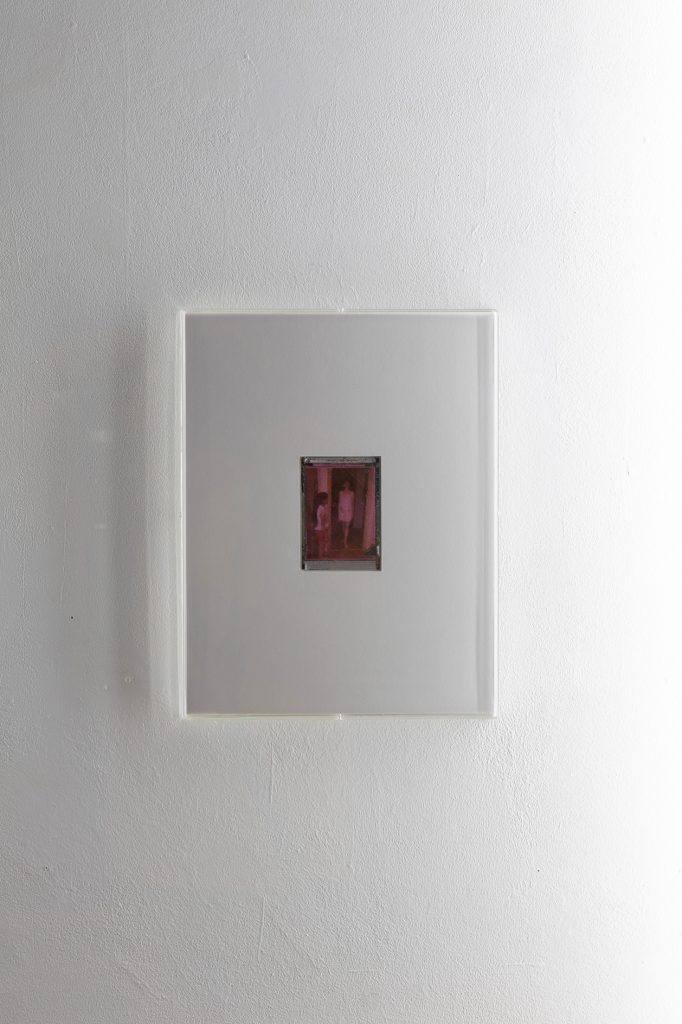
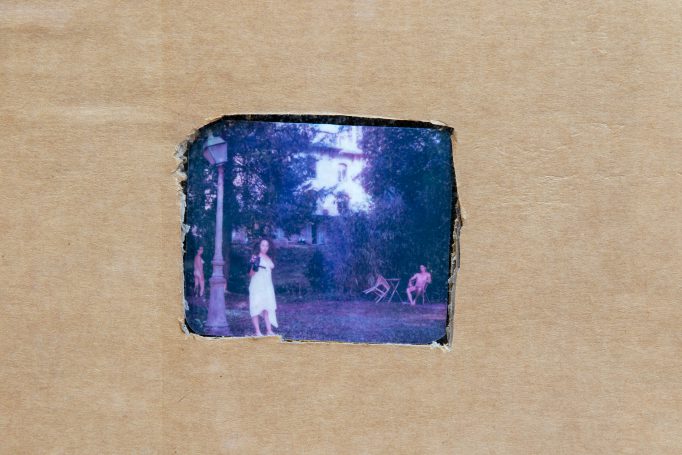
Box with six new A5 publications including: Ibis, Tchéring, Les Pharmacies du Sacré Cœur I, Blin, Mimosa, Les Pharmacies du Sacré Cœur II with three 10×15 photos.
Edition of 20 copies.
Numbered and signed by the artist.
Published by Motto Books; Crèvecœur; Anywave.
Order here


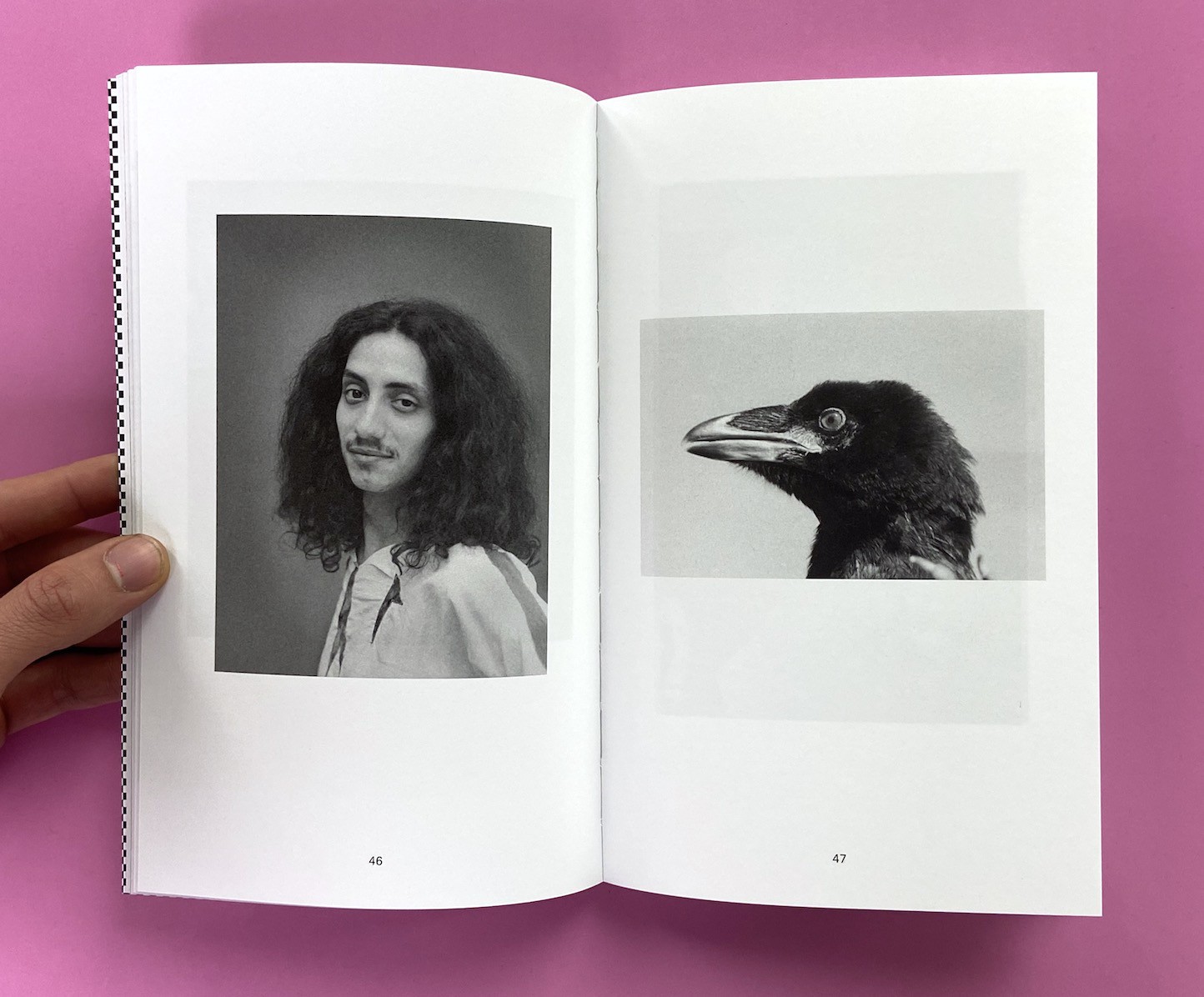
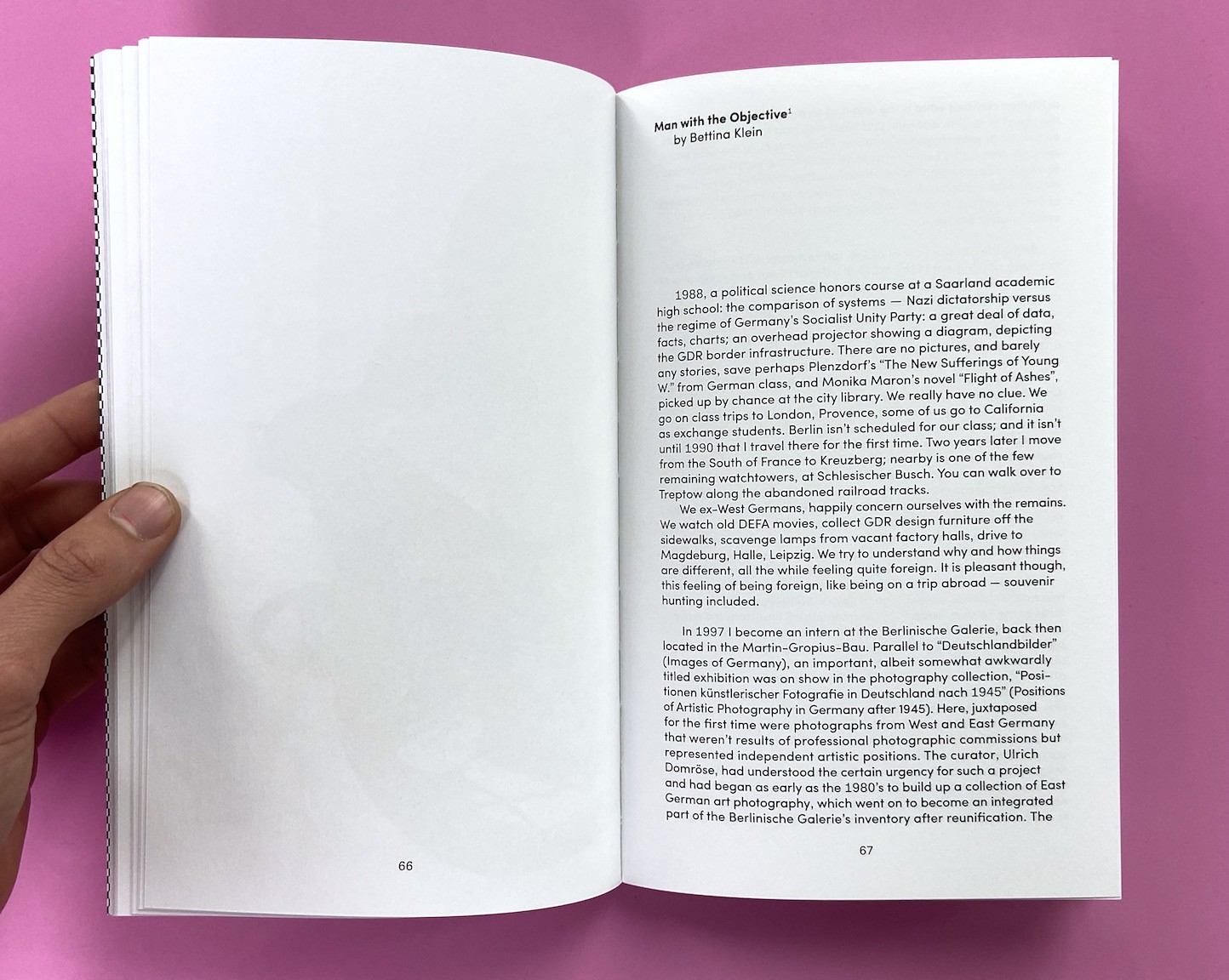
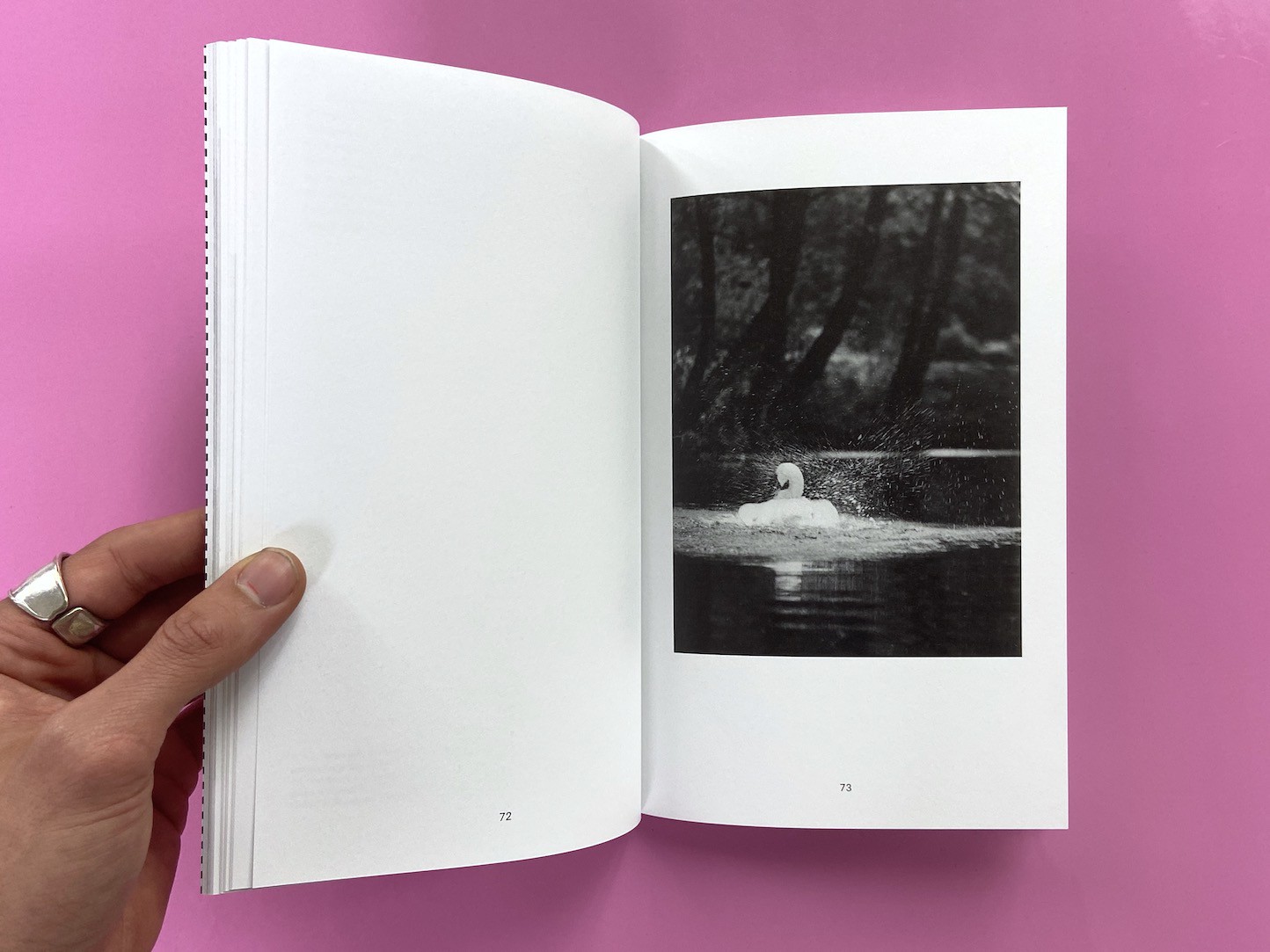
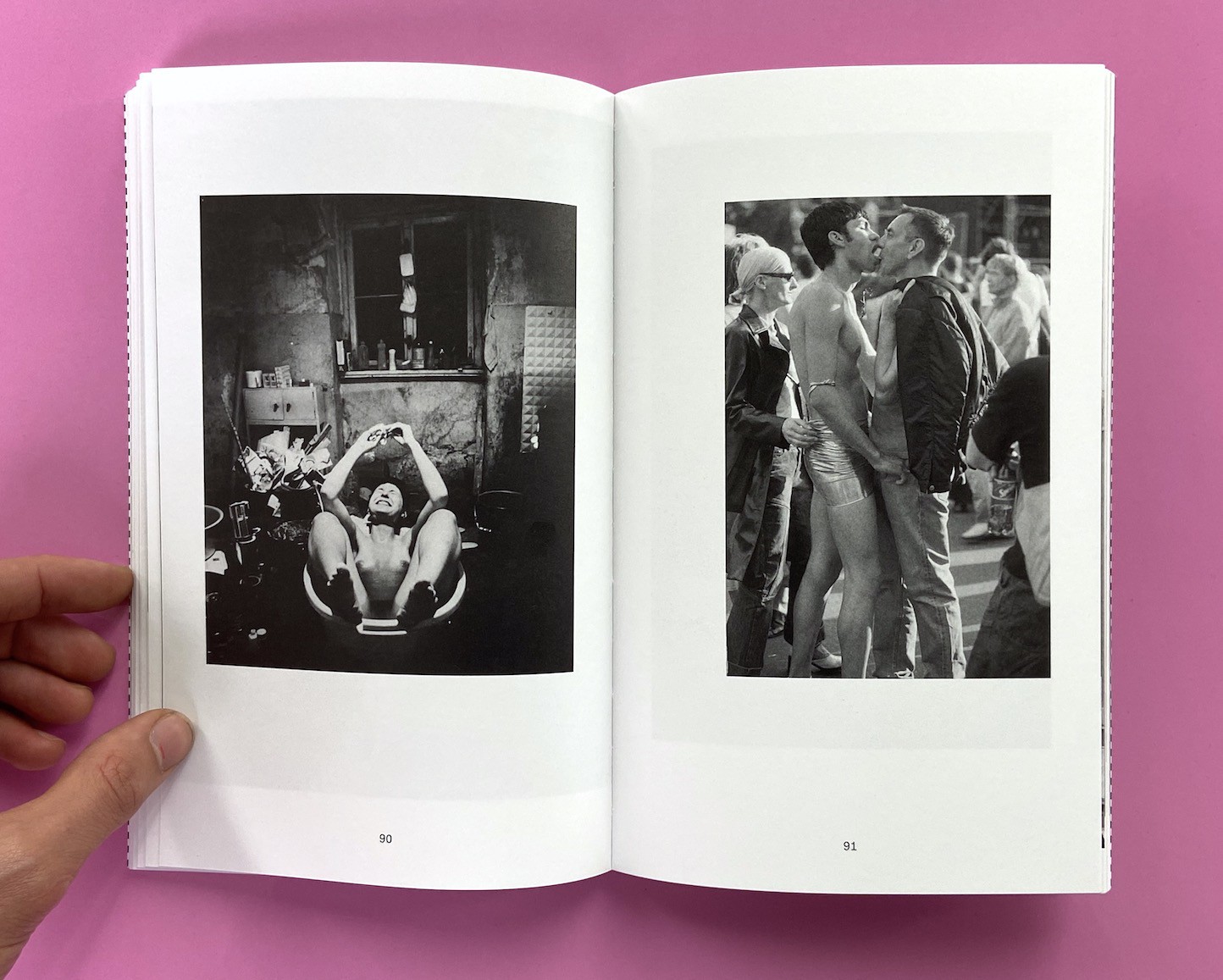

After studying photography at the Hochschule für Grafik und Buchkunst Leipzig, Peter Woelck worked as a professional photographer in the GDR for various companies and magazines. Moreover, he independently created a vast amount of artistic works, especially in the field of portrait and architectural photography. Photographs of the construction of the Berlin Television Tower, cityscapes of Leipzig, and intense portraits from the 60s through the 80s document how life used to be in a country that no longer exists. On the other hand, there are photographs from the post-reunification period, during which Woelck repeatedly tried to establish himself as a freelance advertising photographer. Thus, the pictures also tell of a break in the photographer’s biography, the kind of experience that affected many people of his generation.
The book documents the attempt to bring the eclectic diversity of the archive into a sequence of images that does not strive for a photo-historical classification but rather allows a specific and subjective narration to emerge from today’s perspective.
The book includes texts by Wilhelm Klotzek, Woelck’s son, who not only co-manages the estate in collaboration with the Laura Mars Gallery but also artistically deals with the legacy, by writer and publicist Peter Richter, and by curator Bettina Klein.
“Dancing in Connewitz” was published in 2014 on the occasion of a second exhibition of Peter Woelck’s photographs, “PeWo’s Bericht zur Lage der Jugend” (Laura Mars Gallery, Berlin), and was supported by the Stiftung Kunstfonds with funds from VG Bild-Kunst.
Order here




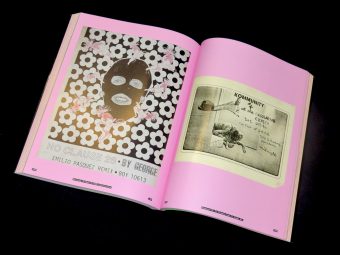
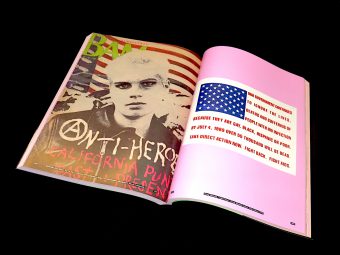
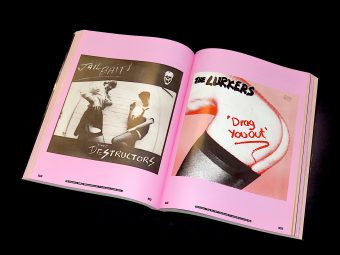
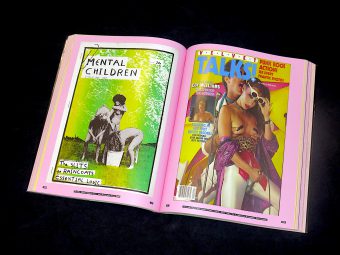
Showboat: Punk/Sex/Bodies explores sex in punk and punk in sex. Punk is often thought of as an almost asexual movement, in part because of its charged aversion to romance (see Johnny Rotten’s notorious description of love as “2 minutes and 52 seconds of squelching noises”). Yet, its raw street sound triggered an exuberant, primal physical release among its youthful followers.
For many punks, sex was used as a necessary shock tactic against the orthodoxies that held sway in conservative 1970s Britain. The status of punk as a radical subculture meant that it could freely explore sex without mainstream censorship; and this ability to openly express sex and sexuality provided punk with so much of its essential rawness and immediacy.
Beginning in 1972 and spanning right up to the present day, Showboat provides a chronological survey of the relationship between punk and sex as seen through original posters, flyers, record covers, photographs and ephemera drawn from the editor’s punk archive, The Mott Collection. Alongside written contributions from Julie Burchill, Paul Cook, Vivien Goldman, Eve Libertine, Bruce LaBruce, Amos Poe, Richard Prince and Will Self among many others. Designed by Jamie Andrew Reid.