
wow! Woven? Entering the (sub)Textiles. wow! Woven? Entering the (sub)Textiles
Posted in Exhibition catalogue, Exhibitions, painting, sculpture on September 9th, 2015Tags: entering the subtextiles, KM
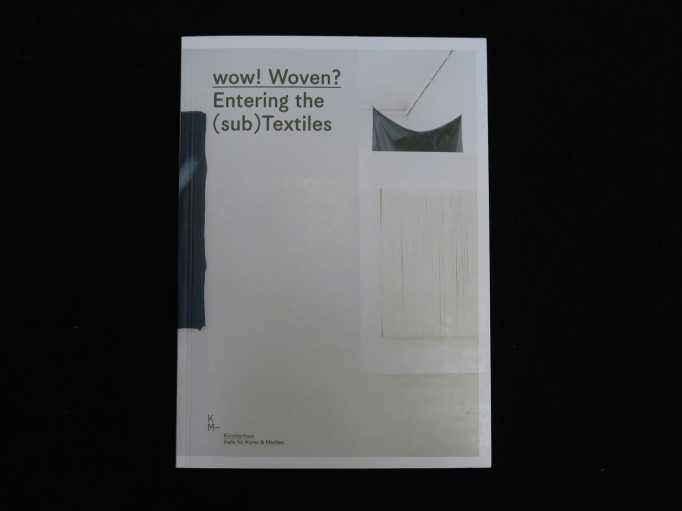
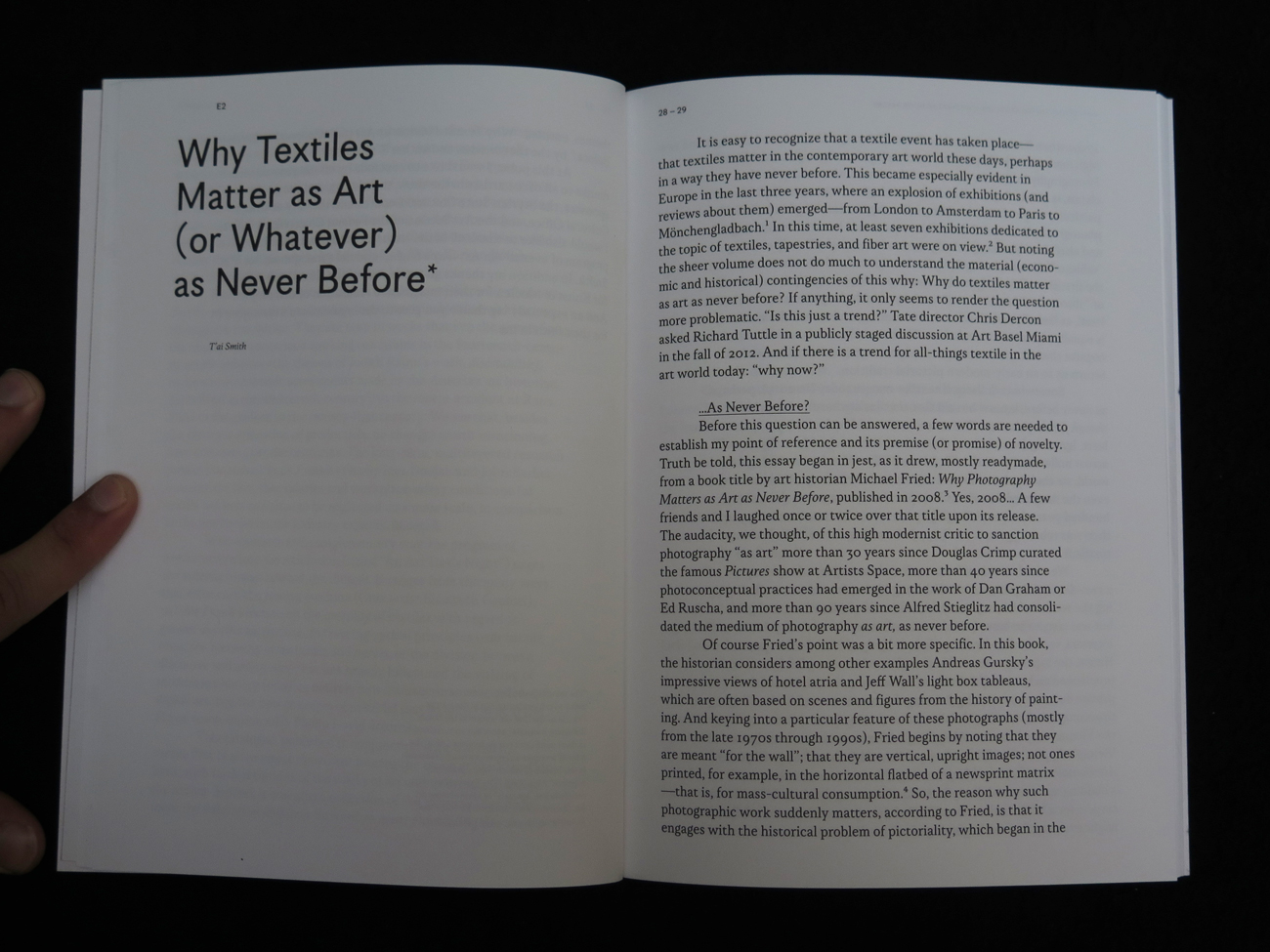
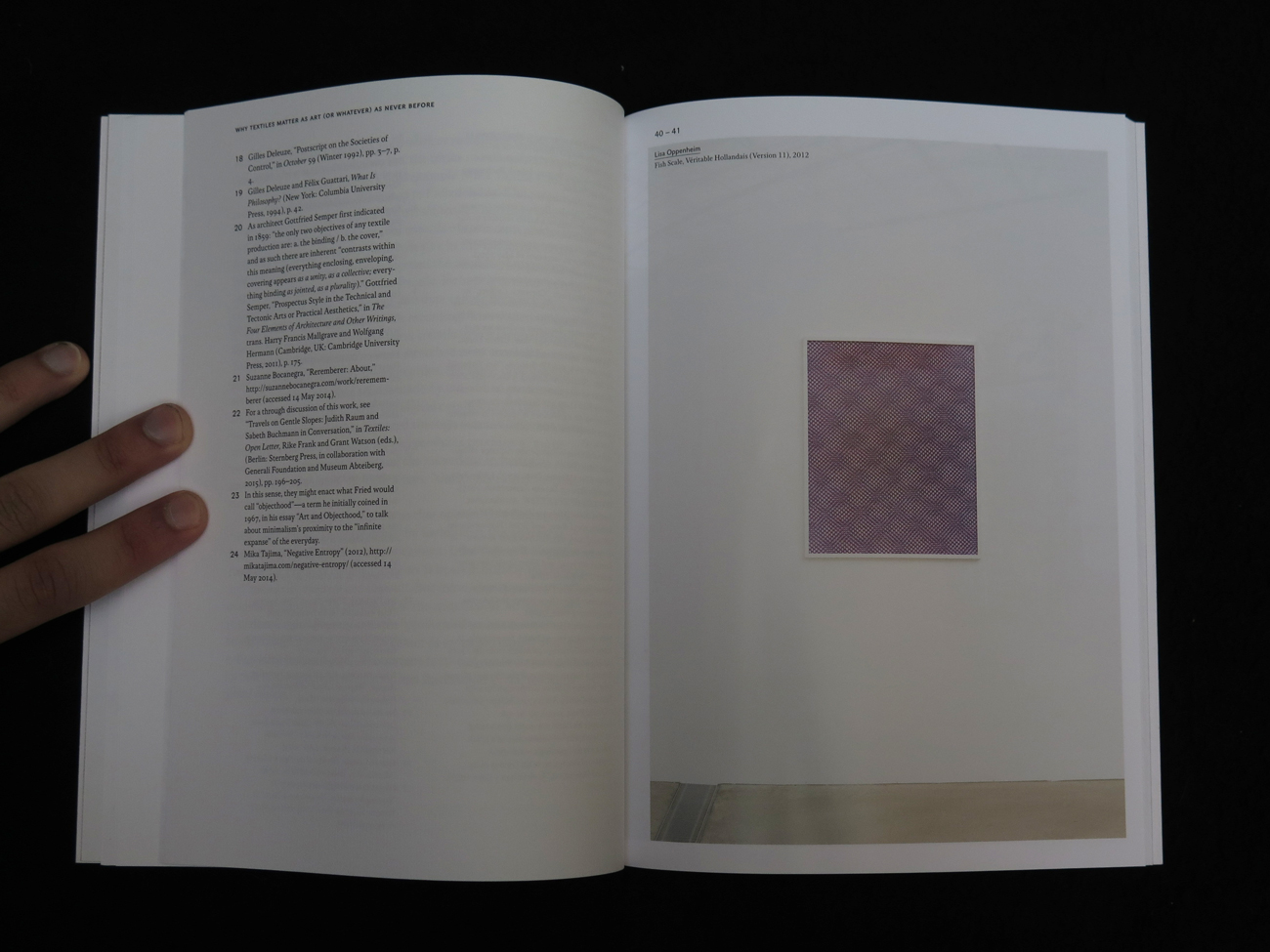
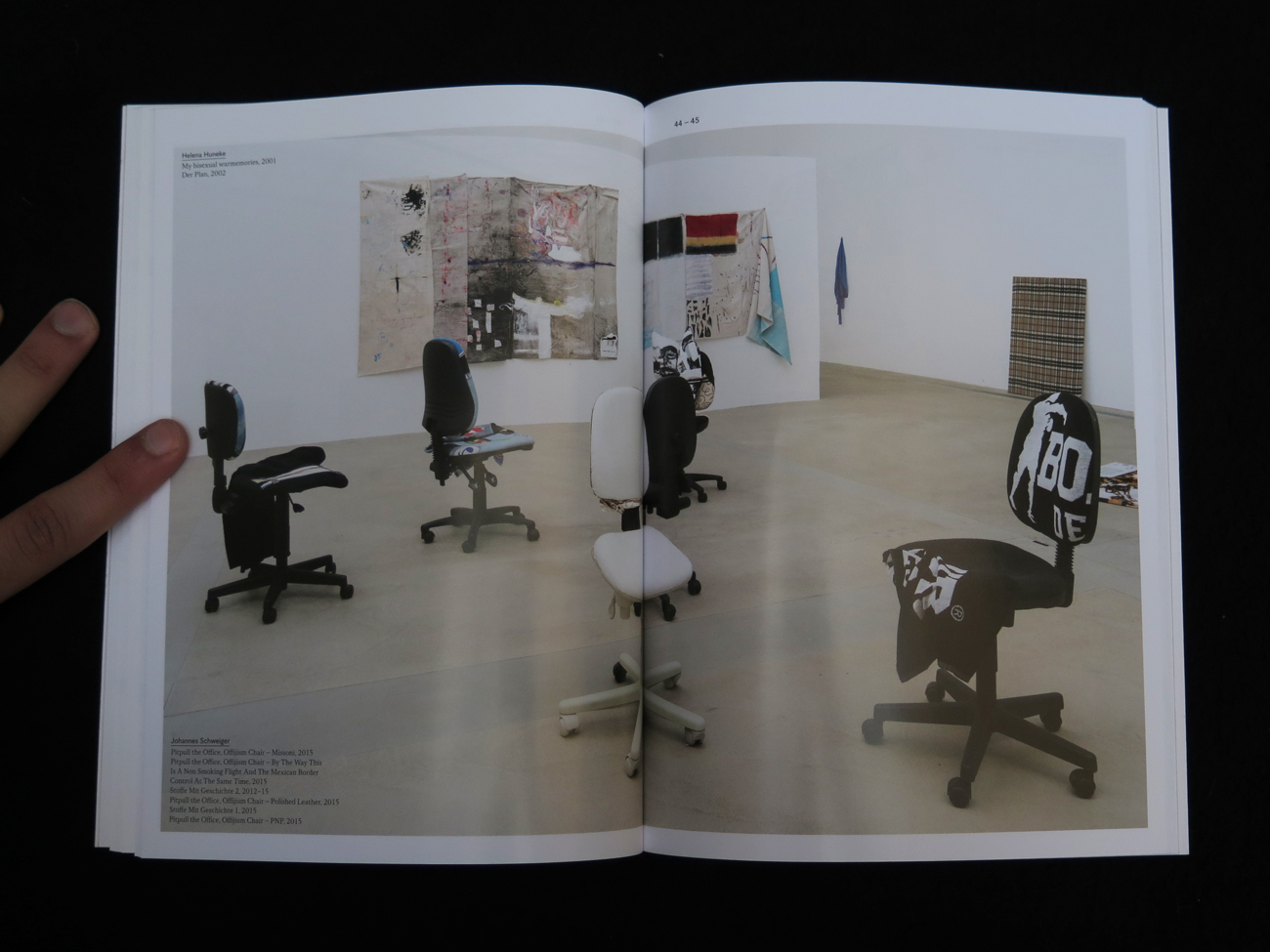
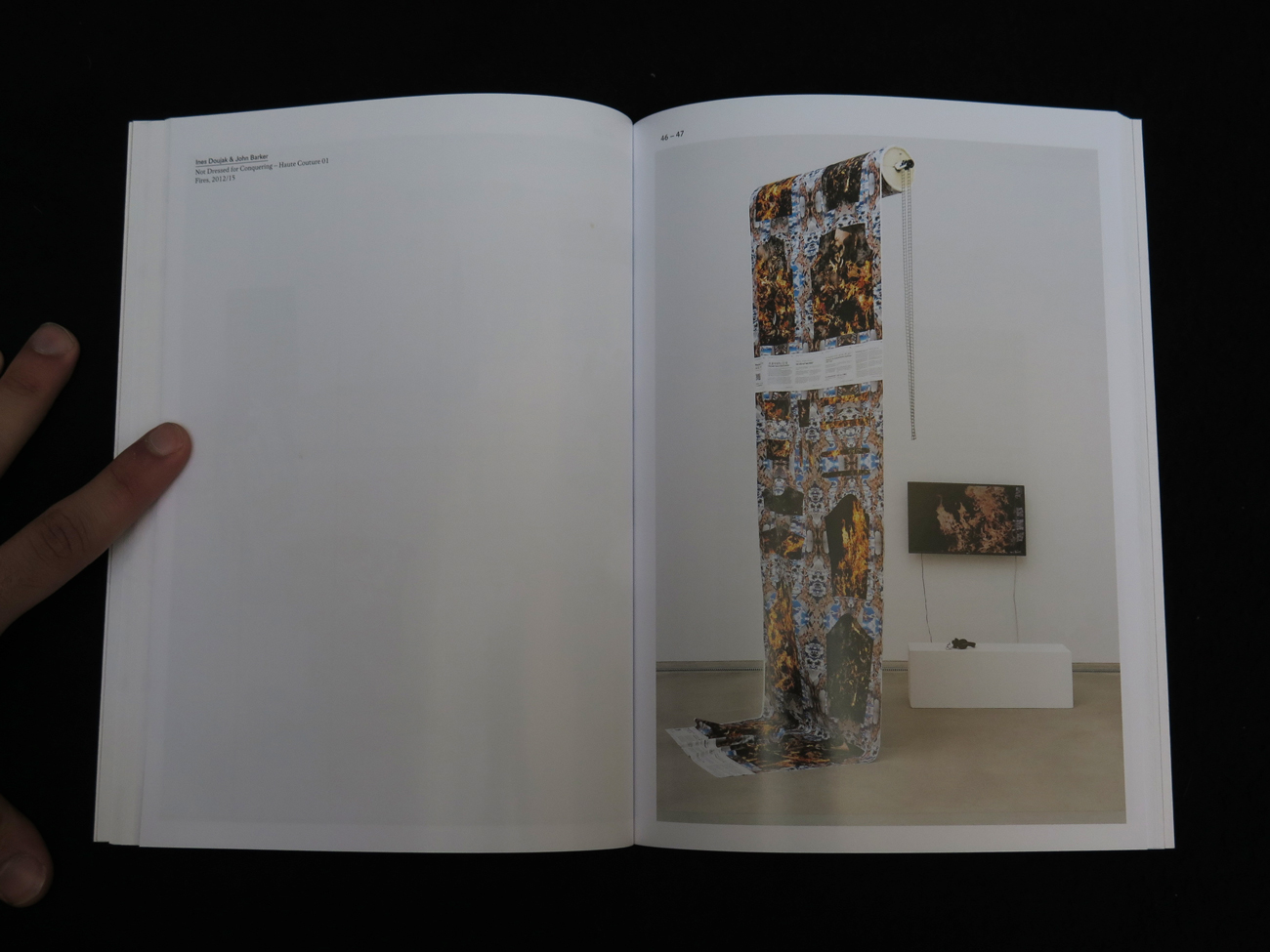
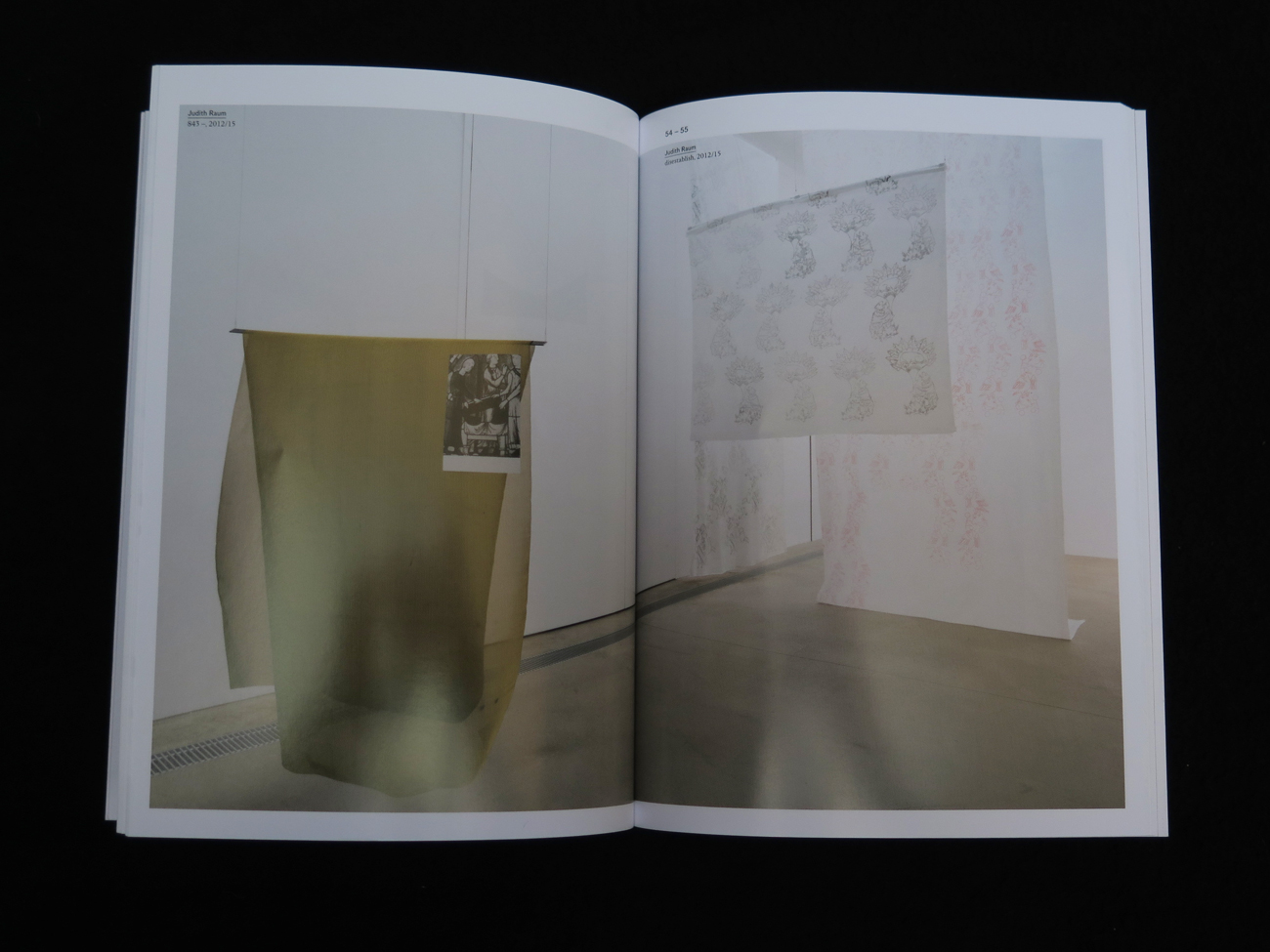
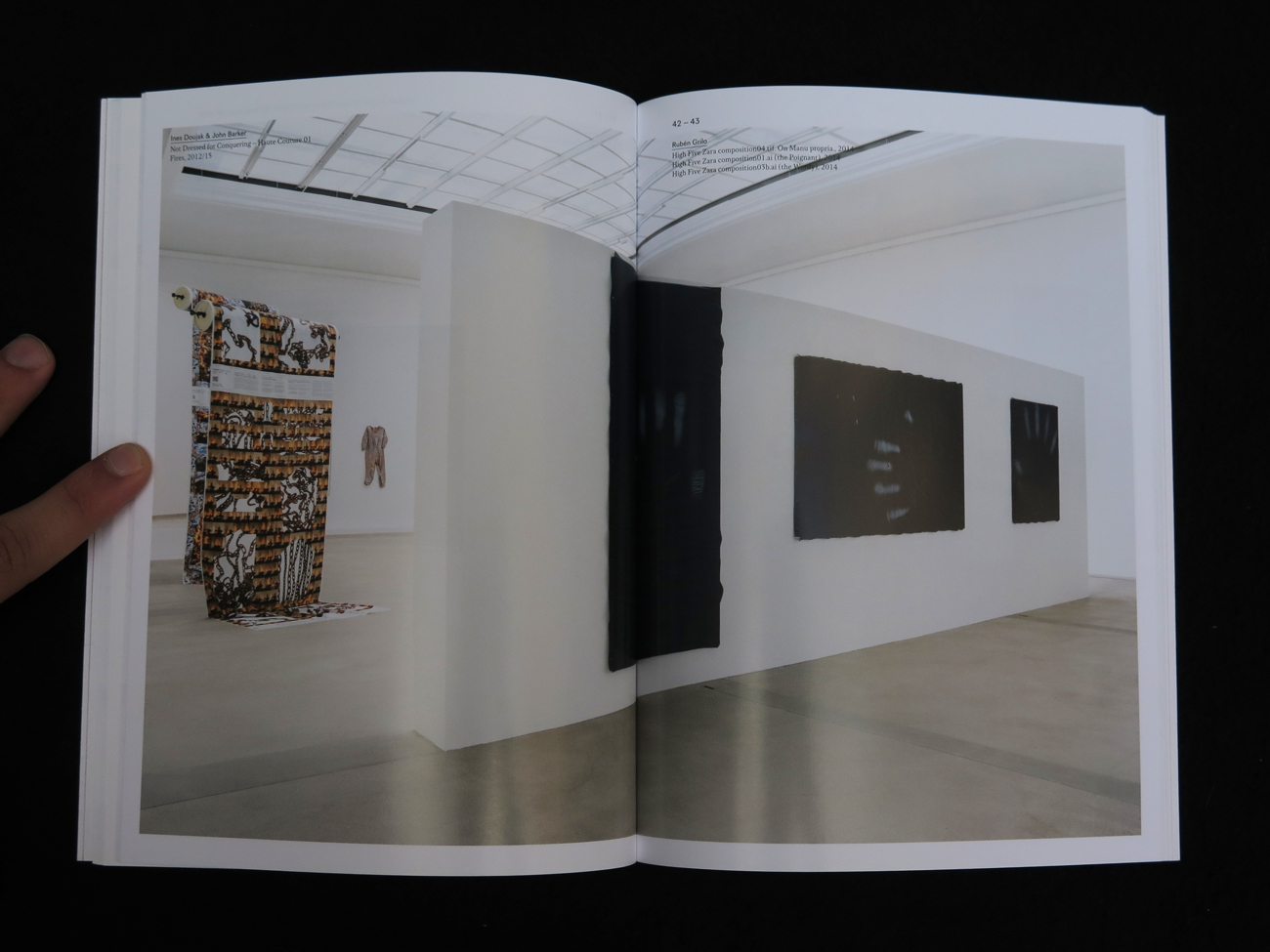

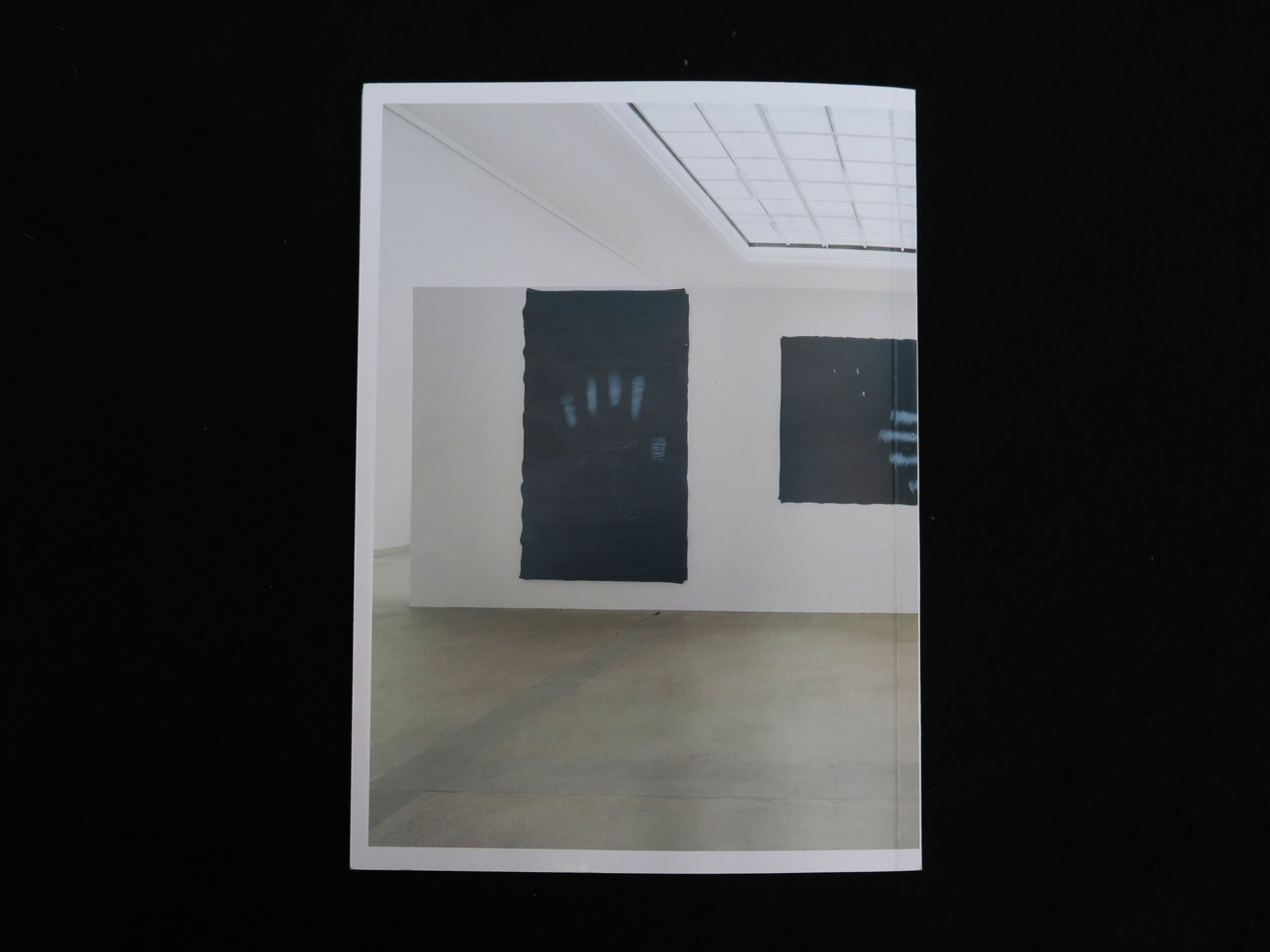
With “wow! Woven? Entering the (sub)Textiles,” the Künstlerhaus, Halle für Kunst & Medien is presenting an exhibition that encompasses two of the venue’s levels. It is devoted to the diverse issues related to the position of “textiles” as medium and material in the exploration of contemporary art practices in this present age teeming with networking metaphors.
From the very beginning in nearly all cultures and with usage impacting society, textiles have been veritably predestined for being charged with political content, and for use and consideration even outside of artisan contexts and the related negotiability on an artistic level. In the recent past, numerous large and comprehensive exhibitions have carried out exacting surveys on the general familiarity of the textile, on its sensory qualities, its uniquely inscribed features, and its wealth of weaving types, textures, and works developed globally over the centuries. Such projects have contributed to a renaissance and re-evaluation of textiles and emphasised their natural tendency to challenge the classically hierarchical concepts of work, image, and object. “wow! Woven? Entering the (sub) Textiles” accentuates its exhibition focus by concentrating on works that foster aspects of an artistically investigative exploration of history, including the role of the textile industry within the capitalist form of commodity production and the means of organising production methods.
Exhibition participant Rubén Grilo, for example, emphasises with a series of denim fabric works the onset of industrialisation as a turning point in our relationship with technologies. Once synonymous with a durable fabric for the working class and later symbolic of the Western individualist promise of freedom, today the visible wear and tear of jeans is designed through digital processes and implemented using laser irradiation before even hitting the market. This act allows the factors previously specific to strong work-, body-, and time-related wear to degenerate through mere simulation and thus highlights the changing body-work relations. The artist Sascha Reichstein, in turn, presents a large installative video work “The Production of Tradition” focused on the outsourced production of traditional clothing by example of lederhosen in Sri Lanka. She for instance explores the dissolution of formerly prevalent workmanship forms aligned to local conditions and the concomitant loss of traditional artisan techniques, regional distinctions, and the ability to identifying goods with specific locales.
The far-reaching history of the precarious working conditions within the textile industry, still unchanged today, and of the revolutionary potential of the textile workers in countering such abuse are thematised by
Judith Raum. Presented in the exhibition, her research project “disestablish” takes the first weavers’ uprisings in fourteenth-century northern Italy as its point of departure and shows the textile to be a carrier material of social conflicts, with the artist using banners made of textile material to make this point.
The collaboration of Ines Doujak and John Barker in the form of the longstanding and still ongoing research project “LOOMSHUTTLES/WARPATHS” likewise examines the complex relations among fabric, clothing, and colonialism starting with the early forms of global capitalism. On the evening of the exhibition opening, shirts from the artists’ Haute Couture collection accompanying the project will be presented for sale as part of their exhibition presence. The shirts themselves represent a visualization of the the tight job-order calculations at the expense of safety precautions for the sewers employed at the textile mills.
Against this content-focused backdrop of the presented works, which particularly reflects on processes of production, “wow! Woven? Entering the (sub)Textiles” compiles a further variety of selected artworks that present a reflexive spectrum of textile use ranging between tangible material, meaning-laden medium, technique, and idea. The works of art thus embody the general fragility of the material, attempt mediatic translations, and confirm their enduring fascination, including extraordinary positions by Heidi Bucher, Sheila Hicks, Helena Huneke, and Ingrid Wiener.
Curated by Christian Egger
€10.00
Happy Purim. Estelle Hanania. Shelter Press.
Posted in photography on September 8th, 2015Tags: Estelle Hanania, Happy Purim, Shelter Press
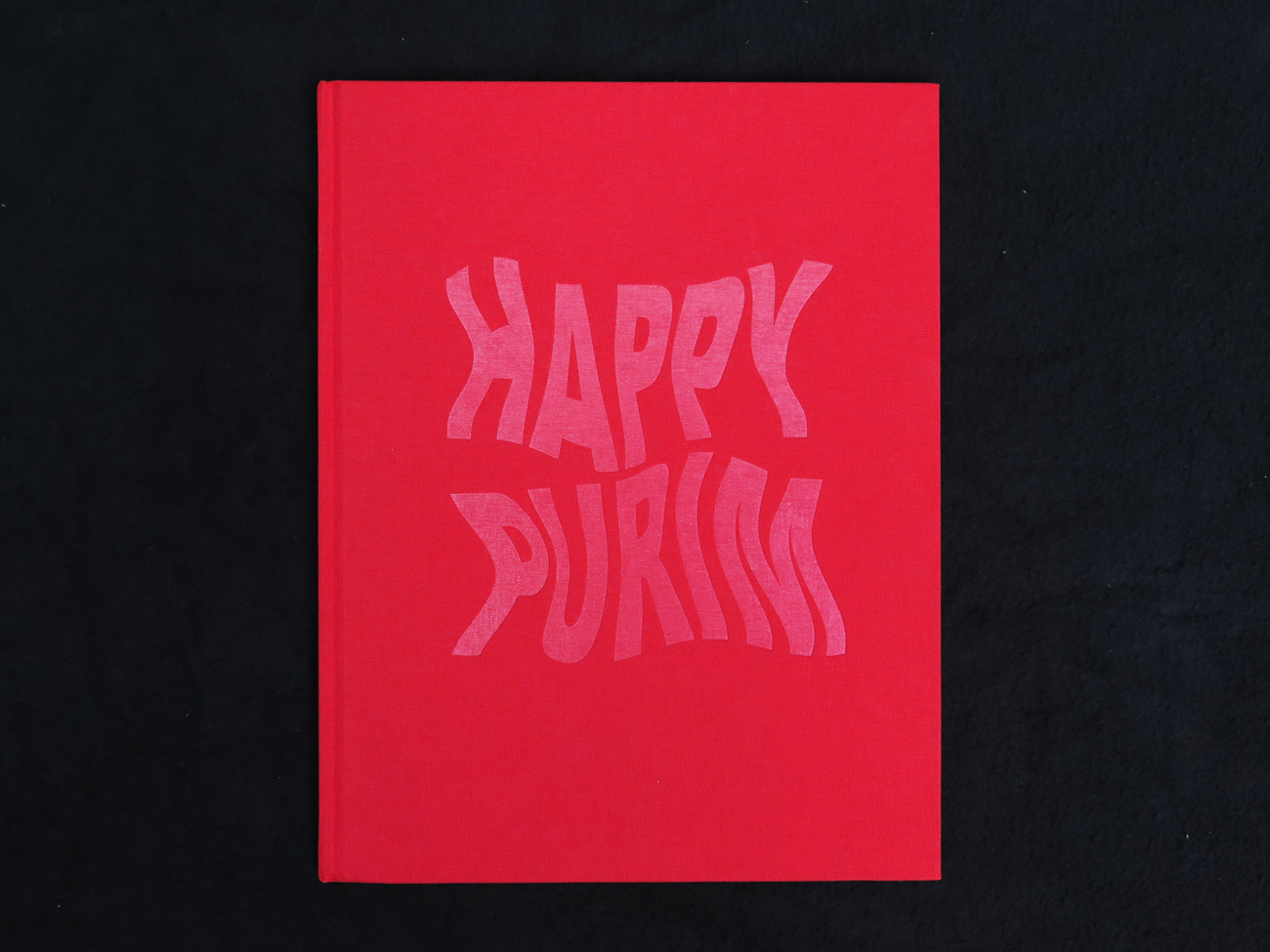

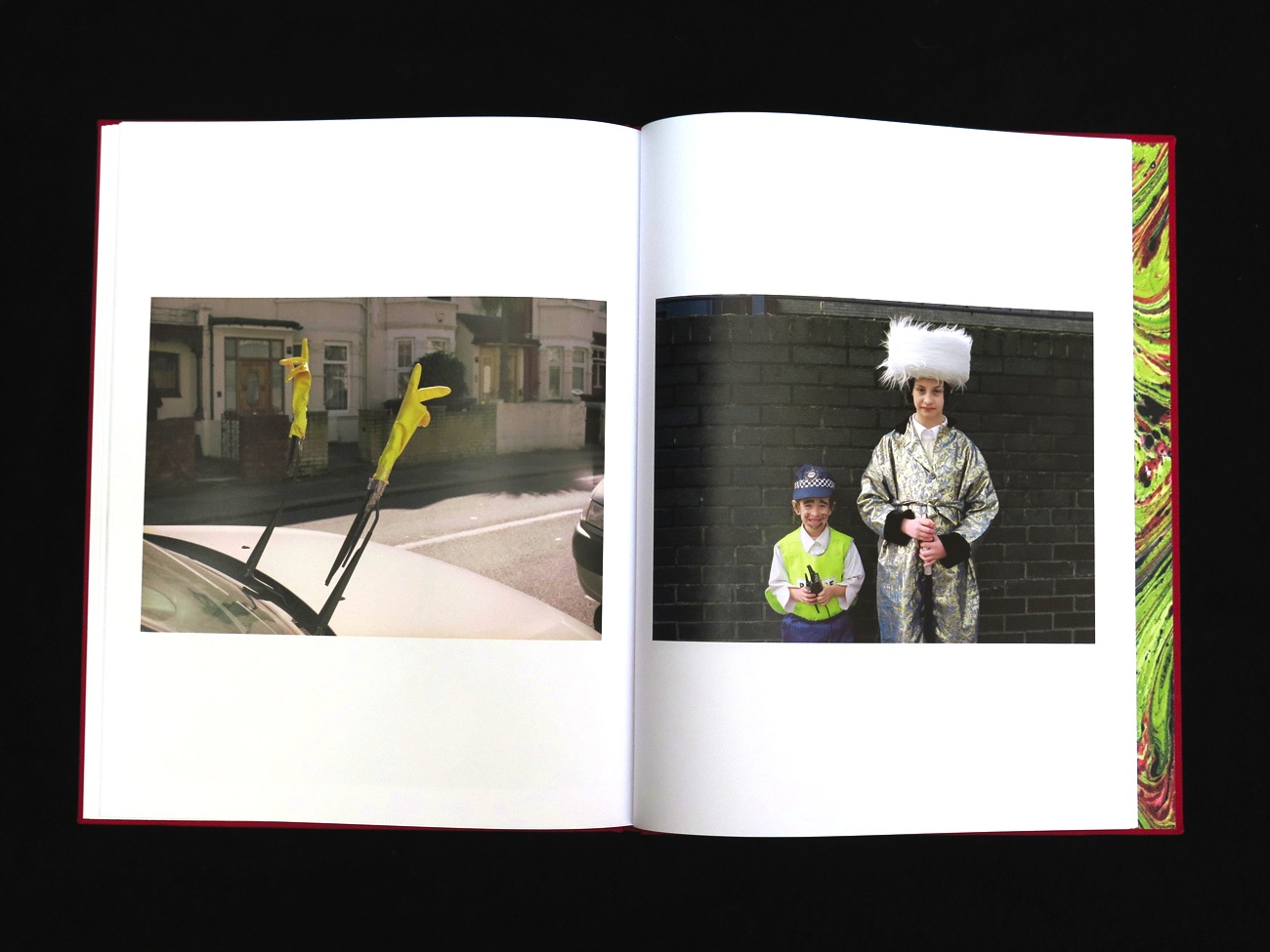
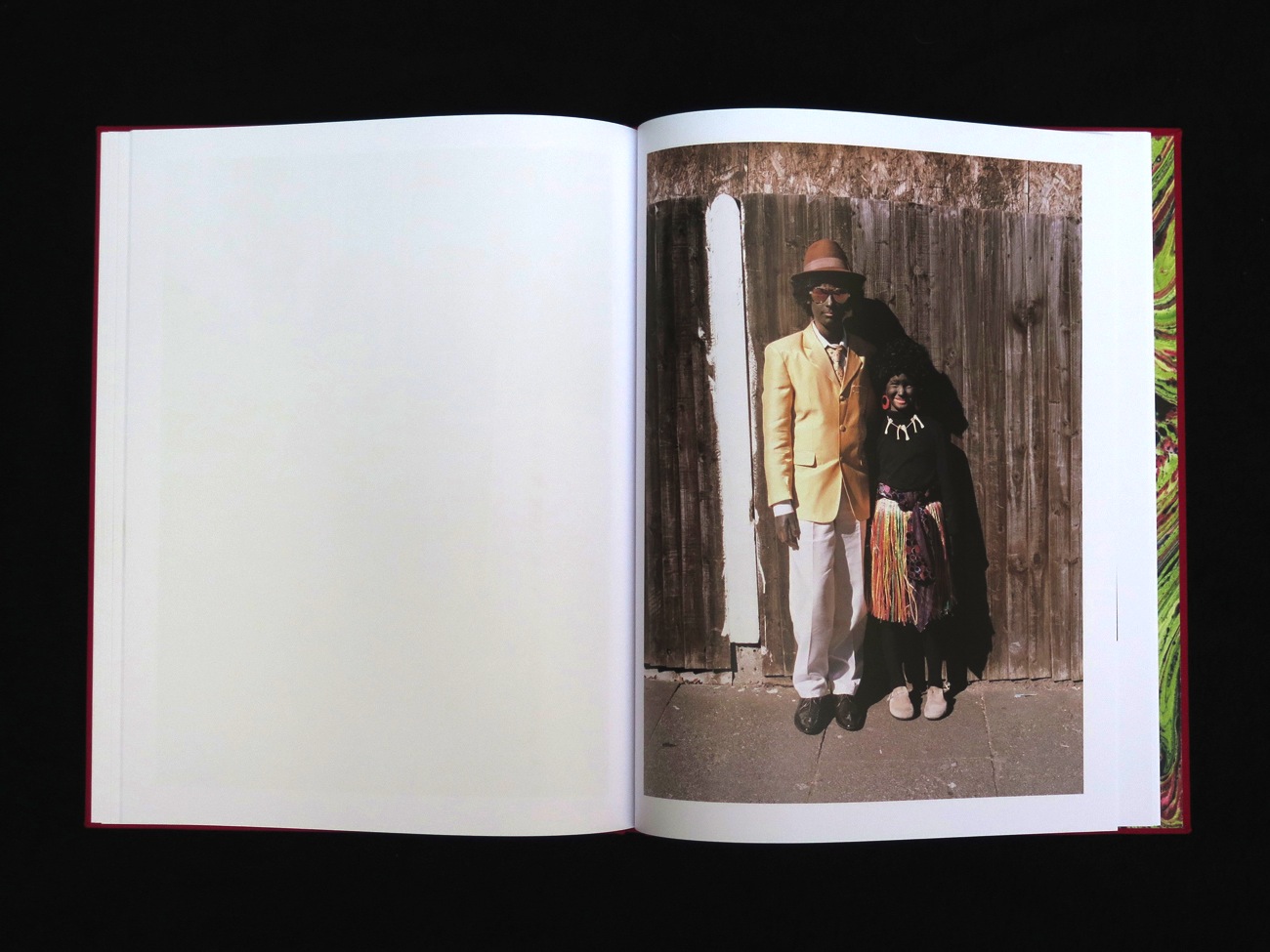
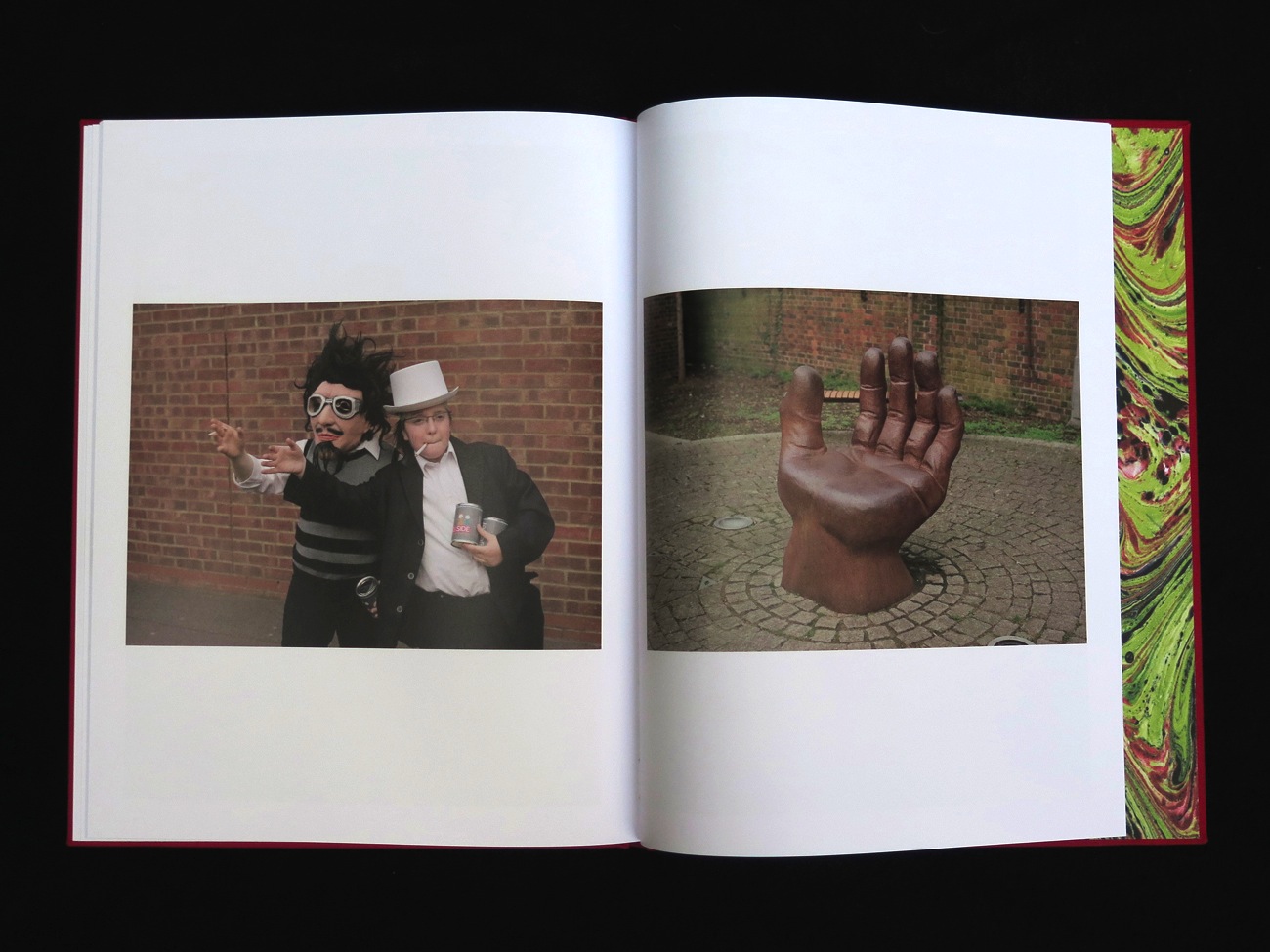
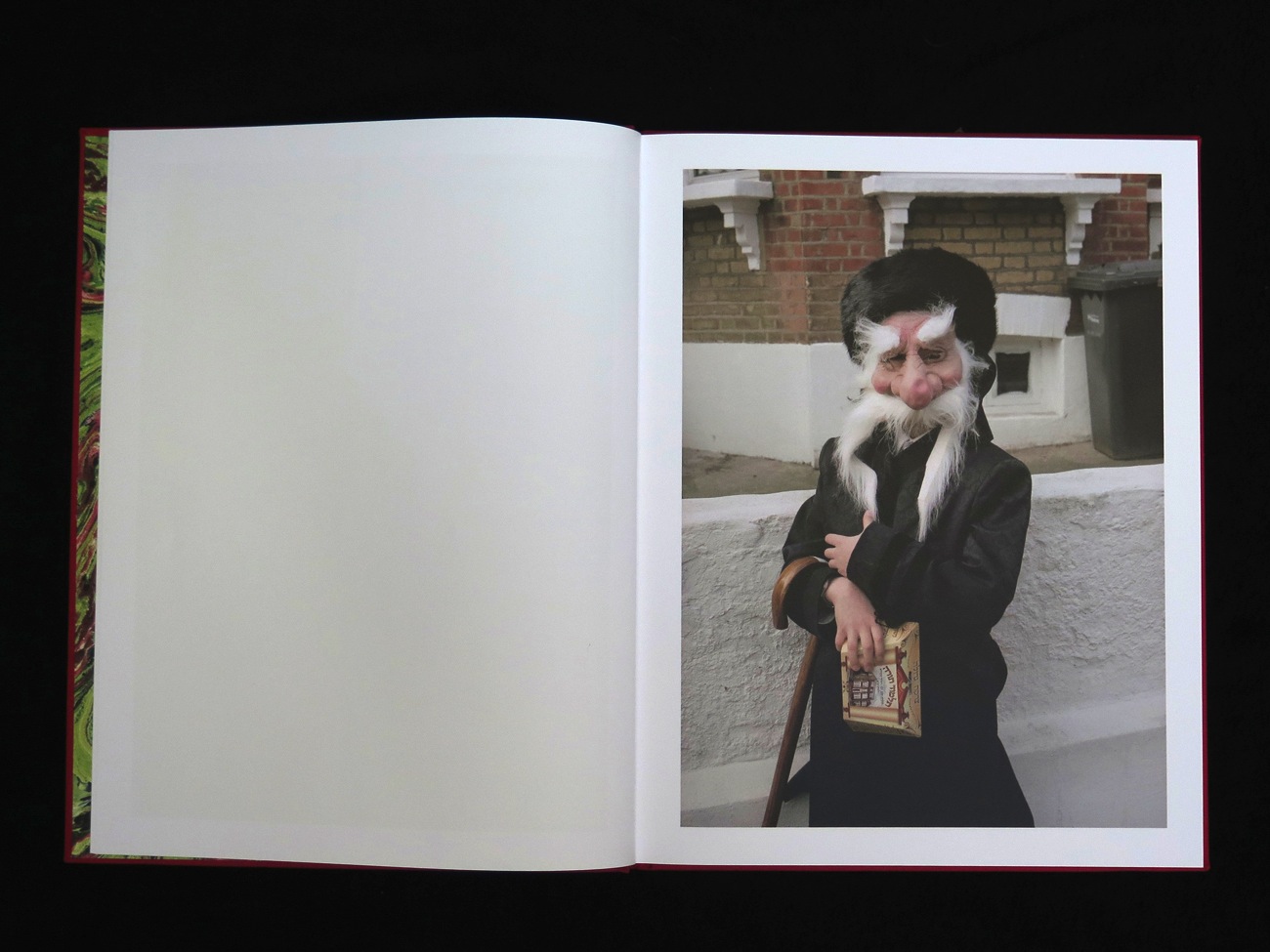
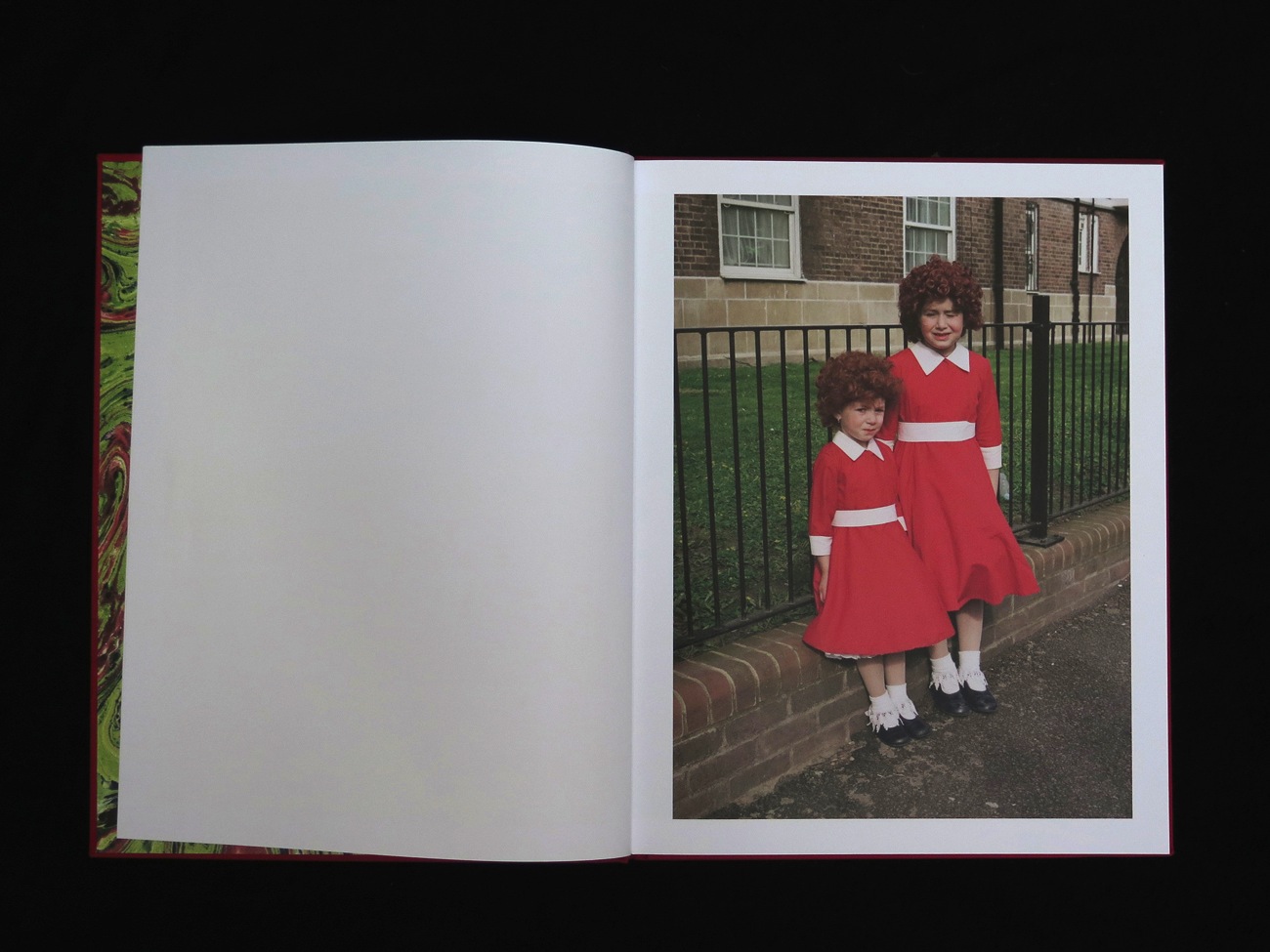
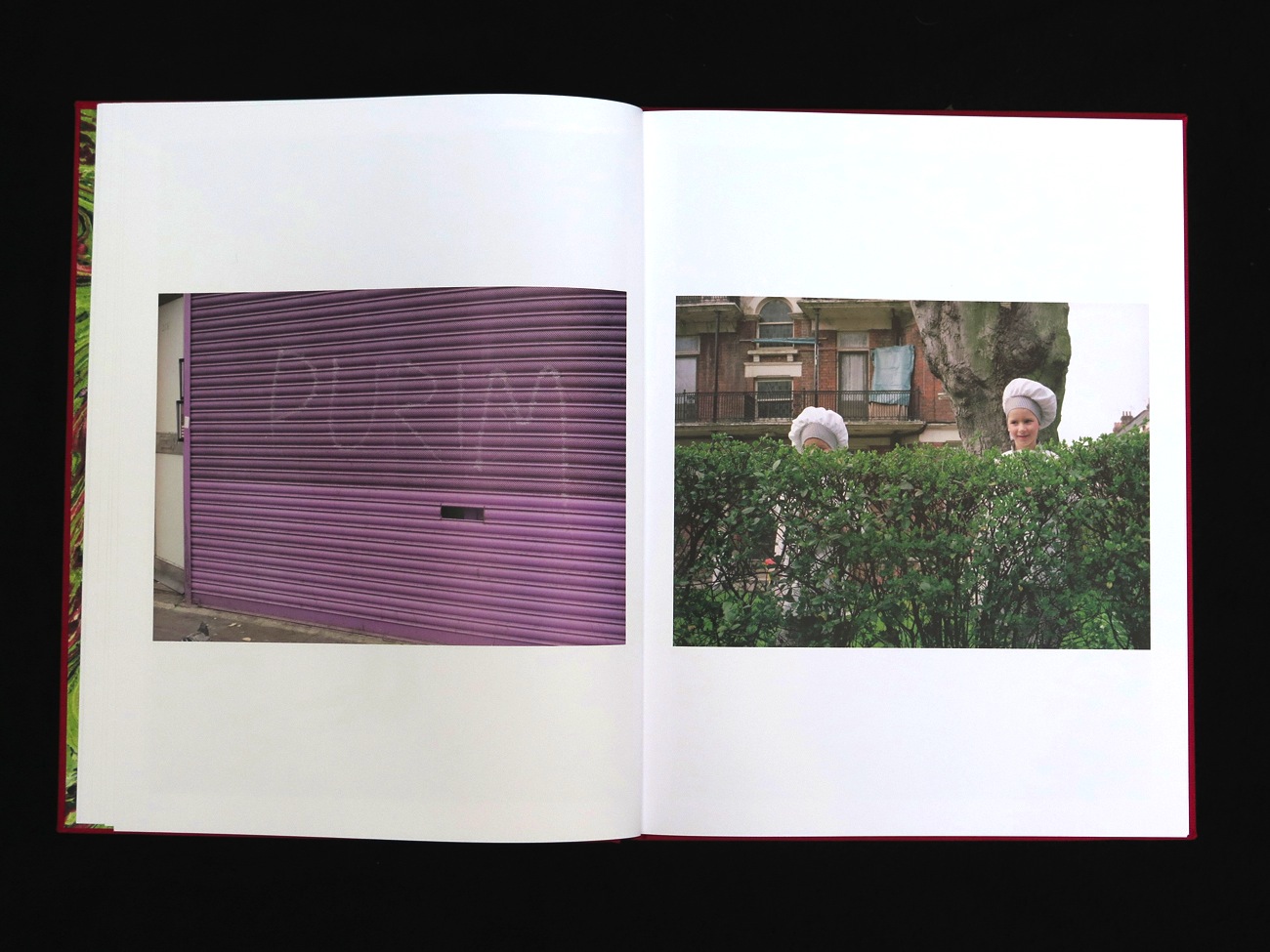
September 2015 marks the release of Happy Purim, a new monograph dedicated to the work of paris-based photographer Estelle Hanania. Happy Purim gathers 42 images documenting 3 years of photographs taken between 2011 and 2014 during the Purim holiday in the neighbourhood of Stamford Hill, London.
Kids wearing home made costums incarnating a wide range of human vernacular history and reality (from the pizza to the clown). Standing in the street they are revealing some cultural fantasies as well as the familiar invisible backgrounds of their neighborhood: a simple tree, a part of a brick wall, a locked door or a pavement.
While the content of this book could appear a bit softer compare to her previous series, costums, masks, parade and most of Hanania’s recurring subject are fully vivid here. To quote french rabbi Delphine Horvilleur, who signs a text at the end of the book : « Purim has the reputation of being a holiday for children. It is children, besides, that constitute the very matter of these photos even if the truth, in my opinion, is that Purim is an adult holiday. Children, in a way, act like a veil, like the “masks” – in all senses of the word – disguising the holiday, making it up in order to hide the complex questions it raises. The fundamental issue of Purim is the question of appearance and of internal reality. On this day, we read a text called the Megillah of Esther, whose content should practically be censured for underage persons. »
—
Estelle Hanania lives and works in Paris. Happy Purim is her fifth collaboration with Shelter Press, following Attila Csihar, Broken Mirror & Metamorphosis of the Tree (2010), Dondoro (2011), Glacial Jubilé (2013), and more recently Eternelle Idole (2015), a collaboration with Stephen O’Malley and Gisèle Vienne published last month.
€40.00
Šunka Buch. Erik Steinbrecher. rakete.co & Motto Books
Posted in Motto Books on September 8th, 2015Tags: Erik Steinbrecher, Prague Quadrennial, rakete.co
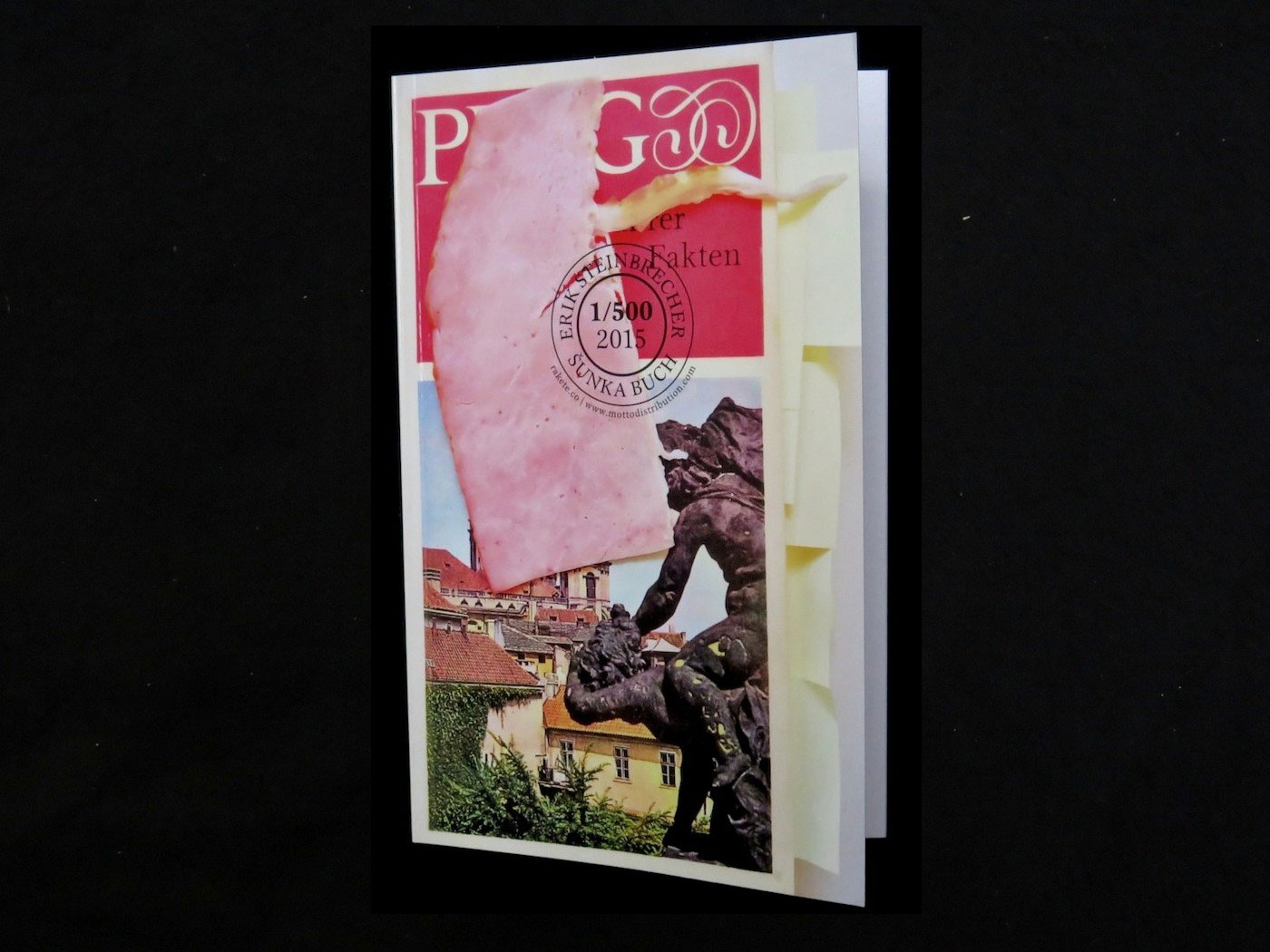
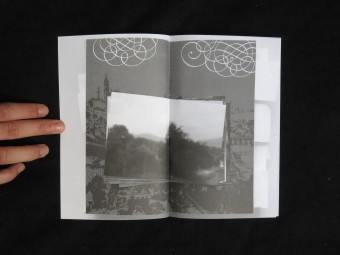
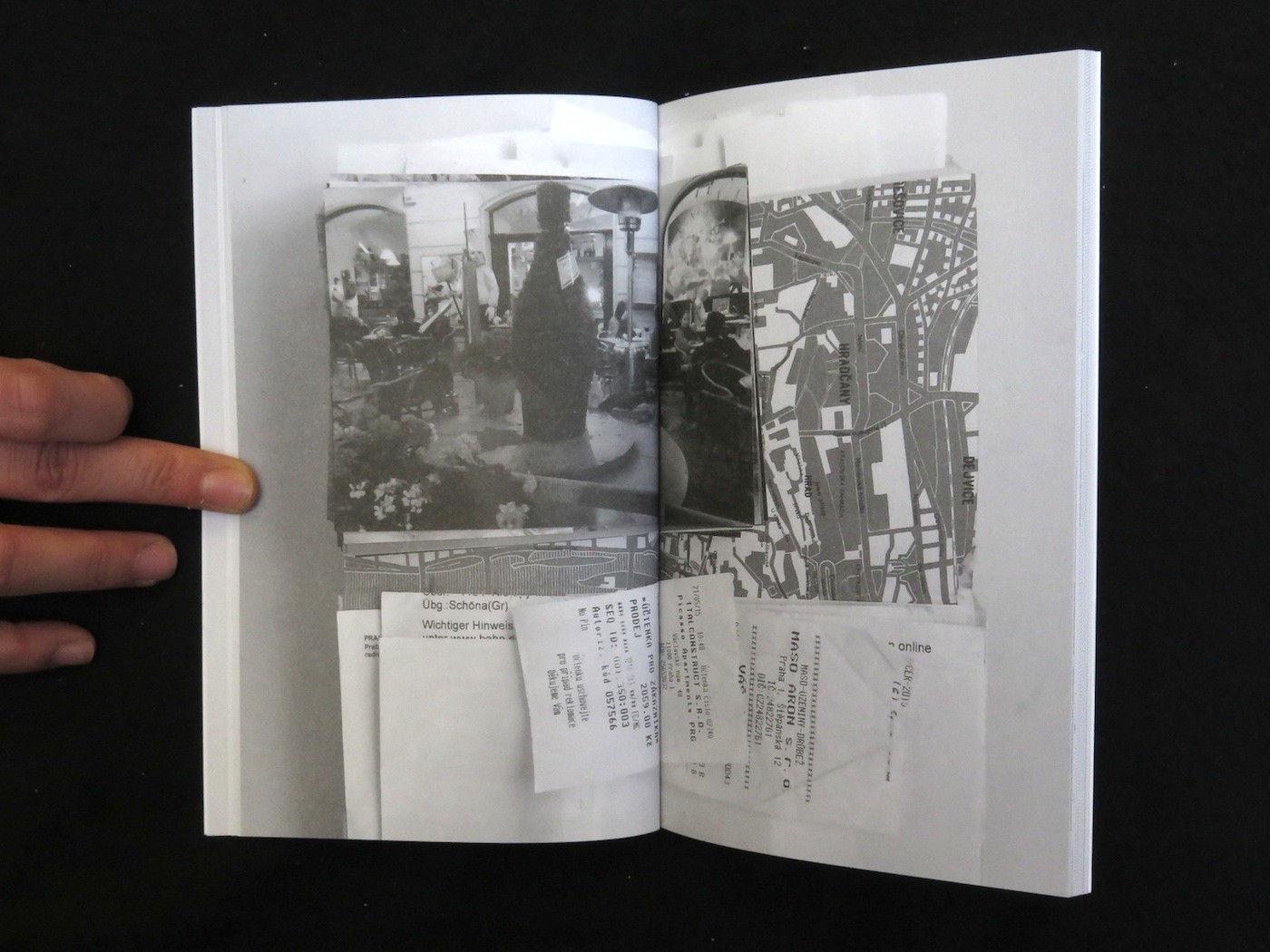
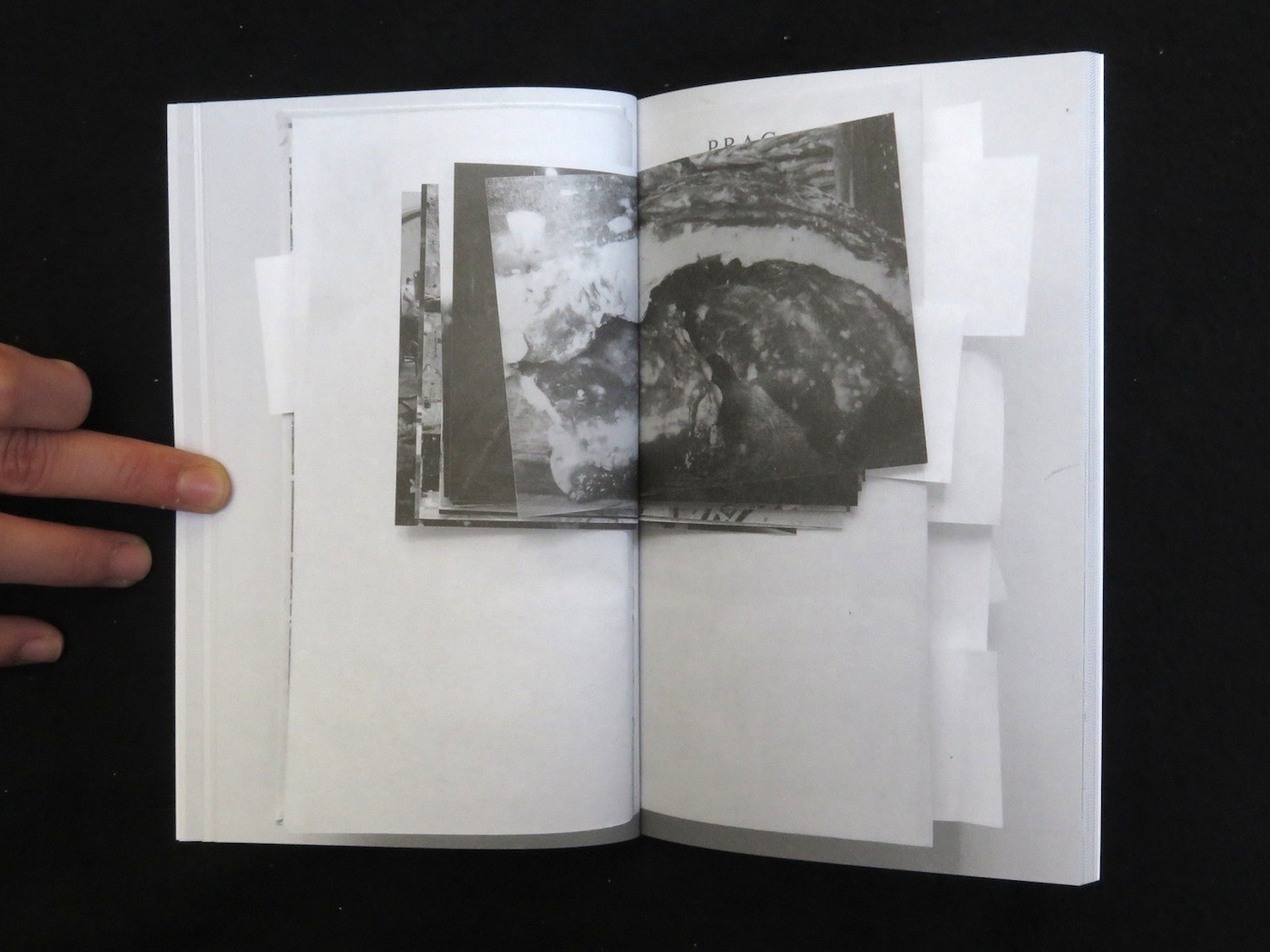
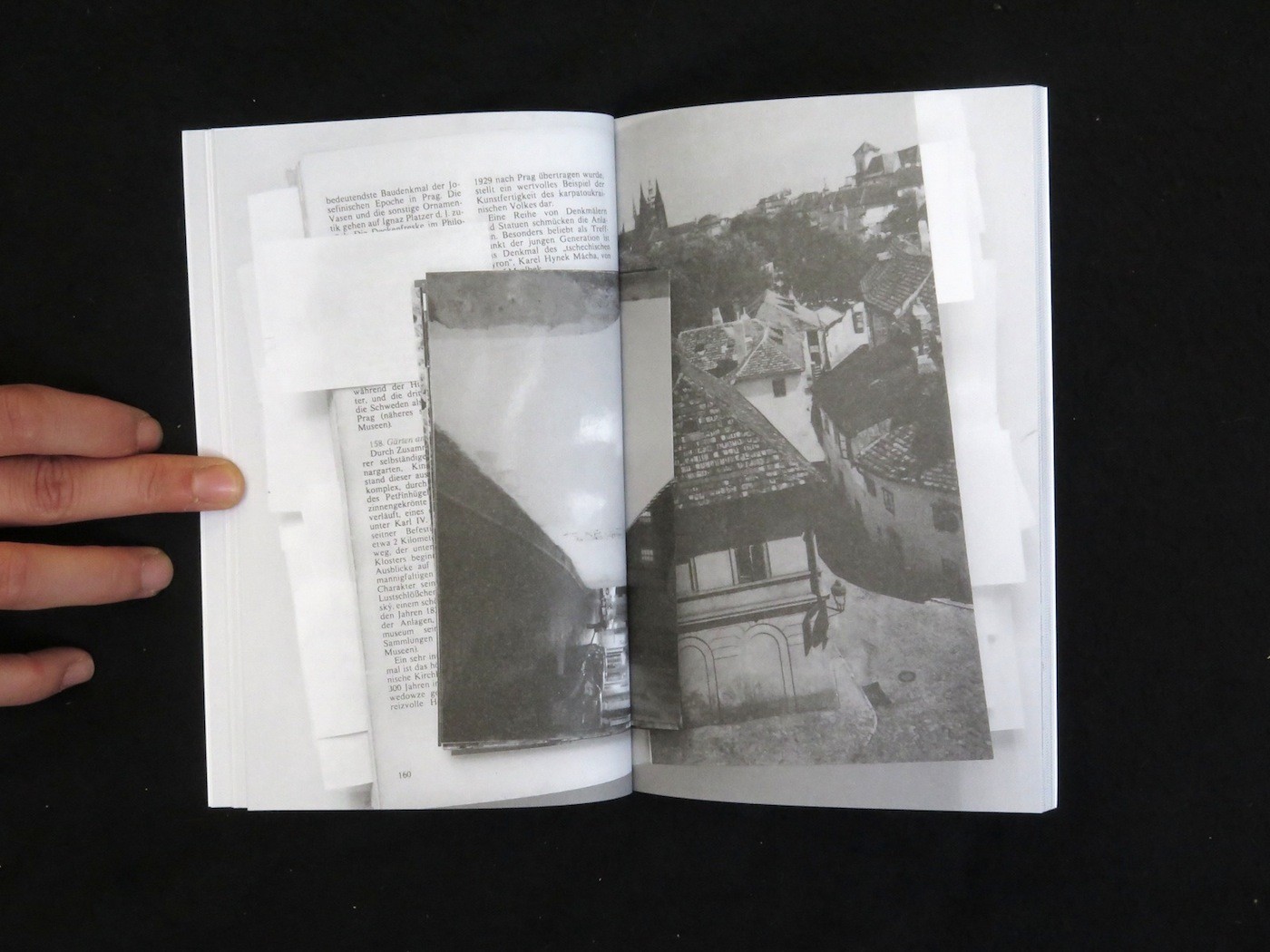
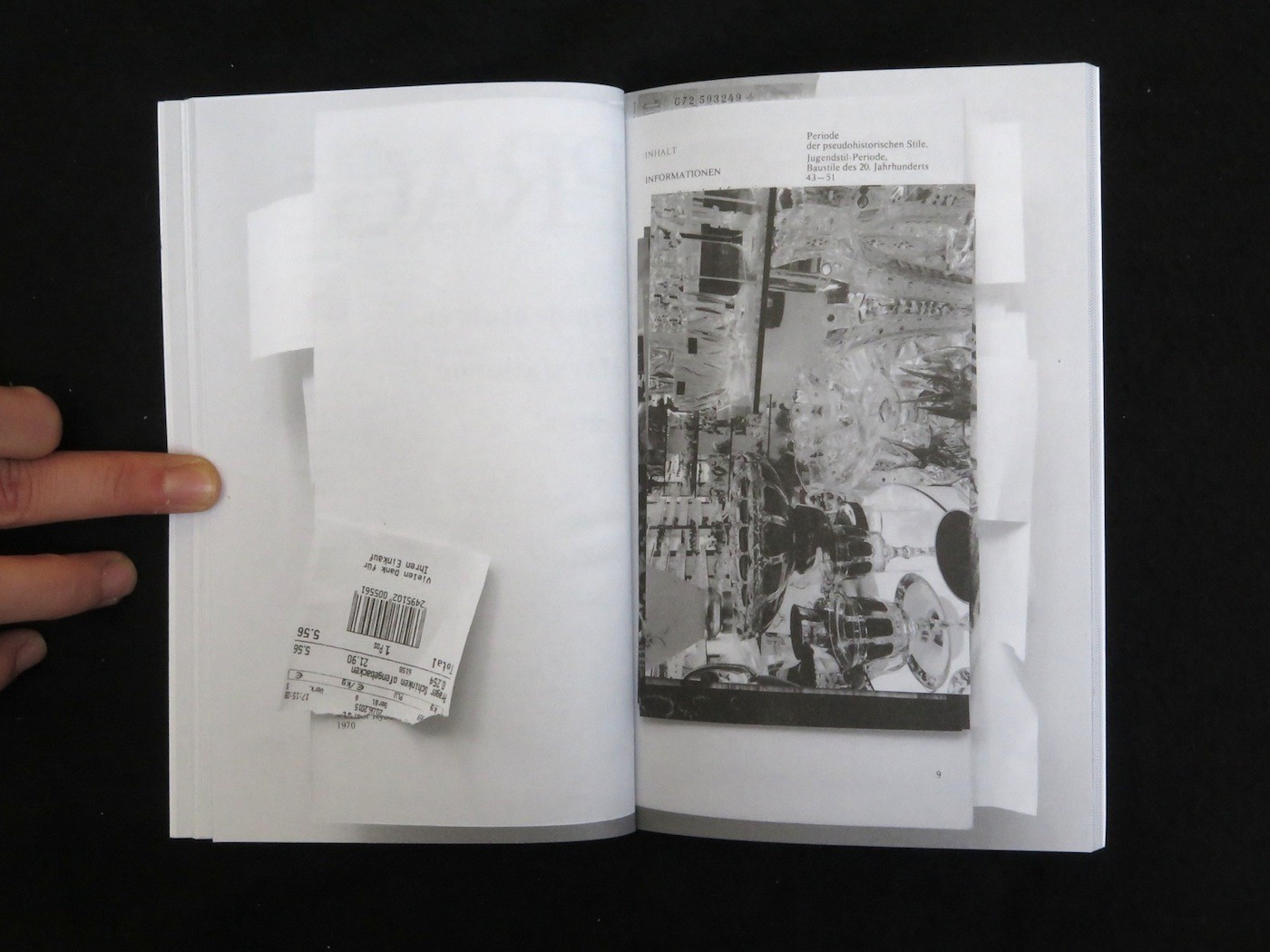
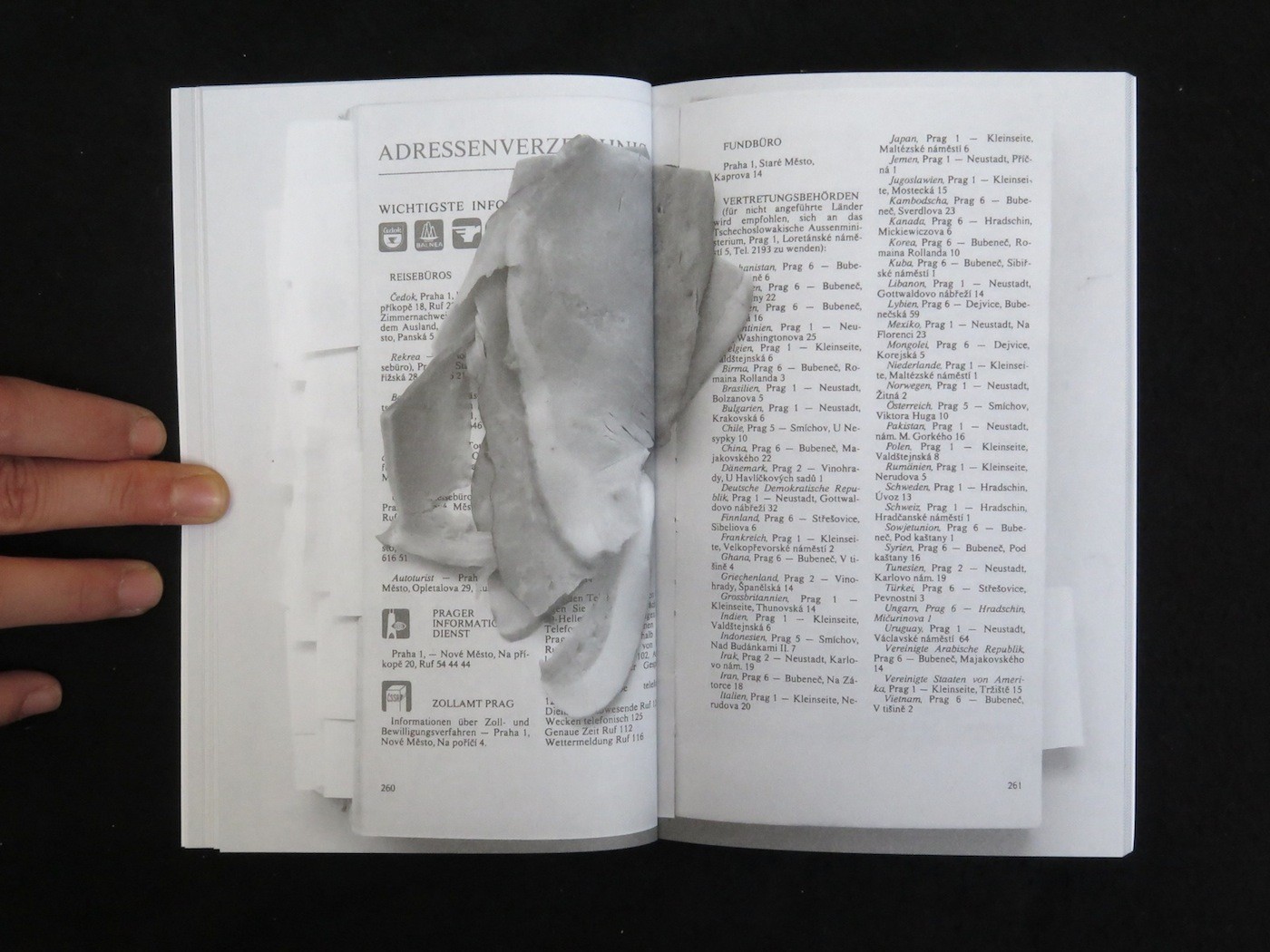
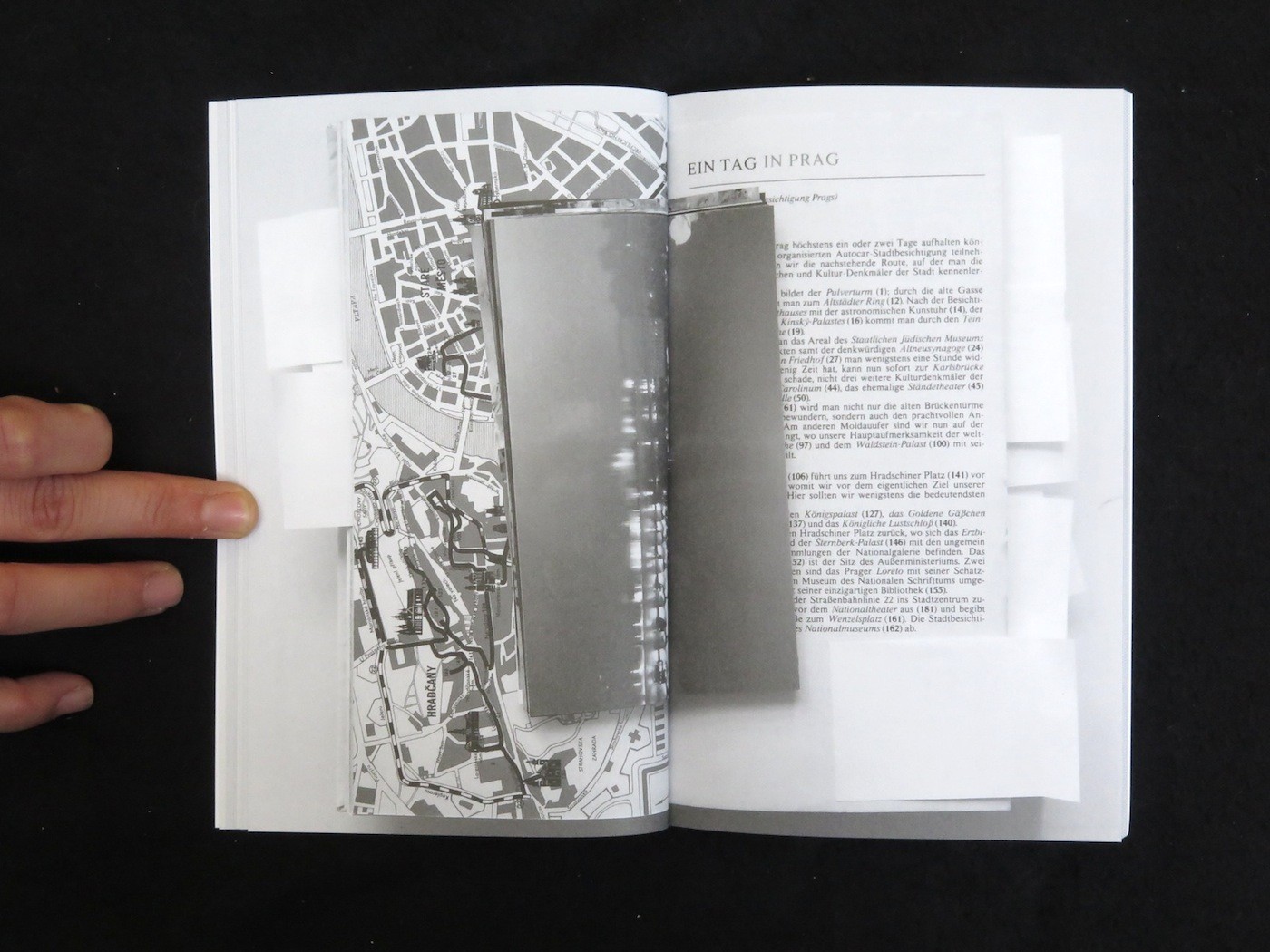
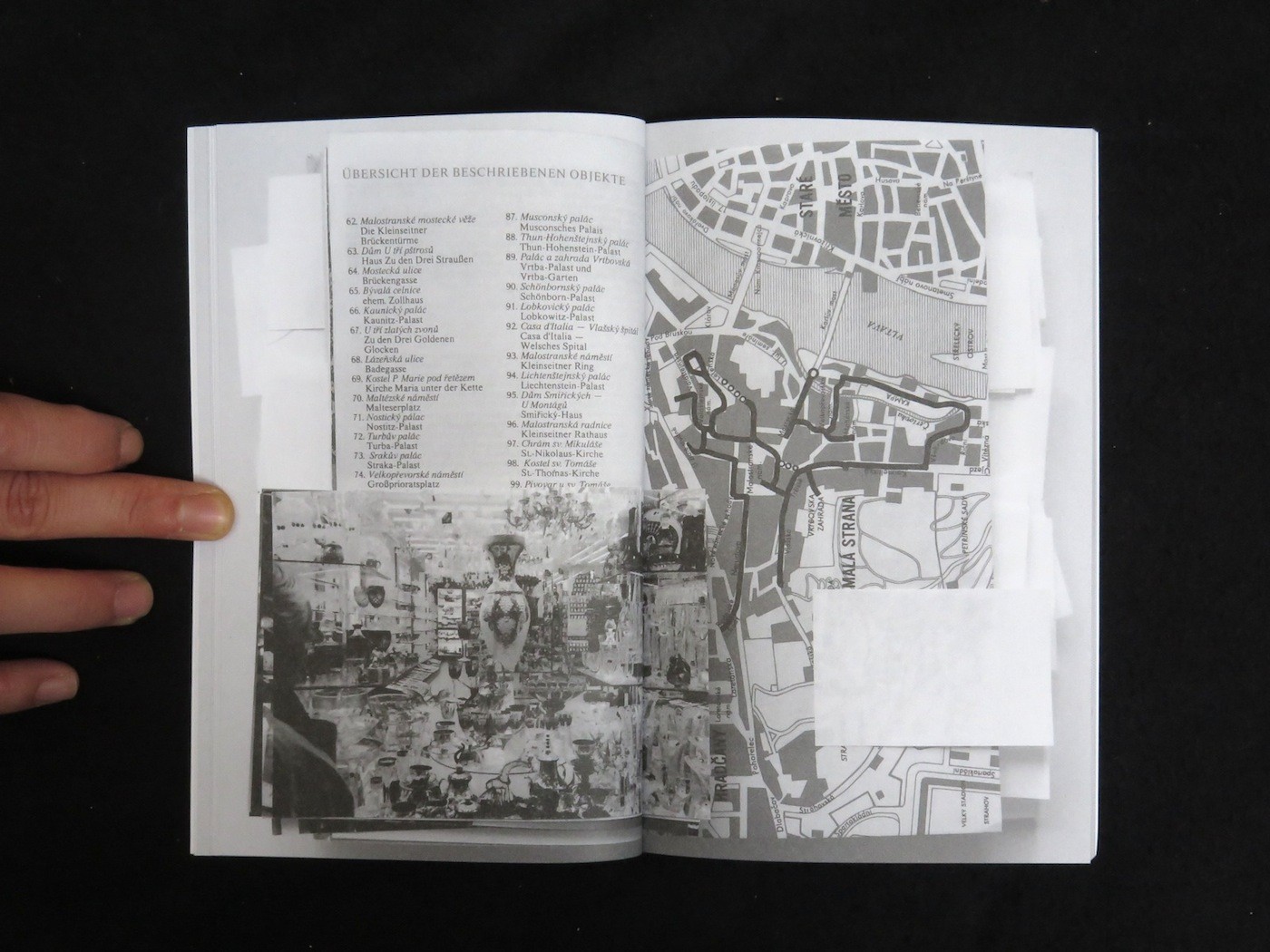
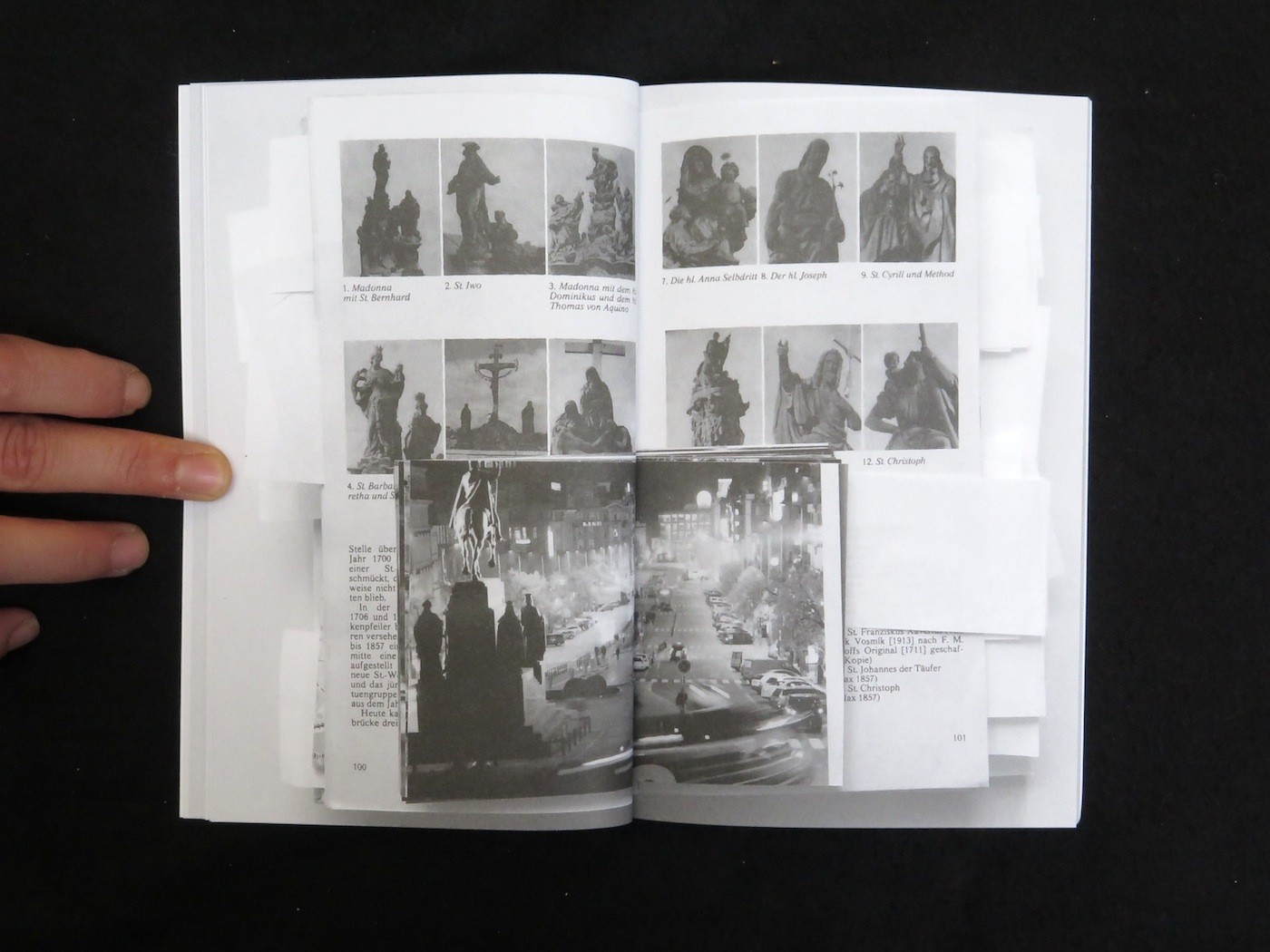
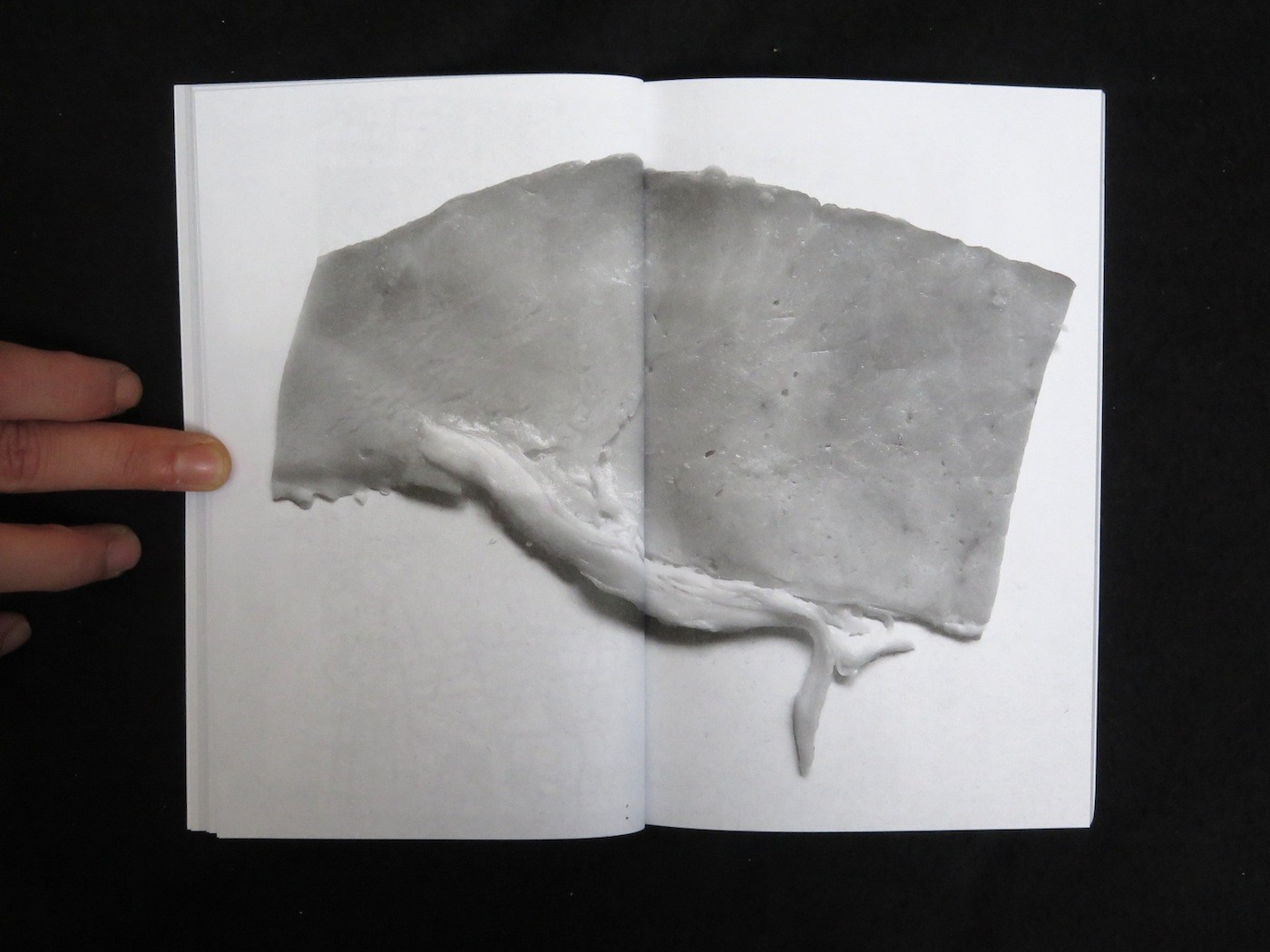
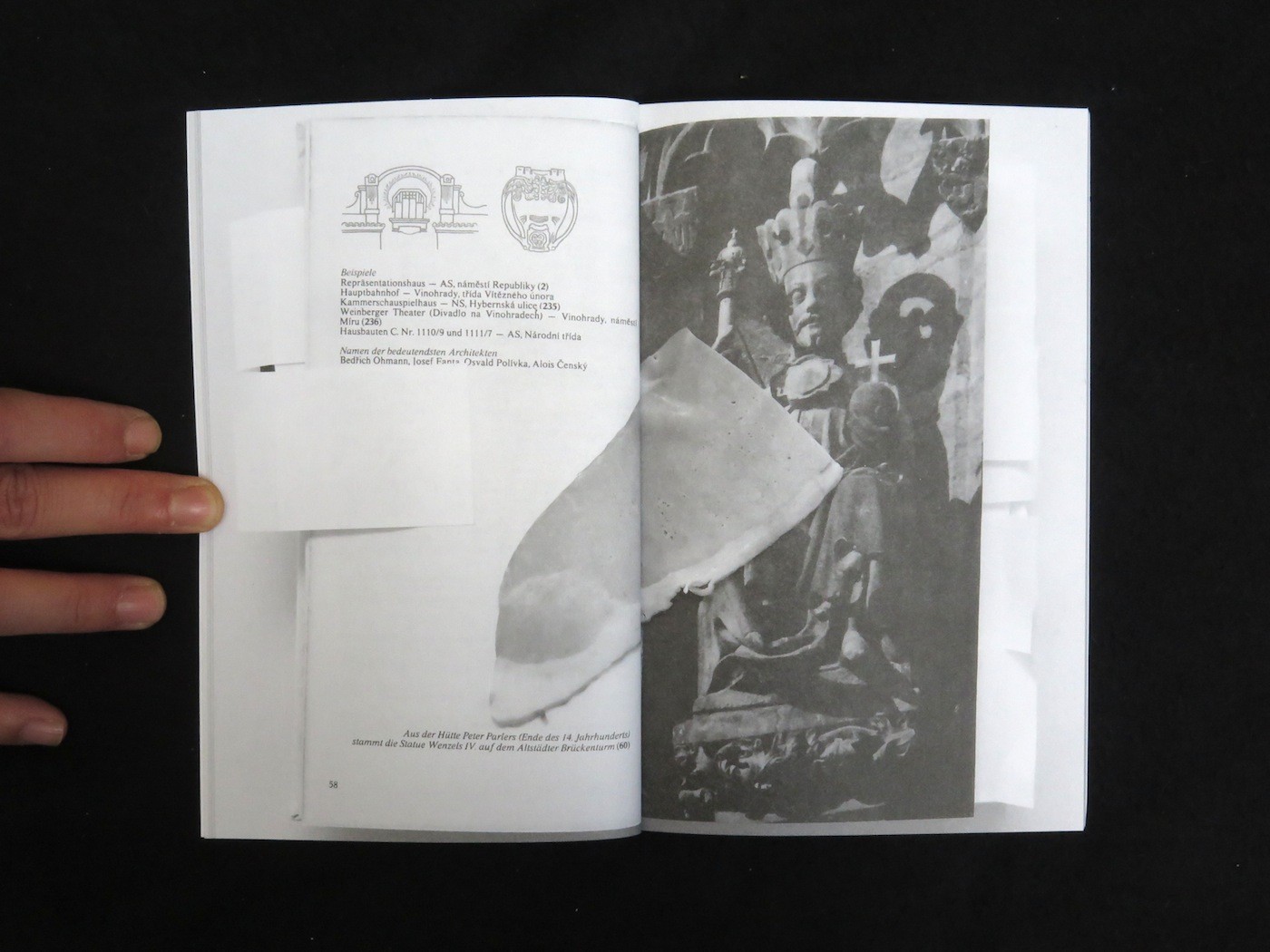
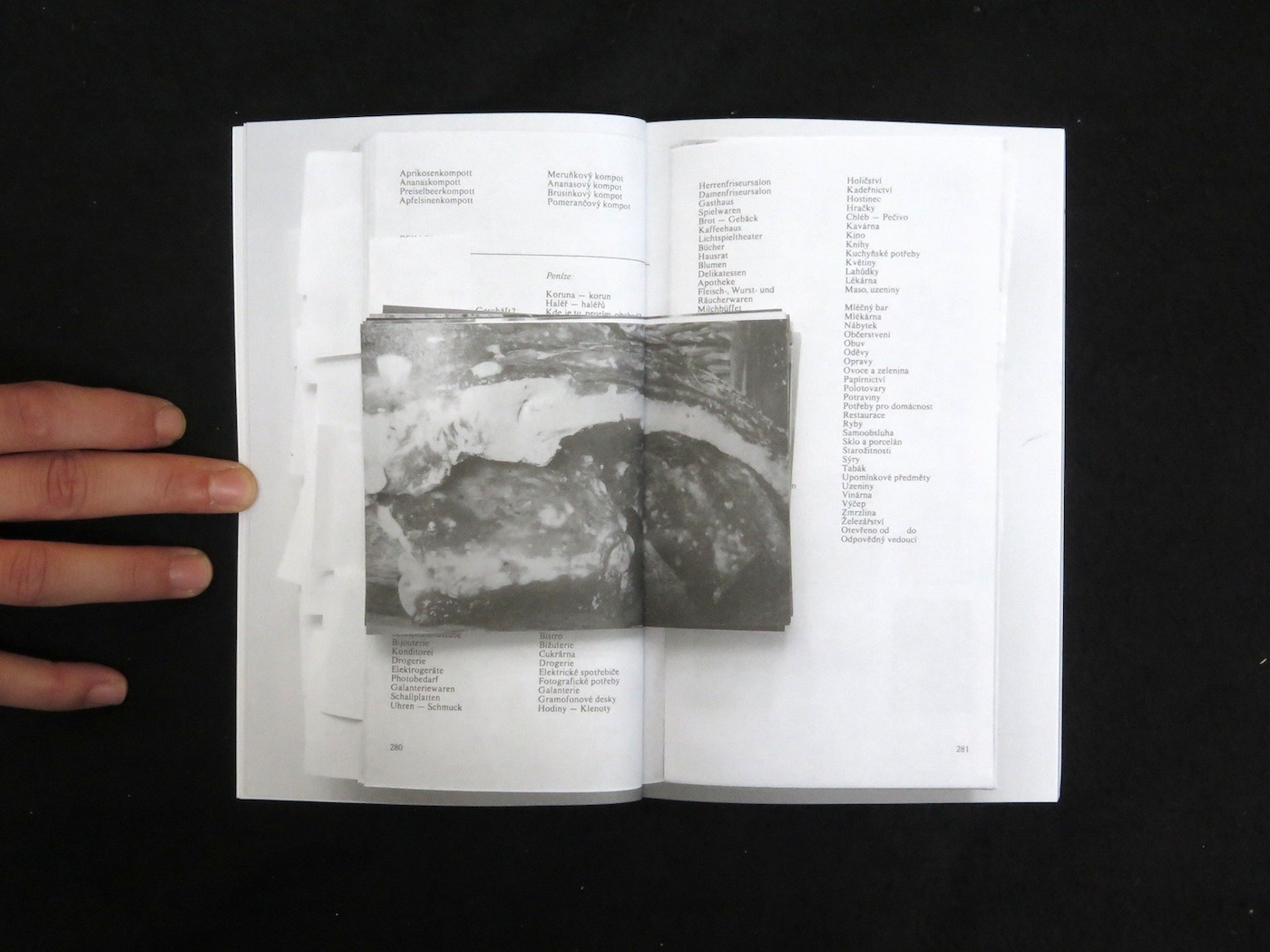
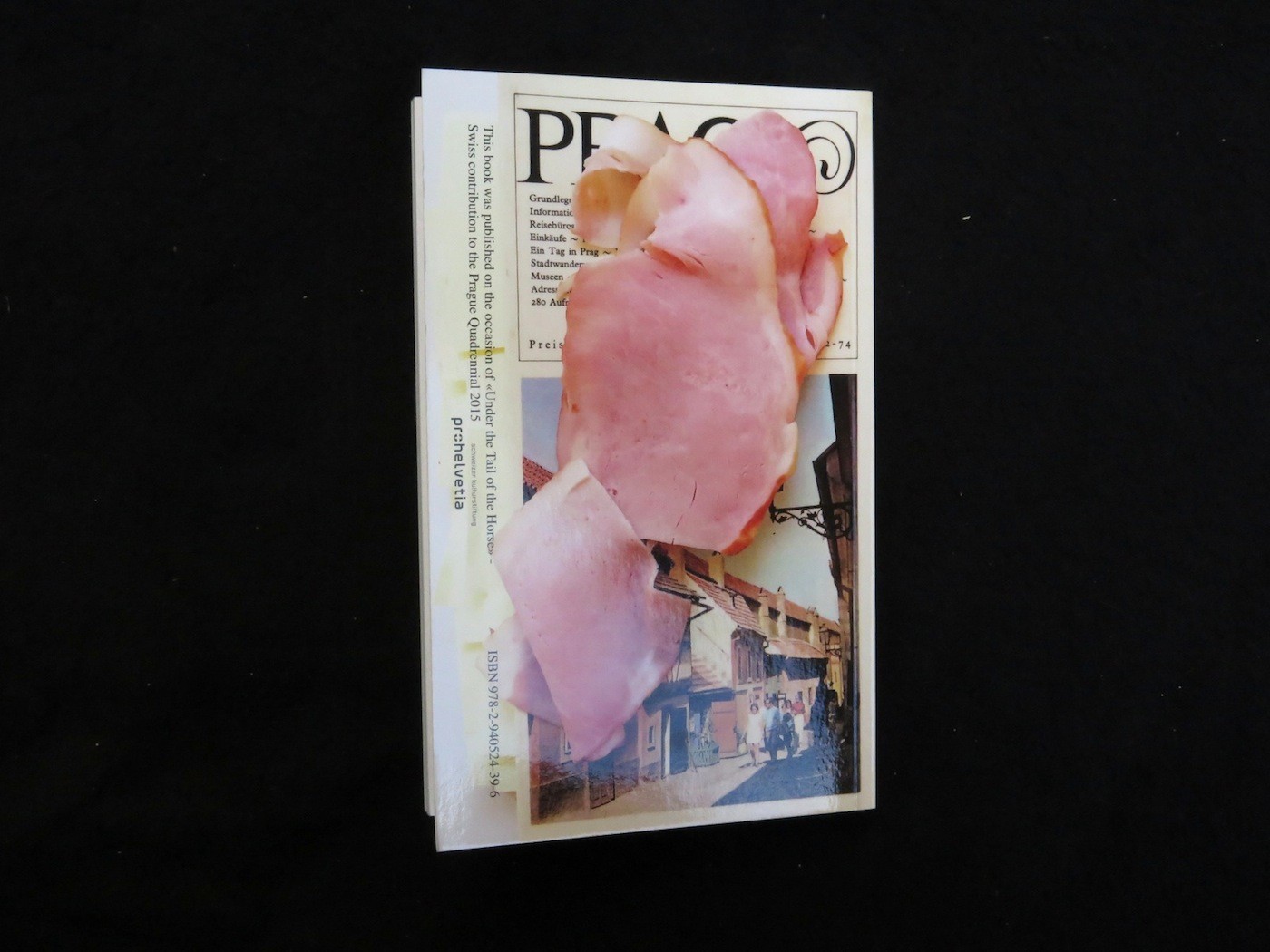
This book was published on the occasion of “Under the Tail of the Horse” —
Swiss contribution to the Prague Quadrennial 2015
€10.00
Plassein. Joji Koyama. Toupée
Posted in Film on September 8th, 2015Tags: Dan Solbach, Joji Koyama, Katerina Trakakis, Toupée
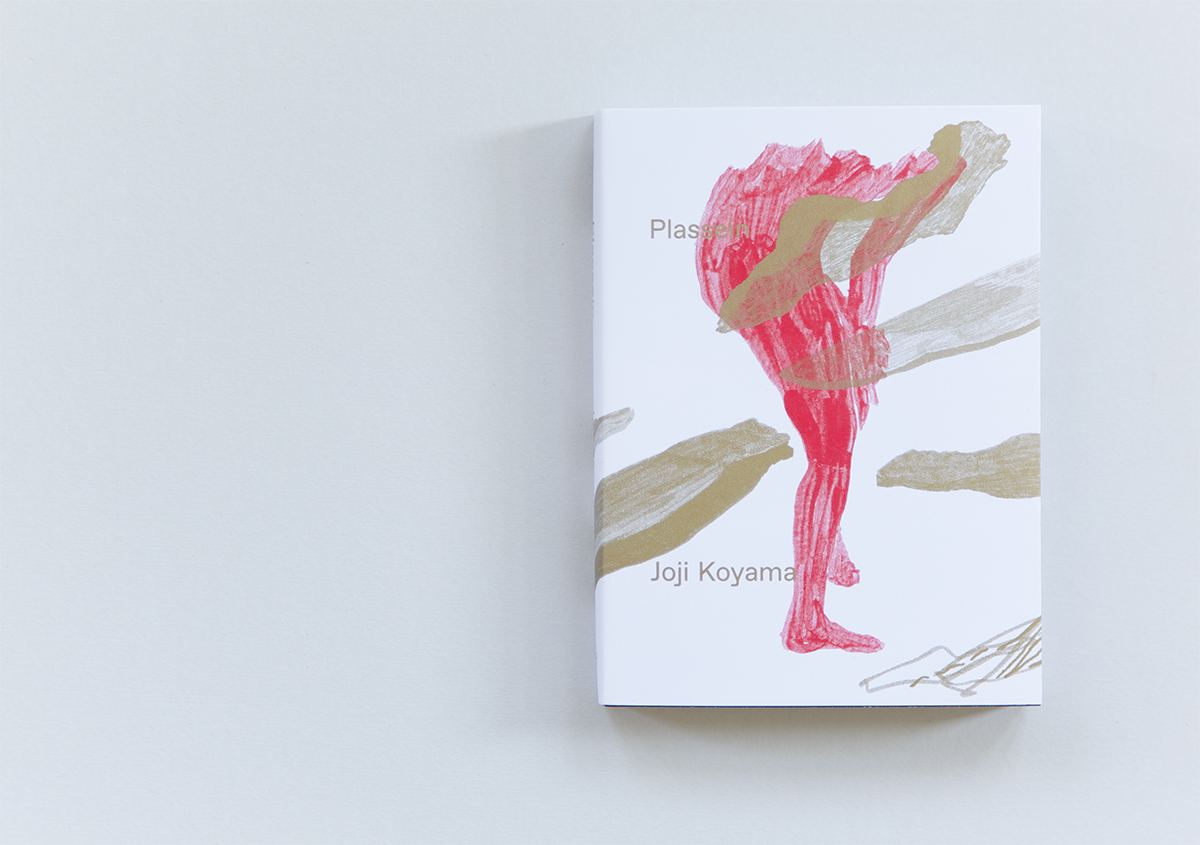
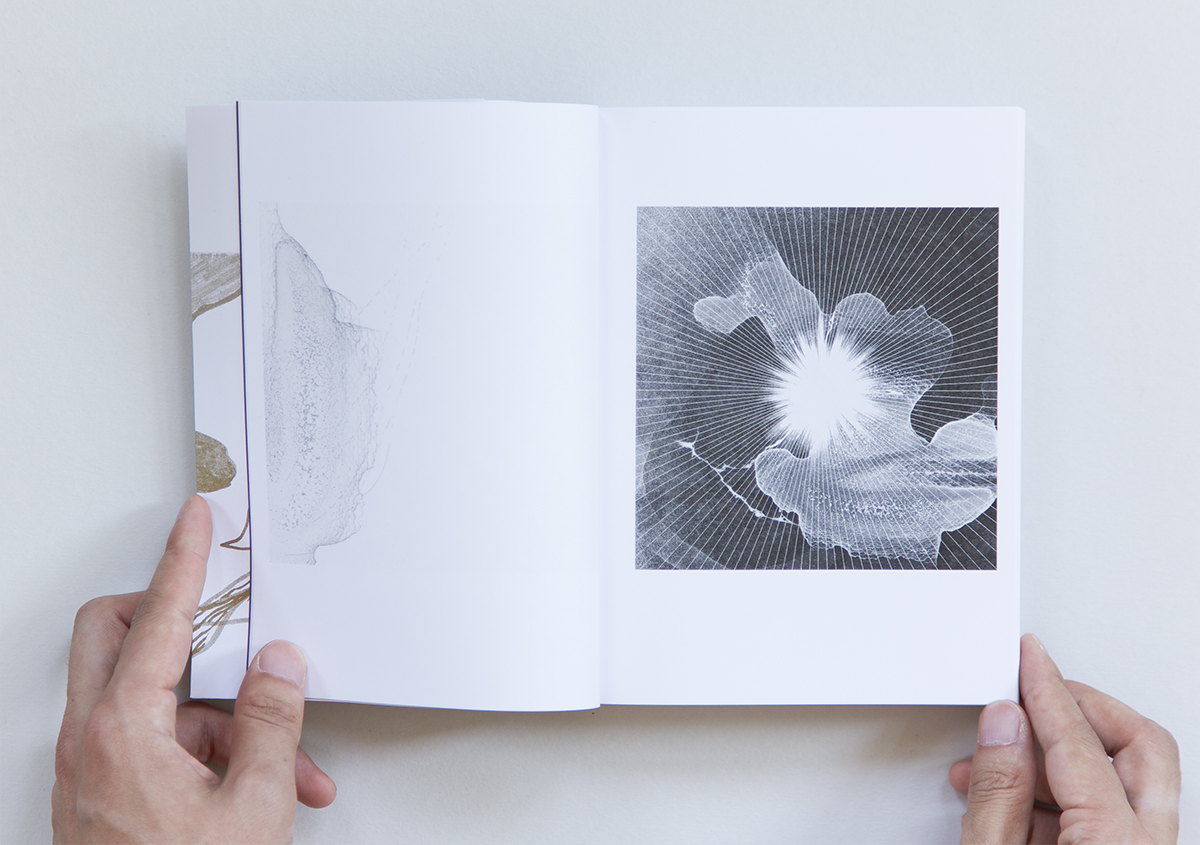
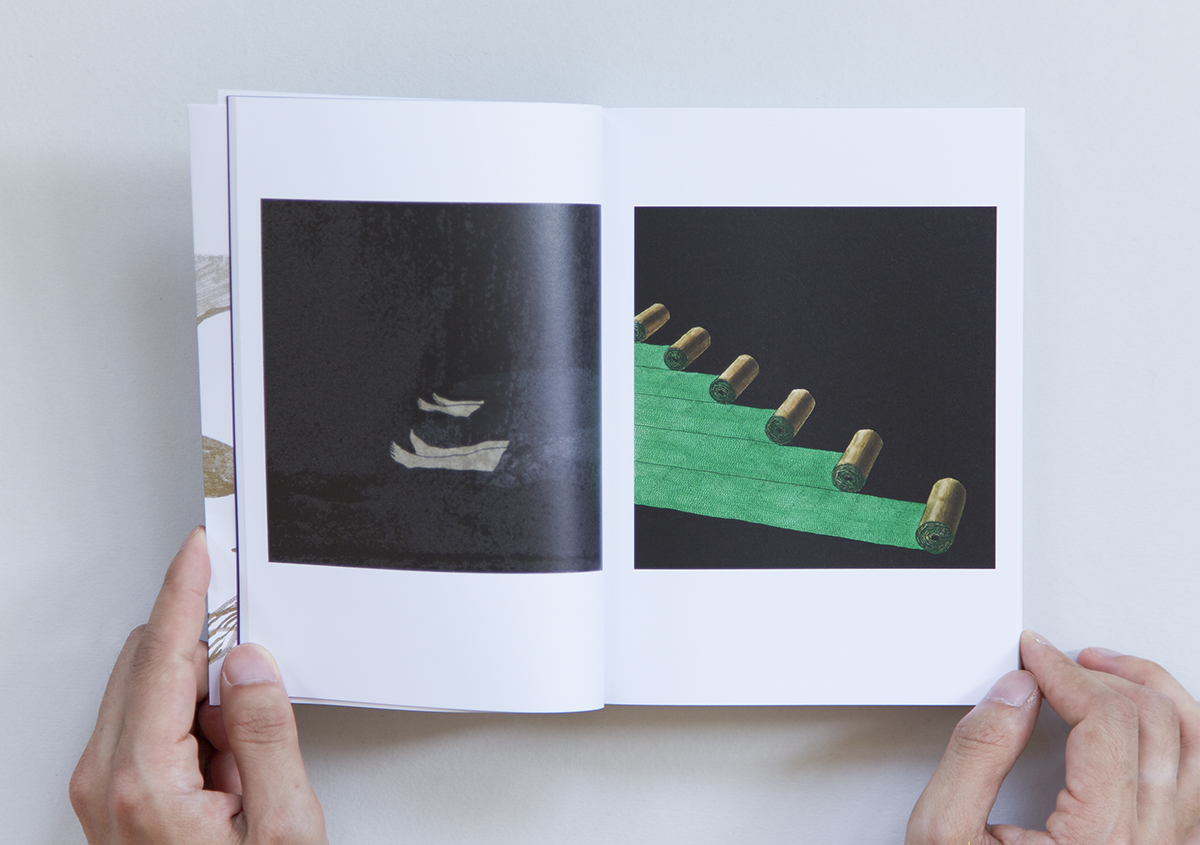
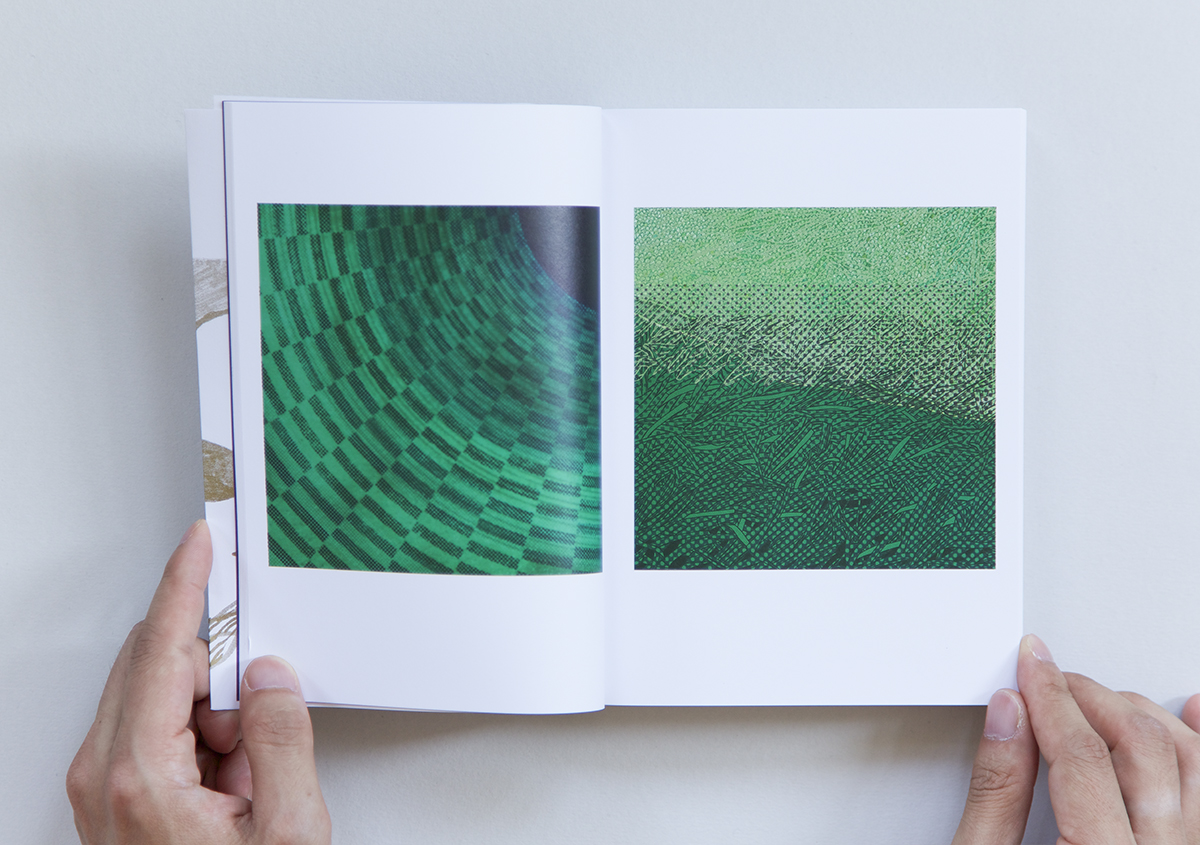
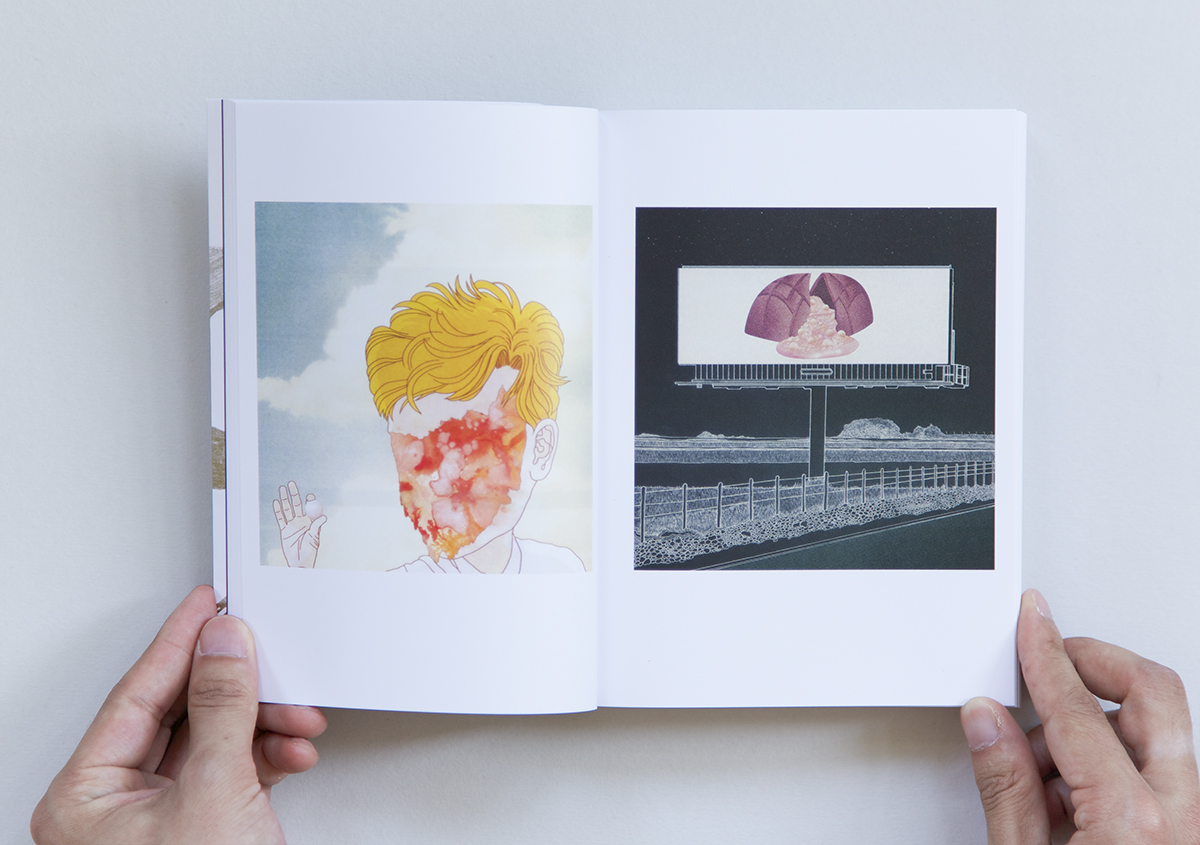
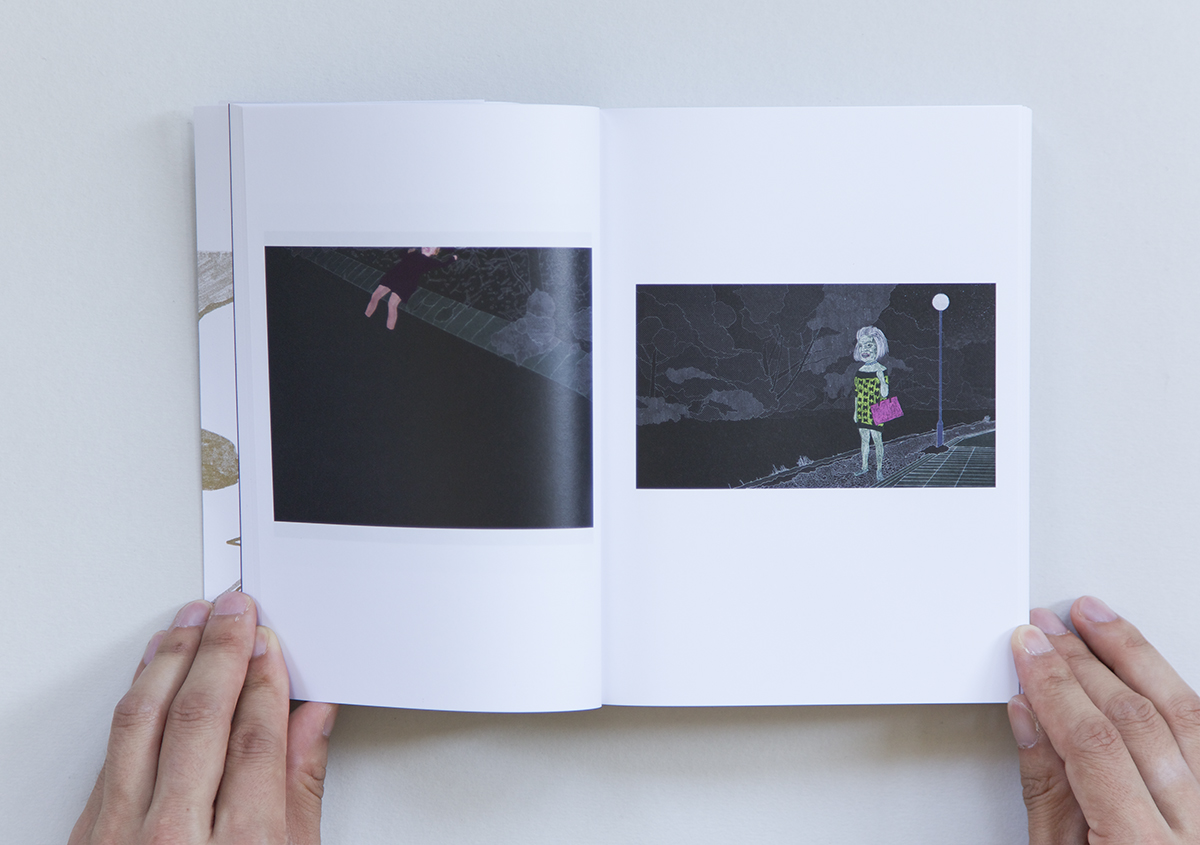
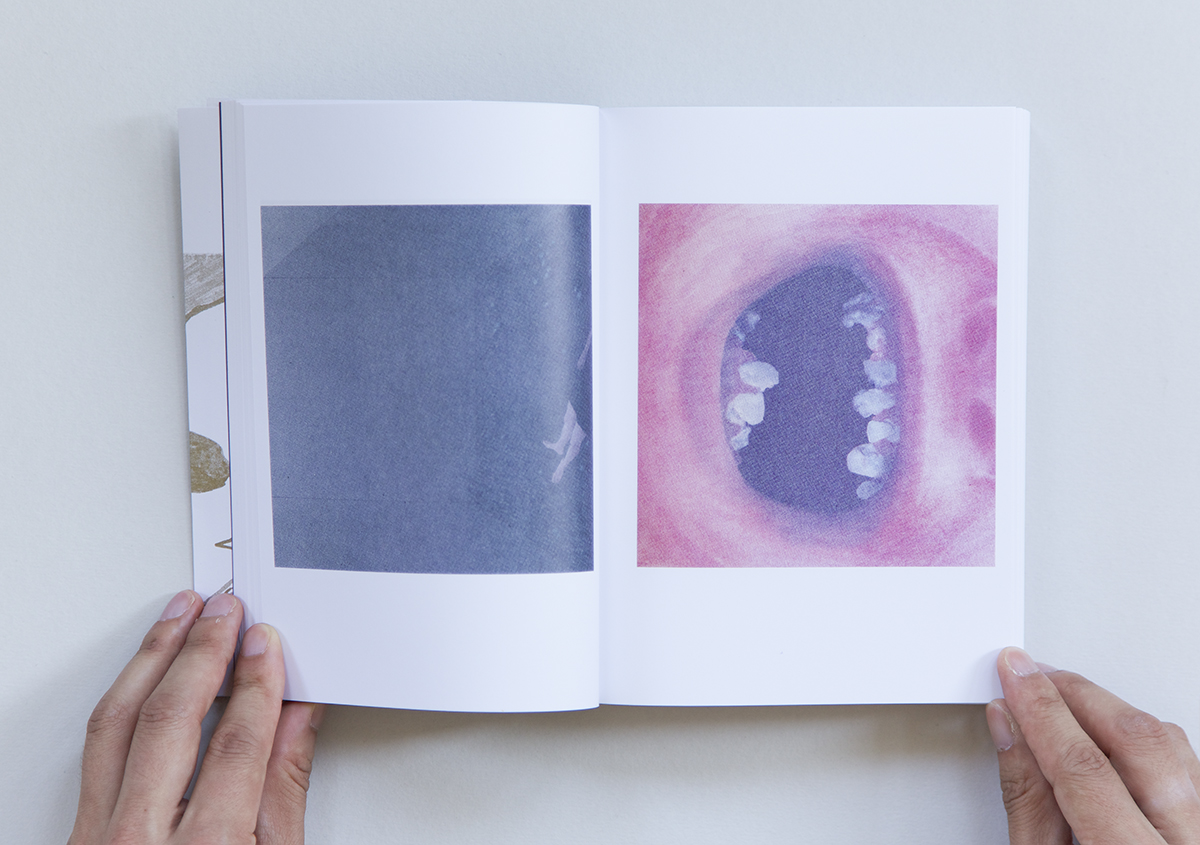
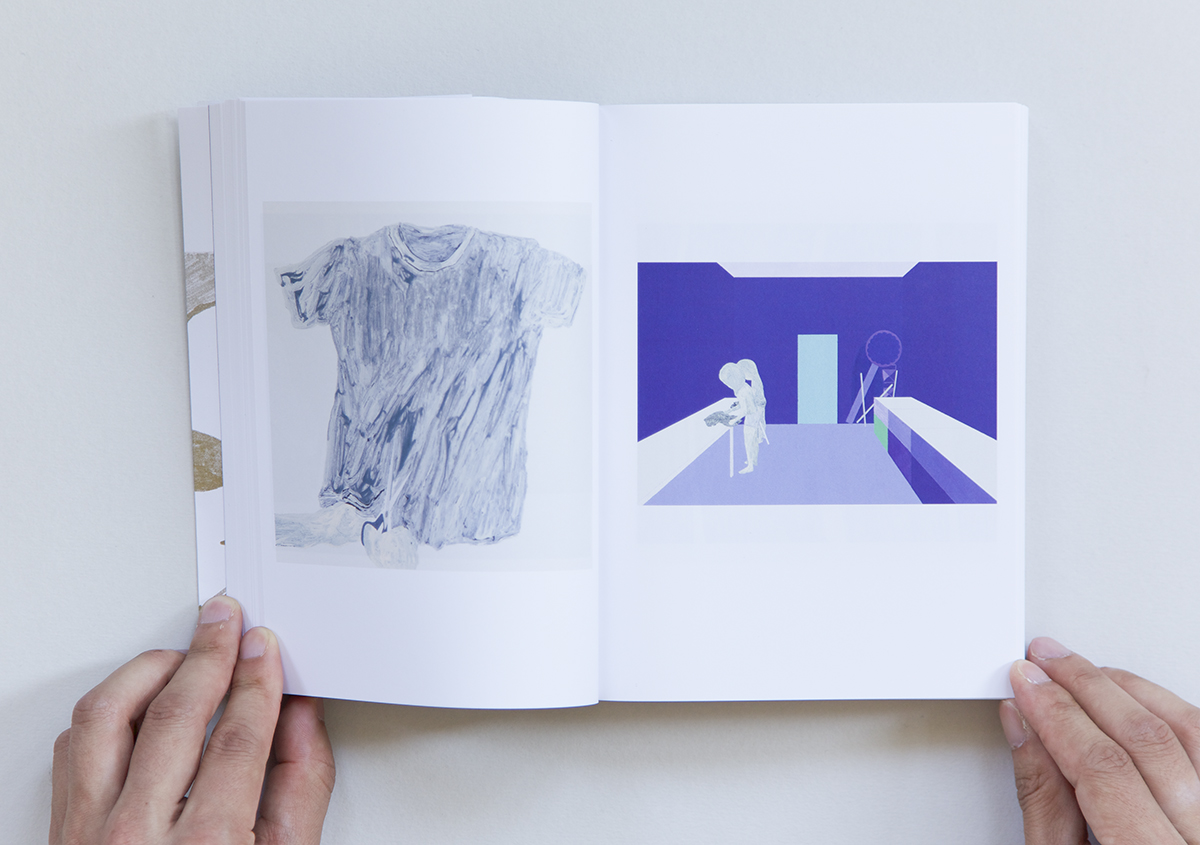
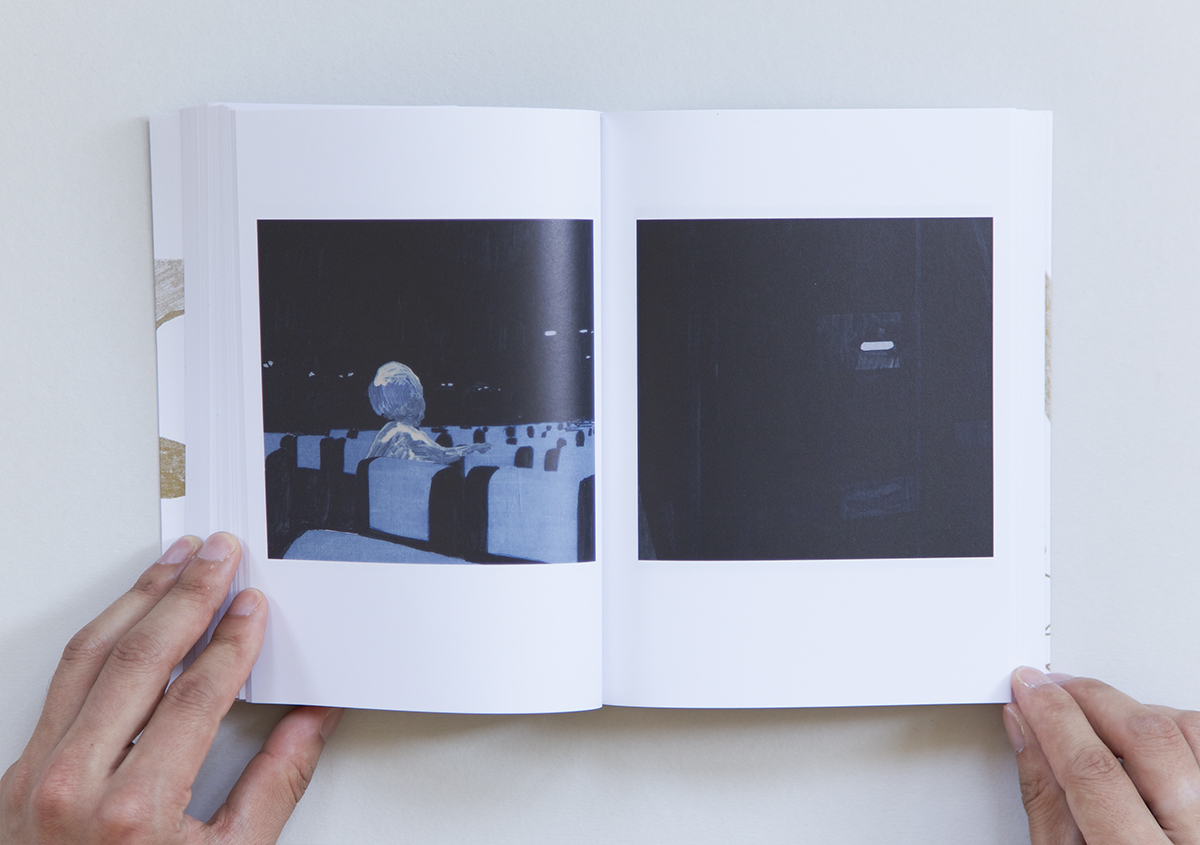
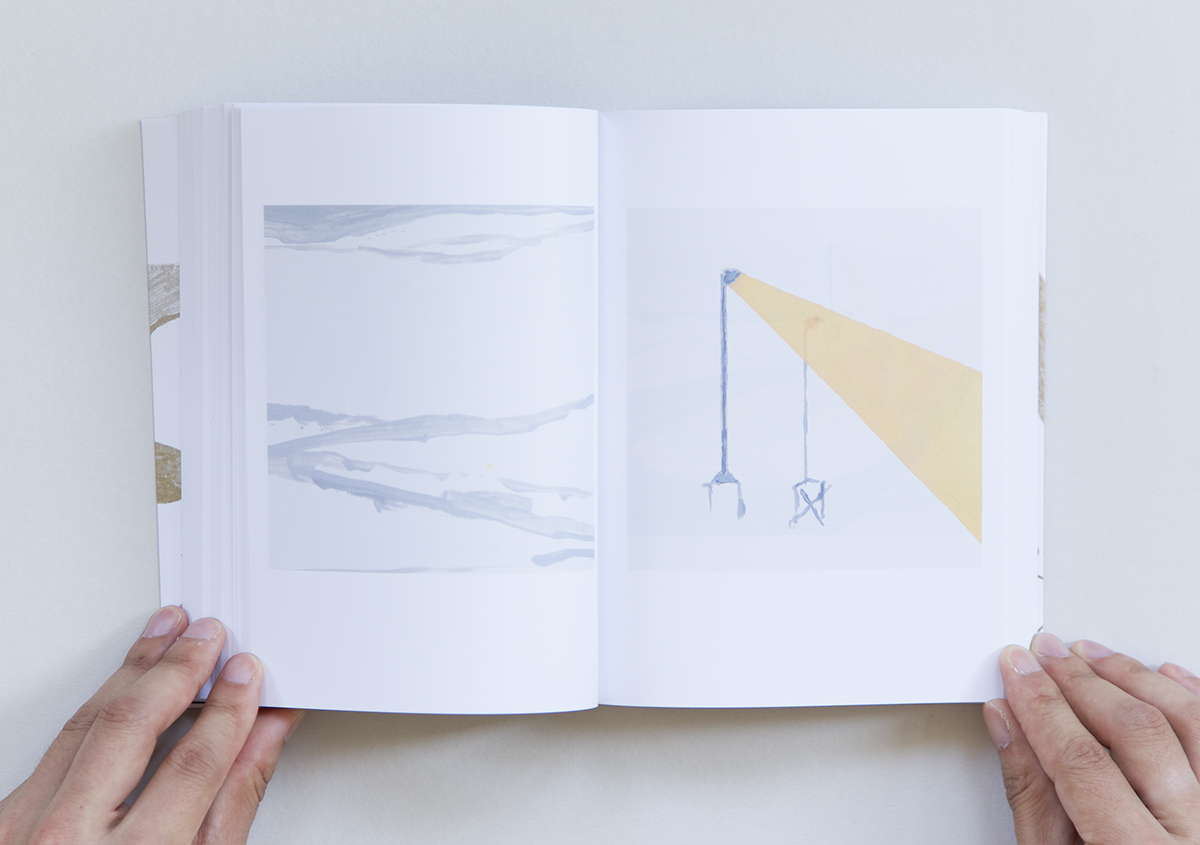
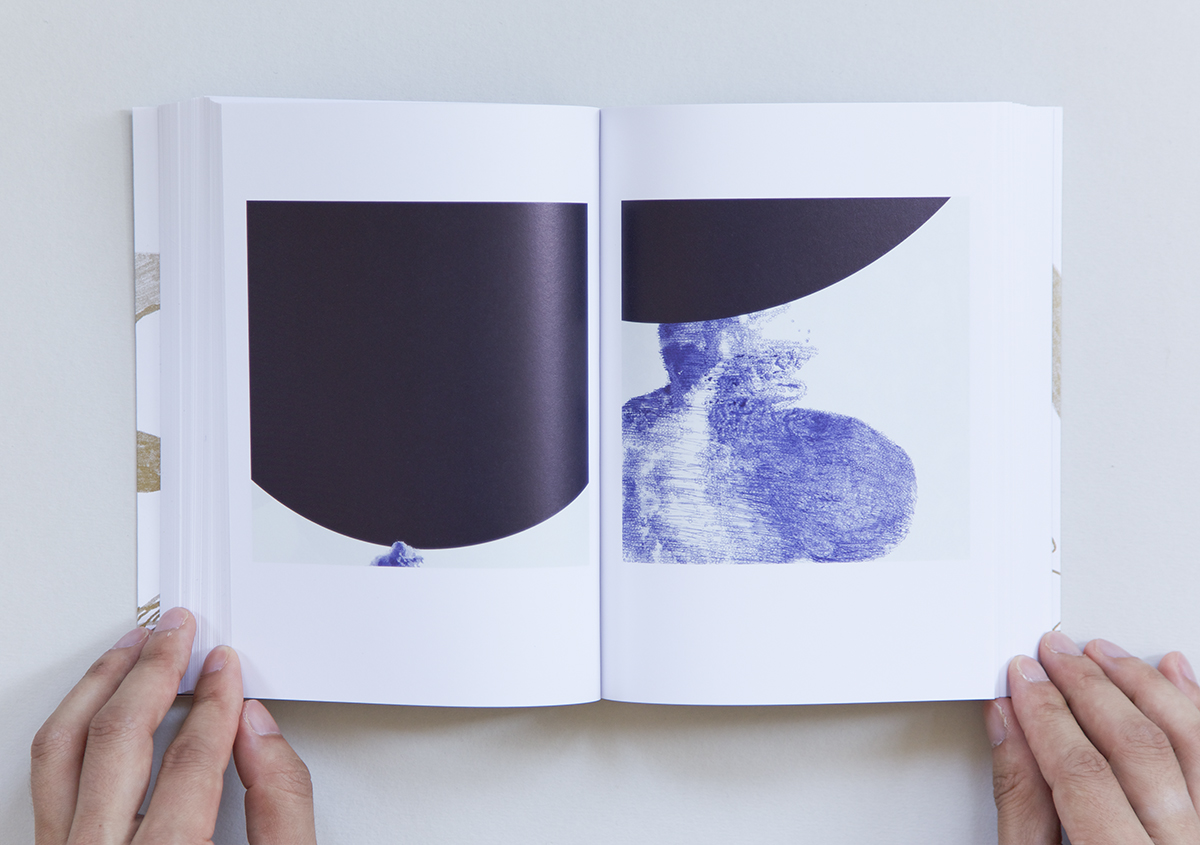
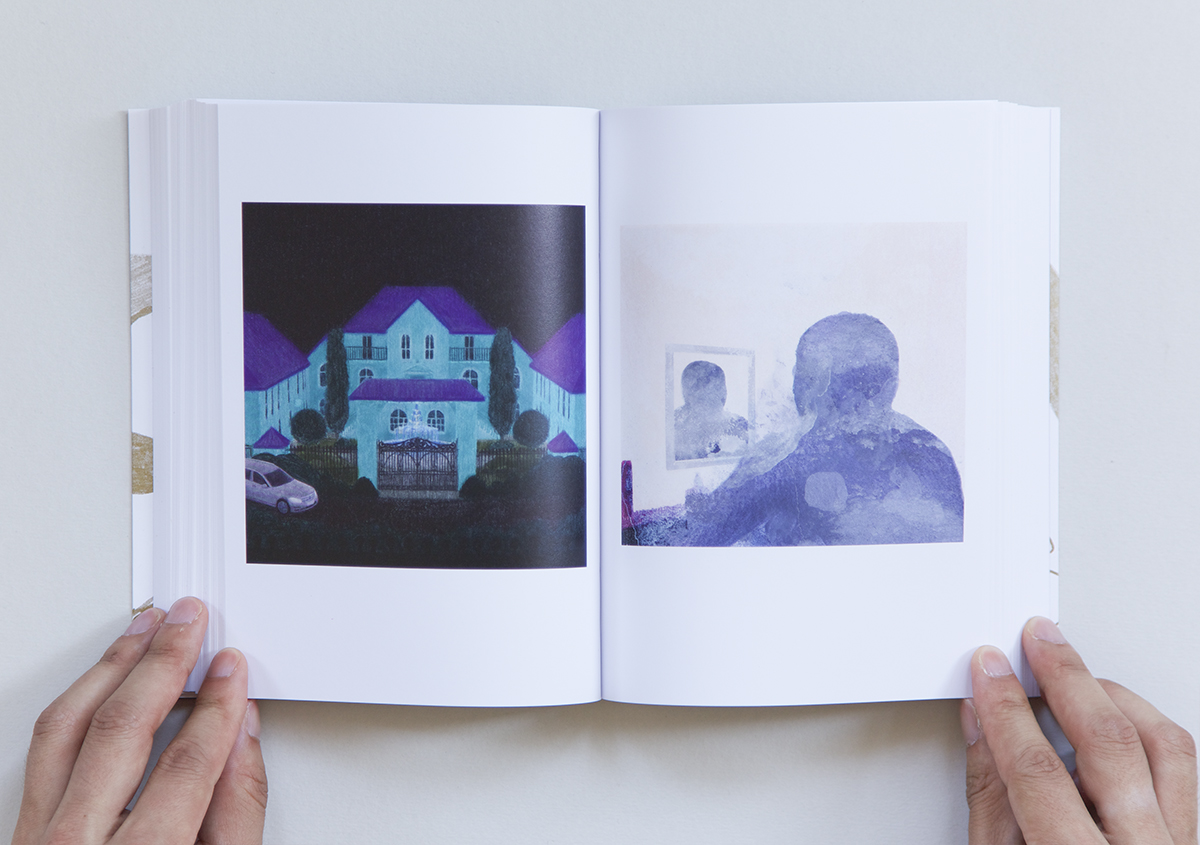
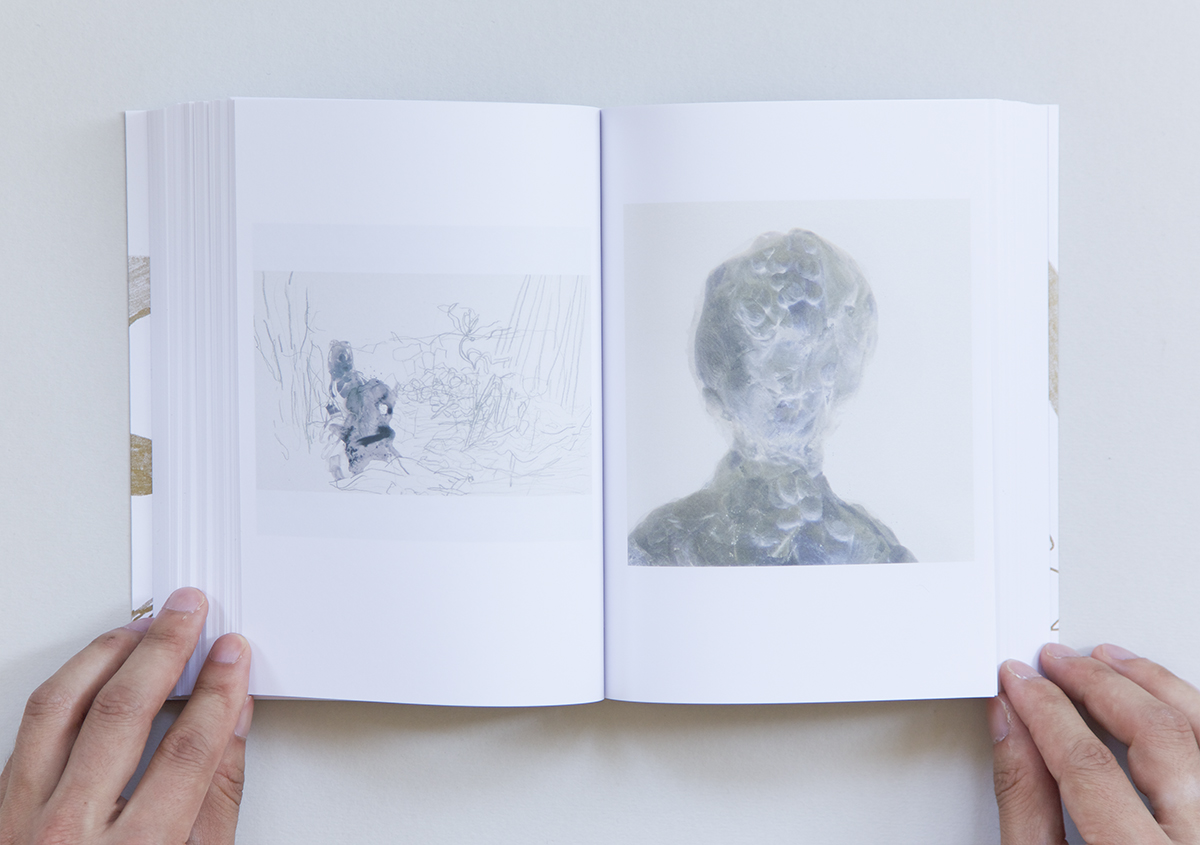
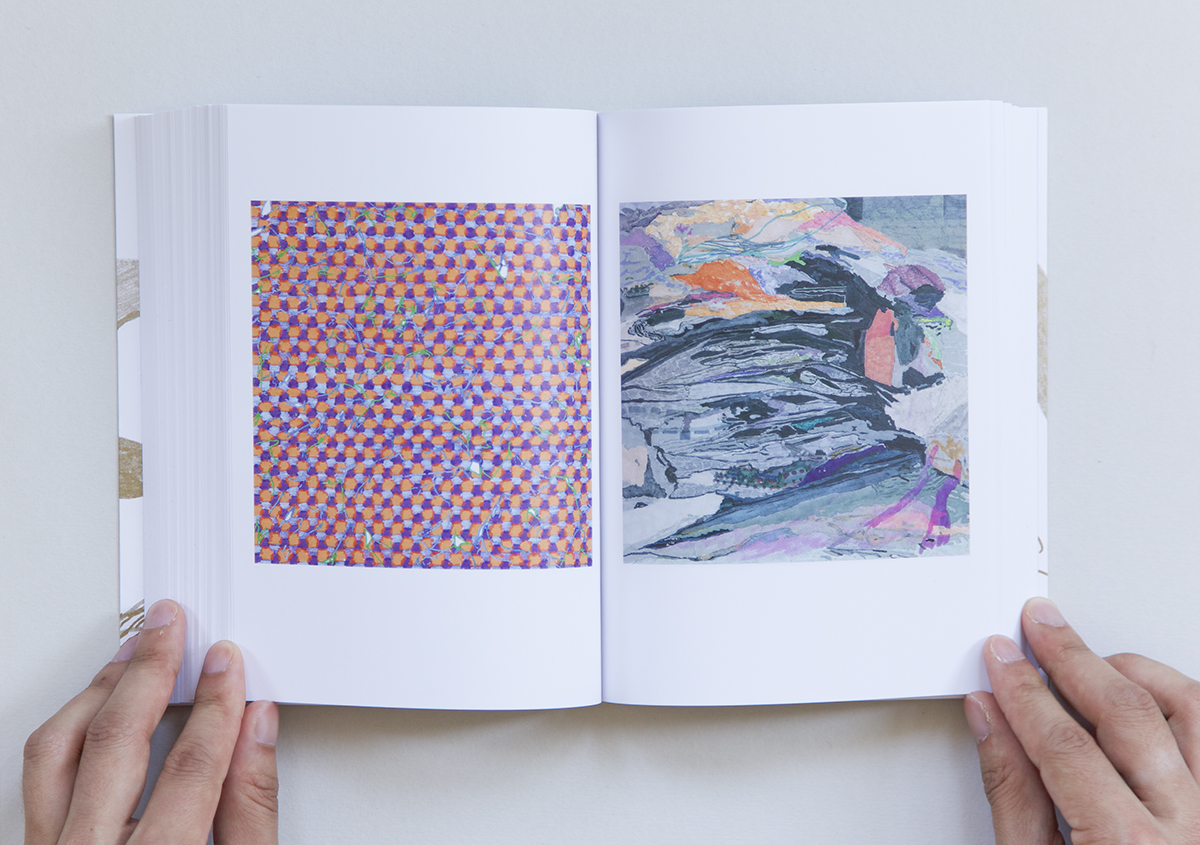
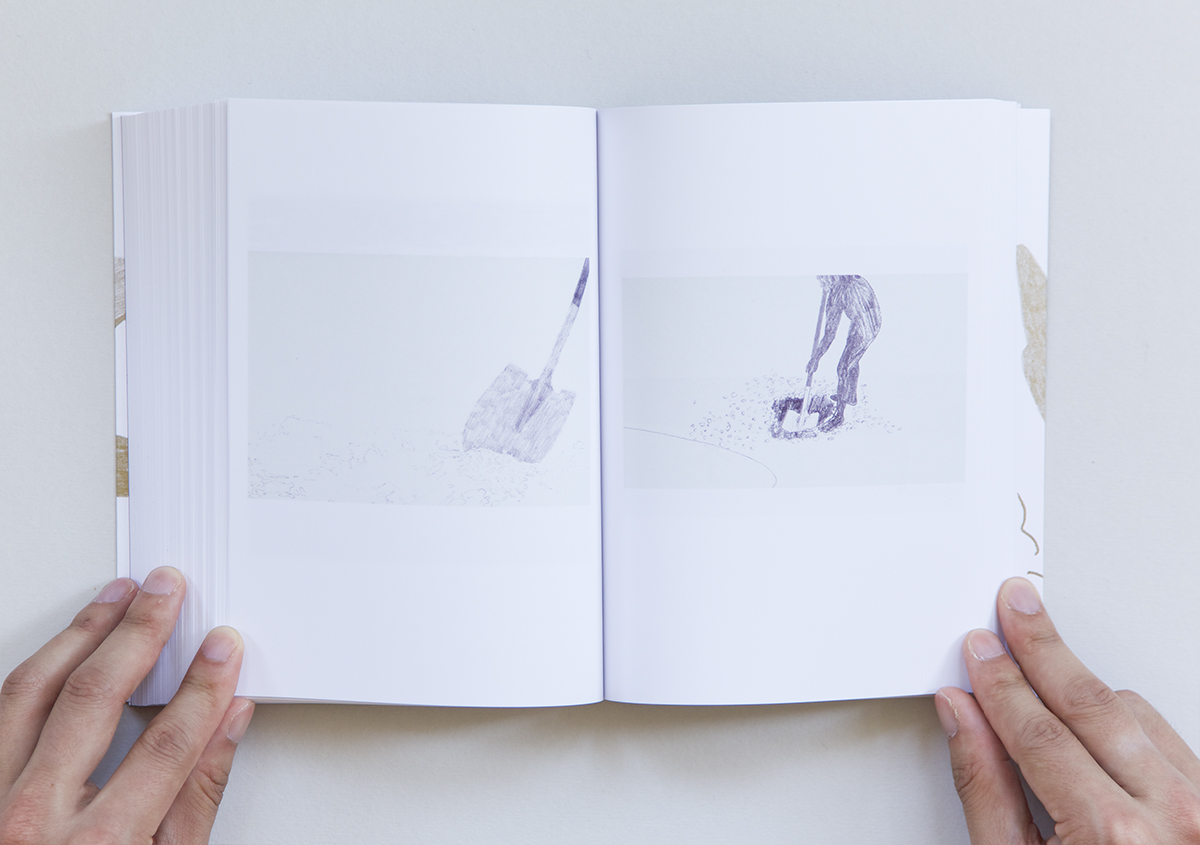
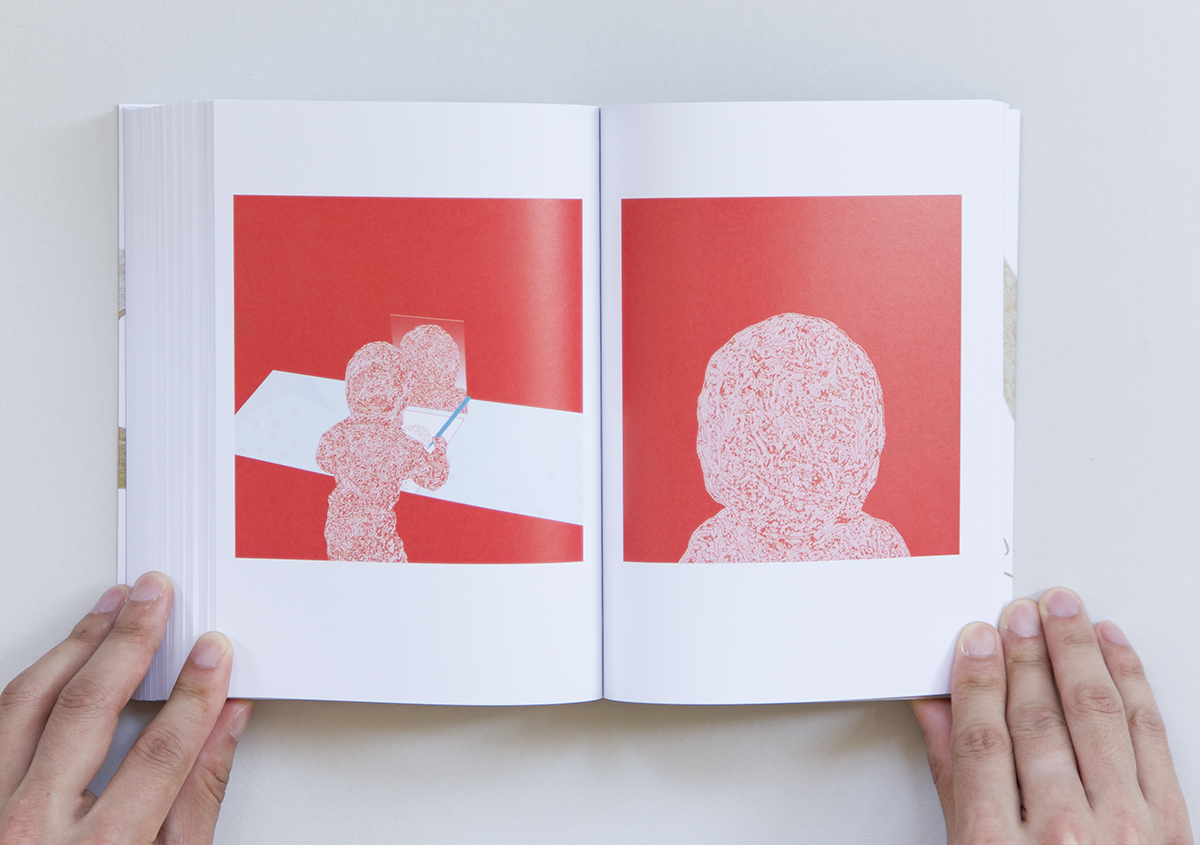
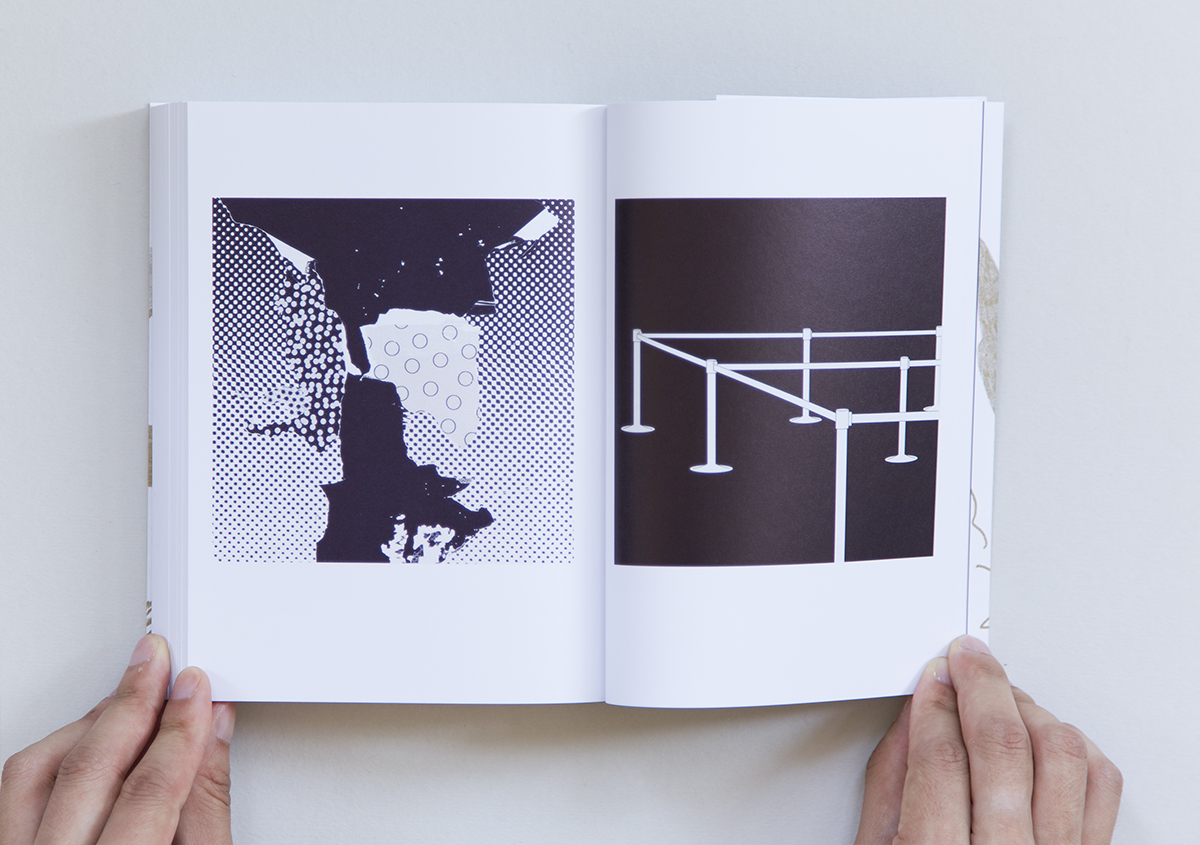
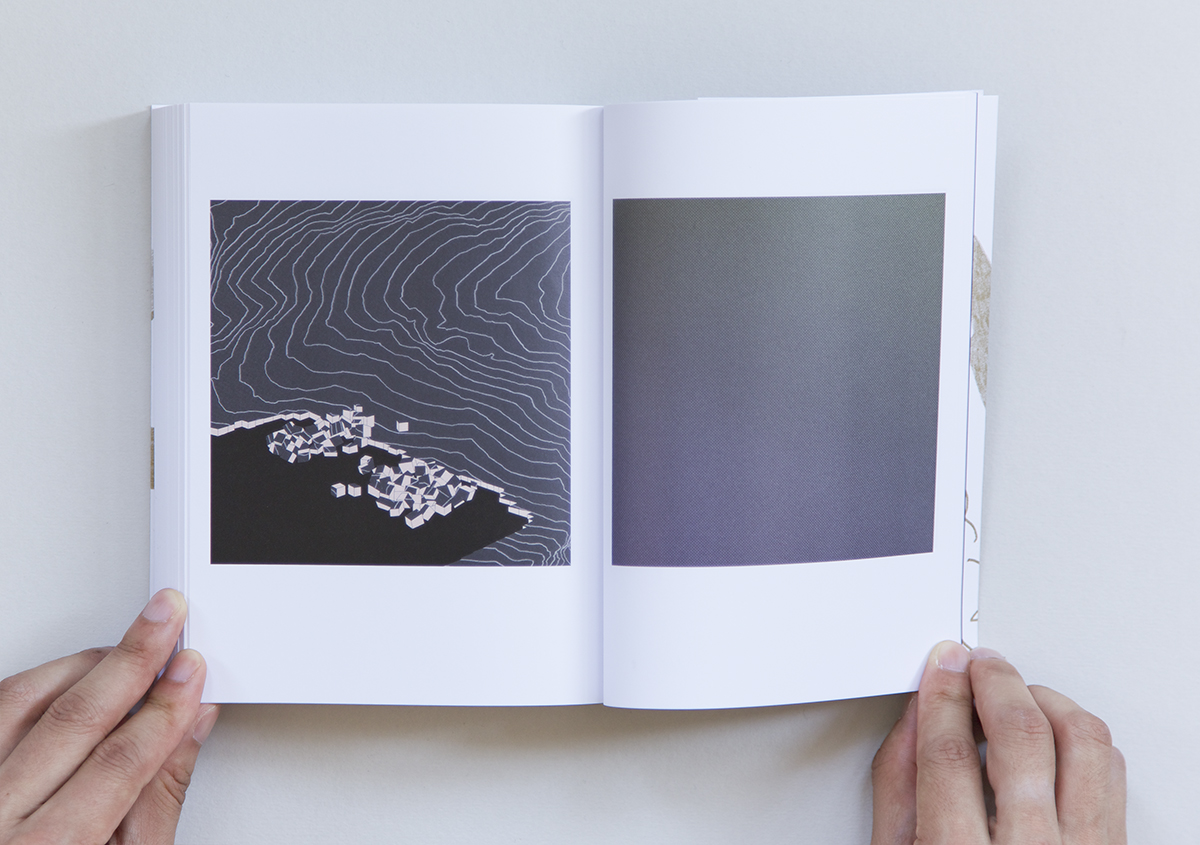
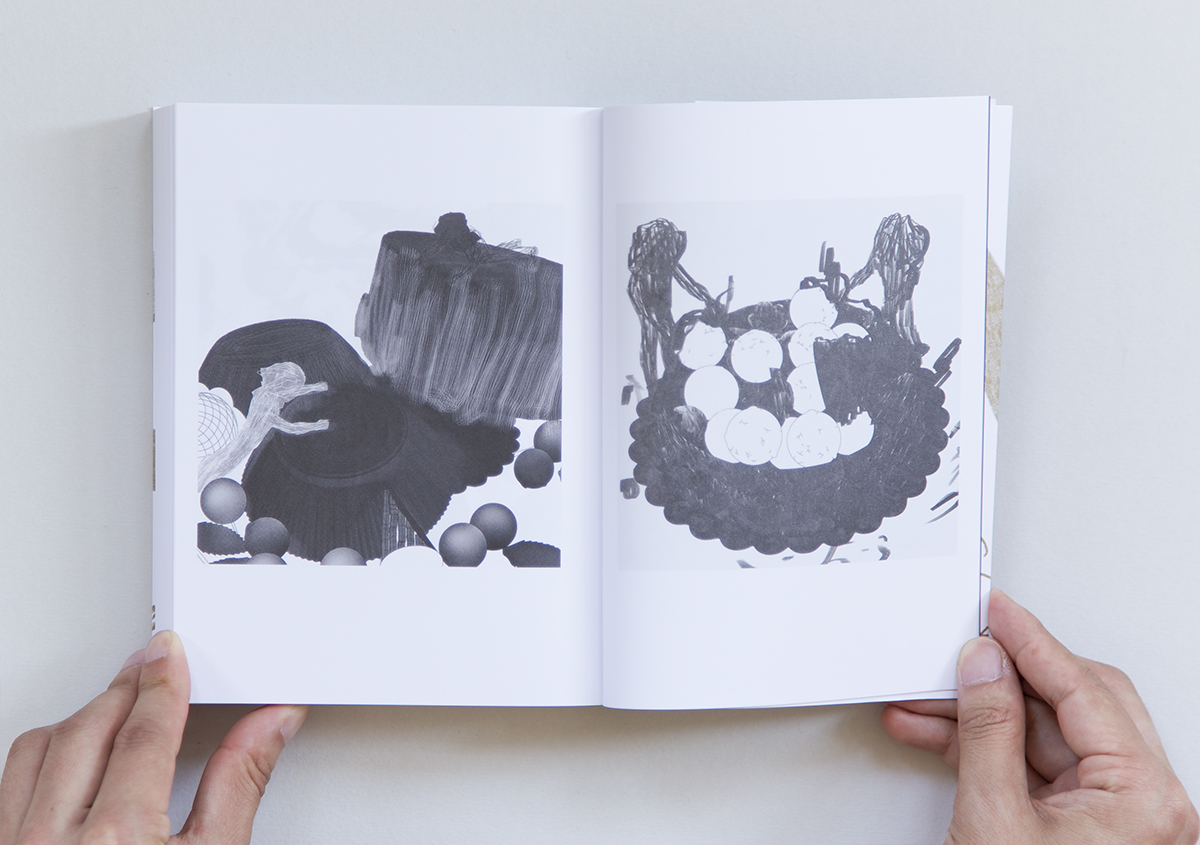
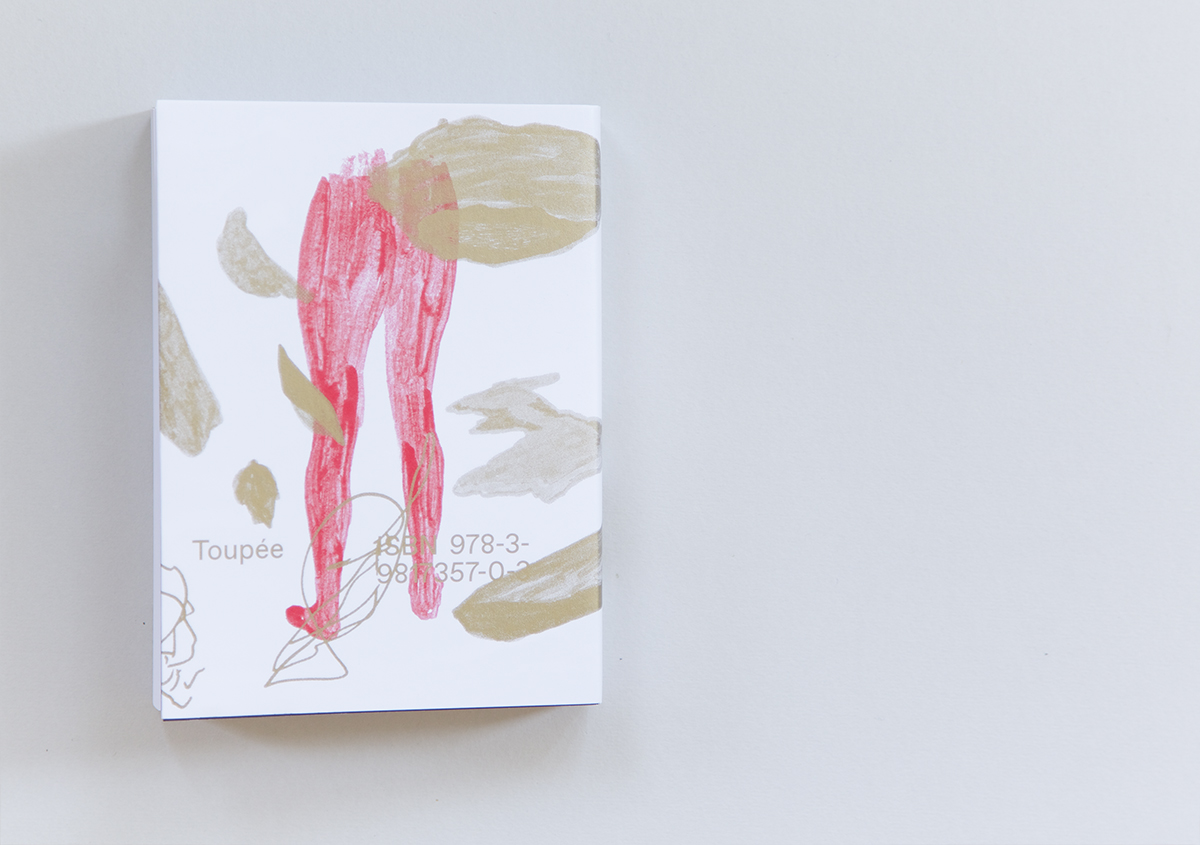
Plassein is a collection of short stories, told through a series of sequential drawings that intertwine to create unsettling, dissonant dreamscapes. The stories observe the forms and textures of the built world and trace their strange, melancholic entanglements.
Set out like a storyboard for a speculative film, with a single frame per page, the images accumulate into fleeting scenes and shifting narratives at once familiar and otherworldly.
About the author
Joji Koyama is a filmmaker, animator and graphic artist. His short films and animations have screened internationally. In 2015 he published his first book of short visual stories Plassein, and an illustrated colouring book Elsewhere, for Penguin books. He is currently working on a film in collaboration with musician and songwriter Tujiko Noriko.
Graphic design: Dan Solbach with Katerina Trakakis
€25.00
The Curious Squirrel. Kerren Cytter. Pork Salad Press
Posted in illustration on September 5th, 2015Tags: Kerren Cytter, Pork Salad Press
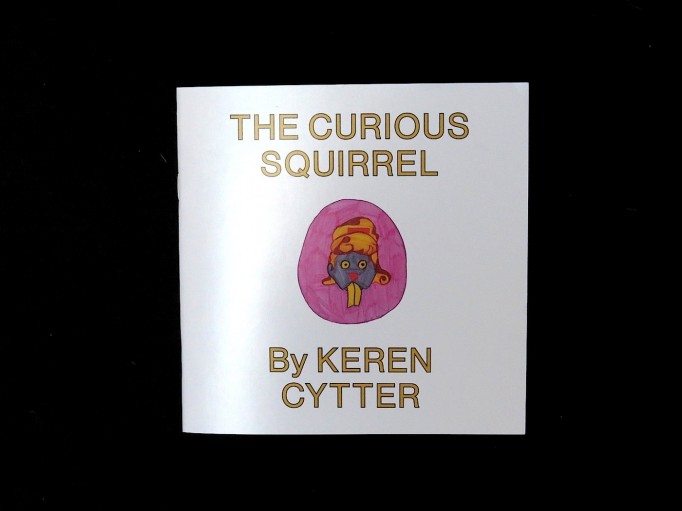
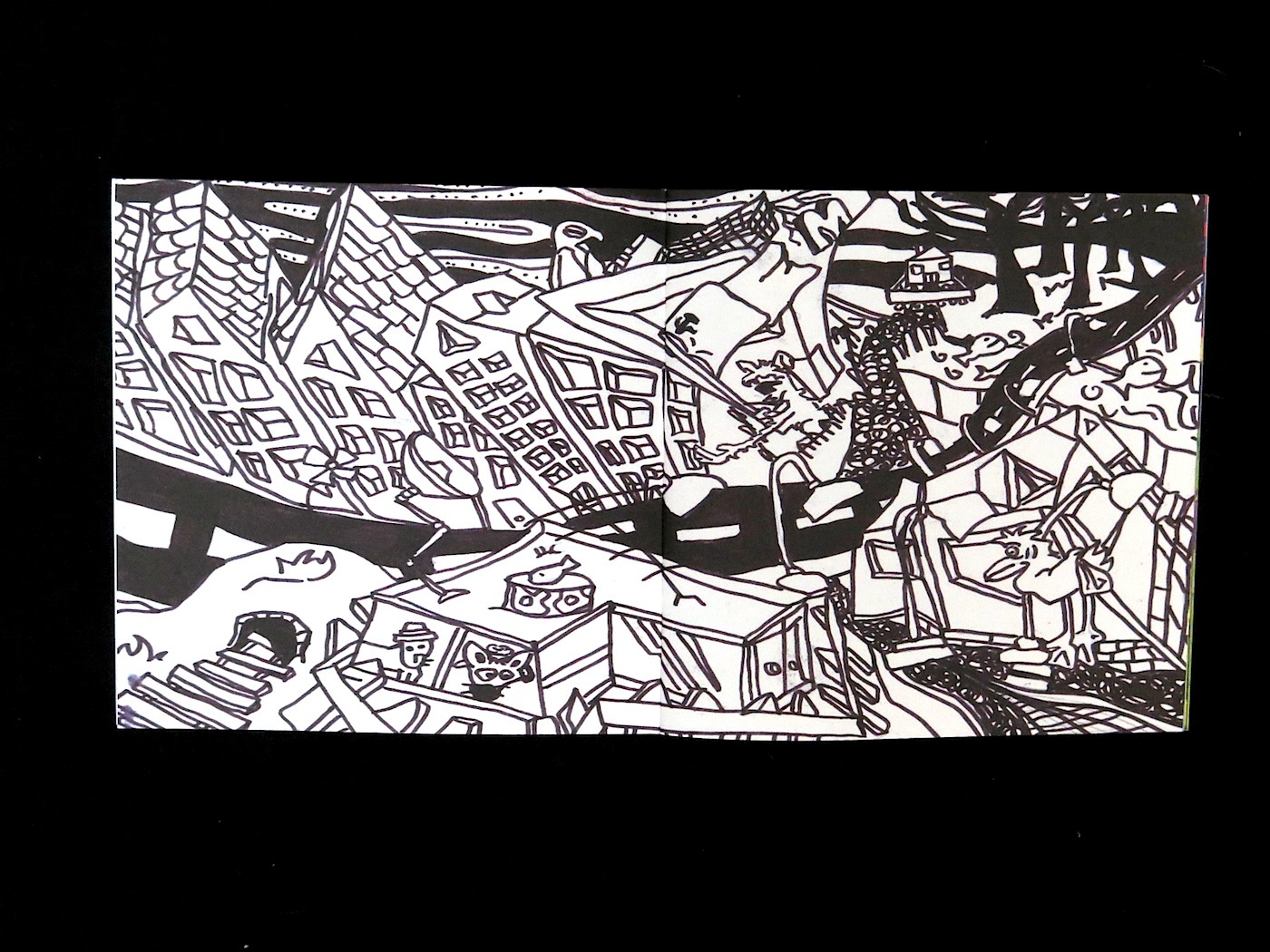
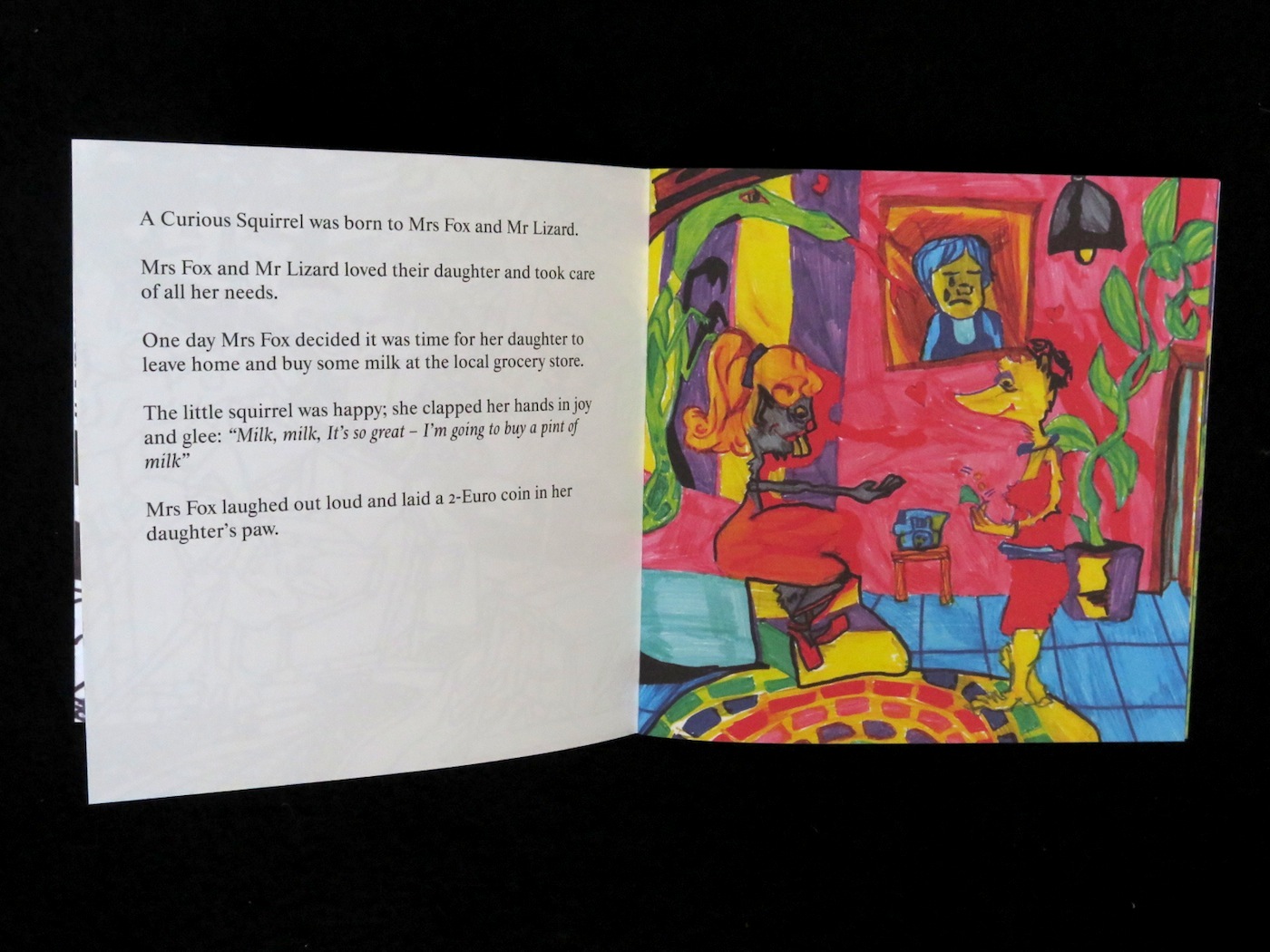
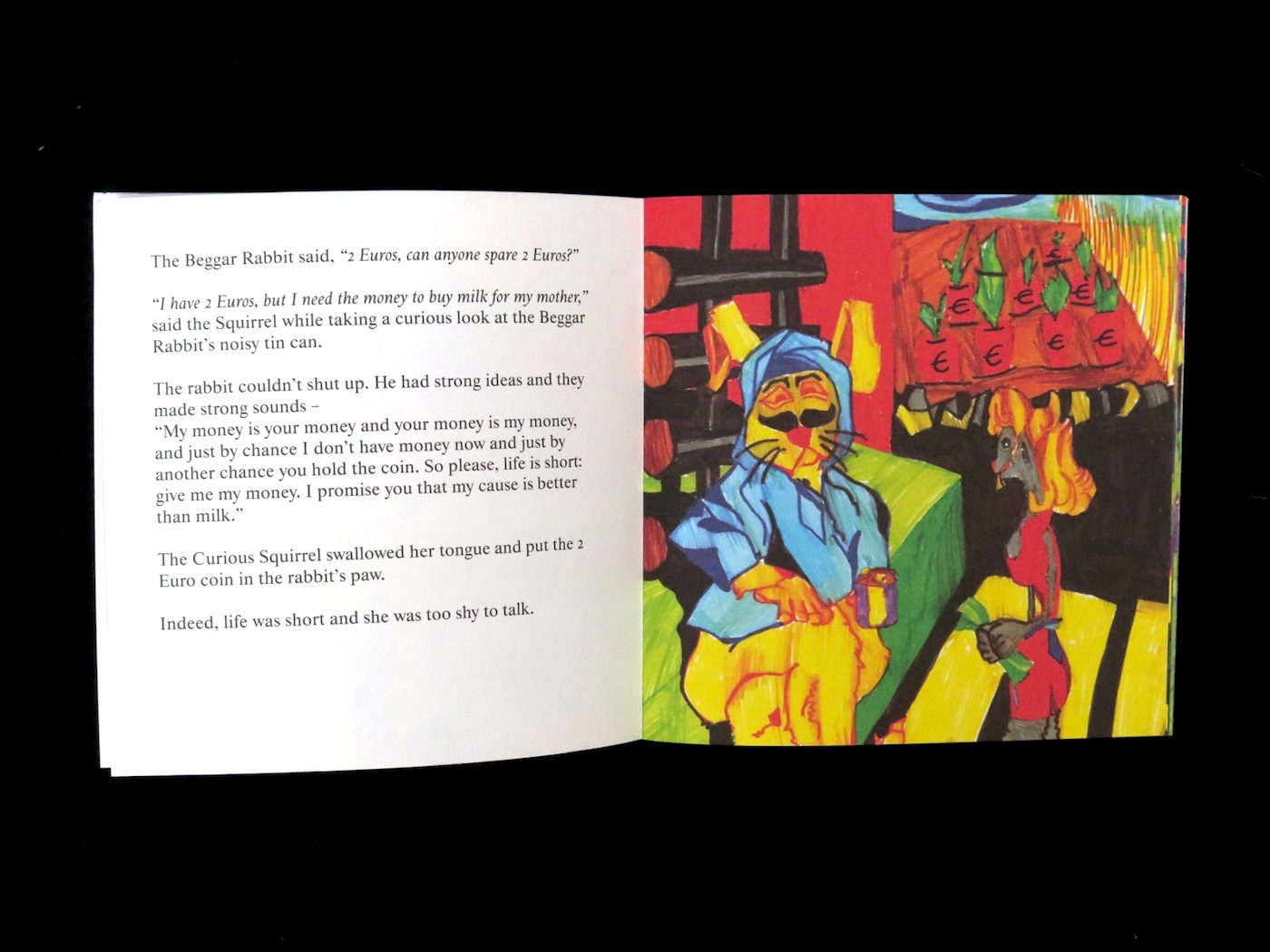
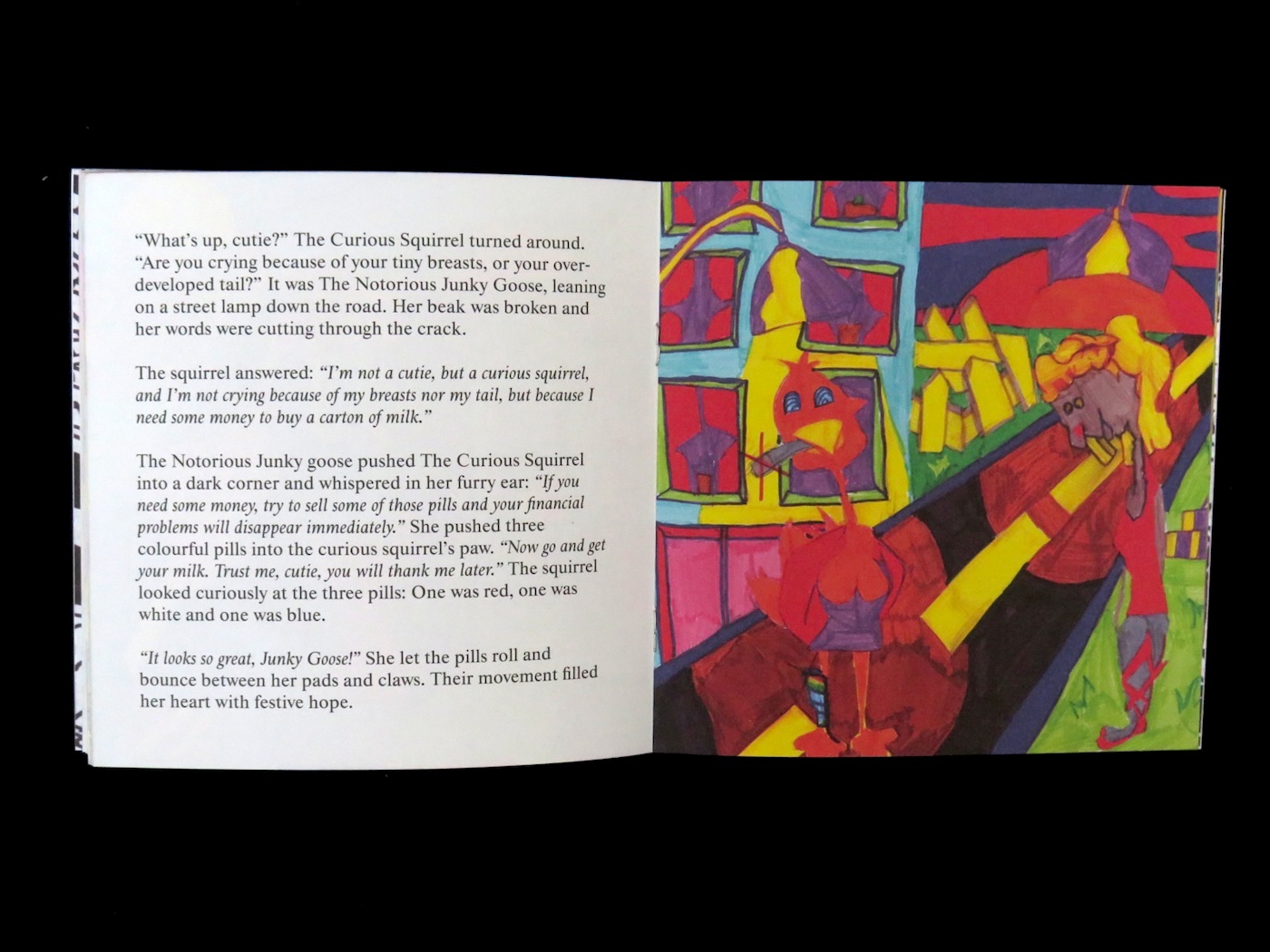
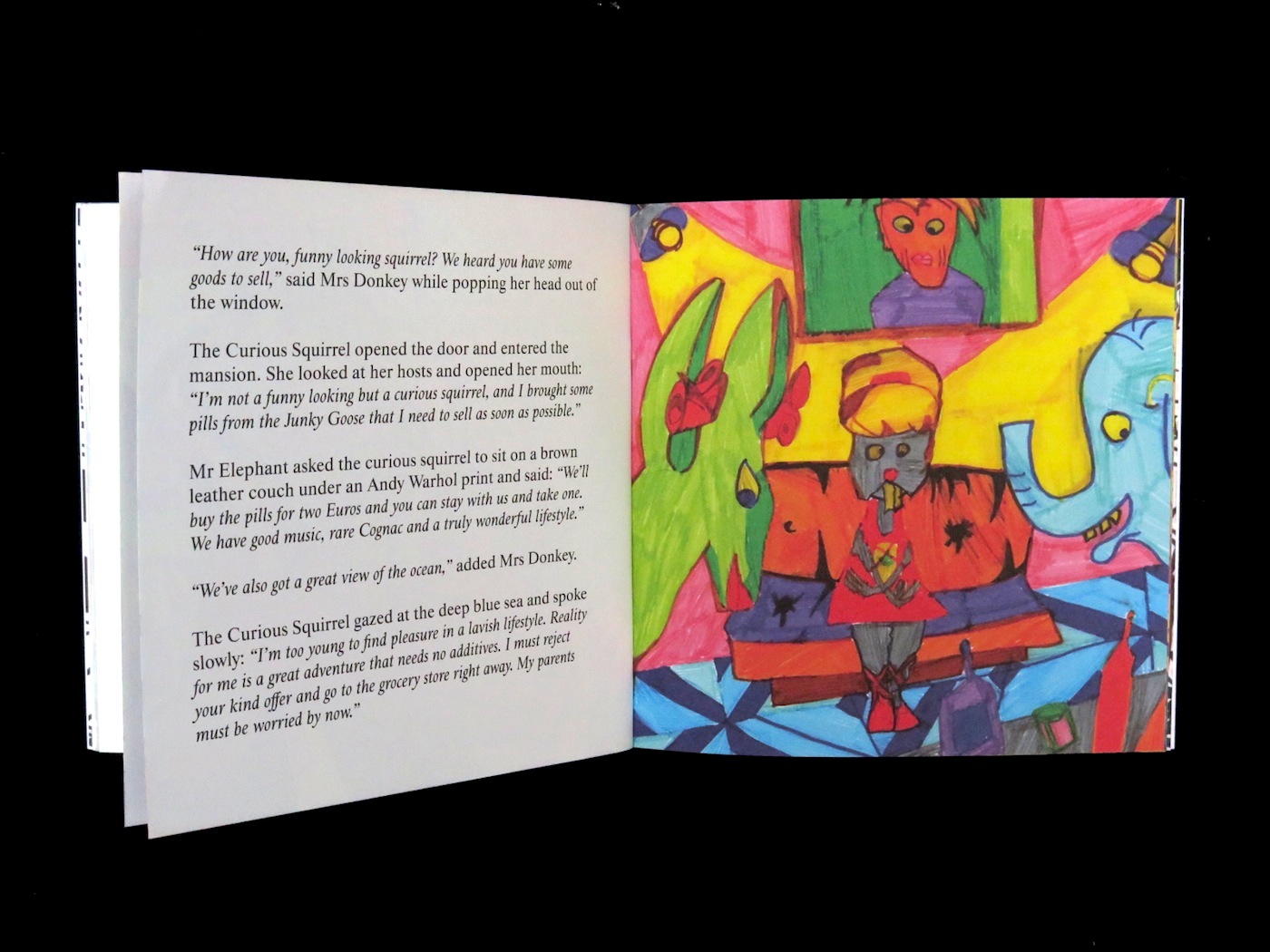
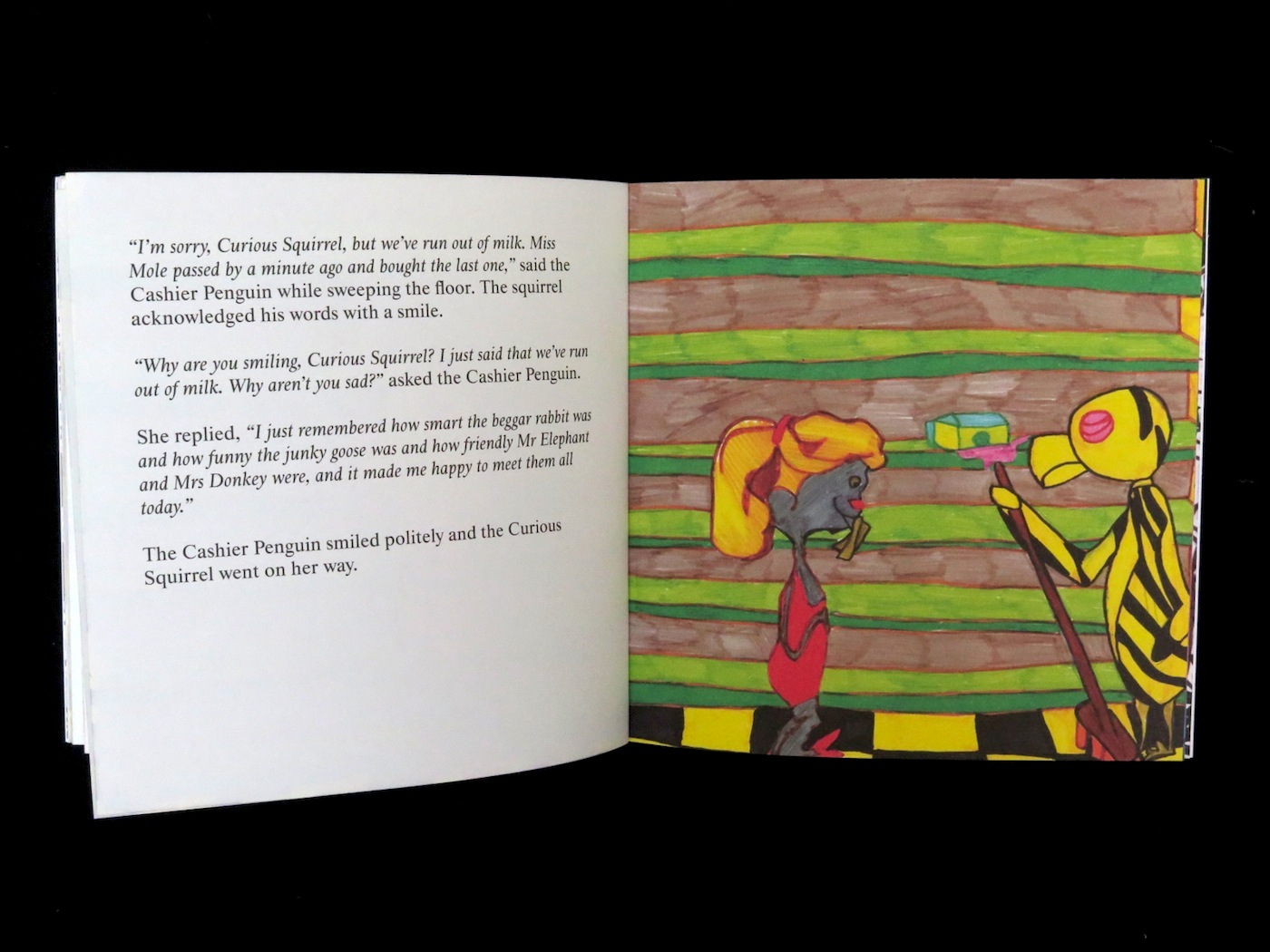
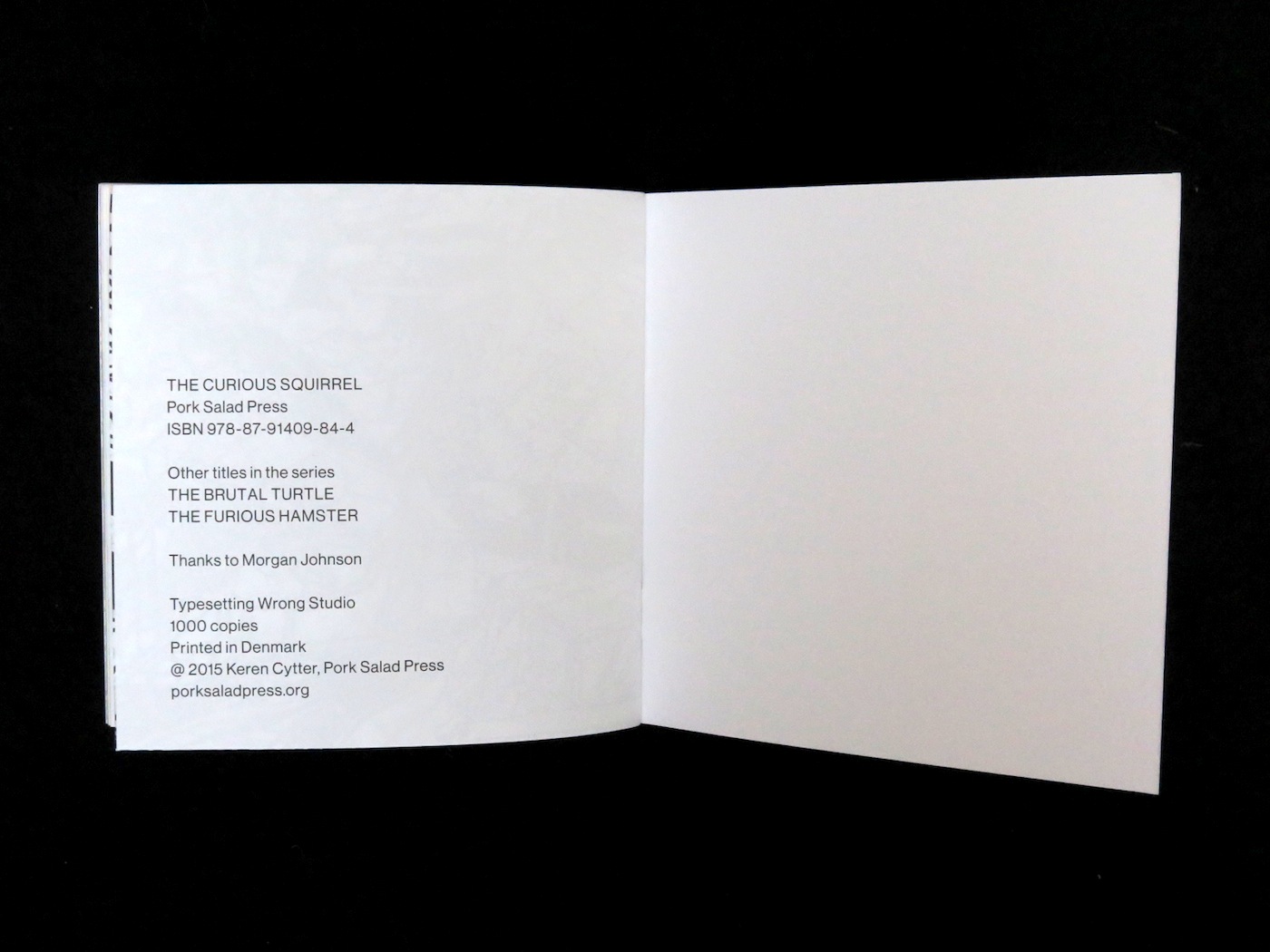
The Curious Squirrel is the first in a series of three children books by Keren Cytter. The Curious Squirrel was originally written 10 years ago, but this is the first time that it has been published. It is a short tale about a baby squirrel that is asked by its mother Mrs Fox to go and buy some milk at the local grocery store. On the way the curious squirrel to buy milk it meets The Beggar Rabbit, The Notorious Junky Goose, Mrs Donkey, Mr Elephant among others and the story takes off from there.
€10.00
Death In Venice – Script by Daniel G. Cramer. Motto Books
Posted in Motto Books, writing on September 5th, 2015Tags: Daniel G. Cramer, Motto Books
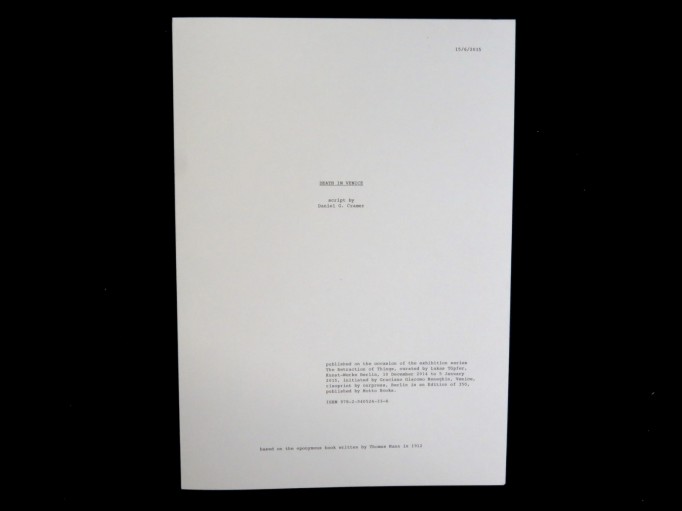
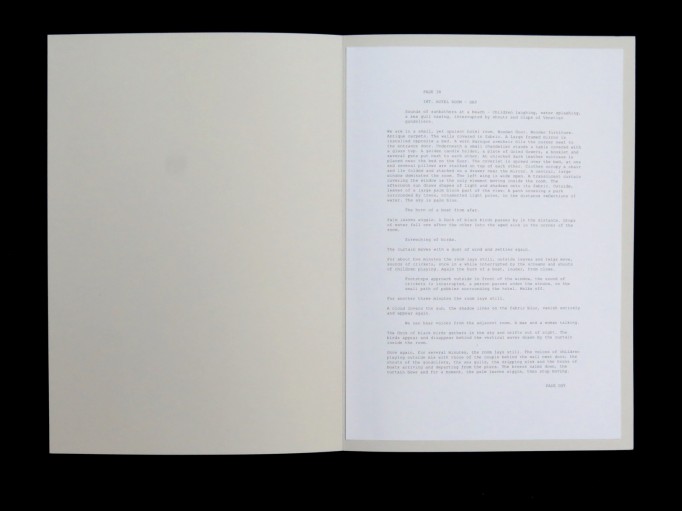
Script by Daniel G. Cramer published on the occasion of the exhibition series The Retraction of Things, curated by Lukas Töpfer, Kunst-Werke Berlin, 10 December 2014 to January 2015.
Initiated by Graciano Giacomo Meneghin, Venice.
Risoprint by Ourpress, Berlin.
Edition of 350.
€6.00
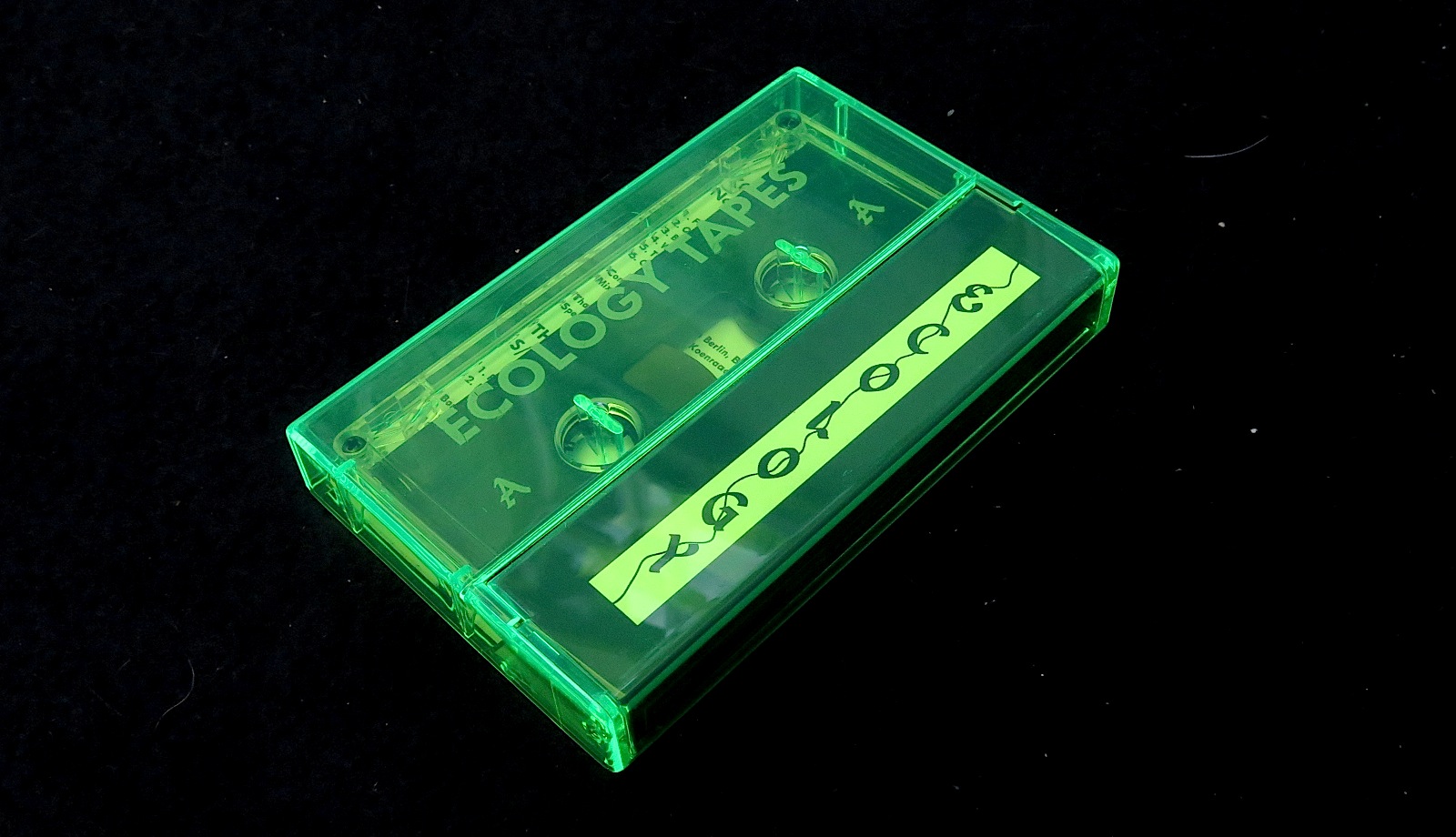
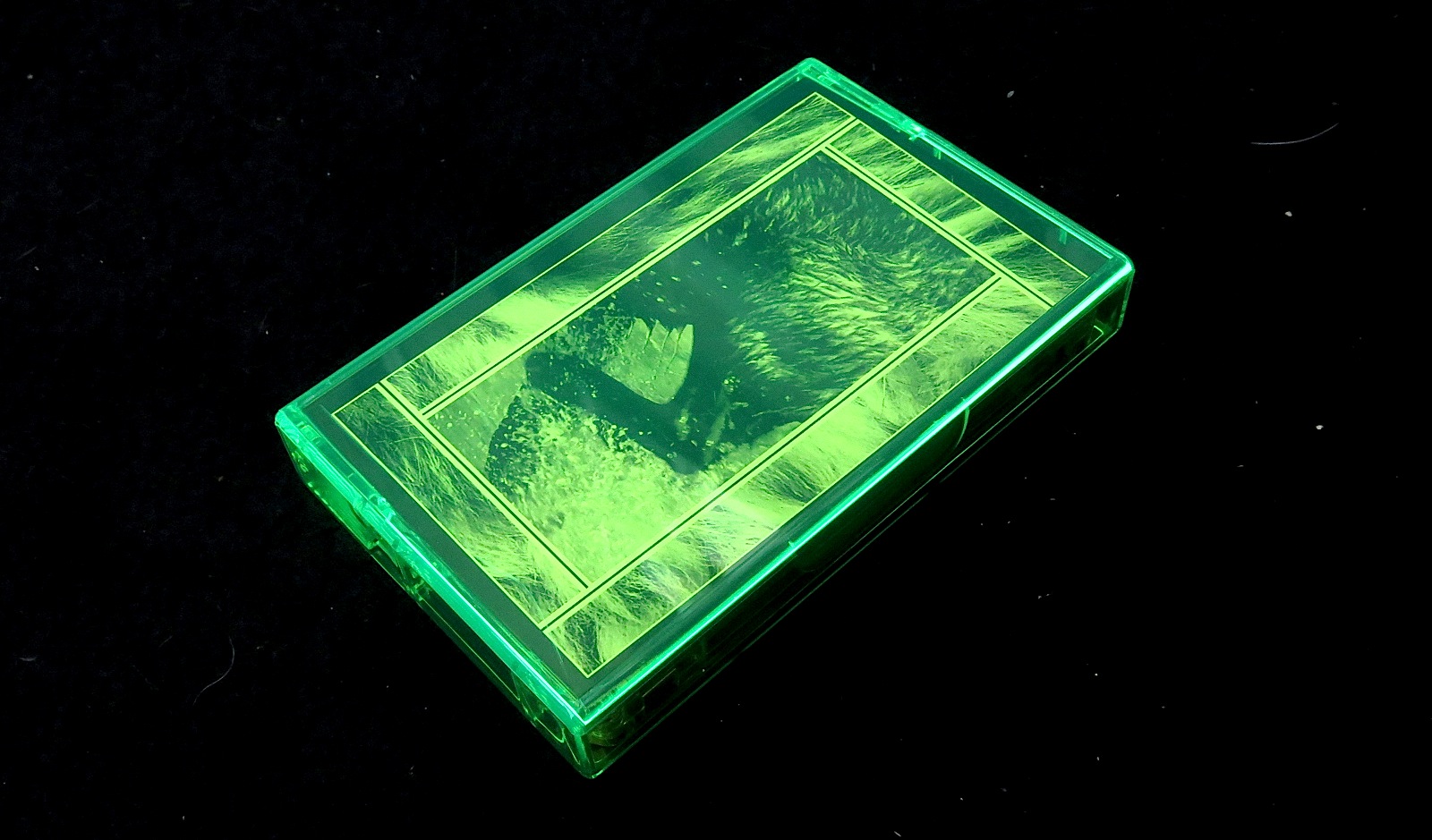
Ecology Tapes Vol. Two: Koenraad Ecker & The Pitch. Ecology Tapes.
Posted in music, Tapes on September 5th, 2015Tags: Ecology Tapes, Koenraad Ecker, The Pitch
Excavating the sky. Khaled Malas
Posted in Uncategorized on September 4th, 2015Tags: Excavating the sky, Khaled Malas, Syria
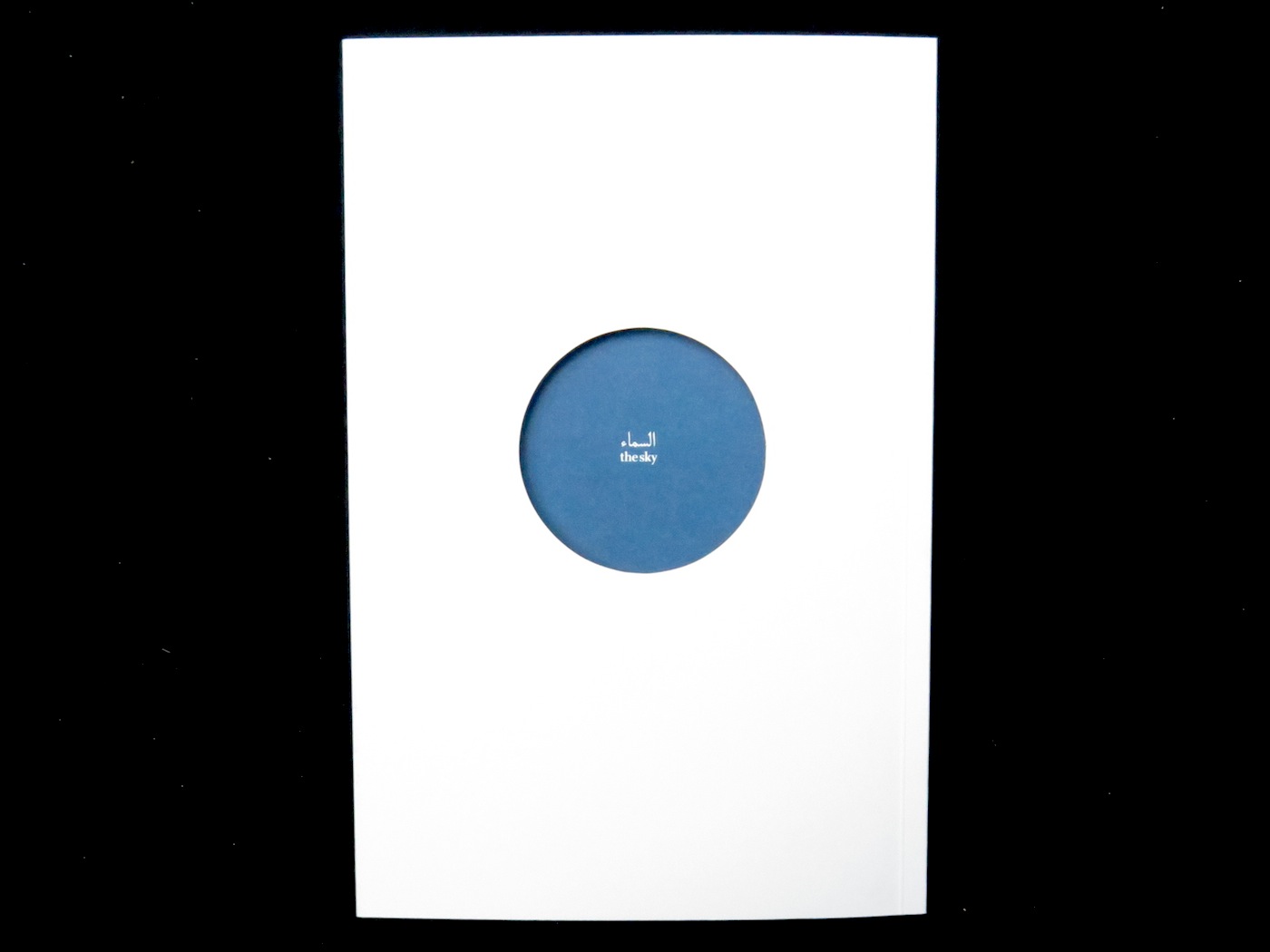
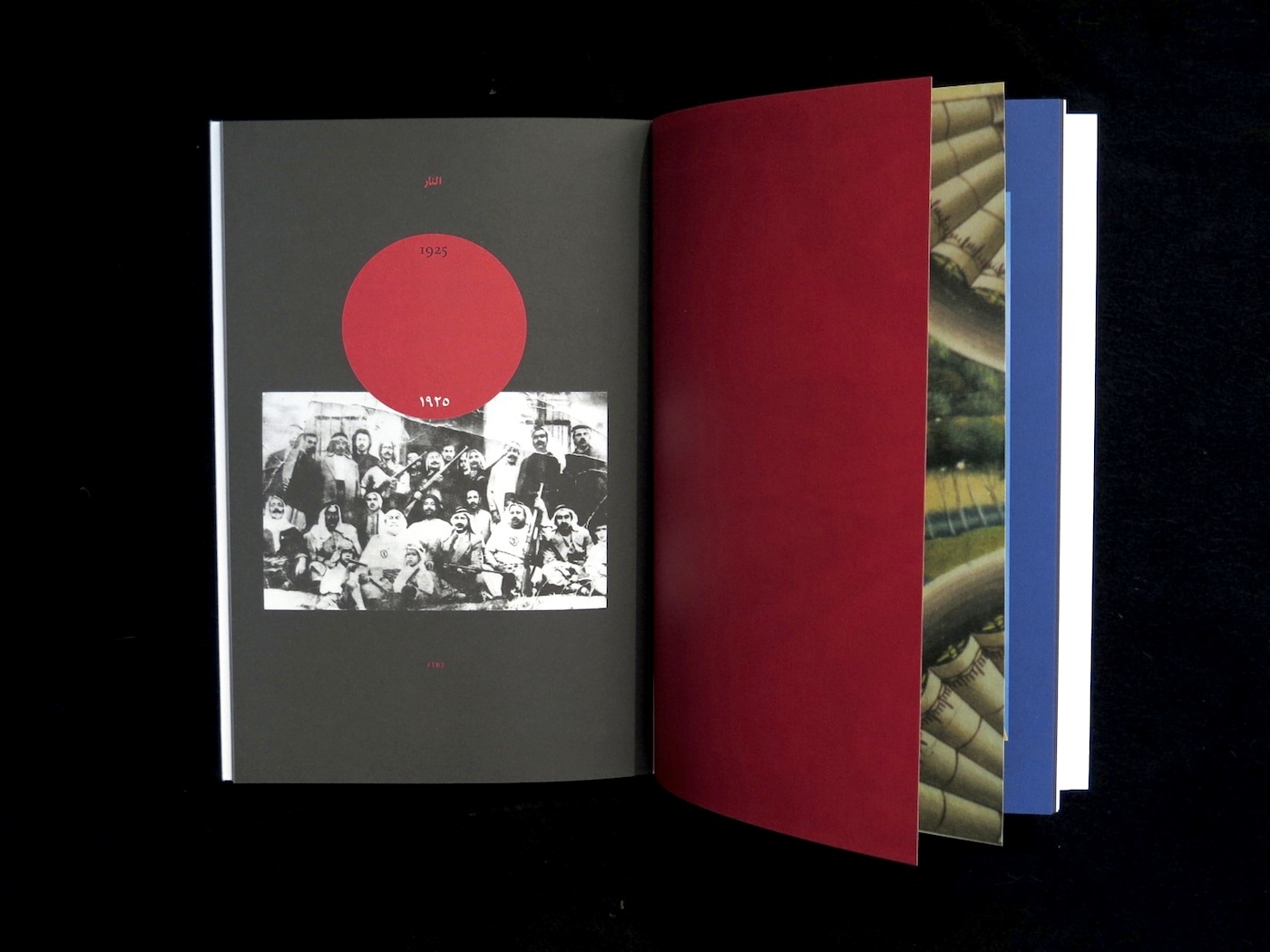
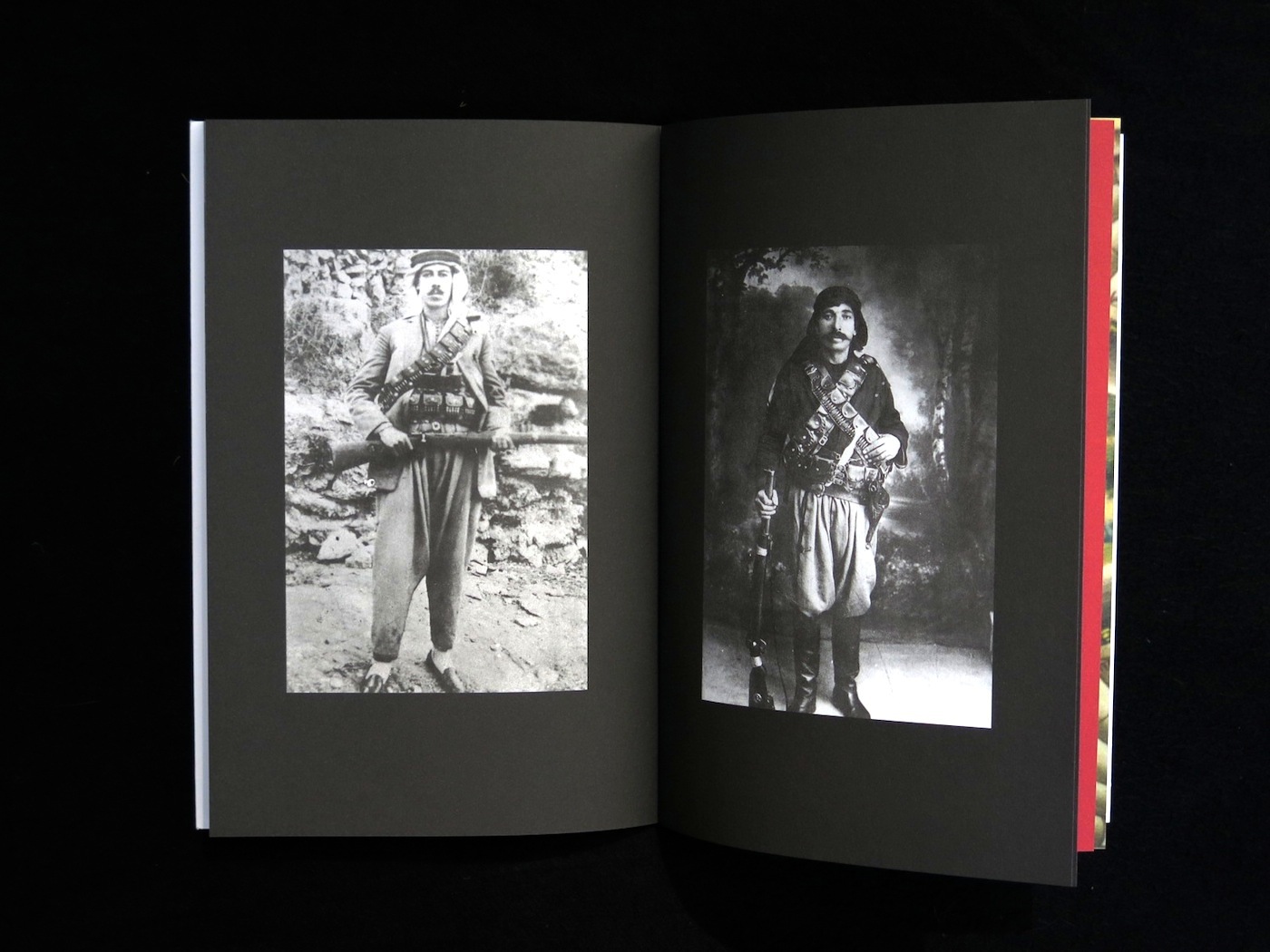
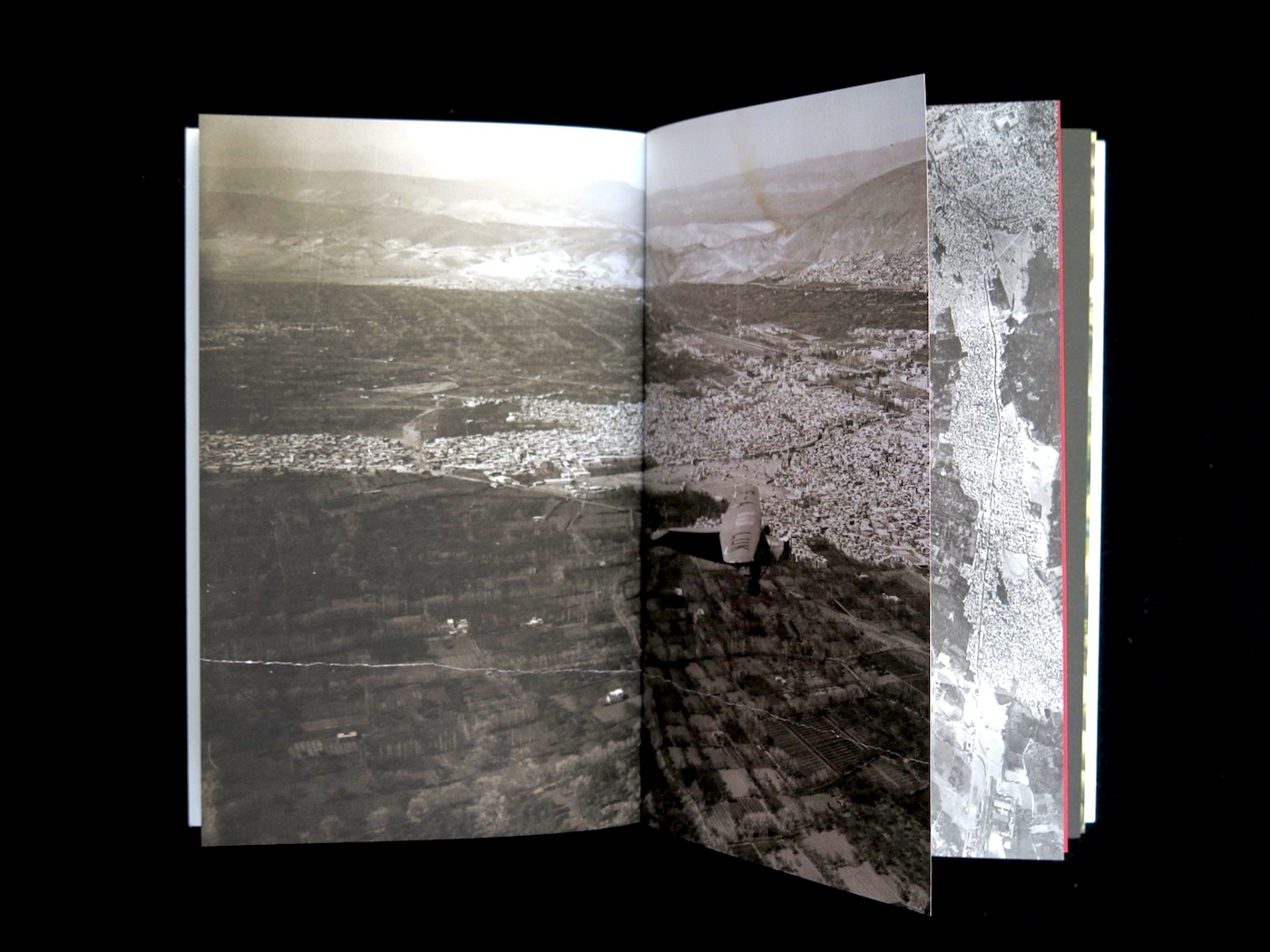
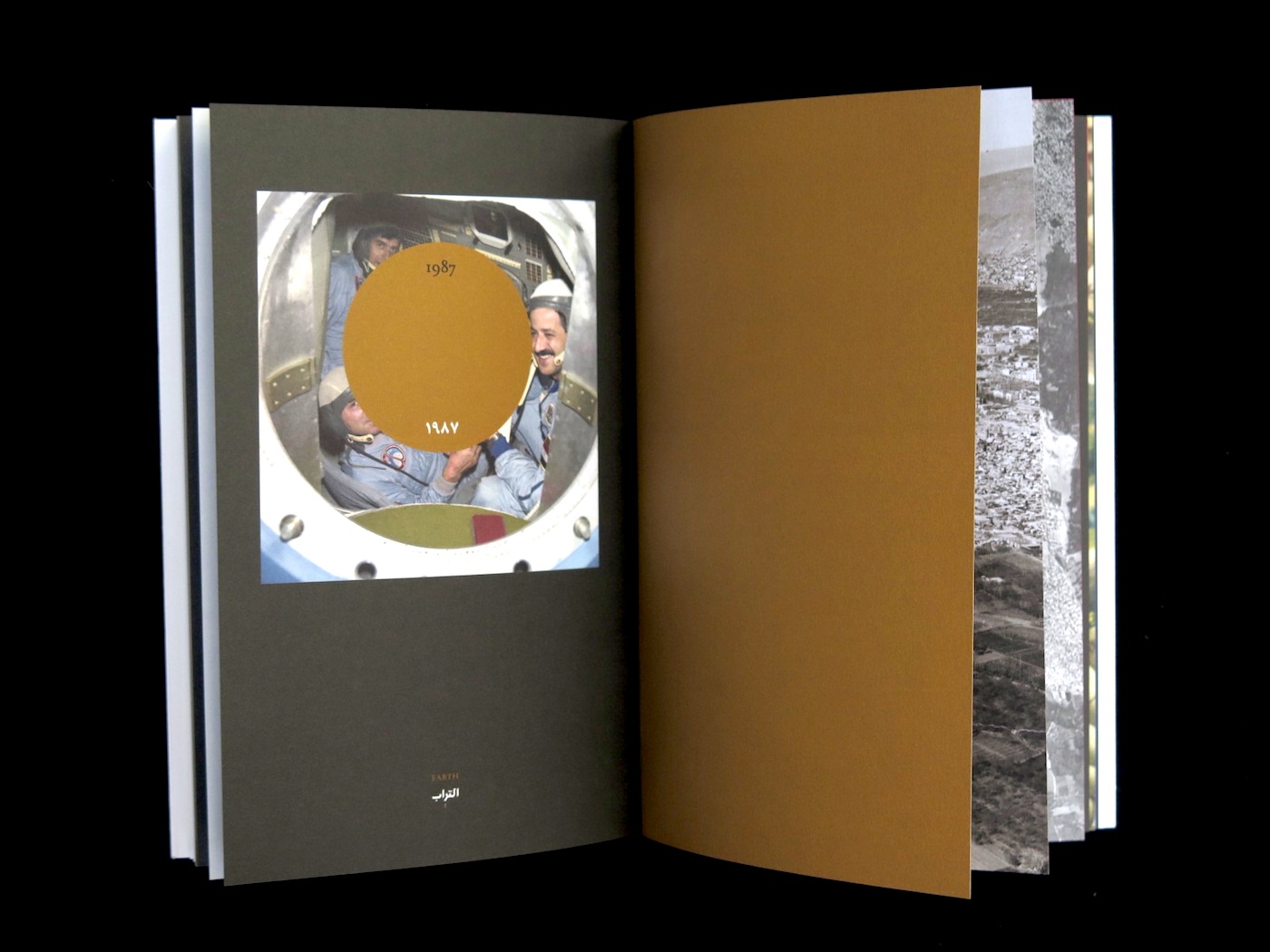
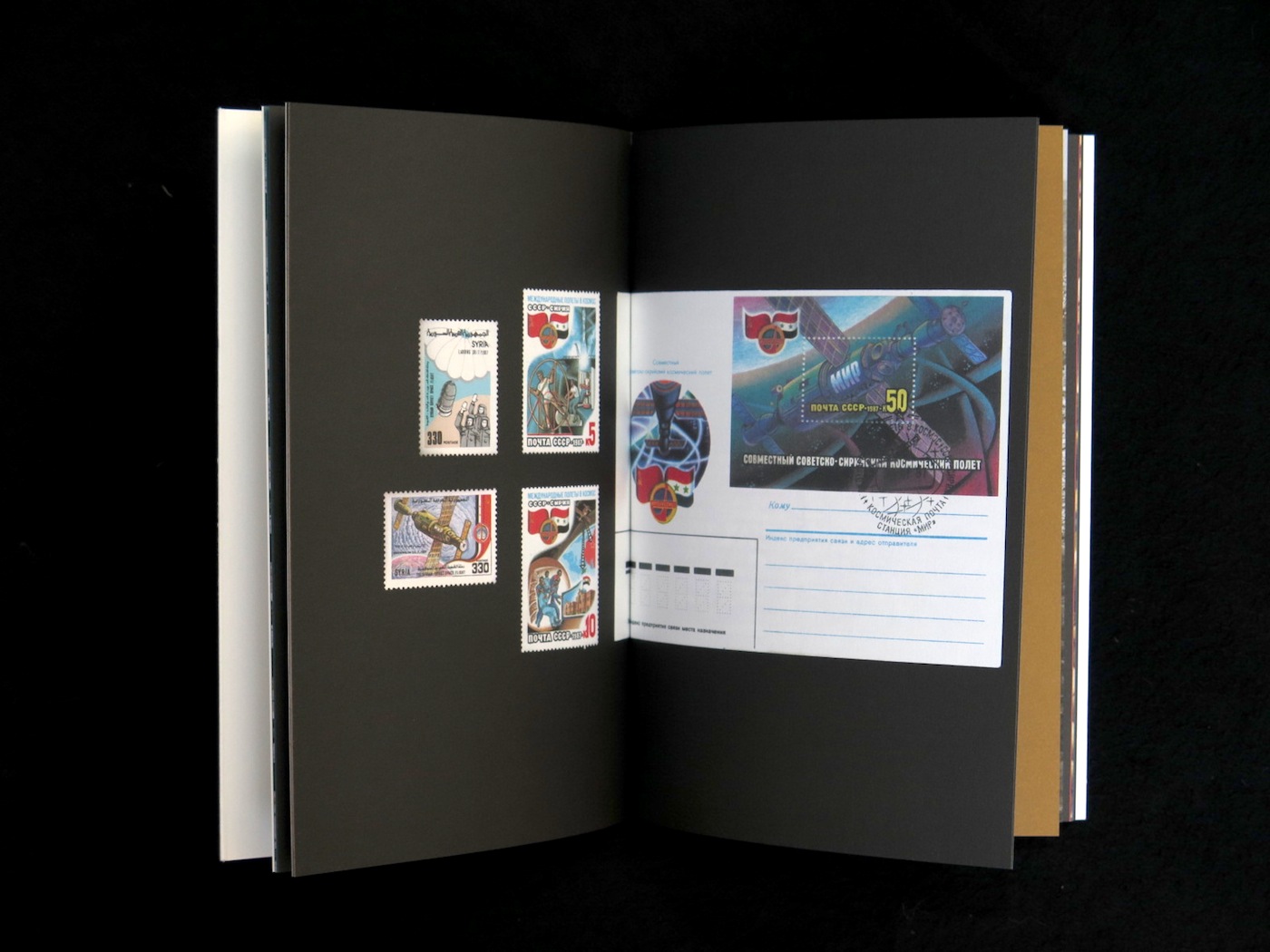
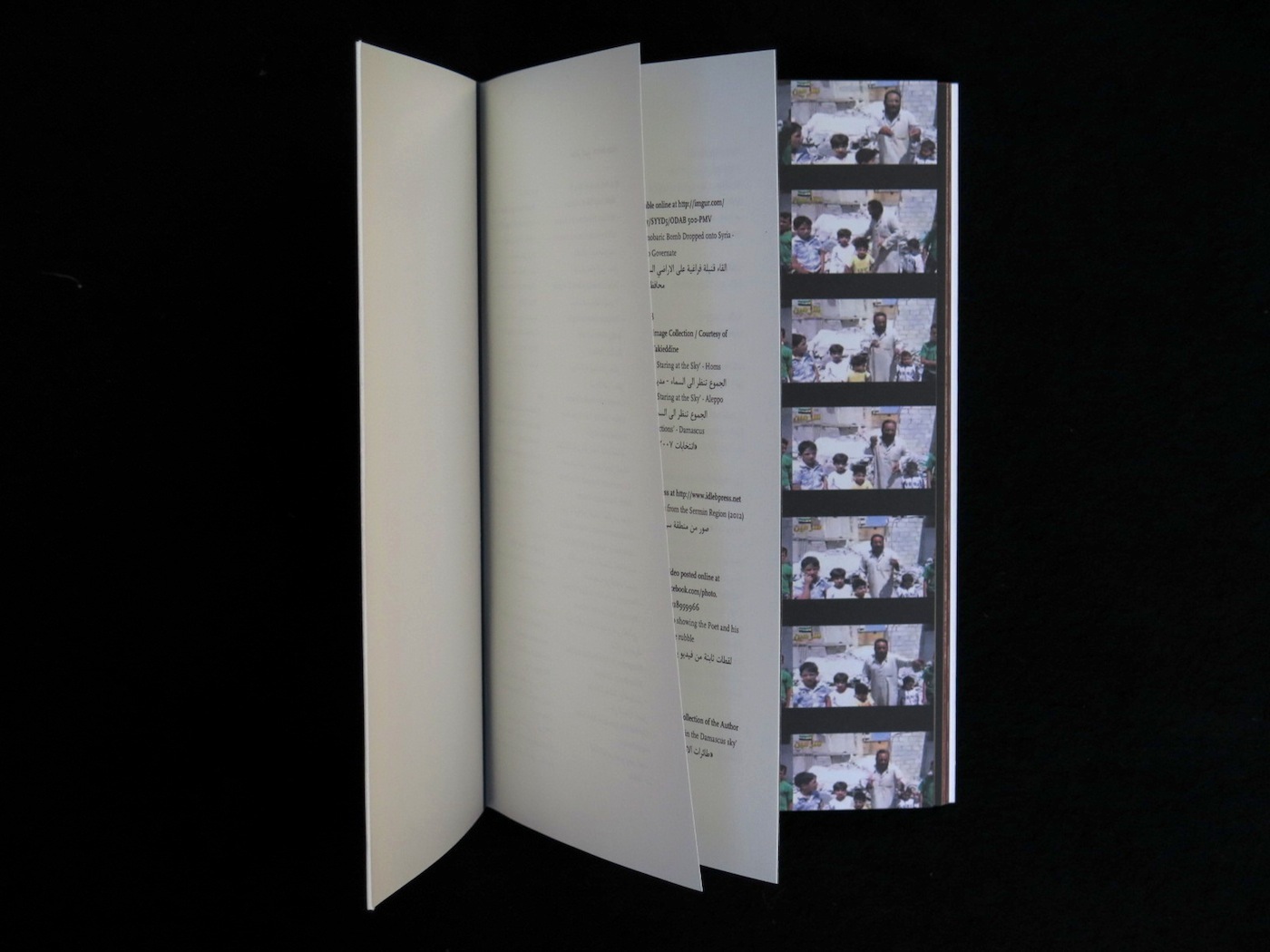
Excavating the sky gathered architects, filmmakers, and activists from Syria and the Arab World with a series of events focused on Syria and the production of its contemporary landscape from before WWI till today. Its main focus was to present a “displaced pavilion” in Syria, a well recently dug in an undisclosed location in Syria currently providing water for a community of 15,000 people.
€28.00
German for Artists. Stine Marie Jacobsen. BROKEN DIMANCHE PRESS.
Posted in writing on September 3rd, 2015Tags: Broken Dimanche Press, German for Artists, Language, Stine Marie Jacobsen
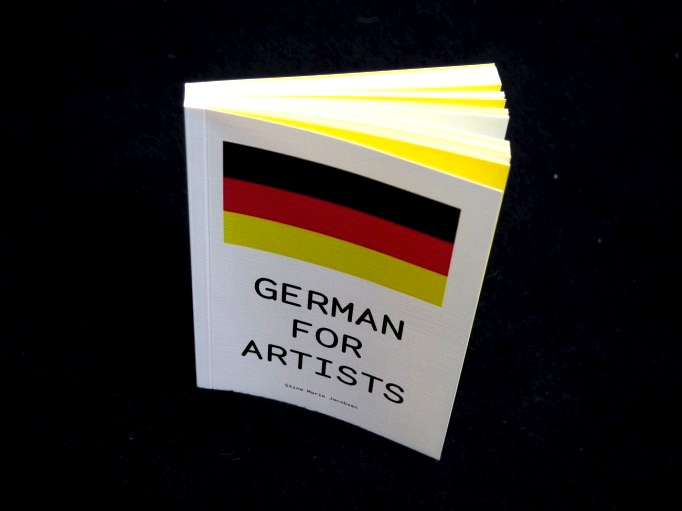
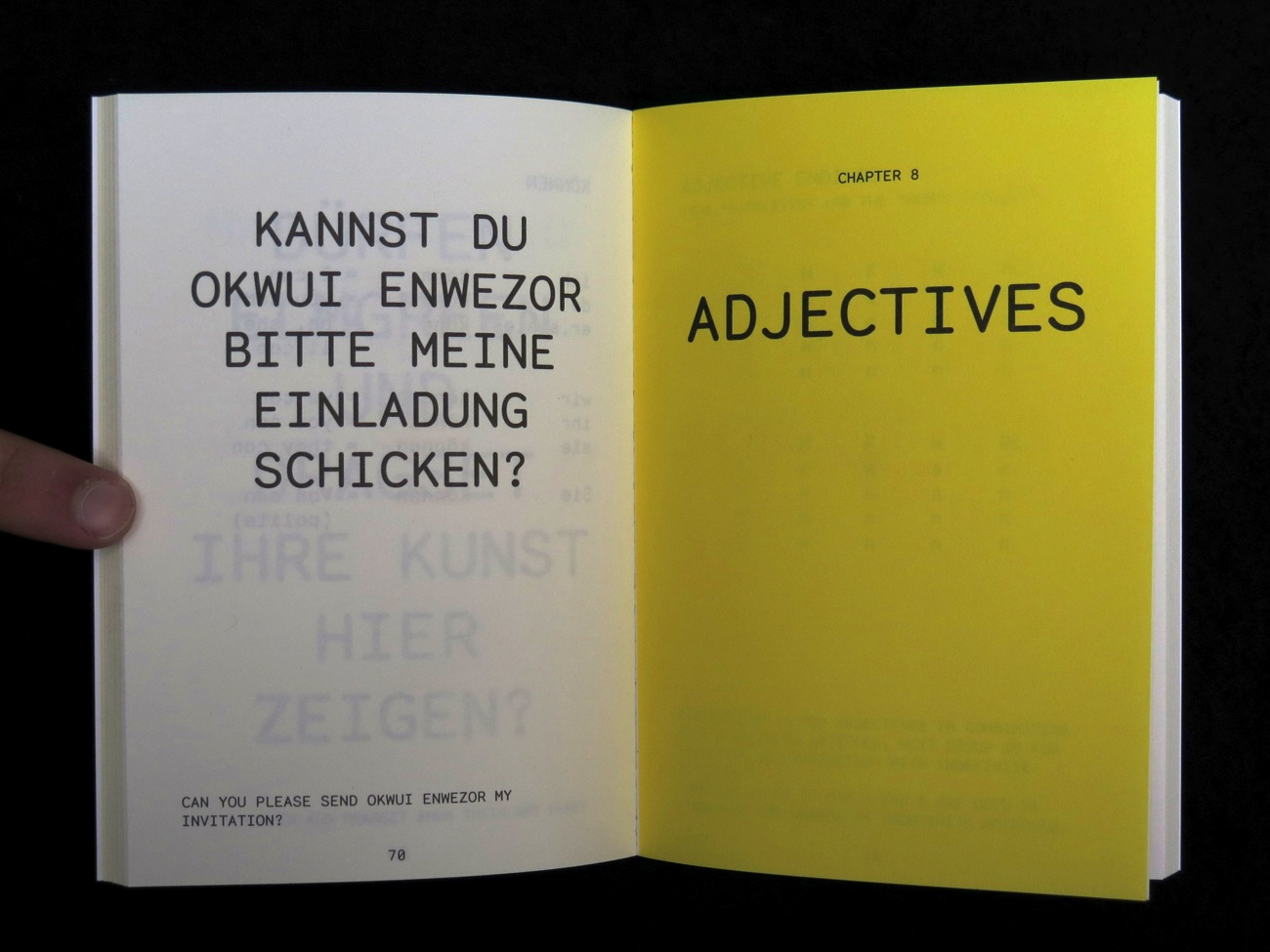
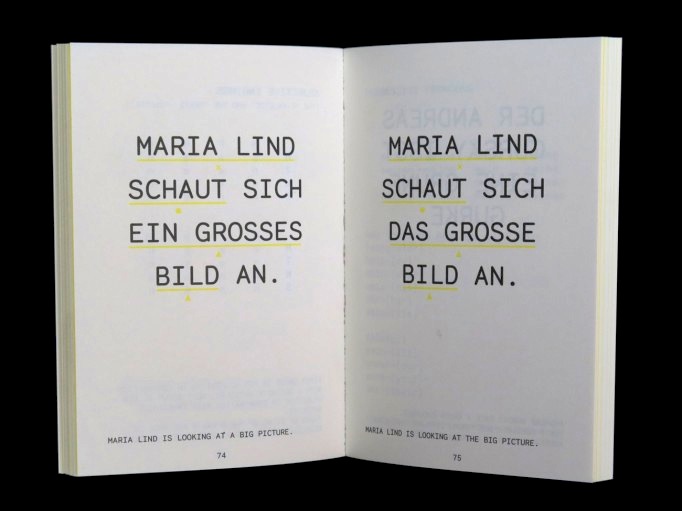
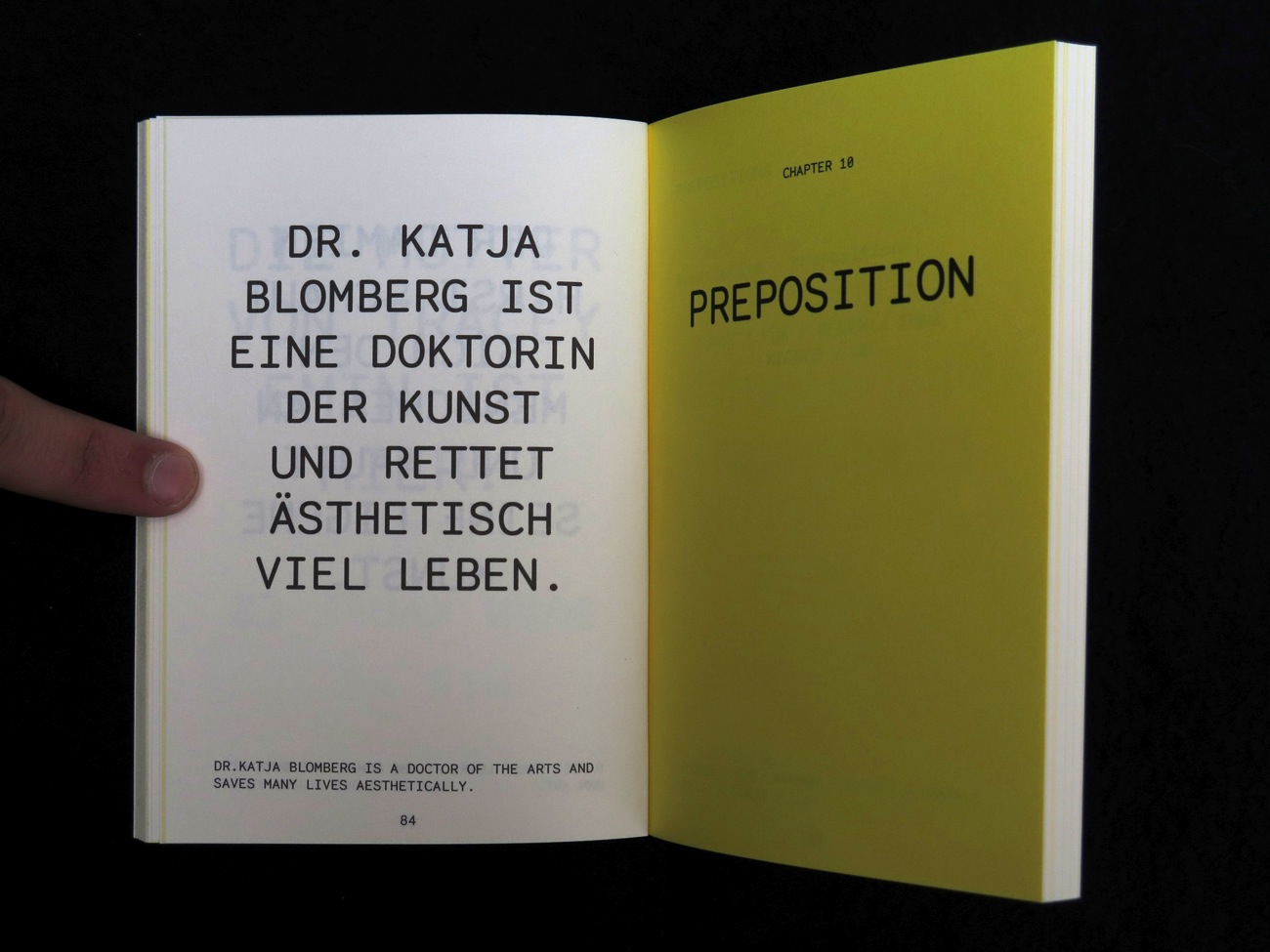

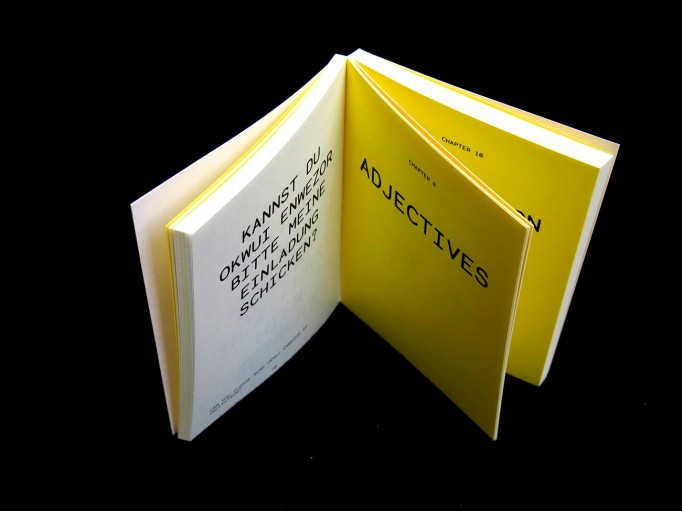
GERMAN FOR ARTISTS is a hybrid pocket grammar book and an artist’s humorous reflections on the more philosophical aspects of the German language. Written by the Danish artist Stine Marie Jacobsen, the book offers a critical and very humorous linguistic introduction to the vibrant and international cultural scene in Berlin. The book looks at contemporary art through the optics of language teaching, educates the reader about art and German grammar at one and the same time.
GERMAN FOR ARTISTS offers an insight into the basic German grammar by using well-known people on the international art scene to visualise the rules. The book is designed for artists, curators and other art enthusiasts who dream of learning German. It is an easily portable book offering grammatical first aid and ready-to-use phrases, that will help your understanding of the language in the German art world. A must for all “nicht-so-gut-deutsch” – speaking cultural workers in Germany’s capital! The book offers advice to help art people in different typical social and practical situations in the Berlin art world.
€10.00