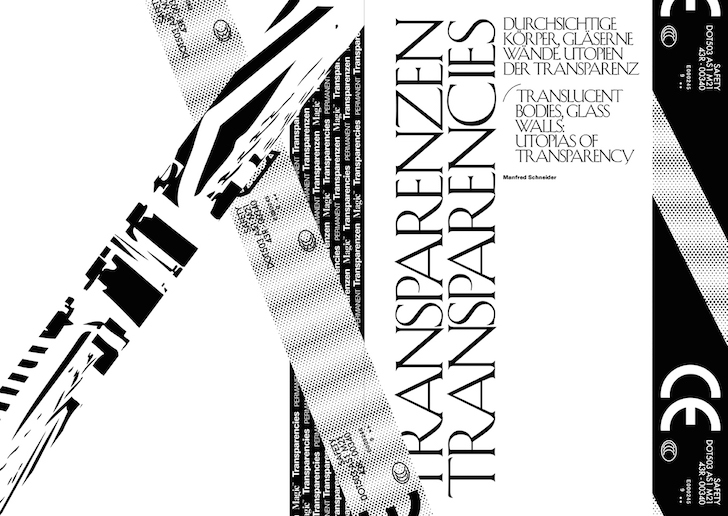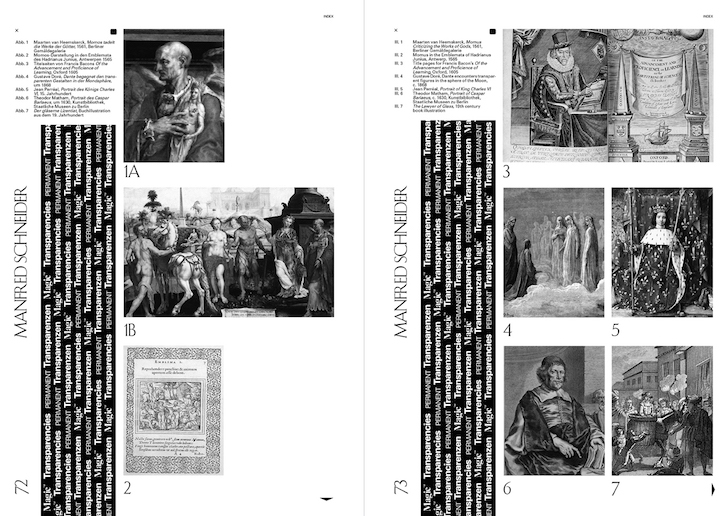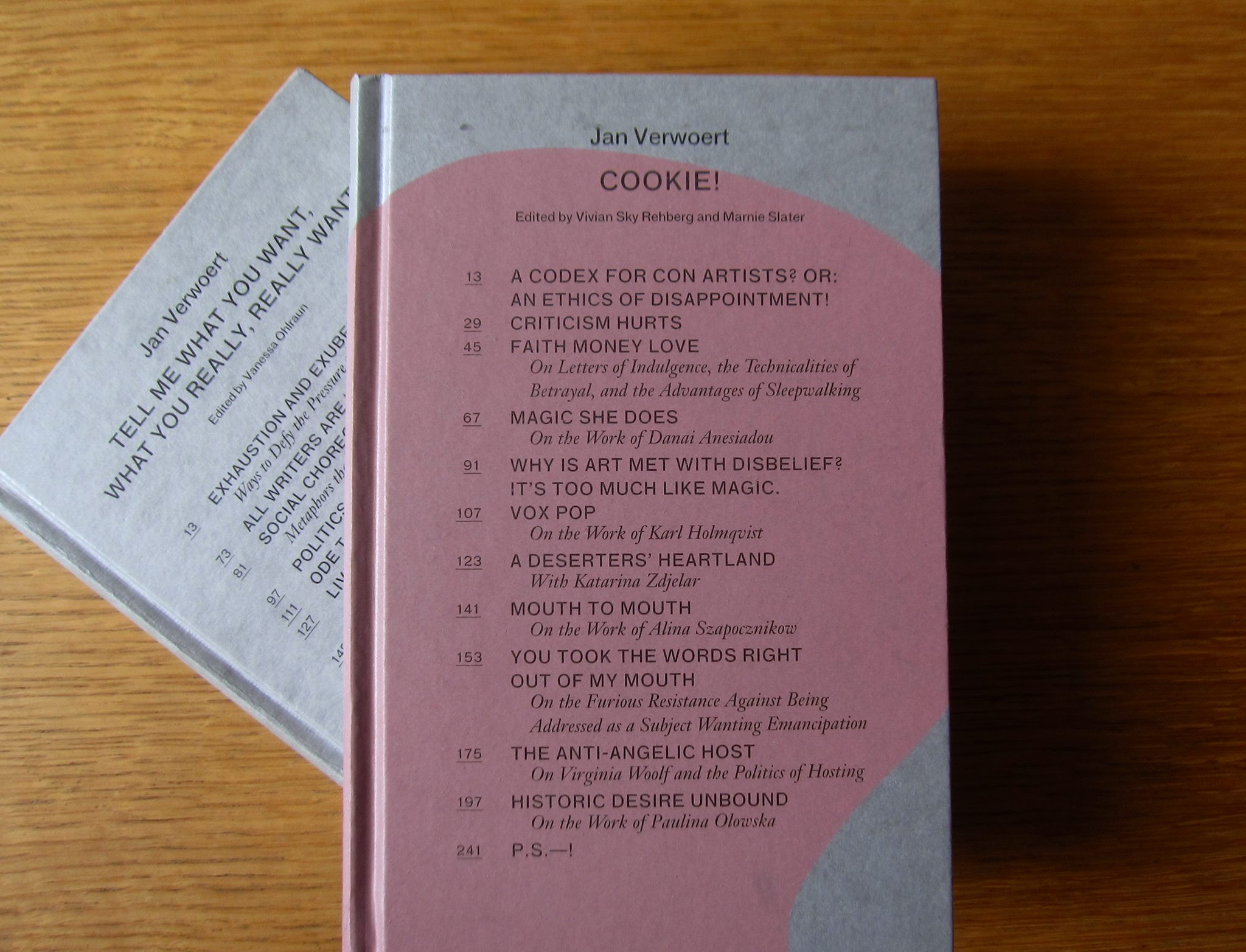
In a Manner of Reading Design (The Blind Spot). Katja Gretzinger (Hg.). Sternberg Press

Posted in design, writing on November 28th, 2012
Tags: , , , , , , , ,


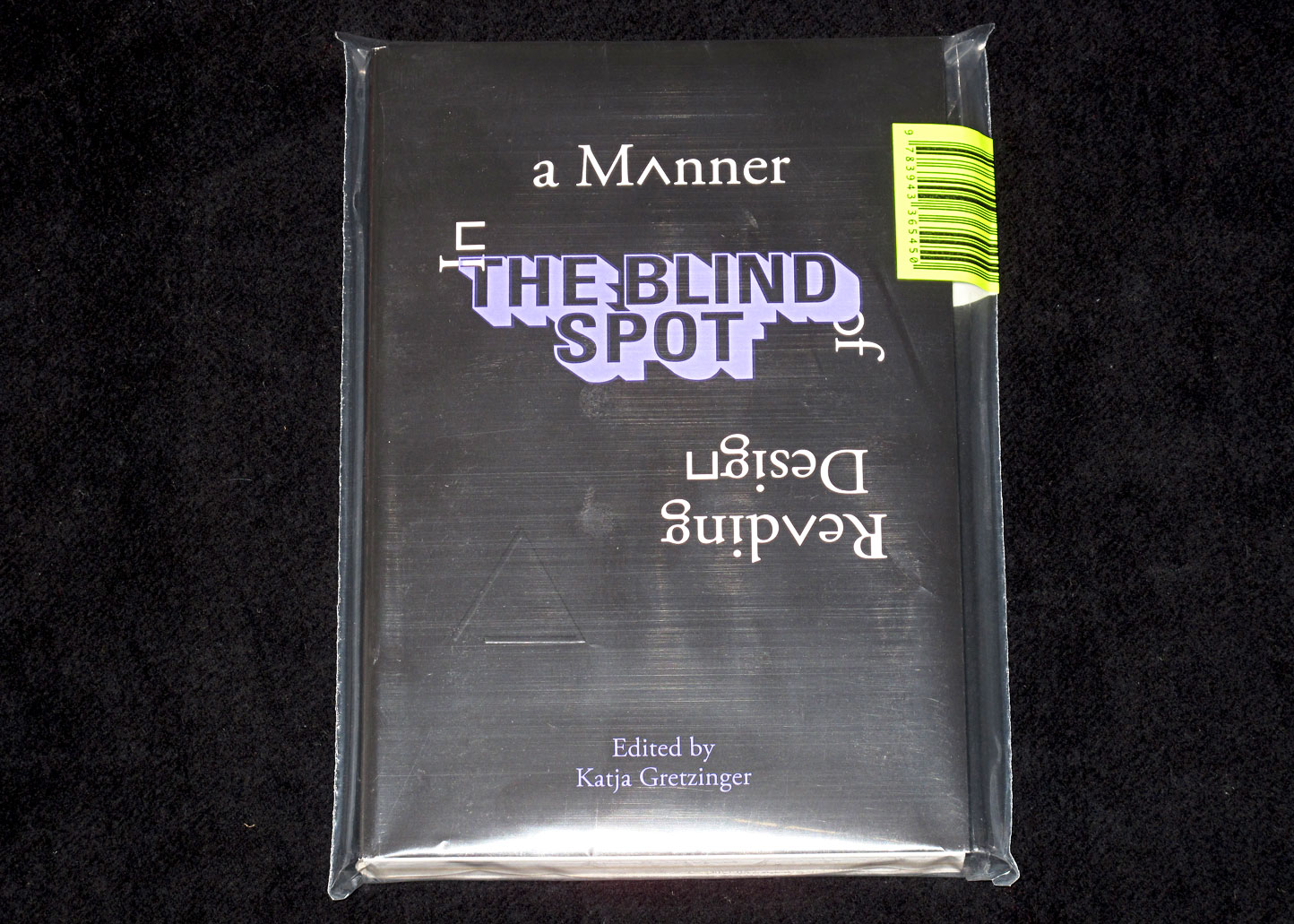
In a Manner of Reading Design (The Blind Spot) by Katja Gretzinger (Hg.)

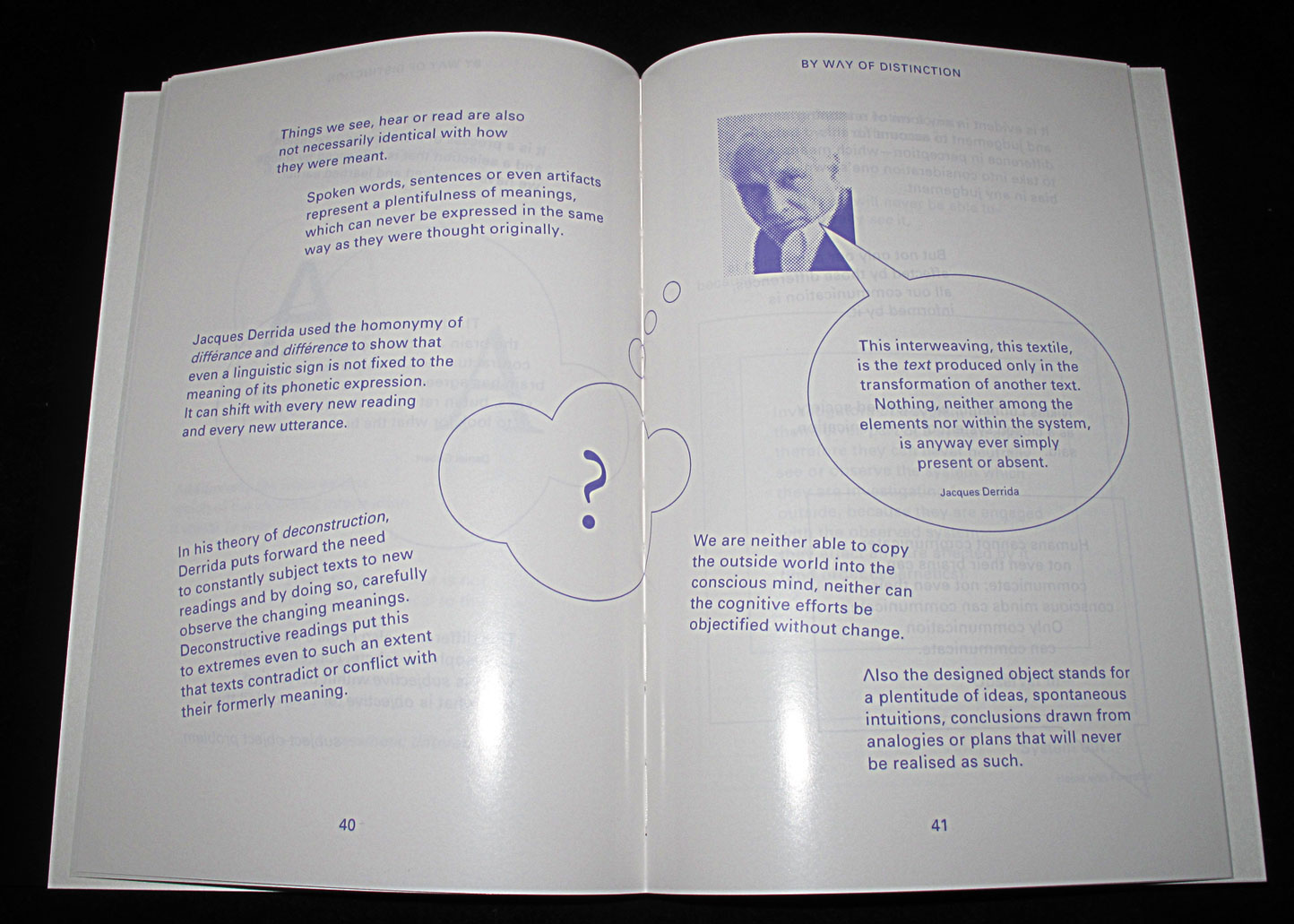
What we perceive and think of as “true” is widely influenced by our knowledge—carrying with it implicit conceptions we are not aware of. Design, as a planned action, is necessarily both theory and practice. It brings together thinking and everyday objects and therefore ingrains itself in the contexts we are all living in. Yet, being largely unreflected on, design is likely to simply affirm societal norms instead of questioning them. If design aims at taking a critical stance, it needs to change its acquaintance with knowledge and develop its own discourse to understand the underlying conceptions that are at play.

The metaphor of the “blind spot” proposes the perspective of looking at what is implicit or unnoticed in our perception. By doing so, it seeks to open up common readings of what design is and can do. The montage of texts featured here includes diverse voices and readings, meant to create a space in which debate can unfold, a debate that considers the impossibility of an unbiased position and as such reminds us of our dependence on the other in any conception—and any project design might aspire to.

Contributions by Ruth Buchanan, Helmut Draxler, Faculty of Invisibility, Katja Gretzinger, Rama Hamadeh, Claudia Mareis, Doreen Mende.

D 18 €

Buy it

Dealing With. Valérie Knoll, Hannes Loichinger, Magnus Schäfer (Eds.). Sternberg Press

Posted in art, exhibitions on November 28th, 2012
Tags: , , , , ,


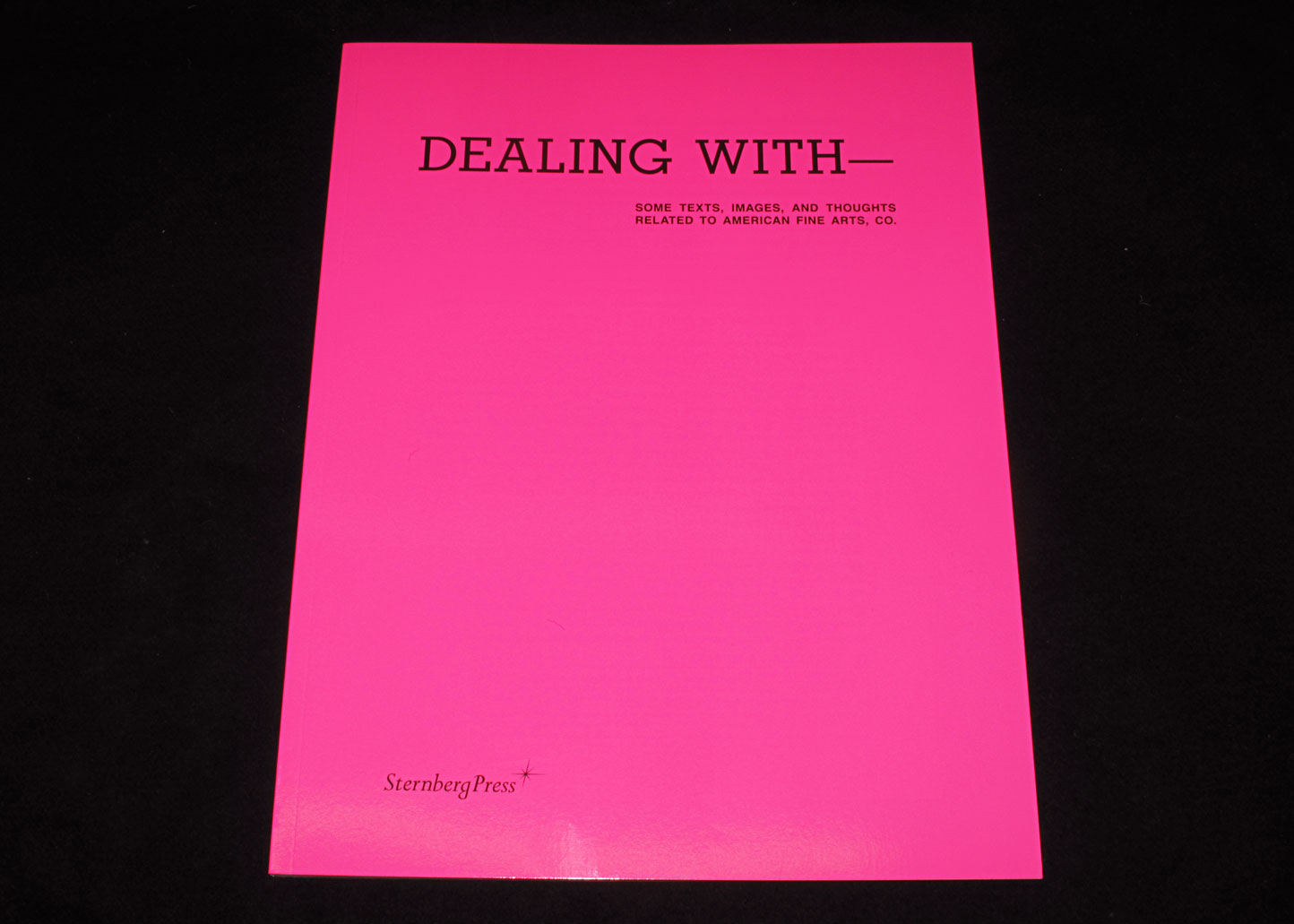
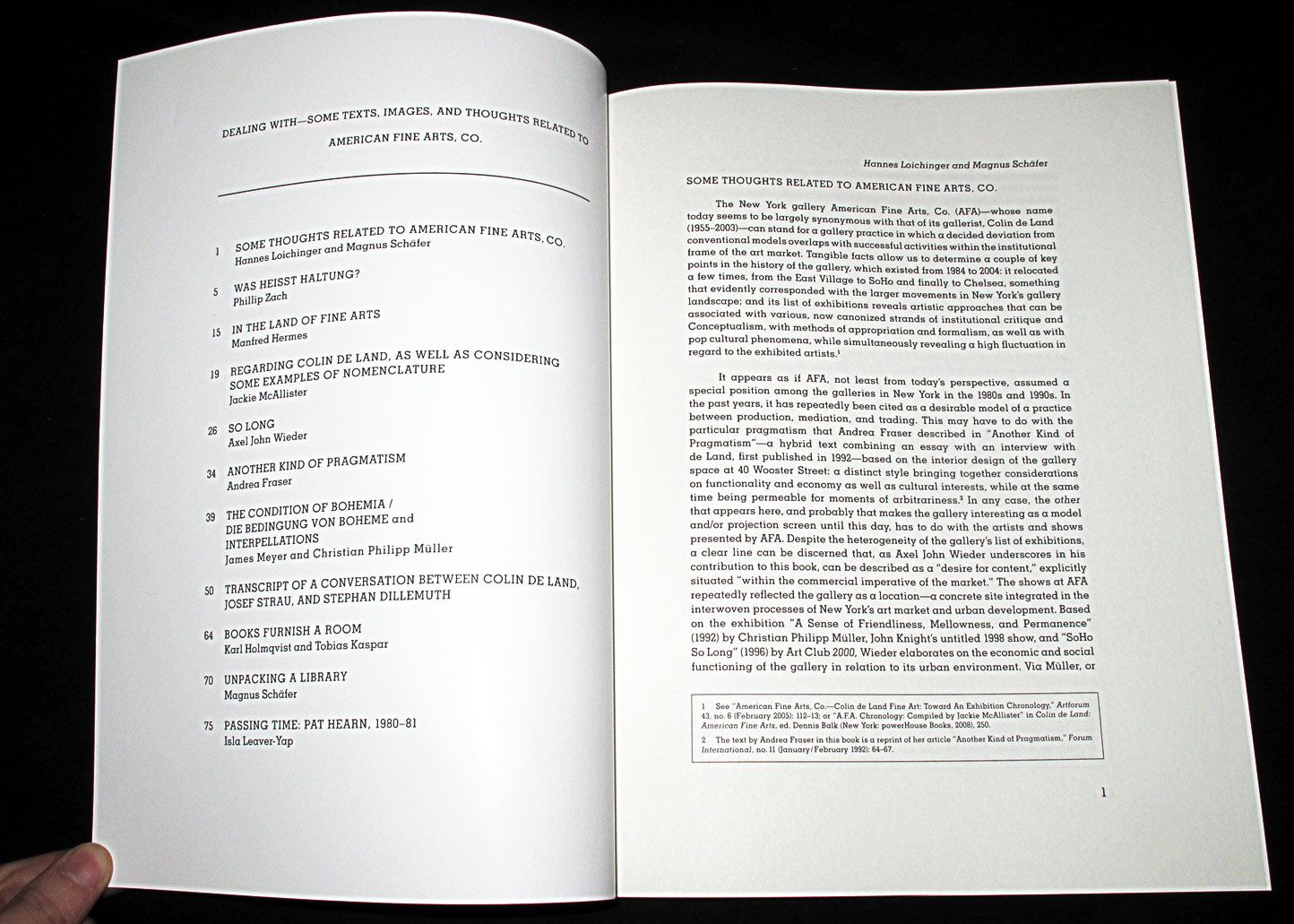
Dealing With – Some Texts, Images And Thoughts Related To American Fine Arts, Co. by Valérie Knoll, Hannes Loichinger, Magnus Schäfer (Eds.)

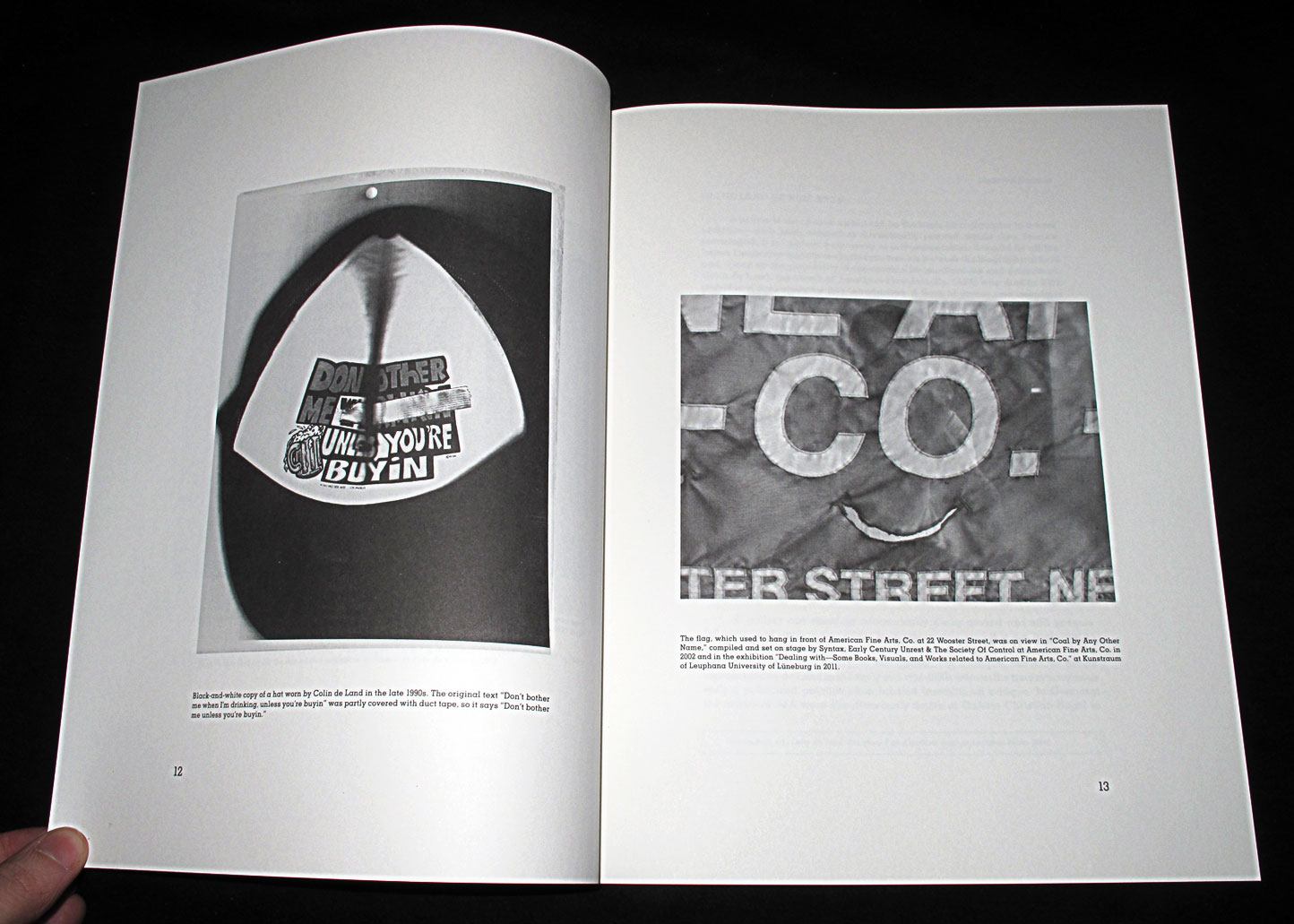
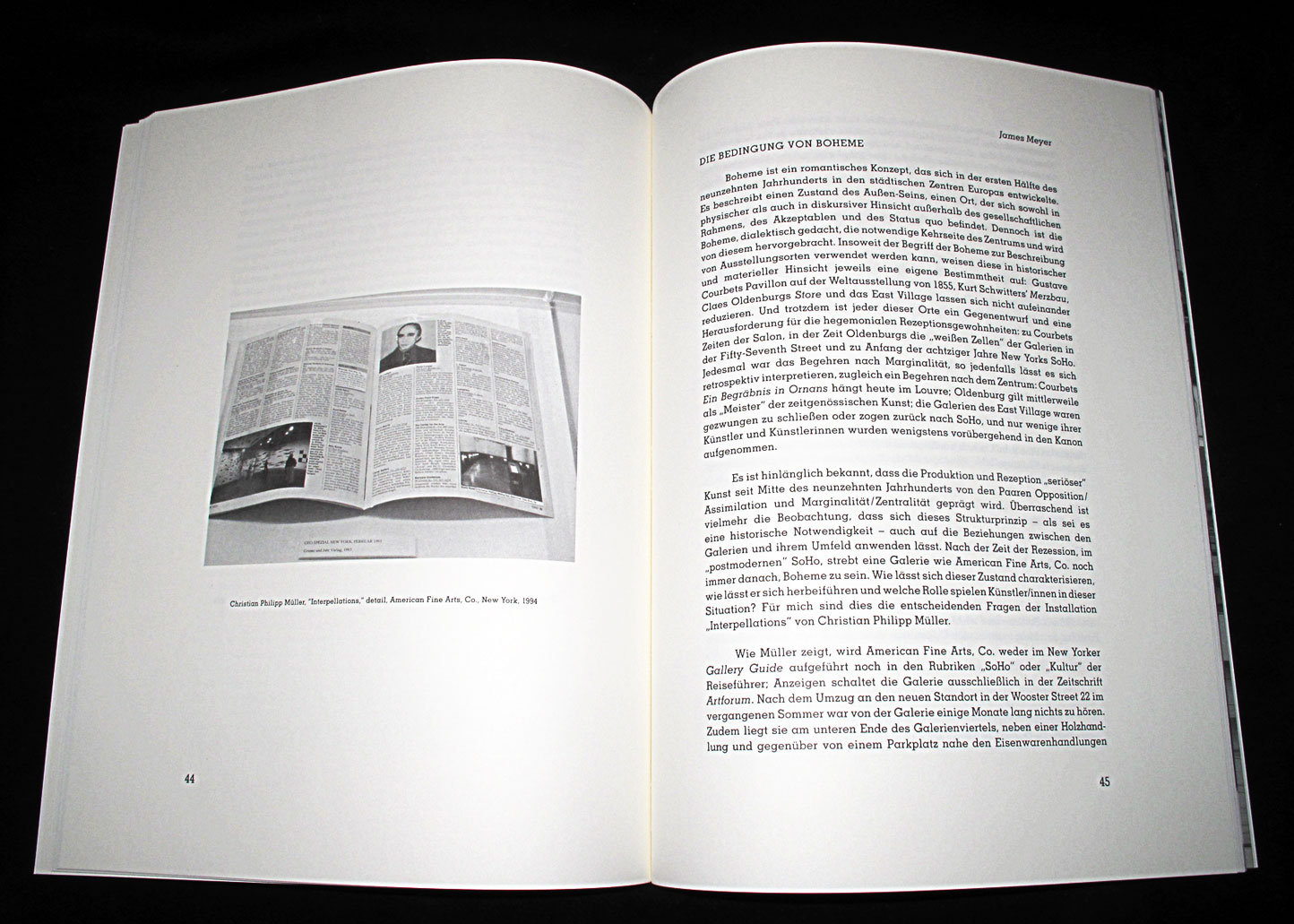
The New York gallery American Fine Arts, Co. – whose name today is largely synonymous with that of its gallerist, Colin de Land (1955–2003) – represents a gallery practice in which a decided deviation from conventional models overlaps with successful activities within the framework of the art market. Today, American Fine Arts, Co. and de Land figure as uncontested projection screens for the desire for independence from or bohemian resistance against the dictate of the market. Particularly in retrospect, a consistent image of the gallery is not discernible. Faced with the obvious risk of romanticization, it appears all the more important to pursue an understanding of how American Fine Arts, Co. functioned as a gallery.

This book was published on the occasion of the exhibition “Dealing with—Some Books, Visuals, and Works Related to American Fine Arts, Co.” at Halle für Kunst Lüneburg and Kunstraum of Leuphana University of Lüneburg (May 28–July 7, 2011), which was developed by Valérie Knoll, Hannes Loichinger, Julia Moritz, and Magnus Schäfer.

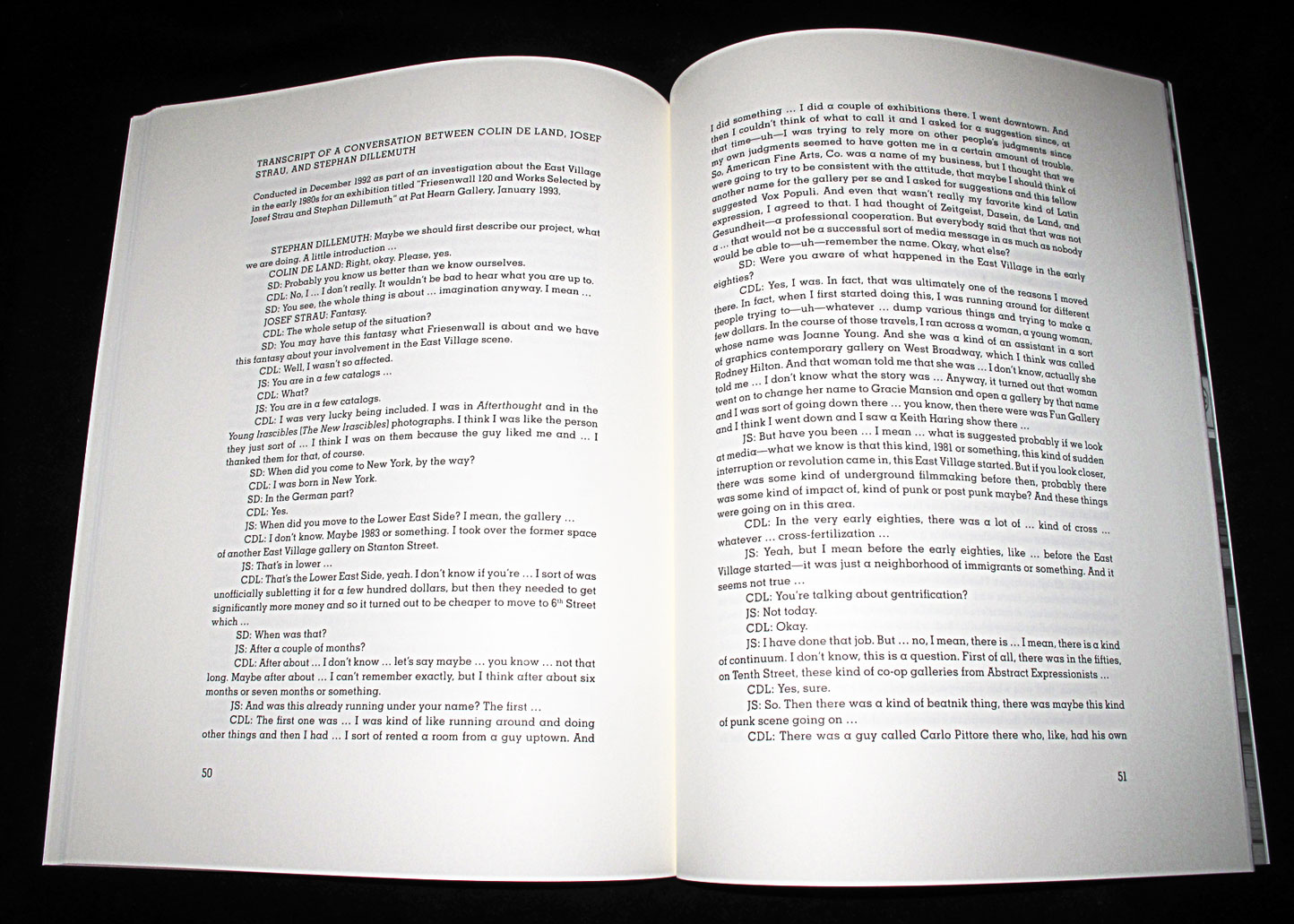
With contributions by Andrea Fraser, Manfred Hermes, Karl Holmqvist and Tobias Kaspar, Isla Leaver-Yap, Jackie McAllister, James Meyer and Christian Philipp Müller, Magnus Schäfer, Axel John Wieder, Phillip Zach; a conversation between Colin de Land, Josef Strau, and Stephan Dillemuth; and an introduction by Hannes Loichinger and Magnus Schäfer.

D 16 €
Buy it

Bulletins of The Serving Library #3. Sternberg Press.

Posted in art, books, distribution, typography, writing on September 7th, 2012
Tags: , , , , , , , , , , , , , , , ,


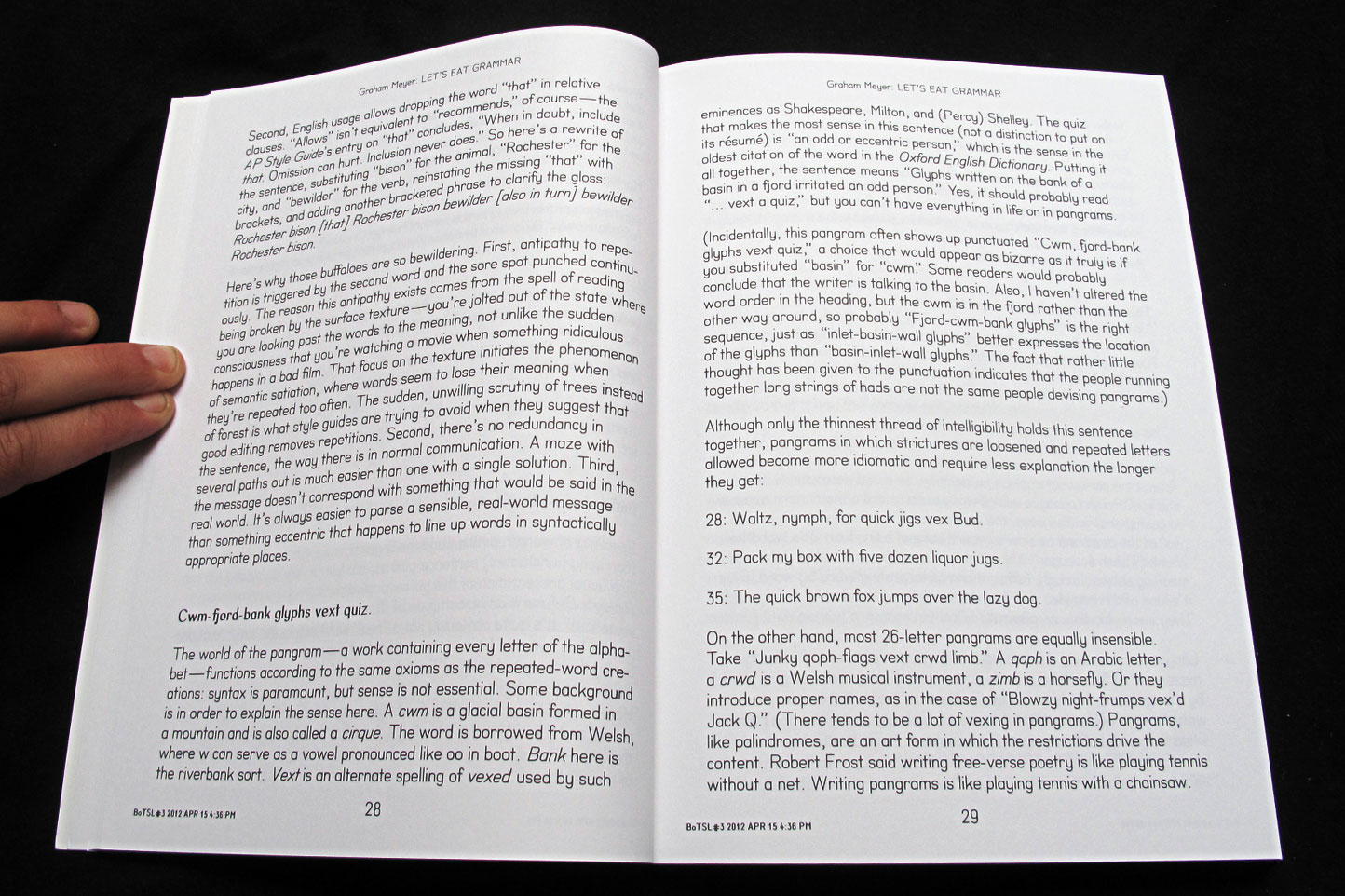
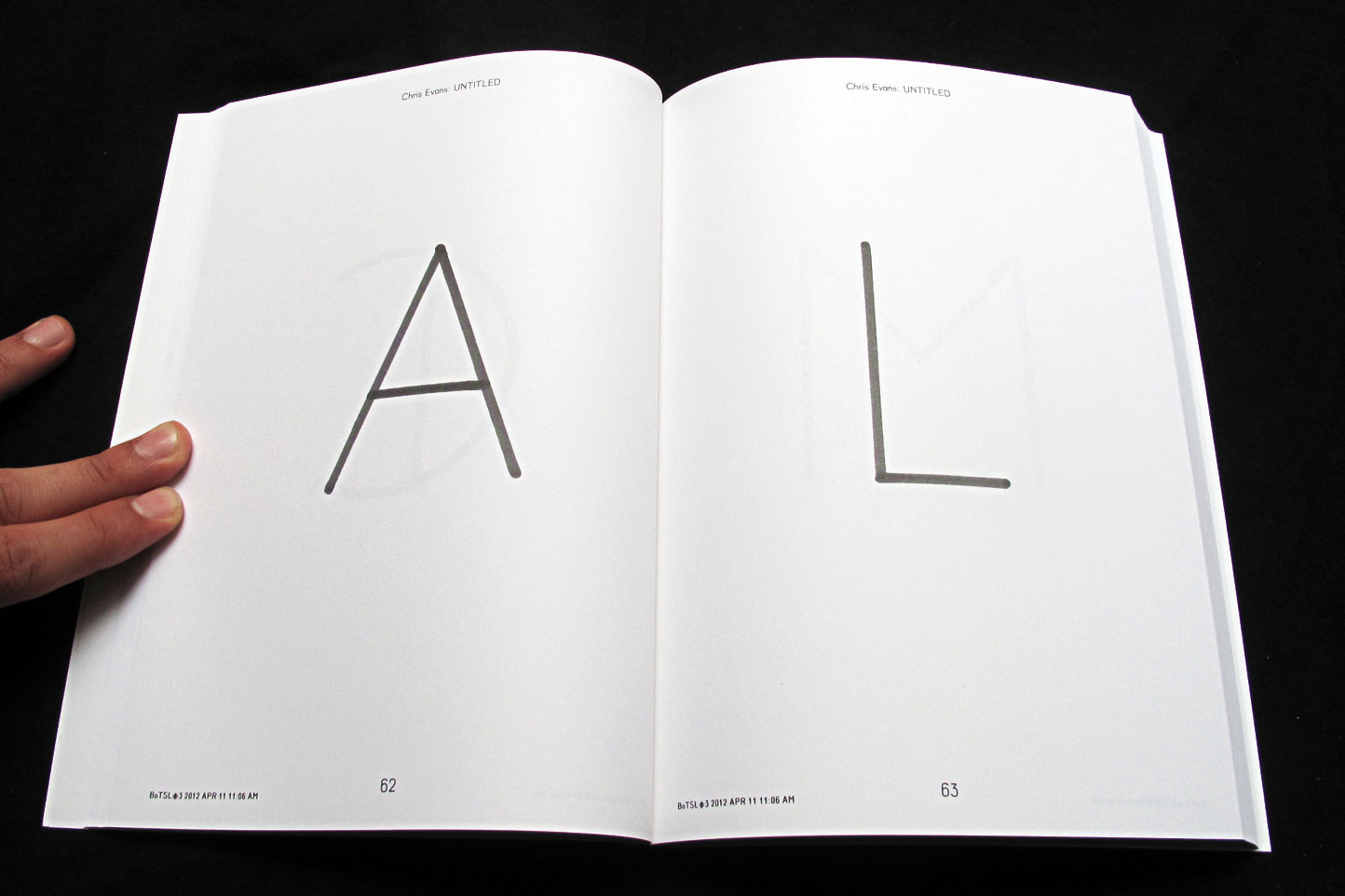
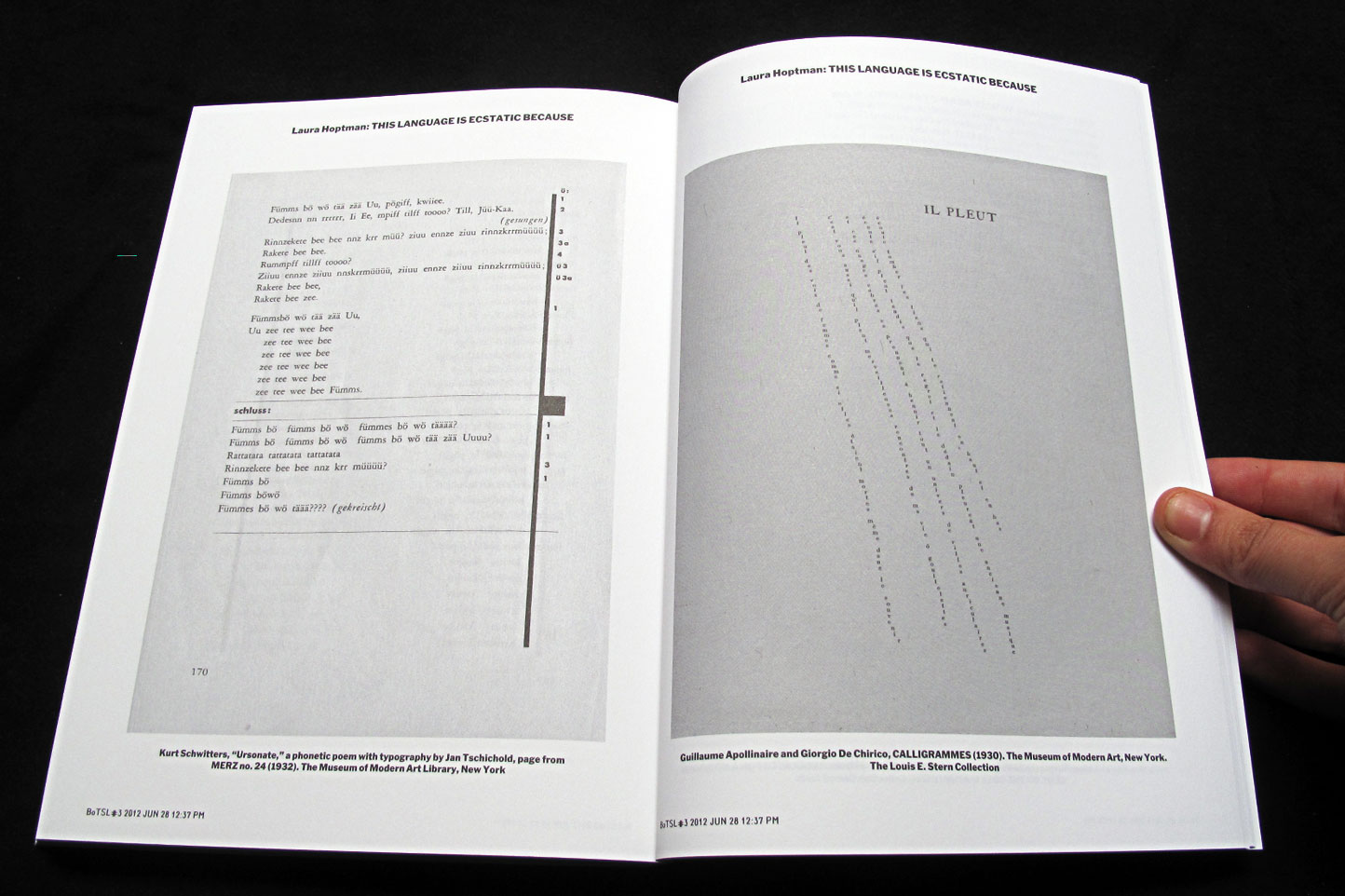
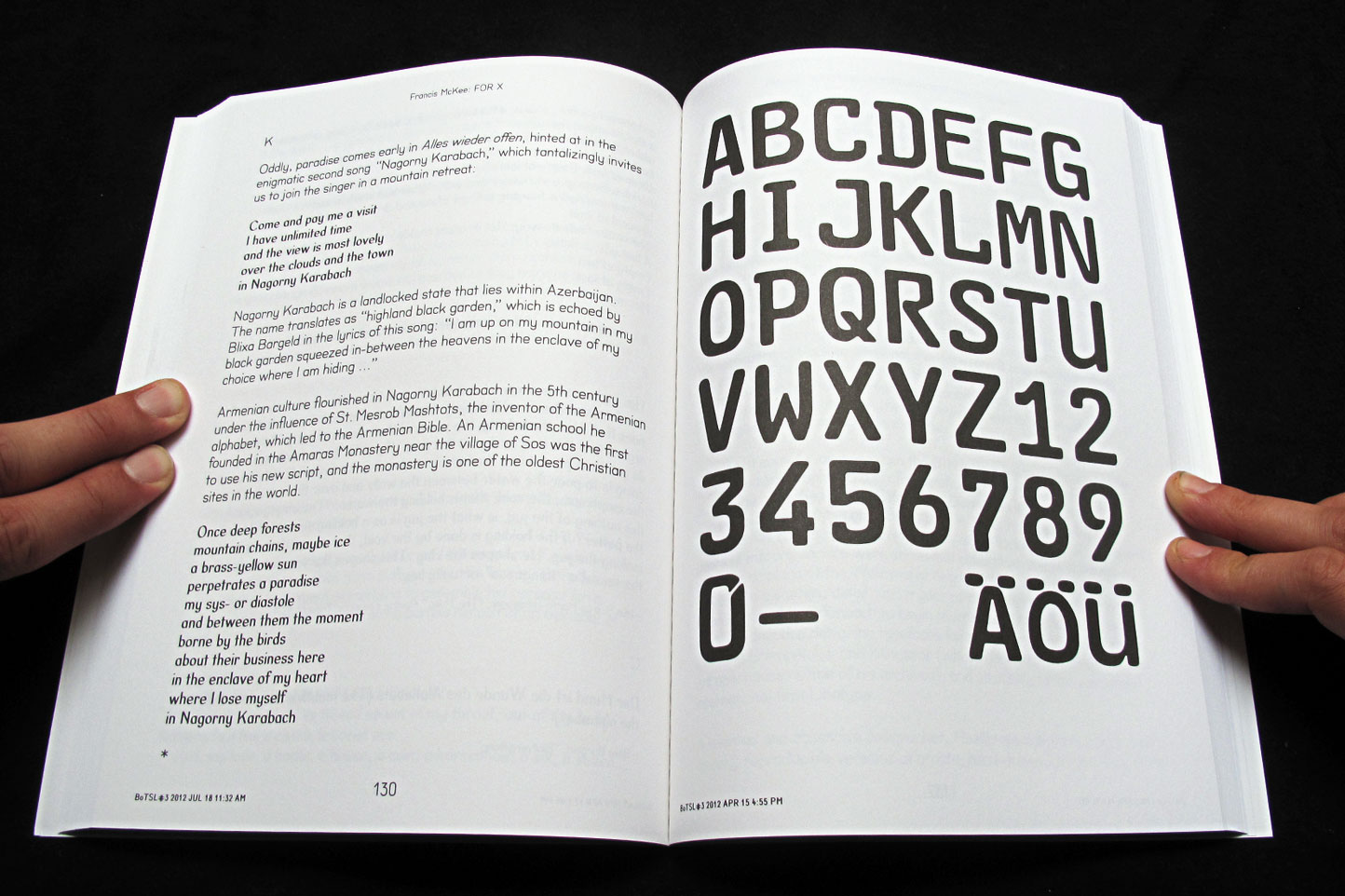
Bulletins of The Serving Library #3, Stuart Bailey, Angie Keefer, David Reinfurt (Eds.), published by Sternberg Press.

With contributions by Andrew Blum, Bruno Latour, Graham Meyer, Pierre-André Boutang, David Reinfurt, Chris Evans, Jessica Winter, Ian Svenonius, Angie Keefer, Francis McKee, Benjamin Tiven, Louis Lüthi, Dexter Sinister, and Laura Hoptman

This issue of Bulletins of the Serving Library doubles as a catalog of sorts to “Ecstatic Alphabets/Heaps of Language,” a group exhibition curated by Laura Hoptman at the Museum of Modern Art, New York, from May 6 to August 27, 2012. It is a *pseudo*-catalog in the sense that, other than a section of images at the back, it bears no direct relation to the works in the exhibition. Instead, the bulletins extend in different directions from the same title, and could be collectively summarized as preoccupied with the more social aspects of Typography.

D 10 €

Buy it

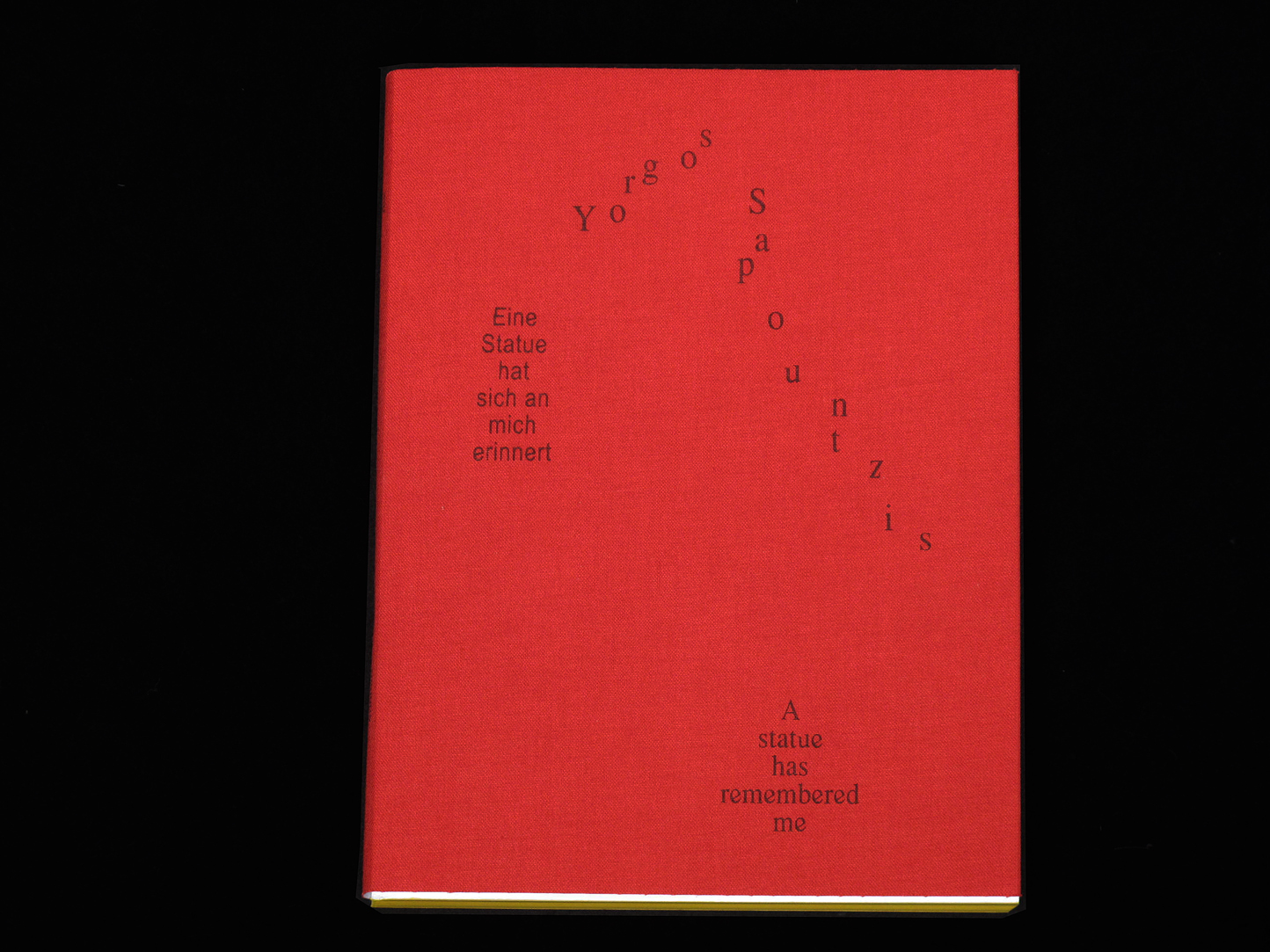
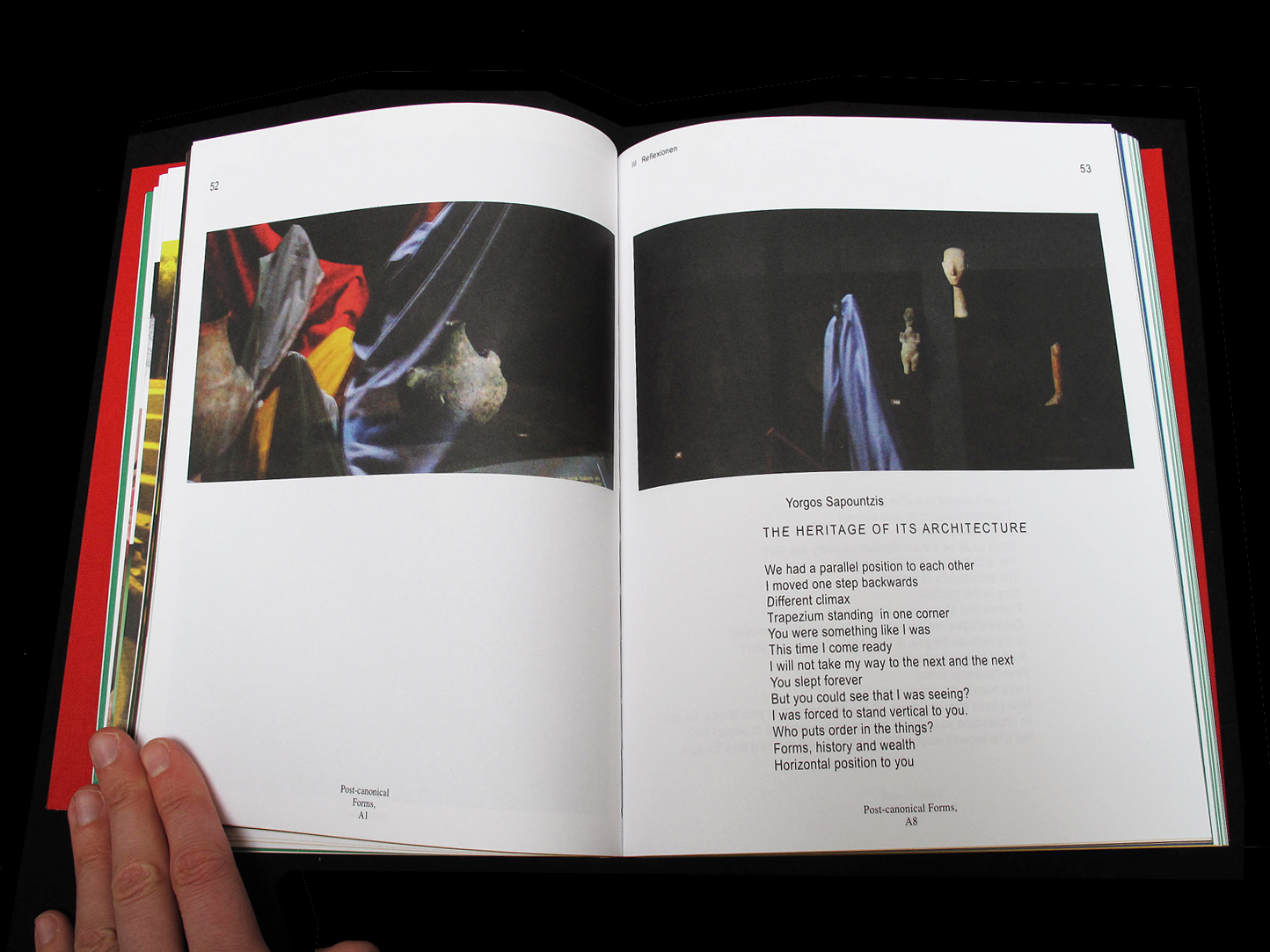
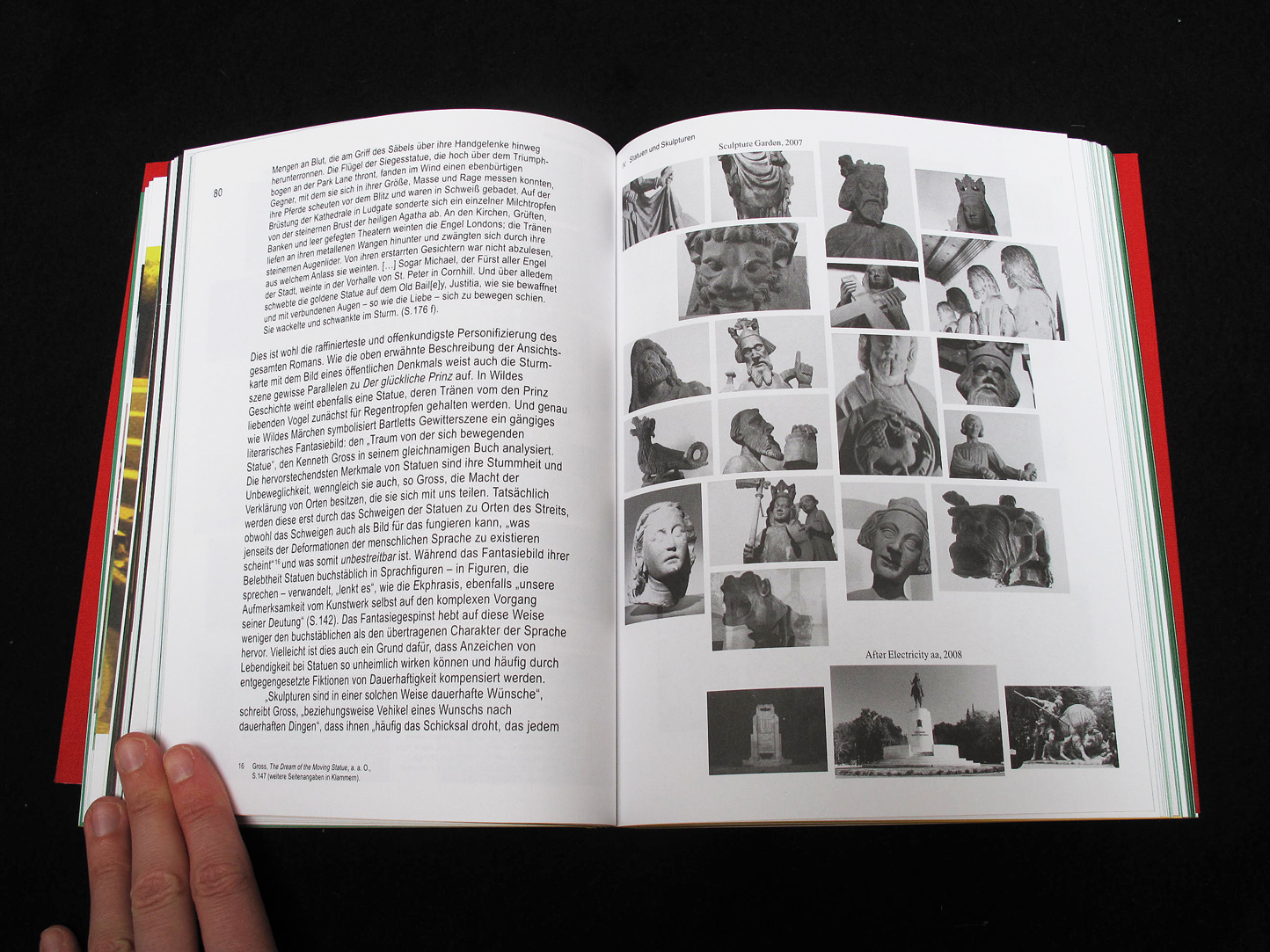
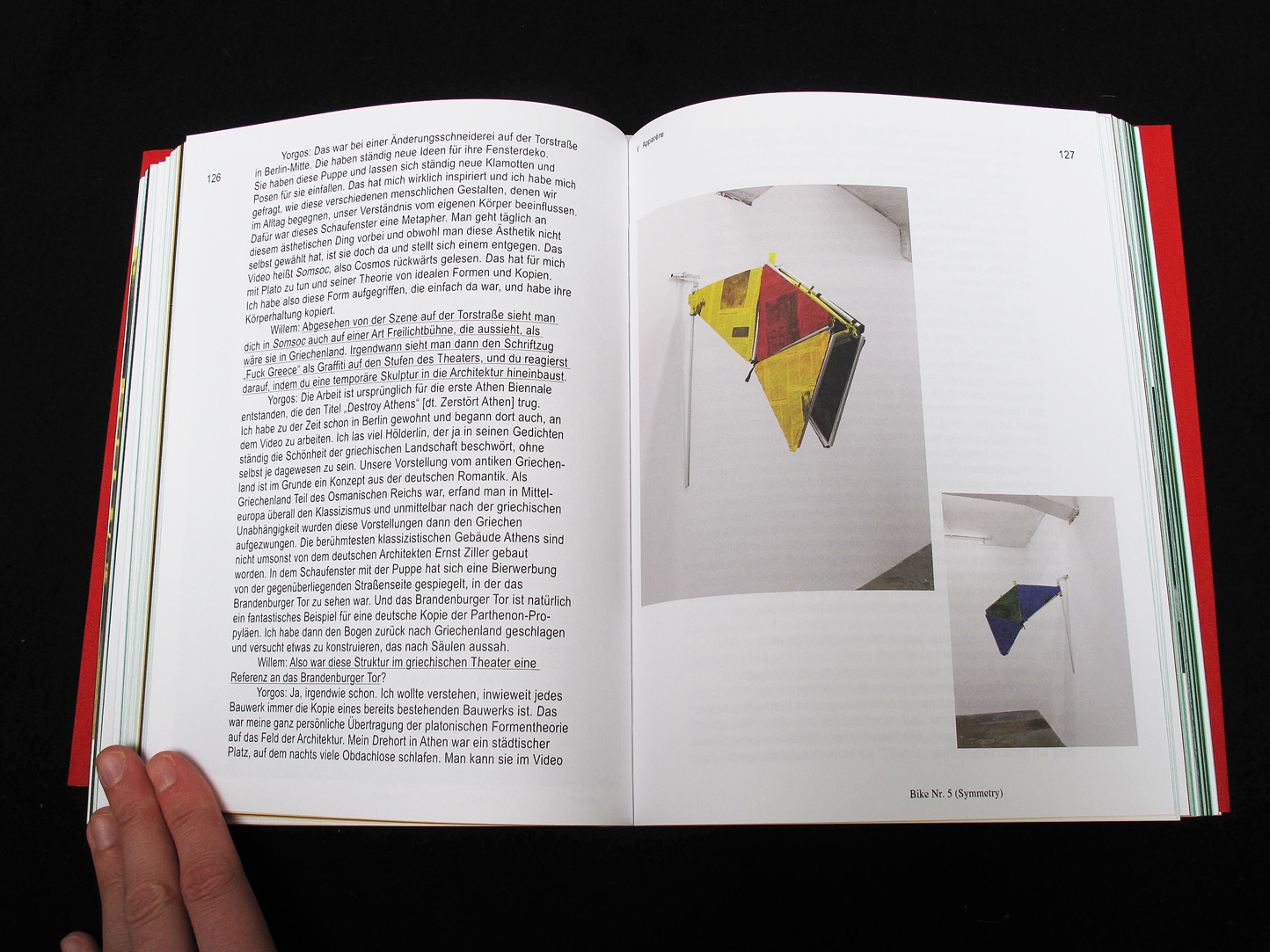
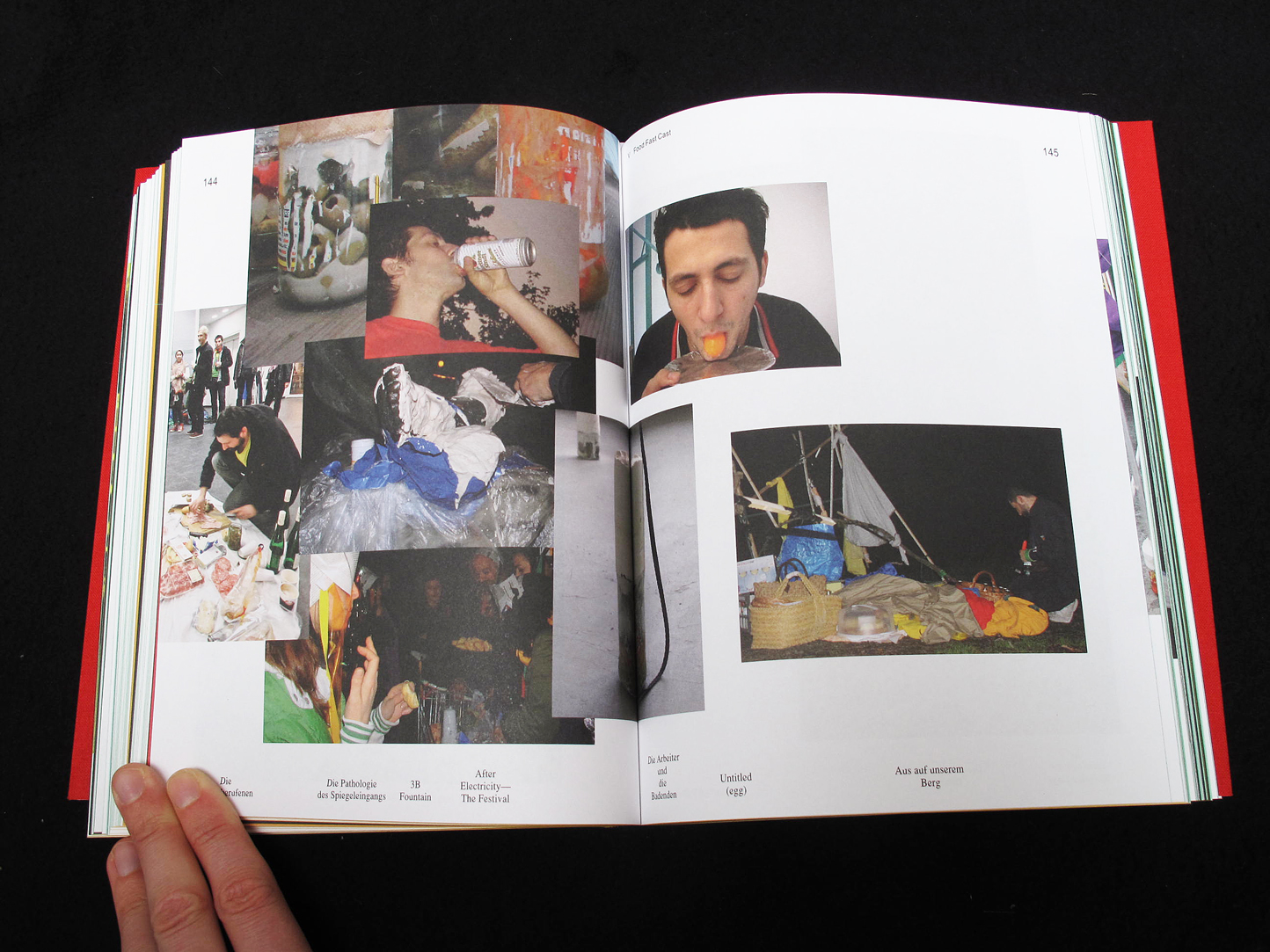
A Statue Has Remembered Me. Yorgos Sapountzis. Sternberg Press.

Posted in art, books, writing on May 21st, 2012
Tags: , ,

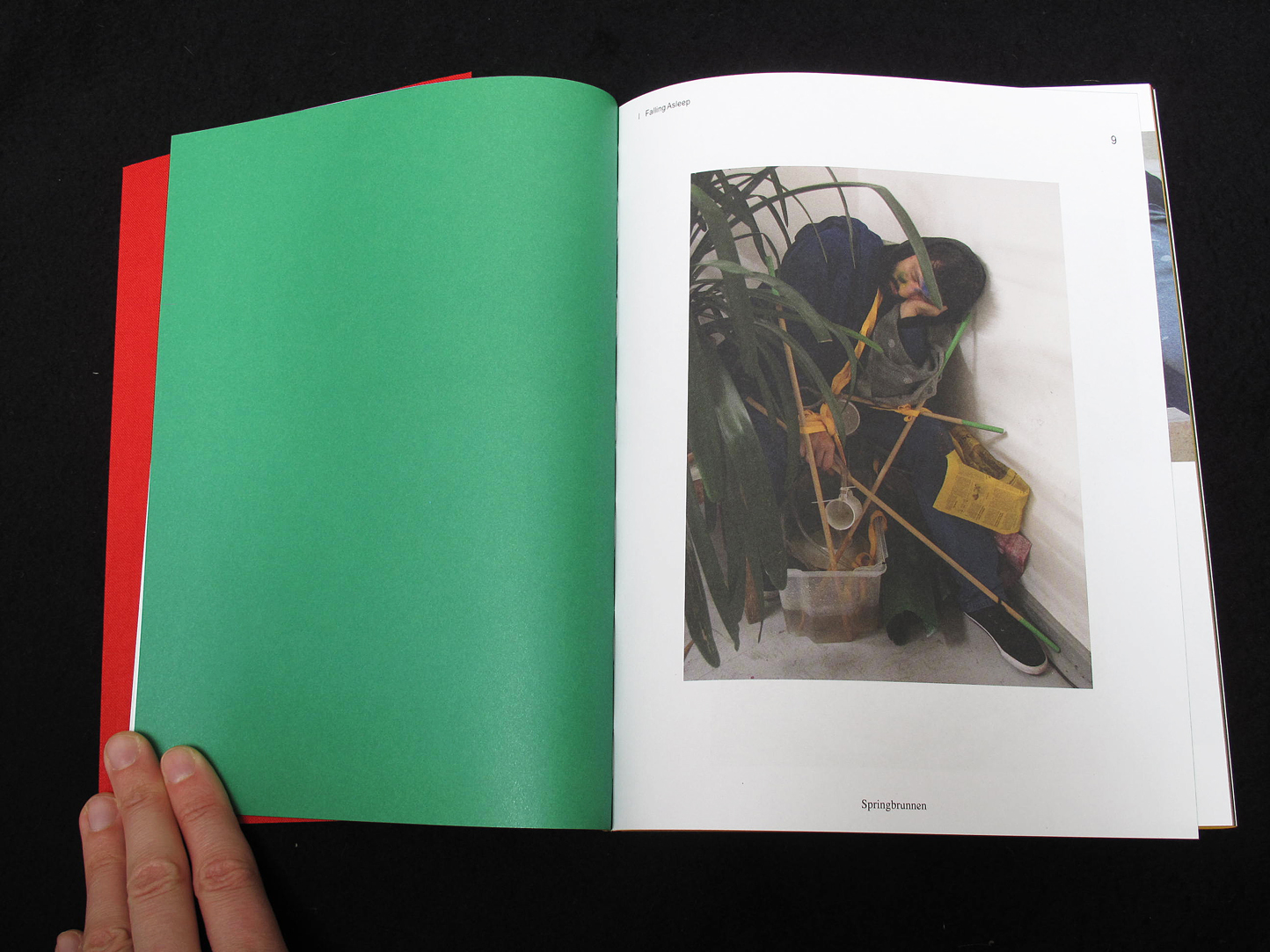
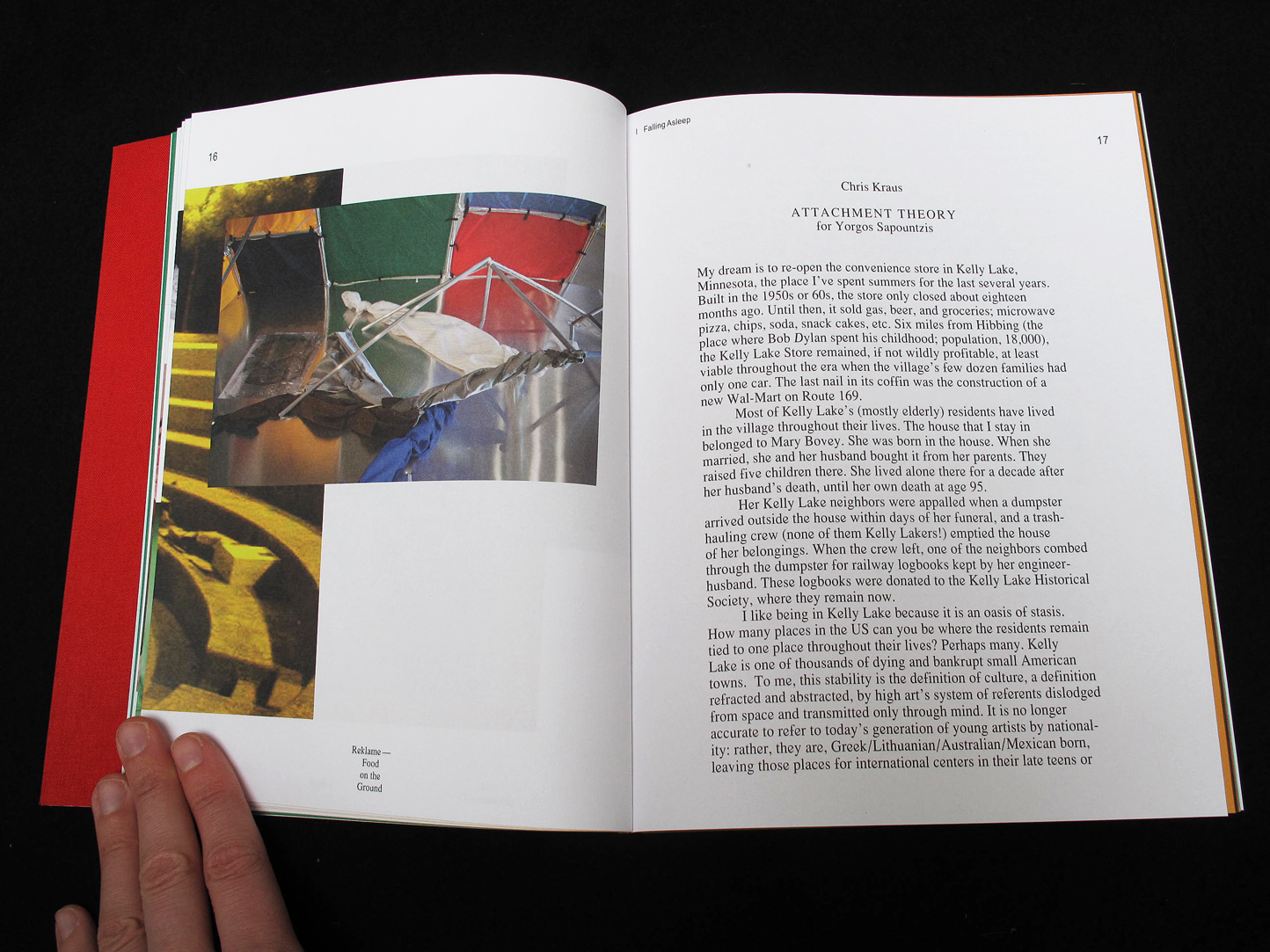
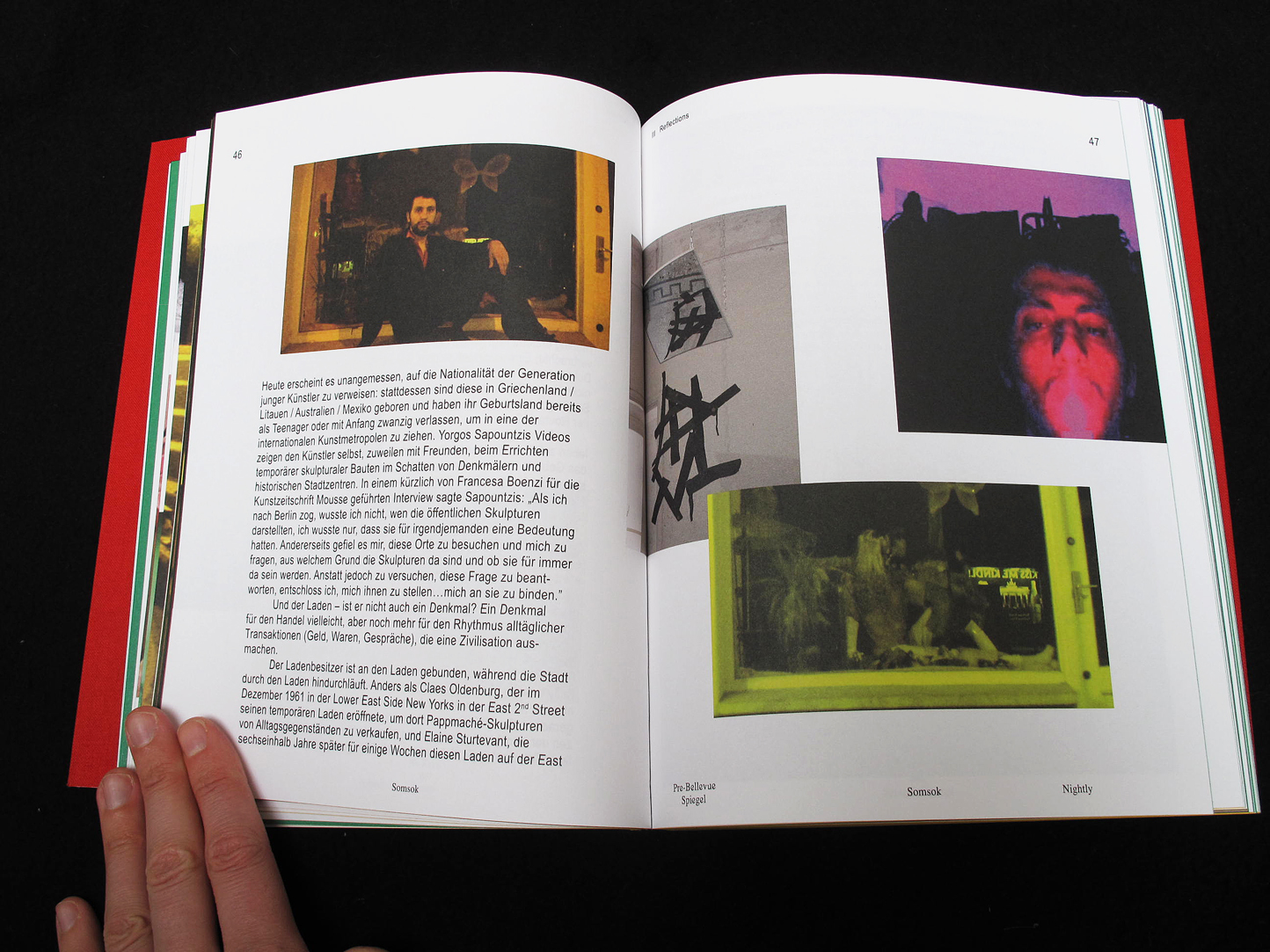
A Statue Has Remembered Me. Yorgos Sapountzis. Sternberg Press.

This catalogue is published on the occasion of the exhibition Videos and Picnic by Yorgos Sapountzis in the Ursula Blickle Foundation, May 20-July 8, 2012 and The Gadfly Festival at Westfälischer Kunstverein June 16-September 2, 2012.

With texts by Rosalyn Deutsche, Chris Kraus, Veit Loers and Katja Schroeder as well as an interview by Willem de Rooij with Yorgos Sapountzis.

D 29 €
Buy it

Cybermohalla Hub. Nikolaus Hirsch, Shveta Sarda (Eds.). Sternberg Press.

Posted in architecture, writing on May 19th, 2012
Tags: , , ,

Cybermohalla Hub. Sternberg Press.

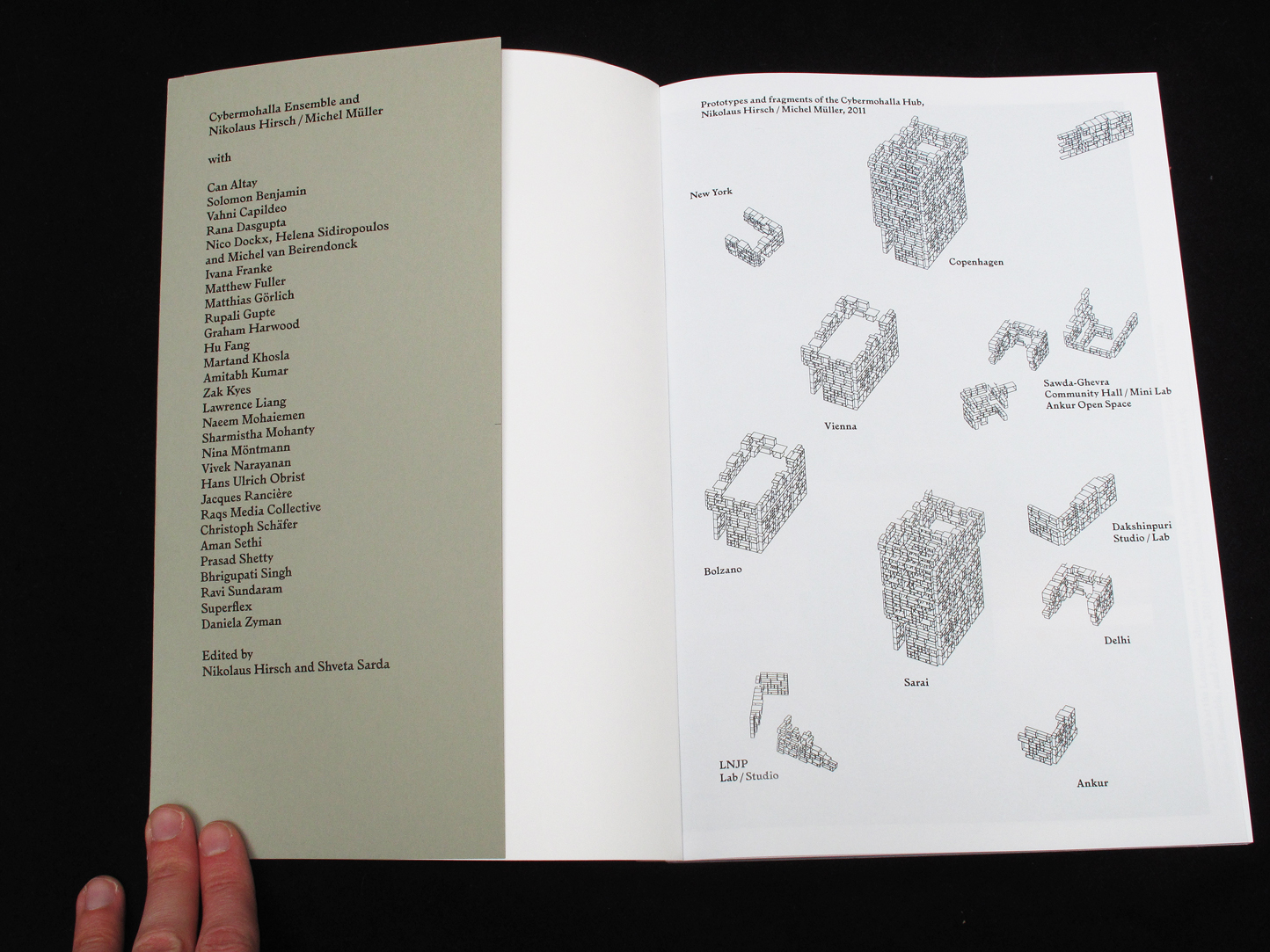
Contributions by Can Altay, Cybermohalla Ensemble, Rana Dasgupta, Hu Fang, Naeem Mohaiemen, Hans Ulrich Obrist, Jacques Rancière, Raqs Media Collective, Superflex, et al.

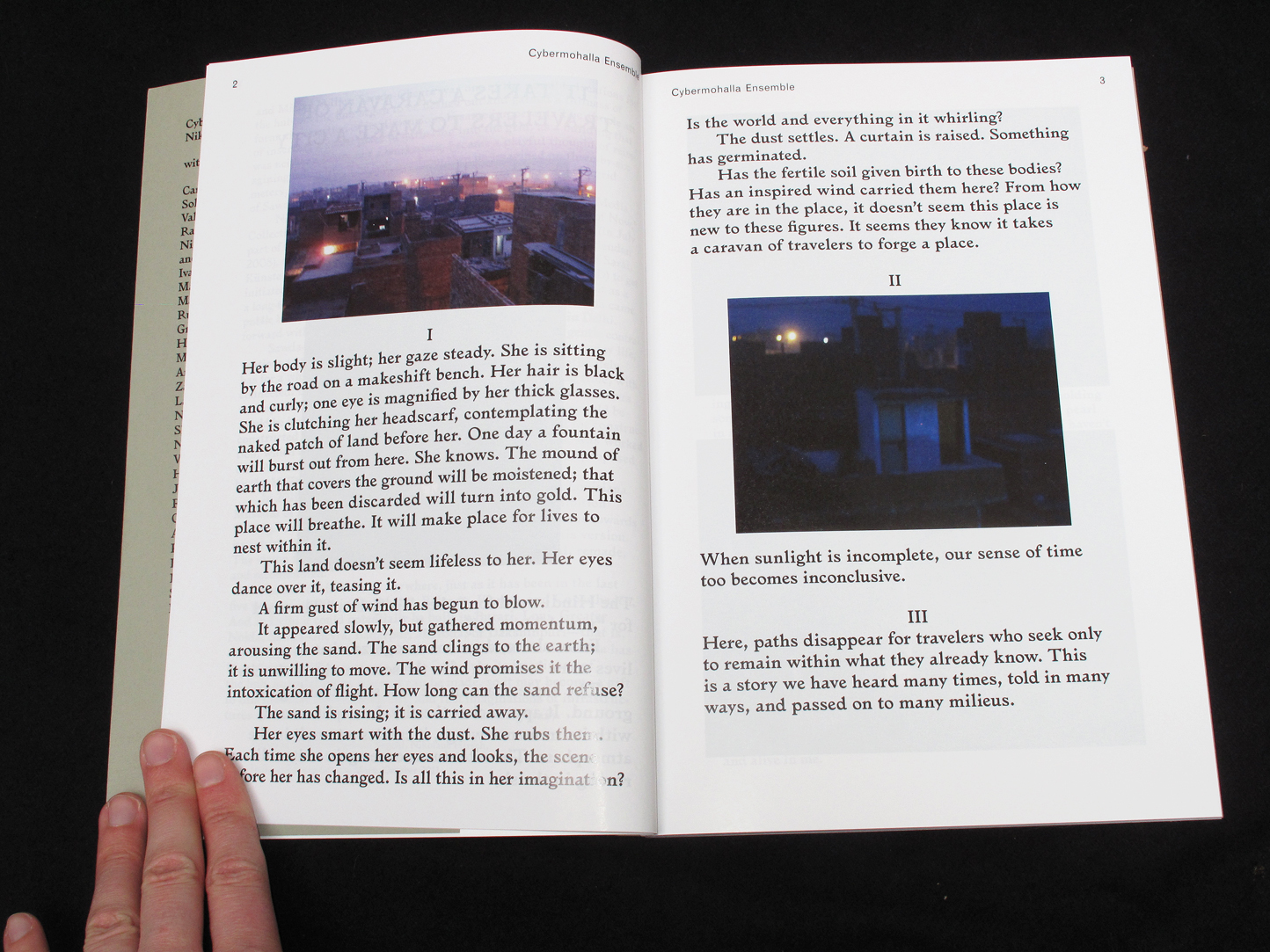
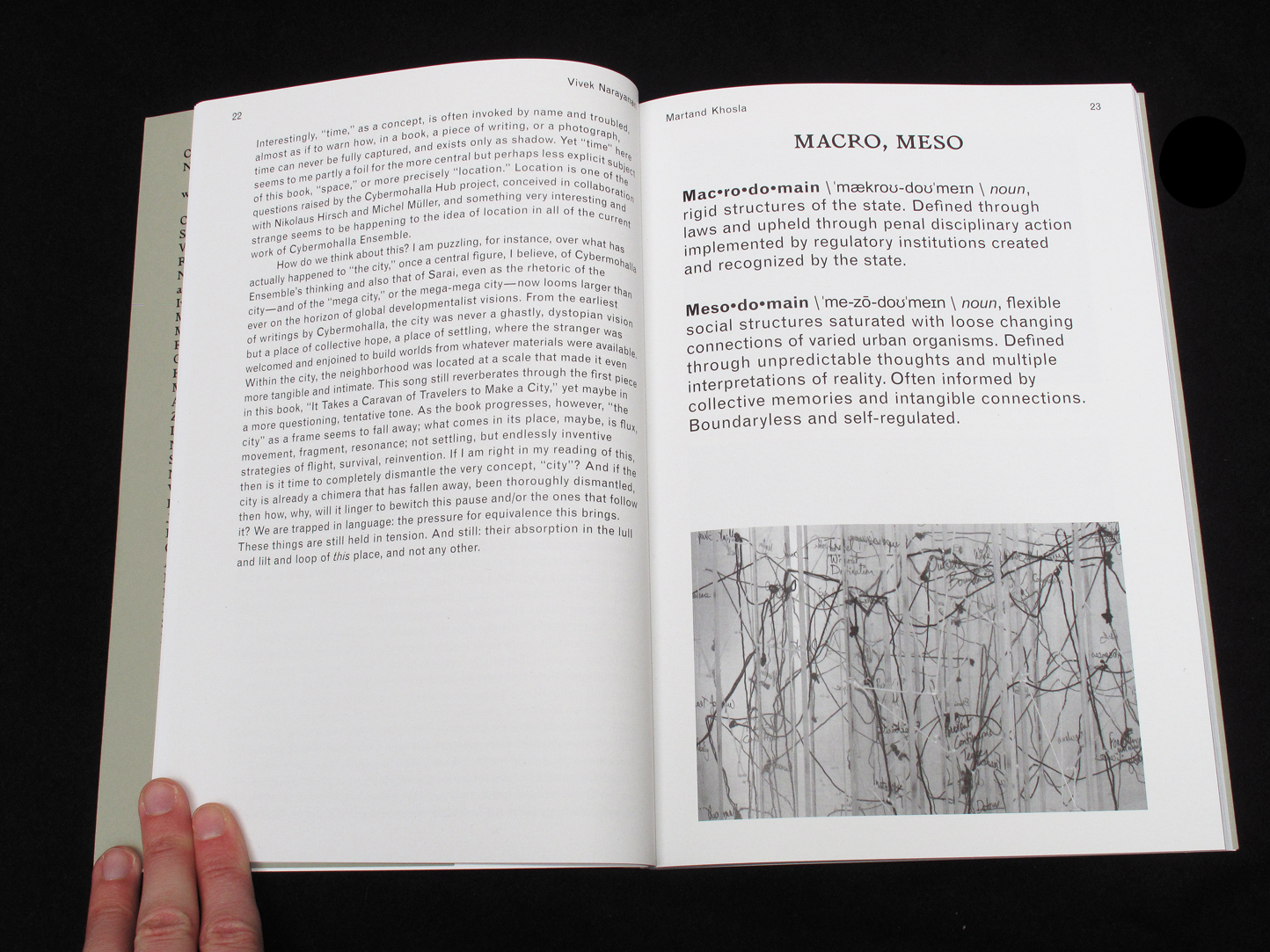
The Cybermohalla project takes on the meaning of the Hindi word mohalla (neighborhood) in its sense of alleys and corners, relatedness and concreteness, as a means for talking about one’s “place” in the city. Initiated by the Delhi-based research institute Sarai/CSDS and Ankur, Nikolaus Hirsch and Michel Müller developed a project that involves approximately seventy young practitioners, the Cybermohalla Ensemble, who engage with their urban contexts through various media. Cybermohalla Hub, a hybrid of studio, school, archive, community center, library, and gallery is a structure that moves between Delhi and diverse art contexts including Manifesta 7 and, most recently, the Louisiana Museum of Modern Art in Denmark.

The Cybermohalla experiment has been engaged in rethinking urban life, and reimagining and reanimating the infrastructure of cultural and intellectual life in contemporary cities. The book not only documents the architecture of the project, which functions as an attempt to “build knowledge,” but also publishes insights that have emerged from the project as a whole.

D 24 €
Buy it

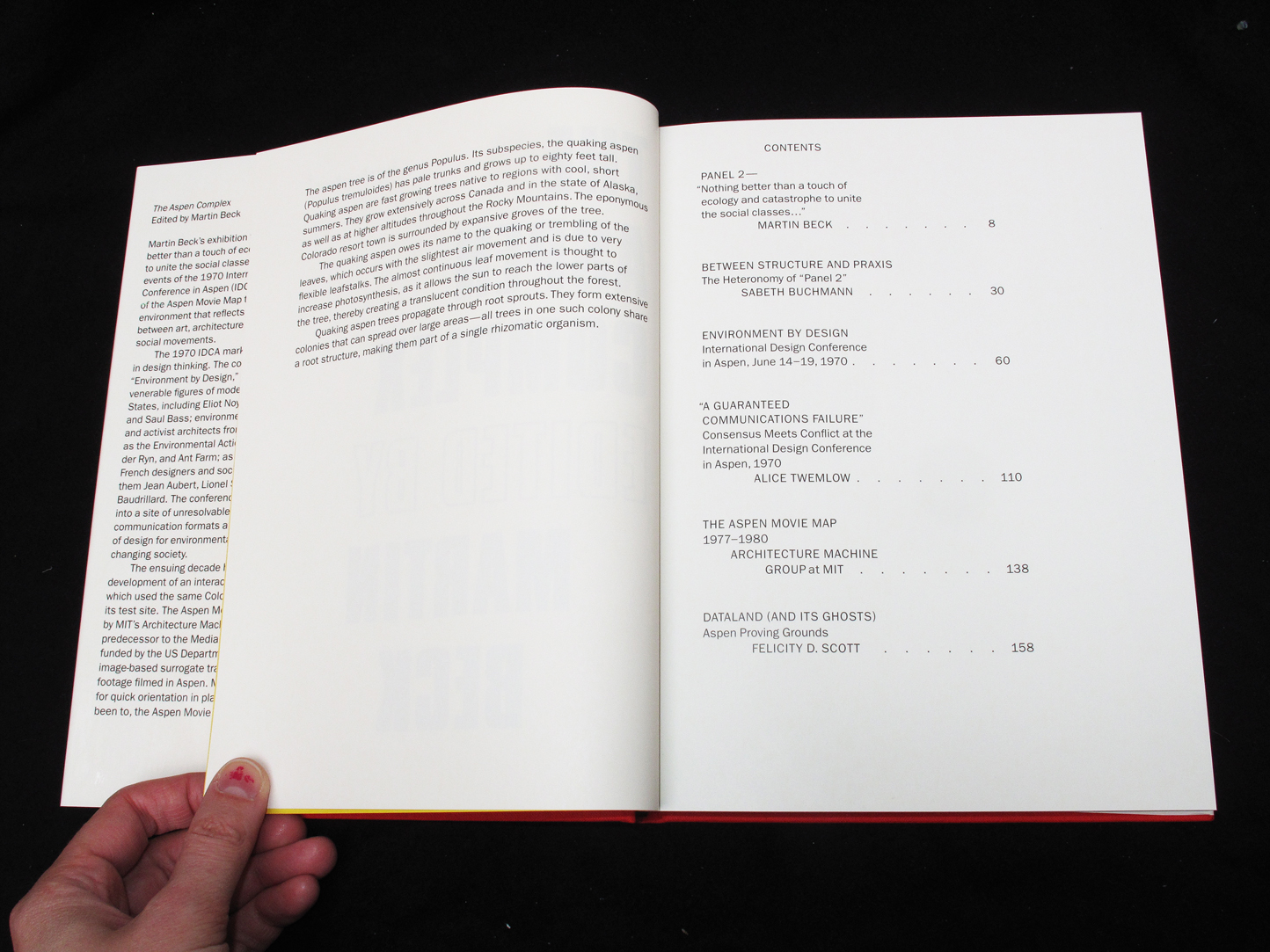
The Aspen Complex. Martin Beck. Sternberg Press.

Posted in art, design, writing on May 18th, 2012
Tags: , ,

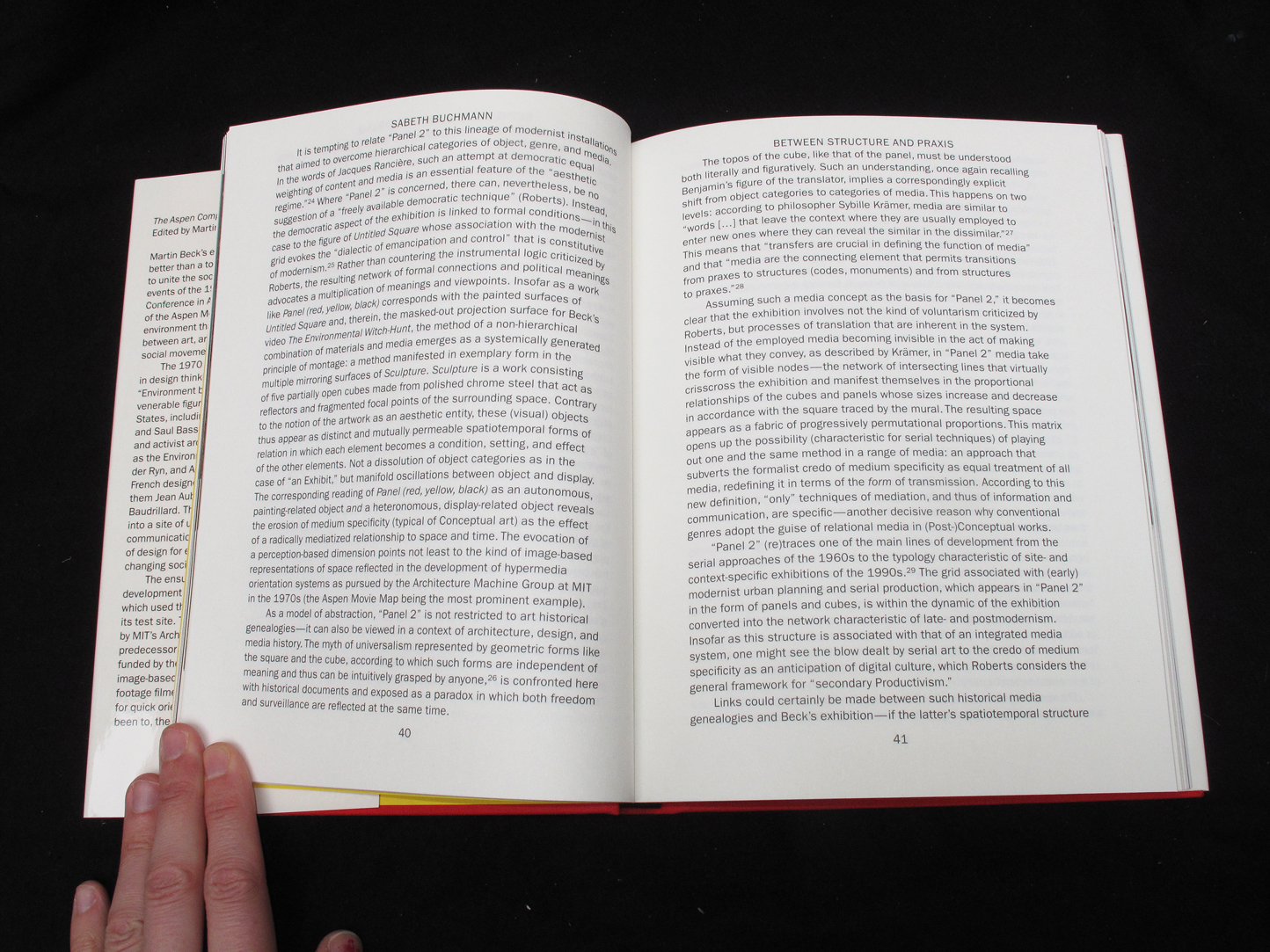
The Aspen Complex. Martin Beck. Sternberg Press.

With essays by Sabeth Buchmann, Felicity D. Scott, Alice Twemlow

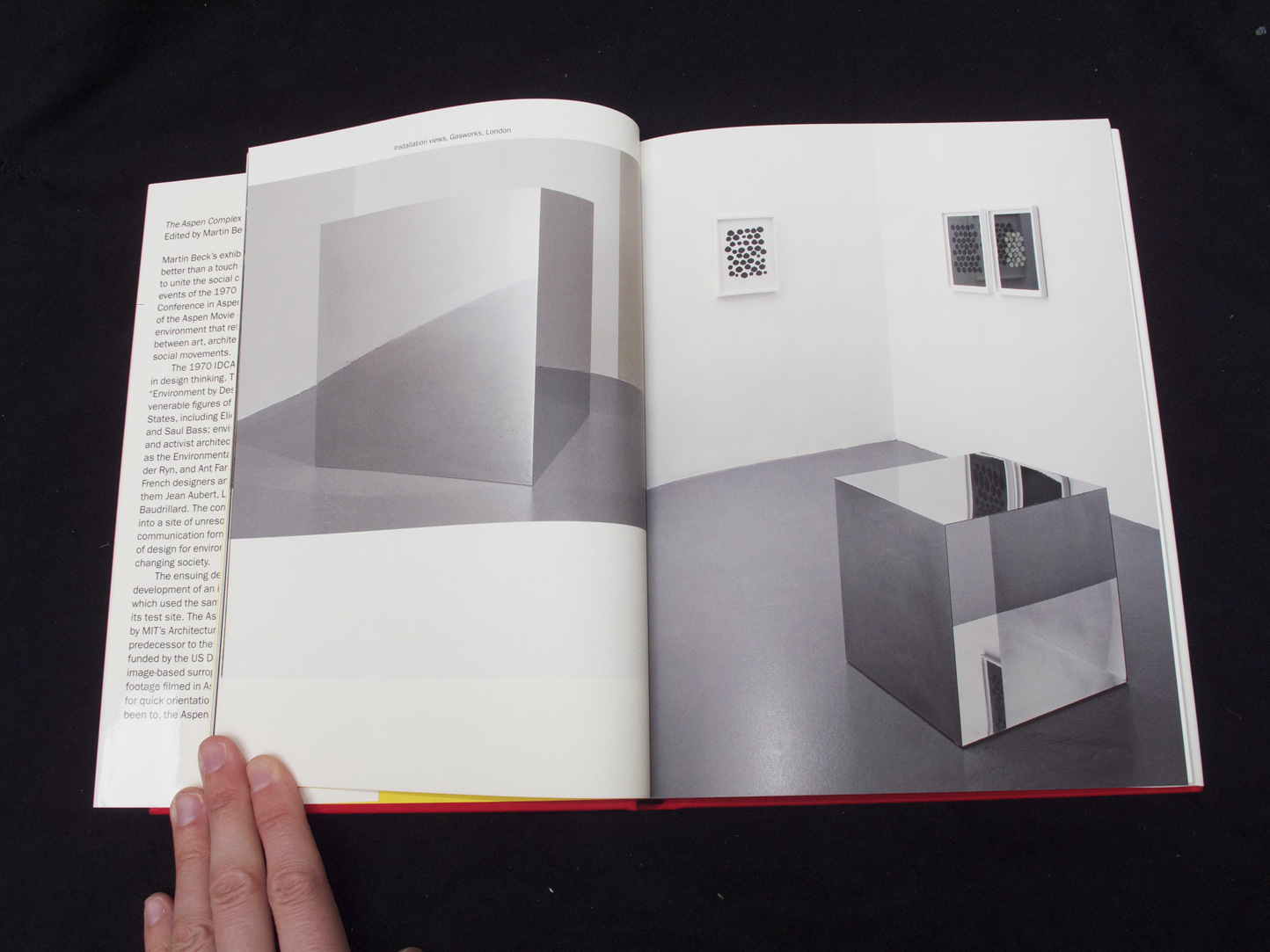
Martin Beck’s exhibition “Panel 2—‘Nothing better than a touch of ecology and catastrophe to unite the social classes…’” draws on the events of the 1970 International Design Conference in Aspen (IDCA) and the development of the Aspen Movie Map to form a visual environment that reflects the interrelations between art, architecture, design, ecology, and social movements.

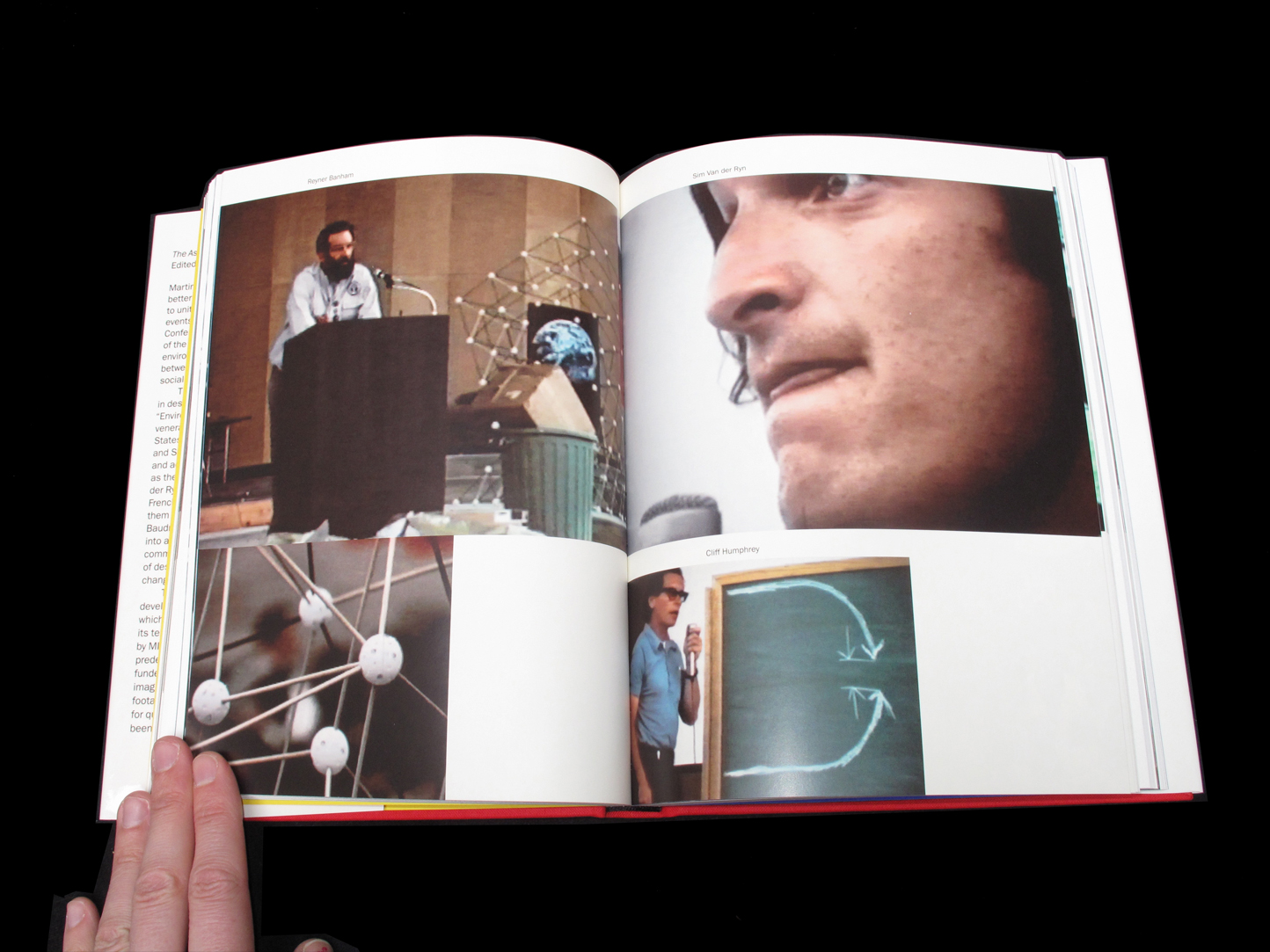
The 1970 IDCA marked a turning point in design thinking. The conference’s theme, “Environment by Design,” brought together venerable figures of modern design in the United States, including Eliot Noyes, George Nelson, and Saul Bass; environmental collectives and activist architects from Berkeley such as the Environmental Action Group, Sim Van der Ryn, and Ant Farm; as well as a group of French designers and sociologists, among them Jean Aubert, Lionel Schein, and Jean Baudrillard. The conference quickly escalated into a site of unresolvable conflict about communication formats and the potential role of design for environmental practices in a rapidly changing society.

The ensuing decade heralded the development of an interactive navigation system, which used the same Colorado resort town as its test site. The Aspen Movie Map—initiated by MIT’s Architecture Machine Group (the predecessor to the Media Lab) and partially funded by the US Department of Defense—is an image-based surrogate travel system using footage filmed in Aspen. Meant to prepare users for quick orientation in places they have never been to, the Aspen Movie Map was a seminal prototype for today’s military and consumer navigation systems.

The Aspen Complex documents two versions of Beck’s exhibition—at London’s Gasworks and Columbia University’s Arthur Ross Architecture Gallery—and brings together yet unpublished archival material and new research on the 1970 IDCA and the Aspen Movie Map.

D 25 €
Buy it

Yorgos Sapountzis @ Motto Berlin. 20.05.2012

Posted in art, books, events, Motto Berlin event on May 16th, 2012
Tags: ,

Sunday, May 20, 7 pm
Yorgos Sapountzis
Book launch

On the occasion of his two-part solo exhibition at Ursula Blickle Foundation (Videos and
Picnic, May 19 – July 8 ) and at Westfälischer Kunstverein Münster (The Gadfly Festival,
June 16 – September 2) a comprehensive book by Greek artist Yorgos Sapountzis will
be published by Sternberg Press. With texts by Rosalyn Deutsche, Chris Kraus, Veit
Loers and Katja Schroeder as well as an interview by Willem de Rooij with Yorgos
Sapountzis.

Music by no:sler

image courtesy of the artist and Galerie Isabella Bortolozzi, Berlin

http://www.sternberg-press.com/
http://bortolozzi.com/

YORGOS SAPOUNTZIS – TWO EXHIBITIONS

Videos und Picnic
May – 08. Juli 2012
Ursula Blicke Stiftung,
Mühlweg 18,
D-76703 Kraichtal
Opening Saturday, May 19, 7 pm

The Gadfly Festival
16. Juni – 02. September 2012
Westfälischer Kunstverein Münster
Venue soon to be announced
http://www.westfaelischer-kunstverein.de/
Opening Friday, June 15, 7 pm

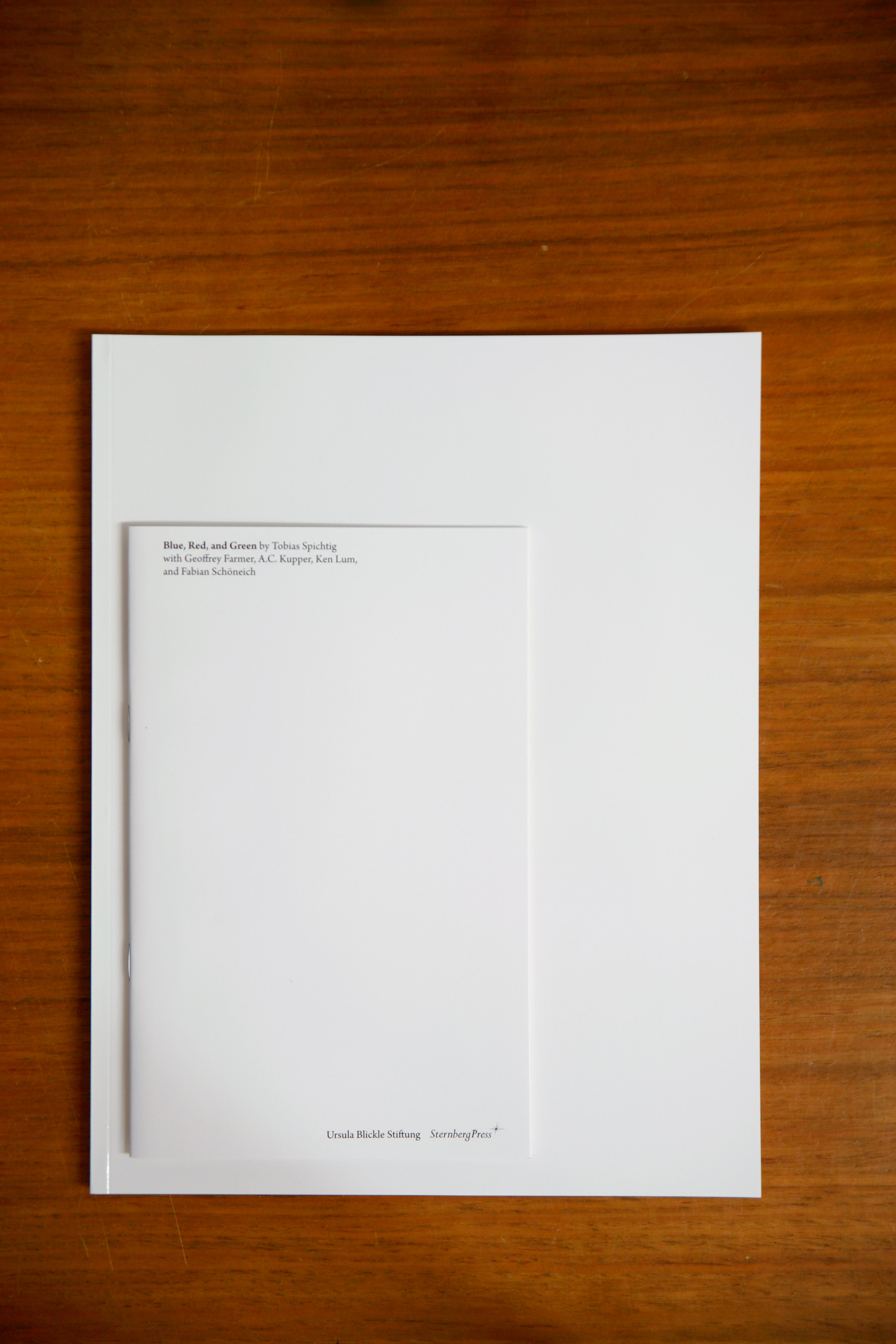
Blue, Red, and Green, Tobias Spichtig. Launch @ Motto Zurich, 4.5.2012.

Posted in books, Motto Zürich event on April 26th, 2012
Tags: ,

LAUNCH @ MOTTO ZURICH, 4th of May 2012, 7 PM.

Tobias Spichtig: Blue, Red, and Green.
Edited by Fabian Schöneich, Tobias Spichtig, Ursula Blickle.
Contributions by Geoffrey Farmer, A.C. Kupper, Ken Lum, and Fabian Schöneich.
Co-published by Ursula Blickle Stiftung and Sternberg Press.
Design by A. C. Kupper.

Tobias Spichtig’s work is based on a discourse concerning images and their meaning—more specifically, the overwhelming presence of the media and the continuous availability of information, which contribute to the dissolution of time. His approach is based on material production. Concept and narration are abstracted and continually redefined. This creates symbolic works that present historical and contemporary as the bases of a radical presence.

The artist book by Tobias Spichtig consists of two parts: a text booklet and an image book. The booklet features an essay by Fabian Schöneich, a dialogue between Ken Lum and Tobias Spichtig, and texts by Geoffrey Farmer and A. C. Kupper.

The image book highlights the phenomena of perception focusing on the tools build to capture moments and memories. Spichtig gathered hundreds of images of cameras from auction sites, a selection of which are presented in this book. These tools to catch reality are photographed in a way as to not re-present the aim of these products, originally build to show more then we are able to see.

Blue, Red, and Green is published on the occasion of the exhibition at Ursula Blickle Stiftung, “the blue, the red, the green, the cuboid, and the pyramid,” from March 11 to April 22, 2012.

Decoy, Eva Grubinger

Posted in art, books, Motto Berlin store, sculpture on March 21st, 2012
Tags: , , , , , , ,

Text by Carson Chan; introduction by Martin Hochleitner

Over the past few years, Eva Grubinger’s work has investigated the definition of public, institutional, and museum spaces through installations and objects. In these works, ruptures or breaks in the assumed function of space or site-specific installations, as well as those involving the allocation of content to employed forms, play a significant role.

Decoy documents the eponymous exhibition at Landesgalerie Linz in 2011 in which Grubinger presented large-scale sculptural works, all of which referenced the fishing—lures, mooring rings, a dock—and both subtly and explicitly engaged a vocabulary of the alluring. The catalogue includes an introduction by Martin Hochleitner and an essay by Carson Chan.

Design by Manuel Raeder

D 22€

BUY IT


Design Act. Sternberg Press

Posted in architecture, art, books, design, graphic design, politics, Uncategorized, writing on January 27th, 2012
Tags: , , , ,


Design Act. Sternberg Press

Edited by Magnus Ericson, Ramia Mazé
Contributions by Magnus Ericson, Natasha Marie Llorens, Ramia Mazé Interviews with Ana Betancour, Otto von Busch, Mauricio Corbalan, Pelin Dervis, Anthony Dunne, Joseph Grima, Peter Lang, Yanki Lee, Tor Lindstrand, Helena Mattsson, Ou Ning, Doina Petrescu, Fiona Raby, Meike Schalk, Christina Zetterlund

Design Act: Socially and Politically Engaged Design Today—Critical Roles and Emerging Tactics is a project that presents and discusses contemporary design practices that engage with political and societal issues. Since 2009, the Iaspis project Design Act has been highlighting and discussing practices in which designers have been engaging critically as well as practically in such issues. Itself an example of applied critical thinking and experimental tactics, the process behind the Design Act project is considered as a curatorial, participatory and open-ended activity. Design Act has developed through an online archive, public events, and an international network.

Co-published with Iaspis
Design by Johanna Lewengard

D 19 €
Buy it