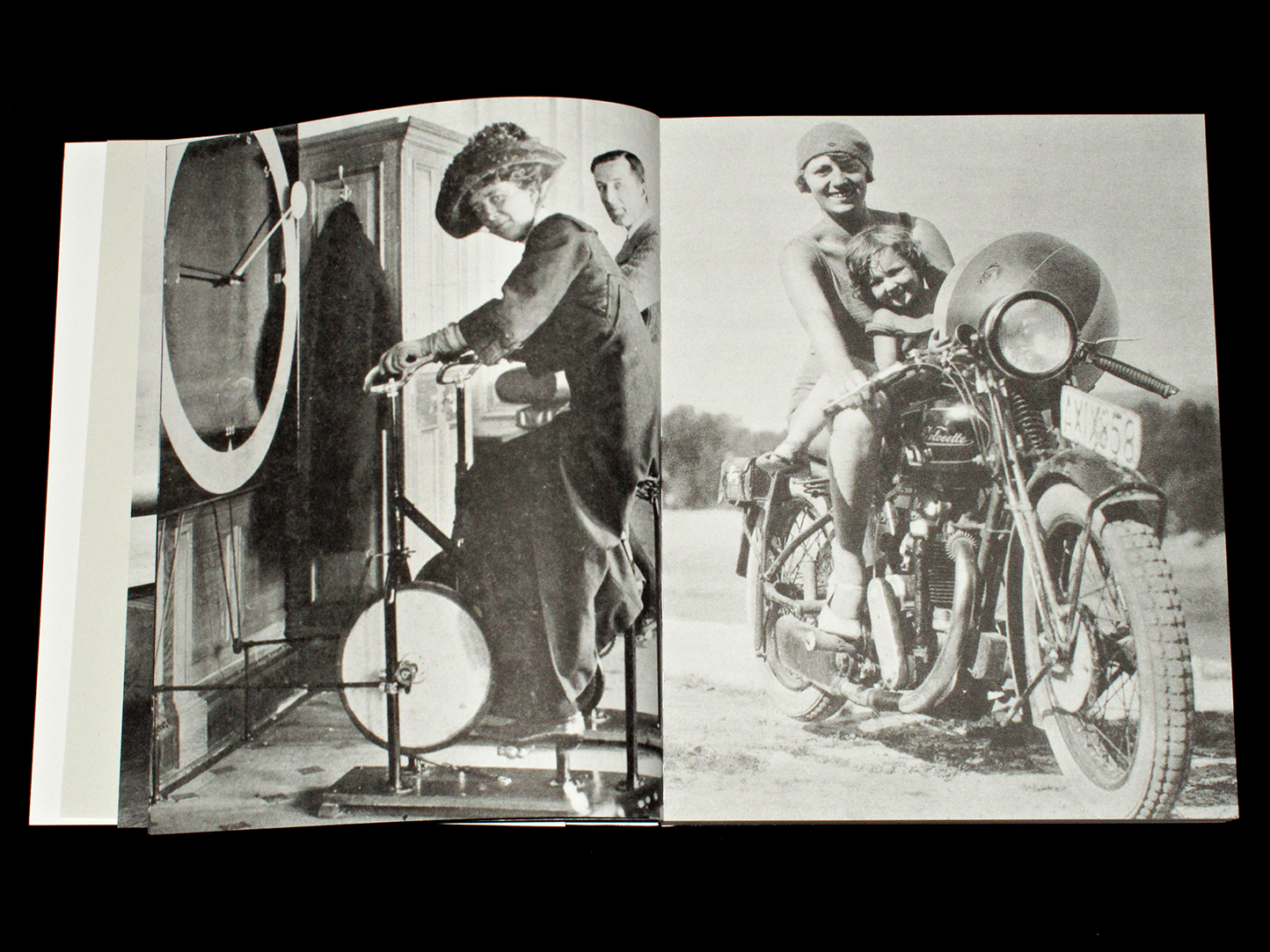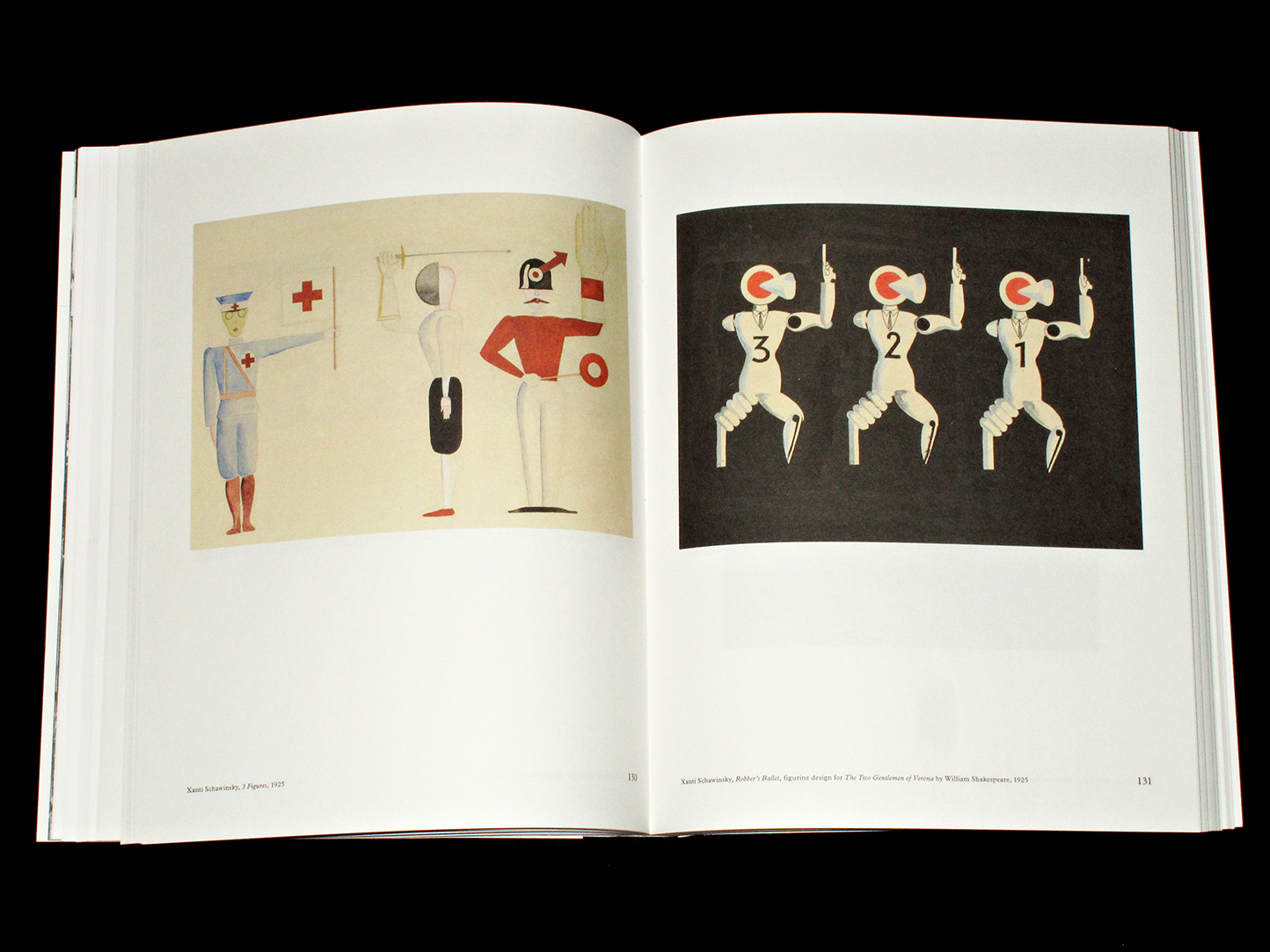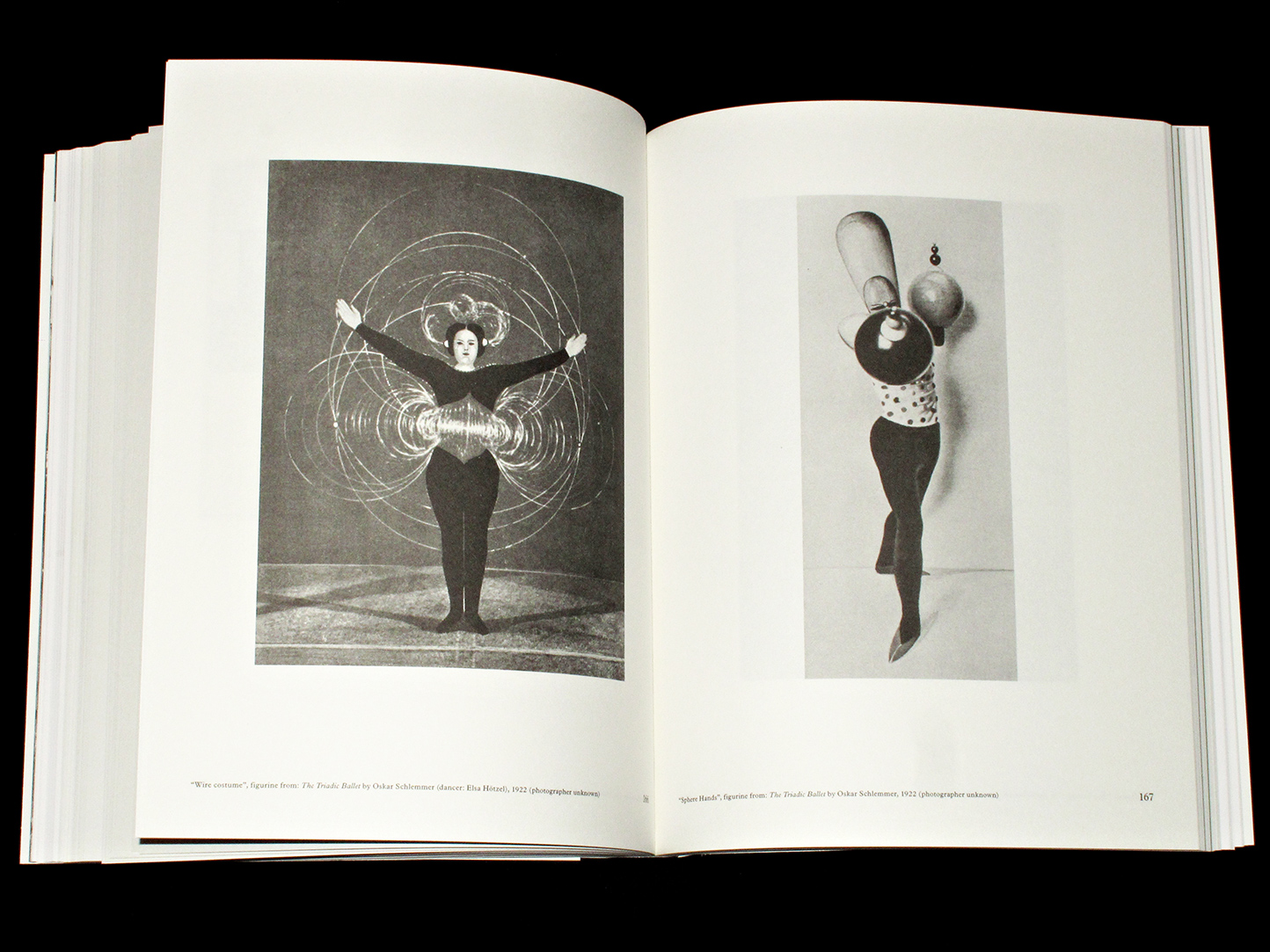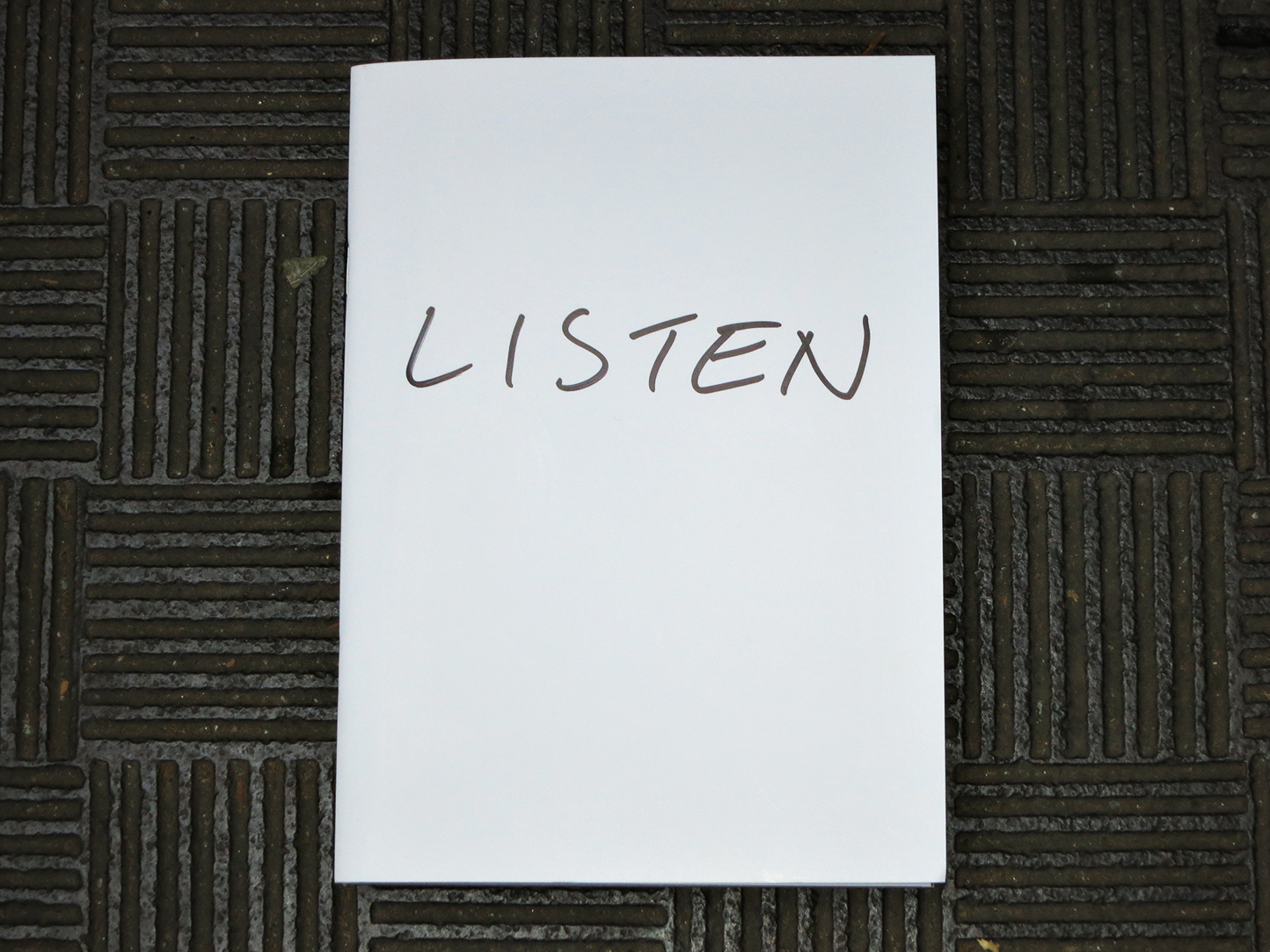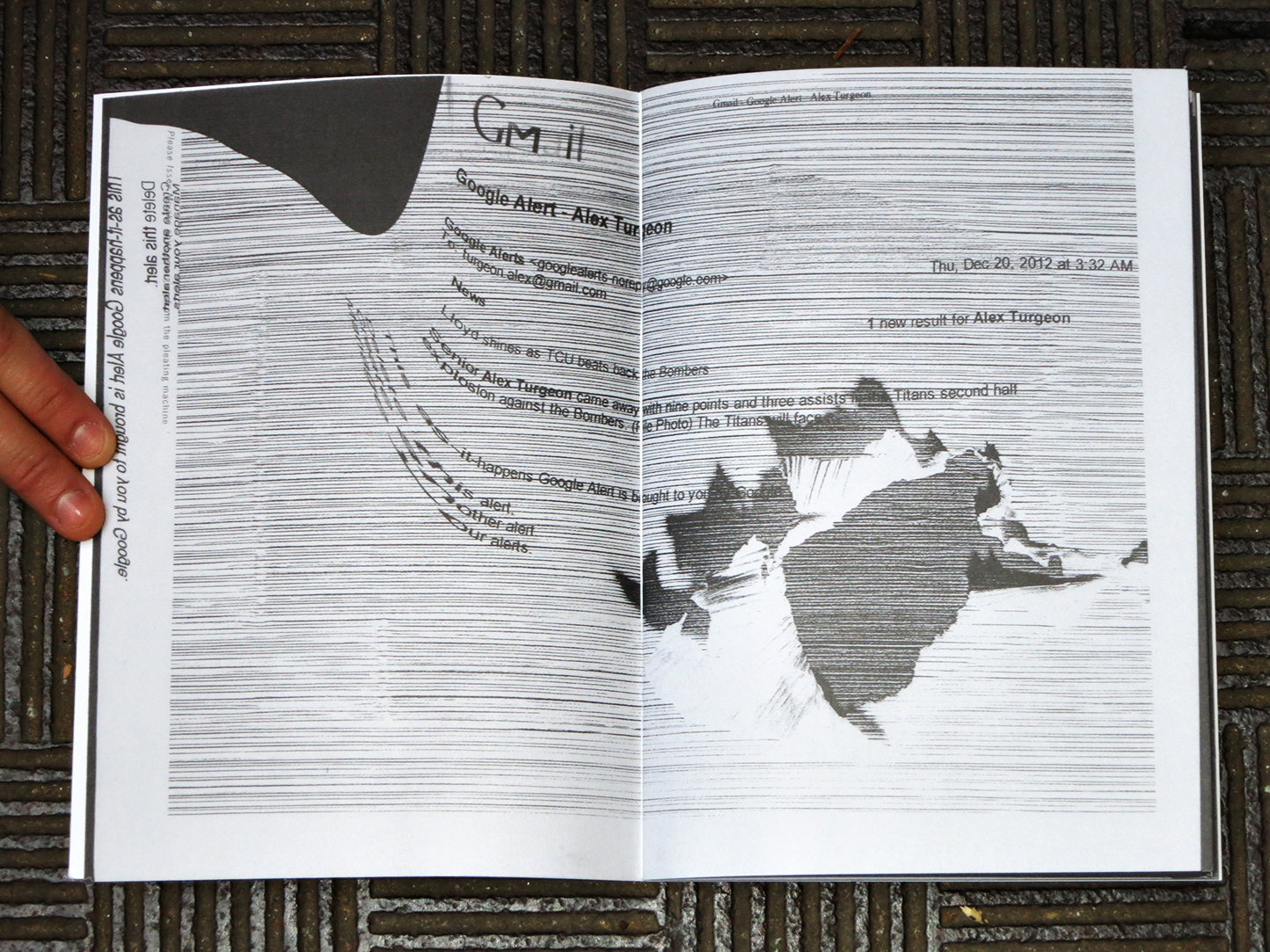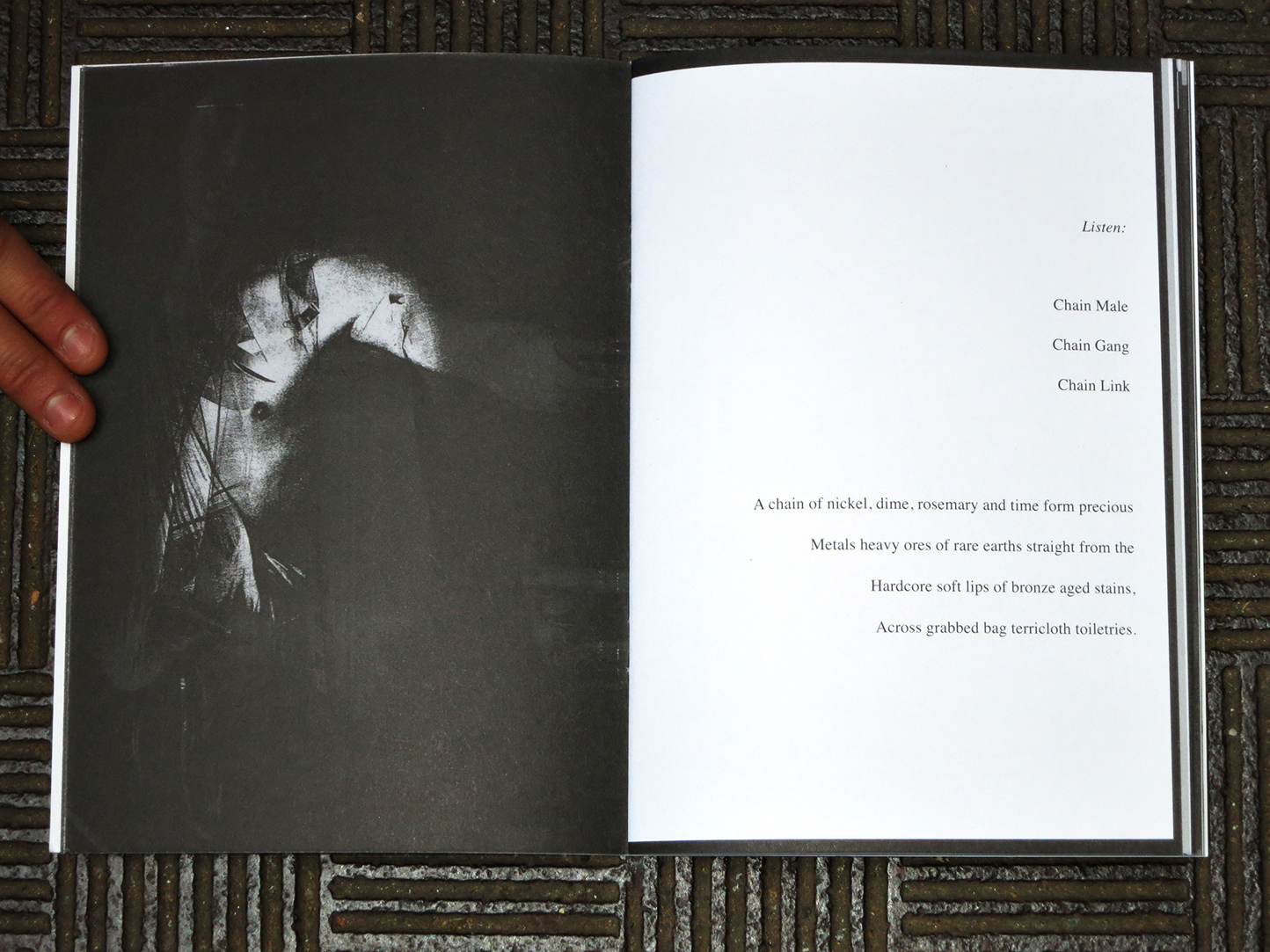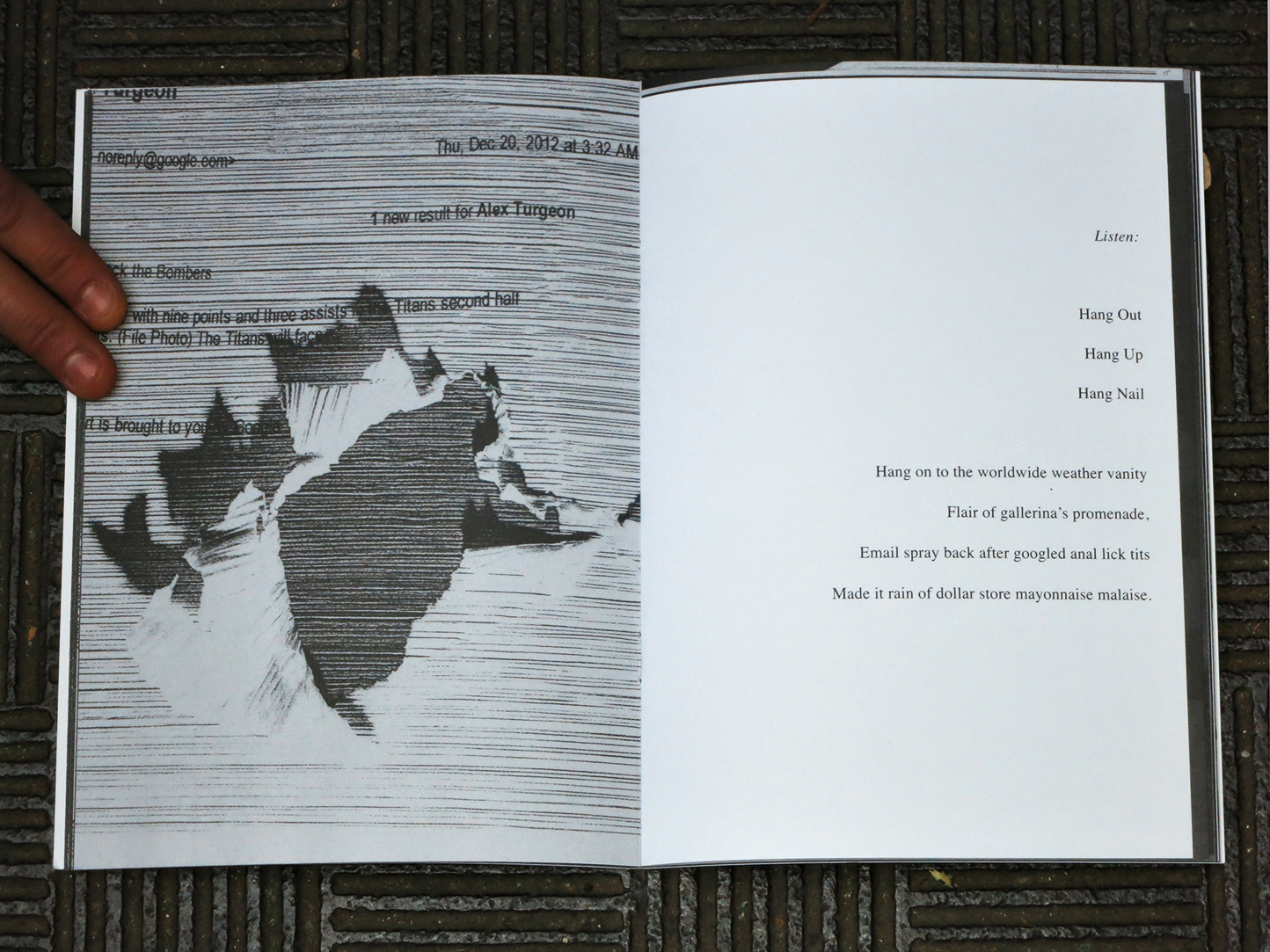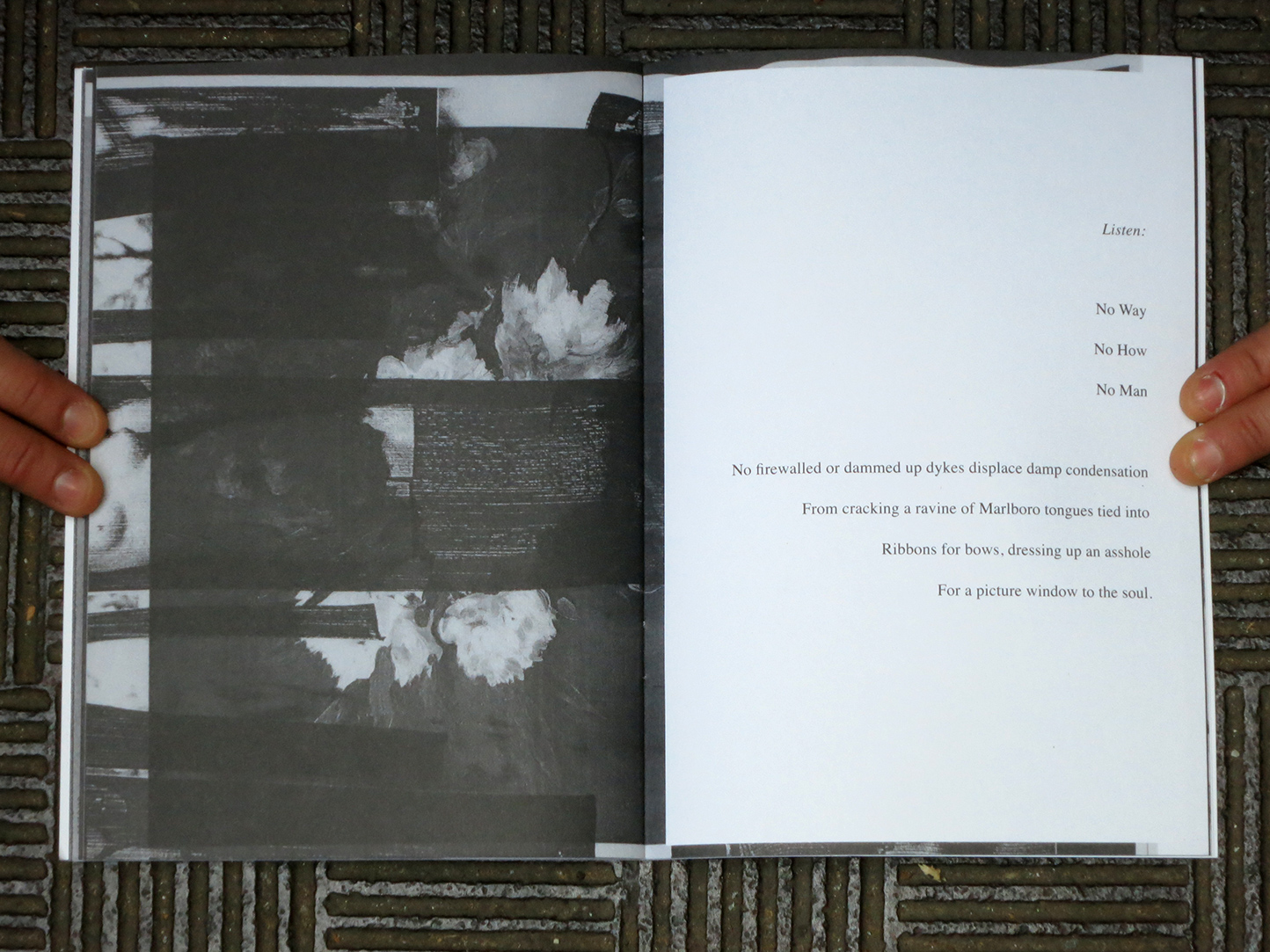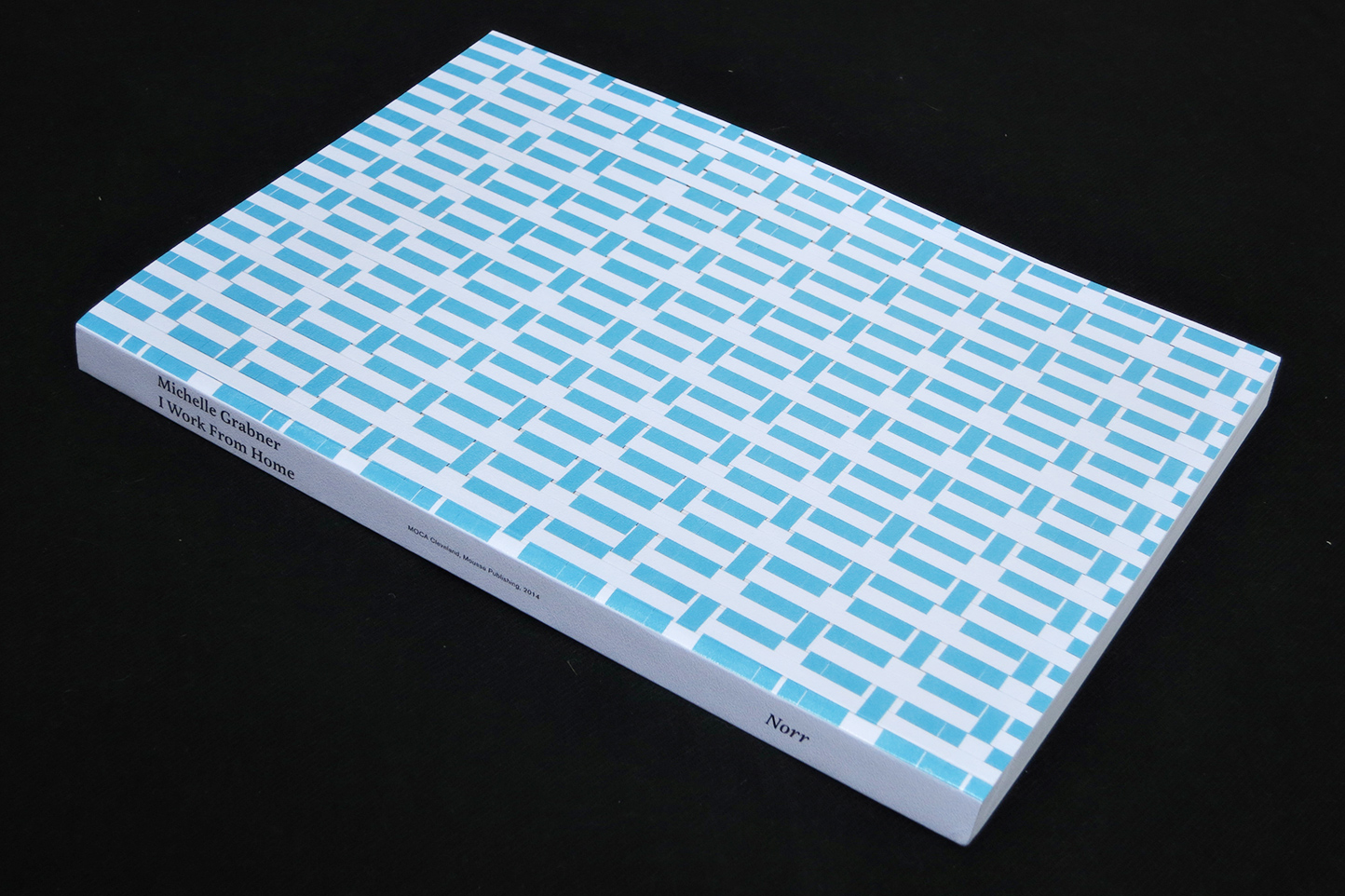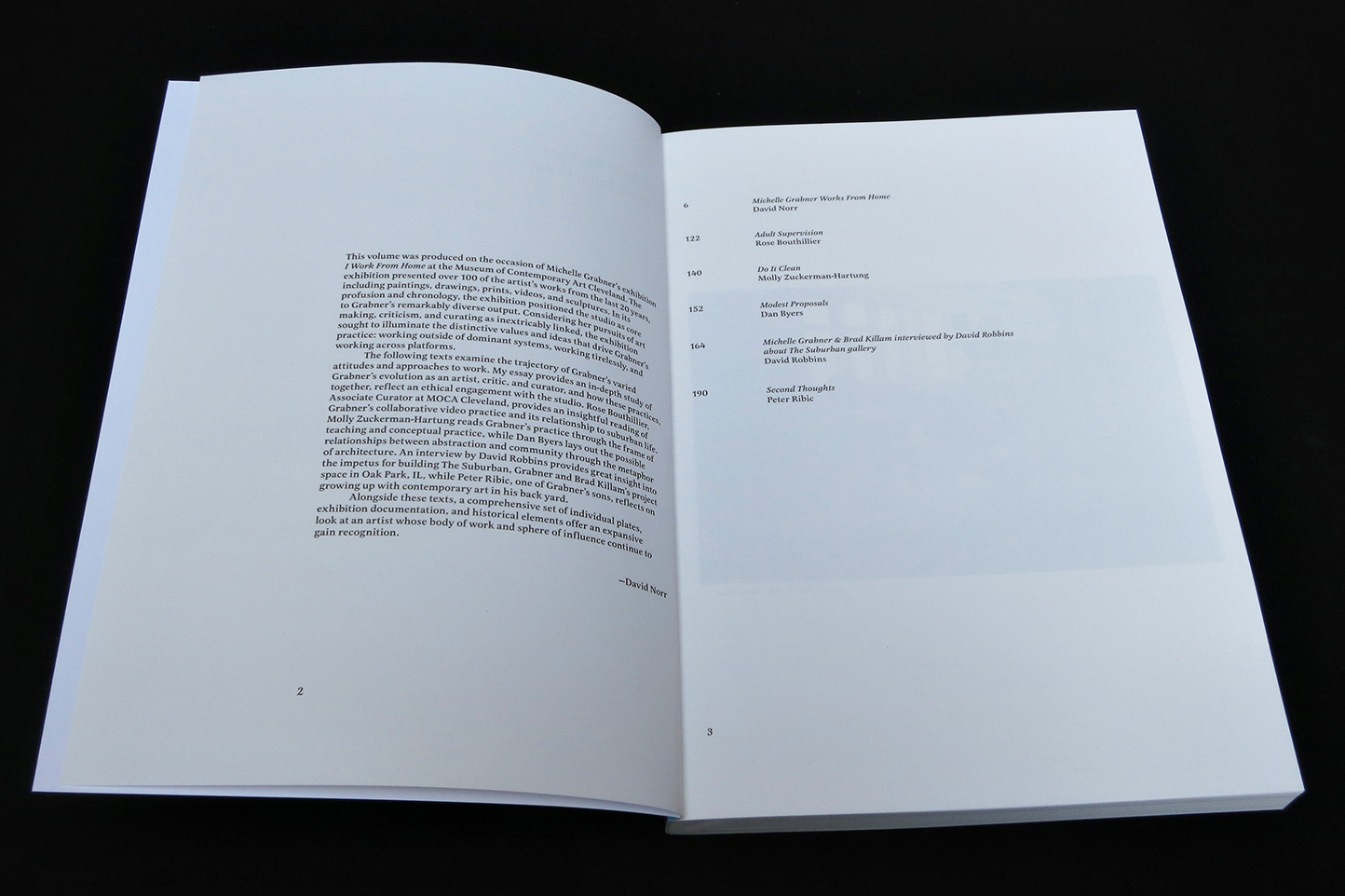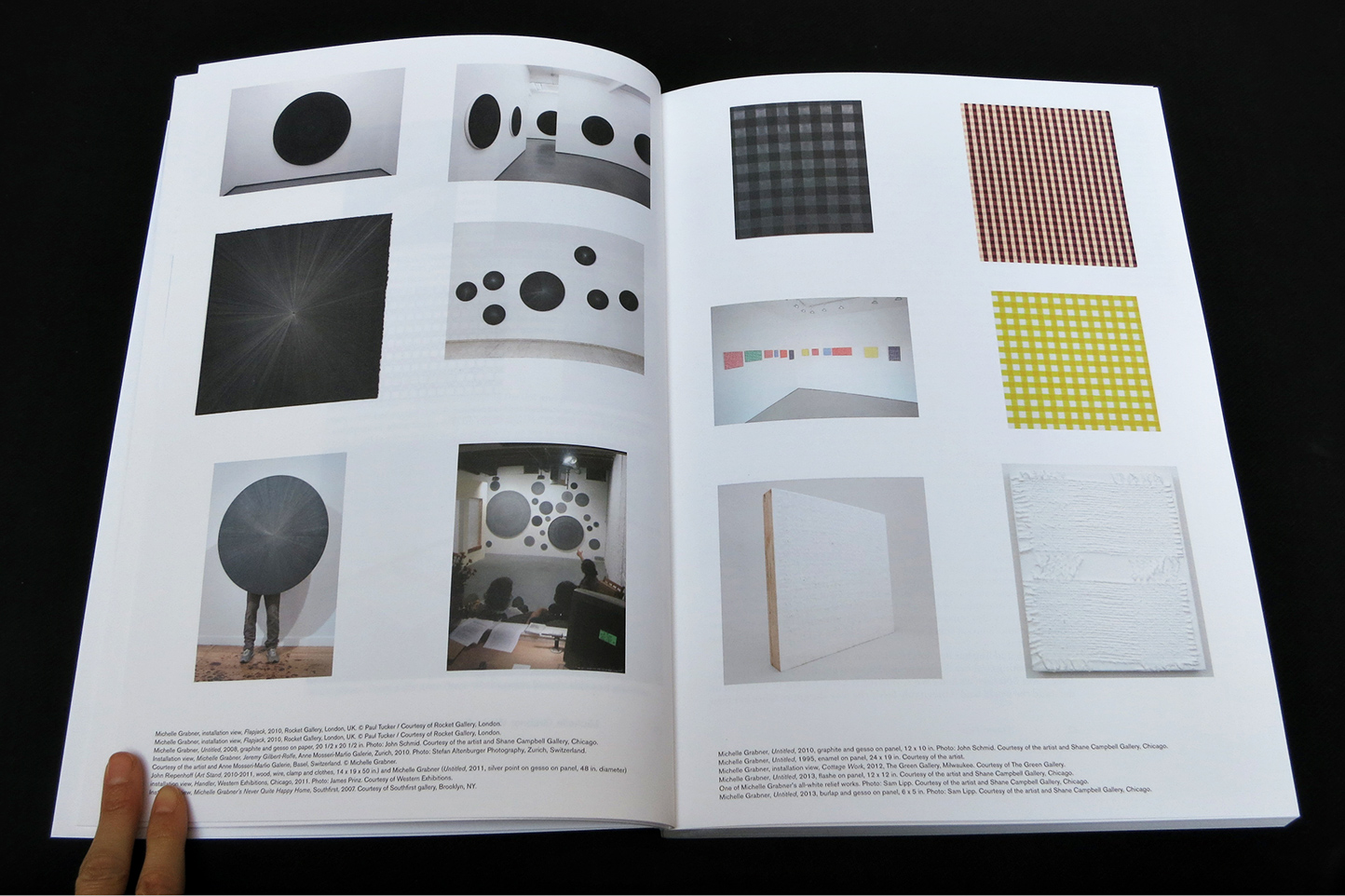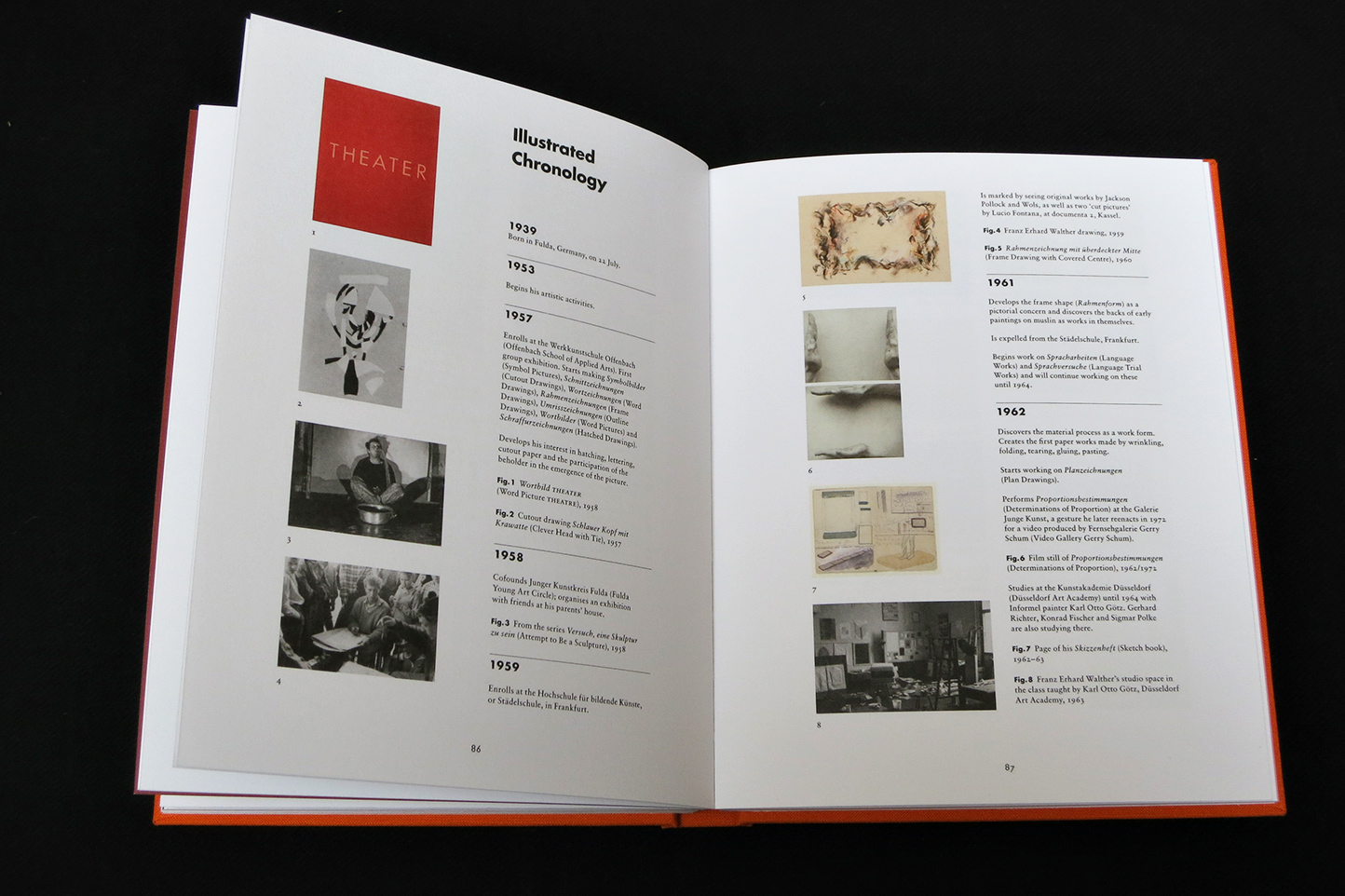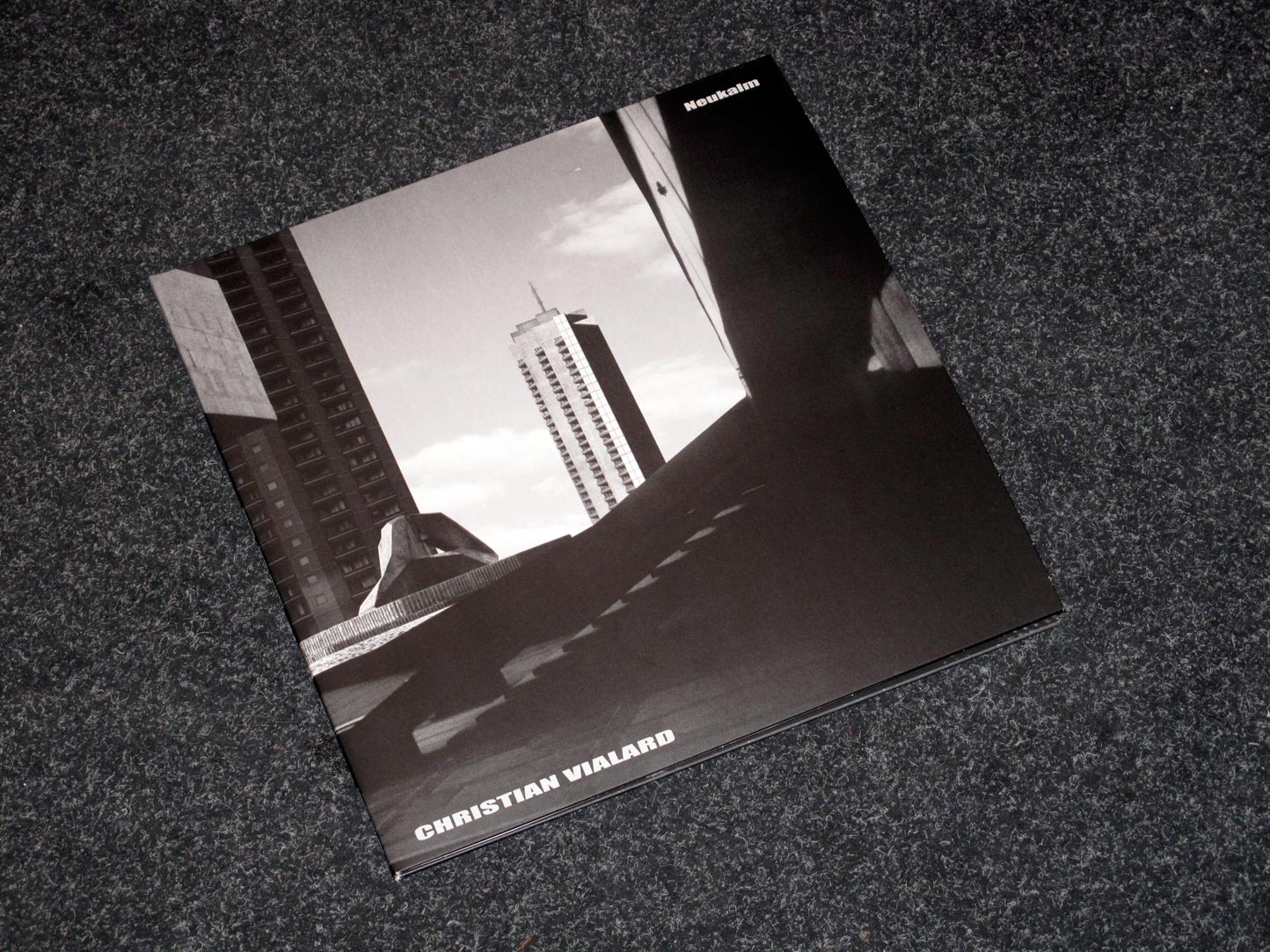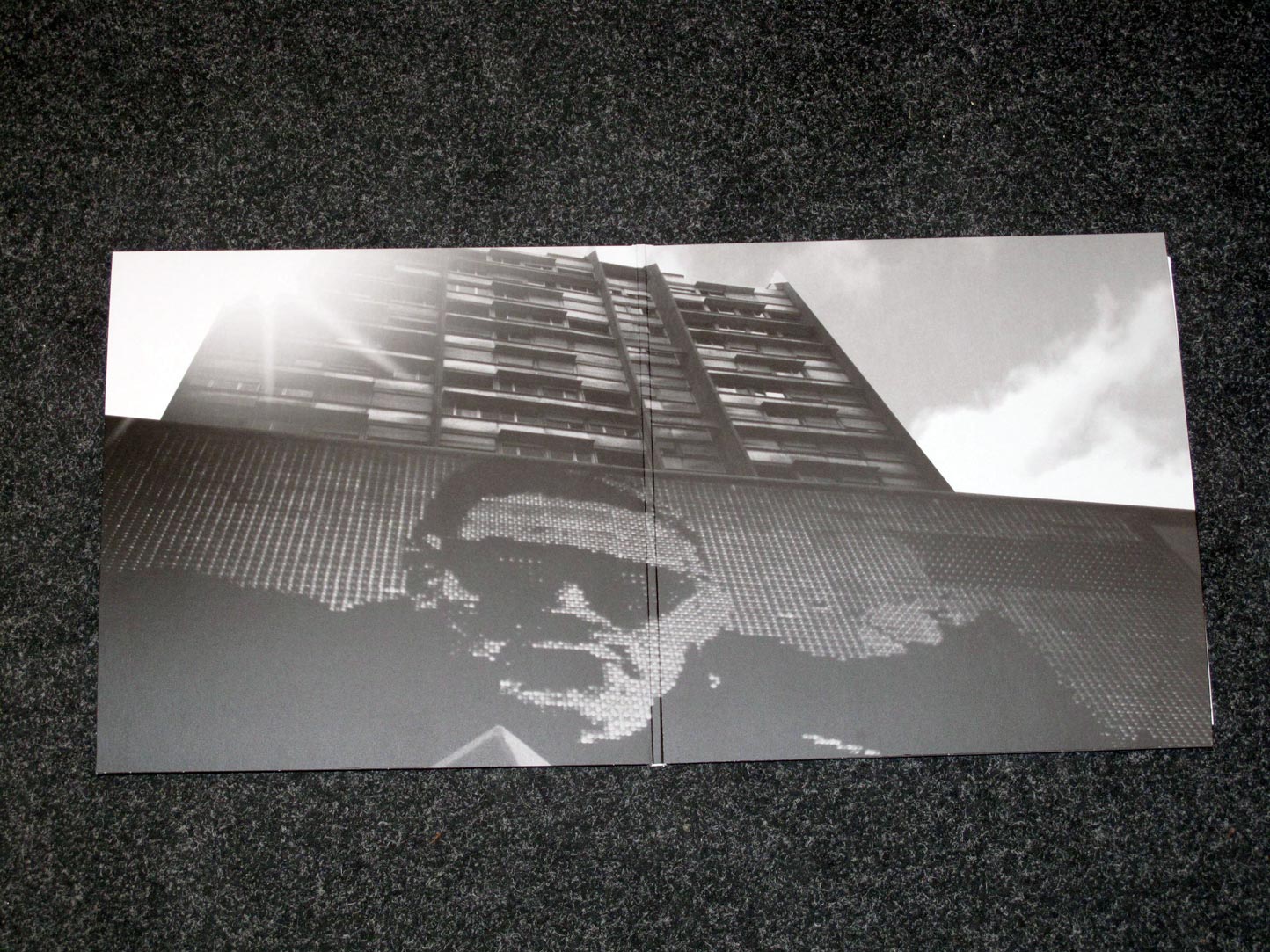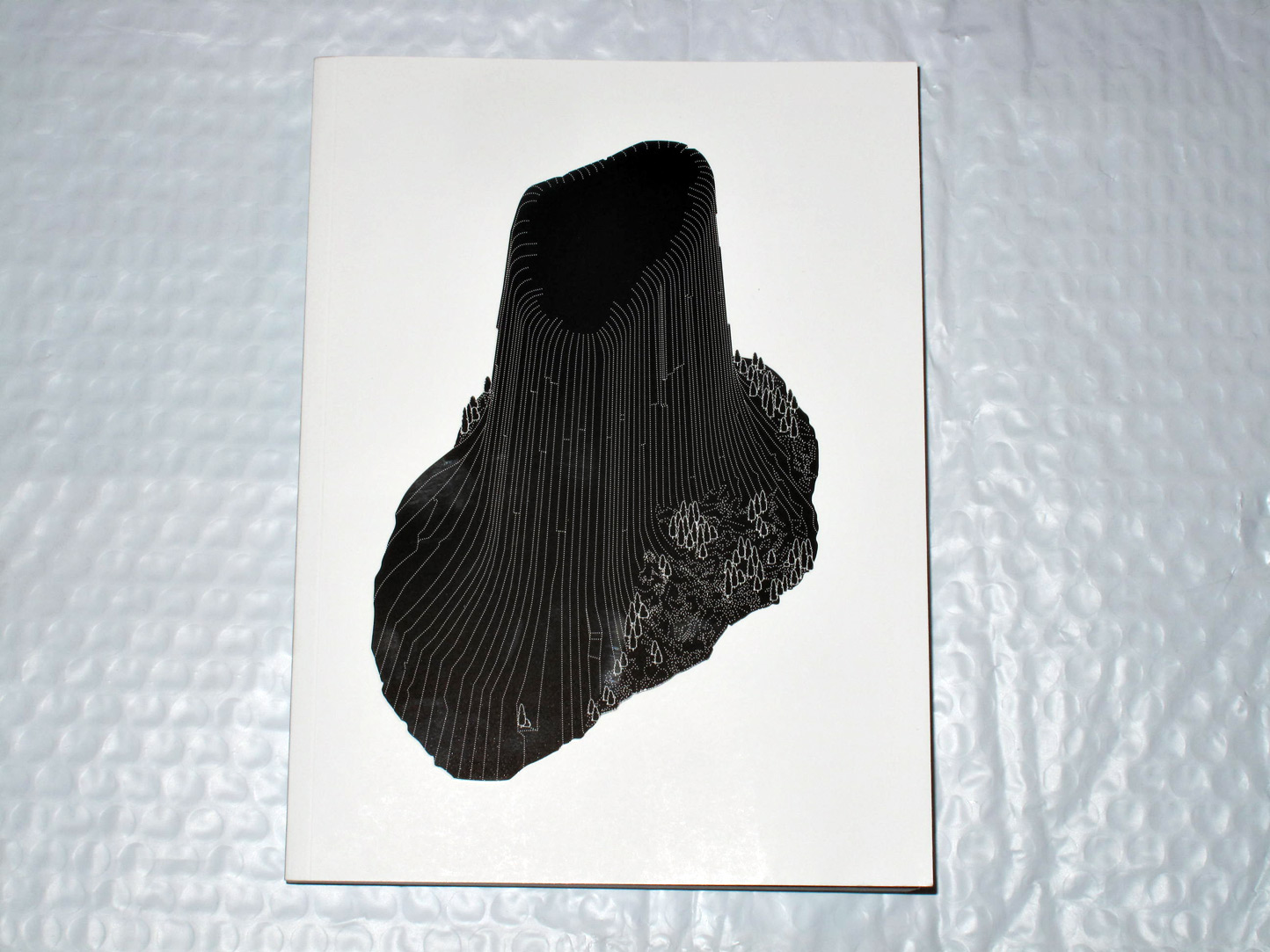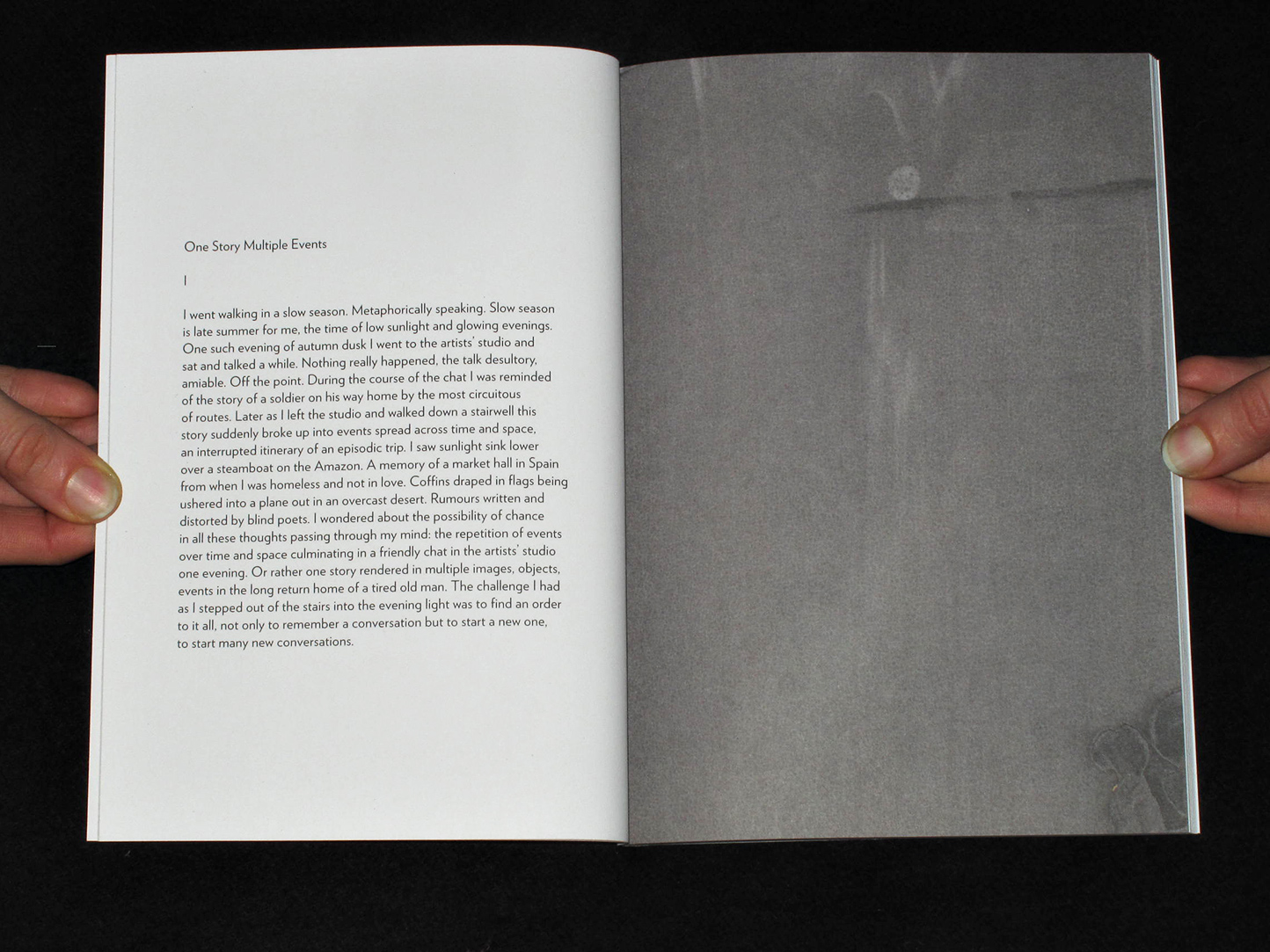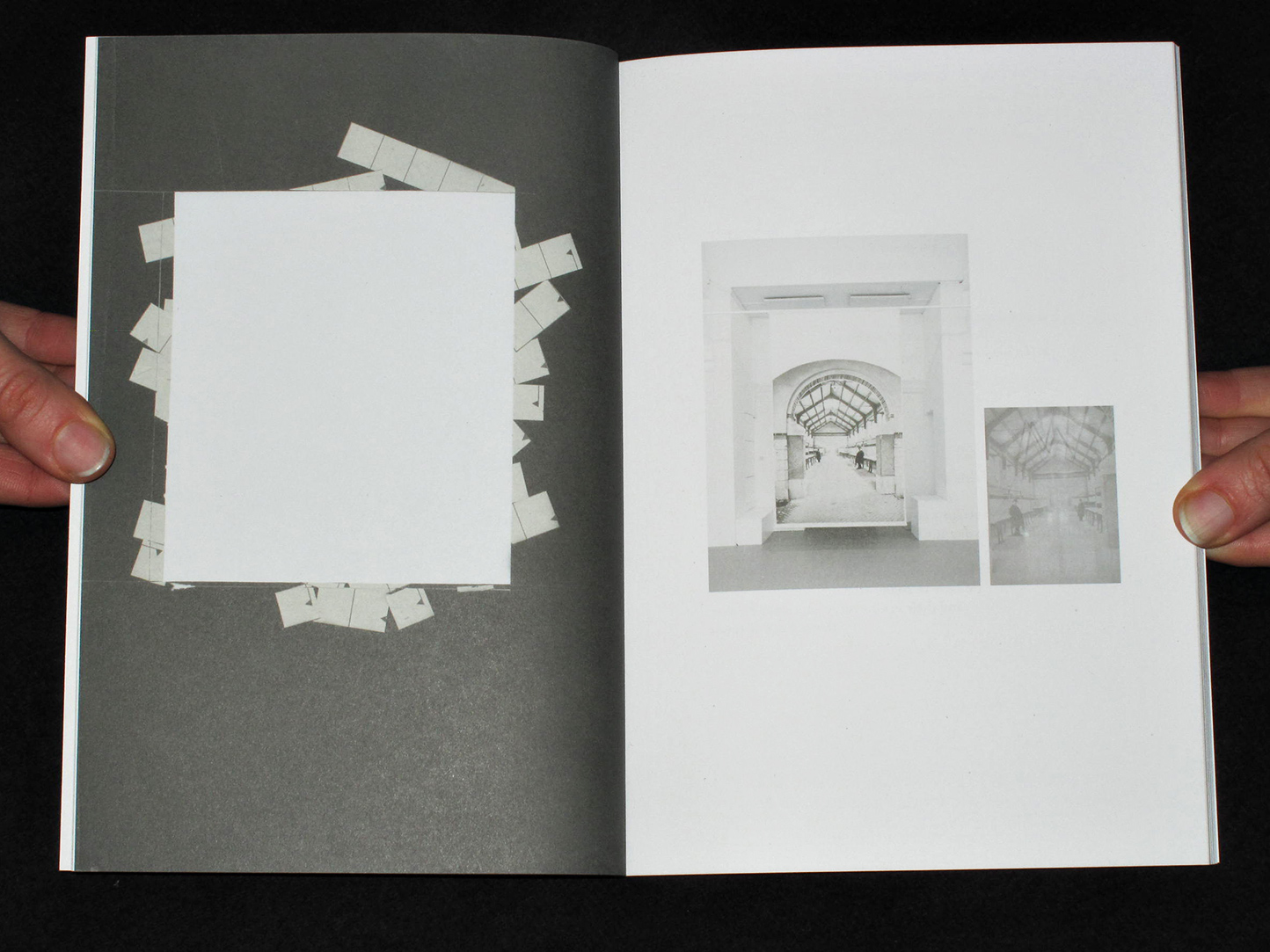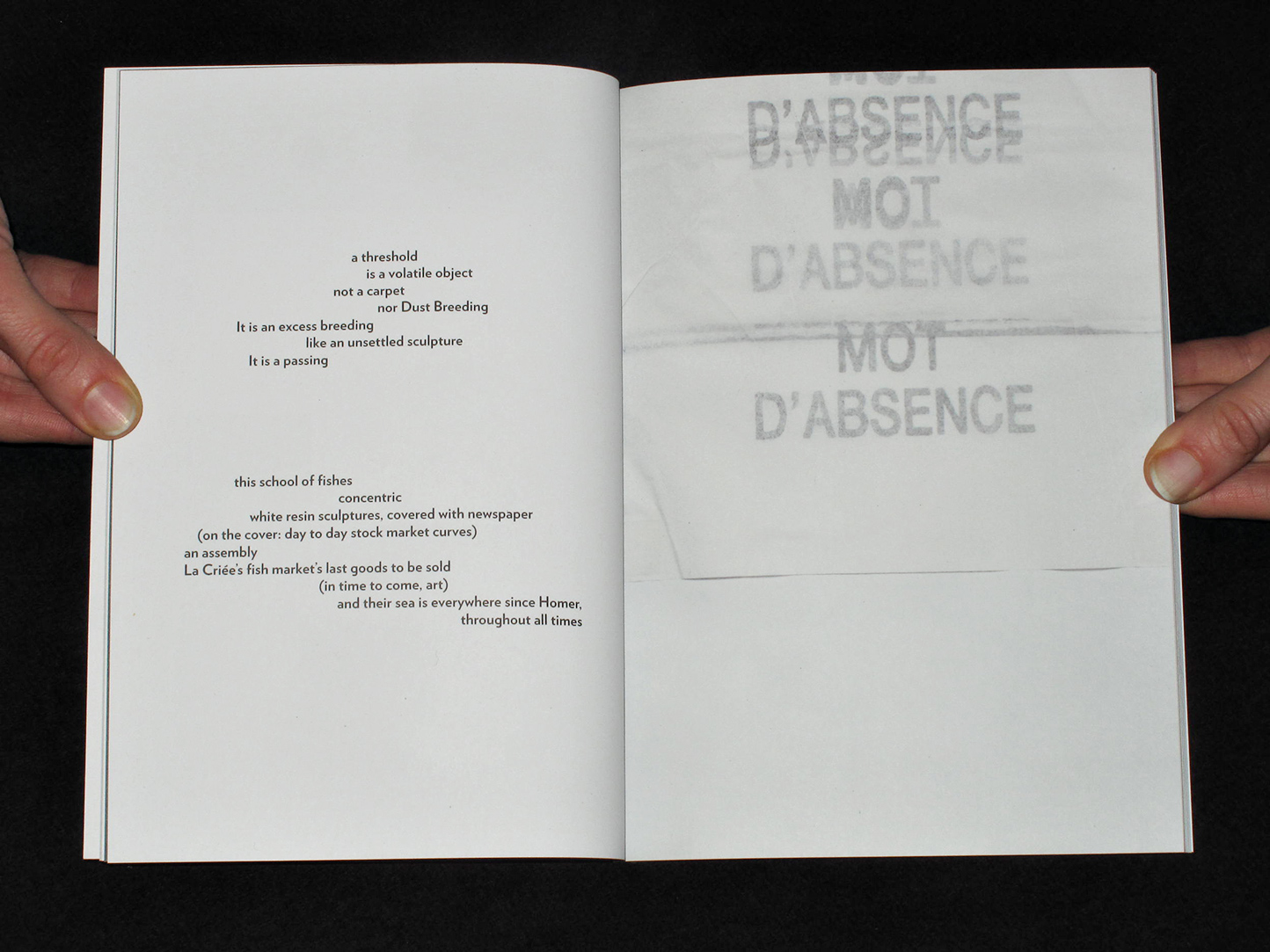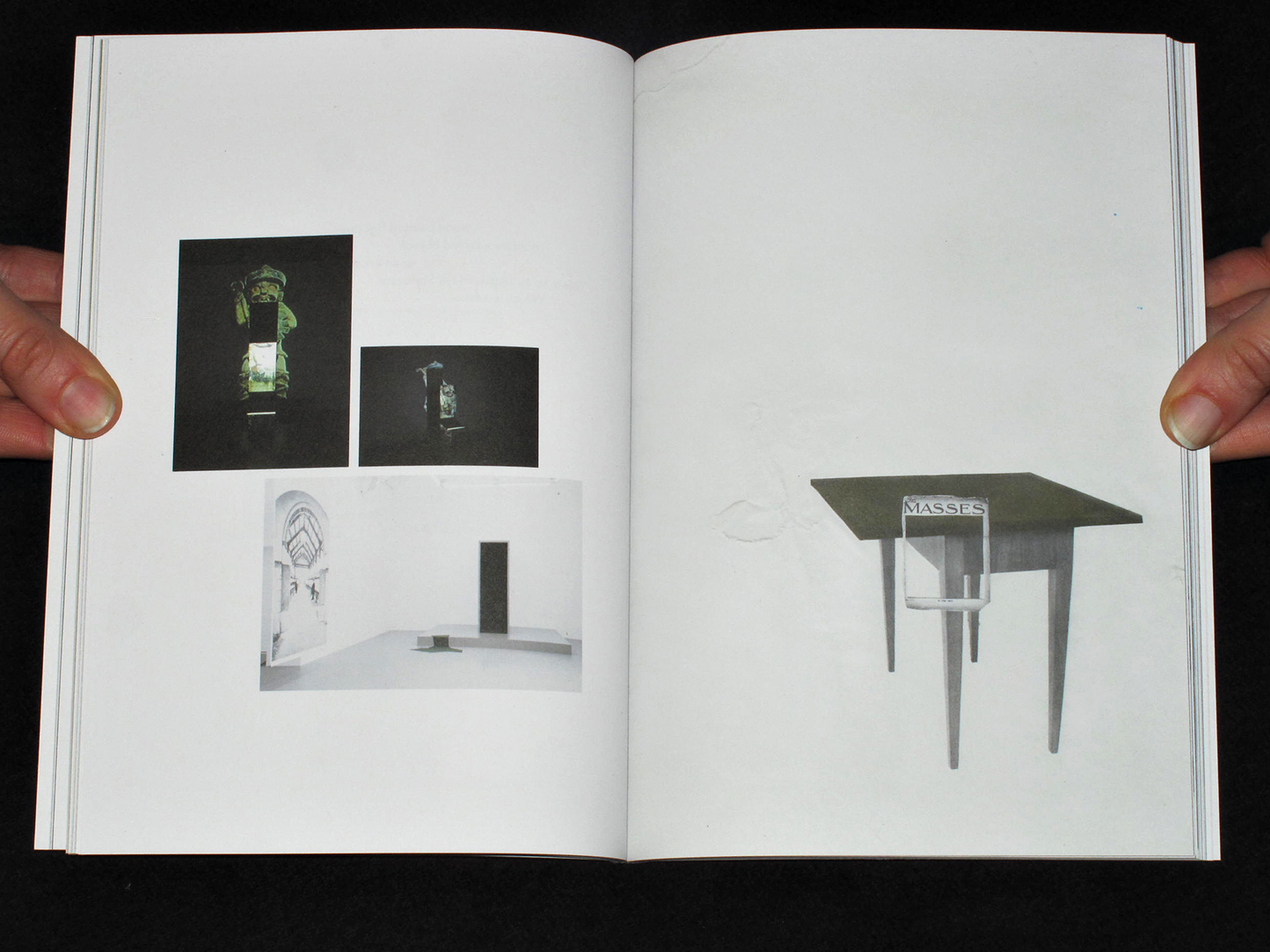
Shadow Architecture / Architektura Cienia. Aleksandra Wasilkowska (Ed.). The Other Space Foundation / Fundacja Inna Przestrzeń

Posted in Uncategorized on January 27th, 2014
Tags:

Shadow_Architecture_Motto_0151Shadow_Architecture_Motto_0153Shadow_Architecture_Motto_0154 Shadow_Architecture_Motto_0155Shadow_Architecture_Motto_0156Shadow_Architecture_Motto_0158Shadow_Architecture_Motto_0157Shadow_Architecture_Motto_0159Shadow_Architecture_Motto_0160Shadow_Architecture_Motto_0161Shadow_Architecture_Motto_0162Shadow_Architecture_Motto_0163Shadow_Architecture_Motto_0166Shadow_Architecture_Motto_0164Shadow_Architecture_Motto_0165Shadow_Architecture_Motto_0167

Shadow Architecture / Architektura Cienia. Aleksandra Wasilkowska (Ed.)

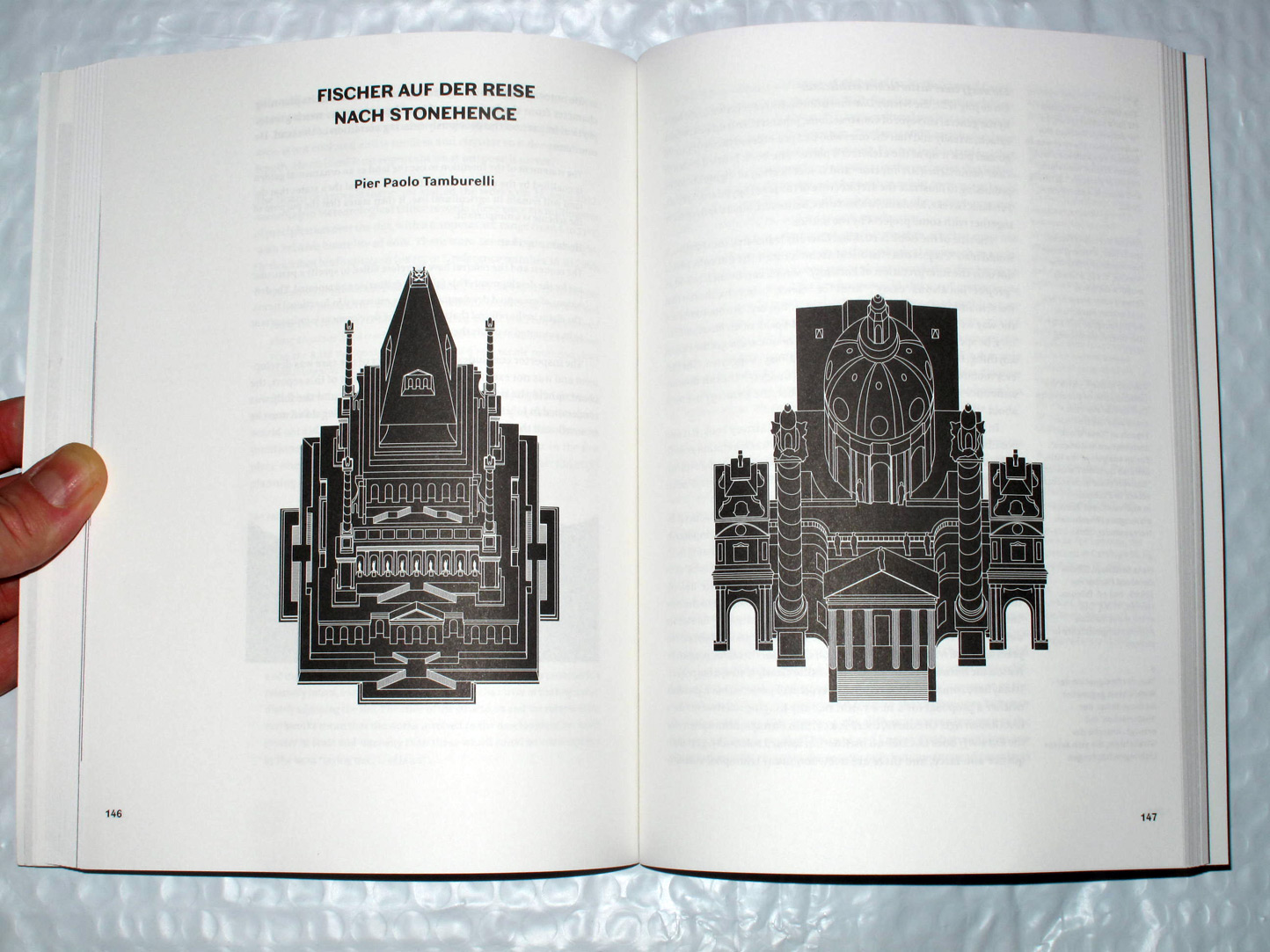
The economy shapes both architecture and the ethics of its creators. A city focused only on profits may turn into nothing more than an Excel graph. However, the architects who design buildings without taking into account their future maintenance costs can create monsters that would pray on institutions’ budget and could slowly drive them into bankruptcy. The alternative economies which are being invented at times of crisis such as time banks, cashless exchange of goods and services, alternative currencies or expanding the informal economy, will surely influence both the architecture and organisation of the cities of tomorrow.

In many countries the shadow economy reaches up to 40% of the market share. The prognoses predict an ongoing increase in informal transfer of the capital. According to the Organisation for Economic Co-operation and Development almost half of all the working people in the world, which is around 1.8 billion people, are involved in the shadow economy. It is estimated that by 2020 this number will rise to two-thirds of all working people. More and more customers decide to go shopping at the street markets. This phenomenon is so common that many big corporations decide to launch their products also onto the stalls.

The traditional economy still denies the existence of informal economy because it is hard to examine and the boundary between the formal and informal circulation is rather blurry. Most of the economists ignore the influence it has on the world economy and describe it as a marginal or pathological phenomenon. The whole notion of a term ‘informal shadow economy’ is stigmatising. The journalist Robert Neuwirth in his book ‘Stealth of Nations. The Global Rise of the Informal Economy’ calls for a change in the language and finding a new name for the phenomenon. Instead of ‘shadow l economy’ or ‘black market’ he proposes a different name, ‘System D’.

The spontaneously developing shadow economy, called also the grey economy or System D will become an important element of global economy as well as of the city landscape in the 21st century. The street markets and space occupied by street vendors very often create local informal centres and a real alternative at the times of crisis. Together with the advance of System D we can expect to see the development of architecture and infrastructure related with it. Street stalls, collapsible tables, carts and other architectural forms of System D will have a more important role in our everyday life. As we change the language and the name of the alternative economy we should also coin a term of Shadow Architecture.

Shadow Architecture consists of objects, which were created without participation of any architect, as a side effect of the processes driven by the shadow economy. The awareness of Shadow Architecture has been denied by urban planners and architects although this kind of architecture has its regular users: petty traders and serious street vendors. The Shadow Archetype in Carl Gustav Jung’s analytical psychology stands for an element which has been denied from the individual and collective consciousness. Shadow Architecture is a kind of spatial structure which eludes central planning, just like street stalls.

The space around street trade creates local informal city centres. Marketplaces or stalls are something more than just places of direct exchange of goods and services. They form local and open meeting places, community performances, incarnation of contacts where real money is being confronted with real merchandise. The energy of community which is created by market places can be compared to the energy of public gatherings such as holy masses, sports games, parades or general protests. The movement of buying and selling masses builds a certain kind of fervour, a social exchange. Street trade is always close to the human, the city dies without him.

Street vendors of System D should be treated as an important social group. The shadow architecture: stalls, carts and stands can complement the so-called ‘high’ architecture and should be considered in official projects regarding important intersections, bus stops, metro stations, railway stations entrances and in all places which generate traffic. Local plans should provide solid areas which would allow street trade because a city without a street trade looks like an unfinished model.

20€
Buy it

Malicious Damage. Ilsa Colsell (Ed.). Donlon Books

Posted in Uncategorized on January 27th, 2014
Tags: ,

Malicious_Damage_DonlonBooks_Motto_0127Malicious_Damage_DonlonBooks_Motto_0130Malicious_Damage_DonlonBooks_Motto_0131Malicious_Damage_DonlonBooks_Motto_0132Malicious_Damage_DonlonBooks_Motto_0133Malicious_Damage_DonlonBooks_Motto_0134Malicious_Damage_DonlonBooks_Motto_0136Malicious_Damage_DonlonBooks_Motto_0137Malicious_Damage_DonlonBooks_Motto_0138

Malicious_Damage_DonlonBooks_Motto_0139

Malicious Damage. Ilsa Colsell (Ed.). Donlon Books

In 1962, a then unknown couple, John (Joe) Orton and Kenneth Halliwell, were tried at Old Street Magistrates Court, London, charged with, ‘larceny, malicious damage and wilful damage’, involving hundreds of Islington Library’s book stock. Over the previous three years the pair had been secretly stealing these books, removing what amounted to thousands of valuable art plates and either using them to create alternative dust jackets for other books, (which were then returned quietly to the library’s shelves for unsuspecting browsers to find), or pasting them directly into a large and uninterrupted collage spanning the interior walls of their one-roomed flat on nearby Noel Road. The pair would receive a six-month custodial sentence for these actions. The reconfigured dust jackets were part of a decade of often shared creative endeavour; the two had written, collaged and entertained themselves with the combined fragments of Arts history and contemporary culture. This small flat their studio and living space, and where they enacted a loving relationship at a time when homosexuality was forbidden by law ‘in public and in private’. Their arrest and trial would be an abrupt curtailment of this private idyll and a turning point in their lives, setting them separately (though never entirely separated) on a path which would lead John to become Joe Orton, one of the fashionable playwrights of sixties London. Halliwell pursued his own creative path with further collage — but did so without fully finding an audience for his artwork to match Orton’s rapid theatrical success. Their deaths at Noel Road five years later in 1967 became the sensationalised end to what had largely been a private, enclosed life together; Orton murdered by Halliwell who then took his own life. Now, fifty years after the trial, Malicious Damage looks closely at the collaged dust jackets still remaining within the archive at Islington Local History Centre and focuses on the early collaborative nature of Orton and Halliwell’s relationship. Using the changing collage that had consumed such a large part of their lives in Noel Road as its frame, Malicious Damage underlines the visual and performative nature of their collaborations, as well as using the process of collage itself to investigate Halliwell and his work in greater detail.

44€
Buy it

Editionshow. Raster, Chert, Motto. Berlin. 05.12.13-15.02.14

Posted in Exhibitions, Uncategorized on January 20th, 2014
Tags: ,

Editionshow_chert_motto_raster_0450Editionshow_chert_motto_raster_0454Editionshow_chert_motto_raster_0449Editionshow_chert_motto_raster_0462Editionshow_chert_motto_raster_0458Editionshow_chert_motto_raster_0457Editionshow_chert_motto_raster_0442Editionshow_chert_motto_raster_0420Editionshow_chert_motto_raster_0430Editionshow_chert_motto_raster_0421Editionshow_chert_motto_raster_0433Editionshow_chert_motto_raster_0436Editionshow_chert_motto_raster_0437Editionshow_chert_motto_raster_0438Editionshow_chert_motto_raster_0476Editionshow_chert_motto_raster_0464Editionshow_chert_motto_raster_0465Editionshow_chert_motto_raster_0467Editionshow_chert_motto_raster_0468Editionshow_chert_motto_raster_0470Editionshow_chert_motto_raster_0474

Editionshow. Chert, Raster & Motto, @ Chert / Motto. 06.12.2013 – 15.02.2014

http://rastergallery.com/
http://www.chert-berlin.com/

Frozen Chicken Train Wreck. Laurence Hamburger. Chopped Liver Press / Ditto Press.

Posted in Uncategorized on January 18th, 2014
Tags: , ,

frozen_chicken_train_wreck_mottofrozen_chicken_train_wreck_motto2frozen_chicken_train_wreck_motto3frozen_chicken_train_wreck_motto4frozen_chicken_train_wreck_motto5

These posters exist for a day. They are conceived in the newsrooms of our tabloid dailies – The Star, The Sun, The Times and others – in the late afternoon, as the paper is being put to bed. Just hours later they are visible along the roadside of every major arterial road in the city.
These tabloid posters – candid and often outrageous epigrams of news – have been displayed along this road since the First Anglo-Boer War. They live momentarily in the minds of passing drivers and pedestrians, and by midnight they are already defunct.

I began collecting South African tabloid posters in 2008 with no other purpose than to preserve them. I thought they were funny, clever and true. Composed in a local vernacular of shebeen English, these statements are part of the texture of our urban fabric; so familiar as to almost disappear. Loud and colourful, tough and sharp, replete with a droll wit and blunt gallows humour, their blatant iconoclasm and muscular use of language is invigorating and oddly reassuring. The newspapers themselves were not keeping an archive, and however ephemeral they might seem I thought there was a relevance in them that was not being recognised; something uniquely South African.

Driving down Louis Botha Avenue, the rhythmic flash of passing headlines reads like a journalistic version of the surrealist game Exquisite Corpse. It’s an alternative history of the city, a tabloid summary of our age. Constructed from political sound-bites, public innuendos, colloquial bon-mots and hard, bitter truths, they read like an everyman’s state of the nation address, full of comedy and antagonism.

“They are,” as one of the copy editors remarked, “the perfect marriage of a corrupt society and a progressive constitution.”

– Laurence Hamburger

Language: English
Pages: 208
Size: 19 x 27 cm
Binding: Hardcover
ISBN: 9780957161221

49€
Buy it

Zicatela Ding. Yann Gerstberger. éditions P.

Posted in Uncategorized on January 11th, 2014
Tags: , , , , , , , , , , , , , , ,

zicatela_ding_motto_01zicatela_ding_motto_02zicatela_ding_motto_03zicatela_ding_motto_04zicatela_ding_motto_05zicatela_ding_motto_06

Zicatela Ding. Yann Gerstberger. éditions P.

Un projet de / a project by Yann Gerstberger
Photos de / by Julien Goniche
Textes de / texts by Laetitia Paviani et / and Lili Reynaud-Dewar
Conception graphique par / graphic design by Adulte Adulte
Florent Faurie & Daniel Ribeiro

Language: English / French
Binding: Softcover
ISBN: 978-2-917768-35-8

15 €

Buy it

Vertikal Klub. Willem Oorebeek. NN editions.

Posted in Uncategorized on January 4th, 2014
Tags:

oorebeek_vertikal_klub_motto_1oorebeek_vertikal_klub_motto_2oorebeek_vertikal_klub_motto_3oorebeek_vertikal_klub_motto_4oorebeek_vertikal_klub_motto_7oorebeek_vertikal_klub_motto_8

Vertikal Klub. Willem Oorebeek. NN editions.

“Vertikal Klub” is a manual for future installations of the “Vertical Club”, a project launched by Willem Oorebeek in 1994 and which has been developing ever since.

The book not only compiles in an archaeological way present and (potential) future members of the “Vertical Club”, but also reflects on the use and representation of the human figure in print media. Text and image are connected in a radical way, pushing the idea of administrative visual statistics towards the absurd.

“Vertikal Klub” raises the question as to the admission policy and representational use of the human figure in dark times.

Edition of 500 numbered copies / 64 pages / 20.5 × 27cm.

55€

Buy it

The Artist’s House – From Workplace to Artwork. Kirsty Bell. Sternberg Press.

Posted in Uncategorized on January 4th, 2014
Tags: , , , , , , , , , , , ,

artists_house_kirsty_bell_motto_01artists_house_kirsty_bell_motto_02artists_house_kirsty_bell_motto_03artists_house_kirsty_bell_motto_04artists_house_kirsty_bell_motto_05artists_house_kirsty_bell_motto_06artists_house_kirsty_bell_motto_07

The Artist’s House – From Workplace to Artwork. Kirsty Bell. Sternberg Press.

The artist’s house is a prism through which to view not only the artistic practice of its inhabitant, but also to apprehend broader developments in sculpture and contemporary art in relation to domestic architecture and interior space. Based on a series of interviews and site visits with living artists about the role of their home in relation to their work, Kirsty Bell looks at the house as receptacle, vehicle, model, theater, or dream space. In-depth analyses of these contemporary examples—including Jorge Pardo, Mirosław Bałka, Danh Vo, Gregor Schneider, Frances Stark, Marc Camille Chaimowicz, Dominique Gonzalez-Foerster, Paweł Althamer, Mark Leckey, Monika Sosnowska, Gabriel Orozco, Rirkrit Tiravanija, and Andrea Zittel—are contextualized by key artists of the twentieth century such as Kurt Schwitters, Alice Neel, Edward Krasiński, Carlo Mollino, and Louise Bourgeois. A two-way flow from the domestic arena to the exhibition space becomes apparent, in which the everyday has a significant role to play in the merging of such developments as installation art, relational aesthetics, expanded collage, and performance art.

Design by Joseph Logan

October 2013, English
17.5 x 23 cm, 328 pages, 183 color and 41 b/w ills., softcover

29 €

Buy it

Communicating the Archive: Physical Migration. Karl-Magnus Johansson, Gluey-C (Eds.). The Regional State Archives in Gothenburg.

Posted in Uncategorized on December 10th, 2013
Tags: ,

communicating_the_archive_gothenburg_motto_01communicating_the_archive_gothenburg_motto_000communicating_the_archive_gothenburg_motto_02communicating_the_archive_gothenburg_motto_04communicating_the_archive_gothenburg_motto_05communicating_the_archive_gothenburg_motto_06communicating_the_archive_gothenburg_motto_07

Communicating the Archive: Physical Migration. Karl-Magnus Johansson, Gluey-C (Eds.). The Regional State Archives in Gothenburg.

Works and texts by Ida Lehtonen, Lisa Ehlin, Sandra Rafman, Kari Altmann, Jon rafman,
Michael Shanks, Artie Vierkant and Karl-Magnus Johansson (ed.).

There is no offline space. Or at least the experience of the Internet so deeply affects media users today that it influences their perspectives of the world outside the Web. This situation has been described as post-Internet, a term that has loosely emerged as an approach within contemporary art, defined by the social and technological conditions of networked society.

The Regional State Archives in Gothenburg invited the artist Ida Lehtonen to let her artistic practice encounter the archives. In Communicating the Archive: Physical Migration, Lehtonen’s work is presented and examined from an archival and media archaeological standpoint. Somewhat disregarding traditional archival values such as preservation, security and authenticity, this volume reconsiders the archive post-Internet through contributions from scholars and practitioners of diverse fields: art, psychology, digital culture, archaeology and fashion.

Contributors:

Ida Lehtonen is an artist and curator born in Turku, Finland. She holds a BFA from the School of Photography, University of Gothenburg. The main focus of her research is our relationships with machines; how new technology shapes us, our bodies and the outside world.

Lisa Ehlin is a PhD student in Fashion Studies, connected to a research school in Cultural History at Stockholm University. Her research centres on the process, practice and experience of the digital image in contemporary digital culture.

Sandra Rafman, PhD, is a developmental and clinical psychologist at the McGill University Health Centre and at l’Université du Québec à Montréal. She has a longstanding interest in the relation of psychology, philosophy and art. Her writings include narrative representations of the experience of loss, children’s notions of justice and forgiveness and the construction of self in complex political environments following trauma and moral disruption.

Kari Altmann is an American cloud-based artist currently stationed in New York with a BFA from MICA. She is an ongoing participant in both online and offline countercultures, and a consistently conceptual superuser of social media. Her work is often focused on cultural technology and the back-end processes that shape today’s meta awareness of content, brands, memes, and products.

Jon Rafman is an artist, filmmaker, and essayist born in Montreal. He received his MFA from the School of the Art Institute of Chicago and has exhibited at the New Museum, the Palais de Tokyo, and the Saatchi Gallery. Rafman’s work, inspired by the rich contradictions that technology presents, has been featured in Modern Painters, Frieze, The New York Times, and Artforum.

Michael Shanks is a British archaeologist who has specialized in Classical archaeology and archaeological theory. He received his BA and PhD from Cambridge University, and was a lecturer at the University of Wales, Lampeter before moving to the US in 1999 to take up a Chair in Classics at Stanford University. He is director of the MetaMedia Lab and co-directs the Stanford Humanities Lab.

Artie Vierkant is an artist whose work concerns the role of image production and
dissemination in contemporary networked society. He received an MFA from the University of California San Diego. His work has been shown internationally and featured in Artforum, the UbuWeb archive, Reframing Photography (Routledge), and more. He is an adjunct professor at NYU’s Steinhardt School of Culture, Education, and Human Development. He lives and works in New York.

Karl-Magnus Johansson is an archivist at the Regional State Archives in Gothenburg, and the editor of this book.

The book is designed and co-edited by Gluey-C, the collaborative practice of the designers Pascal Prošek and Jonas Fridén, and archivist Karl-Magnus Johansson.

15€
Buy it

Artists’ Cocktails. Ryan Gander. Dent De Leone

Posted in Uncategorized on December 7th, 2013
Tags: , , ,

Artists_Cocktails_Ryan_Gander_DentDeLeone_MottoBooks_0778Artists_Cocktails_Ryan_Gander_DentDeLeone_MottoBooks_0758Artists_Cocktails_Ryan_Gander_DentDeLeone_MottoBooks_0759Artists_Cocktails_Ryan_Gander_DentDeLeone_MottoBooks_0770Artists_Cocktails_Ryan_Gander_DentDeLeone_MottoBooks_0771Artists_Cocktails_Ryan_Gander_DentDeLeone_MottoBooks_0772Artists_Cocktails_Ryan_Gander_DentDeLeone_MottoBooks_0774Artists_Cocktails_Ryan_Gander_DentDeLeone_MottoBooks_0773Artists_Cocktails_Ryan_Gander_DentDeLeone_MottoBooks_0775Artists_Cocktails_Ryan_Gander_DentDeLeone_MottoBooks_0777

Artists’ Cocktails
. Ryan Gander. Dent De Leone

A compendium of artists’ cocktails with Åbäke, Allora & Calzadilla, Spencer Anthony, Cory Arcangel, Art & Language, Jesse Ash, Mary Aurory, Fiona Banner, David Batchelor, Justin Beal, Jacqueline Bebb, Vanessa Billy, Pierre Bismuth, Martin Boyce, Pavel Büchler, Dinos Chapman, Steve Claydon, Keren Cytter, Jeremy Deller, Joseph del Pesco, Anthony Discenza, Rose Duvall, Sean Edwards, Vivi Enkyo, Aston Ernest, Winnie Ernest, Abbé Faria, Claire Fontaine, Simon Fujiwara, Michael Fullerton, Martino Gamper, Ryan Gander, Mario Garcia Torres, Tom Gidley, Liam Gillick, Matt Golden, Rodney Graham, Irwin Green, Joseph Grigely, Sigurdur Gudmundsson, Drew Heitzler, Anton Henning, Mark Hix, The Hut Project, Pierre Huyghe, Taka Izumi, Christian Jankowski, Alan Kane, Jacob Kassay, Gabriel Kuri, Tim Lee, Gabriel Lester, Benoît Maire, Raimundas Malašauskas, Kris Martin, Christian Matthiessen, Alan Michael, Haroon Mirza, Jonathan Monk, Jody Monteith, Sarah Morris, Olivier Mosset, Shahryar Nashat, John Henry Newton, Carsten Nicolai, Olaf Nicolai, Nishikawa, David Noonan, Roman Ondák, Pratchaya Phinthong, Tobias Rehberger, David Renggli, Amanda Ross-Ho, Eran Schaerf, David Shrigley, Lucy Skaer, Bob and Roberta Smith, Nedko Solakov, Haim Steinbach, Santo Sterne, Jack Strange, Rirkrit Tiravanija, Mark Titchner, Santo Tolone, Simon Turnbull, Uri Tzaig, Francis Upritchard, Yonatan Vinitsky, Carl Michael von Hausswolff, Lawrence Weiner, Terrance E. White, Bedwyr Williams, Jesse Wine, John Wood & Paul Harrison, Cerith Wyn Evans

“I have something for you, I’ll send it over. You know for four years now I have been trying to propagate shiso and it hasn’t grown. I tried everything: freezing and thawing the seeds, leaving them in the dark for a year, different temperatures and humidity… The seeds Taro sent me in February came up no problem, just in fine soil with a sheet of paper over the pot outside, no special equipment or lights. Crazy. The kitchen garden at home is now being taken over by green shiso plants with huge leaves everywhere. We have a glut, as the English call it. Fearful of it not reseeding and growing next year I’ve been stripping the leaves and producing shiso sugar syrup and shiso-infused vodka. The vodka is unbelievably good! I thought of proposing it to ABSOLUT as a new flavour. We’ll see. Anyway, I have a bottle for you! ”

Extract from: [Extracts from… ] A conversation between Ryan Gander and Masako Hosoi

Author / Editor: Ryan Gander, Phil Mayer with editorial assistance by Holly Featherstone, Barnie Page and Anna Stoppa
Design: Åbäke with Delphine Bourit
Year: 2013
Pages: 224
First Edition: 2000 copies
ISBN number: 978-1-907908-16-3

18.50€
Buy it

Cause and Effect. Lucy Powell.

Posted in Uncategorized on November 2nd, 2013
Tags: , ,

cause_effect_2cause_and_effect_motto_5cause_effect_3_mottocause_effect_1_mottocause_effect_motto
Cause and Effect. Lucy Powell

Word pairs from various types of jargon (military, corporate, psychology, media) arranged rythmically into a catalogue of interchageable causes and effects.

Signed by the artist. 2012.

www.lucy-powell.com

Price: €35.00
Buy it